Filter
Exclude
Time range
-
Near
Replying to @SwiggyCares
240393289597114 Only one waterscience filter got delivered - had ordered two as you can see in the order list
1
7
Waterscience CLEO
530
Over 20 of the nation's brightest water science graduate students arrived on campus for @UA_CIROH and CUASI's 11th annual Water Prediction Innovators Summer Institute. 🎥 Want to know more about the Summer Institute: youtu.be/pELjrFr_o_I?si=hLdu… #WaterScience #Hydrology
4
4
182
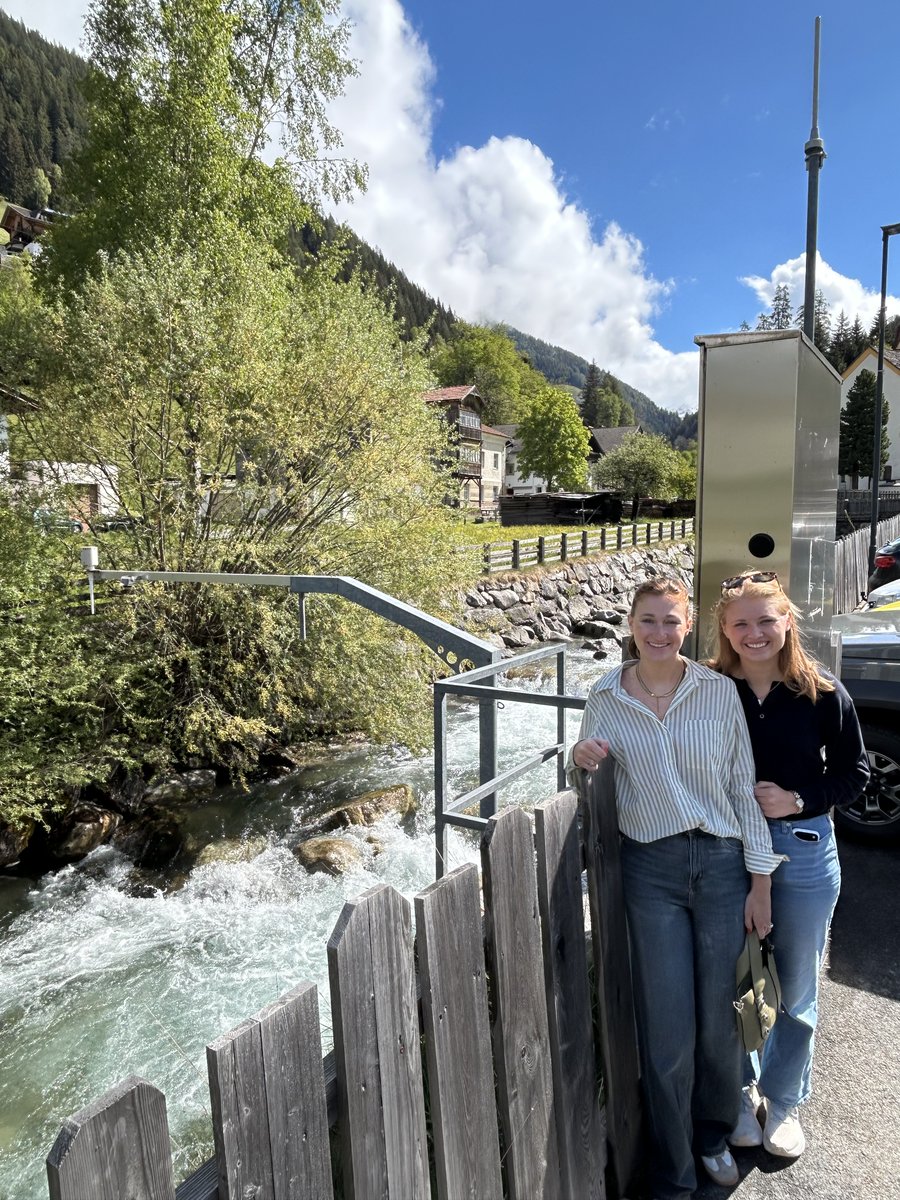
Our @UA_CIROH Water-R20 NRT students continue their European research experience! Trainee Jules Webb and master's student Maggie Duncan are conducting paleo drought research at the St. Jodok gauge in Austria. #WaterScience
1
2
111
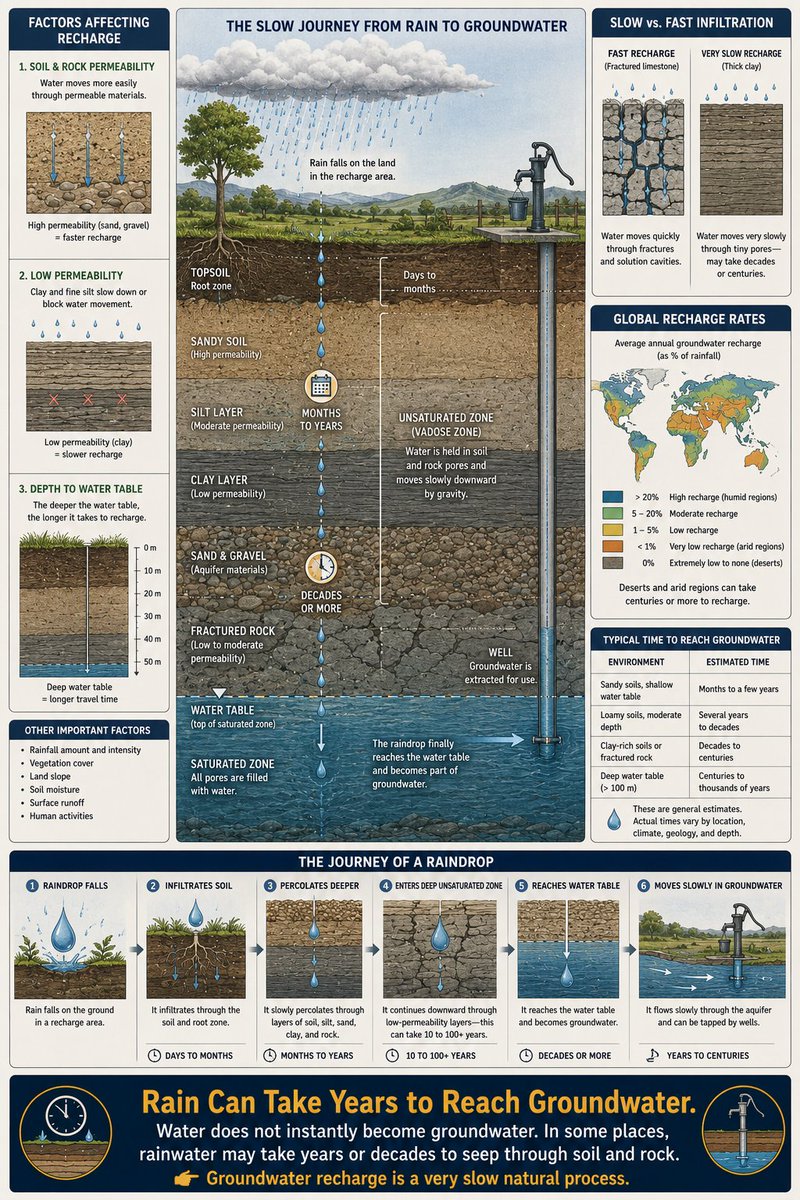
💧 Rain Can Take Years to Reach Groundwater Water does not instantly become groundwater. In some places, rainwater may take years or decades to seep through soil and rock. 👉 Groundwater recharge is a very slow natural process. #Hydrogeology #Groundwater #WaterScience
3
36
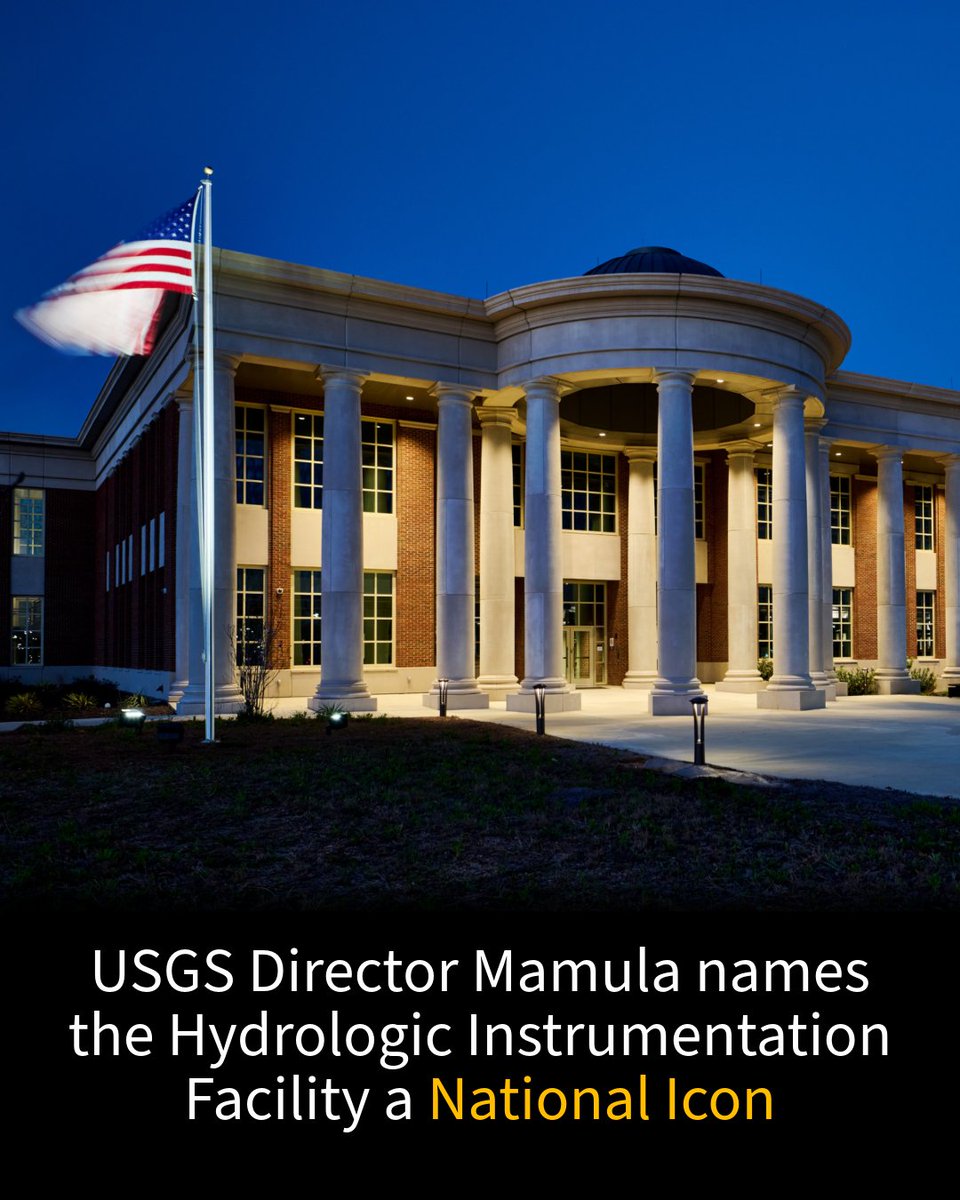
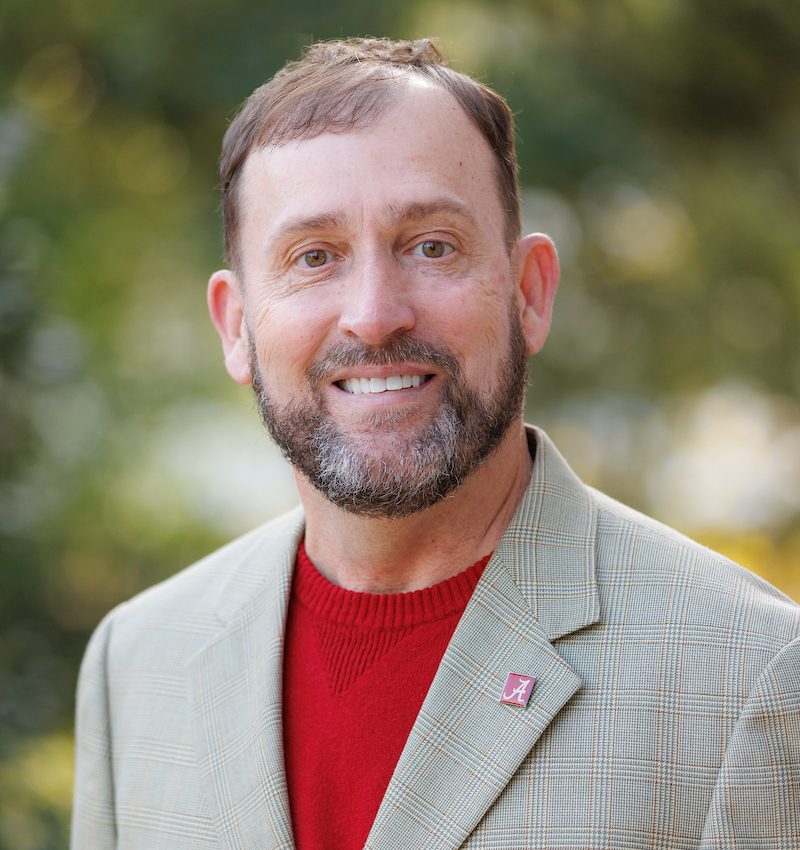
The USGS Hydrologic Instrumentation Facility (HIF): A National Icon. During a recent visit to the HIF in Tuscaloosa, AL, USGS Director Ned Mamula toured state-of-the-art labs, met with employees, and learned about the research and development of innovative water monitoring technologies. In an interview after the tour, Director Mamula highlighted the role that HIF plays in water research: “From what I saw today, Alabama is one of the leaders in the country in this endeavor. This is not just classic academic hydrology; this is way beyond that. Way, way, way beyond that.” The HIF is a state-of-the-art 92,500 sq. ft facility nestled into The University of Alabama campus, which includes the Alabama Water Institute and NOAA’s National Water Center – an area the locals call “WaterTown, USA.” The HIF includes: 💧 A 30,500 sq. ft hydraulics lab equipped with several large tow tanks, a tilting flume, and a test basin. 💧Fabrication and repair shops and testing labs that enable staff to quickly and precisely create or repair parts and sensors for water monitoring technology. 💧A warehouse that stocks and ships more than 1,400 hydrologic data collection items for use in water monitoring around the country. Visit usgs.gov/labs/hydrologic-ins… to learn more about the HIF and stay tuned this summer while we feature several exciting events at the HIF. 📷 1: Image of the HIF at dusk. Photograph by @alabama_water #WaterScience #Alabama #Hydrology
1
6
191
Congratulations to Dr. Glenn Tootle, UA professor and our Affiliated Faculty! Tootle has been named a 2026-2027 J. William Fulbright Research Scholar for drought planning research in Slovakia. Full story: news.eng.ua.edu/2026/05/toot… #WaterScience #Fulbright
1
3
89
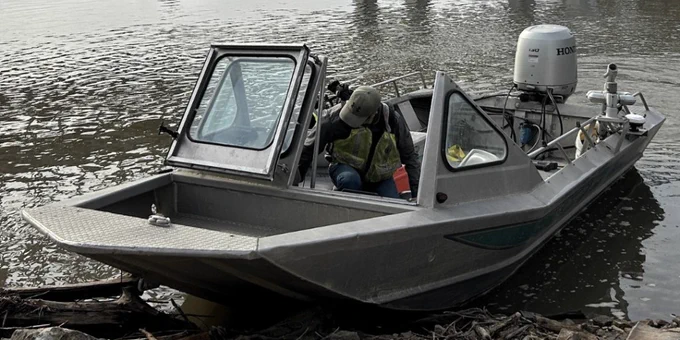
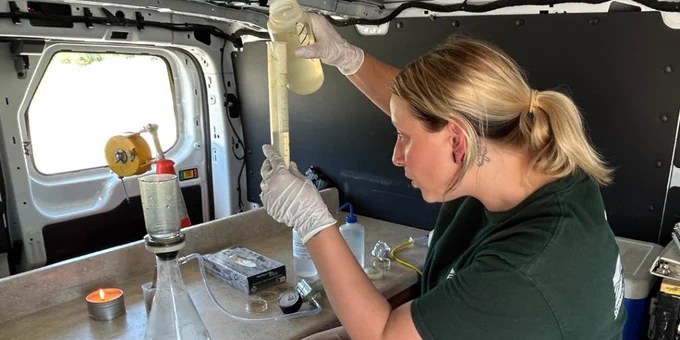
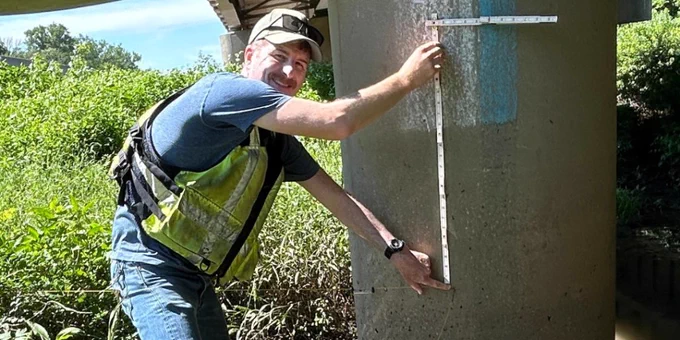
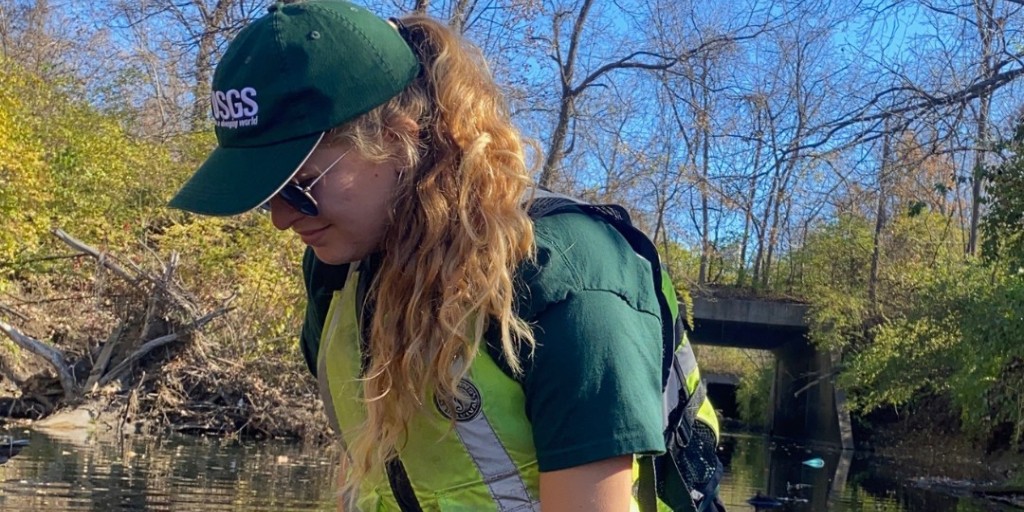
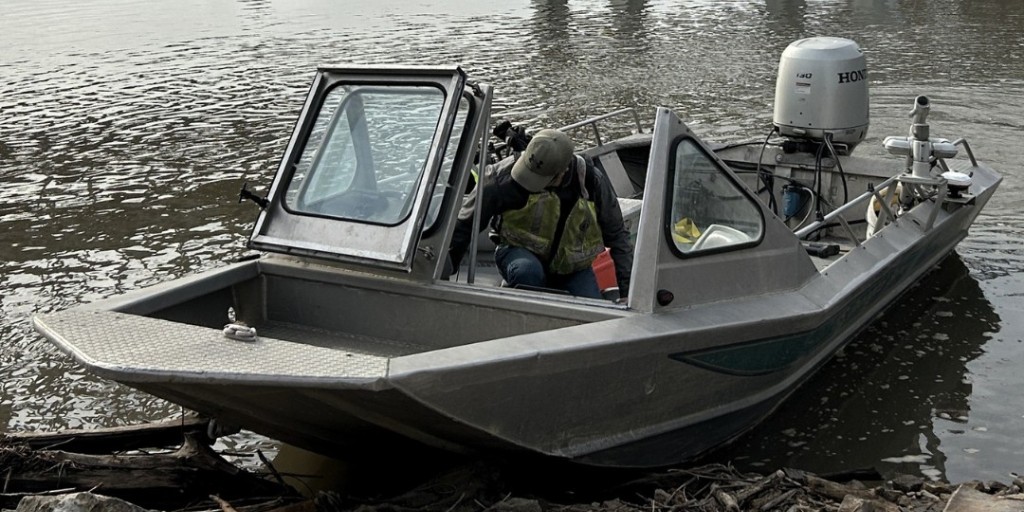
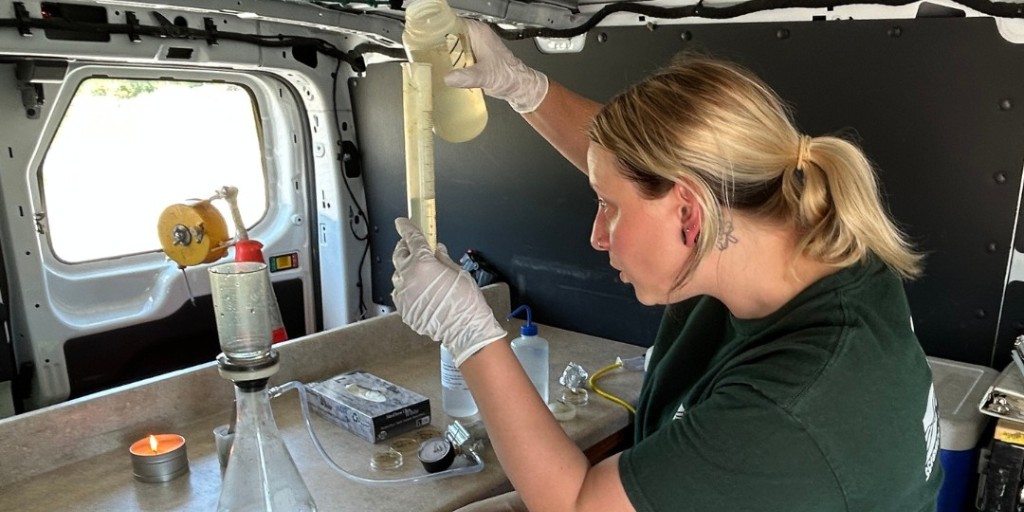
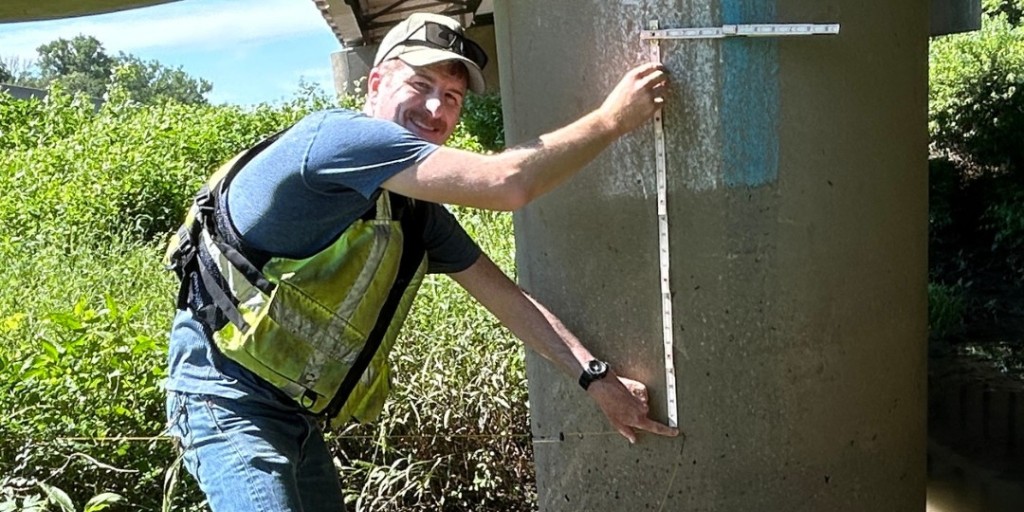
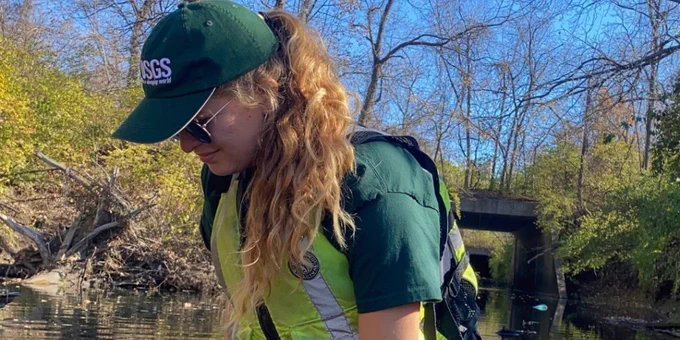
Chasing water 🌊 Gear packed, truck loaded, and waders still damp from yesterday... This isn’t your average 9-to-5, this is the grit and grind of a USGS Hydrologic Technician. From the highest snowy peaks to the lowest coastal streams, these technicians are the boots-on-the-ground, in-the-stream team collecting the data that fuel American water science. What does it take to collect data for the nation? 🌦️ Braving the elements - From torrential rain and scorching heat to frozen rivers, hydro techs ensure the data points flow. 🛰️ High-tech fieldwork - It’s not just sticks in the water! Hydro techs use advanced sensors, ADCPs for measuring flow, and automated water-quality samplers to get accurate, real-time data. 💧 Measuring the pulse of the river - Hydro techs spend hours collecting critical streamflow data that keeps communities informed. 🧪 Water quality sampling - By collecting samples and monitoring parameters like pH, turbidity, and conductivity, they provide data federal and local agencies need to make informed water management decisions. 🛠️ Patchin’ things up - When a data logger goes down, they are technician, engineer, and/or IT support addressing the issues at hand. Whether measuring flow during a flood event or conducting a routine site visit, hydro techs are the backbone of water science. 💬 Have you seen a USGS hydro tech in the field? 📷 1: Discrete water quality, bacteria, and microbial sample collection for the Independence Storm Water project in Missouri on Adair Creek. 📷 2: Preparing to launch a boat on the Missouri River at Jefferson City, MO. 📷 3: Processing a bacteria sample collected from the Grand River near Sumner, MO, to determine Total Coliform and E. Coli concentrations in the river. 📷 4: A high-water mark captured using a known elevation from the CSG for the peak rainfall event of the year at Little Osage River near Horton MO. Credit: Jessica Todd, USGS #FieldPhotoFriday #WaterScience #WaterData
1
14
262
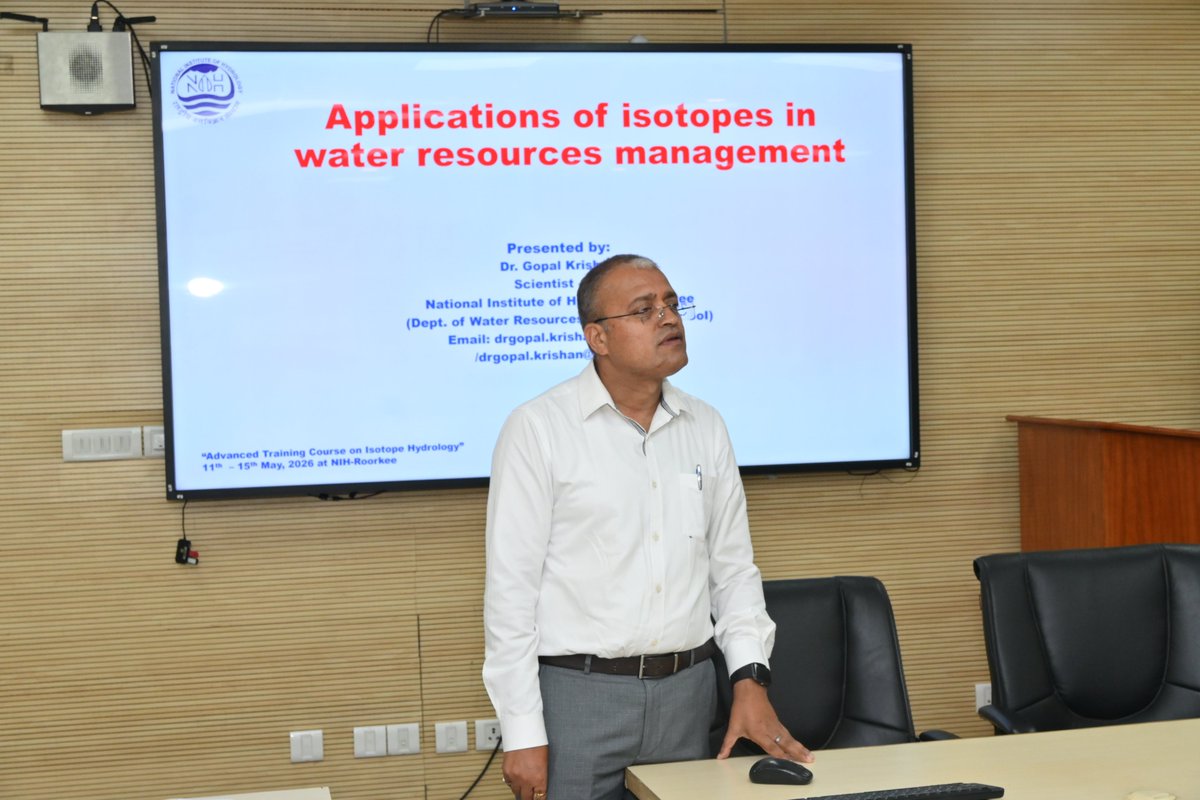
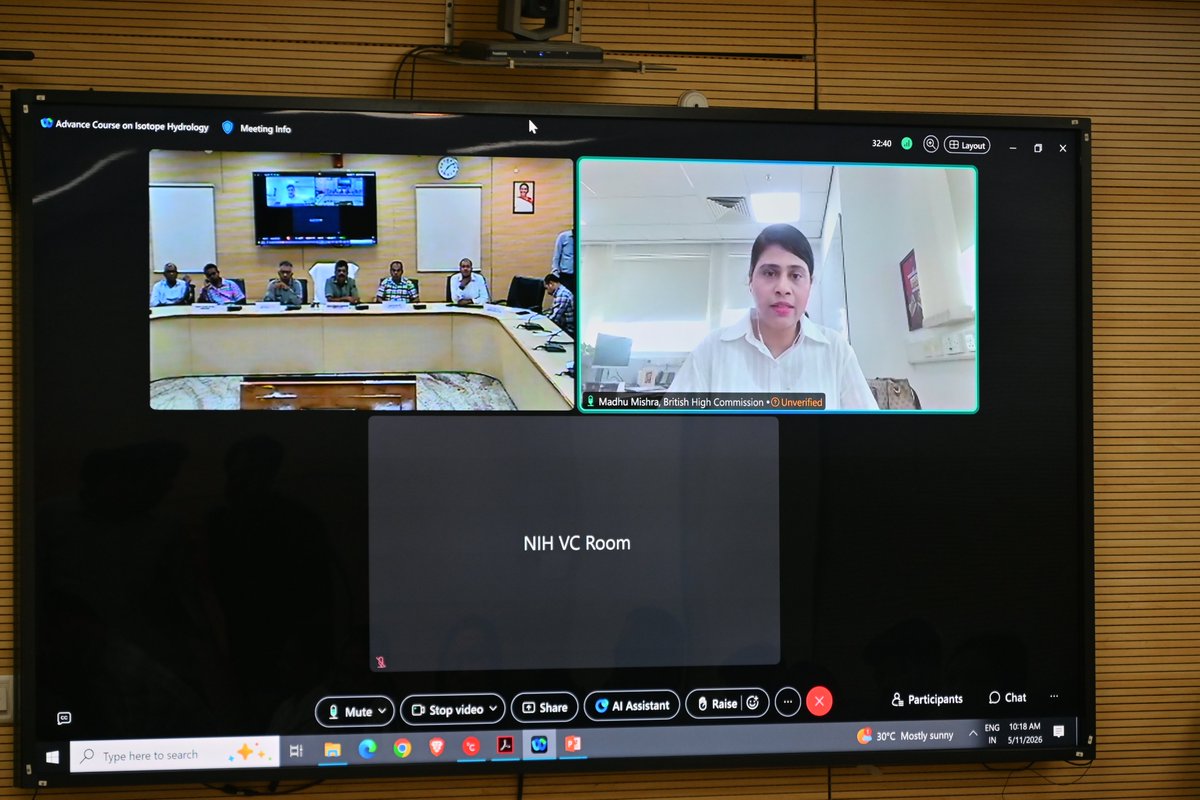
Dr. Gopal Krishan introduced the course structure and detailed training schedule. Ms. Madhuchhanda Mishra highlighted the growing scientific collaboration between NIH and BGS and appreciated the successful UK-supported initiatives being implemented by NIH in the field of hydrology and water science. The training programme has brought together 20 participants from premier academic and research institutions across India, fostering interdisciplinary learning and collaborative research in isotope hydrology. The inaugural session concluded with a vote of thanks delivered by Dr. Amit Pandey. #NIHRoorkee #IsotopeHydrology #WaterScience #Hydrology #Groundwater #WaterResources #ClimateScience #Research #ScientificTraining #BGS #UKGovernment #Hydrogeology #SustainableWaterManagement #NIHIndia @DoWRRDGR_MoJS
6
7
124
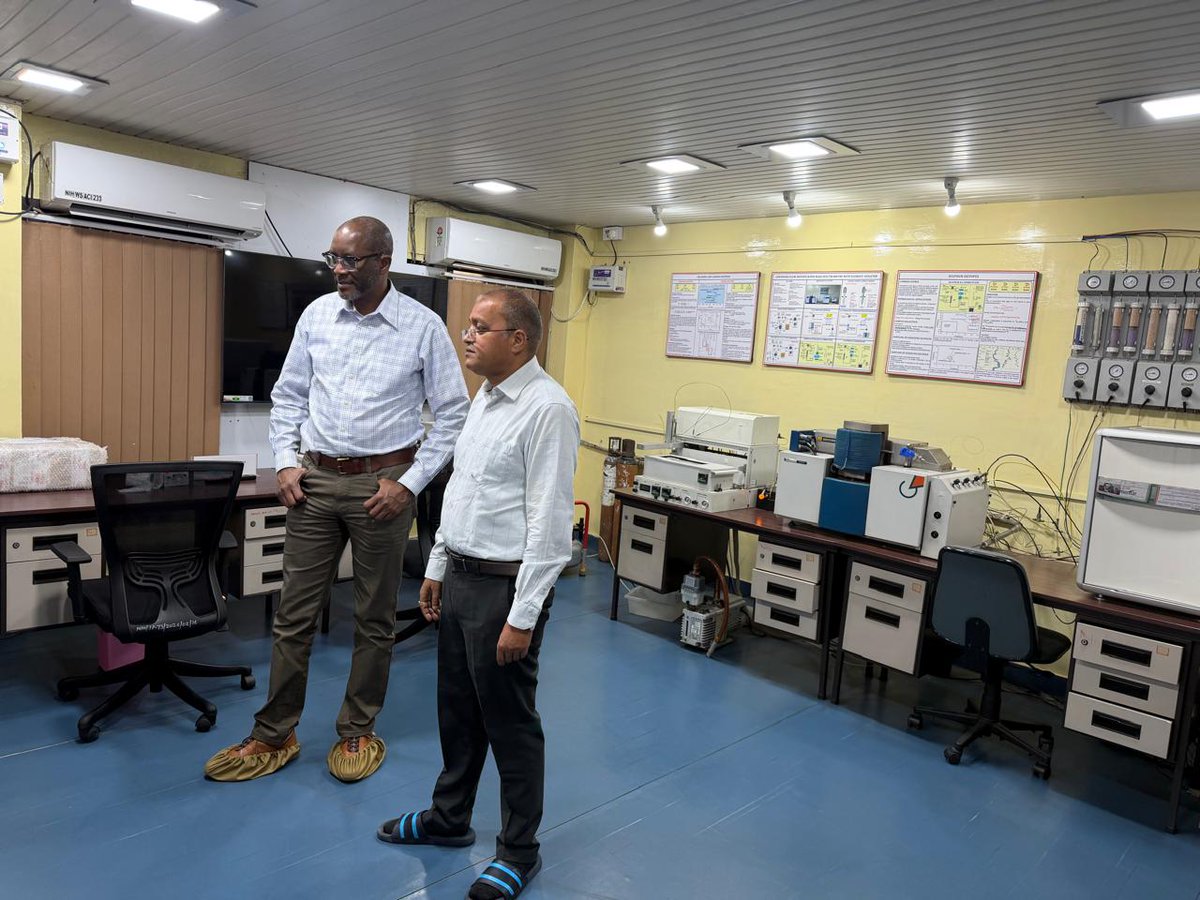
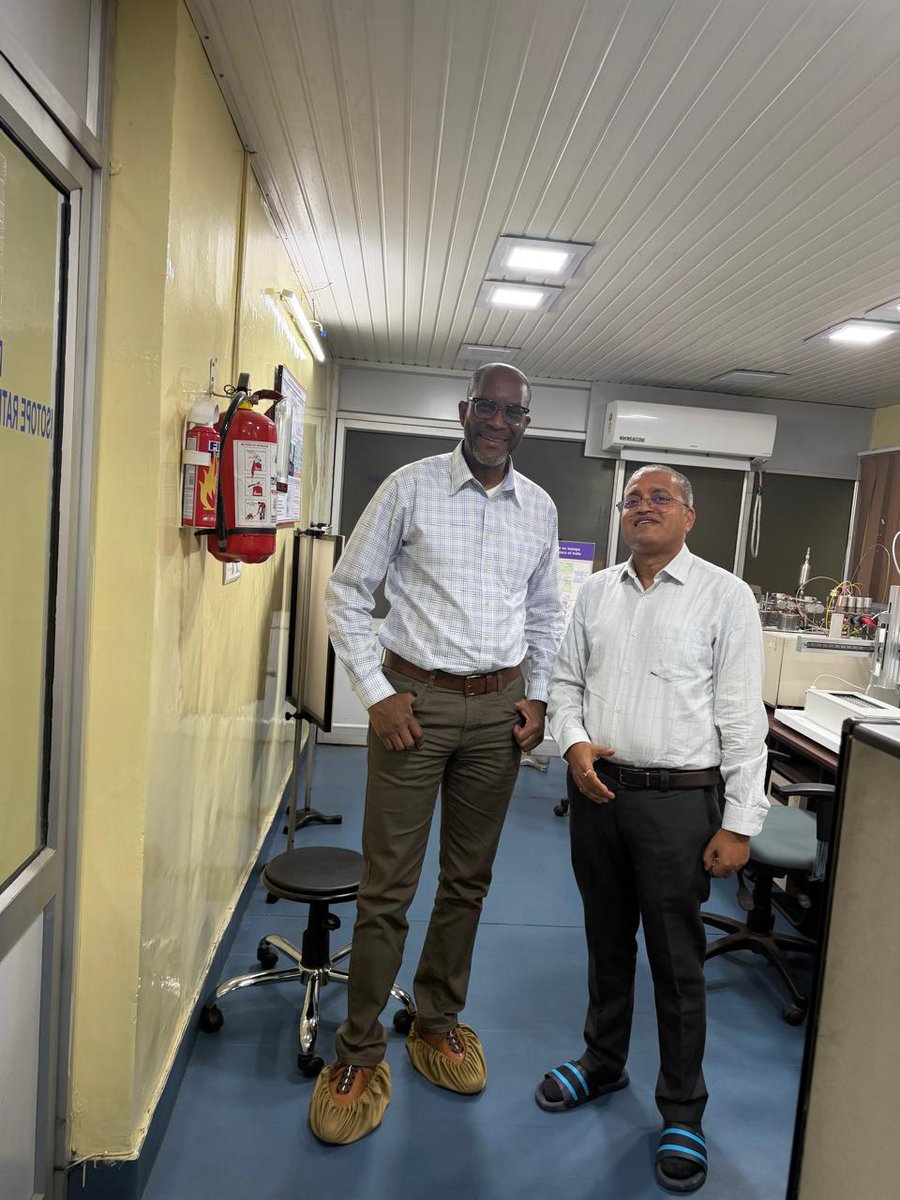
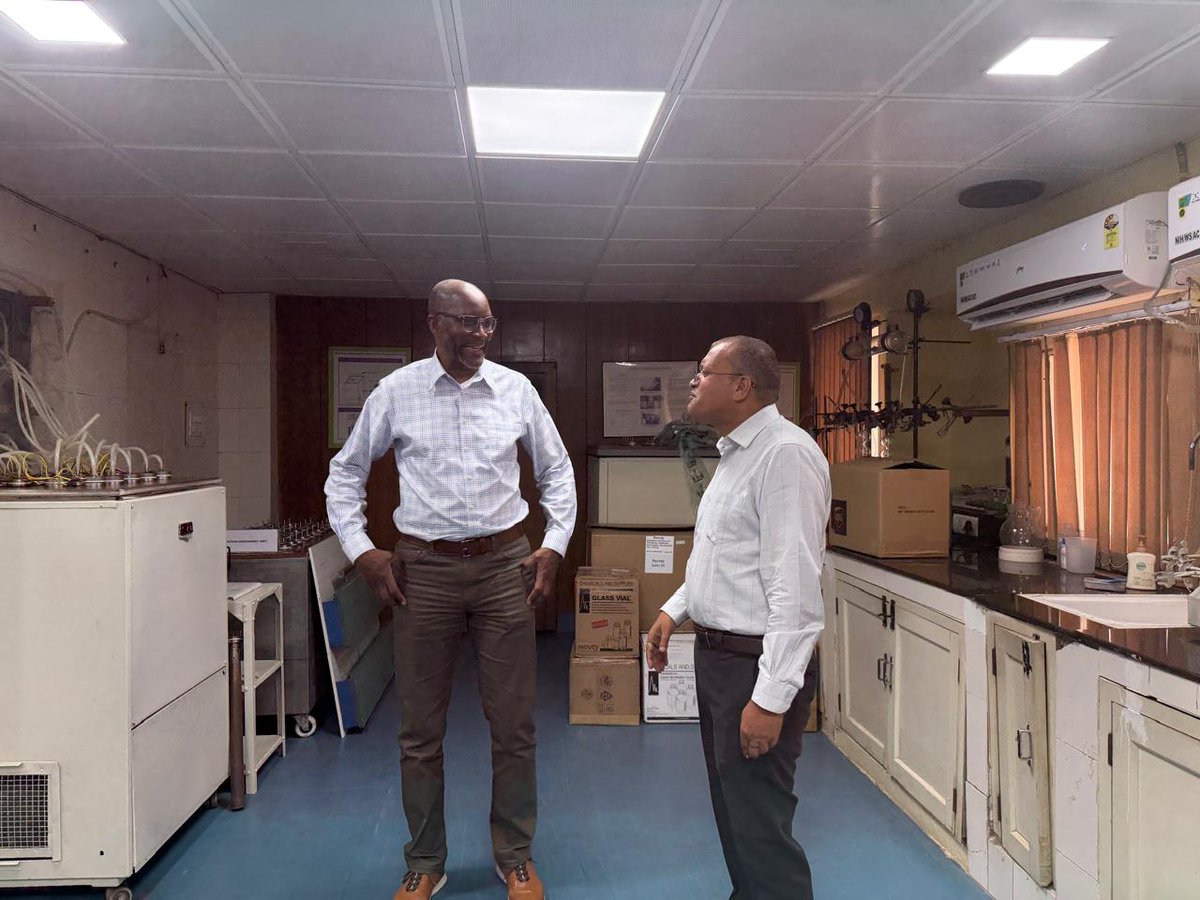
Dr. Olufemi Osidele, Chief Executive Officer of the Hydrologic Research Center, USA, visited the Nuclear Hydrology Laboratory. The visit provided an excellent opportunity for scientific interaction and exchange of ideas on emerging challenges and innovations in hydrology, water resources management, and isotope applications. During the visit, detailed discussions were held on the institute's ongoing research and technical activities, including isotope hydrology investigations, groundwater assessment, climate-water interactions, recharge characterization, and the advanced analytical capabilities of the Nuclear Hydrology Laboratory. The deliberations also focused on potential avenues for international collaboration, knowledge exchange, and integration of hydrological modeling with isotope-based approaches for sustainable water resources management. Dr. Olufemi Osidele appreciated the institute's scientific contributions and multidisciplinary research initiatives and emphasized the importance of collaborative efforts to address global water security and hydrometeorological challenges. The visit marks another significant step towards strengthening international scientific cooperation in hydrology and water resources research. #NuclearHydrology #Hydrology #WaterResources #IsotopeHydrology #GroundwaterResearch #ClimateWaterInteractions #ScientificCollaboration #WaterSecurity #HydrologicalResearch #InternationalCooperation #Hydrometeorology #SustainableWaterManagement #ResearchAndInnovation #NIH #WaterScience
7
4
76