
Revolutionizing AI with Hybrid Intelligence - the world's first Neuro-Symbolic Hybrid Intelligence. #AI #NeuroSymbolic #HybridIntelligence #Innovation
Joined September 2018
- Tweets 27
- Following 15
- Followers 148
- Likes 295
4 Photos and videos

Apr 12
We firmly believe that Neurosymbolic AI represents a necessary path toward the next generation of AI systems.
LLMs will play an important role, but primarily as supporting components rather than the core reasoning engine.
Apr 12

There’s a growing narrative that the leaked @AnthropicAI @claudeai runtime is “proof” that neurosymbolic AI has already arrived.
It hasn’t.
What the leak actually shows is a single TypeScript file (print.ts) with ~5,500 lines — including a 3,000 line function with deeply nested control flow — orchestrating model calls, tool execution, permissions, streaming, and UI state.
That’s not symbolic reasoning.
That’s a monolithic agent loop.
Yes — there are IF/THEN branches.
Yes — tools execute symbolic operations (files, code, shell).
But if branching logic and tool calls are sufficient to qualify as symbolic AI, then the term loses all discriminative value.
By that definition, every non-trivial backend system written in the last 30 years would be “symbolic AI.”
Neurosymbolic AI, in any rigorous sense, requires something much stronger:
– explicit symbolic representations (not just implicit prompts or tool APIs)
– compositional reasoning over those representations
– tight, bidirectional integration between symbolic structure and neural inference
A 3,000-line orchestration function does not meet that bar.
What it does show is something important:
LLMs perform better when embedded in structured execution environments with tools, constraints, and control loops.
That’s real. That matters. And it’s where much of the current progress is coming from. But it is not the same thing as integrating symbolic reasoning into the model’s cognitive process.
The open challenge remains integrating symbolic structure into the reasoning substrate itself, rather than wrapping it around model execution.
There is serious work being done in that direction, at UMNAI @UmnaiBase and other places.
Conflating it with orchestration scaffolding risks obscuring both the progress we’ve made — and the work that still remains.
Precision matters. Especially now
1
85
22 Jul 2024
🚀 Exciting News! UMNAI has been accepted into the Barclays @eagle_labs AI Bridge Programme by @CodebaseTech! We're looking forward to exploring #HybridIntelligence collaborations with established businesses. #AI #Innovation #UMNAI #BarclaysEagleLabs #CodeBase
2
207


15 Apr 2024
Discover the future of #AI with #UMNAI's #HybridIntelligence - @Scobleizer's #Unaligned speaks to @AngeloDalli about #neurosymbolic AI & how it resolves issues like explainability, learning from humans, and hallucinations.
12 Apr 2024

Unaligned# 15: Digging Into Explainable AI
@AngeloDalli at @UmnaiBase is building AI models that can explain why they makes their decisions and why they display the content they do. State of the art stuff.
2
4
240
11 Apr 2024
AI FOR GOOD DISCUSSION
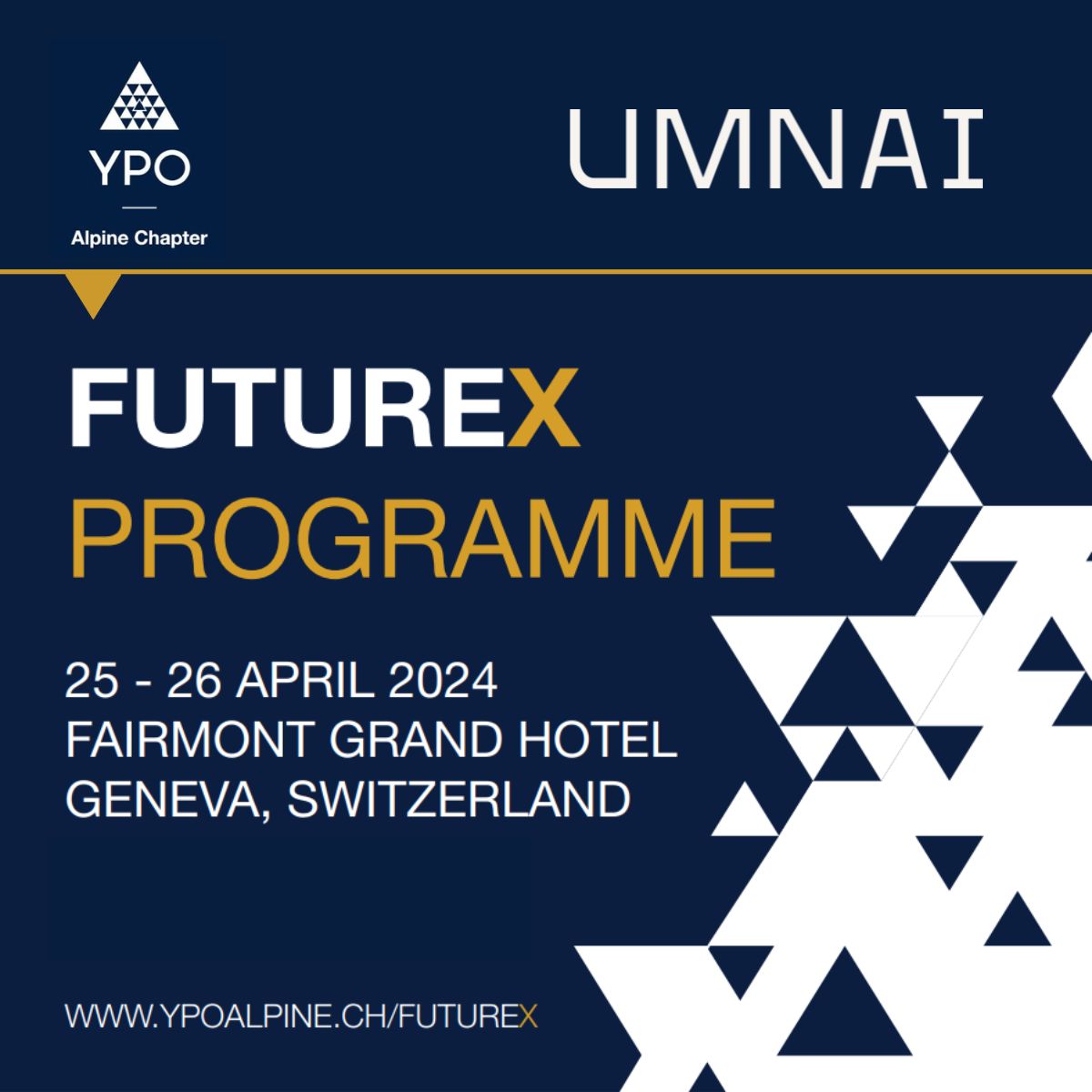
UMNAI's @AngeloDalli will be discussing #AIforGood: How to Leverage #Technology for the Advancement of Humanity on a panel moderated by @sibaraki & @florkemmerich at @YPO Alpine’s #FutureX!
Learn more: buff.ly/3TSQfEX
#UMNAI #HybridIntelligence
5
169
1 Apr 2024
📣 AI Innovation in Insurance & Finance - EVENT
UMNAI's Ken Cassar will be speaking about #AI and #HybridIntelligence in Insurance at this event organised by Finance, AI & Ethics in London tomorrow.
Register to learn more: buff.ly/3PO9v55
#UMNAI
1
2
231
28 Mar 2024
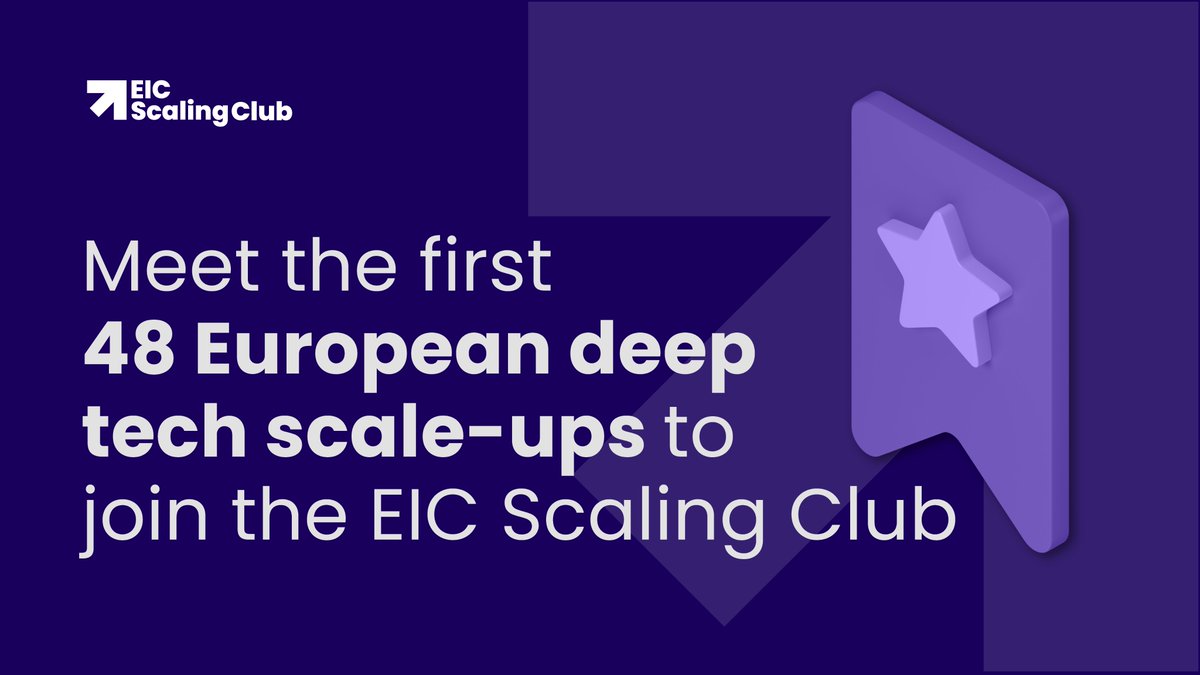
Exciting news! #UMNAI selected to join #EICScalingClub, a testament to our commitment to bringing groundbreaking, transparent, and ethical #AI solutions to market.
Thanks @ScalingClubEIC!
Congrats to all the cohort, proud to be among Europe's top innovators!
#HybridIntelligence
28 Mar 2024

Today is a big day!
We have just unveiled the selection of the first 48 European deep tech scale-ups to join our curated community of standout companies, investors, corporate innovators, mentors, media firms and other industry stakeholders. 🚀
eicscalingclub.eu/news/48
3
4
259
27 Mar 2024
🚀 Exciting News: UMNAI's New Website is Live! 🌐 Dive into the future of AI with us at umnai.com! Discover how our #HybridIntelligence #AI solutions transform businesses in #FinTech, #Insurance, and beyond. ✨
The future starts with #UMNAI.
1
5
252
14 Mar 2024
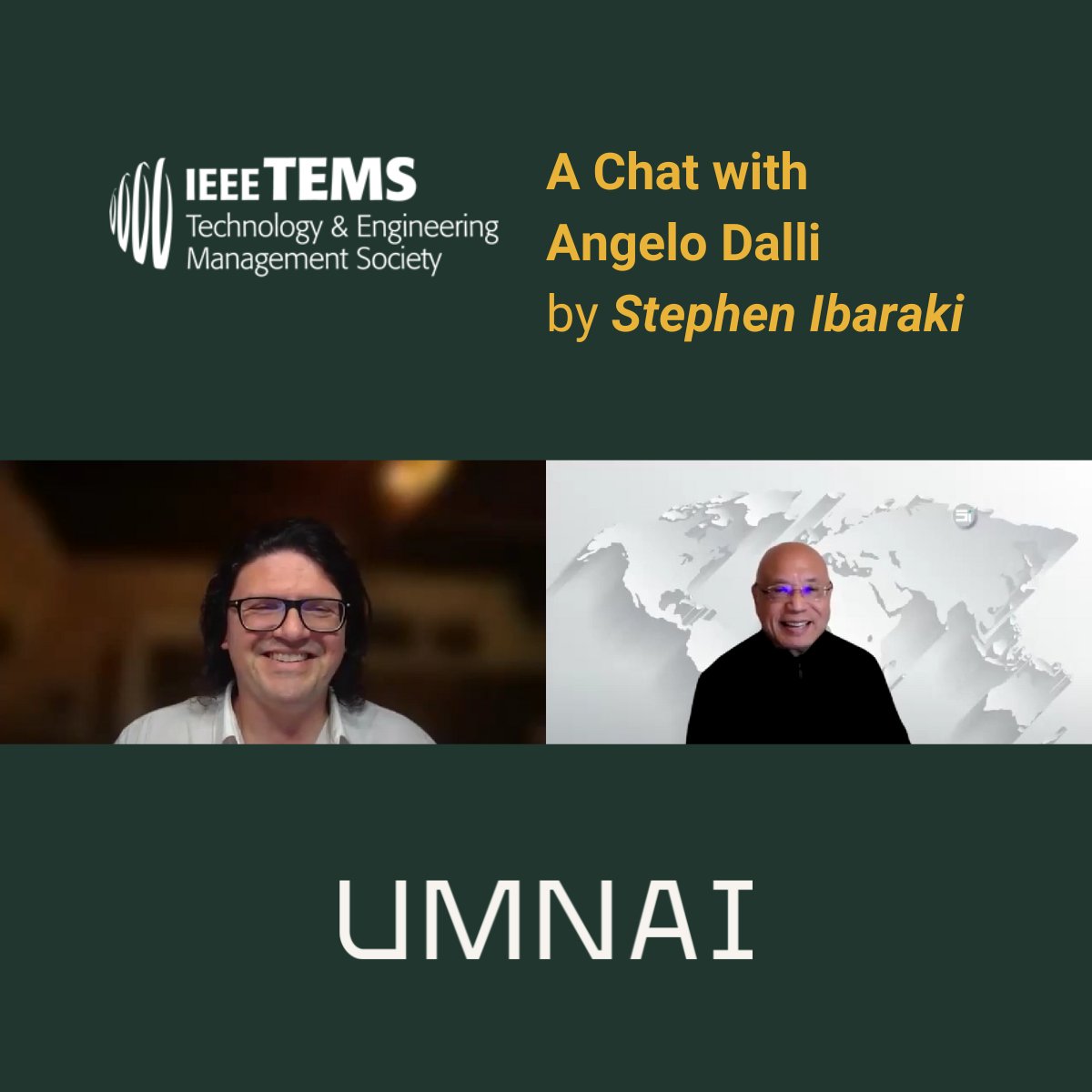
🌟Exciting News! @UMNAI's @AngeloDalli shares his journey & vision for AI in an exclusive interview with IEEE TEMS' @sibaraki. Dive into the future of #HybridIntelligence and the evolution of #NeuroSymbolicAI. 🚀
🔗 t.ly/BuDJd
#AI #Innovation #Futureofai @IEEE_TEMS
3
3
224
UMNAI retweeted

18 Dec 2023
AI visionary @AngeloDalli, Chief Scientist at @UmnaiBase, explores the future. 💡
Over two decades, AI has grappled with issues like explainability and efficiency. Current attempts, such as expert systems and learning, have limitations. 🚀
Full video ⏯
hubs.la/Q02dfKfR0
1
2
3
269
UMNAI retweeted

21 Jul 2023
Stanford reveals most AI models, even from tech giants, fail EU's upcoming AI Act. UMNAI's Hybrid Intelligence merges AI with human insights for game changing accuracy, transparency, and compliance. Dive in to see how linkedin.com/posts/umnai_ai-…
1
7
391
13 Jul 2023
Excited to announce our revolutionary product, the XNN Platform. Bridging the gap between neural networks and symbolic logic, XNNs deliver best-in-class predictive performance, traceability, and reduced false positives. #AI #DeepTech #XNNPlatform linkedin.com/pulse/hybrid-in…
1
1
4
259
13 Jul 2023
Starting with a limited beta release, we're inviting early customers to join our waitlist. See the LI article to learn more about Hybrid Intelligence. Looking forward to heralding a new era of AI with you!
1
89
15 Feb 2023
Exciting news! Our Hybrid Intelligence framework is now in Beta! Combining Deep Learning and symbolic reasoning unlocks limitless potential in data analysis. Join our exclusive Beta Program to experience it first-hand #HybridIntelligence #BetaProgram
umnai.com/beta/
456
UMNAI retweeted
13 Sep 2021
Stanford’s #AI Foundation models are interesting but do not handle causality and will never lead to proper explanations - not really the foundation of anything beyond what we currently have (rung 1 of @yudapearl’s ladder) @UmnaiBase @Kencassar @GaryMarcus thegradient.pub/has-ai-found…
12
37
UMNAI retweeted

20 Aug 2019
Swarms of deadly drones have arrived in Hollywood... @angelhasfallen. We're working hard to keep #KillerRobots on the silver screen, find out more: stopkillerrobots.org #AngelHasFallen @GerardButler @jadapsmith #MorganFreeman @ricromanwaugh @PiperPerabo
28
25
UMNAI retweeted
12 Aug 2019
“The more powerful AI grows, the more it needs to have proper regulation. In fact AI has been left unregulated up till now." - @AngeloDalli, CEO at @UmnaiBase.
Watch the video or read more here: bit.ly/2TpE1DO
7
13
UMNAI retweeted

18 Jul 2019
Thanks to @Kasparov63 for such a great endorsement of my humble work in his latest opinion piece. Thanks Gary - much appreciated.
@RespRobotics @icracnet @BanKillerRobots @SKR_espana @KillerRoboterSt
blog.avast.com/garry-kaspara…
3
17
UMNAI retweeted
21 Jun 2019
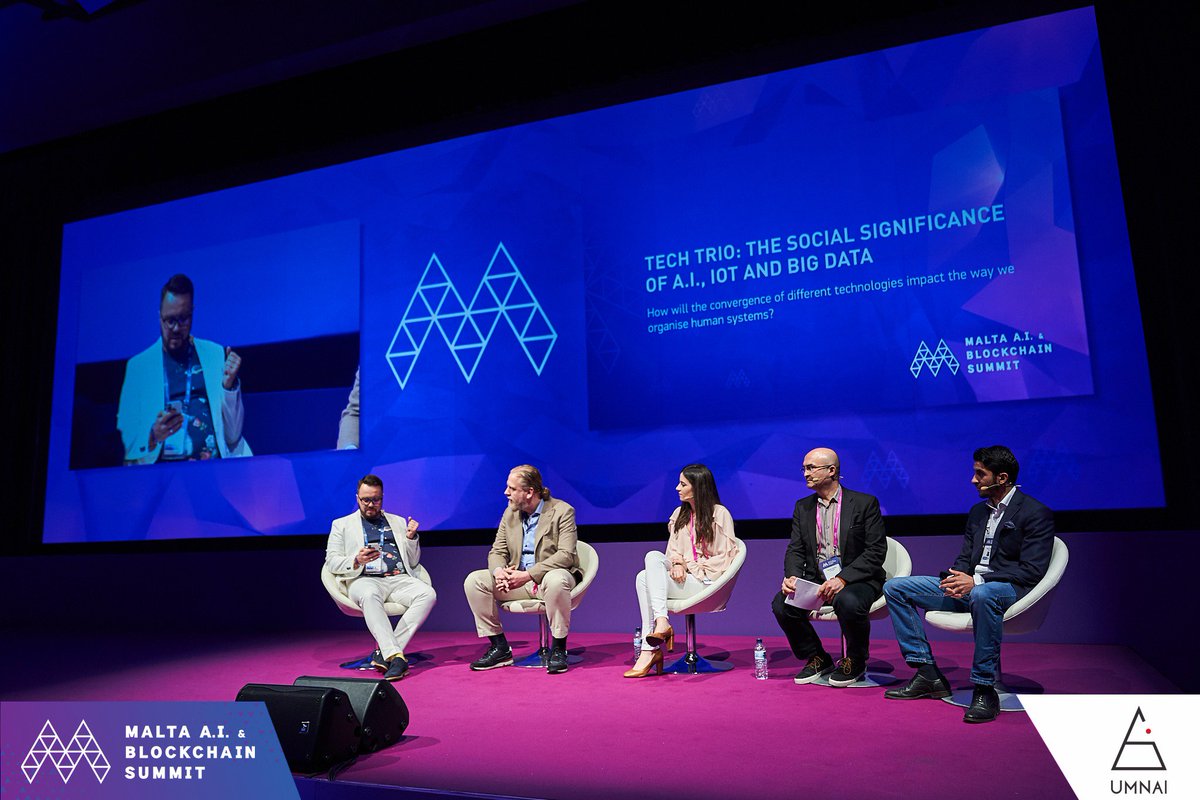
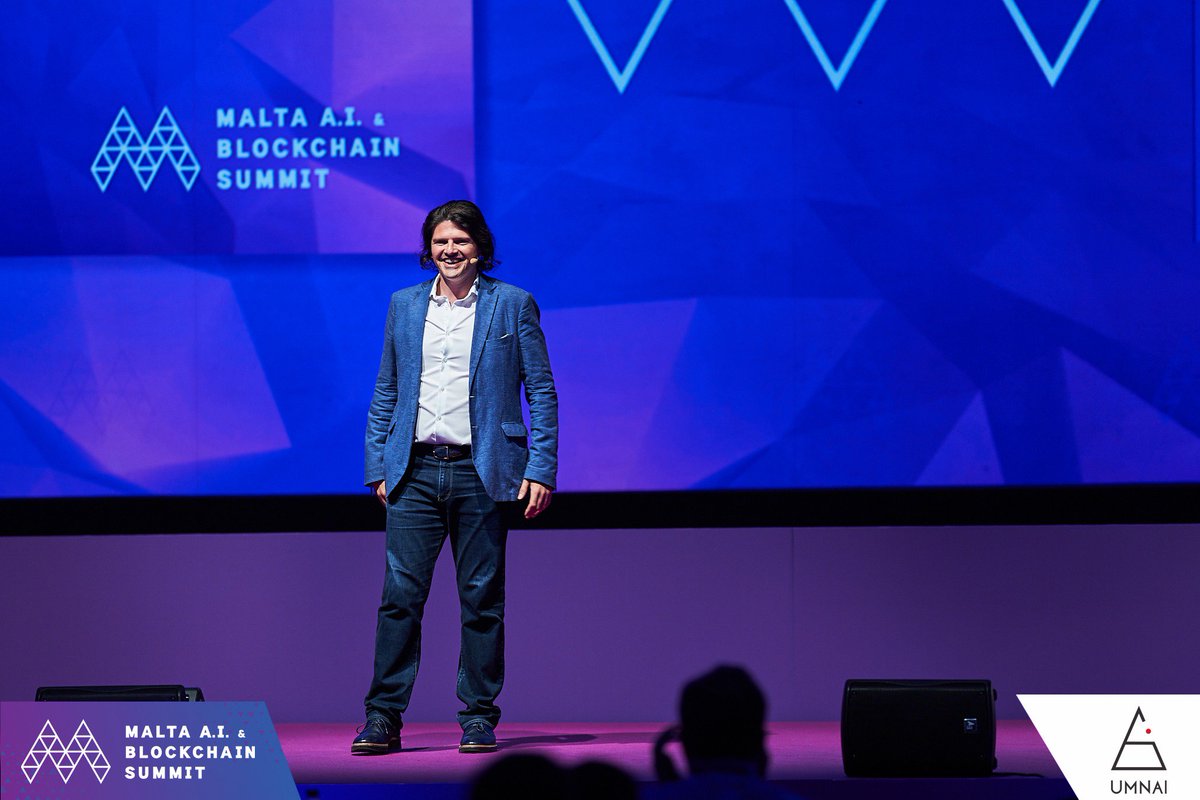
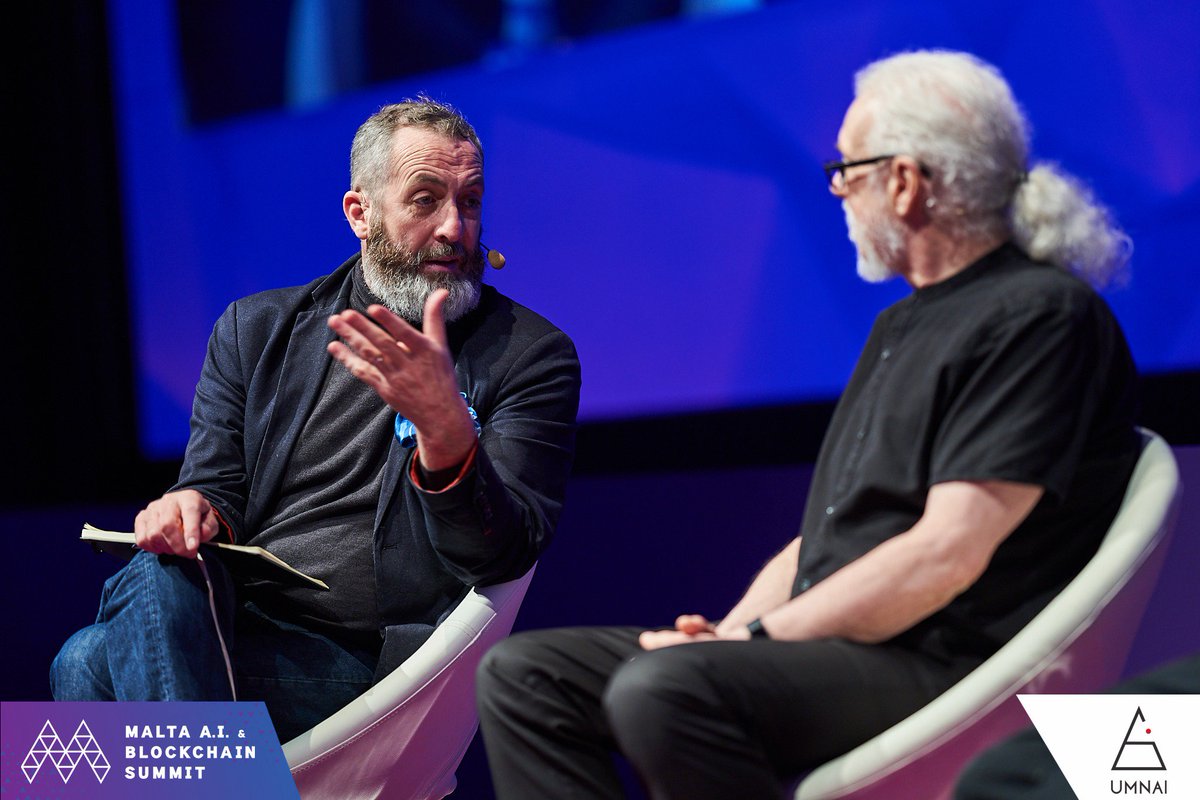
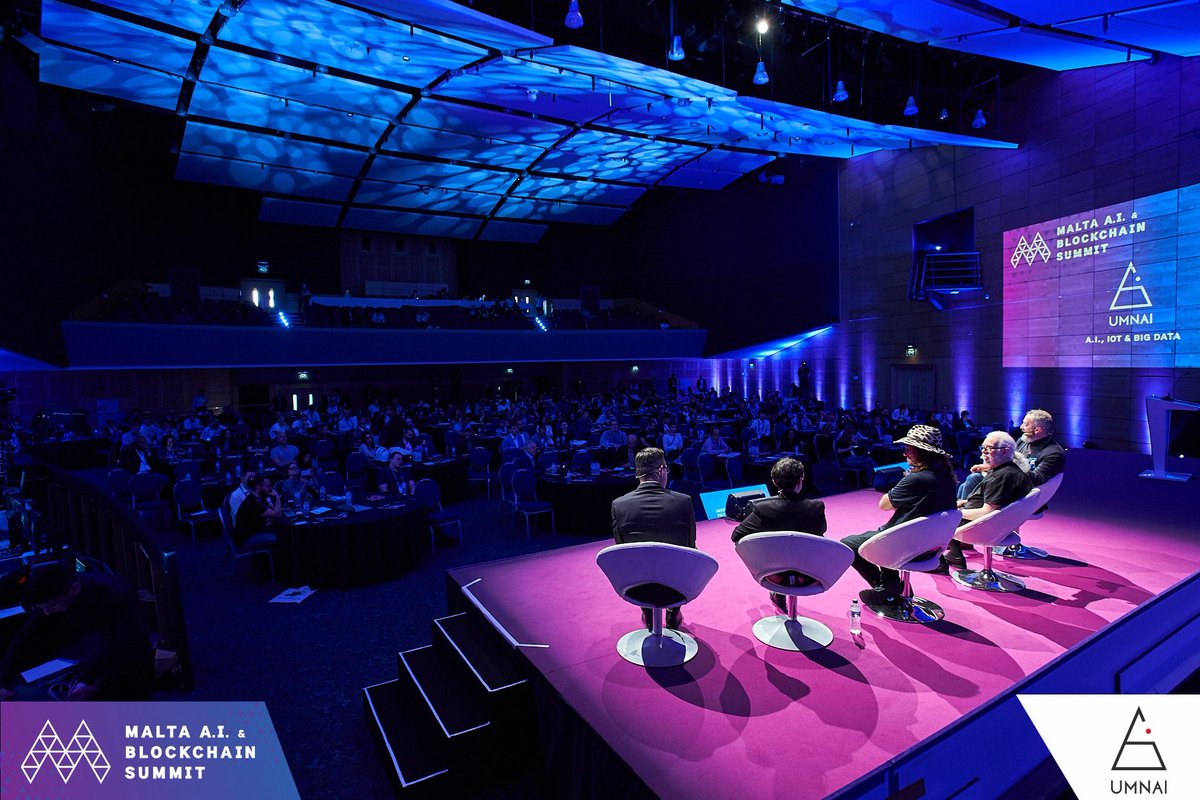
Explore the album from the "A.I. IOT and Big Data" conference during the #AIBCsummit co-hosted by @UmnaiBase.
Full album here: bit.ly/2Iwf5af
#CannabizWorld #MaltaWeek #AI #IOT #BigData
1
5
7