
David Rockefeller Distinguished Professor, University of Chicago and Director of the @MFRProgram github.com/lphansen
Joined January 2019
- Tweets 728
- Following 374
- Followers 14,903
- Likes 784
68 Photos and videos





Pinned Tweet

Apr 10
Read my reflection in Memoriam of Christopher A. Sims: larspeterhansen.org/news/art…
47
144
15,109
Lars Peter Hansen retweeted

In @Nature: USU biochem doctoral candidate Kadin Crosby and his faculty mentor Ryan Jackson, R. Gaurth Hansen associate professor, report breakthrough findings about how CRISPR-Cas12a2 could advance cancer treatments. @research_usu @UncertainLars #CRISPR
usu.edu/today/story/usu-bioc…
1
3
445
Lars Peter Hansen retweeted
In @Nature: USU biochemists Ryan Jackson, R. Gaurth Hansen associate professor and doctoral candidate Kadin Crosby report further findings about emerging, targeted cell-killing #CRISPR technology. @USUPres @research_usu @UncertainLars #cancertreatments
usu.edu/today/story/usu-bioc…
1
4
409
Lars Peter Hansen retweeted

Jun 4
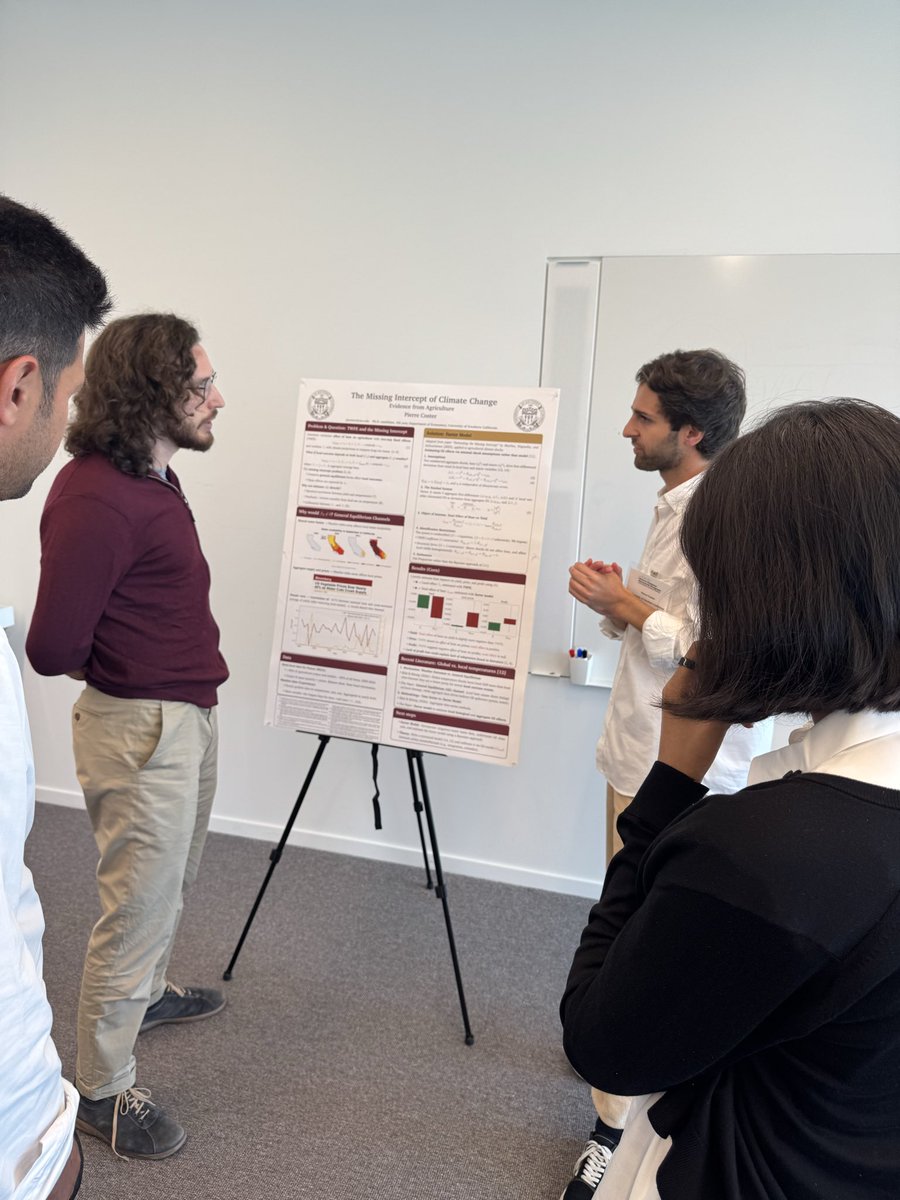
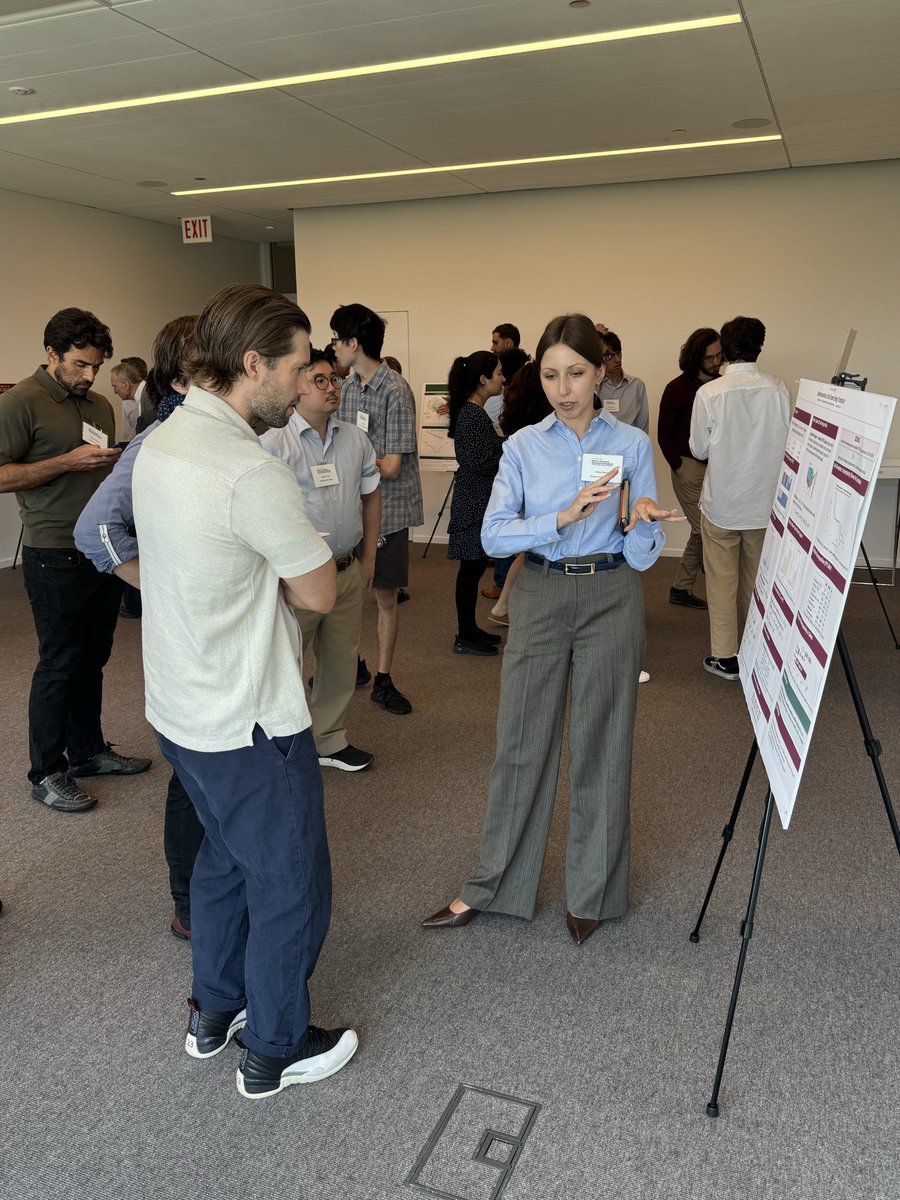
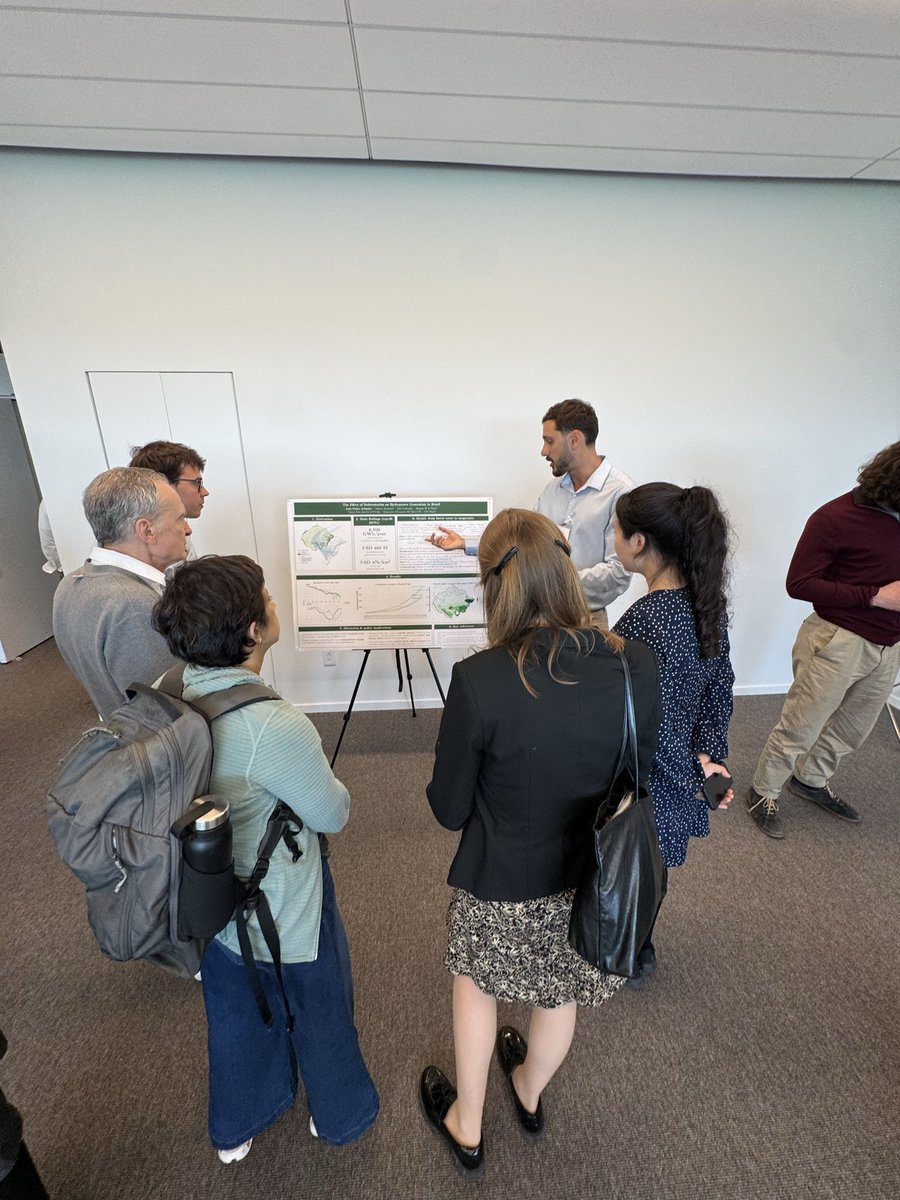
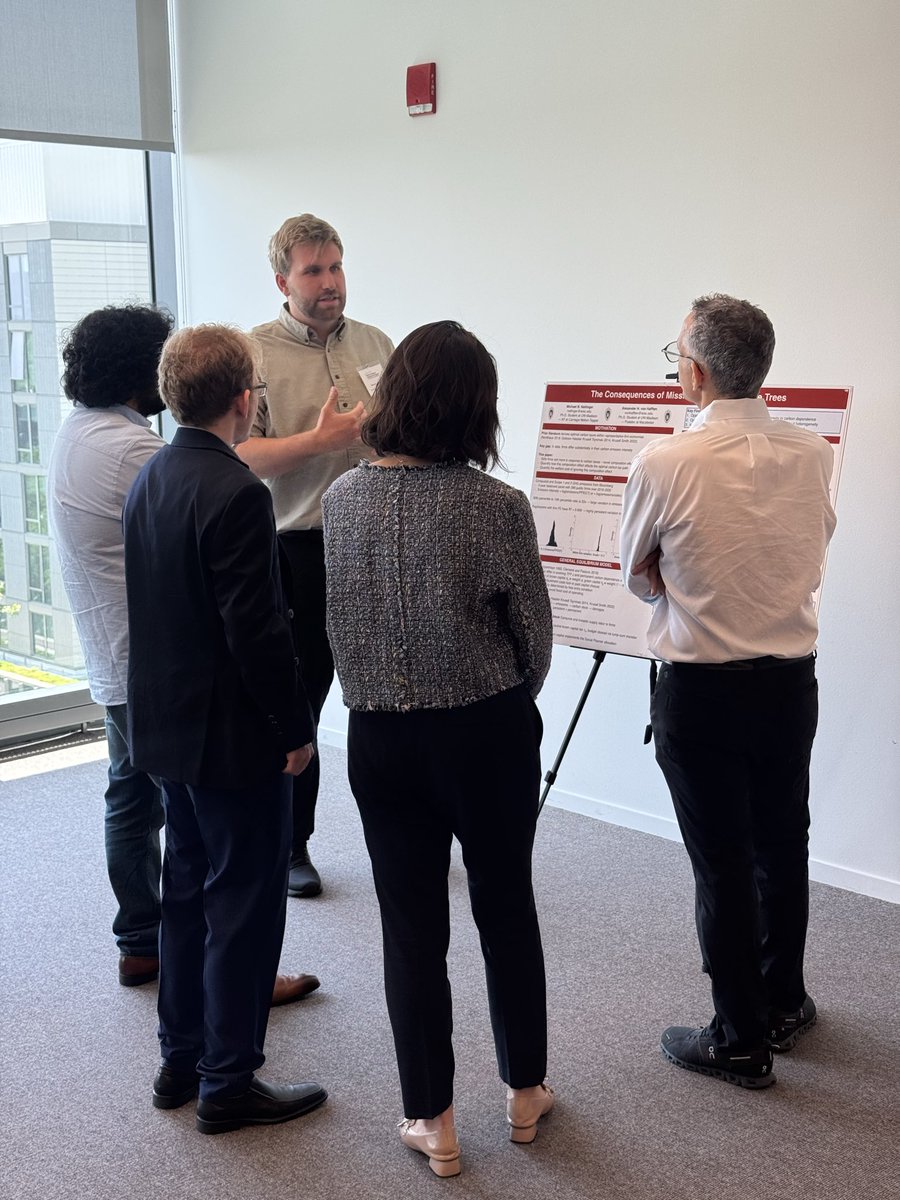
My vision is getting worse (and I don't wear glasses) but I still see Pierre in the Upper Left panel. Delighted to see young @USC_Econ scholars presenting new research. Here is his full poster;
costerpierre.github.io/files…
May 27

1
10
2,680
Lars Peter Hansen retweeted

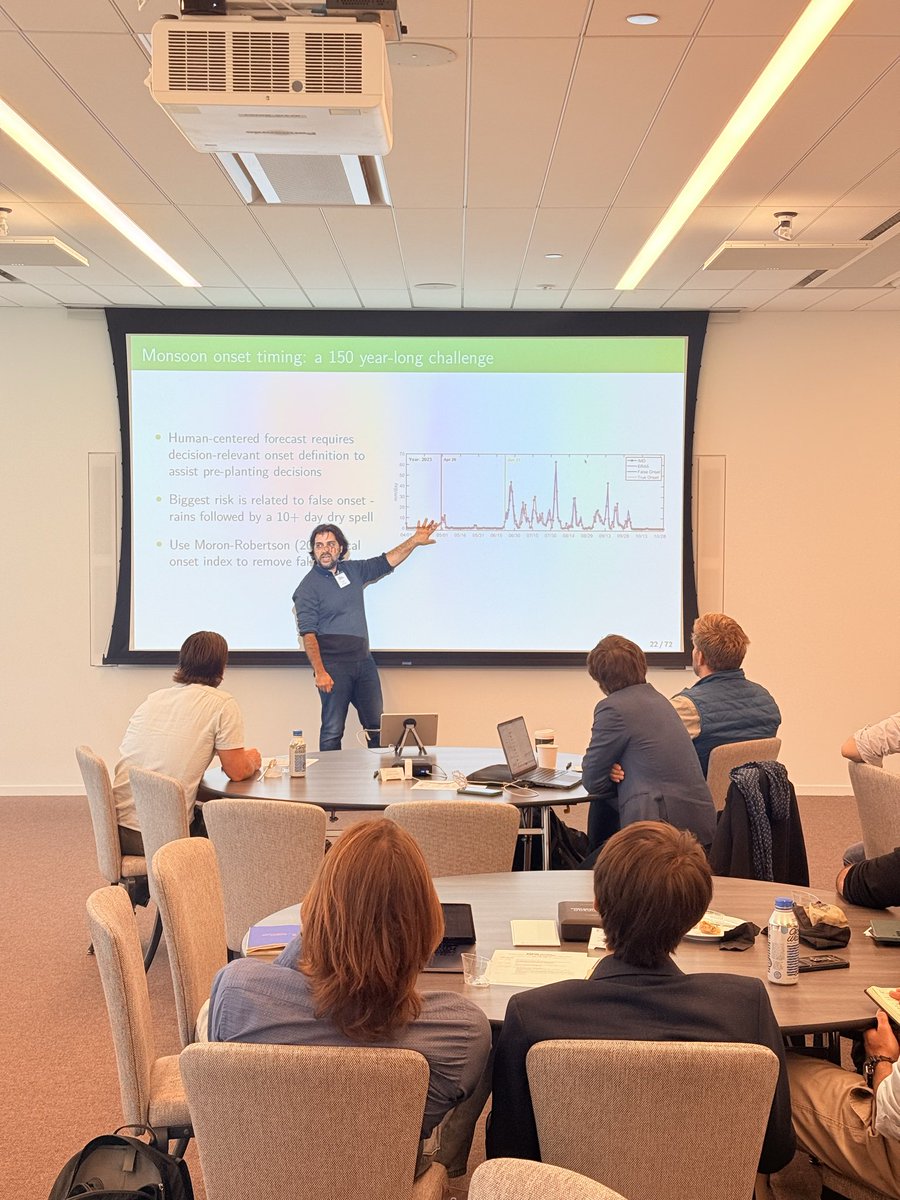
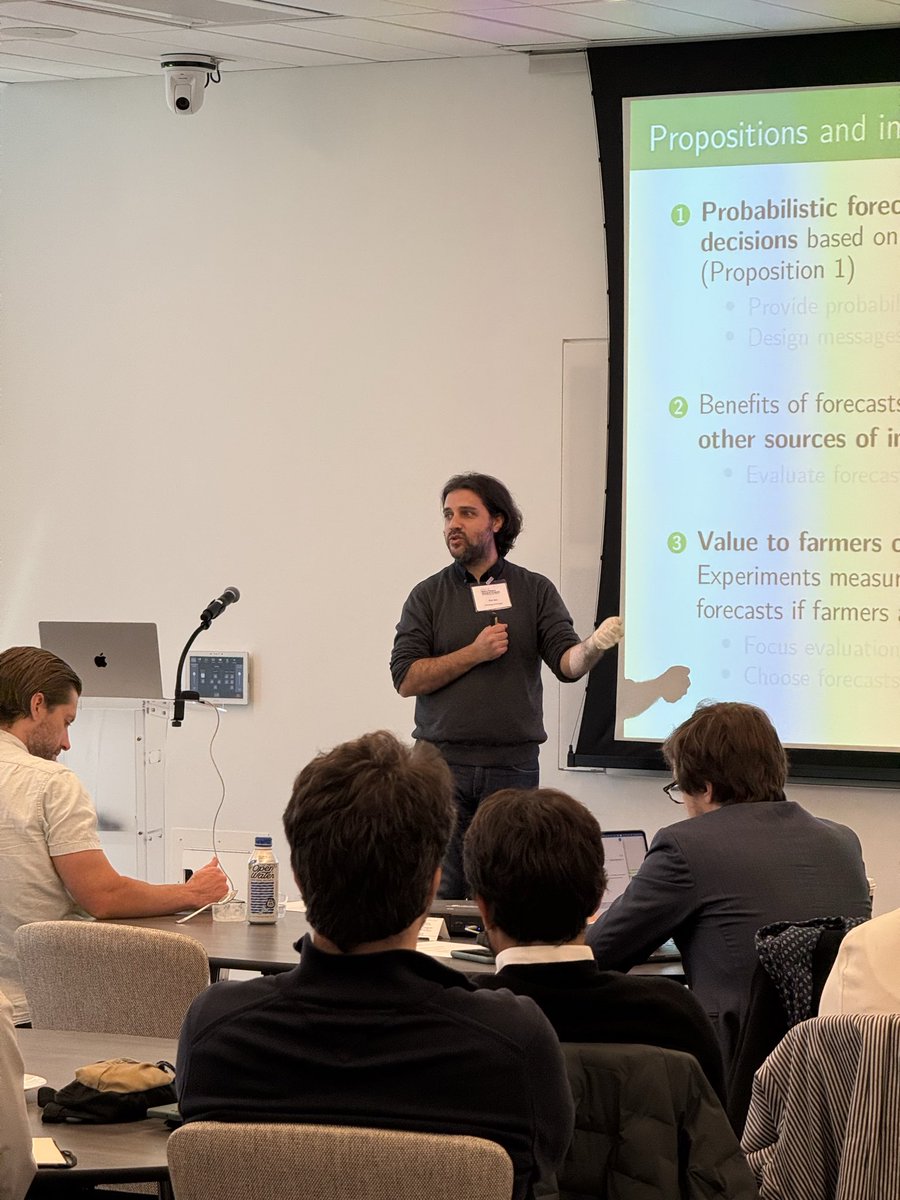
Closing out the lectures is Amir Jina (University of Chicago) presenting on "Human-Centered Forecasting: an AI-led Transformation of Climate Adaptation for Smallholder Farmers." #ClimateEconomics #EconTwitter
1
11
2,190
Lars Peter Hansen retweeted
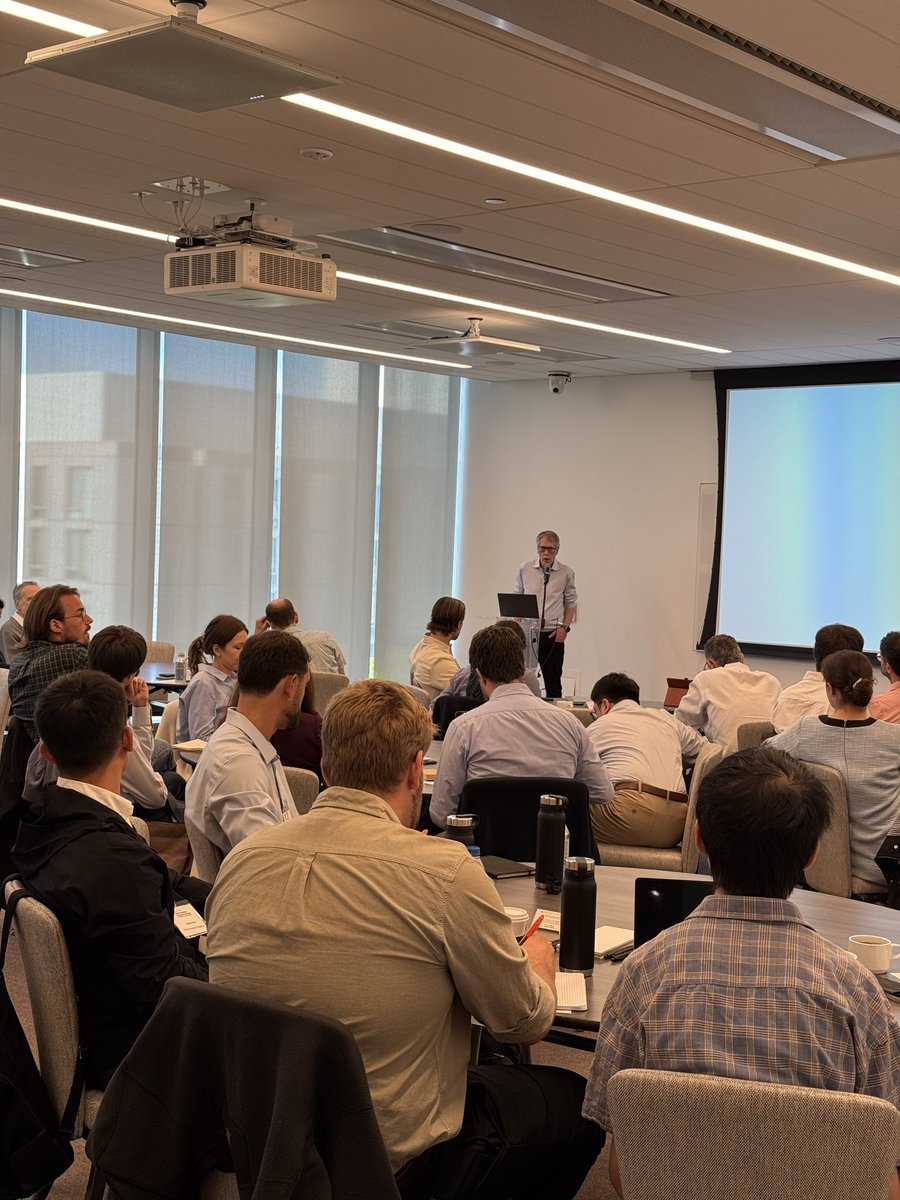
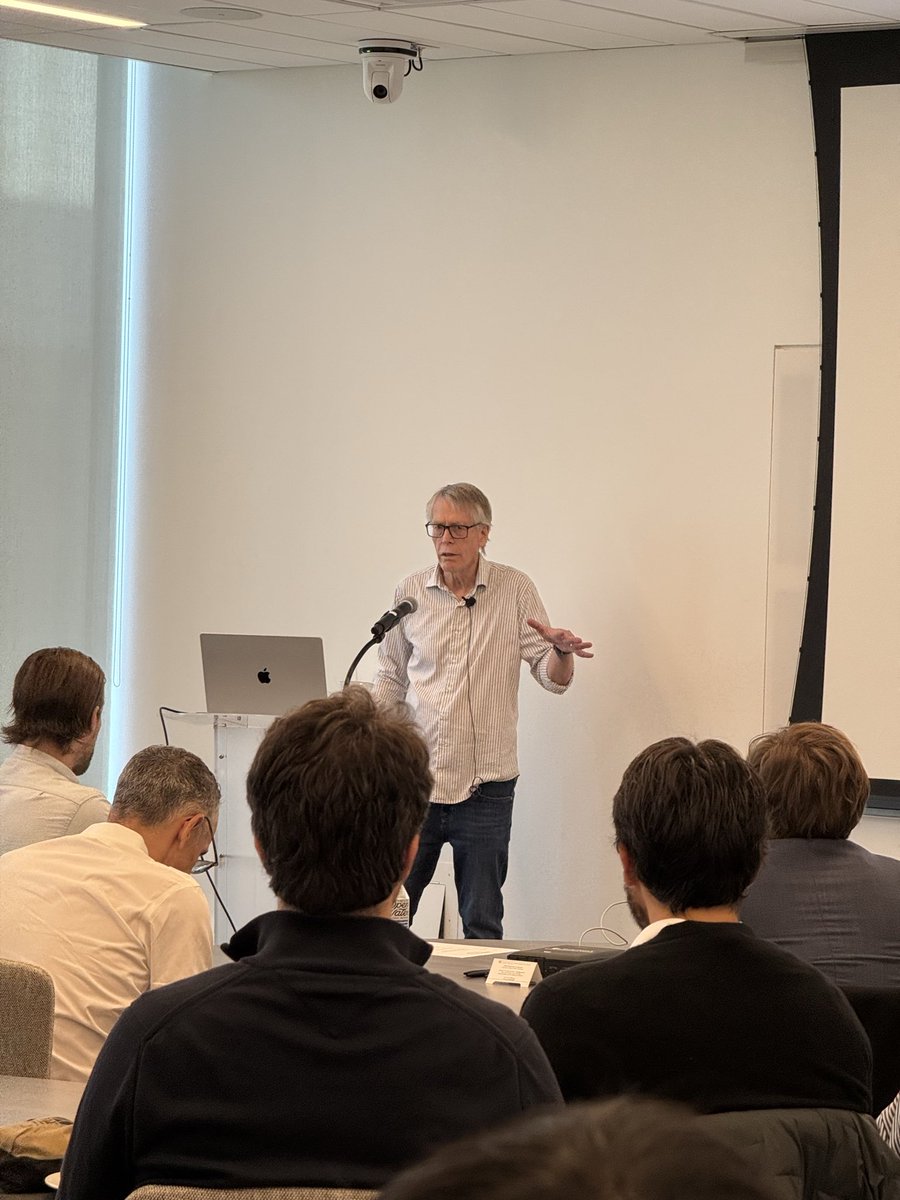
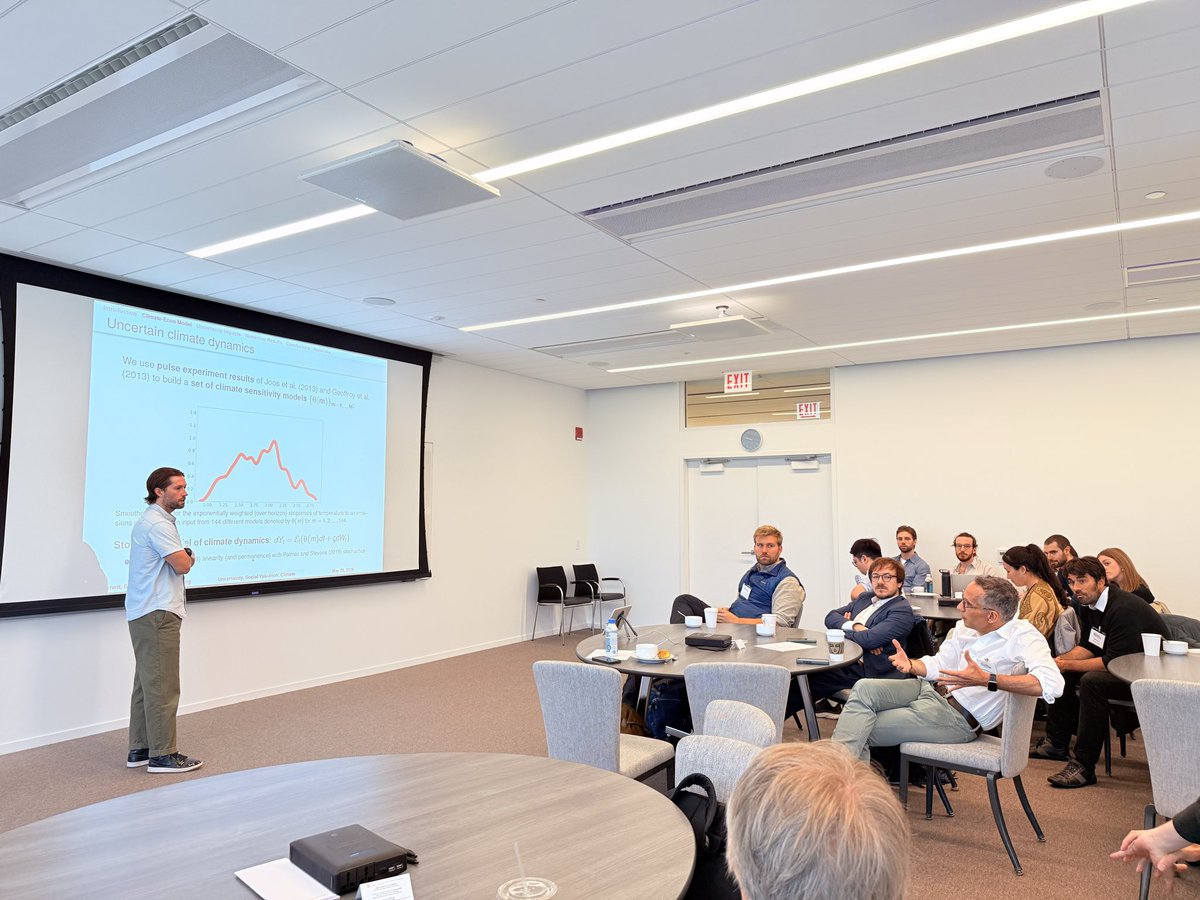
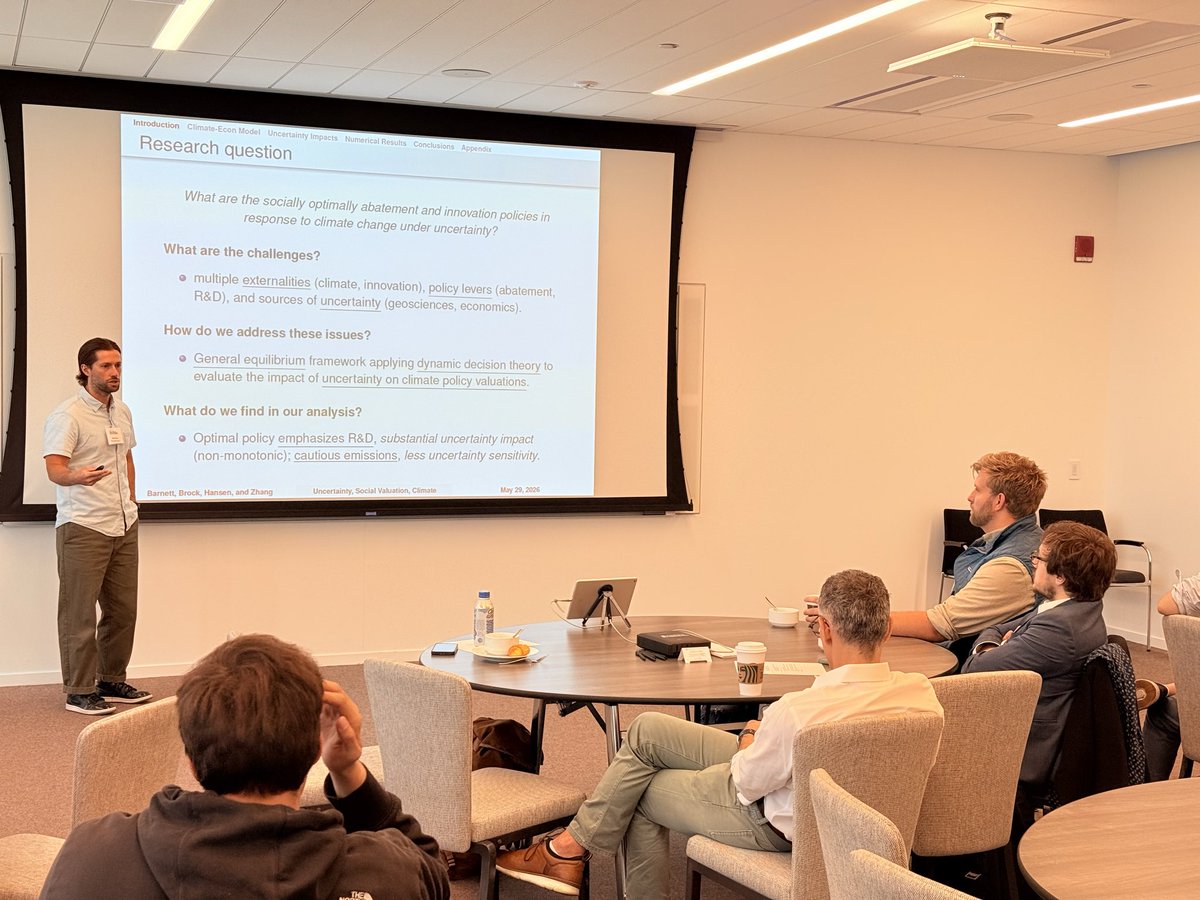
Our very own faculty director Lars Peter Hansen and his co-author and workshop co-organizer Michael Barnett (ASU) present their project on "Incorporating Uncertainty into the Prudent Design of Climate Policy and Investment in New Technologies" #ClimateUncertainty #EconTwitter
5
27
3,073
Lars Peter Hansen retweeted
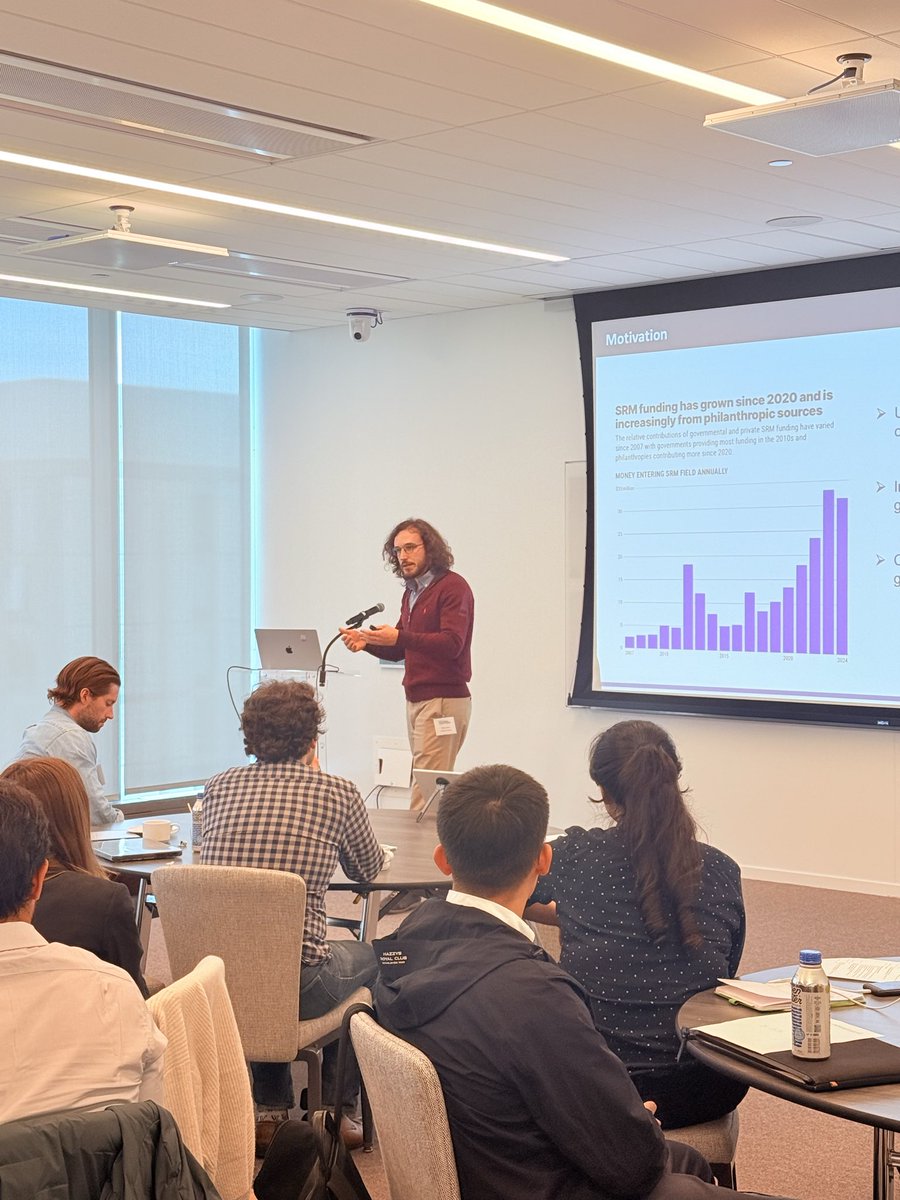
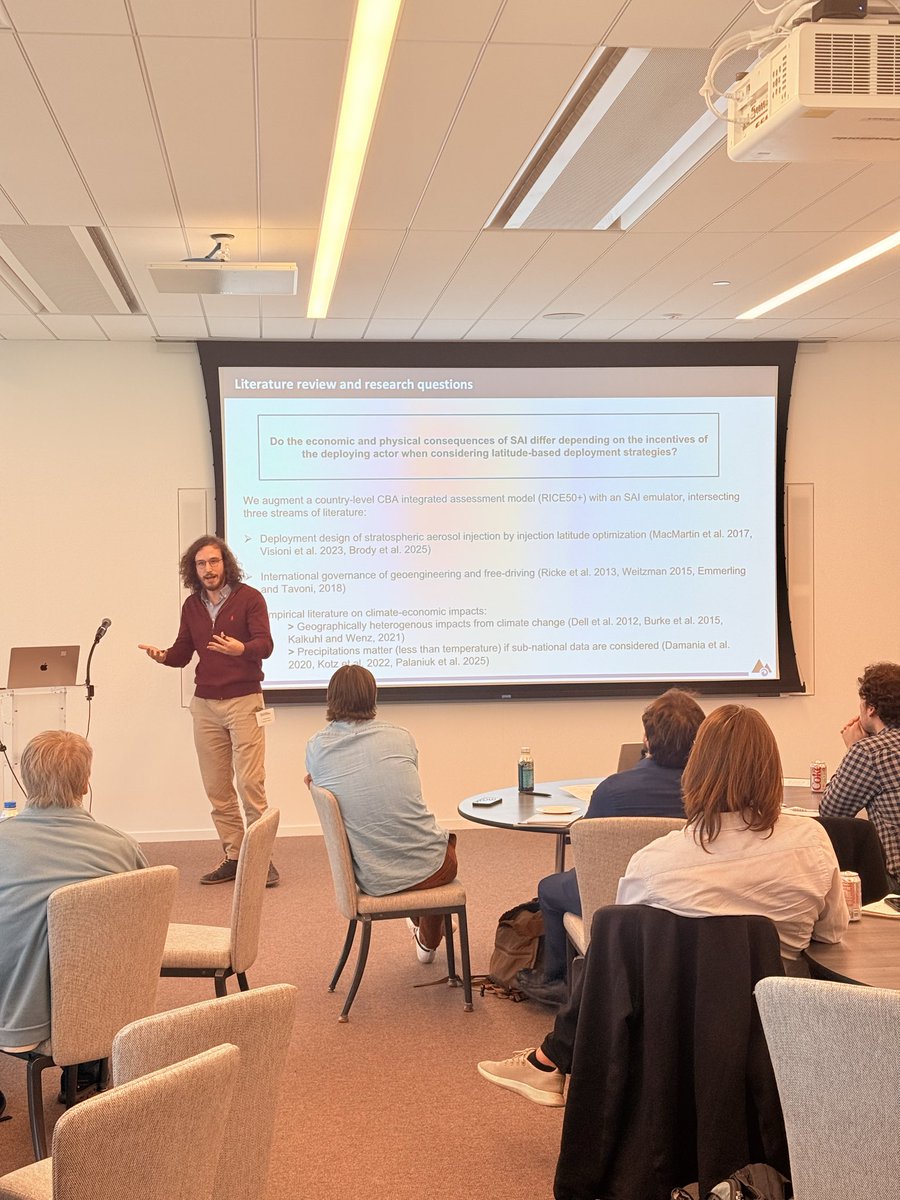
Wrapping up day 2 of our workshop is Pietro Andreoni (Politecnico di Milano and EIEE) presenting on “Multi-Latitude Stratospheric Aerosol Injection Across Governance Regimes” #EconTwitter #ClimatePolicy #ClimateEngineering
1
7
1,569
Lars Peter Hansen retweeted
How valuable are firms to society? How big are corporate externalities? We were delighted to have Lubos Pastor (University of Chicago) discuss his work on the U.S. corporate sector’s carbon burden, externalities, and carbon emissions. #EconTwitter #carbonemissions

1
9
2,776
May 28
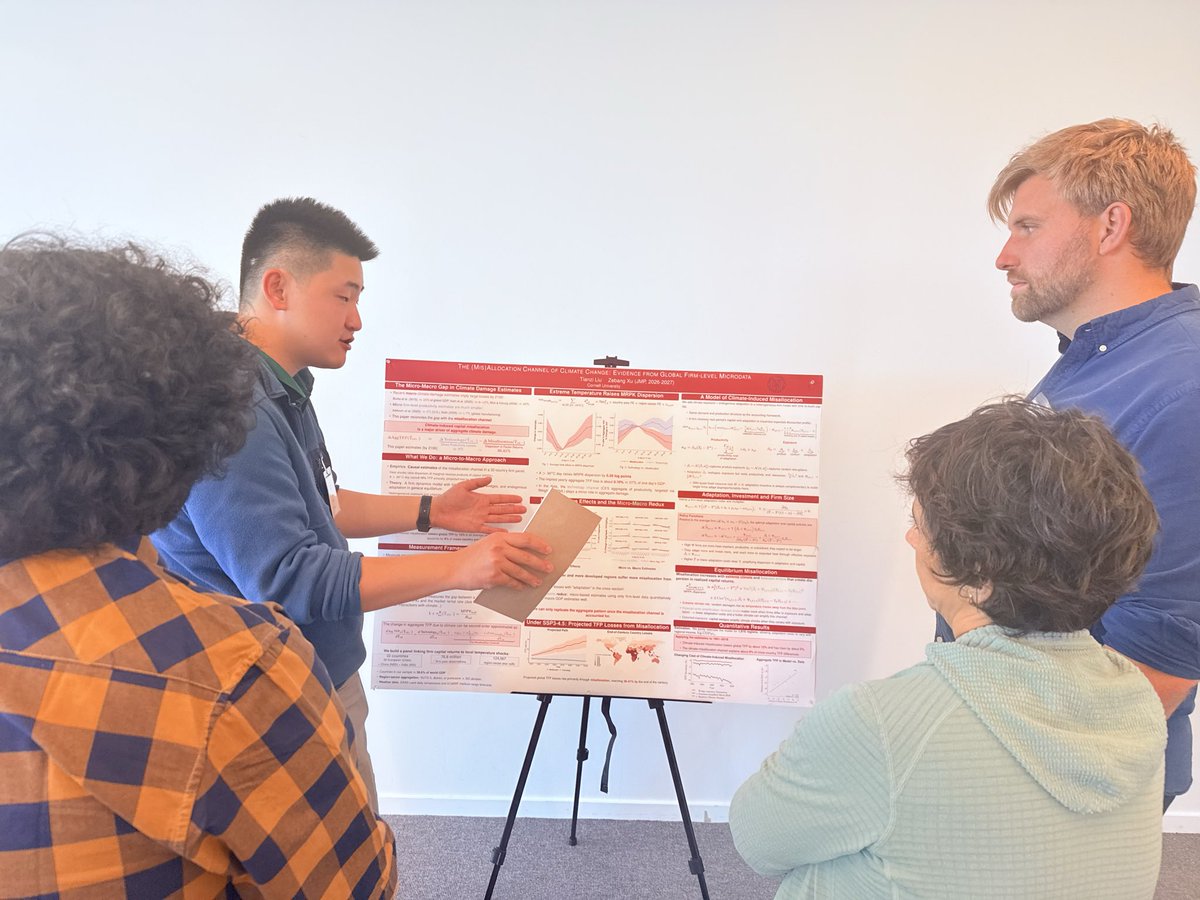
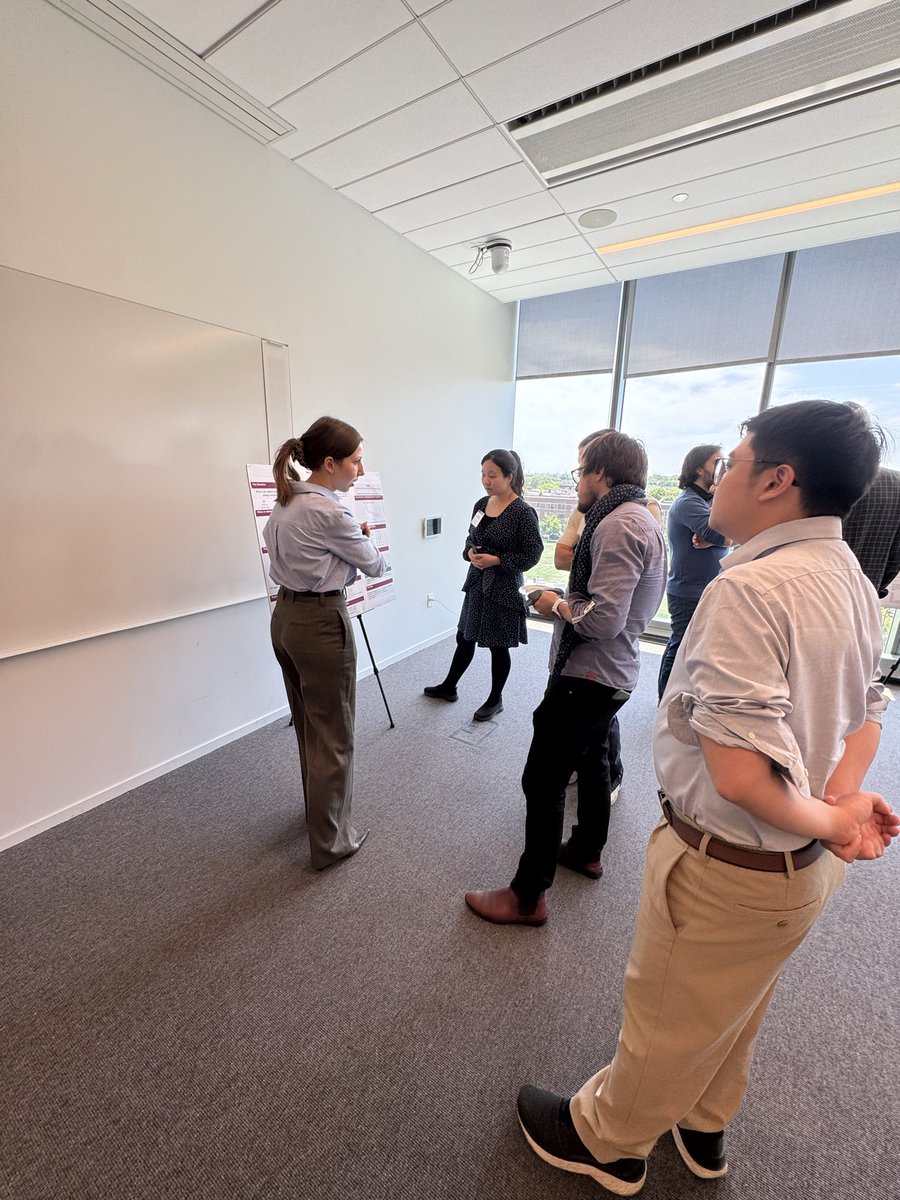
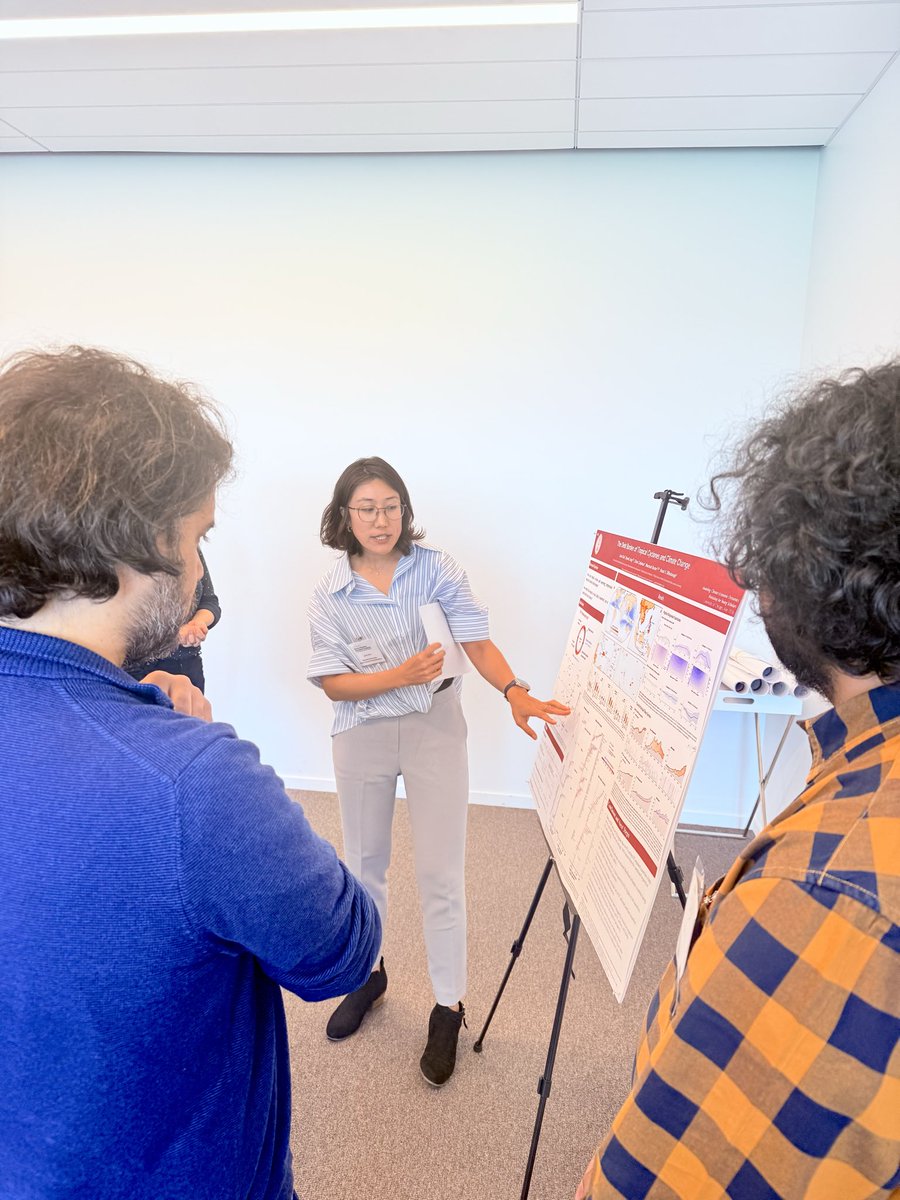
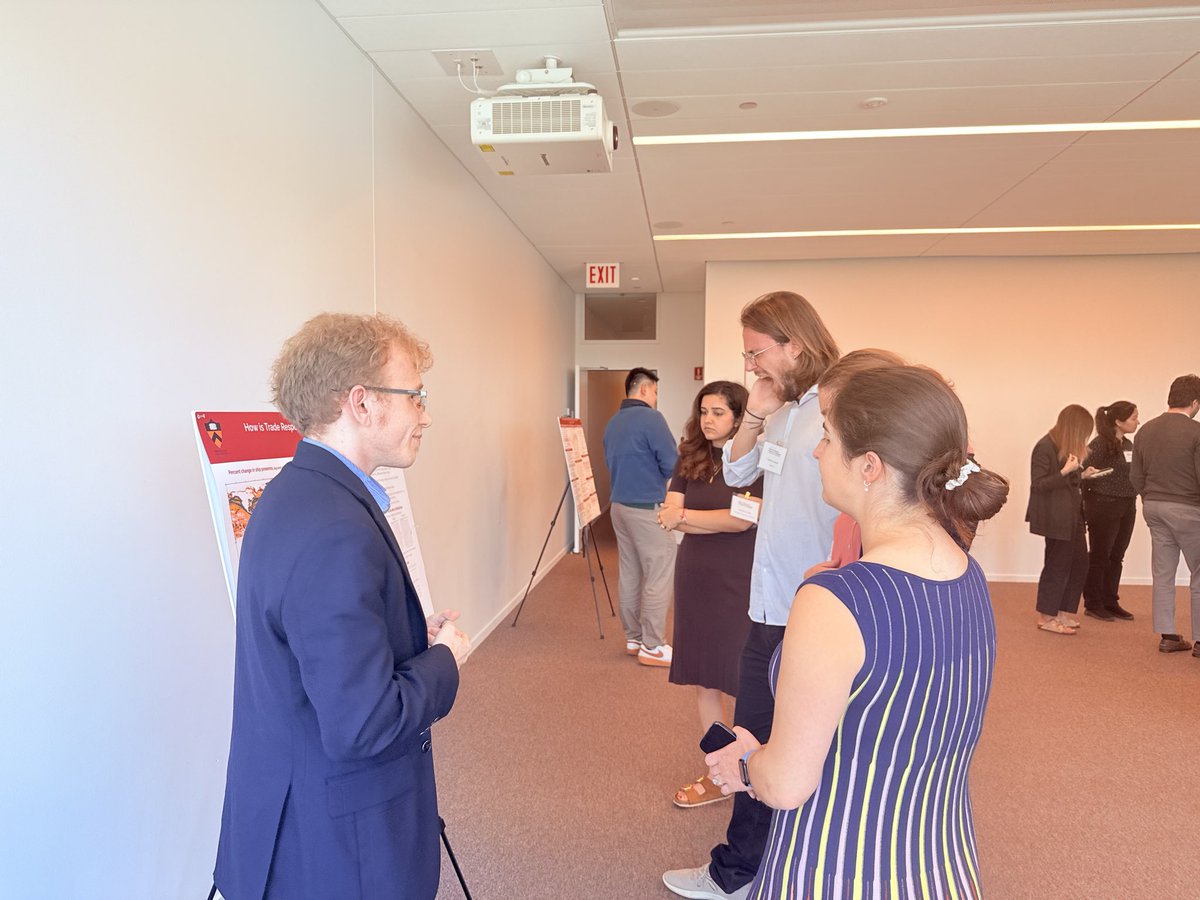
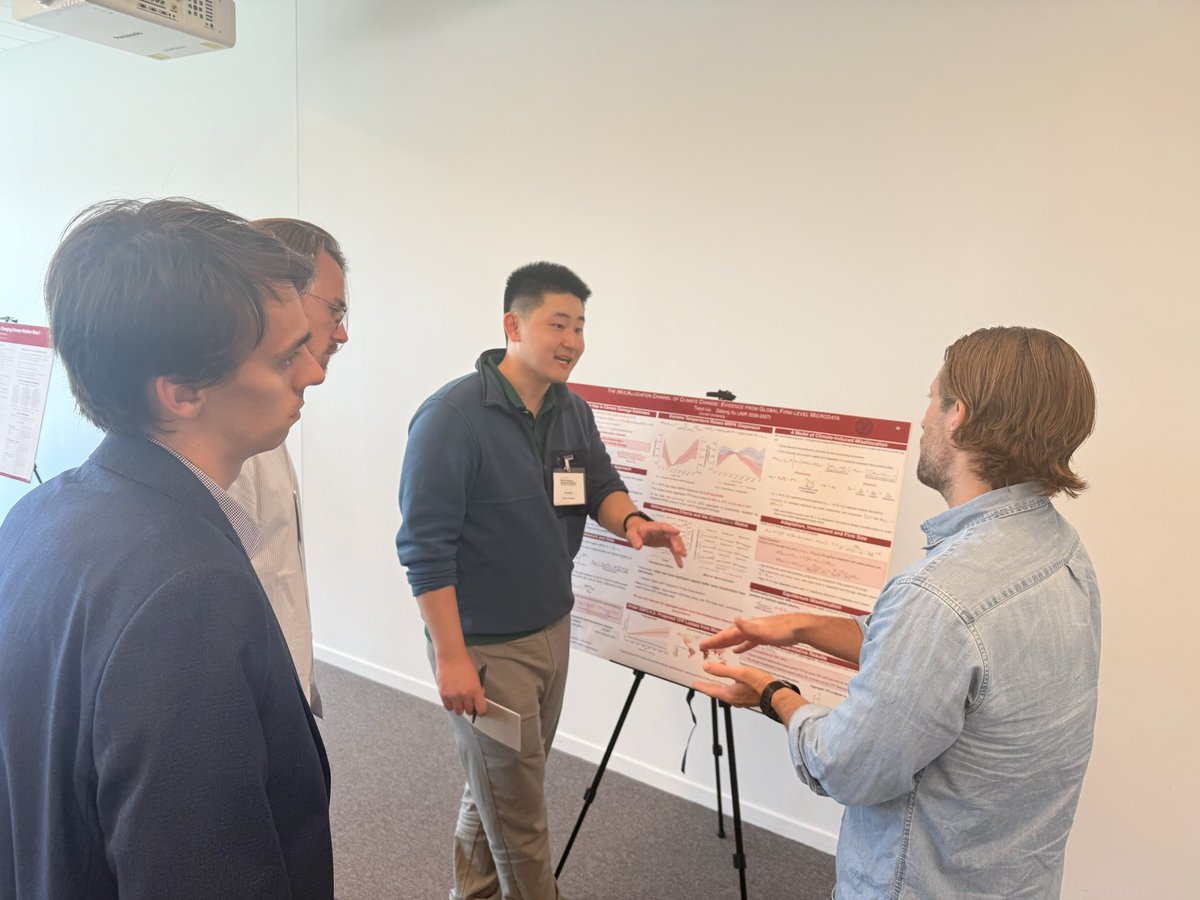
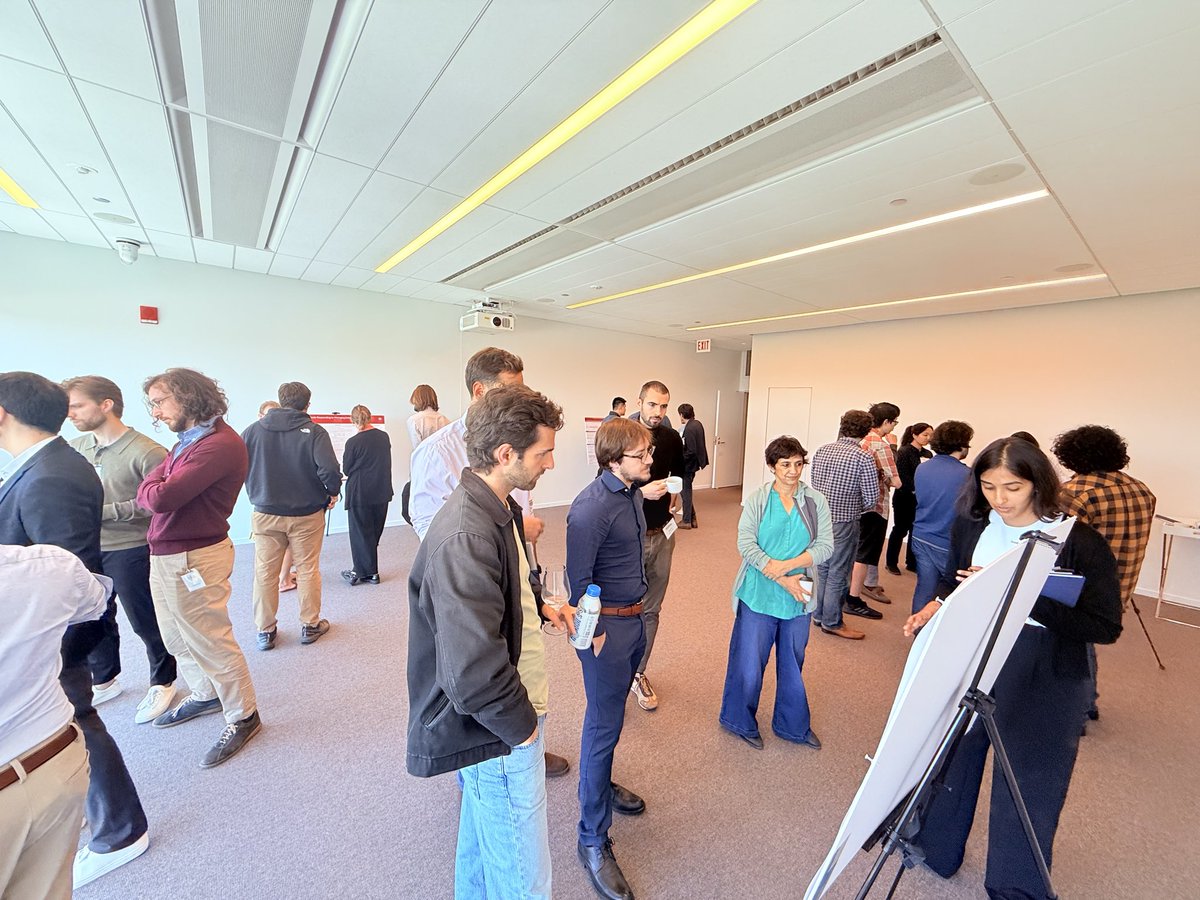
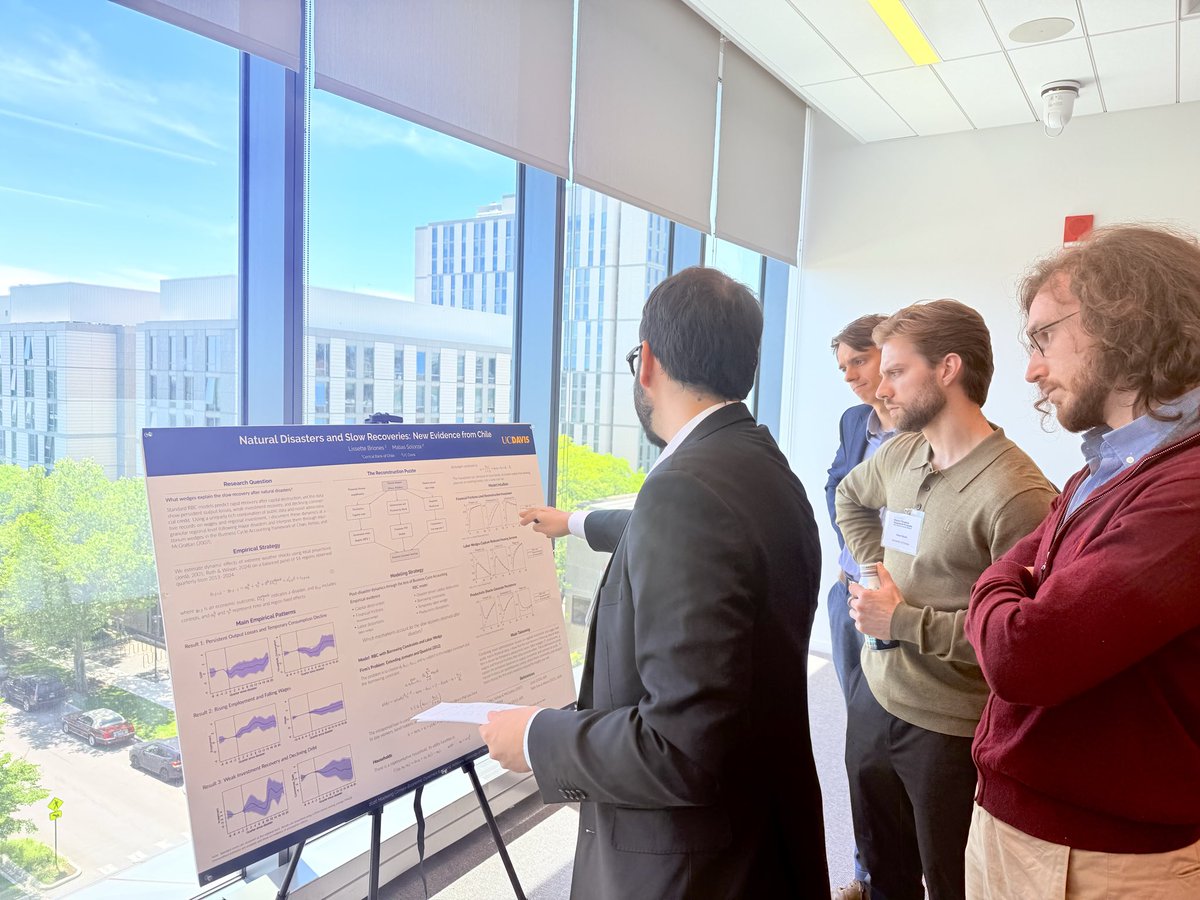
At today's poster session, we had some inspiring research presented by our promising scholars: June Choi (Stanford), Meha Sadasivam (Columbia), Matias Solorza (UC Davis), Mark Walker (Princeton), and Zebang Xu (Cornell) #EconTwitter #ClimateChange

1
3
16
2,610
Lars Peter Hansen retweeted
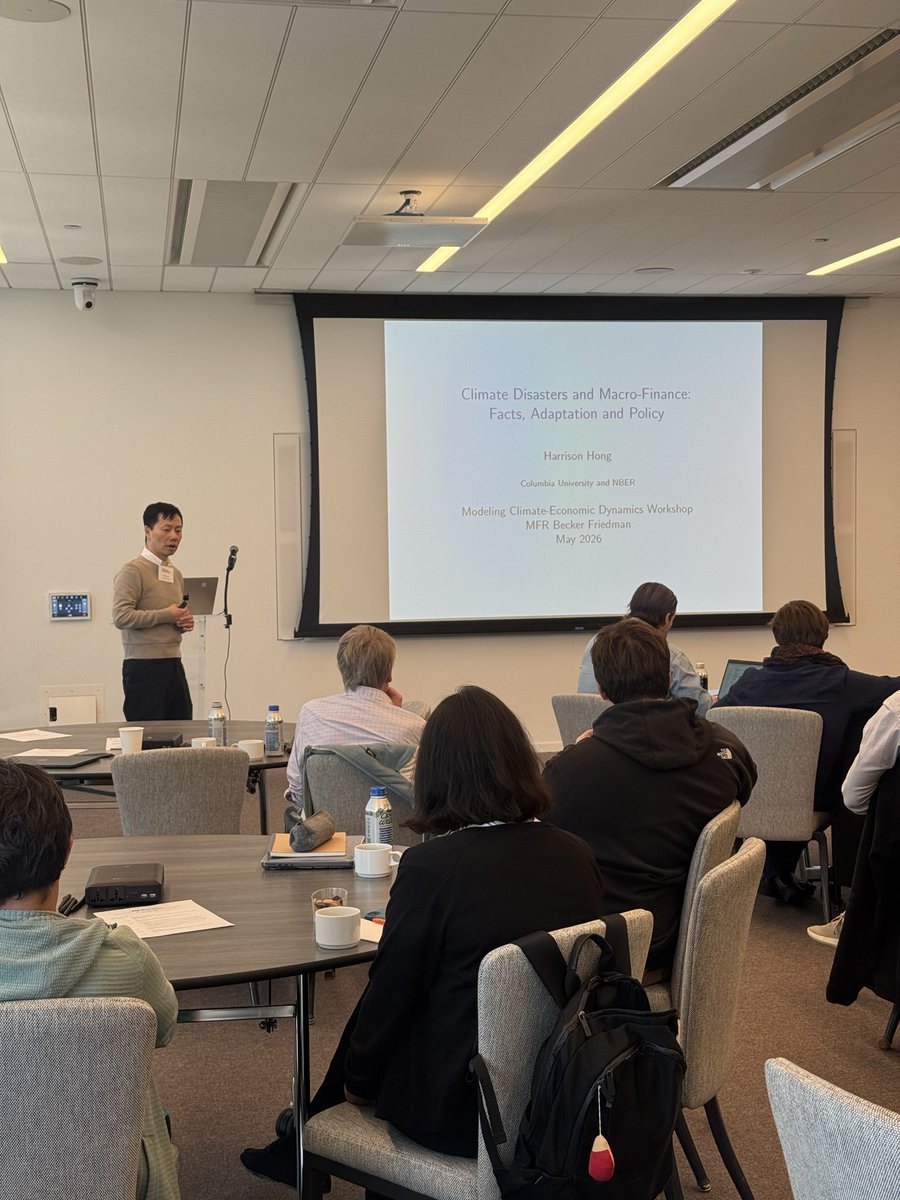
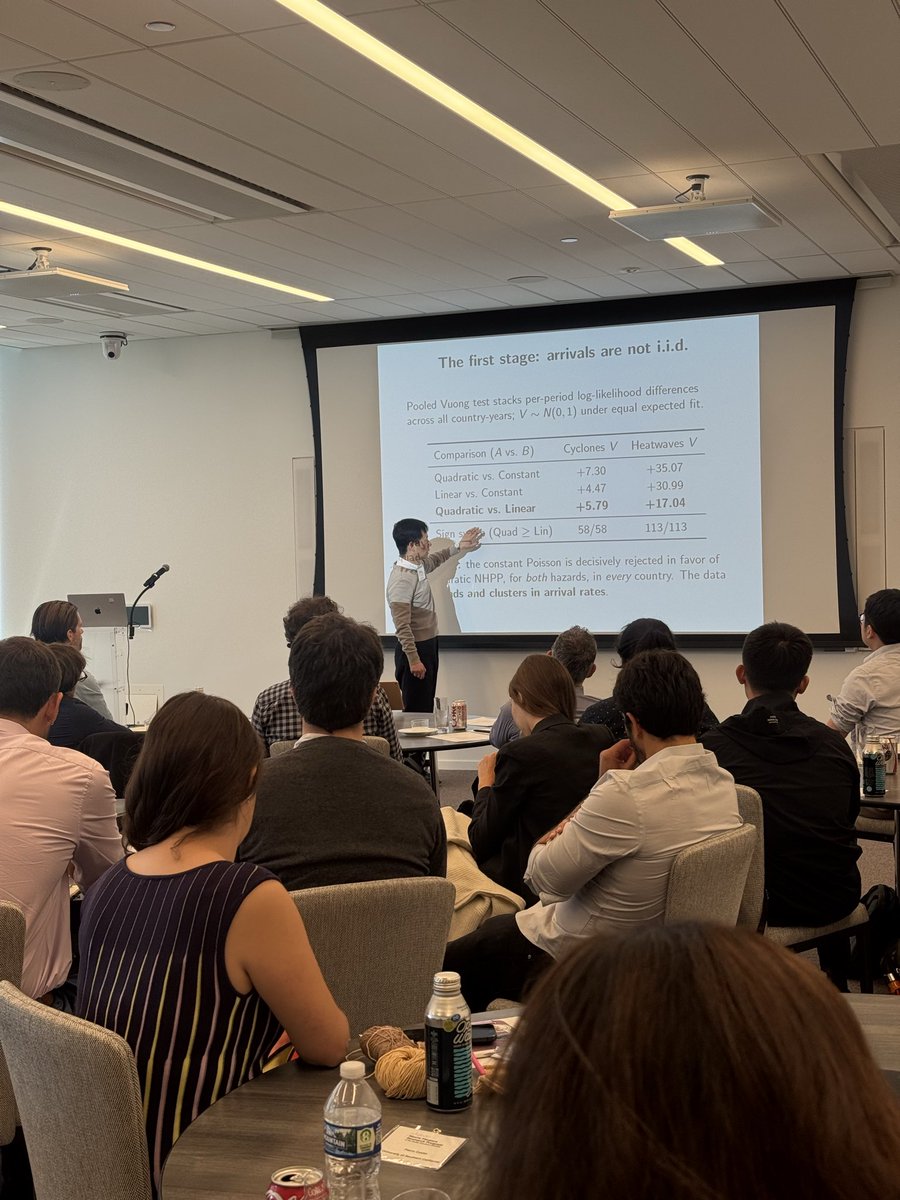
We had an interesting discussion with Harrison Hong (Columbia) as he presented his work on “Climate Disasters and Macro-Finance: Facts, Adaptation and Policy” #EconTwitter #ClimateEconomics #ClimateFinance
3
18
2,294
Lars Peter Hansen retweeted
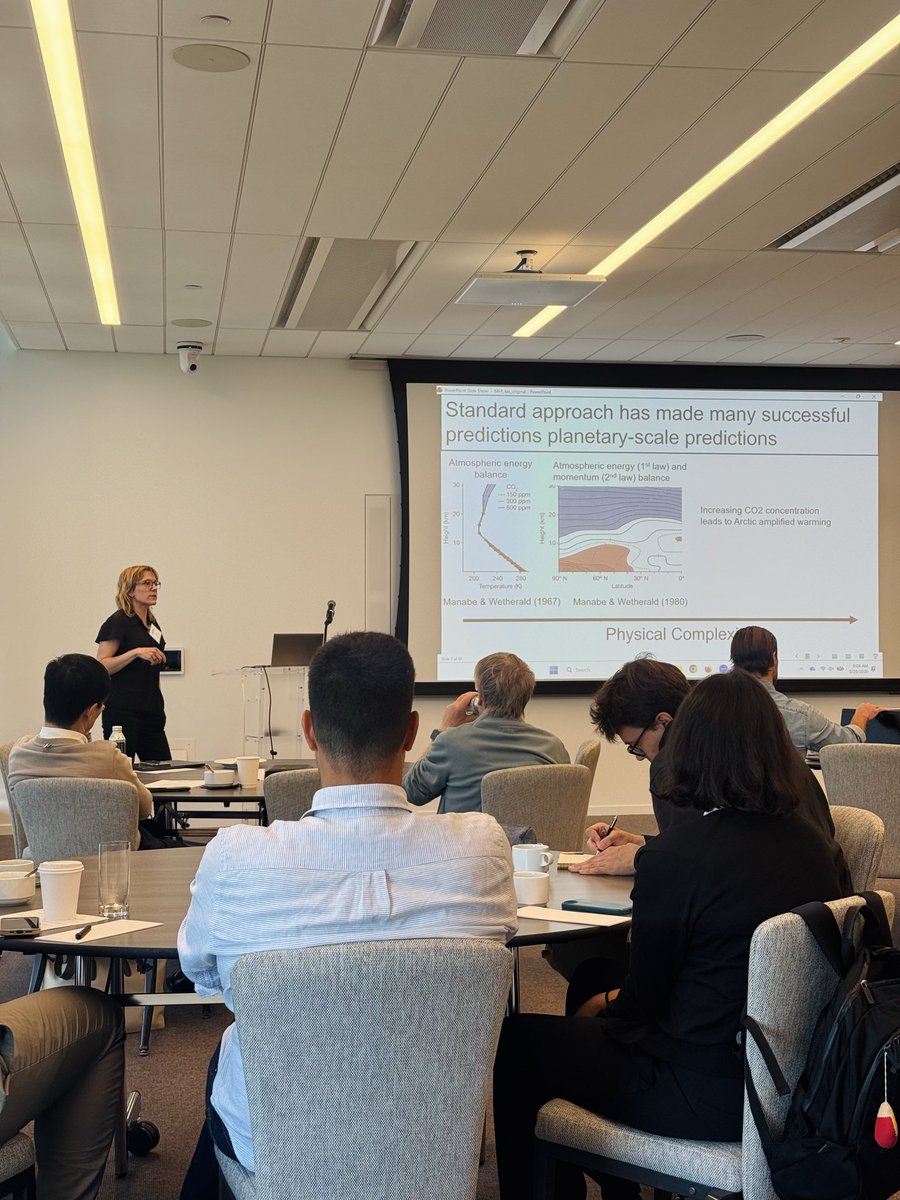
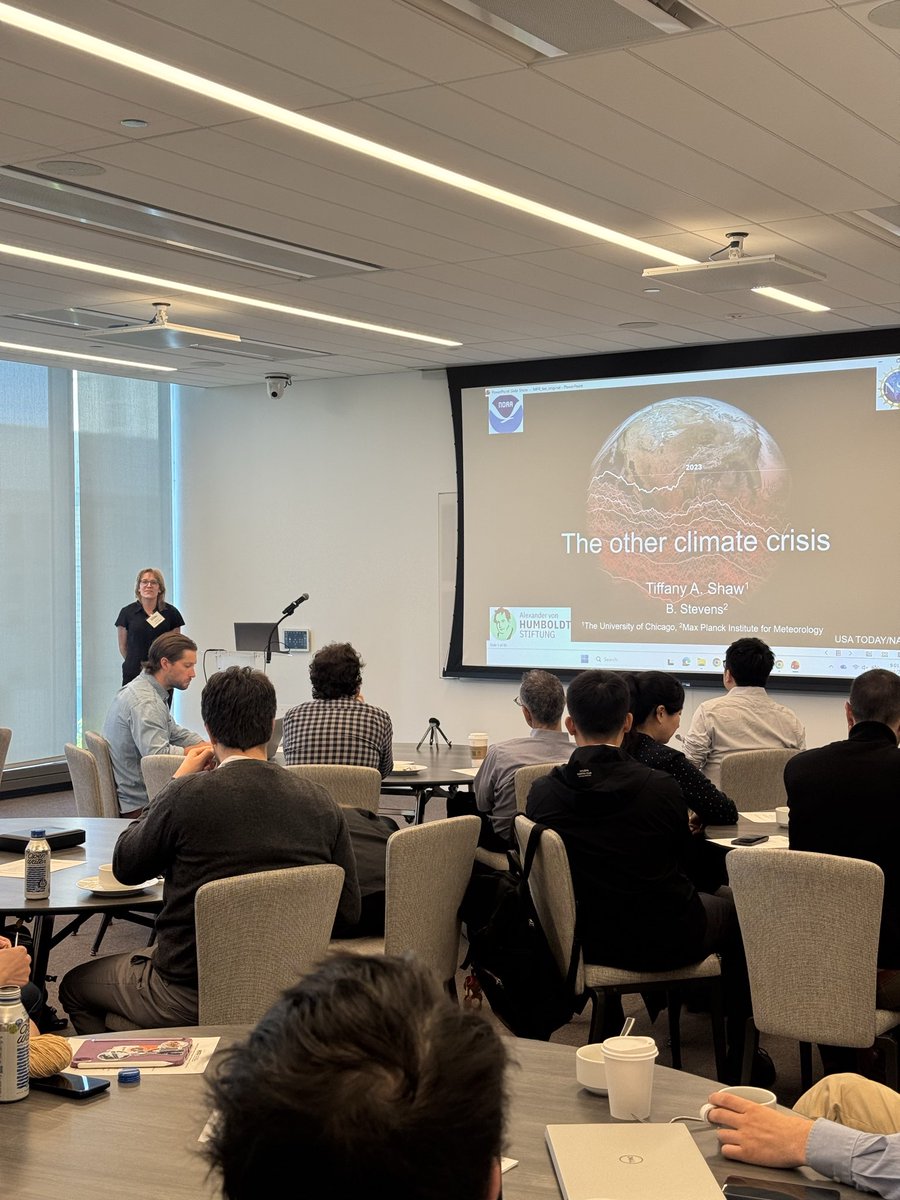
Starting Day 2 strong, we have Tiffany Shaw (University of Chicago) presenting on “The Other Climate Crisis” discussing climate predictions and ways forward. #climatescience #climatechange #econtwitter
1
9
1,651
Lars Peter Hansen retweeted
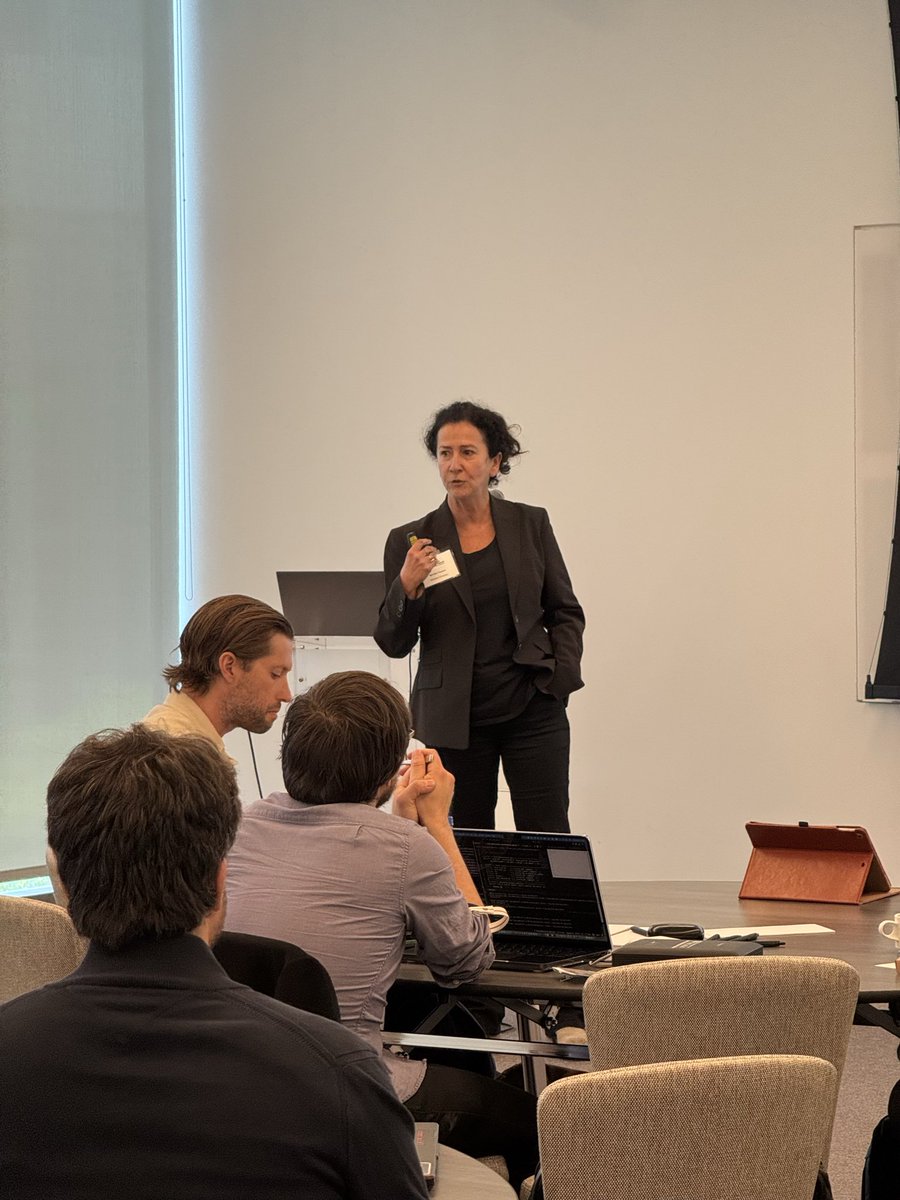
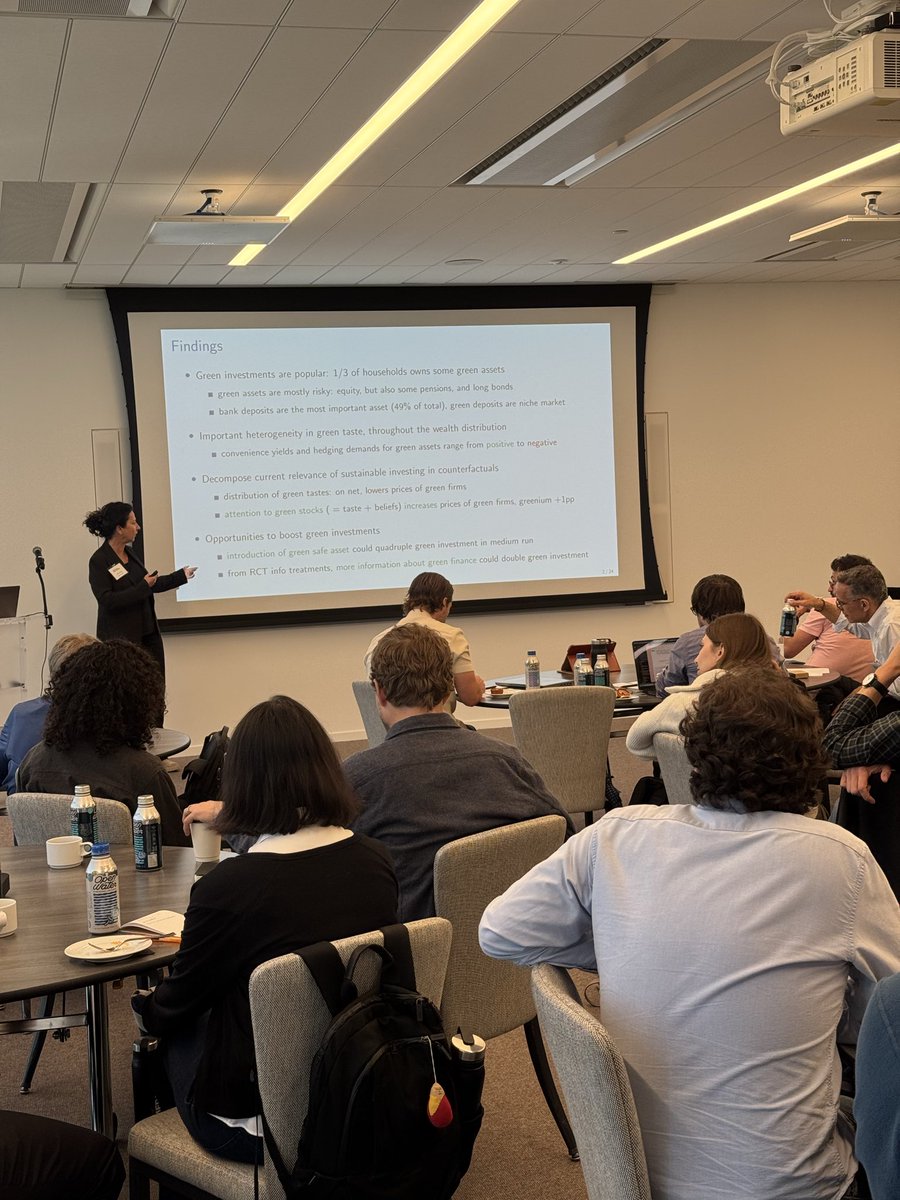
Concluding Day 1 of our workshop with Monika Piazzesi (Stanford) leading an insightful session on “Household Climate Finance: Theory and Survey Data on Safe and Risky Green Assets” #econtwitter #climatefinance #climatepolicy
4
22
3,450
May 28
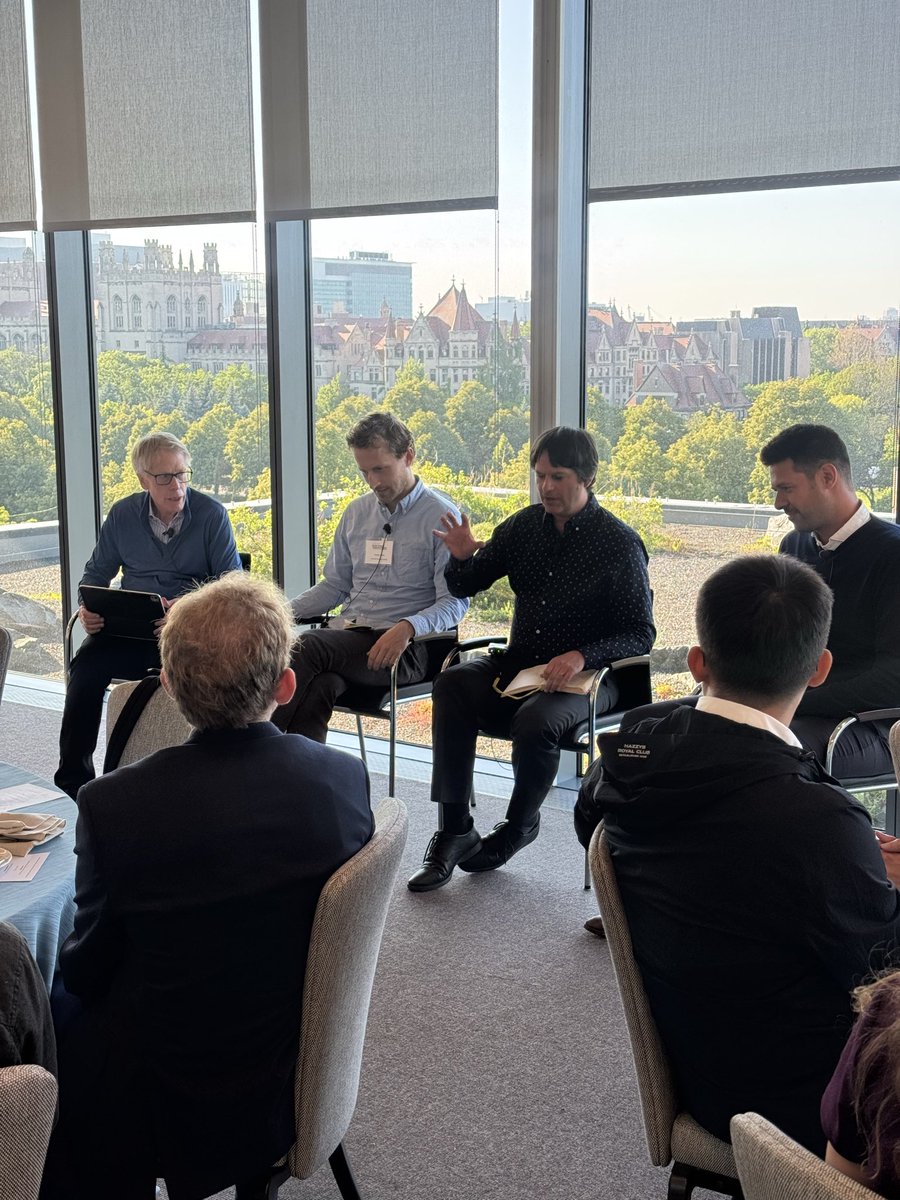
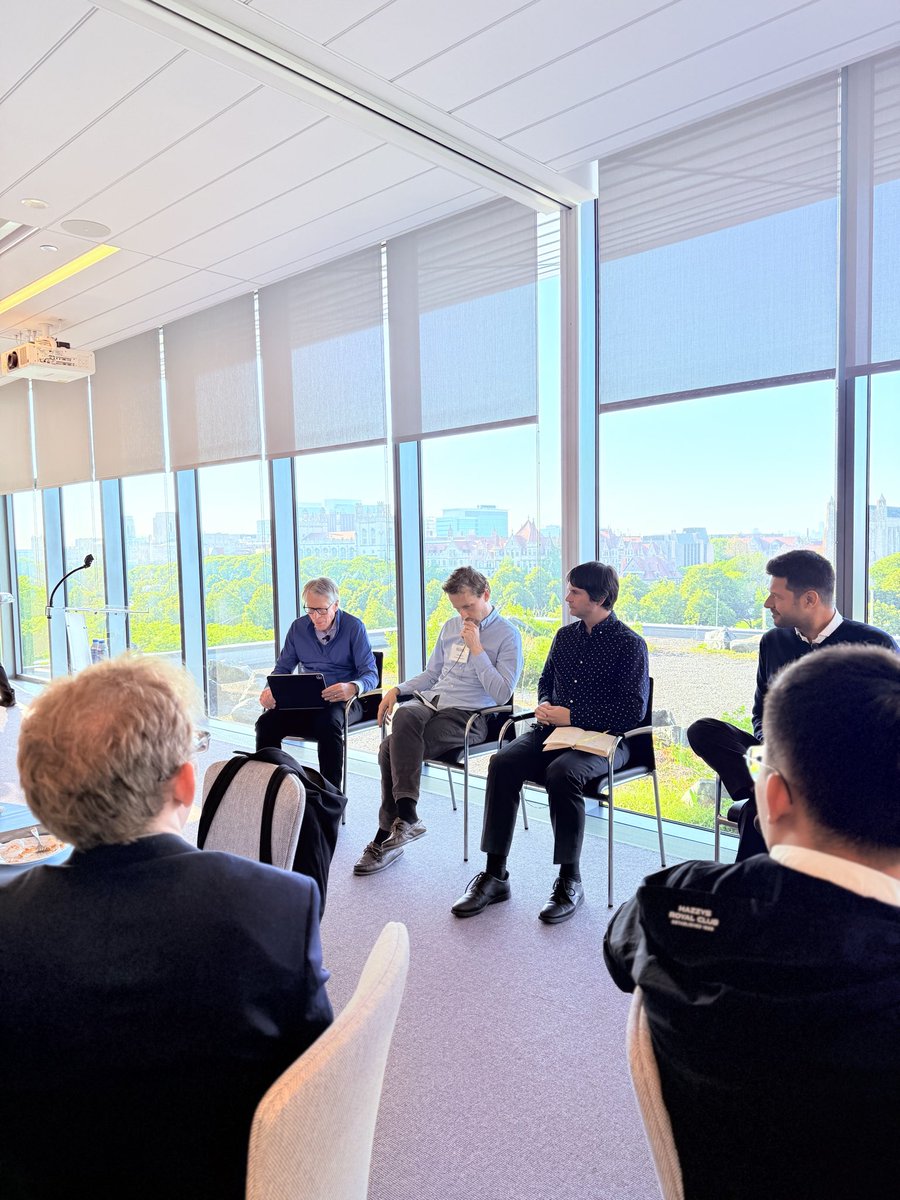
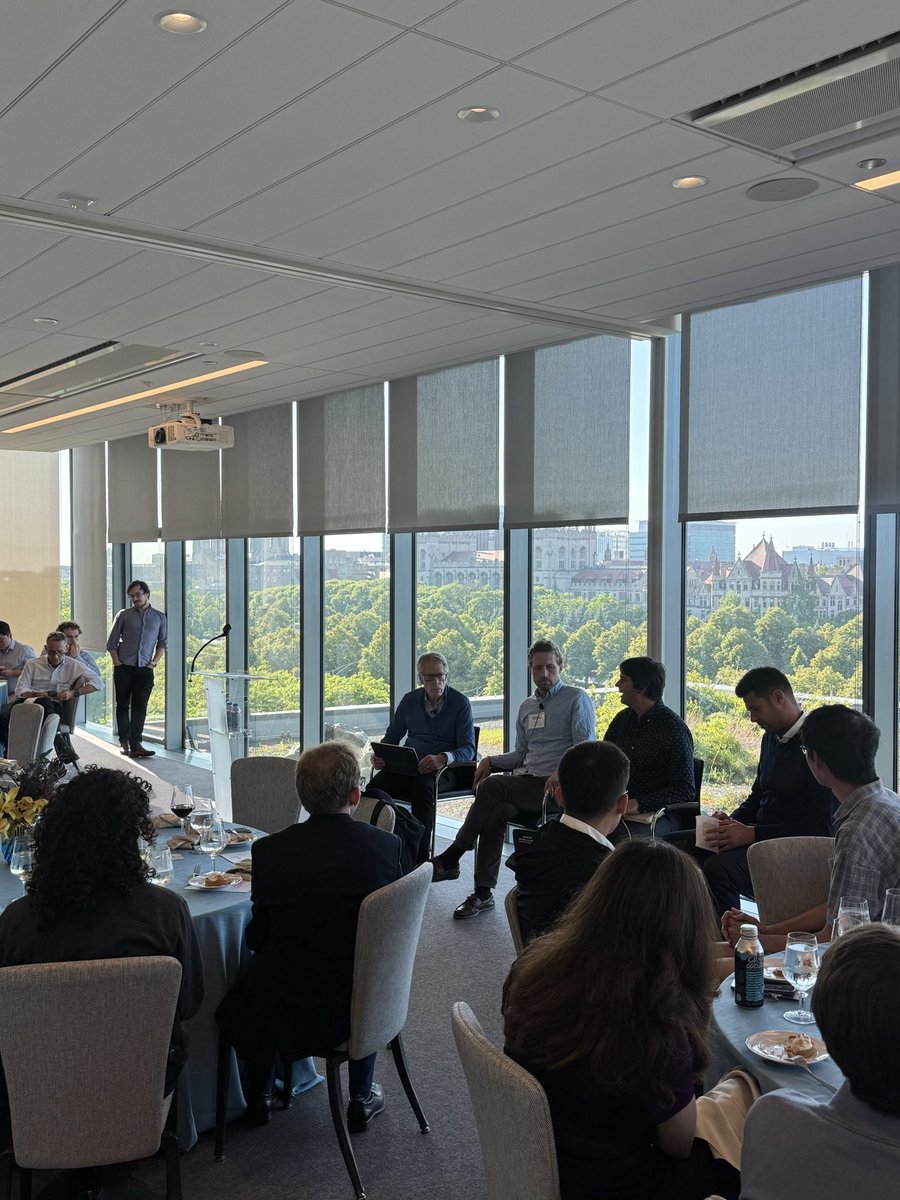
Very much enjoyed moderating last night’s panel discussion on the topic of “Frontiers in Climate-Economics Research: Dynamics, Uncertainty, and Policy Implications,” featuring Charles Taylor (Harvard Kennedy School), James Rising (University of Delaware), and Olivier David Zerbib (CREST, ENSAE, Institut Polytechnique de Paris).
The conversation covered a broad range of important issues and the panelists brought perspectives that were distinct yet complementary, which made for an engaging discussion and no doubt a valuable one for our @MFRProgram Modeling Climate-Economic Dynamics workshop participants and the young scholars in attendance. #EconTwitter #ClimateEconomics #ClimateDynamics #ClimateUncertainty #ClimateChange

2
23
2,291
May 27
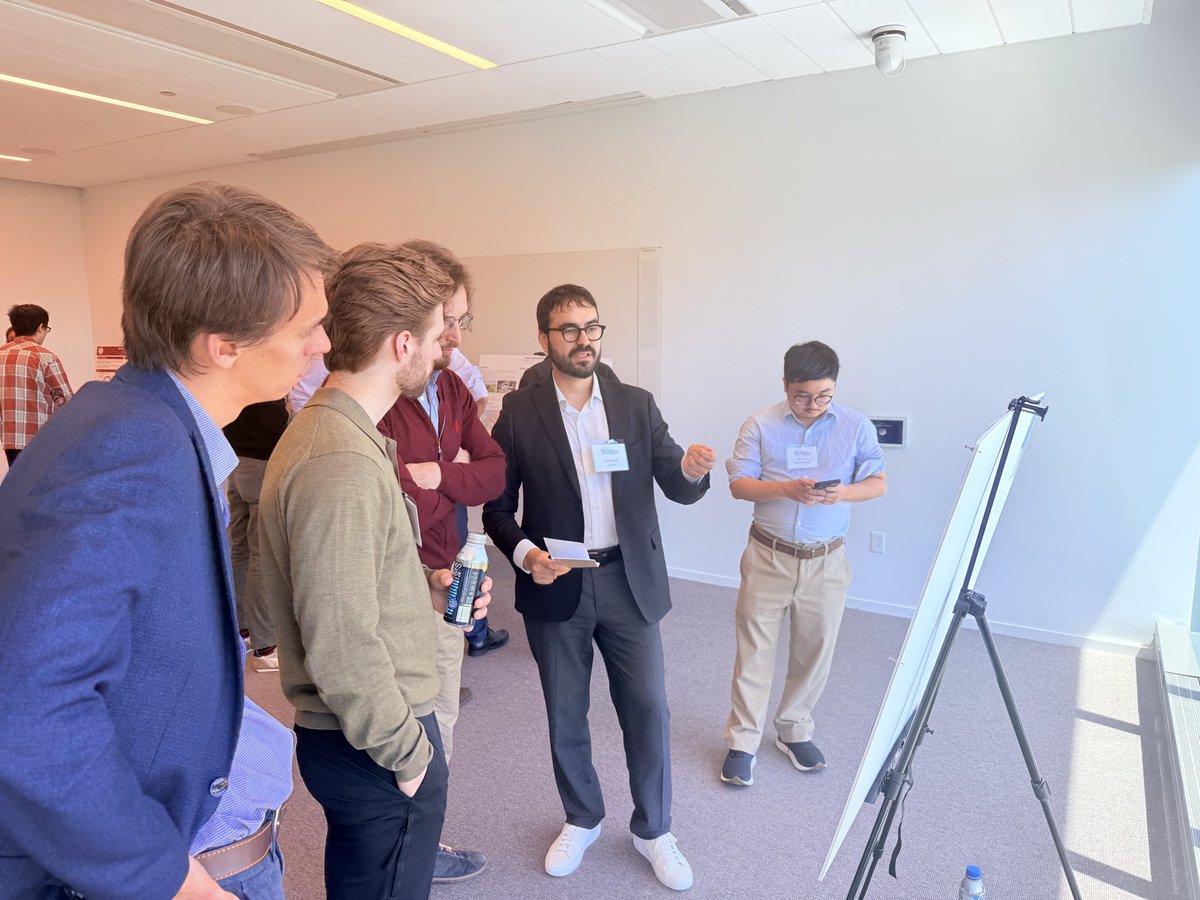
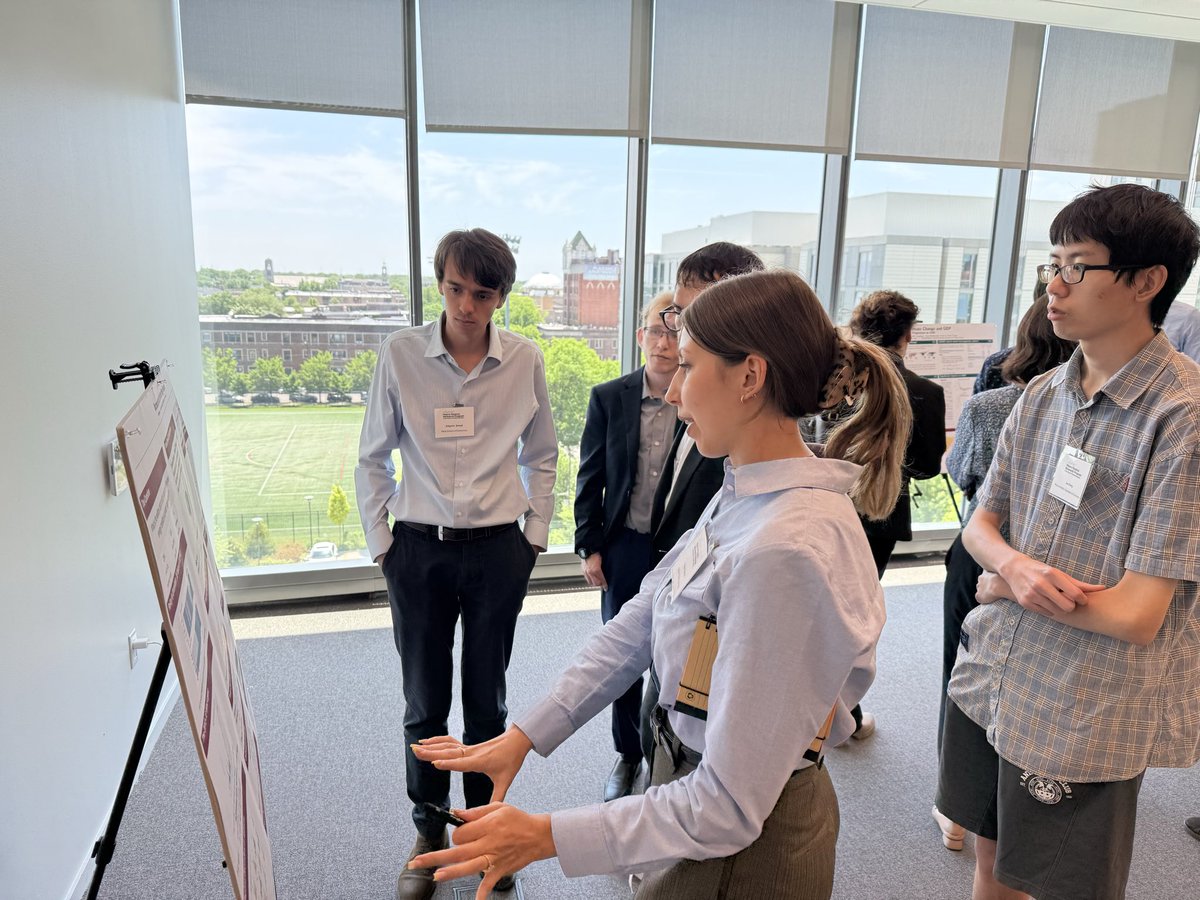
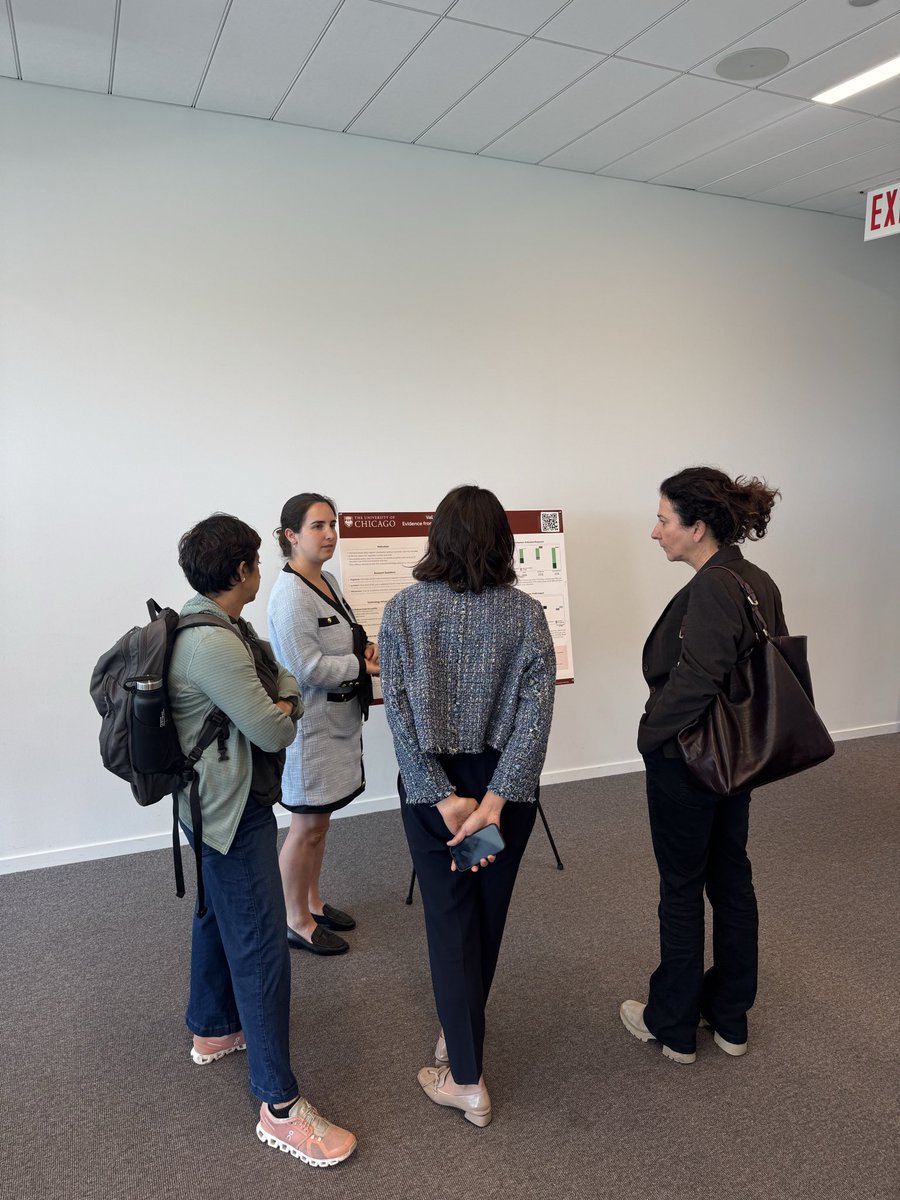
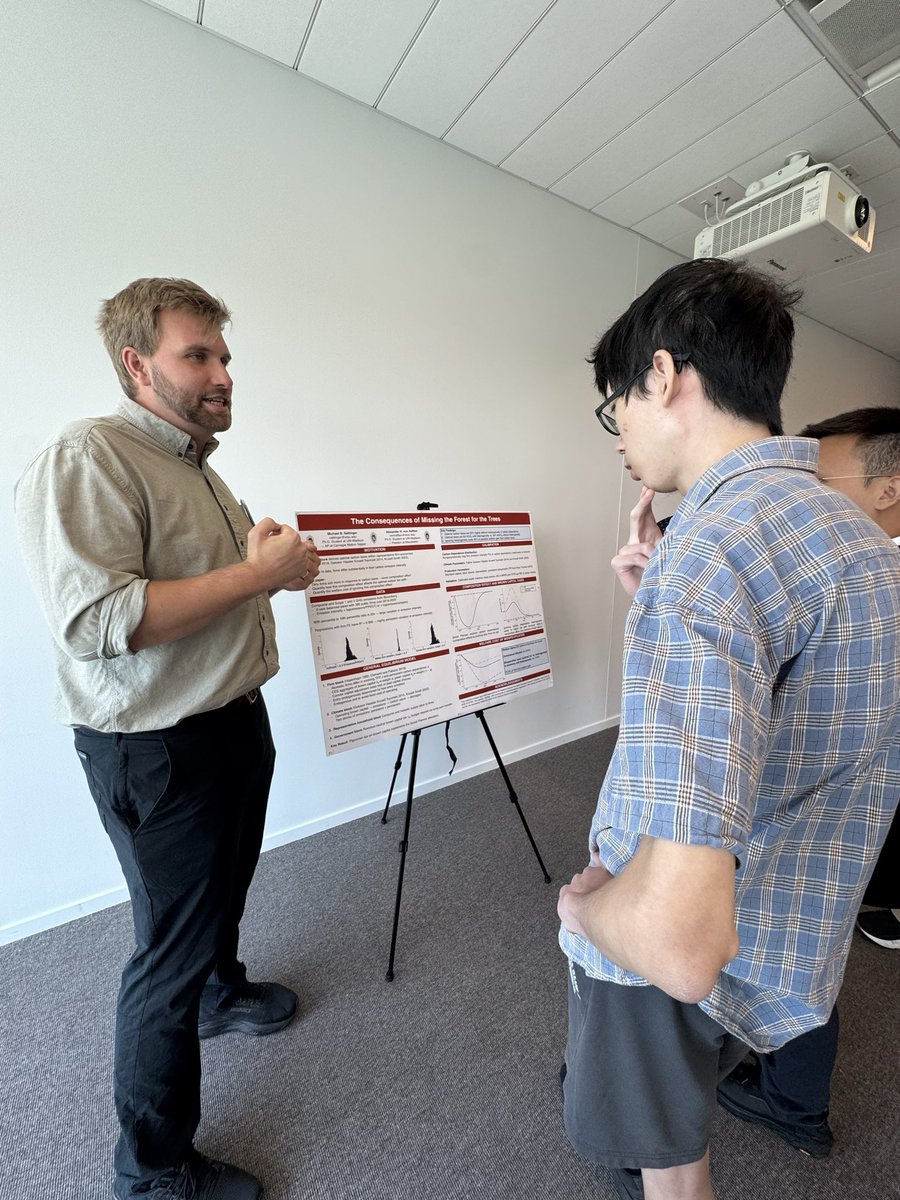
Great to have some impressive young scholars’ research highlighted at today’s poster session followed by some thoughtful discussions. Our featured poster presenters included projects by João Pedro Arbache (Climate Policy Initiative), Pierre Coster (USC), Anna French (ASU), Martino Gilli (Bocconi), Alexander H. von Hafften (UW–Madison), and Joanna Harris (University of Chicago). #ClimateEconomics #ClimatePolicy
1
5
44
6,364
Lars Peter Hansen retweeted
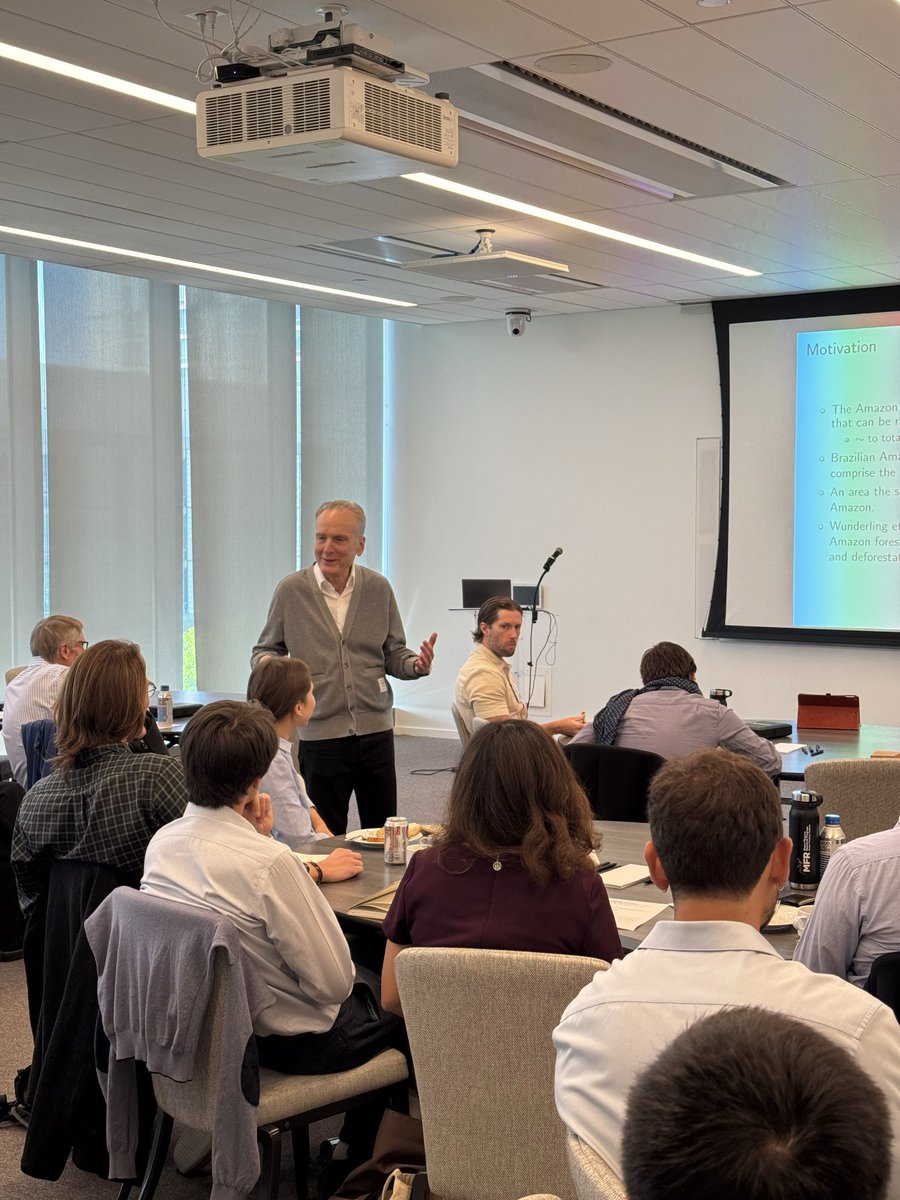
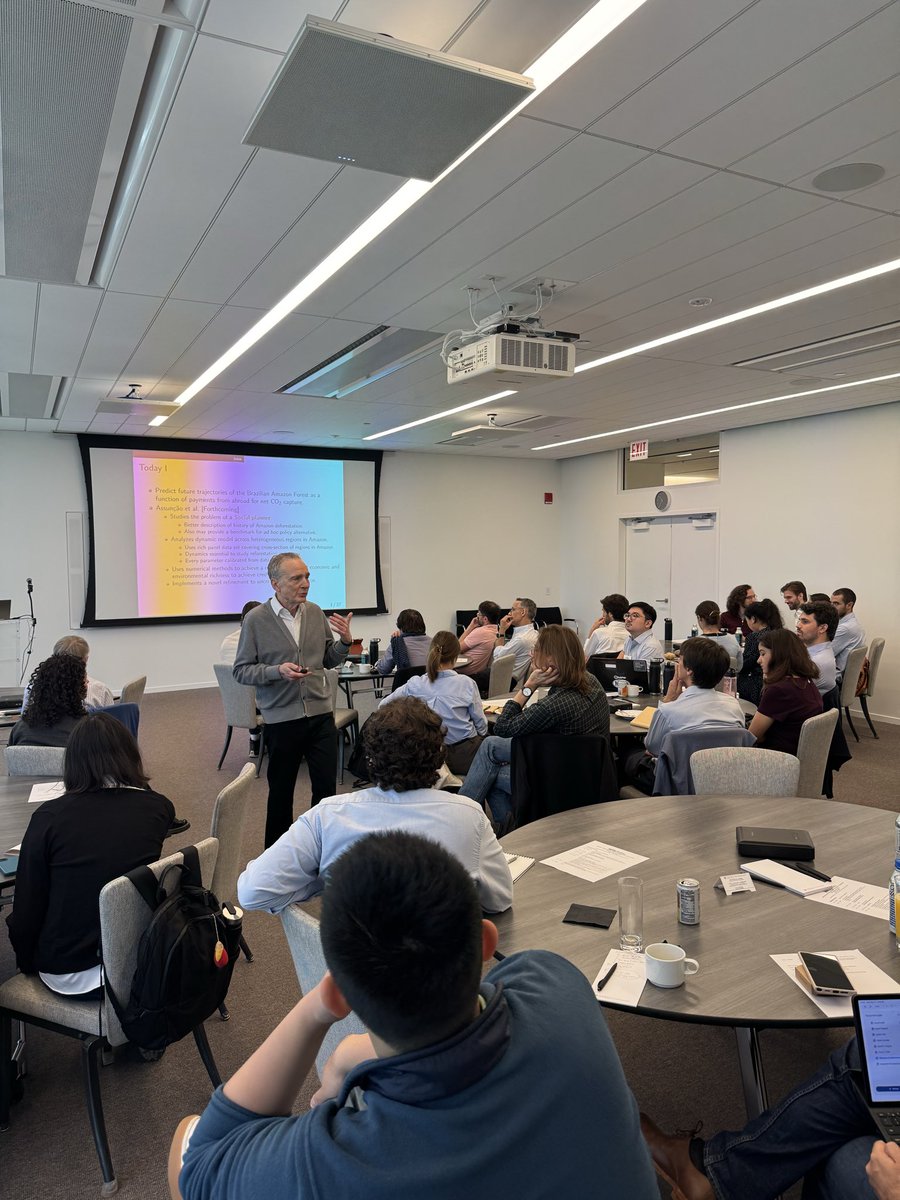
José Scheinkman (Columbia) presented his research on “Forests and Climate.” Thank you to our participants for the great discussion! #econtwitter
5
27
3,310
May 27
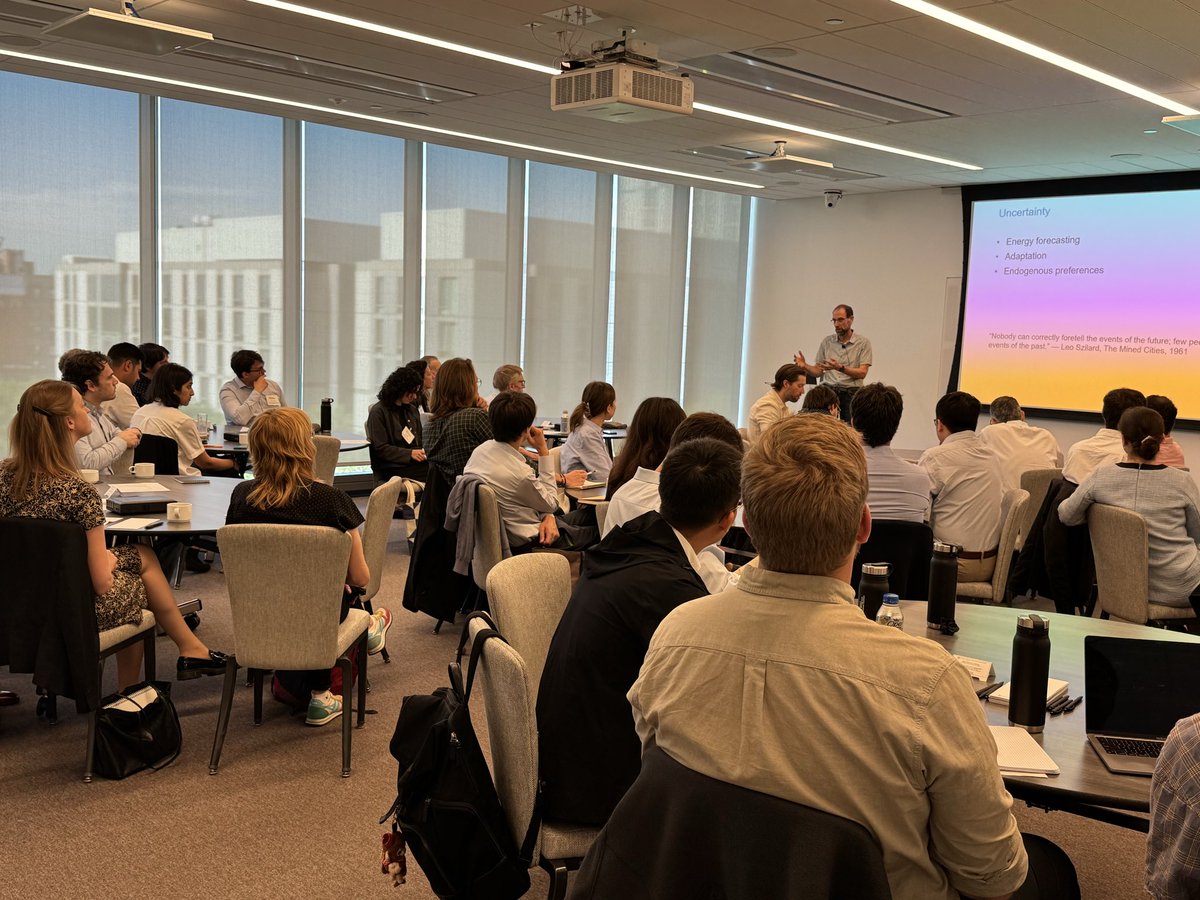
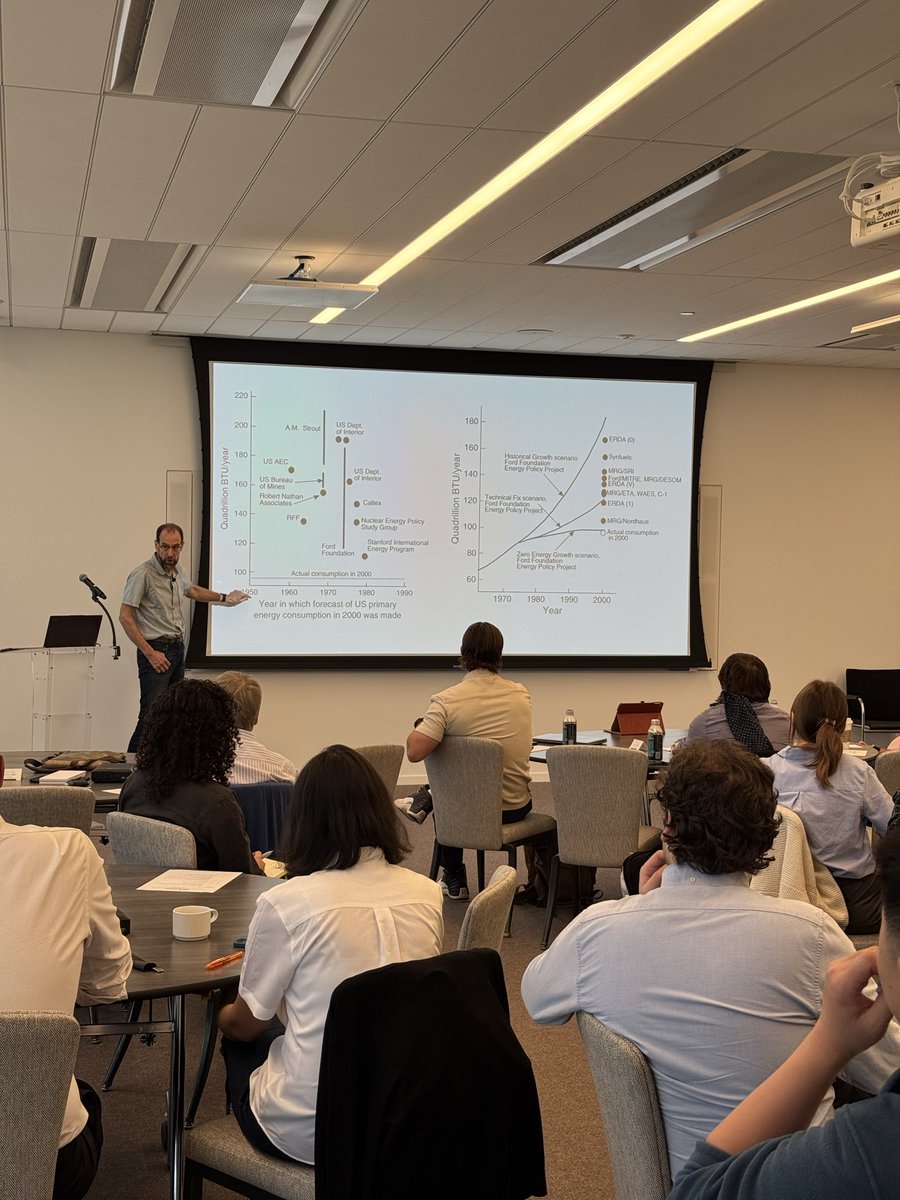
Very much looking forward to this week’s Modeling Climate-Economic Dynamics Workshop for Young Scholars organized by the @MFRProgram and hearing about some innovative research ideas from promising young scholars and our faculty speakers. Kicking off Day 1 with my colleague @DKeithClimate presenting his research on “Climate Engineering and Uncertainty.” #EconTwitter #ClimateEconomics #ClimateModeling #Uncertainty
3
52
6,884
Apr 15
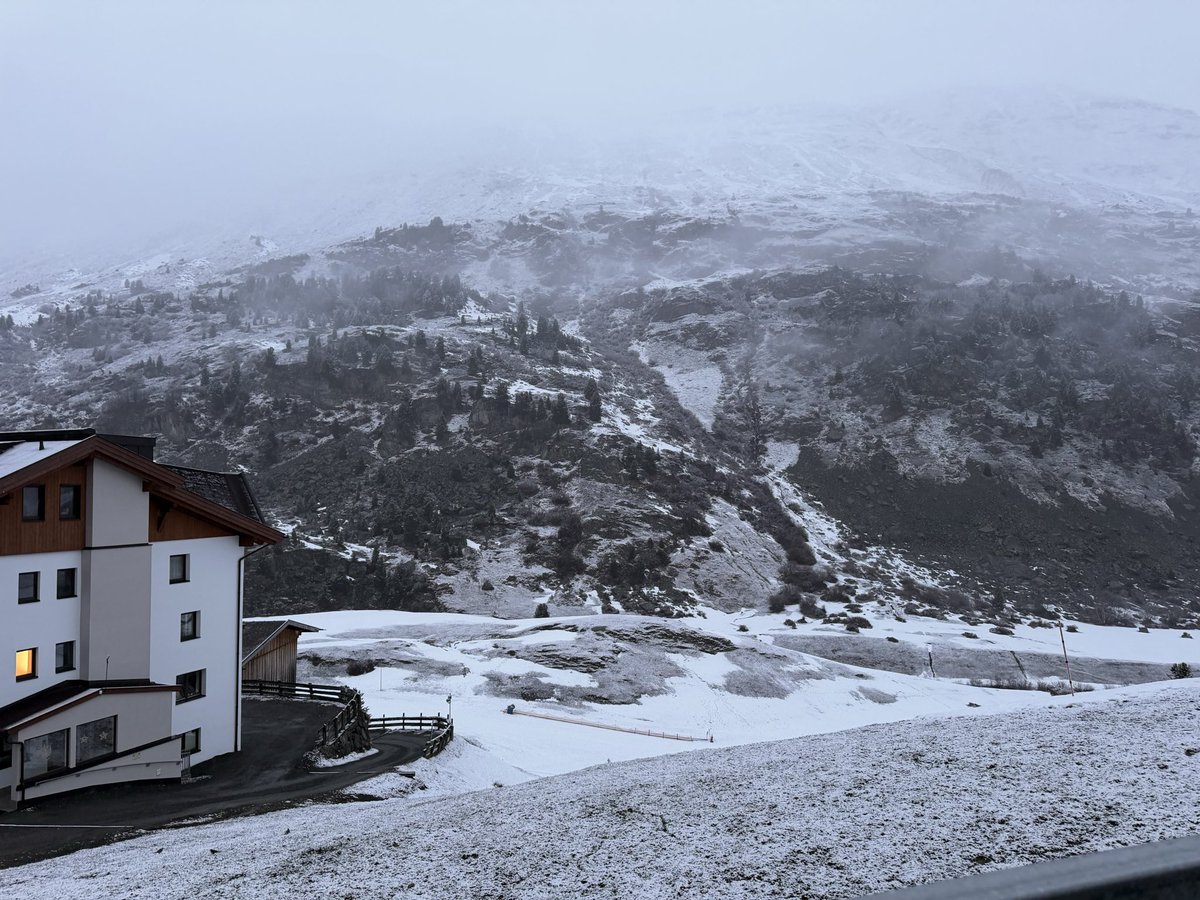
I’m learning a great deal from leading experts on uncertainty, climate change, and geoengineering while exploring alternative approaches to addressing climate change during my visit to Obergürgl, Austria.
18
1,501
Lars Peter Hansen retweeted

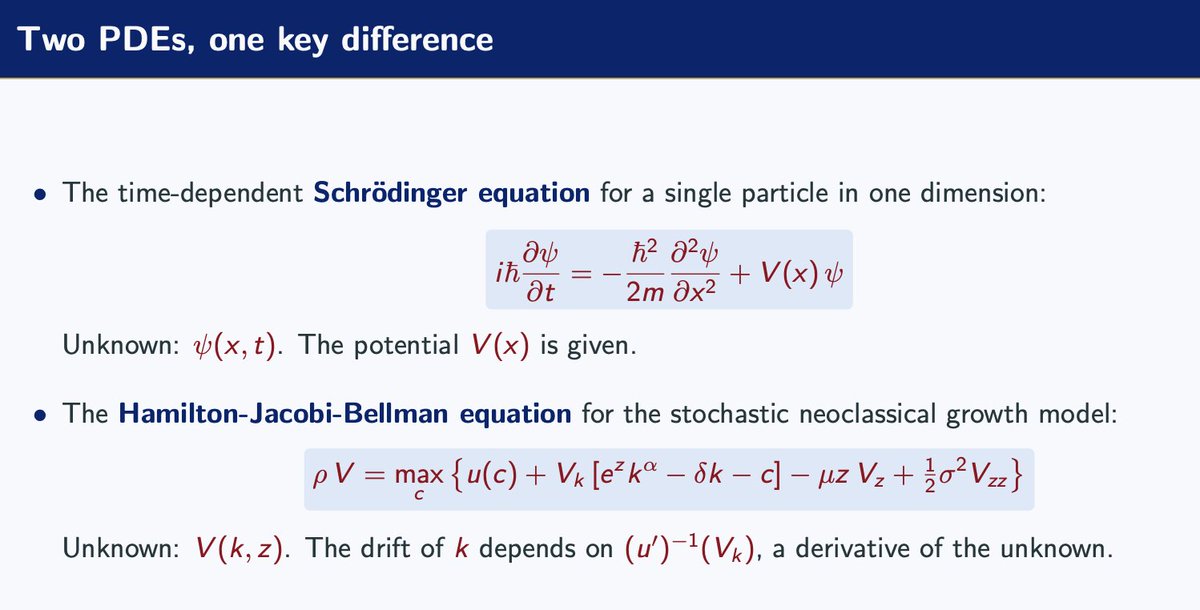
A point that is sometimes overlooked is that PDEs in physics and economics have a subtle but important difference.
When a physicist solves the Schrödinger equation (see my slide below), the potential is given. The coefficients of the equation are part of the problem statement. You pick your grid, refine your mesh, and the equation never changes on you. Better numerics give a better approximation to a fixed target.
In economics, this is not the case. Look at the Hamilton-Jacobi-Bellman equation for the neoclassical growth model (also slide below). The drift of capital depends on a derivative of the value function, the very object you are trying to solve for. The “coefficients” of the PDE are endogenous to the optimal choices of the agents. This is what @UncertainLars and Sargent referred to as the cross-equation restrictions implied by optimizing behavior.
This is what @MahdiKahou and I call the “equilibrium loop”: improving your approximation changes the policy, which changes the dynamics, which changes where in the state space the economy spends its time, which changes where your approximation needs to be accurate. You are not chasing a fixed target with a better net. Moving the net moves the target.
This has serious consequences for computation. You cannot just borrow neural network architectures from deep learning in the natural sciences. The loss function comes from equilibrium conditions, not from labeled data. The evaluation points are not given. Instead, they are regenerated each epoch from the current approximation. Ignoring it is why you often get solutions that look good on a training set but fall apart in simulation.
43
193
1,189
257,488