
Building Model Monster: AI governance grounded in system architecture, not questionnaires. AI/open source lawyer. DMs open.
Joined July 2008
- Tweets 4,477
- Following 335
- Followers 2,017
- Likes 396
71 Photos and videos
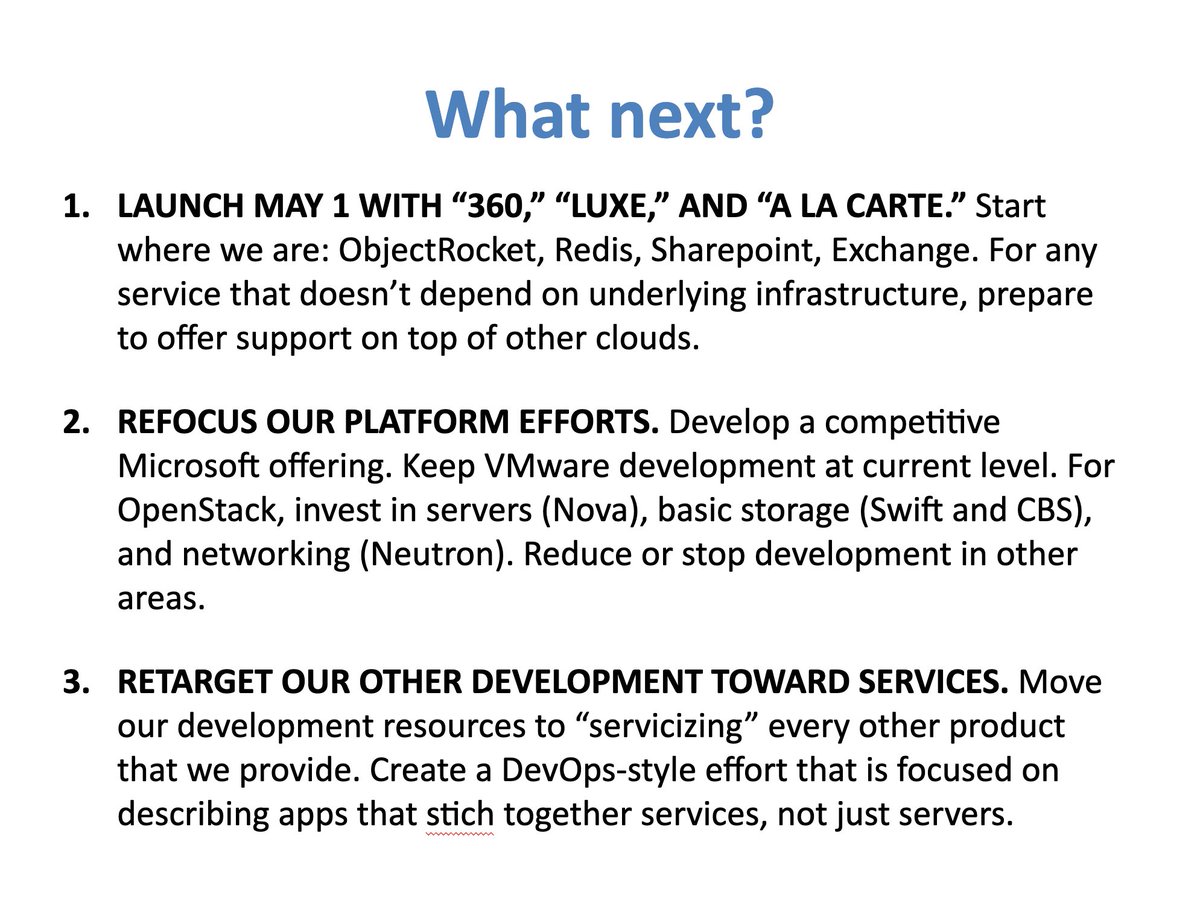
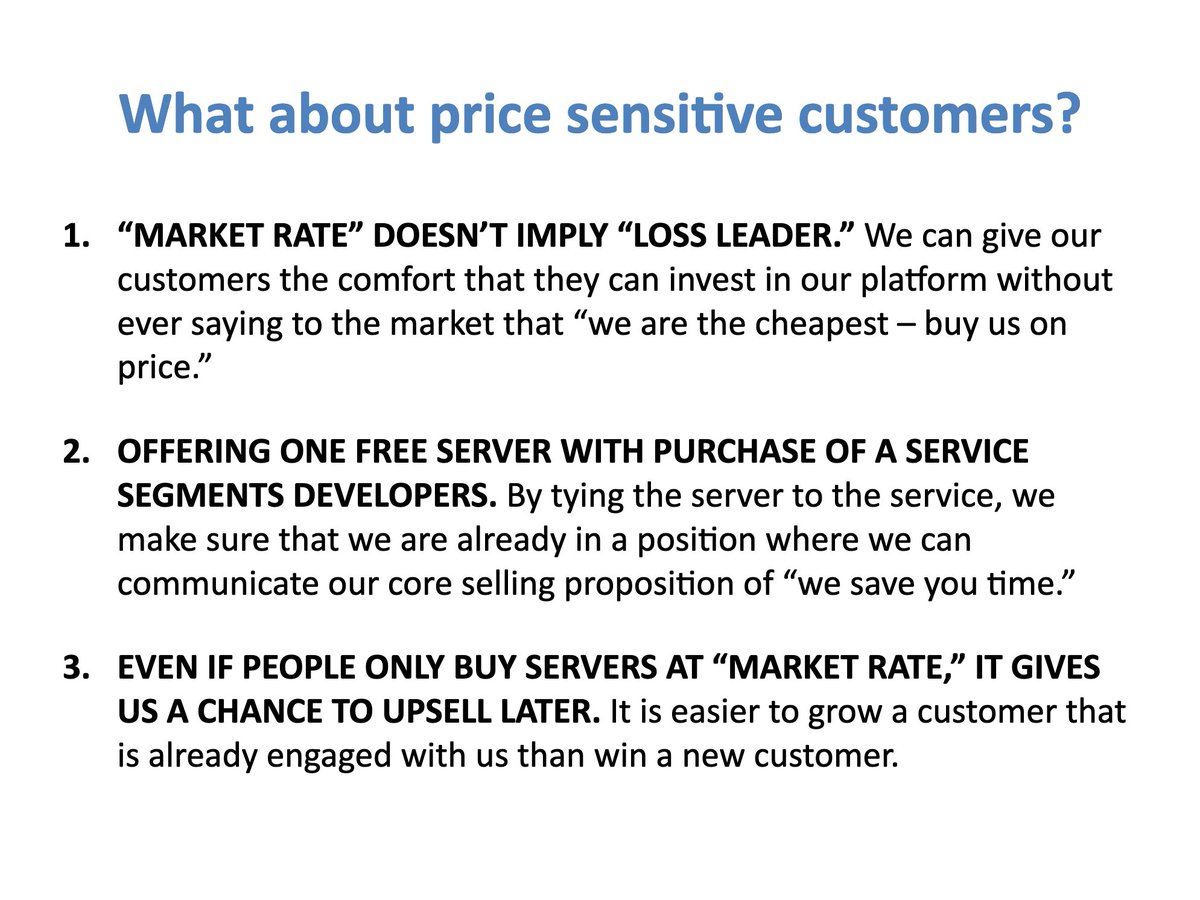
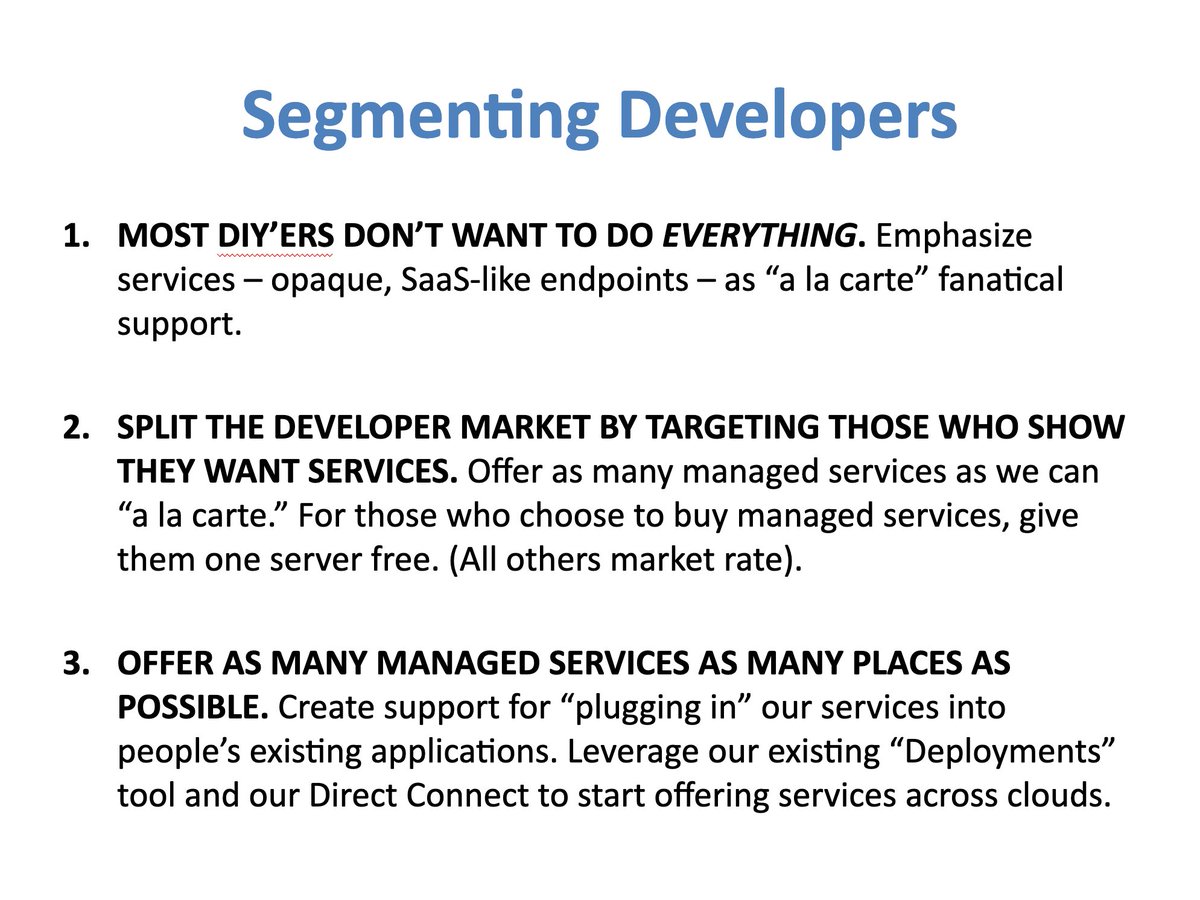
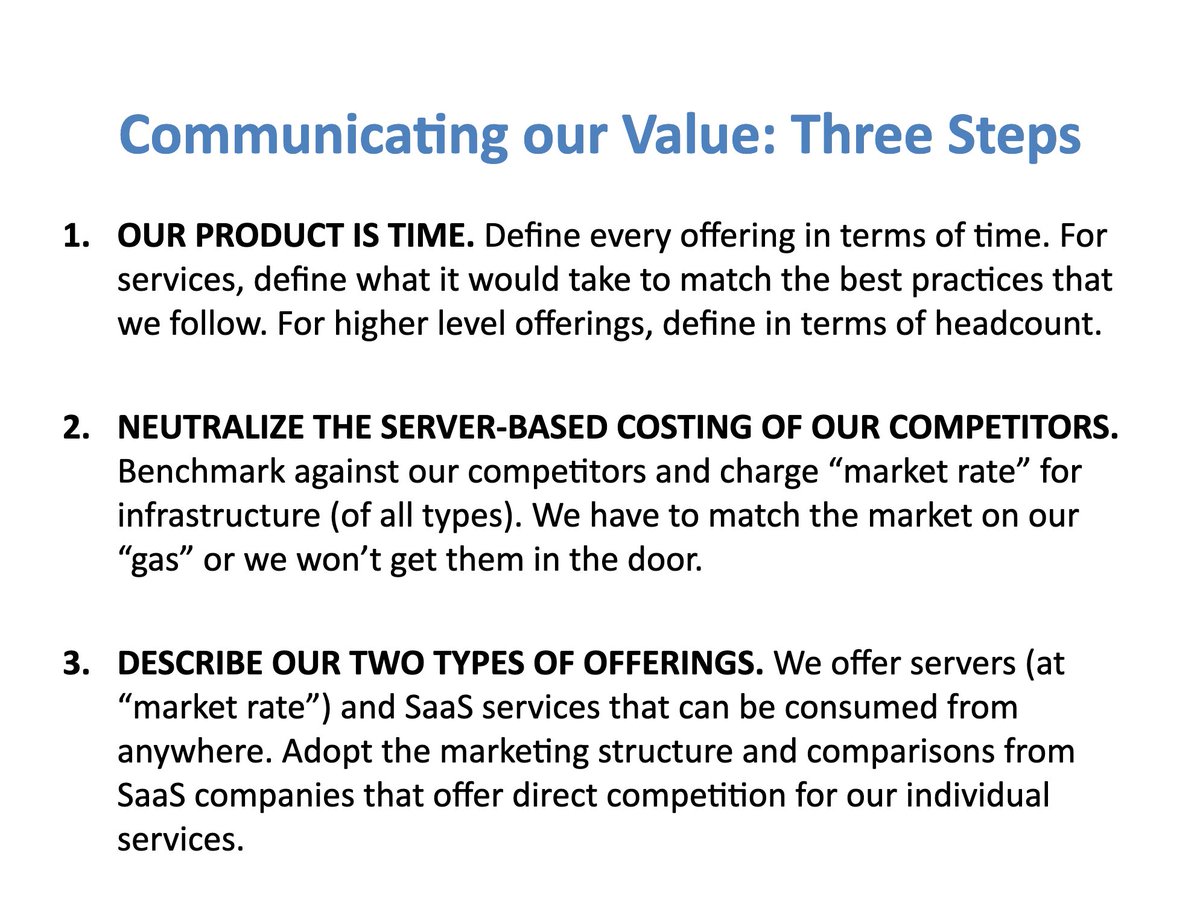
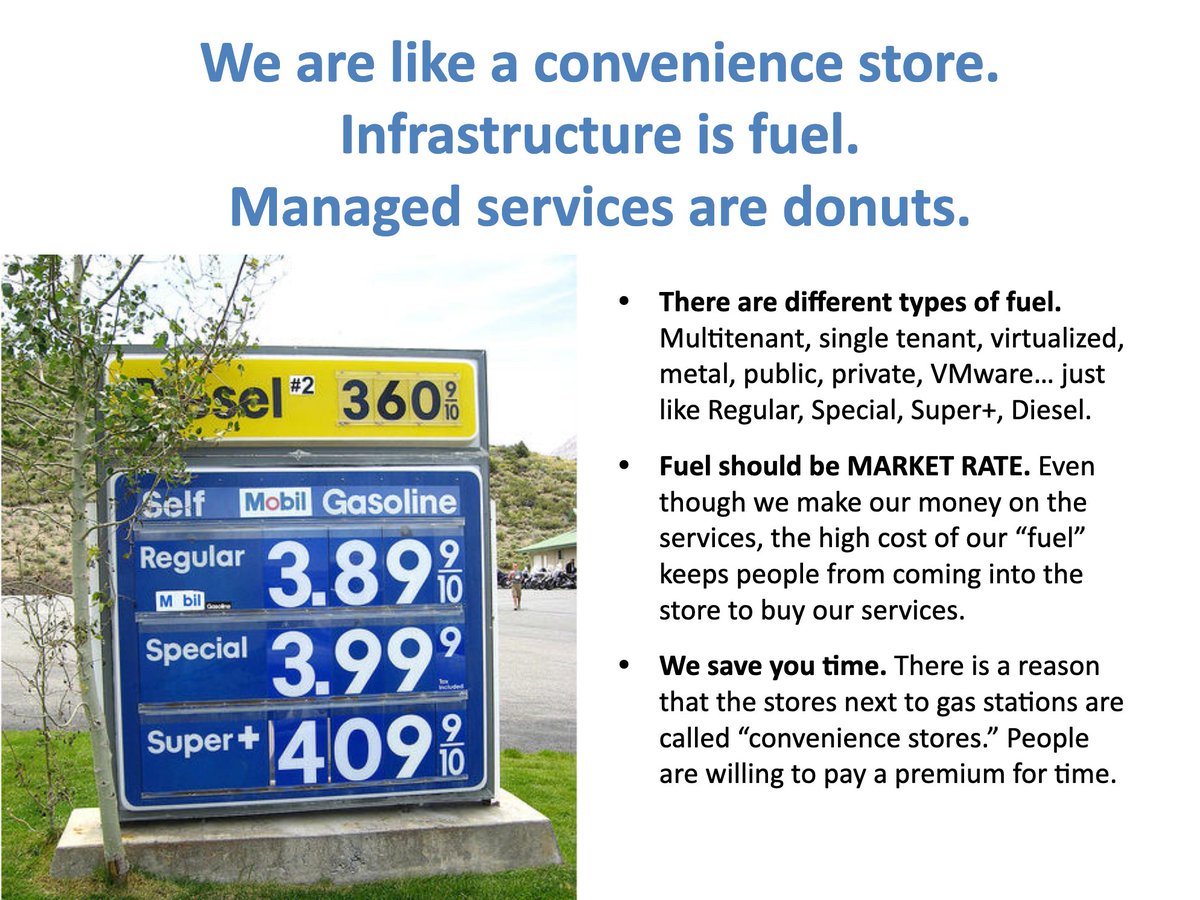


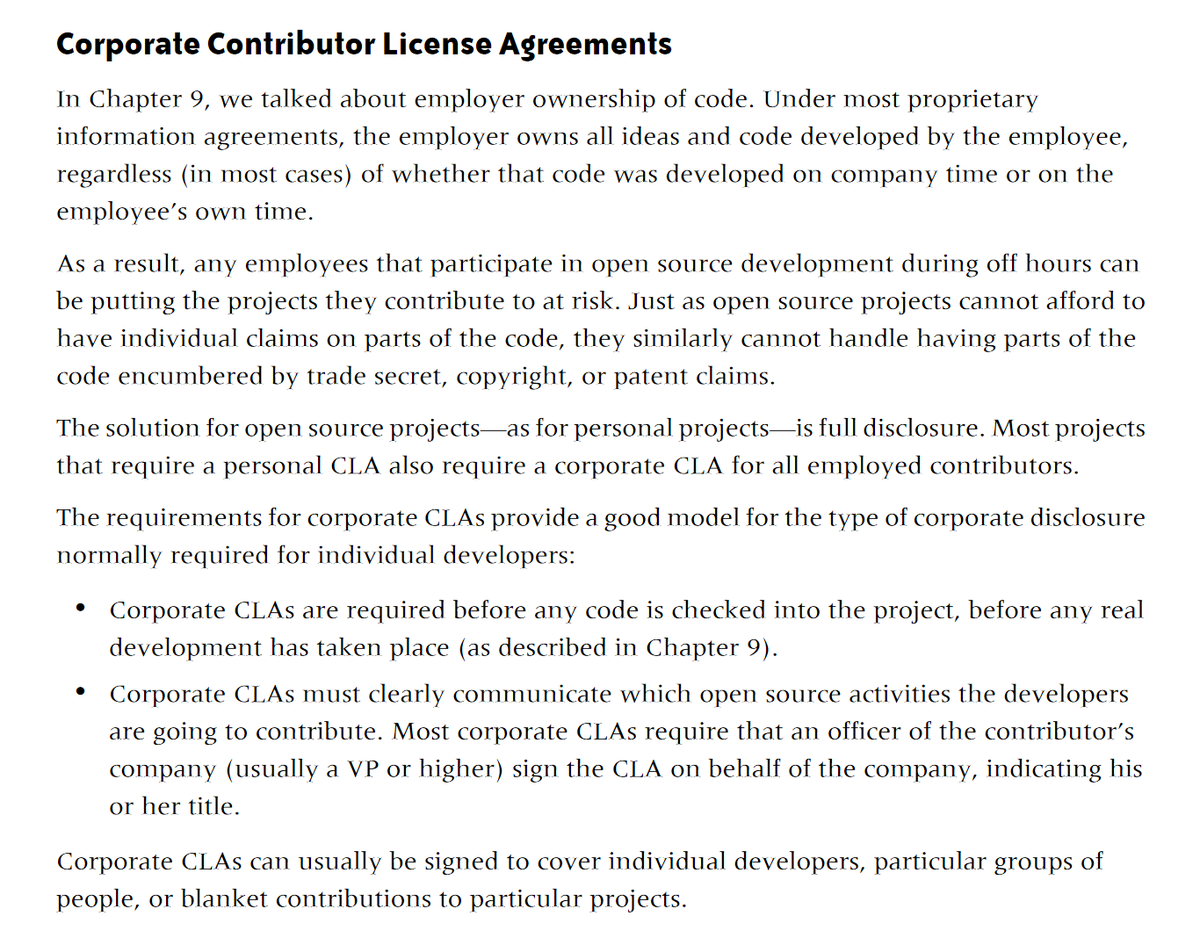


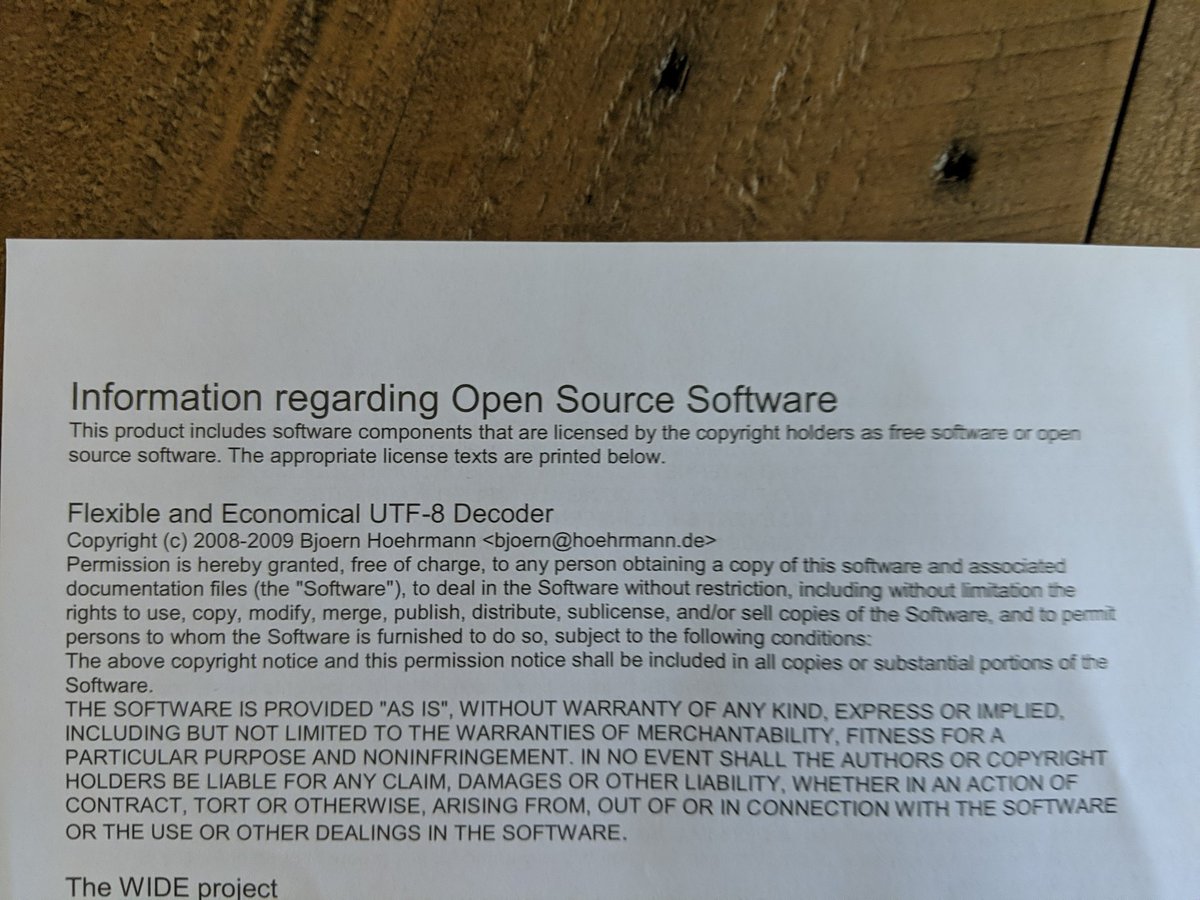

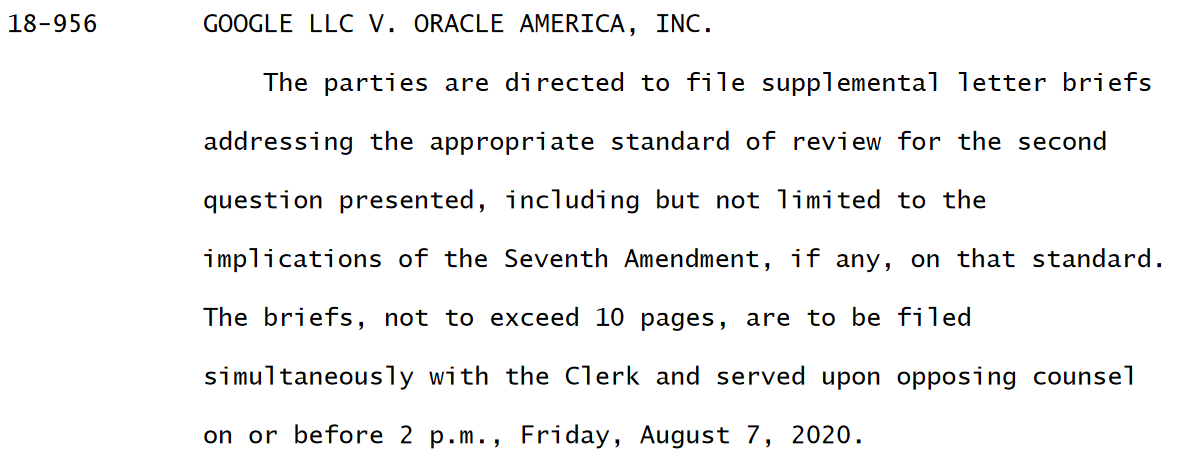

Shorter @AnthropicAI: "Now that we have made significant advances in building a market, it is now time to enact regulatory barriers that will prevent others from following us and reducing our market share."
Jun 10

Today I'm publishing a new essay, Policy on the AI Exponential. AI is progressing extremely fast—much faster than the policy process was built to handle. The essay lays out where I think the technology is now, and the action needed to close the gap: darioamodei.com/post/policy-…
65
I packaged up my agentic coding assistance system for anyone to use: github.com/VanL/agent-guidan….
What this is: I have been doing a lot of AI-assisted development recently, and I have found that I frequently get better results than some others. I think that part of it is the structured system I use for managing agent context and guiding agents away from common pitfalls.
Agent-guidance makes agents use a more highly-structured specification-plan-implement cycle than the basic planning mode will get you. In combination with github.com/VanL/agent-mcp, plans and implementations get a competitive review from a different agent, helping eliminate blind spots.
If you are a user of @garrytan's gstack, @every's compound engineering, and @obrajesse's superpowers, agent-guidance will work with those skill stacks to make implementation easier and higher-quality.
3
130
VanL retweeted

15 Jul 2025
We open-sourced 99% of US caselaw on @huggingface. Both AI and legal tech companies are selling this data for a high premium. You can simply just build a wrapper around it and freely compete with them now. That is why we love open-source.
huggingface.co/datasets/comm…
14 Jul 2025

Why are legal services such a lucrative opportunity for AI?
・ ⚖️ Legal work is programming with words, a natural fit for AI.
・ 🚀 The market pull is unprecedented, with sales cycles cut from months to weeks.
・ 💻 AI engineers have an unfair advantage, able to build the automated, reliable systems required.
Breaking the fourth wall on an insider conversation with @intellectronica and @hadikhantech: ai.intellectronica.net/ai-en…
84
389
3,079
532,763
Released a fun little utility that I use for coordinating multiple agents (like claude code):
Simplebroker: A lightweight, no-configuration message broker/queue for cli tools
$ pipx install simplebroker
$ broker write tasks "ship it 🚀"
$ broker read tasks
ship it 🚀
github.com/VanL/simplebroker
1
4
209
Simplebroker quick start:
# Create a queue and write a message
$ broker write myqueue "Hello, World!"
# Read the message (removes it)
$ broker read myqueue
Hello, World!
# Write from stdin
$ echo "another message" | broker write myqueue -
# Read all messages at once
$ broker read myqueue --all
# Peek without removing
$ broker peek myqueue
# List all queues
$ broker list
myqueue: 3
# Broadcast to all queues
$ broker broadcast "System maintenance at 5pm"
# Clean up when done
$ broker --cleanup
2
122
VanL retweeted

11 May 2025
The day before Register of Copyrights Shira Perlmutter was fired, the Copyright Office quickly and quietly dropped a major report on AI and fair use. I break down the timing, the fallout, and my 5 biggest takeaways—up now on Copyright Lately
copyrightlately.com/copyrigh…
6
29
90
5,356

The Japanese government has fully committed to advancing AI. The Personal Information Protection Commission has amended privacy laws to permit the use of personal data—both domestic and foreign—for AI training purposes without requiring individual consent in principle.
10 Feb 2025

AI開発向け個人情報、本人同意求めず 政府が法改正準備 - 日本経済新聞 nikkei.com/article/DGXZQOUA0…
4
13
31
2,095
The first major decision on AI training has come out - Thomson Reuters v. Ross. The court found on summary judgment that use for training an AI was not a fair use.
For those not breathlessly waiting on each new AI case, the background is this: Thomson Reuters owns Westlaw, one of the major two legal research servics. Westlaw contains both the public domain legal materials (court opinions, statutes, regulations) and Westlaw-created summaries (West Headnotes) and an organizational system (the Key Number system).
ROSS tried to license this content, and on failing to do so, asked a third party (LegalEase) to create a legal research dataset using the Westlaw materials. LegalEase was told not copy just cut-and-paste the Westlaw headnotes, but many of the case summaries and questions used for the training dataset were very similar to Westlaw's Headnotes.
The court had previously seemed to lean toward finding that the Headnotes/Key Numbers were uncopyrightable and that the use in training was fair use. In the ruling today, the court reversed itself, finding for Thomson Reuters on most counts.
Much of the case has to do with the interaction between ROSS and LegalEase, and whether ROSS induced LegalEase to commit copyright infringement (because LegalEase admitted direct copying of Westlaw's materials). This hurt ROSS, as factor one of the fair use factors went against ROSS: the use of summarizing cases was not transformative. The court followed Warhol, finding that LegalEase's summary questions and Westlaw's Headnotes had essentially the same use.
Factor two went to ROSS; the Headnotes/Key Numbers were not very creative.
Factor three also went to ROSS. Following Authors Guild v. Google reasoning that I think will be picked up in other cases, the court noted that "What matters is not “the amount and substantiality of the portion used in making a copy, but rather the amount and substantiality of what is thereby made accessible to a public for which it may serve as a competing substitute.” Authors Guild, 804 F.3d at 222 (internal quotation marks omitted). ROSS didn't make the Headnotes available to users, so the fact that the whole Headnotes were copied as part of the training didn't matter.
But the most important was the court's analysis of factor four of the fair use factors. The court found that ROSS' use was not fair because 1) it was trying to compete with Westlaw by developing a market substitute, and 2) it burdened Thomson Reuters' *potential* market for AI training data, and ROSS did not show that its copying would have no/negligible affect on that market.
The court also distinguished Oracle v. Google, where the
API was valuable “because users, including programmers, [were] just used to it.” But "[t]here is nothing that Thomson Reuters created that Ross could not have created for itself or hired LegalEase to create for it without infringing Thomson Reuters’s copyrights."
So what are the takeaways?
The biggest for me was the recognition of a possible interest in a data market by Thomson Reuters. That is the best case for those who want all AI training to be licensed rather than fair use. Thomson Reuters was in the perfect place to make that argument, as they built a dataset and charged for licensed access to it.
However, this same argument also tends to cut against some other types of plaintiffs. While Westlaw arguably has a full dataset of legal principles, very few organizations (maybe Getty?) have the corresponding breadth of dataset to make it uniquely valuable. Foundation models especially want all kinds of data inputs, not just novels and newspapers. There is no licensing regime for "all data on the Internet."
Second, ROSS was hurt by the fact that it was seeking to displace Westlaw customers. Using copied material in direct competition was unfair.
Again, however, this analysis can cut both ways. Generative foundation model builders (ROSS was not generative) are not usually trying to directly compete against JK Rowling or the New York Times. They are trying to enable new types of works and new applications, not to displace existing works.
Thomson Reuters v. ROSS is definitely significant because it is first to a judgment - and my guess it will definitely be appealed, so we don't know the end of the story yet. But I don't think it ended up answering the key questions around training and generative AI.
2
6
24
8,697
VanL retweeted

11 Feb 2025
Vice President @JDVance is in Paris for the AI Summit and just gave one of the most pro-innovation speeches I've ever heard from an elected politician.
Below is an AI-transcribed version of the speech. Bold is mine.
___
Thank you for the kind introduction, and I want to start by thanking President Macron for hosting the event and for the lovely dinner last night. During the dinner, President Macron looked at me and asked if I would like to speak. I said, Mr. President, I'm here for the good company and free wine, but I have to earn my keep today. I want to thank Prime Minister Modi for being here and for co-hosting the summit, and for all of you for participating.
I'm not here this morning to talk about AI safety, which was the title of the conference a couple of years ago. I'm here to talk about AI opportunity.
When conferences like this convene to discuss cutting-edge technology, our response can often be too self-conscious and too risk-averse. However, I have never encountered a breakthrough in tech that so clearly calls us to do precisely the opposite.
Our administration believes that AI will have countless revolutionary applications in economic innovation, job creation, national security, healthcare, free expression, and beyond. To restrict its development now will not only unfairly benefit incumbents in the space, but it would also mean paralyzing one of the most promising technologies we have seen in generations. With that in mind, I'd like to make four main points today.
Number one, this administration will ensure that American AI technology continues to be the gold standard worldwide. We aim to be the partner of choice for foreign countries and businesses as they expand their own use of AI.
Number two, we believe that excessive regulation of the AI sector could kill a transformative industry just as it's taking off, and we will make every effort to encourage pro-growth AI policies. I appreciate seeing that deregulatory flavor making its way into many conversations at this conference.
Number three, we feel strongly that AI must remain free from ideological bias and that American AI will not be co-opted into a tool for authoritarian censorship.
Finally, number four, the Trump administration will maintain a pro-worker growth path for AI, so it can be a potent tool for job creation in the United States. I appreciate Prime Minister Modi's point; AI will facilitate and make people more productive. It is not going to replace human beings. I think too many leaders in the AI industry, when they talk about the fear of replacing workers, miss the point. AI will make us more productive, more prosperous, and more free.
The United States is the leader in AI, and our administration plans to keep it that way. The U.S. possesses all components across the full AI stack, including advanced semiconductor design, frontier algorithms, and transformational applications. The computing power this stack requires is integral to advancing AI technology. To safeguard America's advantage, the Trump administration will ensure that the most powerful AI systems are built in the U.S. with American-designed and manufactured chips.
Just because we're the leader doesn't mean we want to or need to go it alone. America wants to partner with all of you. We want to embark on the AI revolution with the spirit of openness and collaboration. To create that kind of trust, we need international regulatory regimes that foster the creation of AI technology rather than strangle it. We need our European friends in particular to look to this new frontier with optimism rather than trepidation.
The development of cutting-edge AI in the U.S. is no accident. By preserving an open regulatory environment, we've encouraged American innovators to experiment and make unparalleled R&D investments. Of the estimated $700 billion to be spent on AI in 2028, over half will likely be invested in the United States.
This administration will not snuff out the startups and grad students producing groundbreaking applications of artificial intelligence. Our laws will keep big tech, little tech, and all other developers on a level playing field. With the president's recent executive order on AI, we're developing an AI action plan that avoids an overly precautionary regulatory regime while ensuring that all Americans benefit from the technology and its transformative potential.
We invite your countries to work with us and to follow that model if it makes sense for your nation. However, the Trump administration is troubled by reports that some foreign governments are considering tightening the screws on U.S. tech companies with international footprints. America cannot and will not accept that, and we think it's a terrible mistake, not just for the United States, but for your own countries.
U.S. innovators of all sizes already know what it's like to deal with onerous international rules. Many of our most productive tech companies are forced to deal with the EU's Digital Services Act and the massive regulations it created about taking down content and policing misinformation. We want to ensure the internet is a safe place, but it is one thing to prevent a predator from preying on a child online, and quite another to prevent a grown man or woman from accessing an opinion that the government thinks is misinformation.
For smaller firms, navigating the GDPR means paying endless legal compliance costs or risking massive fines. For some, the easiest way to avoid the dilemma has been to block EU users in the first place. Is this really the future we want? Ladies and gentlemen, I think the answer should be no.
There's no issue we worry about more than regulation when it comes to energy. I appreciated the comments of many at the conference because they recognize that we stand at the frontier of an AI industry that is hungry for reliable power and high-quality semiconductors, yet too many of our friends are de-industrializing on one hand and chasing reliable power out of their nations on the other.
The AI future will not be won by hand-wringing about safety. It will be won by building. From reliable power plants to the manufacturing facilities that can produce the chips of the future.
At a personal level, what excites me most about AI is that it is grounded in the real and physical economy. The success of the sector isn't just a matter of smart people coding; it depends on those who work with their hands. Robotics will change our factories and improve healthcare, but it will also depend on the data produced by healthcare providers.
AI cannot take off unless the world builds the energy infrastructure to support it. Tech innovation over the last 20 years has often conjured images of smart people staring at computer screens, engineering in the world of bits. The AI economy will primarily depend on and transform the world of atoms. We face the extraordinary prospect of a new industrial revolution, one on par with the invention of the steam engine or Bessemer steel. But it will never come to pass if over-regulation deters innovators from taking the necessary risks.
Nor will it occur if we allow AI to be dominated by massive players looking to use the tech to censor or control users' thoughts. We should ask ourselves who is most aggressively demanding that we, political leaders gathered here today, do the most aggressive regulation. It is often the people who already have an incumbent advantage in the market. When a massive incumbent comes to us asking for safety regulations, we ought to ask whether that regulation benefits our people or the incumbent.
Over the last few years, we've watched as governments, businesses, and nonprofit organizations have advanced unpopular and ahistorical social agendas through AI. In the U.S., we had AI image generators trying to tell us that George Washington was black or that America's doughboys in World War I were women. We laugh at this now, but we must remember the lessons from that moment. The Trump administration will ensure that AI systems developed in America are free from ideological bias and never restrict our citizens' right to free speech. We can trust our people to think, consume information, develop their own ideas, and debate in the open marketplace of ideas.
We've also watched as hostile foreign adversaries have weaponized AI software to rewrite history, surveil users, and censor speech. This is hardly new. Some authoritarian regimes have stolen and used AI to strengthen their military, intelligence, and surveillance capabilities, capture foreign data, and create propaganda to undermine other nations' national security. This administration will block such efforts full stop. We will safeguard American AI and chip technologies from theft and misuse, work with our allies to strengthen these protections, and close pathways to adversaries attaining AI capabilities that threaten all of our people.
Partnering with such regimes never pays off in the long term. From CCTV to 5G equipment, we're familiar with cheap tech in the marketplace that's been heavily subsidized and exported by authoritarian regimes. Partnering with them means chaining your nation to an authoritarian master that seeks to infiltrate and seize your information infrastructure. If a deal seems too good to be true, remember the old adage from Silicon Valley: if you aren't paying for the product, you are the product.
Finally, this administration wants to be clear about one last point. We will always center American workers in our AI policy. We refuse to view AI as a purely disruptive technology that will inevitably automate away our labor force. We believe AI will make our workers more productive, and we expect they will reap the rewards with higher wages, better benefits, and safer, more prosperous communities. The most immediate applications of AI involve supplementing, not replacing, the work being done by Americans.
Combined with this administration's worker-first approach to immigration, we believe that the U.S. labor force prepared to use AI to its fullest extent will attract the attention of businesses that have offshored some of these roles. To accomplish this, the administration will ensure that America has the best-trained workforce in the world. Our schools will teach students how to manage, supervise, and interact with AI-enabled tools as they become part of our everyday lives. As AI creates new jobs and industries, our government, businesses, and labor organizations have an obligation to work together to empower workers, not just in the United States, but all over the world.
For all major AI policy decisions from the federal government, the Trump administration will guarantee American workers a seat at the table, and we're proud of that.
I've taken up enough of your time, so I'd like to close with a quick story. This is a beautiful country, President Macron, and I know that you're proud of it. Yesterday, as I was touring Les Invalides with General Gravette and my three kids, he showed me the sword that belonged to America's dearest international friend from our own revolution, the Marquis de Lafayette. He let me hold the sword, but made me put on white gloves beforehand.
It got me thinking of this country, France, and my own country, and the beautiful civilization we have built together with weapons like that saber. Weapons that are dangerous in the wrong hands, but incredible tools for liberty and prosperity in the right hands.
I couldn't help but think of the conference today; if we choose the wrong approach on things that could be conceived as dangerous, like AI, and hold ourselves back, it will alter not only our GDP or the stock market, but the very future of the project that Lafayette and the American founders set off to create.
This doesn't mean that all concerns about safety go out the window, but focus matters. We must focus now on the opportunity to catch lightning in a bottle, unleash our most brilliant innovators, and use AI to improve the well-being of our nations and their peoples. With great confidence, I can say it is an opportunity that the Trump administration will not squander. We hope everyone here today feels the same. Thank you, and God bless you all.
14
43
170
103,825
I finished reading through the US Copyright Office's report on AI copyrightability. My take: They are doubling down on their mistaken policy that "prompts alone
do not provide sufficient human control to make users of an AI system the authors of the output" (p. 17). They continue to treat AI outputs like "found material" that exists in nature, rather than seeing the person prompting the AI as the but-for cause of the creative output.
Further, there continues to be an emphasis on "randomness" associated with the AI tools. While they acknowledge that a person provides inputs to the tool, they stick to the conception that the output of the tool is creatively disconnected from the person doing the prompting. This is despite of their acknowledgement of prompt engineering and iterative prompting - and despite their acknowledgement that selection and editing tools that allow regeneration of just a portion of an image might result in a copyrightable output (p. 26)
1
2
23
11,102
The report is at copyright.gov/ai/Copyright-a….
And on a purely personal note, I was happy to see that my comments were among the most-cited by the Office (search for "Lindberg") even though they were not attributed in the main text.
3
1
6
628
VanL retweeted

22 Oct 2024
By Vetoing SB 1047, Governor @GavinNewsom helped the AI research community avoid a crisis.
Here's our plan to stop another SB 1047 from happening: federal pre-emption for research and publishing. 🧵
Authored by @deanwball, @VanL, and @psychosort
4
12
49
25,302
VanL retweeted

27 May 2024
Van Lindberg @VanL will be one of our Keynote for PyCon Colombia 2024. Van is Founder/CEO at OSPOCO. Lawyer Specialist on Software and Computer Law Issues and Vice-Chairman of the Board of Directors at the PSF
Experience the magic of PyCon with world-class keynotes 🌍
1
7
798
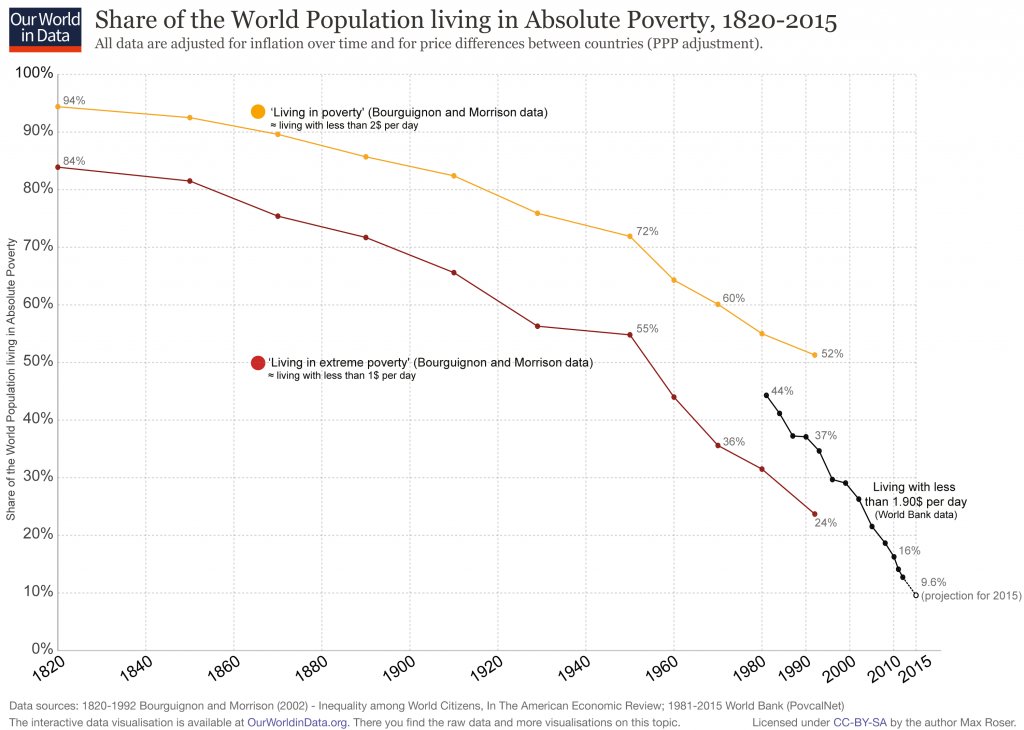
Paul R. Ehrlich::The Population Bomb as AI Doomers::P(Doom).
Both feature confident assertions of quickly approaching apocalypse based on the idea that we have too much development.
Ehrlich was wrong. Millions (possibly even billions) are poorer and unhappier as a result.
Draw your own conclusions.
3
206