
gaming and digital entertainment entrepreneur, China and Middle East.
Joined September 2008
- Tweets 1,488
- Following 498
- Followers 464
- Likes 1,937
27 Photos and videos

Vincent Ghossoub retweeted

Jan 26
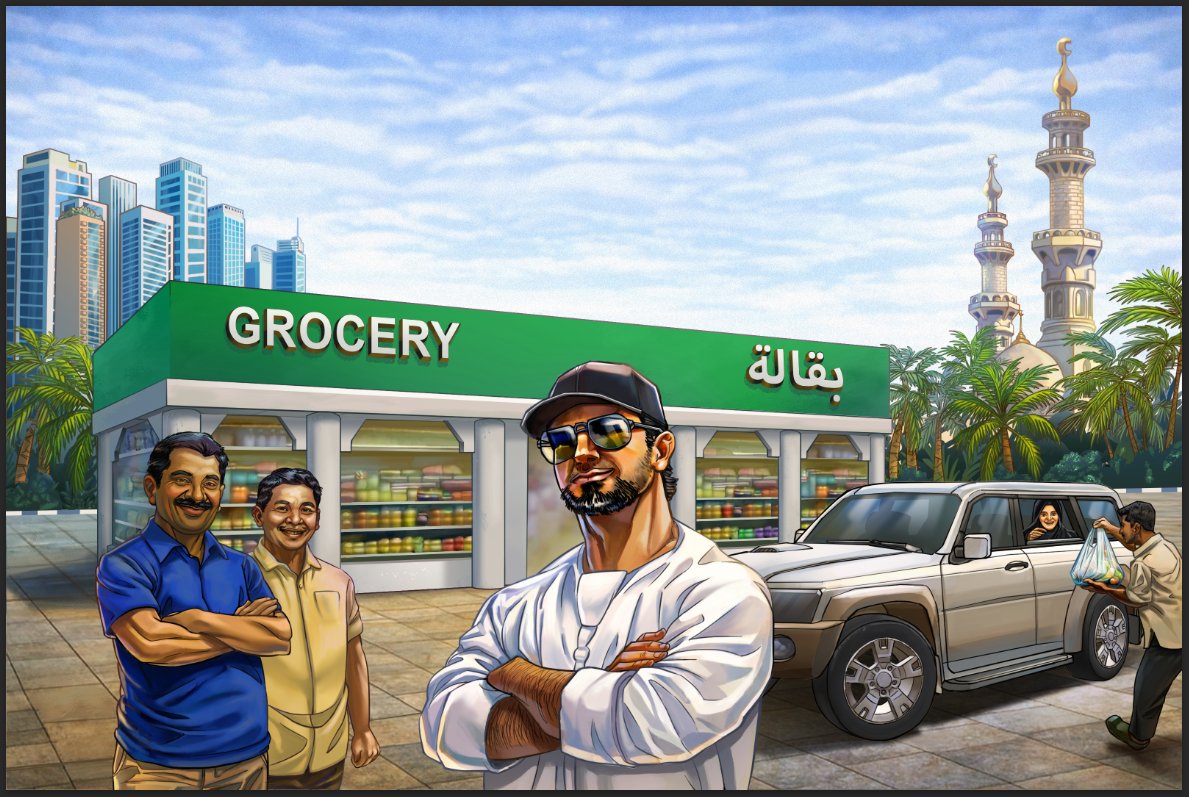
How do you like our cover/capsule art? شو رأيكم؟
We're making a video game based on owning a Baqala/Dukkan in the GCC. Reserve your beta spot. إحجز مكانك في البيتا subscribepage.io/lbhcmg
#dubai #indiegame #qatar #saudiarabia #uae #AbuDhabi #riyadh
2
2
169
Vincent Ghossoub retweeted
Jan 15
Reserve your beta spot. إحجز مكانك في البيتا subscribepage.io/lbhcmg.
We're making a video game based on owning a Baqala/Dukkan in the GCC. subscribepage.io/lbhcmg #indiegame #uae #dubai #qatar #saudiarabia #Simulation
1
1
107
Vincent Ghossoub retweeted
Jan 9
Updated Gameplay sneak preview debuting the BB Gun and Delivery System🤫
We're making a video game based on owning a Baqala/Dukkan in the GCC. Join our mailing list to reserve your spot in the beta subscribepage.io/lbhcmg
#indiegame #uae #dubai #qatar #saudiarabia🇸🇦 #Simulation
2
3
136
Vincent Ghossoub retweeted
Jan 7
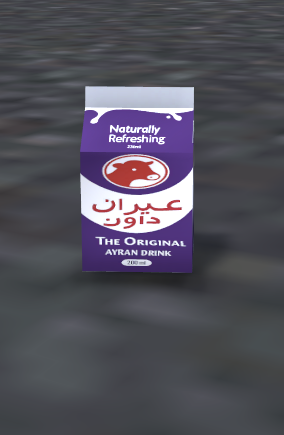
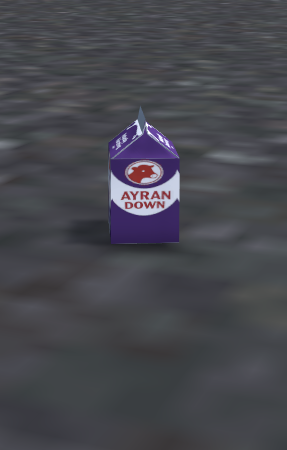
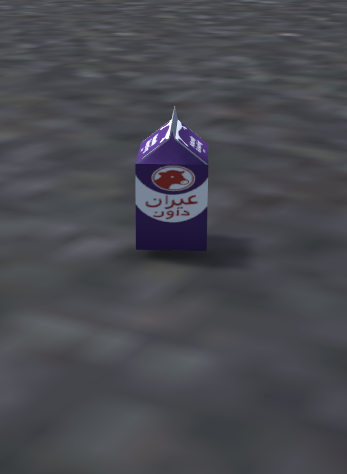
Do you remember this one??🙄
Join our mailing list to reserve your spot in the beta subscribepage.io/lbhcmg
#UAE #Dubai #SaudiArabia #Qatar #Madewithunity #Wholsomegames #Pitchyagame #TuesdayFun
1
87
Vincent Ghossoub retweeted
Jan 6
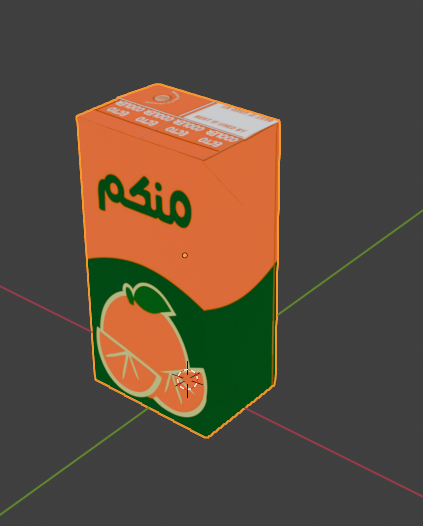
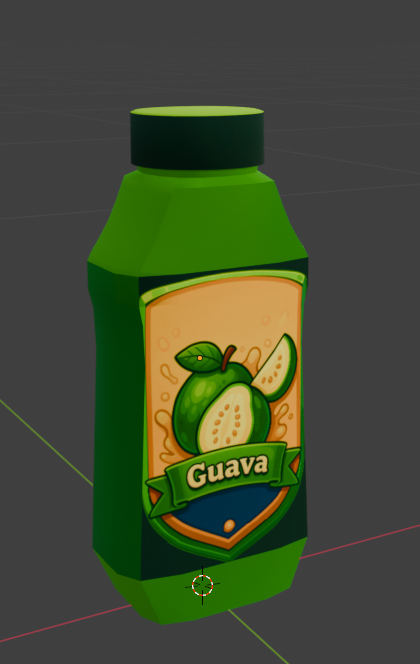
Check out our models of "Minkum Orange" and "Guava Juice" in our Baqala🔥 Do these spark any memories?
Join our mailing list to reserve your spot in the beta subscribepage.io/lbhcmg
#UAE #Dubai #SaudiArabia #Qatar #Madewithunity #Wholsomegames #Pitchyagame
1
77
Vincent Ghossoub retweeted
Jan 5
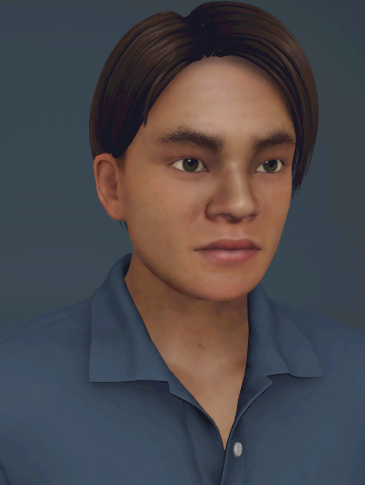
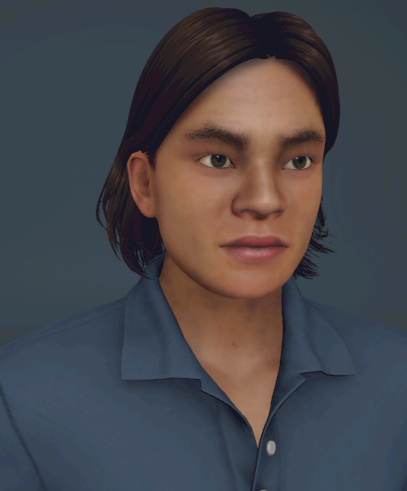
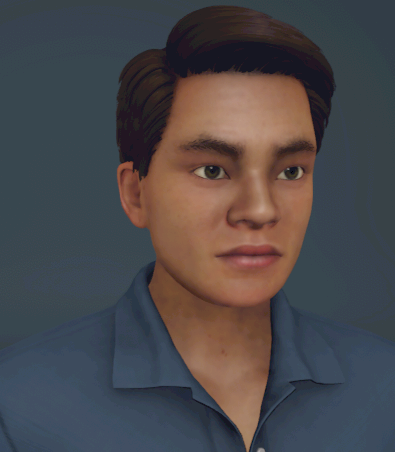
Check out some of our other character models🔥 What names come to mind? We're making a game based on owning a Baqala/Dukkan in the GCC. Join our mailing list for a spot in the beta subscribepage.io/lbhcmg #UAE #Dubai #SaudiArabia #Qatar #Madewithunity #Wholsomegames #Pitchyagame
2
1
74
Vincent Ghossoub retweeted
Jan 4
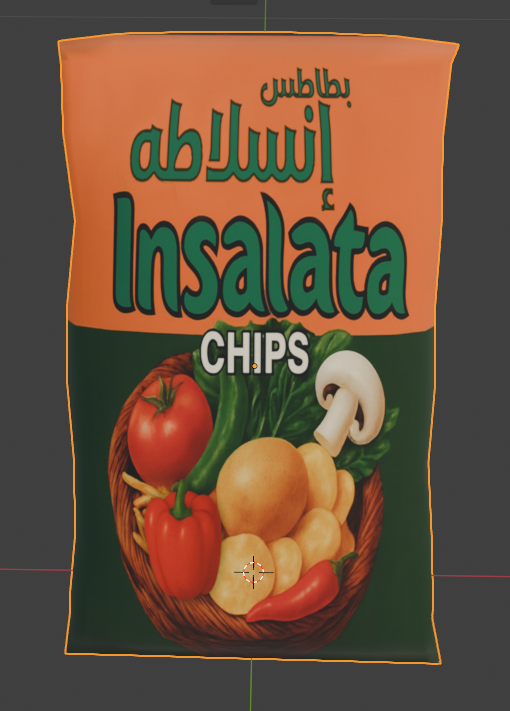
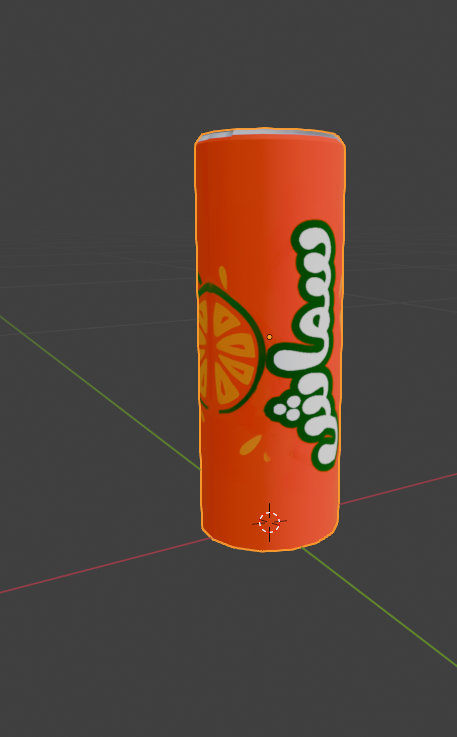
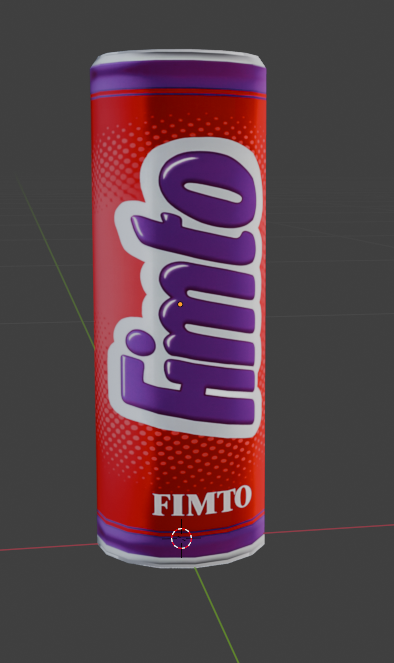
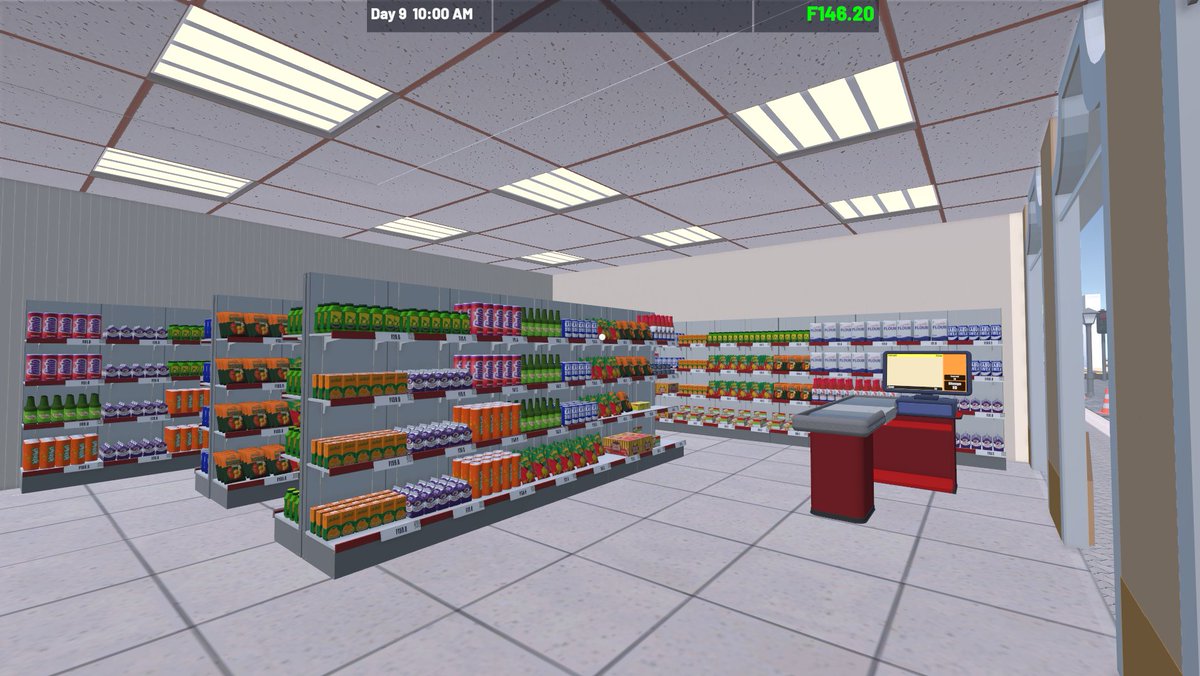
Check out our models of "Insalata Chips", "Fimto" and "Smash" in our Baqala🔥 What other items did you use to buy at the Baqala?
Join our mailing list to reserve your spot in the beta subscribepage.io/lbhcmg
#uae🇦🇪 #saudi_arabia #qatar🇶🇦 #indiegames #baller #abudhabi #dubai❤️
2
1
99
Vincent Ghossoub retweeted
Jan 3
Make foloos and grow your Baqala!
Join our mailing list to reserve your spot in the beta subscribepage.io/lbhcmg
#indiegame #UAE #AbuDhabi #Dubai #SaudiArabia #Riyadh #Jeddah #Qatar #Doha
2
1
61
Vincent Ghossoub retweeted
Jan 2
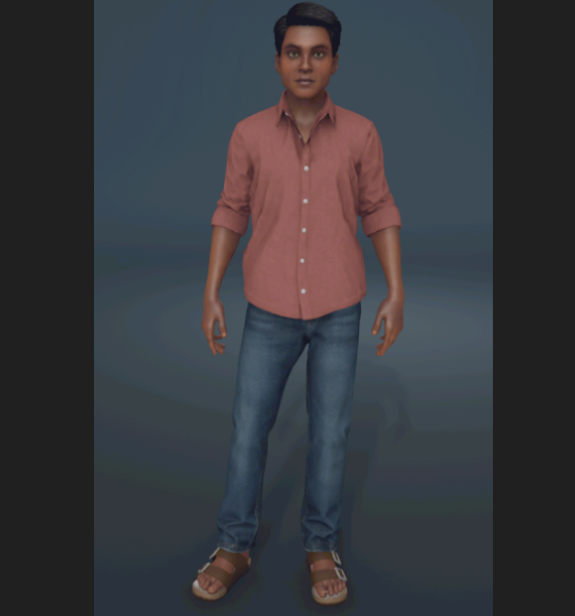
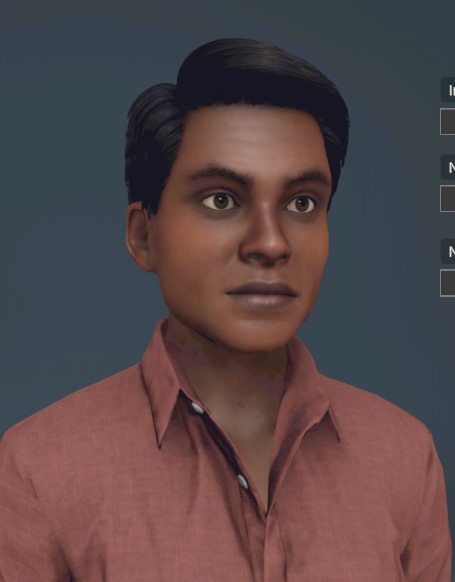
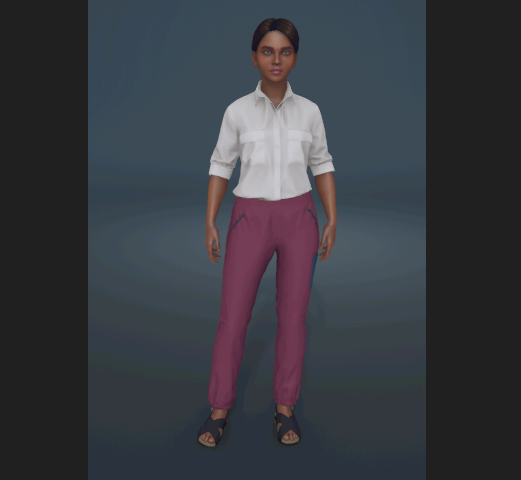
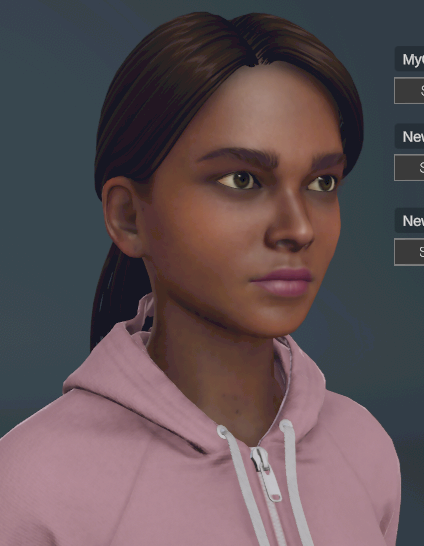
Check out some of our other character models🔥We're making a video game based on owning a Baqala/Dukkan in the GCC. Join our mailing list for a spot in the beta subscribepage.io/lbhcmg #indiegame #UAE #AbuDhabi #Dubai #SaudiArabia #Riyadh #Jeddah #Qatar #Doha
2
2
61
Vincent Ghossoub retweeted
Jan 1
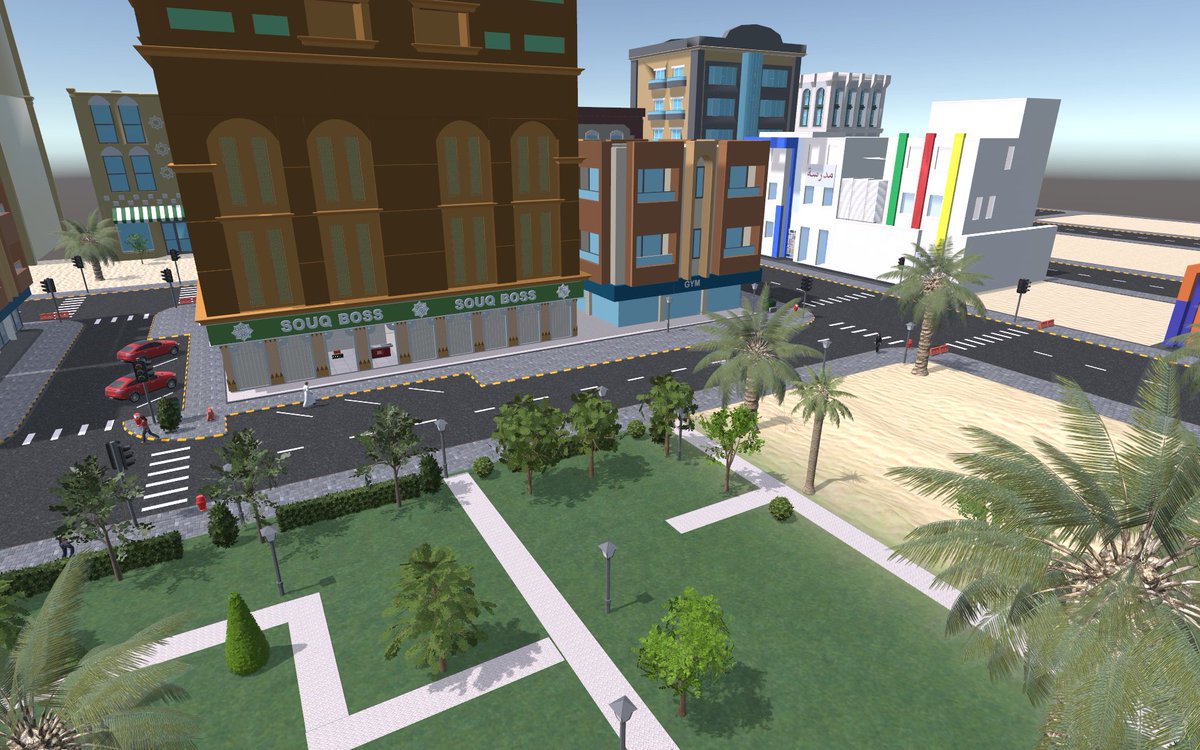
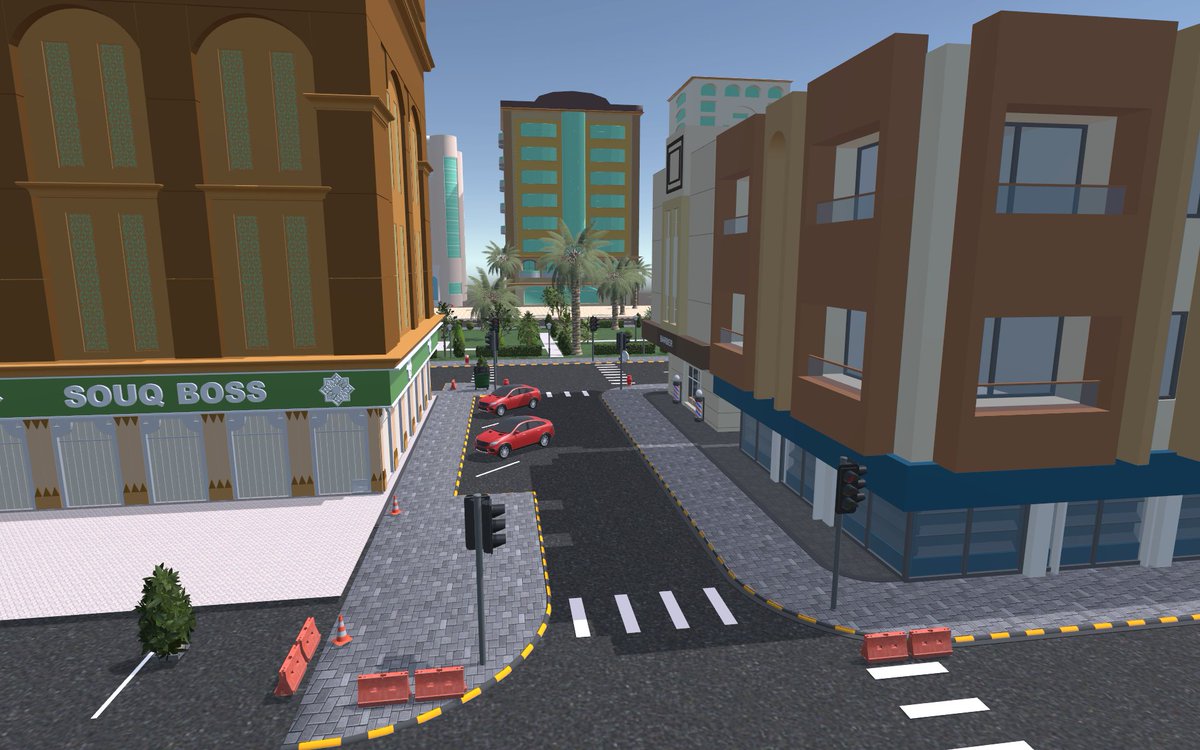
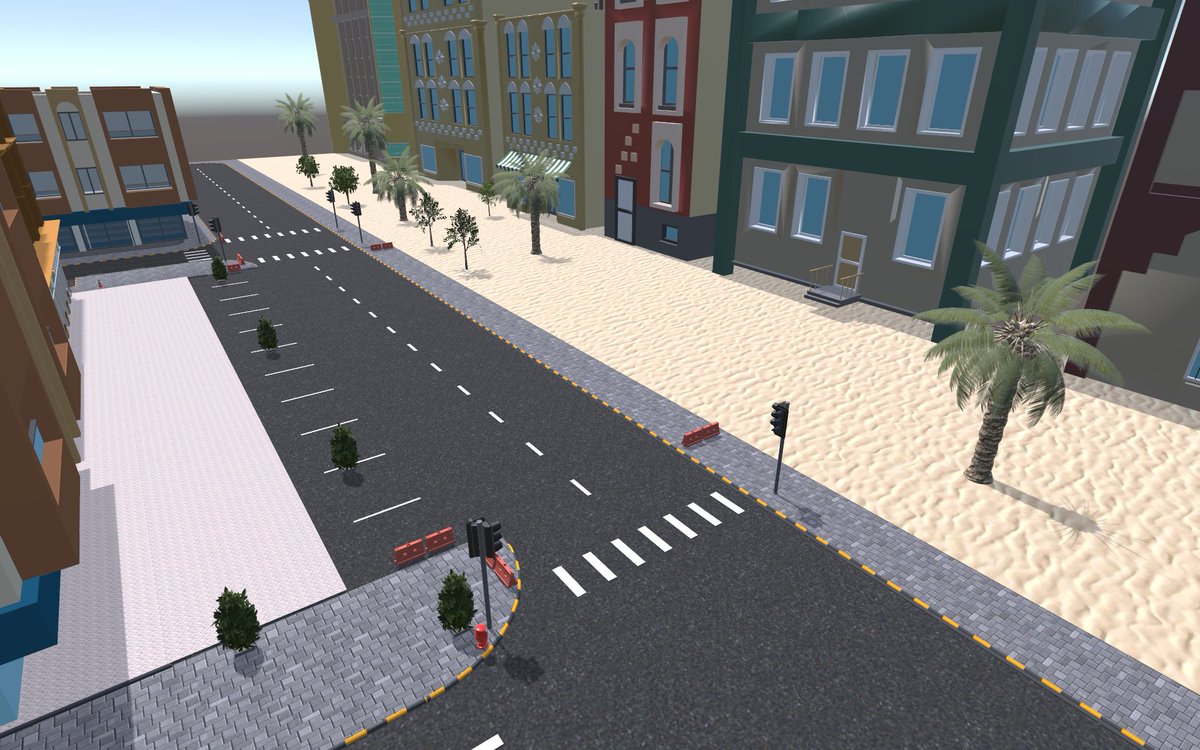
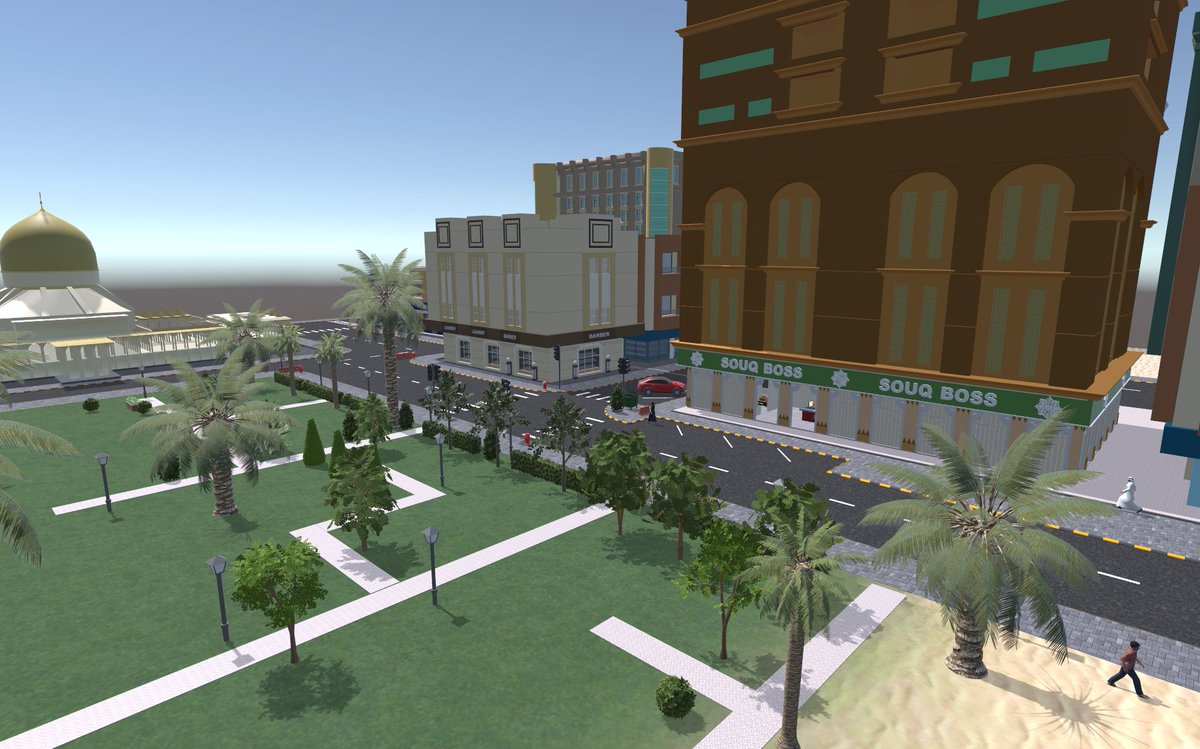
What city does this remind you of? And what year does it feel like?
Join our mailing list to reserve your spot in the beta subscribepage.io/lbhcmg
#indiegame #UAE #AbuDhabi #Dubai #SaudiArabia #Riyadh #Jeddah #Qatar #Doha
2
2
52
Vincent Ghossoub retweeted
31 Dec 2025
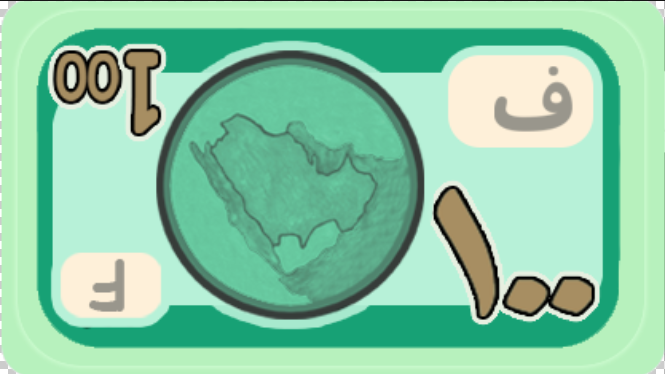
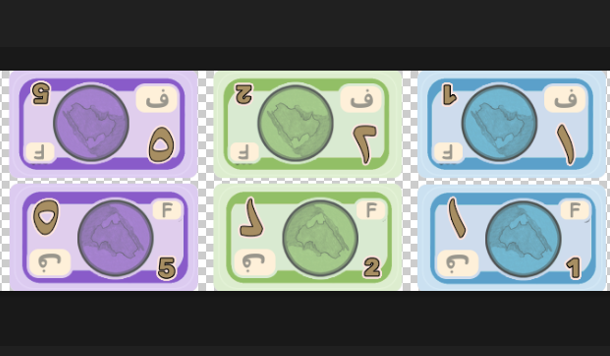
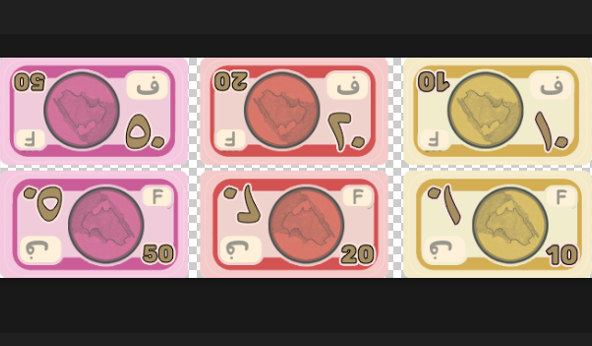
Check out our "Foloos" in-game currency modelled after the previously proposed single GCC currency🤑 Ana lazem ziyada Foloos!😎
Join our mailing list to reserve a spot in the beta subscribepage.io/lbhcmg
#indiegame #UAE #AbuDhabi #Dubai #SaudiArabia #Riyadh #Jeddah #Qatar #Doha
1
49
Vincent Ghossoub retweeted
30 Dec 2025
Sneak preview of the gameplay🤫
We're making a video game based on owning a Baqala/Dukkan in the GCC. Join our mailing list to reserve your spot in the beta subscribepage.io/lbhcmg
#indiegame #UAE #AbuDhabi #Dubai #SaudiArabia #Riyadh #dammam #Jeddah #Qatar #Doha
1
55
Vincent Ghossoub retweeted
29 Dec 2025
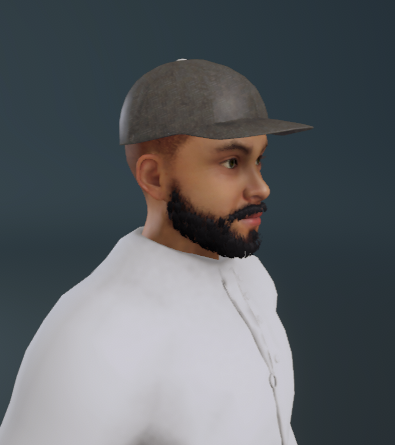
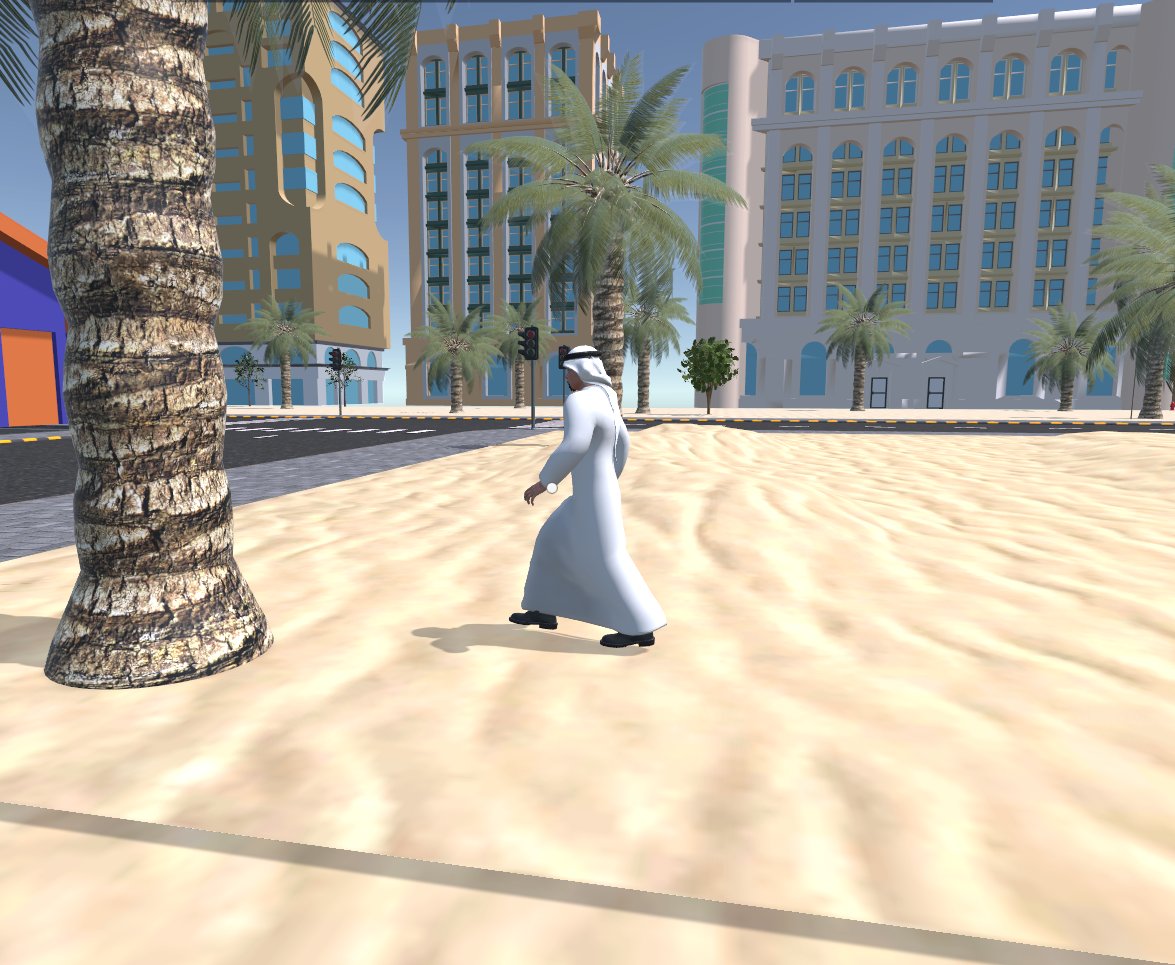
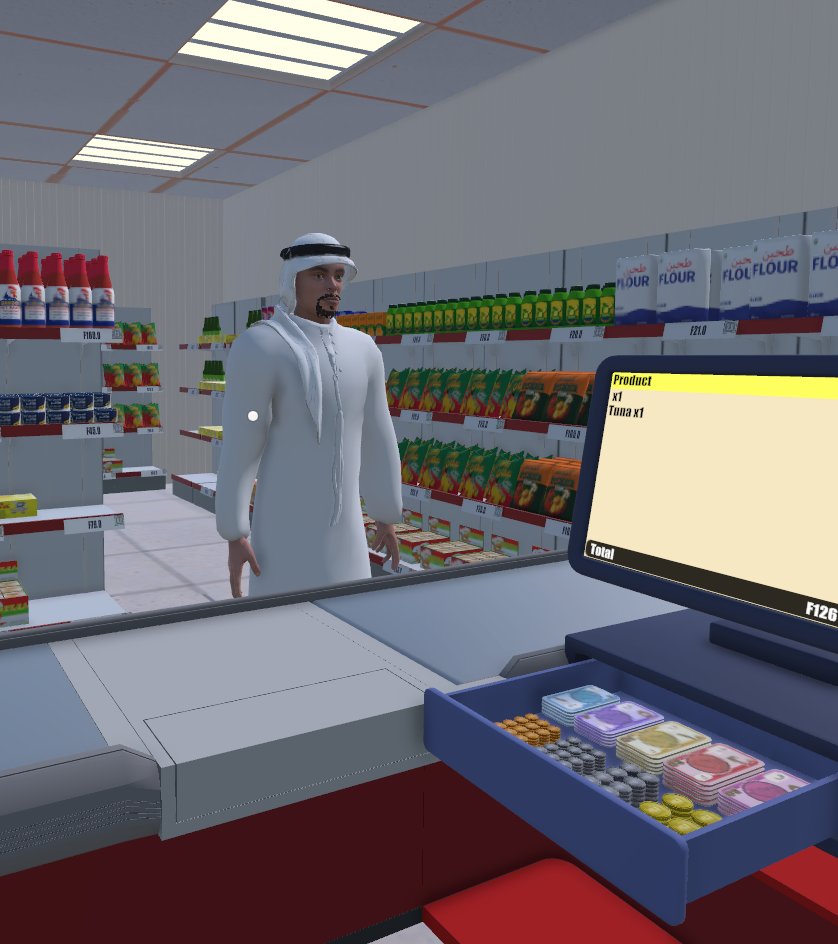
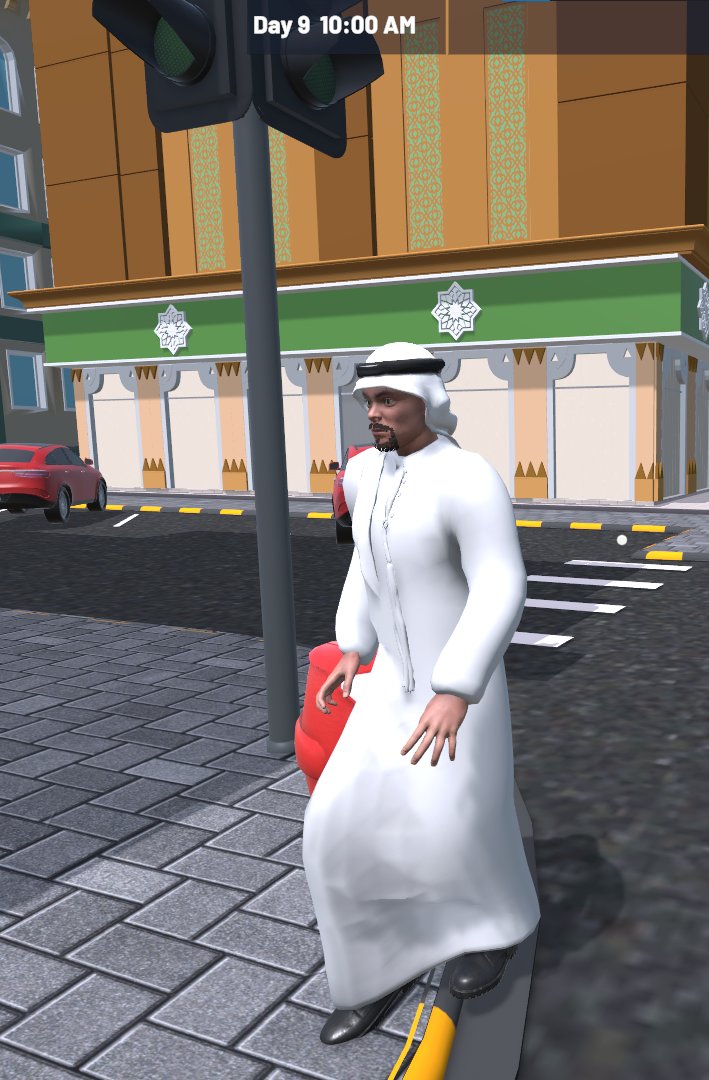
Check out our Emirati Male Models.🔥 What do we need to adjust? And Who should we add next?
We're making a video game based on owning a Baqala/Dukkan in the GCC. Join our mailing list for a spot in the beta subscribepage.io/lbhcmg
#uae #indiedev #dubai #AbuDhabi #Saudi #Qatar
2
2
54
Vincent Ghossoub retweeted
28 Dec 2025
Stock the shelves in your Baqala with your favourite items! Which items would be on your top shelf?
We're making a video game based on owning a Baqala/Dukkan in the GCC. Join our mailing list for a spot in the beta subscribepage.io/lbhcmg
#uae #SaudiArabia #Qatar #abudhabi
2
2
49
Vincent Ghossoub retweeted
27 Dec 2025
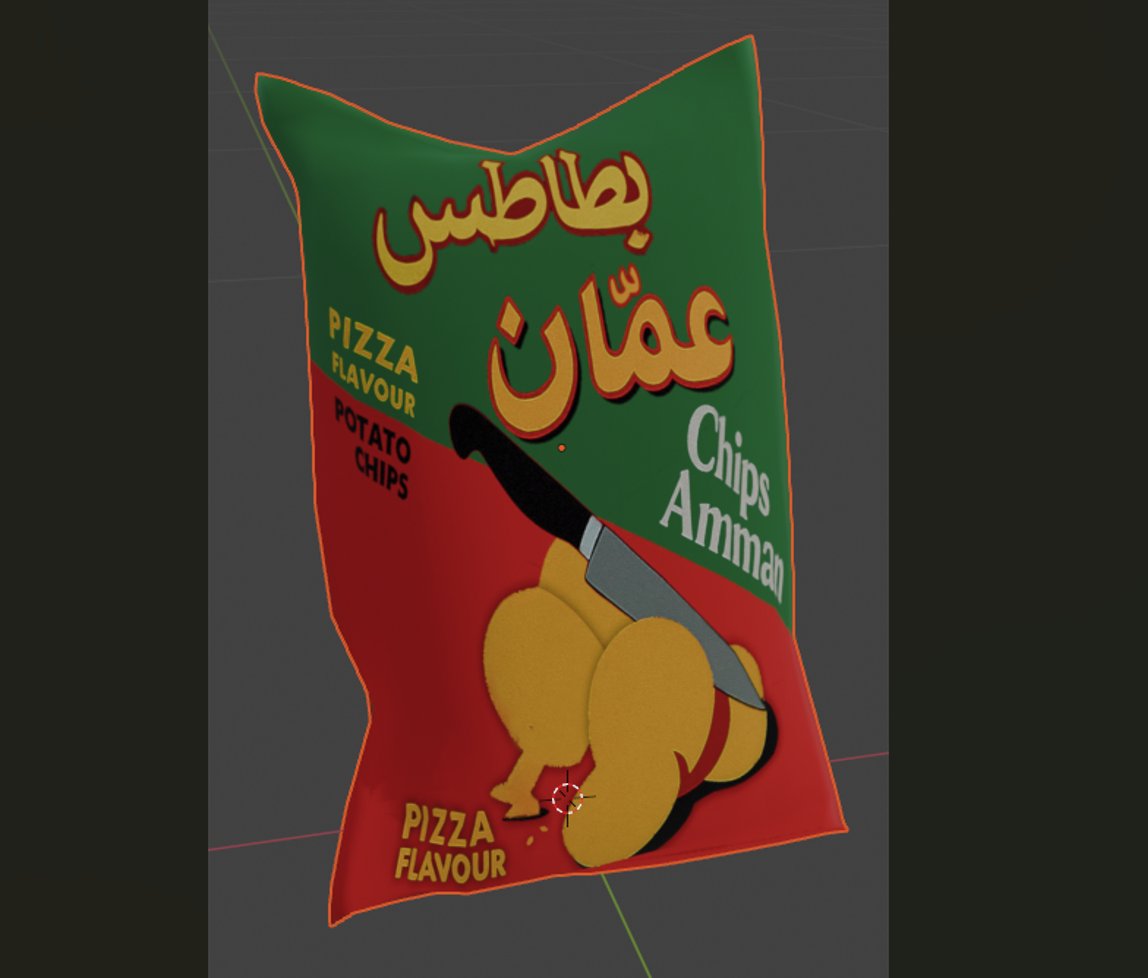
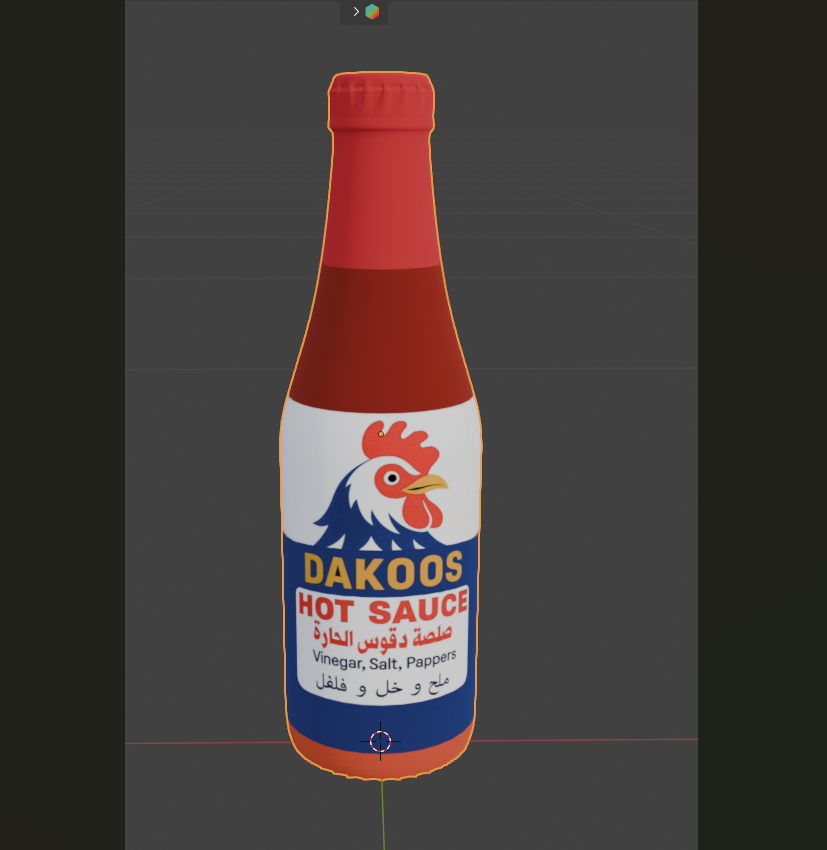
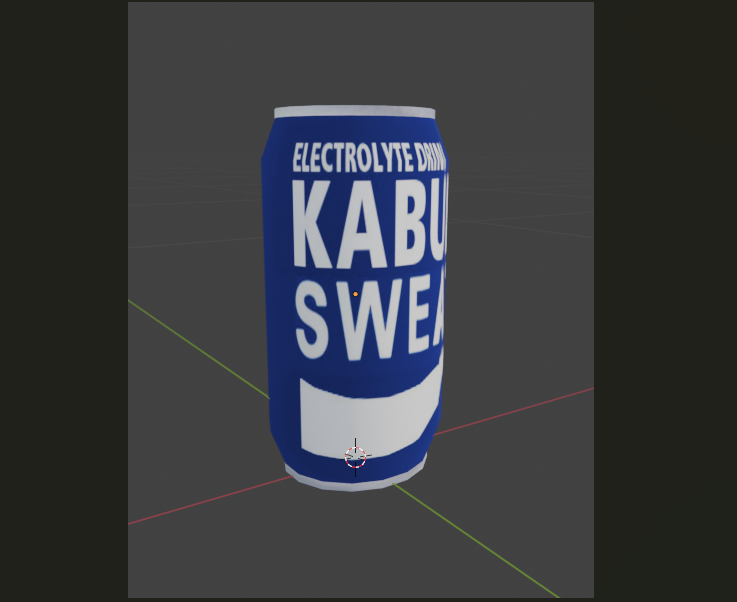
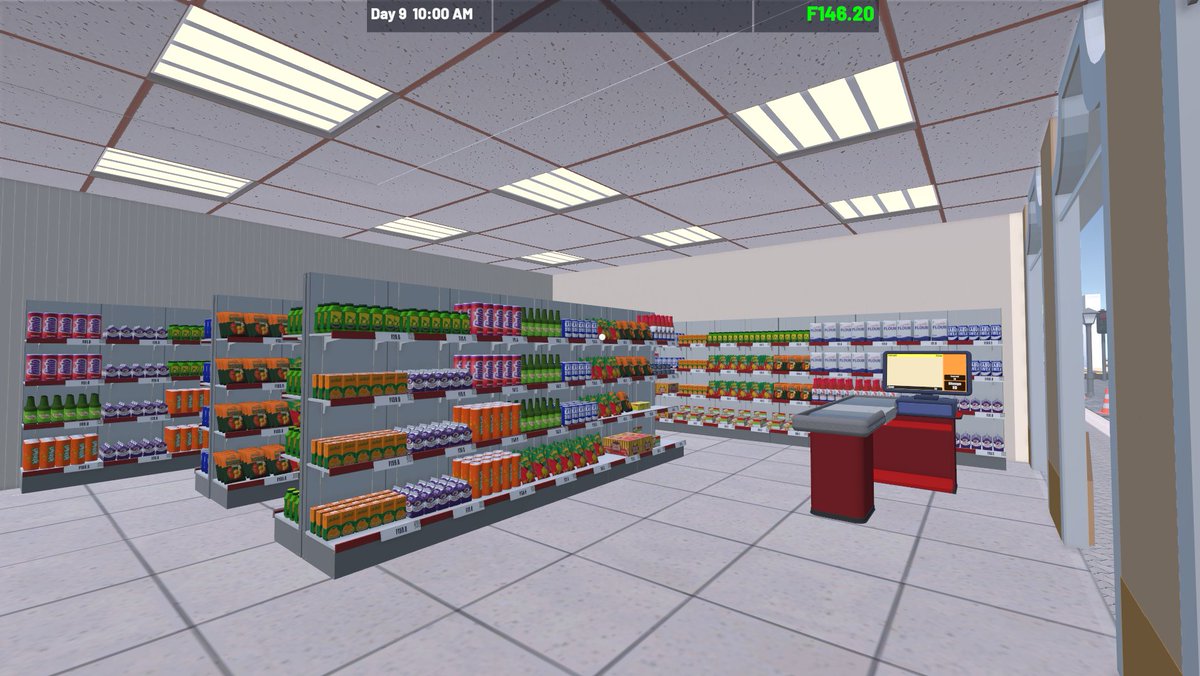
Check out our models of "Chips Amman", "Dakoos" and "Kabuki Sweat" in our Baqala. What other items are your Baqala favorites?
We're making a video game based on owning a Baqala in the GCC. Join our mailing list for a spot in the beta subscribepage.io/lbhcmg
#uae #Saudi #Qatar
2
1
58
Vincent Ghossoub retweeted

28 Aug 2025
Making games is harder than building any other startup. And I've gone through it countless times.
With a SaaS product, you ship an MVP and iterate based on feedback. Users tell you what they need. You build it. They pay.
Games don't work like that.
You can spend 2 years crafting something beautiful. Perfect mechanics. Stunning art. Flawless code. Then you launch and... crickets.
Why? Because fun isn't a feature you can A/B test.
At Next Games, I remember that we killed 14 games for every 1 we launched. And we were the "experts."
The brutal math:
• 95% of games make less than $1000
• Top 1% of games make over 80% of revenue
• Often, you won't know where your game lands until it's too late
Unlike other startups, you can't pivot a bad game into a good one. You can't add a feature to make it fun. Either it clicks or it doesn't.
And when it doesn't? You've burned through $2M and 18 months with nothing to show.
That's why most game VCs have moved to B2B, platforms, and infrastructure. Predictable revenue. Clear metrics. No magic required.
But here's what they miss:
When a game works, it really works. The top mobile games companies make $5-10M per day. Per day.
The difference between failure and billions? Often a few simple insights about what make people smile and come back.
That's what makes games beautiful.
And impossible.
2
4
17
801
Vincent Ghossoub retweeted

GameStonk Simulator: Gone Rogue's latest Trailer dropped!
🃏The first simulator with Roguelite elements!
🎮Collect and sell Retros!
🤣Hilarious parody video games!
🛒Run your dream shop!
Wishlist here: s.team/a/3349970
Try the demo: s.team/a/3413460
3
1
2
563
Vincent Ghossoub retweeted

18 Jun 2025
Apparently there's a chance to win a steam key for the full version of the game in the demo for GameStonk Simulator. 10/10. Would recommend.
(Ignore how barren my store is. Making enough stonks for stock is hard - maybe because I suck).
1
1
3
245
Vincent Ghossoub retweeted
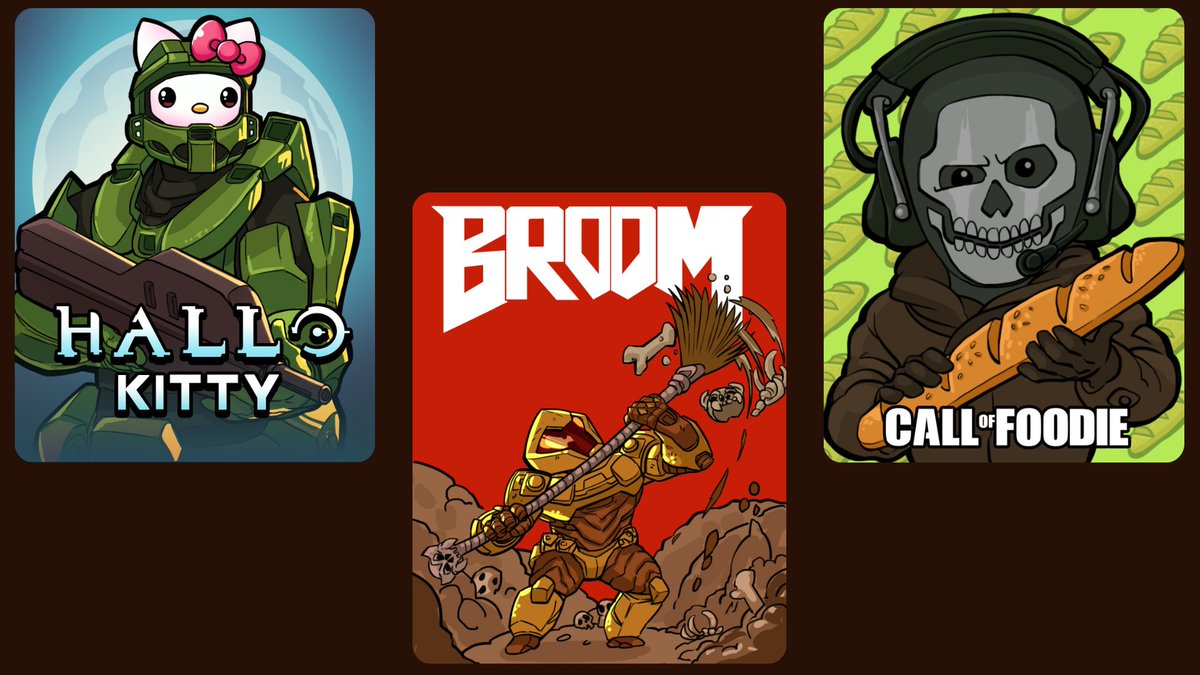
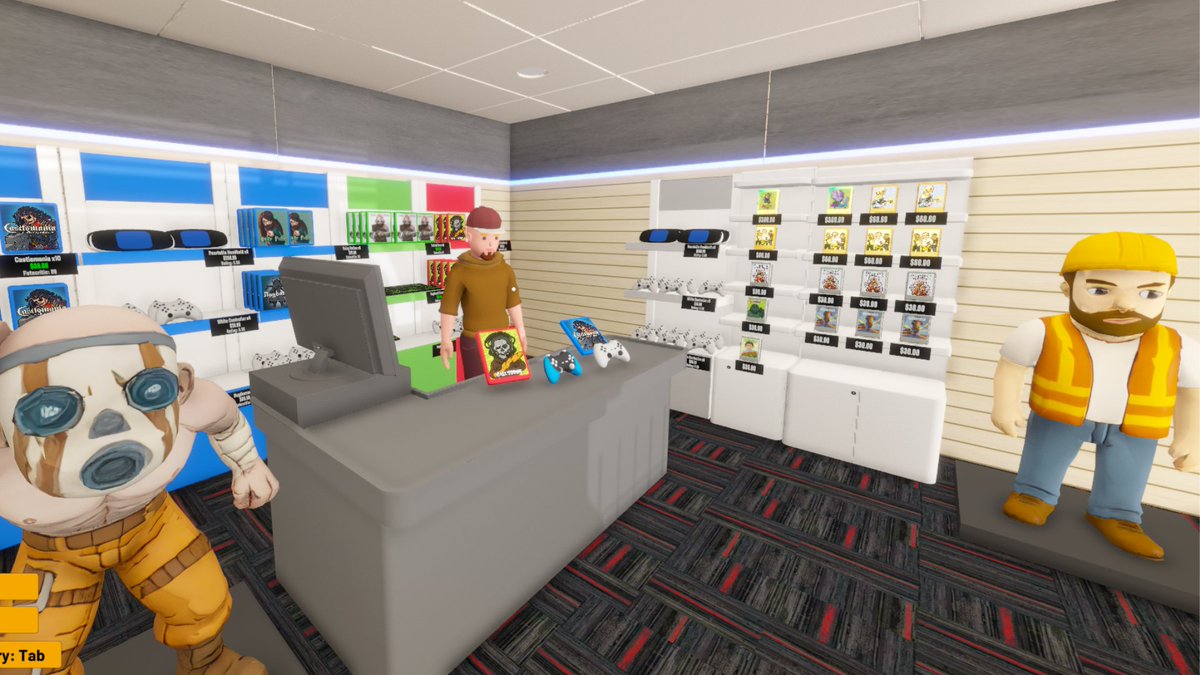
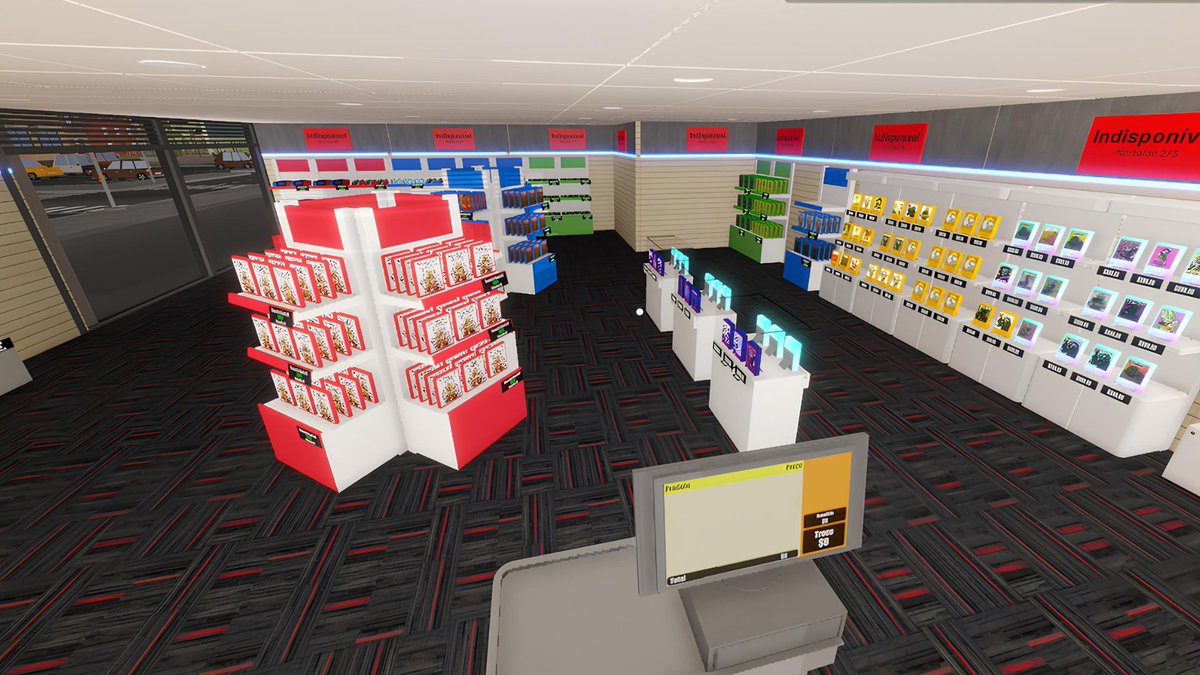
GameStonk Simulator!
🏪Run an old school video game store
🎲Roguelike elements
😹Hilarious parody game names
🙃Funky look
Need more? We got it 😎
Play the demo: s.team/a/3413460
#pitchyagame
2
6
12
580
Vincent Ghossoub retweeted
Thank you so much! We're always excited to hear compliments (and constructive criticism) about our game 😍
1
1
1
85