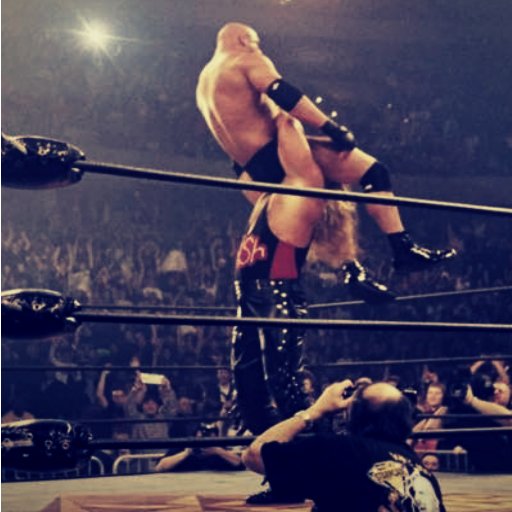
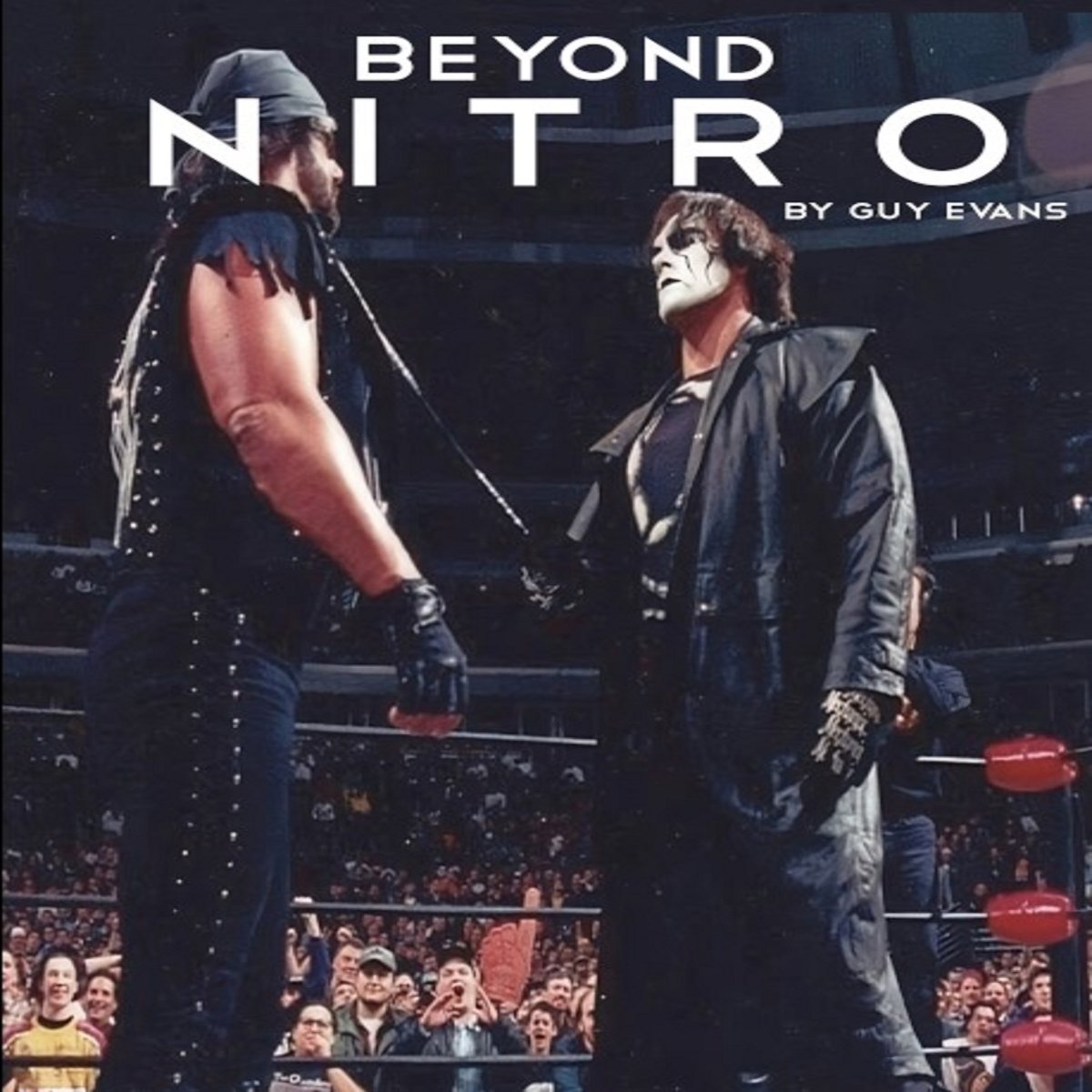
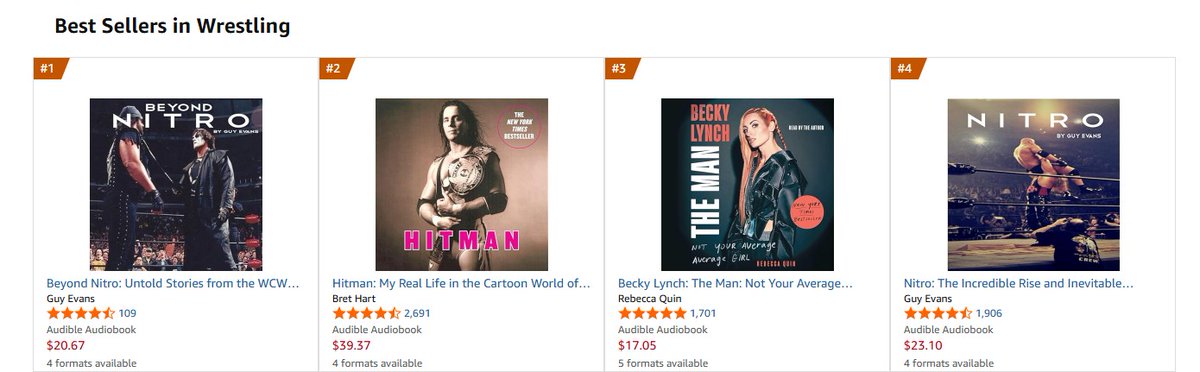
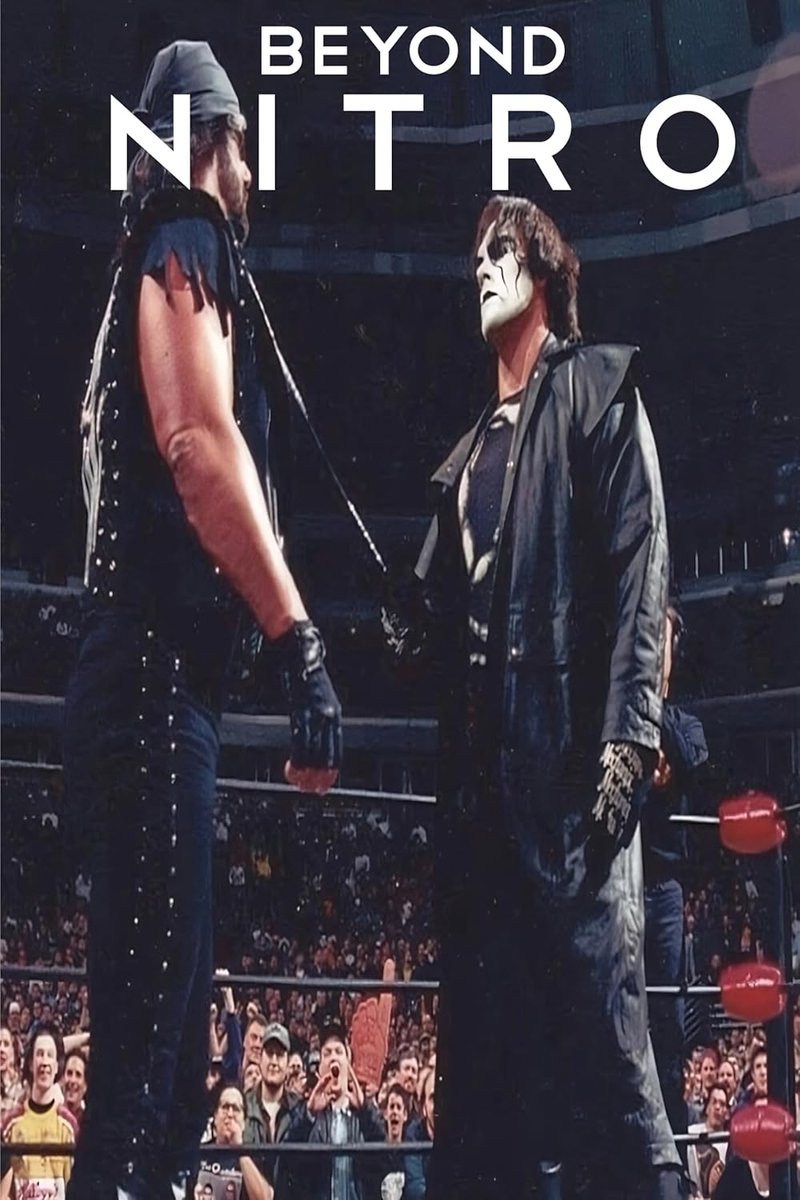
Informed by over 100 new interviews, internal WCW documents and never-before-seen financial records, BEYOND NITRO is here! amazon.com/dp/B0F6S2PJNF
Joined September 2017
- Tweets 6,280
- Following 105
- Followers 7,341
- Likes 4,724
1,421 Photos and videos
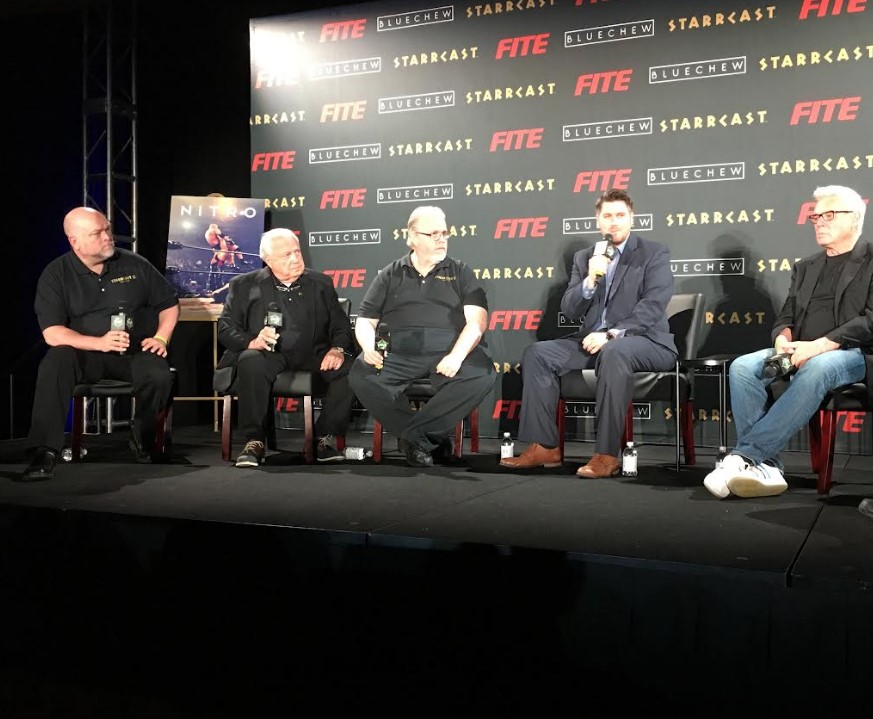
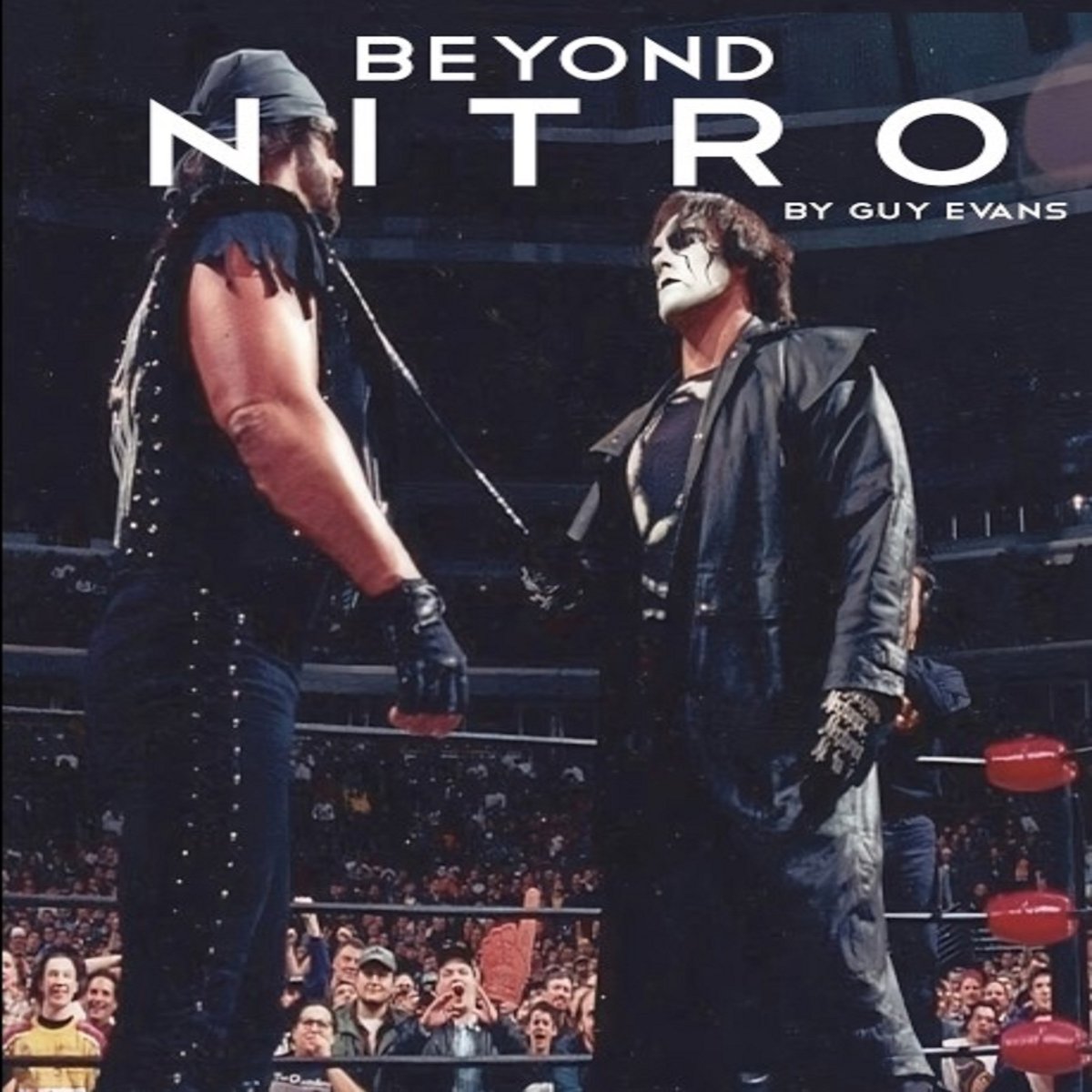
Pinned Tweet

Jun 12
This weekend, get a free phone/Zoom call with @GuyEvansBooks when you purchase the ULTIMATE BEYOND NITRO BUNDLE!
You also get a signed copy of the book, three Nitro production formats...and WCW memorabilia!
You can talk about Nitro, Beyond Nitro, Who Killed WCW, that book you've been wanting to write...or anything in between!
For more information, please see the link below!
guyevansbooks.com/products/t…
3
5
899
WCWNitroBook retweeted
Jun 12
This weekend, get a free phone/Zoom call with @GuyEvansBooks when you purchase the ULTIMATE BEYOND NITRO BUNDLE!
You also get a signed copy of the book, three Nitro production formats...and WCW memorabilia!
You can talk about Nitro, Beyond Nitro, Who Killed WCW, that book you've been wanting to write...or anything in between!
For more information, please see the link below!
guyevansbooks.com/products/t…
3
5
899
WCWNitroBook retweeted

Jun 12
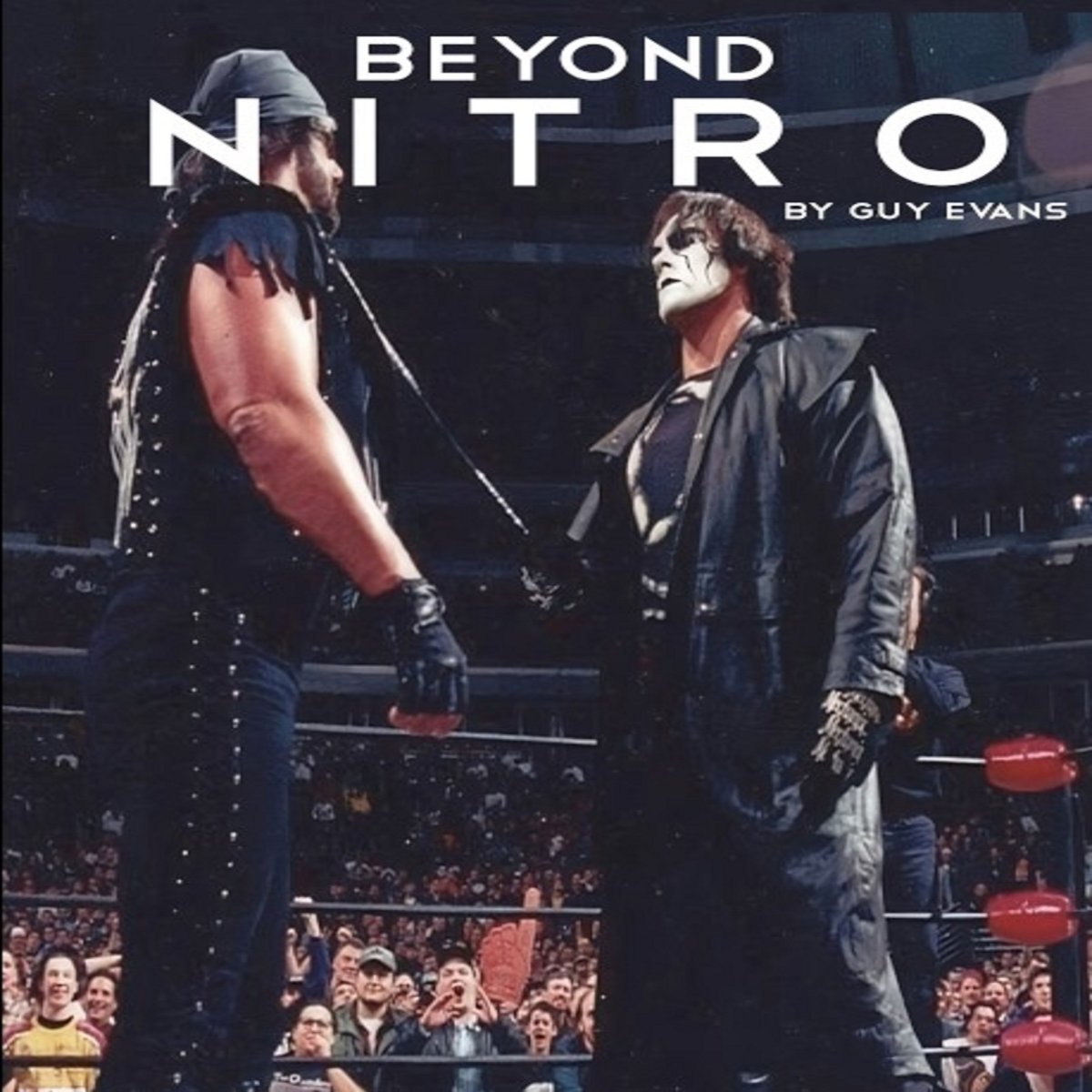
The second 'NITRO' book!
In case you missed it, BEYOND NITRO is a completely different book than NITRO, with TONS of new information, insights and revelatory interviews!
Get it now - U.S. and Worldwide - at this link:
guyevansbooks.com/products/g…
1
2
4
253
WCWNitroBook retweeted

I read Nitro and it was as good as it gets as far as telling the unbiased story and realizing there is much more at play from the corporate level vs not liking the storylines on TV and blaming the downfall there.
I look forward to getting my hands on Beyond Nitro soon.
1
1
2
468
WCWNitroBook retweeted
Jun 10
The second 'NITRO' book!
In case you missed it, BEYOND NITRO is a completely different book than NITRO, with TONS of new information, insights and revelatory interviews. At 650 pages, it's sure to keep you busy for a while! In most cases, this brand new book will be with you within 7 business days (U.S. and Worldwide!).
So act now and grab BEYOND NITRO for you...or the wrestling fan in your life!
Link: guyevansbooks.com/products/g…
1
7
24
12,383
WCWNitroBook retweeted

Such a good book. Unlike anything you'll see. Some of the long form interviews amazing, with people who you maybe didnt know existed until now.
Jun 10

The second 'NITRO' book!
In case you missed it, BEYOND NITRO is a completely different book than NITRO, with TONS of new information, insights and revelatory interviews. At 650 pages, it's sure to keep you busy for a while! In most cases, this brand new book will be with you within 7 business days (U.S. and Worldwide!).
So act now and grab BEYOND NITRO for you...or the wrestling fan in your life!
Link: guyevansbooks.com/products/g…
3
2
36
4,134
WCWNitroBook retweeted
Jun 9
If you're interested in learning tons of new things about WCW, TNA & even the XWF (!), check out my SITTING RINGSIDE series with @DavidPenzer, the ex- WCW/TNA ring announcer who wore many hats - and witnessed even more - over a 30 year run in the business:guyevansbooks.com/products/s…
4
4
536
WCWNitroBook retweeted
Jun 5
"An internal TBS document from December 2000 reveals the convoluted nature of such ‘intercompany’ transfers.
While recognizing a ‘receivable’ in the amount of $2.2 million for international syndication – owed to WCW from a division of Time Warner – WCW simultaneously owed a different Time Warner division $1.9 million for its domestic home video services.
It was also obligated to pay Telepictures – a unit of Warner Brothers and therefore Time Warner – an additional amount of $123,000 for domestic TV distribution over an unclear time frame.
A further payment of $904,000 was scheduled to be transferred from WCW to ‘Turner Entertainment Networks’ for an unlabeled purpose.
Similarly, more than $913,000 was earmarked as a ‘payable’ – from WCW and to a compendium of other companies, including ‘CNN Admin’, ‘CNN Interactive’, and, of course, the ever-present ‘other’."
Listen to BEYOND NITRO on @Audible for more: audible.com/pd/B0GT6C2N3H/?s…
1
6
32
12,129
Jun 5
You think you know the story?
You don't even know the HALF!
Download the 30 hour NITRO series - including the BRAND NEW audiobook BEYOND NITRO - this weekend on Audible!
1
2
2
369
Jun 5
"An internal TBS document from December 2000 reveals the convoluted nature of such ‘intercompany’ transfers.
While recognizing a ‘receivable’ in the amount of $2.2 million for international syndication – owed to WCW from a division of Time Warner – WCW simultaneously owed a different Time Warner division $1.9 million for its domestic home video services.
It was also obligated to pay Telepictures – a unit of Warner Brothers and therefore Time Warner – an additional amount of $123,000 for domestic TV distribution over an unclear time frame.
A further payment of $904,000 was scheduled to be transferred from WCW to ‘Turner Entertainment Networks’ for an unlabeled purpose.
Similarly, more than $913,000 was earmarked as a ‘payable’ – from WCW and to a compendium of other companies, including ‘CNN Admin’, ‘CNN Interactive’, and, of course, the ever-present ‘other’."
Listen to BEYOND NITRO on @Audible for more: audible.com/pd/B0GT6C2N3H/?s…
1
6
32
12,129
Jun 3
Listen to the NITRO Book Collection on Audible: audible.com/search?searchPro… x.com/i/broadcasts/1dxYllLRM…
182
WCWNitroBook retweeted
Mar 25
Beyond Nitro: 4 Life
By 1998, the nWo had spread like wildfire across the middle and high schools of America. Suddenly, nWo shirts littered school cafeterias everywhere from San Jose to Bangor, Maine. Classmates eagerly threw up the ‘Wolfpac’ hand gesture upon passing each other in the hallway. Students with a more theatrical flair enjoyed playing the role of The Bad Guy: Listen, don’t ask me how I’m doin’ – it’s ‘Hey, Yo’, chico…
Once the group splintered into two rival factions – nWo Hollywood (or nWo ‘Black and White’), led by the still-villainous Hogan – versus the babyface nWo Wolfpac (or nWo ‘Red and Black’), pupils from state to state divided themselves accordingly. Although there would never be an appropriate ‘blow-off’ to the internal nWo feud, the potentials were imagined daily across America’s playgrounds.
“[Previously], it was almost like you were made fun of, in school, if you were a WCW fan,” remembers Mike ‘Gunz’ Gunzelman (@TheGunzShow), a long-time media personality with tenures at ABC News Radio, SiriusXM and Outkick. “You cannot deny that the nWo became the coolest, most bad-ass thing. People were jumping ship, and I’m telling you – I was in that age group. All of a sudden, I was going to people’s houses for WCW pay-per-views. We were never doing that before.
“The nWo single-handedly made it cool, [including with] the makeshift anarchy-type aspect to it. There’s a revisionist history where people want to change what things actually were at the time. But they’re lying to themselves if they don’t understand what the nWo was able to do...”
Listen to Beyond Nitro on Audible for more:
USA: audible.com/pd/B0GT6C2N3H/?s…
UK: audible.co.uk/pd/B0GT68FGDP/…
Canada: audible.ca/pd/B0GT6YW6BC/?so…
Australia: audible.com.au/pd/B0GT72S26X…
@LoganSekulow @ChrisVannini @bmarcello @Chris8711 @Bfish3422 @rocksar223 @ZachTakes @HunterDuesing @SmarkingDown @jonathandalecki @YEAHRevolution_ @KicknOut2 @joeyjo35t @Wrestling80s90s @itsmachot @wrestleclips @RGT_85 @CHE_OHARA @randyjcruz @nWo4lifeWCW @becausewcw
Apple Books link: books.apple.com/us/audiobook…
Direct Audible link: audible.com/pd/B0GT6C2N3H/?s…
5
18
104
18,931
WCWNitroBook retweeted
May 27
Listen to 'Beyond Nitro' on Audible now: audible.com/pd/Beyond-Nitro-…
3
5
518
WCWNitroBook retweeted
May 27
"For Life..."
In a fact often lost to the history books, WCW immediately fared well in the Monday Night Wars, besting the WWF in 15 out of the first 29 contests in a head-to-head environment. Memorably, the early offerings of Nitro were typified by a fast-paced, upbeat, and vibrant presentation – a package befitting the program’s original one-hour format. By the time 1996 began, the company was already in the midst of a serious momentum build, as evidenced by the red-hot feud involving Randy Savage and Ric Flair (that which sparked house show business to reach record levels), in addition to the novel incorporation of exciting young talents from all over the world. With that in mind, however, WCW left its competition in the dust only after the surprise introduction of ‘The Outsiders’ – Scott Hall and Kevin Nash. To that end, it is certainly no coincidence that WCW’s vaunted 83-week winning streak – representing the record for Nitro in direct opposition to Raw – started on June 17, 1996, or less than a month after the seeds of the storyline were planted.
To David Penzer, the long-time ring announcer for WCW during its Nitro era, the billing of Hall and Nash was rather symbolic. “I remember when the Executive Producer position was advertised,” he says, reflecting on a period when Turner corporate, looking to create a more up-to-date product in 1993, created the position for its wrestling division. “I remember all the different people jostling for the job. Nobody expected Eric [Bischoff] to get it, so I always thought it was interesting…he was sort of the original outsider, if you think about it.”
Initially, the raison d’être for the nWo was simple, as articulated in Scott Hall’s seminal promo on May 27, 1996:
You people know who I am…but you don’t know why I’m here.
…You wanna go to war?
You want a war?
You’re gonna get one.
But as the weeks, months, and indeed years progressed, what started as a faux-interpromotional angle grew to envelop the entire creative direction of WCW – and practically all of its programming. In that sense, it could be argued that the nWo – in an ironic case, perhaps, of life imitating art – grew to overwhelm its host as a conquering organization. After all, more than 60 members would eventually join the group – or one of its many spin-off WCW factions – with only a few notable holdouts. In the process, the nWo went from existing as a limited (and thus prestigious) collective to more representing a ‘fast-track’ method of getting someone over.
At its zenith, however, the nWo was the rare storytelling device which attracted untold numbers of new fans to the genre. It played a pivotal role in establishing – and then cementing – wrestling’s status as cool in the ‘90s. In a manner often imitated – but never, as they say, successfully duplicated – the nWo established a transcendent appeal that still resonates to this day. Simply put, it became an unexpected phenomenon – and eventually, everybody wanted a cut.
Due to the fact that the nWo became so intertwined with WCW’s programming (case in point: the eventual ‘WCW/nWo’ designation for its pay-per-views and titles), it became ever more jarring when in 1999, the faction suddenly disappeared. At that point, it had already become clear – in a paradoxical revelation of sorts – that the nWo was WCW to much of its newer audience. While the diehards could still recall the days of Arachnaman, Death Row and Cheatum – the dastardly, one-eyed evil midget, of course – a sizable contingent of WCW’s audience, established after the groundbreaking events of 1996, lacked any similar reference point. As such, when the nWo left the scene, so did many of those same fans.
It is complexities such as these which make the nWo, quite frankly, a fascinating case study. To some, the storyline represents a benchmark – relative to its cutting-edge content and theatrical flair – which may never be approached again in wrestling. Others view its incorporation into WCW programming as a cautionary tale, relative to how a monumental storyline can submerge everything that precedes, follows or even runs next to it. In that sense, it is an intriguing proposition to consider that ultimately, perhaps the nWo couldn’t be topped. Perhaps from a narrative point of view, the established dynamic had been so colossal that a suitable nexus for story progression – an opportunity to pivot as it were – simply couldn’t materialize. Alternatively, perhaps there were, in fact, many such openings; to progress, to move forward, to advance beyond a reliance on one idea – however revolutionary – that had since become stale.
What could have happened, of course, is a matter of conjecture.
What did happen, on the other hand, is a cause for celebration.
The above is an excerpt from Beyond Nitro: Untold Stories from the WCW era by @GuyEvansBooks, available on Amazon, Audible and Apple Books.
1
9
17
2,066
WCWNitroBook retweeted
May 27
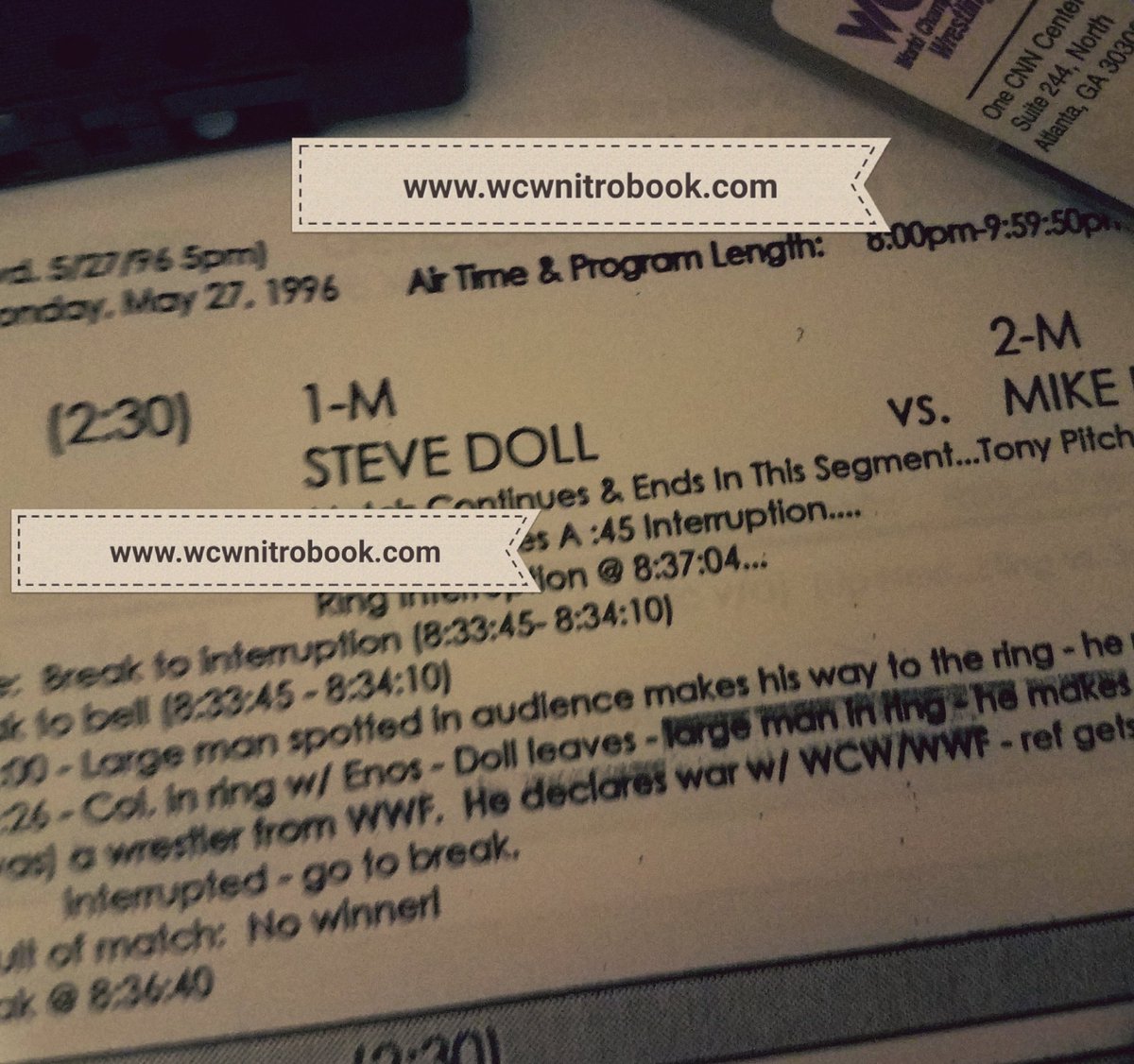
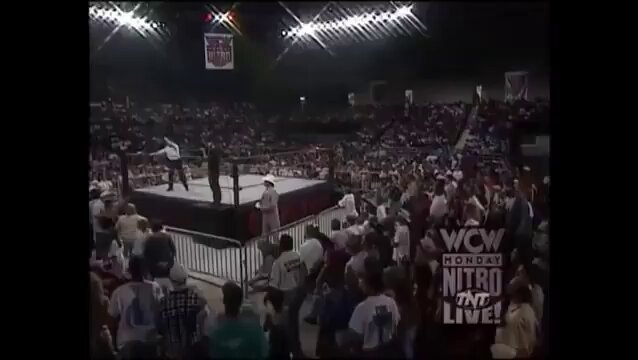
#OTD 30 Years Ago: Scott Hall's debut on WCW Monday Nitro (5/27/96)
2
15
62
3,112