
Joined May 2017
- Tweets 4,649
- Following 151
- Followers 68,095
- Likes 15,202
3,042 Photos and videos
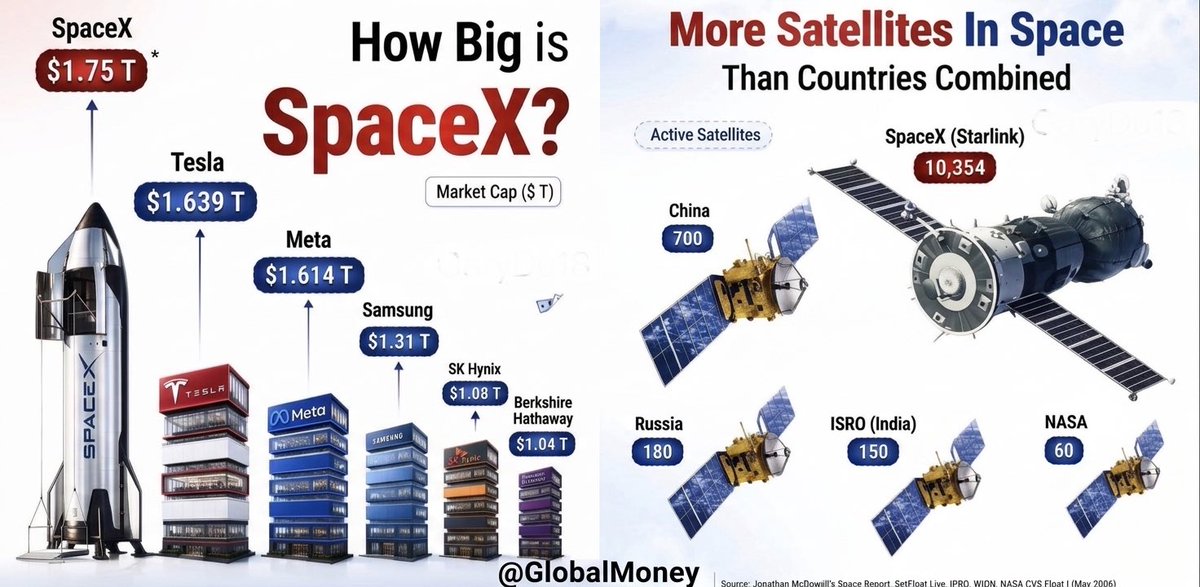

RT @GlobalMoney: $SPCX 解禁排山倒海?SpaceX打破传统180天锁定,采用阶梯式密集解禁设计,是一场资本层面压力测试。全球货币@GlobalMoney列出Q2'26业绩日、第70天、股价≥130%等阶梯式解禁节点。SPCX上市仅两个月,便将迎来密集释放期…
4
RT @AsiaFinance: 将MANGO作为概括当前AI领域核心力量的G5组合,即Meta、Anthropic、NVIDIA、Google和OpenAI,是十分贴切的,虽然Meta目前最拉垮,而SpaceX没被列入。@Brand提出的MANGO概括性:算力底座(N),模型…
2
华尔街投资银行家,早被量化交易员甩在后面。AI估值狂潮下,投行又在卖什么梦? $SPCX 昨天IPO募资750亿美元,承销费率0.75%,投行共拿走5.625亿美元承销费用:高盛1.125亿美元、摩根士丹利1.125亿美元、美国银行8440万美元、花旗8440万美元…拆解《误闯投资银行》
youtu.be/yA_g0MrNg34?is=jhtH…
2
9
2,950
RT @CEOBriefing: 李新野,清华本科排名靠前的蠢货之一,都毕业10多年了,还写讨伐清华女生的雄文“吃毒鸭腿的清北母狗”。李新野喷道:“对于清华北大的女生,我找不到一个比母狗更好的称呼。清北母狗,六个字总结:又穷又蠢又坏”。李新野嘲笑的“苏北大妈”,人均GDP是他老…
4
马斯克:“我们将拥有普遍的高收入。基本上就是直接向人们发放钱”。马斯克描绘的不是未来的真实路线图,而是一个被严重简化的物理学模型。马斯克之所以敢说,是因为他是一个“生产端”绝对霸主,相信技术能解决一切。他的理论里缺乏对生产关系、金融博弈以及人类复杂心理的敬畏。
4
1
9
3,417

RT @AsiaFinance: 回顾:川普访华满月。中概股战绩如何?著名分析员洪灏,于5月13日挥毫写下:“中国在川普抵达北京时,对他及其随行人员,展现了热情好客。鉴于双方释放的和解信号,市场期待在贸易、人民币、稀土和伊朗问题上,会有利好消息。隔夜,中国ADR交易量巨大,股价…
2
王石:中国房地产没春天了!A股是散户市,是最容易割韭菜的地方。DeepSeek老板是梁文锋,就是靠幻方量化,在A股疯狂收割。美股是机构市,由顶尖共同基金、对冲基金和量化资本主导。在中国要致富,还是要辛苦创业。但王石也亲口承认,从万科退休后三个创业项目,已全军覆没…
14
72
90,693
即使是澳门赌王何鸿燊,生前也无法阻止家族恶斗。这是2011年的抢钱风波,完成了赌王离世前(何鸿燊于2020年逝世),最关键的一次资产大洗牌。高层介入之后,二房是最大的赢家,何超琼、何超凤等人确立了在澳博和信德集团的接班人地位;四太梁安琪、三房和大房保持了分得的财富。
4
14
22,585
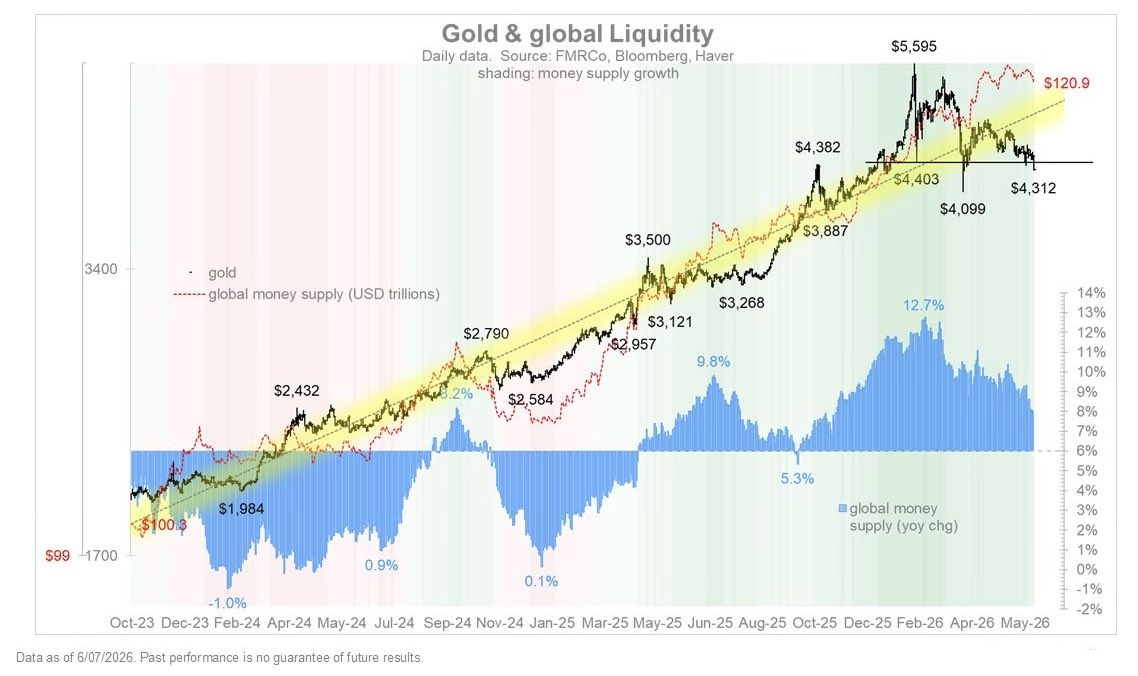
黄金价格与全球货币供应量(流动性)。金价从2023年底的$1,984飙升,中途最高在2026年初触及$5,595的历史高点,近期回落至$4,312。全球货币供应量,从99万亿美元,一路增长到近期的120.9万亿美元。完美诠释了经典的金融学规律:黄金是法币购买力贬值的“照妖镜”,其长期价格与全球流动性总量高度正相关。过去两年黄金的史诗级暴涨,其核心驱动力并不是单纯的避险,而是全球法币供应量的超级大通胀。只要全球流动性增速无法重新抬头,黄金短期内可能很难再现2025年那种疯狂的单边拉升,而是会随着流动性的收紧,进入高位震荡或修正期。
3
9
50
13,044
RT @AsiaFinance: $SPCX $RKLB ,哪个投资回报率回更高?先直接给出核心结论:在中短期(3年) $RKLB 的“潜在弹性和翻倍空间”可能会更高;但在长期(10年以上)和“确定性”上 $SPCX 的绝对回报和财富总量效应无可匹敌。从纯粹的股价翻倍弹性(Be…
7

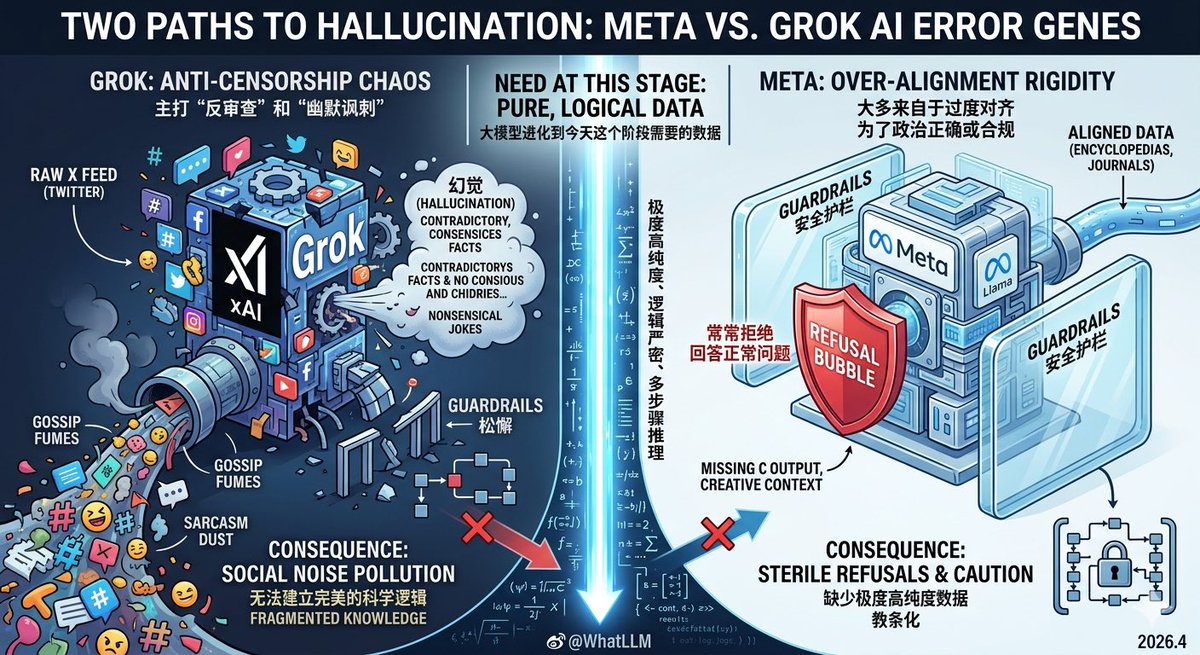
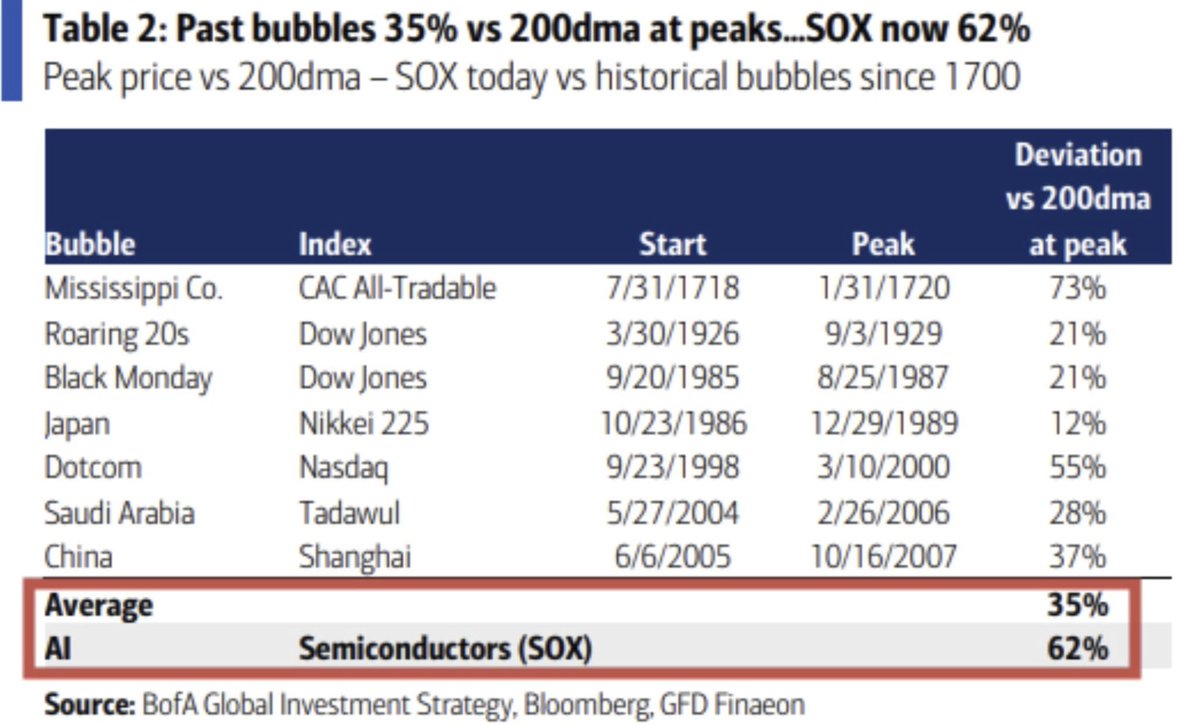
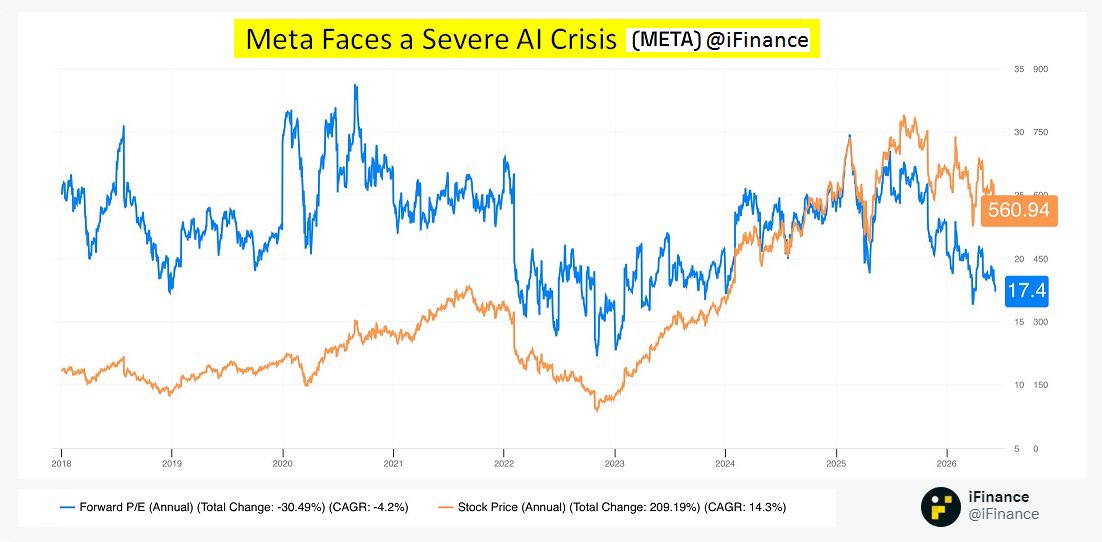
$META faces a growing AI crisis. Pushing #Llama AI features into #Instagram and #WhatsApp may frustrate users, while off-balance-sheet SPVs raise bubble concerns. If monetization falls short, costly data centers could face significant writedowns before the AGI race is settled.
1
4
12
2,012
RT @CEOBriefing: 伊朗开始威胁马斯克?@WhatLLM刚刚披露:伊朗正在扩大其潜在打击目标范围,将中东各地的“星链”(Starlink)地面站,以及与SpaceX有关联的实体纳入其中。此前,俄罗斯曾提出过利用太空核爆炸摧毁“星链”的设想。然而问题在于,太空核爆炸…
6

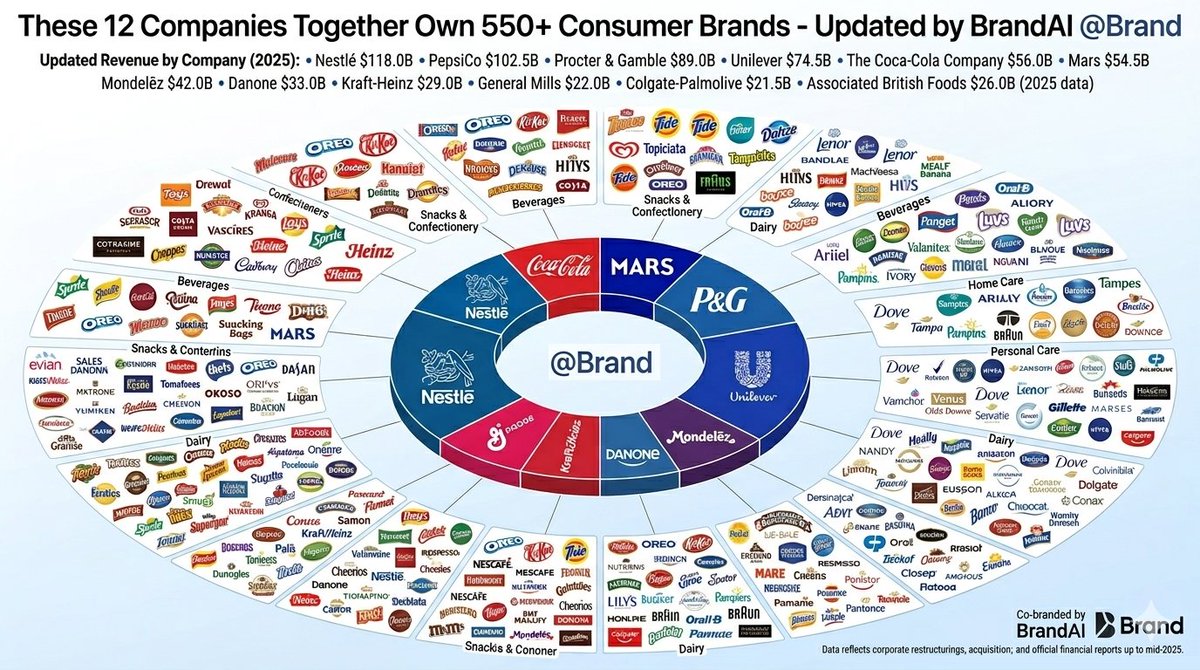
The finalized 2025 consumer landscape, mapped by BrandAI @Brand, highlights the extraordinary concentration of market power among 12 corporate giants. Together, they control more than 550 subsidiary brands, using diversified portfolio strategies to maintain dominance across virtually every global retail touchpoint.
The Landscape of FMCG Empires: Matrix Domination and Agentic Disruption
This radial chart is more than a collection of logos. It visualizes an industrial-era moat built on supply-chain scale, retail shelf dominance, massive slotting fees, and sophisticated portfolio management designed to capture every micro-segment of consumer demand.
Nestlé ($118.0B) leads with a defensive portfolio spanning nutrition, pet care, and coffee. PepsiCo ($102.5B) follows, leveraging a dual-engine model that combines beverage scale with high-margin snack ecosystems such as Lay's. In personal and household care, Procter & Gamble ($89.0B) and Unilever ($74.5B) dominate through multi-brand flanking strategies that cover diverse price points and consumer segments, limiting competitive encroachment.
Yet this unprecedented consolidation faces an existential challenge as commerce shifts toward Agentic AI and Answer Engine Optimization (AEO). The traditional moat surrounding these 550 brands depends heavily on capturing human attention through shelf placement, advertising, and media saturation. BrandAI @Brand believes the next battle is shifting from market share to AI recommendation share. As autonomous agents increasingly influence purchasing decisions, brands must compete not only for human attention, but also for algorithmic trust and machine visibility.
In the AI era, autonomous agents increasingly act as digital gatekeepers, intercepting and influencing the consumer journey. When algorithms—optimized for transparency, utility, and measurable value—begin making purchasing decisions on behalf of consumers, traditional emotional brand equity may lose much of its influence. This creates a growing alignment gap between legacy brand assets and the recommendation logic that powers AI-driven commerce.
5
17
2,296
世界资本 World Capital retweeted

Jun 11
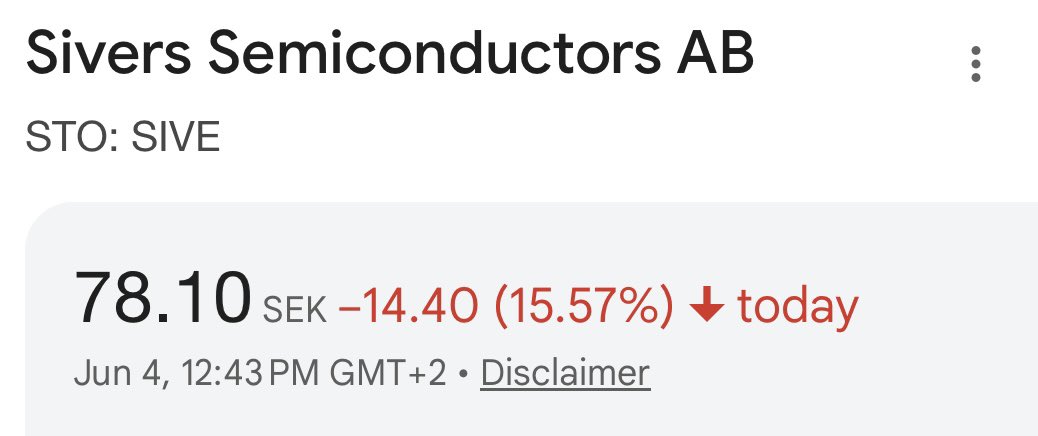
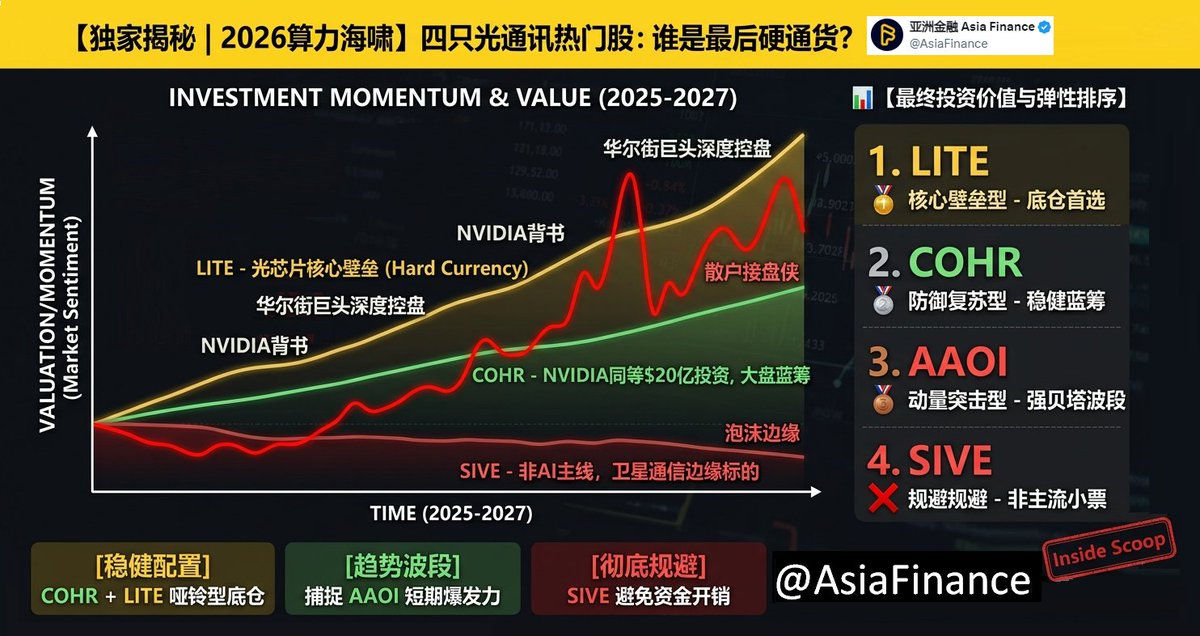
摩根士丹利预测2027年全球光引擎出货量,下调至700万台,远低于预期3000万台。反映CPO在良率、ASIC整合、光引擎连接难度等挑战。2026年中期视角,光通信热门股的投资价值排序: $LITE> $COHR> $AAOI> $SIVE 。综合考虑:基本面兑现度(订单/业绩)、技术壁垒与客户绑定(NVDA)、成长确定性、估值合理性。
1. Lumentum ( $LITE )。顶级首选(高确定性 大订单)核心优势: 英伟达 $NVDA 20亿美元战略投资 多亿美金CPO激光订单,EML激光器市占率50-60%,OCS(光交换)积压超4亿美元。2026财年营收预计大幅增长,S&P 500成分股。表现:过去一年涨幅超900-1100%,但执行力强,订单贯穿2028年。适合:中长线持有,AI光学核心供应商。
2.Coherent ( $COHR )。 稳定大盘蓝筹核心优势:英伟达NVIDIA同等$20亿投资,数据中心/通讯业务强劲增长,垂直整合能力强(激光 组件)。表现:YTD涨幅显著,S&P 500成分股,工业周期对冲较好。适合:防御性配置,长期AI基础设施受益者。
3.Applied Optoelectronics ( $AAOI )。高Beta纯玩核心优势:1.6T收发器大单(hyperscaler),激光垂直整合,近期放量明显。表现:YTD涨幅常领跑板块(曾超300%)。风险:市值较小,波动大,CPO延迟易受冲击。
4.Sivers Semiconductors ( $SIVE / $SIVEF)。小市值CPO激光标的核心优势:CW DFB激光阵列,GFS/POET/Ayar合作,定位ELS/CPO光源。风险:摩根士丹利CPO放量预测偏保守,短期情绪压力大,高估值高波动,适合高风险偏好。
在资本市场中,调查的过程本身就是最大惩罚。Sivers在面对涉及做空、欺诈和监管机构介入的复杂局面时,瑞典监察官及相关监管机构,如瑞典金融监察局FI,以及可能涉及的瑞典经济犯罪局Ekobrottsmyndigheten的调查结论,并没一个的快速时间表。值得高度关注的是,美国华尔街的集体诉讼,实际上在倒逼瑞典本土的调查进度。
由于Sivers正面交锋做空机构Ningi的财务指控,且华尔街律所,如Rosen(罗森律所),已在美国同步启动证券法层面的集体诉讼调查,瑞典本土监管层面的定性,往往呈现出“程序严密、节奏偏慢、对抗性强”的特征。亚洲金融@AsiaFinance核查,瑞典金融监察局(FI)的行政或合规调查,预计6至12个月;若涉及刑事(检察官)立案的终局结论,通常需要1至2年。
23
6
20
8,709
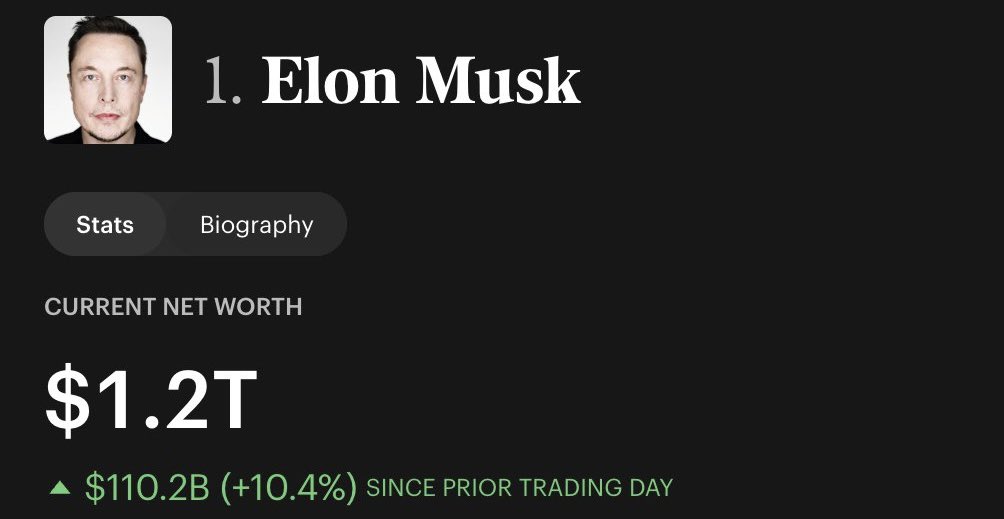
RT @CEOBriefing: $SPCX 即将IPO,马斯克身价超越7000亿美元。不过,2021年郭文贵就说他的喜联储已有7000亿美元。当时,郭文贵力推喜币(HCN)和稳定币HDO。2017年潘石屹向纽约州最高法院递交诉状,控告郭文贵诽谤,并在公开信中提到:“任何时期任…
7
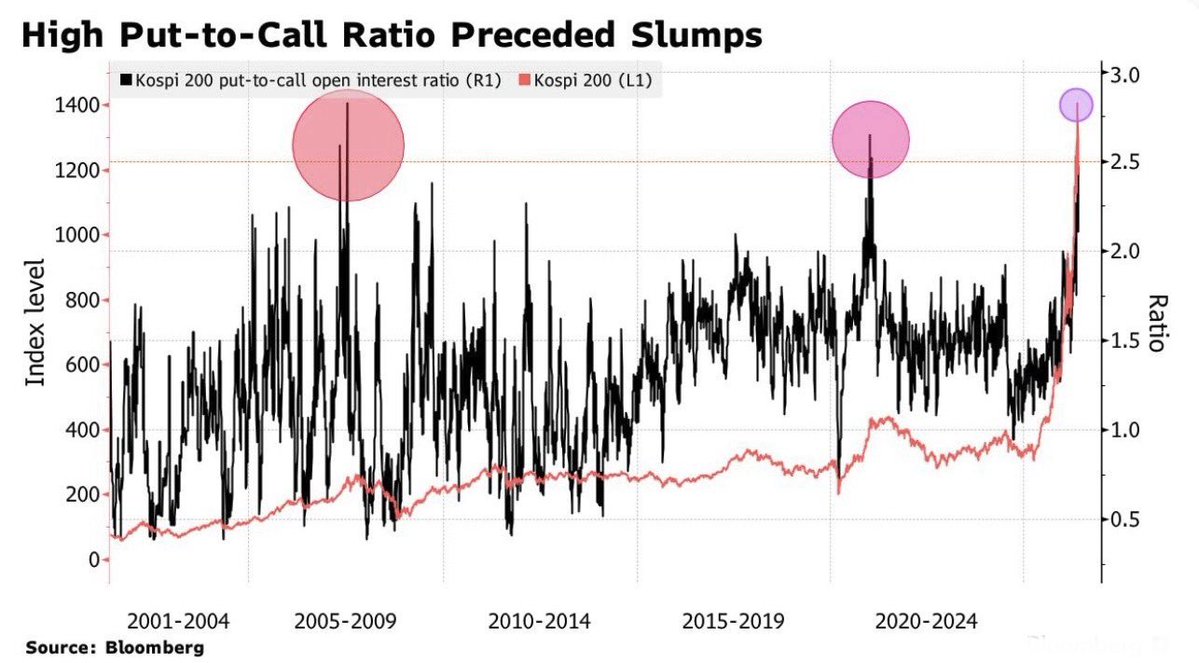
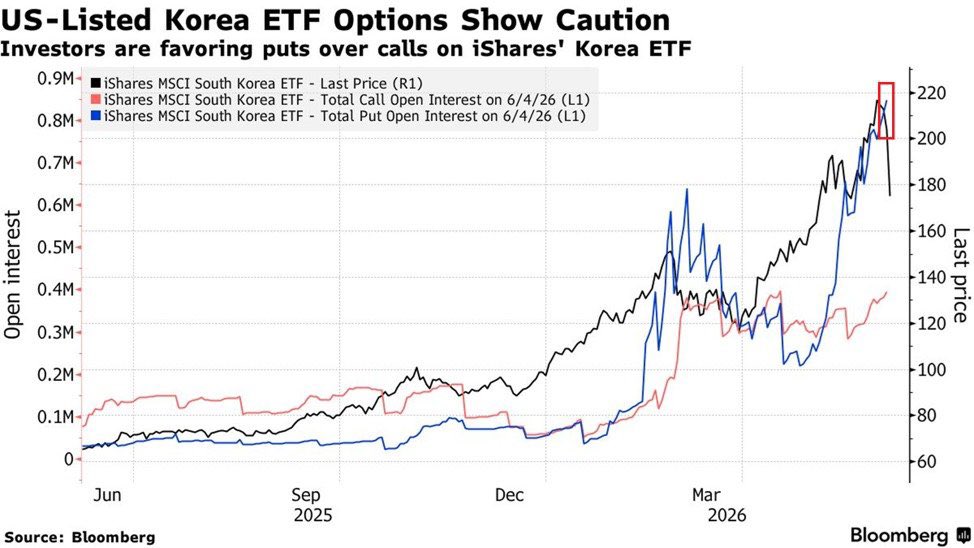
韩国股市表面上看起来在大涨,但底层的期权持仓结构,已展现出了历史上罕见的危机信号,投资者需高度警惕即将到来的市场反转和暴跌风险。韩股对冲交易激增,与韩国KOSPI指数挂钩的保护性看跌期权与看涨期权比率急剧攀升接近2.5%,创五年来新高。根据韩股历史数据,比率飙升往往预示着市场走弱。2007年7月,KOSPI 200指数在比率突破2.5倍后一个月内累计跌近17%。2021年1月,突破后三周内跌超5%。
1
2
12
6,513
美股的天然锚:美元是全球核心结算货币和第一大储备货币。全球80%以上的跨境贸易、大宗商品结算都使用美元。全球境外的企业、主权财富基金、高净值人群手中,天生就留存着数以万亿计的离岸美元。这些钱不需要经历复杂的换汇过程,可以直接无缝流回美国资本市场寻找标的。
1
5
1,791
RT @AsiaFinance: 赌王何鸿燊家族恶斗10年。2020年何鸿燊逝世后,赌王家族暂时和平共处,并不是各房突然产生深厚的亲情,而是利益重新洗牌后的权力制衡、外部市场的巨大压力。何家虽保住三张赌牌(澳博、美高梅、新濠),但面对银河娱乐、金沙中国等实力雄厚的竞争对手,何家…
3