
MA,BL,PhD . MP (Villupuram Constituency) 17&18th loksabha. Gen Sec VCK. Author,Translator, former Legislator (2006)youtube.com/user/writerRavik…
Joined July 2009
- Tweets 37,873
- Following 413
- Followers 125,225
- Likes 9,377
9,772 Photos and videos
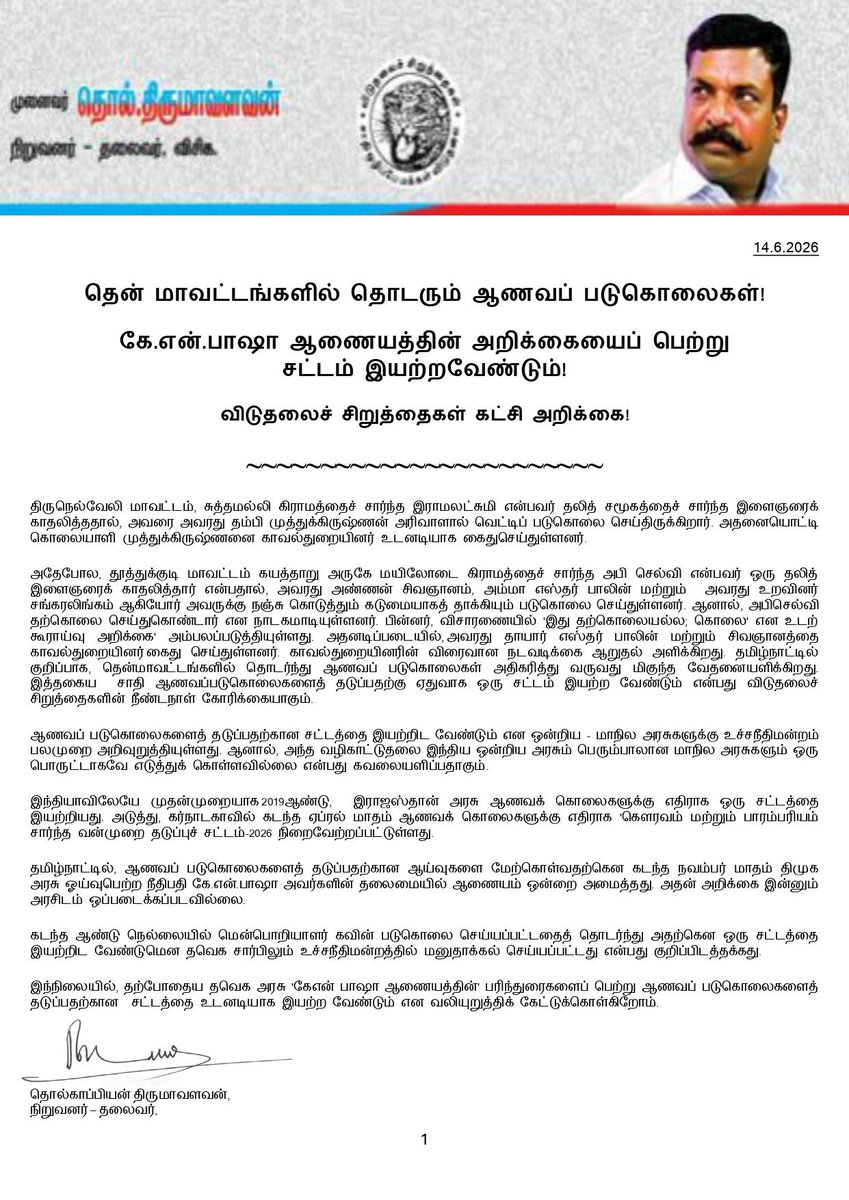

தென் மாவட்டங்களில் தொடரும் ஆணவப் படுகொலைகள்!
கே.என். பாஷா ஆணையத்தின் அறிக்கையைப் பெற்று சட்டம் இயற்றவேண்டும்!
விடுதலைச் சிறுத்தைகள் கட்சி அறிக்கை!
~~~~~~~~~~~~~~~~
திருநெல்வேலி மாவட்டம், சுத்தமல்லி கிராமத்தைச் சார்ந்த இராமலட்சுமி என்பவர் தலித் சமூகத்தைச் சார்ந்த இளைஞரைக் காதலித்ததால், அவரை அவரது தம்பி முத்துக்கிருஷ்ணன் அரிவாளால் வெட்டிப் படுகொலை செய்திருக்கிறார். அதனையொட்டி கொலையாளி முத்துக்கிருஷ்ணனை காவல்துறையினர் உடனடியாக கைதுசெய்துள்ளனர்.
அதேபோல, தூத்துக்குடி மாவட்டம் கயத்தாறு அருகே மயிலோடை கிராமத்தைச் சார்ந்த அபி செல்வி என்பவர் ஒரு தலித் இளைஞரைக் காதலித்தார் என்பதால், அவரது அண்ணன் சிவஞானம், அம்மா எஸ்தர் பாலின் மற்றும் அவரது உறவினர் சங்கரலிங்கம் ஆகியோர் அவருக்கு நஞ்சு கொடுத்தும் கடுமையாகத் தாக்கியும் படுகொலை செய்துள்ளனர். ஆனால், அபிசெல்வி தற்கொலை செய்துகொண்டார் என நாடகமாடியுள்ளனர். பின்னர், விசாரணையில் 'இது தற்கொலையல்ல; கொலை' என உடற் கூராய்வு அறிக்கை' அம்பலப்படுத்தியுள்ளது. அதனடிப்படையில், அவரது தாயார் எஸ்தர் பாலின் மற்றும் சிவஞானத்தை காவல்துறையினர் கைது செய்துள்ளனர். காவல்துறையினரின் விரைவான நடவடிக்கை ஆறுதல் அளிக்கிறது. தமிழ்நாட்டில் குறிப்பாக, தென்மாவட்டங்களில் தொடர்ந்து ஆணவப் படுகொலைகள் அதிகரித்து வருவது மிகுந்த வேதனையளிக்கிறது. இத்தகைய சாதி ஆணவப்படுகொலைகளைத் தடுப்பதற்கு ஏதுவாக ஒரு சட்டம் இயற்ற வேண்டும் என்பது விடுதலைச் சிறுத்தைகளின் நீண்டநாள் கோரிக்கையாகும்.
ஆணவப் படுகொலைகளைத் தடுப்பதற்கான சட்டத்தை இயற்றிட வேண்டும் என ஒன்றிய - மாநில அரசுகளுக்கு உச்சநீதிமன்றம் பலமுறை அறிவுறுத்தியுள்ளது. ஆனால், அந்த வழிகாட்டுதலை இந்திய ஒன்றிய அரசும் பெரும்பாலான மாநில அரசுகளும் ஒரு பொருட்டாகவே எடுத்துக் கொள்ளவில்லை என்பது கவலையளிப்பதாகும்.
இந்தியாவிலேயே முதன்முறையாக 2019ஆண்டு, இராஜஸ்தான் அரசு ஆணவக் கொலைகளுக்கு எதிராக ஒரு சட்டத்தை இயற்றியது. அடுத்து, கர்நாடகாவில் கடந்த ஏப்ரல் மாதம் ஆணவக் கொலைகளுக்கு எதிராக 'கௌரவம் மற்றும் பாரம்பரியம் சார்ந்த வன்முறை தடுப்புச் சட்டம்-2026 நிறைவேற்றப்பட்டுள்ளது.
தமிழ்நாட்டில், ஆணவப் படுகொலைகளைத் தடுப்பதற்கான ஆய்வுகளை மேற்கொள்வதற்கென கடந்த நவம்பர் மாதம் திமுக அரசு ஓய்வுபெற்ற நீதிபதி கே.என்.பாஷா அவர்களின் தலைமையில் ஆணையம் ஒன்றை அமைத்தது. அதன் அறிக்கை இன்னும் அரசிடம் ஒப்படைக்கப்படவில்லை.
கடந்த ஆண்டு நெல்லையில் மென்பொறியாளர் கவின் படுகொலை செய்யப்பட்டதைத் தொடர்ந்து அதற்கென ஒரு சட்டத்தை இயற்றிட வேண்டுமென தவெக சார்பிலும் உச்சநீதிமன்றத்தில் மனுதாக்கல் செய்யப்பட்டது என்பது குறிப்பிடத்தக்கது.
இந்நிலையில், தற்போதைய தவெக அரசு 'கேஎன் பாஷா ஆணையத்தின்' பரிந்துரைகளைப் பெற்று ஆணவப் படுகொலைகளைத் தடுப்பதற்கான சட்டத்தை உடனடியாக இயற்ற வேண்டும் என வலியுறுத்திக் கேட்டுக்கொள்கிறோம்.
இவண்:
தொல்காப்பியன் திருமாவளவன்,
நிறுவனர் - தலைவர்,
விடுதலைச் சிறுத்தைகள் கட்சி.
1
7
23
447
தென் மாவட்டங்களில் தொடரும் ஆணவப் படுகொலைகள்!
கே.என். பாஷா ஆணையத்தின் அறிக்கையைப் பெற்று சட்டம் இயற்றவேண்டும்!
விடுதலைச் சிறுத்தைகள் கட்சி அறிக்கை!
~~~~~~~~~~~~~~~~~~~~~~~~~~~~~~~~~
திருநெல்வேலி மாவட்டம், சுத்தமல்லி கிராமத்தைச் சார்ந்த இராமலட்சுமி என்பவர் தலித் சமூகத்தைச் சார்ந்த இளைஞரைக் காதலித்ததால், அவரை அவரது தம்பி முத்துக்கிருஷ்ணன் அரிவாளால் வெட்டிப் படுகொலை செய்திருக்கிறார். அதனையொட்டி கொலையாளி முத்துக்கிருஷ்ணனை காவல்துறையினர் உடனடியாக கைதுசெய்துள்ளனர்.
அதேபோல, தூத்துக்குடி மாவட்டம் கயத்தாறு அருகே மயிலோடை கிராமத்தைச் சார்ந்த அபி செல்வி என்பவர் ஒரு தலித் இளைஞரைக் காதலித்தார் என்பதால், அவரது அண்ணன் சிவஞானம், அம்மா எஸ்தர் பாலின் மற்றும் அவரது உறவினர் சங்கரலிங்கம் ஆகியோர் அவருக்கு நஞ்சு கொடுத்தும் கடுமையாகத் தாக்கியும் படுகொலை செய்துள்ளனர். ஆனால், அபிசெல்வி தற்கொலை செய்துகொண்டார் என நாடகமாடியுள்ளனர். பின்னர், விசாரணையில் 'இது தற்கொலையல்ல; கொலை' என உடற் கூராய்வு அறிக்கை' அம்பலப்படுத்தியுள்ளது. அதனடிப்படையில், அவரது தாயார் எஸ்தர் பாலின் மற்றும் சிவஞானத்தை காவல்துறையினர் கைது செய்துள்ளனர். காவல்துறையினரின் விரைவான நடவடிக்கை ஆறுதல் அளிக்கிறது. தமிழ்நாட்டில் குறிப்பாக, தென்மாவட்டங்களில் தொடர்ந்து ஆணவப் படுகொலைகள் அதிகரித்து வருவது மிகுந்த வேதனையளிக்கிறது. இத்தகைய சாதி ஆணவப்படுகொலைகளைத் தடுப்பதற்கு ஏதுவாக ஒரு சட்டம் இயற்ற வேண்டும் என்பது விடுதலைச் சிறுத்தைகளின் நீண்டநாள் கோரிக்கையாகும்.
ஆணவப் படுகொலைகளைத் தடுப்பதற்கான சட்டத்தை இயற்றிட வேண்டும் என ஒன்றிய - மாநில அரசுகளுக்கு உச்சநீதிமன்றம் பலமுறை அறிவுறுத்தியுள்ளது. ஆனால், அந்த வழிகாட்டுதலை இந்திய ஒன்றிய அரசும் பெரும்பாலான மாநில அரசுகளும் ஒரு பொருட்டாகவே எடுத்துக் கொள்ளவில்லை என்பது கவலையளிப்பதாகும்.
இந்தியாவிலேயே முதன்முறையாக 2019ஆண்டு, இராஜஸ்தான் அரசு ஆணவக் கொலைகளுக்கு எதிராக ஒரு சட்டத்தை இயற்றியது. அடுத்து, கர்நாடகாவில் கடந்த ஏப்ரல் மாதம் ஆணவக் கொலைகளுக்கு எதிராக 'கௌரவம் மற்றும் பாரம்பரியம் சார்ந்த வன்முறை தடுப்புச் சட்டம்-2026 நிறைவேற்றப்பட்டுள்ளது.
தமிழ்நாட்டில், ஆணவப் படுகொலைகளைத் தடுப்பதற்கான ஆய்வுகளை மேற்கொள்வதற்கென கடந்த நவம்பர் மாதம் திமுக அரசு ஓய்வுபெற்ற நீதிபதி கே.என்.பாஷா அவர்களின் தலைமையில் ஆணையம் ஒன்றை அமைத்தது. அதன் அறிக்கை இன்னும் அரசிடம் ஒப்படைக்கப்படவில்லை.
கடந்த ஆண்டு நெல்லையில் மென்பொறியாளர் கவின் படுகொலை செய்யப்பட்டதைத் தொடர்ந்து அதற்கென ஒரு சட்டத்தை இயற்றிட வேண்டுமென தவெக சார்பிலும் உச்சநீதிமன்றத்தில் மனுதாக்கல் செய்யப்பட்டது என்பது குறிப்பிடத்தக்கது.
இந்நிலையில், தற்போதைய தவெக அரசு 'கேஎன் பாஷா ஆணையத்தின்' பரிந்துரைகளைப் பெற்று ஆணவப் படுகொலைகளைத் தடுப்பதற்கான சட்டத்தை உடனடியாக இயற்ற வேண்டும் என வலியுறுத்திக் கேட்டுக்கொள்கிறோம்.
இவண்:
தொல்காப்பியன் திருமாவளவன்,
நிறுவனர் - தலைவர்,
விடுதலைச் சிறுத்தைகள் கட்சி.
22
61
1,918
Beware of the K.G. Balakrishnan Commission Report
- Ravikumar, MP
The Justice K.G. Balakrishnan Commission, appointed to examine the demand for including Dalit Christians in the Scheduled Caste (SC) list, is expected to submit its report shortly.
Since the Commission was constituted by the BJP government, I fear that its recommendations may be adverse to this demand.
Earlier commissions appointed during Congress governments had taken a positive view. The Ranganath Misra Commission recommended making Scheduled Caste status religion-neutral, finding no empirical basis for excluding Dalit Christians and Dalit Muslims. The Sachar Committee and subsequent studies reinforced this conclusion by documenting the persistence of caste-based discrimination even after religious conversion. However, the Justice K.G. Balakrishnan Commission may not follow the path laid down by its predecessors.
If the Commission recommends against the demand, it will have ample precedents to cite. Several court judgments have rejected or declined to uphold this claim.
In Soosai v. Union of India (1985), the Supreme Court upheld the exclusion of Christian converts from the SC list on the ground that there was insufficient evidence to establish the continuation of the same degree of social and educational backwardness after conversion. In S. Anbalagan v. B. Devarajan (1984), the Court acknowledged that caste identity may persist even after conversion, but stopped short of extending Scheduled Caste benefits on that basis. In C.M. Arumugam v. S. Rajgopal (1976), it recognised that caste identity could revive upon reconversion, implicitly acknowledging that caste is not automatically erased by a change of religion.
In State of Kerala v. Chandramohanan (2004), the Court reaffirmed that Scheduled Caste status is governed strictly by the Presidential Order issued under Article 341 of the Constitution.
The underlying spirit of the demand to include Dalit Christians in the Scheduled Caste list is the unity of Dalits. Such inclusion would add Dalit Christians to the official Scheduled Caste population, thereby strengthening the numerical and political weight of Dalit communities. The growth of Dalit numerical strength has always been a matter of concern for proponents of the Sanatana social order. Historically, they have sought to weaken Dalit solidarity by dividing oppressed communities along the lines of sub-castes and religions.
Therefore, anyone who genuinely seeks to strengthen Dalit unity and enhance the collective strength of historically oppressed communities must support the inclusion of Dalit Christians in the Scheduled Caste list. If the Commission’s report recommends otherwise, it should be examined with great caution and subjected to rigorous public scrutiny.
1
2
13
1,089
I welcome this.
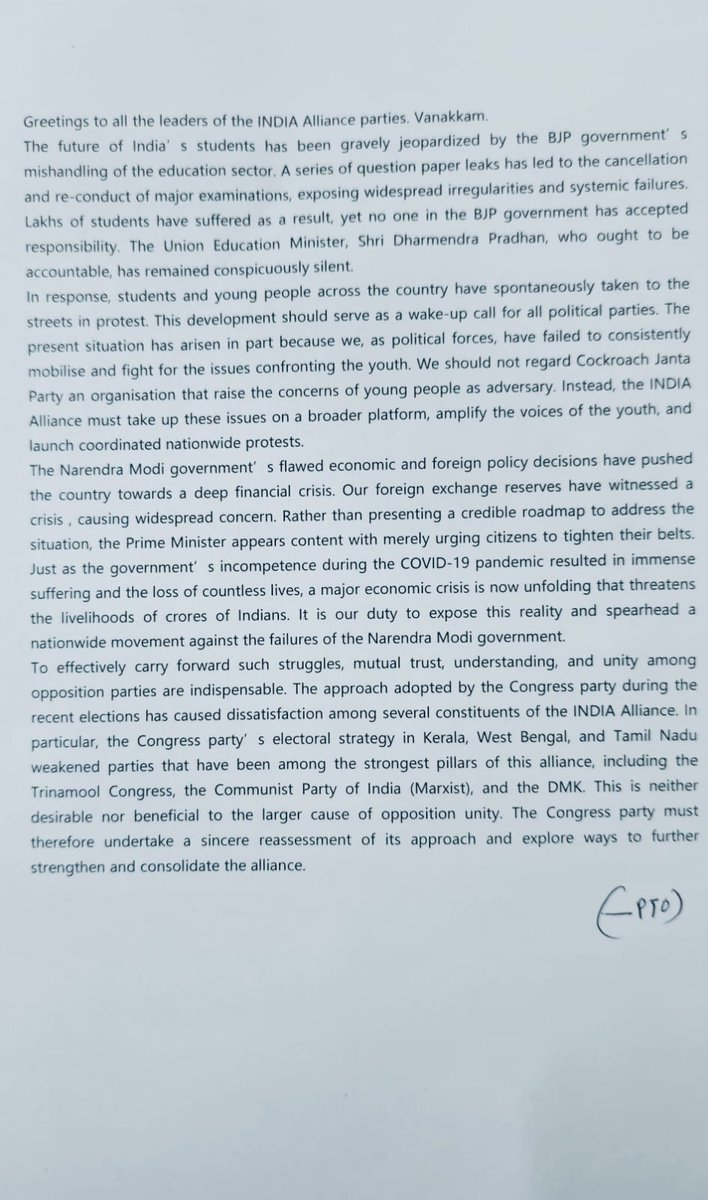
At the INDIA bloc meeting, VCK leader @thirumaofficial emphasized the following: "The future of India's students has been jeopardized by the BJP government's flawed approach. Examinations are being cancelled and re-conducted due to a series of paper leaks, and various irregularities in this process have come to light. Lakhs of students have been affected, yet no one in the BJP government has taken responsibility. Education Minister Dharmendra Pradhan, who ought to be accountable, remains silent. Consequently, students and youth have spontaneously staged protests. This serves as a wake-up call for all political parties; the current situation has arisen precisely because we failed to take to the streets to fight for the issues facing the youth. We should not view the 'Cockroach Janata Party'—an organization that voices the concerns of the youth—as an adversary. The INDIA bloc must take up the issues they raise on a broader platform and announce nationwide protests."
Mr. @RahulGandhi has now announced protests on behalf of the Congress party. This is a welcome move. However, it would have been even better had this announcement been made jointly on behalf of all the parties in the INDIA bloc.
- Ravikumar MP
5
15
76
3,968
Dr D.Ravikumar MP retweeted

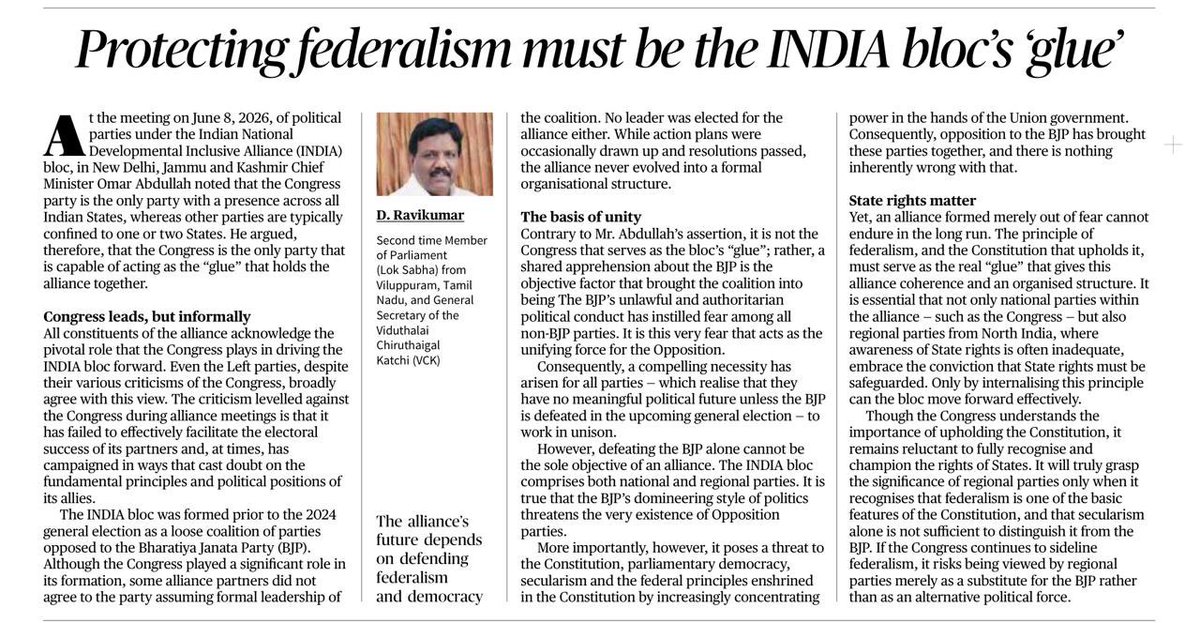
Comment | INDIA bloc’s future depends on defending federalism and democracy
✍️@WriterRavikumar
trib.al/rOwkmMY
1
3
819
இன்று The Hindu ஆங்கில நாளேட்டின் நடுப் பக்கத்தில் வெளியாகியிருக்கும் எனது கட்டுரை 👇🏿
5
8
35
829
கூட்டாட்சித் தத்துவமே ”இந்தியா கூட்டணி”யின் ஒட்டும் பசை!
- ரவிக்குமார்
“ அரசமைப்புச் சட்டத்தைப் பாதுகாப்பதன் முக்கியத்துவத்தை காங்கிரஸ் கட்சி உணர்ந்திருந்தாலும், மாநில உரிமைகளை முழுமையாக அங்கீகரித்து முன்னெடுப்பதில் அது தயக்கம் காட்டி வருகிறது. கூட்டாட்சி என்பது அரசமைப்புச் சட்டத்தின் அடிப்படை அம்சங்களில் ஒன்று என்பதையும், மதச்சார்பின்மை மட்டுமே பாஜகவிடமிருந்து தன்னை வேறுபடுத்திக்காட்டப் போதுமானதல்ல என்பதையும் அது உணரும்போதுதான், மாநிலக் கட்சிகளின் முக்கியத்துவத்தை அது உண்மையாகப் புரிந்துகொள்ளும்.”
minnambalam.com/federalism-i…
3
11
51
2,309
திரைப்பட இயக்குநர் பாரதிராஜாவின் மறைவு தமிழ்த் திரையுலகில் ஒரு சகாப்தத்தின் முடிவு. அவரது சில திரைப்படங்கள் என்றென்றும் அவரது நினைவைப் பாதுகாக்கும். என் அஞ்சலி🙏🏿
1
10
127
1,481
RT @thirumaofficial: இன்று புது தில்லியிலுள்ள 'கான்ஸ்டிட்யூசன் க்ளப்'பில் நடைபெற்ற இந்தியா கூட்டணி கட்சிகளின் தலைவர்கள் கூட்டத்தில் விசிக…
59
Dr D.Ravikumar MP retweeted

Jun 8
LIVE: INDIA Press Conference | Constitution Club, New Delhi x.com/i/broadcasts/1vJpPPBpk…
463
3,046
8,964
130,132

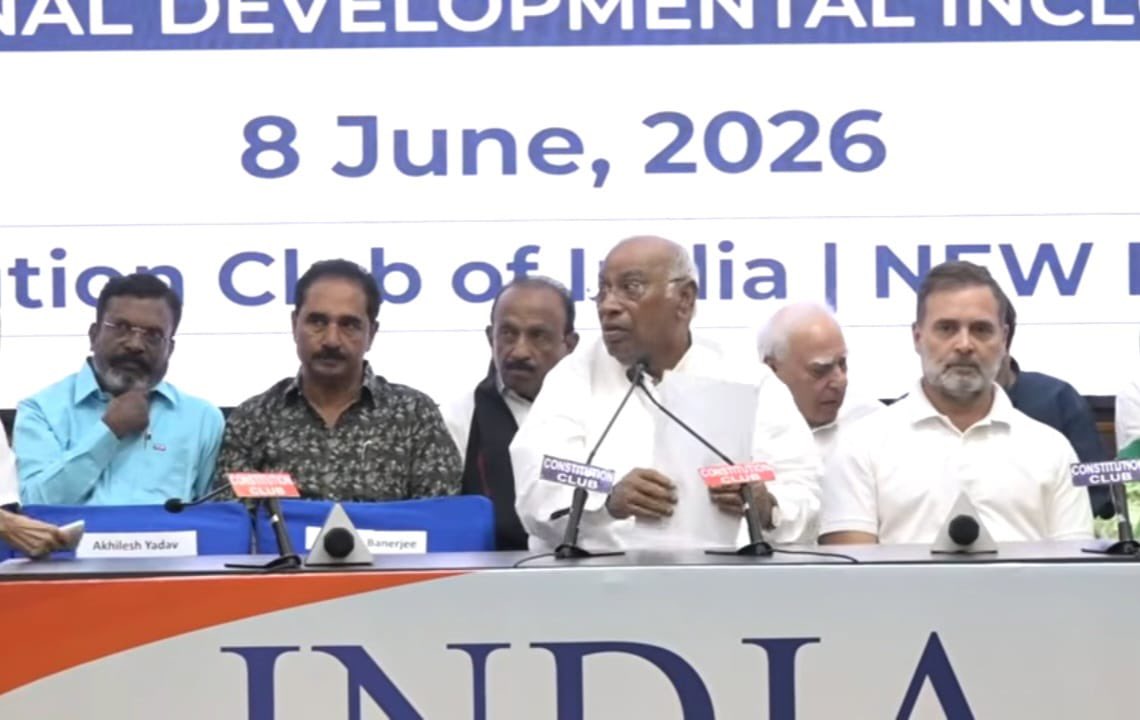
1. It was agreed to send a letter to the Chief Justice of India regarding vote chori and the stealing of elections. The letter will be delivered very soon.
2. It was unanimously agreed to demand the immediate resignation of the Education Minister.
3. The Union Government should immediately call an all-party meeting to discuss the current precarious economic situation, unemployment, price rise, farmers' issues, atrocities, and other people-centric issues.
4. It was agreed that all of us should meet every two months. The next meeting will be held in Hyderabad.
5. Parliamentary coordination will continue during the Monsoon Session, with daily morning meetings in the office of the Hon'ble Leader of the Opposition.
: Congress President Shri @kharge
224
1,091
4,502
155,724
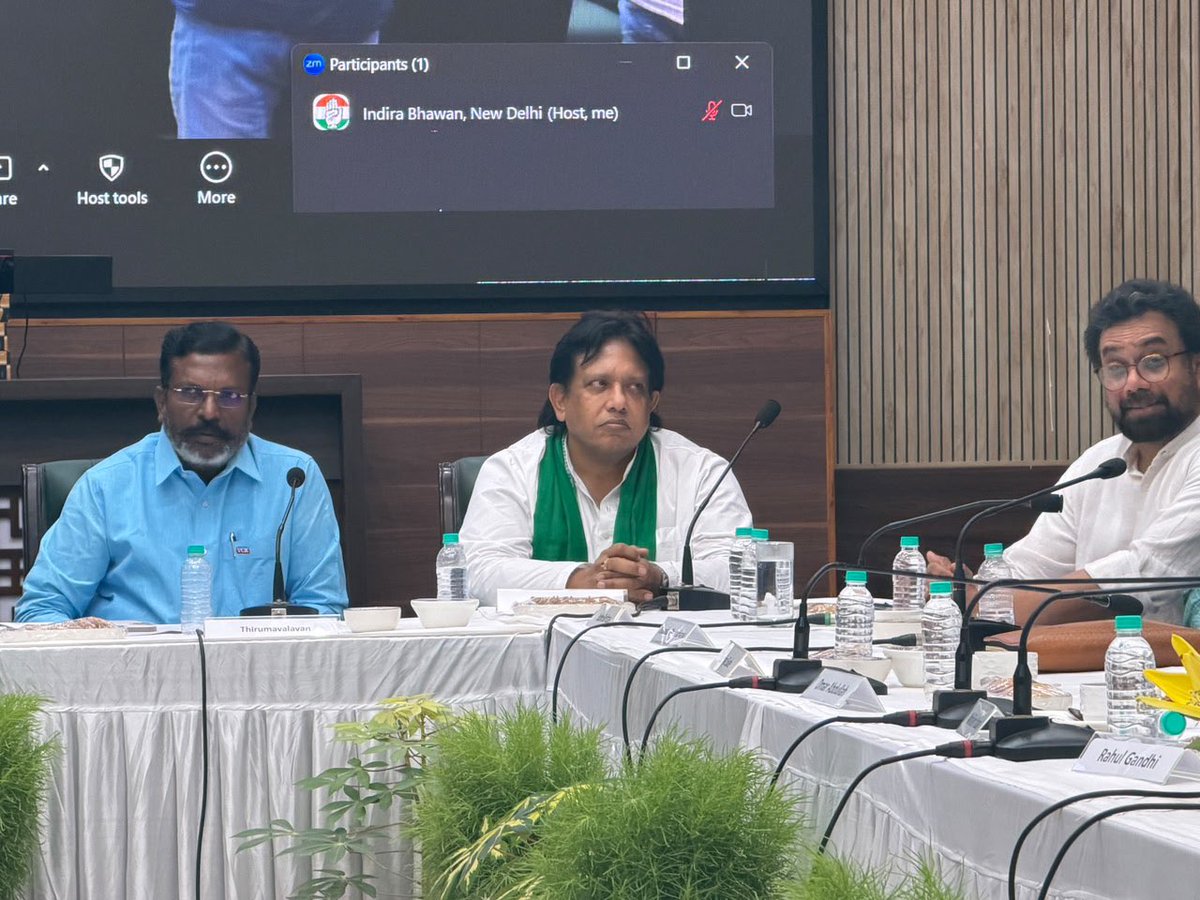
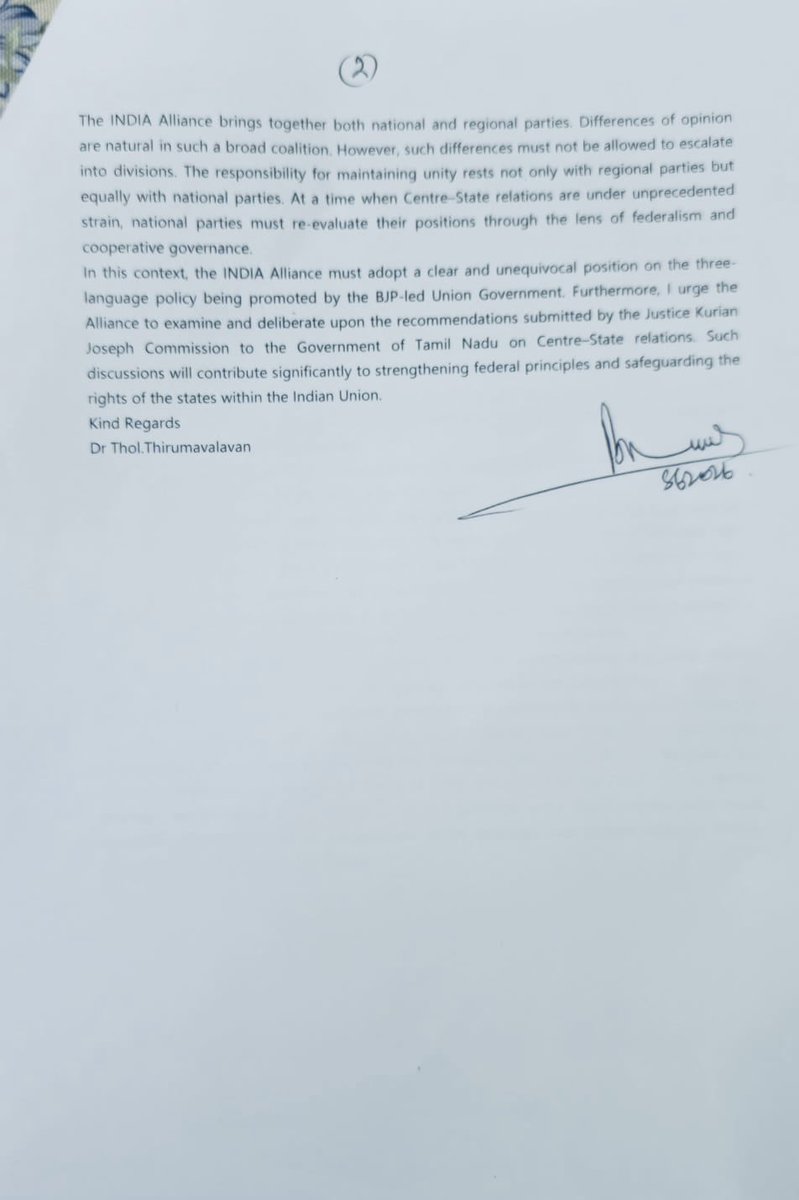
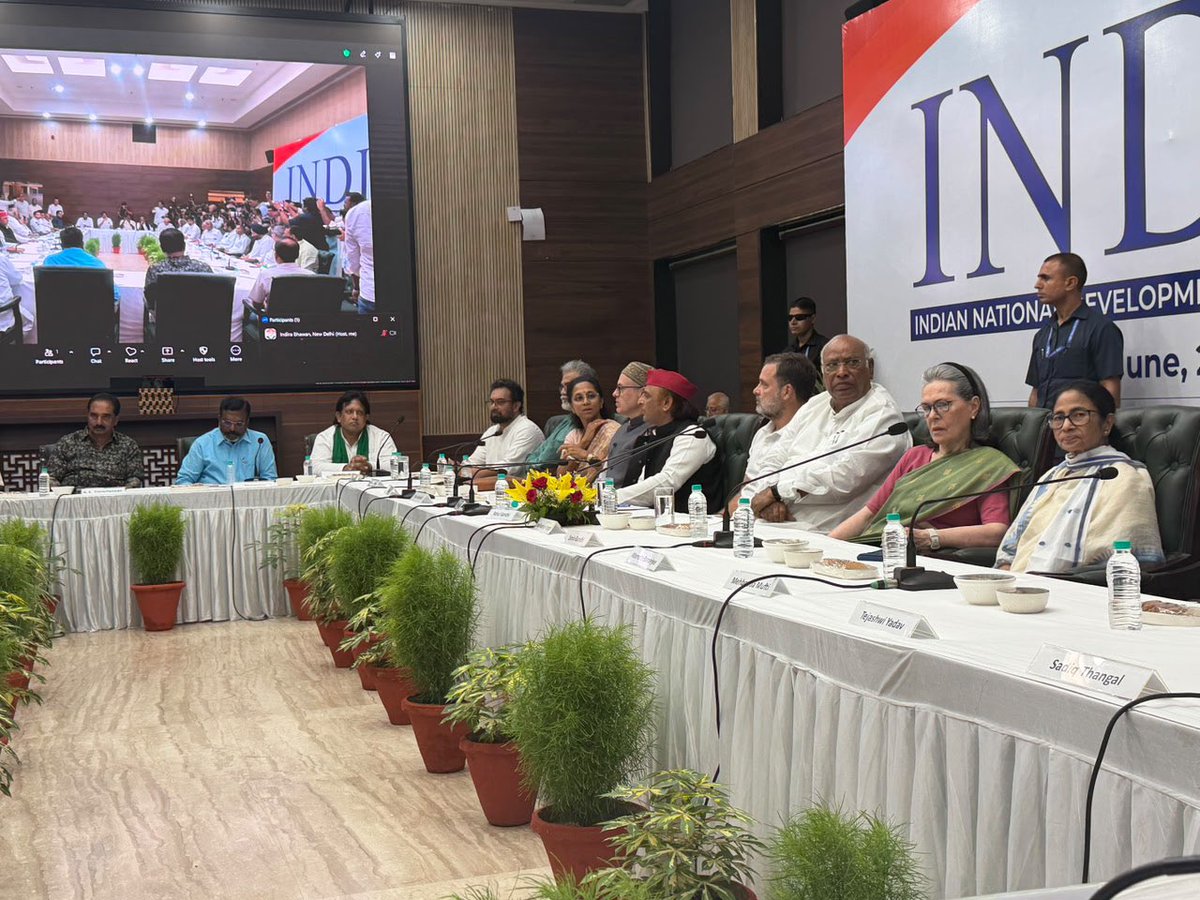
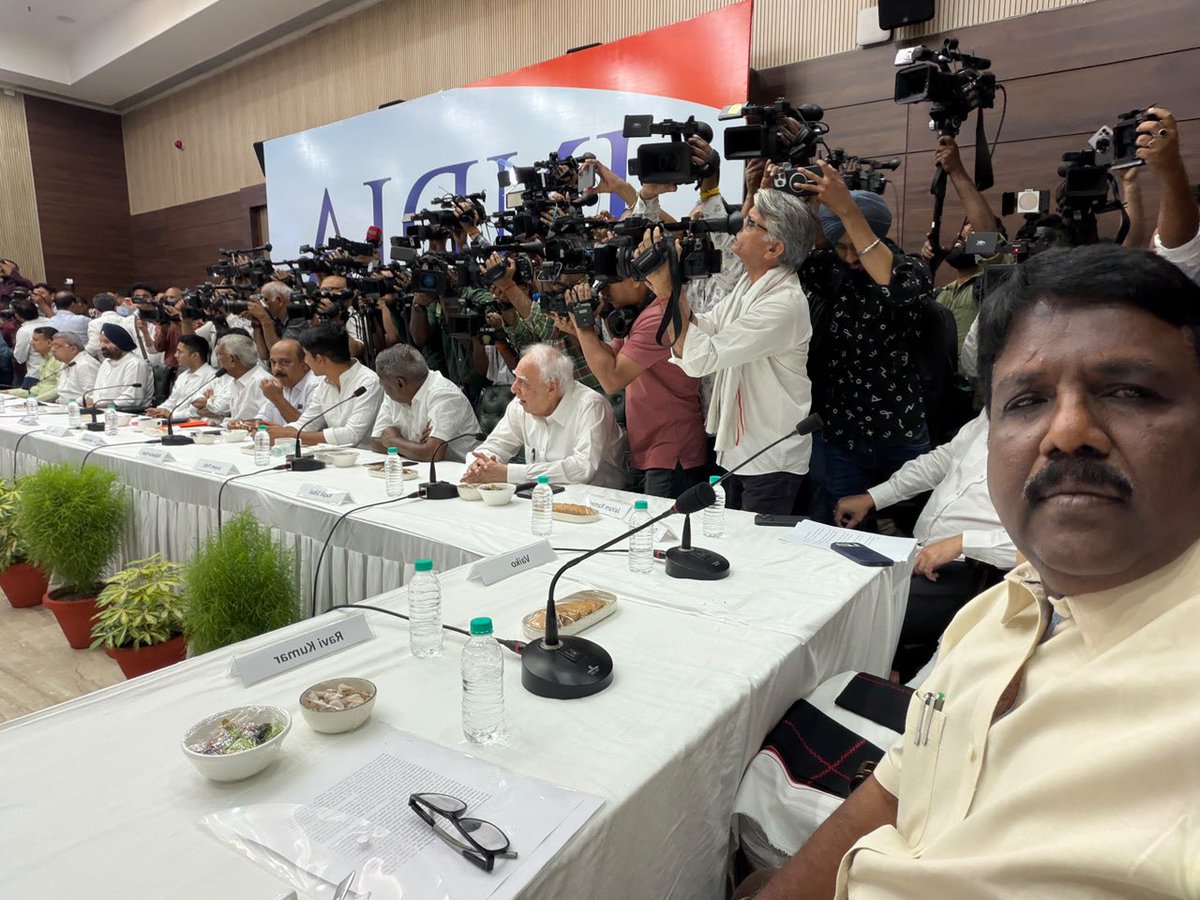
டெல்லியில் இன்று நடைபெற்ற இந்தியா கூட்டணி கட்சிகளின் தலைவர்கள் கூட்டத்தில் எழுச்சித் தமிழர் Thol.Thirumavalavan அவர்கள் பங்கேற்றுப் பேசினார். அவருடன் நானும் பங்கேற்றேன்.
தலைவர் ஆங்கிலத்தில் ஆற்றிய உரையின் தமிழாக்கம் :
இந்தியா கூட்டணி கட்சிகளின் தலைவர்கள் அனைவருக்கும்
வணக்கம்
பாஜக அரசின் தவறான அணுகுமுறையால் இந்தியாவின் மாணவர்களின் எதிர்காலம் கேள்விக்கு உள்ளாகி உள்ளது. அடுத்தடுத்து நடந்து வரும் பேப்பர் லீக் காரணமாக தேர்வுகள் ரத்து செய்யப்பட்டு மீண்டும் நடத்தப்படுகின்றன. இதில் பல்வேறு முறைகேடுகள் நடந்திருப்பது அம்பலமாகி உள்ளது. இதனால் லட்சக்கணக்கான மாணவர்கள் பாதிக்கப்பட்டுள்ளனர். ஆனால் இதற்கு பாஜக அரசில் எவருமே பொறுப்பேற்கவில்லை. இதற்கு பொறுப்பேற்க வேண்டிய கல்வி அமைச்சர் தர்மேந்திர பிரதான் மௌனமாக இருக்கிறார். இதன் காரணமாக மாணவர்கள் இளைஞர்கள் தன்னெழுச்சியாகப் போராட்டங்களை நடத்தி உள்ளனர். இது அரசியல் கட்சிகள் அனைவருக்கும் எச்சரிக்கை மணியாகும். இளைஞர்களுடைய பிரச்சனைகளுக்காக நாம் தெருவில் இறங்கி போராடாத காரணத்தினால் தான் இந்த நிலை ஏற்பட்டுள்ளது. இளைஞர்களின் குரலை வெளிப்படுத்துகிற காக்ரோச் ஜனதா பார்ட்டி என்ற அமைப்பை நாம் எதிர்நிலையில் வைத்து பார்க்கக் கூடாது. அவர்கள் எழுப்பும் பிரச்சனைகளை இன்னும் விரிவான தளத்தில் இந்தியா கூட்டணி முன்னெடுக்க வேண்டும். அதற்காக நாடு தழுவிய போராட்டங்களை நாம் அறிவிக்க வேண்டும்.
நரேந்திர மோடி அரசின் தவறான வெளியுறவு கொள்கையால் இப்போது நாடு திவாலாகும் நிலை ஏற்பட்டுள்ளது. நம்முடைய அந்நிய செலாவணி கையிருப்பில் சிக்கல் ஏற்பட்டுள்ளது. இதை எப்படி சமாளிப்பது என தெரியாத பிரதமரோ மக்களெல்லாம் சிக்கன நடவடிக்கைகளை பின்பற்றுமாறு அறிவுரை சொல்கிறார். கோவிட் காலத்தில் எப்படி திறமையற்ற இந்த அரசால் லட்சக்கணக்கான அப்பாவி பொதுமக்கள் உயிரிழந்தார்களோ அதே போல இப்போதும் மிகப்பெரிய பொருளாதார நெருக்கடி ஏற்பட்டு கோடிக்கணக்கான மக்கள் பாதிக்கப்படும் நிலை உருவாகியுள்ளது. இதை அம்பலப்படுத்தி நாடு தழுவிய அளவில் நரேந்திர மோடி அரசுக்கு எதிரான போராட்டங்களை நாம் முன்னெடுக்க வேண்டும்.
இந்தப் போராட்டங்களை செய்வதற்கு எதிர்க்கட்சிகள் இடையே புரிந்துணர்வும் ஒற்றுமையும் அவசியம். அண்மையில் நடந்து முடிந்த தேர்தல்களின் போது காங்கிரஸ் கட்சி கையாண்ட அணுகுமுறையால் இந்தியா கூட்டணியில் இடம் பெற்றுள்ள கட்சிகள் இடையே அதிருப்தி ஏற்பட்டுள்ளது. குறிப்பாக கேரளா, மேற்குவங்கம், தமிழ்நாடு ஆகிய மாநிலங்களில் காங்கிரஸ் கட்சி மேற்கொண்ட அணுகுமுறை இந்த கூட்டணிக்கு உறுதுணையாக இருந்த கட்சிகளான திரிணாமுல், மார்க்சிஸ்ட் கம்யூனிஸ்ட் கட்சி, திமுக ஆகியவற்றை பலவீனம் அடையச் செய்திருக்கிறது. இது விரும்பத்தக்கது அல்ல. எனவே காங்கிரஸ் கட்சி தனது அணுகுமுறையை மறு ஆய்வு செய்து இந்த ஒற்றுமையை இன்னும் வலுவாக முன்னெடுப்பதற்கான வழிகளை கண்டறிய வேண்டும்.
இந்தியா கூட்டணியில் தேசியக் கட்சிகளும் மாநில கட்சிகளும் ஒன்றாக இணைந்து செயல்பட்டு வருகிறோம். இயல்பாகவே தேசியக் கட்சிகளுக்கும் மாநில கட்சிகளுக்கும் இடையே முரண்களும் இருக்கும். அவற்றை கூர்மைப்படுத்தக்கூடாது. அந்தப் பொறுப்பு மாநில கட்சிகளுக்கு மட்டுமல்ல தேசிய கட்சிகளுக்கும் உள்ளது. இப்போது மத்திய மாநில உறவுகள் மிக மிக சீர்கேடு அடைந்துள்ள சூழலில் தேசியக் கட்சிகள் கூட்டாட்சி என்ற அடிப்படையில் தங்களது நிலைப்பாடுகளை மறுபரிசீலனை செய்து மாற்றி அமைக்க வேண்டும்.. இதன் ஒரு அங்கமாக ஒன்றிய பாஜக அரசு அறிமுகப்படுத்தியுள்ள மும்மொழிக் கொள்கையைப் பற்றி தெளிவான நிலைப்பாட்டை இந்தியா கூட்டணி எடுக்க வேண்டும்.
அது போலவே மத்திய மாநில உறவுகளை ஆராய்ந்து தமிழ்நாடு அரசின் சார்பில் நீதிபதி குரியன் ஜோசப் ஆணையம் முன் வைத்துள்ள பரிந்துரைகளையும் இந்தியா கூட்டணி பரிசீலனைக்கு எடுத்துக் கொள்ள வேண்டும் என்று கேட்டுக் கொள்கிறேன்.
இவண்
தொல். திருமாவளவன்
12
30
158
8,514
Watch this

#WATCH | Delhi: On the INDIA alliance meeting scheduled for June 8 in Delhi, VCK MP D Ravikumar says, "Viduthalai Chiruthaigal Katchi (VCK) is participating in the INDIA bloc meeting tomorrow. Our leader is going to participate. I am also attending the meeting. The Congress leaders are calling this meeting to address immediate political issues facing the country, particularly the paper leaks and issues going on in the CBSE and the external affairs front. The wrong position taken by the Indian government has caused a lot of problems for the common people. The gas prices and the petrol-diesel prices are also increasing day by day...."
5
4
32
1,964
“ அரசமைப்புச் சட்டத்தை மீட்டெடுக்கும் நேரமிது”
வழக்கறிஞர் இந்திரா ஜெய்சிங்கின் நேர்காணல்
தமிழாக்கம் : ரவிக்குமார்
minnambalam.com/constitution…
1
6
36
891
Dr D.Ravikumar MP retweeted

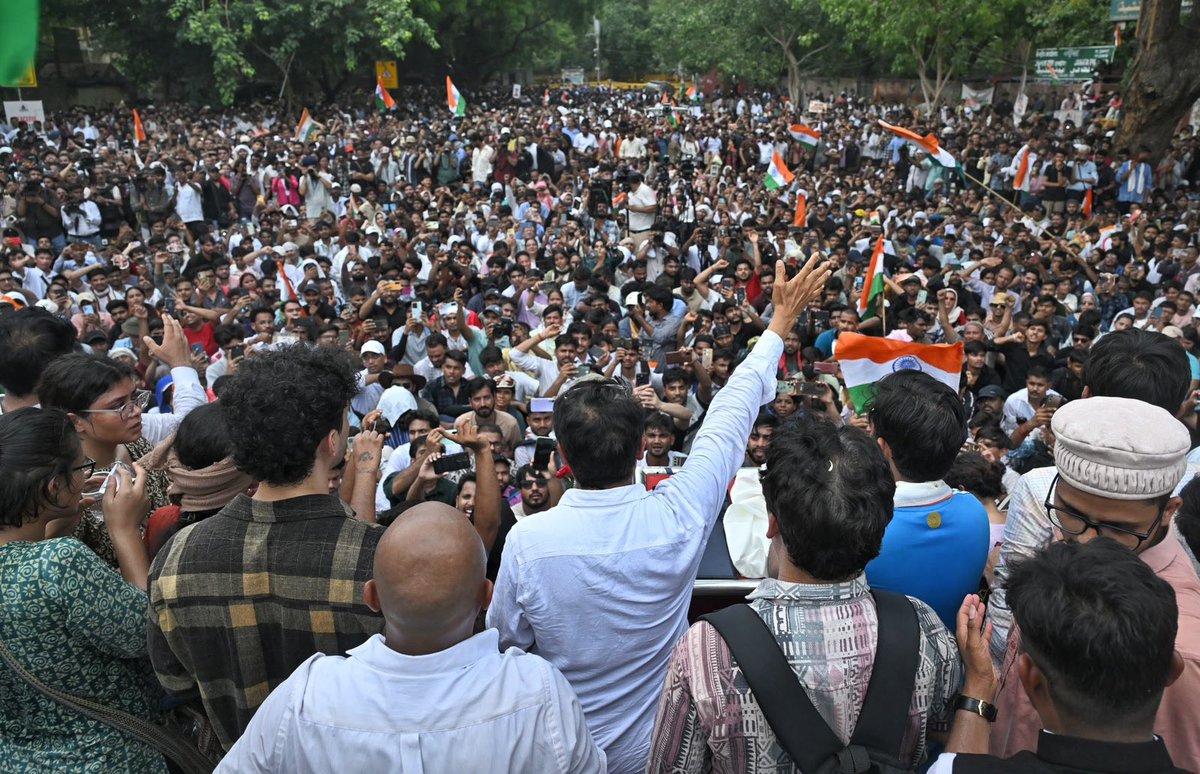
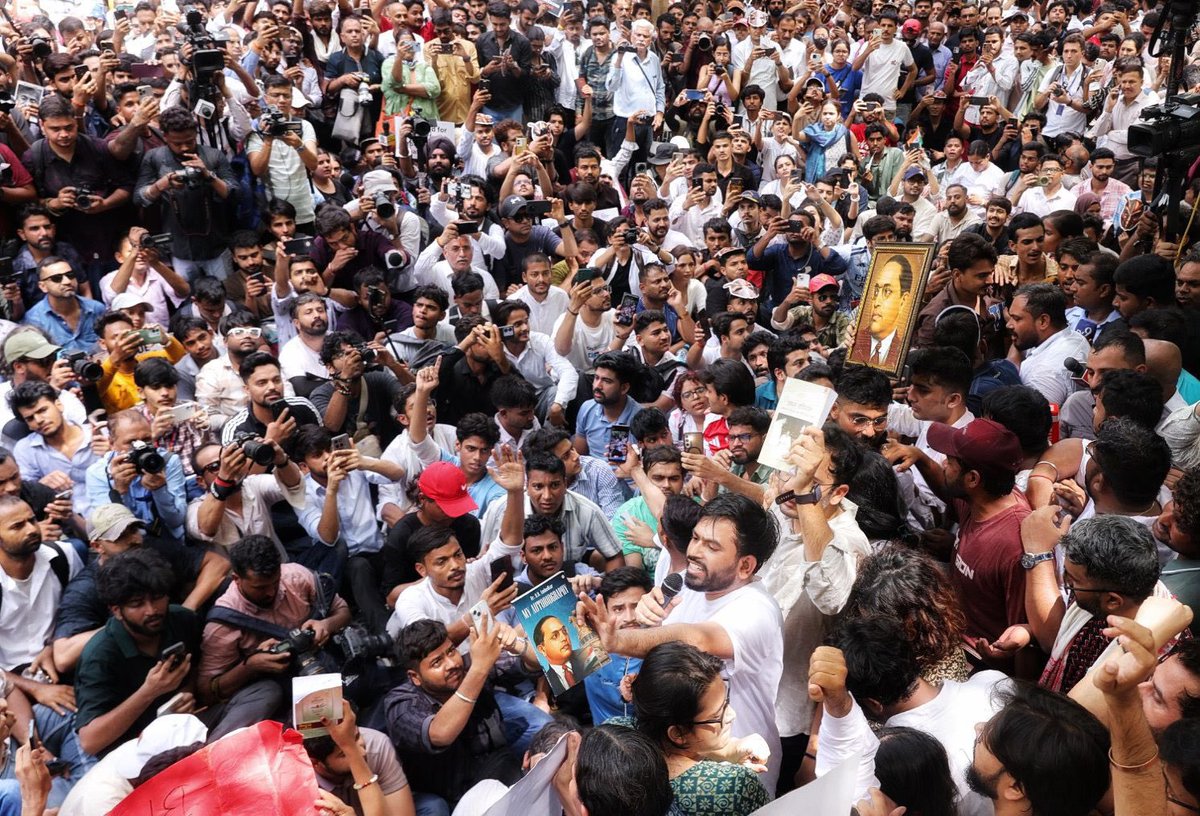
Yesterday, thousands of us made history. Our peaceful protest at Jantar Mantar showed the government a trailer of what cockroaches are capable of when we unite.
Most people who joined us yesterday had never participated in a protest before. But they felt emboldened by our collective presence to express their sheer anger and frustration at the education system. Change cannot happen if we don’t make our voices heard.
I want to thank each and every one of you who braved the hot summer sun, young kids and students included, and proved that a peaceful protest is our greatest strength. The government cannot touch a unified, peaceful movement. Us cockroaches don’t ever need to fear them.
But this doesn't end here. Dharmendra Pradhan has wronged an entire generation. If he is not removed or does not step down within the next 7 days, we will be forced to continue our protest on the ground.
I will address you all on an Instagram live later today. Stay tuned.
2,093
3,493
19,909
493,556
கோட்டக்குப்பம் தலித் மக்கள் மயானப் பிரச்சனையில் மாவட்ட நிர்வாகம் உடனே தீர்வு காண வேண்டும்
====
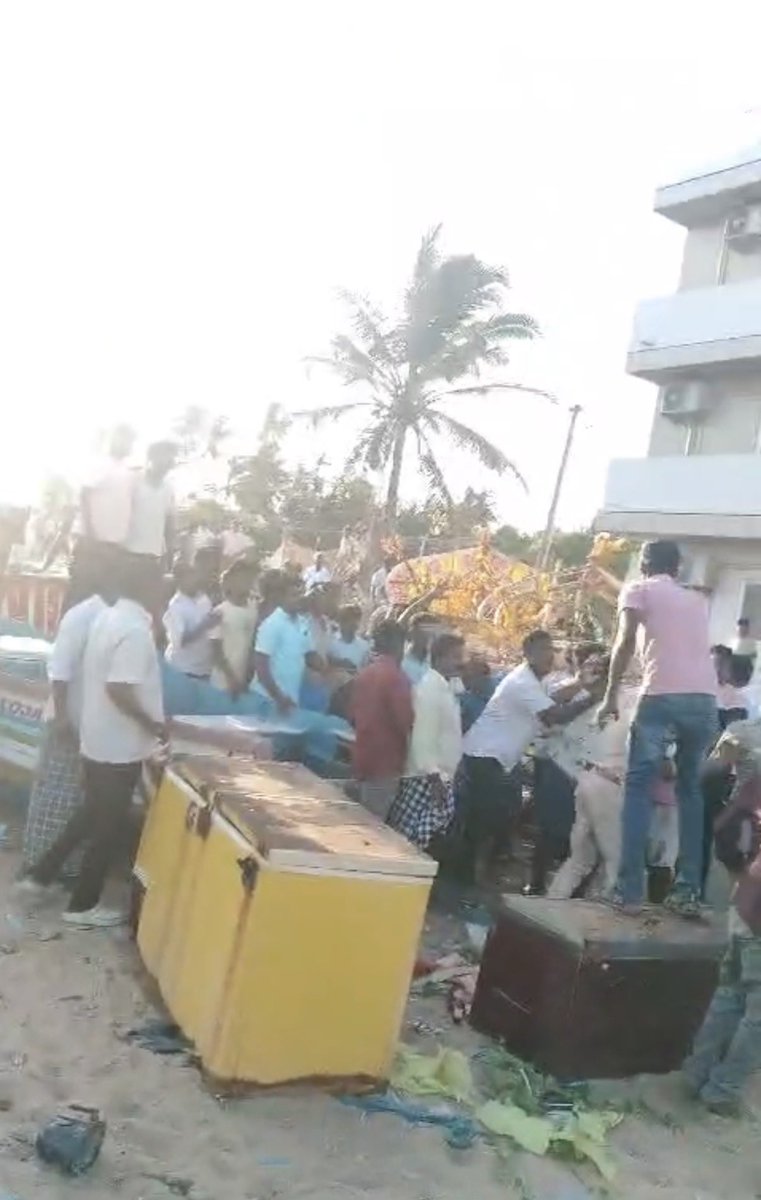
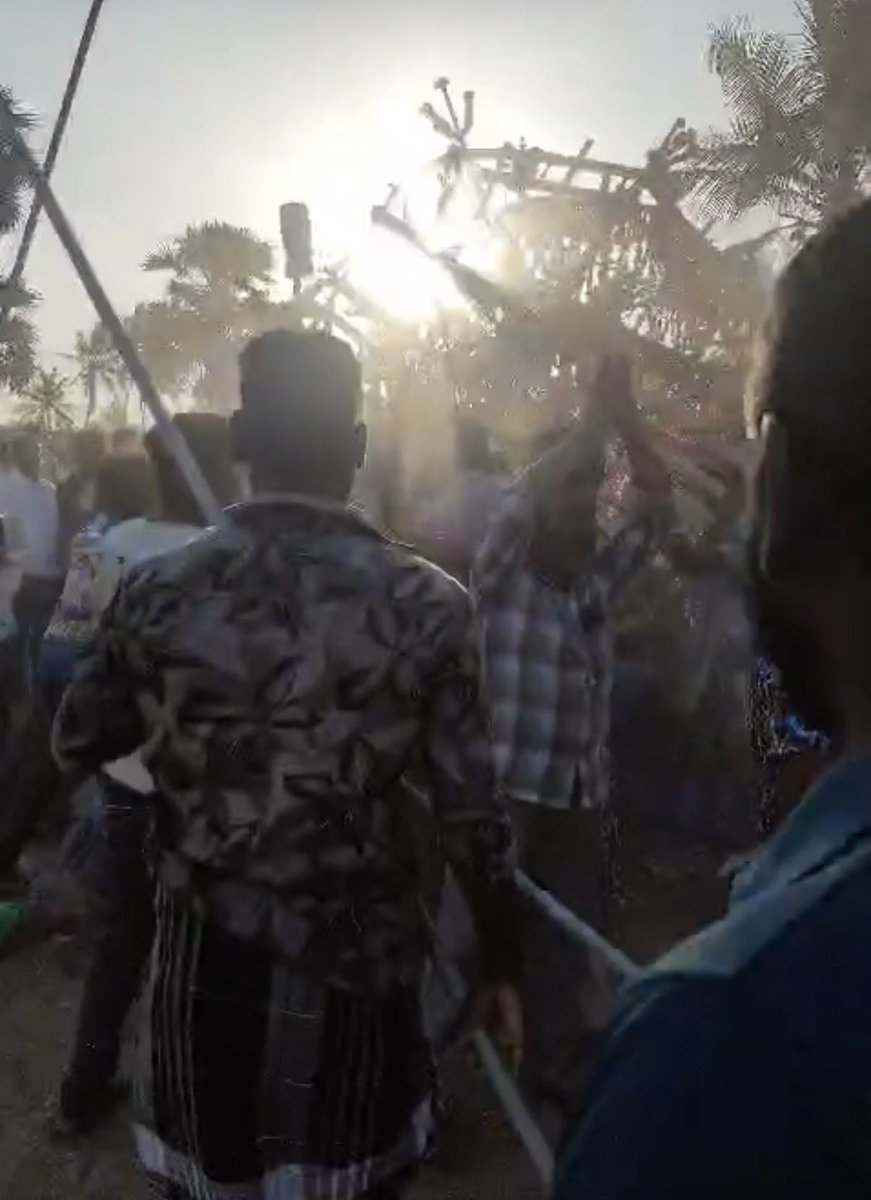
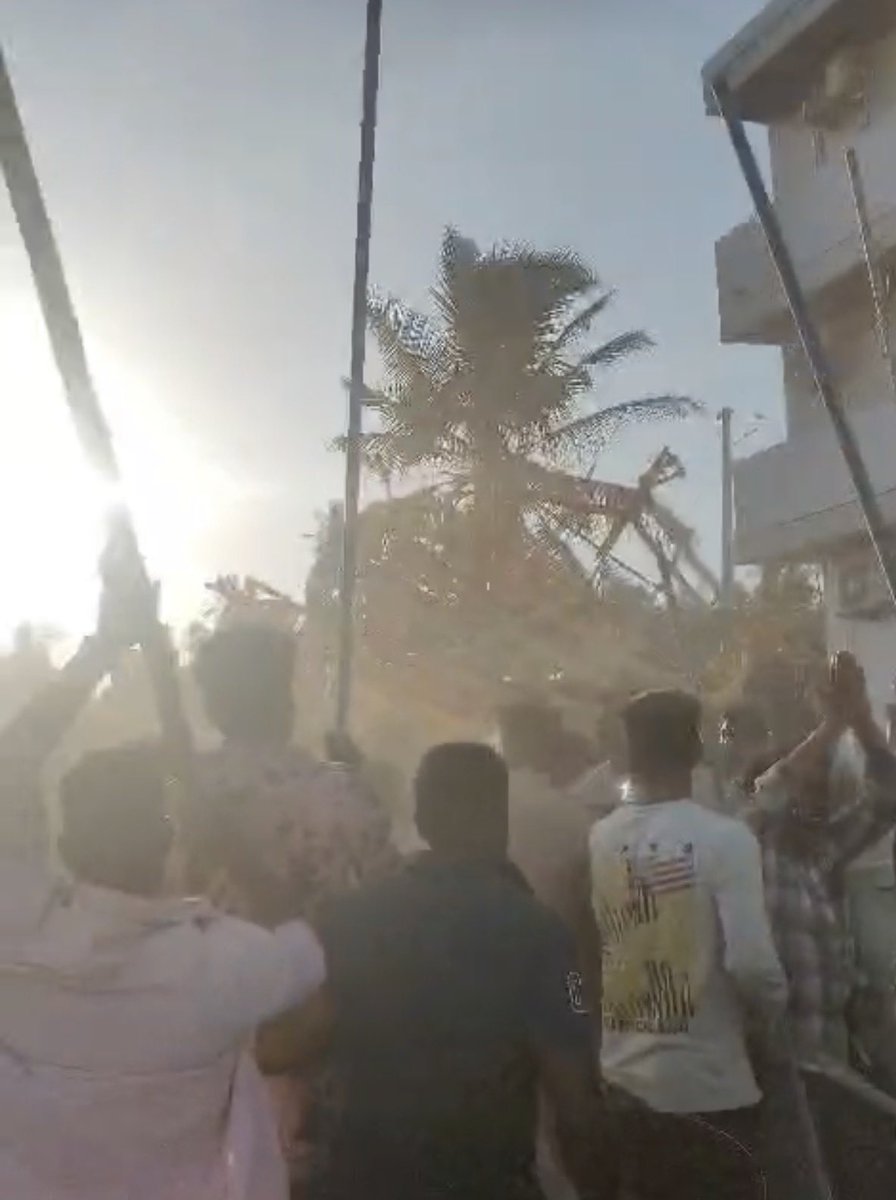
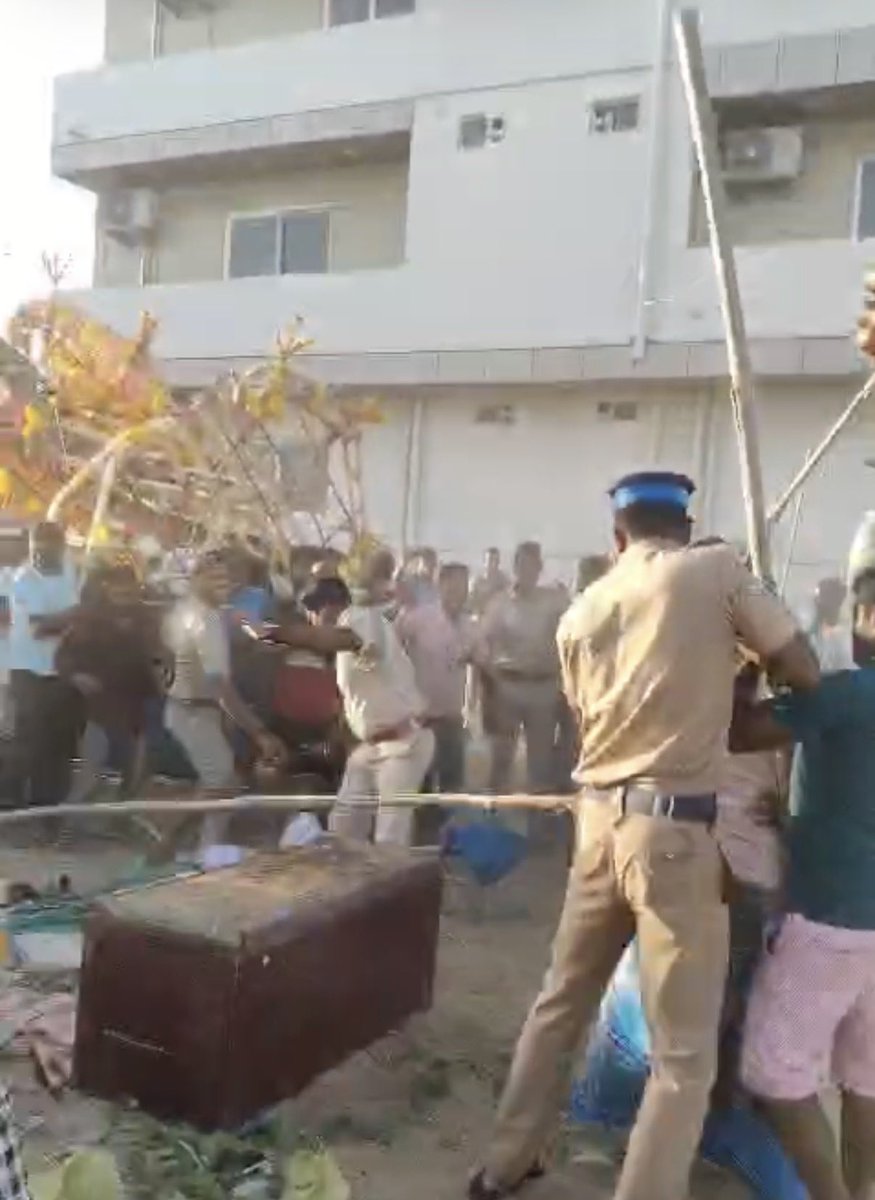
கோட்டக்குப்பத்தில் வாழும் தலித் மக்களின் மயானத்தில் தனியார் ஒருவர் அனுமதியின்றி விடுதி கட்டி வாடகைக்கு விட்டிருப்பதாலும், கடல் அரிப்பின் காரணமாக மீனவர்கள் அங்கே படகுகளை நிறுத்துவதாலும் சில ஆண்டுகளாகவே பிரச்சினை இருந்து வருகிறது. அதை சுமுகமாகத் தீர்ப்பதற்கு நானும் மாவட்ட நிர்வாகமும் எடுத்த முயற்சிகளுக்கு மீனவர் தரப்பினர் ஒத்துழைக்கவில்லை. இதனால் தலித் பகுதியில் யாராவது இறந்துபோனால் அங்கே சட்டம் ஒழுங்கு பிரச்சினை ஏற்பட்டு வருகிறது. சில மாதங்களுக்கு முன்பு அங்கே ஒரு இறப்பு ஏற்பட்ட நேரத்தில் தேர்தல் முடிந்தபின் இதில் தீர்வு காண்பதாக மாவட்ட ஆட்சியர் அவர்கள் உறுதியளித்தார். நேற்று மீண்டும் பிரச்சினை ஏற்பட்டு சவ அடக்கத்துக்காக மயானத்துக்குப் போன தலித்துகள் நடுக்குப்பம் மீனவர்களில் சிலரால் தா*கிக் கா*ப்படுத்தப்பட்டுள்ளனர்.
நேற்று இது தொடர்பாக மாவட்ட ஆட்சியர், டிஎஸ்பி ஆகியோரிடம் பேசினேன். அதன்பின் நேற்றிரவு சவ அடக்கம் நடந்துள்ளது. வன்முறைத் தாக்குதலில் ஈடுபட்டவர்கள் எவரும் இதுவரை கைது செய்யப்படவில்லை.
வருவாய்த்துறை ஆவணங்களின்படி அந்த இடம் ஆதிதிராவிடர் மயானம் என்றே உள்ளது. எனவே அதில் தனியாரால் ஆக்கிரமித்துக் கட்டப்பட்டுள்ள கட்டடம் அகற்றப்படவேண்டும். மீனவர்கள் படகு நிறுத்த வேறு இடம் ஒதுக்கித் தரப்பட வேண்டும். காவல்துறையினர் உரிய சட்ட நடவடிக்கைகளை எடுக்க வேண்டும்.
மாவட்ட நிர்வாகம் இதில் காலம் தாழ்த்தாமல் வன்முறையாளர்களைக் கைதுசெய்து அமைதித் தீர்வு காண வேண்டும் என வலியுறுத்தியுள்ளேன்.
மீன் பிடிப்பதற்கு லைசென்ஸ் வாங்க வேண்டும் என்ற கொடுமையான சட்டத்தை பாஜக அரசு கொண்டுவந்தபோது நாடாளுமன்றத்தில் அதை எதிர்த்துப் போராடித் தடுத்து நிறுத்தியது விடுதலைச் சிறுத்தைகள் எம்பிக்களான தலைவர் @thirumaofficial அவர்களும் நானும்தான்.
மீனவ மக்களைப் பழங்குடியினர் பட்டியலில் சேர்க்க வேண்டுமென்றும்; மீன்பிடித் தடைக் காலத்தில் அவர்களுக்கான நிவாரணத் தொகையை 18 ஆயிரமாக உயர்த்த வேண்டுமென்றும் நாடாளுமன்றத்தில் குரலெழுப்பி வருவதும் விடுதலைச் சிறுத்தைகள் எம்பிக்களான நாங்கள்தான்.
நடுக்குப்பம் மீனவர்கள் இதையெல்லாம் எண்ணிப் பார்க்க வேண்டும். தலித்துகளை எதிரிகளாகக் கருதக்கூடாது என அவர்களைக் கேட்டுக்கொள்கிறேன்.
- ரவிக்குமார், நாடாளுமன்ற உறுப்பினர்
படங்கள் : சவ ஊர்வலத்தில் நடந்த தா*குதல்
4
34
109
3,584
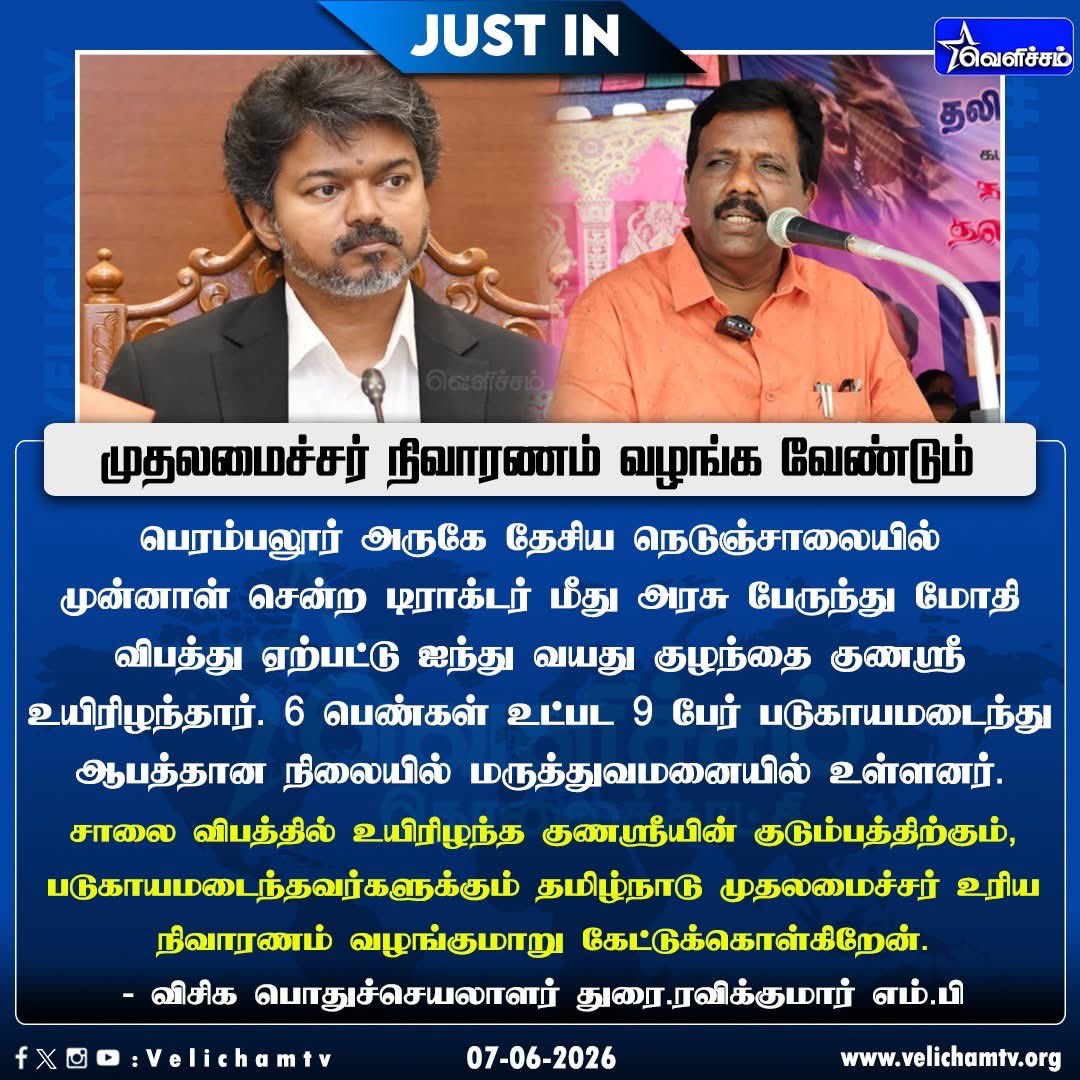
மாண்புமிகு முதலமைச்சர் நிவாரணம் வழங்கவேண்டும்
கடலூர் மாவட்டம் பண்ருட்டி வட்டம்.
அண்ணா கிராமம் ஒன்றியத்துக்கு உட்பட்ட பல்லவராயநத்தம் ஊராட்சியைச் சேர்ந்த
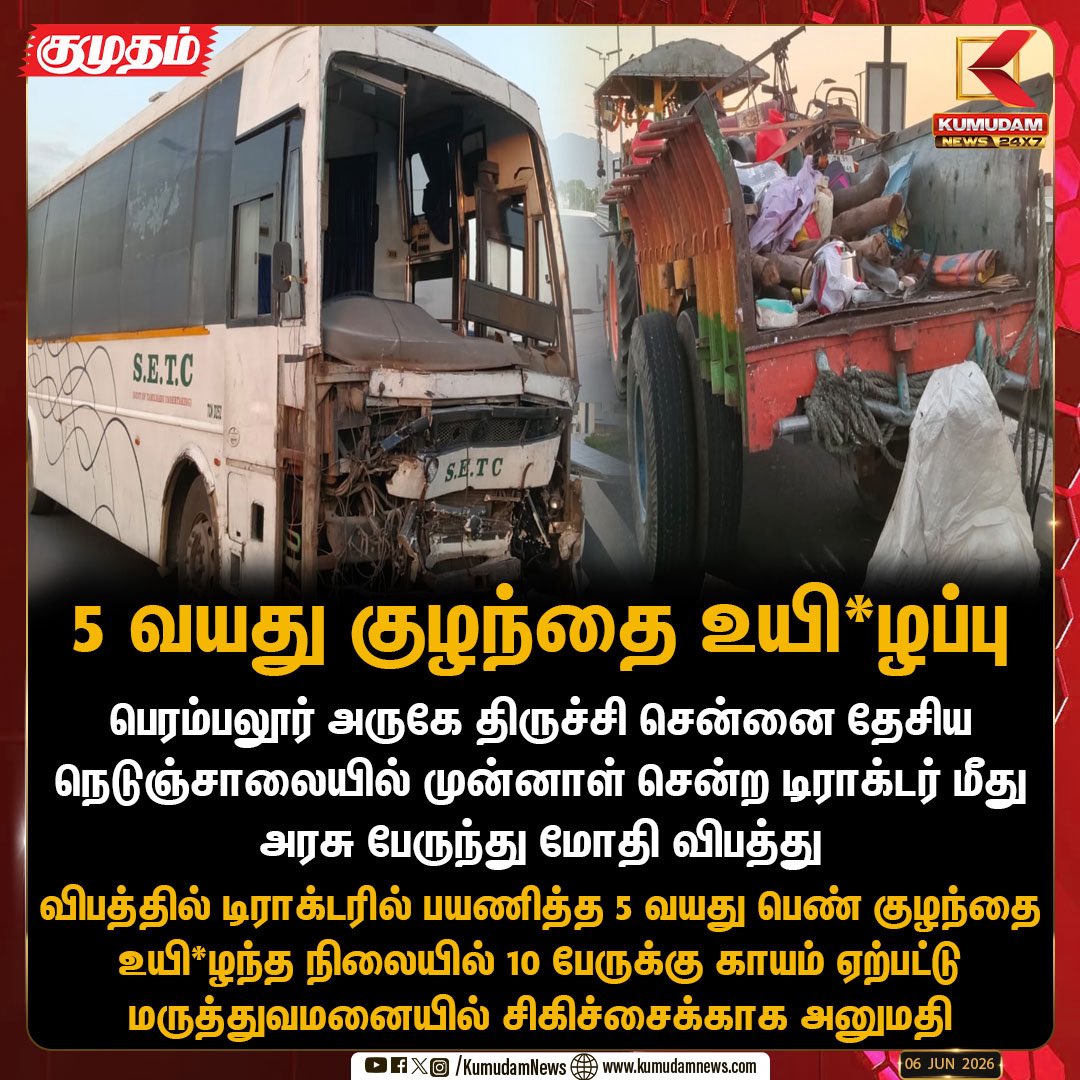
குயிலா பாளையம் கிராமத்திலிருந்து 20 நபர்களுக்கு மேல் ஈரோட்டிற்கு கரும்பு வெட்டும் கூலி வேலை செய்வதற்காகக் கடந்த இரண்டு மாதத்திற்கு முன்பு சென்றிருந்தனர். வேலையை முடித்துவிட்டு அனைவரும் டிராக்டரில் வீடு திரும்பும் பொழுது (6.6.2026 ) இன்று அதிகாலையில் பெரம்பலூர் அருகே தேசிய நெடுஞ்சாலையில் அரசு பேருந்து மோதி விபத்து ஏற்பட்டு ஐந்து வயது குழந்தை . குண ஸ்ரீ உயி*ழந்தார். 6 பெண்கள் உட்பட 9 பேர் படுகாயமடைந்து ஆபத்தான நிலையில் மருத்துவமனையில் உள்ளனர்.
சாலை விபத்தில் உயிரிழந்த குண ஸ்ரீயின் குடும்பத்திற்கும், படுகாயமடைந்தவர்களுக்கும் மாண்புமிகு தமிழ்நாடு முதலமைச்சர் @CMOTamilnadu அவர்கள் உரிய நிவாரணம் வழங்குமாறு கேட்டுக்கொள்கிறேன்.
இவண்
ரவிக்குமார்
நாடாளுமன்ற உறுப்பினர்
22
68
1,788