Yemeni | Political Entrepreneur I Founding Member @oslOWRI l Previously: Embassy of the Netherlands in Yemen ,@giz_gmbh, @PartnersGlobal, @Peace_Track .
Joined July 2013
- Tweets 15,205
- Following 2,435
- Followers 25,593
- Likes 37,150
565 Photos and videos

Pinned Tweet

10 Apr 2021
لا تجعلوا من مُجرمي الأمس أبطال اليوم
من خان الجمهورية وباعها لا يمكن أن يستعيدها
#اليمن
99
96
1,377
Yasameen Al-Nadheri ياسمين الناظري retweeted

Jun 11
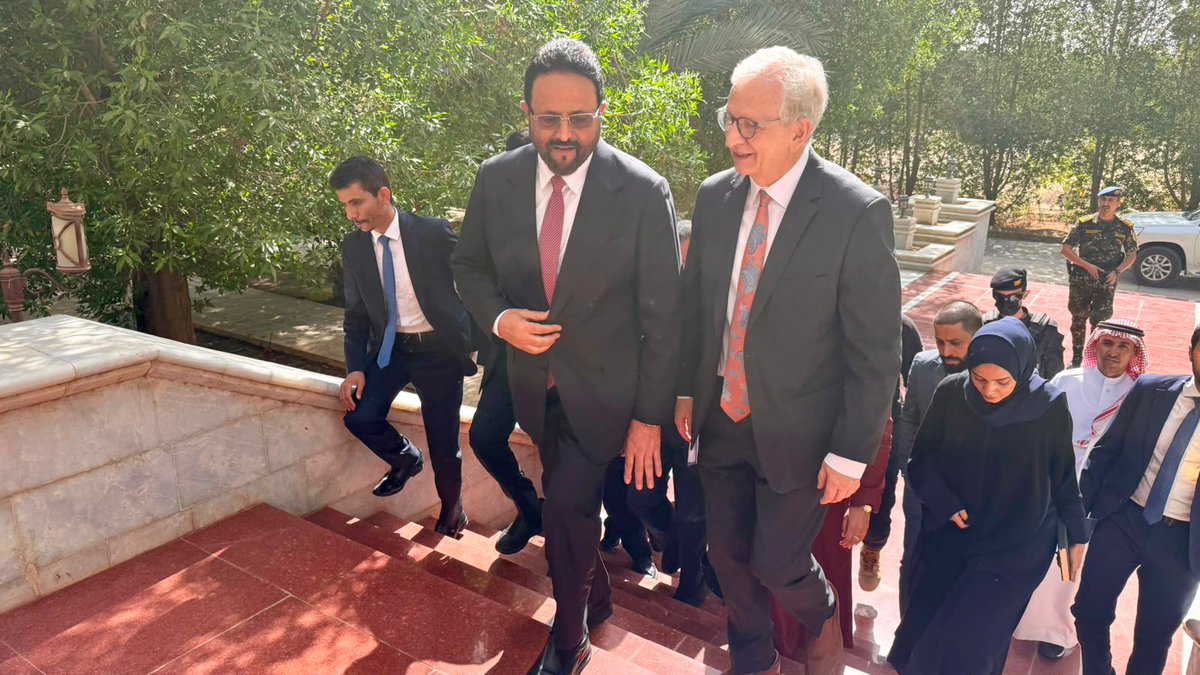
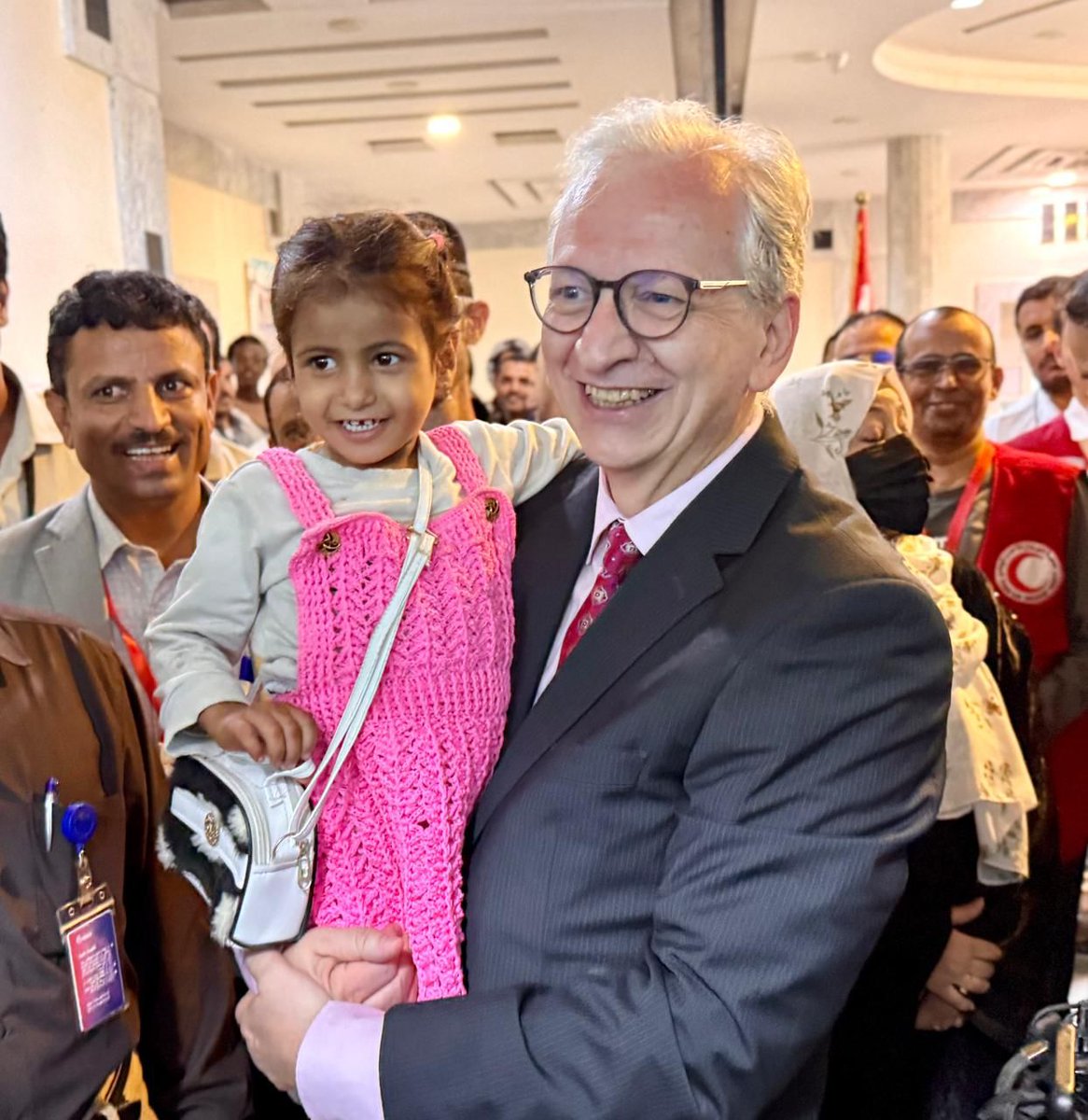
في ختام زيارة هامة ومؤثرة إلى #مأرب. أتيحت لنا الفرصة لزيارة العديد من المواقع الهامة وحظينا بكرم ضيافة استثنائي. أتوجه بخالص الشكر والتقدير لمعالي نائب رئيس مجلس القيادة الرئاسي ومحافظ مأرب، الشيخ سلطان العرادة، ولجميع اليمنيين الذين ساهموا في إنجاح هذه الزيارة. 🇾🇪🇩🇪
Concluding an impactful and important visit to #Marib. We had the opportunity to visit many important sites and were met with exceptional hospitality. My deepest gratitude to H.E. Vice President of the PLC and Governor of Marib, Shiekh Sultan Al-Aradah, and all Yemenis who helped make this visit a success. 🇾🇪🇩🇪
@sultan_alaradah
@yemen_mofa
@IOM_Yemen
@WFP_YEmen
17
31
201
13,973
بالتوفيق منى
أنتِ إضافة قيّمة لكل فريق ومكان عملتِ فيه
وأثق بأنكِ ستزهرين أينما كنتِ وتتركين أثراً طيباً كما عهدناكِ دائماً 🤍

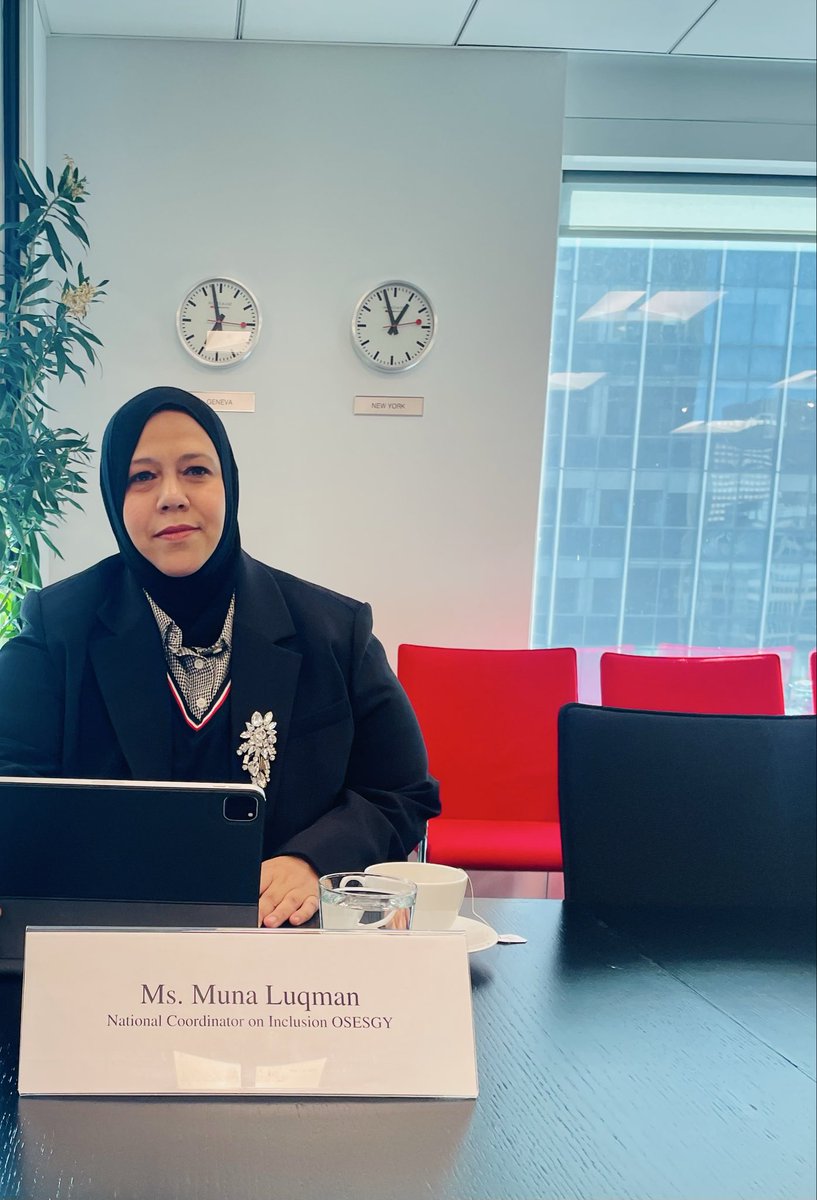
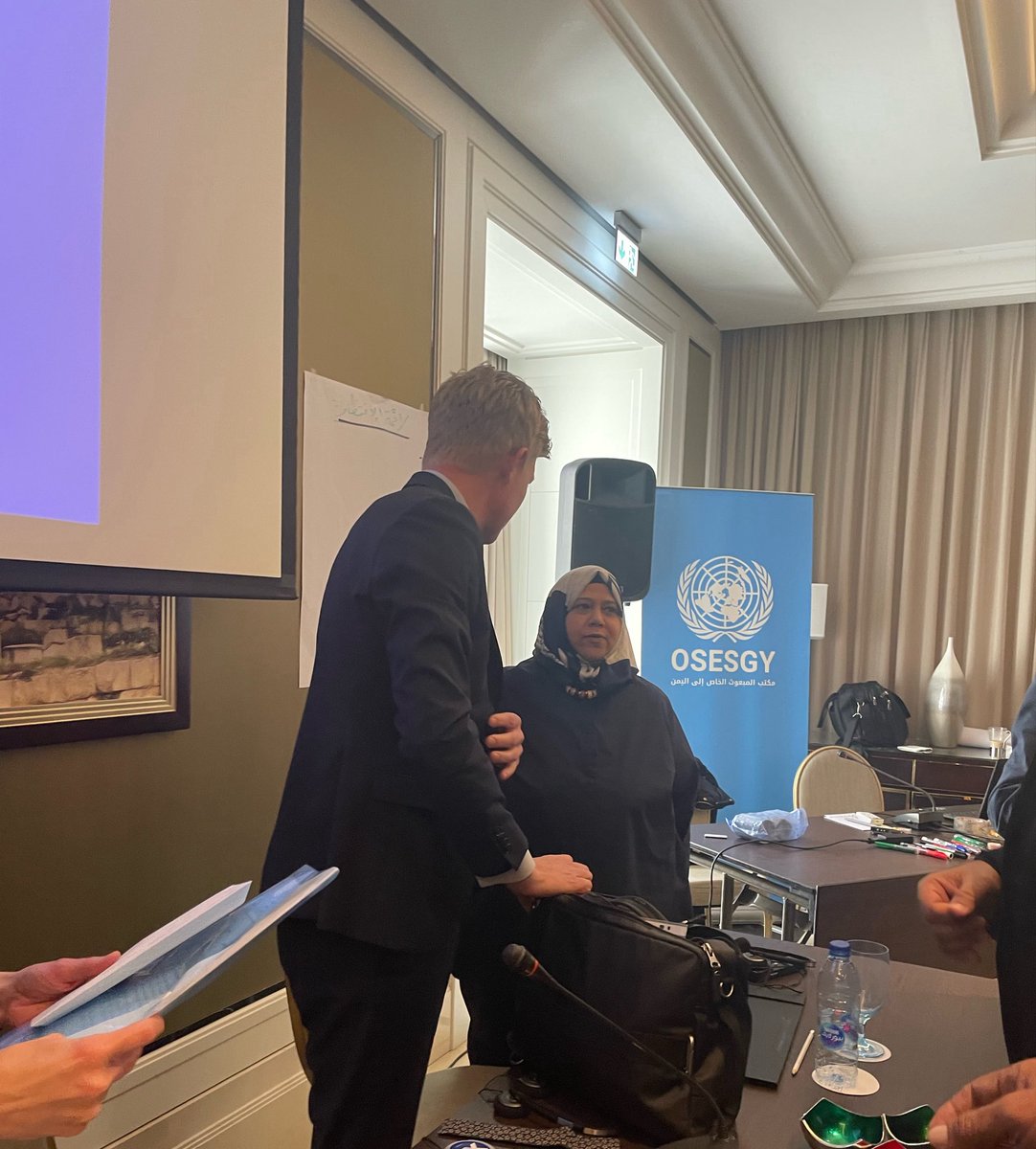
As I conclude my role as National Coordinator on Inclusion with the Office of the UN Special Envoy for #Yemen, I am reminded that some of the most important lessons about peacebuilding came from listening to Yemenis themselves through the many consultations, dialogues, and exchanges that shaped this journey.
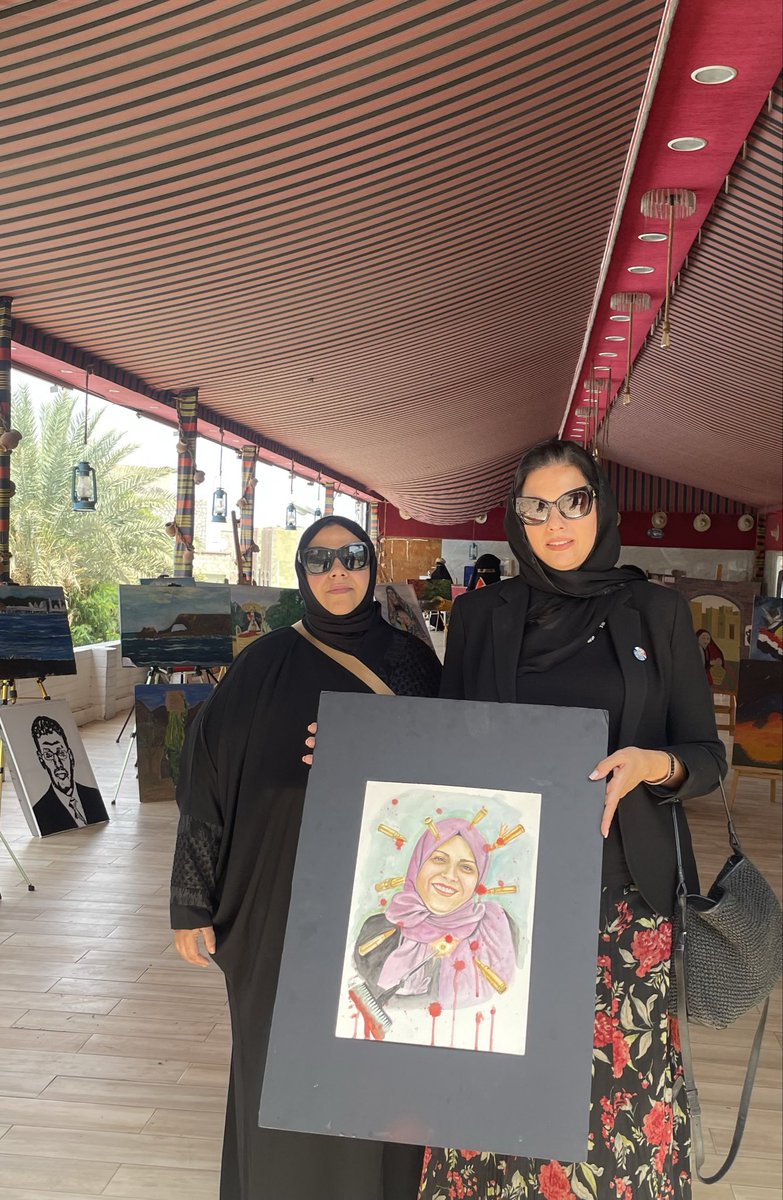
I met women who refused to give up on their communities despite years of war. Mediators working quietly to resolve disputes. Journalists documenting shrinking civic space. Lawyers defending rights under difficult circumstances. Youth determined to build a different future. Mothers searching for answers about detainees and abductees. Community leaders, local officials, security actors, and tribal figures striving every day to keep their communities together.
Many of them continued this work despite threats, landmines, detention, shrinking civic space, limited protection, and diminishing support. Yet they carried on not because it was easy, but because they believed their communities, and their country, were worth it.
From Aden to Sana’a, Taiz to Hajjah, Lahj to Abyan, Al Bayda to Dhamar, Hadramout to Hudaydah, Al-Mahra to Socotra, I heard different perspectives and sometimes deep disagreements. Yet I was consistently struck by how many Yemenis shared the same desire: dignity, justice, security, opportunity, and a meaningful role in shaping their country’s future.
One lesson I leave with is that Yemenis do not lack ideas, expertise, or solutions. What is often missing are stronger connections between local realities, national discussions, and regional and international conversations about Yemen’s future.
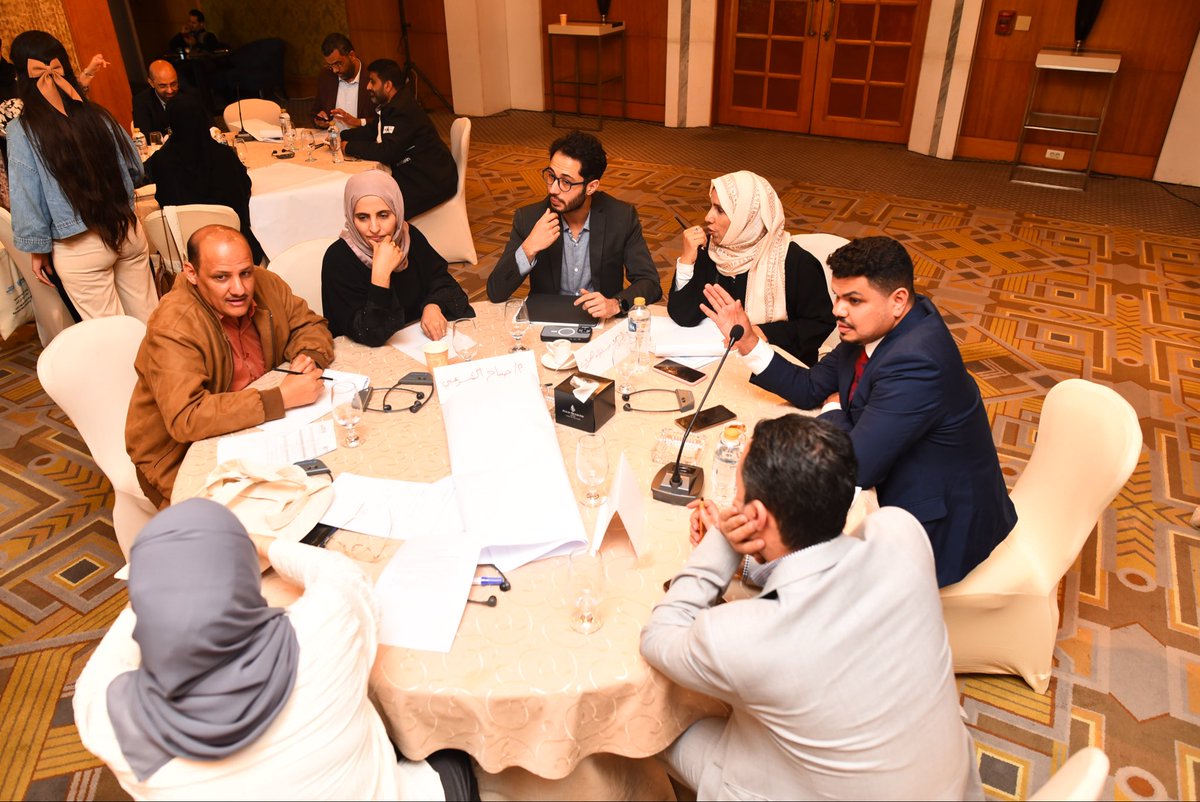
Some of the most meaningful conversations I witnessed brought together people who rarely have the opportunity to sit in the same room: women from different regions, local officials and community leaders, civil society actors and security representatives, younger and older generations, voices from the north and the south.
Whether discussing the Southern issue, detainees and abductees, humanitarian access, women’s participation, local governance, economic recovery, accountability, water security, or community mediation, people consistently demonstrated a determination not only to identify challenges, but to be part of the solution.
I am deeply grateful to all those who shared their experiences, perspectives, and trust throughout this journey. I am especially grateful to Zahra Langhi for her leadership and partnership, to Special Envoy Hans Grundberg @OSE_Yemen, to colleagues across OSESGY, and to the many individuals and organizations who contributed to this work.
This chapter may be ending, but my belief in the resilience, leadership, and potential of Yemenis remains stronger than ever.
The conversations continue.
1
5
1,230
Yasameen Al-Nadheri ياسمين الناظري retweeted

May 30
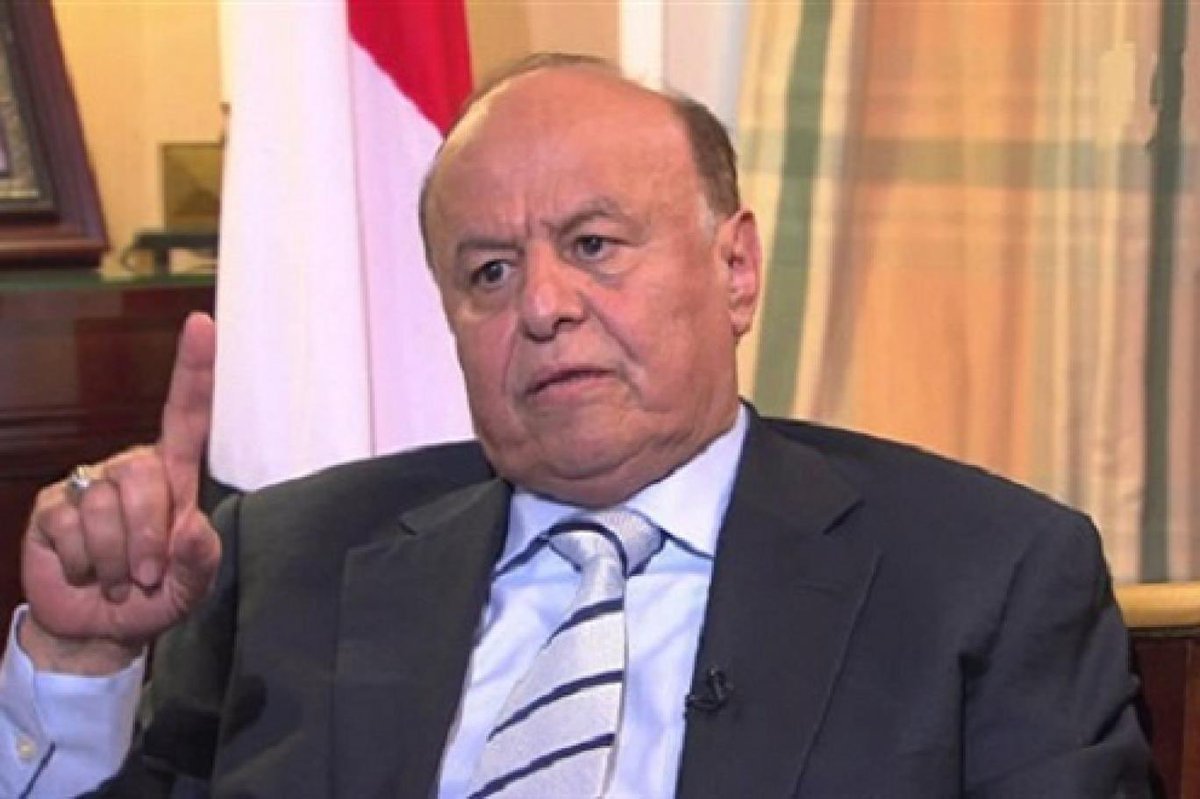
Former Yemeni President Abdrabbuh Mansur Hadi @HadiPresiden passed away. In a 2017 interview with @TalalAlhaj on @AlArabiya, he recalled a warning he had made at the @UN in 2012 about Iran’s regional ambitions. “Iran had an old strategy,” Hadi said. “The strategy was to control the Bab al-Mandab Strait and then the Strait of Hormuz. If it were able to control both waterways, it would not need to become a nuclear power. It could exert pressure on the world through these two vital gateways between East and West and achieve global influence. These were its ambitions, and I raised this issue at the United Nations.”
A year before, in 2016, he echoed a similar message to @AJArabic’s Murad Hashim, saying, “Iran has aspirations to control Bab al-Mandab, and to control Strait of Hormuz.”
5
17
45
17,051
Yasameen Al-Nadheri ياسمين الناظري retweeted

May 29
من انقلب على الدولة وأسقط صنعاء هما عبد الملك الـhوTـي وعلي عبد الله صالح، عبر تحالف سياسي وعسكري معروف ومعلن قاد إلى إنهاء مسار الانتقال السياسي وإدخال البلاد في واحدة من أخطر مراحل تاريخها الحديث.
أي قراءة منصفة للأحداث تضع المسؤولية الأساسية على هذا التحالف، الذي استخدم القوة لإسقاط مؤسسات الدولة وفرض واقعًا جديدًا بالقوة المسلحة.
وعليه،
يصعب جدًا تبرئة صالح أو تخفيف مسؤوليته تحت أي مبرر سياسي أو تاريخي، بعدما كان شريكًا أساسيًا في الأحداث التي قادت إلى إسقاط العاصمة وانهيار مؤسسات الدولة وتعميق الصراع الذي ما تزال اليمن تدفع ثمنه حتى اليوم.
أما مسؤولية عبدربه منصور هادي فتأتي بصفته رئيسًا للجمهورية آنذاك، وتتصل بإدارة المرحلة وأوجه القصور التي رافقتها، وهي مسؤولية مشروعة للنقاش والتقييم.
غير أن المسؤولية السياسية والإدارية تختلف عن المسؤولية المباشرة عن تنفيذ الانقلاب وإسقاط الدولة.
القوى التي خططت وقادت ونفذت كانت تمتلك النفوذ والقدرة والأدوات العسكرية والأمنية التي صنعت الحدث على الأرض.
لذلك،
تبقى مسؤولية هادي، مهما بلغ حجم النقد الموجه إليه، تالية للمسؤولية المباشرة للـhوTـي وصالح، اللذين قادا التحالف الذي أسقط العاصمة وأنهى مسار الانتقال السياسي بالقوة.
12
9
47
3,706
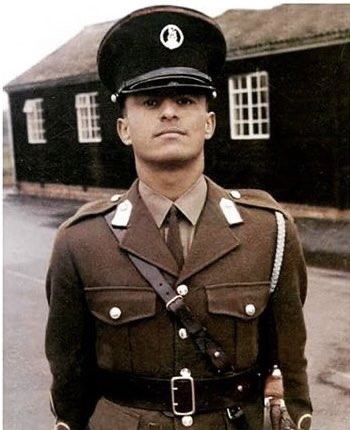
تبقى الصور القديمة شاهدة على بدايات الرجال قبل أن تكتبهم السياسة والتاريخ
الصورة للرئيس اليمني الراحل عبدربه منصور هادي خلال حفل تخرجه من أكاديمية ساندهيرست العسكرية الملكية في بريطانيا عام 1968 ( بعض المصادر تشير إلى العام 1966)
#اليمن
1
5
48
4,147
Yasameen Al-Nadheri ياسمين الناظري retweeted

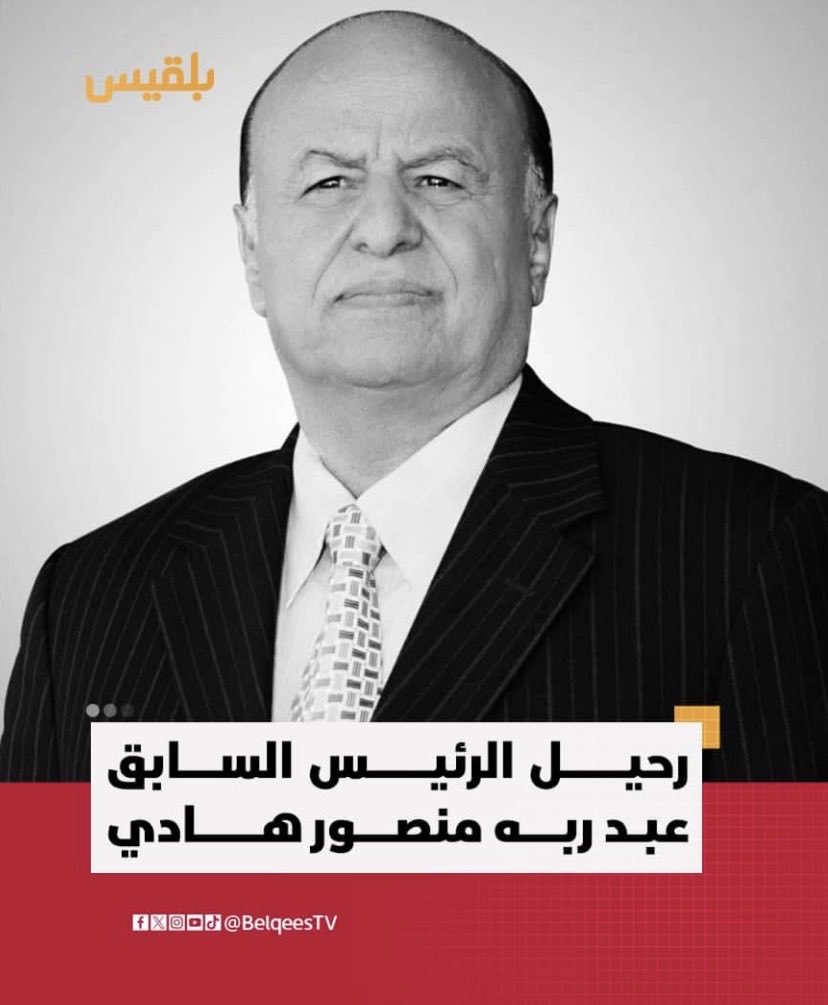
نشعر بالحزن لوفاة الرئيس عبدربه منصور هادي. ونتقدّم بخالص التعازي إلى أسرته وإلى الشعب اليمني في هذا الوقت.
5
17
80
5,976
من السهل على البعض إطلاق الأحكام من خارج المشهد لأنهم لا يملكون الصورة الكاملة ولا يدركون حجم التفاصيل والخلفيات التي لو اطّلعوا عليها لكان طرحهم أكثر إنصافاً

بعض الشخصيات لا يمكن الوقوف معها موقف التعزية والترضي عند وفاتها، ومن هذه الشخصيات الرئيس الراحل هادي.
هادي صاحب أكبر خيانة في تاريخ اليمن، ومهندس الخيانة الأعظم في تاريخ الجمهورية.
خاننا كيمنيين ثلاث مرات:
المرة الأولى عندما تعاون مع وزير دفاعه لإسقاط عمران في يد الحوثيين. ولا يمكن نسيان تصريحاته التي قال فيها إن القشيبي، الذي كان يدافع عن الجمهورية والدولة، خائن، ولا زيارته لعمران ليصافح الحوثيين ويعلن أن عمران عادت أخيرًا إلى حضن الدولة.
وخاننا للمرة الثانية عندما سلّم صنعاء للجائحة الحوثية، وأعطى أوامره للمعسكرات بعدم التدخل، وأقلّ بطائرة الرئاسة إلى الرياض ليطمئنهم أن كل شيء بخير، وأن الميليشيات ستقضي على مراكز القوى ثم تعود إلى جحورها!
وخاننا للمرة الثالثة عندما تلاعب وفكك أهداف التحالف العربي، وشتّت القوى الداخلية المواجهة للحوثي طمعًا في السلطة.
لا أدّعي هنا أنه خان الجمهورية وحده، أو دمّر المعركة من أجل استعادة الدولة وحده، لكنه سدد الطعنات القاتلة لليمن أرضًا وإنسانًا وماضيًا ومستقبلًا.
من الصعب المجاملة في هذا المقام، لأنها ستكون خيانة للتاريخ والوطن الجريح.
3
1
14
2,495
Yasameen Al-Nadheri ياسمين الناظري retweeted

واجه الرئيس عبدربه منصور هادي واحدة من أخطر اللحظات في تاريخ اليمن الحديث، وتمسك بخيار الدولة والجمهورية في وقت كانت فيه مؤسسات كثيرة تتهاوى تحت ضغط الاجتياح الحوثي والانقسامات الداخلية.
#رحيل_عبدربه_هادي_رجل_الحكمه
1
6
45
2,913
Yasameen Al-Nadheri ياسمين الناظري retweeted

May 28
احمل نفس هذا التصور عن هذا الرجل
رحمه الله

رحم الله الرئيس الوحدوي الشجاع عبدربه منصور هادي الذي توفي في مدينة الرياض.
رحل الرجل وهو يحمل معه الإجابات لمعظم تساؤلاتنا حول المرحلة الأكثر تعقيداً في تاريخ اليمن الحديث.
تعرّض لظلم إعلامي كبير رغم أنه كان صاحب مواقف وقرارات وطنية مفصلية في لحظات مصيرية
رحمه الله تغشاه
1
1
2
596
رحم الله الرئيس الوحدوي الشجاع عبدربه منصور هادي الذي توفي في مدينة الرياض.
رحل الرجل وهو يحمل معه الإجابات لمعظم تساؤلاتنا حول المرحلة الأكثر تعقيداً في تاريخ اليمن الحديث.
تعرّض لظلم إعلامي كبير رغم أنه كان صاحب مواقف وقرارات وطنية مفصلية في لحظات مصيرية
رحمه الله تغشاه
7
9
84
3,430
Yasameen Al-Nadheri ياسمين الناظري retweeted

May 26
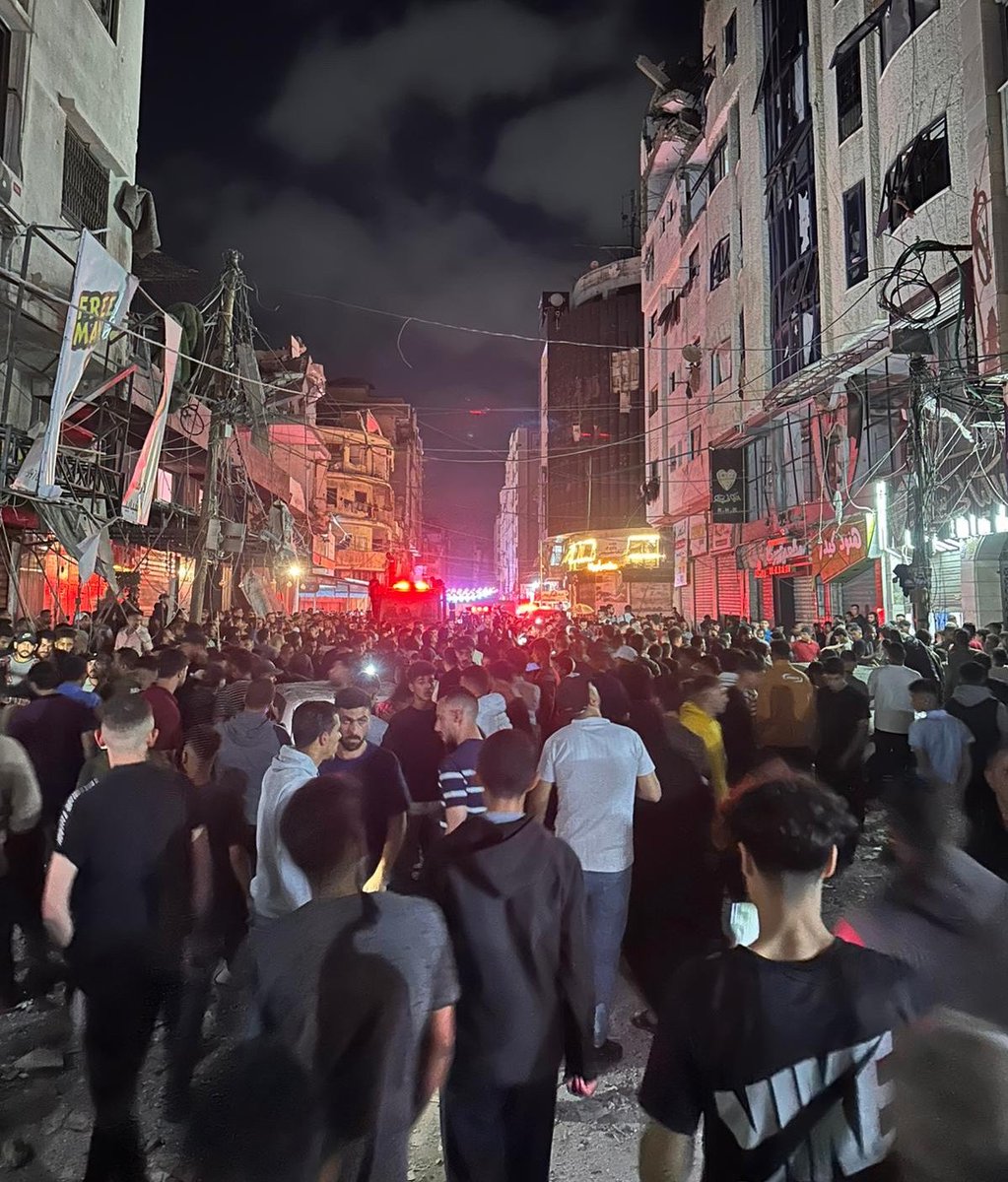
عشية عيد الأضحى المبارك..
إسرائيل ترتكب مجزرة بحي الرمال غربي مدينة غزة.
5
40
83
1,470
Yasameen Al-Nadheri ياسمين الناظري retweeted

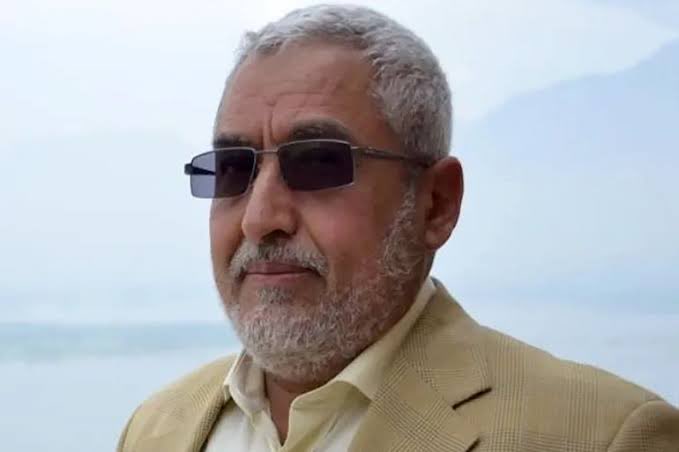
وكالة سبا توضح مصير السياسي محمد قحطان :
وبشأن المناضل محمد قحطان، علمت وكالة الأنباء اليمنية (سبأ) أن الاتفاق نص على تشكيل لجنة من الطرفين، بمشاركة أسرته، للتوجه إلى صنعاء والتحقق من مصيره واتخاذ الإجراءات اللازمة، بحضور اللجنة الدولية للصليب الأحمر كوسيط محايد، وذلك قبل تنفيذ عملية إطلاق سراح المحتجزين.
2
4
30
5,013
عدن لن تتعافى ولن تكون بخير ما لم يتم الكشف عن قتلة الشهيد وسام قائد ومحاسبتهم
مهما حاولنا أن نواصل الطريق ونتظاهر بأن كل شيء بخير تبقى الحقيقة أن العدالة لم تأخذ مجراها
ما الجديد في ملف التحقيقات؟ وإلى أين وصلت؟
الفاعل يجب أن ينال جزاءه والدولة يجب أن تفرض سلطتها وسيادة القانون
1
4
44
1,580
Yasameen Al-Nadheri ياسمين الناظري retweeted

أيّ عالم هذا الذي تُختصر فيه حياة إنسان بهذه القسوة؟
مشهد الاختطاف الموثق، وما يتضمنه من تعابير متناقضة بين توحش المسلحين ورجاء الضحية/ وسام قائد، فظيع ومرعب. خبر العثور على وسام مقتولا بعد ساعات من الاختطاف، أكثر فظاعةً ولو لم تظهر تفاصيل الجريمة لحظة التصفية..
الخسارة كبيرة يا وسام والحزن عميق
ظننا أننا اعتدنا الحزن لكن رحيلك بهذا الشكل المؤلم أثبت أن للحزن وجوهًا عديدة لا نعرفها
الله يرحمك ويسكن روحك الجنة
1
3
585
Yasameen Al-Nadheri ياسمين الناظري retweeted

May 4
“I strongly condemn the abduction and assassination of Wesam Qaed, the acting Executive Director of the Social Fund for Development, in Aden. Wesam represented all that Yemen needs: dedication, commitment and genuine work to improve and protect Yemeni lives and livelihoods. His legacy must carry on.
It is disturbing to see another public figure assassinated in the span of two weeks, with the killing of Abdulrahman Al-Shaer on 25 April. I take note of the directives issued by Prime Minister Shaya Al-Zindani, to pursue those responsible for such heinous crimes and bring them to justice. It is imperative that accountability prevails and measures are taken to bolster the protection of civil society actors and public officials.
I extend my heartfelt condolences to the family and friends of the deceased. I express my solidarity with all Yemenis who have been working relentlessly for the better of their country.”
Hans Grundberg, the UN Special Envoy for Yemen.
@SMEPSYEMEN @SFDYemen
1
10
19
2,957
كنت وسامًا بمعناه الحقيقي
ميدالية شرف تُمنح على أفعالٍ تستحق الخلود
اليوم نلتَ وسامك في بلد يحفّه الموت… لكنك بقيتَ رمزًا للحياة
الله يرحمك
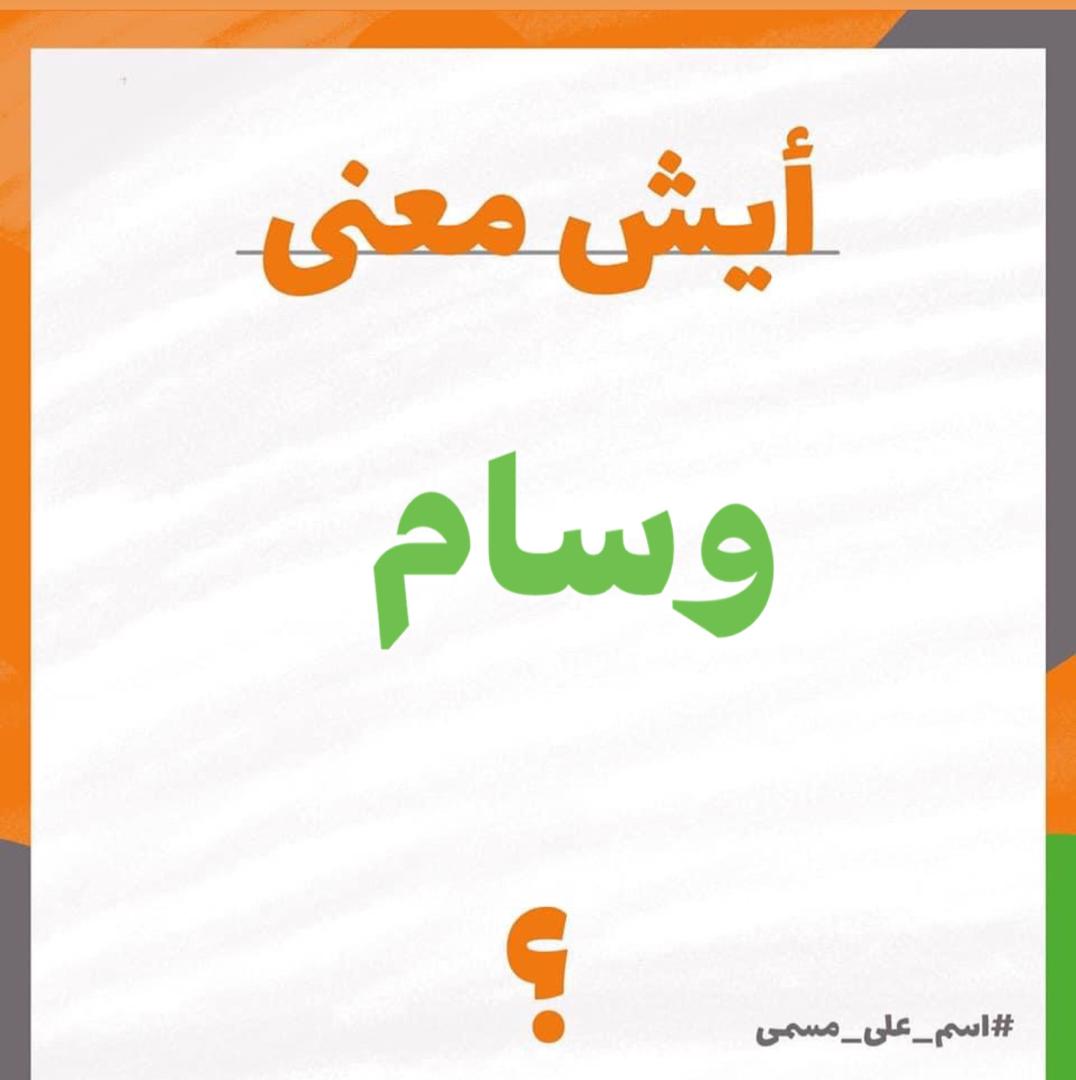
24 Jun 2021

وسام اسم من أصلٍ عربيّ، والوسام بمعنى ميدالية الشرف، وهي ميدالية الاستحقاق التي تُعطى للمرء على أعمال مشرفة يقوم بها
#اسم_على_مسمى
5
3
33
1,868
Yasameen Al-Nadheri ياسمين الناظري retweeted

May 3
أنا غاضبة ومصدومة من اغتيال وسام قائد في عدن اليوم. بصفته نائب المدير العام للصندوق الاجتماعي تماعي للتنميه ، لقد عمل بلا كلل لضمان وصول المساعدات المنقذة للحياة إلى ملايين اليمنيين في جميع أنحاء البلاد. خالص التعازيّ لعائلته.
يجب تحديد المسؤولين ومحاسبتهم وتقديمهم إلى العدالة بسرعة.
85
66
319
32,040
Yasameen Al-Nadheri ياسمين الناظري retweeted

ندين بشدة اغتيال وسام قائد، القائم بأعمال المدير التنفيذي للصندوق الاجتماعي للتنمية. نتقدم بخالص التعازي إلى عائلته وأحبائه. يجب تعقب مرتكبي هذه الجريمة الشنيعة واعتقالهم ومحاسبتهم. ندعم جهود السلطات اليمنية لضمان الأمن الاستقرار في جميع أنحاء اليمن. 🇫🇷🤝🇾🇪
25
48
203
7,356
Yasameen Al-Nadheri ياسمين الناظري retweeted

Shocked by the assassination of Wesam Qaid in Aden today. As Deputy DG of the Social Fund for Development, he was devoted to his country and worked tirelessly to help millions of people accross Yemen. Deepest condolences to his family. The perpetrators must be brought to justice.
4
15
40
4,258
الخسارة كبيرة يا وسام والحزن عميق
ظننا أننا اعتدنا الحزن لكن رحيلك بهذا الشكل المؤلم أثبت أن للحزن وجوهًا عديدة لا نعرفها
الله يرحمك ويسكن روحك الجنة
13
16
145
7,838