
Joined September 2024
- Tweets 2,287
- Following 192
- Followers 15
- Likes 1,788
110 Photos and videos





Michael Zen retweeted

Teachers have to differentiate instruction for students.
Teachers all receive the same profession development. Why isn’t PD differentiated too?
2
1
8
284
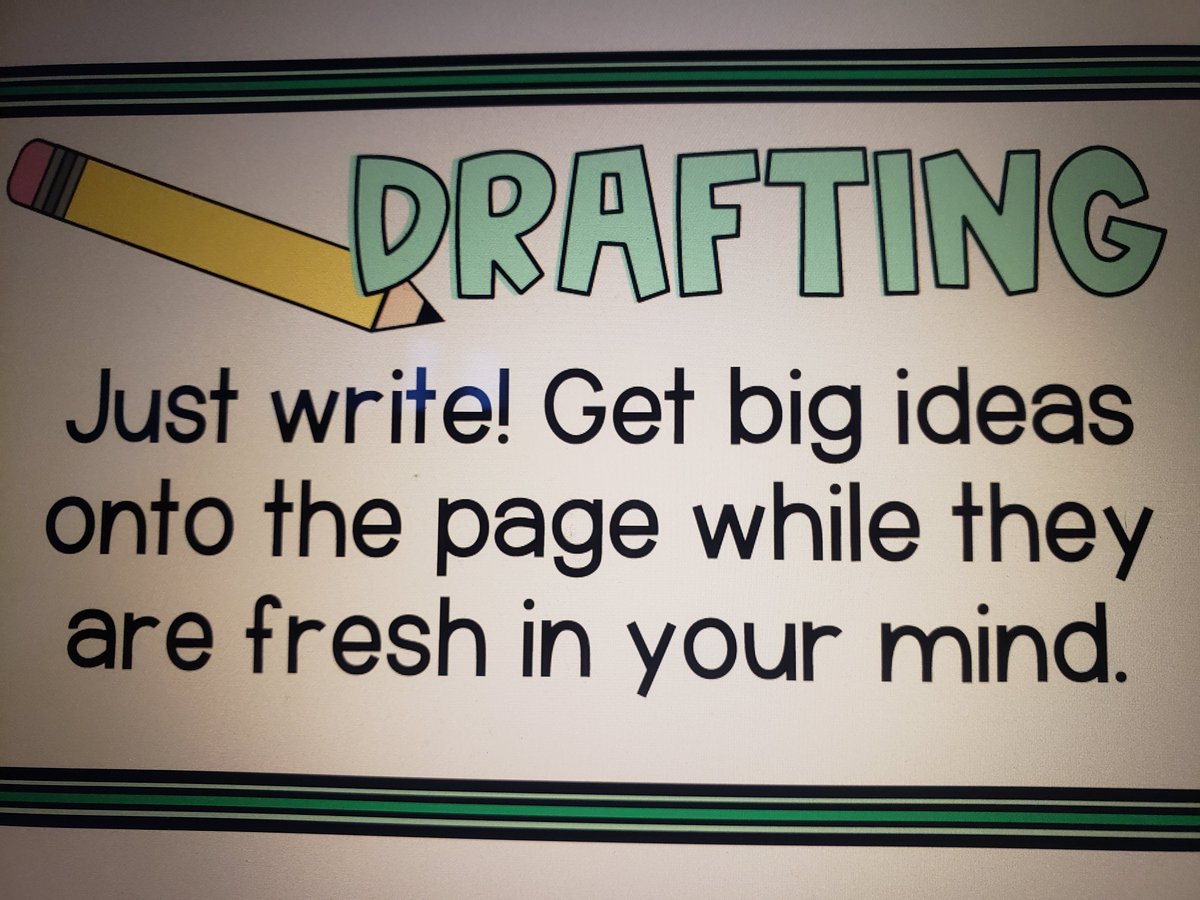
That is not drafting. That is brainstorming stage.
Drafting is when you understand the outline (topic, details, conclusion) and follow it. With mistakes, yes; however, not "big ideas", and not "just write".
Drafting is deliberate.
Another crap from tpt
6
Michael Zen retweeted

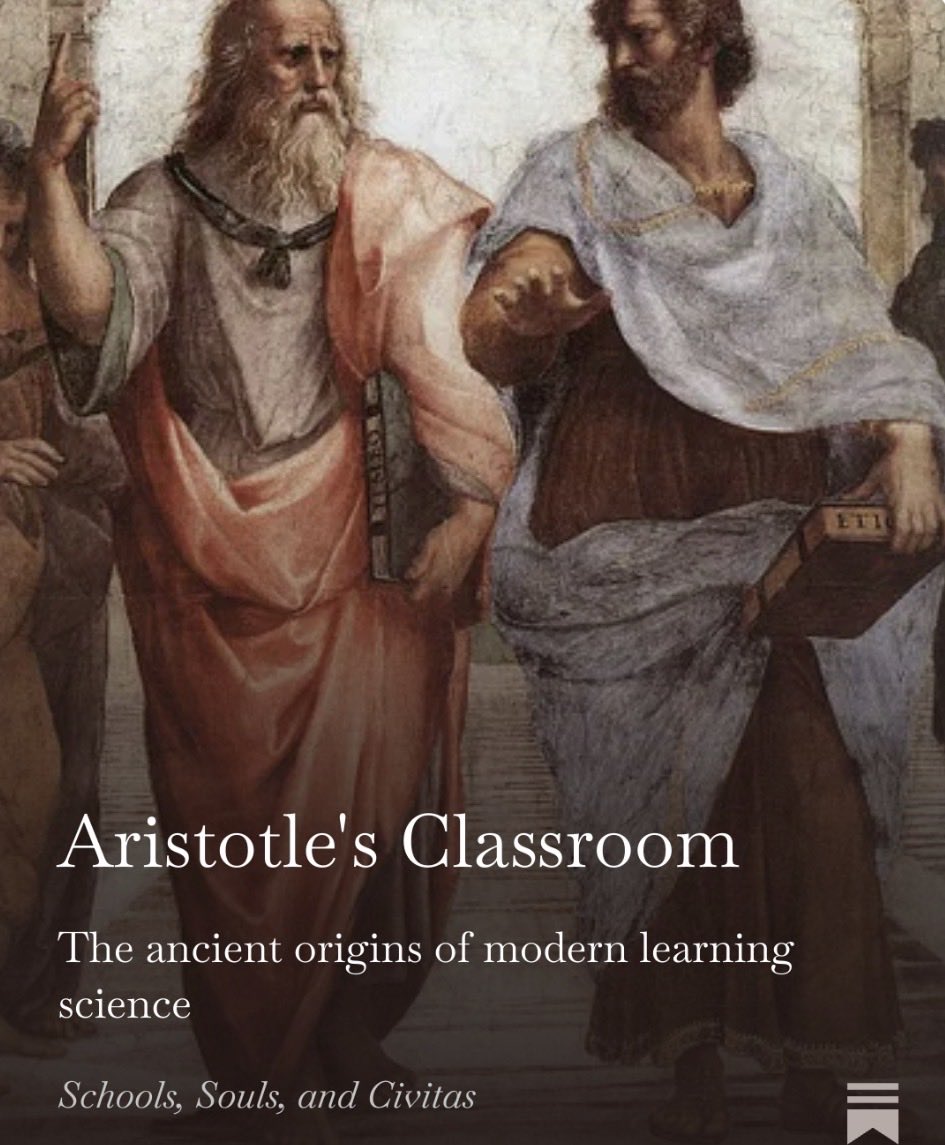
Good piece. In regard to the educational value of "metacognition", I am always skeptical. Metacognition is the branch of philosophical inquiry devoted to thinking about thinking. You can't learn to think about thinking unless you can already think, and you learn how to think by first thinking about things. To think otherwise is a classic example of confusing the order of knowledge with the order of teaching. In the order of knowledge, metacognition is first. In the order of learning it is last. You learn the easier things before the harder things. This is why Plato believed that philosophy was only appropriate for mature men over the age 50, after they had their mind fully furnished with reality.

The question of how to get students to think deeply is not new. Teachers in the classical tradition have been wrestling with it for centuries, and point us toward practical strategies for any classroom. Hat tip to @MartinCothran My latest: garyhouchens.substack.com/p/…
3
5
22
1,525
Michael Zen retweeted

Jun 12
He's right. History can't be meaningfully taught with 35 pages a WEEK. Wow. Every student who can't keep up should be failed, not accommodated for. It will be for their own good in the long-term.
Jun 12

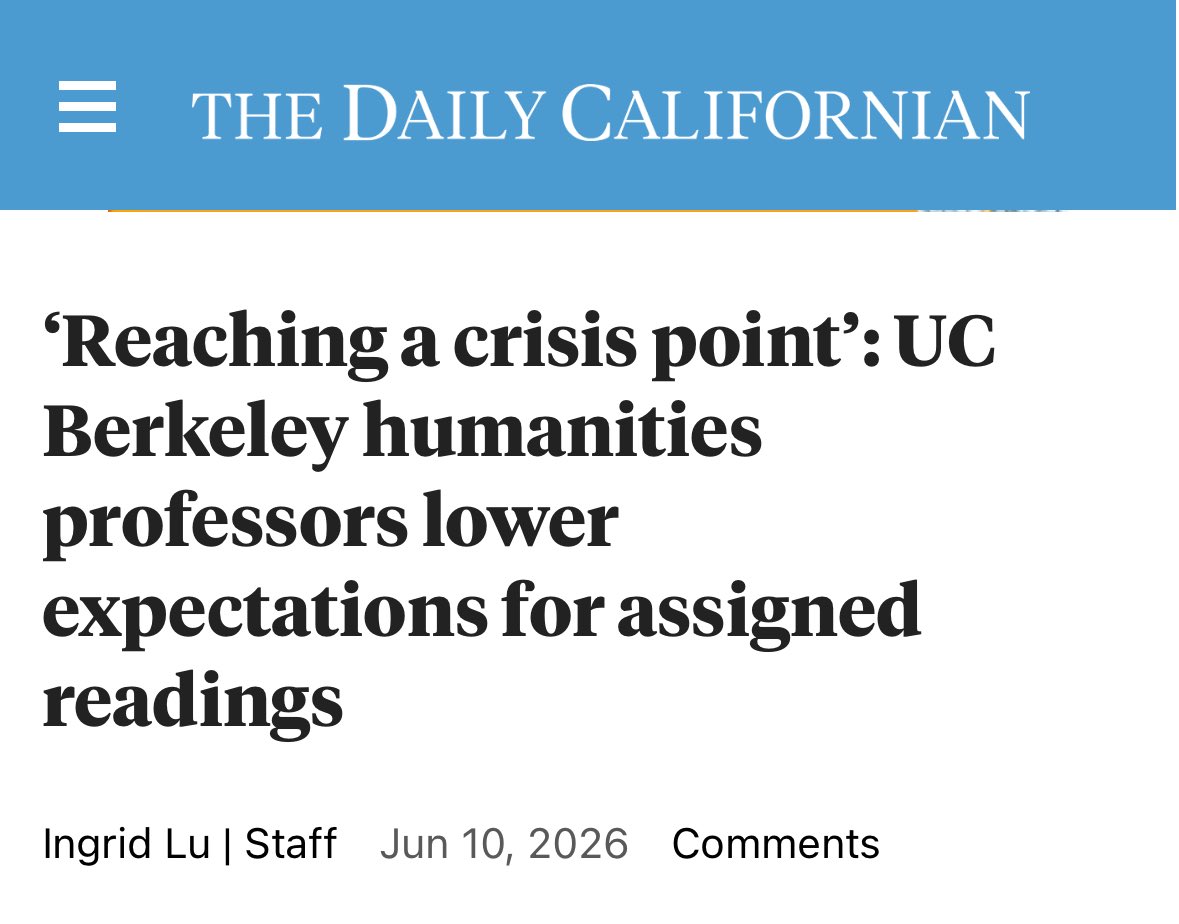
A Berkeley history professor said he’s gone from assigning 100 pages of reading per week to 35.
Another “said the earliest version of the…course he taught required seven full books, while his most recent iteration exclusively consisted of excerpts.”
“We are now reaching a crisis point where if the number (of pages) goes down further, it’s unclear to me whether my discipline of history can really be taught,” the first one said.
1
1
51
Michael Zen retweeted

Jun 12
Always use capitalization and punctuation. We are not animals.
3
6
41
1,019

Jun 12
Use colour pencils for colour coding. Or simply different types of underlining.
Notes on lined paper in the margins. Also smaller writing.
Cross out the mistake. Move on.

Color coded binder clips.
Post it notes.
Frixion erasable pens.
10
Michael Zen retweeted

OP is right: not all advanced students are gifted in the same way — just like kids who struggle have different needs.
Simply let capable students work ahead.
If they’re finishing early because they’re competent and motivated, why punish them by yoking them to the slowest pace in the class?
Here are the most common reasons schools push back:
1. “They’ll get bored and become disruptive.”
Guess what, tying them to the slowest learners *guarantees* boredom and disruption. Give advanced students respect, ffs.
2. “They’ll miss key concepts.”
These kids were bright and motivated enough to finish early. If you’re concerned, assess them. They already have the time to review and close any gaps.
3. Equity.
Doesn’t raise the floor, it lowers the ceiling.
4. Extra work for the teacher.
Fair point. But this is a district/system failure, not the individual teacher’s burden. If schools can fund resources and interventions for students who are behind, they can damn well support students who are ahead. A bell curve means there are needs to be met on *both* ends.
Gifted is a label. Call it what it is: accelerated learning. And stop punishing the achievers.
Jun 11

There are a couple of problems I see, or have seen, in gifted programs, speaking as a refugee of such places.
1.) Everybody and their mother thinks their children belong in the gifted program.
Look, I get it. You like your kids. You love your kids. But let’s be honest: they’re not all that bright. (I’m not talking about Charlotte’s kids specifically, but mothers in general.) Just because little Susie can memorize certain things fairly easily, sits quietly, and doesn’t make a fuss in the classroom doesn’t mean she’s gifted.
2.) Gifted kids are not homogeneous in terms of their abilities, skills, or accumulated knowledge.
I was bumped from 3rd grade to 4th grade when I was a kid. The problem was that I hadn’t learned long division yet because I simply hadn’t been taught it. I was still working on multiplication.
To this day, I still don’t know my multiplication tables by rote memorization. Instead, I basically do the math in real time in my head. To an outside observer it appears almost instantaneous, but there are still entire chunks of the multiplication table I don’t know from memory.
Also, there are different kinds and varying degrees of talent and giftedness in children, which makes things complicated. You have to tailor education to the individual child. When you don’t, the child often becomes frustrated and eventually gives up on the entire process, which is pretty much what happened to me eventually in seventh grade.
1
1
59
Jun 12
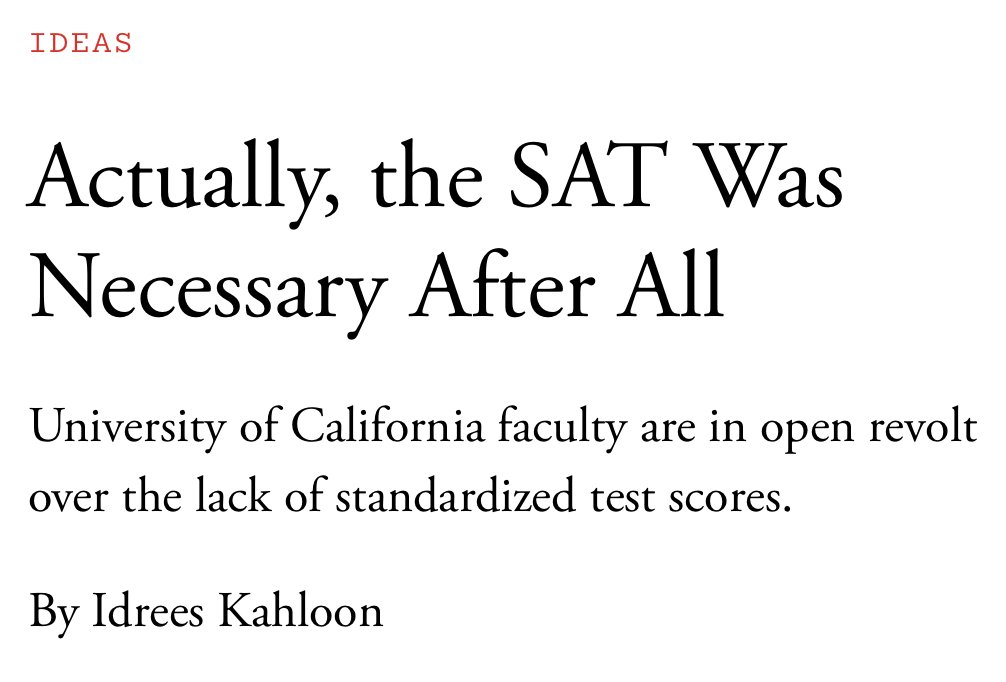
"As students learn more, they become increasingly aware of the vastness of what they do not yet know. Rather than diminishing curiosity, greater knowledge often fuels it."

It’s quite confusing to me that characteristics such as curiosity, wonder, and inquiry are not commonly associated with explicit instruction. Having now used explicit instruction with two groups of seventh graders, I’ve found that it actually promotes far more curiosity and wonder than instruction without it.
Why? As students gain knowledge and connect it to existing knowledge in long-term memory, their schemas become richer and more interconnected. This naturally and organically leads them to ask more questions and demonstrate greater curiosity and interest in what they are learning.
I believe this is the most effective way to foster inquiry and curiosity in the classroom and not by trying to force it through obscure phenomena or attention-grabbing stimuli that may produce a temporary sense of curiosity, but quickly fade because students lack the knowledge needed to sustain meaningful inquiry into the phenomenon.
Teach students concepts in small, manageable steps. Allow their working memory to effectively process new information and encode it into long-term memory. Have them frequently retrieve that knowledge over time, and provide opportunities to apply it in different contexts and settings so it becomes meaningful and transferable. As their knowledge grows, curiosity follows. They begin to wonder, ask questions, and inquire naturally and organically.
In some ways, this resembles the Dunning–Kruger effect. As students learn more, they become increasingly aware of the vastness of what they do not yet know. Rather than diminishing curiosity, greater knowledge often fuels it.
9

Michael Zen retweeted
Jun 12
The key to the "can teenagers meaningfully read classics" debate is this:
You are reading for different things at different stages of your life. It's okay to not grasp all the social context in a Jane Austen novel at 13 years old. It's okay to not relate to any character. It's okay if you don't agree with the moral of the story.
Reading it is still meaningful -- it teaches you about the English language, it shows you a glimpse into life more than 200 years ago. It gives you rich imagery, symbolism, character arcs. Among many, many other things.
It's not uncommon for adults to re-read books from school and enjoy them differently. That doesn't mean they're not valuable to read as kids.
We place too much emphasis on relating to a book, as if that's the reason why books are written.
1
1
2
59
Michael Zen retweeted

Jun 11
The attempt to design instruction for each student reduces instructional clarity, overburdens teachers, and fragments learning experiences. Education thrives when instruction is consistent, coherent, and manageable for both learners and educators. open.substack.com/pub/shoema…
3
7
639
Michael Zen retweeted

Jun 11
We need to measure accomplishments and mastery somehow. Grade inflation doesn't mean that we need to get away with it. Where we don't have grades, in elementary school, is where students and parebts are kept in the dark of the kids lack of progress.
1
2
3
82
Michael Zen retweeted

We could, um, you know, put them in ability based classes. My 1st period class has 27 students. 3 don't speak English. 14 tested well below grade level. 4 I haven't seen all semester. 3 refuse to do any work at all.
1
4
63
Michael Zen retweeted

May 29
This is another thing going very wrong in our US math curriculum and teaching — forcing kids (and mostly failing!) to explain abstract math concepts
2
5
447
Michael Zen retweeted

Japan has this one:
7
6
77
3,121
Michael Zen retweeted

Jun 9
AI tutors and personalized learning apps will create two groups of kids.
Those whose parents still force pen-and-paper thinking practice, and everyone else who gets smoother but shallower brains.
The gap is already forming.
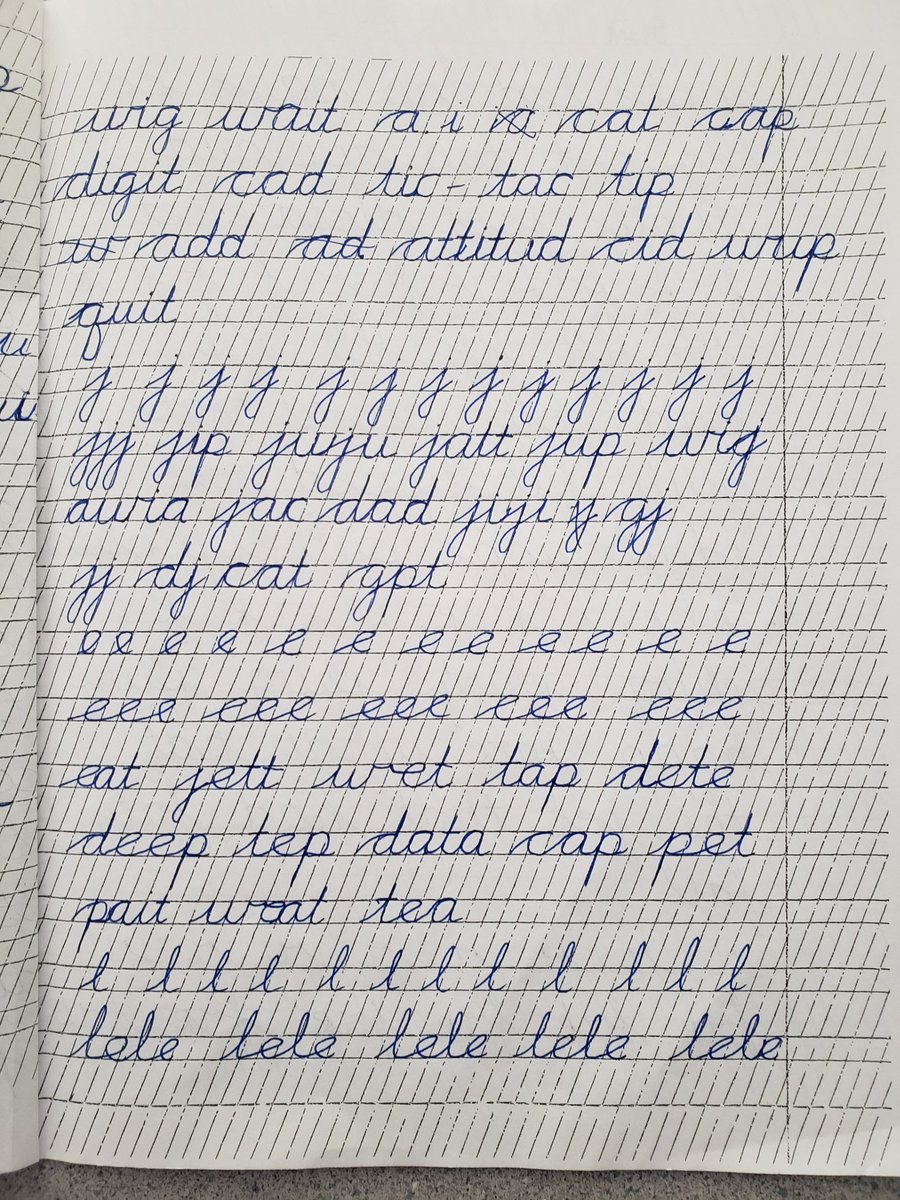
Pen and paper are the king and queen of learning.

1
1
23
Michael Zen retweeted

Jun 6
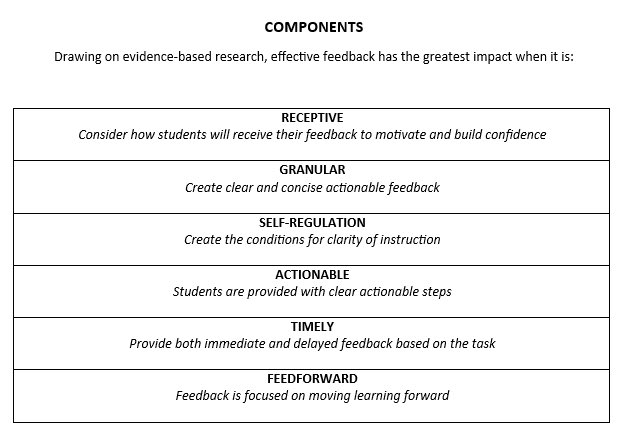
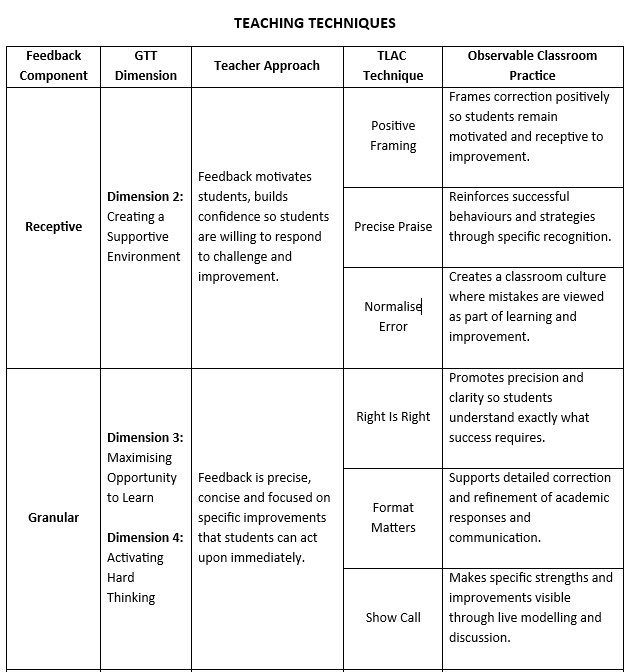
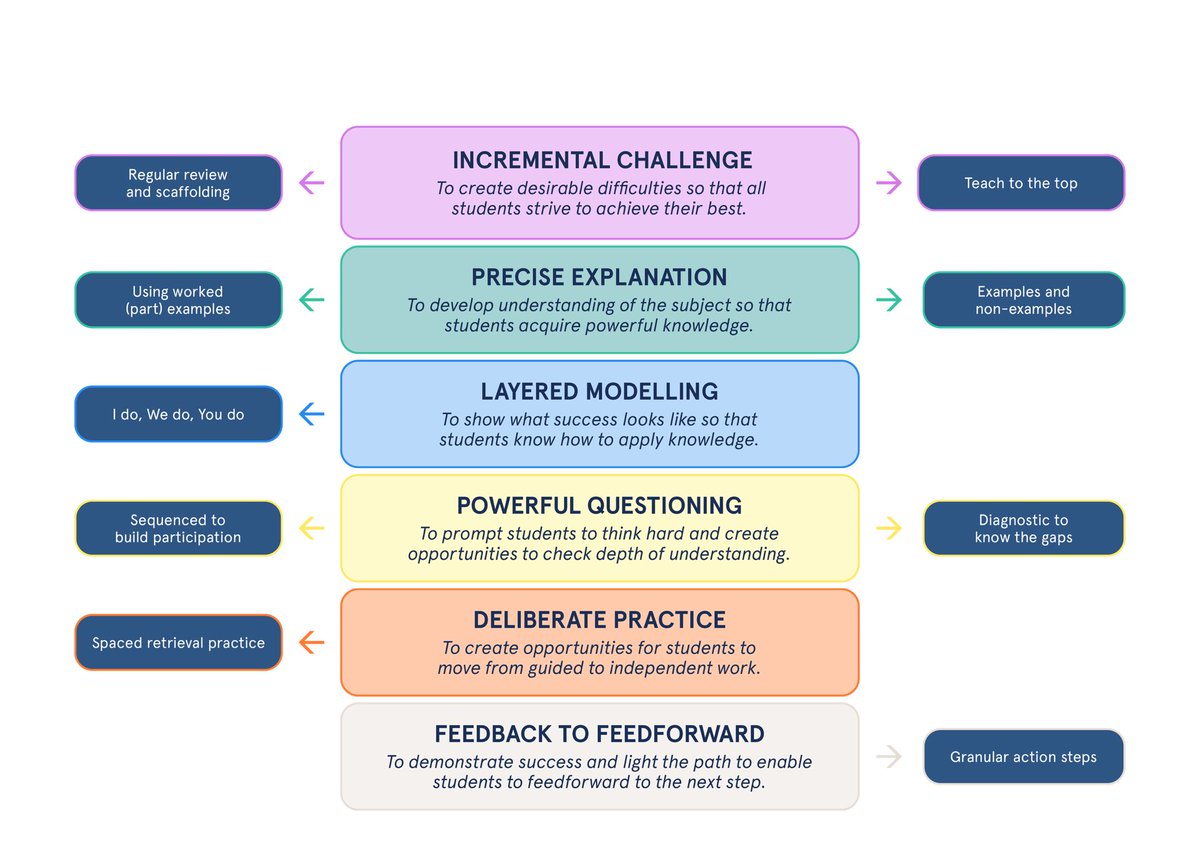
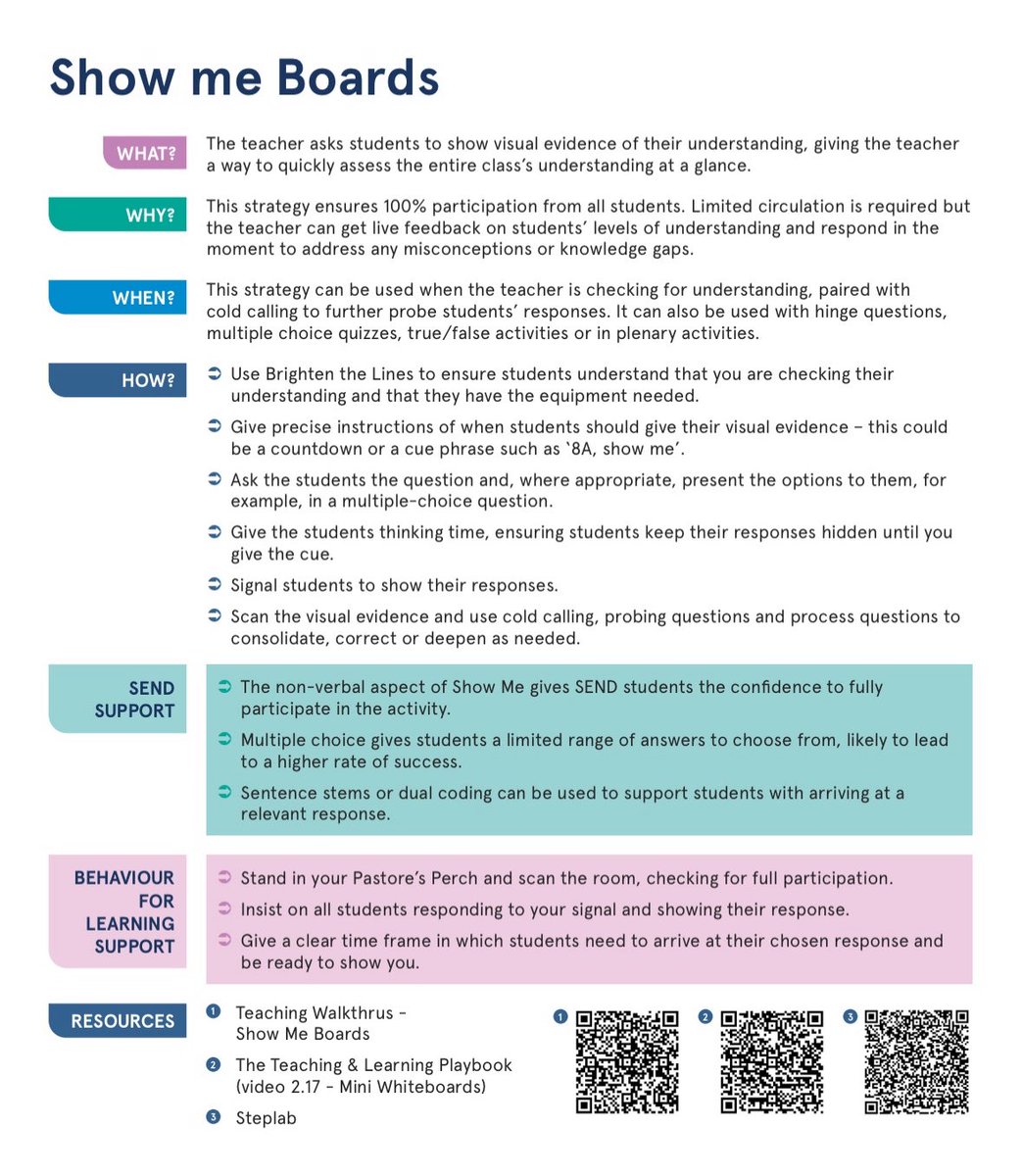
***GREAT TEACHING FRAMEWORK***
Over the last few months we have been working on developing our great teaching framework to ensure every student experiences consistently high quality teaching.
Our framework has four key drivers of excellence:
✅ Subject knowledge
✅ Relationships
✅ Routines
✅ Hard Thinking
The framework has six principles, key components and linked techniques from @WALKTHRUs_5, @teacherhead, @olicav and TLAC @Doug_Lemov. We have mapped the techniques to the Great Teaching Toolkit.
For each technique, we have codified what it means and our teaching and practice labs CPD sessions allow staff to get it, see it and try it.
We then use @Steplab_co for our coaching model to keep it, fit it and continue to try it through deliberate practice.
#TheLongdendaleLegacy #GreatTeaching
8
58
300
40,349
Michael Zen retweeted

Jun 6
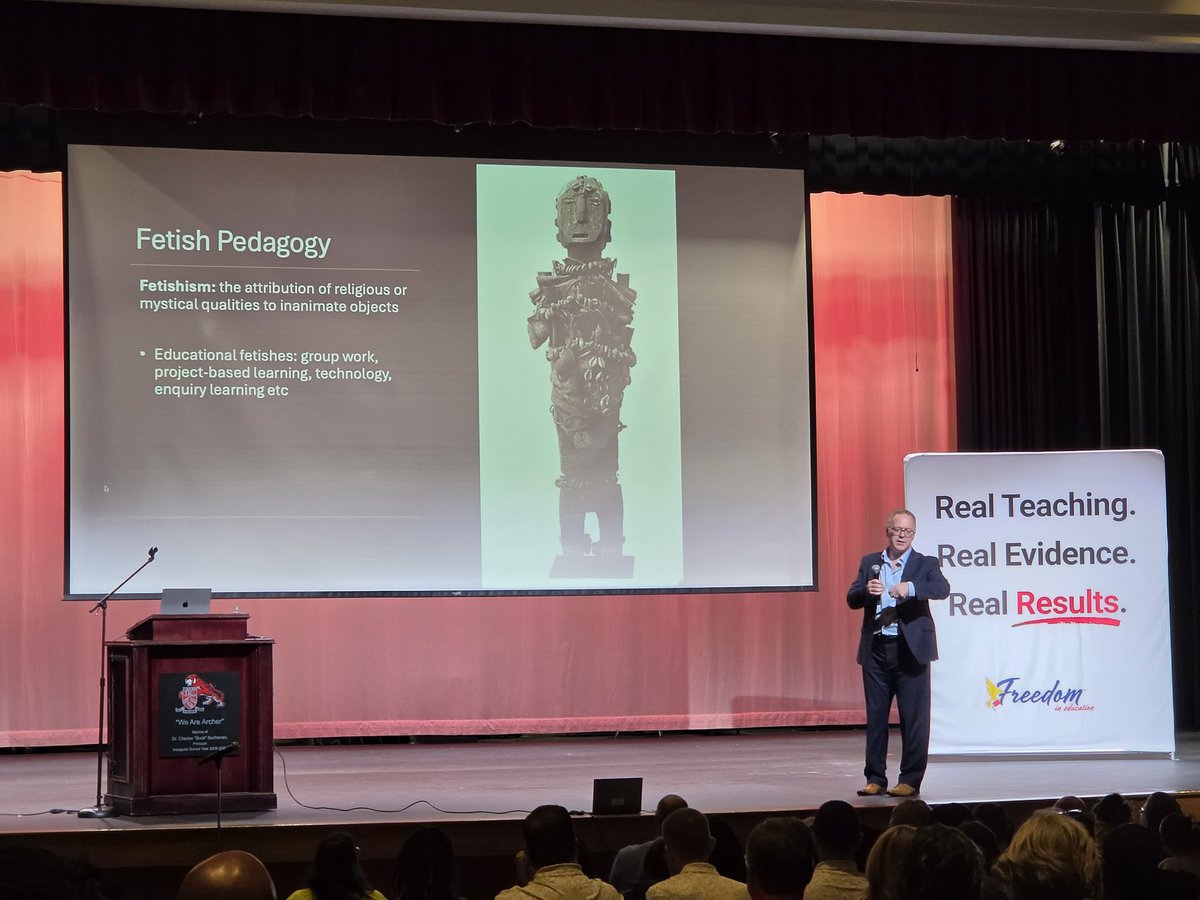
"We have lots of things in education that we 'fetishize' like group work, project based learning, technology, and inquiry learning."
These things have a place but they're elevated and placed on a mystical pedestal. @researchED_US
2
1
13
477
Michael Zen retweeted

13 Oct 2025
The result was a version of Vygotsky that was both accessible and unrecognisable. The Zone of Proximal Development (originally a metaphor describing the dialectical relation between instruction and development) was reinterpreted as a practical teaching method: a “scaffold,” a zone of peer support, a recipe for collaborative learning. In the process, a philosophical construct about the growth of consciousness became a pedagogical slogan.
2
3
24
3,335
Michael Zen retweeted
13 Oct 2025
Mind in Society appeared in 1978 at exactly the moment Western education needed an alternative to behaviourism. The social Vygotsky fitted the progressive mood perfectly and was institutionalised before the full body of his work arrived in the West.
1
1
19
3,959