
Joined May 2025
- Tweets 918
- Following 249
- Followers 33
- Likes 19,449
27 Photos and videos






Zingerino retweeted

Apr 15
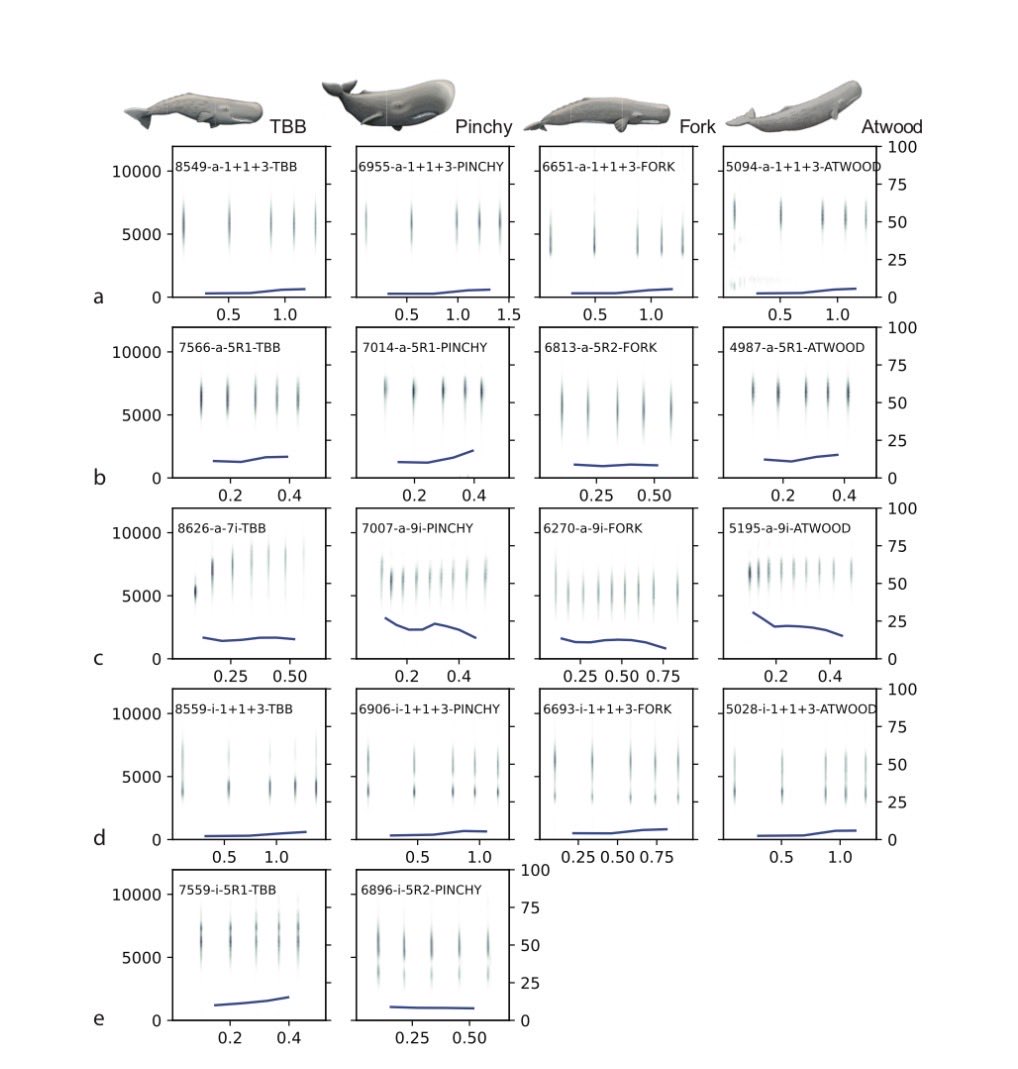
New paper out in Proceedings of the Royal Society B: we apply linguistic tools to sperm whale vowels.
The result: sperm whale vowels do not just look like human vowels. They also behave like them.
We found several parallels. Like in Latin, whales have short and long vowels. Like in Slovenian, some vowels prefer particular tones. Like in human language, there’s a lot of coarticulation (a process when you say “tense” but the word sounds like “tents”).
Observing vowels in whales is a matter of timing. Our vowels are fast, whale vowels are slow. Beats become pitch if they’re fast enough. If you slow down human vowels, they start sounding like whale clicks.
Applying linguistic tools to whales shows us that we’re much more similar to these wonderful ocean creatures than we previously believed and that their language is much more complex and structured.
@projectCETI @UCBerkeley
23
285
1,287
109,500

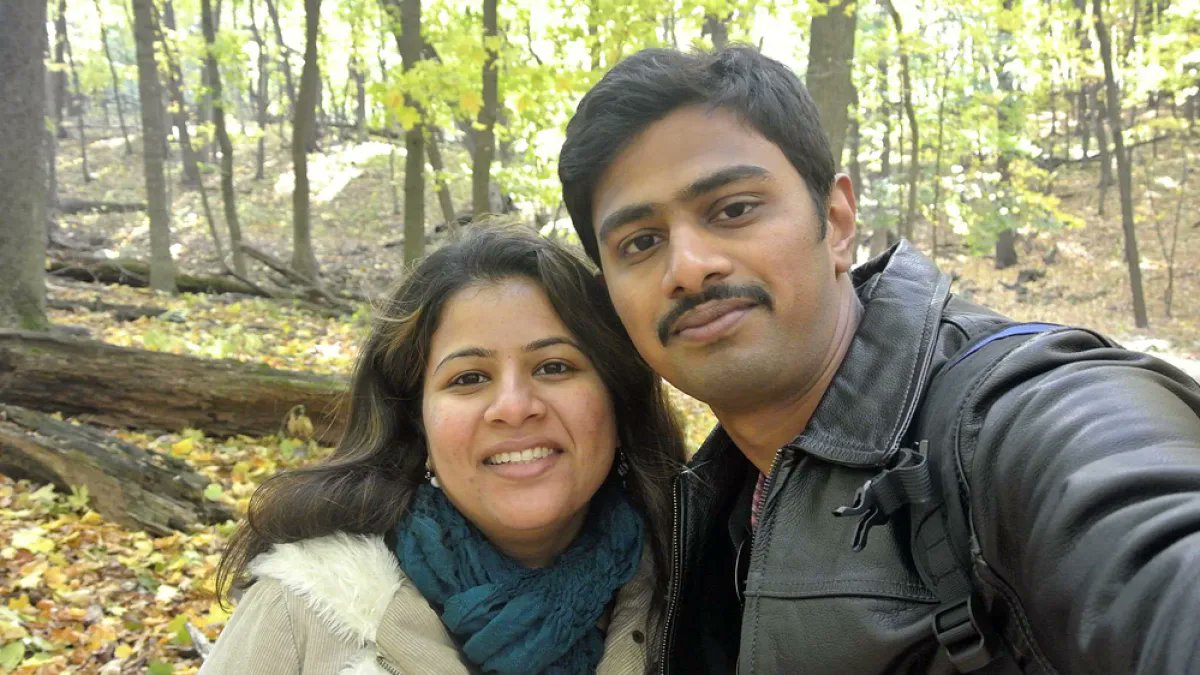
His name was Srinivas Kuchibhotla.
Born in Hyderabad. His parents called him Srinu.
He came to America in 2006 for his master's. Graduated with a 3.85 GPA. Worked his way up from software engineer to aviation programs manager at Garmin in Kansas.
His manager said one thing about him. Top of his class kind of guy.
He built a home in Kansas with his wife. Painted the walls himself. Installed the garage door himself.
A few weeks before he died, they had a doctor's appointment. They were trying to start a family.
He would have turned 33 on March 9.
On February 22 2017, he and his friend Alok stopped at a bar after work to watch a basketball game. An ordinary Wednesday evening.
A man there had been watching them for weeks. Told others they looked like terrorists.
That night, he walked up to their table. Poked Srinivas in the chest. Demanded to know their immigration status. Shouted get out of my country.
Other patrons threw him out.
He drove home. Got his gun. Changed his shirt so nobody would recognise him. Came back.
He fired eight rounds.
Srinivas died that night.
As the killer fled, he told someone he had just killed two Iranians.
Srinivas was Indian. From Hyderabad. Eleven years in America. Not one complaint against him. Not one rule broken.
His mother had asked him many times to come back if he ever felt unsafe.
He always told her he was safe.
His body came home to Hyderabad in a coffin. His mother wailed as it was carried through the streets in a flower laden carriage.
She said she would not allow her younger son to go back to America.
His father said whatever was destined has happened.
The killer got three life sentences.
Srinivas got a funeral at 32.
He did everything right. Degree. Visa. Job. Taxes. Never raised his voice at anyone.
None of it was enough.
His name was Srinivas Kuchibhotla.
Every Indian in the US deserves to know it.
720
4,572
19,718
2,382,110

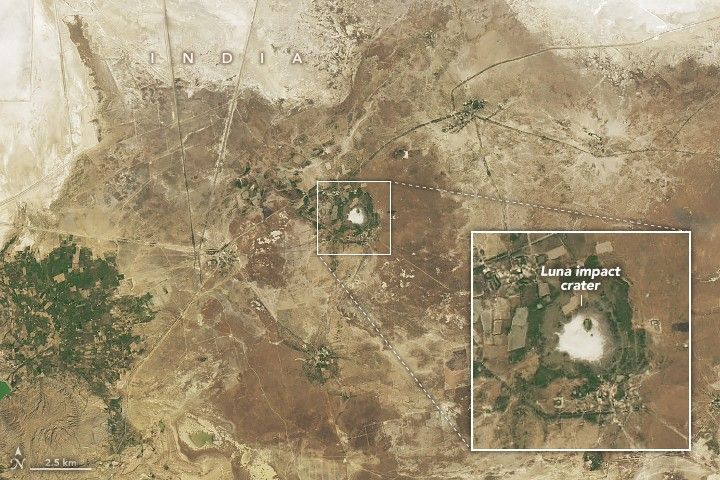
The Harappans created humongous amounts of industrial slag from copper and bronze smelting kilns. And proceeded to dump it in an ancient landform in the Kutch region.
4000 years later, the unusual mineralogy including high temperature mineral phases was interpreted as a meteorite impact by many papers. Now we have a new study that tells us the complete picture.
6
291
1,415
53,424
Zingerino retweeted

Apr 8
India's Fast Breeder Reactor just achieved criticality at Kalpakkam.
Everyone's sharing the headline. Almost nobody is asking: who actually built this reactor?
I went through multiple sources to find out which listed companies have verified involvement in this exact PFBR project. Not "nuclear theme" plays. Actual Kalpakkam suppliers.
Here are the names👇
1. Kirloskar Brothers:
The PFBR runs on 1,750 tonnes of liquid sodium as coolant. Someone had to build the pumps that move all of it. That someone is KBL.
Kirloskar manufactured the Primary Sodium Pumps at their 100 year old Kirloskarvadi plant. Three pumps. 135 tons each. Handling 5.16 lakh liters of liquid sodium per minute.
Their AVP Ravindra Ulangwar said on record: "We at KBL are the only Indian company to develop such type of critical application pumps."
They also built the Secondary Sodium Pumps that sit outside the reactor vessel and cycle the sodium back after heat extraction. Without these pumps, the reactor literally cannot function.
KBL has also supplied pump sets for ITER, the international nuclear fusion project. So this isn't just domestic capability. Global validation.
(Source: KBL official press release on sodium pump handover)
2. MTAR Technologies:
MTAR built some of the most complex precision equipment inside this reactor.
-Grid Plate Assembly for the PFBR. 8 meters wide. 80 tons. 1,758 tubes with positional accuracy maintained within 0.1 mm. If even one tube is misaligned, the reactor doesn't work.
-Inclined Fuel Transfer Machine. 22 meters tall. 200 tons. This is the system that physically moves spent nuclear fuel out of the reactor building. MTAR designed, manufactured, and tested it entirely in house.
-They also supplied the Control and Safety Rod Drive Mechanism and the Central Canal Plug for the PFBR. The control plug alone is 2.5 meters wide, 12 meters tall, 56 tons.
And here's the moat: MTAR is the sole qualified domestic supplier of Fuel Transfer Systems for NPCIL's reactors. Vendor qualification takes 5 to 7 years. You cannot buy your way into this position.
What's coming next: ~₹800 Cr order pipeline from Kaiga Units 5&6. ₹300 to 400 Cr expected from 5 refurbishment reactors. And 10 fleet mode reactors haven't even been tendered yet.
(Source: Investor presentation, Bastion Research analysis)
3. Walchandnagar Industries:
The smallest company on this list. And arguably the most directly exposed.
WIL executed the entire sodium piping contract for this 500 MWe PFBR at Kalpakkam. Supply, erection, and commissioning of mechanical, piping, and instrumentation for the sodium and miscellaneous systems.
Think about what that means. Sodium piping in a fast breeder reactor isn't regular plumbing. Liquid sodium ignites on contact with air and explodes on contact with water. The precision and safety requirements are extraordinary.
WIL has been working with the Department of Atomic Energy for over four decades. They're pre qualified by NPCIL, BARC, and BHAVINI for Class I nuclear components, the highest classification that exists.
They've also supplied Calandrias, End Shields, Dump Tanks, Fuel Magazines, and Moderator Heat Exchangers for India's 220 MWe and 500 MWe reactors.
(Source: Walchandnagar Industries official website)
4. BHEL:
The large cap in the room. BHEL supplied the turbine island for the PFBR. In fact, BHEL has been the turbine island supplier for every Indian nuclear plant including Kudankulam and Kakrapar. The PFBR is no exception.
The motor that drives Kirloskar's Primary Sodium Pump? That's a BHEL motor.
Not a hidden gem, but it would be dishonest to talk about who built Kalpakkam without mentioning them.
5. L&T:
Built the reactor vessel and core structural systems for the PFBR. India's only private sector player with nuclear grade heavy engineering capability at this scale. Again, not hidden, but directly involved in this reactor.
So why does all of this matter now?
Because Kalpakkam isn't the end. It's the beginning.
Six more 600 MWe Fast Breeder Reactors are already planned. India's nuclear capacity is going from 8,180 MW today to a target of 100 GW by 2047. The SHANTI Act 2025 just opened nuclear to private sector participation for the first time in India's history.
Every single future reactor will need sodium pumps, fuel handling systems, sodium piping, turbine islands, and reactor vessels from qualified suppliers.
And nuclear qualification takes 5 to 7 years. The companies already inside this ecosystem today have a head start that no amount of capital can shortcut.
30
343
1,195
91,481
Zingerino retweeted

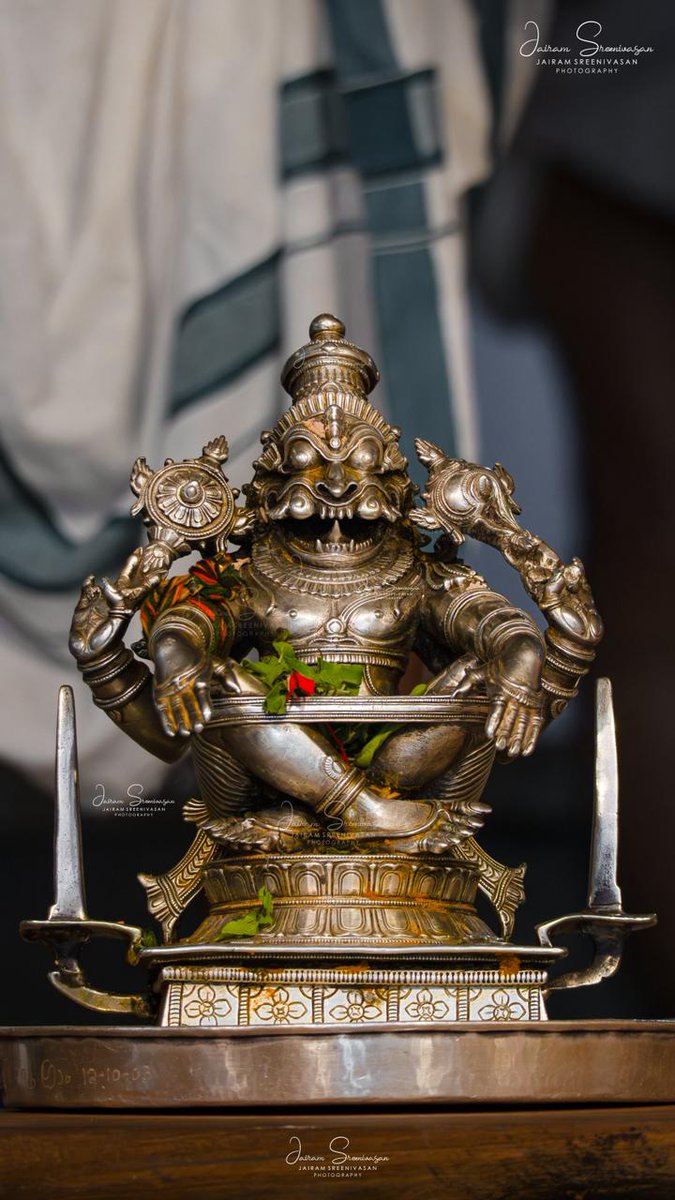
Ugra Narasimha of Thiruvanthapuram Padmanabhaswamy Temple.
15
190
2,377
14,357

After a certain age, your parents slowly become your children. They ask simple questions, repeat stories, and depend on your patience the way you once depended on theirs. Very few understand this role reversal.What looks like innocence or inconvenience is really time coming full circle. Don't correct them harshly. Don't rush them. Care for them the way they once protected you. This is not a burden. It is repayment.


586
29,648
121,228
5,716,359
Zingerino retweeted

Mar 24
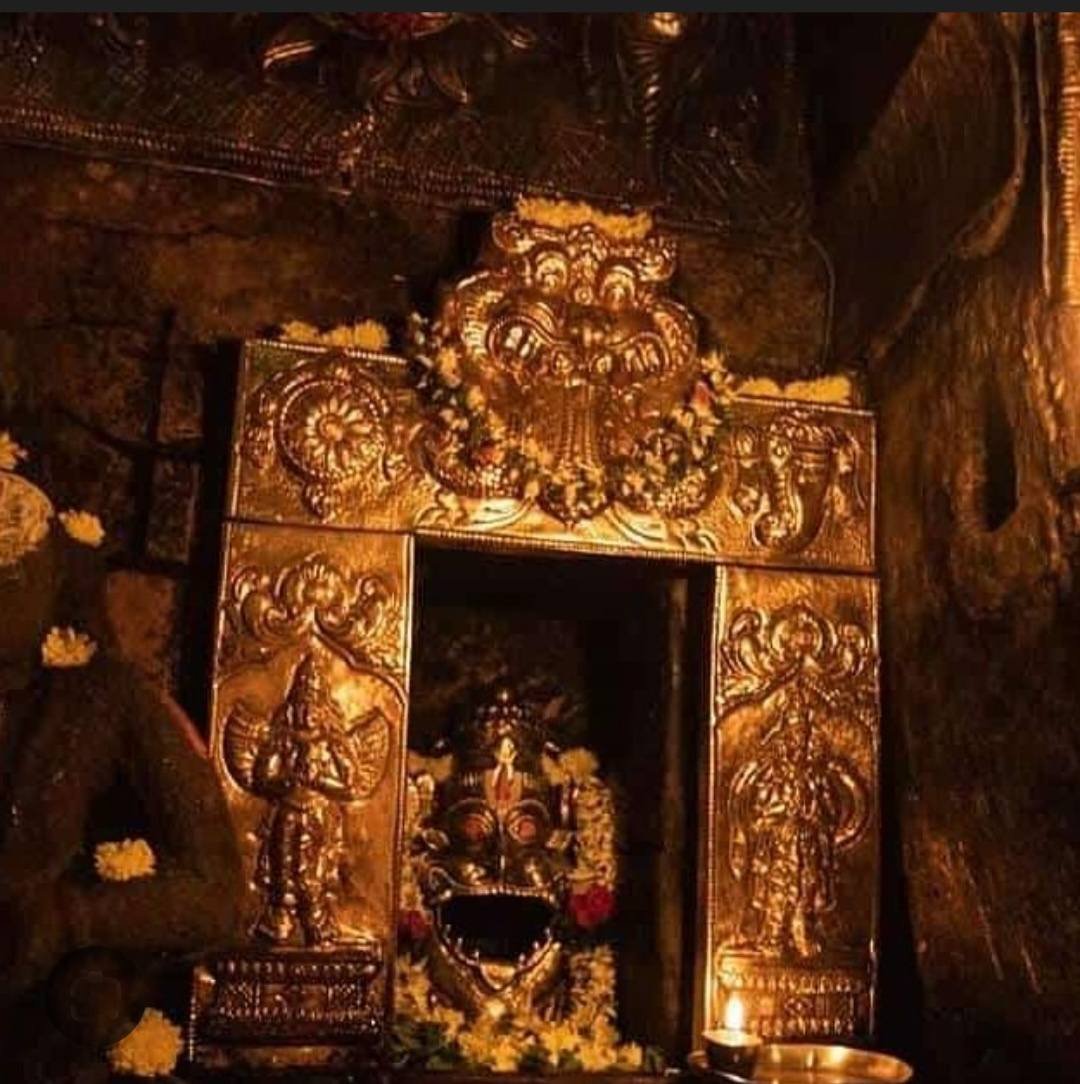
Lord Narasimha at Mangalagiri.
8
129
2,283
14,195
Zingerino retweeted

Praising a Raja for his valor & good deeds for the sustenance of Dharma is not Nara Stuti. Nara Stuti is when you gain material needs in exchange of one's praise. Smritis- Puranas hail the king as an amsa of Bhagavan.
This tweet is unavailable
1
2
18
685
Zingerino retweeted

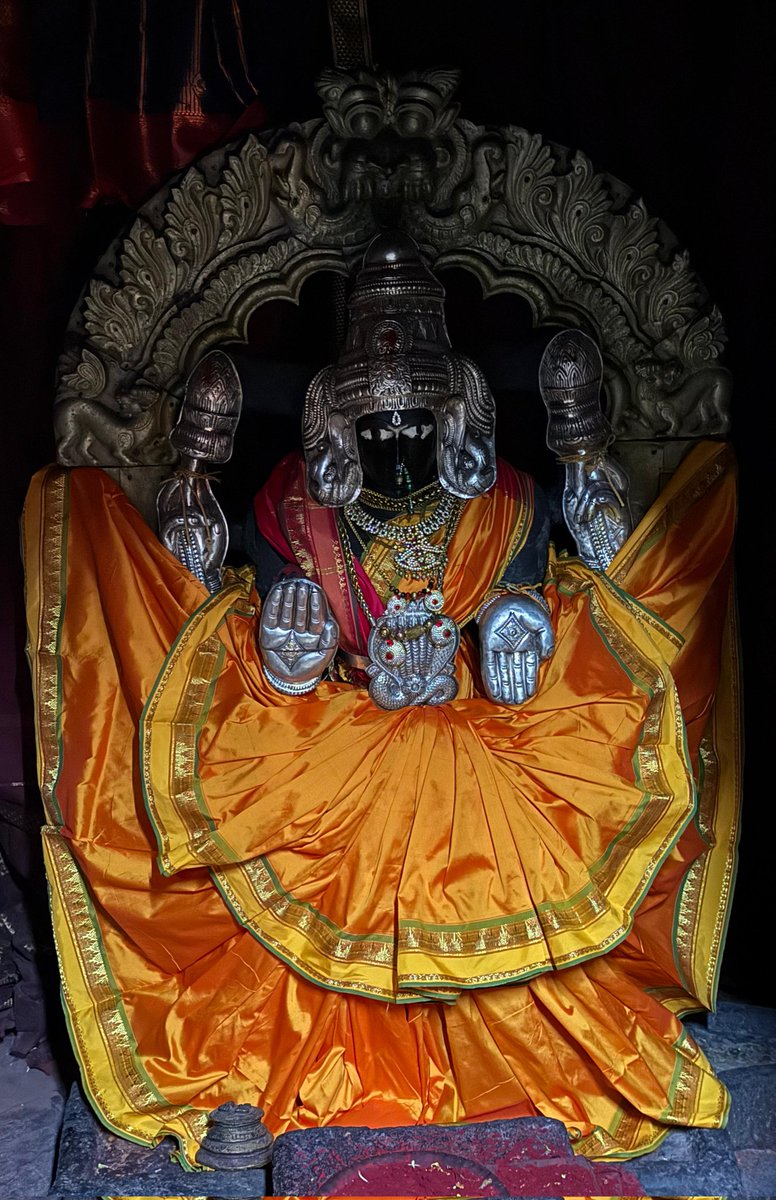
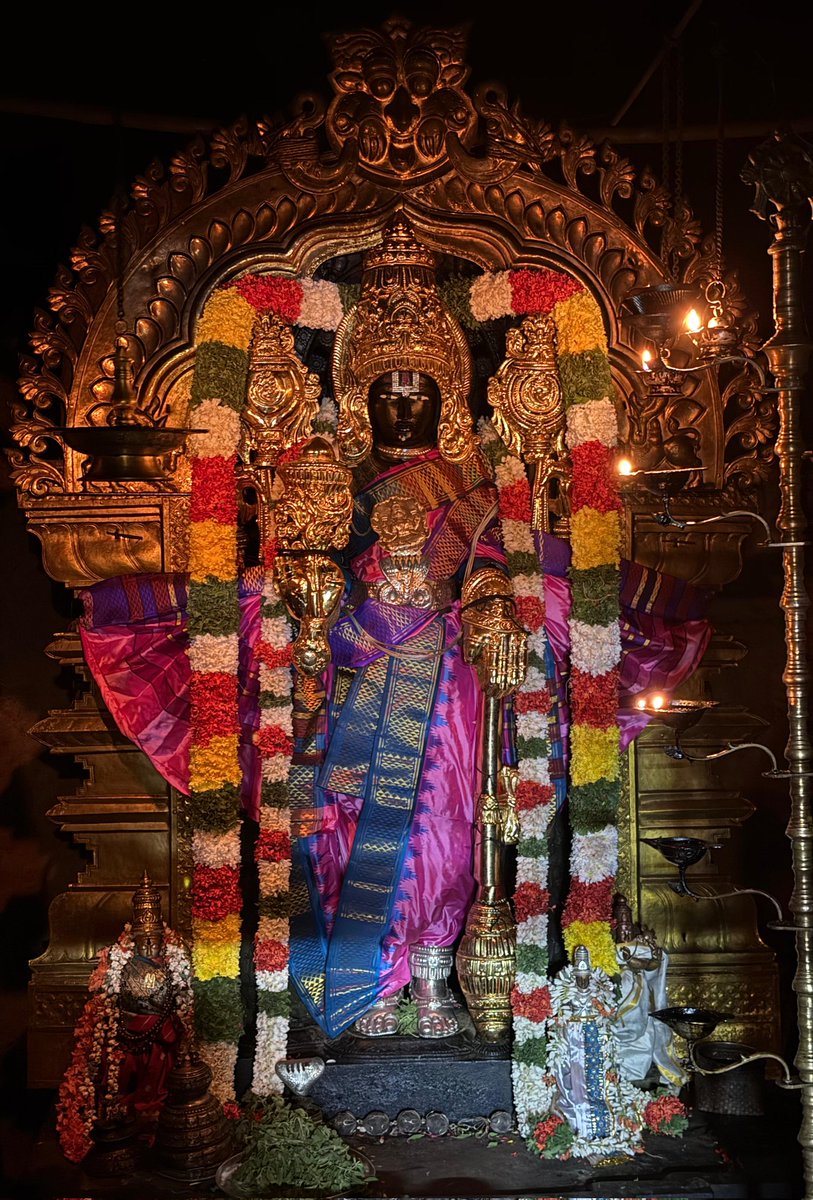
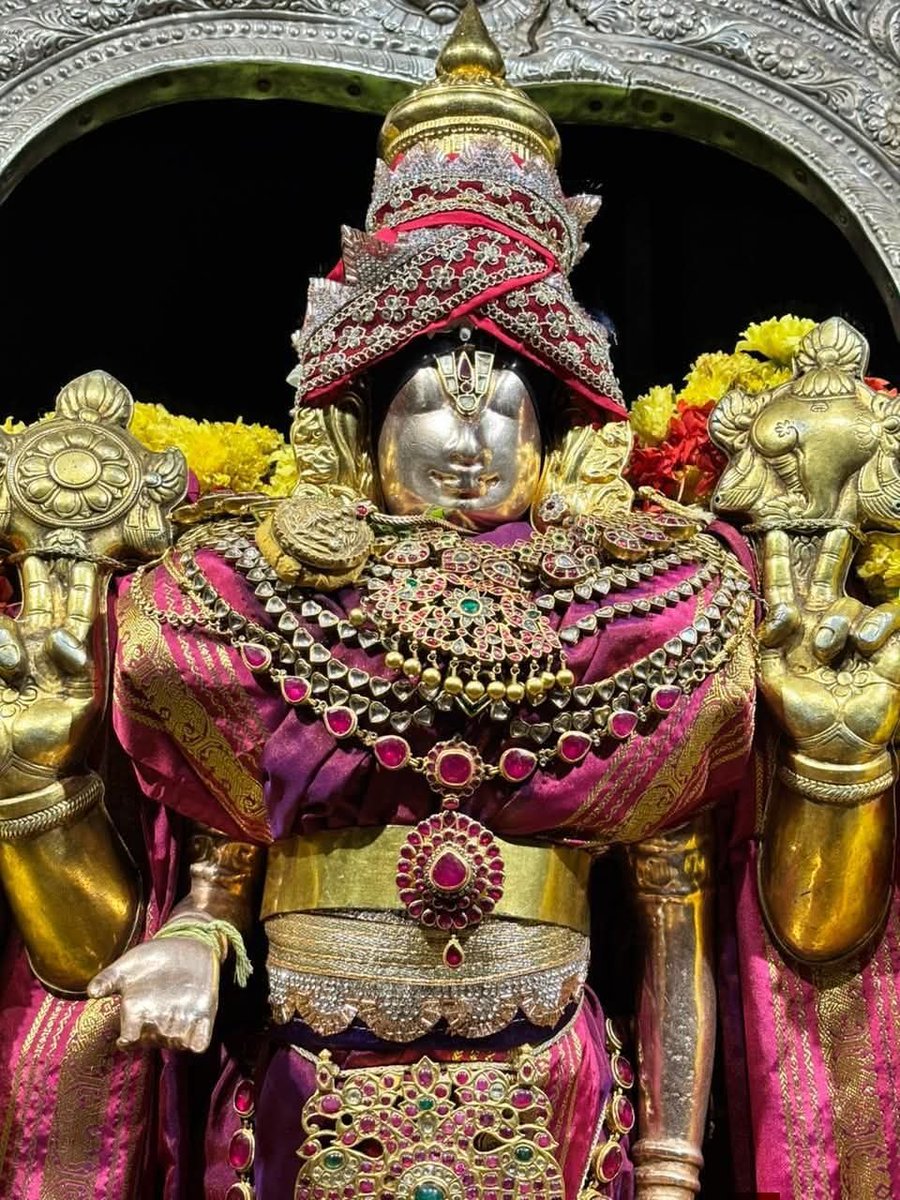
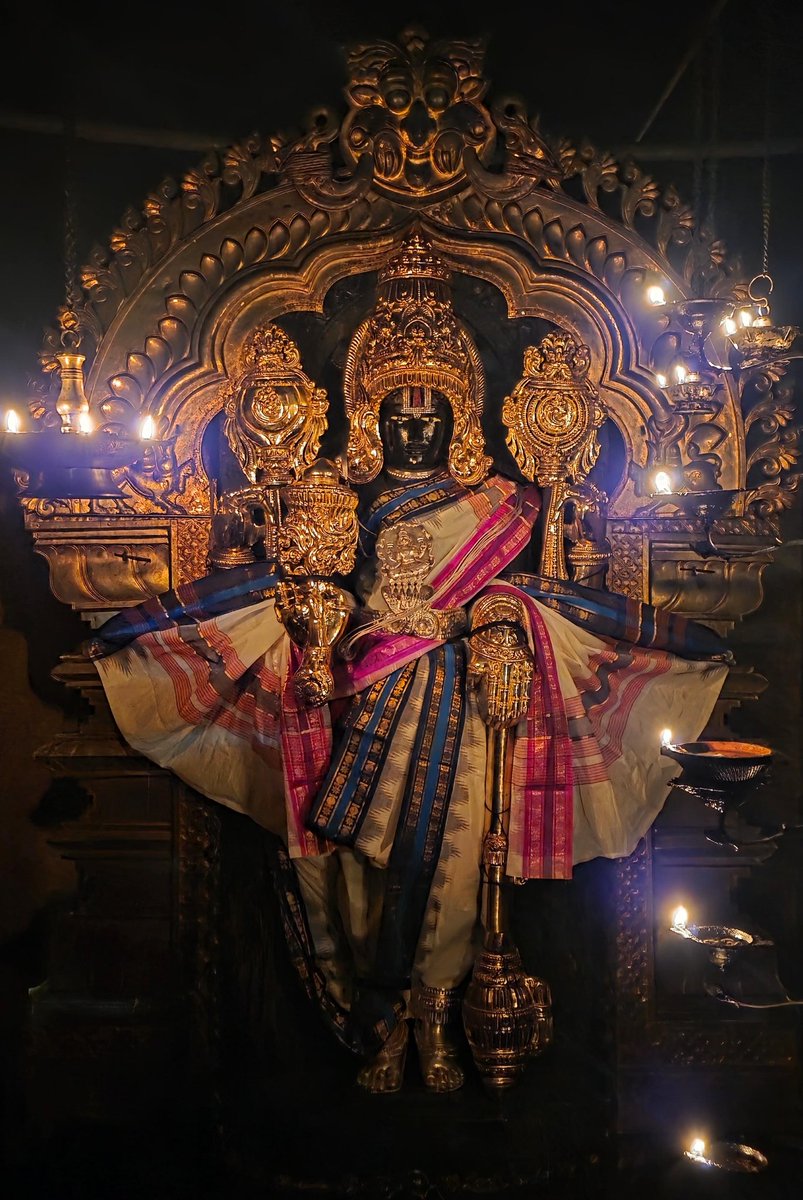
Sri Soumya Nayaki Thayaar
Samedha
Sri Soumya Keshava Perumal
Parabrahmane namaha
Ugadi special alankaram. Adiyen tomalai kainkaryam
Nagamangala
Karnatakam
Bharatham
3
11
122
742
Zingerino retweeted
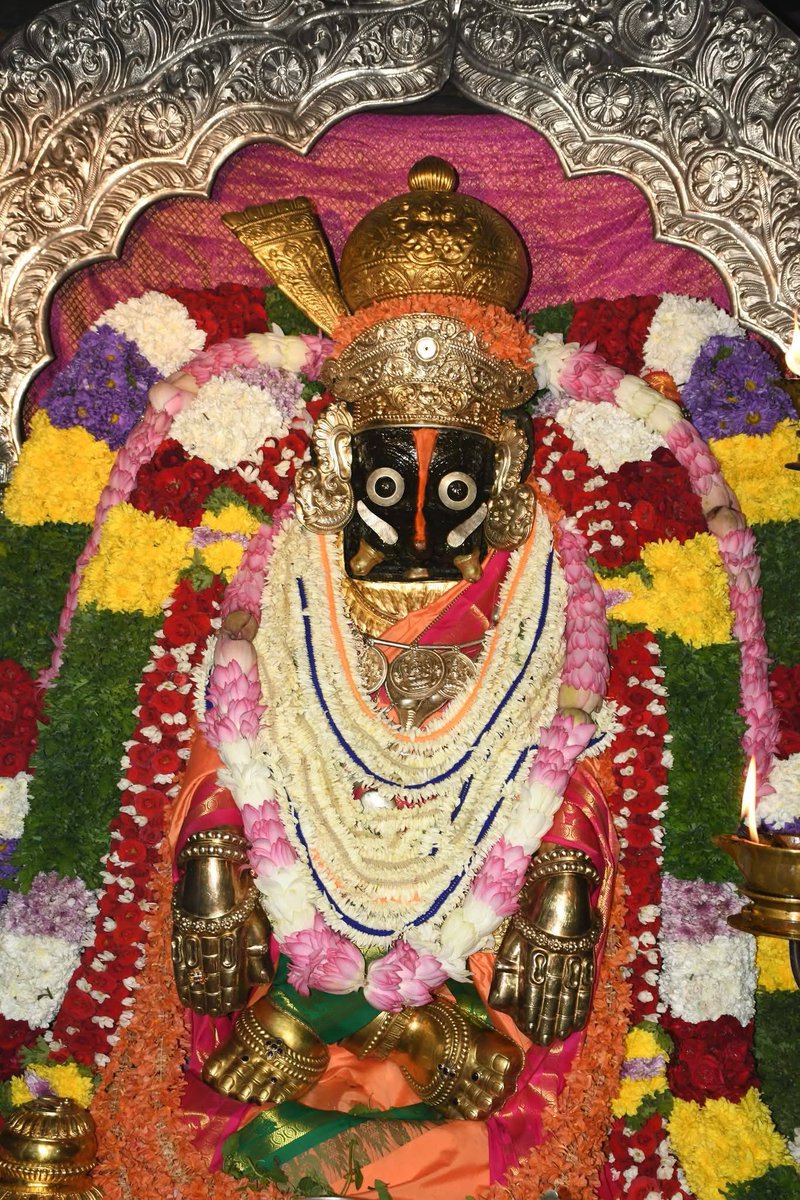
Sri Yoga Narasimha Swamy
Melukottai/ Melkotte
4
25
380
1,673
Zingerino retweeted

Mar 18
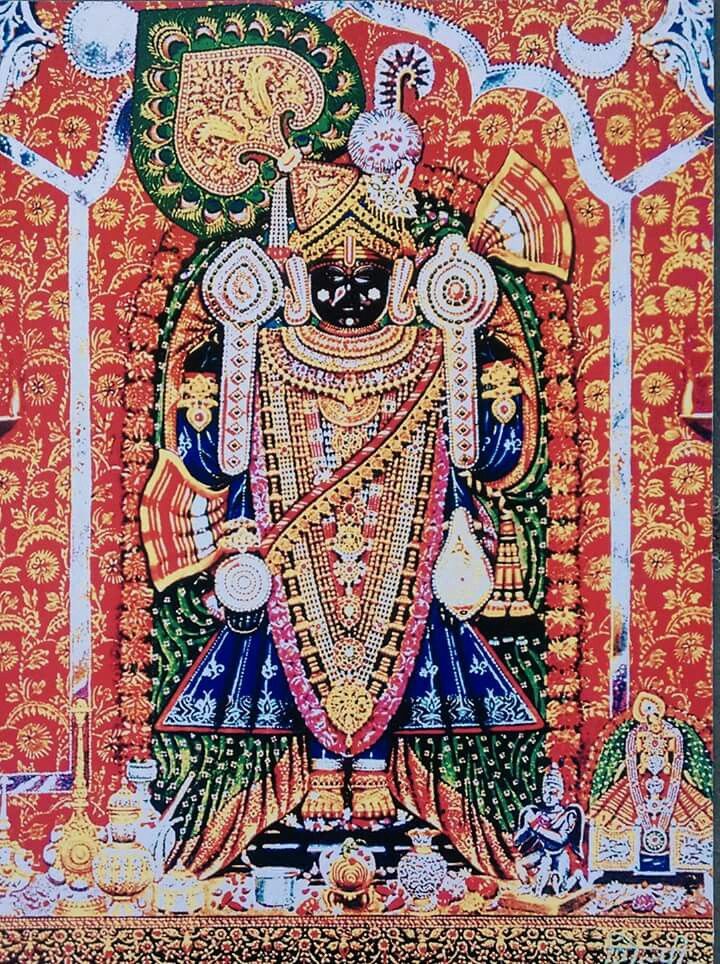
Let us worship the Thief, who steals from us all miseries, worries, darkness, purifies us from all desires and makes us His devotees filled with peace and true knowledge, who always think of Him and worship Him, who know Him as the Truth of all truths.
11
141
817
Zingerino retweeted
Mar 17
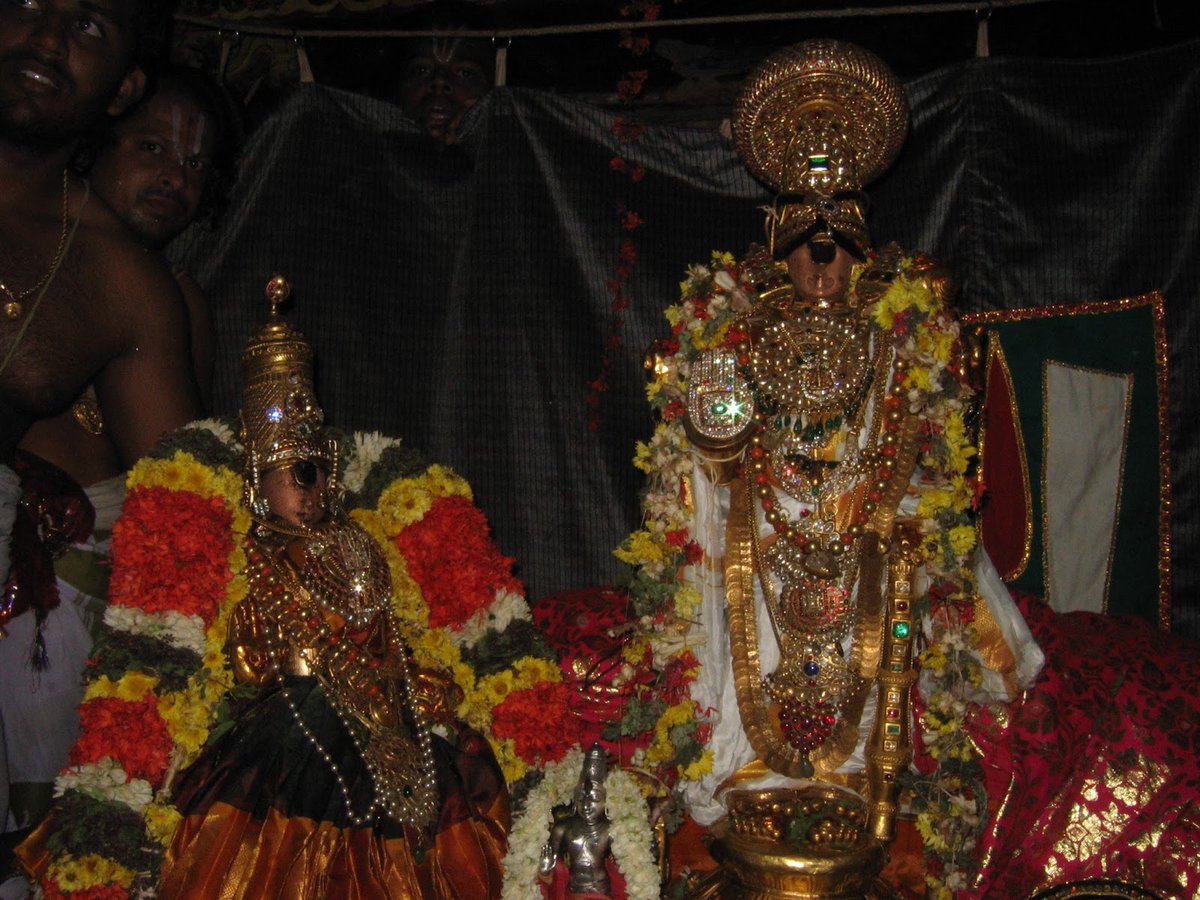
When will the day come
when my eyes, filled with tears,
see the dark-coloured Māyaṉ who sleeps on the snake bed
in beautiful Srirangam on the Kāverī river?
He changes the evil hearts of people to good,
helps them control their five senses
and relieves them from the burden of their troubles and sickness
and makes them his devotees
so they can follow the ways of dharma in their minds.
(Kulaśekhara Perumāl, Perumāḷ Tirumoḷi, 1.7)
2
12
141
1,265
Zingerino retweeted

Today I met the funniest cat on my car windshield. Just wait for the dog.. 😂
102
3,484
47,925
1,099,700
Zingerino retweeted

Mar 14
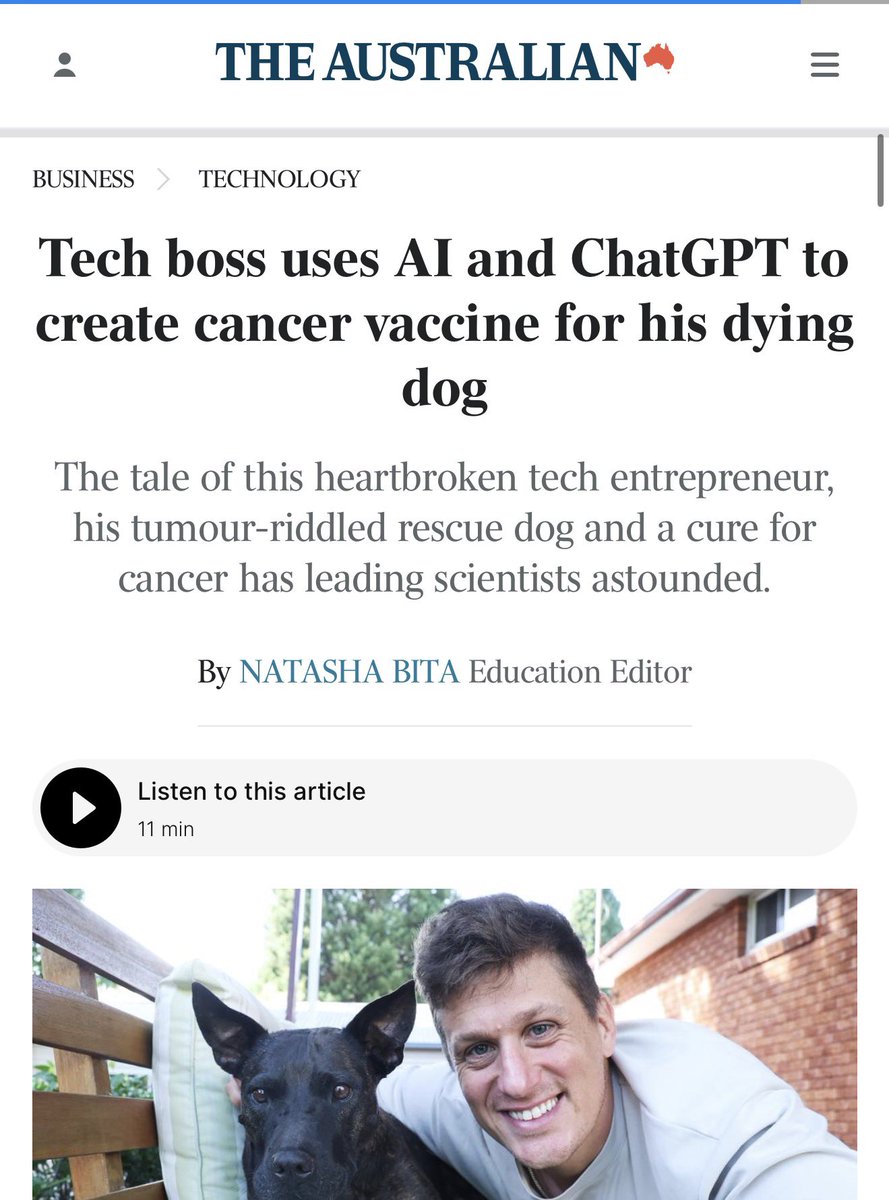
this is actually insane
> be tech guy in australia
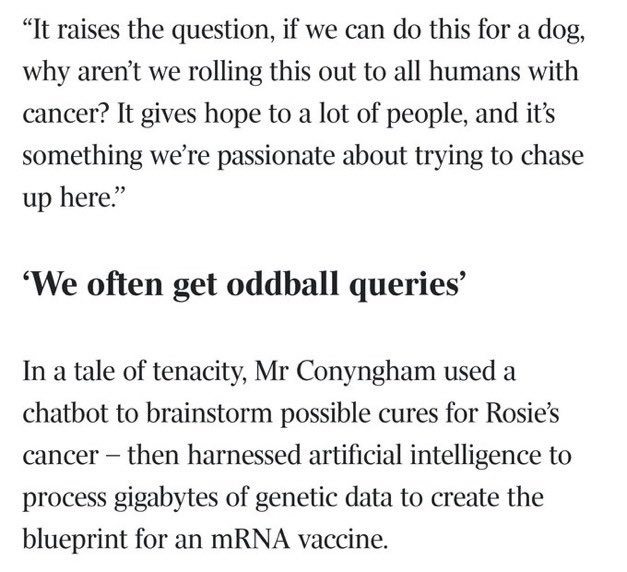
> adopt cancer riddled rescue dog, months to live
> not_going_to_give_you_up.mp4
> pay $3,000 to sequence her tumor DNA
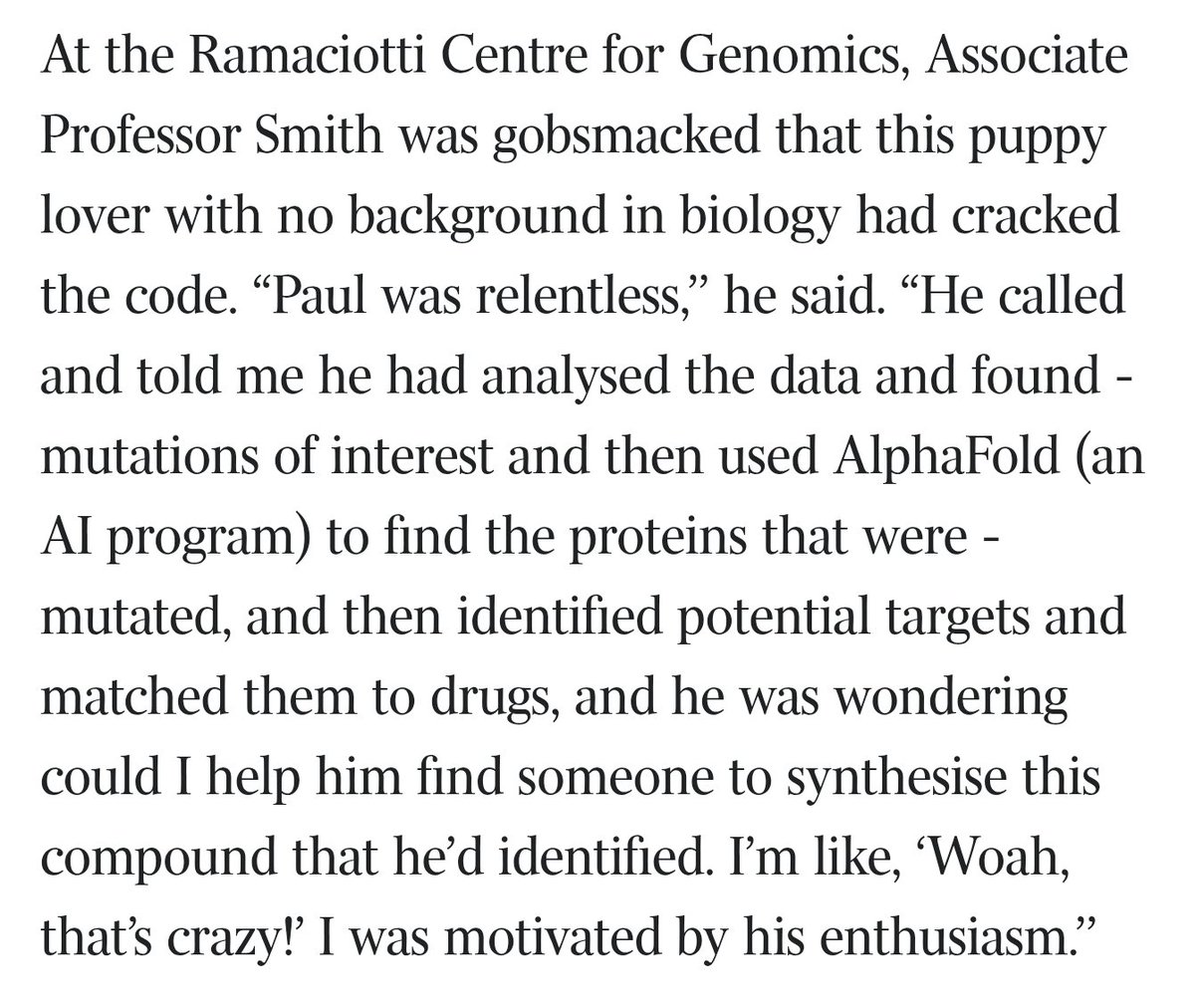
> feed it to ChatGPT and AlphaFold
> zero background in biology
> identify mutated proteins, match them to drug targets
> design a custom mRNA cancer vaccine from scratch
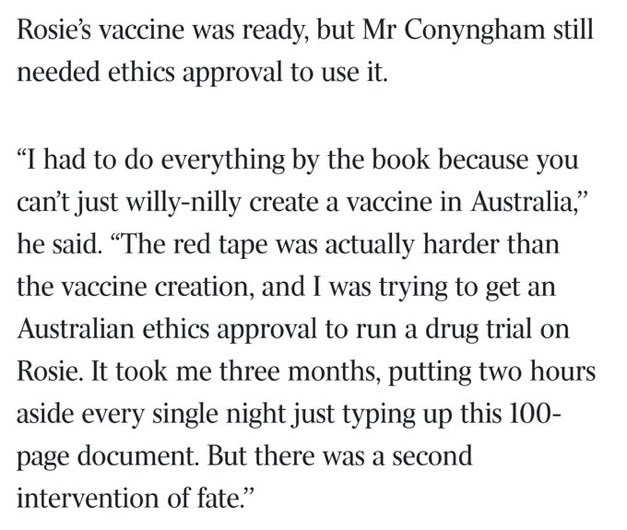
> genomics professor is “gobsmacked” that some puppy lover did this on his own
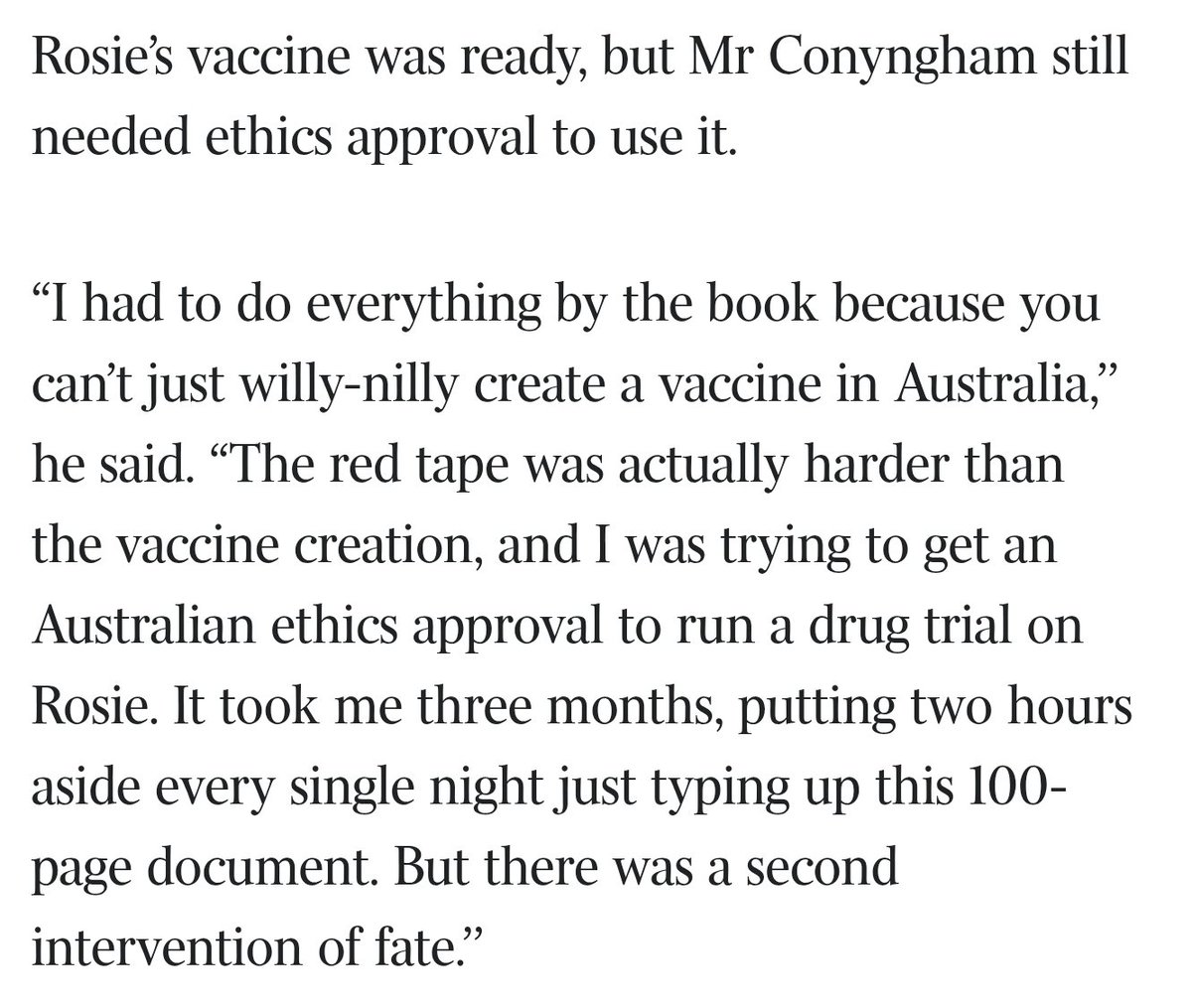
> need ethics approval to administer it
> red tape takes longer than designing the vaccine
> 3 months, finally approved
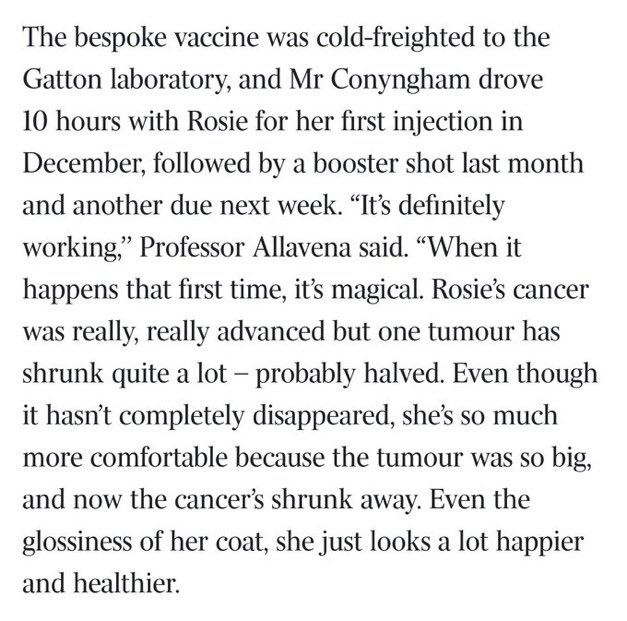
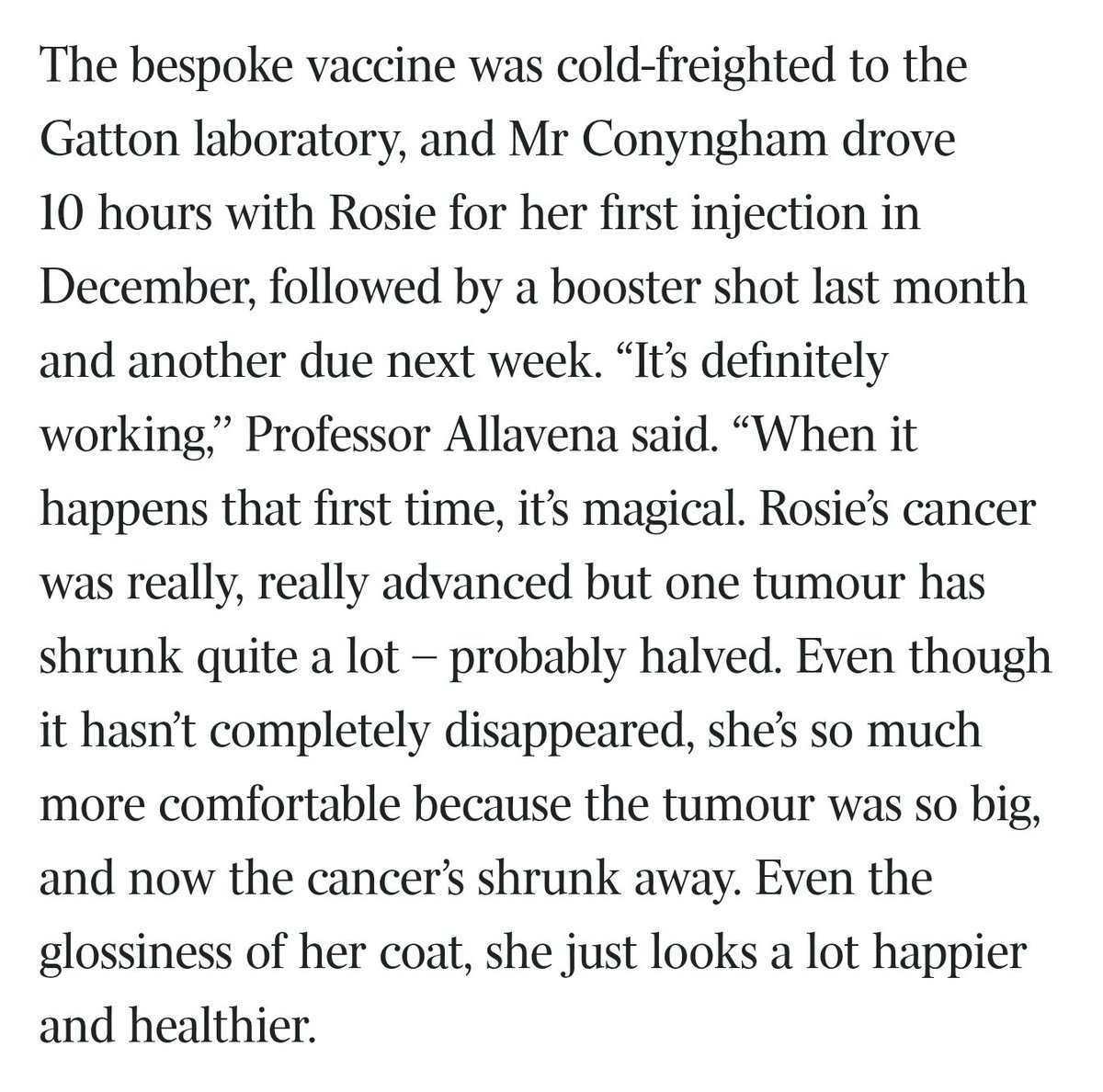
> drive 10 hours to get rosie her first injection
> tumor halves
> coat gets glossy again
> dog is alive and happy
> professor: “if we can do this for a dog, why aren’t we rolling this out to humans?”
one man with a chatbot, and $3,000 just outperformed the entire pharmaceutical discovery pipeline.
we are going to cure so many diseases.
I dont think people realize how good things are going to get

2,420
19,327
116,166
17,662,757
Zingerino retweeted
2
11
157
772
Zingerino retweeted

there's a mom possum somewhere with a litter of kittens very confused
22
722
12,860
399,429
Zingerino retweeted

Mar 11
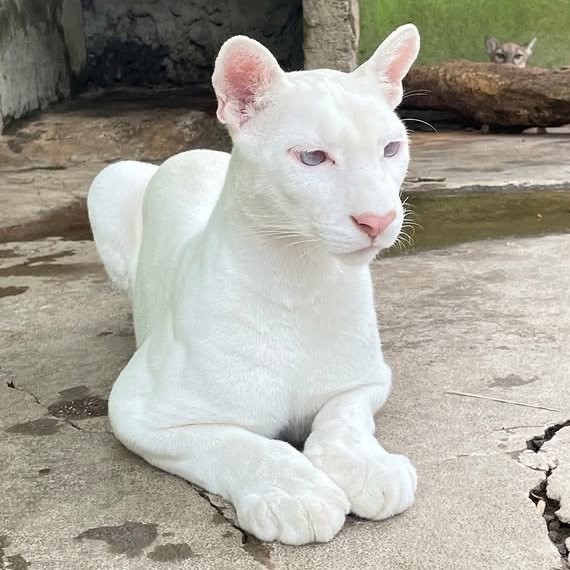
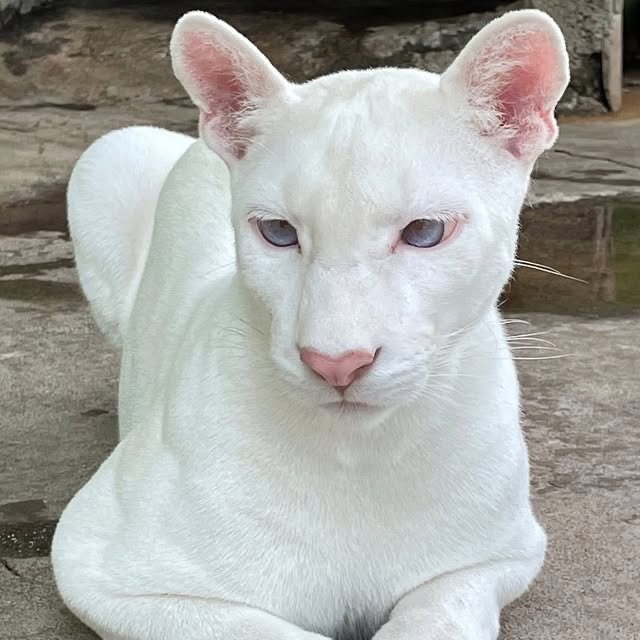
EXTREMELY RARE! Albino puma with blue eyes and pink nose was born in Latin America.
423
5,900
54,370
1,609,633
Zingerino retweeted
Mar 10
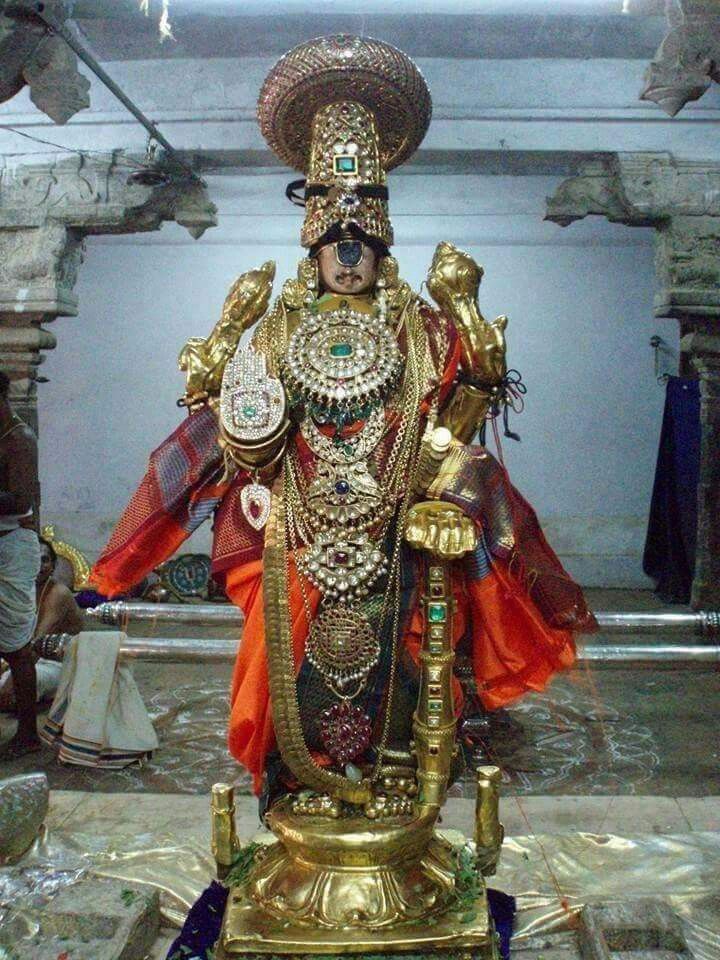
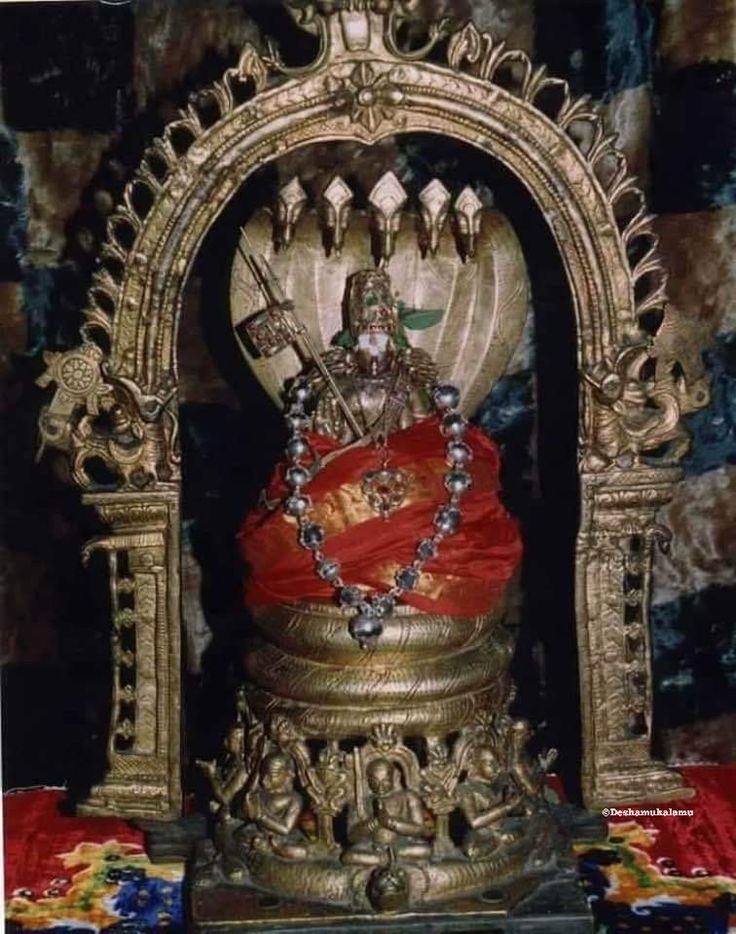
That divine Lord, who purifies those who surrender to His lotus feet from all anger, lust, greed, fears, who destroys all their ignorance and bestows them the ultimate Knowledge, the One who bestows mokṣa and the One who is enjoyed by muktas, the Antaryāmin of all beings, the Self of all selves, He is Rāma, who gracefully resides in Tiruvaraṅgam. He is the same Lord who heard the divine nectar of Āḻvār from Māmunigaḷ Himself!
1
17
147
1,651
Zingerino retweeted
Sowmya Keshava Perumal
8
62
1,476
6,620
Zingerino retweeted

Feb 10
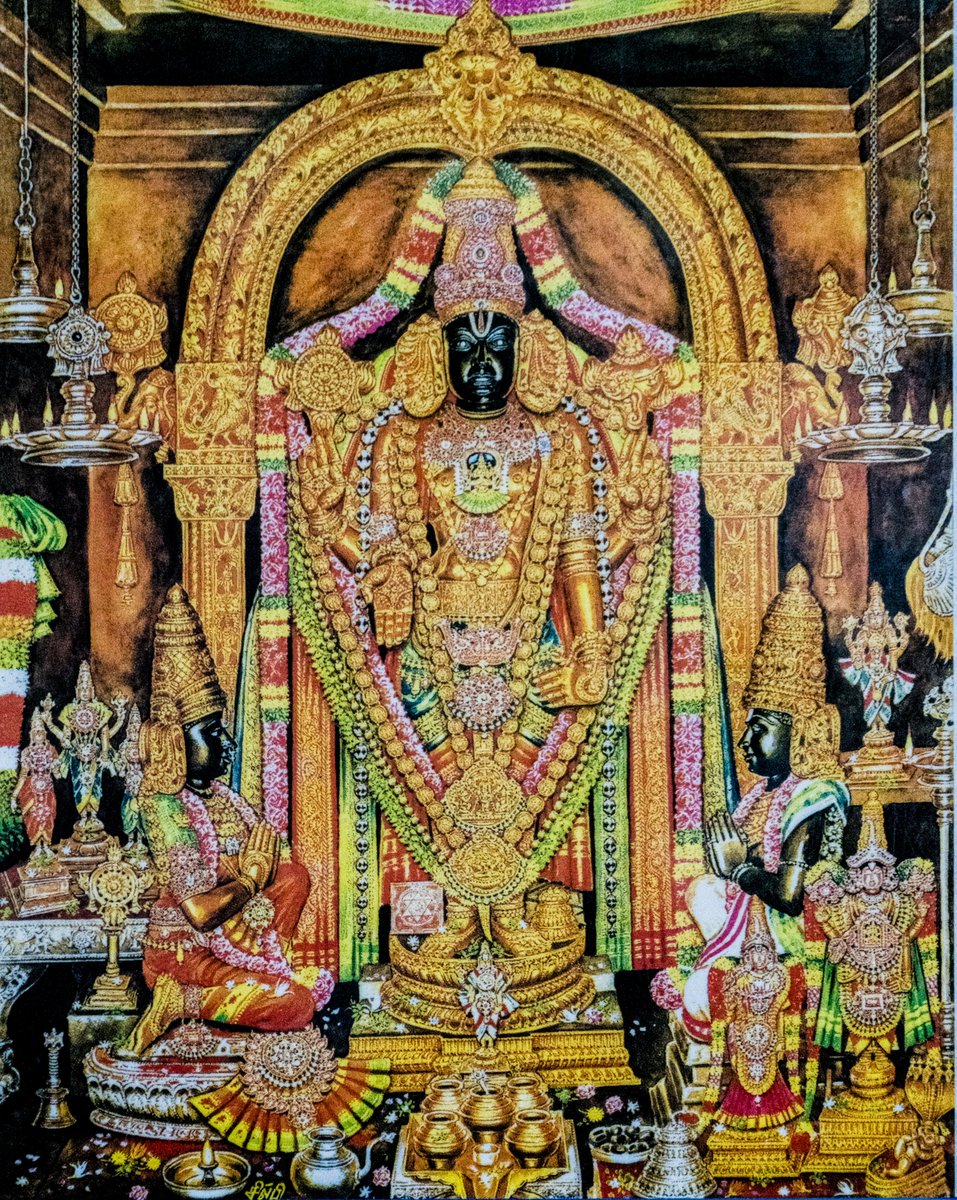
Oppliappan kovil - near Kumbhakonam . Tamil Nadu
Painting by #artistsilpi
6
39
552
3,583