
Increasing throughput of proteomics @ParallelSqTech
Joined December 2018
- Tweets 221
- Following 303
- Followers 239
- Likes 1,015
32 Photos and videos


23 Sep 2025
I’ll be attending iSCMS and presenting work from @ParallelSqTech. I look forward to sharing what we have been up to and learning from the community!

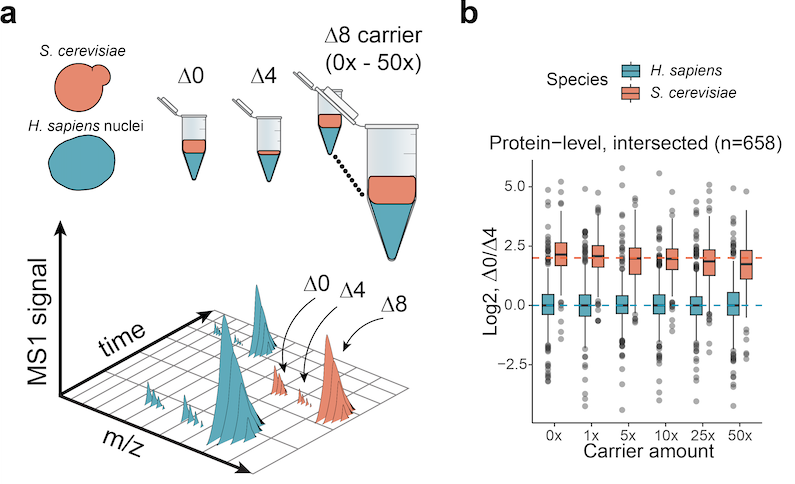
@_JasonDerks is presenting at iSCMS! Come by this Saturday afternoon around 2pm to hear his talk: "Increasing proteomics throughput by multiplexing in the mass and time domains".
singlecellms.org/?page_id=44…
3
3
1,804
21 Sep 2025
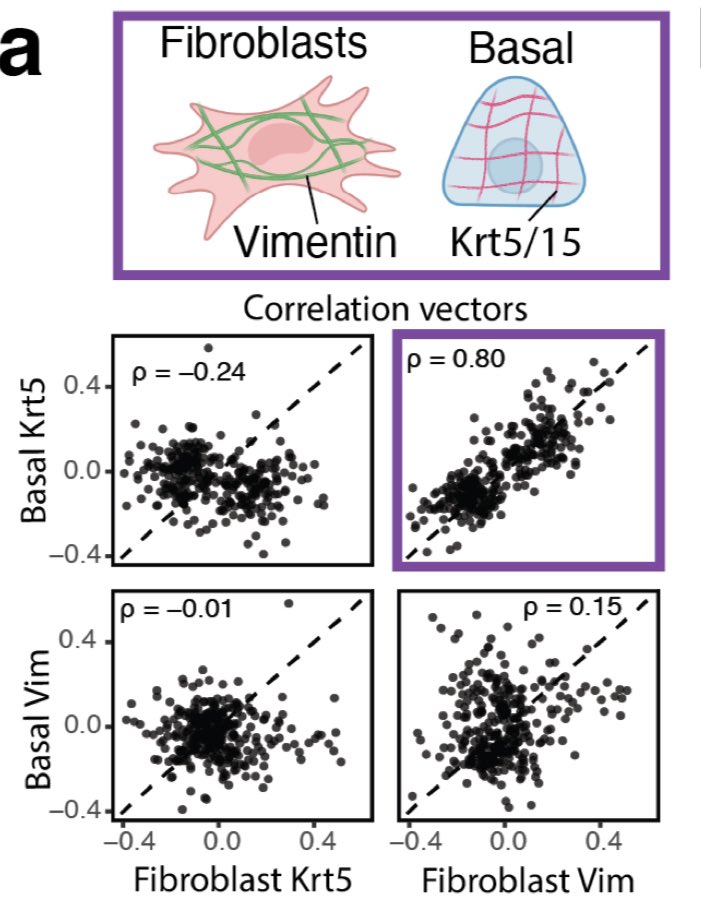
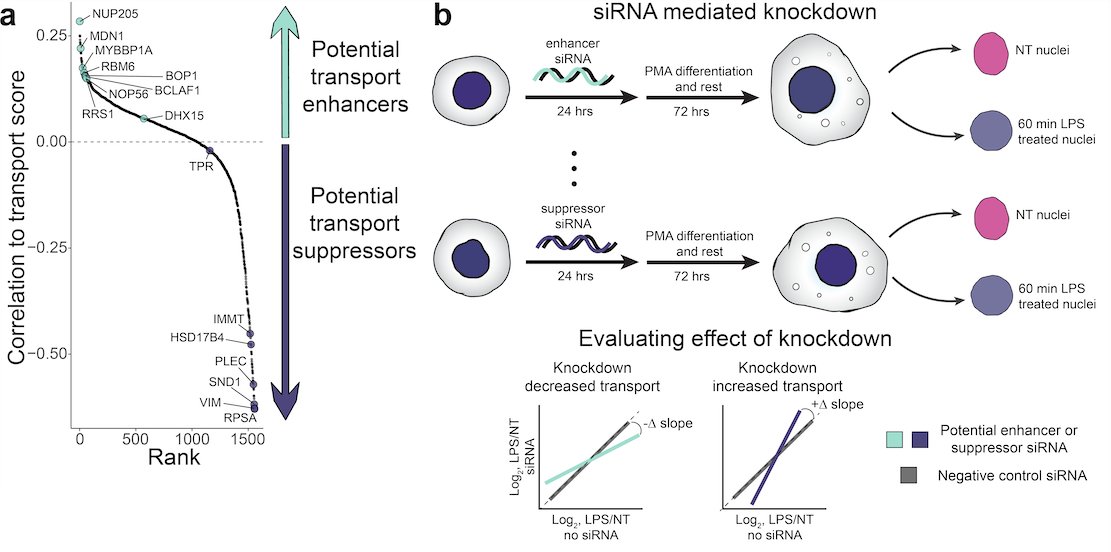
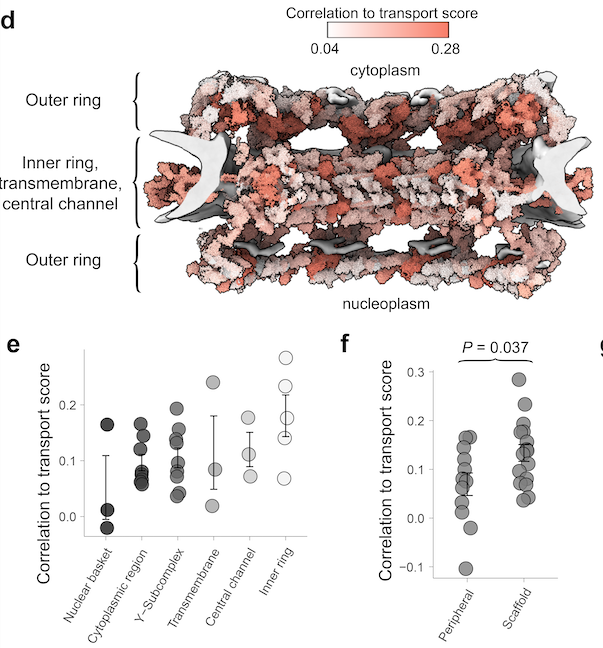
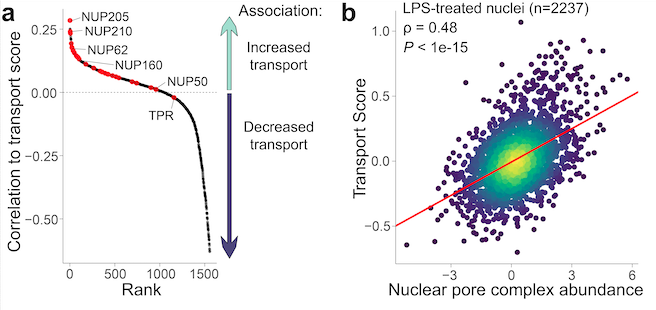
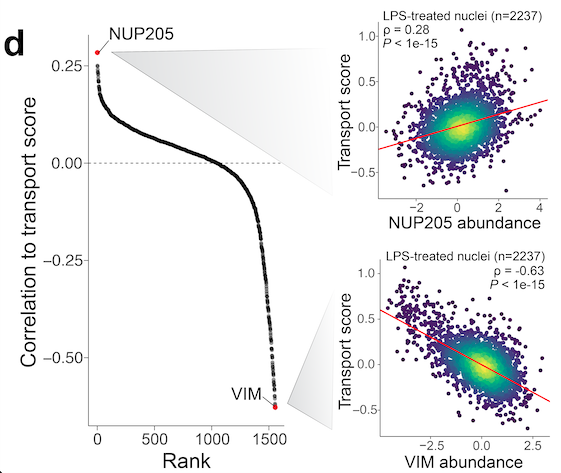
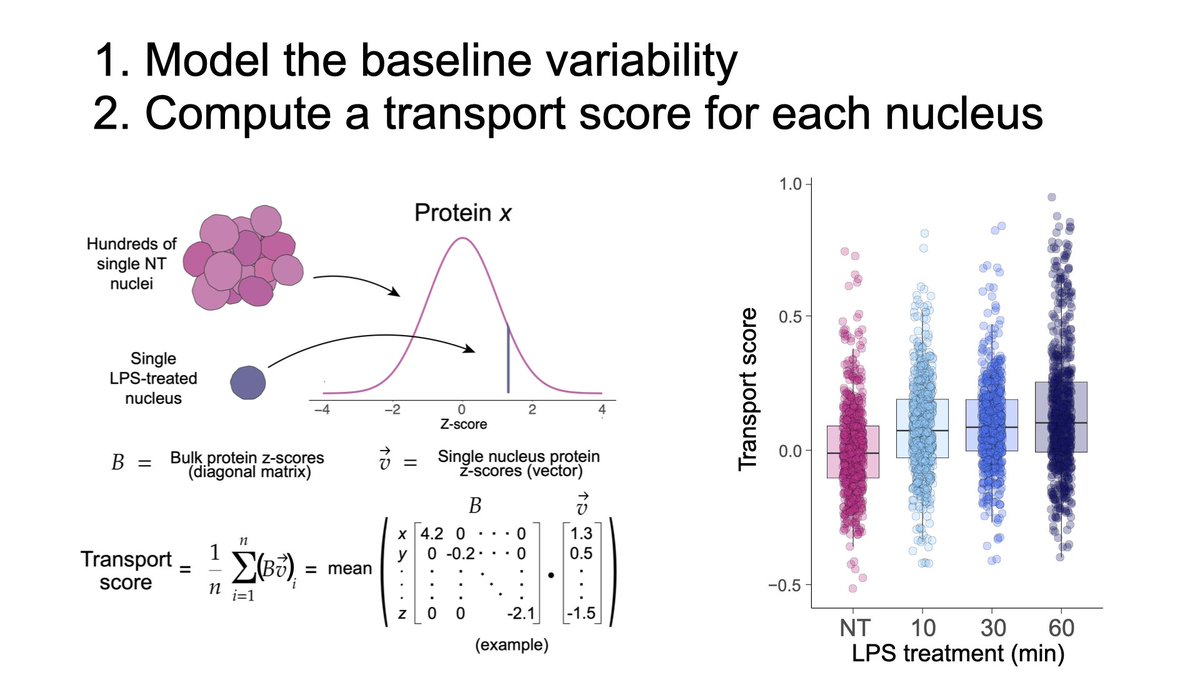
Vimentin in Fibroblast cells is likely functionally analogous to Krt5 in Basal cells.
It’s amazing that single cell proteomics can enable these types of finding. Check out the work from @_AndrewLeduc for more details!
20 Sep 2025

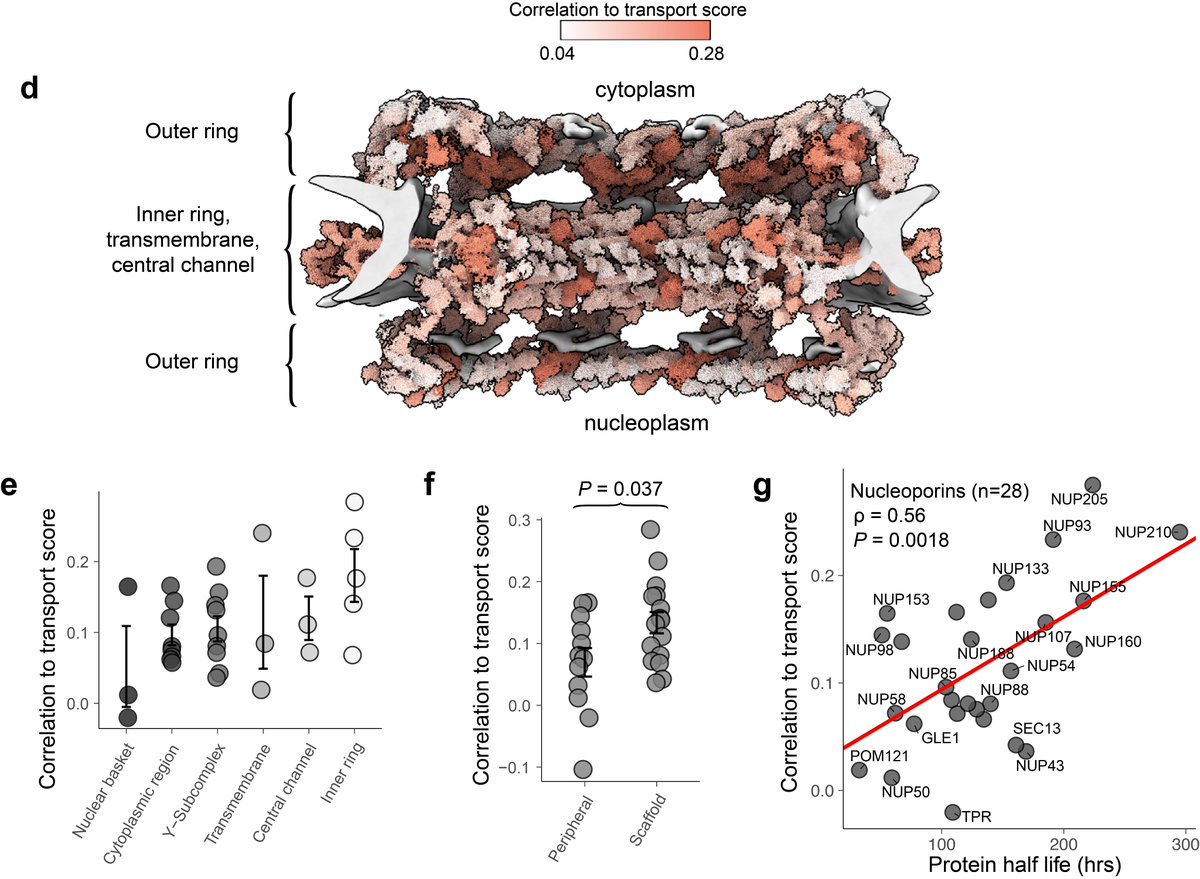
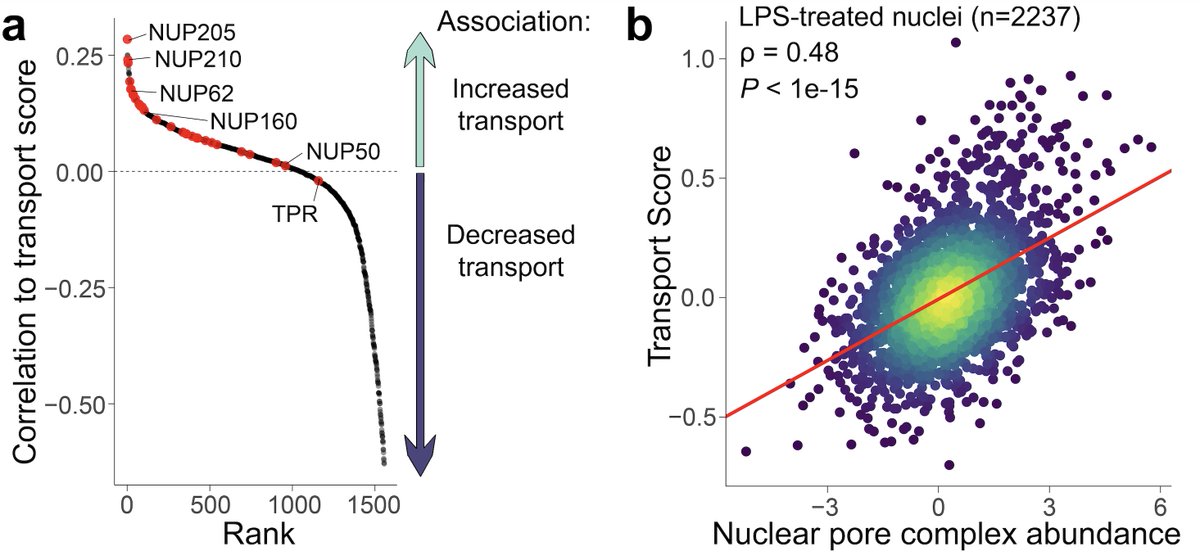
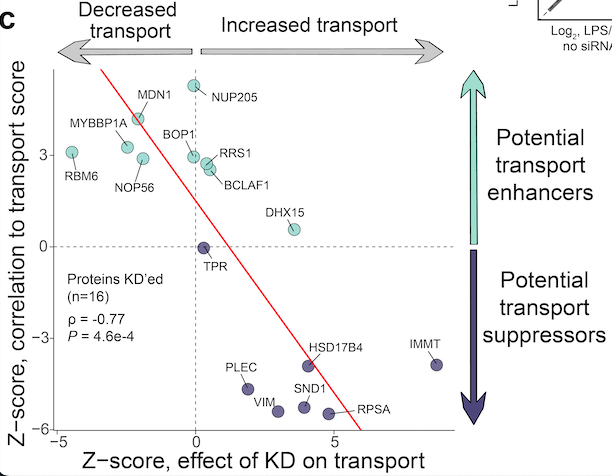
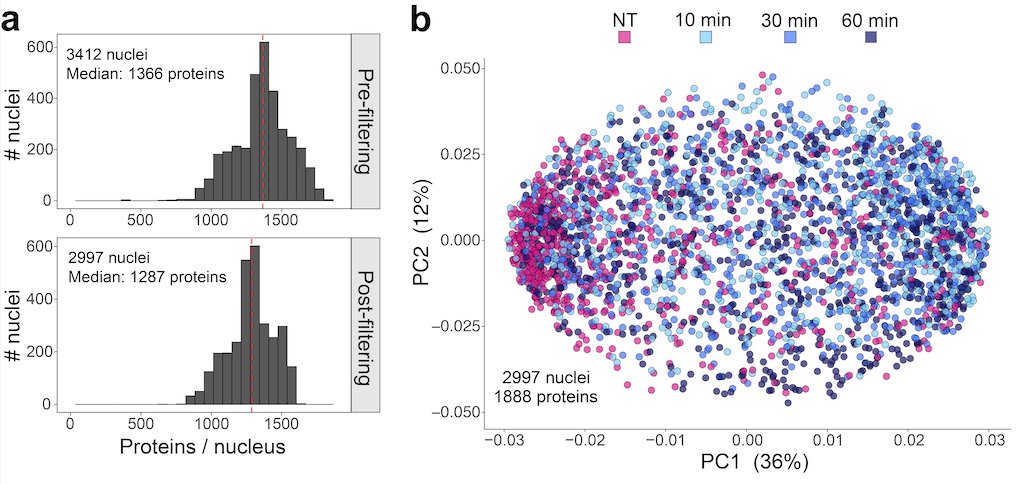
The big one is finally out!! In this paper, we set out to provide insight into the fundamental question;
How do the individual cells from complex tissues regulate their proteomes?
Brief summary of our findings 👇
biorxiv.org/content/10.1101/…
5
26
5,070
Jason Derks retweeted

21 Sep 2025
This work is the culmination of everything I have worked on since starting my PhD. 🧵
20 Sep 2025
The big one is finally out!! In this paper, we set out to provide insight into the fundamental question;
How do the individual cells from complex tissues regulate their proteomes?
Brief summary of our findings 👇
biorxiv.org/content/10.1101/…
1
5
23
2,627
Jason Derks retweeted

16 Sep 2025
I was super excited to learn from @NikoMcCarty's essay, "How to Scale Proteomics", that there's an FRO working on high-throughput single-cell proteomics (@ParallelSqTech), and even more excited to see the progress they've made in just 2 years via their preprints.
So here's a video about it!
And some links you should check out⬇️
3
28
150
14,927
Jason Derks retweeted

PTI will be represented at #ASMS2025 with with two posters (TP203 and ThP 533) and two talks (TOA 2:30 pm and WOA 8:30 am). Find us to hear about our PSMtag, and applications in Alzheimer's and aging biology!
2
5
514
Jason Derks retweeted

29 May 2025
We just released JMod: an open source software supporting multiplexed DIA.
It supports parallelization in both the mass domain (plexDIA) using small mass offsets and in the time domain (timePlex).
It enabled 27-plex DIA & much further scaling 🚀
biorxiv.org/content/10.1101/…
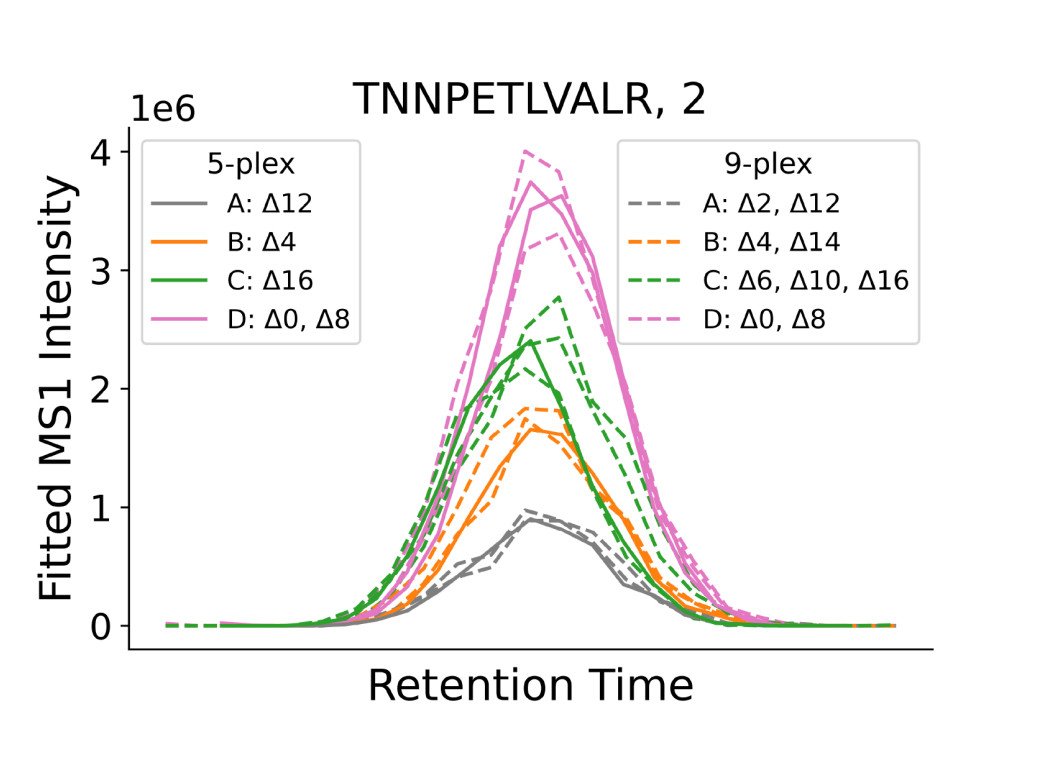
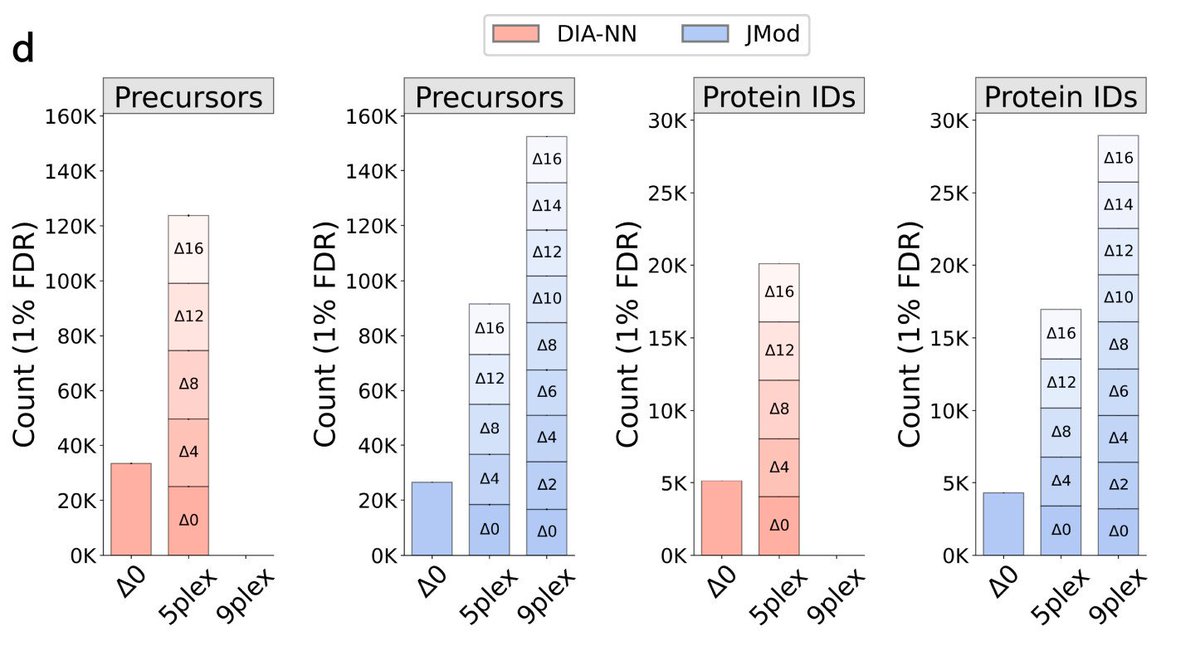
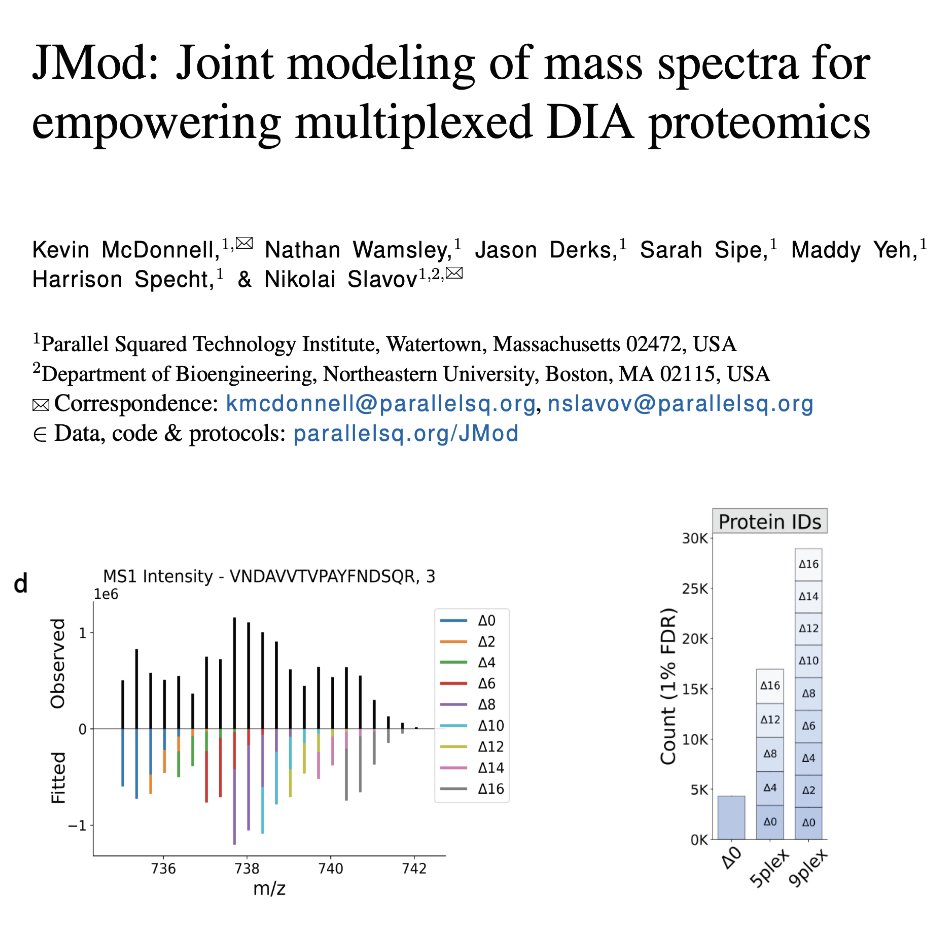
Increasing throughput in mass spec proteomics requires new ways to model the increased complexity of the spectra.
To model highly multiplexed mass spectra, we developed JMod.
JMod enables new multiplexing approaches in the time and mass domains.
biorxiv.org/content/10.1101/…
5
18
2,612
28 May 2025
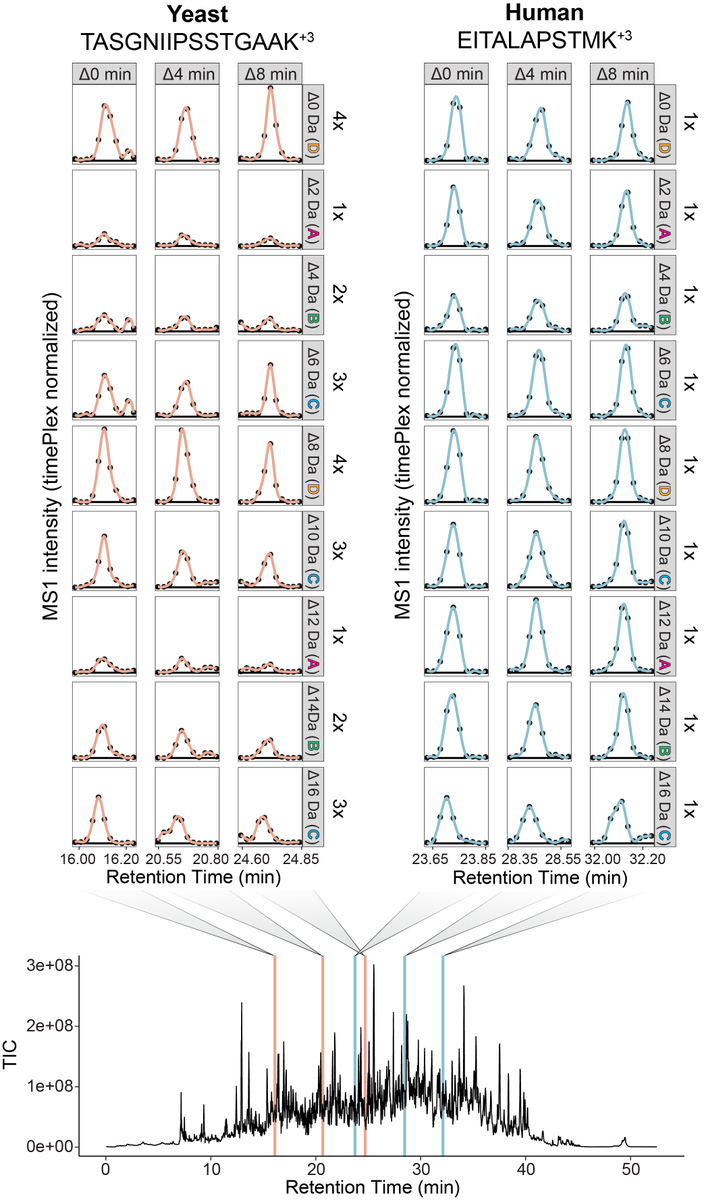
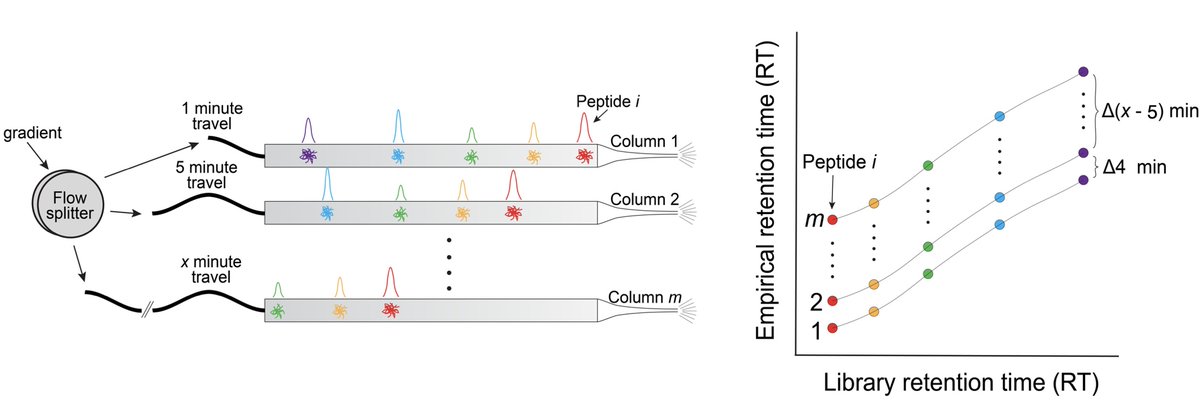
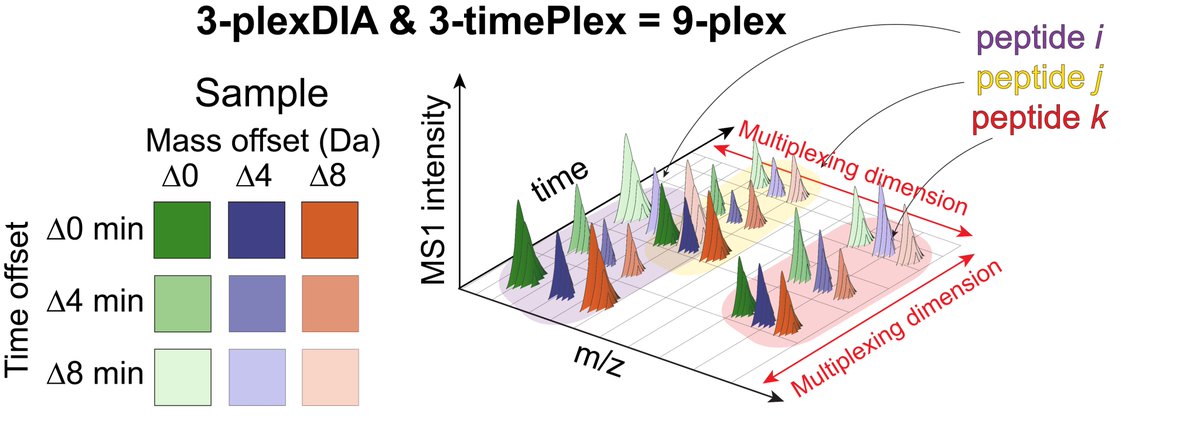
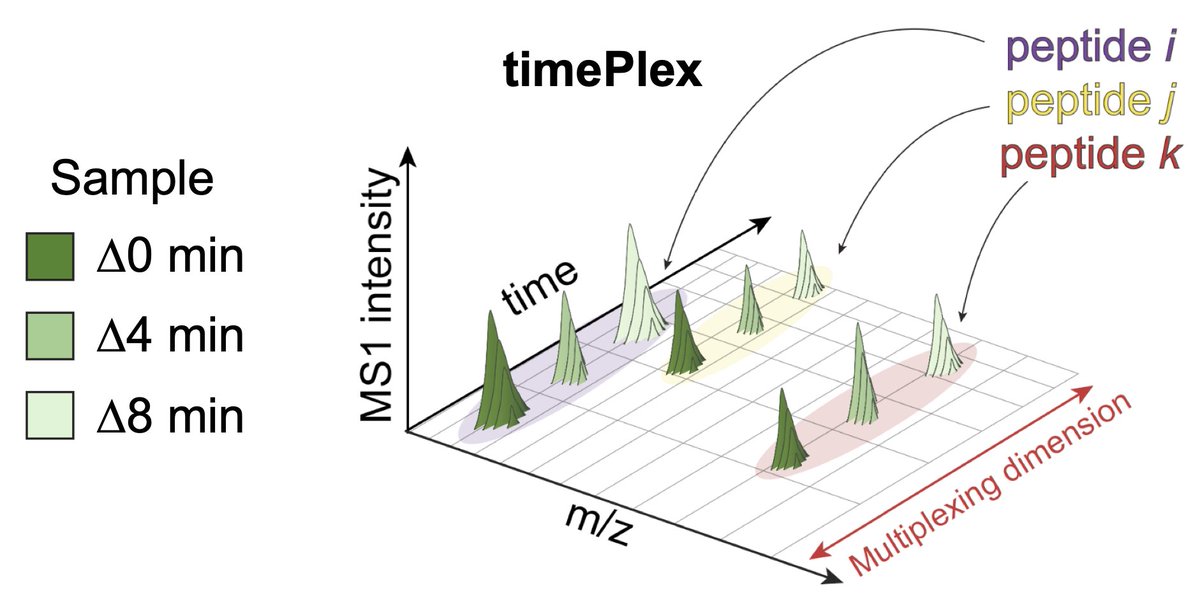
We are excited to introduce ‘time’ as a new domain for proteomics multiplexing!
It enables:
-Label-free multiplexing
-Combinatorial multiplexing with plexDIA
Using 9-plexDIA and 3-timePlex together we demonstrate 27-plex DIA 🚀
biorxiv.org/content/10.1101/…
1
9
18
4,899
28 May 2025
This work was a collective effort by members of @ParallelSqTech, enabled analytically through the development of specialized search software (JMod) and through mass-tag engineering (PSMtag).
1
70
28 May 2025
Links to our preprints:
timePlex (multiplexing with time-offsets): biorxiv.org/content/10.1101/…
JMod (search software for joint-modeling): biorxiv.org/content/10.1101/…
PSMtag (novel mass tag for 9-plexDIA): biorxiv.org/content/10.1101/…
2
4
595
Jason Derks retweeted
5 May 2025
Our paper on the impact of protein leakage due to loss of membrane integrity for single cell proteomic sample prep is out in @NatureComms!
We analyze thousands of primary single cells from murine tracheal tissue and record membrane permeability🧵
nature.com/articles/s41467-0…
1
8
16
1,211
Jason Derks retweeted
3 Apr 2025
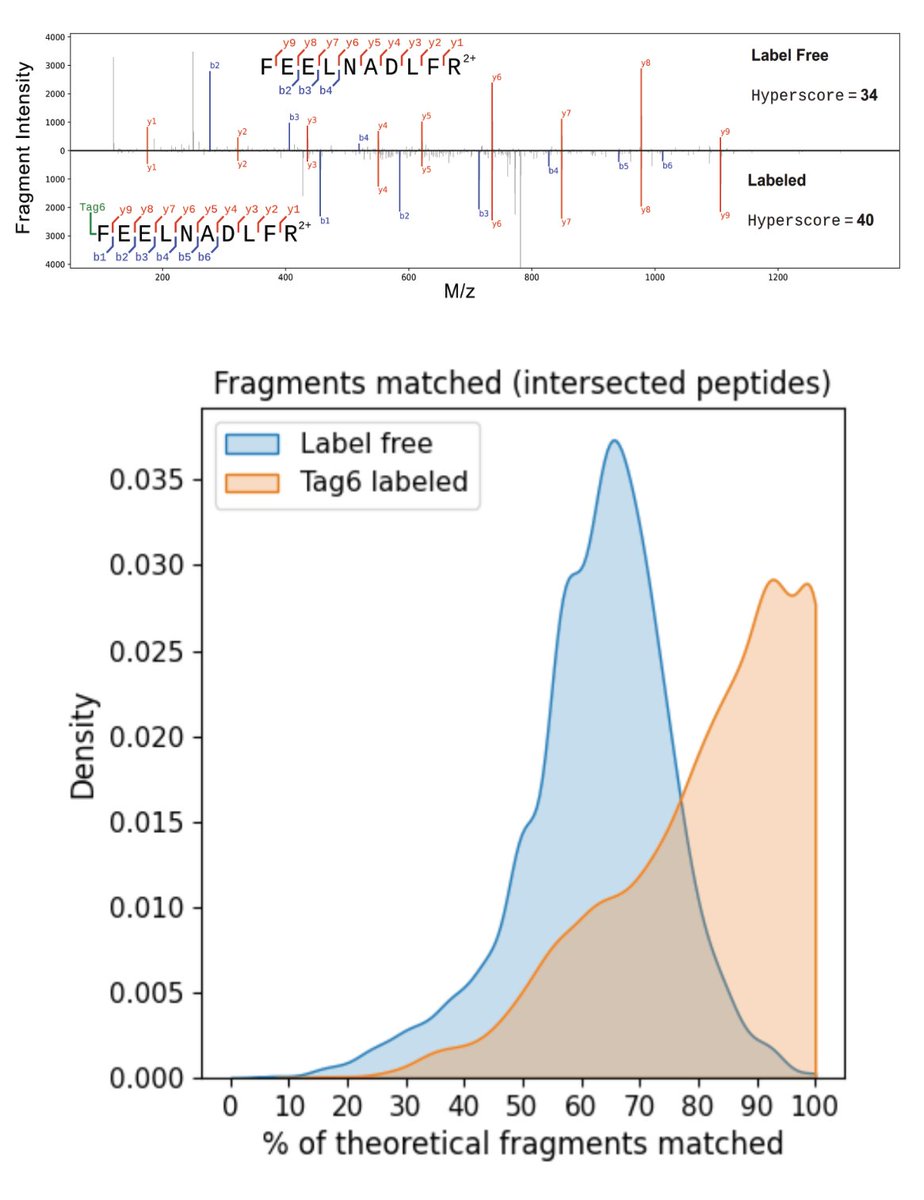
Protein samples can be multiplexed to increase throughput.
In 2023, @ParallelSqTech set out to make tags (barcodes) that not only increase throughput but also enhance peptide sequence identifications: pubs.acs.org/doi/10.1021/acs…
We will share results soon: parallelsq.org/workshops-and…
2
6
19
7,884
Jason Derks retweeted

25 Mar 2025
We have released DIA-NN 2.1.0, download link github.com/vdemichev/DiaNN/r…, release notes github.com/vdemichev/DiaNN/d….
It is a minor update, main highlights are:
- Built-in support for Thermo .raw (Windows Linux)
- New QC metrics in PDF report & visualising trends across the experiment
1
5
35
1,409
Jason Derks retweeted

27 Aug 2024
We report many proteins not predicted by the genetic code.
They are stable & abundant O( 10³ ) copies / cell.
Generative mechanisms include codon-anticodon mismatches & RNA modifications.
Their abundance depends on codon frequency & protein stability.
biorxiv.org/content/10.1101/…
15
278
1,127
425,177
Jason Derks retweeted
28 Jul 2024
Check out our work on identifying and providing solutions for protein leakage artifacts associated with sample preparation.
It all started out with our struggle to explain a strange bi-clustering pattern in our data.
28 Jul 2024

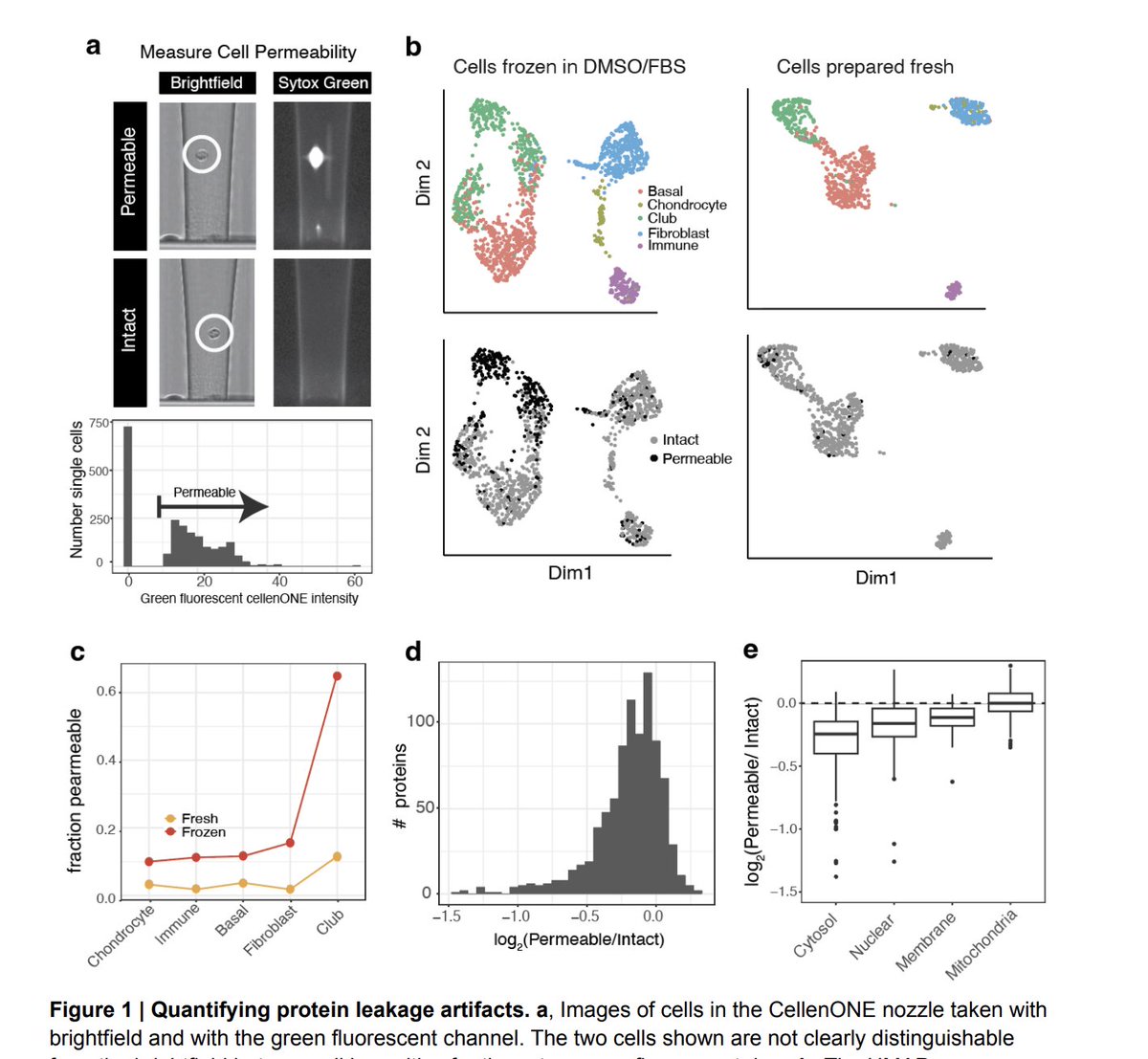
A new preprint:
While analyzing proteomes of cells from mammalian tissues, @_AndrewLeduc identified protein leakage from permeabilized cells.
We identified clear patterns that can be used to detect & mitigate this issue:
biorxiv.org/content/10.1101/…
1
3
22
3,783
Jason Derks retweeted
28 Jul 2024
A new preprint:
While analyzing proteomes of cells from mammalian tissues, @_AndrewLeduc identified protein leakage from permeabilized cells.
We identified clear patterns that can be used to detect & mitigate this issue:
biorxiv.org/content/10.1101/…
10
41
17,450
Jason Derks retweeted

12 Jul 2024
Excited to share my PhD work investigating the regulation of my favorite X- and Y-chromosome genes! @PageLabXY
11 Jul 2024

Post-transcriptional cross- and auto-regulation buffer expression of the human RNA helicases DDX3X and DDX3Y biorxiv.org/cgi/content/shor… #biorxiv_genetic
2
5
14
7,363