
Hi, I am a #SEND TA & got into teaching. Committed to the improvement of #inclusion in schools (Why are we still improving? 🤔) #Empowerment & ⚖-Fan | in exile
Joined March 2019
- Tweets 31,633
- Following 2,154
- Followers 1,665
- Likes 70,378
8,891 Photos and videos









Pinned Tweet

Remember: Some #disabilities are not visible. This doesn’t mean they are less severe.
🤓👆
On #GlobalAccessibilityAwarenessDay I so hope that we all ask, are curious, learn and make society a place where the needs of all of us were met – a place with more #accessibility. 💚

9
23
95
😳

While Europe is being forced to accept migrants no matter what,
President Trump closed our border and pulled us out of 66 globalist organizations.
Here’s why that won’t save us and what has to happen to make it permanent.
JoinTAB.us
15 June 2026
#Immigration #migration #trump #TAB @joerogan @patrickbetdavid @ShawnRyan762
5
SEN_David #AllAboutAutism 💦. 🔜🌱🔜🌿🔜🌳| 🗽🚜🚀 retweeted

While Europe is being forced to accept migrants no matter what,
President Trump closed our border and pulled us out of 66 globalist organizations.
Here’s why that won’t save us and what has to happen to make it permanent.
JoinTAB.us
15 June 2026
#Immigration #migration #trump #TAB @joerogan @patrickbetdavid @ShawnRyan762
205
1,160
5,510
21,033


SEN_David #AllAboutAutism 💦. 🔜🌱🔜🌿🔜🌳| 🗽🚜🚀 retweeted

Jun 13
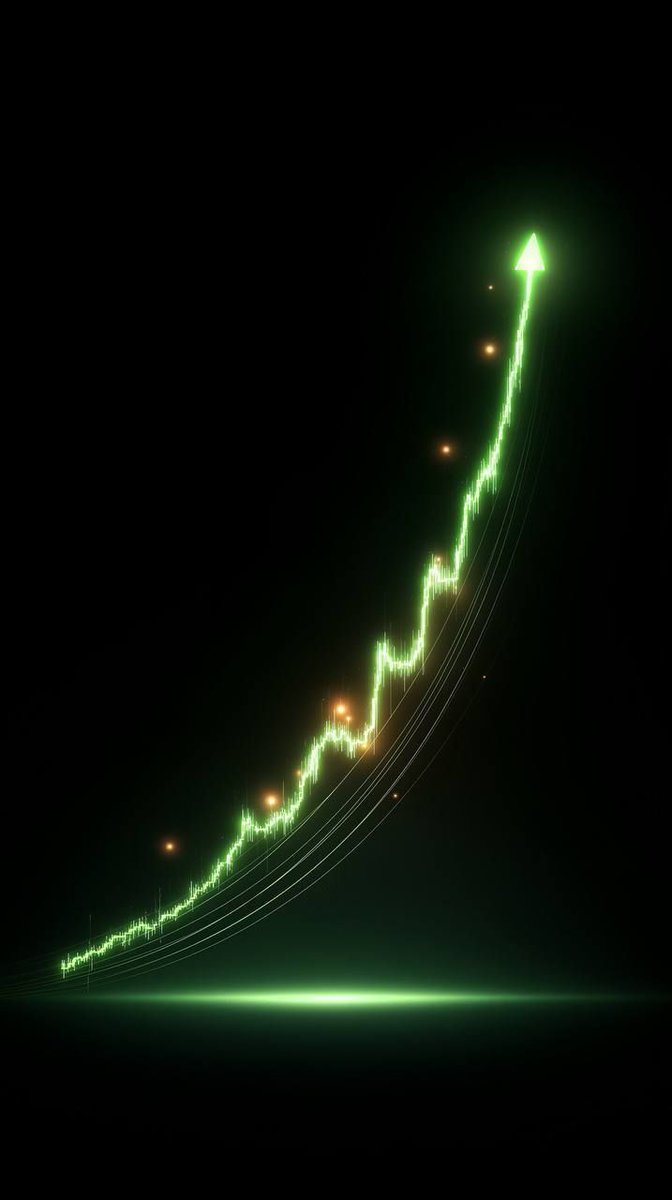
🚨 SpaceX-Schweißer bei $28 die Stunde wurde gestern zum Millionär.
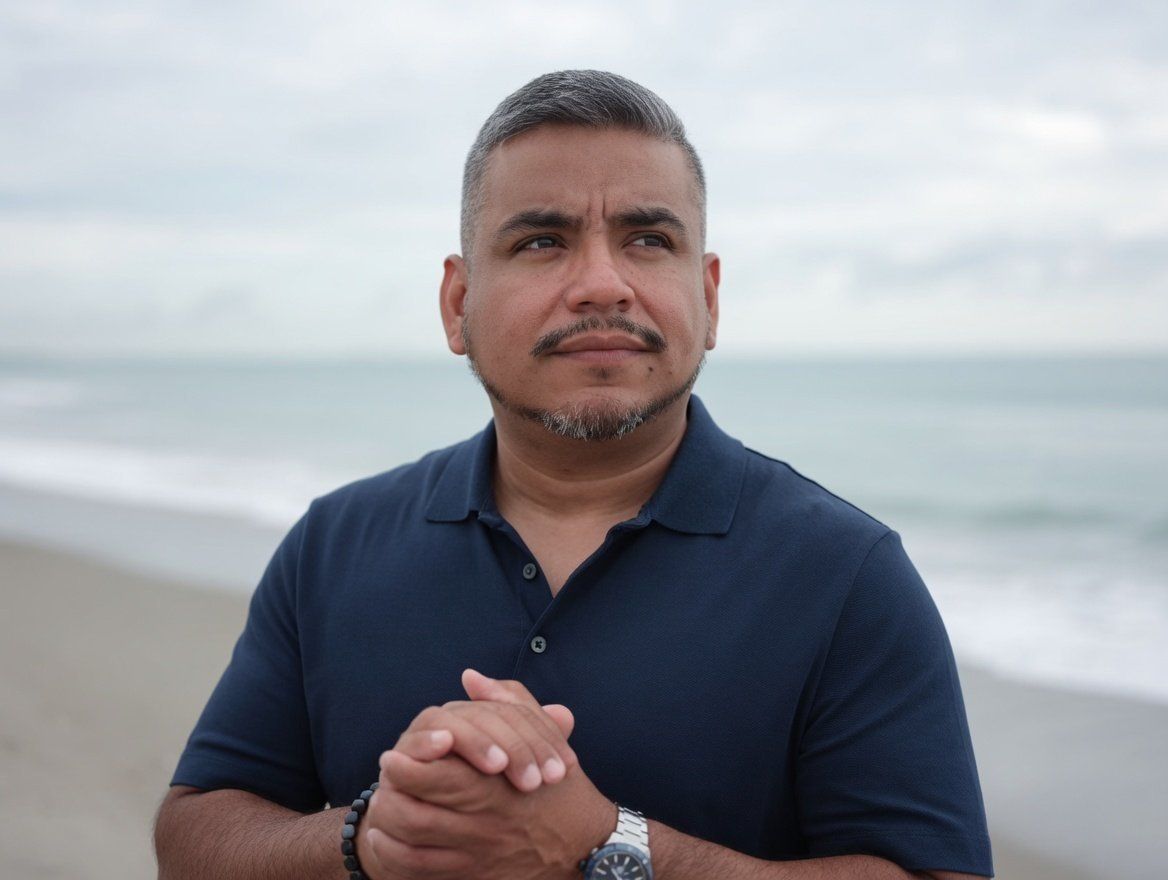
Juan Hernandez ist aus Mexiko nach Texas gekommen, um Raketen zu schweißen. 2015 hat er bei SpaceX angefangen und mit dem Vertrag 10.000 Dollar in Aktien bekommen. Zehn Jahre lang hat er von jedem Gehalt etwas nachgelegt. Gestern ist die Firma an die Nasdaq gegangen - und sein Paket ist über eine Million wert. @BullTheoryio hat seine Geschichte erzählt, und sie ging um die Welt.
Er ist nicht der Einzige.
Trevor Hise war zwölf Jahre lang Launch-Ingenieur. Sein Anteil ist zum Ausgabepreis 13,5 Millionen Dollar wert. Er ist 37 und arbeitet nur noch halbtags. Sein Satz dazu: "Das Ausmaß war lächerlich."
Und es geht weiter runter durch die Belegschaft. SpaceX hat über Jahre nicht nur Ingenieure mit Aktien bezahlt, sondern auch Maschinisten, Techniker und die Leute aus der Kantine. Am Ende werden rund 4.400 aktuelle und ehemalige Mitarbeiter durch den Börsengang zu Millionären. Etwa 400 davon kommen auf hundert Millionen und mehr.
Das meiste Geld landet in Brownsville in Texas, rund um die Starbase-Fabrik - eine der ärmsten Städte des Landes.
Ein Detail sagt eigentlich alles: Über hundert dieser Mitarbeiter haben sich zusammengetan und gemeinsam einen Vermögensverwalter ausgehandelt. Keiner von ihnen hatte je im Leben einen gebraucht.
Die Großen haben natürlich am meisten geholt. Elon Musk ist mit dem Börsengang zum ersten Billionär der Geschichte geworden, die Fonds und Frühinvestoren sitzen auf Milliarden. So läuft es eigentlich immer.
Was diesmal anders ist: Die Kleinen haben mitgewonnen. Der Schweißer, der Techniker, die Frau aus der Kantine - die sind heute reicher als gestern. Und darüber freue ich mich ehrlich mehr.

45
190
1,652
56,744
SEN_David #AllAboutAutism 💦. 🔜🌱🔜🌿🔜🌳| 🗽🚜🚀 retweeted

Broken Britain - Police refuse to help....
Woman in her 80s returned home to find 'Eastern Europeans' had moved into her house... and police say they can't help
A gang of suspected foreign criminals seized the home of a frail pensioner while she was visiting her 'lonely' 102-year-old friend, sparking an 'absurd' two-month legal battle to try and remove them.
Shameless squatters allegedly broke into the elderly woman's £590,000 terraced property in Chingford, north-east London, at the end of April and have refused to leave.
The retired woman, who is believed to be in her 80s and living alone, is thought to have been 'deliberately targeted' by an organised crime group from Eastern Europe
She has been left effectively homeless as a result and is understood to have suffered a serious health condition following her nightmare ordeal.
However, despite her home now being in the hands of strangers, the Metropolitan Police has refused to take action to remove the group, claiming the matter is a civil offence and not a criminal one.
And those now allegedly holding the pensioner's property ransom have defiantly said; 'it's all fine' and 'nothing is happening' - before refusing to say when or if they would be leaving.
The fiasco has sparked outrage among neighbours, with one 63-year-old fuming: 'They're taking the p***.
This elderly woman has worked so hard for this country and paid her taxes and now this has happened... It's f***ing outrageous.'
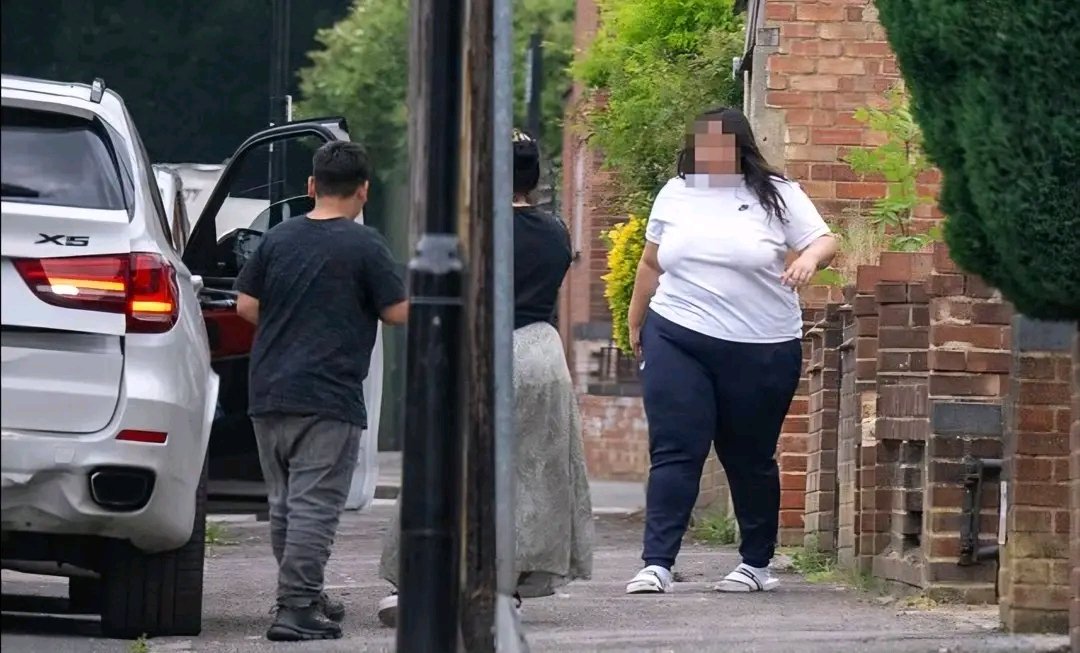
Among those seen leaving the home was a woman and a number of children. It's unclear if they are among those now allegedly living in the building
'This whole thing is organised - it's an organised crime... [but] trying to get police to take action on this is completely astonishing.'
When journalists visited the quiet suburban street, a number of families were seen coming in and out of the three-bed terraced house.
One was driving an untaxed, grey Mercedes C class. Others appeared to be driving a luxury BMW X5.
The group was also accompanied by at least three young children.
It's unclear whether those spotted entering and leaving the home are among the alleged squatters.
Locals claimed to have seen dozens of people visiting the property in recent weeks - while others alleged that human faeces had been smeared on neighbouring homes.
The elderly homeowner, thought to be a widowed mother, is now understood to be living with family in the West Country, after having suffered a serious health condition.
756
2,389
4,998
151,028
SEN_David #AllAboutAutism 💦. 🔜🌱🔜🌿🔜🌳| 🗽🚜🚀 retweeted

Jun 15
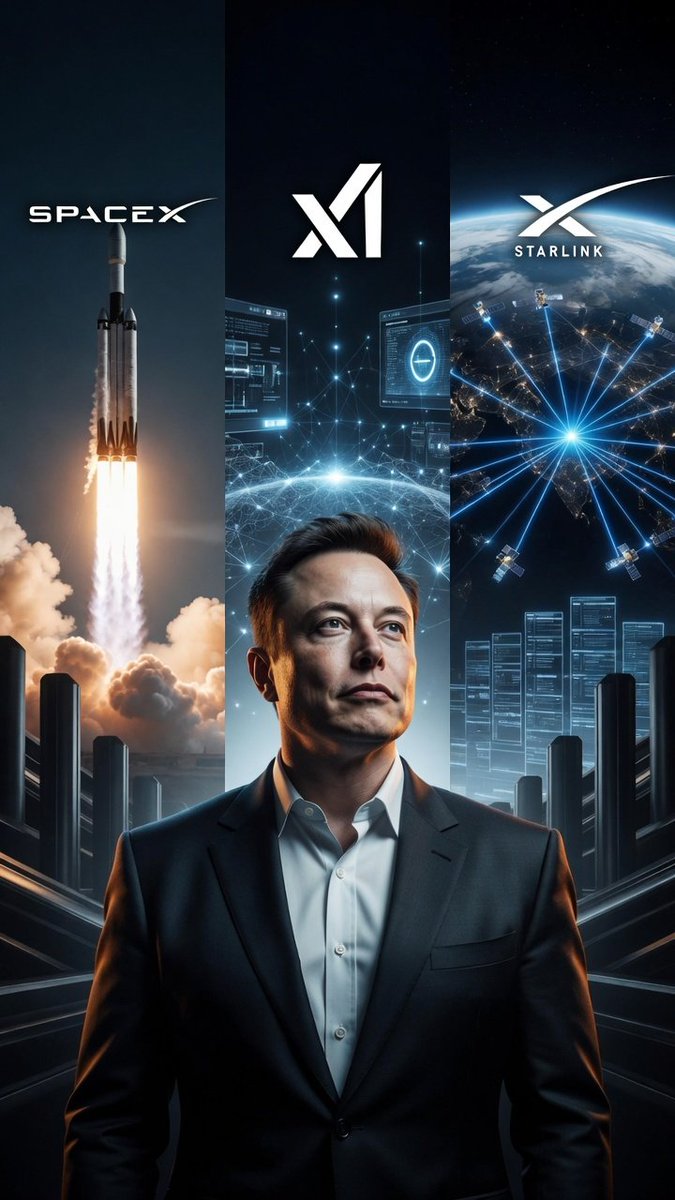
Elon Musk hat jetzt ein Vermögen von einer Billion USD.
Eine BILLION!
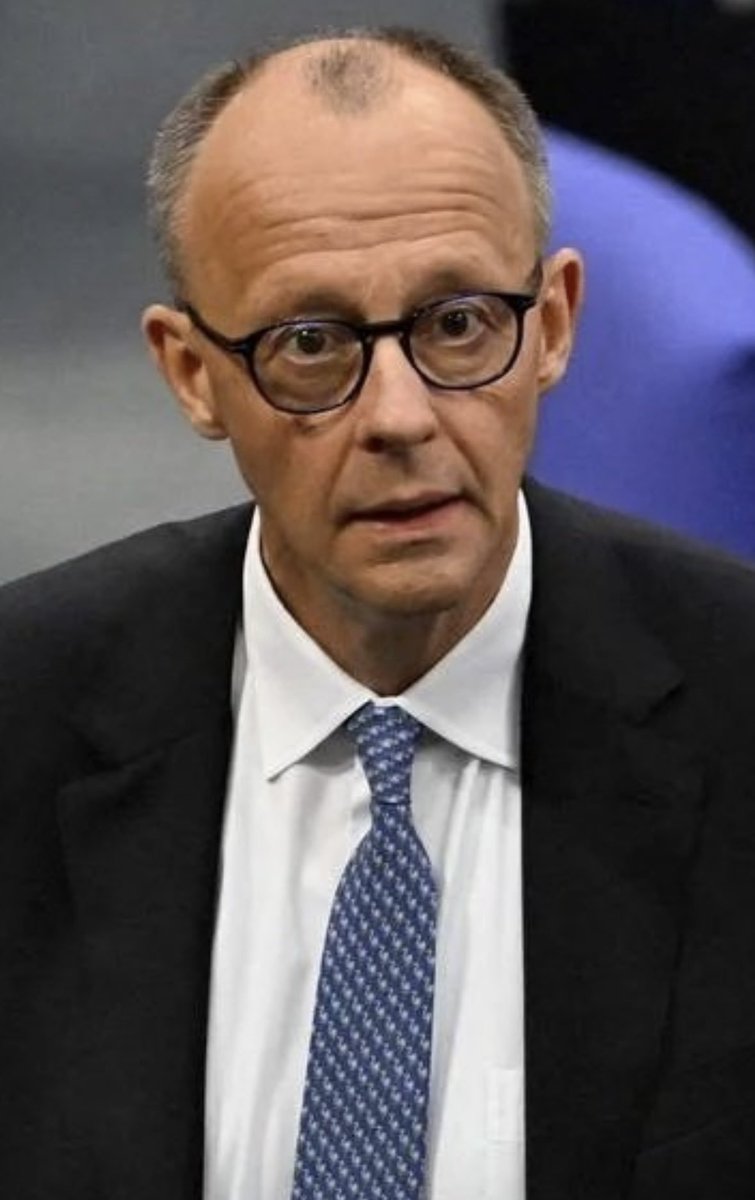
Merz hat zwei Billionen. Eine Billion Steuereinnahmen und eine Billion Sondervermögen.
Wo sind die denn hin?
Wo ist denn unser Raumfahrtprogramm, das drei Raketen die Woche startet?
Wo sind denn unsere selbstfahrenden Autos?
Wo ist denn unser weltweit verfügbares Internet mit Tausenden von Satelliten?
Wo ist denn unsere Internetplattform, auf der sich die ganze Welt unterhält?
Zur Hölle, wo ist denn eigentlich irgendetwas von dem Geld hingeflossen?
Alles, was in unserem Land passiert, ist, dass jemand zwei Kilometer Straße absperrt, einen Bagger parkt und dann ein Jahr später damit begonnen wird, für die nächsten 20 Jahre lang fünf Kilometer Autobahn zu bauen.
Wir sind immer noch zu doof, einen Zug, der buchstäblich von A nach B auf Schienen und ohne Konkurrenzverkehr fährt, in der Geschwindigkeit fahren zu lassen, dass er pünktlich kommt.
Das Internet ist immer noch auf Dritte-Welt-Land-Niveau.
Die Bundesregierung kann für ein komplettes Jahr nicht einen einzigen Arbeitsnachweis vorweisen, bei dem sie irgendetwas Sinnvolles getan haben.
Nur jeder aus Selenskys Verwandtschaft so wie all seine Verwandten und Bekannten haben inzwischen ihre zwei und Drittvilla.
Und hier muss man doch die Frage stellen.
Wo sind unsere zwei Billionen?
In unser Land sind die nicht geflossen.
Also wo sind die hin?
177
1,289
4,545
40,477
SEN_David #AllAboutAutism 💦. 🔜🌱🔜🌿🔜🌳| 🗽🚜🚀 retweeted

Jun 14
🇳🇱Two migrant teens beat a Dutch boy and steal his shoes.
The title of the video reads: "Netherlands: Teenagers humiliate boy – When your own country becomes a place of fear."
97
856
2,024
42,857
Rechtsstat, der ... bezugnehmend auf 1940 ... 🤯
Jun 12

RA Ralf Ludwig zum politischen Missbrauch des § 278 StGB durch die Gesinnungsjustiz gegen Ärzte wie Dr. Bianca Witzschel, Dr. Walter Weber, Monika Jiang, Dr. Heinrich Habig, Rolf Kron uvm., die völlig korrekt Atteste gegen gesundheitsschädliche Masken ausgestellt haben. 💥
Unbedingt bis zum Schluss anschauen ‼️
5
Yeah, because Democrats are squeezing and robbing them.
Jun 14

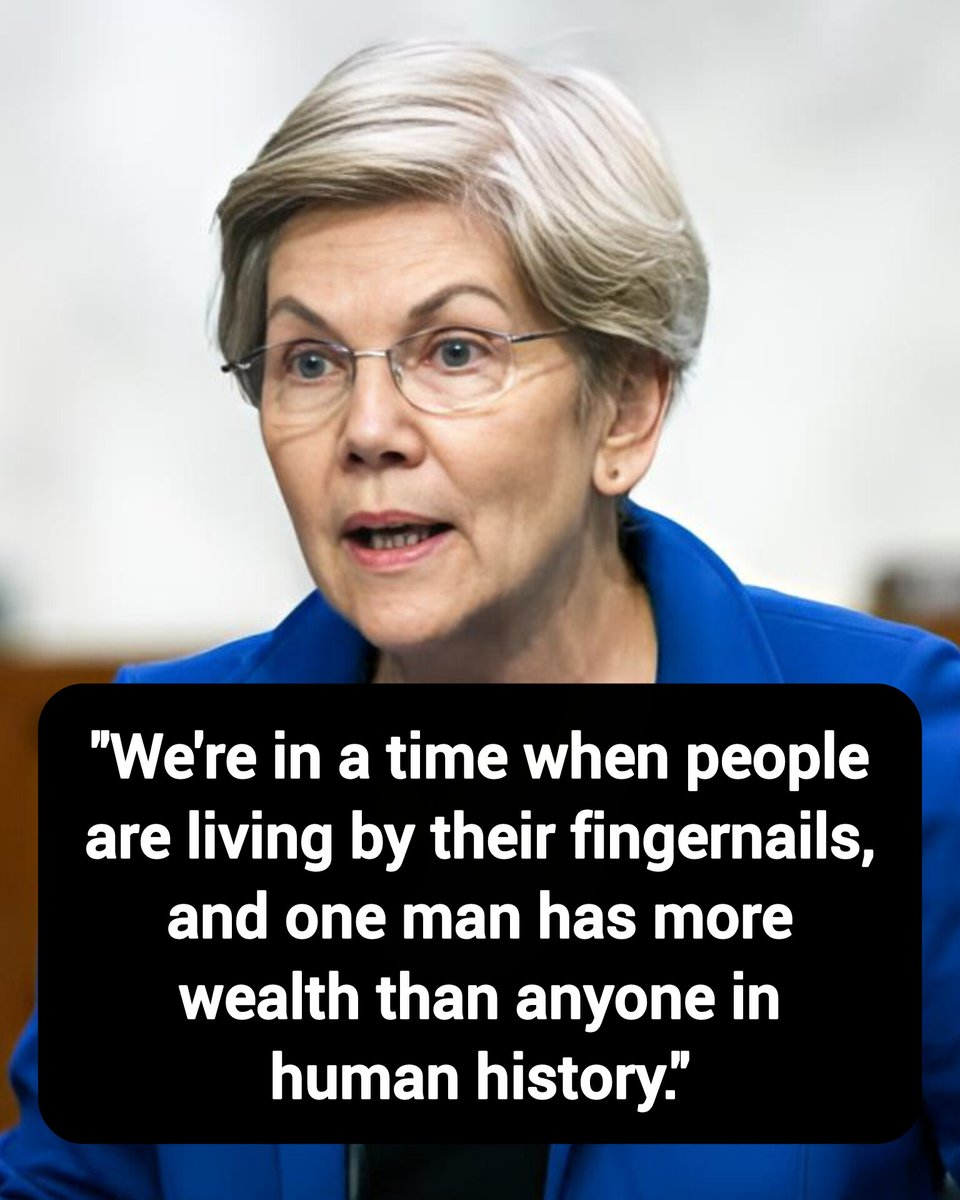
Elizabeth Warren: "We're in a time when people are living by their fingernails, and one man has more wealth than anyone in human history."
Thoughts?
8
Dit is ne #Umfrage 👇🤭

Das c in @cdu steht für corruption, Schwarzgeld und #Maskendeals und so, issja klar. #Quiz
Aber das d, das steht für ...
9
SEN_David #AllAboutAutism 💦. 🔜🌱🔜🌿🔜🌳| 🗽🚜🚀 retweeted

Jun 14
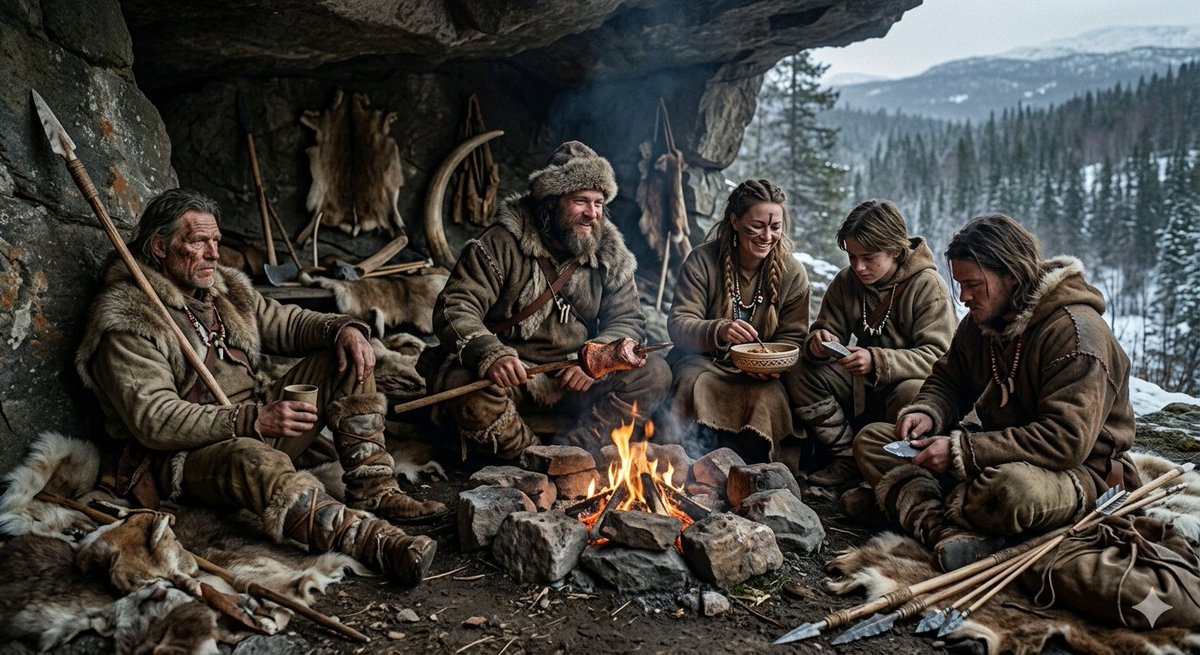
Nasty, brutish and short. That is the phrase everyone reaches for to describe life before civilisation, and it may be one of the most successful pieces of propaganda ever written, because it is very nearly backwards.
The line is Thomas Hobbes, 1651, on life without a strong state. It got promoted into a verdict on the Stone Age hunter: that our ancestors wallowed in filth and starvation until farming and government rode in to save them.
Flattering. Also flatly contradicted by the one witness that cannot lie, which is the skeletons.
Lay a pre-agricultural hunter in the ground beside the farmer who replaced him on the same soil, and the bones are embarrassing.
In the eastern Mediterranean the hunters stood around five foot nine. After the turn to farming, average height dropped close to five inches, and in places the descendants have still not won it back.
At Dickson Mounds in Illinois, where you can read the change burial by burial, the farmers carried fifty per cent more rotten teeth, four times the anaemia, spines worn down by labour, and lives that got shorter rather than longer.
Tall, sound-toothed hunter on top. Stunted, aching farmer beneath. The same patch of earth.
So where did the famine and the plague and the misery come from? They arrived with the granary.
Chain a whole people to two or three crops and a bad summer turns from a lean month into starvation, the kind that emptied medieval villages while no hunter with the whole wild to draw on ever knew it.
Herd people and their animals into permanent settlements and you brew the crowd diseases, measles and smallpox and tuberculosis, that need a crowd to spread.
Heap up a grain surplus and a few men can suddenly own it, guard it and rule everyone who needs it, and there is your landlord, your tax collector, your standing army.
The inequality is in the graves too. At Mycenae the royals lie inches taller with a full set of teeth while the commoners rotted beside them, a gap in the bone that did not exist before there was grain to hoard.
A fair word, because the romance oversells it. The hunting life was no meadow of gentle equals. Men fought, raids came, a hard winter could still finish you.
The point is narrower and harder than the fantasy: the organised, industrial scale of human misery, the famines and plagues and slavery and despots, is overwhelmingly the work of what came after the first field was ploughed.
Which leaves the famous phrase stranded. Coined for life without the state, borrowed to sneer at the hunter, it fits neither half so well as it fits the hungry, stooped, plague-worn peasant who came after the plough.
Hobbes was describing a cage, and mistaking it for the wild.
11
140
555
9,799
SEN_David #AllAboutAutism 💦. 🔜🌱🔜🌿🔜🌳| 🗽🚜🚀 retweeted

This man wants to tax unrealised gains.
UNREALISED. 🤯😱🤬
While wasting your tax money on complete bullshit.
And then he has the guts to walk through a street covered in orange, pretending he cares about ordinary people. 🇳🇱🥳
He doesn’t.
These elites don’t care about you.
Run while you still can…
#tax #box3 #investing #exittax

3
3
10
804
SEN_David #AllAboutAutism 💦. 🔜🌱🔜🌿🔜🌳| 🗽🚜🚀 retweeted

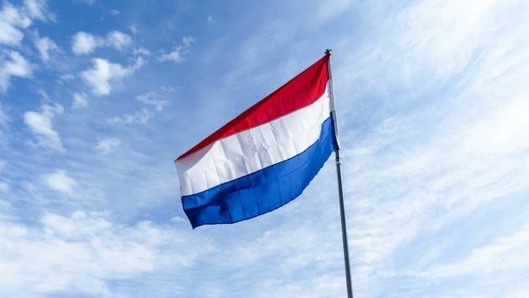
Netherlands just approved a 36% tax on money you haven’t even made yet. Pure paper gains.
Meanwhile in the UAE? Zero tax on crypto, investments, or capital gains.
Capital always moves to where it’s treated with respect. This is why places like Dubai keep winning.
Smart money knows where to go.

15
343
91
12,377
A friend of mine cooked several of those we call Rinder Rouladen over here.
I was cordially invited 🥰 but I nearly ruined it!
But how!?
Cause I did skip the Mustard and the potatoes and chose something else as side dish ...
I so hope you enjoy the picture, @SamaHoole
ALT Rinder Rouladen mit Erfbeeren
11
Tja, nun Commies wollen sich nicht in die Karten gucken lassen ...
#DankeElon #ElonMusk

Was die meisten schon wieder vergessen haben:
2021 hat Elon Musk den Vereinten Nationen angeboten, für die Beendigung des Welthungers mit dem Verkauf eines Teils seiner Tesla-Aktien zu zahlen.
Die einzige Bedingung: Die Vereinten Nationen legen transparent offen, wie genau dieser Betrag den Welthunger beenden würde und wie die Mittel eingesetzt werden.
Natürlich haben die Vereinten Nationen das Angebot nicht angenommen. Sie hätten nämlich erklären müssen, wie es sein kann, dass seit den 1950er Jahren 2 BILLIONEN DOLLAR an „Entwicklungshilfen“ nach Afrika geflossen sind, sich aber in all den Jahren nichts zum Besseren entwickelt hat.
Das Problem ist nicht Elon Musk.
Das Problem sind korrupte Politiker, die dir sagen, dass Elon Musk das Problem wäre.
34
SEN_David #AllAboutAutism 💦. 🔜🌱🔜🌿🔜🌳| 🗽🚜🚀 retweeted

Jun 13
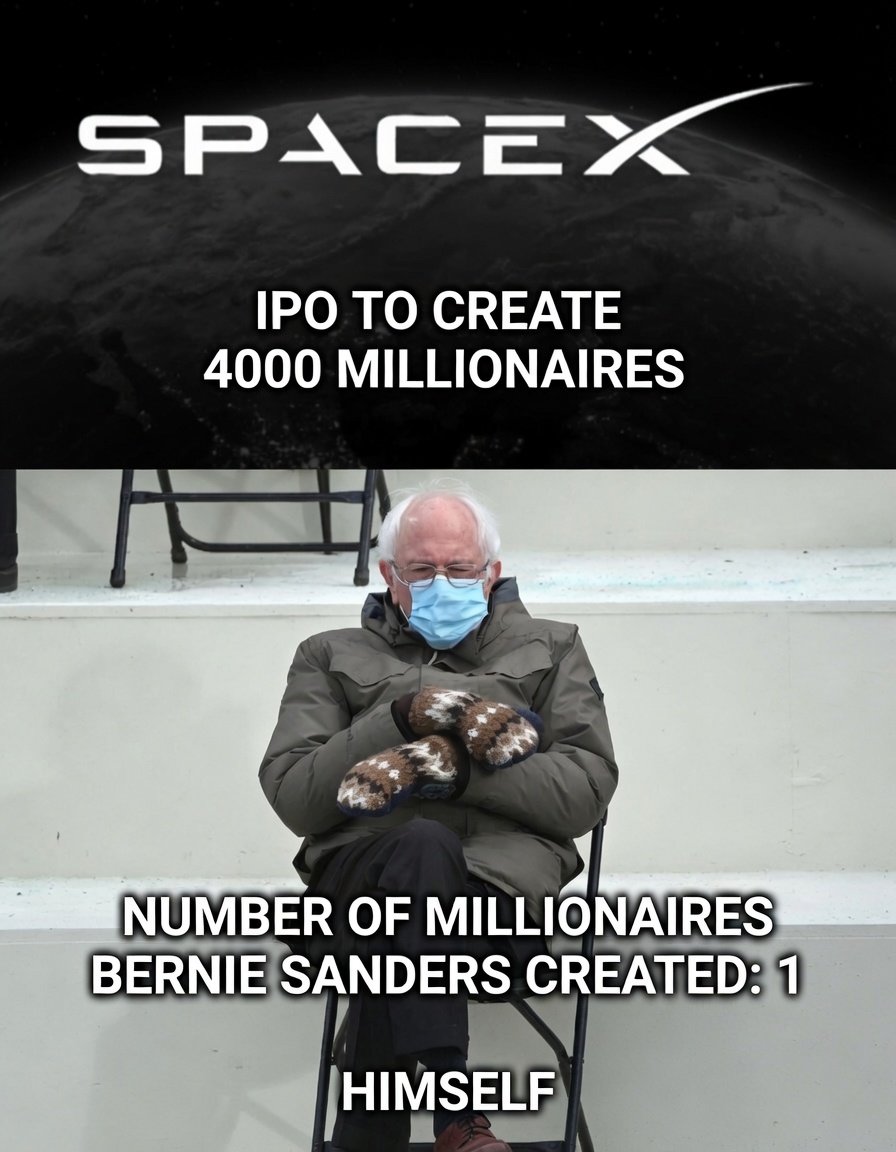
Key words "his wealth". STFU
3
24
359
12,133
SEN_David #AllAboutAutism 💦. 🔜🌱🔜🌿🔜🌳| 🗽🚜🚀 retweeted

Jun 13
Wieso? Bei 8 Milliarden Menschen und 1000 Milliarden Vermögen kriegt jeder 1 Milliarde und Elon hat immer noch 992 Milliarden. 🤪 Rechnen wie die NYT. facebook.com/KUSINews/videos…
2
4
31
280