
#Catholic Husband, Father & Former British Army 🇬🇧 Bibliophile, History n That. Patriotic. #SupportBritishFarmers #BuyBritish 🇬🇧
Joined April 2015
- Tweets 31,627
- Following 4,923
- Followers 2,034
- Likes 173,090
328 Photos and videos










PaulD🇻🇦 retweeted

Australia banned X for children but not BlueSky.
Britain is banning X for children but not BlueSky.
This proves one thing.
It's not about protecting children.
It's about censorship and controlling the narrative.
991
13,836
55,973
401,681
PaulD🇻🇦 retweeted

Jun 14
Didn’t you hear what they just said? The departing defence ministers are telling us, in terms, that Britain cannot defend itself, and we respond by prating about what it means for Starmer or Burnham. We are ceasing to be a serious country.
Paywall down.
telegraph.co.uk/gift/d388284…
10
113
428
12,559
PaulD🇻🇦 retweeted

Jun 14
🚨BREAKING: A number of people have stepped forward to claim that a Government Organisation named RICU hide the truth from the British people whenever a migrant attack happens and manage the response
This includes writing statements for bereaved families to read out 😳
307
3,763
16,551
309,181
PaulD🇻🇦 retweeted

Jun 12
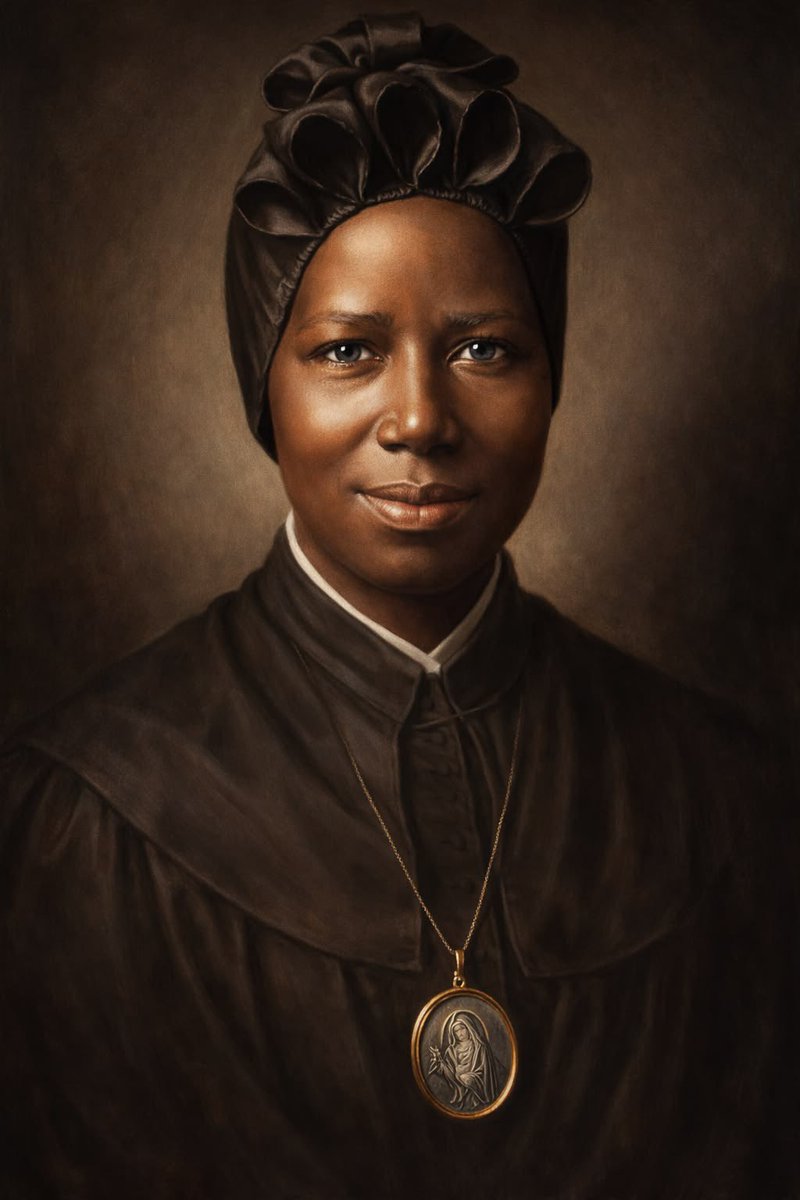
“Love the Lord, and pray for those who do not know Him. What a grace it is to know God!”
~ St. Josephine Bakhita 🧵
7
57
290
1,899
PaulD🇻🇦 retweeted

Jun 11
The definition of a scholar explained by @Brosephos
No Patty O’Lyin of @BibleInContext1 doesn’t come close. Unless “scholar “ is synonymous with “conman “.
3
6
47
1,290
PaulD🇻🇦 retweeted

Jun 12
Her entire demeanor shifted the second she saw her dad 🥹
467
2,615
115,036
9,336,703
PaulD🇻🇦 retweeted

Jun 12
A true British hero. Incredible bravery.👇🫡

Wounded in both legs. Still leading the attack.
Corporal Stephen Newland's actions on Mount Harriet earned him the Military Medal.
A true British hero. 🇬🇧
9
45
728
PaulD🇻🇦 retweeted

Jun 12
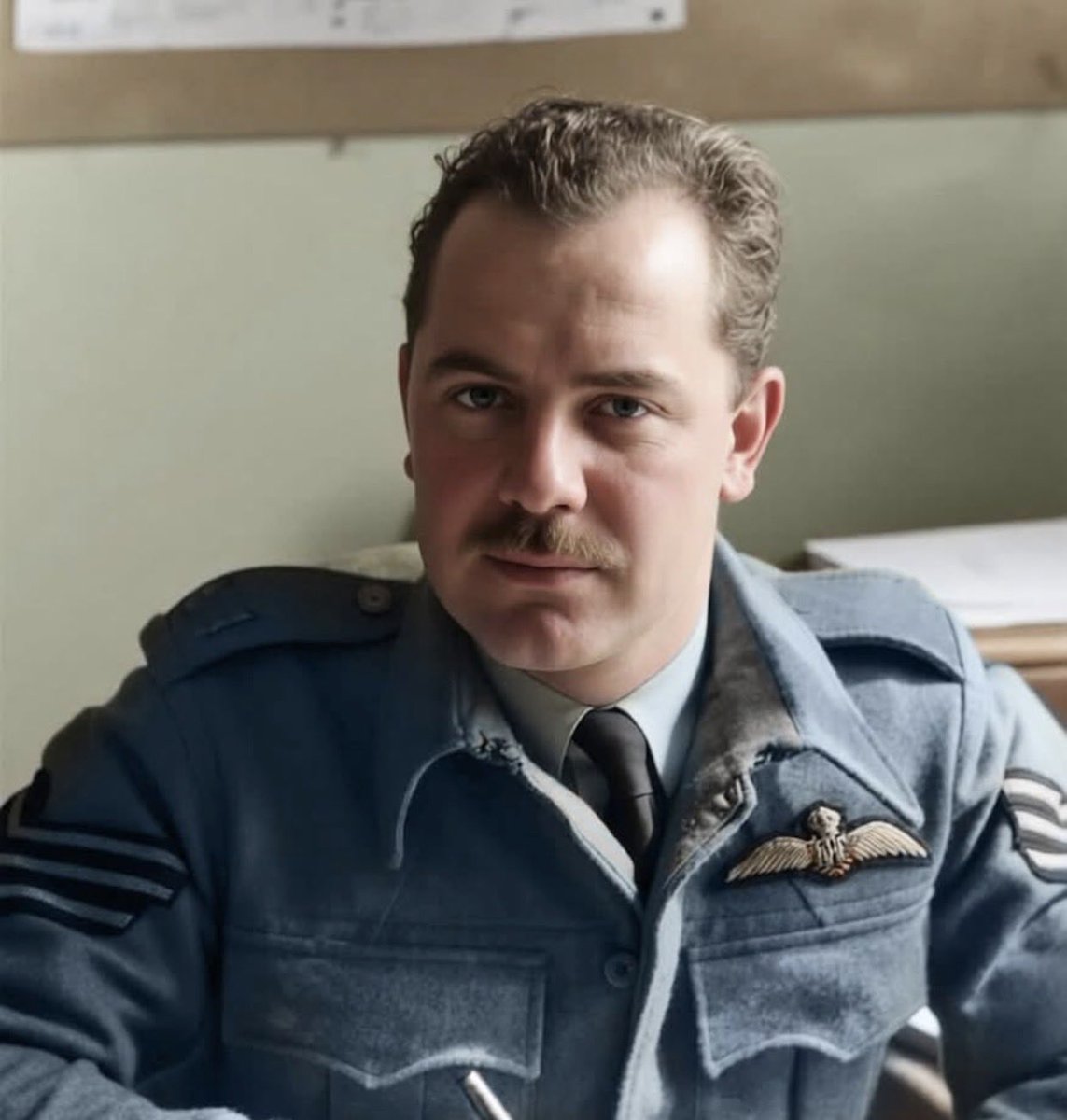
12 June 1941
Sgt Norman MacDonald Walker (745818) RAFVR Age: 25
Lost whilst flying in Hurricane 1 Z2900 of 185 Sqn., when the aircraft was shot down into the sea by an Italian AF Fiat CR42 when intercepting an enemy air raid off Malta. A search found no trace of him.
14
52
457
7,257
PaulD🇻🇦 retweeted

Jun 11
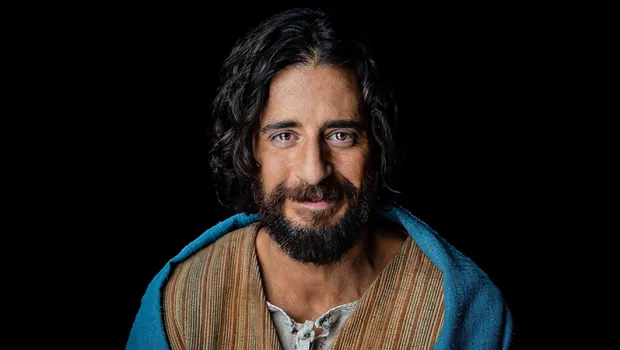
“Christianity is dying”
Jun 11

The Chosen broke the Guinness World Record for most translated series ever


62
730
14,436
215,872
PaulD🇻🇦 retweeted

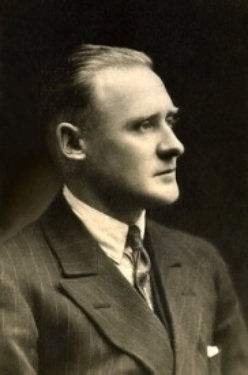
On this day in 1937, Reginald Joseph Mitchell, the designer of the Supermarine Spitfire, died in Southampton at the age of just 42. Mitchell never lived to see the impact the aircraft he helped to create would have. It became one of the defining symbols of WW2. 🧵
13
61
424
6,143
PaulD🇻🇦 retweeted

Jun 11
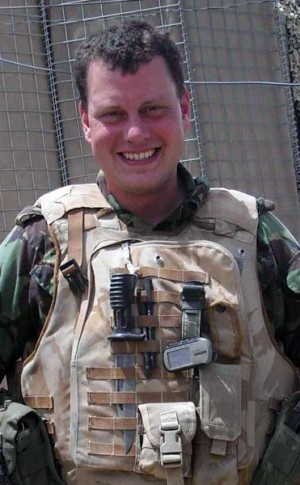
June 12th, 2009
Lieutenant Paul Daniel Mervis, aged 27 from Wimbledon, London, and of 2nd Battalion The Rifles, was killed by an IED blast, during operations near Sangin, Helmand Province, Afghanistan
Lest we Forget this brave young man who gave his all 🏴 🇬🇧
100
168
1,009
11,031
PaulD🇻🇦 retweeted

Jun 10
84 years ago today, the Nazis erased an entire village for a crime it didn't commit.
June 4, 1942: Reinhard Heydrich, architect of the Holocaust, dies after Czech paratroopers ambush him in Prague. Hitler demands blood. The Gestapo follows a false lead to a small mining village of 500 people: Lidice. It had no connection to the assassination. None.
At dawn on June 10, every man and boy over 15 was marched to a farm garden and shot in groups of five against the wall. Too slow, the commanders decided. They increased it to ten. Each new group walked past the bodies of their neighbors before joining them. By afternoon, 173 men and boys were dead. Mattresses had been propped against the wall to stop the ricochets.
The women and children were held in a school gymnasium for three days. Then the children were ripped from their mothers' arms. 195 women were shipped to Ravensbrück concentration camp.
The children were told they were being taken to their parents. 82 of them were loaded into sealed trucks at Chełmno and killed with engine exhaust. The youngest was about a year old. Only a handful, judged "racially suitable," were given to German families and stripped of their names.
Then the Nazis erased the village itself. Burned the houses. Dynamited the church and the school. Dug up 400 graves and looted the corpses. Cut down the orchards. Diverted the stream. Rerouted the roads. They filmed it all. Proudly.
But it backfired. The Nazis publicized Lidice as a warning, and the world answered. Towns in Mexico, Brazil, and the US renamed themselves Lidice. Parents named daughters Lidice. The village meant to be forgotten became impossible to forget.
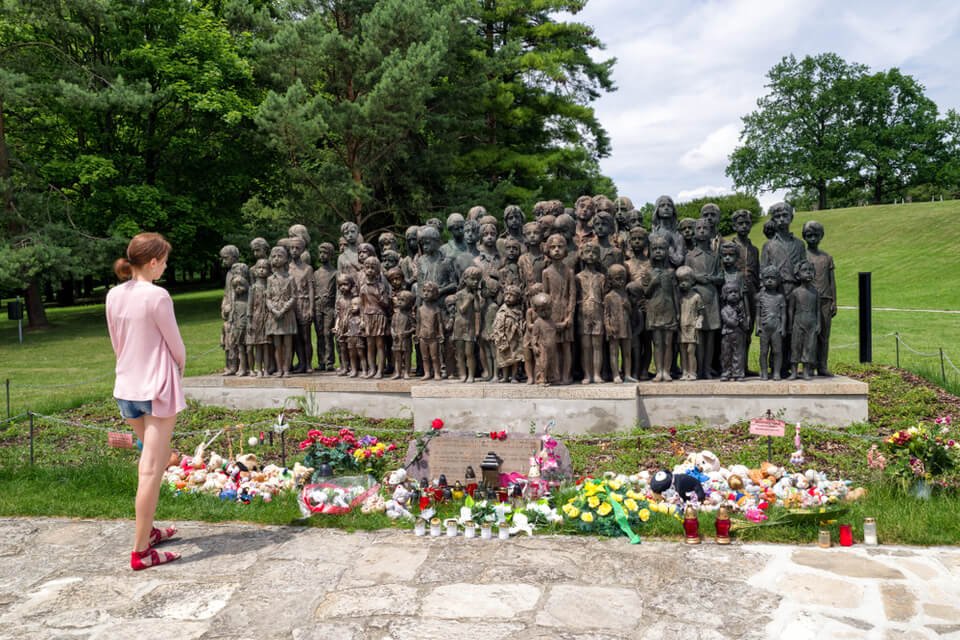
After the war, 143 women came home. Years of searching recovered just 17 of the children. Today the site is a memorial, its centerpiece 82 bronze statues of children standing together, facing the valley where their village used to be.
The Nazis tried to murder a village and its memory. The people are gone. The memory won.
Remember Lidice. June 10, 1942.
24
556
1,988
159,372
PaulD🇻🇦 retweeted
Jun 10
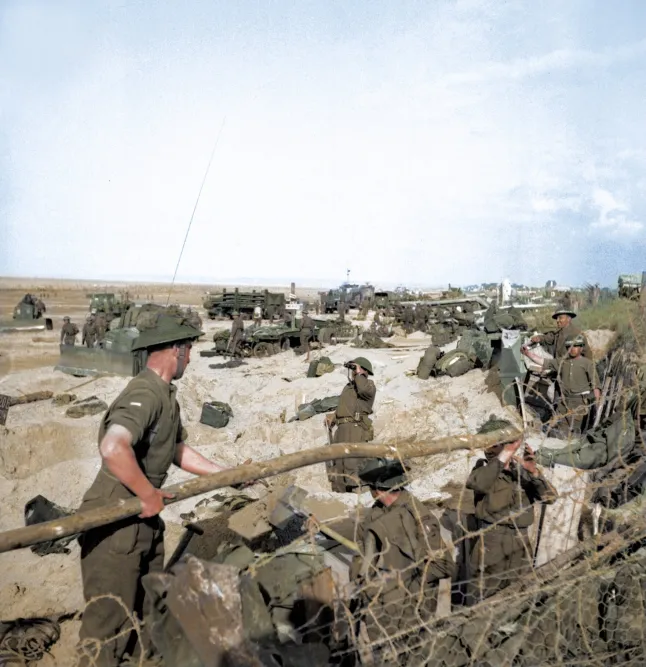
British troops and naval beach parties on Sword Beach in Normandy
1
31
415
7,442

PaulD🇻🇦 retweeted

Jun 10
For the first time ever Japan has a Catholic Princess🇻🇦🇯🇵

31
349
4,033
33,374
PaulD🇻🇦 retweeted

Jun 10
The situation inside the MoD is so bad that Britain is second bottom in a Nato league table that ranks member states based on the extent to which they are meeting their rearmament promises.
The UK is currently 31 out of 32 countries on a list — which may be published by the end of the month — detailing how each country is progressing in hitting the alliance’s capability requirements. The only country below the UK is understood to be Iceland, which does not have a military.
thetimes.com/article/fe3f6c3…
39
326
1,002
156,517


Labour to pay British firms £5k per foreign worker while nation's youths battle jobs crisis
gbnews.com/politics/labour-b…
700
1,816
3,719
476,222