
Building @ParchaHQ. Prev Product @compound, @brexhq, @coinbase, @google. Alum @ycombinator, @uniofoxford. Dad of twins, in-person maximalist, Coda Yoda.
Joined January 2008
- Tweets 3,113
- Following 1,331
- Followers 2,600
- Likes 2,335
163 Photos and videos
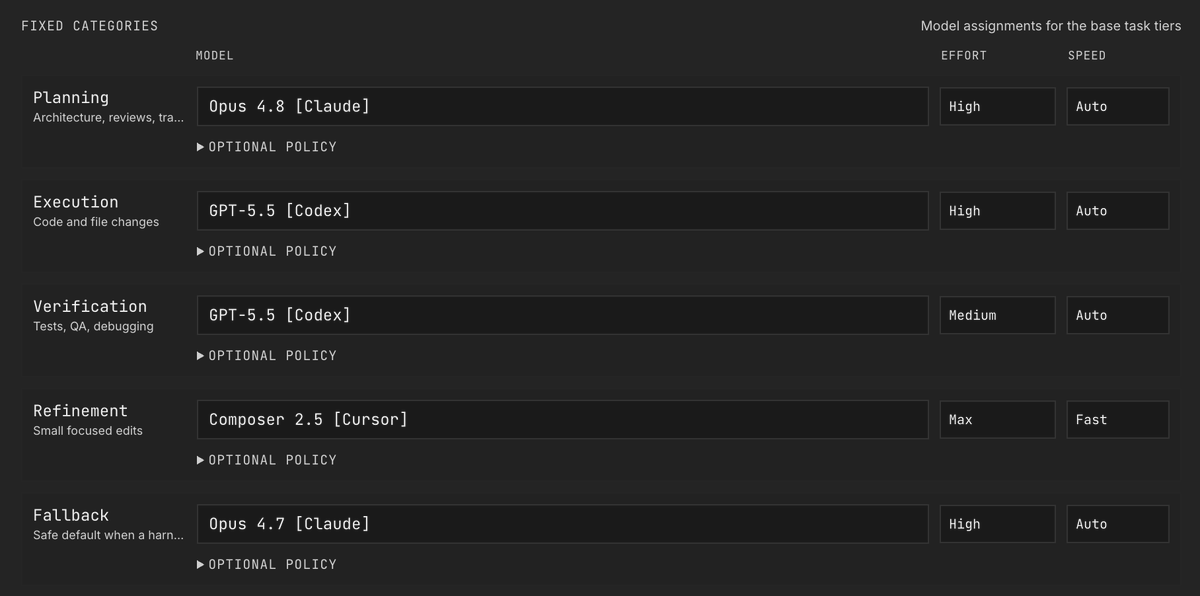






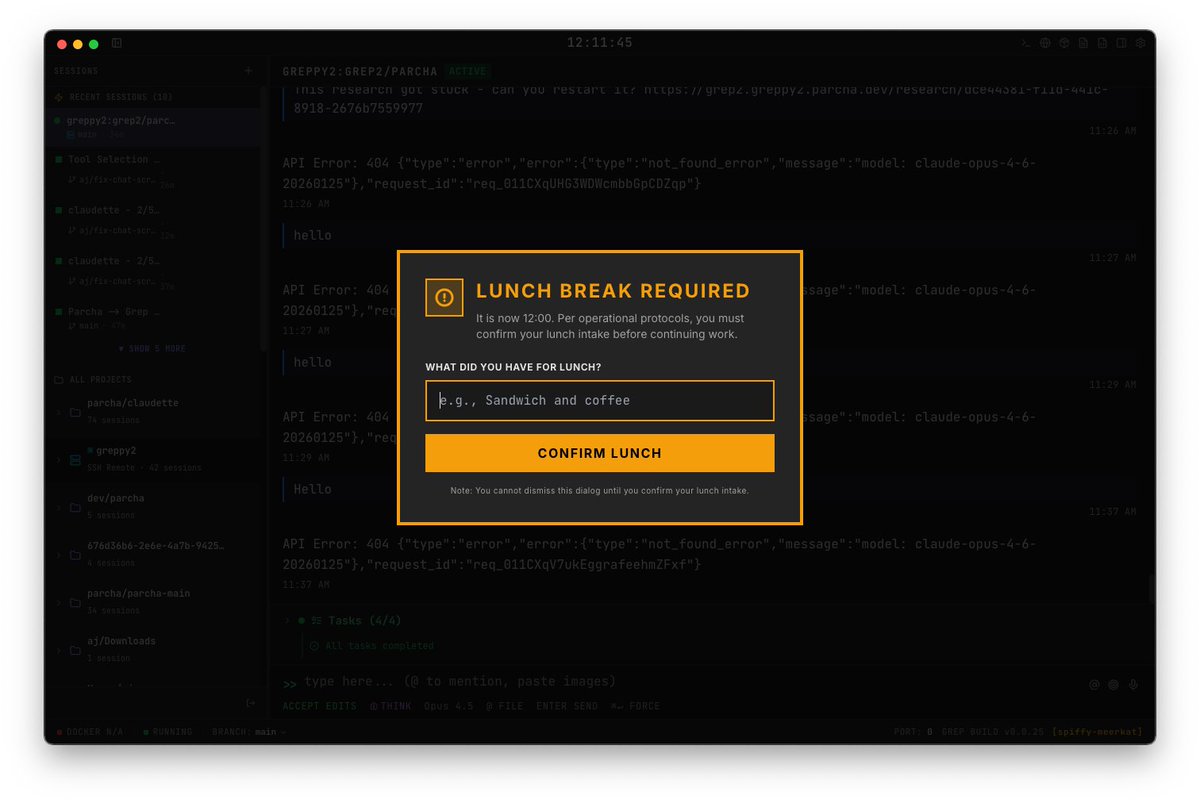
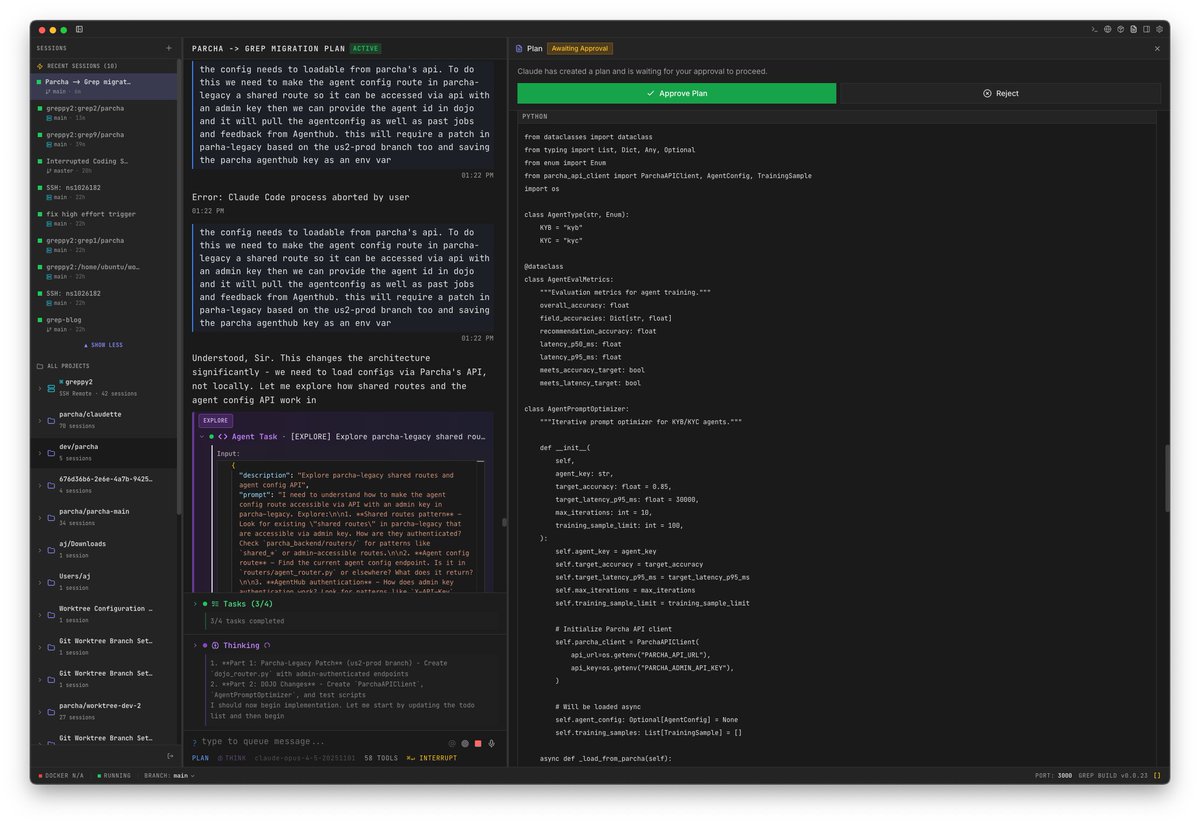
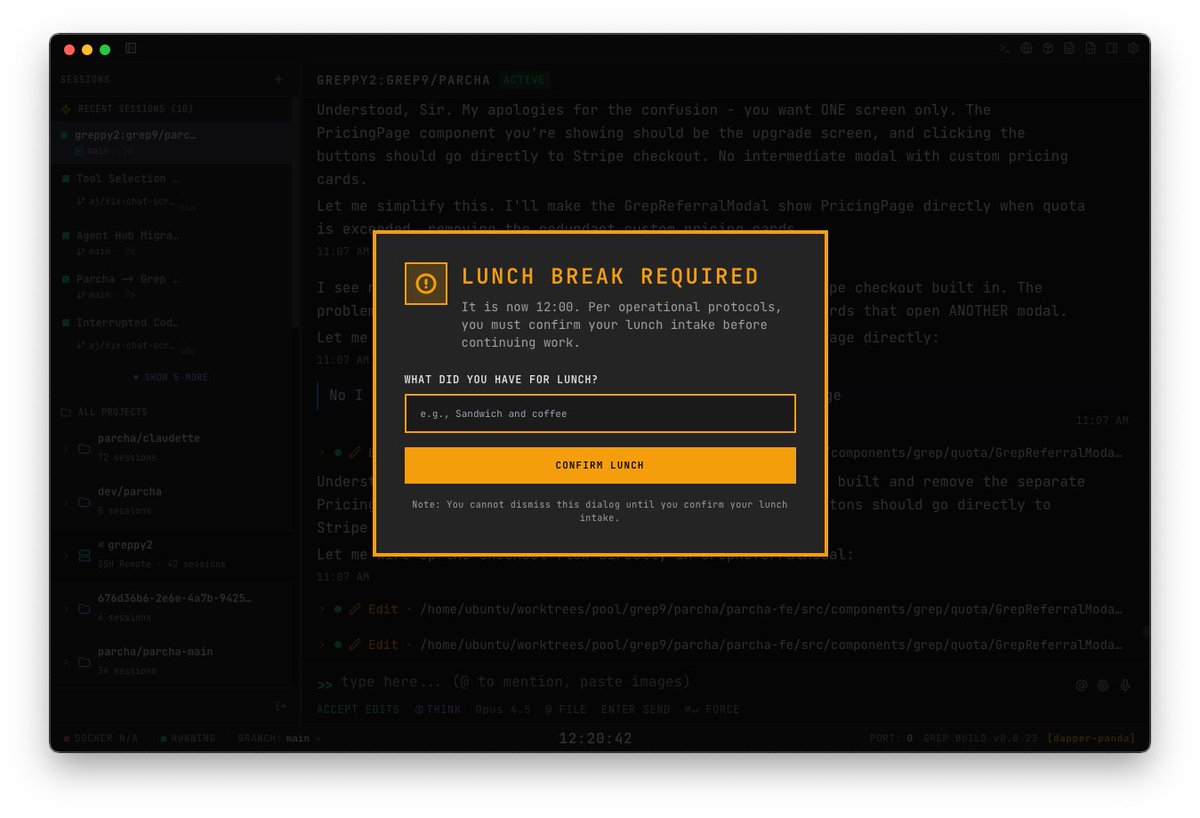
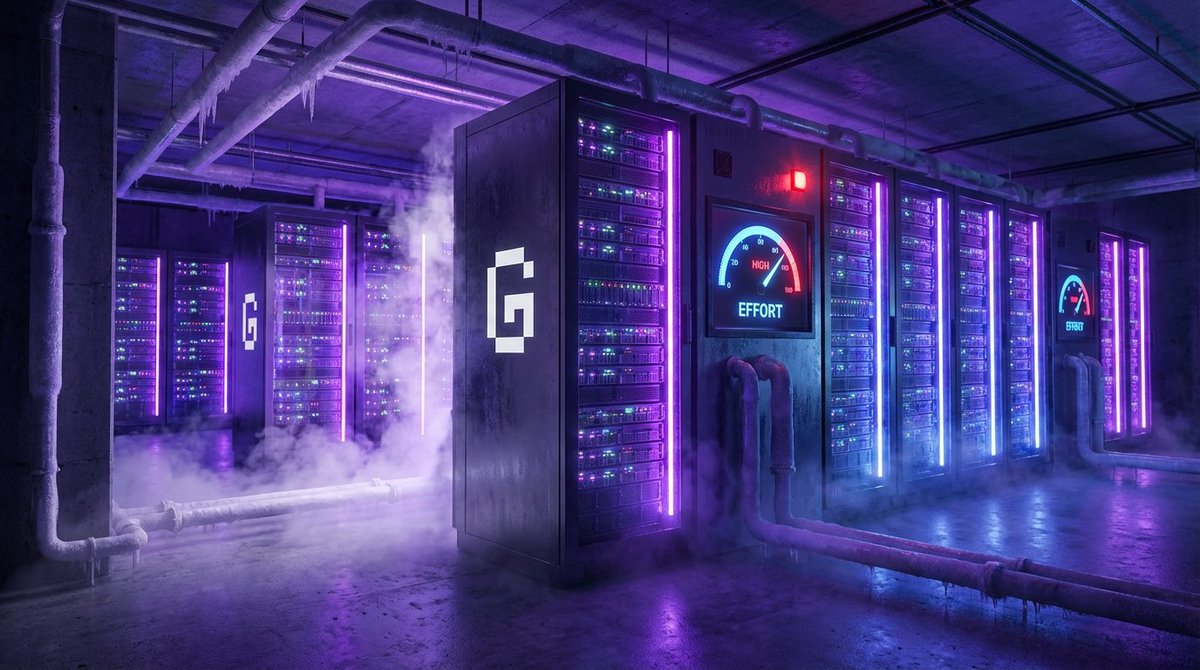

At @ParchaHQ we saw coding costs explode so we built our own IDE that does routing at the harness level e.g. Claude Code for planning, Codex for long running execution, Cursor for bugs. Plus custom routing, remote sessions, a browser inspector and voice interface.
Now it's open-source! 👇
7
9
31
7,866
AJ Asver retweeted

Jun 12
I left Fable working on some evals last night. It decided to call me at 4 am (I have a skill I manually activate for this - I guess it found it in memory?) once it found a better path than prod.
1
2
225
Competition is great for the market especially when the switching cost is lowered. Don’t get locked into a single coding agent. The best engineers I know are constantly switching between them for different tasks.
Jun 11

🚨 JUST IN: OpenAI is reportedly considering drastic price cuts on its token costs to compete with Anthropic for users, per WSJ.


1
134
AJ Asver retweeted
They are officially a big company now.
Jun 9

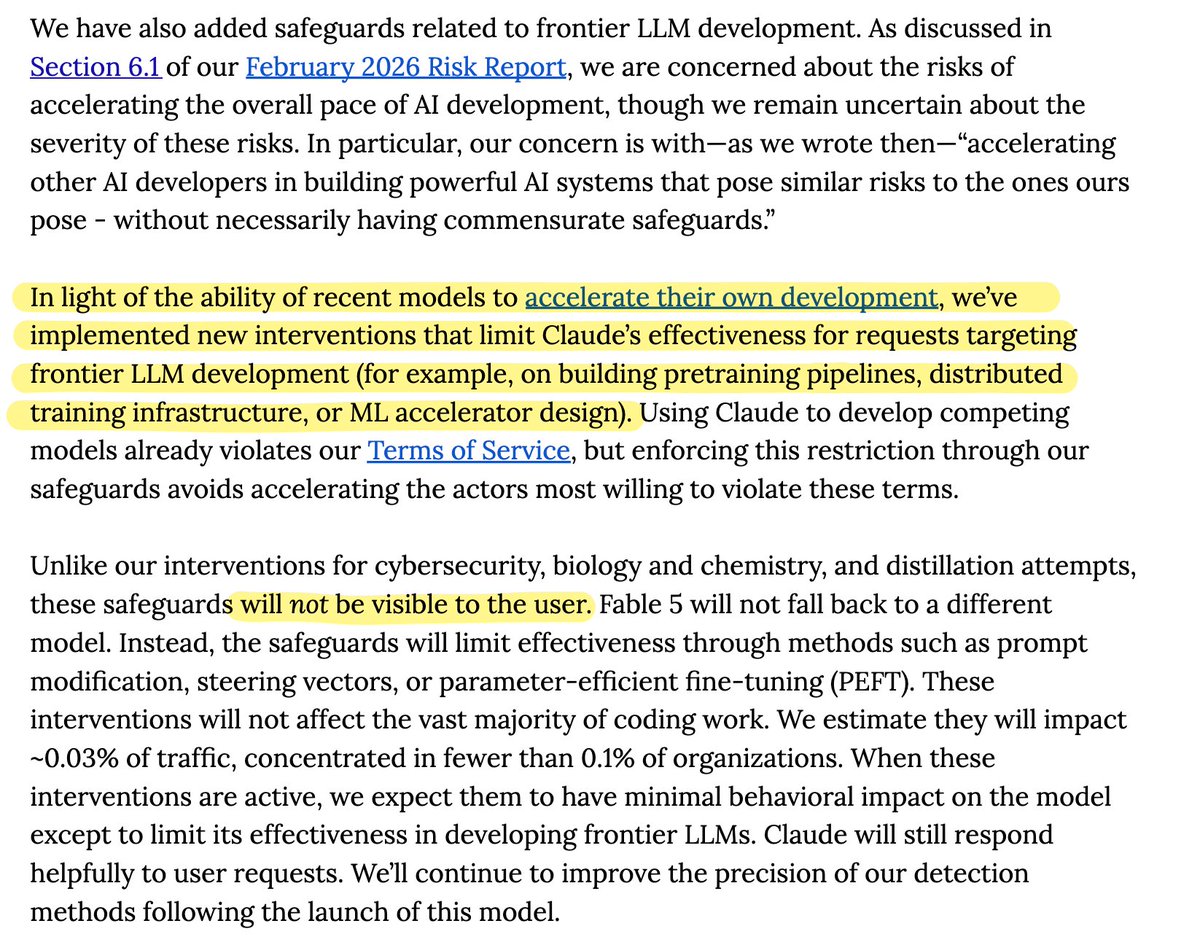
mythos will be bad ON PURPOSE on ai "frontier llm research" tasks, this is very very sad for the research community
also the fact that this is un purpose not visible to the user is crazy
1
2
480
AJ Asver retweeted

Jun 8
The numbers may be a bit extreme here, but unquestionably use-cases have to stratify in the next year or two between model families.
We’ll see a split between frontier intelligence for high end tasks and work, and much cheaper models for high volume workloads that can sufficiently be peeled off to cheaper models. Frontier will still be far bigger than today because the use-cases will demand it, but the low-end will get quite a bit larger as well.
The big update here is that the layer that can efficiently route the workload to the right model will then become increasingly valuable since that becomes one of the new hard problems in AI agents. Agent orchestration that can cost optimize while still performing the task successfully will be in a strong position.

Good take
My guess is
- demand for intelligence is near infinite
- but 80% of workloads will be running on 99% cheaper models within 12-18 months
- 20% of workloads will still run on latest gen models where IQ maxing is important (scientific breakthroughs, higher level ochestrator agents?)
- rough analogy might be what % of macbooks or gaming PCs sold have the maxed out specs for CPU/GPU, prices are falling much faster than Moore's law here though
- this leads me to think the limiting factor will be energy and compute, not better models
At Coinbase we're working hard on routing prompts to cheaper models where appropriate, and in some cases have been able to keep costs roughly flat, while token usage continues to grow exponentially.
60
19
314
119,760
At @ParchaHQ we saw coding costs explode so we built our own IDE that does routing at the harness level e.g. Claude Code for planning, Codex for long running execution, Cursor for bugs. Plus custom routing, remote sessions, a browser inspector and voice interface.
Now it's open-source! 👇
7
9
31
7,866
At @ParchaHQ we saw coding costs explode so we built our own IDE that does routing at the harness level e.g. Claude Code for planning, Codex for long running execution, Cursor for bugs. Plus custom routing, remote sessions, a browser inspector and voice interface.
Now it's open-source! 👇
1
1
161
At @ParchaHQ we saw coding costs explode so we built our own IDE that does routing at the harness level e.g. Claude Code for planning, Codex for long running execution, Cursor for bugs. Plus custom routing, remote sessions, a browser inspector and voice interface.
Now it's open-source! 👇
1
152
You can check out the Build IDE here: github.com/Parcha-ai/build/
12
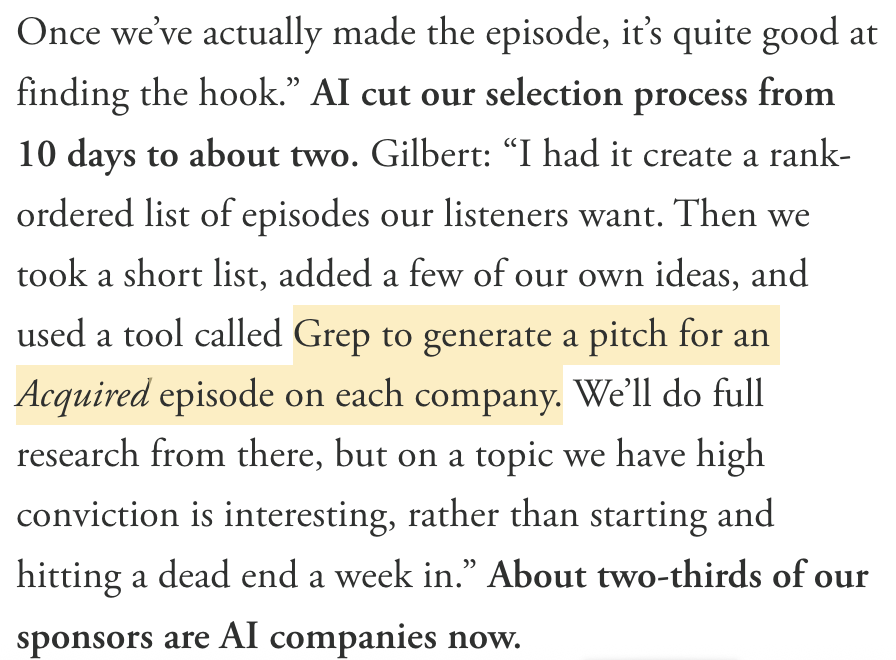
Awesome to see @gilbert sharing how they use @Grepdotai for episode research on @AcquiredFM in a GQ article this week.
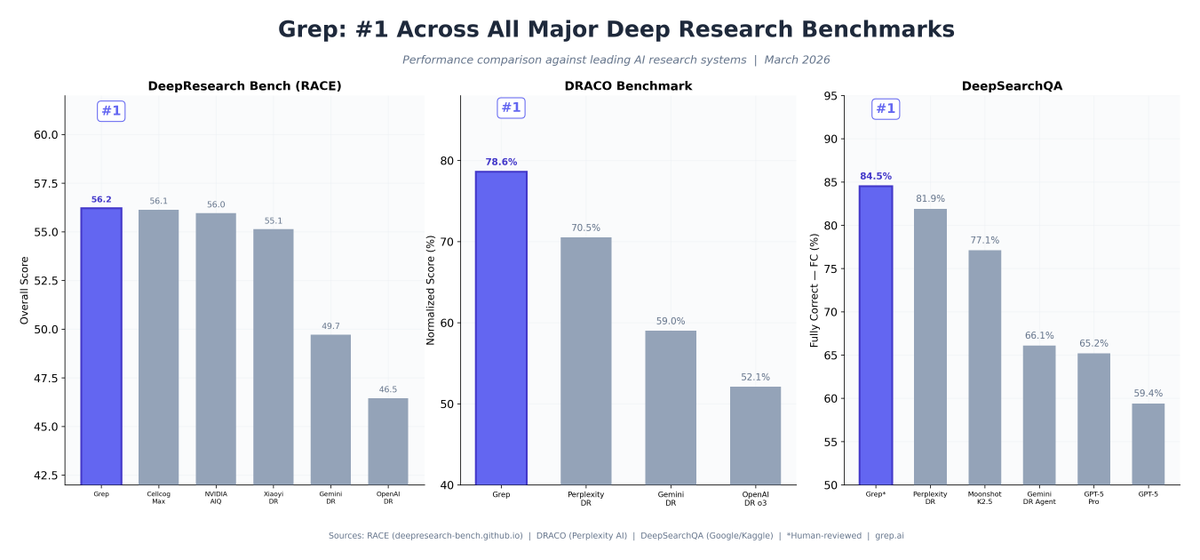
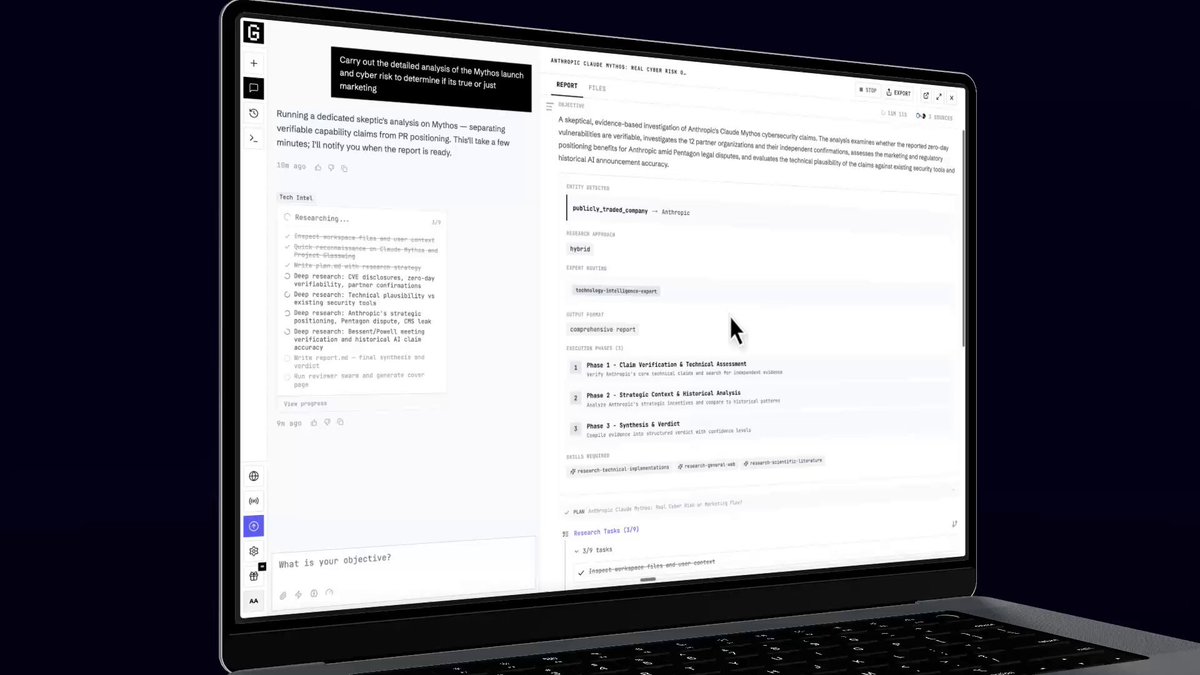
There are so many non-obvious use cases for doing deep research on a business, and Grep is the best at it.
1
1
7
227
AJ Asver retweeted
May 21
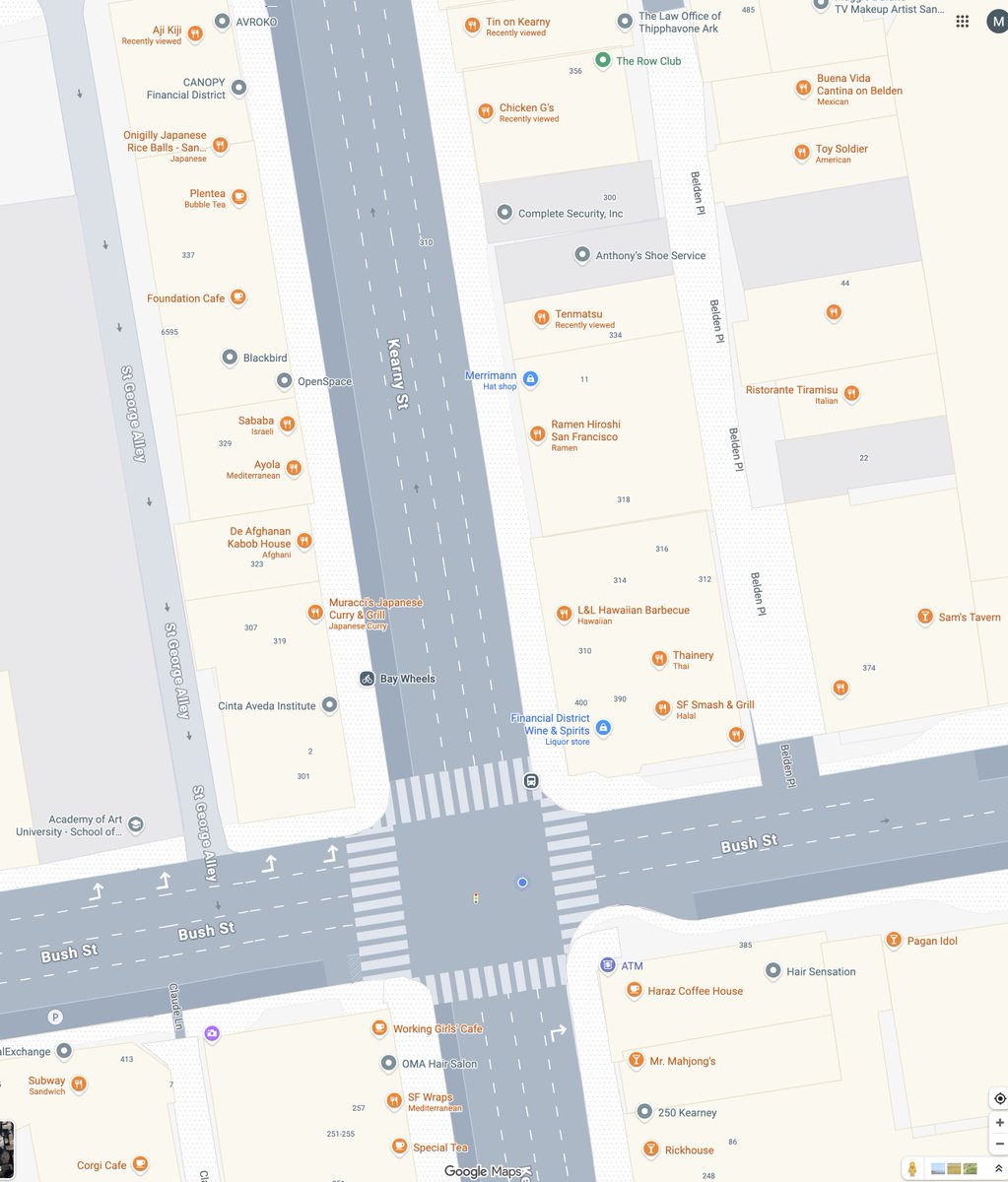
We're subletting space (desks a private room) in our office in FiDi. Right on the best block in the city — a crosswalk away from @UseCorgi's cafe. DM if interested.

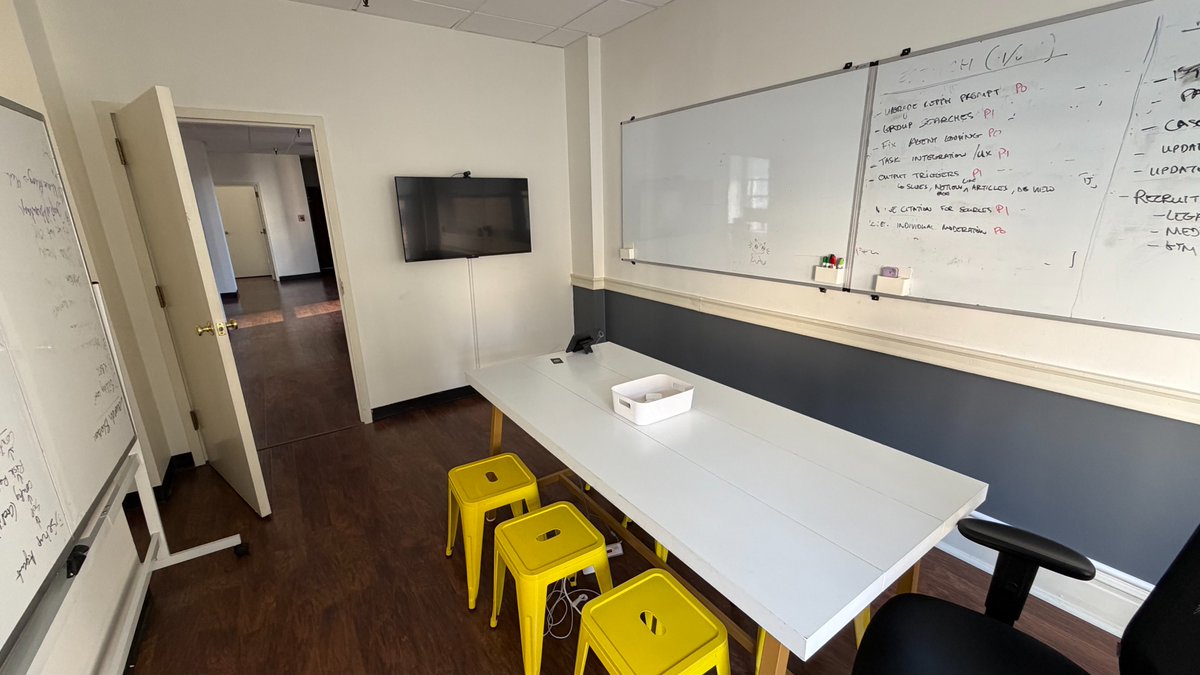
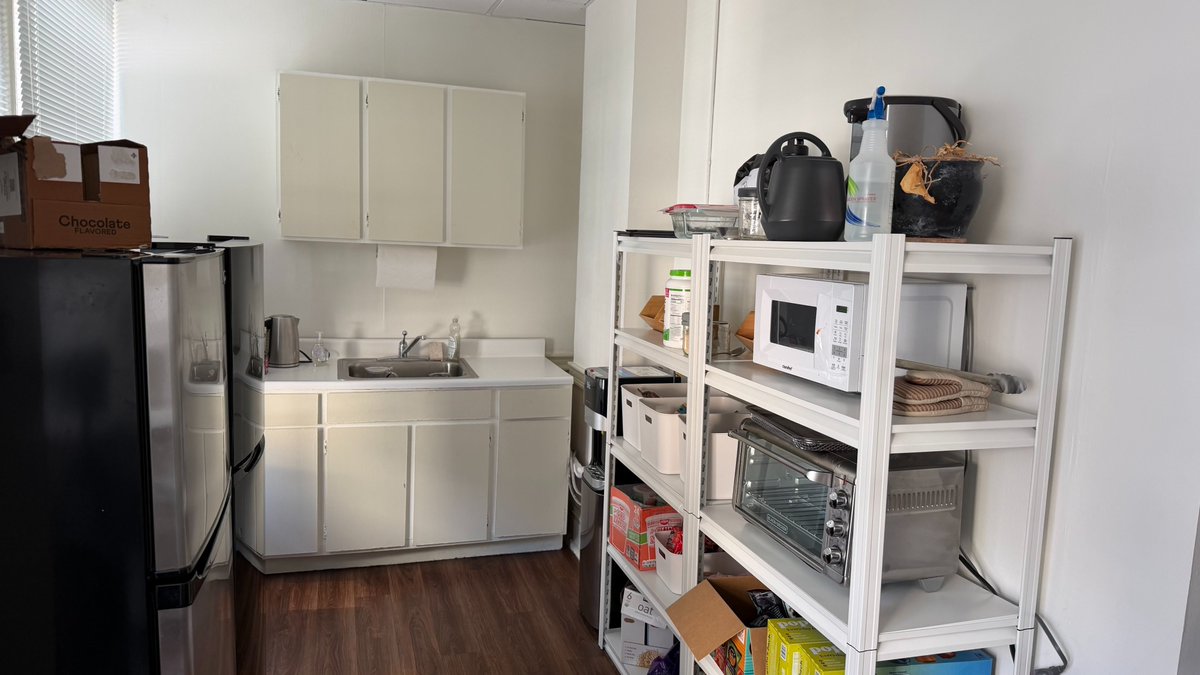


We moved to one of the most goated streets in SF. All of this < 5 minutes walking distance.
4
2
15
5,312
Grep’s deep research is very good at analyzing S-1 filings!
May 20
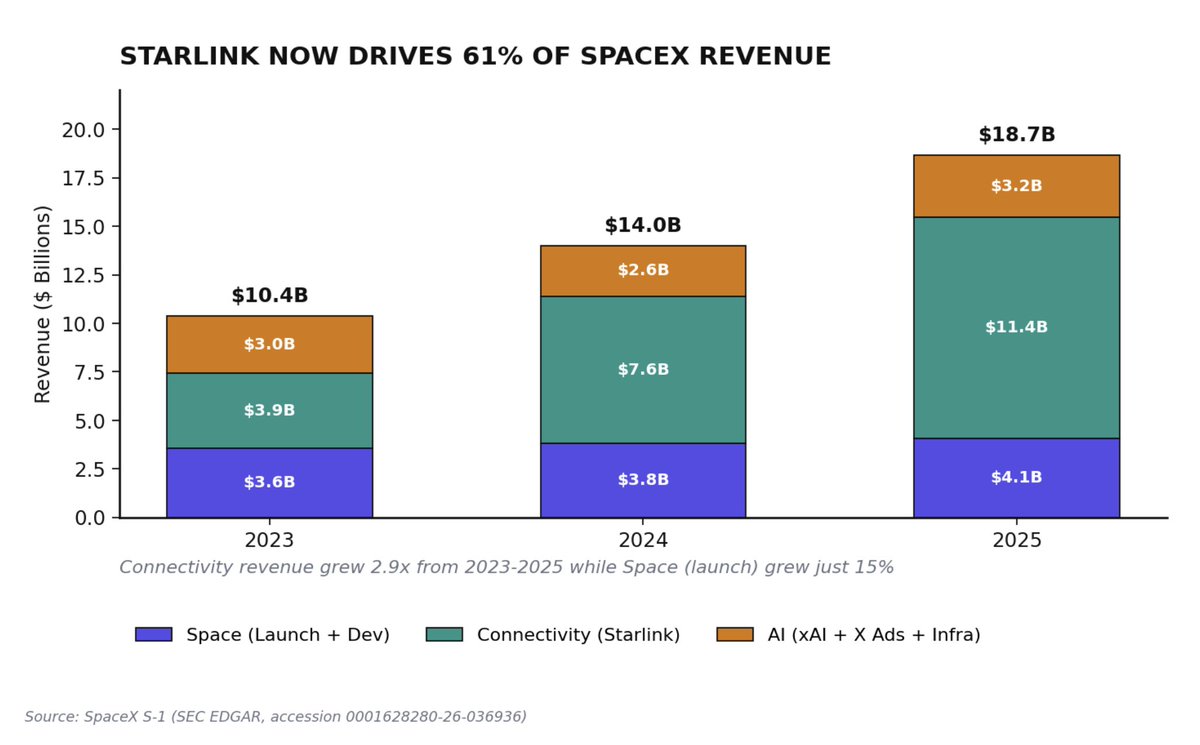
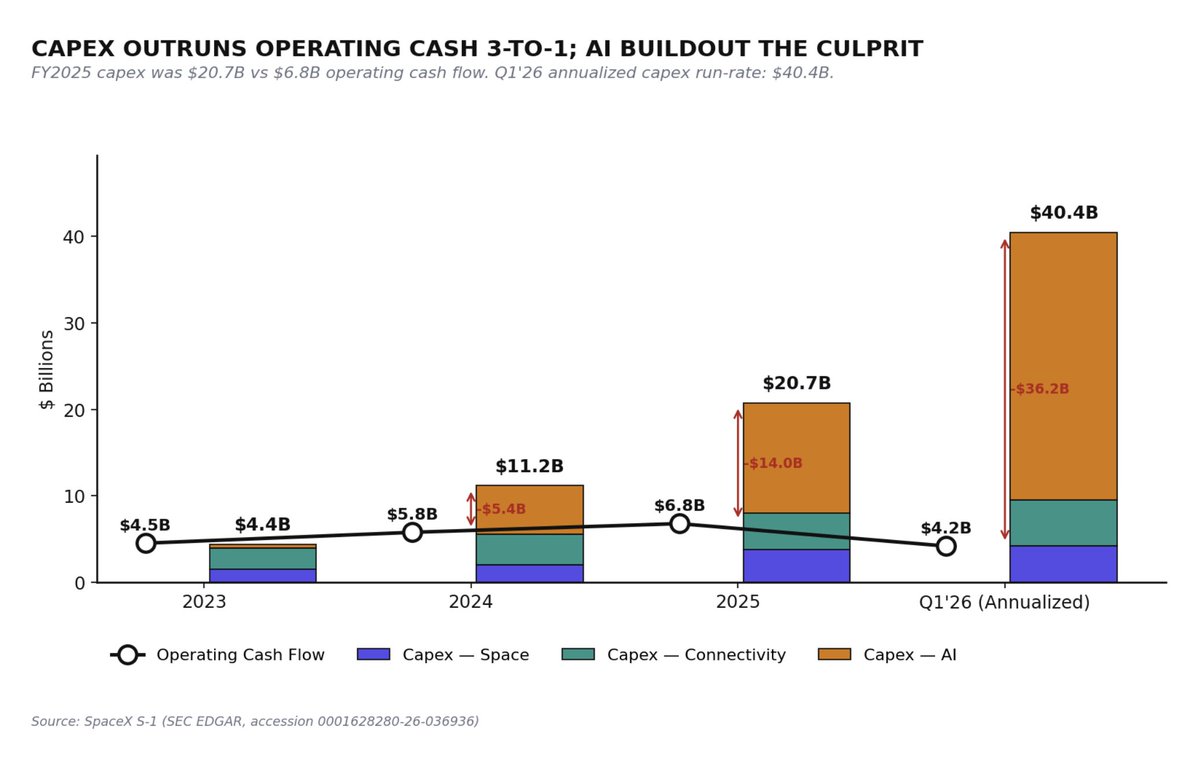
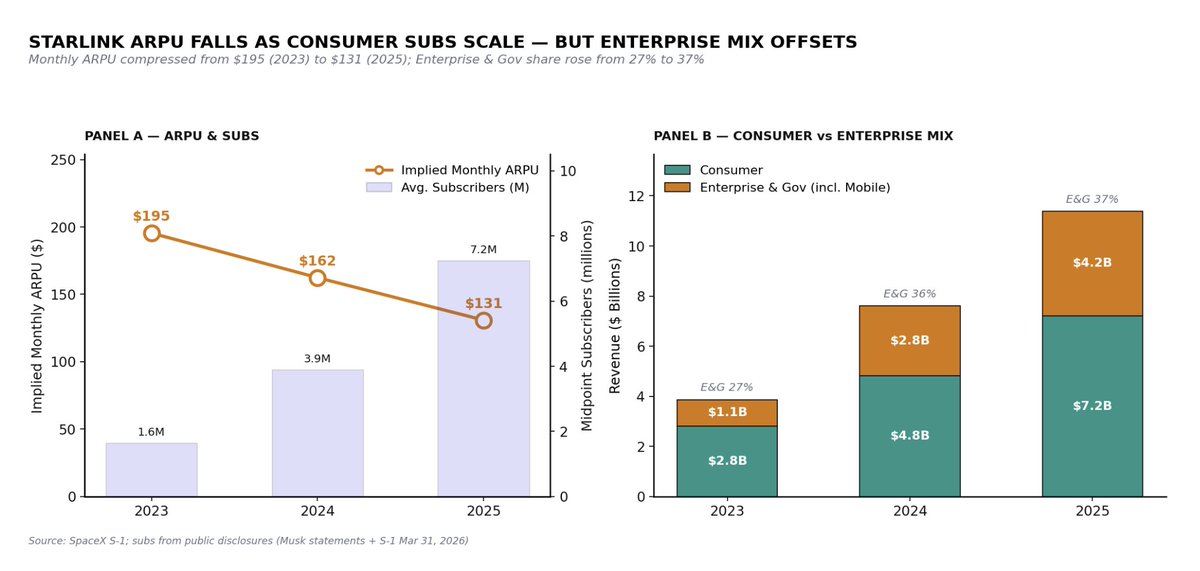
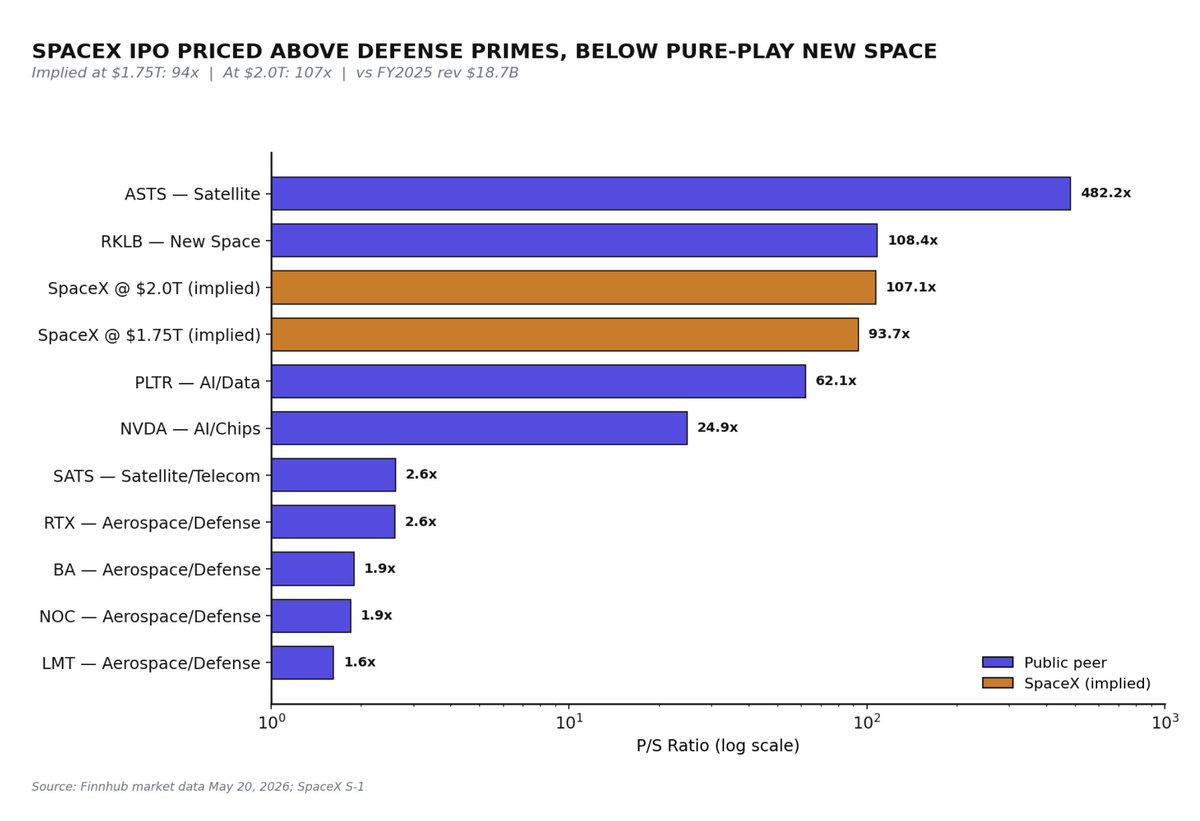
2
5
1,221
AJ Asver retweeted

May 19
Introducing Antigravity 2.0, a new standalone desktop application that delivers fully on that original glimpse of a truly agent-optimized experience.
Rebuilt from the ground up with multi-agent teams, scheduled tasks, native voice and one-click integration with other Google products.
Learn how to get started with Antigravity 2.0 👇
1,756
1,035
10,317
2,423,027