
I put up posts about anything unusual, quirky, or amusing.
Joined April 2010
- Tweets 77,487
- Following 1,114
- Followers 2,567
- Likes 16,558
6,778 Photos and videos






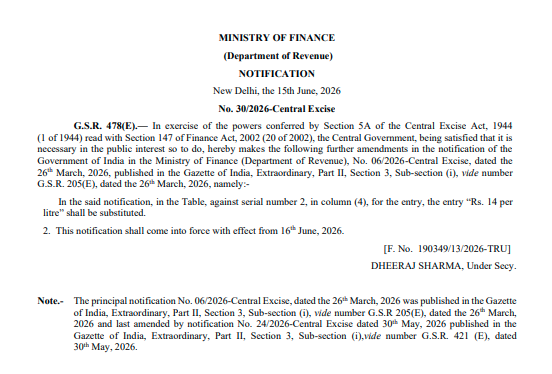
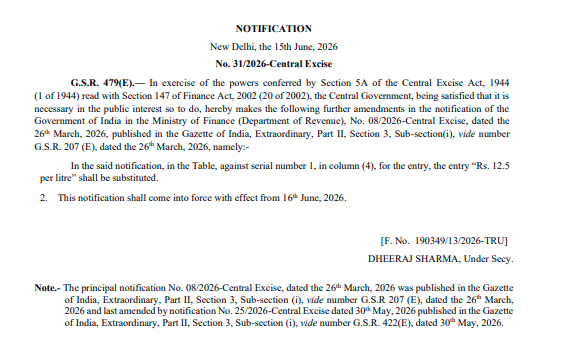
India hikes windfall tax on fuel exports effective today: duty on diesel rises to ₹14/litre and ATF to ₹12.5/litre. Export duty on petrol remains unchanged at ₹1.5/litre. No changes made to domestic excise duty rates for petrol and diesel.

Duty on Diesel and ATF exports increased | The rate of duty will be Rs 14 per litre on exports of diesel and Rs 12.5 per litre on exports of ATF. There is no change in the rate of duty on exports of petrol.
There is no change in the existing excise duty rates on petrol and diesel cleared for domestic consumption.
62
Israeli National Security Minister Itamar Ben-Gvir and Defense Minister Israel Katz rejected the new U.S.-Iran ceasefire agreement, stating Israel is an independent nation that does not take orders from the U.S. Officials confirmed Israeli forces will remain in Lebanon, Syria, and Gaza indefinitely.

28
भारत जैसे लोकतांत्रिक देश में पुलिस एनकाउंटरों की सही या गलत होने की बहस दो बेहद मजबूत और विरोधी दृष्टिकोणों के बीच बंटी हुई है। एक दृष्टिकोण मानता है कि आम जनता को खूंखार अपराधियों, माफियाओं और आतंकवादियों से तत्काल सुरक्षा देने के लिए यह कड़ा रुख जरूरी है। इस विचार के अनुसार, जब कानूनी प्रक्रिया में देरी होती है और गवाहों की जान को खतरा होता है, तब अपराध को जड़ से मिटाने और समाज में कानून का डर पैदा करने के लिए राज्य की यह त्वरित कार्रवाई व्यावहारिक रूप से सही लगती है। दूसरा दृष्टिकोण भारत के संविधान और कानून के शासन (Rule of Law) को सर्वोपरि मानता है। इसके अनुसार, किसी भी अपराधी को सजा देने का अधिकार केवल न्यायपालिका को है, पुलिस को नहीं। आलोचकों का तर्क है कि अदालत की निष्पक्ष सुनवाई के बिना किसी की जान लेना मानवाधिकारों का उल्लंघन है और यह व्यवस्था भविष्य में किसी भी निर्दोष को फंसाने या सत्ता के दुरुपयोग का जरिया बन सकती है, जो एक स्वस्थ लोकतंत्र के लिए खतरनाक है।
Jun 15

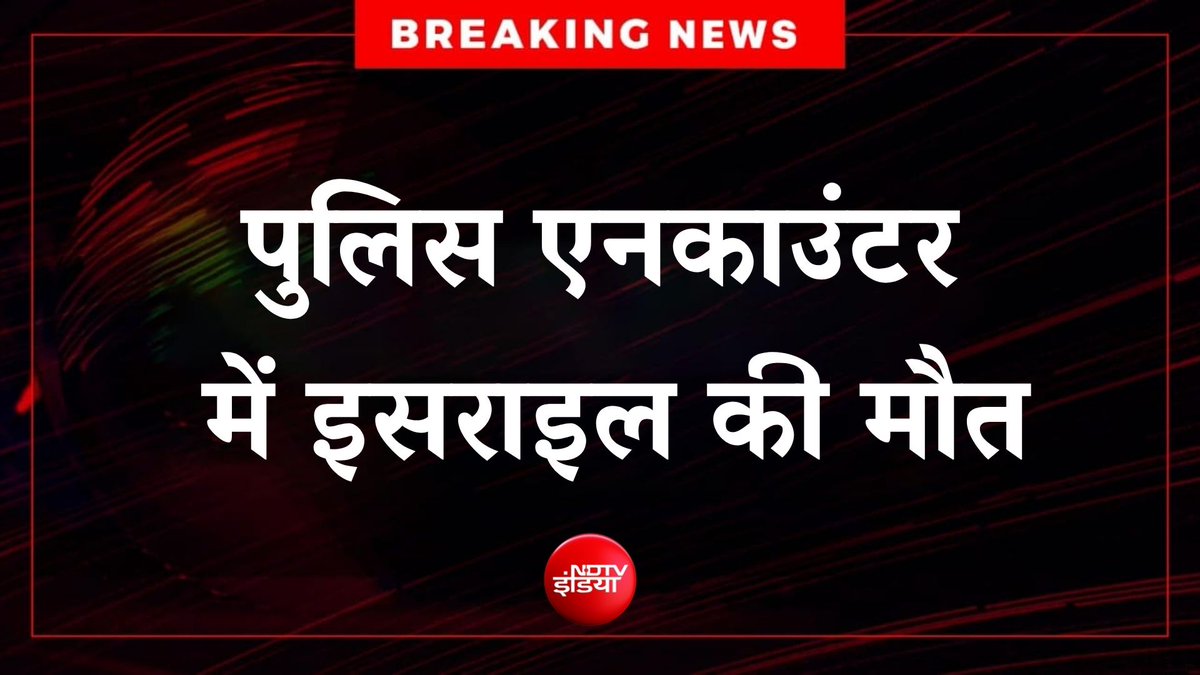
🔴 #BREAKING | उत्तर प्रदेश: उन्नाव साधु हत्याकांड के मुख्य आरोपी इसराइल की पुलिस एनकाउंटर में मौत
13
These six points highlight the most prominent financial and administrative controversies raised by opposition leaders, independent critics, and internal factions like the Nirmohi Akhara regarding the Ayodhya Ram Temple project over the decades.
Jun 15

1. Rs 1,400 crore swindling allegation
2. Misappropriation of Ram shilas
3. Fight over local collections before 2019
4. The 2021 inflated land deals
5. The forged temple land purchase
6. The multi-crore prasad scam
m.thewire.in/article/religio…
1
1
72
📌 The ₹1,400 crore swindling allegation: This claim was historically leveled by the Nirmohi Akhara, one of the primary original litigants in the Ayodhya dispute. They accused the Vishva Hindu Parishad (VHP) of siphoning off massive public donations collected globally since the mass mobilization drives of 1989–1990 to fund private institutional infrastructure and political campaigns rather than directing them transparently toward the groundwork of the temple itself.
📌 Misappropriation of Ram shilas: Over the decades, millions of devotees donated consecrated bricks (Ram shilas) alongside cash for the future construction of the temple. The Nirmohi Akhara alleged that the VHP leadership failed to maintain public transparency, mismanaged structural resources, and siphoned off parts of these material collections over the years.
📌 Fight over local collections before 2019: Prior to the Supreme Court's landmark 2019 verdict, a bitter dispute existed between local temple priests and external organizations. Critics and local mahants alleged that everyday micro-donations made by pilgrims at the makeshift site were continuously funneled into private trusts run by VHP-aligned leaders rather than going toward a transparent, public registry.
📌 The 2021 inflated land deals: In mid-2021, opposition leaders from the Aam Aadmi Party and Samajwadi Party alleged that a 12,080-square-meter plot of land in Ayodhya was bought by independent individuals for ₹2 crore and then sold to the Ram Temple Trust just five to ten minutes later for a heavily inflated ₹18.5 crore. The Trust strongly defended the transaction, clarifying that the lower price reflected an outdated historical land agreement while the ₹18.5 crore matched the current post-verdict market valuation.
📌 The forged temple land purchase: This involves a specific criminal case of cheating where an FIR was registered against a local priest and a revenue clerk. They were accused of forging documents to falsely represent themselves as owners of the ancient Naya Anand Bhavan Temple property, subsequently selling the disputed religious asset to the Ram Mandir Trust for ₹6 crore despite previous court orders stripping the priest of ownership.
📌 The multi-crore prasad scam: During the high-profile consecration ceremony in early 2024, sophisticated external cyber syndicates and unauthorized websites launched fraudulent digital campaigns. They exploited global devotion by pretending to be officially affiliated with the temple trust, swindling an estimated ₹3.85 crore from millions of devotees under the false guise of shipping free holy prasad home.
46
The UK Department for Business and Trade recently launched the Visa Fees Reimbursement Scheme for Scale Ups alongside an expedited sponsor licence fast-track process to help fast-growing businesses tap into international talent pools.
The grant scheme provides critical financial relief by letting qualifying businesses recover up to £25,000 per year for visa application fees, capped at £5,000 per individual hire and their dependants, specifically targeting those utilizing the Skilled Worker, Global Talent, and Scale-up visa pathways. However, this funding is restricted strictly to UK-based firms growing at more than 20% annually over a three-year window within the digital technology, life sciences, and clean energy sectors.
Simultaneously, the Office for Investment introduced a 10-day fast-track referral process for the UK Expansion Worker sponsor licence, dramatically reducing the standard eight-week wait time for priority international firms establishing their first British footprint. Together, these parallel tracks drastically lower both the upfront financial barriers and the bureaucratic friction of entering the British market, making the UK an incredibly agile destination for global innovation and rapid workforce scaling.
39
Around 200 Stanford University graduates staged a walkout during Google CEO Sundar Pichai’s commencement address.
Jun 15

#ItsViral | Stanford students stage a walkout as Google CEO Sundar Pichai begins speech
hindustantimes.com/trending/…
19
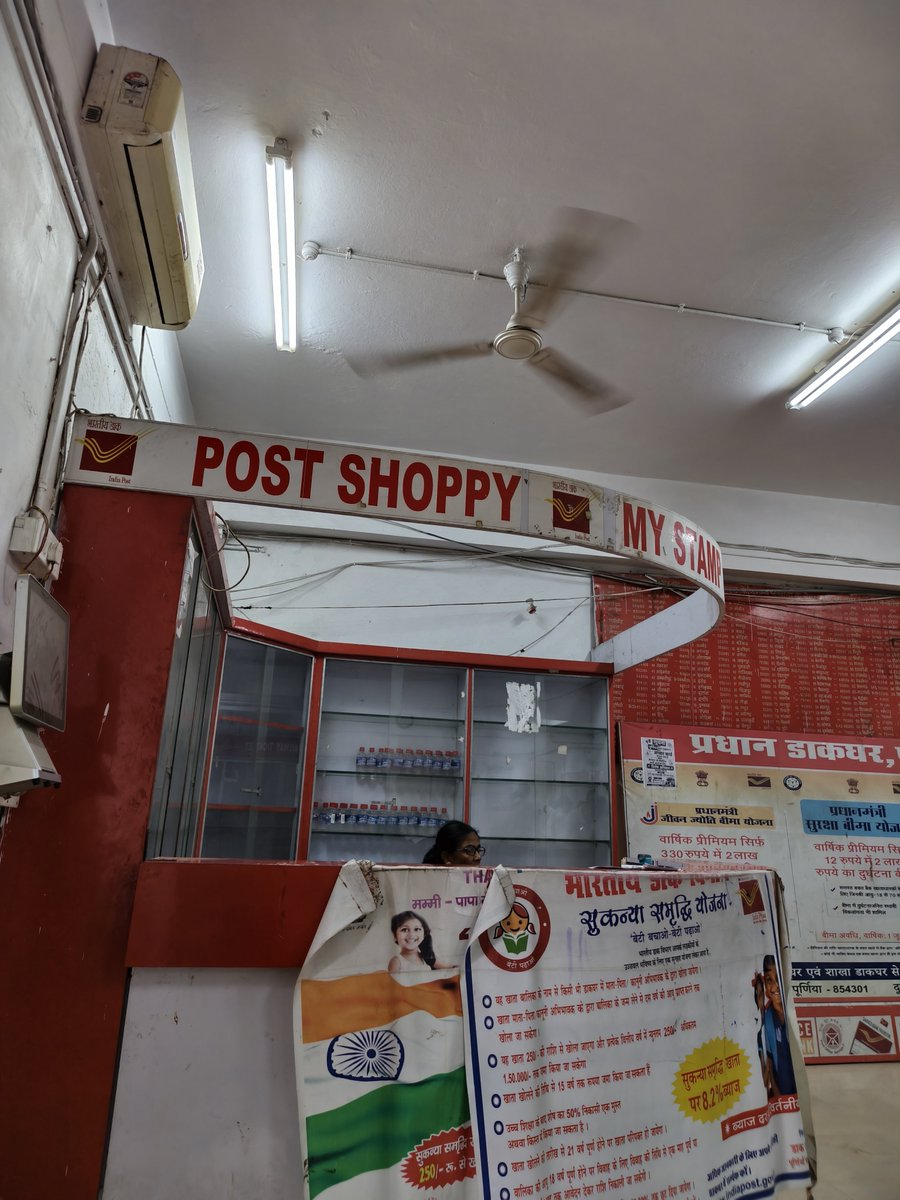
Are we getting the new biometric e-passports at the Post Office Passport Seva Kendra (POPSK) in Purnea yet, or is the rollout still limited to Patna and major cities? Anyone received the chip version here recently? @passportsevamea @rpopatna
42
He is 0.11% of the way there.
Jun 14

Elon Musk needs another $998.9 trillion to become humanity’s first quadrillionaire.
36
Meta has globally launched Instagram Plus for $3.99/month. Key features include 48-hour Stories, multiple custom audience lists, and Story Spotlight for priority feed placement. Paid users also get anonymous Story previews, rewatch count insights, viewer list search, 6 profile pins, hidden feed posts, and animated Super Hearts.
77
Investigation ongoing. No further updates yet.

Indian football coach raped schoolgirl for 3 years, promising sports career
Abhijit Mendal gained her trust at 17, then raped her repeatedly. When she tried to leave, he blackmailed her with videos
After she told her family, they went to the police
The coach has been detained
30
asif khan retweeted

Jun 14
IRAN HAS FORCED U.S. TO ACCEPT PEACE DEAL, STATE TV SAYS
284
445
6,517
1,264,946
New Delhi’s position is defined by strict pragmatic neutrality and strategic autonomy. Throughout the conflict, India consistently refused to take sides, choosing not to openly condemn Iran or join Western military pressure while simultaneously protecting its deep strategic alliance with Israel and strong economic ties with the US.
25
Indian markets already priced in a massive chunk of this peace de-escalation late last week when Trump first teased the agreement, the initial gap-up on Monday morning risks turning into a "sell the news" event. Institutional investors may use the opening spike to book profits, trapping retail buyers who chase the morning momentum.
27
While a 4% crash in crude oil is a massive win for Indian oil marketing companies (IOC, BPCL, HPCL) and paint/tile manufacturers, it is a direct blow to domestic upstream oil producers and explorers. Their realizations will take an immediate hit, which could drag down the energy index components.
30