
Joined November 2021
- Tweets 3,876
- Following 144
- Followers 5,234
- Likes 11,274
569 Photos and videos






Pinned Tweet

22 May 2023
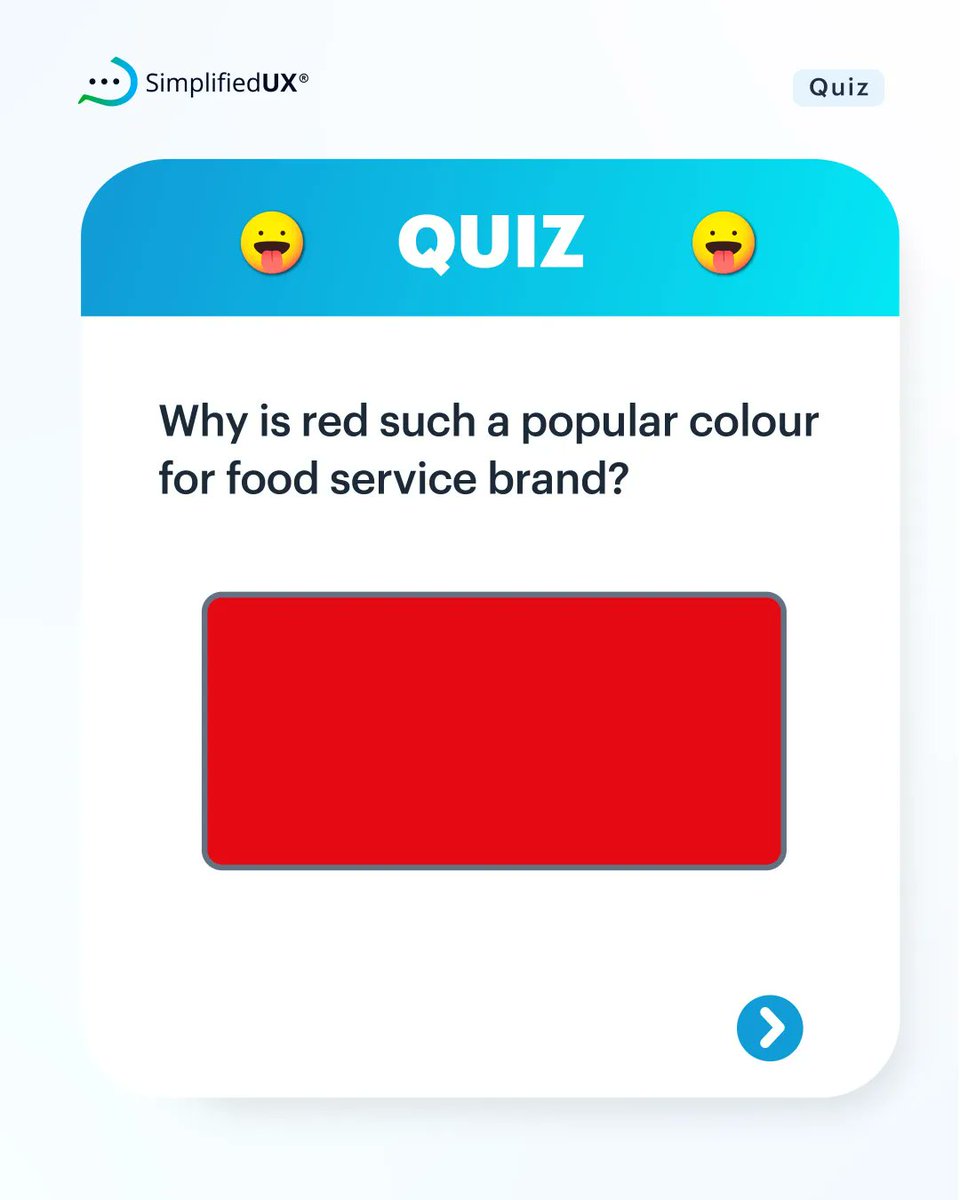
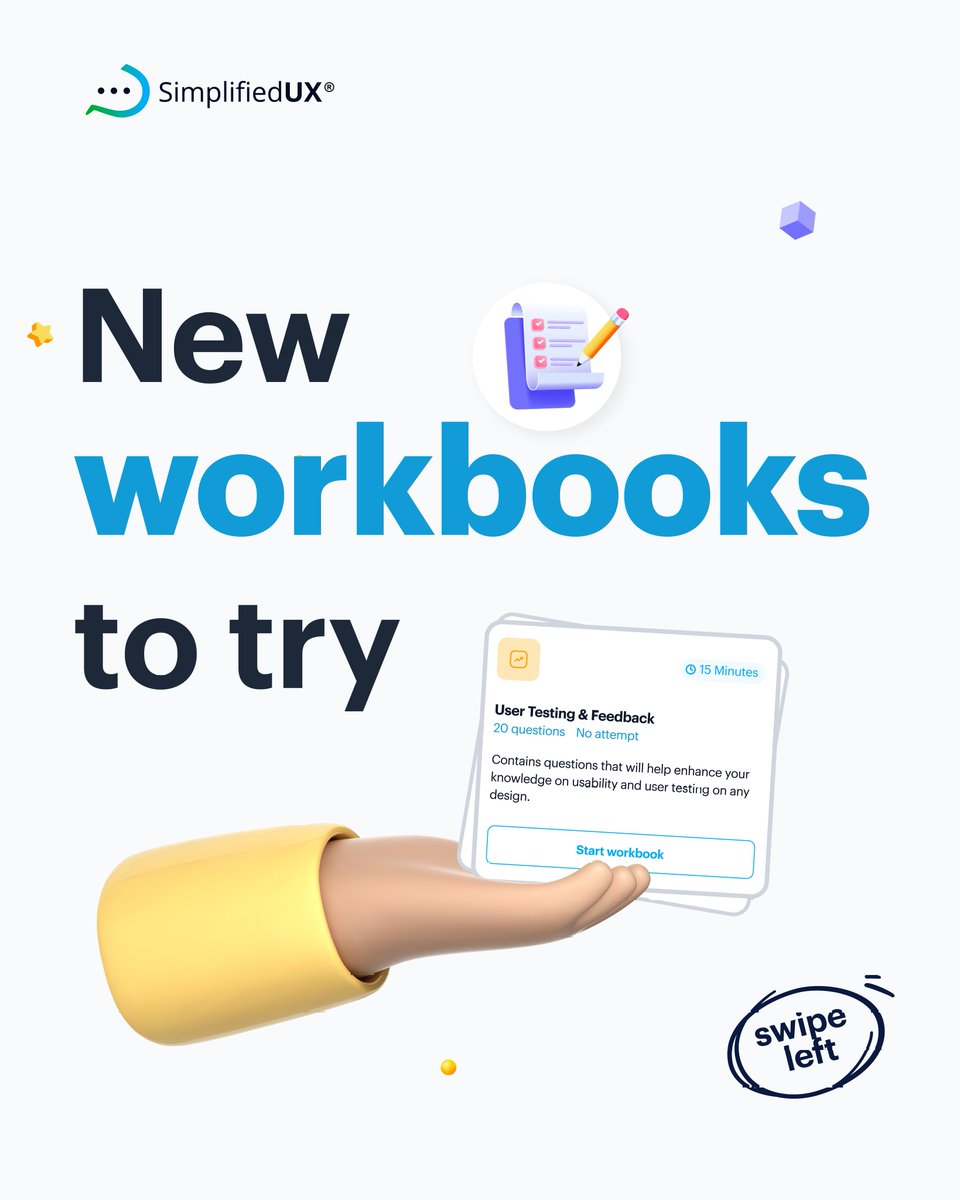
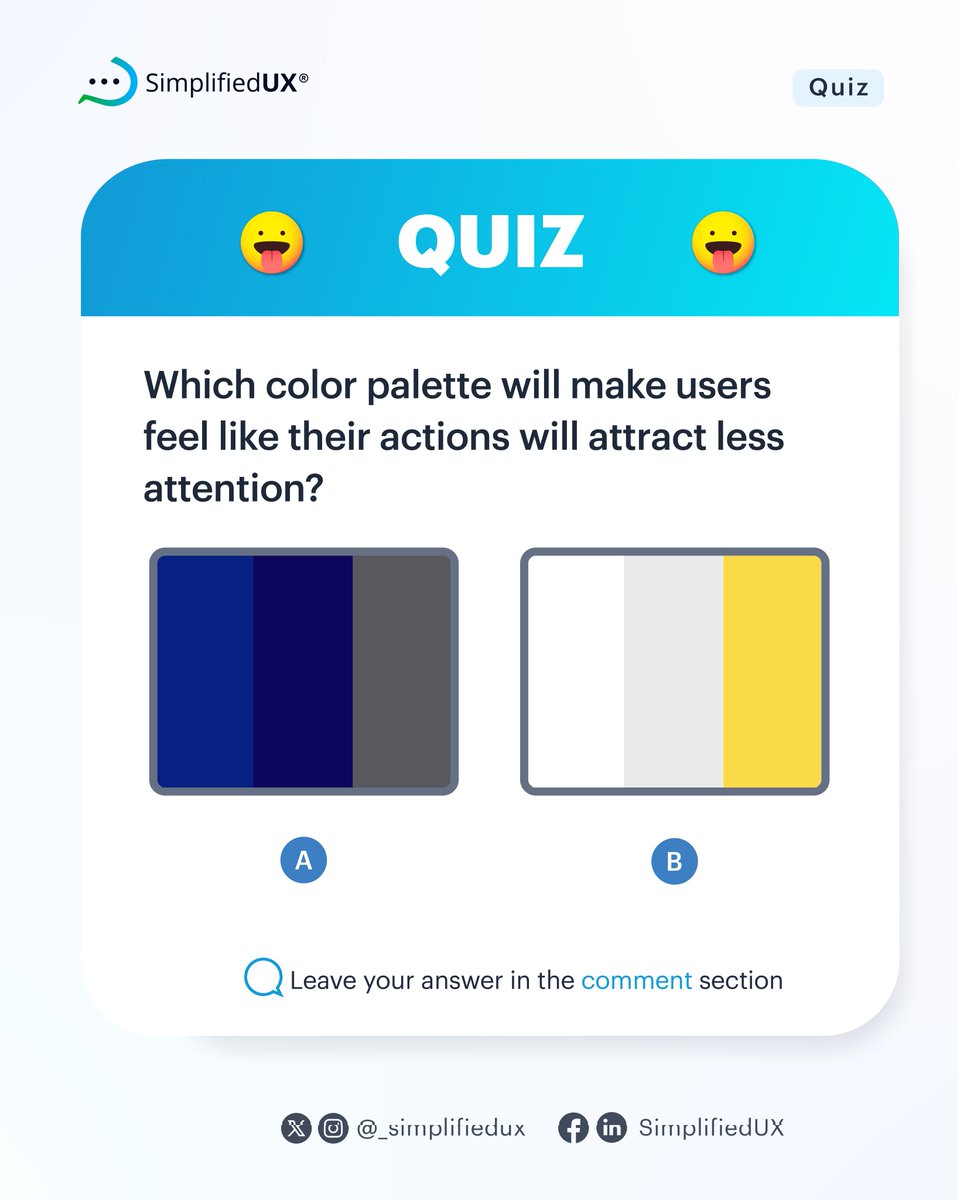
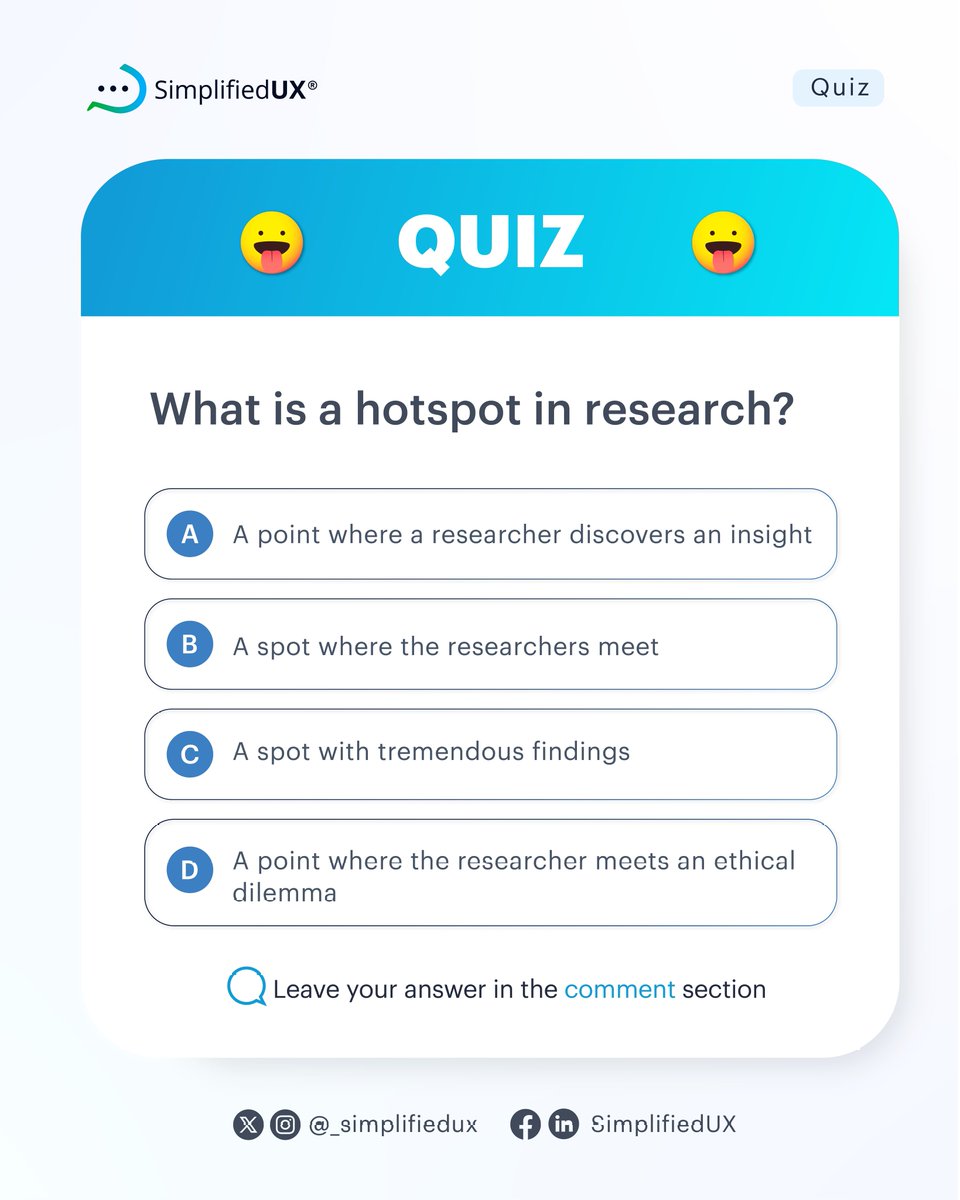
Are you prepared to land you dream design job? Test your knowledge and enhance your skills👇
Try simplifiedux.com
6
14
90
15,512
SimplifiedUX ® retweeted

24 Jul 2025
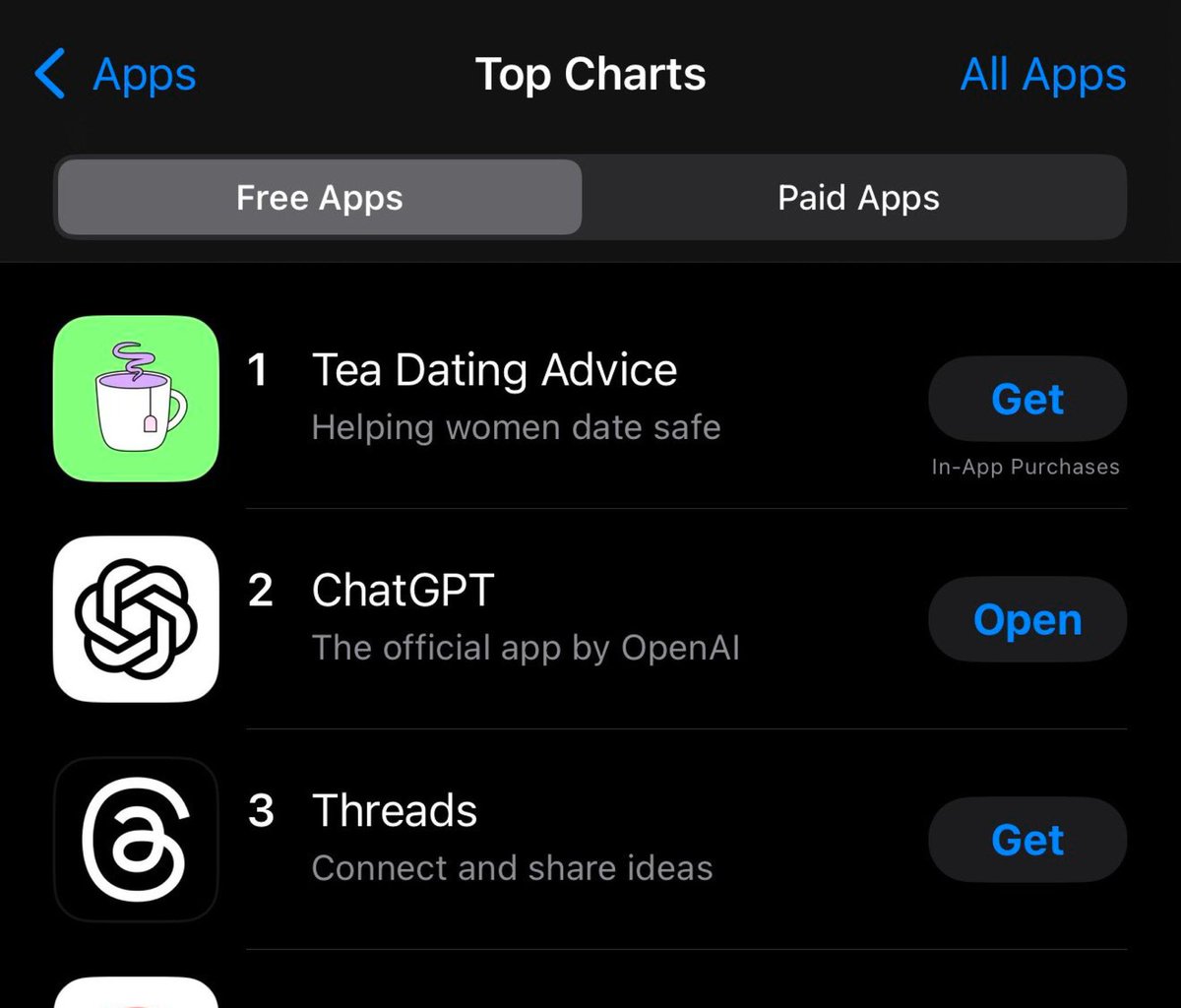
I’m the designer behind the mega-viral Tea dating app.
If anyone wants to build the equivalent for men, my DMs are open.
I have plenty of ideas. 😅
109
23
1,314
201,762
SimplifiedUX ® retweeted

26 Jun 2025
Y’all still commit crimes against corner radius far too often for my liking... 💅
Therefore, meet concentric corners in @sketch. Thank us. 🫶
110
132
2,032
188,841
SimplifiedUX ® retweeted

26 May 2025
100000%
Don’t be fooled by thinking you need all the engagement, likes, and followers.
Just be good at design and keep your #1 the #1.
26 May 2025

If you’re a younger designer on Twitter, don’t be fooled: 80% of the people posting viral shit on this platform are absolutely unhireable. Don’t aspire to be like them.
16
16
290
22,205
SimplifiedUX ® retweeted

13 May 2025
If you're a #UX or #ProductDesign professional who's been unemployed and struggling to get interviews for MUCH longer than you'd like — I strongly encourage you to watch the following videos.
What may likely be hurting you is how you describe yourself and your work — here on LinkedIn, in your CV and in your portfolio. The value and benefits and outcome of your work to the companies you've worked for — the outcomes that make you a valuable asset to an employer — is likely absent.
Take a look at these live resume/portfolio reviews I did with @Kritika Oberoi and @Nick Finck to see what I mean; just about EVERYONE makes the same mistakes because it's how we're taught and encouraged to promote ourselves (and it doesn't work).
Hope they're helpful.
youtube.com/live/0NAVj2h5P7U
youtube.com/live/SnvAXeJPuYY
youtube.com/live/xbV6ltl3LR0
youtube.com/live/8Sel4wJOgA0
youtube.com/watch?v=ii9n95qK…
1
5
35
2,223
SimplifiedUX ® retweeted

1 May 2025
If you're an X Premium user, ...
how many times do you tap on "Undo" over "Send Now" while the post is getting sent 👇 (help us get some UX stats for a current discussion).
0%
Undo
100%
Send Now
4 votes • Final results
1
1
2
327
SimplifiedUX ® retweeted

9 Apr 2025
Unless you have a strong network of people who vouch for you, please post your work. Hiring happens inside DMs before Google Meet.
Post your work or work in progress.
21
195
1,152
30,786
SimplifiedUX ® retweeted

13 Mar 2025
Use the golden ratio to choose your font size for better visual communication.
5
69
885
11,371
SimplifiedUX ® retweeted

4 Feb 2025
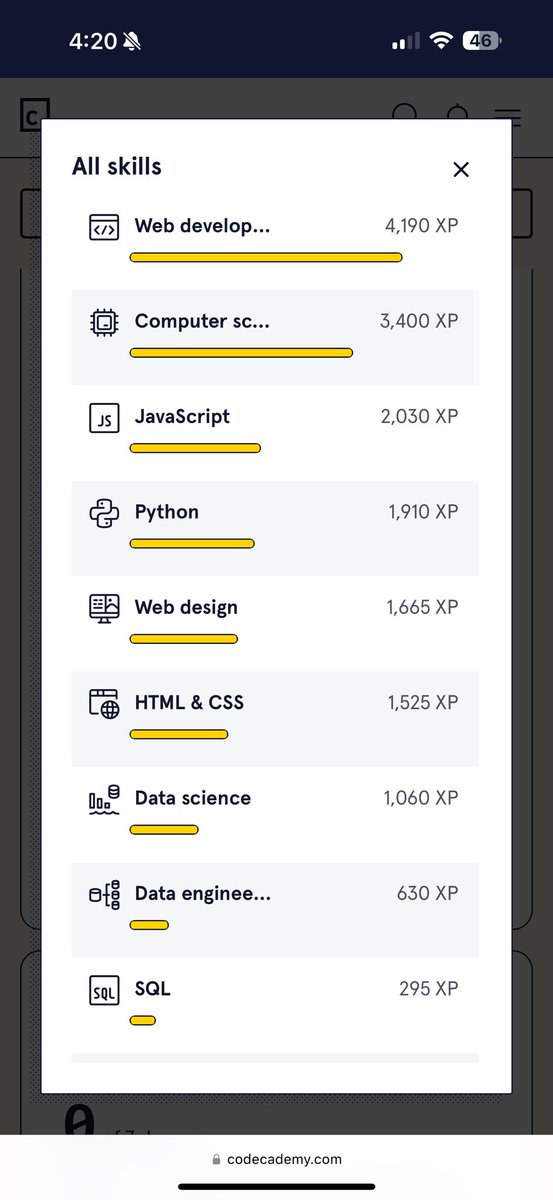
If I was to suggest one essential tool every beginner in software development should be using, it would be Codecademy.
Really helped me when I was starting out!!
I love @Codecademy, you changed my life…

3
5
70
7,608

SimplifiedUX ® retweeted

21 Feb 2025
Design has become the laziest working sector in technology.
This is why only a handful stand out.
You’re just mad someone is calling you out for it.
39
13
422
55,693
SimplifiedUX ® retweeted

11 Feb 2025
As you know - We don't gatekeep here - Check out @MeshyAI 😎
11 Feb 2025

I fear I may have found an AI tool that may temporarily stop me from learning Blender 💀.
11
33
366
27,362
SimplifiedUX ® retweeted

11 Feb 2025
We’re looking for product designers at @iverson
If you’re a generalist who likes a mix of UX, visual design, and prototyping, send an email with work you’re proud of to careers@iverson.inc
14
27
354
67,242
SimplifiedUX ® retweeted

4 Feb 2025
Got of a client call, at the end they mentioned a designer who charges $10,000 for a 30 min call referred me & baked for their 0 to 1 product design.
I rarely ask who referred them, as most them come from X. I'm amazed by how a big designer (he worked on some ultra amazing stuff) would openly share my agency website and ask clients to book a call with me.
For people fighting over each other every day and trying to prove that they own the design twitter, need to learn a thing or to from the actual "designers" who help others grow.
27
8
297
23,117
SimplifiedUX ® retweeted

17 Jan 2025
Exam prep struggles are REAL!
As a student, I know how hard it can be to read through notes and try to anticipate exam questions.
But what if I told you there's an easier way?
@SimplifiedIQ helps you prepare better by: watch the video 😜
9
22
160
4,411
i see designers posting the tools they need to earn $30K, $100K, $...
here is my take 👇
all i need is "ME"
i don't say it in an egoistic way.
invest in "you".
learn the human skills,
master the fundamentals,
don't get too dependent on tools.
any investment you make in yourself only compounds to greater over the years, unlike tools that go obsolete
i used to design with photoshop, then sketch came, today figma, tomorrow ...?
i used to communicate using ..., today ...
ps,
i earned 💰💰💰 without touching design tools, by guiding corporations, by consulting and sharing experiences, by...
be the designer
independent of tools
✌️

19
6
95
8,943
SimplifiedUX ® retweeted

8 Jan 2025
So I made a $100 bill that resizes with your screen. Think adaptive design meets digital currency meets inflation—all in one package. anatolyzenkov.com/resizabill
185
674
8,675
472,076
SimplifiedUX ® retweeted

26 Dec 2024
2025 ultimate UI/UX typeface cheat sheet:
Boska
Switzer
Satoshi
Cabinet
Supreme
General Sans
Space Grotesk
Inter
Manrope
Mulish
Poppins
Mont
Lato
Nunito
Rubik
Work Sans
Quicksand
Fira Sans
Source Sans Pro
Raleway
Roboto
Oswald
Exo 2
Encode Sans
Neue Haas Grotesk
Avenir Next
Proxima Nova
Open Sans
Muli
Merriweather Sans
Akkurat
DIN Next Pro
Gotham
Museo Sans
Univers
Brandon Grotesque
Gibson
Klavika
Montserrat
Clear Sans
Dosis
Bree Serif
Jost
Barlow
Libre Franklin
Hind
Ubuntu
Titillium Web
Playfair Display
Varela Round
3
66
470
17,683
SimplifiedUX ® retweeted
22 Oct 2024
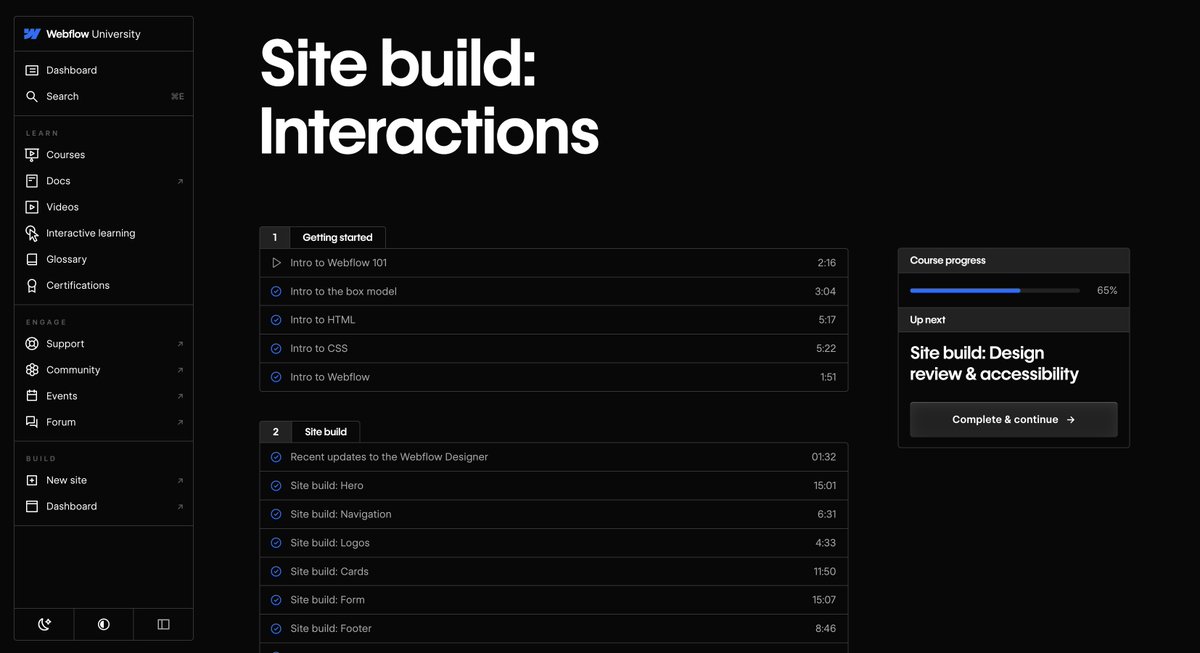
As I said before, completing a course is different from understanding each section and chapter and starting with its fundamentals.
As you can see, I started learning Webflow two months ago using its 101 course, and I haven't finished it yet (I'm only 64% done).
I'm carefully understanding each chapter and practicing them along the side. I can proudly tell you that my concepts are 100% clear so far. It's the same as learning about UX or UI design.
There are no shortcuts to what you learn 👋
21 Oct 2024

To get your 🧗♂️foundation right in UI/UX design
👉Read some books, and ask multiple "why!"
Initially, when you read a new concept, your brain holds it in short-term memory, which has a limited capacity and duration (about 20-30 seconds).
Even if you're interested in working more on the UI side, you still need to grab some concepts on how this particular interface would work for a person–who could be a salesman, a medical representative, a designer, a person who trades in the fishing industry, or a person who hosts a curated collection of Arts using an App or physical places.
That's the reason you must understand the concept of UX.
If you understand the core concepts of UX, you will understand why creating a user journey is important—not just to show this in your presentation slide or case study in a fancy way. If you study this well, you will understand why brands like Zara, H&M, etc., have a clean design structure compared to Amazon's home page, where every thumbnail looks like clickbait.
Sooner, you will understand each brand or company's business model and why it follows a particular pattern. Not every website on the planet has to be minimal or look like Amazon.
You understand who you are targeting first, second, and third.
You're combining these users into a user group, AKA Persona.
Again, if you don't understand the benefits of persona, or why it's useful, you will end up making a beautiful template-based persona pages for your slide deck or case study that ultimately doesn't connect 100% with your final UI design, becuase...
There is a connection.
If you're not okay with it or get bored talking to users, writing use cases, or hate documenting things, UX is not your thing, at least not as your primary objective. You could perform very well in UI, Web Design, or Graphic Design. You can still earn more than what a UX designer is earning. That's a different game altogether as to how to learn and practice marketing yourself.
My today's tip would be to...
Read or complete a video chapter and practice 💪
Through active practice (revisiting, applying, or teaching), your brain encodes this information into long-term memory, which has unlimited capacity and can last a lifetime.
So don't hurry to complete everything within a week and forget in weeks. A client a company is not going to hire you just by seeing the number course certificates you have. They will hire you because you can fix their product or take their product to the next level by utilizing the knowledge & experience you've gained.
Remember this: There is no concept of just one book or a course" that can give you enough information on UX, no matter what the title says (master, ultimate, pro, 👀etc.).
So why is that?
User experience is vast, like an ocean 🌊
To understand the ocean of UX, you need to dive in and see for yourself. Which is basically the concept of Discovery. So can you explore an ocean in a day? Of course not!
Similarly, the very 1st course on UX or UI/UX can give you fair amount of "overview" about the methods, its processes, and how to do that, shortly. If you drill down one of such courses, you will see around 15-30 mins of talk on user research. How can you expect to become a user researcher (or work more on the research side) by listening to 30 minutes of conversation? This is just the outline, overview, types, and some of its usage.
You need to take dedicated courses or books to gain deeper insight into a particular method. If you want to learn more about users and talk to them, you should read Steve's beautiful book "Interviewing Users."
On the foundation side, you learn the basic first. Start reading this smallest book on earth I shared a multiple times and saying it again –"Don't make me think". This can help you think and ask yourself questions like "Do I really need to show 4 fields instead of just 1?". Not just for designers, anyone can read this book BTW.
Let's say you're planning to make a coolest food delivery app or a quick commerce App/Website that can help people to buy fresh vegetables within 10 mins.
Before designing the interfaces, you need to understand your users' mental models. The mental model can help you narrate how they usually do that in physical malls, supermarkets, or call restaurants to order food. Translating that well makes it easier for you to convert the flows into digital interfaces.
If you need, I can share a list of resources you need to get started. Consider them your small investment.
Stay tuned for more knowledge sessions and as long as they can help you grow as a designer 💪👋
2
1
5
633