Ecologist, ethologist, and theoretical biologist. Interested in ecological dynamics, collective behavior, and organismal decision-making (among other things).
Joined January 2019
- Tweets 171
- Following 399
- Followers 782
- Likes 119
Photos and videos
Pinned Tweet

21 Oct 2022
Thrilled to announce my lab will be moving to the Computational Biology Department @Cornell, 2023! We’ll be hiring technician, multiple postdocs and grad students to work at the interface of computational ecology and behavior. Ads to come but please DM me or email if interested.
23
48
257
Andrew Hein retweeted

22 Aug 2023
Are you interested in bioacoustics, AI, and conservation of marine mammals? Come work with us at the marine mammal section of Aarhus University in Roskilde, Denmark!
au.dk/om/stillinger/job/ac-b…
18
17
1,965
Andrew Hein retweeted

15 Aug 2023
Plz RT: One month is left to apply for a postdoc in my research group to work on theory of social foraging. It is for two years and subject to extensions. Looking for someone with a PhD in a quantitative field @CBehav Apply here: bit.ly/3ODnmKg
25
25
12,496
Andrew Hein retweeted

22 Jun 2023
⭐️Double job advert alert!⭐️
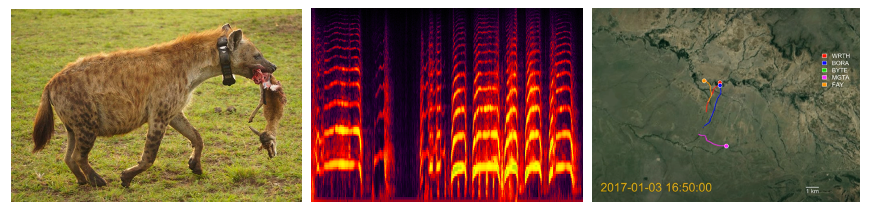
We are seeking a #PhD student and a #Postdoc to work on communication and collective behavior in animal groups, using our exciting new #biologging datasets! Join us @MPI_animalbehav @UniKonstanz
More info 👇 and at cocomo.group/join
3
135
208
53,676
Andrew Hein retweeted

13 Jun 2023
It’s alive!!!! 🎉 Check out @oceanvisionai, an ecosystem of services to accelerate observations of #ocean life. Let us know what you think.
13 Jun 2023

At Ocean Vision AI, our mission is to bring experts through to enthusiasts together to accelerate ocean observation and discovery.
We invite you to join our global community as we transform pixels into groundbreaking insights. Learn more 🧵👇
5
13
3,555
Andrew Hein retweeted

13 Jun 2023
“Mr. McCarthy moved to *El Paso, N.M.*”🧐 I point this out only because Cormac himself would find it amusing. One of the funniest, most curious, warmest, and brightest people I’ve ever had the pleasure to know. I’ll miss him dearly: nytimes.com/2023/06/13/books…
1
2
23
1,656
13 Jun 2023
Lab website (andrewhein.org) just got a much needed re-design courtesy of Lee and his team at Sunday Roast (sundayroast.agency). It was a pleasure working with them.
2
1
7
1,308
Andrew Hein retweeted

13 Jun 2023
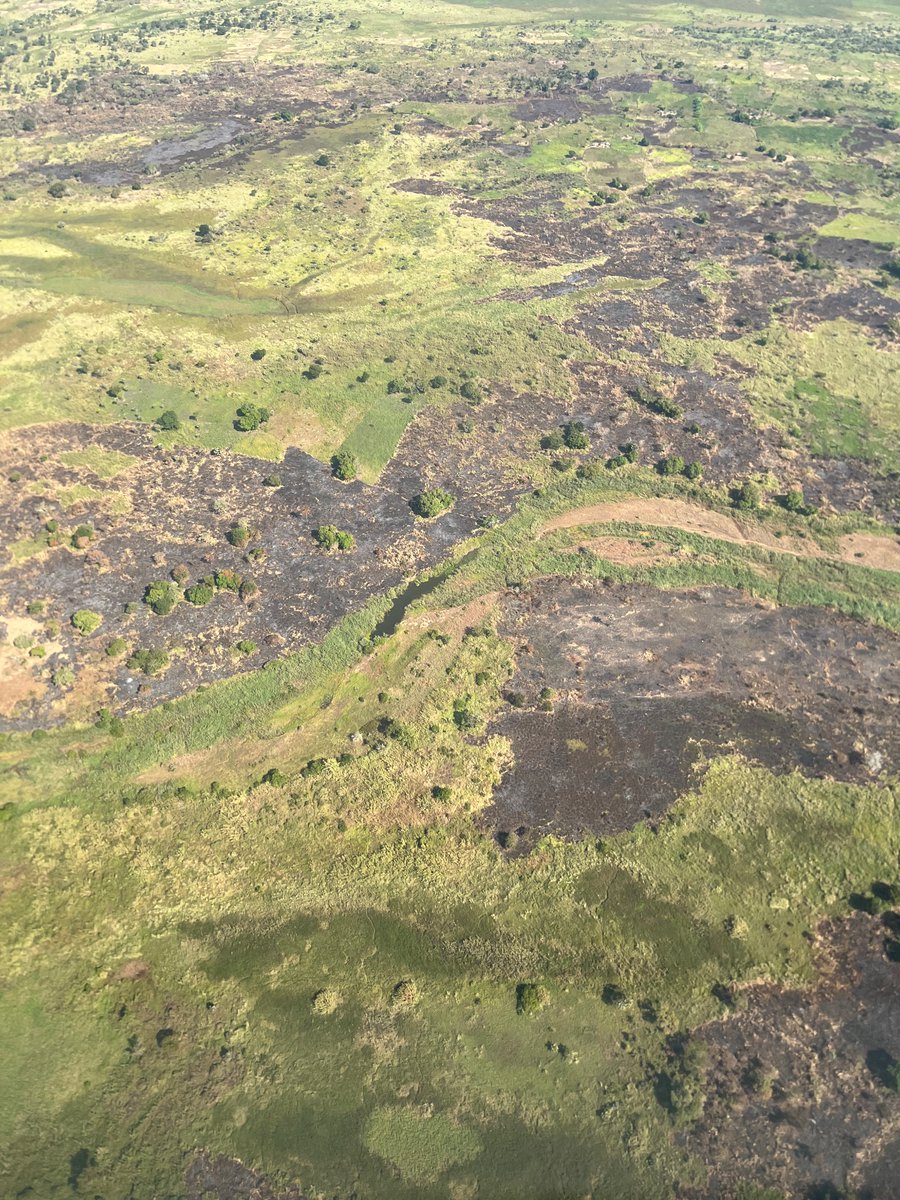
Mindbendingly cool experience @GorongosaPark with @rob_pringle making it all possible. Pumped to have another amazing fieldsite.
5
16
1,764
Andrew Hein retweeted

7 Jun 2023
Happy to share my first publication, out in nature today:
nature.com/articles/s41586-0…
@Jp_odwyer and I investigated the effects of life history differences on coexistence and found certain combinations of life history traits led to more stable communities.
1
11
22
2,599
Andrew Hein retweeted

6 Jun 2023
Latest out in @NatureComms "Estimating the impact of COVID-19 vaccine inequities: a modeling study". Great collaboration with @gozzi_nicolo @mattk7 @nataliexdean @ilongini @betzhallo @alexvespi. A short thread below summarising the results. nature.com/articles/s41467-0…
3
19
39
10,887
Andrew Hein retweeted
7 Jun 2023
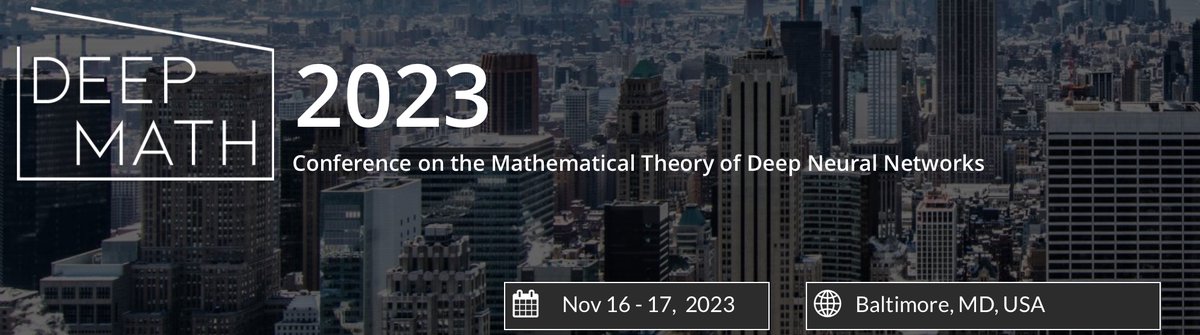
Plz RT: This year @deepmath1 conference will take place at John Hopkins University (Baltimore, MD,USA). Make sure to submit your best theoretical work focusing on deep neural networks 📷. The call for submissions is open till June 15th : deepmath-conference.com/subm…
5
2
2,178
Andrew Hein retweeted

6 Jun 2023
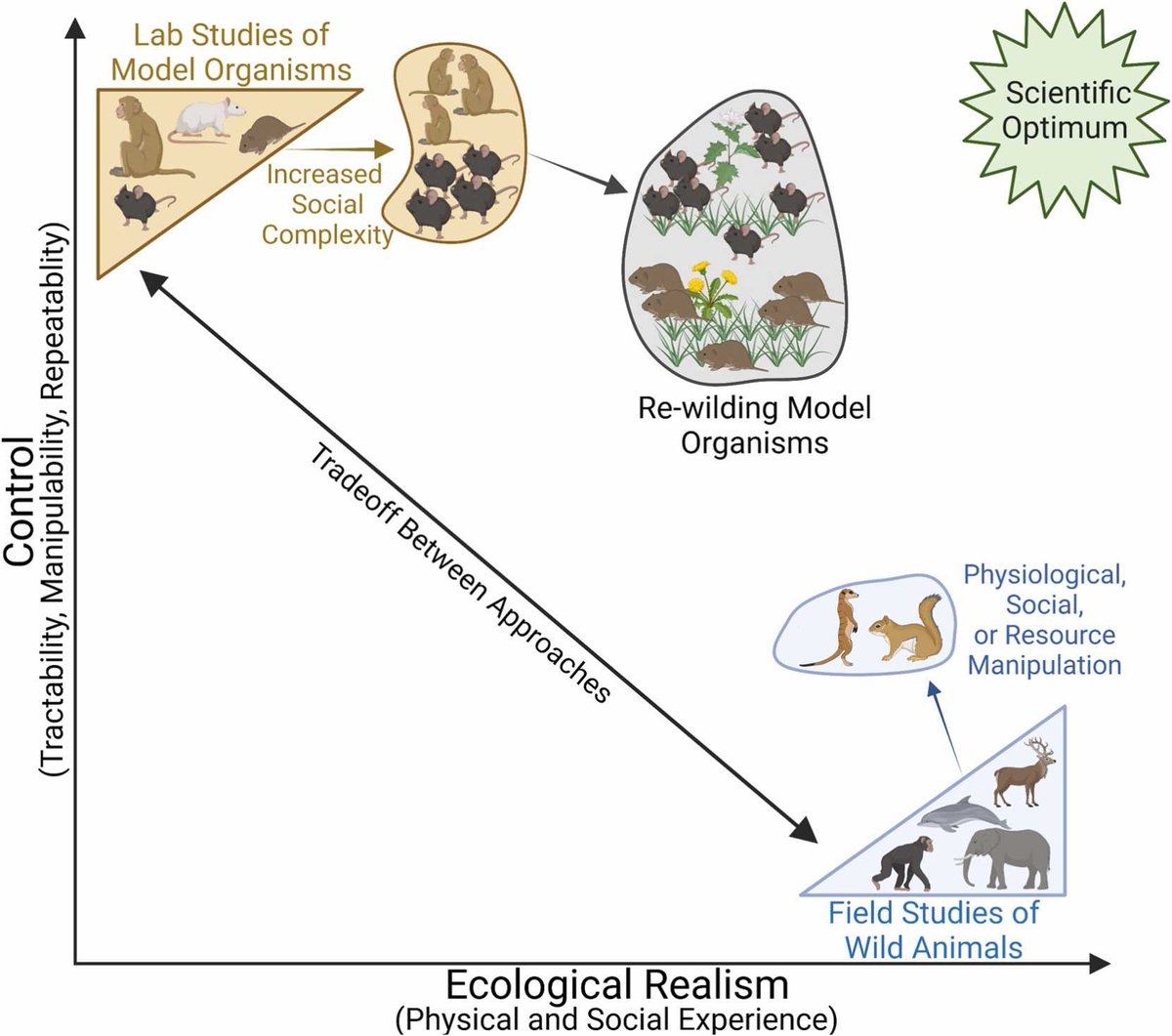
Great 🧵 by @MatthewZipple on our recent review in as part of @animalsocaging ‘s special issue in NBR.
We lay out why it’s worthwhile to study mice outside in more natural habitats
6 Jun 2023

Our recent review describing the power of re-wilded model organisms to address outstanding issues in the field of social determinants of health and aging.
Free link: authors.elsevier.com/a/1hA~U…
Written with @VogtCaleb and @IDsignals.
A brief thread...
6
12
1,984
5 Jun 2023
Thrilled to see work of students and mentors in the AI for the Ocean program and collaborators Eric Orenstein, @KakaniKatija, @AshkaanF published in @FrontMarineSci! doi.org/10.3389/fmars.2023.1…
1
3
11
3,553
5 Jun 2023
This diverse, talented group of undergrad authors persevered through many challenges to produce a fabulous paper on increasing inclusive access to machine learning tools for studying the ocean.
132
Andrew Hein retweeted

22 May 2023
hi #coral people - we're in the fiel trying to dye coral cells to look at cell migration and are having a hard time getting any of the dyes to stick. Has anyone had any luck using cell dyes or have any suggestions for techniques?
4
3
2,045
Andrew Hein retweeted

19 May 2023
This spring, we welcomed 5 new faculty! From developing cost-effective & sustainable weed management strategies to studying how human disease is shaped by genetic & environmental factors, they're off & running pursuing purpose-driven science. More in 🧵cals.cornell.edu/news/2023/0…
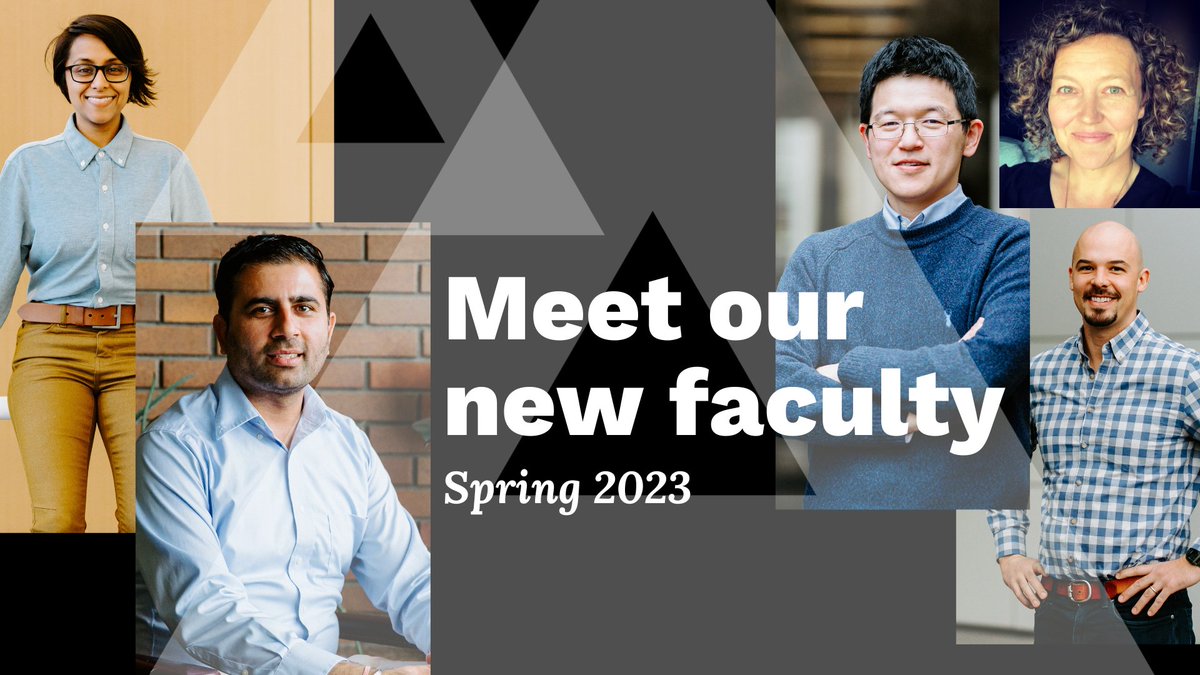
ALT Meet our new faculty - Spring 2023
1
5
22
7,024
Andrew Hein retweeted

4 Apr 2023
Check it out! New paper by @SantiAndForero in @HormBehav demonstrating that DREADD manipulation in #NucleusAccumbens of female #PrairieVoles modulates social saliency of established partners & partner bonds are weakened after becoming mothers!
authors.elsevier.com/a/1gqef…
7
27
3,426
30 Mar 2023
looks like a fabulous program!
30 Mar 2023

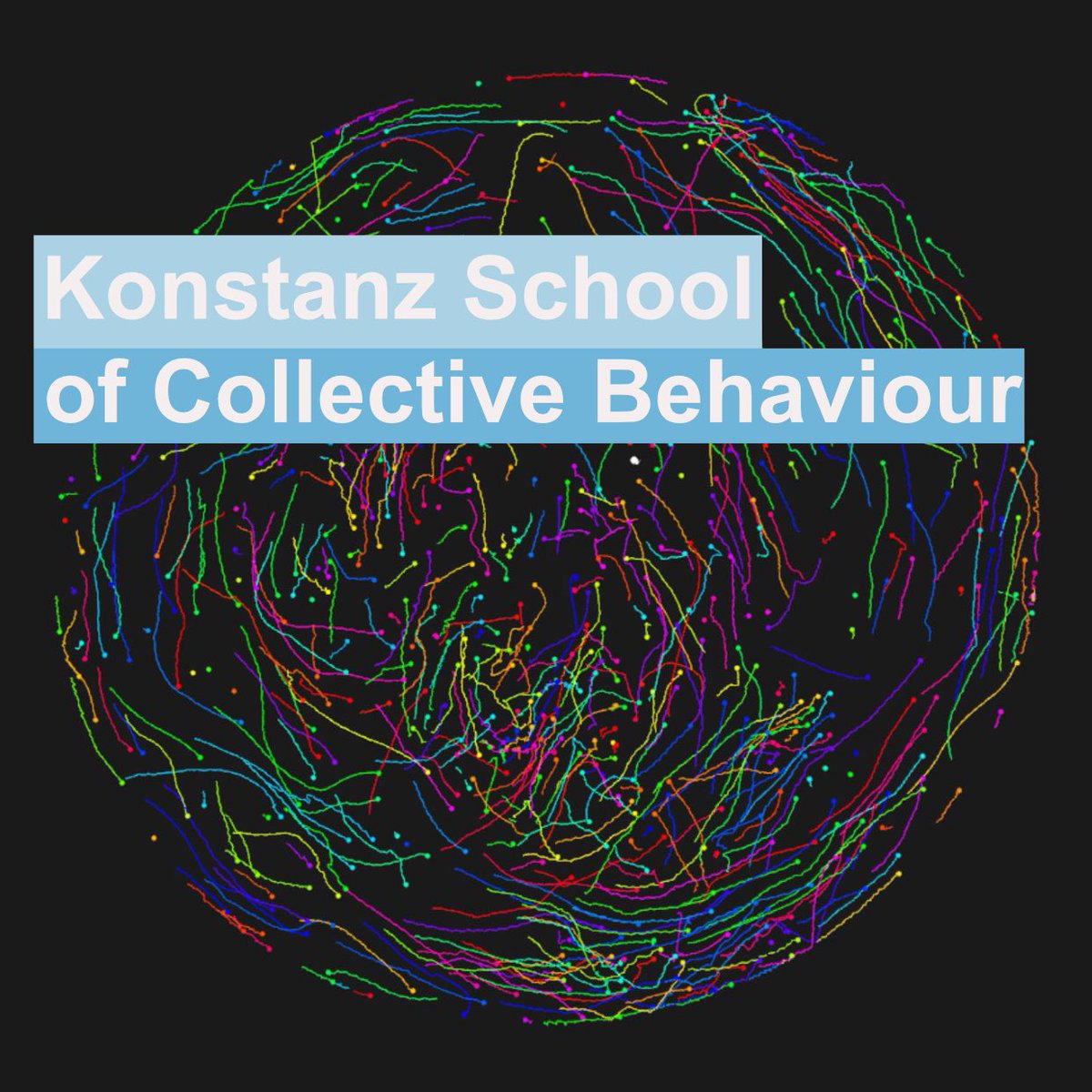
Excited to organize this school. Collective behavior is everywhere from ants foraging to human behavior. It is not just about basic science but have life implications from understanding how consensus work, how misinformation is transmitted,.. apply here:
exc.uni-konstanz.de/kscb/
2
386
Andrew Hein retweeted
30 Mar 2023
Misinformation - fish are susceptible to it too, says prof. @aHeinLab in a @PNASNews pub. While more study is needed, the paper suggests that the need to cope with misinformation may have driven the evolution of how brains process information. #NSFfunded news.cornell.edu/stories/202…
3
5
2,560
29 Mar 2023
A brief thread on our new paper in PNAS led by @AshkaanF, with @PopEcology, and @DrMikeGil, Mimi Celis and Gabe Hein: pnas.org/doi/10.1073/pnas.22…
1
3
3
1,868
29 Mar 2023
In the latest work (pnas.org/doi/10.1073/pnas.22…), we used decision-making models inspired by circuit neuroscience work on zebrafish by Joe Fetcho, @Engertlab, @herwig_baier, and others.
1
157
29 Mar 2023
We found that a form of feed-forward inhibition postulated to exist in these circuits allows individuals to avoid being overly responsive to visual cues produced by other fish. Absent this feature, visually-evoked false alarms (a simple form of misinformation) would be rampant.
115