Historian interested in digital history & hermeneutics, transnational media history, experimental media archaeology, and European history of technology.
Joined July 2013
- Tweets 856
- Following 367
- Followers 1,063
- Likes 1,182
43 Photos and videos


Andreas Fickers retweeted

19 Nov 2024
JOB 🚨🚨 Join us at the University of Luxembourg. Deadline for application 15/1/2025 recruitment.uni.lu/en/detail… #DH #DigitalHumanities #Academia #DigitalHistory

1
17
21
1,811
Andreas Fickers retweeted

17 May 2024
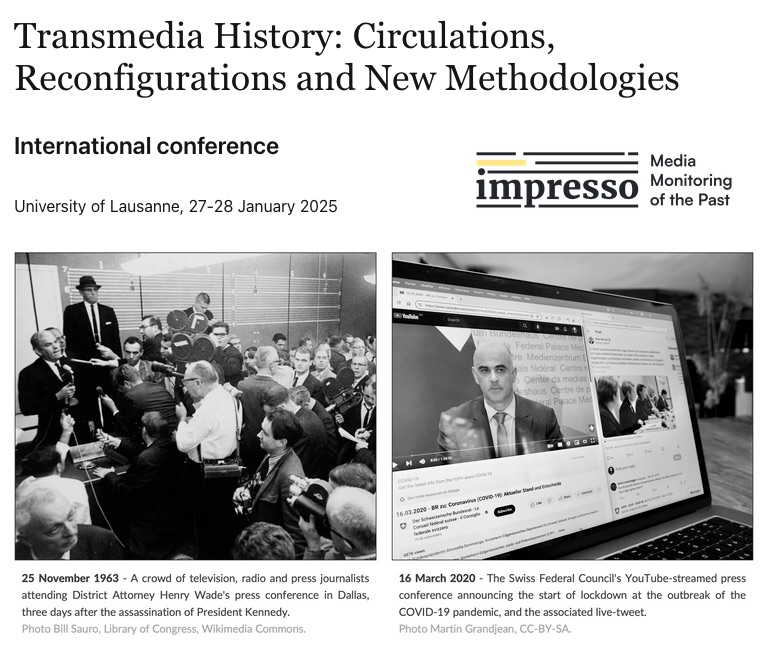
Help us spread the word: #CfP for the first Impresso conference! "#Transmedia History: Circulations, Reconfigurations and New Methodologies" on 27 and 28 January 2025 in Lausanne @unil - the submission deadline is 15.7. and all infos are here: impresso.github.io/transmedi…
17
20
1,635
Andreas Fickers retweeted

6 May 2024
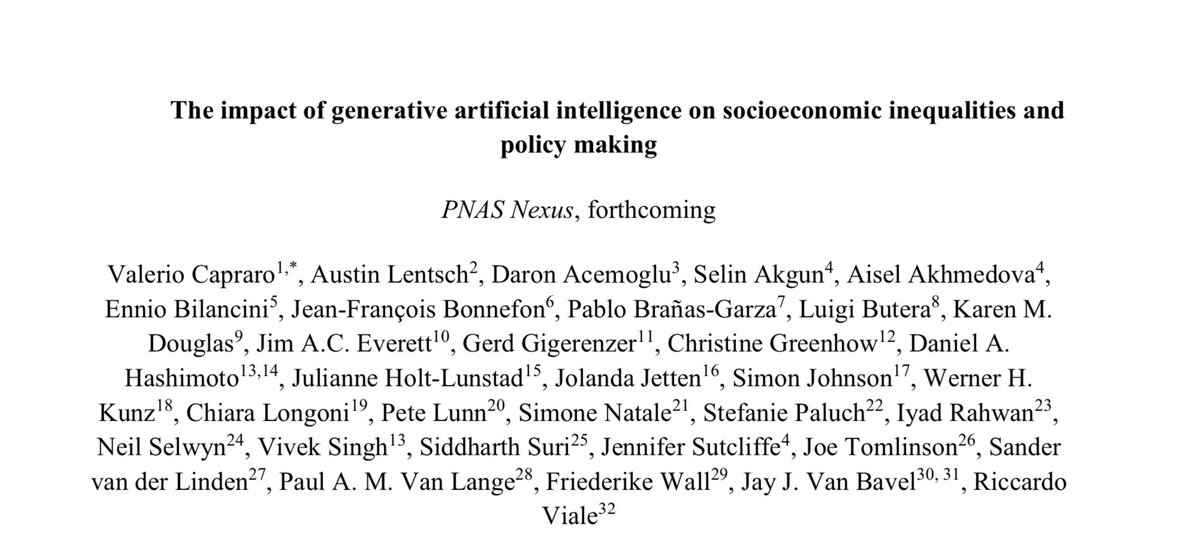
🔥Now in press at @PNASNexus 🔥
We provide a state-of-the-art, interdisciplinary overview of generative AI’s potential impacts on (mis)information and three information-intensive domains: work, education, and healthcare.
Our goal is to highlight how generative AI could worsen existing inequalities while illuminating how AI may help mitigate pervasive social problems.
In each section, we cover a specific topic, evaluate existing research, identify critical gaps, and recommend research directions.
We pose 72 specific research questions that could significantly advance the field. Each question is non-trivial, and we discuss explicit trade-offs complicating the derivation of a priori hypotheses. See tables 1-4 in the paper and S1-S4 in the SI.
We conclude with a section highlighting the role of policymaking in maximizing generative AI’s potential to reduce inequalities while mitigating its harmful effects.
We discuss the strengths and weaknesses of existing policy frameworks in the European Union, the United States, and the United Kingdom, noting that each fails to fully address the socioeconomic challenges we have identified.
We propose several concrete policies that could promote shared prosperity through the advancement of generative AI. See table 5 in the paper.
We hope that this work contributes to a comprehensive research agenda and public debates on these critical topics.
Full paper: papers.ssrn.com/sol3/papers.…
This article would not have been possible without the collaboration of an amazing, multidisciplinary group of authors. Immense thanks to everyone involved!
@AustinLentsch @DAcemogluMIT @SelinAkgun9 Aisel Akhmedova @EBilancini @JFBonnefon @BehSnaps @lu_butera @Karen_Douglas Jim Everett Gerd Gigerenzer @chrisgreenhow @Laparoscopes @PCASOLab @jholtlunstad @jetten_j @baselinescene @werkunz @longoni_chiara Pete Lunn @simone_natale Stefanie Paluch @iyadrahwan Neil Selwyn Vivek Singh @ssuri Jennifer Sutcliffe @JoePTomlinson @Sander_vdLinden @PaulvanLange @FriederikeWall @jayvanbavel Riccardo Viale
41
114
26,366
Andreas Fickers retweeted
6 May 2024
Registration (free) for attending the 2024 World Conference of Public History (with @pubhisint) is now open. Thanks for sharing. ifph2024.sciencesconf.org/re…

10
14
1,319
Andreas Fickers retweeted

26 Apr 2024
🔔 In case you missed it, we have officially opened the registration for #DHBenelux2024! Secure your spot before registration closes on 13 May. More details on how to register on our website 👇2024.dhbenelux.org/how-to-re…
4
4
769
Andreas Fickers retweeted
26 Apr 2024
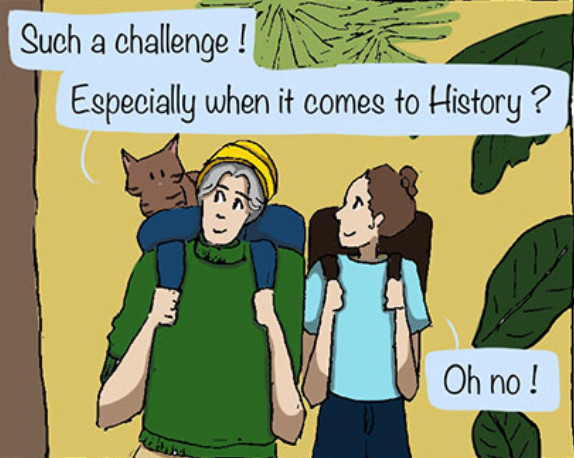
When A. Gandanger discusses history and/in comics with @a_fickers, it ends up in...... a digital comic: uni.lu/c2dh-en/news/gazengel…
#Comics #History @devhist @Histoirepublik
1
3
4
359
Andreas Fickers retweeted

11 Apr 2024
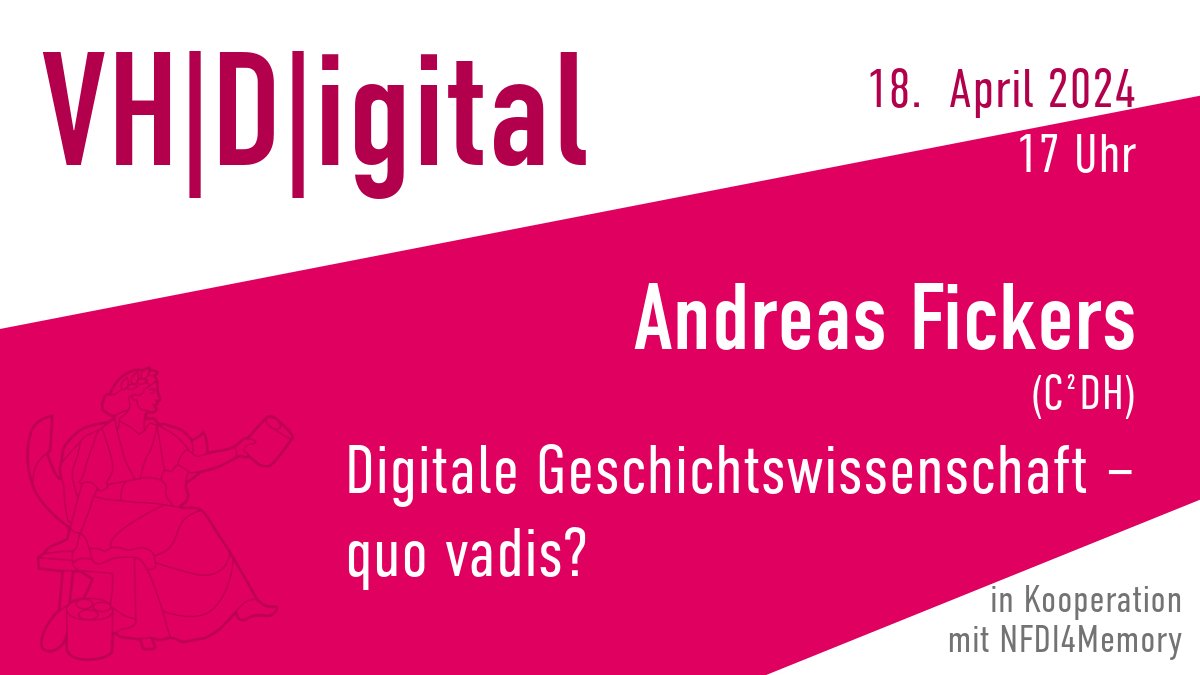
Nur noch eine Woche bis zum Auftakt von #VHDigital 🎉
Alle sind herzlich eingeladen, dabei zu sein, wenn es am 18. April, 17 Uhr, hießt:
Digitale Geschichtswissenschaft - quo vadis?
Wir sind in jedem Fall schon sehr gespannt auf den Vortrag von @a_fickers (@C2DH_LU).
8 Apr 2024

#VHDigital. Die Vortragsreihe zu Forschungsdaten, Ethik und Recht in der digitalen Geschichtswissenschaft von #VHD & @NFDI4memory
Zum Auftakt unternimmt @a_fickers (@C2DH_LU) am 18. April, um 17 Uhr, eine Bestandsaufnahme der digitalen Geschichtswissenschaft.
ALT Ankündigung für die Veranstaltung
6
6
1,094
Andreas Fickers retweeted

14 Mar 2024
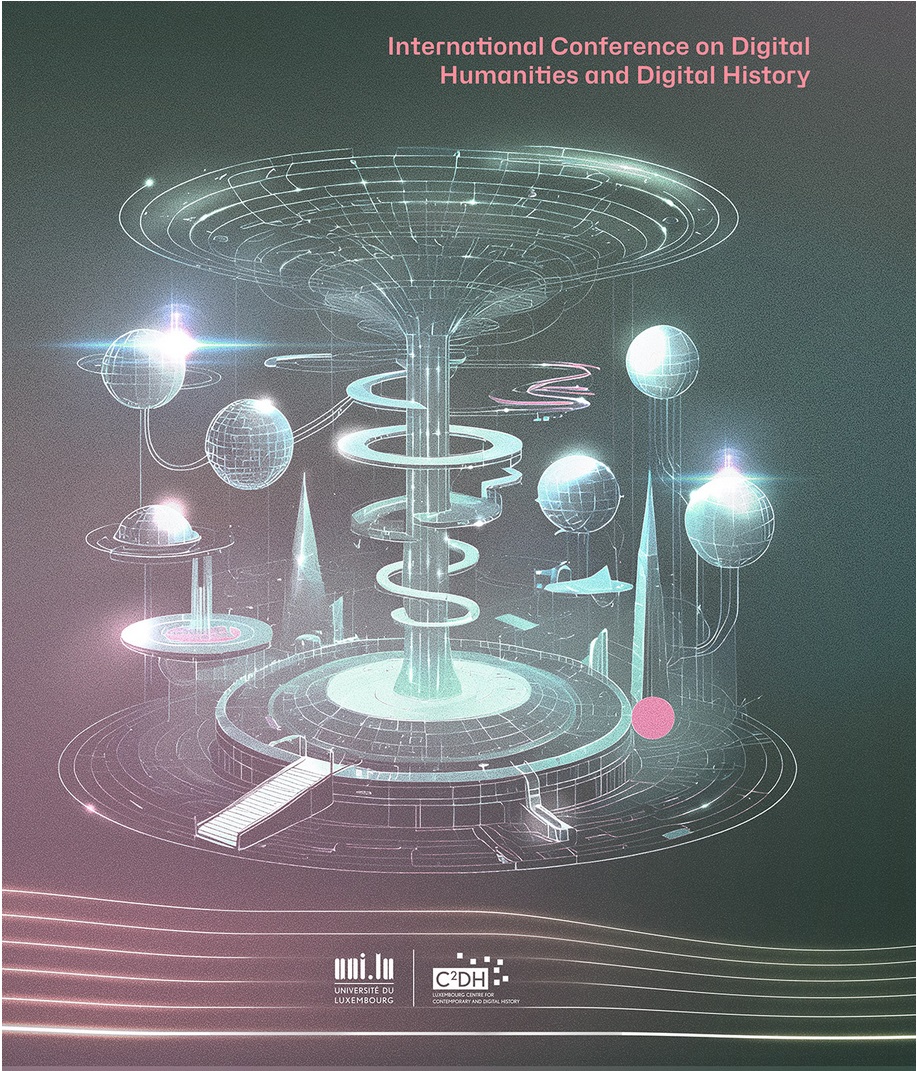
Our conference starting today @C2DH_LU on a WS by Frédéric Clavert & Elisabeth Guérard on "Embedded epistemic virtue in a multi-layered article" in the Journal of Digital History - the "most innovative and sexy thing" on the horizon of publishing. @GHIWashington @dij_tokyo @chnm
14 Mar 2024

Starting today: 6th conference on #DH & digital history "Exploring Epistemic Virtues & Vices" @C2DH_LU @chnm @GHIWashington @dij_tokyo feat. keynote by DIJ's @HaraldKuemmerle on Epistemological challenges of doing research in/on Japan in the age of DH c2dh.uni.lu/fr/events/explor…
2
5
1,024
Andreas Fickers retweeted

8 Mar 2024
Interesting new position @univgroningen: Assistant Professor Contemporary History of computing & information culture since 1945 (1.0 FTE)
rug.nl/about-ug/work-with-us…
25
17
4,021

16 Jan 2024
Looking very much forward welcoming Paul Edwards @AVastMachine for a talk on "Technology Eats History: Time and Techno-metabolism in the Anthropocene" at the C2DH on 30th of January c2dh.uni.lu/events/technolog…
2
7
408
10 Jan 2024
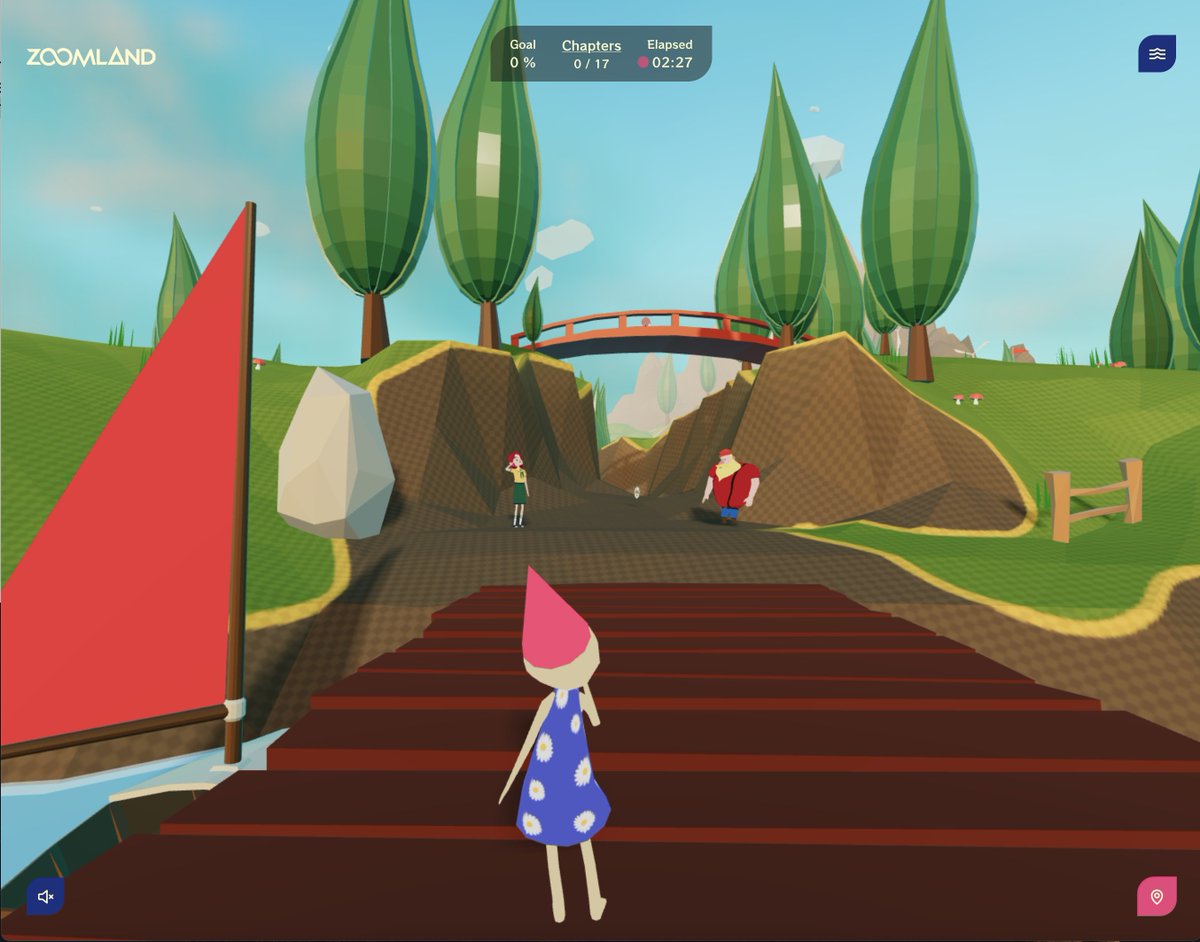
Excited to announce that you can now explore the content of ZOOMLAND. Exploring Scale in Digital History and Humanities c2dh.uni.lu/news/zoomland-ex… in a video game! Many 🙏 to our great C2DH designers Kirill Mitsurov and Daniele Guido.
1
12
27
4,957
21 Dec 2023
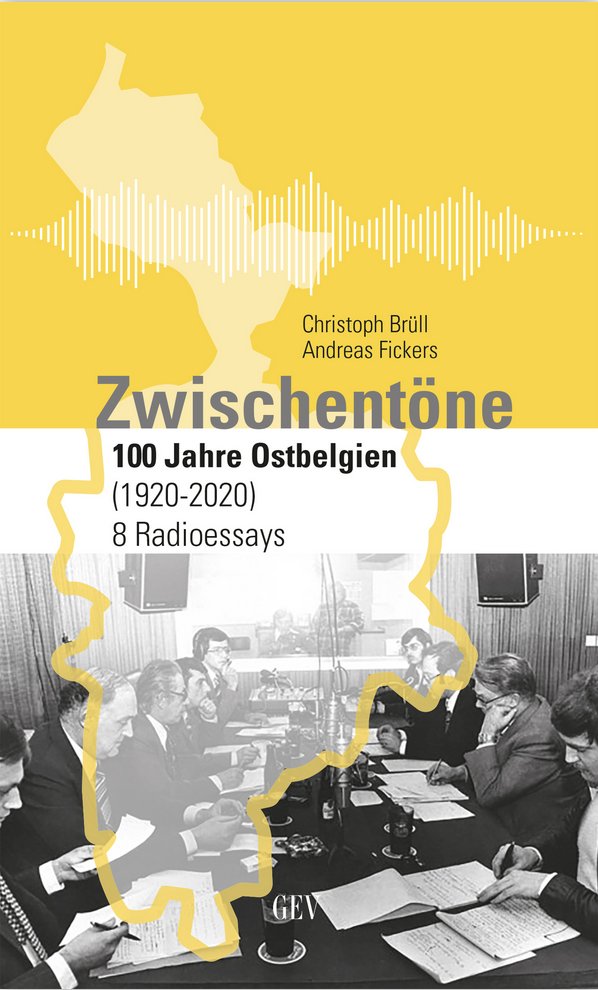
Neuerscheinung: Grenzerfahrungen – Eine Geschichte der Deutschsprachigen Gemeinschaft Belgiens. Band 6 c2dh.uni.lu/news/neuerschein…
3
5
712
Andreas Fickers retweeted
7 Dec 2023
New Master in Digital and Public History at University of Luxembourg opens student applications on February 1, (Start in September 2024). #Master #Graduate #DigitalHistory #PublicHistory See the thread. @C2DH_LU @ncph @PH_Weekly
1
26
47
4,558
Andreas Fickers retweeted

28 Nov 2023
Check the lesson "From the Shelf to the Web, Exploring Historical Newspapers in the Digital Age", authored by @martenduering and @EstelleSzmidt from @C2DH_LU, now registered on @DARIAHeu Campus campus.dariah.eu/resource/po… (available in English, French, German)
9
15
1,551

Deadline approaching... Submit your paper before 1 December for this international conference on Digital Humanities and Digital History to be held on 14-16 March at @uni_lu
#digitalhistory #digitalhumanities #cfp
c2dh.uni.lu/news/cfp-explori…
17
27
3,284
Dive into the world of Gazengel, a new series of digital #comics ! Each monthly episode offers a glimpse into the life of a PhD student from a new angle.
Start the journey here ➡️ uni.lu/c2dh-en/research-grou…
#ScienceCommunication #academia @uni_lu #publichistory

6
8
845
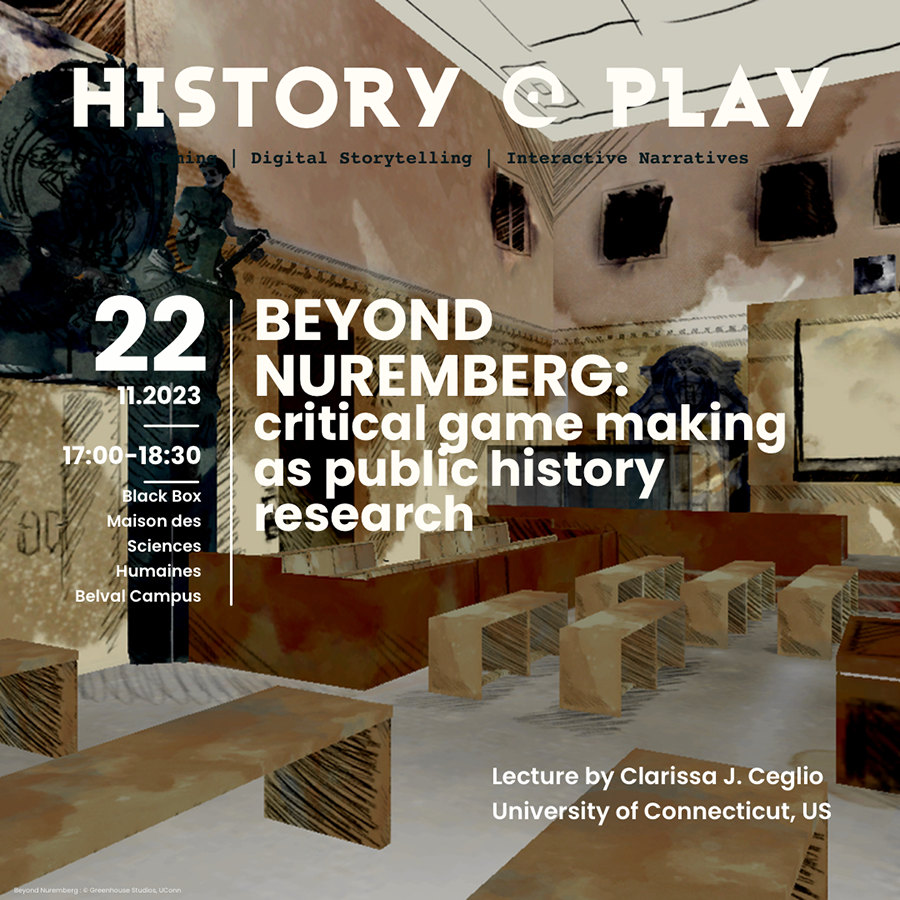
Mark your calendar for our next History@Play lecture: 👉Beyond Nuremberg: Critical Game Making as Public History Research
👉 by Clarissa J. Ceglio
🗓️22.11.23
📍 Online and on-site
➡️ c2dh.uni.lu/events/beyond-nu…
#digitalhistory #historygames #publichistory
8
13
1,589
Andreas Fickers retweeted

3 Nov 2023
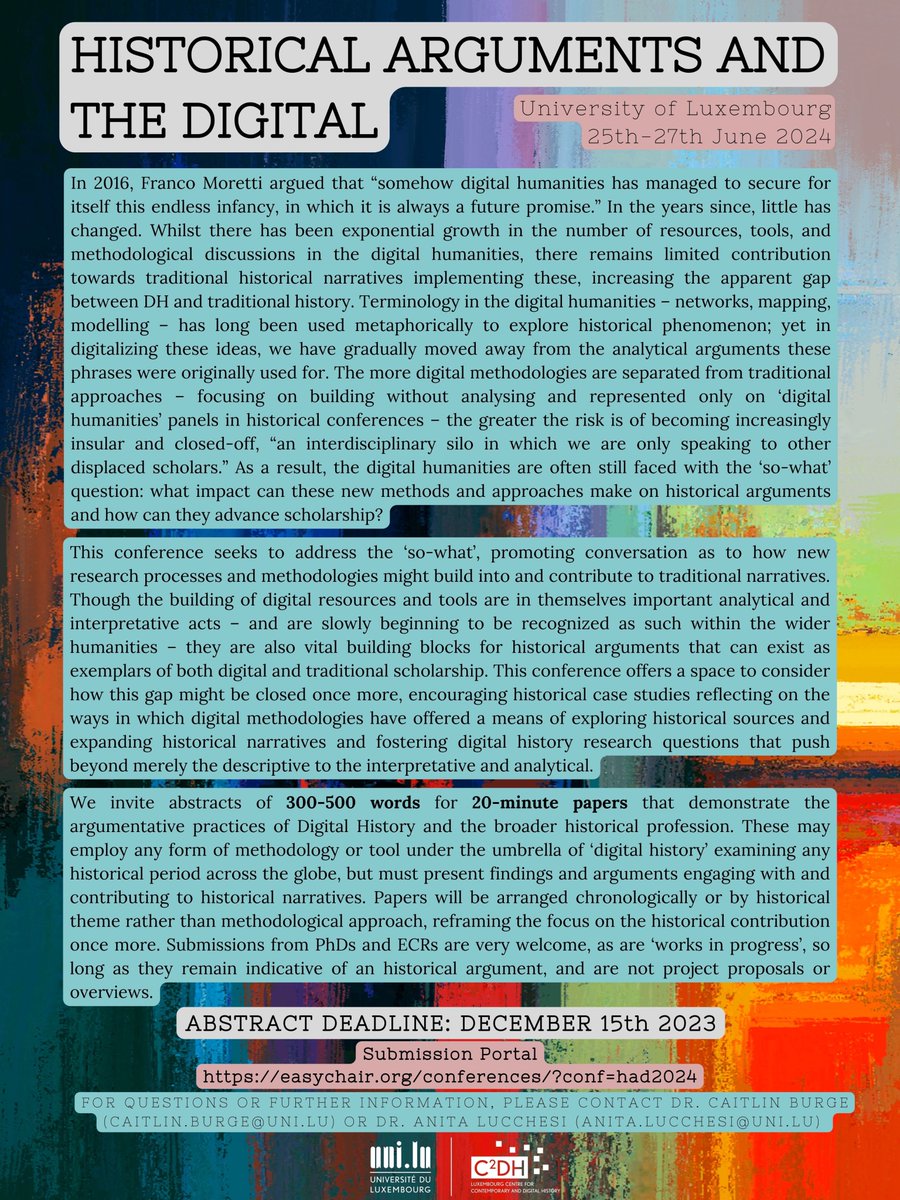
📢 Calling all #twitterstorians! In June 2024, let's dive into "Historical Arguments and the Digital" at @C2DH_LU. Together with @CaitlinBurge95, we'll tackle the pivotal "so-what" question of #DH.
📰20-min papers welcome!
Info #cfp bit.ly/cfp-had2024
Deadline: Dec 15
3
64
137
30,775
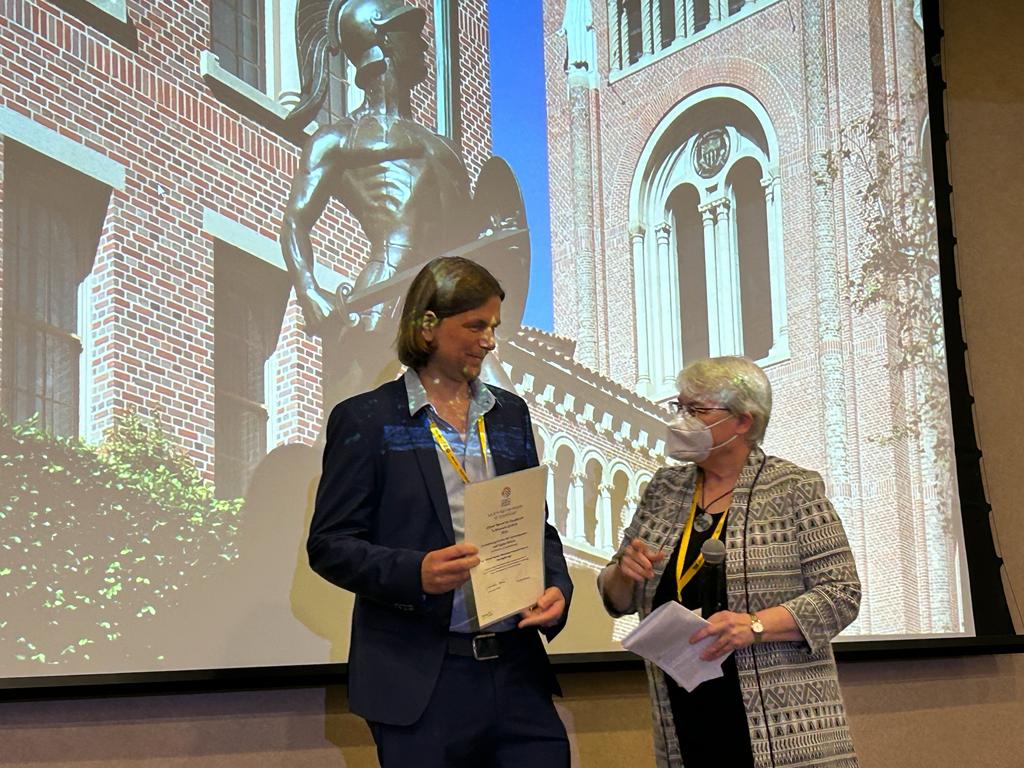
@SocHistTech has awarded the 2023 Dibner Award for Excellence in Museum Exhibits to the “Remixing Industrial Pasts in the Digital Age”-team for the online exhibition MINETT STORIES 😀🎉👏
➡️ c2dh.uni.lu/news/minett-stor…
@Esch_2022 #industrialheritage @uni_lu
1
3
4
299
Andreas Fickers retweeted
30 Oct 2023
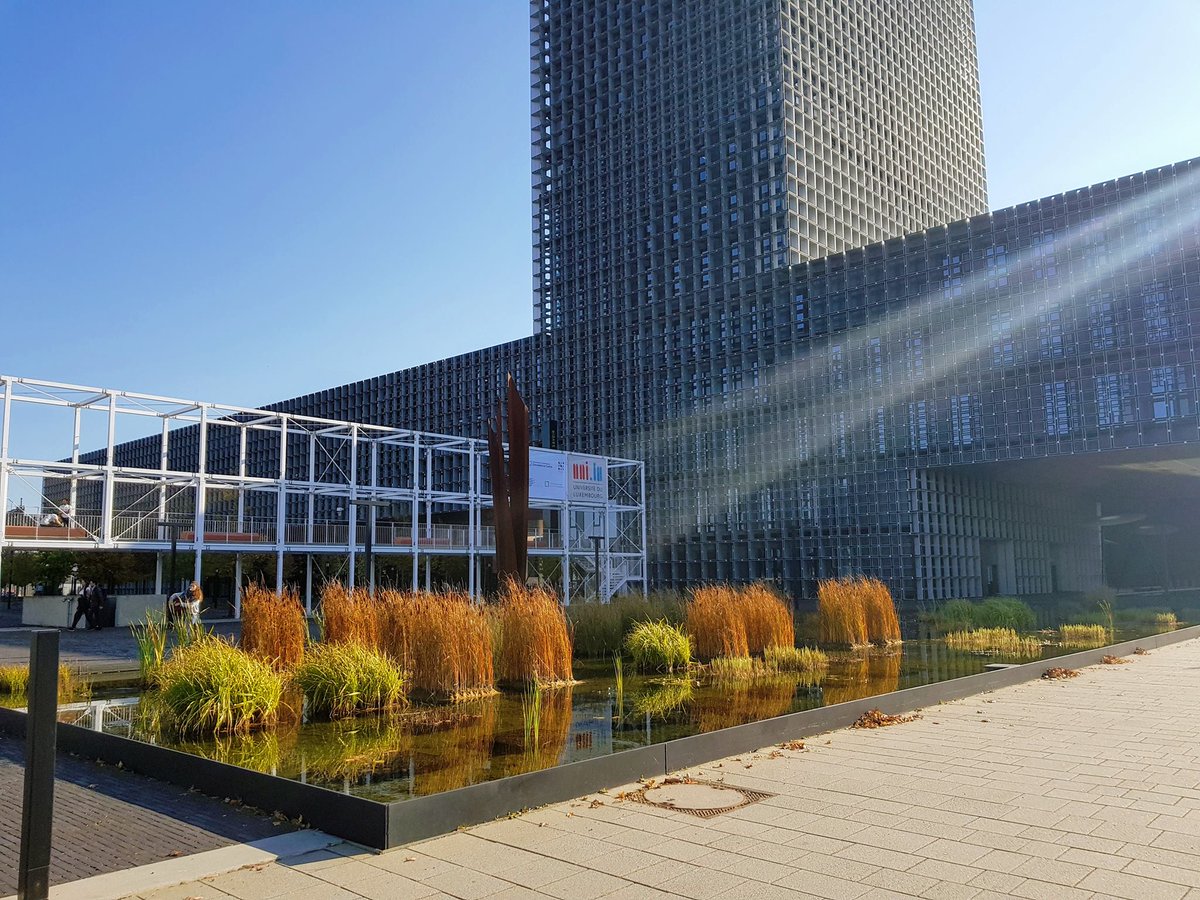
New Master in Digital and Public History!! After 2 years of prep, it is now official that we gonna launch (September 2024) the new Master with @C2DH_LU at the @uni_lu. Such an exciting new adventure. #PublicHistory #graduate #education @PH_Weekly @ncph @FnrLux
2
23
85
6,115