
PhD student @imperialcollege. theoretical neuroscience, deep learning. 🦋aproca.bsky.social
Joined April 2020
- Tweets 91
- Following 320
- Followers 240
- Likes 674
36 Photos and videos

Pinned Tweet

20 Jun 2025
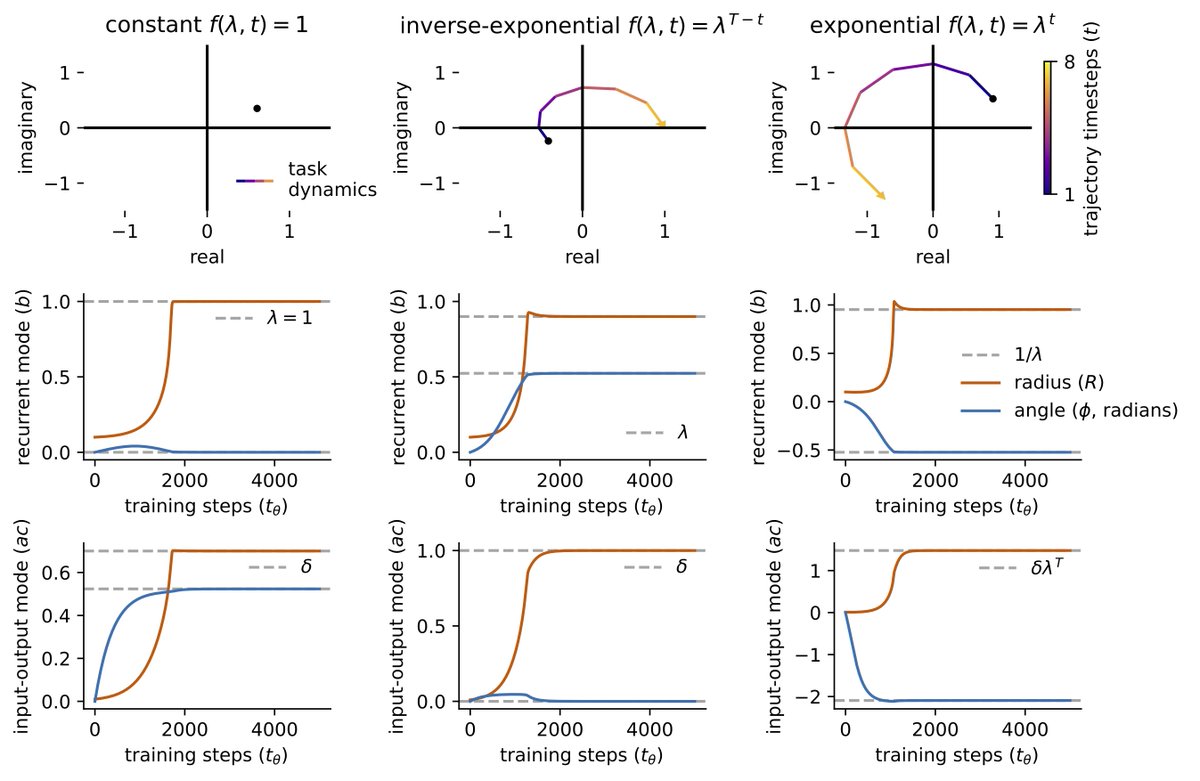
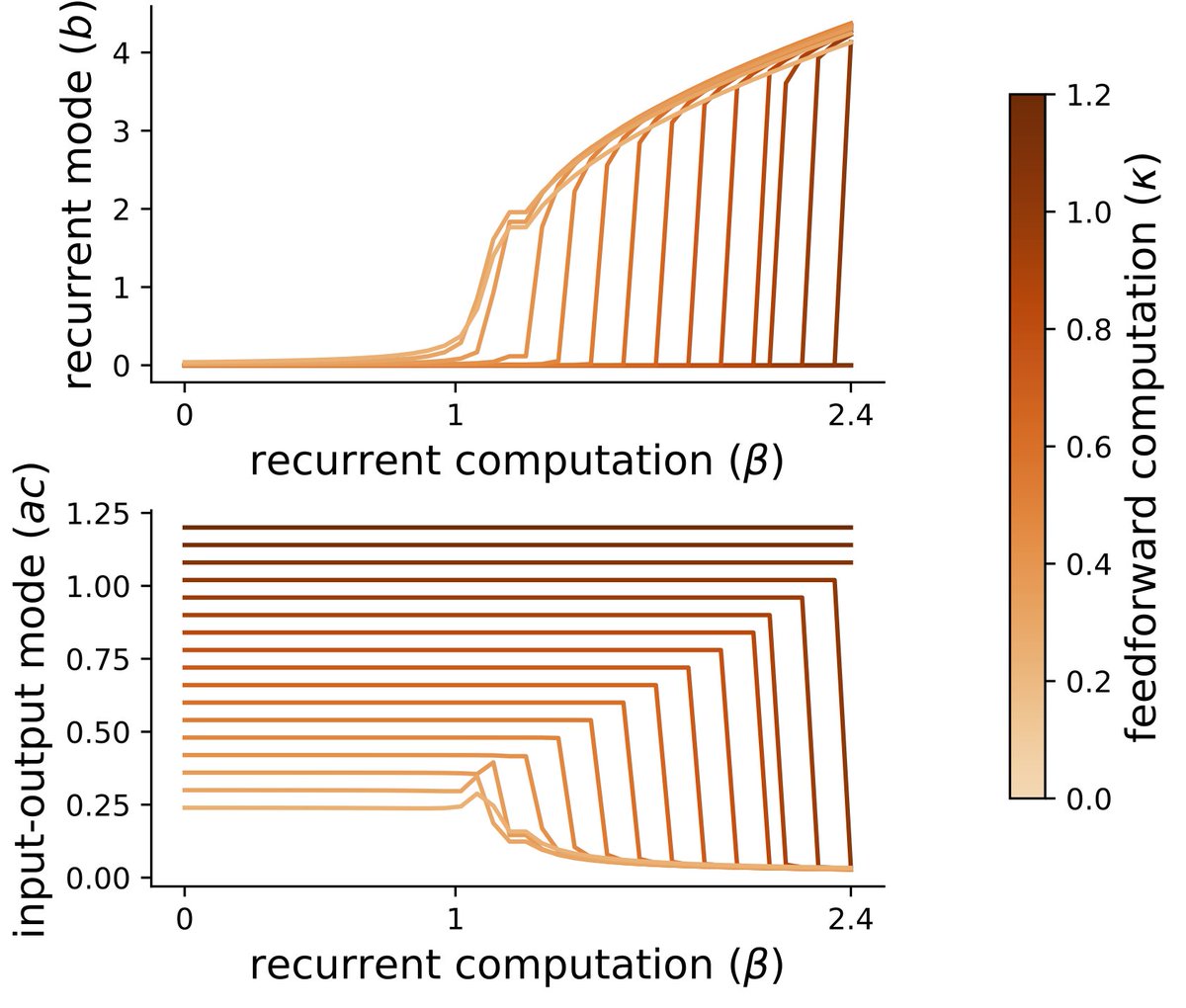
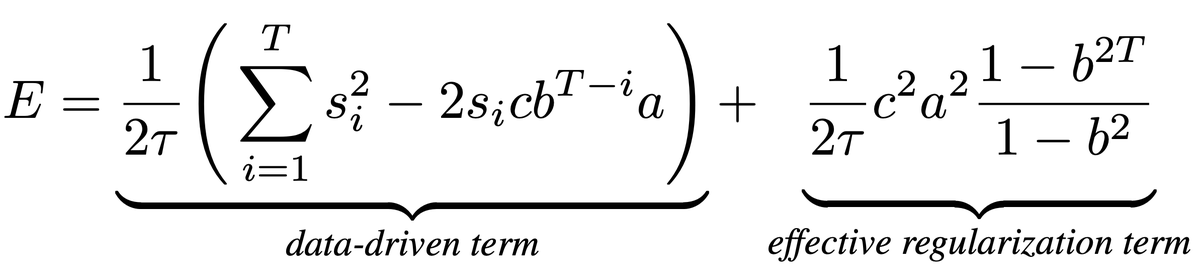
How do task dynamics impact learning in networks with internal dynamics?
Excited to share our ICML Oral paper on learning dynamics in linear RNNs!
with @ClementineDomi6 @mpshanahan @PedroMediano
openreview.net/forum?id=KGOc…
4
18
98
15,700

📢Join us for the next UniReps x @ELLISforEurope speaker series event, happening on 17 June at 4:00 PM CEST with @adityagrover_ and @black_samorez!🚀

4
10
1,138
May 6
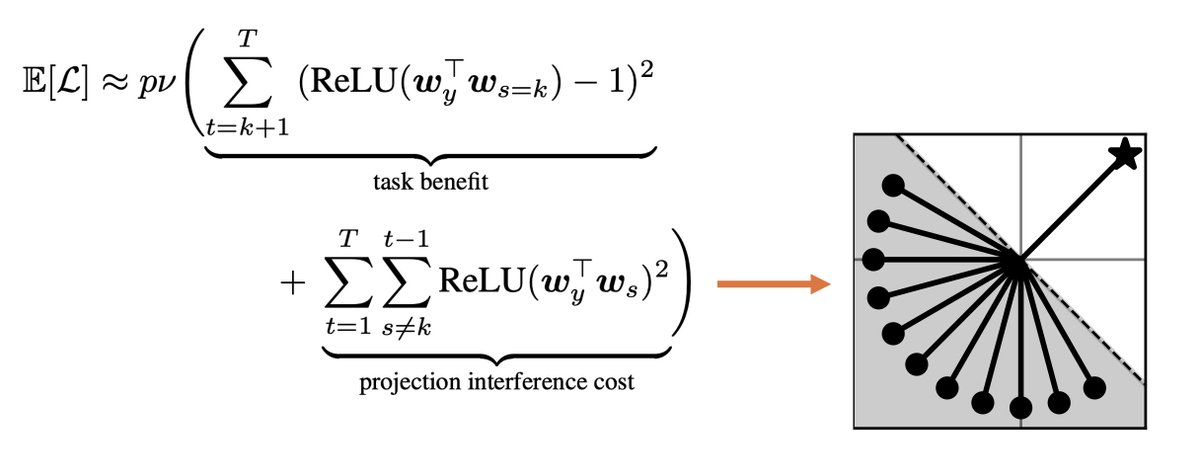
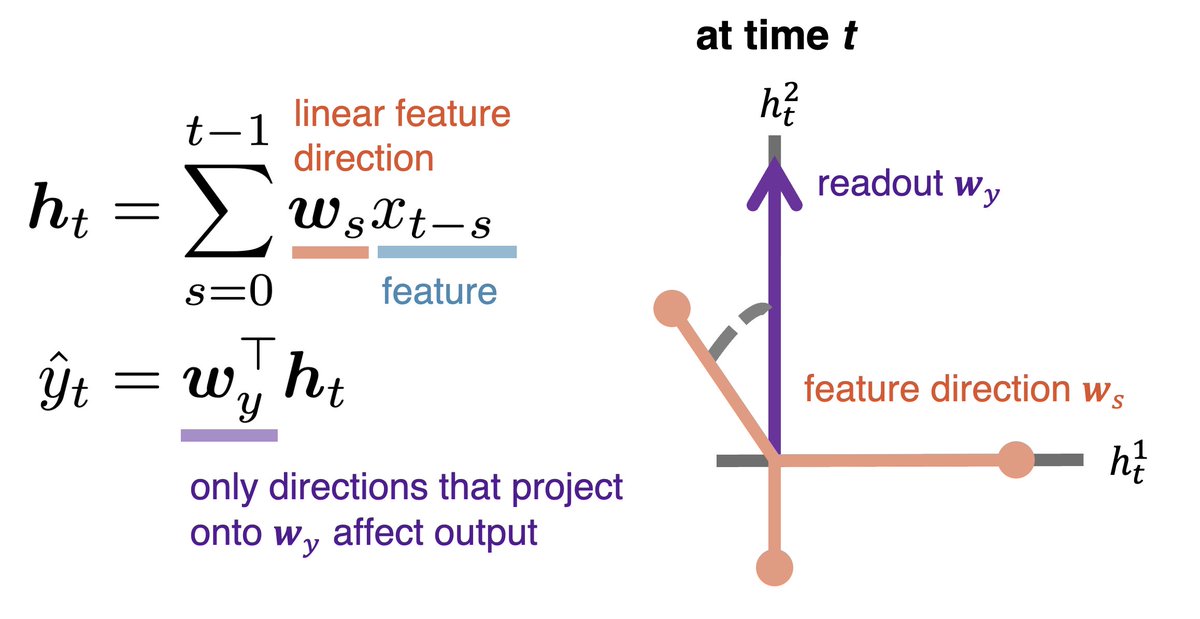
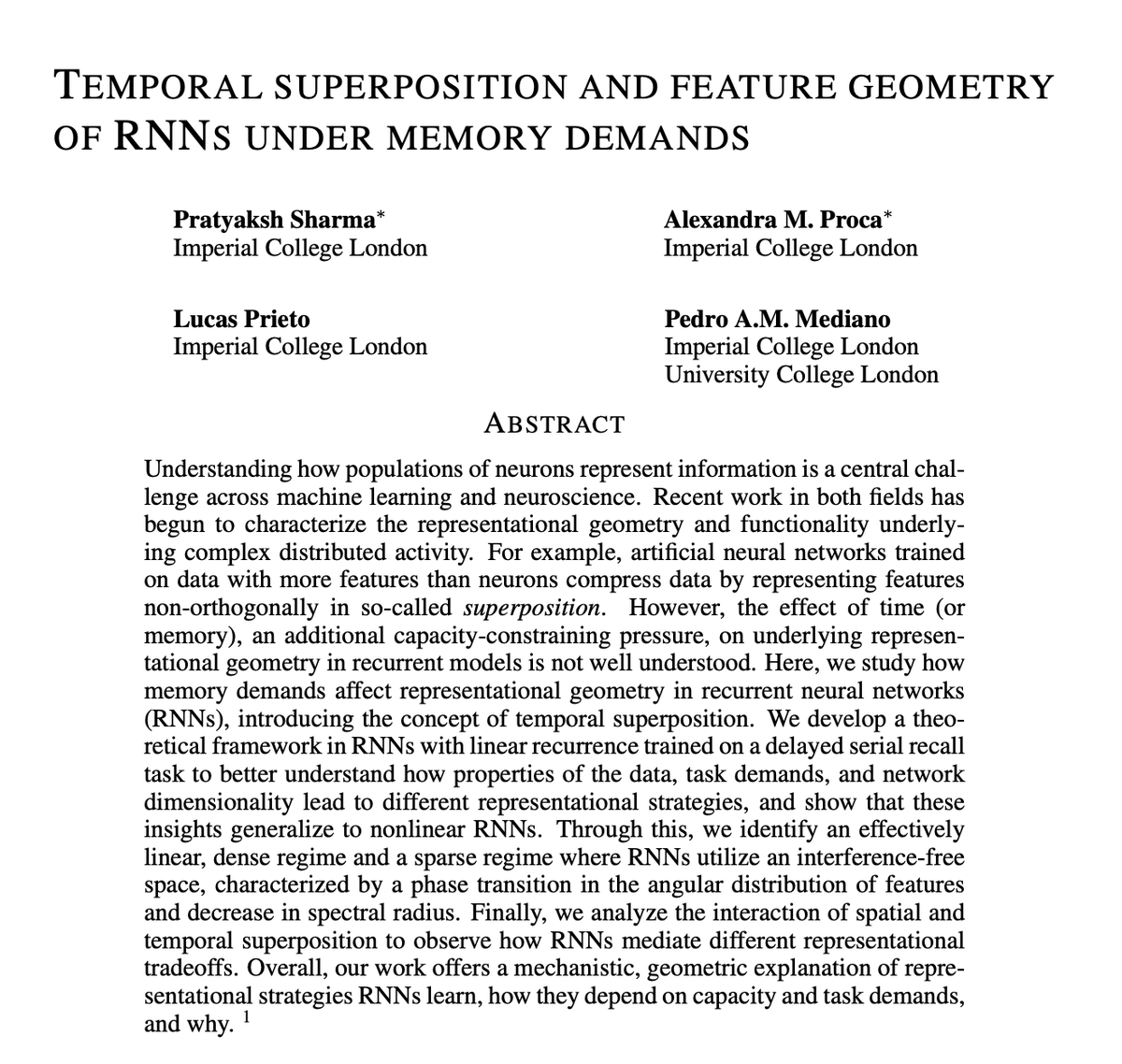
Excited to share our ICLR Oral paper, co-lead with Pratyaksh Sharma, and with @lucas_prie @PedroMediano!
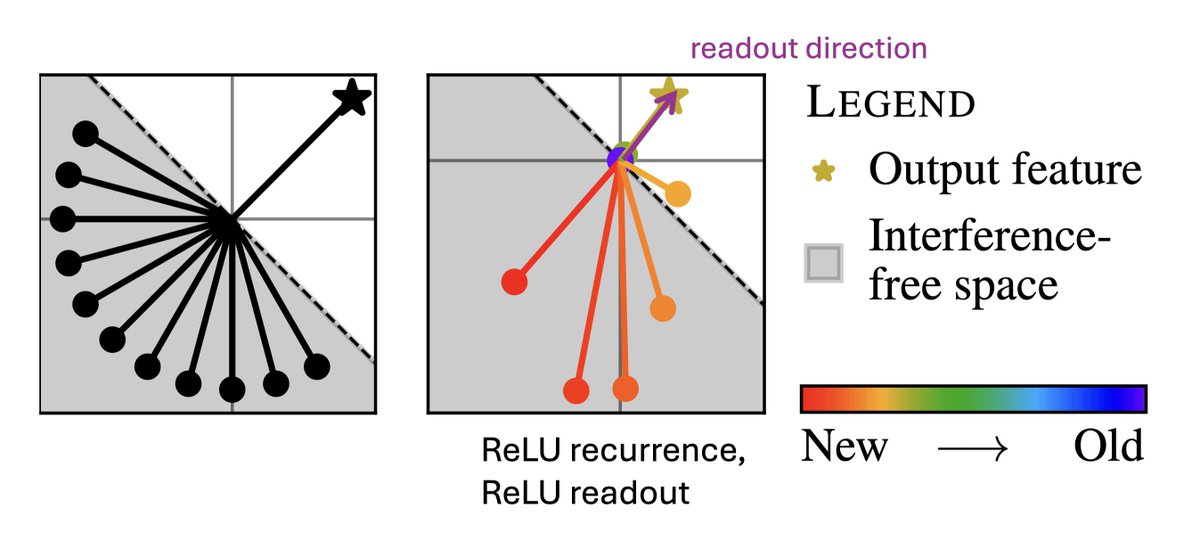
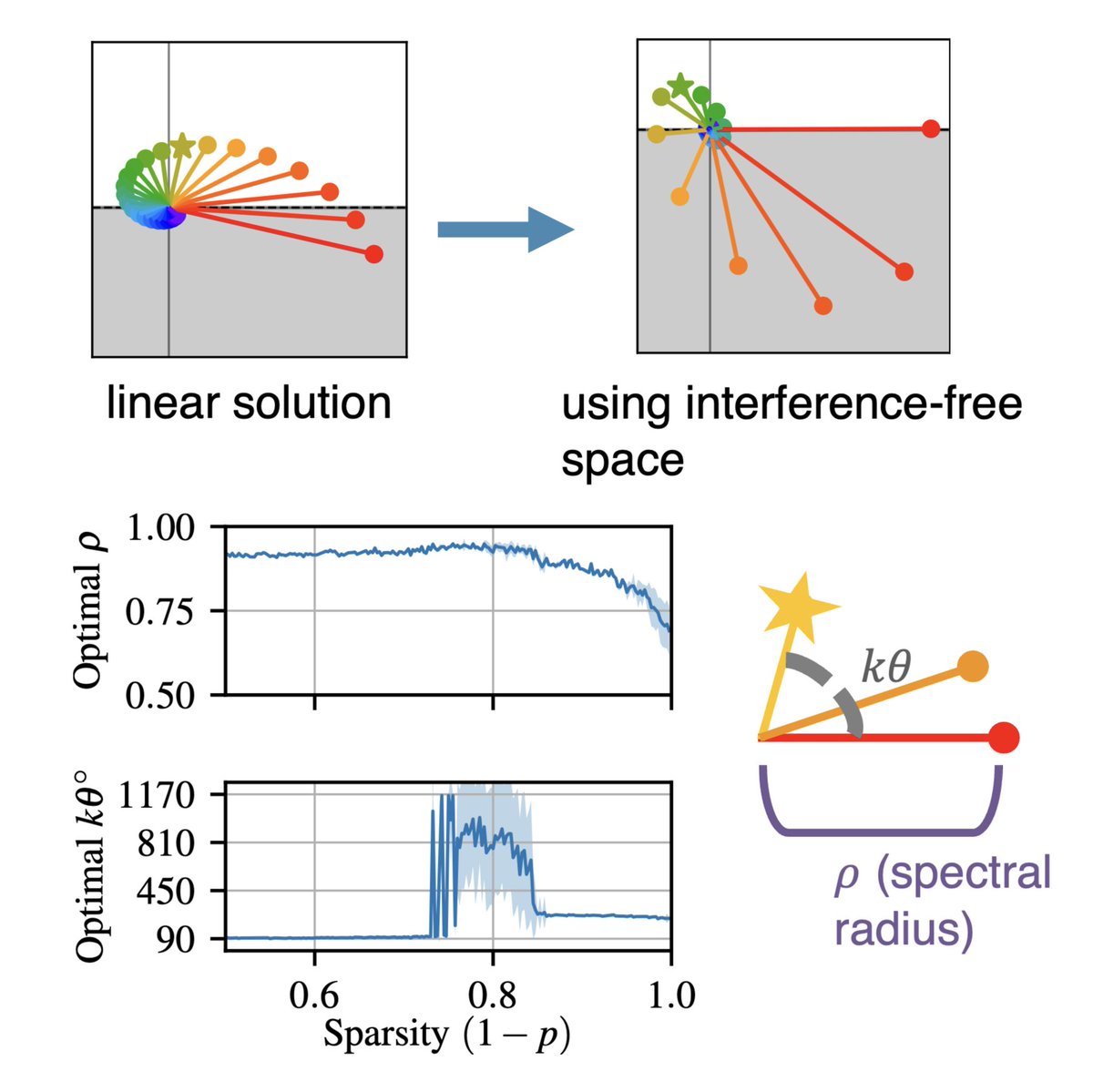
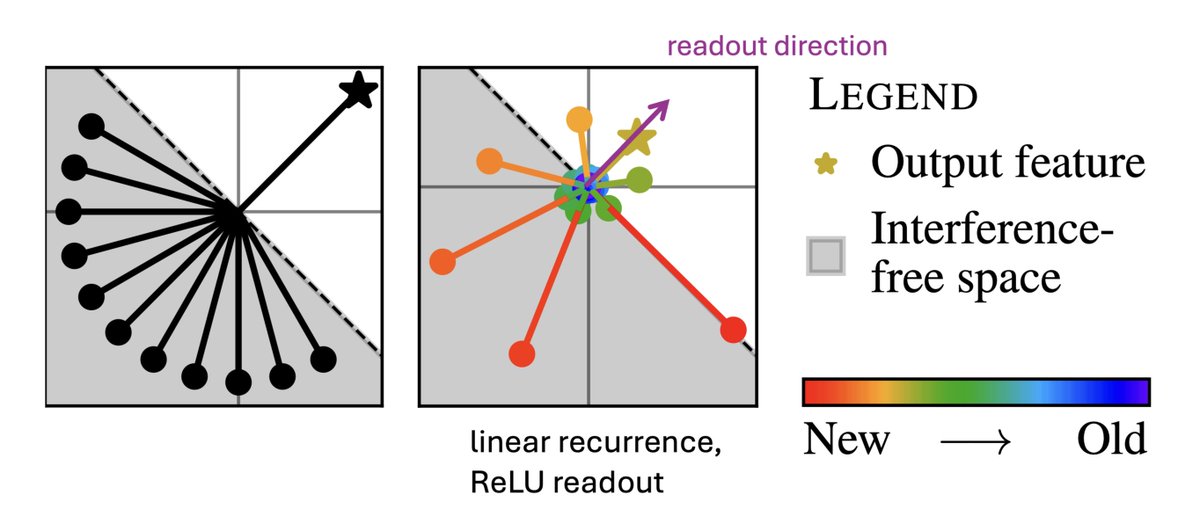
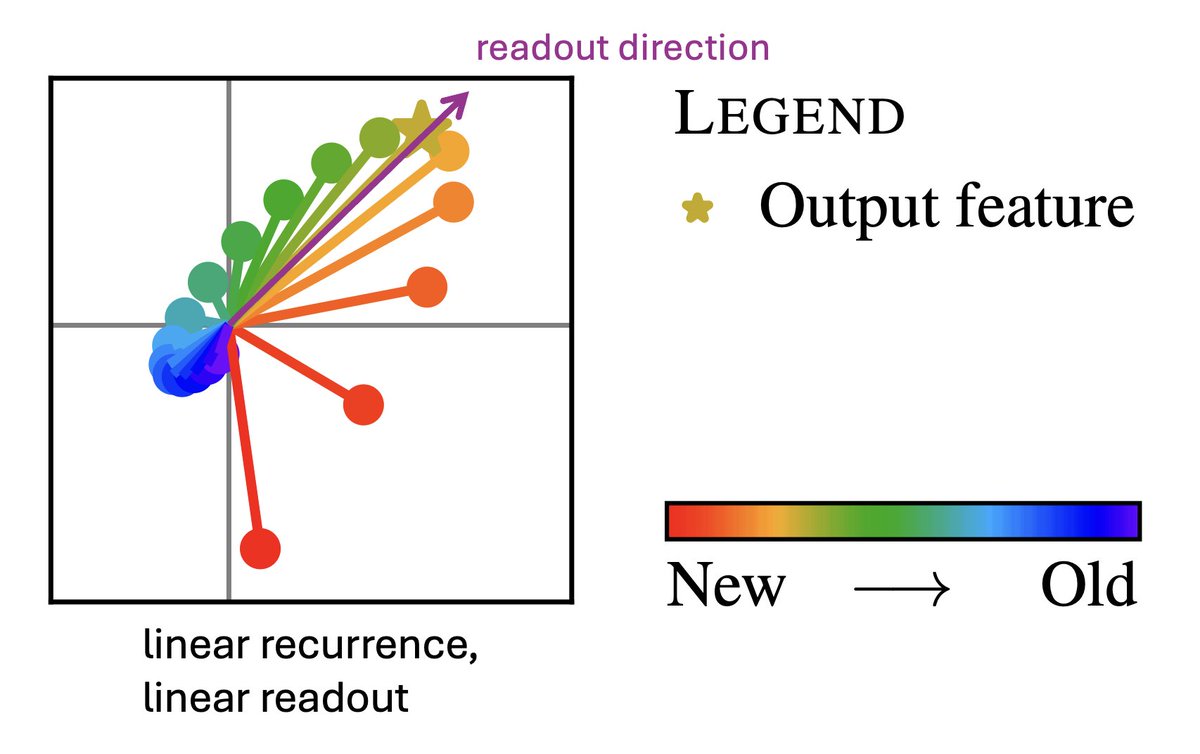
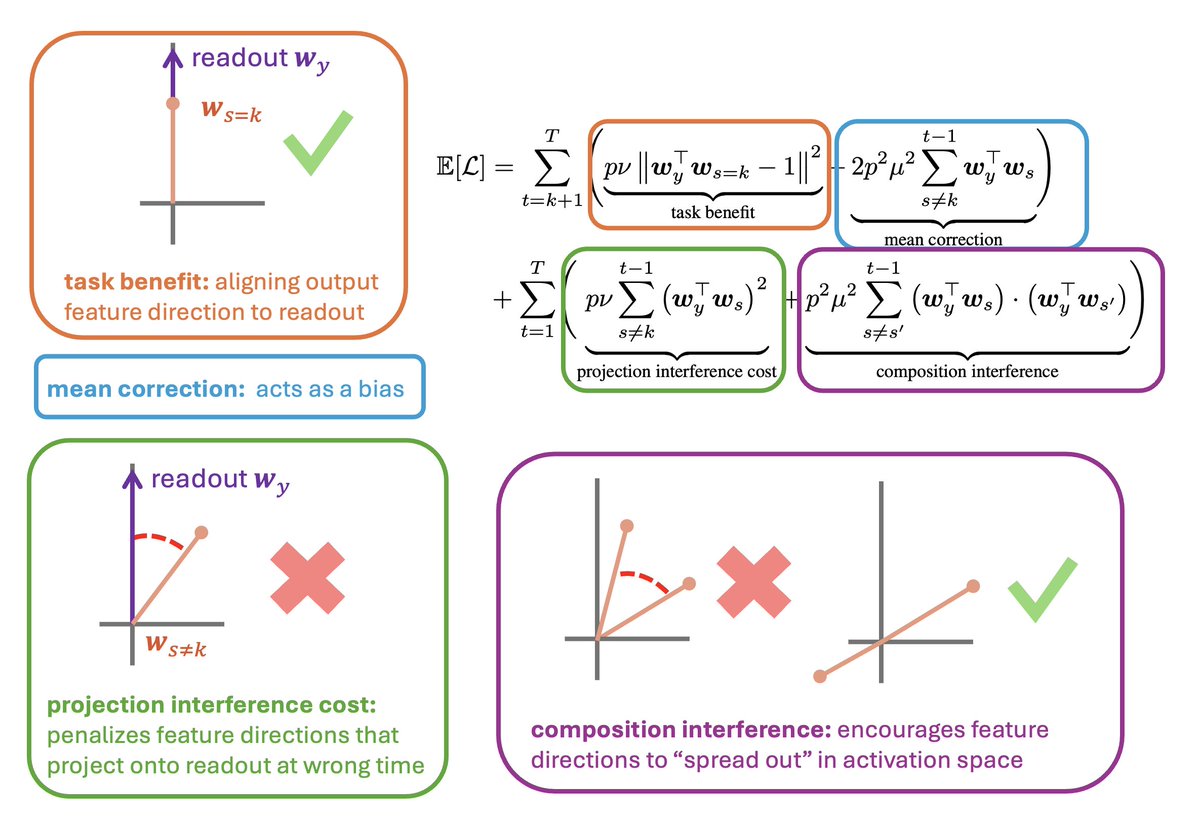
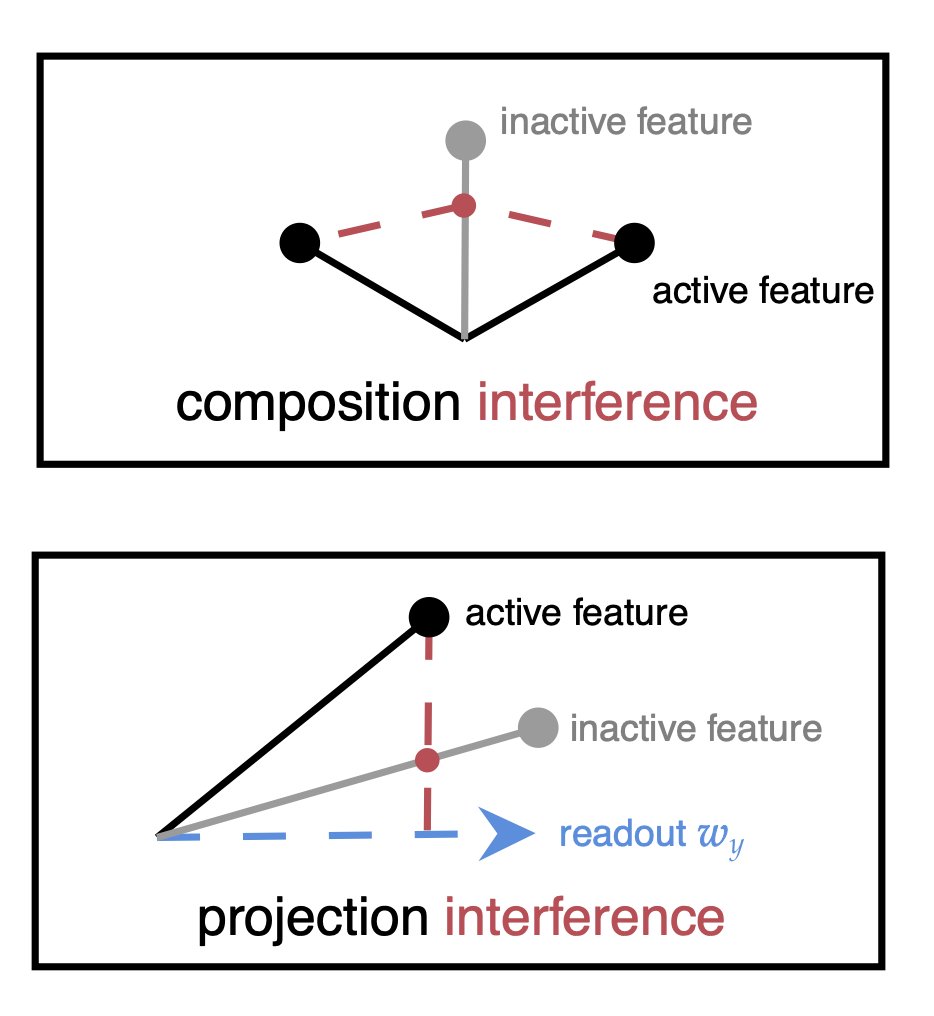
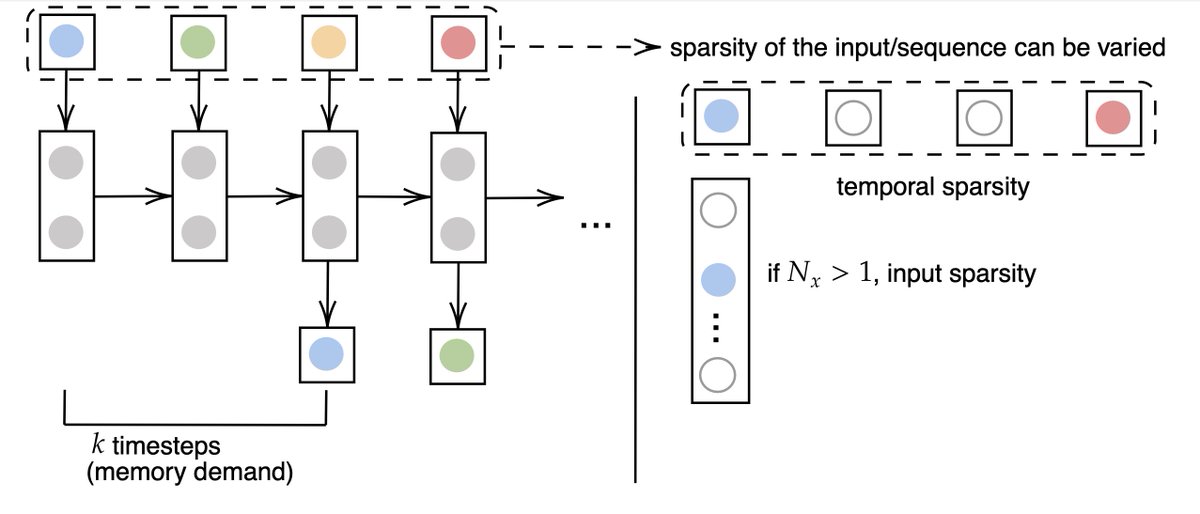
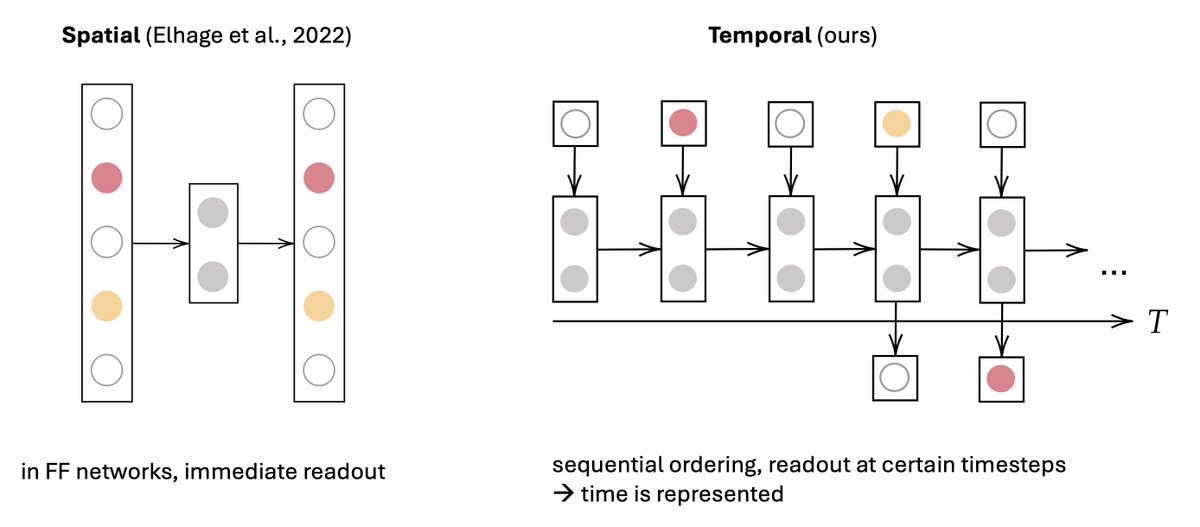
We study how feature geometry is shaped by memory demands in RNNs, introducing the concept of temporal superposition.
openreview.net/forum?id=7cMz…
4
14
55
4,033
May 6
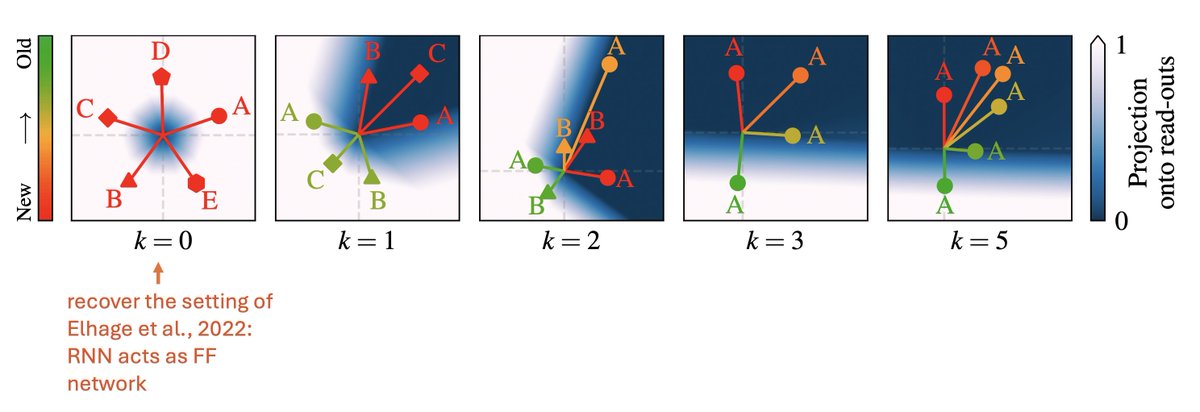
We induce spatial superposition by using 5D input (A-E) and temporal superposition by increasing k. As memory demand (k) increases, the RNN drops features in favor of representing others for a longer duration. This representational tradeoff leads to a strategy that is all-or-none
1
2
86
May 6
In summary, we expand the study of superposition to recurrent architectures, enabling us to study how temporal information acts as a capacity constraint and affects feature geometry. Our work highlights how superposition affects dynamics and is shaped by time.
3
75
Alexandra Proca retweeted

Apr 24
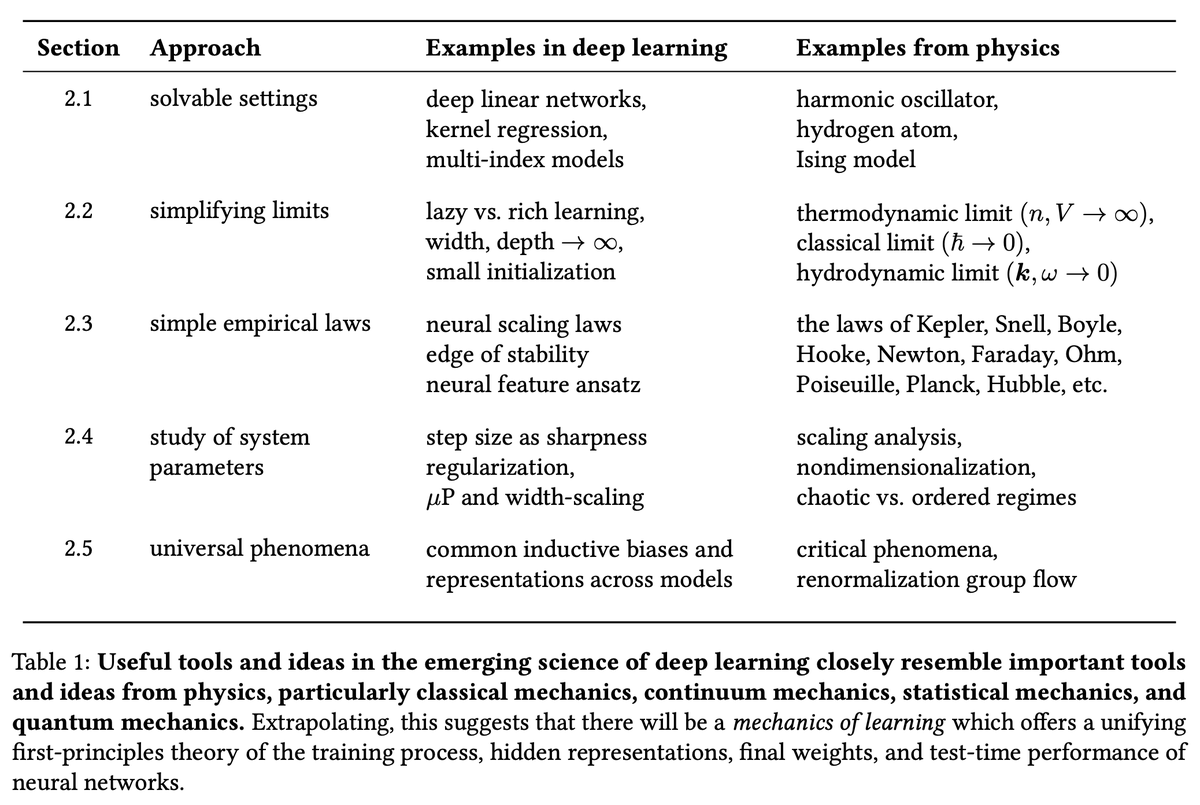
1/ Deep learning is going to have a scientific theory. We can see the pieces starting to come together, and it's looking a lot like physics!
We're releasing a paper pulling together these emerging threads and giving them a name: learning mechanics.
🔨 arxiv.org/pdf/2604.21691 🔧
54
292
1,510
304,726
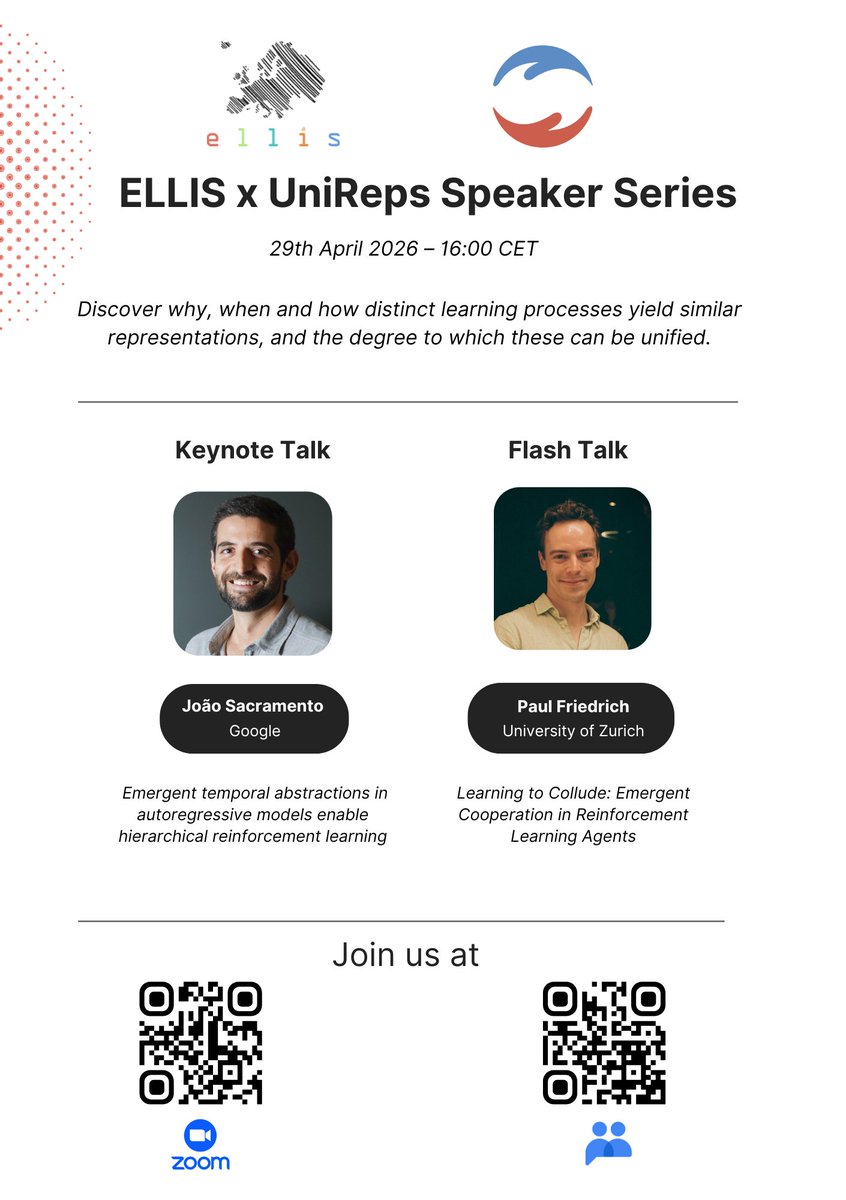
📢Join us for the next UniReps x @ELLISforEurope speaker series happening on 29th April at 4:00 PM CET with @neurosacramento and Paul Friedrich!👾
5
16
1,573
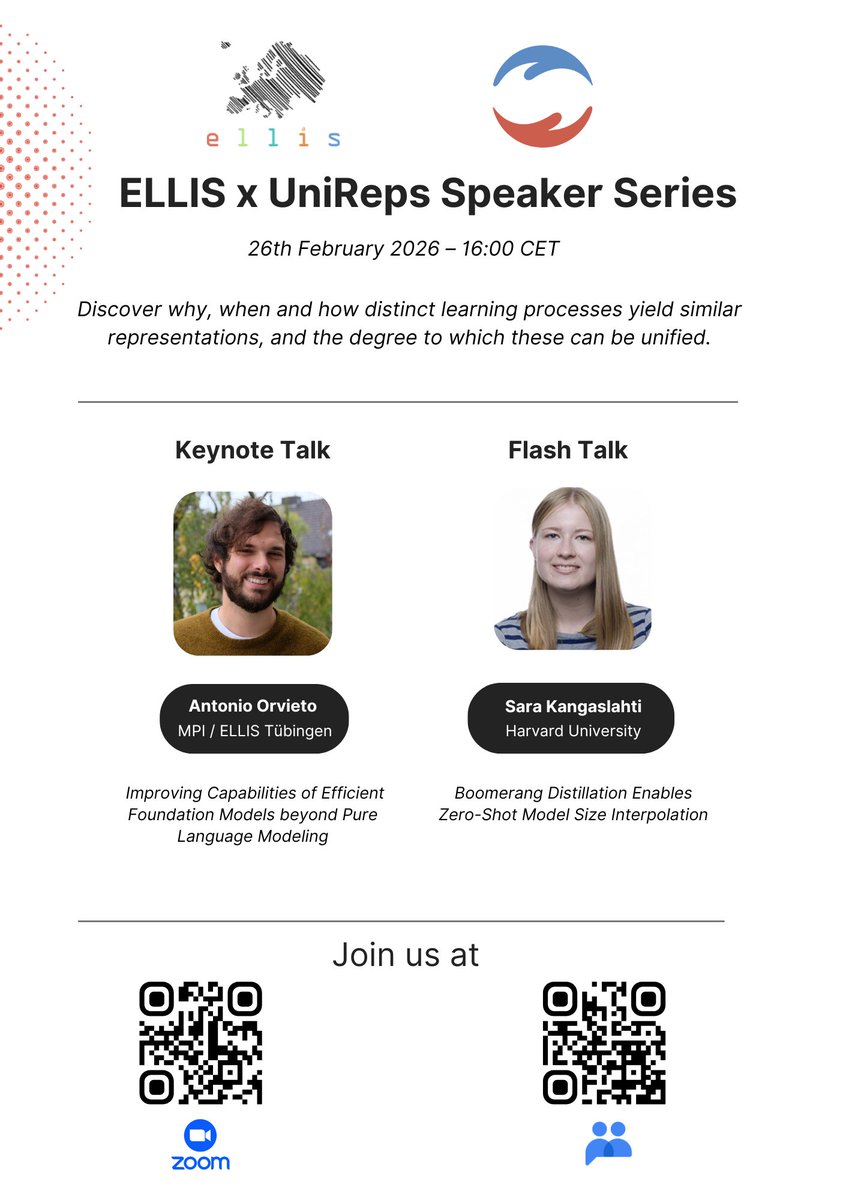
📢The next UniReps x @ELLISforEurope speaker series event is happening on 26 February at 4:00 PM CET with @orvieto_antonio and @SaraKangaslahti . Don’t miss it!🚀
1
8
24
3,737
Alexandra Proca retweeted

14 Jul 2025
Excited to share new work @icmlconf by Loek van Rossem exploring the development of computational algorithms in recurrent neural networks.
Hear it live tomorrow, Oral 1D, Tues 14 Jul West Exhibition Hall C: icml.cc/virtual/2025/poster/…
Paper: openreview.net/forum?id=3go0…
(1/11)
2
20
69
5,781
20 Jun 2025
How do task dynamics impact learning in networks with internal dynamics?
Excited to share our ICML Oral paper on learning dynamics in linear RNNs!
with @ClementineDomi6 @mpshanahan @PedroMediano
openreview.net/forum?id=KGOc…
4
18
98
15,700
20 Jun 2025
Finally, although many results we present are based on SVD, we also derive a form based on an eigendecomposition, allowing for rotational dynamics and to which our framework naturally extends to. We use this to study learning in terms of polar coordinates in the complex plane.
1
1
8
338
20 Jun 2025
In summary, this work provides a novel flexible framework for studying learning in linear RNNs, allowing us to generate new insights into their learning process and the solutions they find, and progress our understanding of cognition in dynamic task settings.
5
197