
Joined April 2009
- Tweets 2,457
- Following 1,184
- Followers 1,401
- Likes 14,125
205 Photos and videos


Aleh Cherp retweeted

Open Letter to the President of the Russian Federation: president.gov.ua/en/news/vid…
1,124
3,906
17,871
1,575,477
Aleh Cherp retweeted

May 28
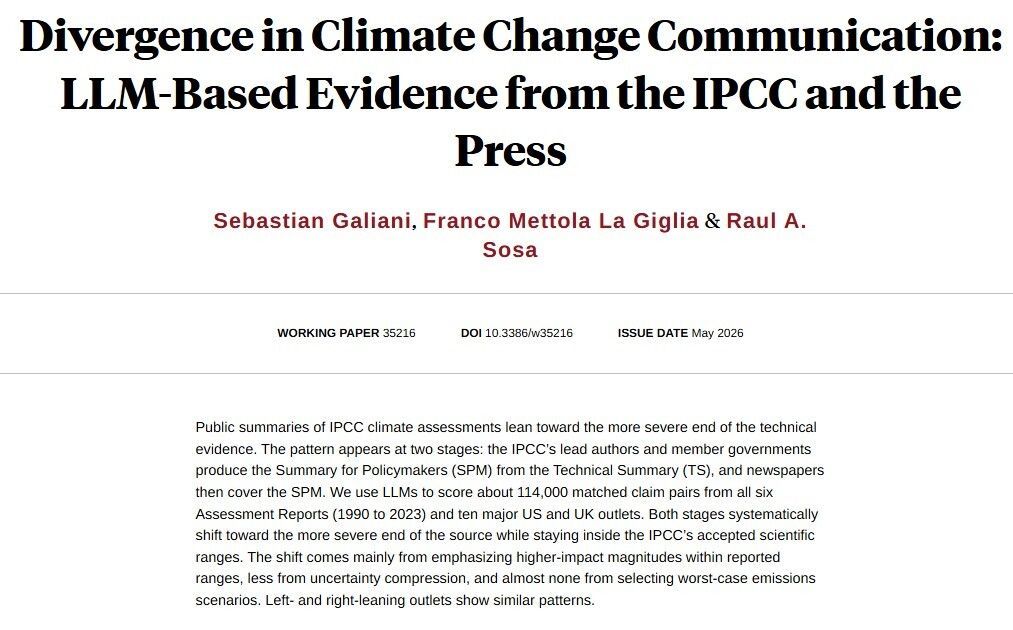
Beneath the headline "media emphasizes more severe headlines" finding (we know), there is actually some pretty interesting narrative-violating nuance here, captured by these two sentences (emphasis mine):
"The shift comes mainly from emphasizing higher-impact magnitudes within reported ranges, less from uncertainty compression, and *almost none from selecting worst-case emissions scenarios*. *Left- and right-leaning outlets show similar patterns.*"
I would be surprised if scenario selection didn't affect media coverage of specific papers (as several journalists have suggested was likely the case this week), but still good to see this nuance about coverage of the actual IPCC reports.

Both IPCC policymaker summaries and subsequent newspaper coverage systematically frame climate findings toward the more severe end of the underlying technical evidence, from @SFGaliani, @Franco_MettLG, and @raul_sosa2908 nber.org/papers/w35216
1
5
18
2,403
Aleh Cherp retweeted

May 6
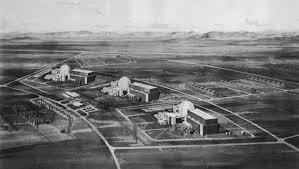
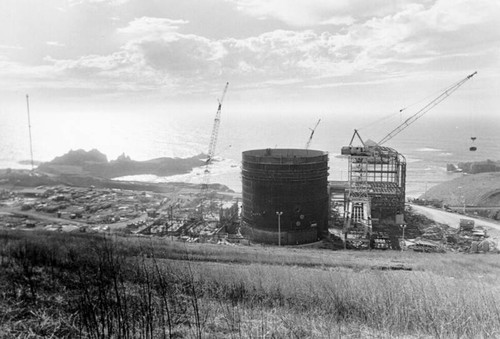
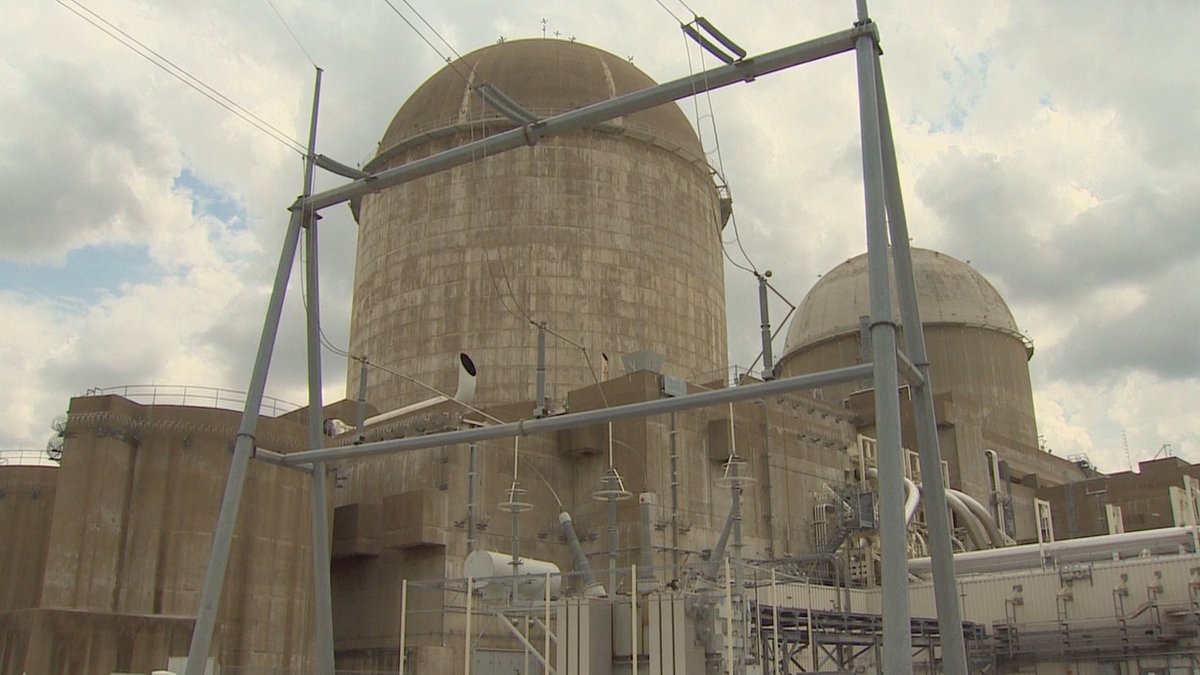
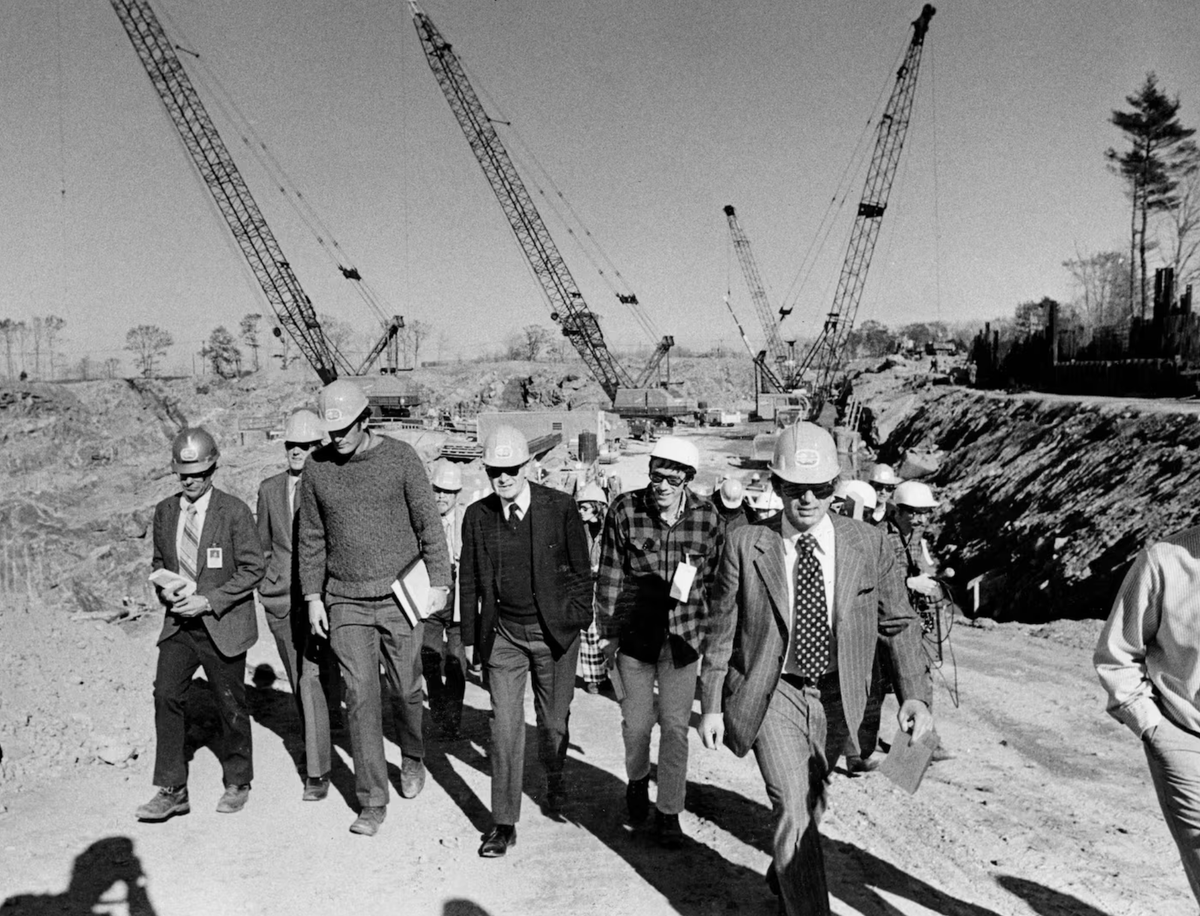
In the 1980s, the world added ~230 GW of nuclear capacity. (in 10 years).
A new reactor connected to the grid every 17 days on average.
Insane.
25
77
628
29,150
Aleh Cherp retweeted

Apr 30
Belgium plans to nationalize all the country's nuclear power reactors, and says that plans to decommission the plants are now "halted with immediate effect."
Apr 30

Er is een akkoord bereikt met ENGIE om de voorwaarden te bepalen en de nodige studies op te starten voor een volledige overname van het Belgische nucleaire park. In afwachting daarvan worden alle ontmantelingsactiviteiten per direct stopgezet.
Deze regering kiest voor zekere, betaalbare en duurzame energie. Met minder afhankelijkheid van fossiele import en meer controle over onze eigen voorziening.
———
Un accord a été conclu avec ENGIE afin de définir les conditions et de lancer les études nécessaires en vue d’une reprise complète du parc nucléaire belge. D'ici là, toutes les activités de démantèlement sont suspendues avec effet immédiat.
Ce gouvernement fait le choix d'une énergie sûre, abordable et durable, avec moins de dépendance aux importations fossiles et plus de contrôle sur notre propre approvisionnement.
54
595
2,892
240,105
Aleh Cherp retweeted

Apr 29
You cannot buy a new gas turbine until 2030. Order books at GE, Siemens, and Mitsubishi stretch to 2029. Turbine prices have nearly tripled since 2019. Every AI data center needs power and every gas plant needs a turbine. And every turbine has one part that bottlenecks the entire industry: The blade. It has to survive in gas 500°C above the melting point of the metal it's made from and spin at up to 20,000 RPM under 10,000 g of centrifugal force. Each blade is grown as a single crystal of nickel superalloy, pulled through a vacuum furnace at 3 mm per minute. A set of blades costs $600,000 and takes 90 weeks to grow. The same metallurgy powers modern jet engines. Only 3 companies on Earth can build one. China spent $42 billion trying to catch up. They bought a Russian fighter engine, took it apart, and copied every part. Their copy ran 30 hours between overhauls versus 400 for the original. Modern Western engines run 4,000. You can reverse engineer the shape of a turbine blade. You cannot reverse engineer 60 years of metallurgy.
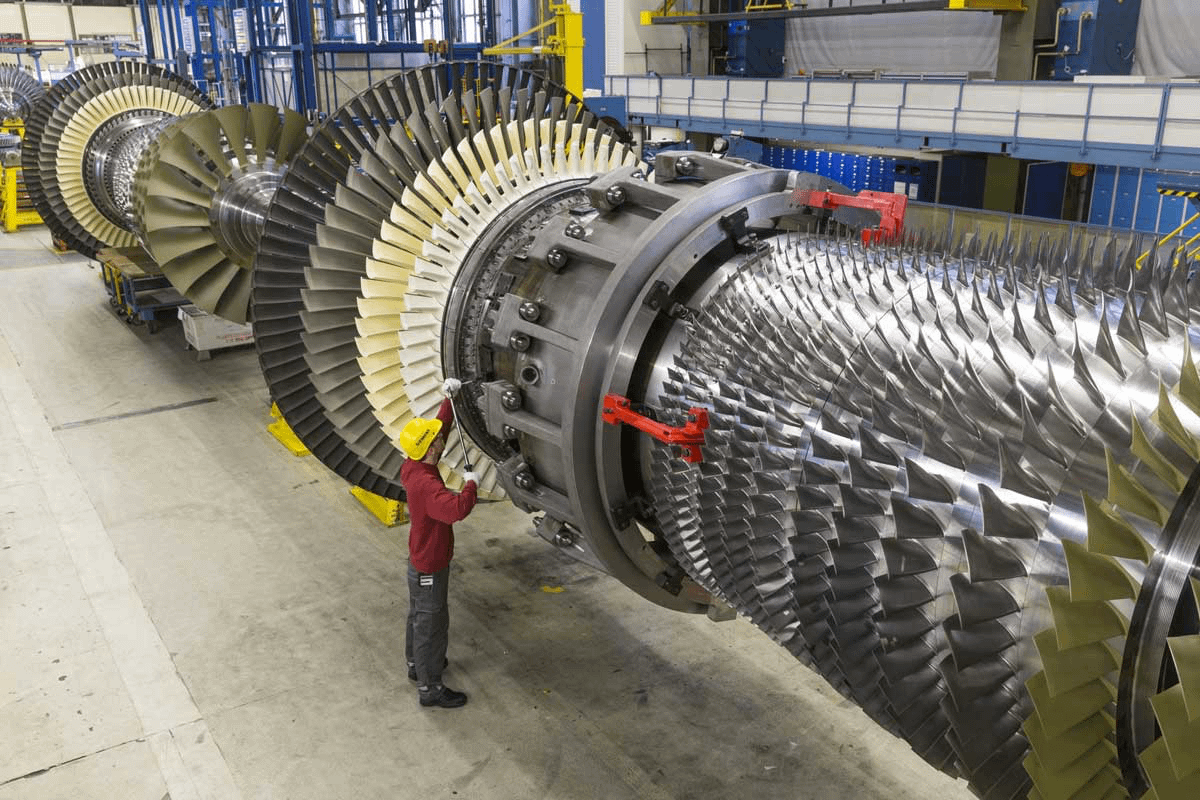
ALT Siemens SGT5-8000H gas turbine in assembly
1,129
5,889
29,222
4,134,405
Aleh Cherp retweeted

The Swedish Environmental Protection Agency has distributed SEK19.8 million (USD2.2 million) to nine municipalities that have applied to carry out feasibility studies for new #nuclear power tinyurl.com/2zux939w
1
4
18
1,734
Aleh Cherp retweeted
Just published
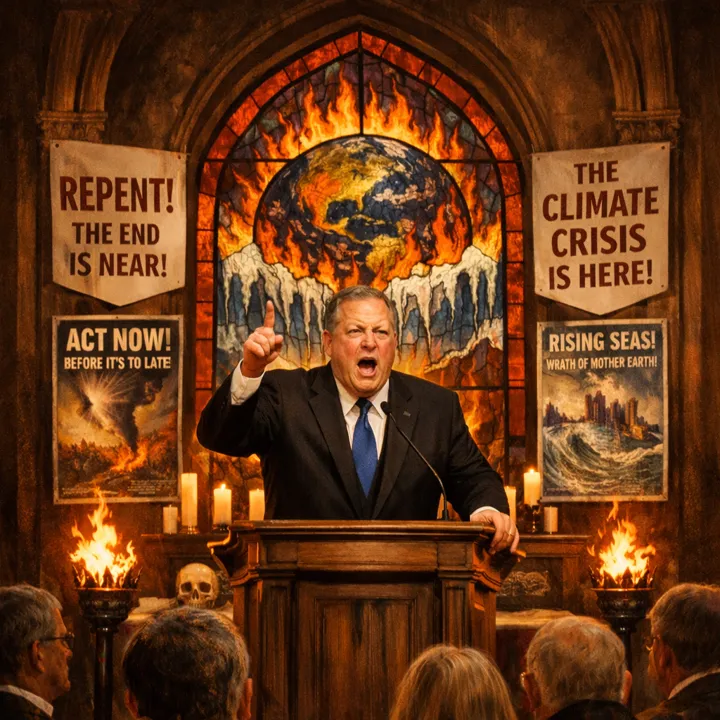
The Legacy of Al Gore's "An Inconvenient Truth" 20 Years Later
Gore to climate scientists: "Start getting involved in politics." Boy, did they listen.
Link in reply
9
52
167
22,092
Aleh Cherp retweeted

Apr 1
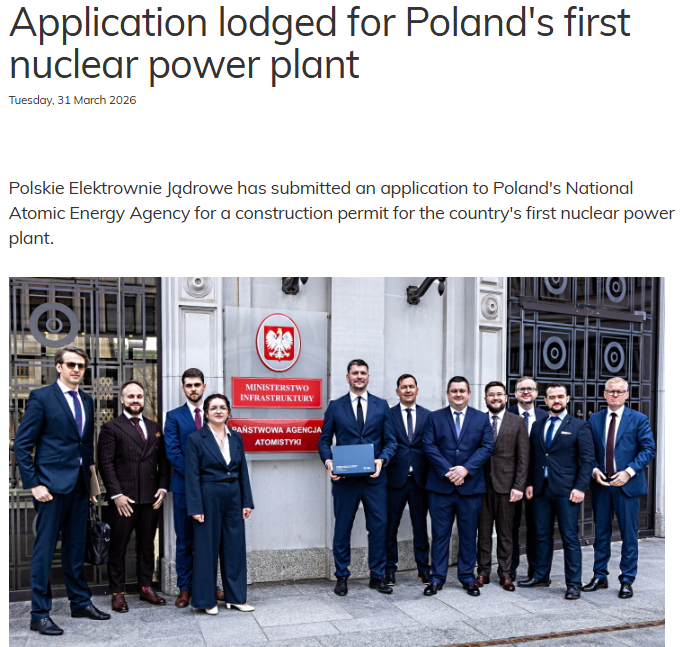
Polish energy company Polskie Elektrownie Jądrowe has filed an application, to the Polish regulator, for construction of Poland's first nuclear plant. The plant will consist of three (US designed) AP1000 reactors. Article link in reply.
The plan is to have the first reactor begin commercial operation in 2036, the second in 2037, and the third in 2038.
1
14
55
1,162
Aleh Cherp retweeted
Mar 25
We have forgotten how bad 2022 crisis was.
Commodity: price today (peak in 2022)
Brent: $99 ($139)
EU steel: $710 ($1,435)
EU wheat: €200 (€438)
US corn: $4.5 ($8.2)
EU gas TTF: €51 (€339)
Henry Hub gas: $2.9 ($9.7)
German power: €95 (€984)
Urea: $660 ($910)
109
721
3,413
422,074
Aleh Cherp retweeted

A historic step for new nuclear power in Sweden
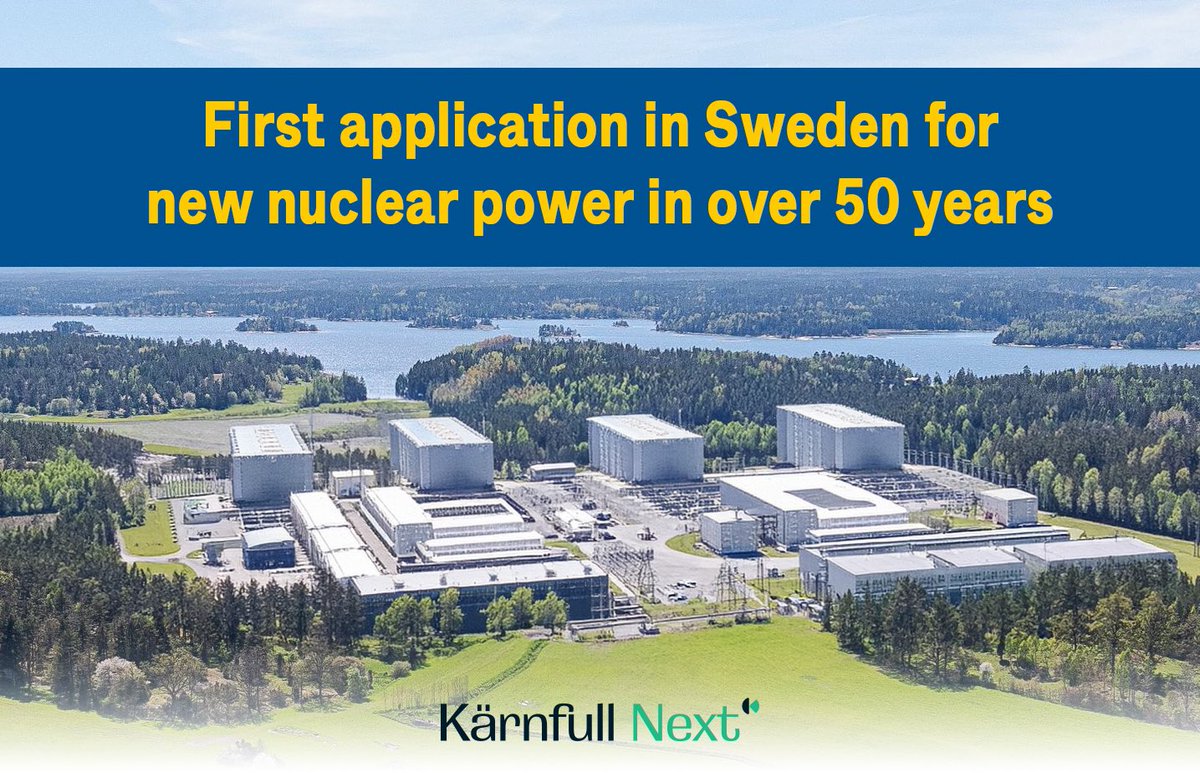
My former colleagues at @karnfull_en, which earlier this month was announced to be acquired by @StudsvikAB, have now submitted the first formal application to the Swedish government for new nuclear power at a new site in Sweden in more than 50 years.
The application concerns an SMR park in Valdemarsvik and covers four to six small modular reactors with a total capacity of 1200-1600 MW.
Next step: Let's get the shovel in the ground!
18
127
800
44,218
Aleh Cherp retweeted

Mar 20
Svensk framgång i Bryssel!
Regeringen vinner gehör från Europeiska rådet som stödjer Sveriges linje om flaskhalsintäkter.
Sent igår kväll blev det klart att slutsatserna från Europeiska rådet stödjer vår linje att:
1. svenska pengar stannar i Sverige, och
2. en större flexibilitet i hur flaskhalsintäkterna kan användas.
Det är ett styrkebesked för Sveriges goda samarbete, samt viktig signal att andra länder står med oss. Vi har ställt upp med tjänstemän, ambassadör, statssekreterare, jag själv som energiminister och till slut även med statsminister.
På ren svenska: Viktig, tung delseger men inte klart.
sverigesradio.se/play/artike…
257
265
2,553
73,779
Aleh Cherp retweeted
Mar 19
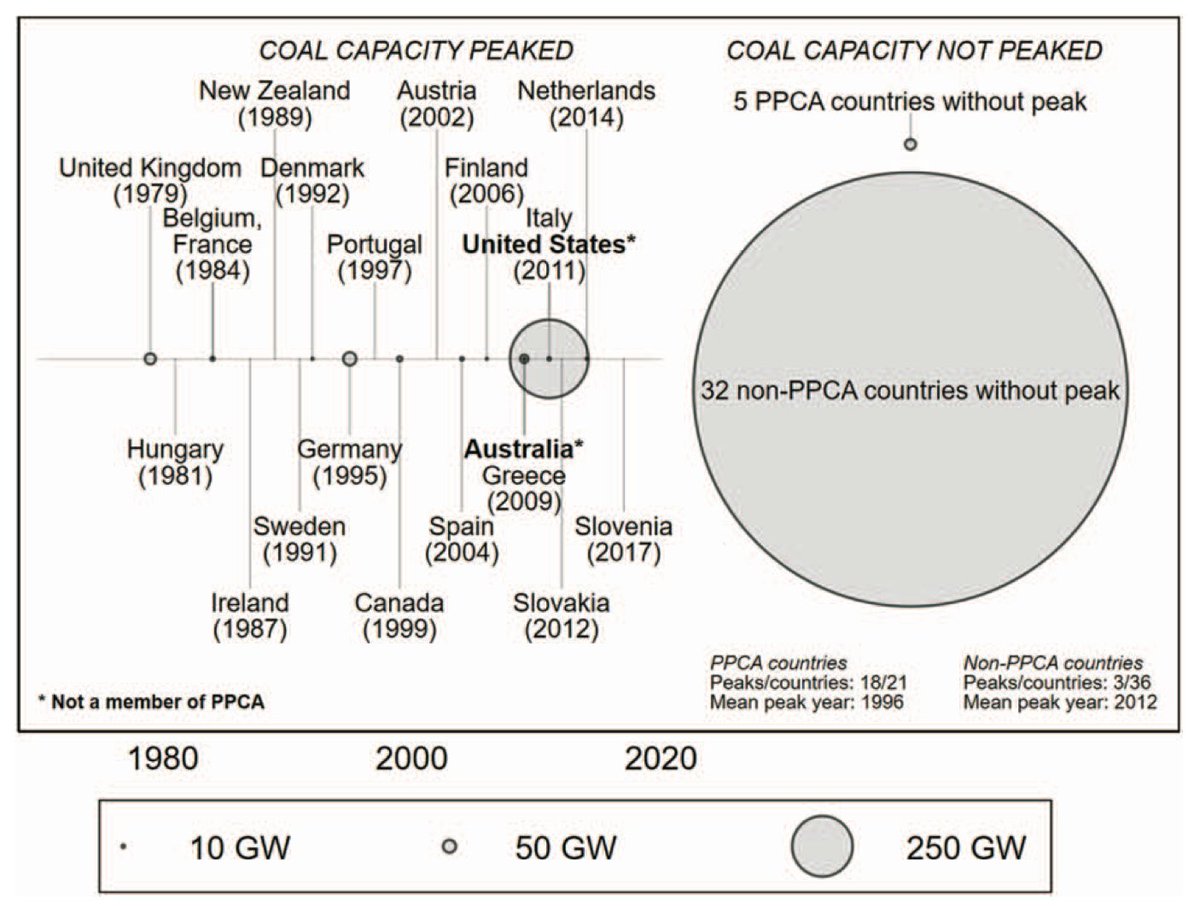
MUST READ: Coal remains king — even in 2026.
"... Across Asia, a sharp drop in liquefied natural gas supplies is pushing major importers back toward coal, undermining LNG’s long-held role as a stable energy anchor..."
nytimes.com/2026/03/18/busin…
23
237
748
137,469
Aleh Cherp retweeted

Mar 19
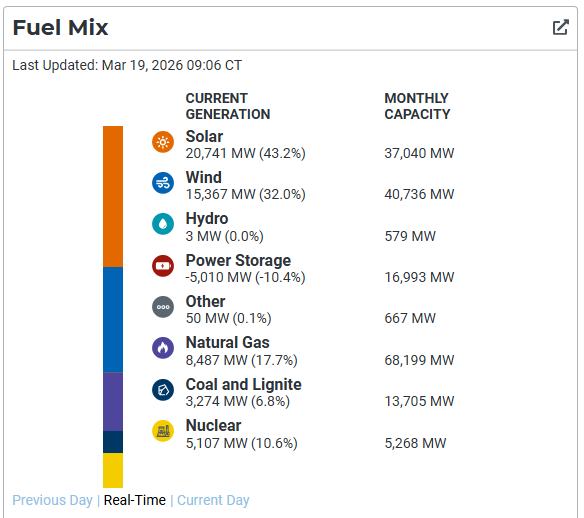
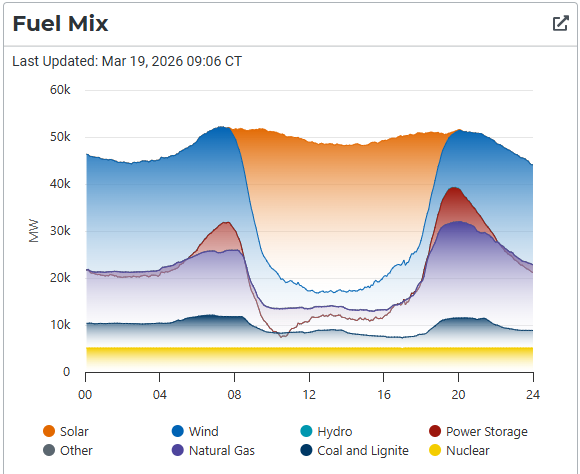
The world is changing right in front of us and no one knows it. Texas is running its world-class economy on 70% renewables, right now. Gas is there if we need it, but for today, we can save the fuel for another day.
89
379
2,738
125,162
Aleh Cherp retweeted

Mar 17
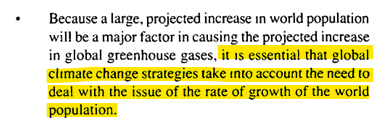
The first IPCC report reflected that generation's legacy concerns about overpopulation, with climate change often equated with concerns about global population
26 Nov 2025

Interesting
The first IPCC reports (1990/1992) identified population control as a climate change response strategy
4
17
59
3,887
Aleh Cherp retweeted
Mar 17
Keep an eye on coal, as more Asian nations turn to it to replace natural gas / fuel oil in power generation.
Philippines said that it’s likely to burn more coal in the next few months. And India’s government said all was ready for “unprecedented” coal demand in 2026.
Mar 16

South Korea is lifting a cap on coal-fired power generation (until now set at 80% of capacity) to offset the loss of LNG
The flexibility of Asia to performan gas-to-coal switching (and its enormous coal-fired fleet) provides a layer of insulation that Europe didn't have in 2022
35
387
1,314
193,610
Aleh Cherp retweeted
Mar 16
South Korea is lifting a cap on coal-fired power generation (until now set at 80% of capacity) to offset the loss of LNG
The flexibility of Asia to performan gas-to-coal switching (and its enormous coal-fired fleet) provides a layer of insulation that Europe didn't have in 2022
37
315
1,344
292,031
Aleh Cherp retweeted

Mar 15
Taiwan’s nuclear phaseout created a vulnerability that now sits directly on top of the Qatar Ras Laffan force majeure.
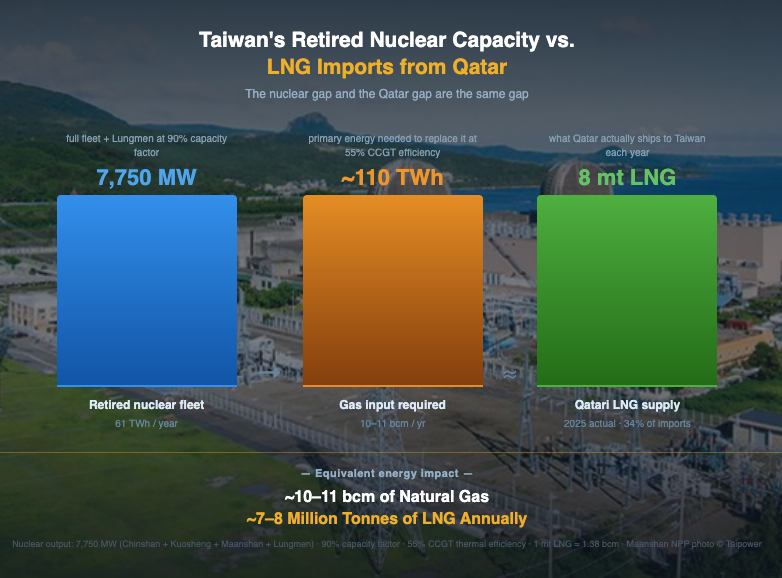
The uncomfortable arithmetic is that the nuclear capacity Taiwan chose to retire is almost exactly equal to the LNG volume it imports from Qatar.
Taiwan imports roughly 35 percent of its LNG from Qatar. LNG now fuels nearly half of Taiwan’s electricity after the political phaseout of nuclear power. The island maintains only about eleven days of LNG storage.
Had Taiwan kept its full nuclear fleet operating and commissioned Lungmen, its completed but never fuelled fourth nuclear plant, the country would today have roughly 7,750 MW of nuclear capacity producing about 61 TWh per year, covering around 21 percent of the grid.
Replacing that output with gas requires far more primary energy because Taiwan’s combined cycle gas turbines operate at roughly 55 percent thermal efficiency. Producing 61 TWh of electricity from gas therefore requires roughly 110 TWh of fuel input, equivalent to about 10 to 11 billion cubic metres of natural gas or roughly 7 to 8 million tonnes of LNG per year.
That volume is almost exactly the amount of LNG Taiwan currently imports from Qatar.
In other words, the nuclear fleet Taiwan shut down would have displaced essentially the entire Qatari supply stream. Every cargo that does not need to cross the Strait of Hormuz is a cargo that cannot be held hostage.
Instead that capacity was retired and mothballed on political grounds and the gap was filled with gas.
On 23 August Taiwan held a referendum on whether to restart the Ma’anshan nuclear plant, the island’s last operating reactor station, which had shut down in May after its forty year operating licence expired.
A clear majority of participating voters supported restarting the plant subject to regulatory approval and safety confirmation.
Taiwan’s referendum law, however, requires affirmative votes from at least one quarter of all eligible voters, roughly five million people. The referendum received about 4.3 million yes votes, leaving it below the legal threshold and keeping the plant offline, effectively confirming the continuation of Taiwan’s nuclear phaseout.
Oil markets built resilience after decades of shocks. Strategic petroleum reserves, spare tanker capacity, and a deep spot market exist precisely because embargoes and supply crises forced the system to develop buffers.
LNG developed very differently. For most of its history it operated as a point to point business, the same ships on the same routes under long term contracts, functioning in conditions stable enough that nobody was forced to build equivalent shock absorption into the system.
Storage compounds this vulnerability and it divides sharply along geographic lines.
Europe benefits from geology. Depleted gas fields and salt caverns can hold months of supply, which is why European utilities spend the summer refilling underground storage ahead of winter demand.
Asia has no equivalent.
Japan, South Korea, and Taiwan depend almost entirely on above ground insulated LNG tanks at their import terminals, essentially the same thermos principle used on LNG ships. South Korea had roughly nine days of LNG supply when Ras Laffan went offline. Taiwan had about eleven days. Japan operates in a similar range.
These are operational buffers designed for a world of uninterrupted deliveries rather than strategic reserves designed to ride out supply shocks.
When a major node in the LNG system fails, there is no large fleet of idle ships ready to reroute, no spare liquefaction capacity waiting to fill the gap, and in Asia no underground storage that can stabilize supply while the market adjusts.
Taiwan’s nuclear shutdown therefore produced a structural vulnerability that is now impossible to ignore. The reactors that were closed would today be offsetting almost the entire volume of LNG Taiwan buys from Qatar.
There's never been a better time to restart Taiwan's nuclear fleet.
21
94
300
17,711
Aleh Cherp retweeted

Mar 13
Open Letter to Viktor Orbán from former Ukrainian President Viktor Yushchenko
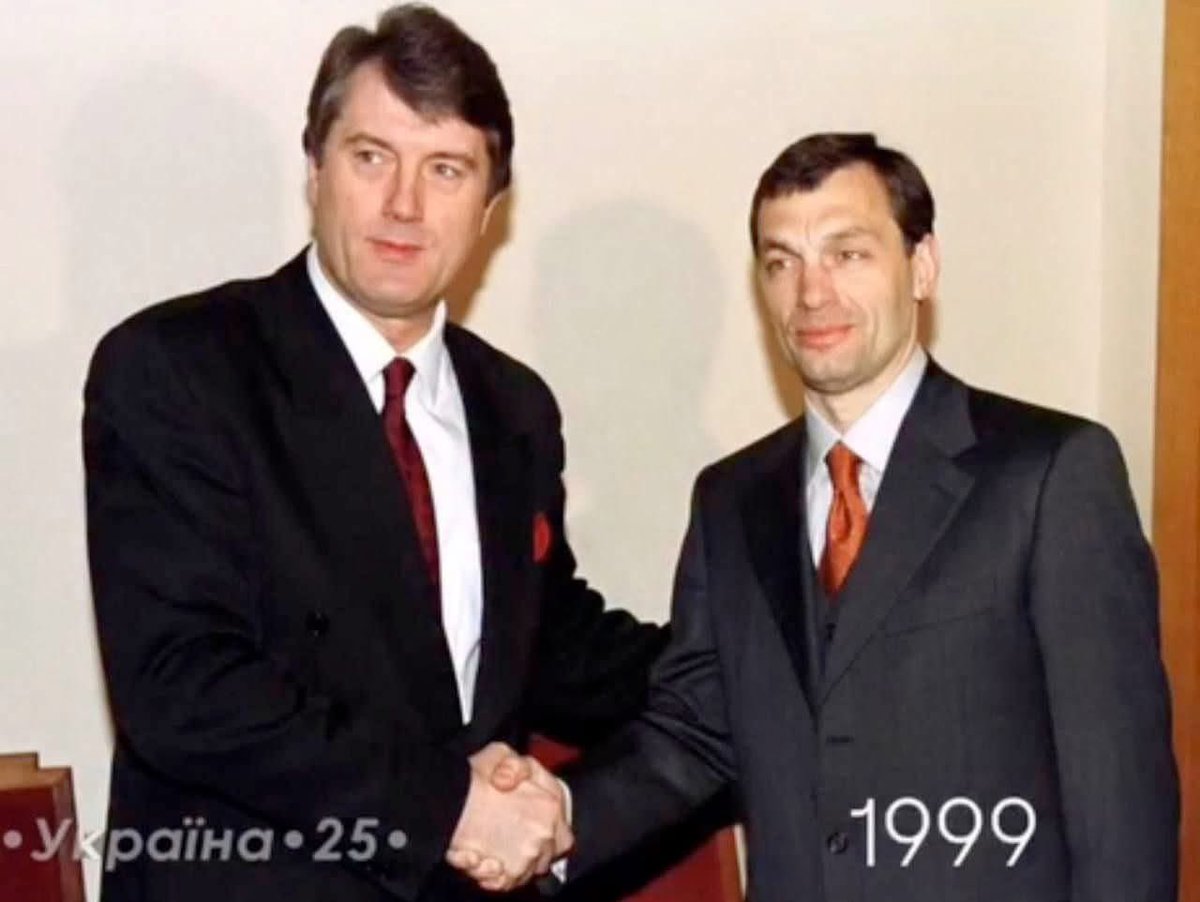
Viktor, look at this photo.
We are standing side by side at a time when the future of our region seemed shared, clear, and bright. Back then, we both believed that freedom was not just a word, but the greatest gift worth fighting for. I remember you differently. I remember a leader who understood the price of dignity and knew what liberation from imperial oppression meant.
Today, I look at your actions and ask myself: where did that Viktor go? How did it happen that a man who witnessed the birth of a free Hungary now plays along with forces that want to destroy the freedom of a neighbor?
Ukraine today is bleeding for the very same values we once discussed across the negotiating table. We are defending not only our own land — we are defending the peace of your country as well, and of all Europe.
Politics is not only about numbers, profit, or gas. Above all, it is about values. When you choose the side of the aggressor, you betray not only Ukraine — you betray the memory of your own people, who know what Soviet tanks on the streets of Budapest look like.
Viktor, stop and remember who you once were. History is a harsh judge. It does not forgive those who remain silent or help evil in times of great trials. It is not too late to return to the light — to true European brotherhood, where honor matters more than questionable political deals.
I urge you to look truth in the eye. Be the leader the world once respected — the one who knew that freedom is the only path.
170
1,477
4,986
208,765
Aleh Cherp retweeted
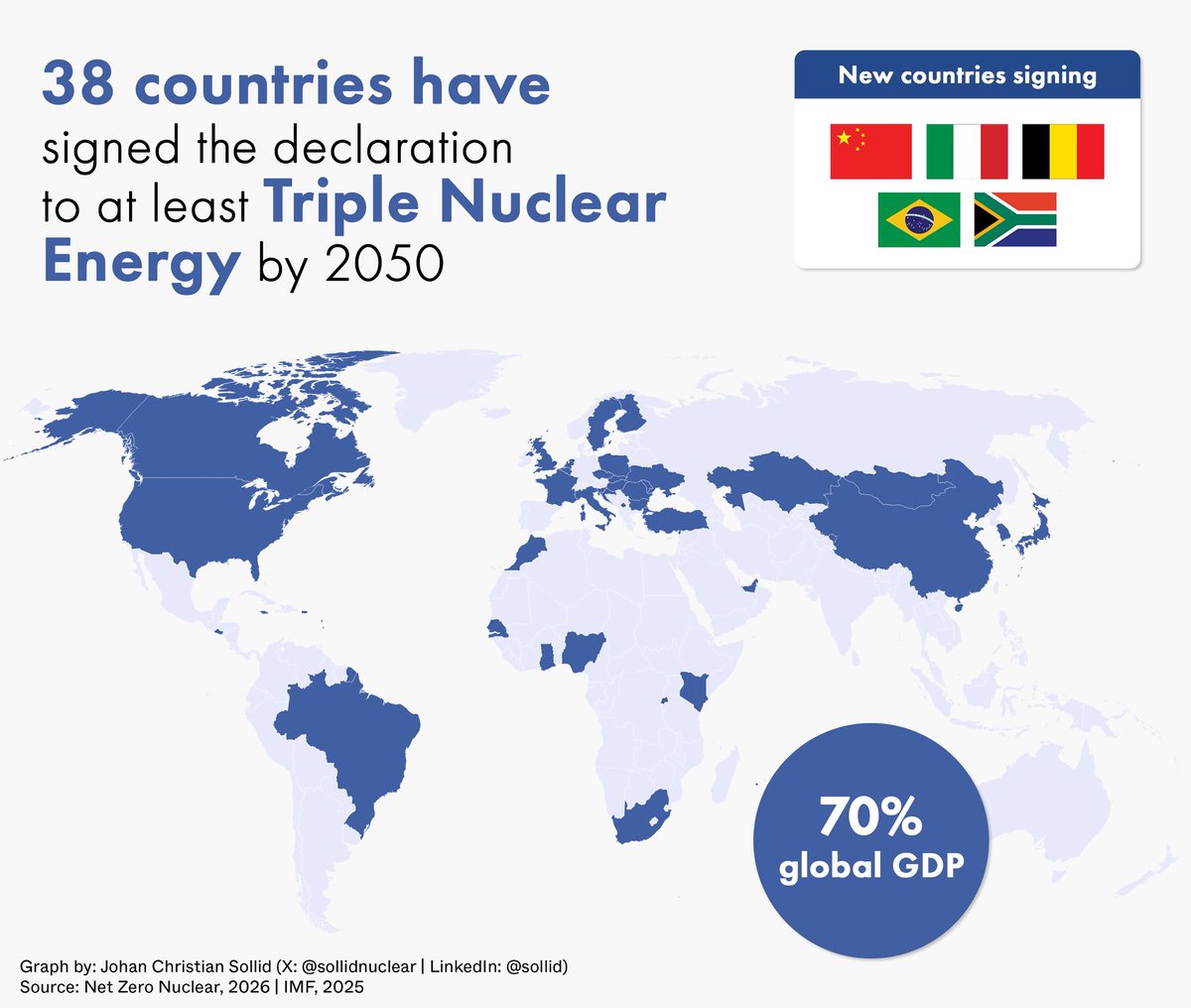
Five more countries sign the declaration to triple nuclear energy by 2050
At the Nuclear Energy Summit in Paris on March 10, hosted by the Government of France in cooperation with International Atomic Energy Agency (@iaeaorg), China, Brazil, Italy, Belgium and South Africa joined the global commitment to at least triple nuclear energy capacity by 2050.
With these new signatories, a total of 38 countries now support the declaration. The pledge was first launched by Net Zero Nuclear (@NZNGlobal) at COP28 in Dubai, where countries committed to work together toward tripling global nuclear capacity from 2020 levels by 2050 as part of the effort to reach net-zero emissions.
Since then, the coalition has continued to grow as more governments recognise the role nuclear energy can play in providing reliable, low-carbon electricity while strengthening energy security.
With the latest additions, the countries supporting the pledge now represent around 70% of the global economy.
What is particularly notable is the geographic diversity of the countries involved. The declaration now includes nations from Europe, North and South America, Africa, Asia and the Middle East.
Momentum behind nuclear energy is clearly building.
If the world is serious about decarbonising the energy system while meeting rapidly growing electricity demand, expanding nuclear power will be a key part of the solution.
27
97
314
55,334
Aleh Cherp retweeted
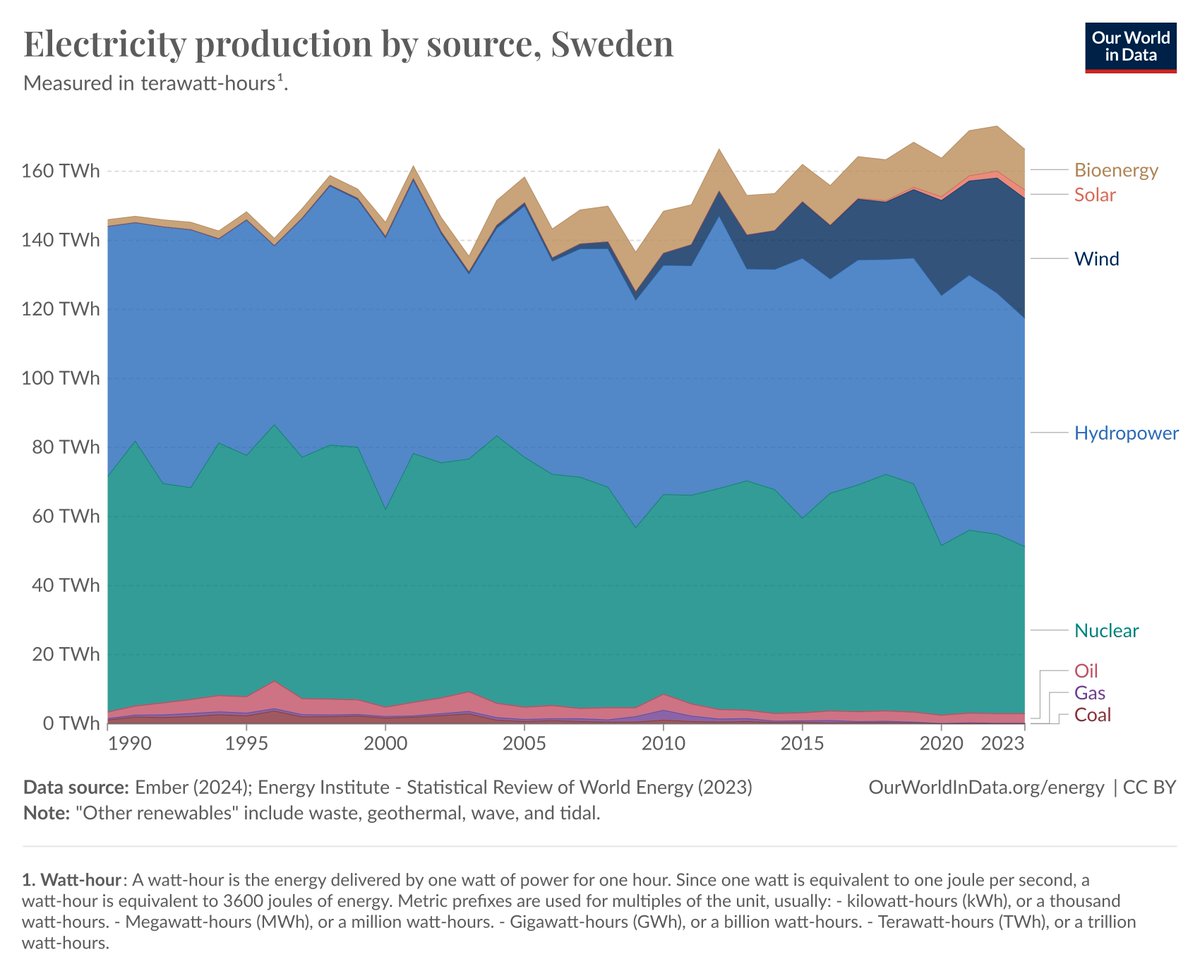
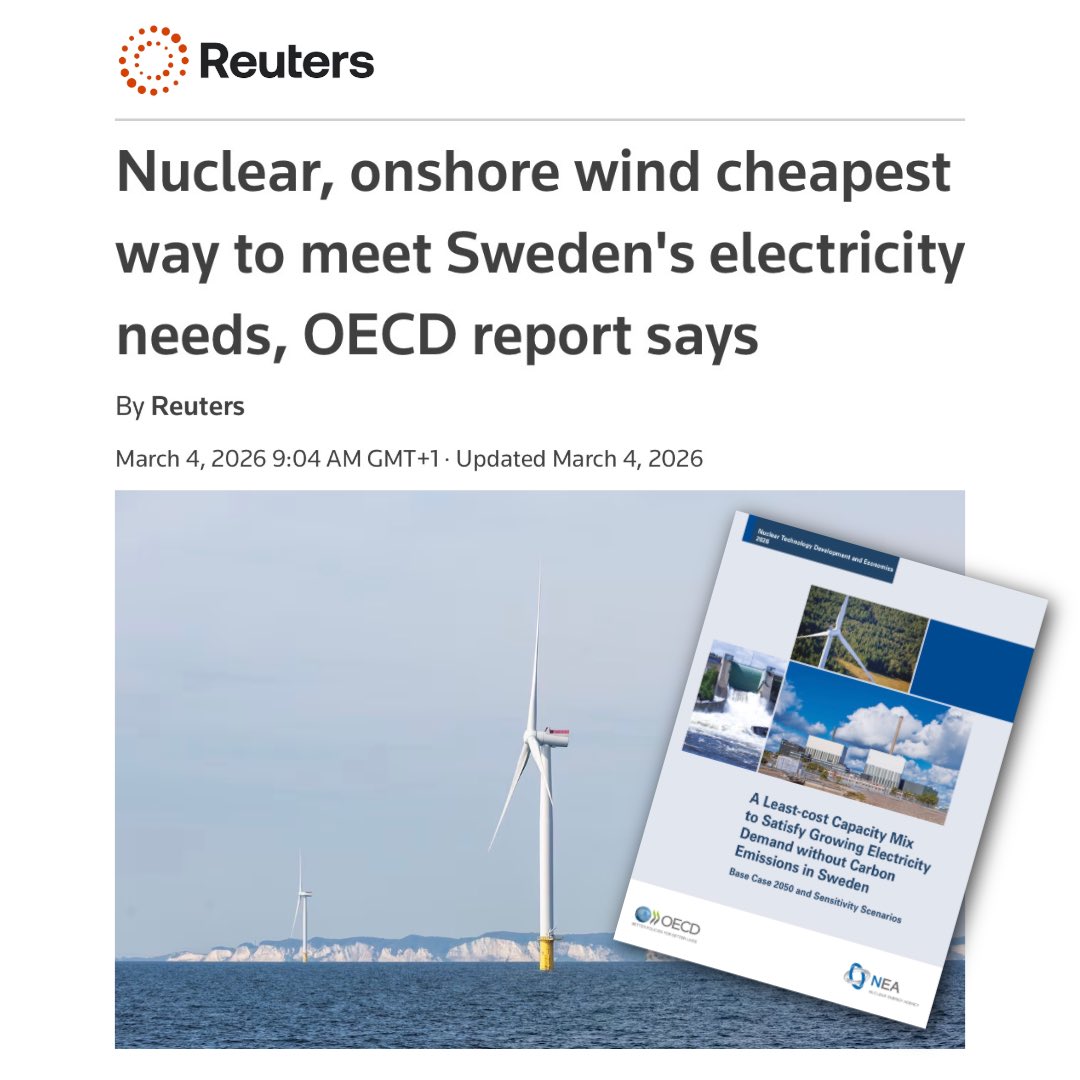
New OECD study: Nuclear onshore wind is the cheapest path for Sweden
The brand new @OECD_NEA system-cost study looks at how Sweden can meet rapidly growing electricity demand while reaching net zero.
The conclusion is quite straightforward:
"It is incontrovertible that both nuclear energy, including long-term operations and new build, and onshore wind will play the leading roles in any future least-cost capacity mix”, the NEA said in the report.
In the base case for 2050, the lowest-cost system includes roughly:
⚛️ 13 GW nuclear
💨 30 GW onshore wind
The base case for 2050 is supported by 20 additional sensitivity scenarios testing different assumptions about costs, nuclear construction risks, renewable output (including good and bad weather years), demand growth, trade and interconnections, system flexibility, and residual emissions.
These scenarios expand the analysis and explore a wide range of uncertainties, but they do not fundamentally change the overall picture of Sweden’s future electricity system
What’s interesting is that the total system cost stays similar across a fairly wide range of outcomes, roughly 8-19 GW nuclear and 10-55 GW onshore wind. In other words, there isn’t a single perfect mix, but most cost-effective pathways include a substantial amount of both technologies.
The study complements a growing number of analyses pointing in the same direction. The most cost-effective way to decarbonize Sweden’s electricity system toward 2050 is likely a combination of nuclear power and wind energy.
2
17
57
3,842