
Joined November 2019
- Tweets 14,436
- Following 1,110
- Followers 3,229
- Likes 38,727
550 Photos and videos



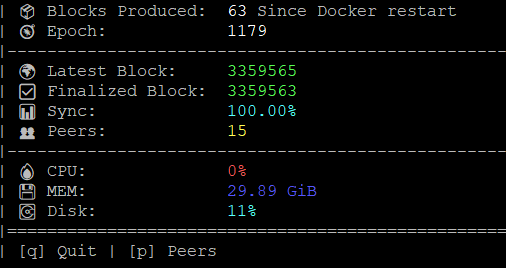

Is it correct that without maintainance of Daedalus we effectively will have no working full node?
What good is a great score on the EDI (a decentralized index) if we have to use light wallets only to interact with the blockchain?
6
2
27
784
ADA North Pool | ANP retweeted

Jun 11
Every point on @astroboysoup list is a cost that parties exist to absorb. Shared research, shared comms, ofc also shared blame.
Prediction: the individual DRep era is a transition phase. DRep parties are coming, not because anyone designs them, but because this is unsustainable.

Solicitation and begging: Constant DMs, messages, and pressure from proposers/projects asking (or begging) for votes.
Conflicts of interest: Difficulty voting objectively when proposals involve projects, people, or ecosystems you're connected to, risking accusations no matter what.
Being labelled a shill: Accusations of bias or being "paid" just for neutrally mentioning or supporting a project with a governance proposal.
Scrutiny and backlash: Votes are heavily criticised regardless of direction, with accusations of poor judgment, favouritism, or incompetence from delegators, community members, or rival groups.
Time and review burden: Properly evaluating proposals requires deep dives into complex details (tech, business models, budgets, risks, team credibility). Without talking to all proposers or fully understanding everything, it feels irresponsible to vote on behalf of others. Many proposals demand significant research time.
Lack of time/energy/commitment: The ongoing responsibility drains personal bandwidth, especially when combined with work, life, or other Cardano contributions. It's a voluntary role with no (or limited) compensation for most.
Burnout and fatigue (DRep/Voter fatigue): The volume of proposals (e.g., dozens in budget cycles such as the 2026 process), combined with meetings, debates, time zone issues, and constant community engagement, leads to exhaustion. Governance isn't a part-time hobby for active DReps. It's a serious time sink.
Lack of compensation or incentives: Many DReps invest hours reviewing, rationalising votes, and communicating with delegators, but rewards are indirect or absent for smaller ones. Discussions often focus on whether DReps should be paid, since the work resembles unpaid, high-stakes volunteer labour. I was originally told 1 hour a month at the most.
Low or inconsistent participation pressure: Delegators expect high activity and clear rationales, but real life intervenes. Inactive DReps face criticism, and even active ones deal with accountability demands (e.g., public explanations for every vote). Some feel the social pressure or "performance" expectations aren't sustainable. I built a website and published all my rationales on-chain or on X, but that still isn't good enough.
Toxicity and community dynamics: Harsh criticism, conspiracy accusations, double standards in judging proposals, or polarised debates make the role unpleasant. Inconsistent voting rationales across DReps highlight broader governance growing pains.
3
2
16
1,635
ADA North Pool | ANP retweeted

Jun 11
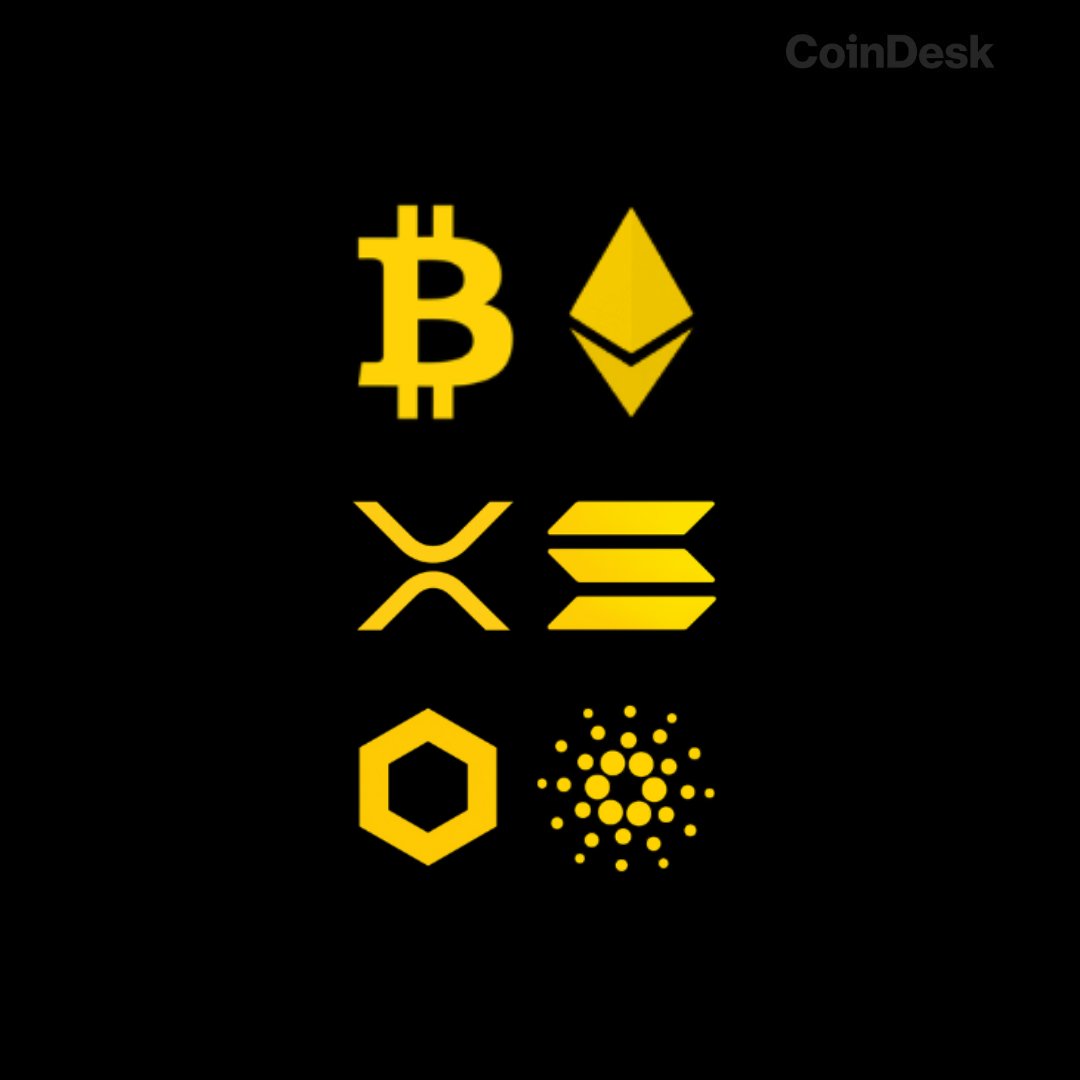
$ADA is now included in the new @Nasdaq and @CMEGroup crypto index futures, alongside Bitcoin, Ethereum, and other market leaders.
The Cardano ecosystem keeps maturing, and Wall Street is noticing.
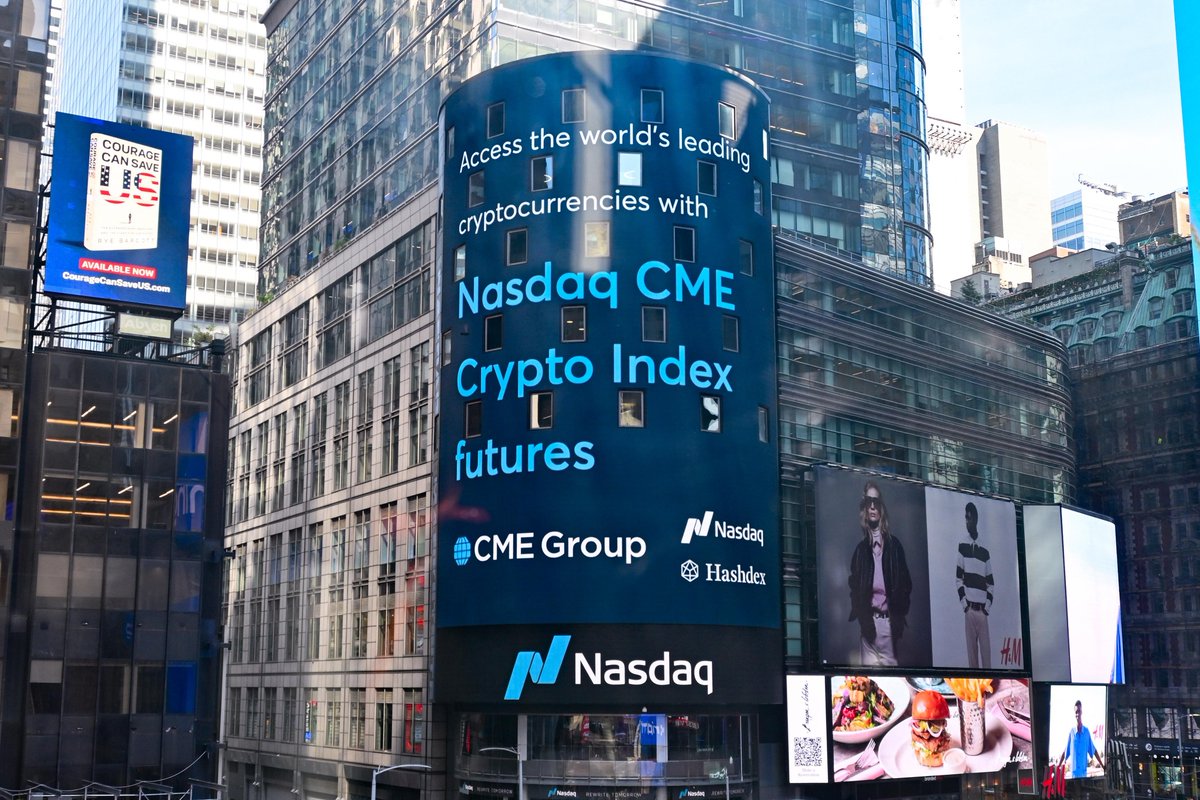

NEW: @CMEGroup launches crypto index futures jointly developed with @Nasdaq, tracking the top 8 cryptocurrencies by market cap including $BTC, $ETH, $SOL, $XRP, $LINK and $ADA.
56
383
1,886
66,440
ADA North Pool | ANP retweeted

Jun 11
One thing that has become very clear during the Constitutional Committee election process is that we have a participation problem.
With just four candidates currently registered for four available seats, we are on track for an election without competition. While that may technically fill the vacancies, it raises broader questions about why more people are not stepping forward.
I've spoken with several people who would have been strong candidates. The most common reason for not running has not been lack of interest, lack of expertise, or lack of commitment to Cardano.
It's that the role is unpaid.
Constitutional Committee members are expected to review governance actions, assess constitutional compliance, remain available throughout their term, and help ensure Cardano governance can continue functioning. These are not symbolic positions. They carry real responsibility.
The same conversation is increasingly happening around DReps as well.
To be clear, compensation is not currently guaranteed, and nobody should run expecting it. But the topic is receiving serious attention. The Governance Incentives Working Group is actively discussing solutions. Multiple CIPs and independent proposals are exploring different models. The details differ, but the underlying message is consistent: many people across the ecosystem recognize that critical governance functions need to be sustainable.
Whether any particular proposal succeeds remains to be seen.
What matters is that the conversation has moved from "should we discuss this?" to "how do we solve it?"
Hopefully that sends a signal to people who have been sitting on the fence. The community wants governance to succeed. The community wants capable people to participate. And the community is actively looking for ways to make that participation sustainable over the long term.
If you've considered running for the Constitutional Committee, there's still time.
hydra-voting.intersectmbo.or…
4
8
317
ADA North Pool | ANP retweeted

Jun 10
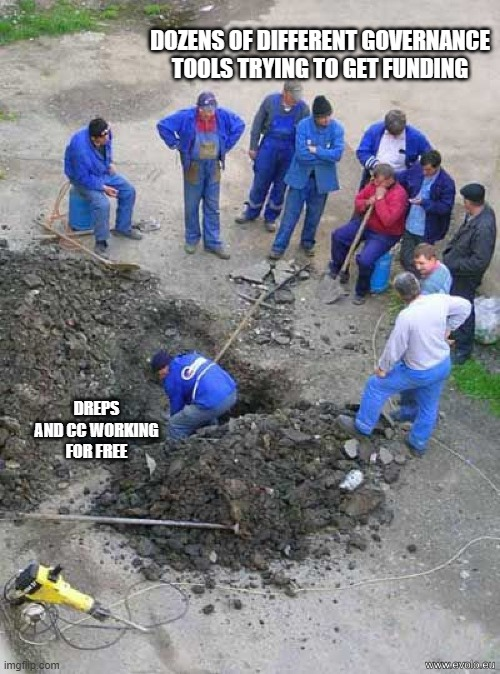
The issue is that the lion's share of the work is still done by volunteer dReps and CC members working for free.
They are the foundation and we have to ensure that that is sustainable before we start building a ton of different things on top.
5
6
17
509
ADA North Pool | ANP retweeted

The Pentad in one Room, and the Community gets to interact.
This is your moment #CardanoCommunity!
Got Questions for them, bring 'em
@Jennycitalinda @IagonOfficial @eternlwallet @BullishDumpling ...
x.com/i/broadcasts/1dGYllVYP…
1
4
357
ADA North Pool | ANP retweeted

Jun 9
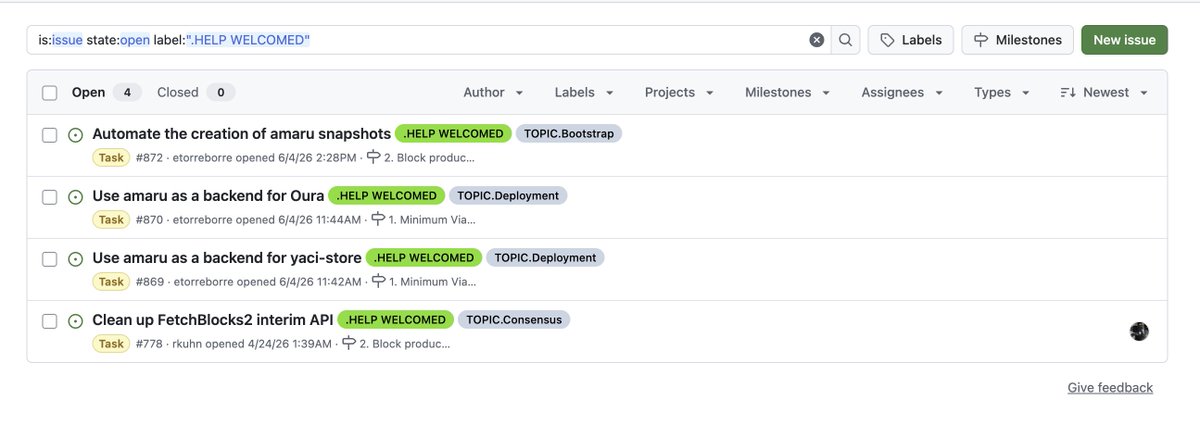
Looking for ways to contribute to the open-source Cardano ecosystem?
The @Amaru_Cardano core team has worked hard to organize some tasks that are great places for new people to contribute. We've already seen a new PR opened by @_hadelive_!
1
7
36
1,788
ADA North Pool | ANP retweeted

Jun 7
The easiest governance functions to underestimate are the ones you only notice when it stops happening.
intersectmbo.org/news/why-in…
7
17
269

ADA North Pool | ANP retweeted

Jun 5
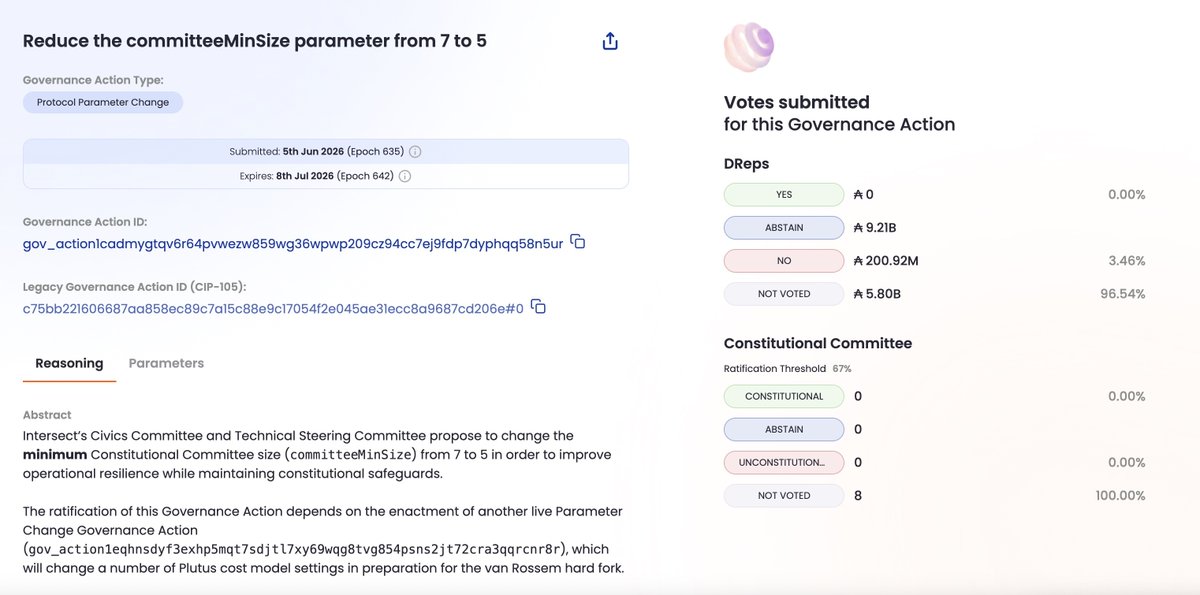
Intersect has submitted a parameter update governance action proposing to update the committeeMinSize parameter from 7 to 5.
This does not seek to reduce the Constitutional Committee from 7 members, but intends to introduce an operational buffer designed to help governance to function should the Committee temporarily fall below the current level.
A similar proposal was up for vote on-chain earlier this year but unfortunately was invalidated prematurely due to a technical collision with another on-chain parameter at the time.
This resubmission is intended to give DReps and CC members their fully allotted time to cast their votes and provide their feedback via rationale if desired.
Read the full metadata here:
gov.tools/governance_actions…
3
11
50
1,830
ADA North Pool | ANP retweeted

Collaboration will generate huge moves in our defi space, this is the first of many but this one definitely has huge potential! @USDMOfficial
Jun 4

☀️ Sundial is proud to partner with @CharmsDev on our newest initiative: Alchemy - a new Cardano-native Bitcoin Treasury and liquidity system.
Alchemy is designed to bring proven Bitcoin-backed structured product demand on-chain, positioning Cardano at the forefront of one of BTCfi’s fastest-growing categories.
Alongside this announcement, Sundial and @CharmsDev will soon be releasing a Cardano treasury proposal to help bring this vision to life.
We welcome feedback from the community before the proposal goes live.
More information coming soon.
Link to Article: medium.com/p/e437c964c3b6
3
3
20
1,194
ADA North Pool | ANP retweeted

Jun 4
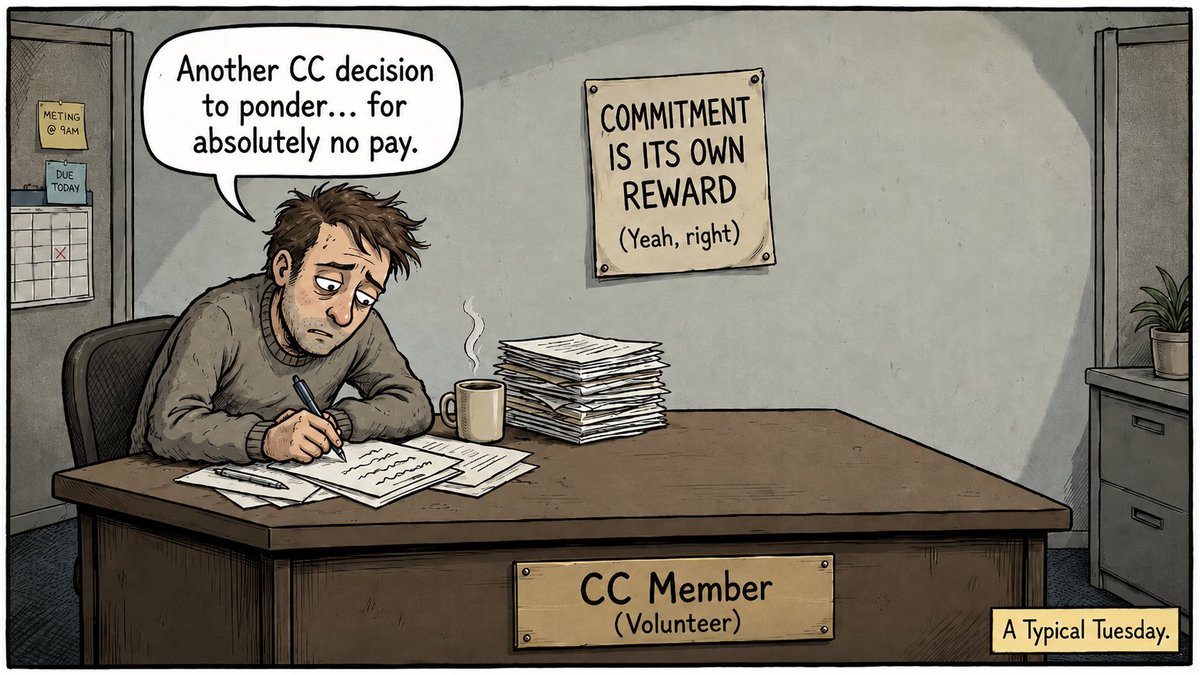
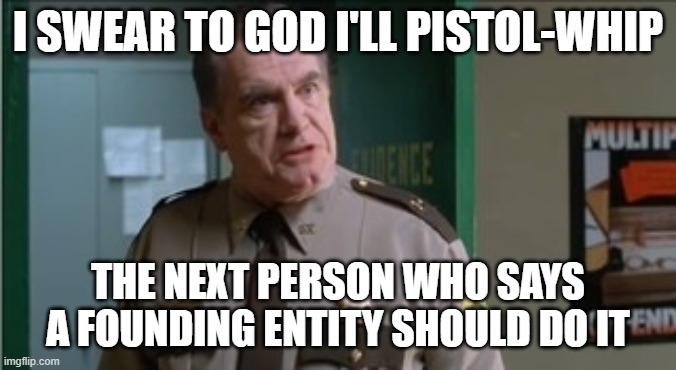
POV: Me looking at Cardano governance right now.
Community governance means community responsibility. It's time to build the foundation, together.
Stop blaming. Start building.
10
12
166
3,148
ADA North Pool | ANP retweeted
Jun 4
Anyone else feel like things are getting weird out here? Anyway, Cardano is fine. Our magic Internet money sucks right now, but we'll be alright. Just HODL and stand for something, otherwise you'll fall for anything.
33
43
430
6,316
ADA North Pool | ANP retweeted

Jun 4
As one of the official interim-CEOs of Cardano today, I have some announcements to make.
- The SPO call was full today with good participation. Everyone is preparing for the Van Rossem hardfork. SPOs are upgrading to 11.0.1 release to ensure they are ready.
- I have had 3 meetings with development teams and all are still building.
- I'm personally working on a demo wallet for @Shield_USD on Midnight. The guts are working and I'm on to the fun part of the UX. @iamwilco has some amazing designer skills.
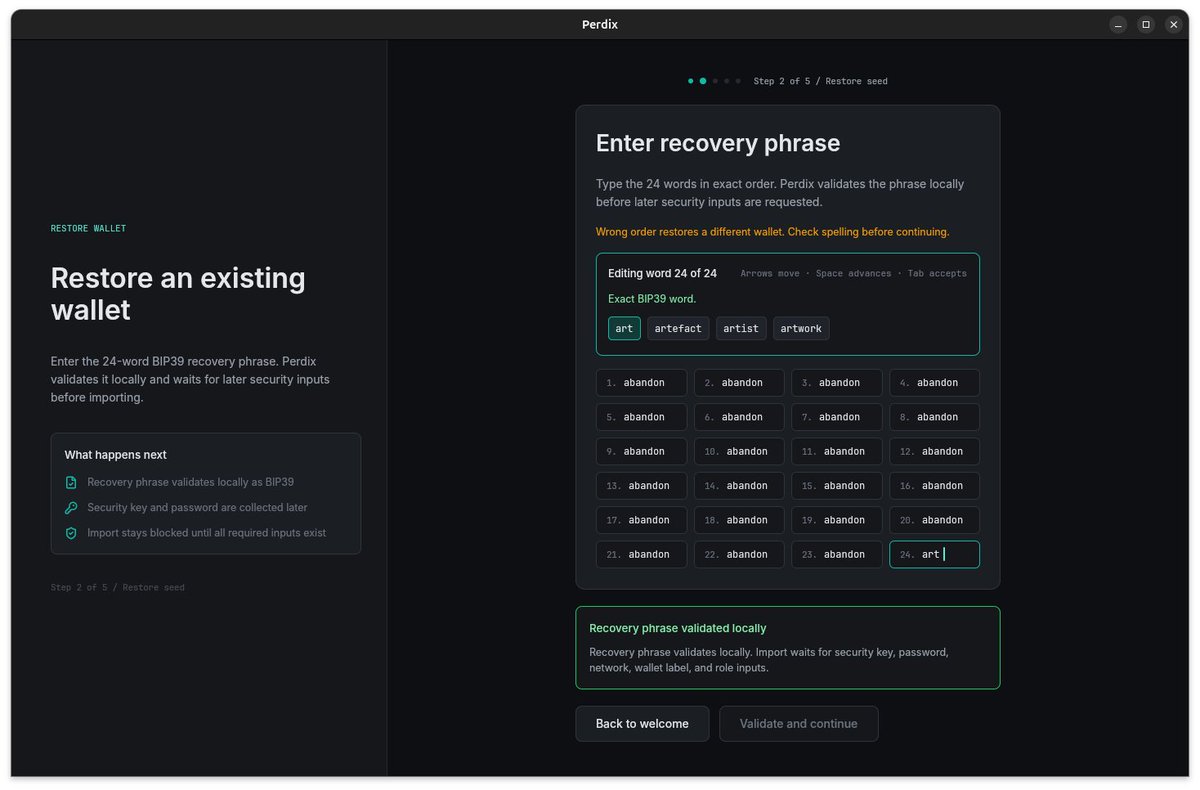
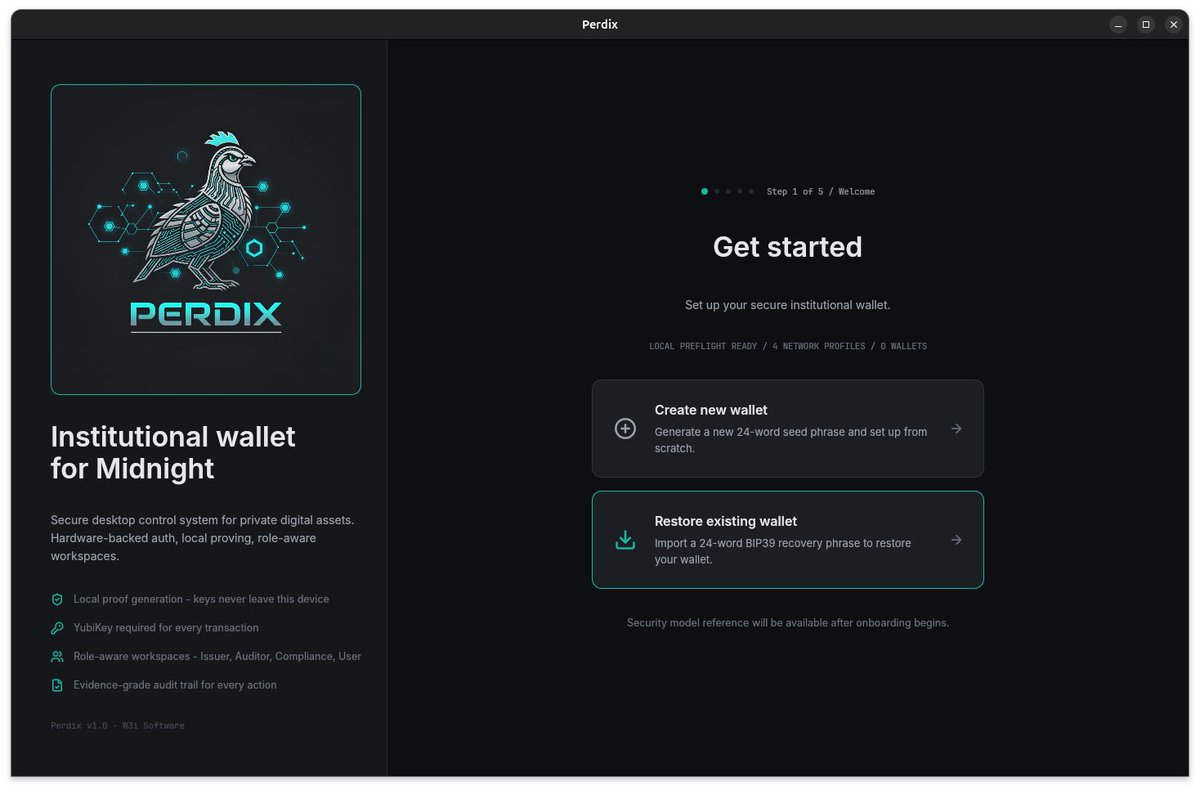

I'm taking a break. TTYL
16
61
431
14,154
ADA North Pool | ANP retweeted

Jun 4
The fight back for ADA and BTC begins now. ⚔️
We at @SundialProtocol and @CharmsDev are partnering to turn the tides for our ecosystem.
I call on you to join! 🫵
Let's build the infrastructure and products that move the market to Cardano Bitcoin.
Jun 4
☀️ Sundial is proud to partner with @CharmsDev on our newest initiative: Alchemy - a new Cardano-native Bitcoin Treasury and liquidity system.
Alchemy is designed to bring proven Bitcoin-backed structured product demand on-chain, positioning Cardano at the forefront of one of BTCfi’s fastest-growing categories.
Alongside this announcement, Sundial and @CharmsDev will soon be releasing a Cardano treasury proposal to help bring this vision to life.
We welcome feedback from the community before the proposal goes live.
More information coming soon.
Link to Article: medium.com/p/e437c964c3b6
11
56
358
9,294
ADA North Pool | ANP retweeted
We are happy to announce a Cardano x Draper Dragon x Bitcoin side event to Token2049.
Funded by Cardano Foundation and Draper Dragon.
We look forward to sharing more details soon.
Thanks for the X space Draper @OrionFund team!
54
157
993
52,755
ADA North Pool | ANP retweeted

Jun 4
Cardano can be messy, but it's exactly what a real decentralized community looks like. This is a community that cares so much it sometimes drives itself crazy.
Dev & Gov Day 2026 need to happen more now than it ever has. Because what this community needs is a place to move beyond talking at one another and towards speaking with each other.
We are all @Cardano.
8
26
135
6,614
ADA North Pool | ANP retweeted

Jun 4
Daedalus is moving to specialist hands.
@se7en_labs is taking ownership of Daedalus wallet development. Built by the team behind @dripdropz_io, they bring deep ecosystem roots, a proven Cardano track record, and the focused capability the wallet needs to reach its next chapter.
This is decentralization extending into who builds Cardano, not just how it runs. The same principle driving the Daedalus proposal applies here: specialist ownership produces better outcomes than generalist delivery.
Same wallet. Sharper ownership. More capability.
Learn more: iog.io/news/daedalus-moves-t…🧵👇
5
53
338
15,706
Usdm has been a core for Cardano. Hope it will continue to lead the way.

Charles Hoskinson has been engaged in an increasingly public feud with parts of the Cardano community on X lately.
In my view, Cardano’s strongest path to long-term success lies in institutional adoption and integration with governments and regulated financial systems.
This is something NBX and USDM are working on to address.
3
202