Joined December 2009
- Tweets 12,462
- Following 309
- Followers 5,514
- Likes 21,341
303 Photos and videos
Adil retweeted

Jun 13
“A geopolitical Chernobyl.” That’s the stark assessment of the US-Israeli war with Iran, from France’s former prime minister Dominique de Villepin. “What we see is a meltdown of the core reactor that is the US leadership.”
72
748
1,956
148,972
Hopefully the zoom link will not be a free version with 40 mins time limit!😉
15h

“Zoom Link check kar kay bhejo - warna WW3 start hay!”
1
1
383
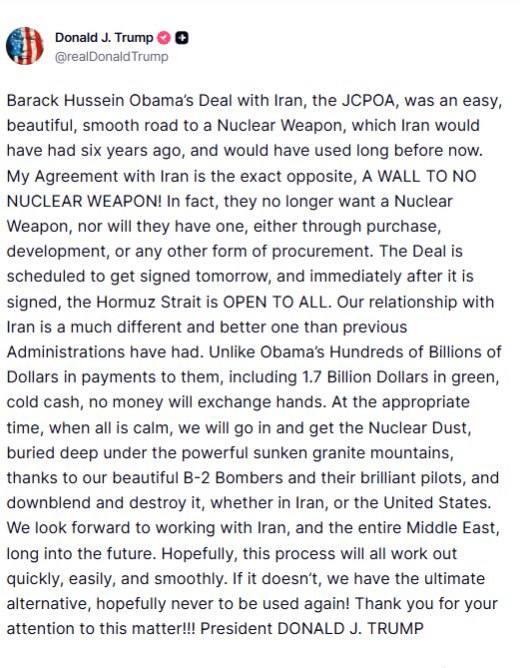
Is it a victory speech or an acceptance of a defeat by the POTUS!
After trying out all the options the US has accepted (temporary) truce that seems more favourable to Iran.
The important question is whether Israel would abide by the terms of the MoU? Quite unlikely!

Iran has already defeated the genocidal madman in the White House. If necessary, the Islamic Republic will humiliate him again.
142
Adil retweeted

Jun 13
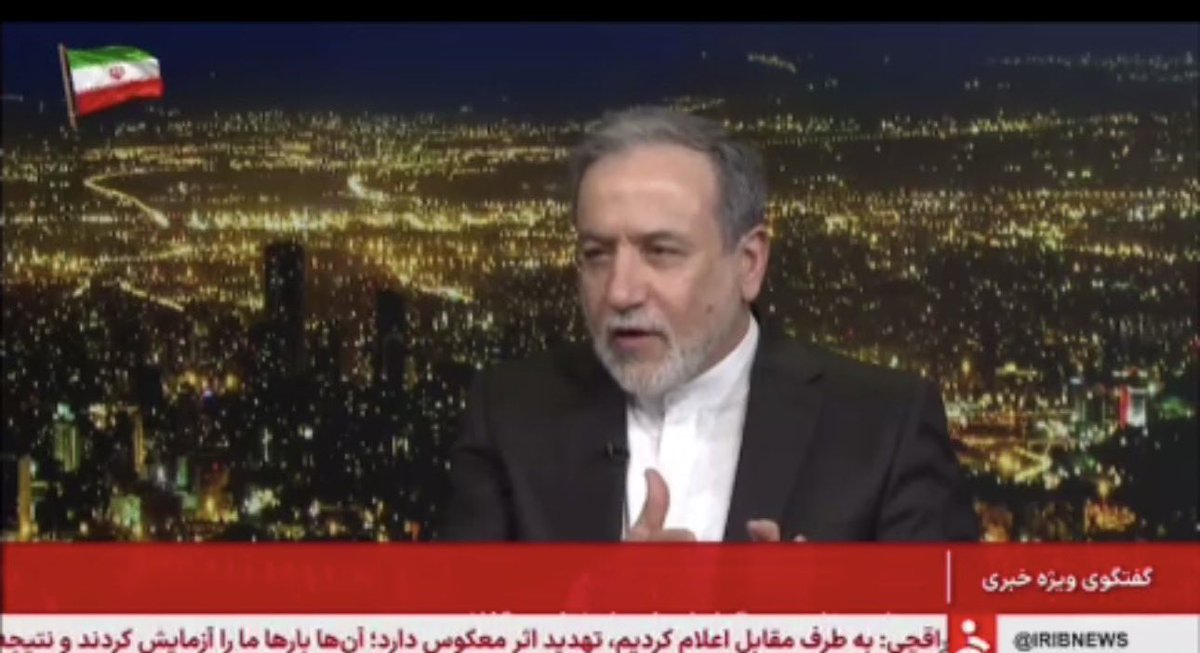
🚨 NEW: Iranian Foreign Minister Abbas Araghchi told State TV the emerging U.S.-Iran memorandum of understanding is a roughly 1.5-2 page, 14-point document that has been negotiated for more than two months and reviewed line by line by Iran’s Supreme National Security Council and military leadership.
🔸According to Araghchi, the first stage includes:
➤ A formal end to the war on all fronts, including Lebanon
➤ A commitment that neither side will initiate a new war or use threats and force
➤ The lifting of the U.S. naval blockade
➤ A framework for the release of Iran’s frozen assets
➤ The Strait of Hormuz is addressed in the memorandum, with Araghchi saying Iran’s future management of the waterway “will be different from the past” and that services there “will no longer be free.” The arrangement for the 60-day period will be settled by the MoU itself, but other details may be finalized during the follow-on negotiations.
➤ Sanctions relief and reconstruction are raised as part of a reconstruction and economic development plan, but Araghchi says the full mechanisms on the matter will be agreed during later negotiations.
🔸 The Second Stage:
➤ Would consist of 60 days of negotiations toward a final agreement, with the possibility of extension by mutual consent.
➤ Araghchi says those talks will aim to resolve the nuclear file, including uranium enrichment and Iran’s stockpile of 60% enriched uranium.
➤ He says the negotiations will also address the broader issues raised in the memorandum, including sanctions relief, the reconstruction and economic development plan, arrangements related to the Strait of Hormuz, and other technical details.
🔸 On Hormuz (and Oman and China):
➤ He says Iran and Oman, as the two sovereign states bordering the strait, will continue to oversee its security and administration.
➤ Araghchi suggested that services in the Strait of Hormuz that have historically been provided free of charge, including maritime security and safe passage, the designation and maintenance of shipping lanes, environmental protection, and search-and-rescue services, would under a future framework carry fees.
➤ Araghchi says Iran has held close consultations with Oman, which he described as its principal partner on the issue, and that the two sides have reached “good results.” He said joint plans and a joint statement will be announced in the near future.
➤ He also says Iran has held expert-level consultations with other stakeholder nations, including China, noting that roughly 40% of shipping traffic through the Strait of Hormuz is linked to China because of its economic interests.
🔸Araghchi said the memorandum will be signed remotely in a “digital” format, with each side signing separately before a joint announcement, adding that an agreement could be finalized “within the next day or two, or within the next several days.”
🔗 Araghchi’s full remarks on Friday, translated into English by Drop Site News, are below ⬇️
Jun 13

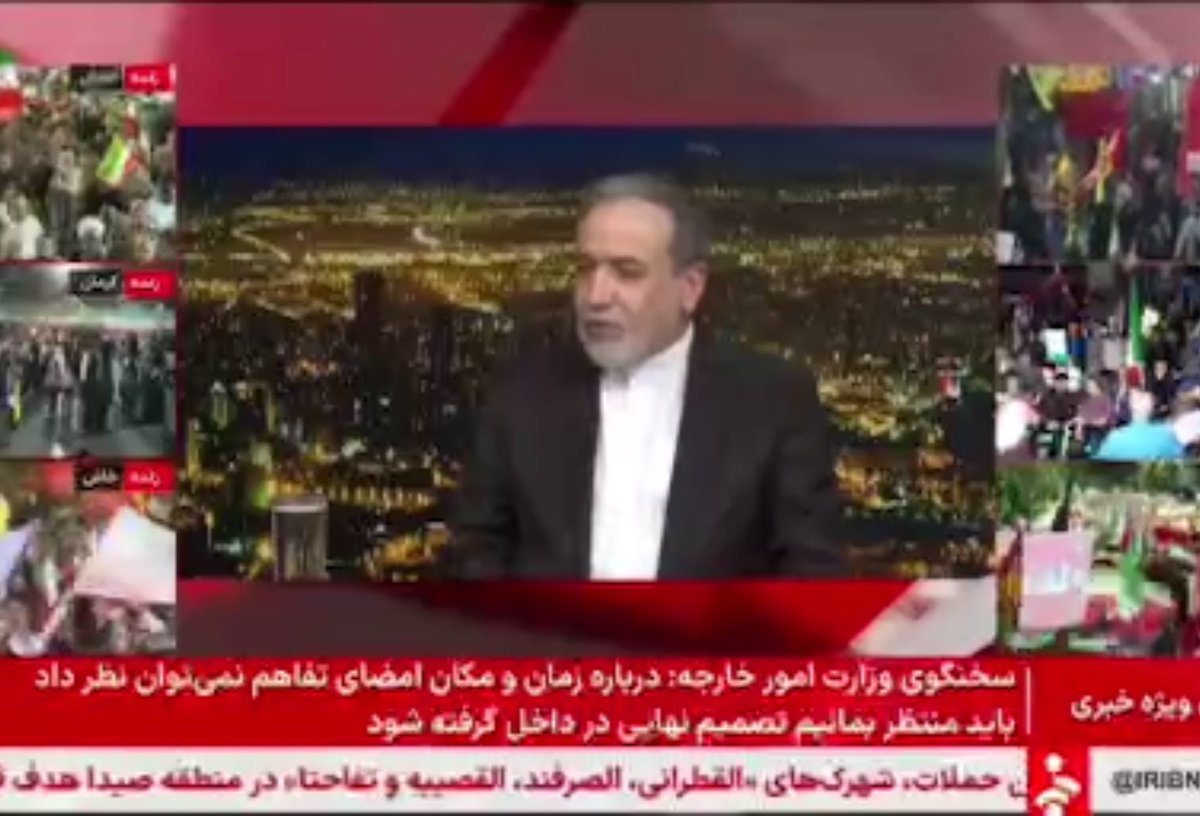
🧵THREAD: Full Remarks by Iranian Foreign Minister Abbas Araghchi on Friday:
🔹 “Over the course of one year, we went through two very severe wars. That is a reality. After the 12-day war, I think they concluded that perhaps they had not sufficiently prepared their capabilities. Perhaps they realized they first needed to target what they saw as our greatest strength, which is our social cohesion. They made preparations and got themselves ready for a bigger war. In the meantime, we experienced the events of the 18th of Dey [January 7-8], and then we faced the 40-day war, in which they imagined that this time they could finally, in their delusion, finish the job. But instead, they encountered extremely courageous and steadfast resistance from Iran, from Iran’s armed forces, and from the Iranian people.”
🔹 “When I use the word ‘steadfast,’ I do so deliberately. Just a couple of days ago, one Western official said, ‘We did not believe that the Iranian people, or Iran itself, could be this steadfast and resist this stubbornly.’”
🔹 “This steadfastness and resistance, throughout the 40 days of war and afterward during the ceasefire up to the present, is first and foremost owed to our armed forces, who made enormous sacrifices. This has been said many times, but truly every one of us owes a debt to our armed forces and to the martyrs of our armed forces, who gave their lives in sacrifice.”
🔹 “Likewise, we owe a debt to the people, who during this entire period never for a single moment abandoned the armed forces, the officials, or the country as a whole. Every night they were in the streets, and every day they were present in the field. They endured shortages and hardships with resilience and perseverance, and they remained engaged. That is why it is right to speak of a kind of national awakening, even a kind of rebirth.”
66
482
1,087
268,821
Adil retweeted

Jun 13
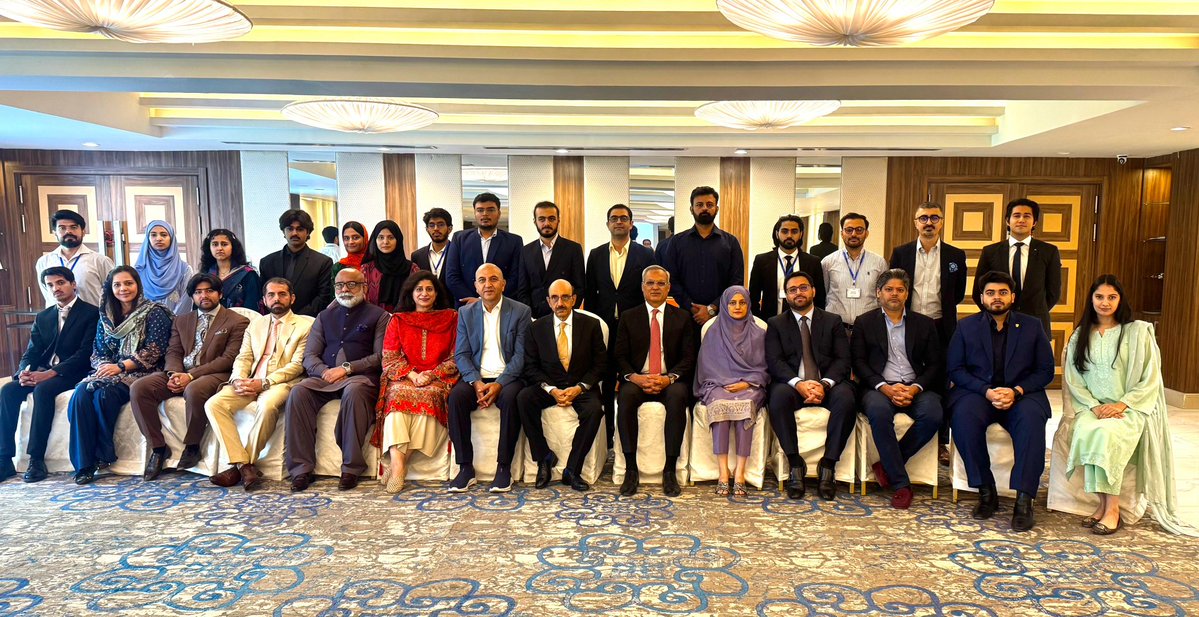
This week @Strafasia_PK conducted our 3rd Futures Workshop to explore policy options open to Indo-Pacific middle powers navigating an increasingly competitive world.
Each of 4 tables produced a vividly laid out scenario to play out in 5 to 10 years, followed by policy deep dives to highlight strategic priorities.
Designing the exercise is always exciting as I try to picture how each group will respond to the scenario before them, matched only by the session itself as we facilitate participants through argument and counter argument, pushing back against preconceived notions and collectively attempting to produce out of the box solutions.
The report for this one will be out shortly. Follow Strafasia on our socials for more. And feel free to reach out to our team directly.
@adilsultan
@f_aider @nuverah_a @AnasYamin_
8
14
272
Adil retweeted

Jun 12
She is lying. Brazenly. Israel has forced over a million people (a million!) from their homes, razed entire neighborhoods to the ground, told Christian villagers to not let Shia villagers stay in their villages, and killed multiple first-responders in double tap strikes.
Jun 11

This needs to be said loud and clear.
Israel is not attacking Lebanon. They are targeting Hezbollah. An Iranian funded terror proxy that has struck Israel 2,000 times since the April ceasefire.
Israel has every right to defend itself. Don’t fall for the Iranian regime’s distraction.
1,215
9,957
30,810
568,231
Adil retweeted

Jun 12
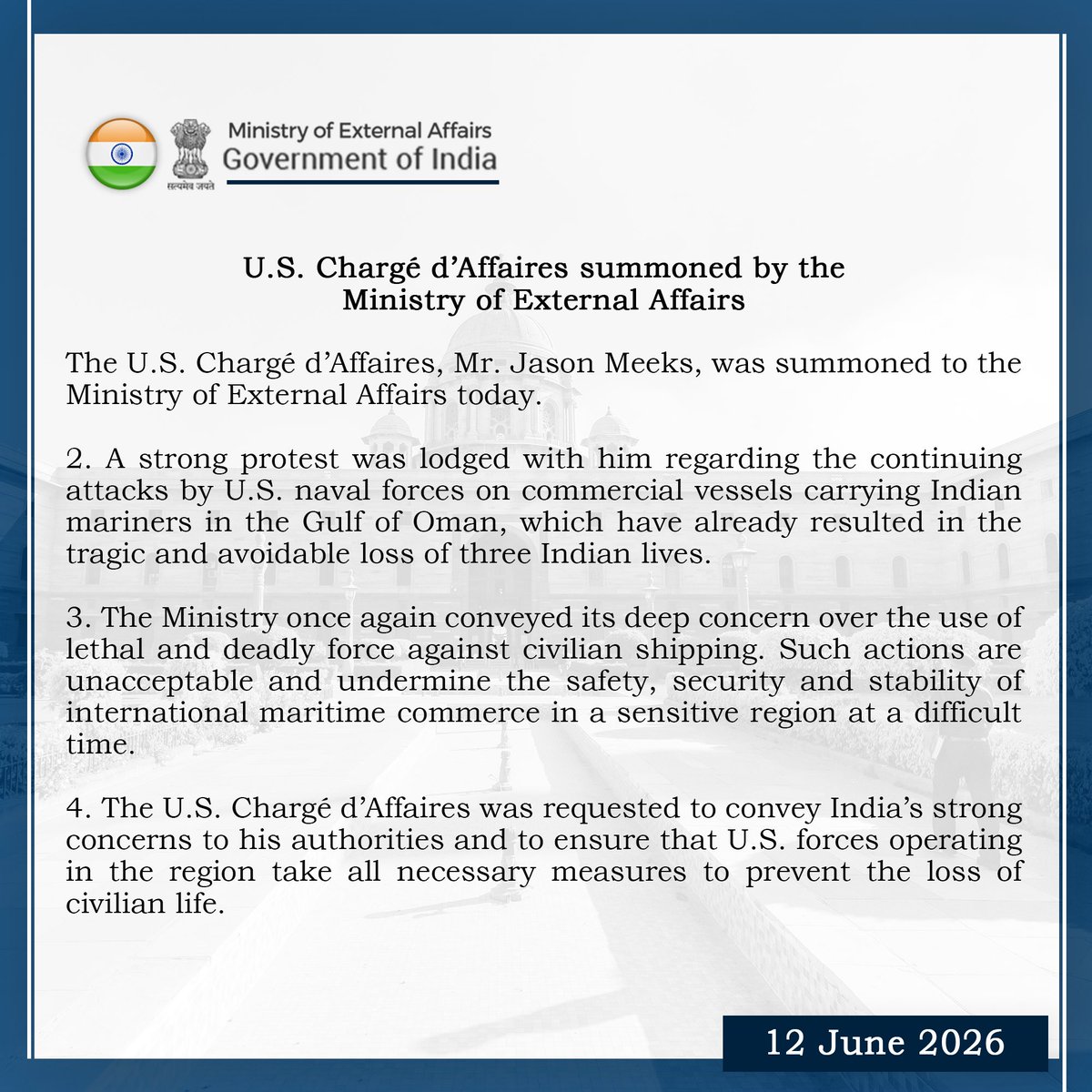
U.S. Chargé d’Affaires summoned by the Ministry of External Affairs
🔗 bit.ly/440CYzs
1,356
1,605
7,043
698,962
Adil retweeted

The Islamabad Memorandum of Understanding has never been closer. Pending its finalization, the media should refrain from entering speculation about its content.
In line with our responsible and transparent approach, all details will be shared with the public in due course.
4,142
6,615
32,457
3,711,532
Adil retweeted

Jun 10
The 3rd Futures Workshop of @Strafasia_PK offered a timely and engaging discussion on the geopolitics of the Indo-Pacific. One of the most commendable aspects of the workshop was its interactive format, enabling participants to actively map future scenarios, assess emerging trends, and develop policy recommendations.

The Indo-Pacific is entering a period of geopolitical flux. As major powers compete and middle powers seek greater strategic autonomy, what futures lie ahead?
StrafAsia's 3rd Futures Workshop will explore the possibilities — from regional order and alliance dynamics to #strategicforesight and policy pathways.
📅 8th June 2026
By invite only.
#IndoPacific #Geopolitics #MiddlePowerAutonomy #InternationalRelations
.
.
@Aiza_Azam @adilsultan @f_aider
2
6
254
Adil retweeted

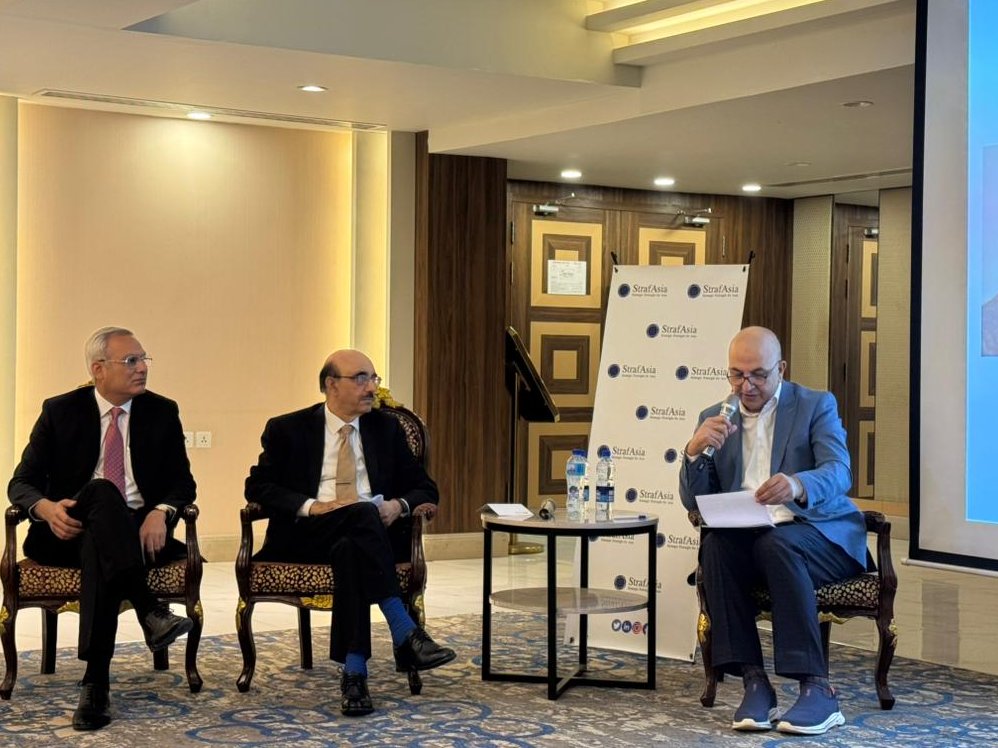
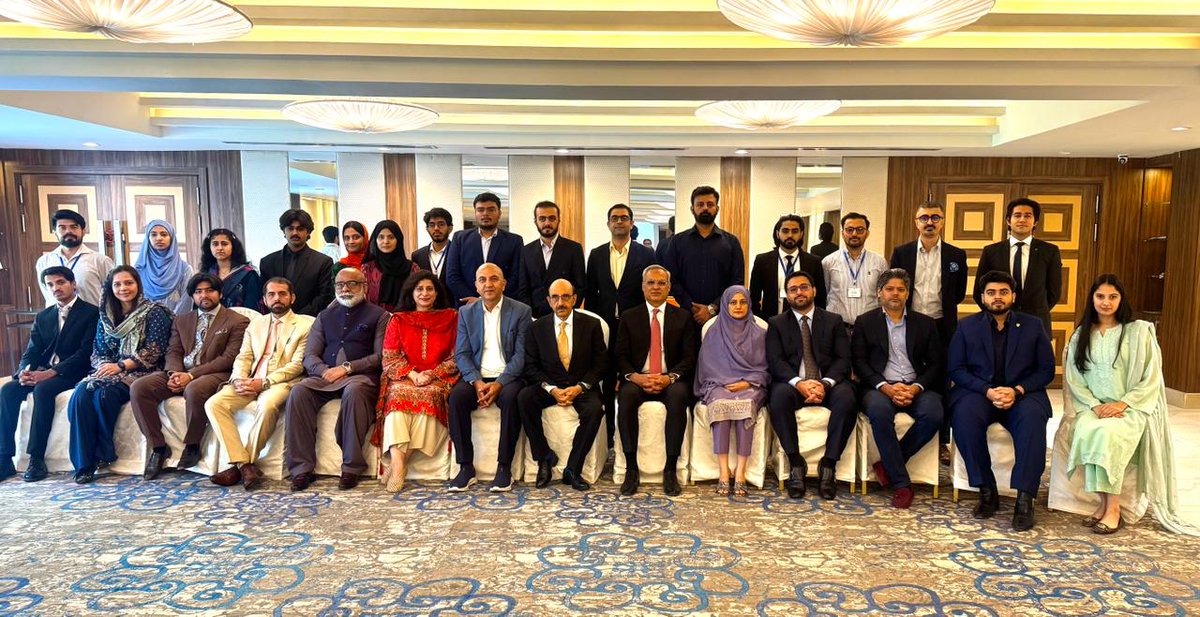
Excited to have participated in StrafAsia Futures Workshop "Shifting Geopolitics in the Indo-Pacific and Middle Power Autonomy".
The Indo-Pacific has become the central arena of great power competition in the 21st century — where US-China rivalry, dynamic economic integration, and complex overlapping security architectures intersect most intensely. The workshop provided a rich comparative lens on how middle powers like Australia and Pakistan are navigating this evolving landscape.
Through expert discussions and interactive scenario exercises, we explored critical questions around alliance dependencies (AUKUS, Quad), strategic autonomy, China’s growing regional influence via initiatives like BRI and CPEC, and the role of emerging technologies in shaping the future balance of power.
It was particularly valuable to examine how middle powers can move beyond binary alignments toward more balanced and independent postures that better serve their national interests in this high-stakes region.
Grateful to StrafAsia for organizing such a timely, high-caliber dialogue that bridges theory and practical policy thinking on one of the most consequential geopolitical theatres of our time. Special thanks to our esteemed guest panelists, Amb. (R) Masood Khan (@Masood__Khan) and Rear Admiral (R) Faisal Shah, for their insightful contributions and time.
@mqasimmustafa @jafar_mobeen @t_bhatti09 @ali9119 @kakaryasir1 @warscholiast @nadrafiq @FarehaIqtidar @shamsZaman_72 @ovesanwar
@NDF_Pak @OtherImranKhan @adilsultan @Aiza_Azam @f_aider @AnasYamin_ @nuverah_a
6
18
746
Adil retweeted

Had a great time facilitating a discussion with such bright minds. Grateful for the thoughtful conversations, fresh perspectives, and engaging exchange of ideas.
Jun 10
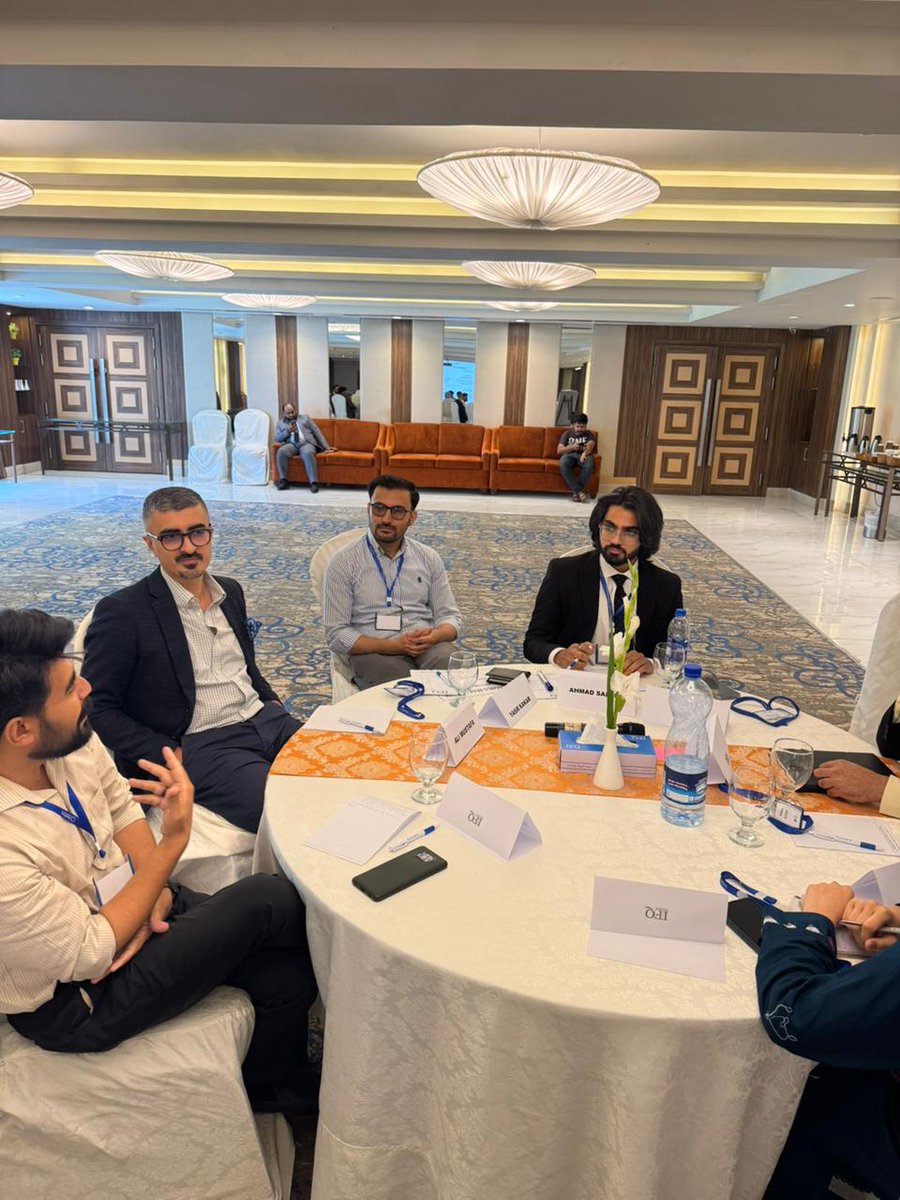
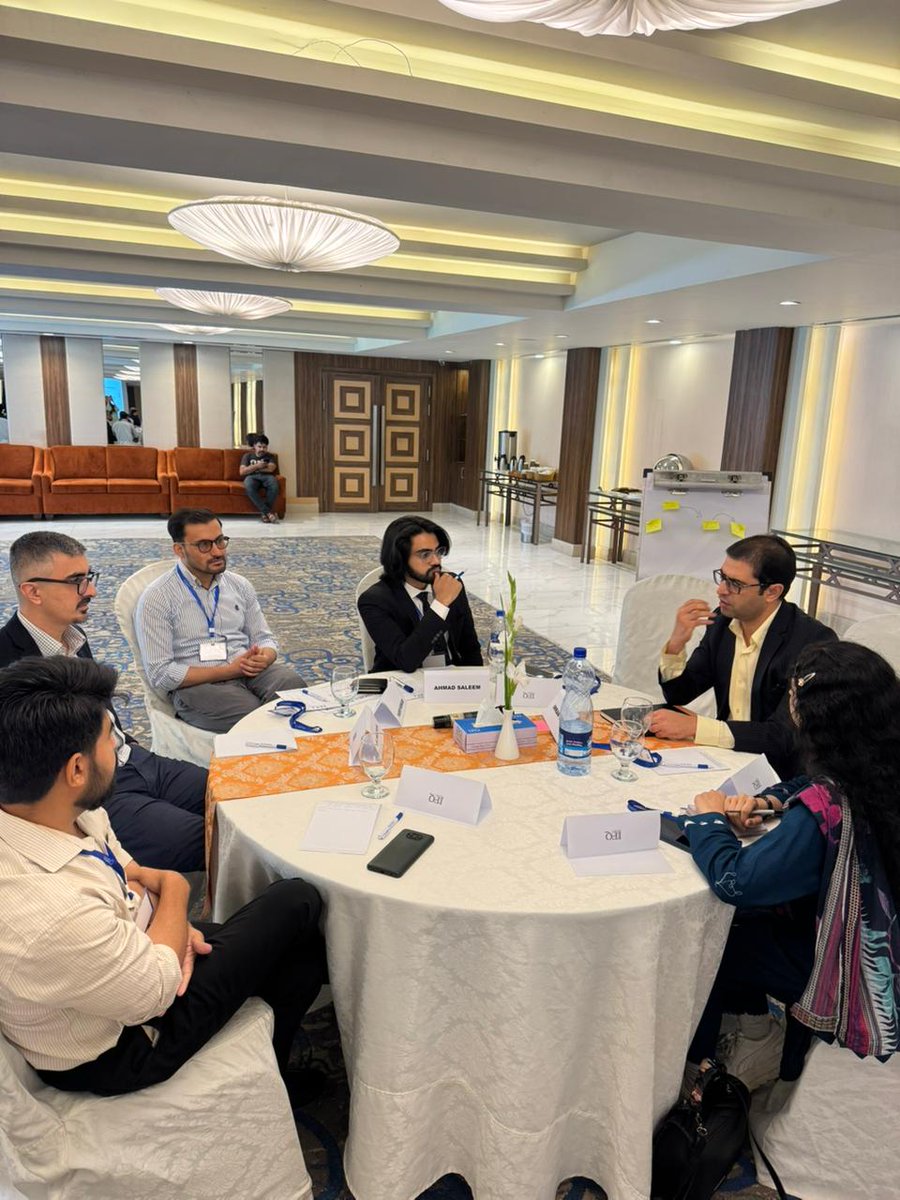
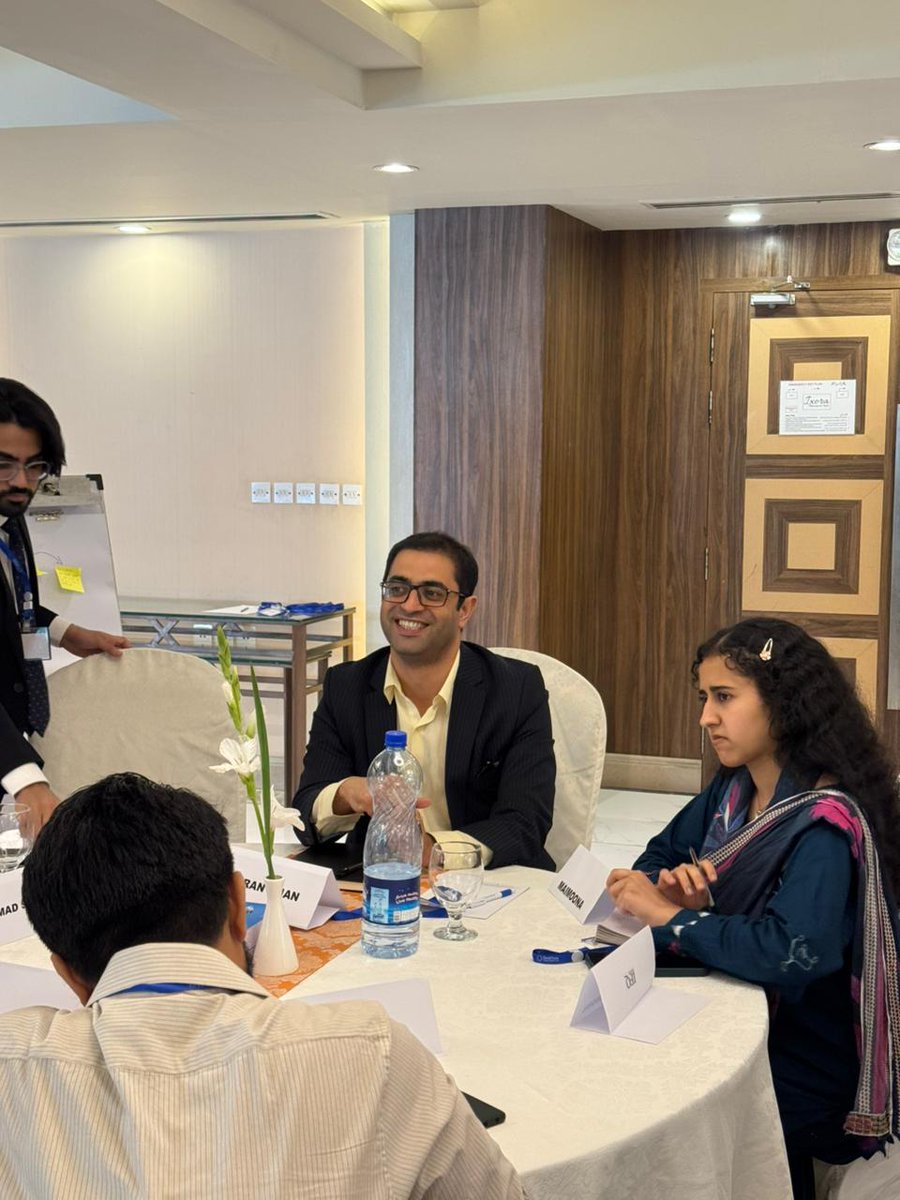
Futures Workshop #3 on Shifting Geopolitics in the Indo-Pacific & Middle Power Autonomy featured structured scenario-based deliberations across tables, each producing policy recommendations under expert facilitation.
Table C, “Borrowed Time,” facilitated by Mr. Ahmad (@ahmadsaleem_rao) , examined a constrained environment where middle powers operate under a strongly entrenched US-led order, marked by IMF-driven policy conditions, deepening US–India strategic convergence in military and tech domains, Quad pressure on China, and rising Chinese concerns over CPEC security in Pakistan. Prompting participants to assess limited autonomy and reactive policy space for middle powers.
@ali9119 @kakaryasir1 @warscholiast
1
1
4
461

Jun 10
I always learn from those who are more knowledgeable and can speak with logic.
Not engaging any further on this.
Cheers!

What about if you update your knowledge on these issues? Knowledge is all about learning and unlearning.
2
7
755
Jun 10
Not a matter of egos, but since you are heading an official think tank, which is supposedly working on nuclear related issues, there is no harm in going through the literature on TNWs and its relevance to Pakistan's nuclear strategy.
If your ego says so....
5
7
2,206
Adil retweeted

Jun 10
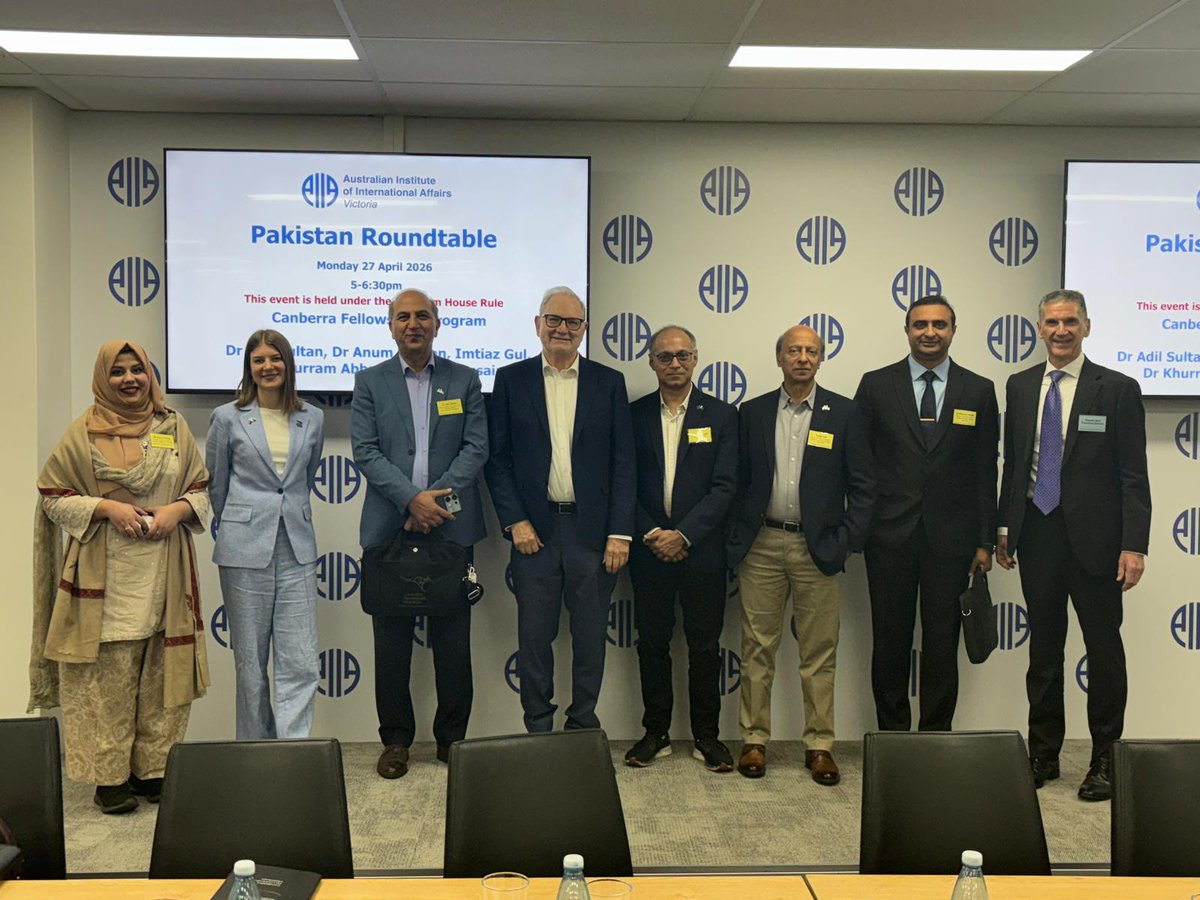
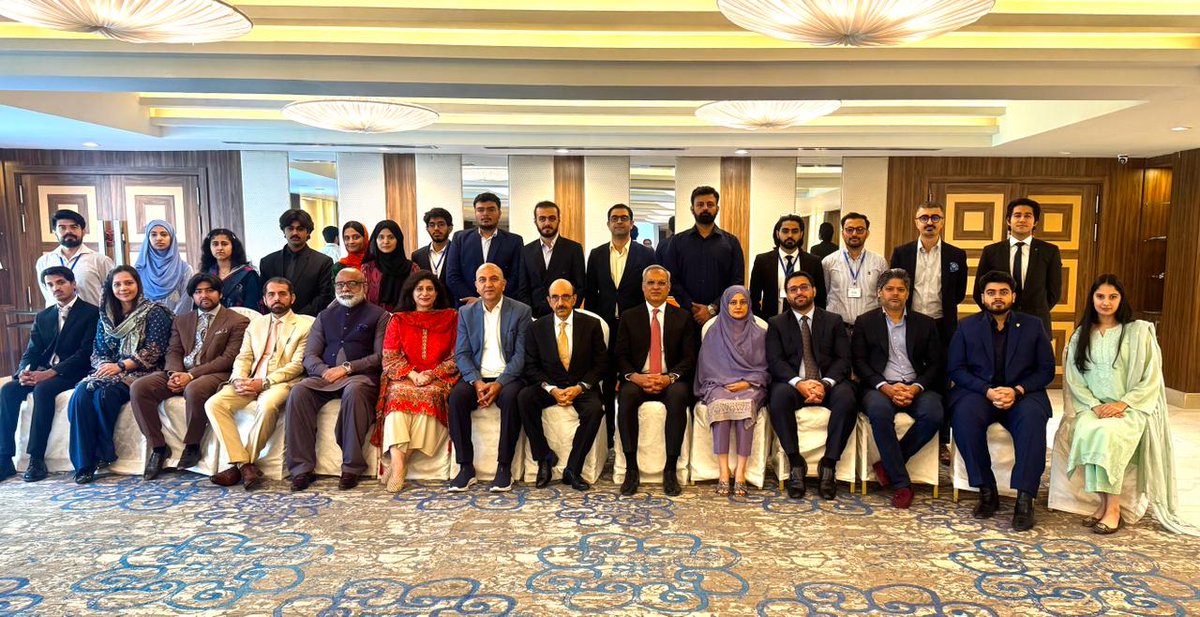
Futures Workshop #3 on Shifting Geopolitics in the Indo-Pacific & Middle Power Autonomy concluded successfully as a truly collaborative effort, bringing together rigorous scenario-based policy thinking across all tables.
A sincere appreciation goes to the StrafAsia organising team Dr. Adil Sultan (@adilsultan), Ms. Aiza Azam (@Aiza_Azam ), and Mr. Faraz Haider (@f_aider) for their vision and leadership, along with Research Intern - Anas Yamin (@AnasYamin_) and Research Assistant - Nuverah Ansari (@nuverah_a) for their dedicated support in making the workshop seamless and impactful.
Special thanks to our esteemed guest panelists, Amb. (R) Masood Khan (@Masood__Khan) and Rear Admiral (R) Faisal Shah, for their insightful contributions and time.
Finally, gratitude to all participants whose engagement, ideas, and energy made the discussions genuinely enriching and thought-provoking.
@mqasimmustafa @jafar_mobeen @t_bhatti09 @ali9119 @kakaryasir1 @warscholiast @nadrafiq
@FarehaIqtidar @shamsZaman_72 @ovesanwar
@khansheharyar @NDF_Pak
The Indo-Pacific is entering a period of geopolitical flux. As major powers compete and middle powers seek greater strategic autonomy, what futures lie ahead?
StrafAsia's 3rd Futures Workshop will explore the possibilities — from regional order and alliance dynamics to #strategicforesight and policy pathways.
📅 8th June 2026
By invite only.
#IndoPacific #Geopolitics #MiddlePowerAutonomy #InternationalRelations
.
.
@Aiza_Azam @adilsultan @f_aider
1
13
19
1,665
Adil retweeted
Jun 10
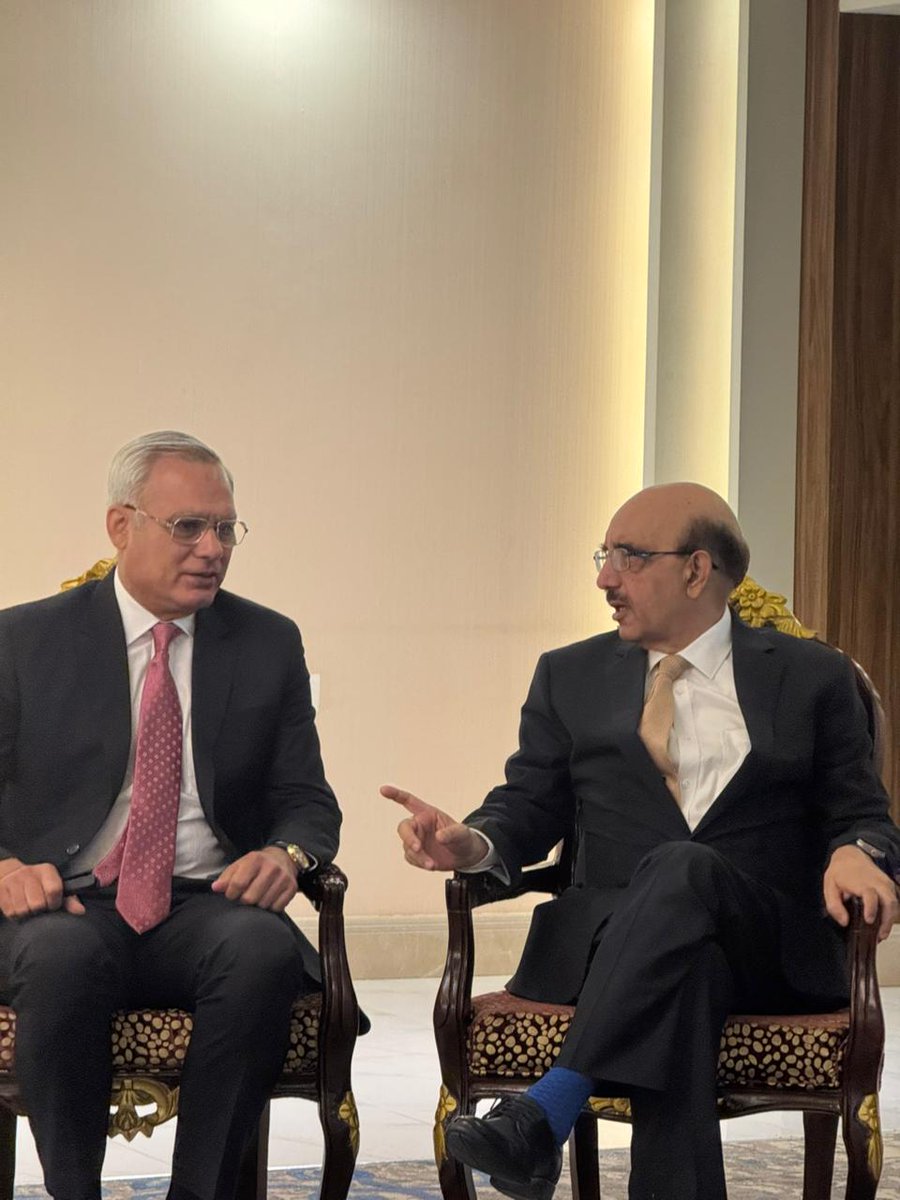
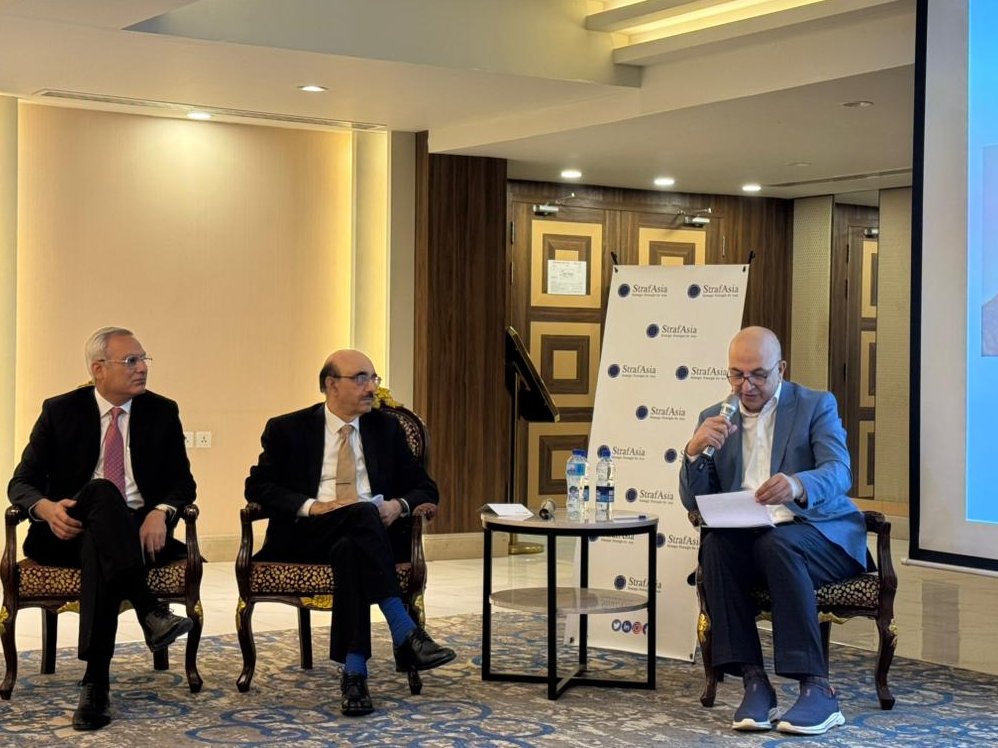
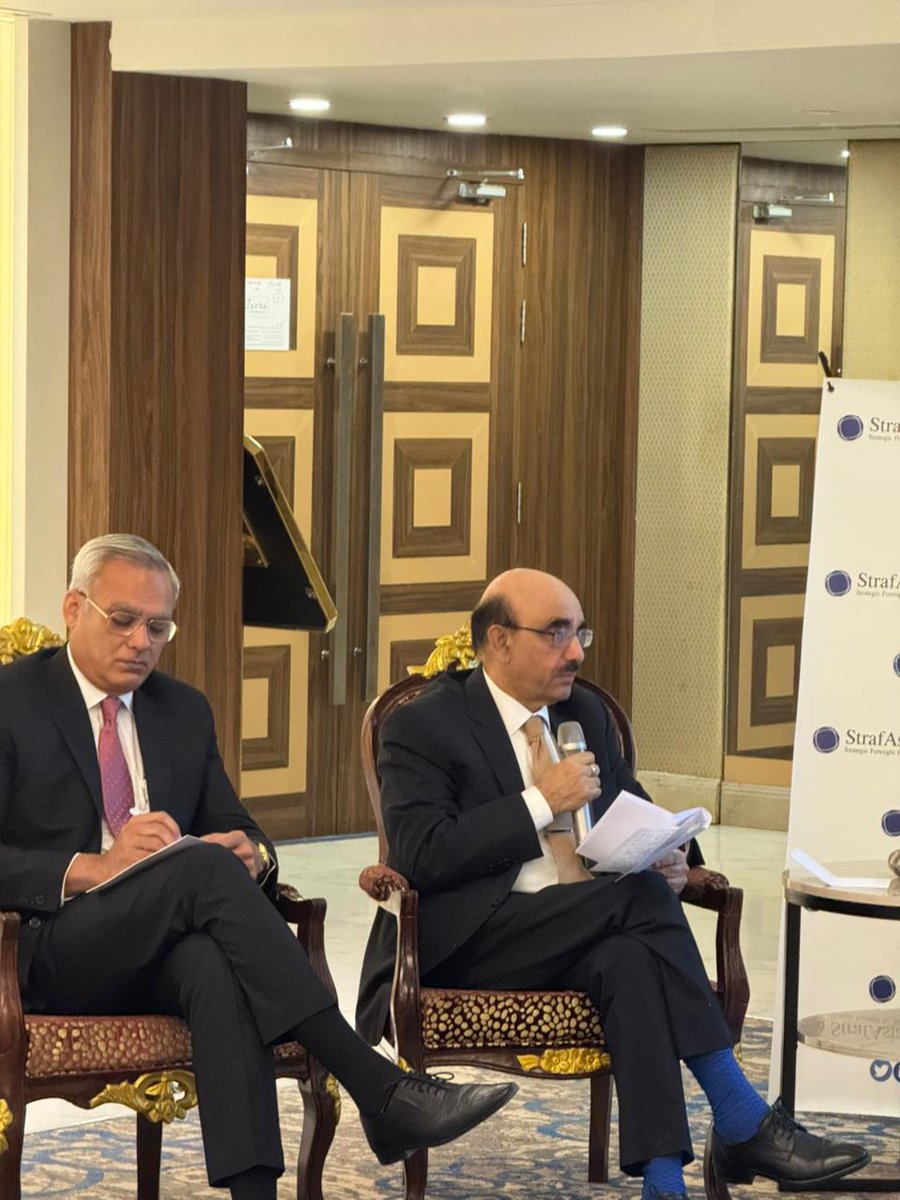
Our distinguished panelists, Amb. (R) Masood Khan (@Masood__Khan)and Rear Admiral (R) Faisal Shah, their wealth of experience and expert analysis laid the perfect foundation for the 3rd Futures Workshop on Shifting Geopolitics in the Indo-Pacific and Middle Power Autonomy.
Their thought-provoking insights on evolving regional dynamics, strategic competition, and the future role of middle powers provided participants with a strong analytical framework before they embarked on their scenario exercises. The engaging Q&A session that followed allowed participants to directly interact with two seasoned practitioners, enriching discussions with real-world perspectives and practical policy insights.
Their contributions not only elevated the quality of the workshop but also inspired deeper reflection on the challenges and opportunities shaping the Indo-Pacific's future.
@adilsultan @Aiza_Azam @f_aider
The Indo-Pacific is entering a period of geopolitical flux. As major powers compete and middle powers seek greater strategic autonomy, what futures lie ahead?
StrafAsia's 3rd Futures Workshop will explore the possibilities — from regional order and alliance dynamics to #strategicforesight and policy pathways.
📅 8th June 2026
By invite only.
#IndoPacific #Geopolitics #MiddlePowerAutonomy #InternationalRelations
.
.
@Aiza_Azam @adilsultan @f_aider
7
11
765
Jun 10
No point for further discussion on the subject, since you have challenged my understanding of Pakistan's nuclear strategy instead of engaging in a constructive debate.
Pl go through the statements of Lt Gen Kidwai, it may be helpful for you and your researchers at the CISS!
We will talk about it tomorrow after your epistemology would be bit better.
2
9
946
Jun 10
Are you saying that Lt Gen Kidwai's statements are a foreign imported construct!!!!
Pl read his statements more carefully before getting into a public debate:
dawn.com/news/amp/1248033
Language matters in deterrence.
Pakistan’s National Command Authority (NCA) statements have always officially designated Nasr as a Short Range Ballistic Missile (SRBM). The term "Tactical Nuclear Weapon" (TNW) is a foreign-imported concept embedded with Cold War doctrine and heavy strategic baggage. While top strategists like Lt. Gen. (Retd.) Khalid Kidwai occasionally use "TNW" in public lectures, it is primarily an educational simplification to explain the concept to laymen or a non-technical audience.
Furthermore, strategic necessities are never static. Pakistan's deterrence posture must continuously evolve, recalibrate, and transition to remain perfectly aligned with regional threat perception.
2
1
6
1,816
Adil retweeted

Jun 10
An insightful initiative by StrafAsia that encourages critical thinking, strategic foresight, and meaningful dialogue on the evolving regional and global landscape. Grateful to have been part of such an enriching experience, thanku maam @Aiza_Azam & sir @adilsultan for having us.
Jun 10
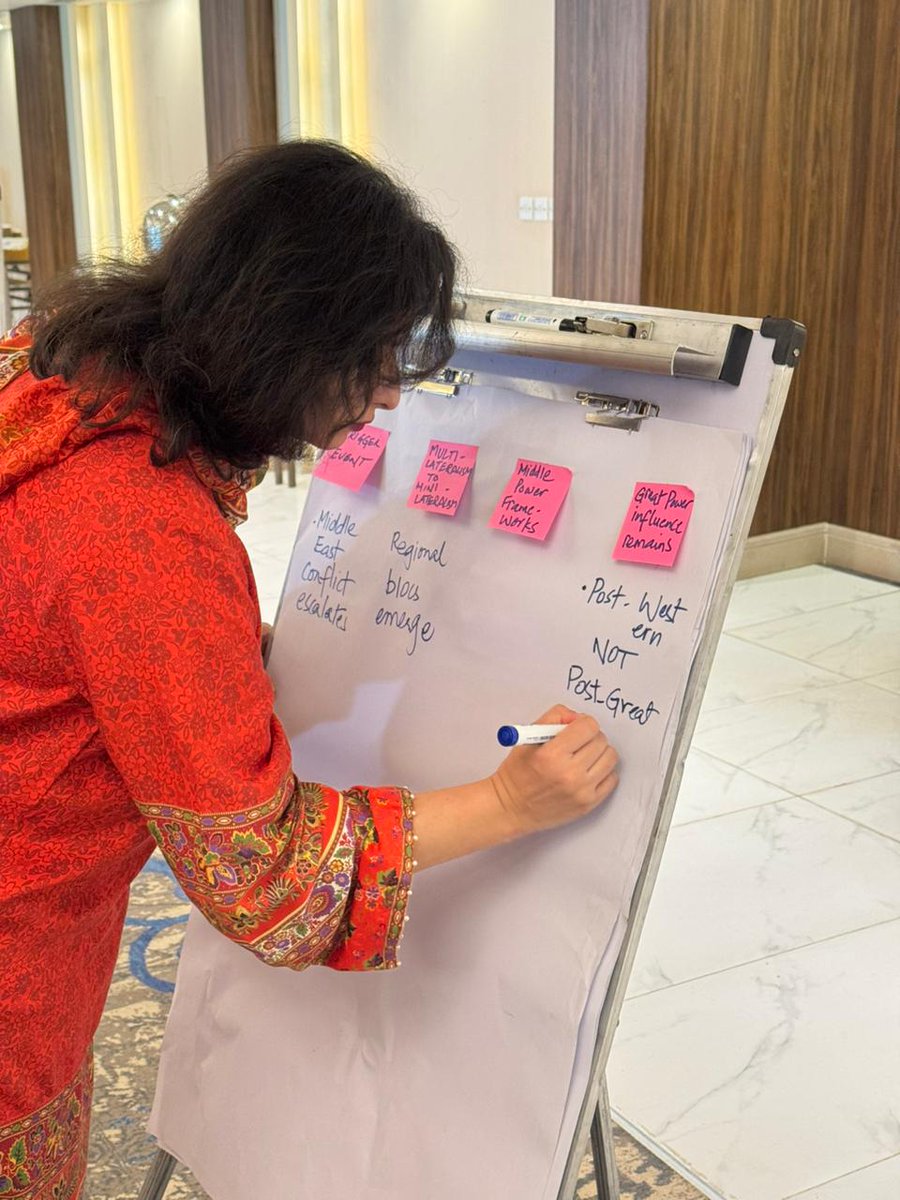
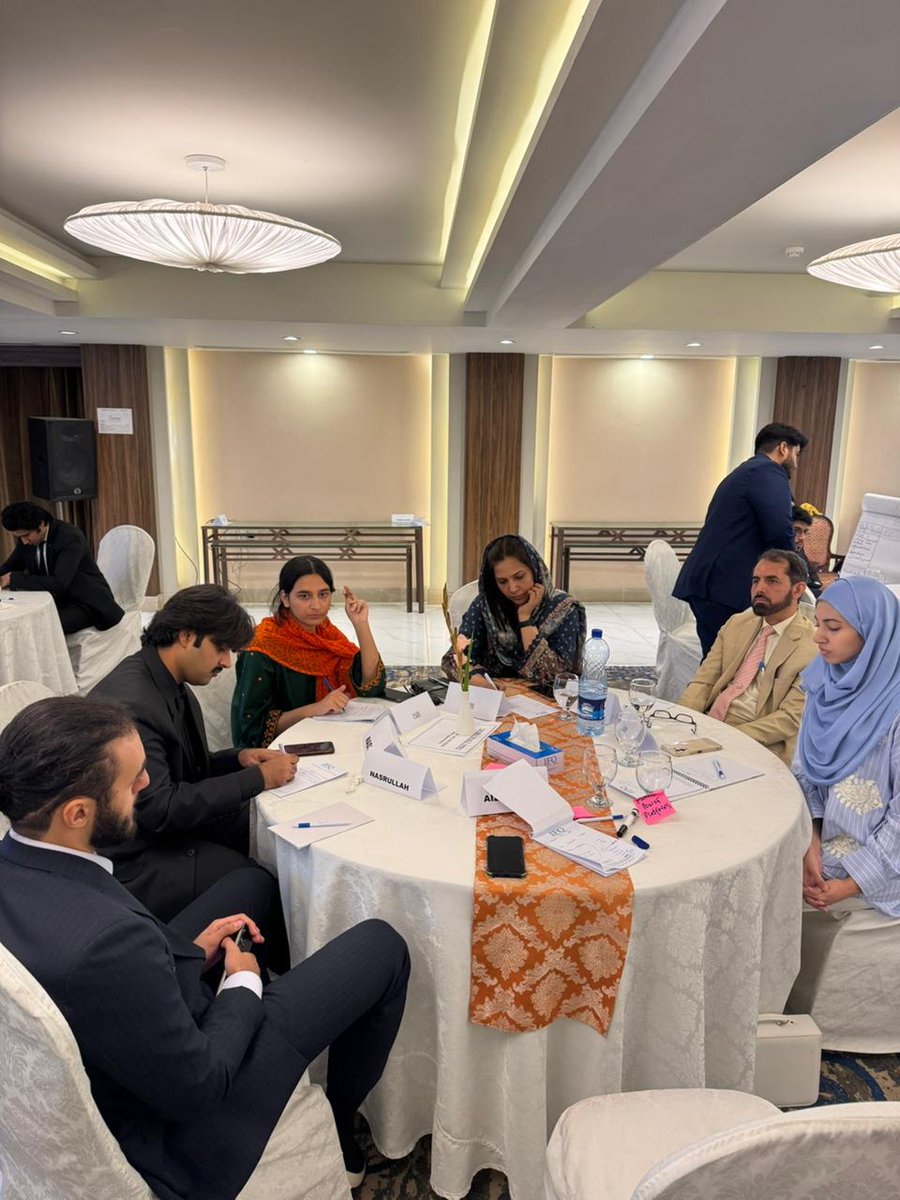
Futures Workshop #3 on Shifting Geopolitics in the Indo-Pacific & Middle Power Autonomy brought together scenario-based deliberations across tables, where participants developed policy responses under guided facilitation.
Table B, led by Ms. @Aiza_Azam , explored “The New South” scenario,marked by accelerating US retrenchment, fragmentation within the Quad, China’s push to expand SCO’s security role, and emerging coordination among middle powers like Pakistan, Türkiye, and Indonesia in co-shaping a post-Western order.
@nadrafiq @FarehaIqtidar @shamsZaman_72
1
4
213
Adil retweeted
Jun 10
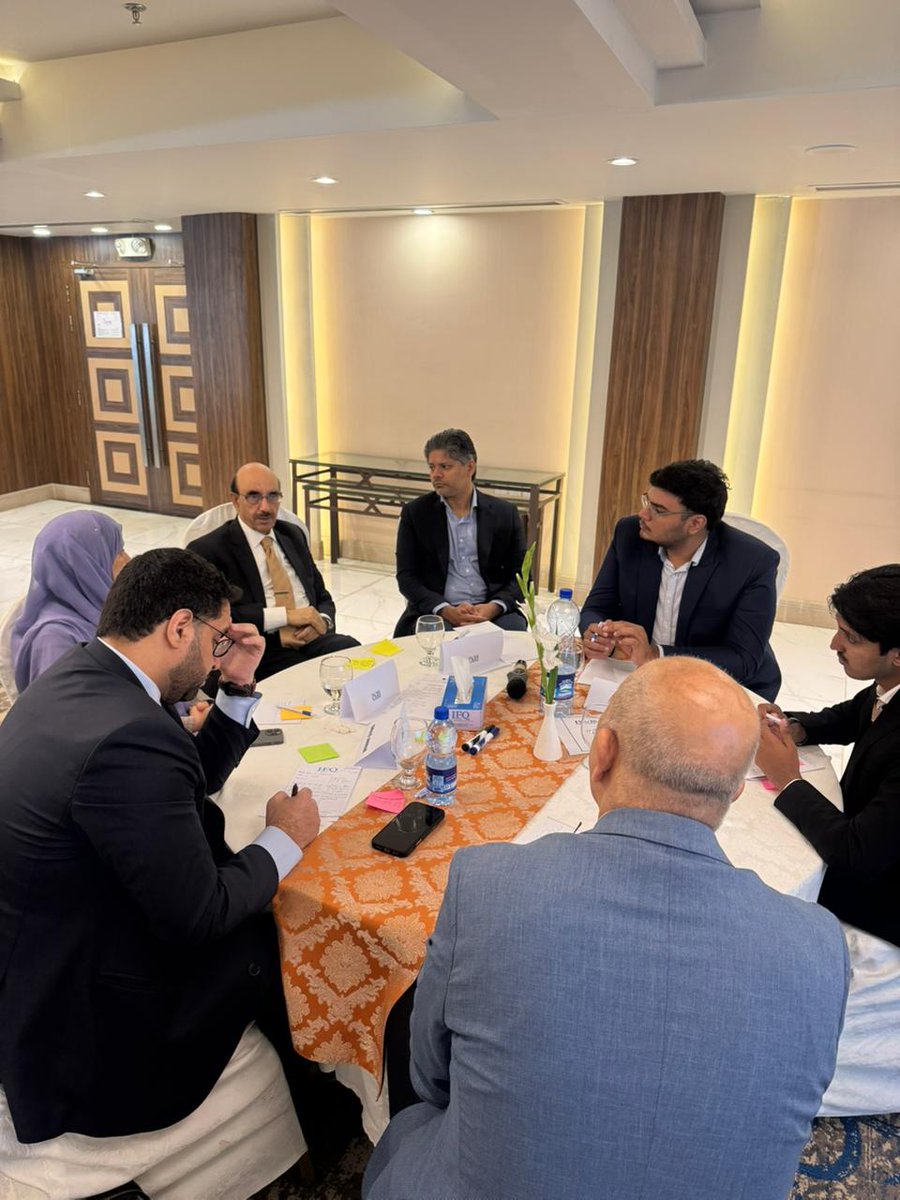
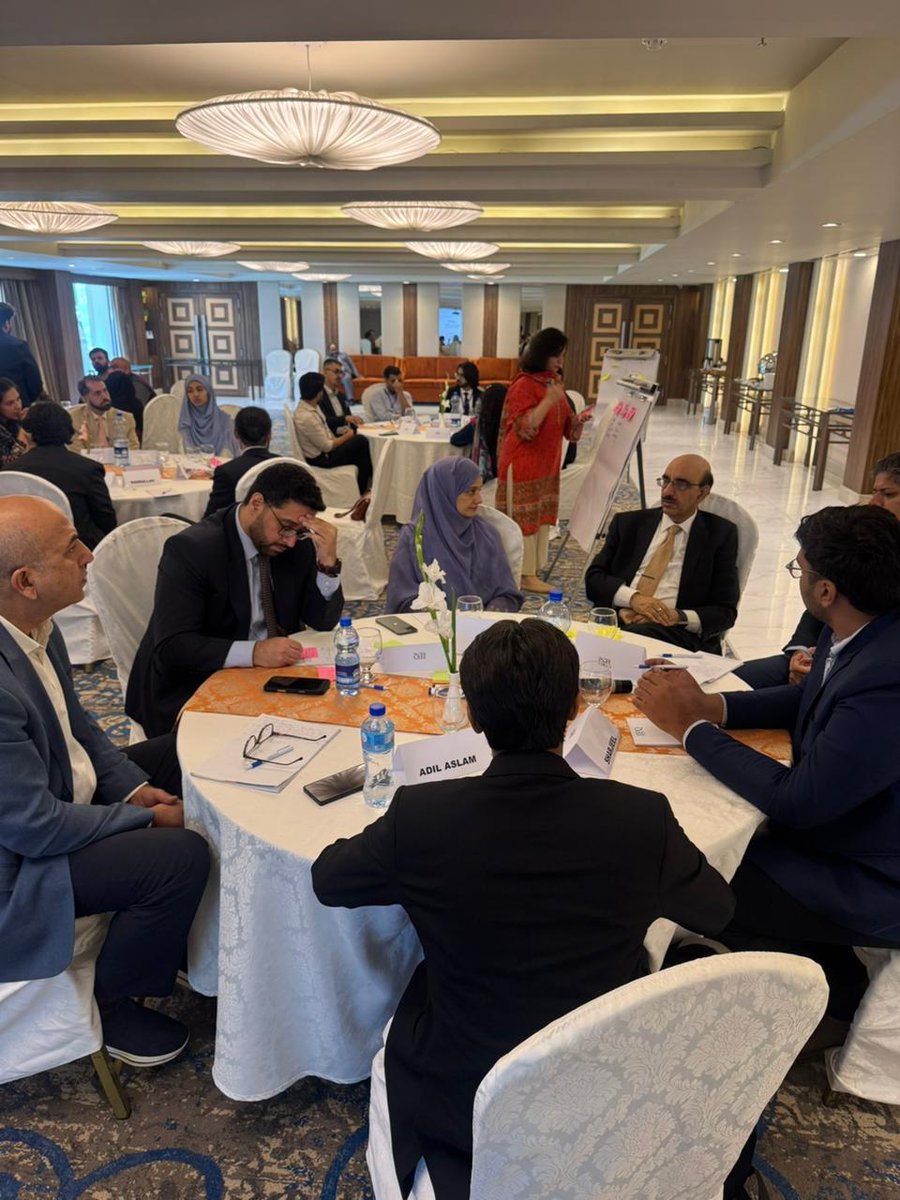
Futures Workshop # 3 on Shifting Geopolitics in the Indo-Pacific & Middle Power Autonomy turned into a live policy lab, with each table engaging distinct scenarios and crafting strategic recommendations under expert facilitation.
Table A, guided by Dr. @adilsultan , with Scenario A: Indispensable Pivot examined a US-led entrenched order where middle powers actively shape outcomes. Pakistan emerging as a key stabilizing actor, tensions rising in US–India ties, CPEC 2.0 accelerating, and Pakistan transitioning out of the IMF program. Amb. @Masood__Khan also shared his expert opinions on the scenario.
A strong exercise in translating geopolitical futures into actionable policy thinking.
@ovesanwar @khansheharyar
The Indo-Pacific is entering a period of geopolitical flux. As major powers compete and middle powers seek greater strategic autonomy, what futures lie ahead?
StrafAsia's 3rd Futures Workshop will explore the possibilities — from regional order and alliance dynamics to #strategicforesight and policy pathways.
📅 8th June 2026
By invite only.
#IndoPacific #Geopolitics #MiddlePowerAutonomy #InternationalRelations
.
.
@Aiza_Azam @adilsultan @f_aider
5
10
704
Jun 10
Not a correct statement!
Lt Gen Kidwai in 2016 at ISSI seminar: "We are not apologetic about the development of tactical nuclear weapons. They are here to stay and provide the third (tactical) element of our full-spectrum deterrence,”
Source: dawn.com/news/amp/1248033
Jun 10

Nasr poured cold water on Cold Start. Pakistan never described Nasr as a tactical nuclear weapon, because there is nothing tactical about nuclear weapons. 2/n
1
6
895