A universal framework to manage the design lifecycle of data analytics assets. linkedin.com/company/admlgui…
Joined March 2022
- Tweets 96
- Following 646
- Followers 94
- Likes 169
37 Photos and videos




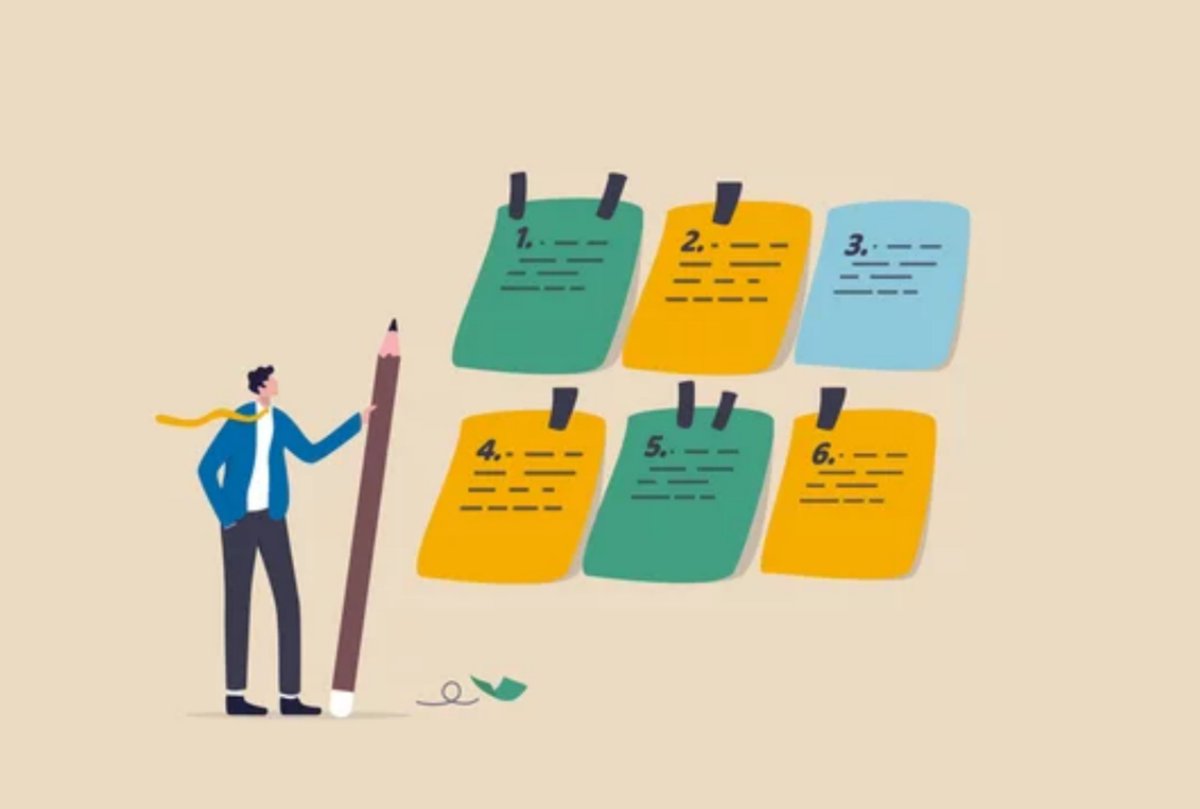






A key reason for this design ritual is to ensure corporate memory of why the data product was developed in the first place, and what challenges were faced and overcome in the past.
1
11
This knowledge can be used to refine assumptions, update expected benefits and inform future decisions.
1
8
Let's see how you can implement a #Learning ritual using Analytics Design Markup Language (ADML).
#DataScience #AI #DesignThinking #Analytics
youtu.be/Dmtzo3fQUpA
9
What is the #Learning ritual for?
The purpose of this design ritual is to evaluate the performance of a data product. The primary “wave” that this ritual is concerned with are the outcomes that can be related to a #DataProduct.
1
9
What is the #DataReadiness ritual for?
The purpose of this design ritual is to validate whether data exists in a form that will support the analytics objectives. The primary “wave” that this ritual is concerned with are the resources that capture or record data.
1
13
Before a data product can be built, the feasibility of fulfilling stakeholder expectations needs to be validated. Based on the information design and hypothesis design, sources of data need to be identified and tested for its completeness and utility.
1
5
Let’s see how you can implement a Data Readiness ritual using ADML.
#DataScience #AI #DesignThinking #Analytics #ADML #DataAnalytics
bit.ly/3GeohwI
7
What is the #HypothesisDesign ritual for?
This ritual aims to define the levers and constraints of a particular business issue, identifying the needs to support data-driven intervention, often associated with the practice of statistical analysis & machine learning.
1
2
21
Let's see how you can implement an hypothesis design using Analytics Design Markup Language (ADML).
#AnalyticsStrategy #DataAnalytics #MarkupLanguage
👉bit.ly/47DygHA
2
15
What is the #InformationDesign ritual for?
It's about defining a common language for describing what a business does and what you want to measure. This language lays a foundation for a #DataLake, #Hub or #DataWarehouse.
1
20
Let's watch how you can implement an information design using Analytics Design Markup Language (ADML).
#InformationDesign #AnalyticsStrategy #DataAnalytics #MarkupLanguage
👉bit.ly/3MLXFqP
14
It is applicable for a spectrum of data product types spanning analytical dashboards to machine learning models.
1
1
34
ADML provides a common language for the component processes required to build a data product.
Discover more.
#DataModelling #DataScience #DataAnalytics #MachineLearning
👉bit.ly/3Dbr73x
1
43
With ADML, data products are developed with the outcome and context of the problem firmly in mind. Equally, by starting from the outcome desired, data products can be developed to ensure the outcome is achieved.
1
22
Find out how ADML can develop and deliver successful data products.
#DataModelling #DataScience #DataAnalytics #MachineLearning #DataFramework
👉bit.ly/466tWzY
29
✔️ Developing a reusable library of assets to improve the speed and reduce the cost of development;
✔️Capturing the expected contribution of a #dataproduct to business value to help with managing resources and giving priority to the right data investments;
1
1
26
✔️ Linking #datalineage to context (i.e., problems, imperatives and business value contribution) so that change processes can be managed in line with their value.
1
1
17
Discover how ADML can help you develop and deliver #successful #dataanalytics assets for your organisation today!
👉bit.ly/3SS3pQK
#DataLineage #SuccessfulDataProducts #MachineLearningModels
1
22