
Pioneering the Longevity & Biotech Revolution in Africa & for the diaspora. Bridging life expectancy gaps through Education, Outreach, R&D. Hosts of ILSA
Joined March 2024
- Tweets 115
- Following 1,079
- Followers 101
- Likes 114
37 Photos and videos
Pinned Tweet

4 Nov 2024
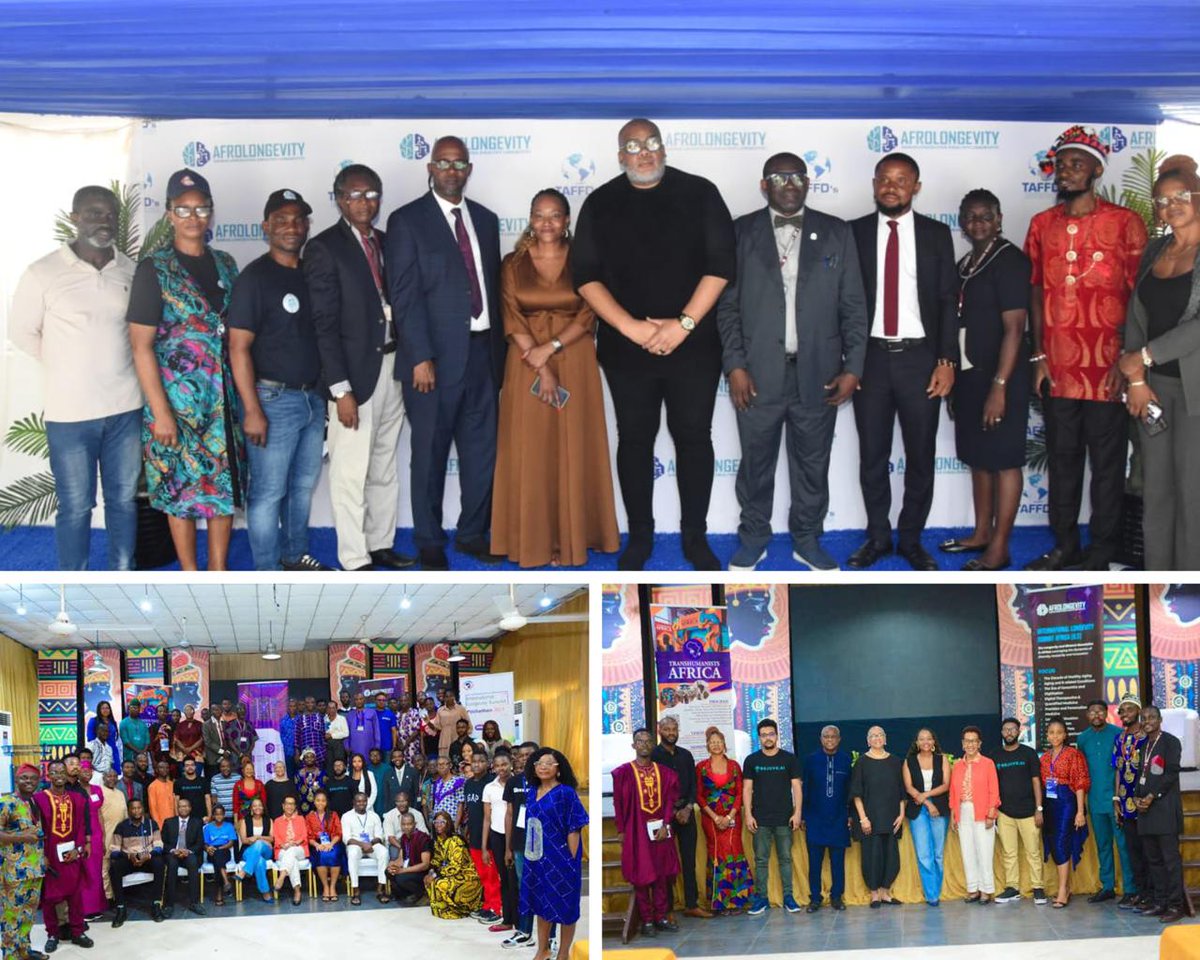
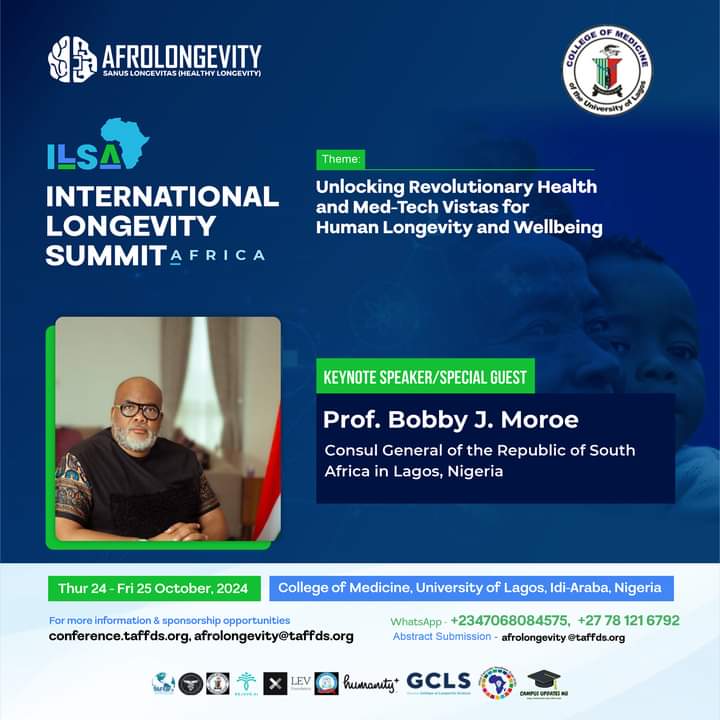
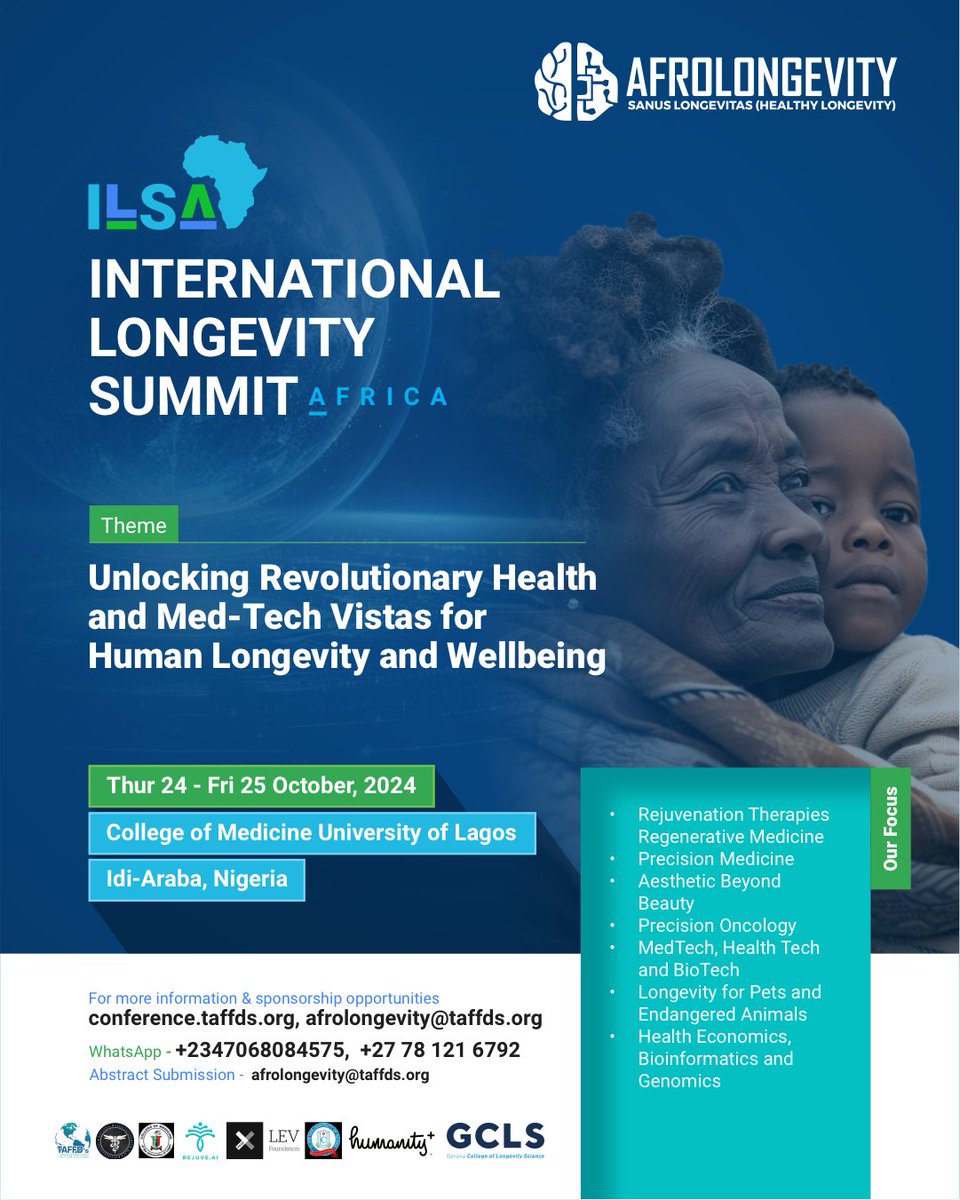
Thank you to everyone who supported us at ILSA 2024. We’re not just organizing a summit; we're witnessing the fusion of cultures and technology for a long, healthy future in Africa. Together, we’re making history! #ILSA2024 #Afrolongevity #FutureOfAfrica
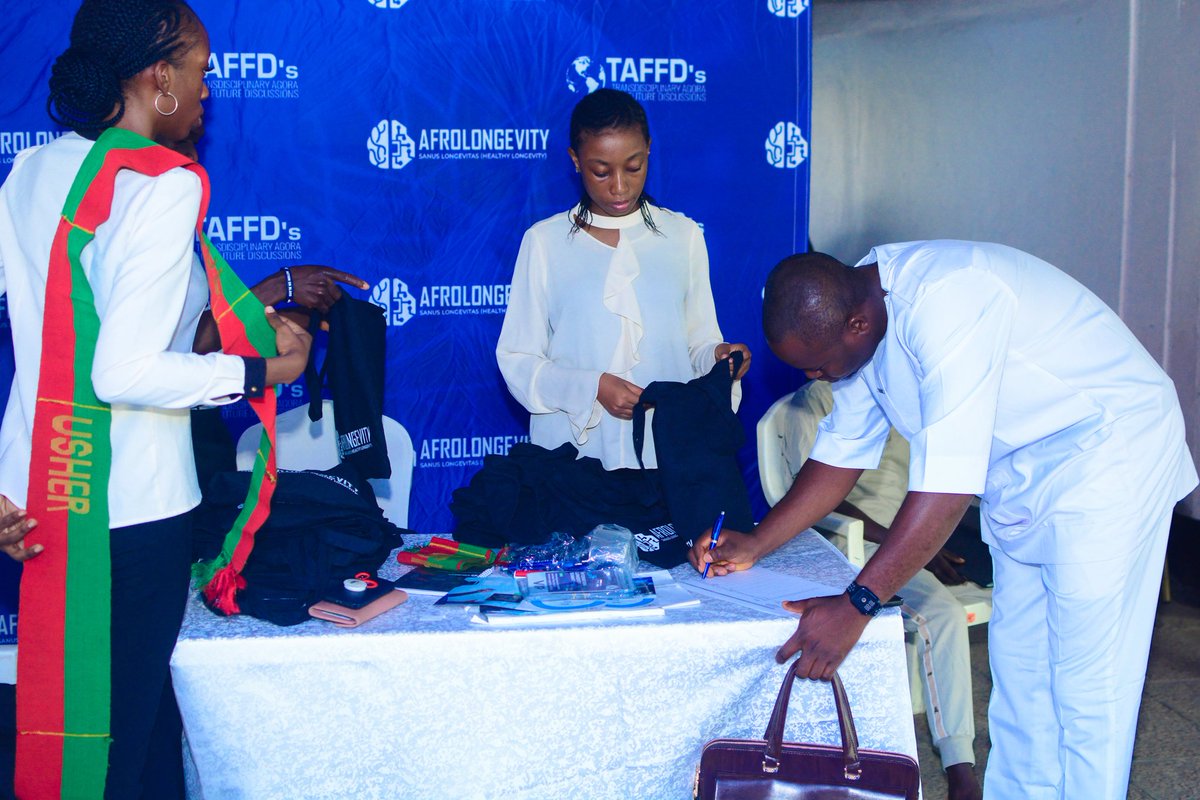
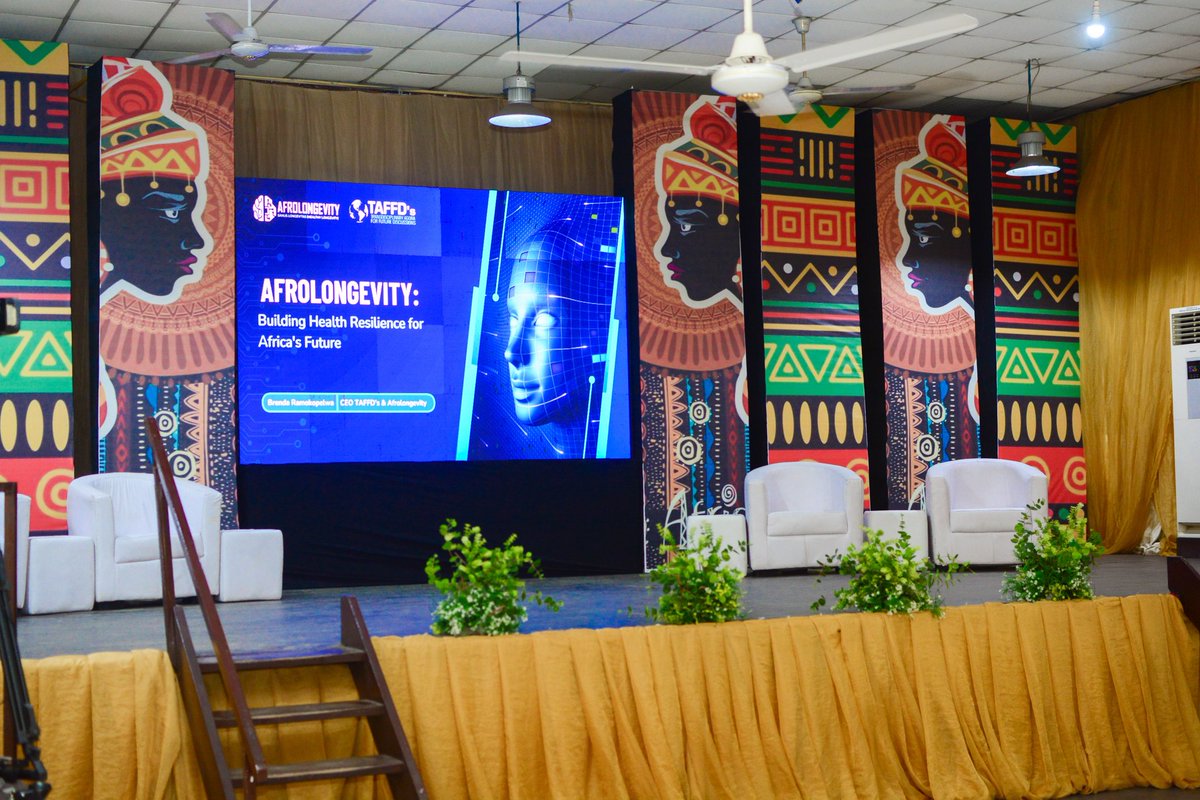
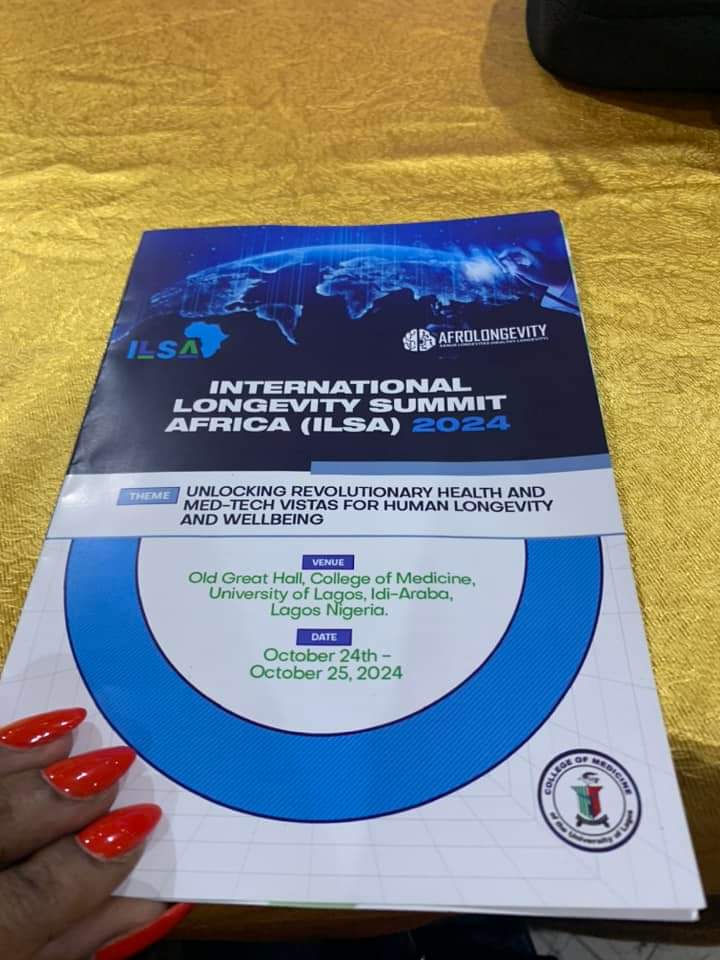
1
5
17
2,429
8 Sep 2025
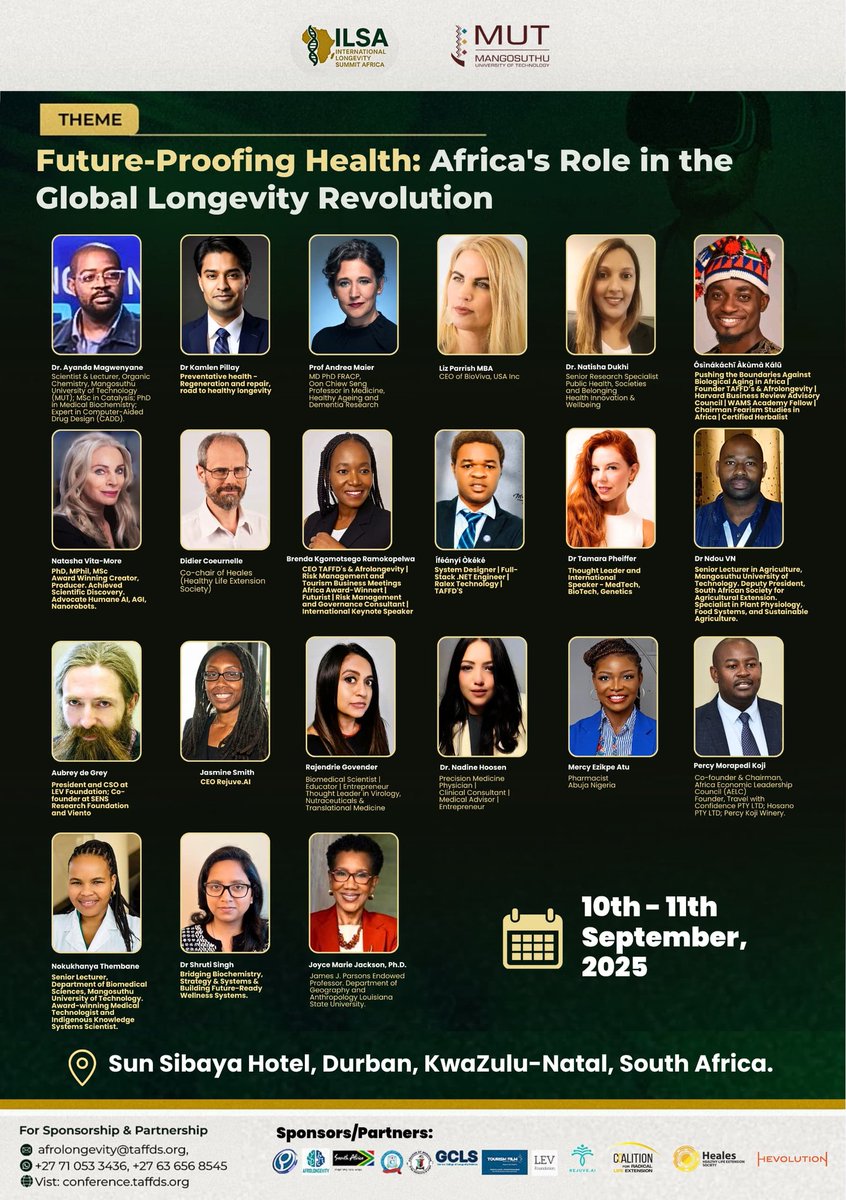
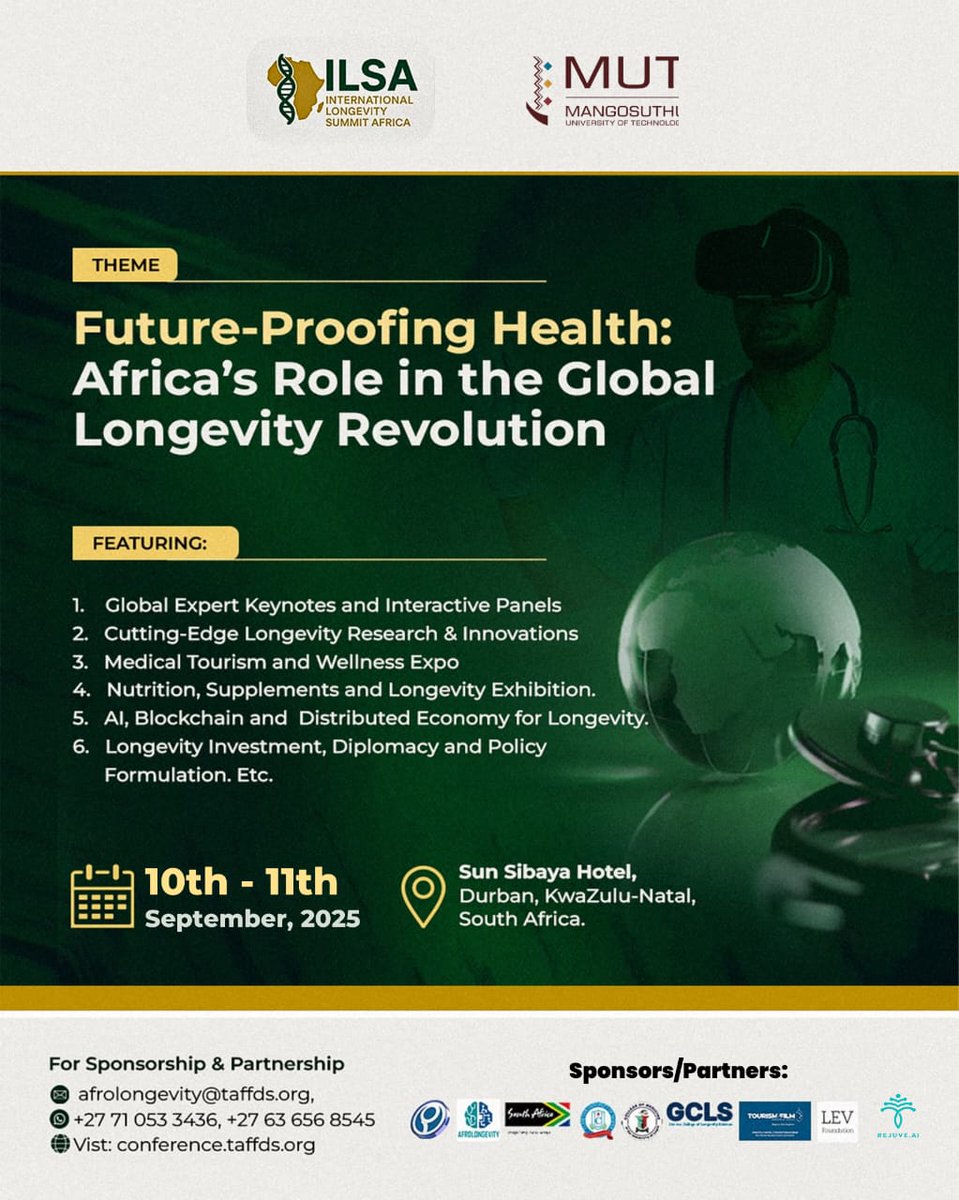
We are excited to feature distinguished speakers at the International Longevity Summit Africa 2025. Together, we are shaping the future of health, bridging the longevity divide, and driving Africa’s role in the global longevity revolution.
Register now: conference.taffds.org
23
Afrolongevity retweeted

9 Aug 2025
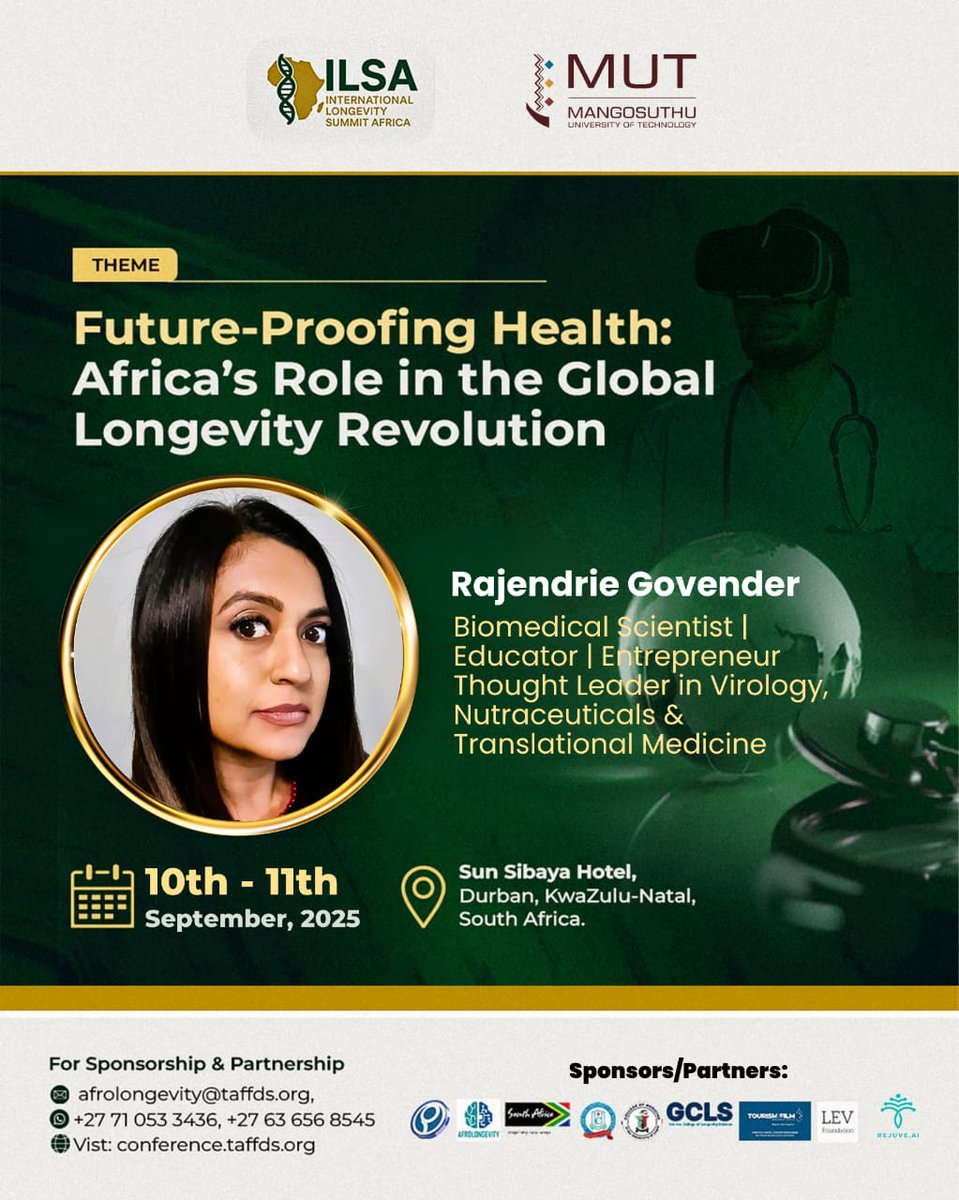
The next leap in human longevity may not come from the lab alone, but from the minds that can turn discovery into daily life.
Rajendrie Govender is a biomedical scientist, educator, and entrepreneur whose work bridges virology, nutraceuticals, and translational medicine, taking frontier research from theory to therapy. Her lens on health is simple but radical: science fails if it can’t reach the people who need it most.
On 10–11 September 2025, she joins the International Longevity Summit Africa in Durban to map how Africa can convert its biomedical breakthroughs into healthspan gains for millions.
Venue: Sun Sibaya Hotel, Durban, KwaZulu-Natal, South Africa
For registration and partnership, visit – conference.taffds.org
#ILSA2025 #LongevityScience #FutureOfHealth #AfricaRising
3
5
142
Afrolongevity retweeted
10 Aug 2025
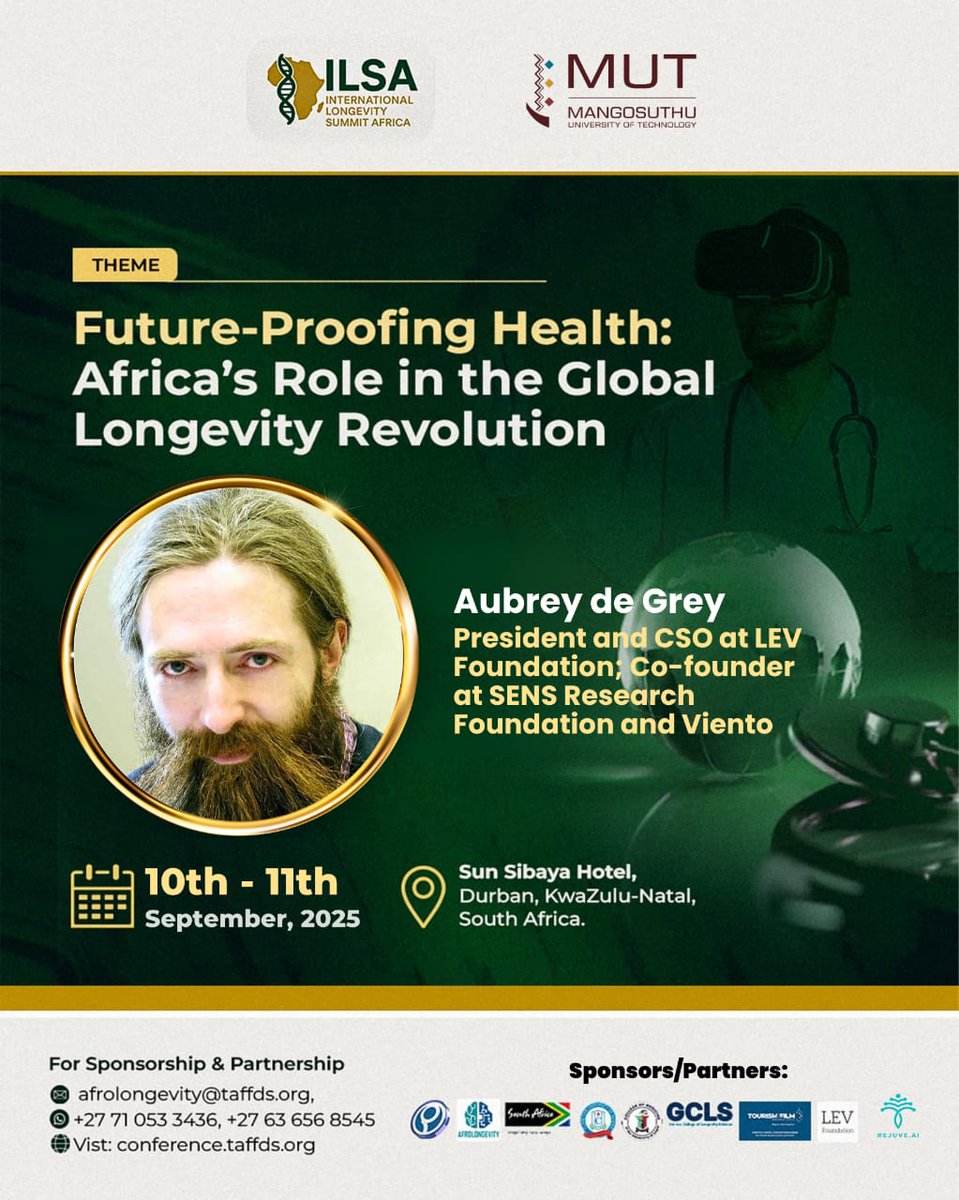
What if death from aging became optional?
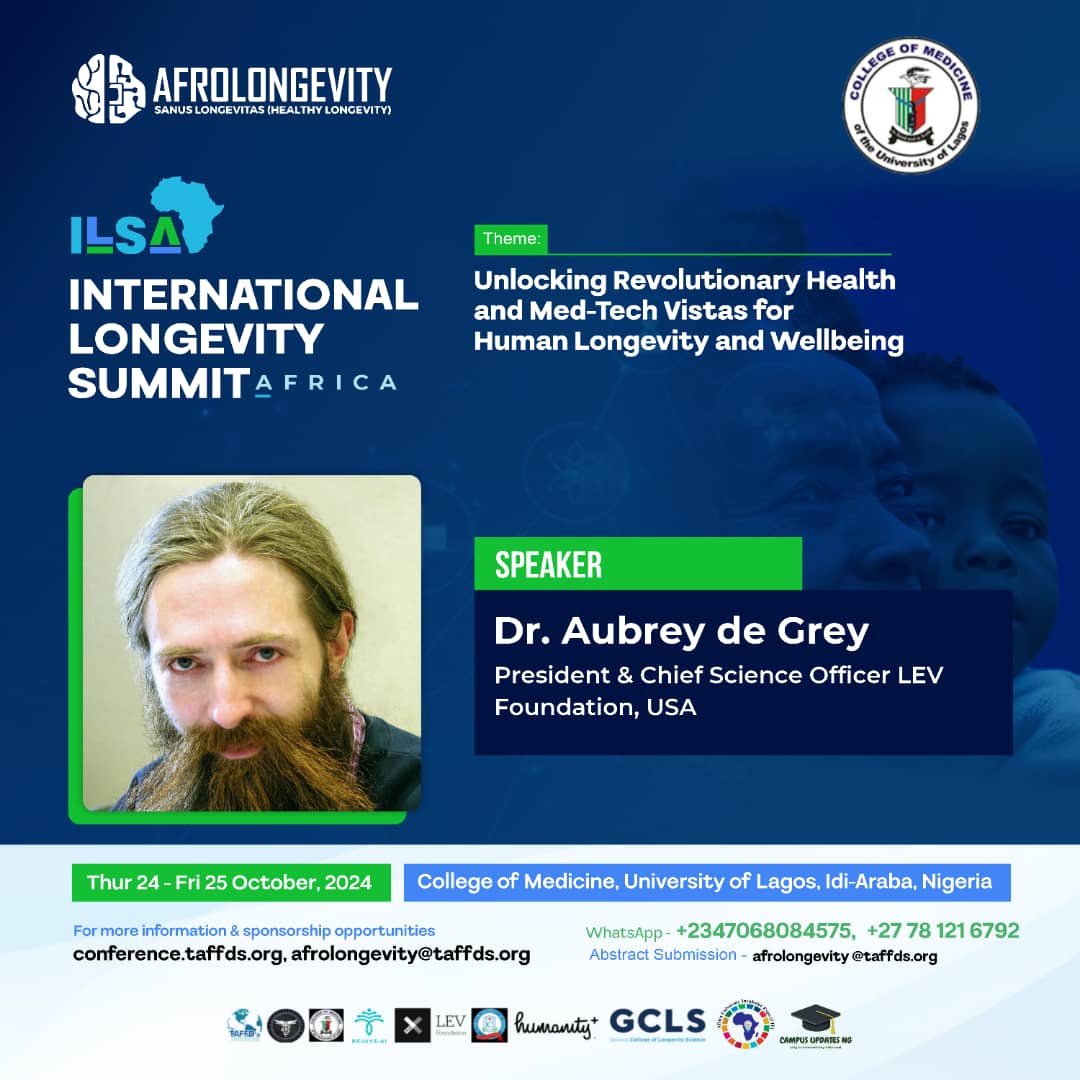
Dr. @aubreydegrey, one of the world’s most influential voices in longevity science, has spent decades dismantling the belief that biological aging is inevitable. As President and CSO at the Longevity Escape Velocity Foundation and co-founder of the SENS Research Foundation, his work challenges medicine to go beyond treatment, and aim for the repair and reversal of age-related damage at its root.
On 10–11 September 2025, he will join the International Longevity Summit Africa in Durban to connect cutting-edge science with Africa’s urgent need for healthspan equity. His message is clear: the science exists, but the leadership to apply it in Africa must come from Africans.
Sun Sibaya Hotel, Durban, KwaZulu-Natal, South Africa
For registration and partnership, visit — conference.taffds.org
#ILSA2025 #LongevityScience #Healthspan #FutureOfHealth #AfricaRising
1
10
39
936
Afrolongevity retweeted
11 Aug 2025
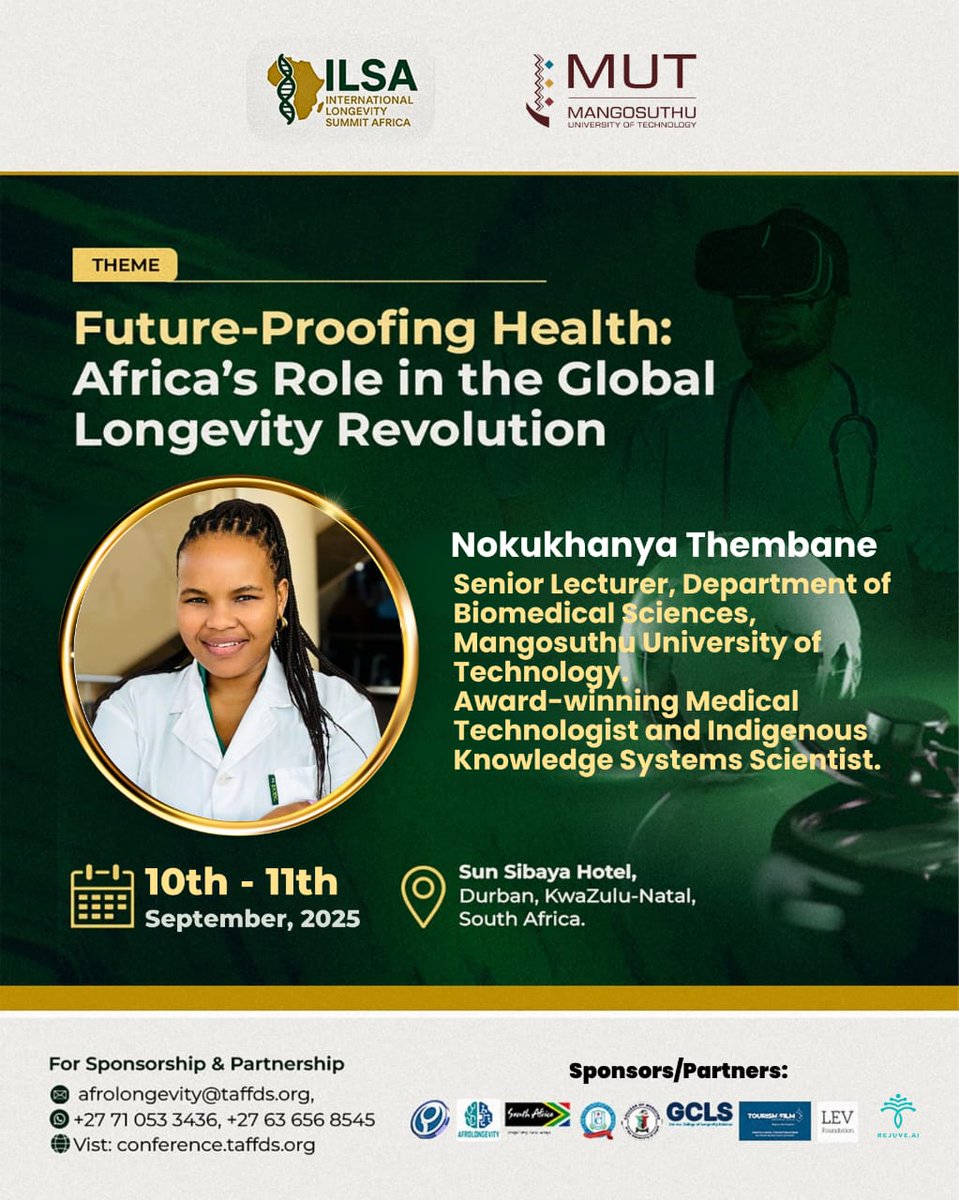
Africa’s future health is not just in laboratories, it’s in the fusion of science and indigenous knowledge.
Nokukhanya Thembane (MBA, MTech), Senior Lecturer in Biomedical Sciences at Mangosuthu University of Technology, is an award-winning medical technologist who bridges advanced biomedical science with Africa’s indigenous knowledge systems. Her work challenges a false choice between tradition and innovation, showing that Africa’s healing heritage can stand alongside molecular diagnostics and regenerative medicine.
On 10–11 September 2025, she will speak at the International Longevity Summit Africa in Durban, exploring how Africa’s own knowledge systems can help solve the global problem of biological aging, and why that solution must be led by Africans.
Sun Sibaya Hotel, Durban, KwaZulu-Natal, South Africa
For registration and partnership, visit — conference.taffds.org
#ILSA2025 #LongevityScience #Healthspan #AfricaRising #IndigenousKnowledge
3
6
119
Afrolongevity retweeted
14 Aug 2025
Longevity is not just biology, it’s culture, work, and the way we live every single day.
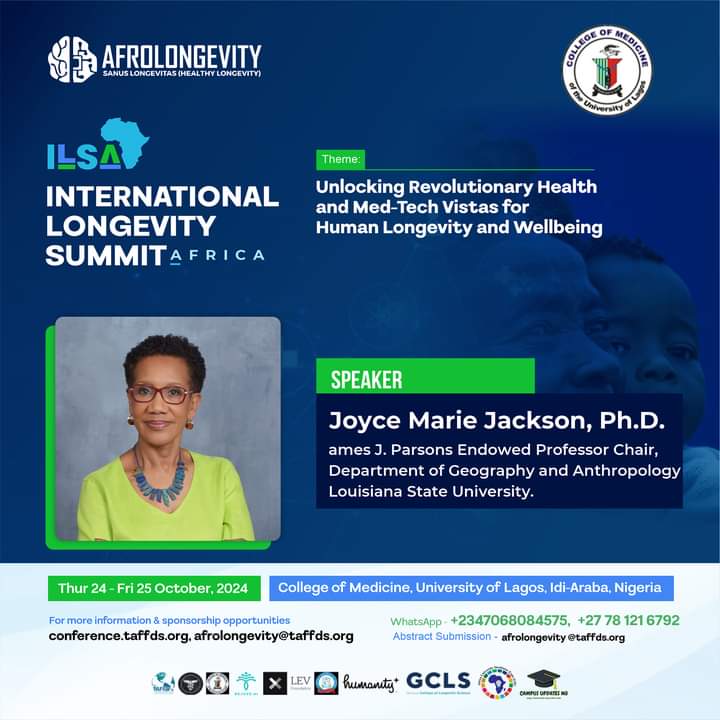
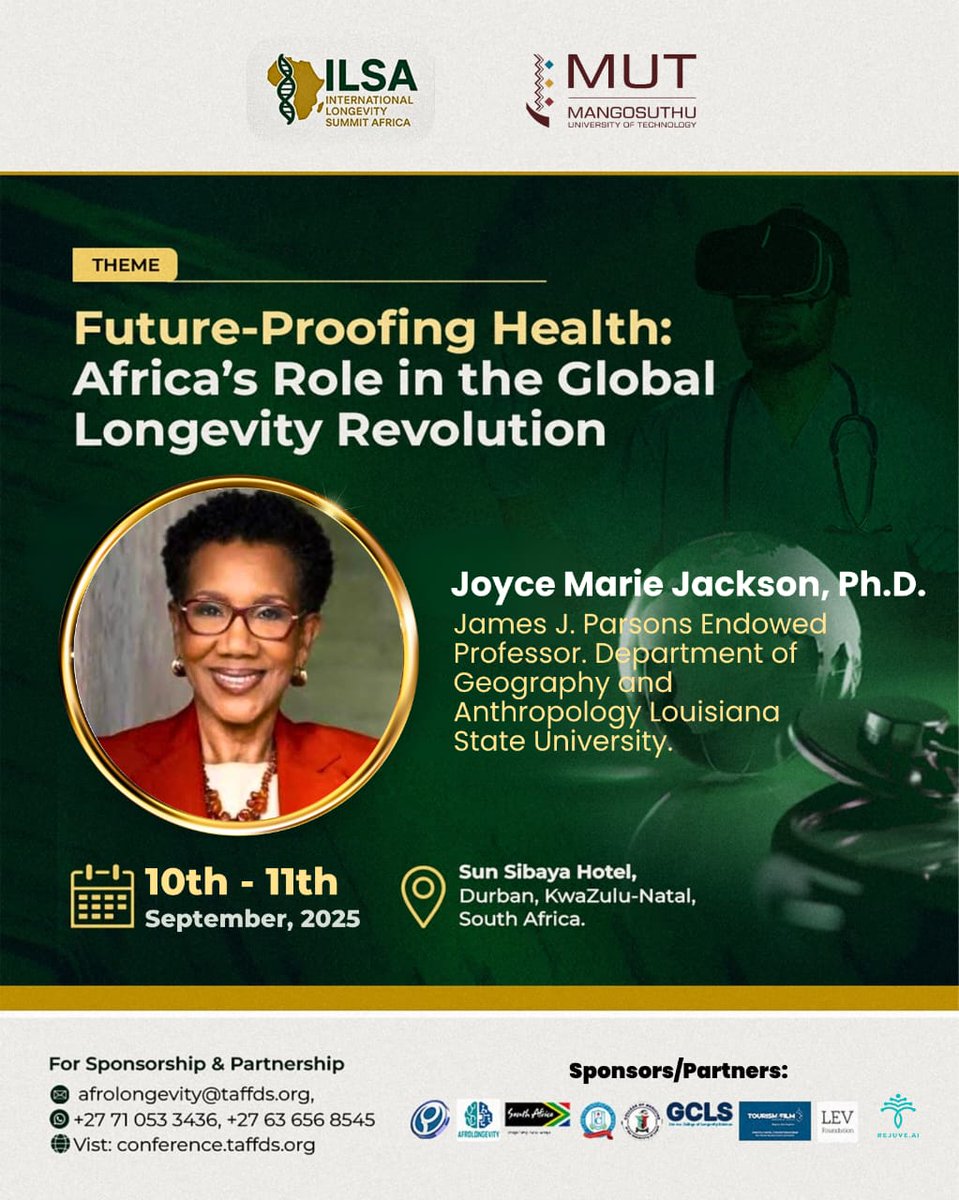
Joyce Marie Jackson, Ph.D., James J. Parsons Endowed Professor in the Department of Geography and Anthropology at Louisiana State University brings decades of scholarship in cultural sustainability, African and African diaspora studies, and ethnographic research to a pressing question:
How does work-life balance determine the length and quality of life in Africa?
In her presentation, "Balancing Act: The Vital Link Between Work-Life and Longevity in Africa," she will explore why life expectancy on the continent remains over 20 years shorter than global averages, and how poverty, overwork, and unfulfilled personal lives are shortening lifespans. She will call for a paradigm shift, treating longevity as a right for all Africans and embedding it in policy as a foundation for health equity.
On 10–11 September 2025, she joins the International Longevity Summit Africa in Durban to connect cultural insight with public health, urging leaders and citizens alike to reframe how Africa lives, works, and ages.
Sun Sibaya Hotel, Durban, KwaZulu-Natal, South Africa
For registration and partnership, visit — conference.taffds.org
#ILSA2025 #LongevityScience #Healthspan #AfricaRising #CulturalSustainability
4
4
367
Afrolongevity retweeted
14 Aug 2025
What if your bloodwork could reveal your health future, years before symptoms appear?
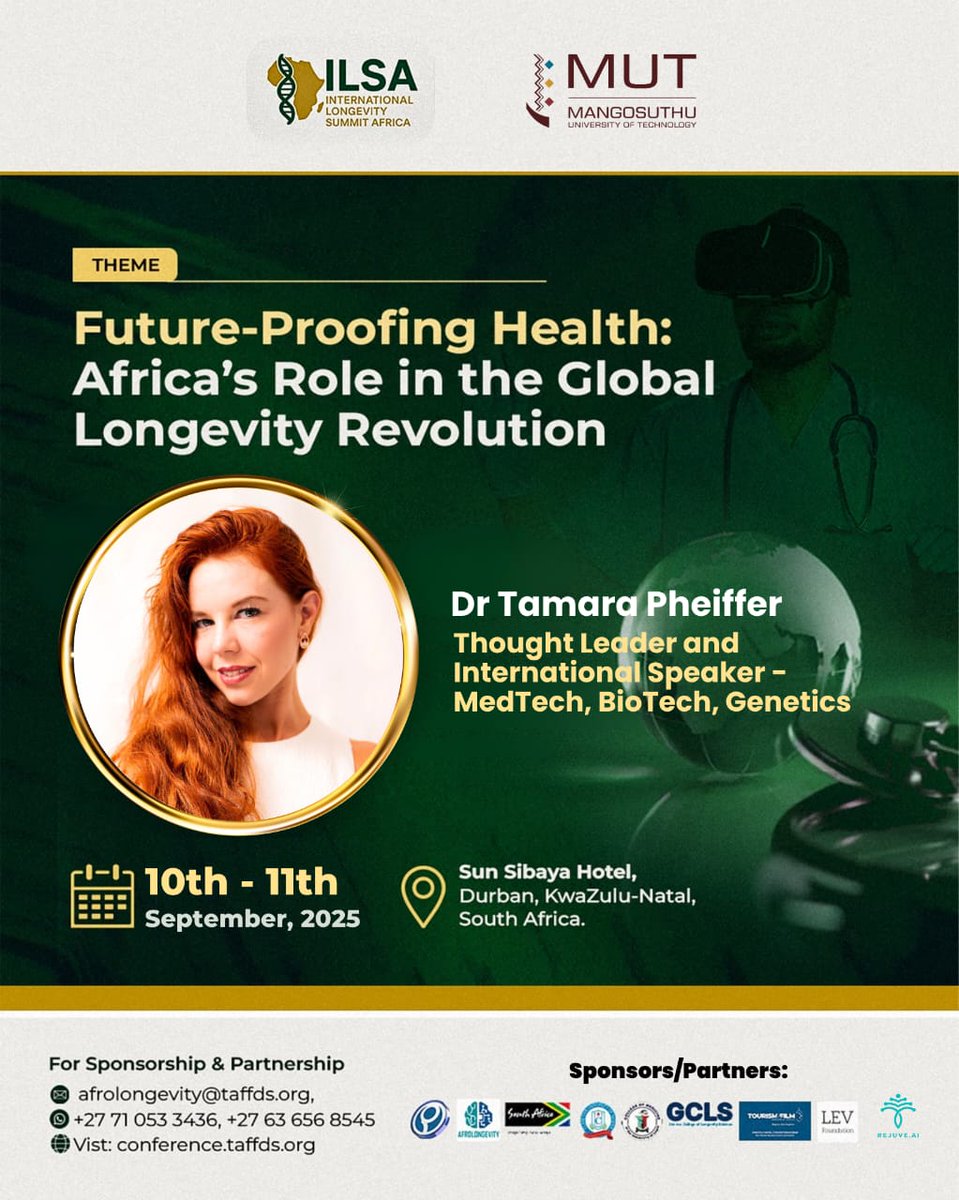
Dr. Tamara Pheiffer, international thought leader in MedTech, BioTech, and Genetics, is redefining how doctors read lab results.
In her 90-minute session, “Bloodwork Reimagined – Reading Labs Like a Longevity Doctor,” she will show how to interpret standard lab tests through a systems biology lens, predicting health outcomes at the earliest stage of dysfunction and preventing disease before it takes hold.
On 10–11 September 2025, at the International Longevity Summit Africa in Durban, Dr. Pheiffer will equip practitioners and innovators with the tools to keep patients healthier for longer. It’s a glimpse into the future of preventive medicine, rooted in precision, data, and science-driven longevity.
Sun Sibaya Hotel, Durban, KwaZulu-Natal, South Africa
For registration and partnership, visit — conference.taffds.org
#ILSA2025 #LongevityScience #FutureOfHealth #AfricaRising #PreventiveMedicine
2
3
46
Afrolongevity retweeted
21 Aug 2025
The medicines of the future will not be discovered by chance, they will be designed.
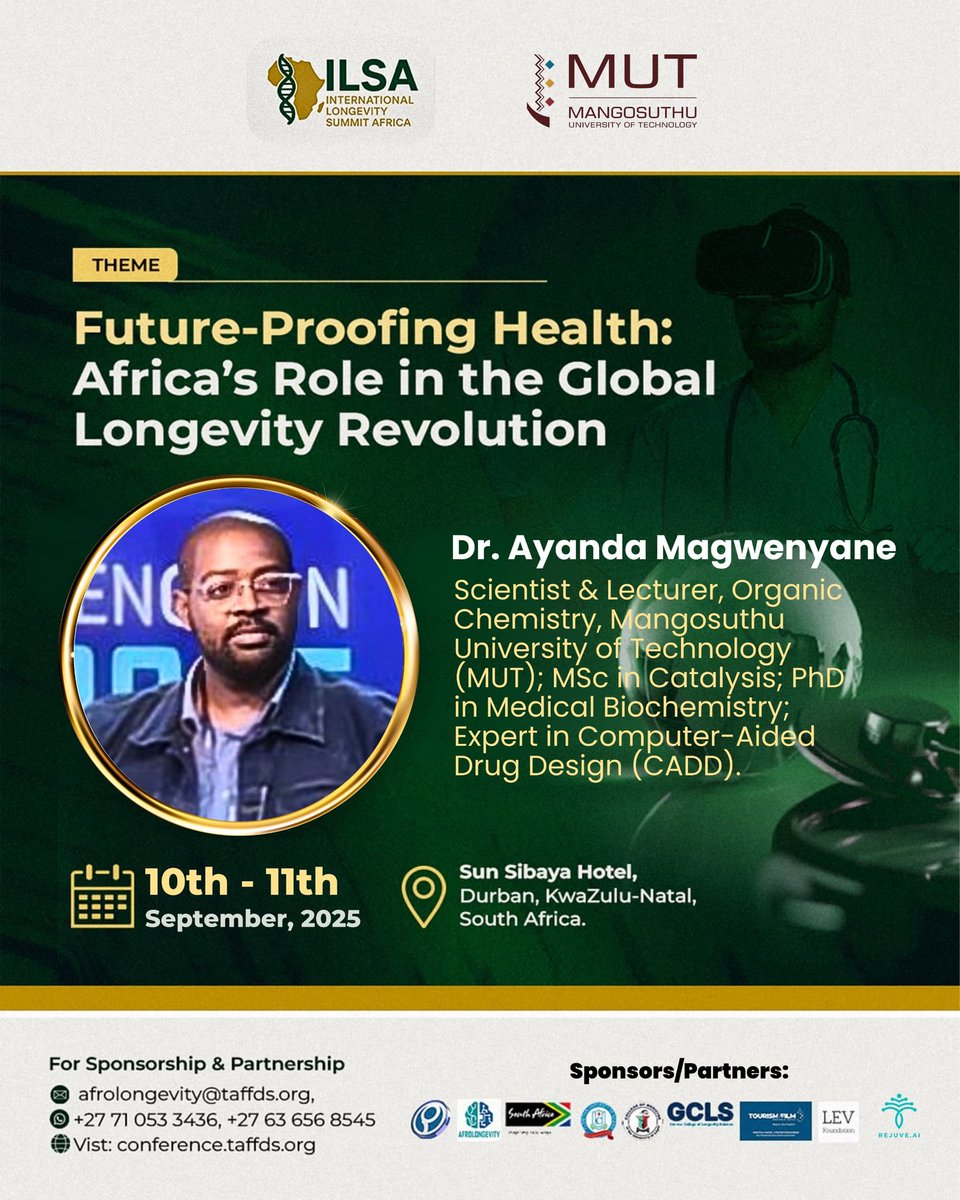
Dr. Ayanda Magwenyane, Scientist and Lecturer in Organic Chemistry at Mangosuthu University of Technology, is advancing the frontier of Computer-Aided Drug Design (CADD) to accelerate Africa’s contribution to global biomedical innovation. With expertise spanning catalysis, medical biochemistry, and computational modeling, his work reimagines how Africa can leapfrog traditional drug discovery bottlenecks and directly target the biological mechanisms of aging and disease.
On 10–11 September 2025, at the International Longevity Summit Africa in Durban, Dr. Magwenyane will highlight how Africa’s next generation of scientists can harness computational tools to design therapeutics that extend healthspan and reduce dependency on imported medicines.
Sun Sibaya Hotel, Durban, KwaZulu-Natal, South Africa
For registration and partnership, visit — conference.taffds.org
#ILSA2025 #LongevityScience #DrugDesign #FutureOfHealth #AfricaRising
4
5
103
Afrolongevity retweeted
2 Sep 2025
What if humans became the first generation to reprogram their own biology?
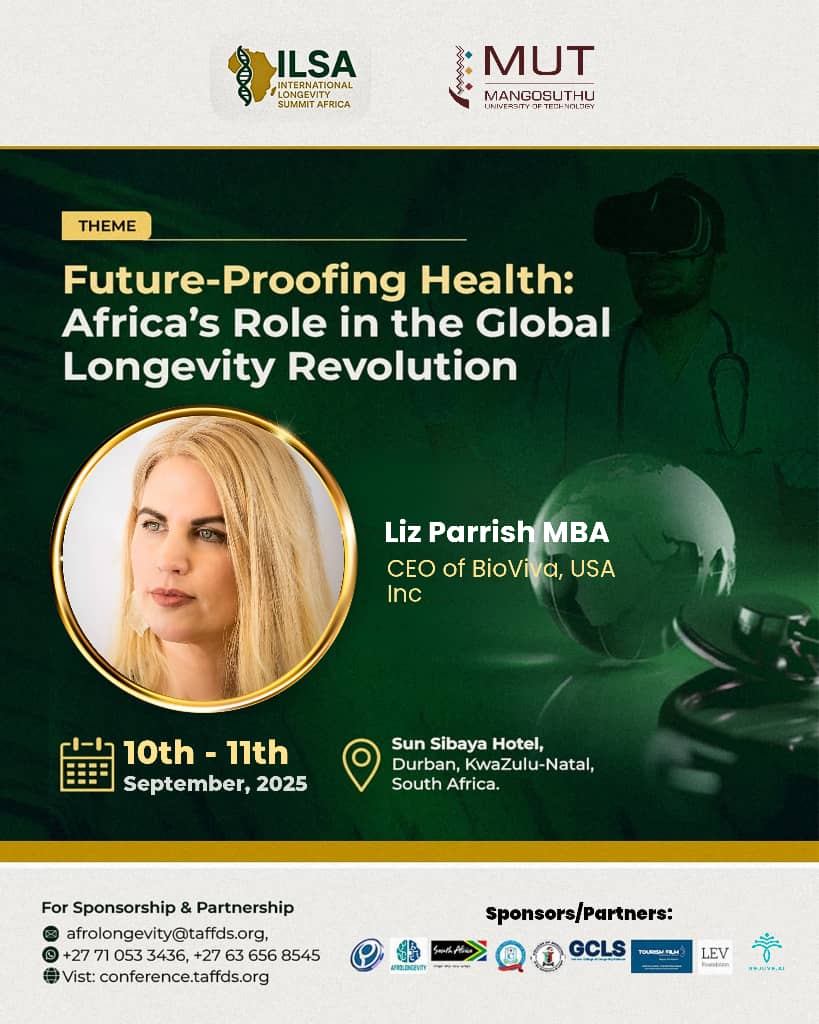
@ParrishLiz, the CEO of BioViva USA Inc, is one of the most genetically modified humans on earth as of today and a recognized global voices in gene therapy and human longevity.
In her talk, “Why You Will Become a GMO,” she will argue that the future of medicine is not about treating symptoms, but about rewriting the genetic code that drives aging and disease.
On 10–11 September 2025, at the International Longevity Summit Africa in Durban, she will challenge us to rethink what it means to be human in an age where biotechnology can repair, regenerate, and extend life.
For Africa, the question is urgent: will we adopt, innovate, and lead, or remain dependent on solutions designed elsewhere?
Venue: Sun Sibaya Hotel, Durban, KwaZulu-Natal, South Africa
For registration and partnership, visit — conference.taffds.org
#ILSA2025 #LongevityScience #GeneTherapy #FutureOfHealth #AfricaRising
4
5
87
Afrolongevity retweeted

3 Sep 2025
1 week until International Longevity Summit Africa (ILSA) @afrolongevity @aubreydegrey @JamesRstrole @NatashaVitaMore @Yu_Xuan_Lu @OsinakachiAkuma @kgomotsegoRam @ChogwuA @TETERINOLEG #AgingResearch #Longevity #Rejuvenation
liveforever.club/events?sele…
5
9
134
4 Sep 2025
Thank you @hevolution_f for supporting our event!
4 Sep 2025

Sponsor Announcement – ILSA25
We are honored to welcome Hevolution Foundation as an official sponsor of the International Longevity Summit Africa 2025 (ILSA25).
Hevolution’s mission to accelerate breakthroughs in healthspan science aligns directly with our vision to future-proof health and close the longevity divide in Africa. Their support empowers us to bring world-class research, innovation, and collaboration to the continent at a critical time in global health history.
Together, we are advancing a future where extended healthy living is not a privilege of the few, but a universal right.
Thank you, @hevolution_f, for standing with us on this historic journey.
Durban, South Africa | Sept 10–11, 2025
For registration & partnership: conference.taffds.org
#ILSA2025 #LongevityScience #AfricaRising

1
16
24 Jul 2025
Health isn’t just about living longer, it’s about staying biologically younger, metabolically sharper, and globally connected to the science that makes it possible.
Durban, KwaZulu-Natal, South Africa| Sept 10–11
conference.taffds.org
#ILSA2025 #Healthspan
1
3
31
Afrolongevity retweeted
28 May 2025
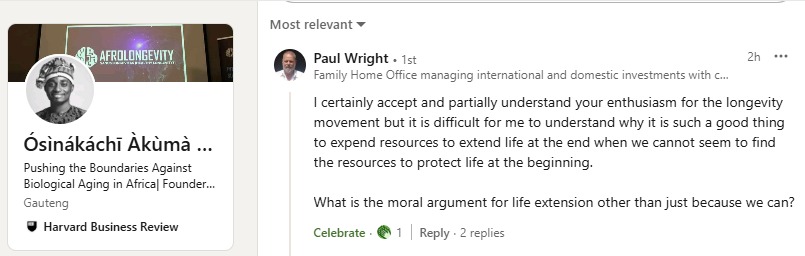
Mr. Paul Wright asked me this important question on LinkedIn,
"I certainly accept and partially understand your enthusiasm for the longevity movement but it is difficult for me to understand why it is such a good thing to expend resources to extend life at the end when we cannot seem to find the resources to protect life at the beginning.
What is the moral argument for life extension other than just because we can?
Me: You're absolutely right to highlight the moral tension between extending life at the end and protecting life at the beginning. But longevity science, when properly understood, is not about indulging the elite or chasing immortality. It’s about preserving vitality, autonomy, and dignity across the human lifespan, especially in societies where aging means decay, dependency, and despair.
The moral argument for life extension is rooted in justice, compassion, and biological equity. Aging is not just “natural decline”, it is the leading risk factor for nearly all chronic diseases, and those diseases disproportionately burden the poor, the forgotten, and the under-resourced.
To slow or reverse biological aging is to prevent needless suffering, extend productive years, and reduce the societal cost of palliative sickcare.
When we treat aging, we’re not just adding years at the end, we’re reshaping the quality of life throughout.
Imagine a world where a woman in her 80s in rural Nigeria can still walk unaided, grow food, raise grandchildren, and contribute wisdom to her community. That is not indulgence, it is intergenerational investment.
And if we argue that we must “fix early-life problems first,” we risk a false dichotomy. We can do both. In fact, life extension technologies (like gene therapies, nutritional epigenetics, and stem cell innovations) have enormous spillover effects on maternal care, child health, and preventive medicine. The biology of aging begins before birth, so longevity science, in its best form, isn’t just for the old. It’s for every stage of life.
So no, the answer is not “just because we can.”
The answer is: because we must.
Because life, at any age, is sacred.
Because decline is not dignity.
And because the future belongs to those who stop normalizing slow biological death.
Meantime, longevity is pursued true prevention and intervention.
#longevity @biogerontology @aubreydegrey @davidasinclair @etetedaxon @rand_longevity @LxngevityLab
2
10
49
5,300
12 Apr 2025
We are seeking passionate ambassadors of who are ready to spread the powerful message of Afrolongevity within their communities and embody the vision. This is a call for leadership. Let me know if you're interested, and feel free to tag anyone who might share this enthusiasm! 🖖🏽
1
2
30
Afrolongevity retweeted

30 Jan 2025
Karma does not function beyond the boundaries of one’s environment, culture, or domain. In nature, species do not turn against their own—whales do not prey on whales, lions do not hunt lions, and tigers do not slay tigers.

1
2
3
70
Afrolongevity retweeted

28 Dec 2024
Aubrey de Grey invented a whole branch of science for curing aging. 4 of his 5 most liked posts were thanking Richard Heart—including this one from this week.
Aubrey’s work still needs more funding. That’s why I’ve enabled him to accept donations on PulseChain. Please share 📣
25 Dec 2024

Crypto heroes like @vitalik.eth, @RichardHeartWin & 1000s more have given 10MMs of USD to my rejuvenation work. I need your help THIS YEAR to fund more such research - and now there's a new way to do so, thanks to awesome community leader and LEV crusader @MatiAllin 1/3
2
24
153
19,984
Afrolongevity retweeted

28 Dec 2024
Mati is an absolute hero. And so is every single donor to this critical mission! Here's the wallet Mati set up for coins that LEVF can't currently accept directly): debank.com/profile/0x9a1ac8a… Massive thanks in advance for anything you can spare!
28 Dec 2024

Aubrey de Grey invented a whole branch of science for curing aging. 4 of his 5 most liked posts were thanking Richard Heart—including this one from this week.
Aubrey’s work still needs more funding. That’s why I’ve enabled him to accept donations on PulseChain. Please share 📣
8
24
222
12,038
3 Nov 2024
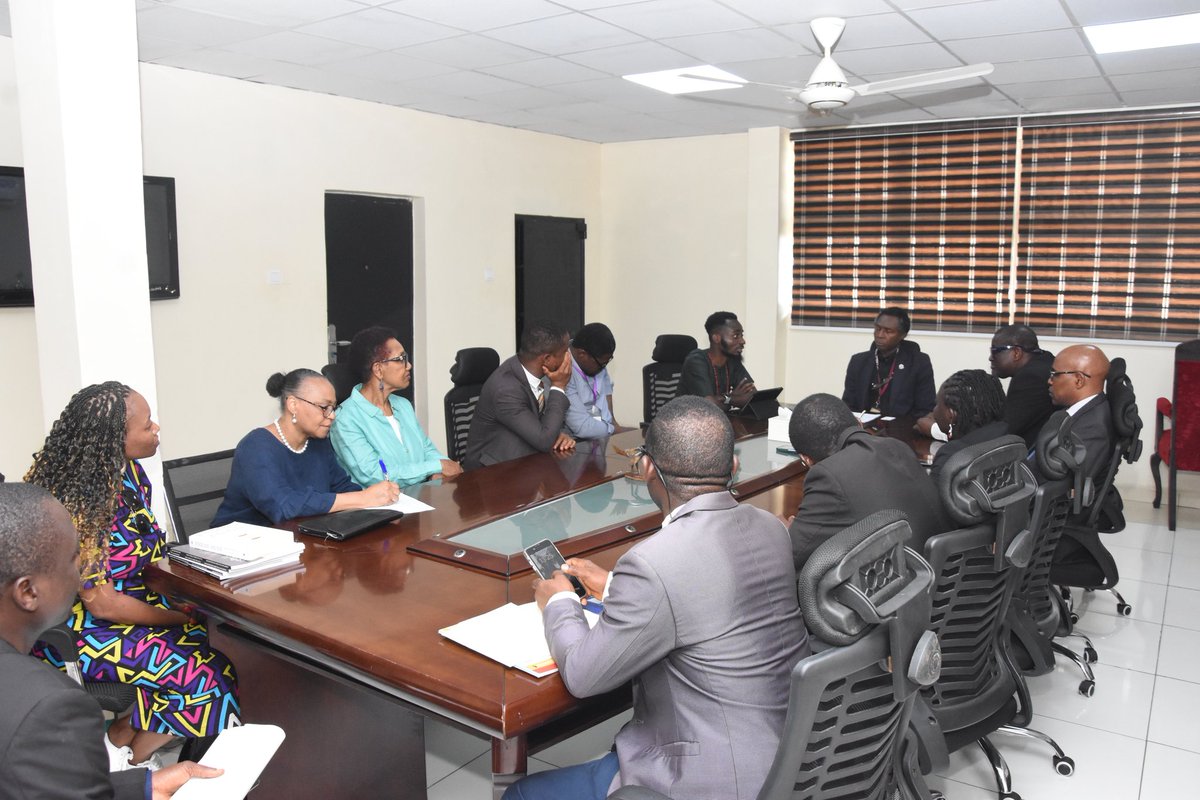
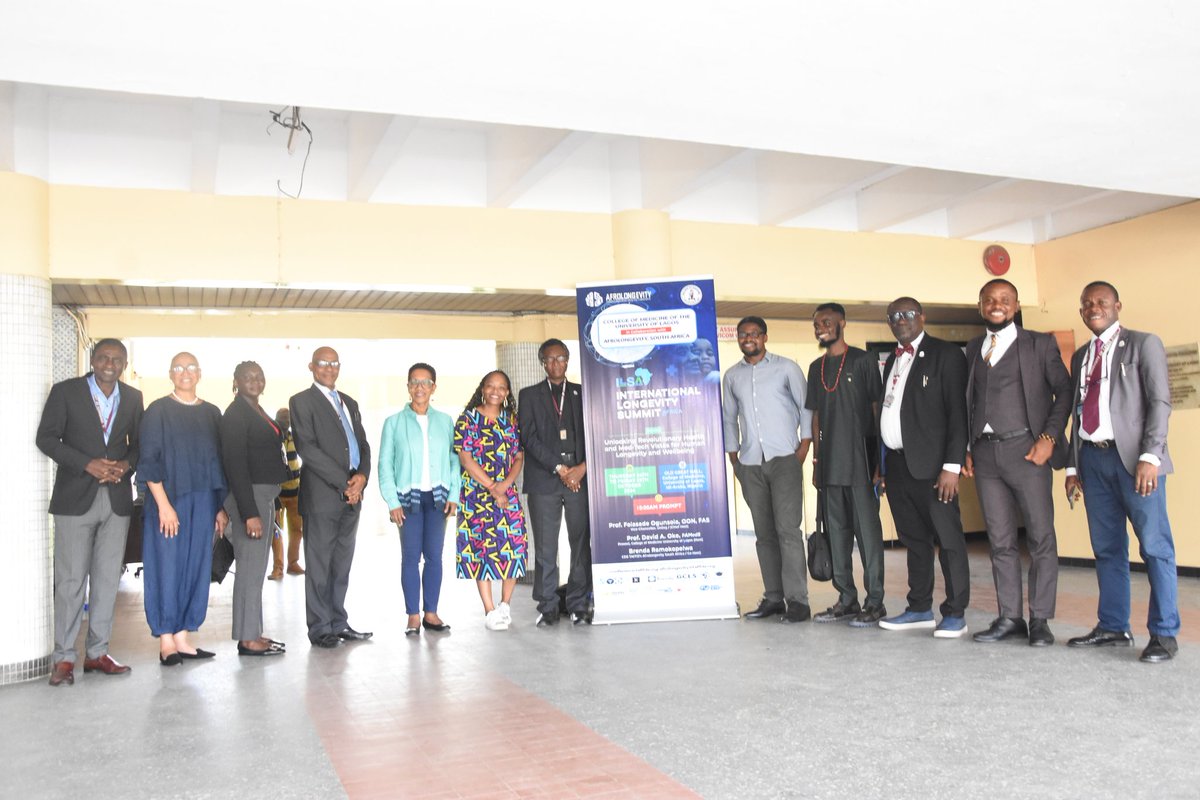
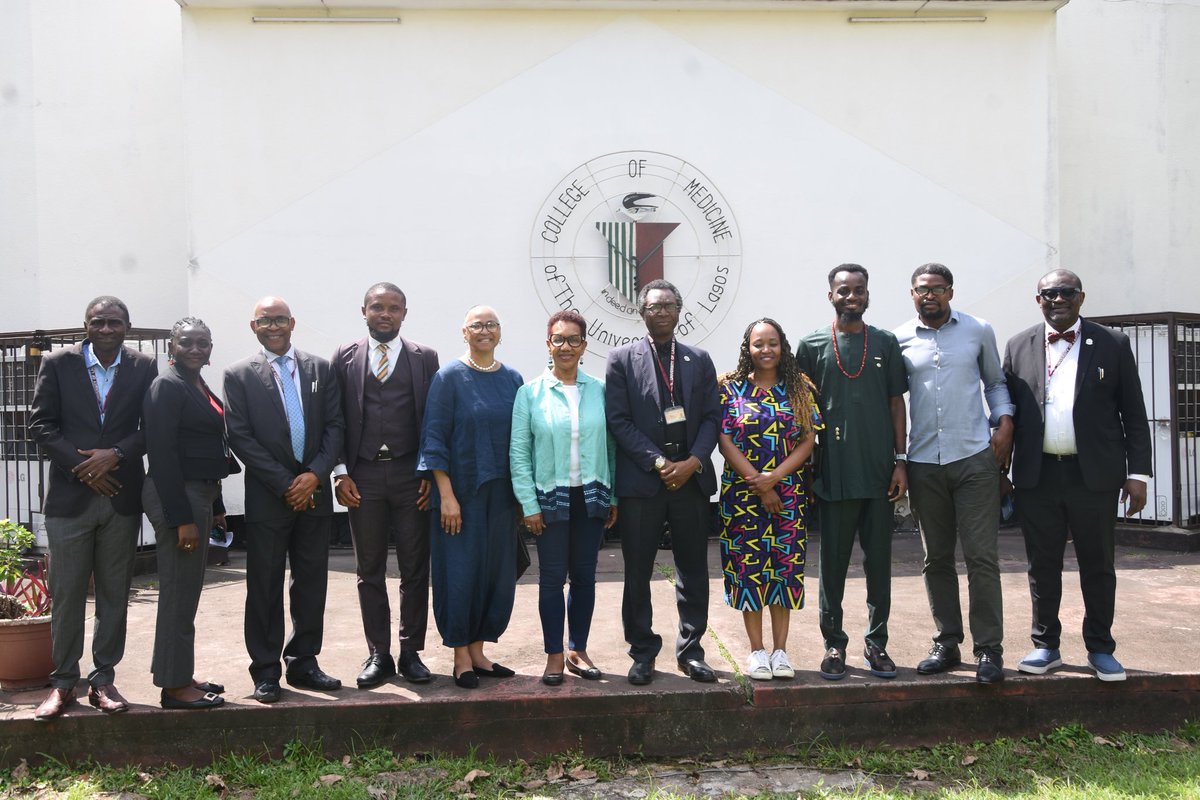
Thrilled by our recent collaboration with the visionary leaders at the College of Medicine, University of Lagos! Together, we're paving the way for longevity research in Africa, building exchange programs, funding pathways, and supporting home-grown innovation. #LongevityScience
1
2
2
53
3 Nov 2024
Afrolongevity is committed to an Africa where extended health spans are a reality.
34