
Joined March 2023
- Tweets 5,111
- Following 156
- Followers 63
- Likes 14,193
151 Photos and videos

Prompt Engineer Librarian retweeted

Jun 14
More than a hundred years ago, San Francisco built a city out of jewels and then tore almost all of it down on purpose.
You are looking at the Panama–Pacific International Exposition of 1915. For ten months, on six hundred acres along the city's northern waterfront, San Francisco raised an entire fantasy metropolis of palaces, colonnades, fountains, and towers, and invited the world to walk through it. Nearly nineteen million people did.
What makes it almost unbelievable is the timing. Only nine years earlier, in 1906, San Francisco had been flattened by one of the worst earthquakes and fires in American history. Much of the city had burned to the ground. The exposition was the city's answer to the world: not only have we survived, we can build something more beautiful than anything you have ever seen.
At its heart stood the Tower of Jewels, 435 feet of triumphal arch and tower rising over the fairgrounds. Its surface was hung with more than 100,000 small cut-glass "jewels," each dangling on a tiny hook so it would tremble in the wind. By day they flashed in the sunlight. At night, more than fifty spotlights were turned on them, and the entire tower shimmered above the bay like something out of a dream. People had never seen anything like it...
Around it spread a city of wonders. The Palace of Fine Arts, a vast Roman ruin reflected in its own still lagoon, designed to evoke the beautiful melancholy of a vanished civilization. The Palace of Machinery, so enormous that an airplane was once flown inside it. Grand courts and avenues lined with sculpture, all built in a soft, unified palette of color, glowing under the new technology of indirect electric light.
And nearly all of it was designed to disappear. When it closed in December 1915, the dream city was systematically pulled down.
Only one structure was saved. The Palace of Fine Arts, the most beloved of them all, was considered too beautiful to lose. Decades later it was rebuilt, and it still stands in San Francisco today, the last survivor of an entire city that existed for less than a year...
Perhaps that’s what haunts us most: not that we built temporary palaces, but that we chose not to keep them. We built beauty knowing we would destroy it, as if beauty itself were disposable. Roger Scruton once said: "There is a deep human need for beauty, and if you ignore that need in architecture, your buildings will not last, since people will never feel at home in them."
I started this newsletter because the people who came before us were capable of extraordinary things, and almost no one is teaching us about them anymore. Every week I try to. If that is something you would like to be part of, you can join here:
James-lucas.com/welcome
I write about beauty in all its forms. If you'd like to support the work, a paid subscription is what makes it possible. Thanks for reading.
15
100
644
44,909
Prompt Engineer Librarian retweeted
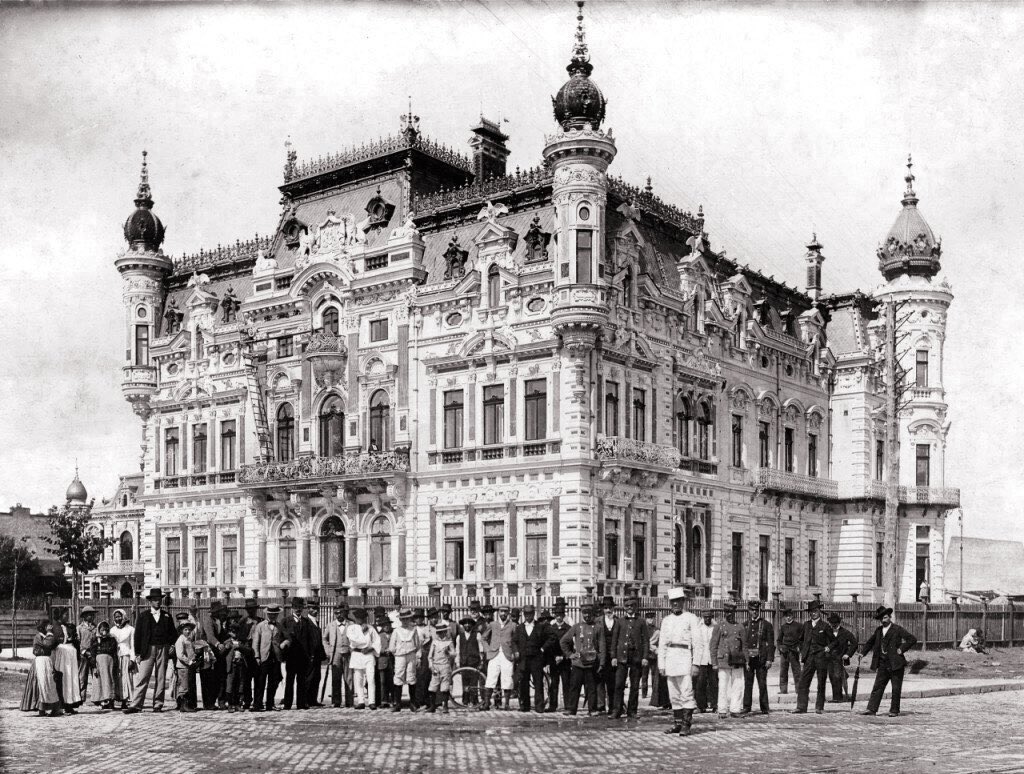
Bucharest, Romania 1901
“The past was erased, the erasure was forgotten, the lie became the truth.”
― George Orwell, 1984
7
196
688
8,643
Prompt Engineer Librarian retweeted

Teatro La Fenice has been one of Europe's leading opera houses for over two centuries.
Despite being destroyed by fire three times, it has always been rebuilt, earning its reputation as a true phoenix.
4
71
300
4,197
Prompt Engineer Librarian retweeted

🇳🇴 Meanwhile in Norway
Man exposes satanic symbolism in one of Norway’s largest parks.
This is a crazy one - they don’t even try to hide it.
234
3,338
9,782
206,287
Prompt Engineer Librarian retweeted

🚨 JOE ROGAN JUST SNAPPED 🔥
“I’m tired of the lies. Where the f*ck are the Epstein files?! Why is the JFK assassination STILL sealed after 60 years?! And who the HELL really killed Charlie Kirk?!”
The people are DONE.
They murdered Charlie in cold blood on stage in Utah — sniper shot, September 10, 2025. They arrested some guy named Tyler Robinson… but we all know the real story isn’t being told.
They hide the truth about Epstein’s clients.
They hide the truth about JFK.
Now they’re hiding the truth about Charlie Kirk.
HOW MUCH LONGER ARE WE SUPPOSED TO TAKE THIS?!
The elites are laughing at us while America bleeds.
DROP THE FILES.
TELL THE TRUTH.
OR GET THE HELL OUT.
#EpsteinFiles #JFK #CharlieKirk #DeepState #Rogan
535
4,659
21,280
936,820
Prompt Engineer Librarian retweeted

Jun 14
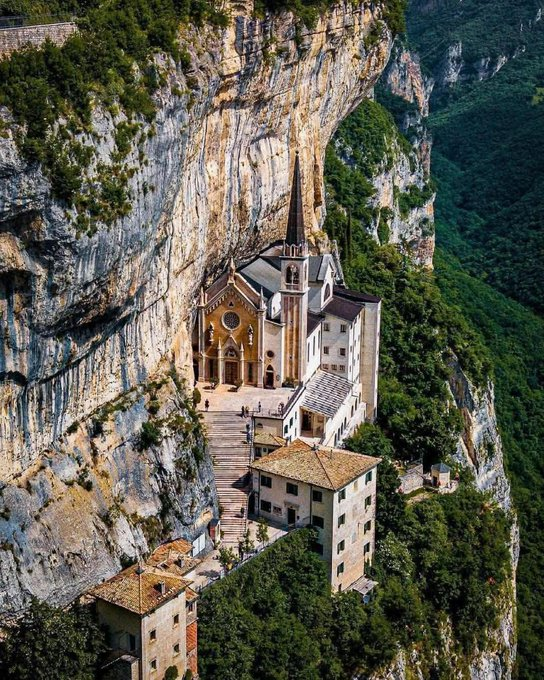
Ferrara di Monte Baldo, Verona, Italy 🇮🇹
66
282
1,765
Prompt Engineer Librarian retweeted

Jun 14
The Great Hall of Galleria Colonna, Rome, Italy 🇮🇹
Walking into Galleria Colonna, you step into the ultimate triumph of Roman Baroque architecture: a breathtaking hall of gold, mirrors, and masterpieces that rivals the world’s grandest royal palaces.
4
101
493
5,830
Prompt Engineer Librarian retweeted

The Abbey Library of Saint Gall 😍
15
257
1,699
65,603
Prompt Engineer Librarian retweeted
Jun 14
In Italy, this hidden gem in Sicily is a
12th-century royal chapel featuring glittering gold mosaics, an intricate wooden mugarnas ceiling, and inlaid marble floors.
44
700
4,007
64,802
Prompt Engineer Librarian retweeted
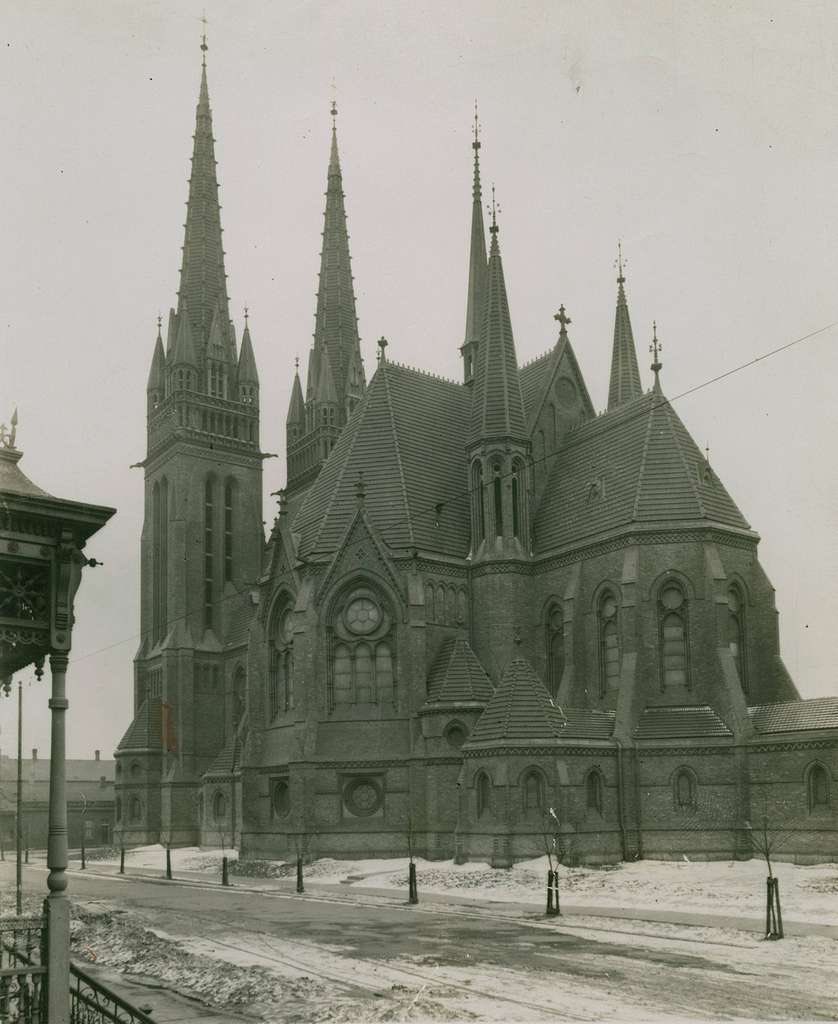
We are the ones living in dark ages
9
65
476
7,419
Prompt Engineer Librarian retweeted

Jun 14
Knicks shooting guard Josh Hart gives glory to God after winning the NBA finals.
"First of all, all glory to God..."
He's the only Knicks player to thank God yesterday after the New York Knicks won their first NBA title in 53 years.
19
160
2,277
21,536
Prompt Engineer Librarian retweeted

23h
Year 880. 🏰✨
No Electricity.
No Engines.
No Cranes.
No Power Tools.
Yet One Of Europe's Greatest Castles
Appears On Top Of A Hill.
And We're Expected To Believe
It Was All Done By Hand. 🖐️⚒️
Do You Still Buy The Official Story? 👁️⚡️
17
144
419
8,533
Prompt Engineer Librarian retweeted
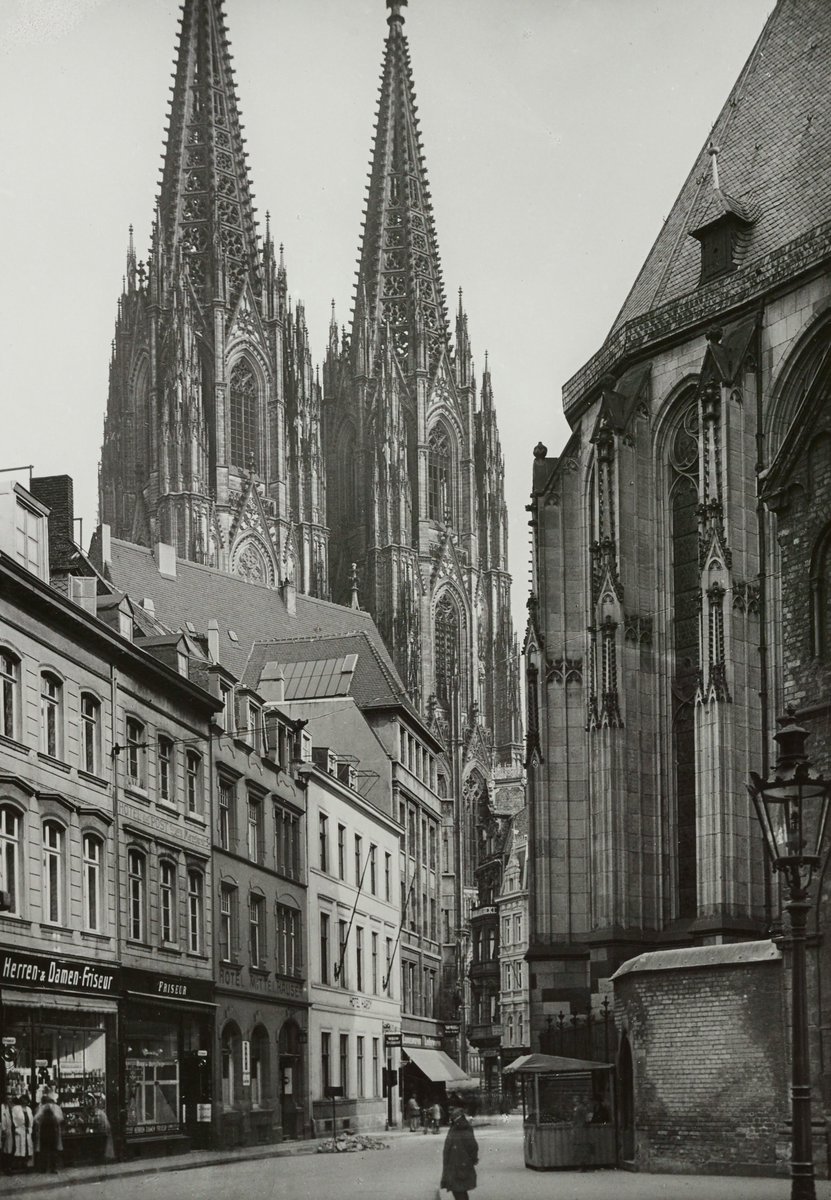
Entire civilizations vanished, but their fingerprints still cover the earth.
3
35
275
5,161
Prompt Engineer Librarian retweeted

Jun 13
I'm not buying the official narrative about the 71 Jewish schoolgirls that “happened to get lost” and started popping out of sewer grates and manholes in downtown Nyack, NY.
This is sketchy AF.
646
6,205
30,839
715,406
Prompt Engineer Librarian retweeted

Jun 14
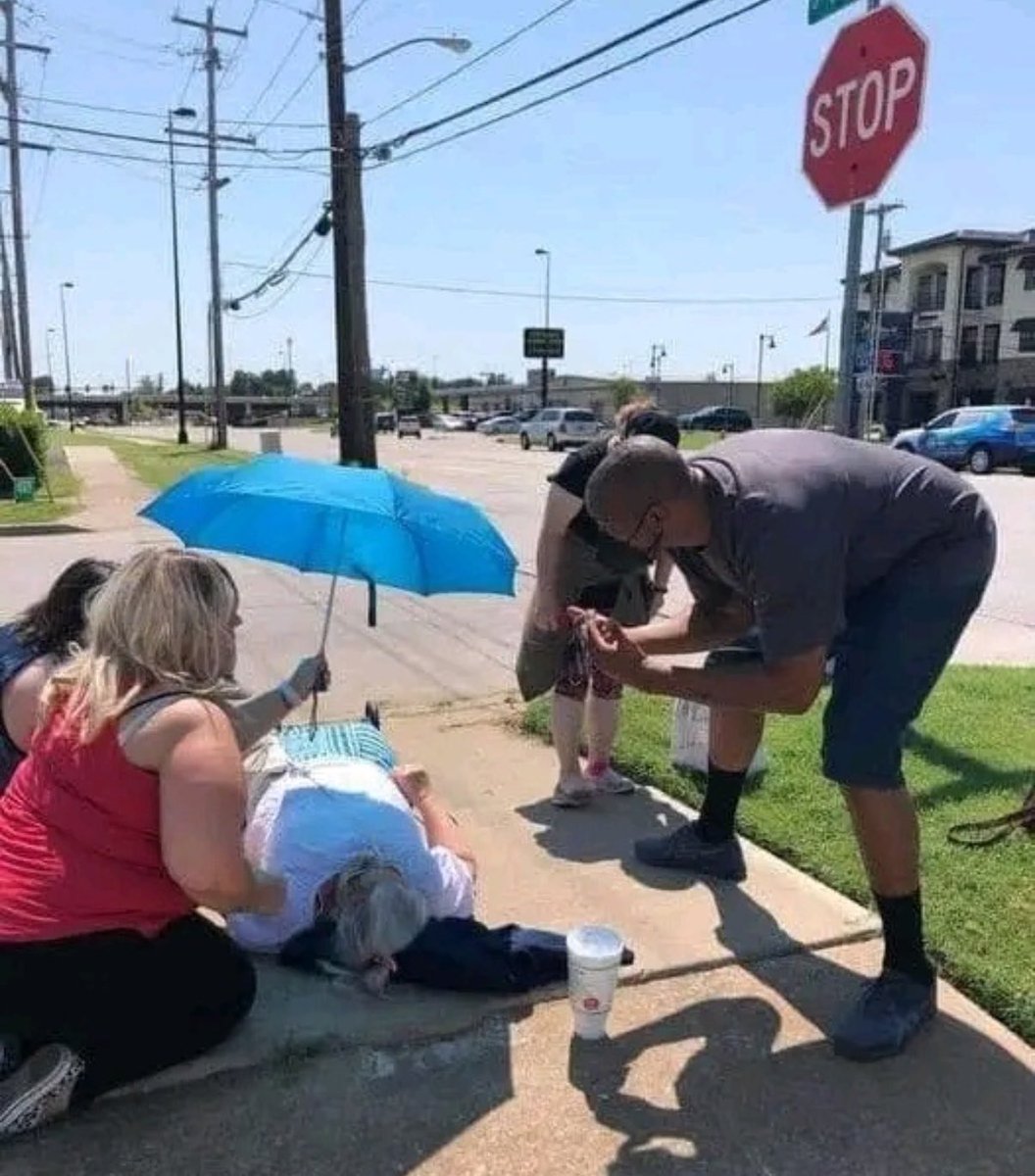
On my way home this afternoon, I spotted an elderly white woman lying on the sidewalk at the corner of Peoria and 49th Street, while a young Asian woman was trying to talk to her.
I quickly turned around and parked in the Burger Street parking lot just as another car arrived. I got out of my car at the same time as a young Black man.
We both checked her condition and saw that she had fallen backwards while using a walker, hitting her head on the concrete.
I said I would call for help, and the young Black man went to his car to get a soft jacket and gently placed it under her head to protect her from the scorching heat of the pavement (it was 38°C today). Soon, other kind people arrived.
A young white woman took an umbrella from her car to protect the woman's face from the sun, while another brought towels to place under her bare arms.
A young Hispanic employee from Burger Street came out with a bucket of fresh water and a cloth for her forehead.
Together—Black, White, Asian, and Hispanic—we all worked to help an elderly white woman who had fallen. This is the America I believe in and love: an America filled with compassion, kindness, and love, regardless of race, age, or gender
458
2,636
11,286
96,668
Prompt Engineer Librarian retweeted
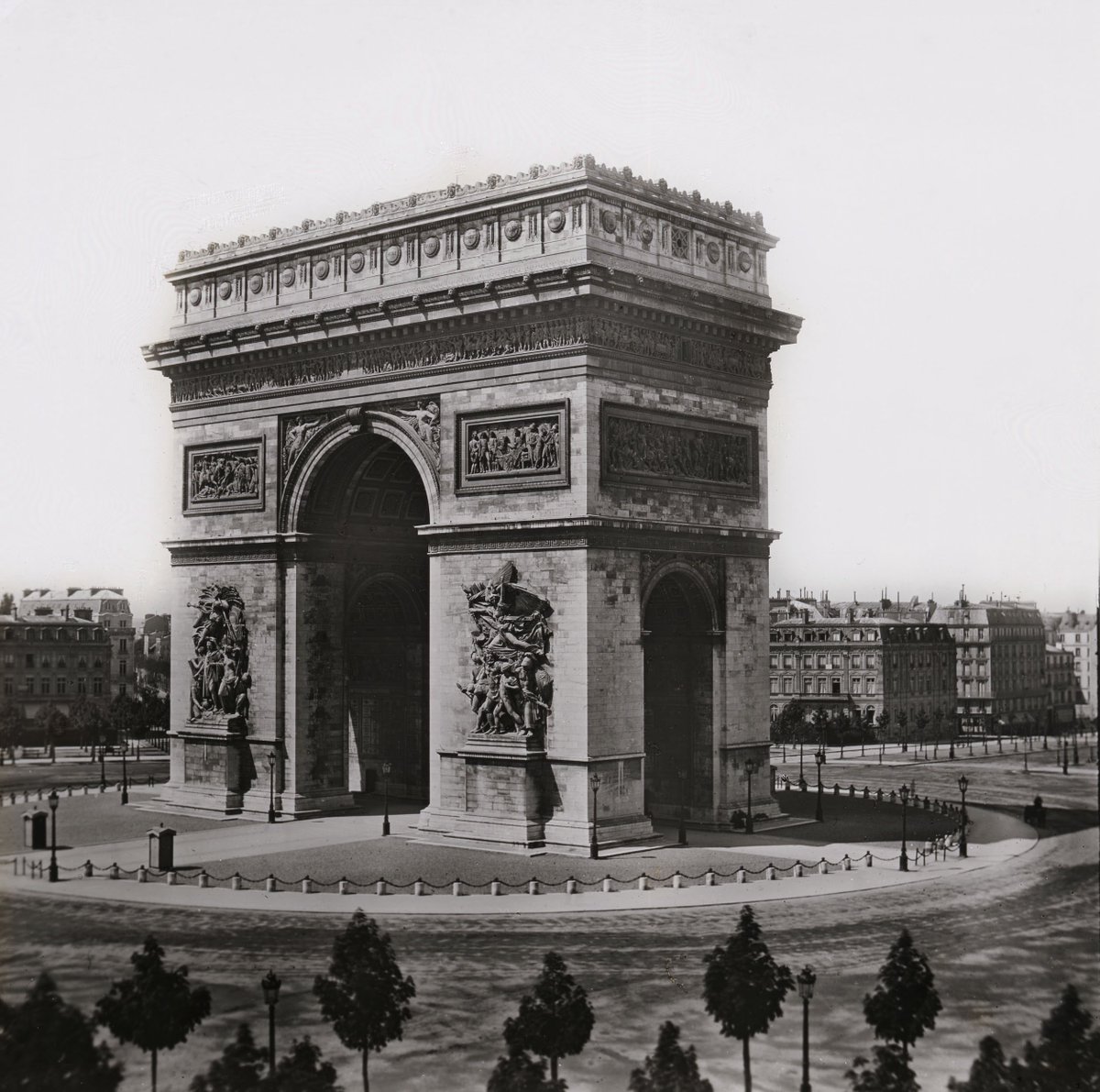
Arc-de-Triomphe, France in 1866.
They say the Arc de Triomphe weighs 600,000 tons, a mountain of stone somehow hauled into place by “donkeys” and shaped with nothing but hammers and chisels.
Just another archway leading nowhere near the truth.
11
68
352
6,936
Prompt Engineer Librarian retweeted

Jun 14
Whatever unfolded in this world in the past is beyond our imagination..
37
554
4,203
84,035

Prompt Engineer Librarian retweeted
If there’s nothing beyond this point, why have 58 countries banned anyone from trying to explore it?
281
1,209
7,467
334,906
Prompt Engineer Librarian retweeted

1999 CDC data showed babies getting the Hep B vaccine in their first 30 days had a massive increase in autism risk.
Instead of sounding the alarm, they held a secret meeting with Big Pharma at Simpsonwood… and then the concerning data quietly disappeared from the narrative.
They didn’t want you to know.

49
999
1,358
14,734