
Population & evolutionary genomics, marine connectivity & eDNA, small-scale fisheries, Sonoran Desert, University of Arizona, Applied Genomics Lab, explorer
Joined August 2009
- Tweets 1,138
- Following 1,860
- Followers 846
- Likes 4,333
202 Photos and videos
Adrian Munguia retweeted

27 Dec 2025
Situación de la Ciencia y Tecnología en México (Últimos 20 años)
Avances y Fortalezas:
Talento Humano: México ha logrado formar una cantidad considerable de recursos humanos altamente capacitados y ha incrementado su número de investigadores nacionales.
Capacidad Científica: El país se encuentra entre las 10 naciones que generan una mayor cantidad de conocimiento científico en el mundo.
Posición Regional: En el Índice de Innovación Global (GII) 2024, México ocupó el tercer lugar en América Latina, consolidándose como un actor clave en la región, solo detrás de Brasil y Chile.
Innovación en Sectores Específicos: El país es un destino importante para la inversión en software y el tercer exportador de servicios de Tecnologías de la Información (TI) a nivel mundial, solo superado por India y Filipinas.
Desarrollos Notables: Ingenieros e investigadores mexicanos han contribuido con inventos significativos a lo largo de la historia, incluyendo la televisión a color y la píldora anticonceptiva, y más recientemente, tratamientos contra el cáncer por nanomedicina.
Retos y Áreas de Oportunidad:
Baja Inversión: El principal desafío es la inversión. México invierte aproximadamente el 0.5% de su PIB en investigación y desarrollo (I D), una cifra muy por debajo del promedio del 2.5% de la OCDE. El presupuesto para 2025 se situó en solo 0.16% del gasto total, y la inversión federal ha representado un porcentaje mínimo del PIB en los últimos años.
Desarticulación: Existe una notoria falta de vinculación y articulación entre la academia, la industria, el sector público y el sector financiero, lo que limita la transferencia tecnológica y la innovación.
Presupuesto Decreciente: El presupuesto asignado al Consejo Nacional de Humanidades, Ciencias y Tecnologías (CONAHCYT, antes CONACyT) ha disminuido en términos reales en comparación con años anteriores a 2019.
Perspectiva para 2026
La perspectiva para 2026 presenta señales mixtas y depende en gran medida de las políticas gubernamentales:
Nuevas Iniciativas: La administración actual ha anunciado la creación de la Secretaría de Ciencia, Humanidades, Tecnología e Innovación (SeCIHTI) y un nuevo fondo llamado "InnovaTecNM" para impulsar proyectos tecnológicos y la creación de empresas, lo que podría generar un impulso significativo si se implementa eficazmente.
Presupuesto Limitado: A pesar de la creación de la nueva secretaría, las proyecciones iniciales para su presupuesto en 2026 muestran una ligera disminución respecto al de 2025, lo que plantea dudas sobre la magnitud del apoyo financiero real.
Enfoque en Tecnologías Clave: Se proyectan inversiones en áreas estratégicas como la infraestructura sostenible, la tecnología verde, la biotecnología, la movilidad sustentable y la inteligencia artificial, que marcarán el rumbo tecnológico del país.
Crecimiento Económico: Las proyecciones económicas generales para México en 2026 sugieren un crecimiento por debajo del promedio de Latinoamérica, lo que podría limitar los recursos fiscales disponibles para I D.
En resumen, aunque existen planes e intenciones para mejorar, la mejora sustancial en 2026 dependerá de que el gobierno materialice un aumento real y sostenido de la inversión, y fomente una mayor colaboración entre los diferentes actores del ecosistema científico y tecnológico.
1
5
8
857
Adrian Munguia retweeted

13 Sep 2025
🧵 Microbiomes → Markets
1/
The future of trillion-dollar markets may be invisible to the naked eye.
Not AI. Not chips.
👉 Microbiomes.
1
1
108

22 Apr 2025
My article has been published today in @PeerJLife peerj.com/articles/19249 #Biodiversity #ConservationBiology #Ecology #Genomics #MarineBiology
1
4
156
Adrian Munguia retweeted

23 Jan 2025
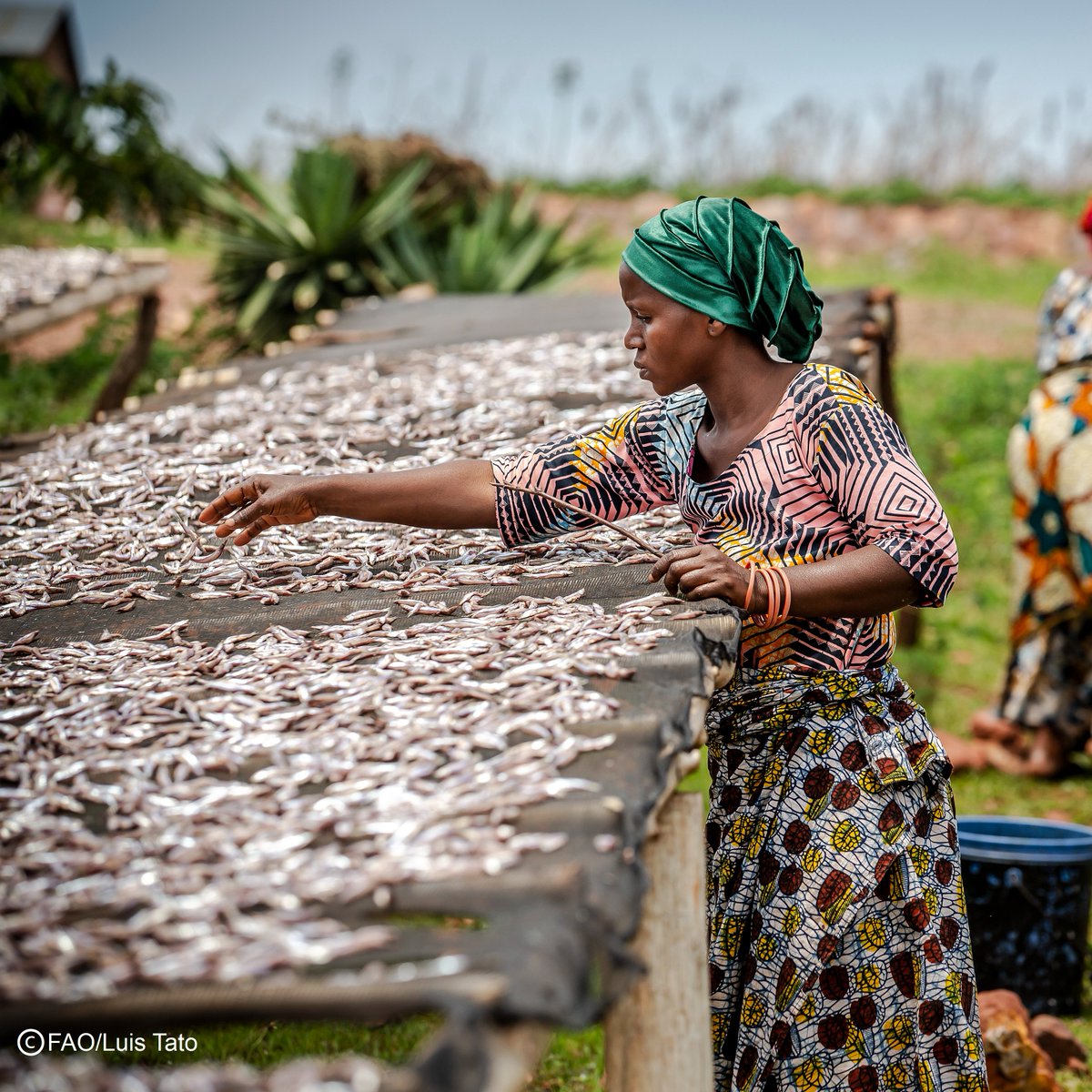
📢 #OutNow | A new study led by @FAOFish, @WorldFish & @DukeEnvironment, quantifies how marine & inland #SmallScaleFisheries contribute to nutrition, food security, economies & development at large.
Published in @Nature today. Read it now 👉buff.ly/3BYU5Yd
1
11
18
1,096
Adrian Munguia retweeted

2 Jan 2025
If you're in the eDNA/metabarcoding/FAIR data practices world, or have interest in it, check out our new paper! #eDNA #FAIRdata #MarineScience
The MIEM guidelines: Minimum information for reporting of environmental metabarcoding data doi.org/10.3897/mbmg.8.12868… via @MBMGjournal
9
12
798
Adrian Munguia retweeted

21 Dec 2024
This is - unintentionally - an absolutely damning critique of modern biology.
21 Dec 2024

One of the remarkable things for me about NeurIPS this year was how quickly the entire AI for Biology community has gone all-in on biological foundation models. Virtual cell models will enable us to predict how cell states will change in response to chemical perturbations. Protein language models will enable us to identify better enzymes for degrading plastics, and so on. Everyone wants bigger data on more things to throw into bigger models.
These models are going to be awesome, but real biology discoveries look somewhat different. Contrast these dreams of foundation models with the latest table of contents from Science or Nature:
--“A long noncoding eRNA forms R-loops to shape emotional experience–induced behavioral adaptation” — The authors identified a lncRNA in mice that is expressed in response to neuronal activity that modulates the 3D structure of chromatin, thereby activating genes that are involved in neuronal plasticity. The authors further identified that this lncRNA is essential for certain forms of learning.
--“Cancer cells impair monocyte-mediated T cell stimulation to evade immunity” — The authors identified that mouse melanoma cells secrete a lipid metabolite that prevents monocytes from activating CD8 T cells.
--“Postsynaptic competition between calcineurin and PKA regulates mammalian sleep–wake cycles” — By generating mouse knockout lines, the authors identified phosphatases and kinases that are critical for regulating the sleep-wake cycle, and showed that they act through regulation of proteins at excitatory postsynaptic sites.
I struggle to imagine how any of these discoveries could fall out of a multimodal biology foundation model. This is not intended to be a straw man argument. Surely, a foundation model could potentially identify the lncRNA from the first paper, but I am not sure how such a foundation model would associate it with chromatin remodeling. A multimodal foundation model with enough data could also potentially identify metabolic changes associated with melanoma cells subjected to certain kinds of treatments, but I don’t see how that foundation model could identify the effect of those metabolites in preventing CD8 T cell activation. Indeed, I do not think that any of the foundation models that are being developed today would be capable of generating rich new biological insights of the kind described in these papers. And yet, these are the kinds of insights that new therapies are made from.
The issue, I think, is that machine learning models work extremely well on structured data, and so all the foundation models that are being built are highly structured. Take a protein sequence as input and produce a protein sequence as output. Take a cell state and a chemical perturbation as input and produce a new cell state as output. Biology, however, is poorly structured. The lncRNA insight is case in point: what structured representation can we use for the action of the lncRNA in modulating chromatin architecture? Protein models cannot represent it; DNA models cannot represent it; virtual cell models cannot represent it. Perhaps a model that incorporates RNA expression and 3D genome state could represent it, but then how would that model represent the lipid modulation of the monocytes? I worry that every discovery may need its own representation space. Indeed, the nature of biology is such that there likely is no representation, short of an atomic-resolution real-space model of the entire organism, that is sufficient to represent the diversity of biological phenomena that are relevant for disease.
Except, of course, for natural language, which is evolved to represent all concepts that humans are capable of contemplating. Indeed, I think natural language has an essential role to play in representing biology, and is ultimately unavoidable, insofar as it is the only medium we know of that is sufficiently structured for machine learning and sufficiently flexible to represent the full diversity of biological concepts. At FutureHouse, we work on language agents, which is one way of combining language and biology, but this is not the only way. Models that combine natural language with protein, DNA, transcriptomics, and so on will also be extremely productive, provided the addition of the structured datatypes does not restrict their ability to represent unstructured concepts. However we do it, I think this essential role of natural language in representing biology is currently largely underappreciated.
The history of biology is built on tools that we have found in nature to study biological phenomena. As all biologists know, trying to engineer things from scratch (almost) never works; what works is finding things in nature and repurposing them. It will be aesthetically pleasing if it turns out that our engineered representations are yet again insufficient for studying biology, and that natural language is simply another such tool that we have found in nature that must be applied instead.
13
33
288
82,534
Adrian Munguia retweeted

19 Dec 2024
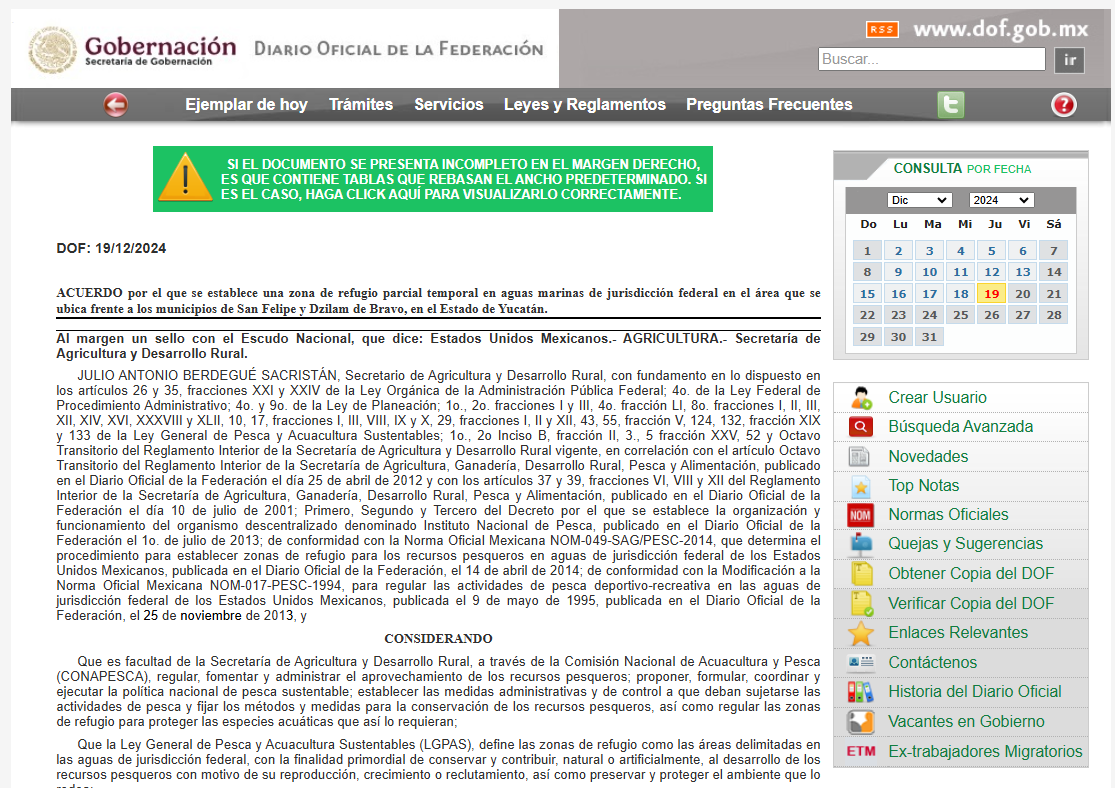
ACUERDO por el que se establece una zona de refugio parcial temporal en aguas marinas de jurisdicción federal en el área que se ubica frente a los municipios de San Felipe y Dzilam de Bravo, en el Estado de #Yucatán,#Pesca,#ZRP,#Sostenibilidad
DOF: dof.gob.mx/nota_detalle.php?…
5
8
290
Adrian Munguia retweeted

20 Dec 2024
New paper: Using a HT-qPCR chip for biodiversity monitoring in the arid Southwest link.springer.com/article/10…
1
1
148
21 Nov 2024
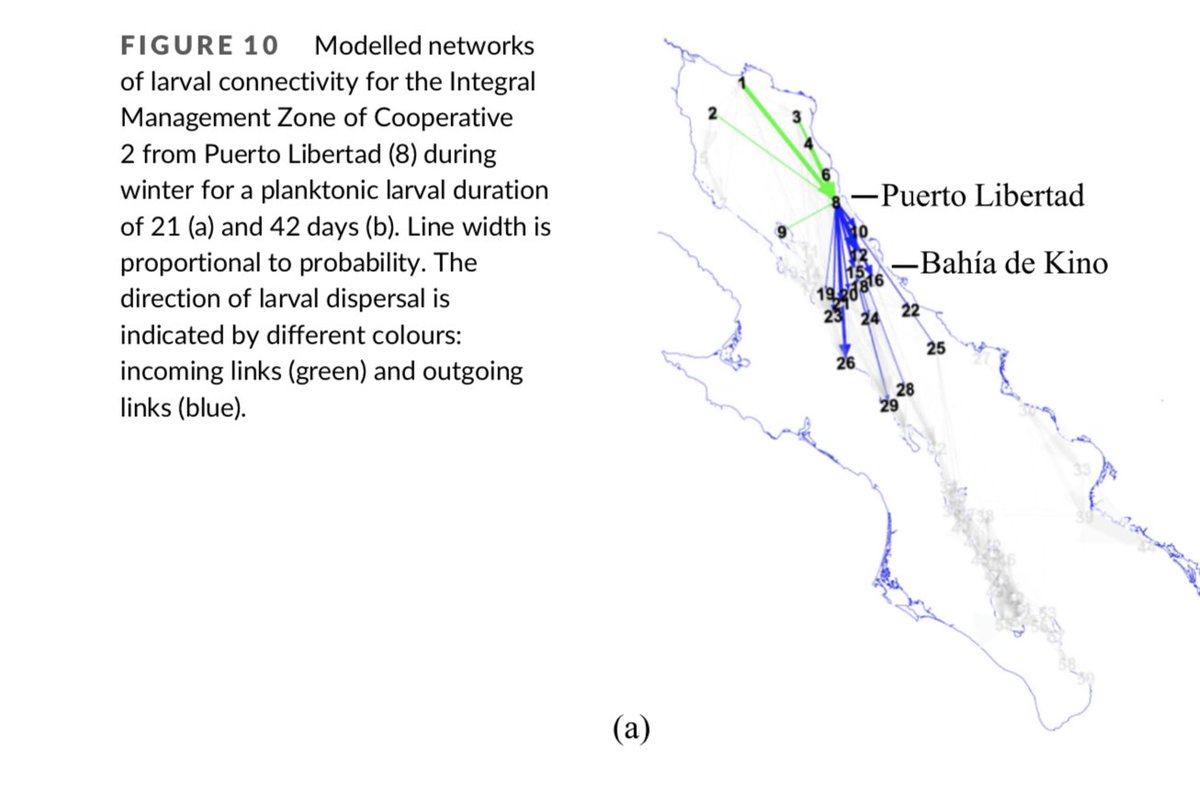
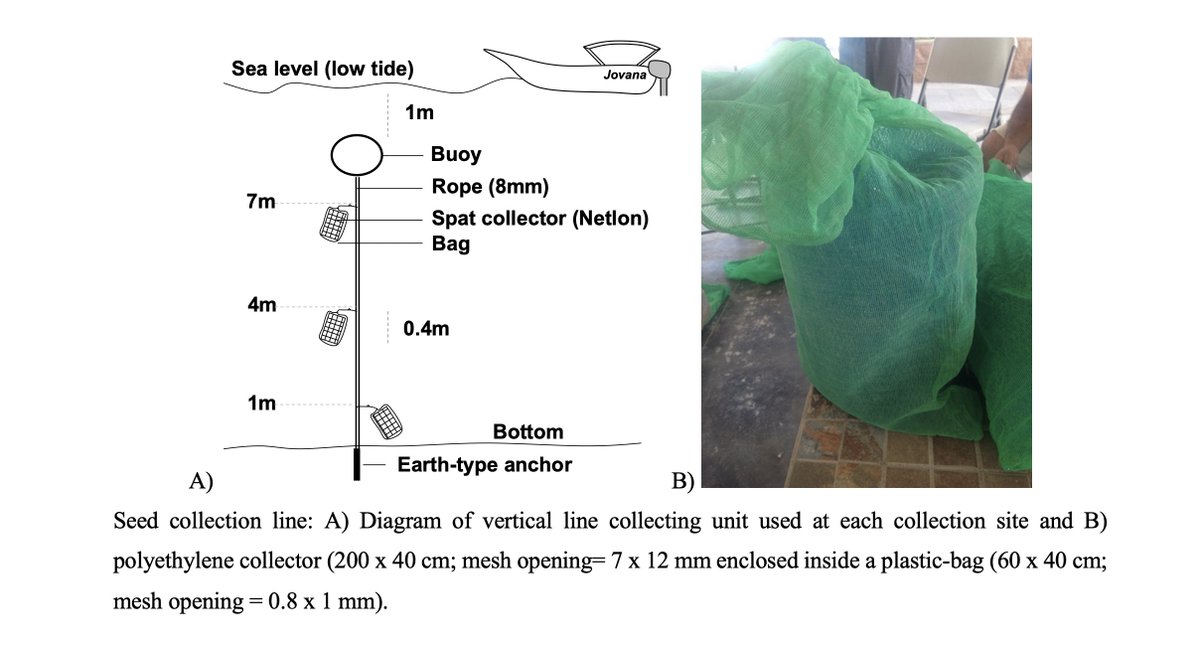
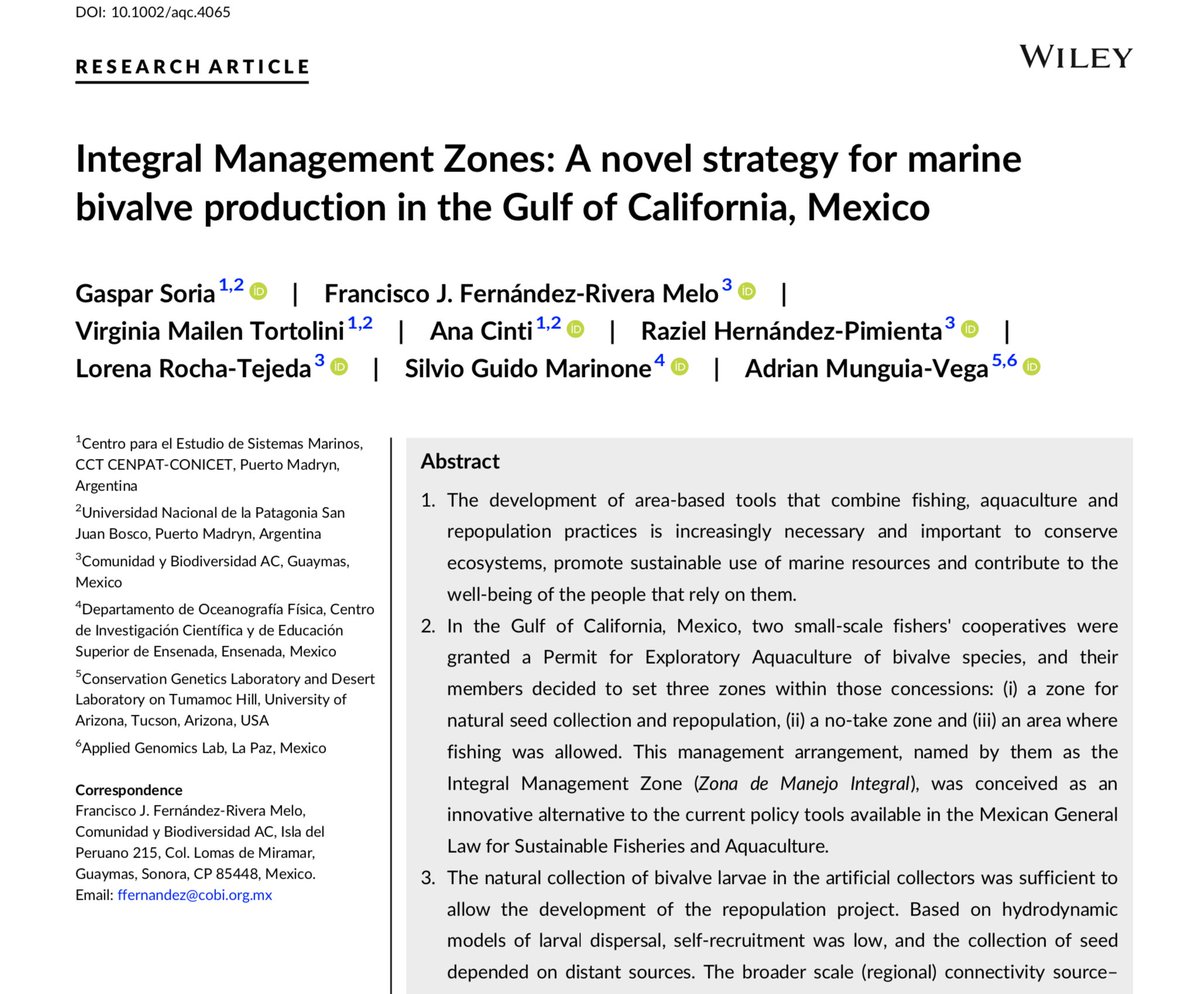
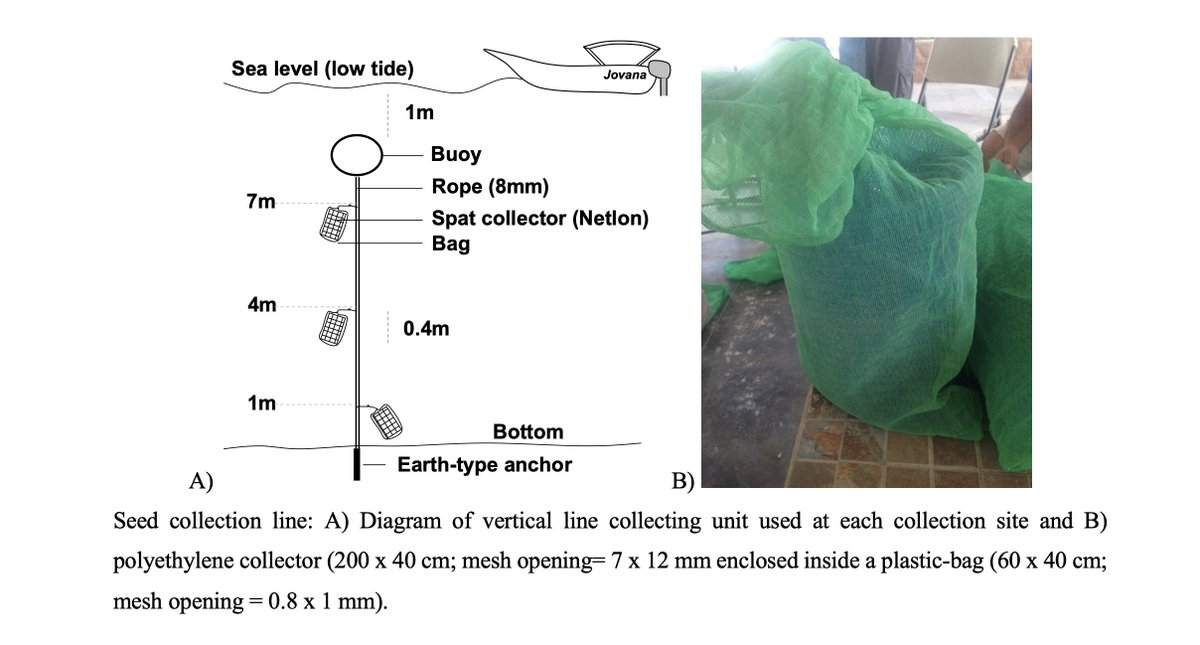
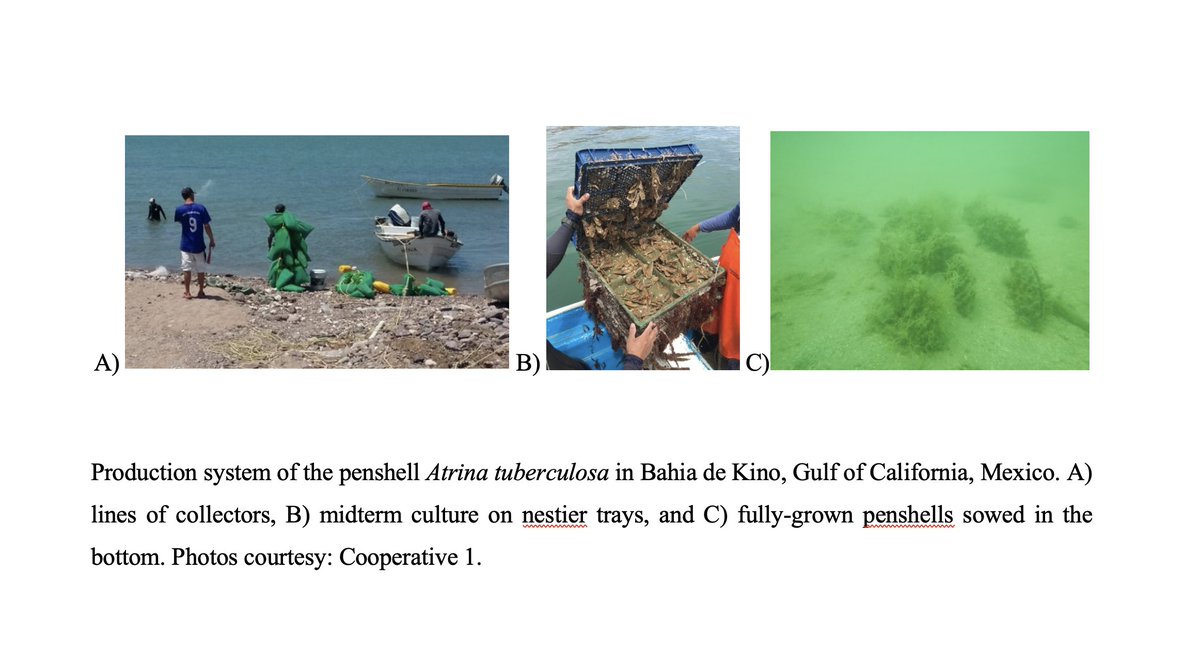
In the Gulf of California, Mexico, two small-scale fishers' cooperatives have established an Integral Management Zone to include areas for natural seed collection of bivalves, grow-out, no-take zones, and fishing.
1
1
6
345
21 Nov 2024
This participatory approach aims to enhance sustainable marine resource use while considering regional connectivity for effective repopulation efforts. Engaging local fishers alongside governmental and academic stakeholders is crucial for its success.
1
1
49
21 Nov 2024
Full paper: doi.org/10.1002/aqc.4065
#Sustainability #MarineConservation #Aquaculture #MarineReserves
38
Adrian Munguia retweeted

#UBCOceans is thrilled to be part of this program: @NSF and international partners to invest $82M in Six 2024 Global Centers. We'll be part of the International Bioeconomy Macroalgae Center (IBMC) project. @DrRashidSumaila new.nsf.gov/news/nsf-interna…
5
10
1,604
Adrian Munguia retweeted

23 Sep 2024
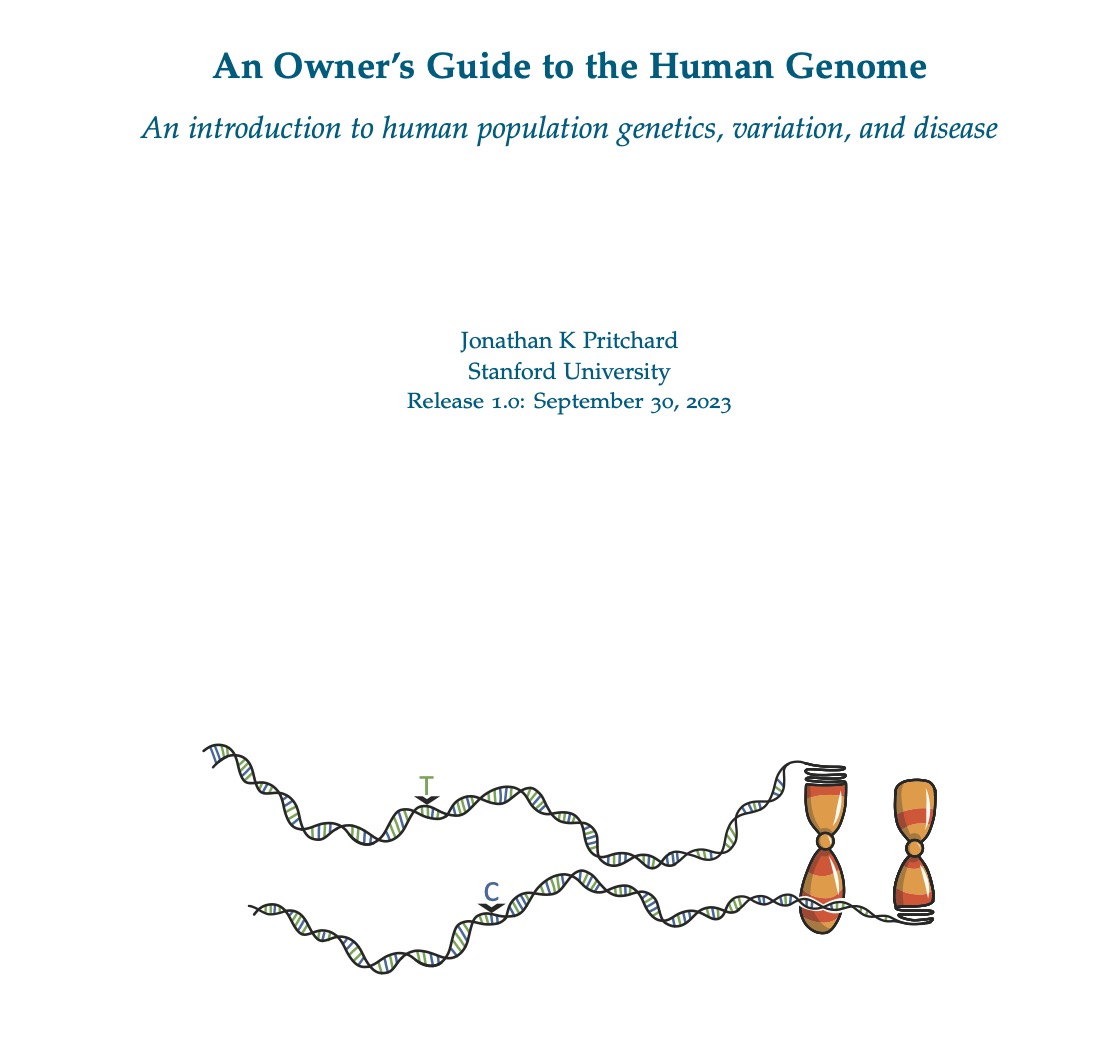
Two new chapters from my free online book in human genetics out this weekend!
These complete Part 3 of the book, on human population structure and history:
3.3: Inferring human prehistory from genetic data [this thread]
3.4: Ancient DNA [next thread]
web.stanford.edu/group/pritc…
1 Oct 2023

I'm delighted to release the first half of my new open-access online textbook in human population genetics:
web.stanford.edu/group/pritc…
6
167
587
61,836
Adrian Munguia retweeted

23 Sep 2024
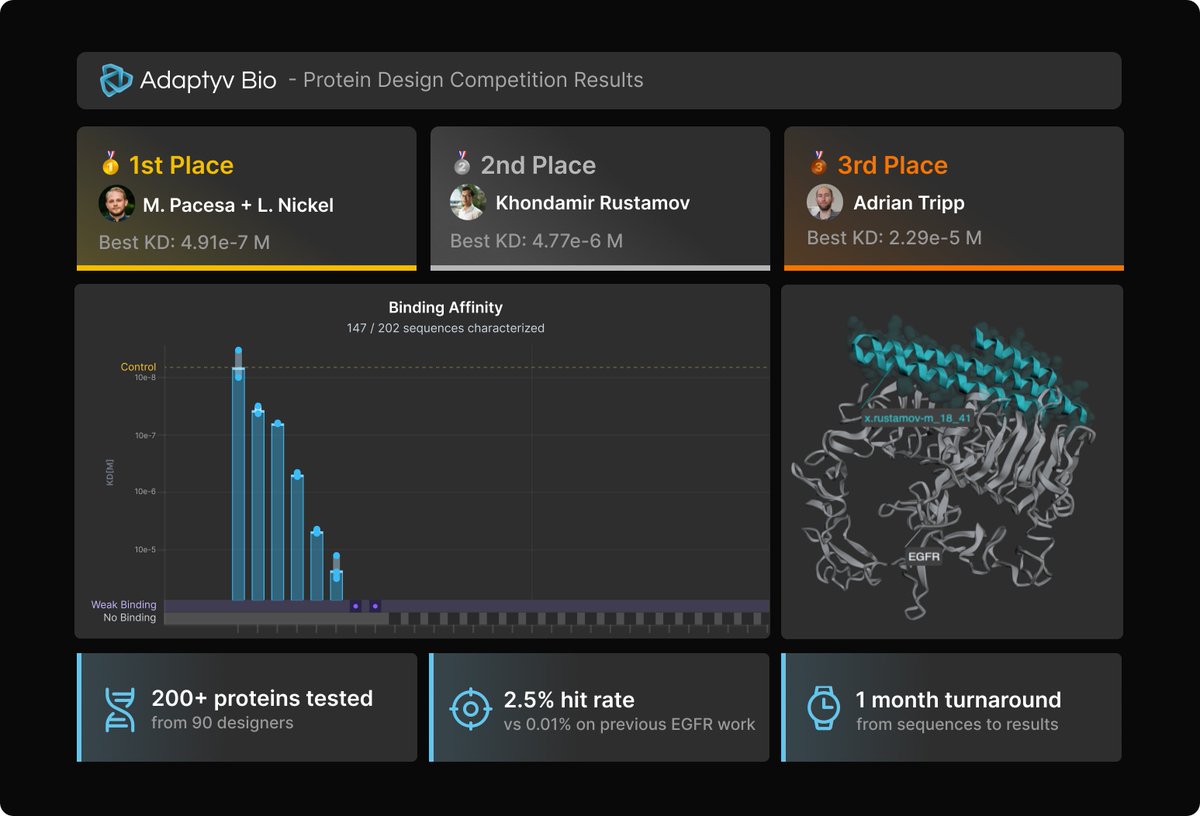
The Protein Design Competition results are in!
🧬 200 designs tested in our lab
🌍 90 protein designers from around the world
💎 5 novel binders found
🎯 2.5% hit rate (vs 0.01% on previous EGFR work)
1st place: @MartinPacesa & Lennart Nickel
2nd place: @khRRustamov
3rd place: Adrian Tripp (@tugraz)
1
37
180
43,897
Adrian Munguia retweeted

24 Sep 2024
Current Biology aims to bring you original and exciting research from across all areas of biology. Here is a grounbreaking study that caught popular media attention this year revealing that oceanic seabirds chase tropical cyclones: hubs.li/Q02NrY9S0.

1
3
1,035
Adrian Munguia retweeted

21 Sep 2024
Let me tell you a story. It'll end up at the current tech-bio and protein design scene.
But the story starts about 25 years earlier.
Did you know that, commercially, the human genome project precipitated the end and not the start of a genomics boom? 1/
9
69
422
116,280
9 Sep 2024
I just received first decision on my article in 24 days! I highly recommend #OpenAccess publishing at the Journal of Life & Environmental Sciences @PeerJLife 🙌🏻
1
4
176
Adrian Munguia retweeted

22 Jul 2024
A veces, la exploración del mar es tan compleja, que necesitamos pequeños amigos robot que nos ayuden a llegar donde el ojo humano no puede.
¿Quieres saber cómo trabajan estos mini robots que están al servicio de la ciencia marina? Te contamos: mx.oceana.org/blog/corales-d…
1
4
318