
Assistant Professor at the University of Zurich. 🖥️ protein design, machine learning🤖, crystallography💎, cryoEM🔬. Avid weirdness connoisseur 🎩
Joined December 2018
- Tweets 2,430
- Following 1,018
- Followers 5,483
- Likes 17,483
366 Photos and videos







Jun 12

Scientists are actively researching ways to make phage therapies more effective. This includes efforts to engineer phages to expand their host range and aid in bacterial defense system evasion.
More at Molecule of the Month: pdb101.rcsb.org/motm/318
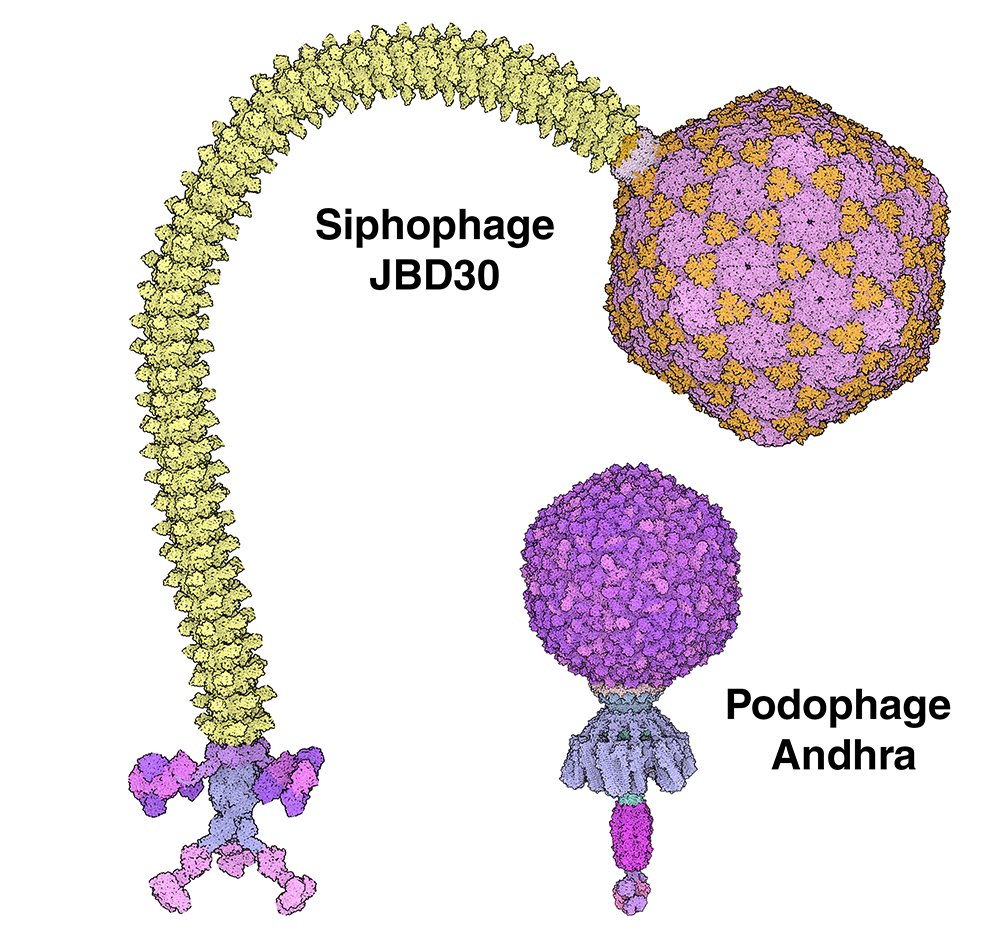
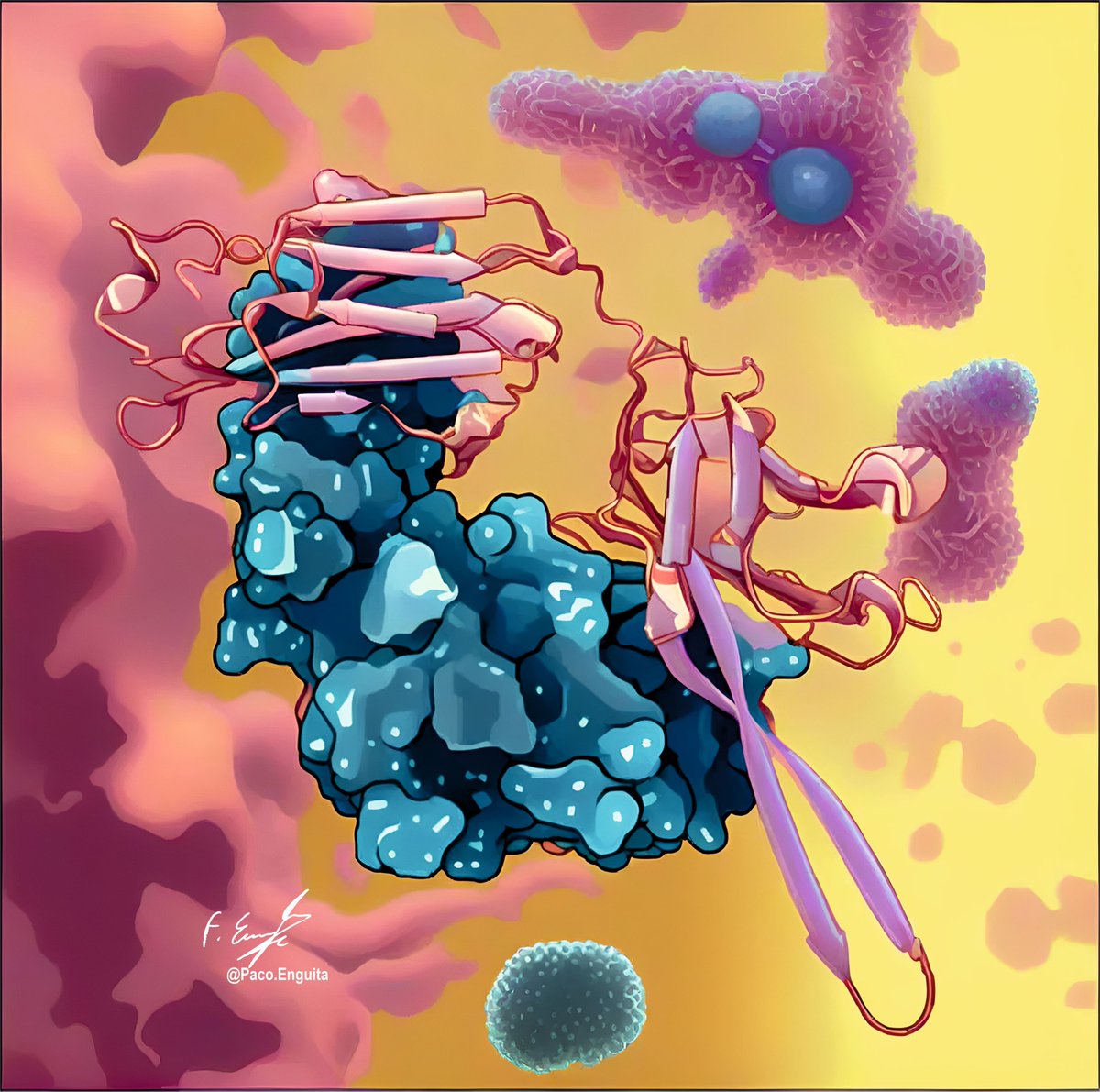
ALT Left: JBD30 is a siphophage that infects Pseudomonas aeruginosa by attaching to hair-like pili on the bacterial surface. This illustration was created by combining pdb_00008rkc, pdb_00008rkb, pdb_00008rk9, pdb_00008rk8, pdb_00008rk7, pdb_00008rk6,pdb_00008rk5, and pdb_00008rk4. Right: Andhra is a podophage that infects Staphylococcus epidermidis. This illustration was created by combining pdb_00008egt, pdb_00008egs, pdb_00008egr, and pdb_00008ej5.
3
7
87
7,504
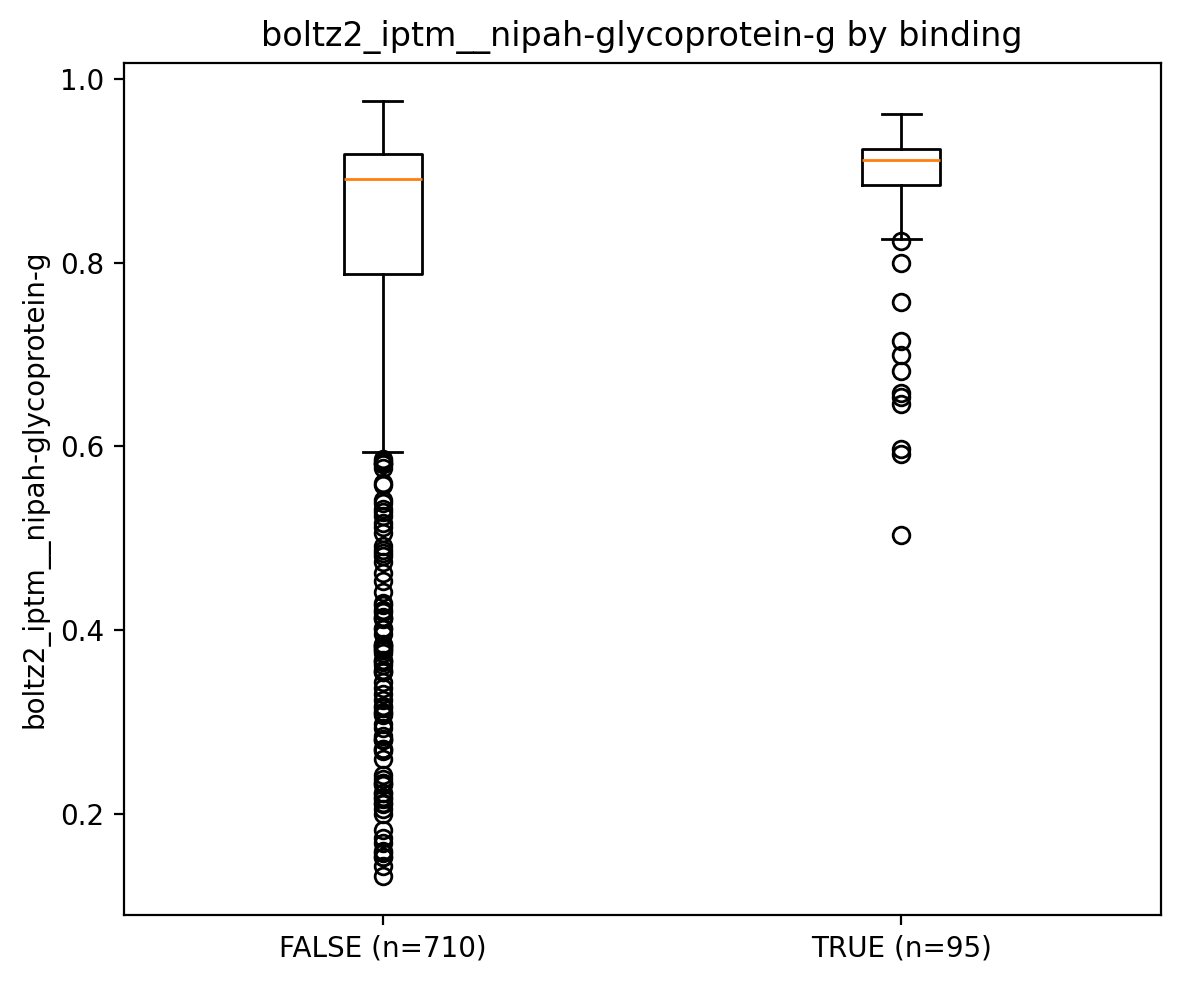
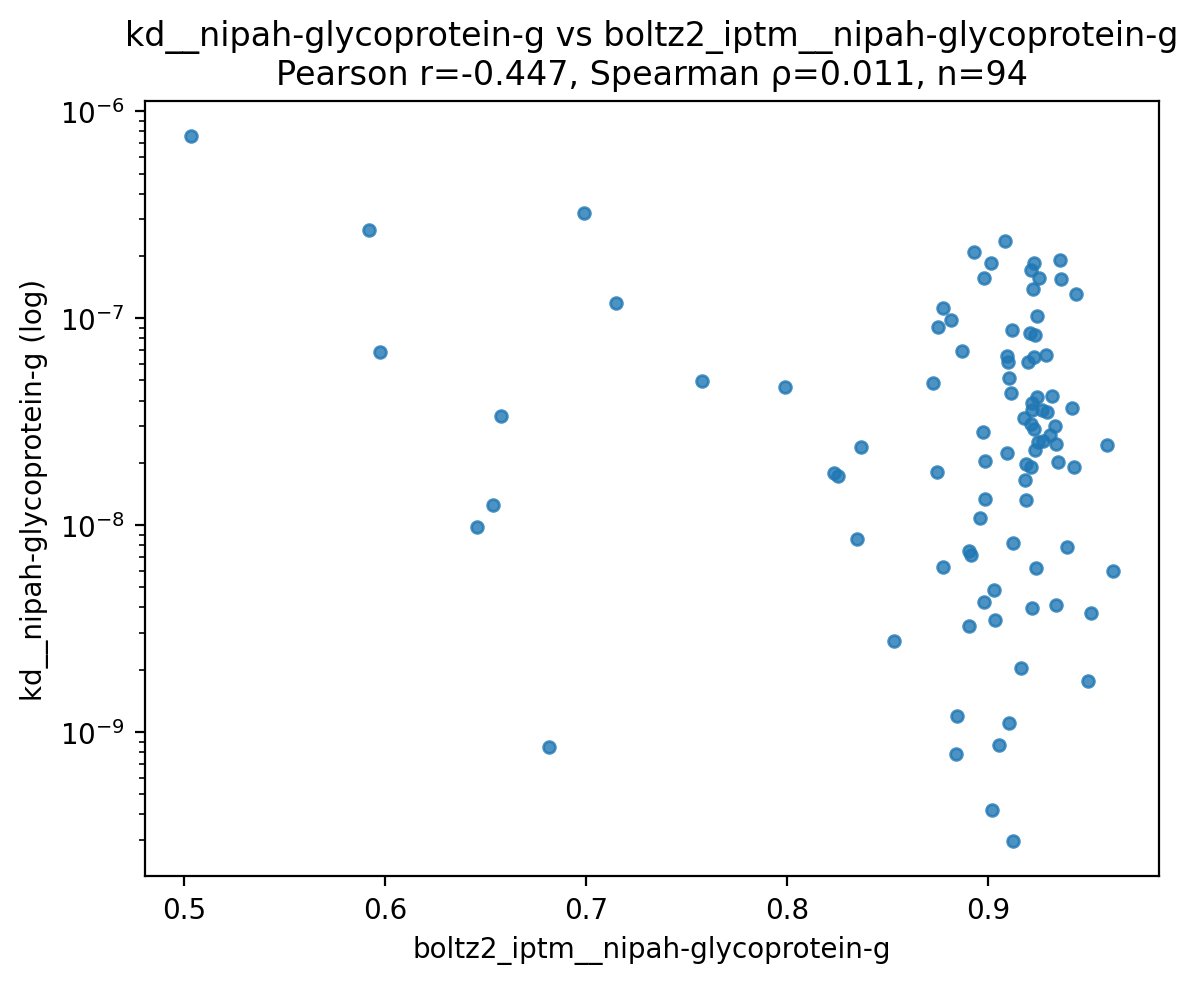
People need to realise what the trained metrics they are using actually mean

Theoretically, it shouldn't. All it predicts is: P(binding mode | it binds). Aka. assuming that it DOES bind, how confident are you about the predicted model of how/where it binds.
1
3
44
5,562
I want to SCREAM every time I read an LM paper that says how human language is similar to protein or DNA
3
10
77
7,233
Martin Pacesa retweeted

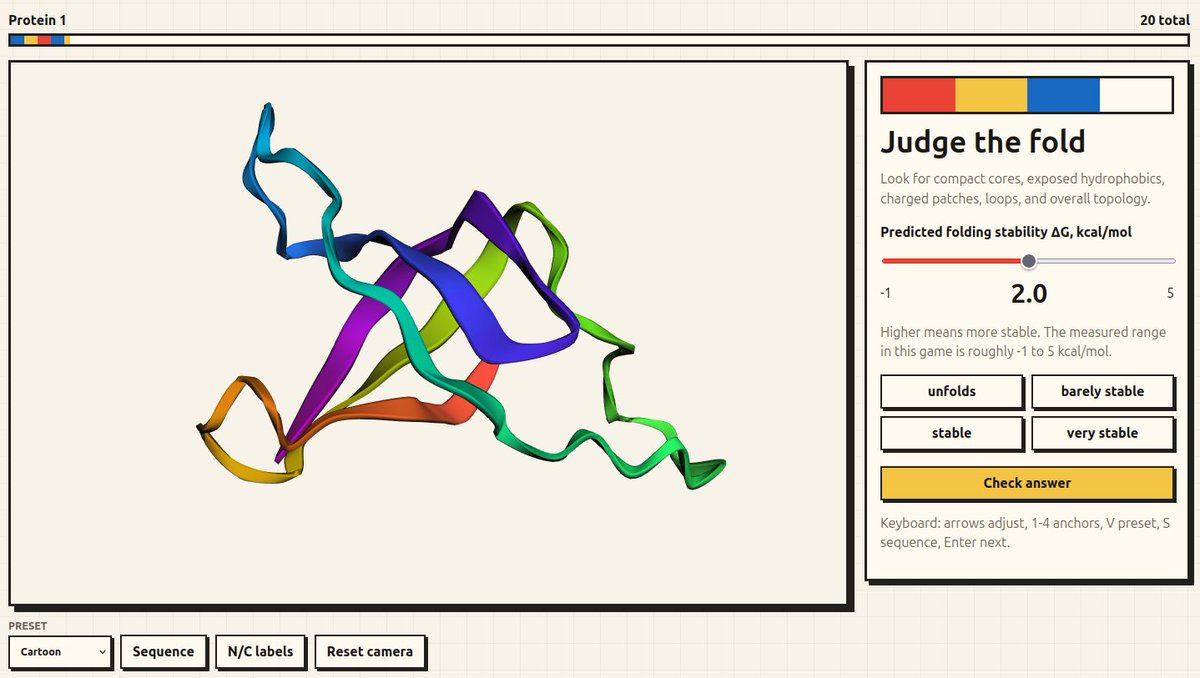
Amazing work, based on the data I vibe coded a little game that let's you check your own stability prediction intuition:
Can you beat SaProtΔG/ESM3ΔG or at least the NPSA baseline?
moritzertelt.github.io/Stabl…
May 21

🚀 Excited to share our new work: Absolute Stability Predictor!
📊: forms.gle/4ZnXZSnTBvaykkAi9
Built the MGnify Stability Dataset (1.8M measurements) and developed stability prediction models, together with @grocklin, @KotaroTsuboyama, @sokrypton, and teams.
2
12
60
7,540
Martin Pacesa retweeted

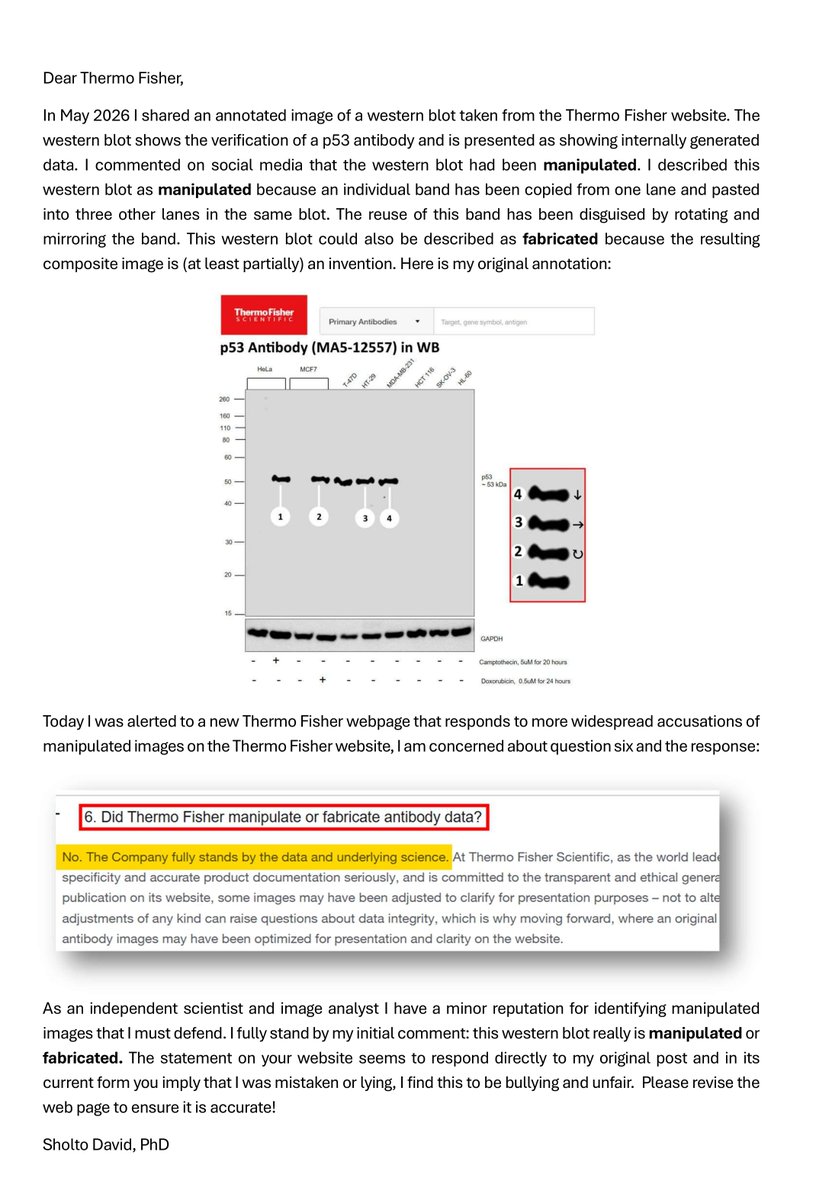
I am sending an open letter to Thermo Fisher. Their response to my response to their manipulated western blot is bullying and petty. Yes, this western blot really is manipulated, it is unfair on me to say otherwise. I don't make those accusations lightly. #ThermoFishy
22
73
515
51,437
Martin Pacesa retweeted

High resolution crystal structure of the mRuby-Metha1 fluorescent protein from Entacmaea quadricolor (PDB code: 9V5C) #scivis #molecularart @dzine_ai @proteinimaging
behance.net/gallery/25030188…

3
20
790
May 30
Amazing work from the Kellogg lab!! I had this kind of project in my very first 2022 professorship proposal and but never actually did it, super glad to see it can work in reality!!!
biorxiv.org/content/10.64898…
2
33
200
18,057
Martin Pacesa retweeted

May 30
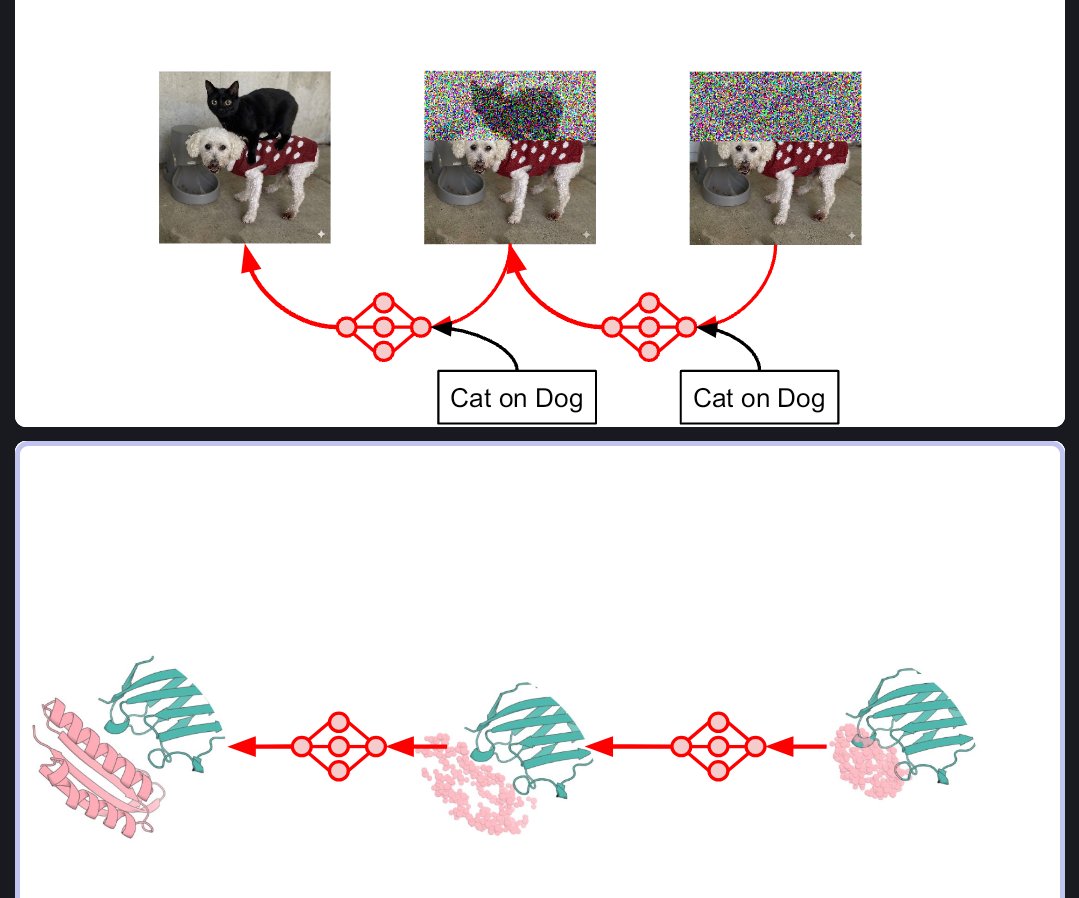
Updating my diffusion slides to better explain binder design for the general audience. 🐶🐱
7
15
239
10,307
May 29
Really nice article but I believe @thermofisher should be held far more accountable for such massive fraud campaign. If this was an academic institution they would be hung from the ceiling.

Catalogue entries for more than 100 antibodies sold by the research services and supply company Thermo Fisher Scientific contain images that have apparently been manipulated, according to a pair of science sleuths.
go.nature.com/4wZqGEE
5
14
112
18,913
Martin Pacesa retweeted

May 29
Can someone start a journal called “Cell Atlases” so that the rest of the journals can go back to publishing interesting things?
31
118
1,082
79,516
May 28
Woooooooow

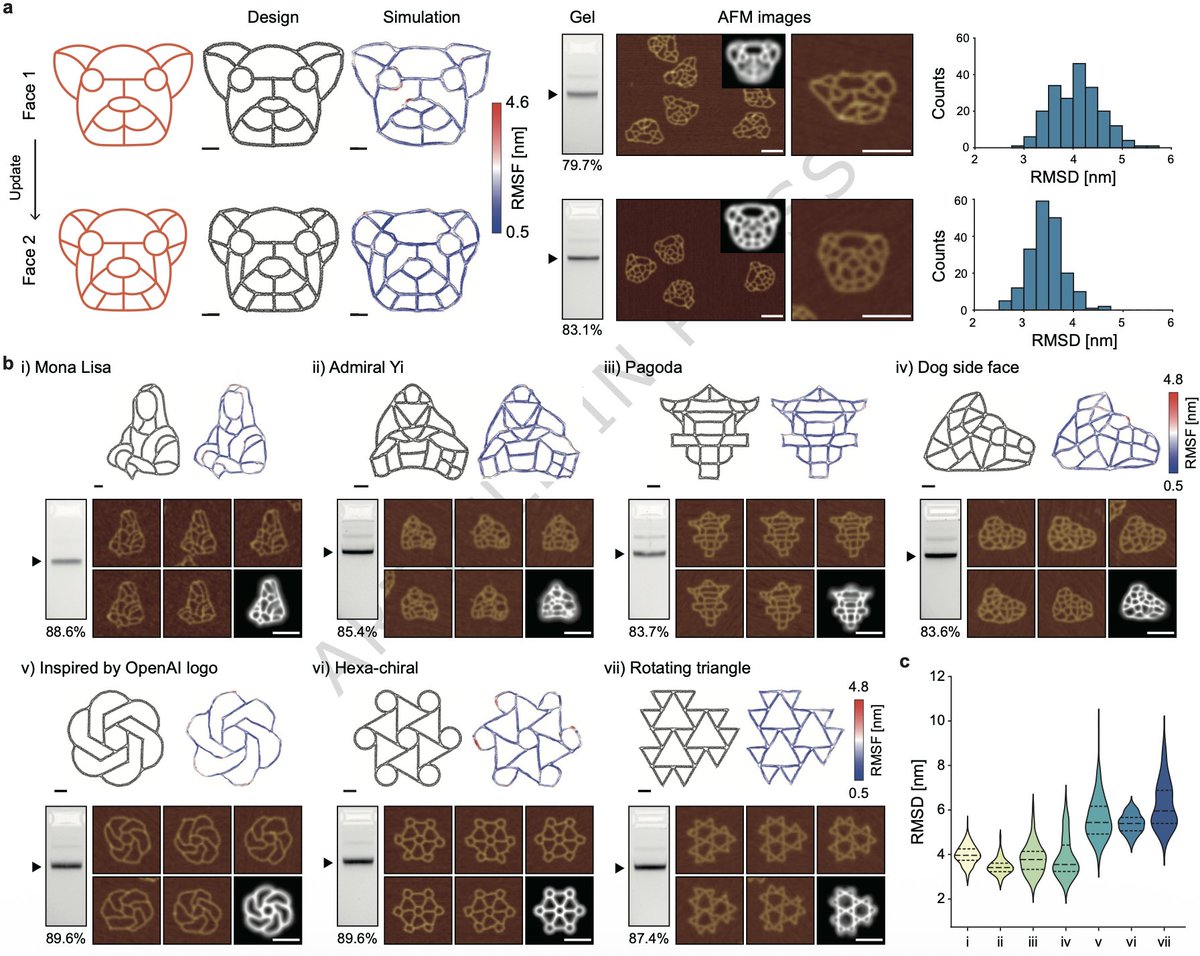
De novo design of DNA origami with a generative diffusion model
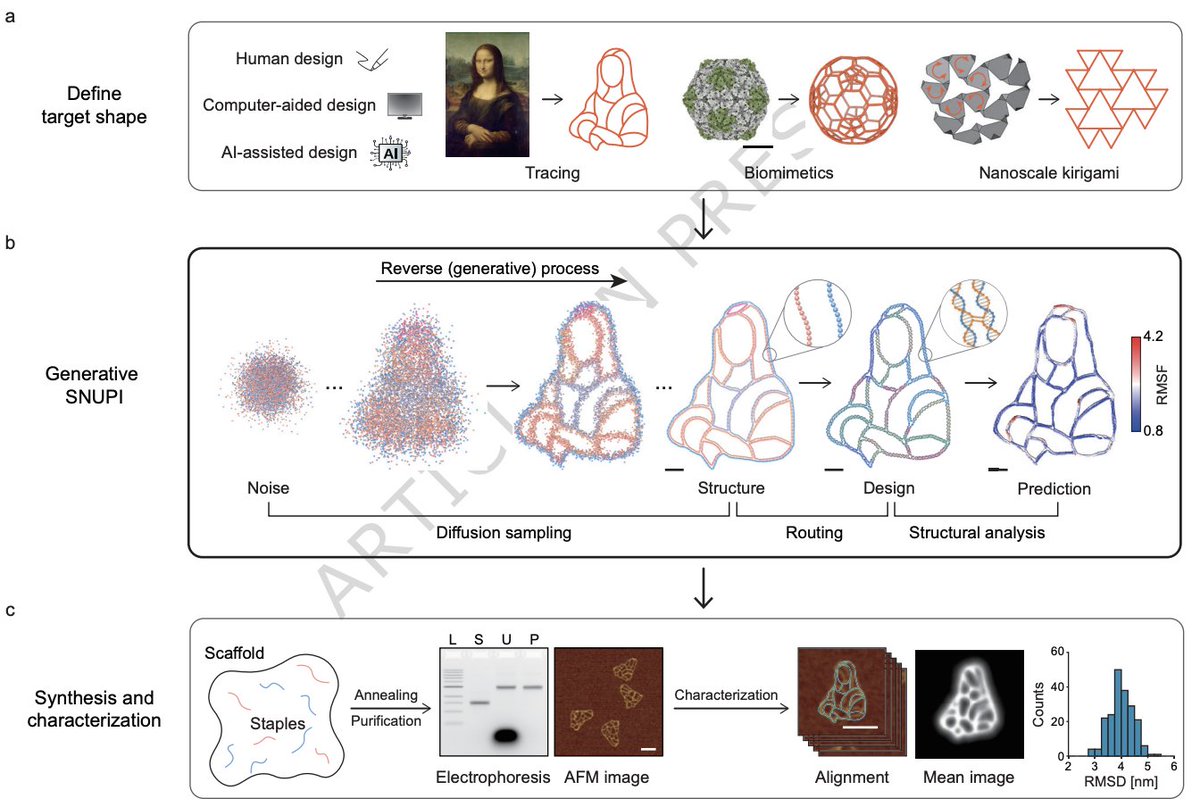
1 Generative SNUPI introduces diffusion-model-based inverse design for DNA origami: given a user-defined line-based target geometry, it generates base-pair-level 3D structures that are physically plausible, then automatically produces scaffold routing and staple sequences for experimental fabrication.
2 A key bottleneck in generative DNA origami—lack of large standardized structural datasets—is addressed by training on simulated equilibrium conformations: 450 wireframe 2HB designs (216 2D, 234 3D) whose base-pair coordinates were generated with the SNUPI multiscale model.
3 The generative core is a denoising diffusion probabilistic model operating on base-pair coordinates as a point-cloud-like representation, implemented with a scalable graph Transformer using random graph construction and SE(3)-aware geometric handling to avoid alignment during training.
4 To follow a target shape, the model uses conditional guidance based on optimal transport: classifier-style gradients derived from Wasserstein Distance (WD) bias diffusion sampling so generated structures converge toward the provided geometry, improving shape fidelity and routing success.
5 Across 100 diverse conditional generations (hundreds to ~15,000 base pairs), the WD to the target drops from widely varying initial values (192.69–2178.54 nm) to a low final average of 2.21 ± 1.32 nm, indicating consistent convergence to the intended geometry across sizes and complexities.
6 The pipeline goes beyond shape generation by integrating a deterministic routing program: generated geometries are converted into loop representations, spanning trees, scaffold routes, and staple sets (20–60 nt), with bond-length regularization (0.34 ± 0.05 nm), and export to atomic models via CNDO → oxDNA → PDB post-processing.
7 Generative SNUPI also embeds fast, in-workflow physics evaluation using SNUPI-based simulation to predict equilibrium shapes and flexibility (RMSD, RMSF) without heavy molecular dynamics; for 100 designs, many cluster around RMSD 2.49 ± 1.29 nm and average RMSF 1.72 ± 0.15 nm, enabling pre-experimental screening.
8 Experimental validation shows the simulation-guided design loop is actionable: a “Face 1” dog design predicted to have locally high RMSF folds with high monomer yield yet shows AFM distortion; adding edges to stiffen flexible regions (“Face 2”) improves AFM agreement and reduces RMSD (4.07 ± 0.48 nm to 3.45 ± 0.35 nm).
9 The framework supports functional free-form mechanics and assembly: auxetic metastructures (rotating triangle, re-entrant) are designed and experimentally transformed open→closed using junction gaps plus site-specific connectors, achieving mean enclosed-area reductions of 34.9% and 47.3%; modular dog face/body components with matched curved interfaces assemble into dimers with >65% yield across combinations.
💻Code: github.com/SSDL-SNU/Generati…
📜Paper: doi.org/10.1038/s41467-026-7…
#DNANanotechnology #DNAOrigami #GenerativeAI #DiffusionModels #InverseDesign #ComputationalBiology #Biophysics #Nanorobotics #StructuralBiology #MachineLearning
2
8
106
10,561
Martin Pacesa retweeted

May 28
Excited to announce #OpenSplice
@gioia_40ni quantified the impact of >500,000
mutations on the alternative splicing of 600 human exons
biorxiv.org/content/10.64898…
results.hgi.sanger.ac.uk/Ope…
@OpenTargets @sangerinstitute @CRGenomica
#cshlsymp26 #RNA2026 @RNASociety
10
37
3,862
Martin Pacesa retweeted

We've gone from 500 million years to 4 billion years. Next step is to time travel, I guess.

Proteins are the machinery of life. Scientists have cataloged billions of protein sequences—but their biology is still mostly unknown.
Today we're releasing a world model of protein biology: a scientific engine for prediction, design, and discovery that consists of ESMFold2, ESMC, and ESM Atlas. Together, they're helping to open up a new way for researchers to design proteins and speed up scientific discovery.
Our mission is to cure or prevent disease. To do that, we need to accelerate science. That's why we're releasing all three openly. bit.ly/3PGf1dk
3
4
41
8,797
Martin Pacesa retweeted

May 22
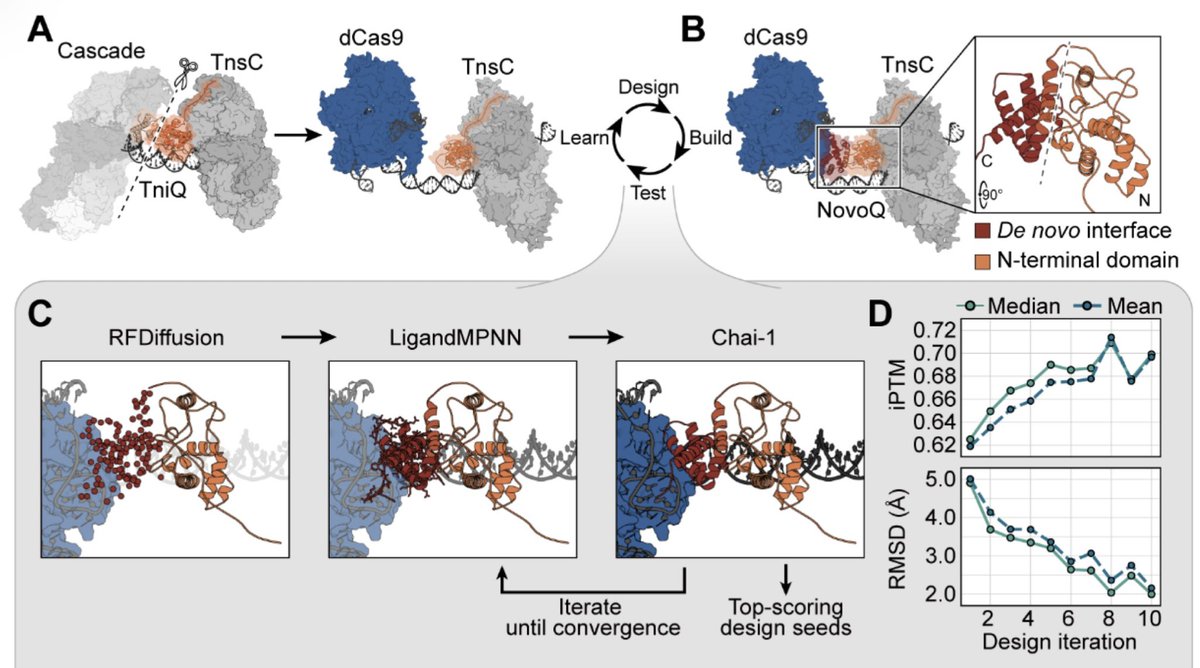
Excited to finally share our preprint! 🧬🚀
Really grateful for the amazing teamwork with Giada Finocchio, @SternbergLab, @Michael__Sch and Martin Jinek 🙌
May 21

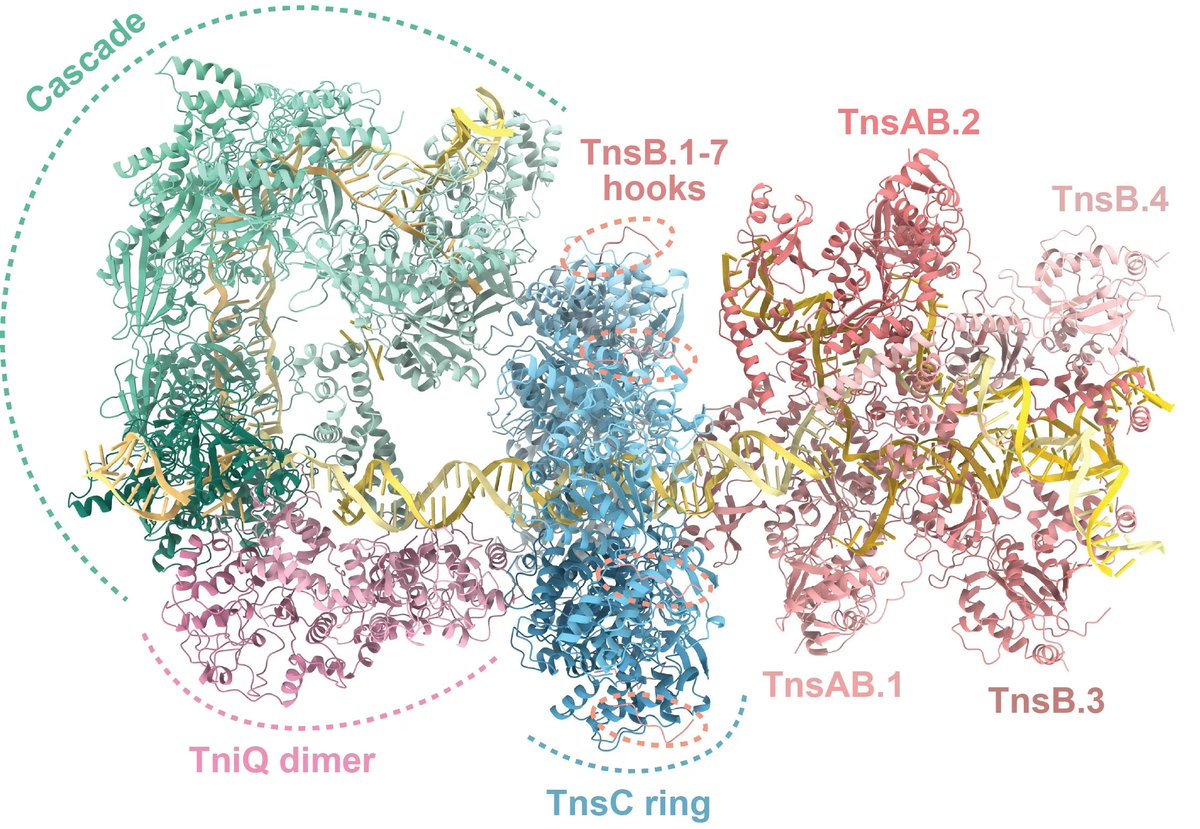
1/8 🚨 New preprint from the @SternbergLab & Jinek labs! CRISPR-associated transposases (CASTs) insert large DNA cargoes at precise genomic locations — no double-strand breaks needed.
1
3
12
2,612
Martin Pacesa retweeted

May 21
🚀 Excited to share our new work: Absolute Stability Predictor!
📊: forms.gle/4ZnXZSnTBvaykkAi9
Built the MGnify Stability Dataset (1.8M measurements) and developed stability prediction models, together with @grocklin, @KotaroTsuboyama, @sokrypton, and teams.
5
62
232
38,967
Martin Pacesa retweeted

21
82
7,919
Martin Pacesa retweeted
Crystal structure of the HIV Apex neutralizing Fab Q12QBM-007 (PDB code: 9PZ2) #scivis #molecularart @dzine_ai @proteinimaging
behance.net/gallery/24957580…
2
14
743
Martin Pacesa retweeted

May 13
Excited to share our paper in @ScienceTM!
Together with @Francesca_Pietr as co-first author, we used in vivo prime editing to correct a pathogenic SCN1A mutation in a GEFS mouse model.
Huge thanks to all co-authors for their work!
doi.org/10.1126/scitranslmed…
2
8
19
2,768
May 13
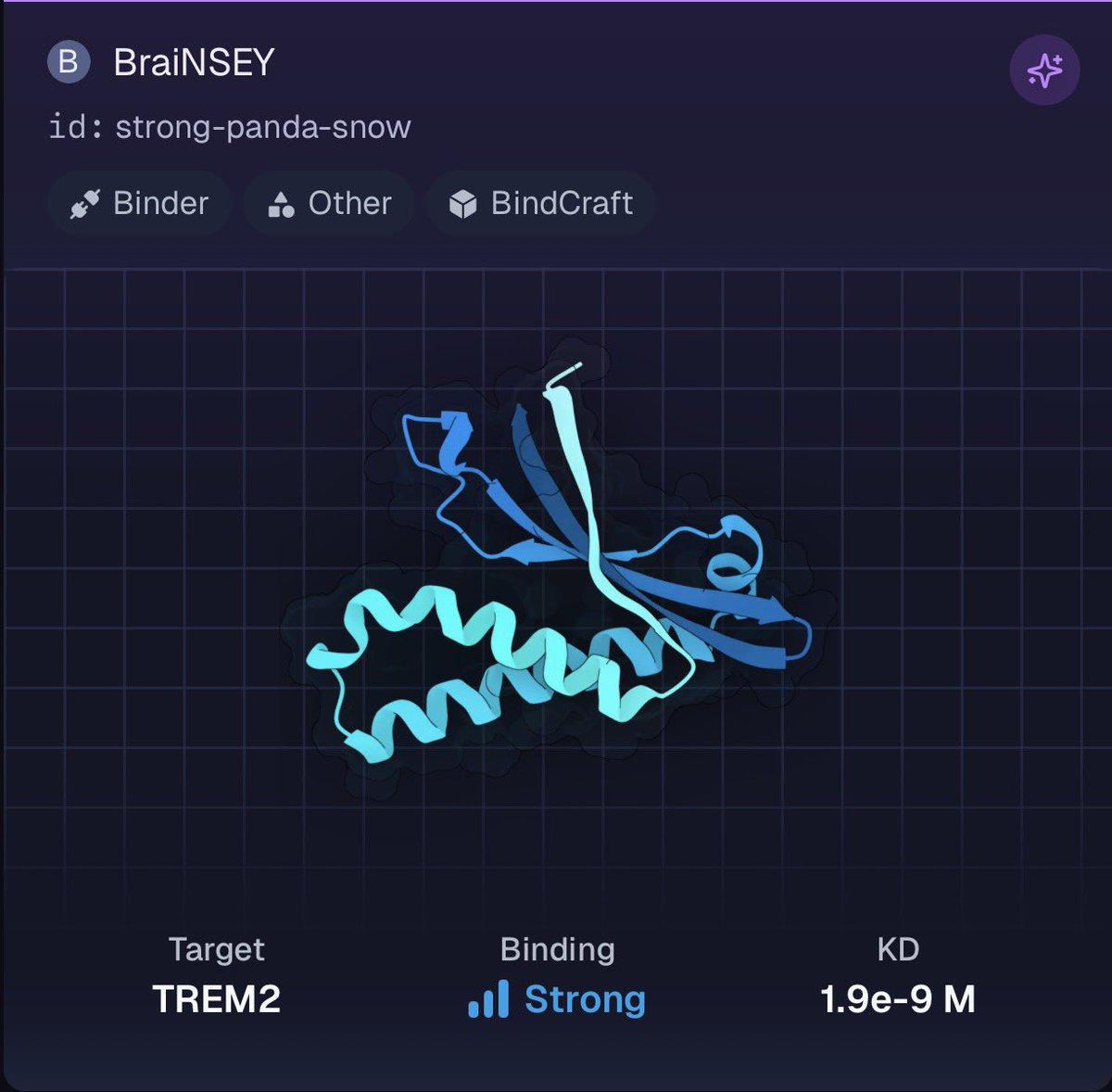
The 2 nM BindCraft design is pretty cool
May 13

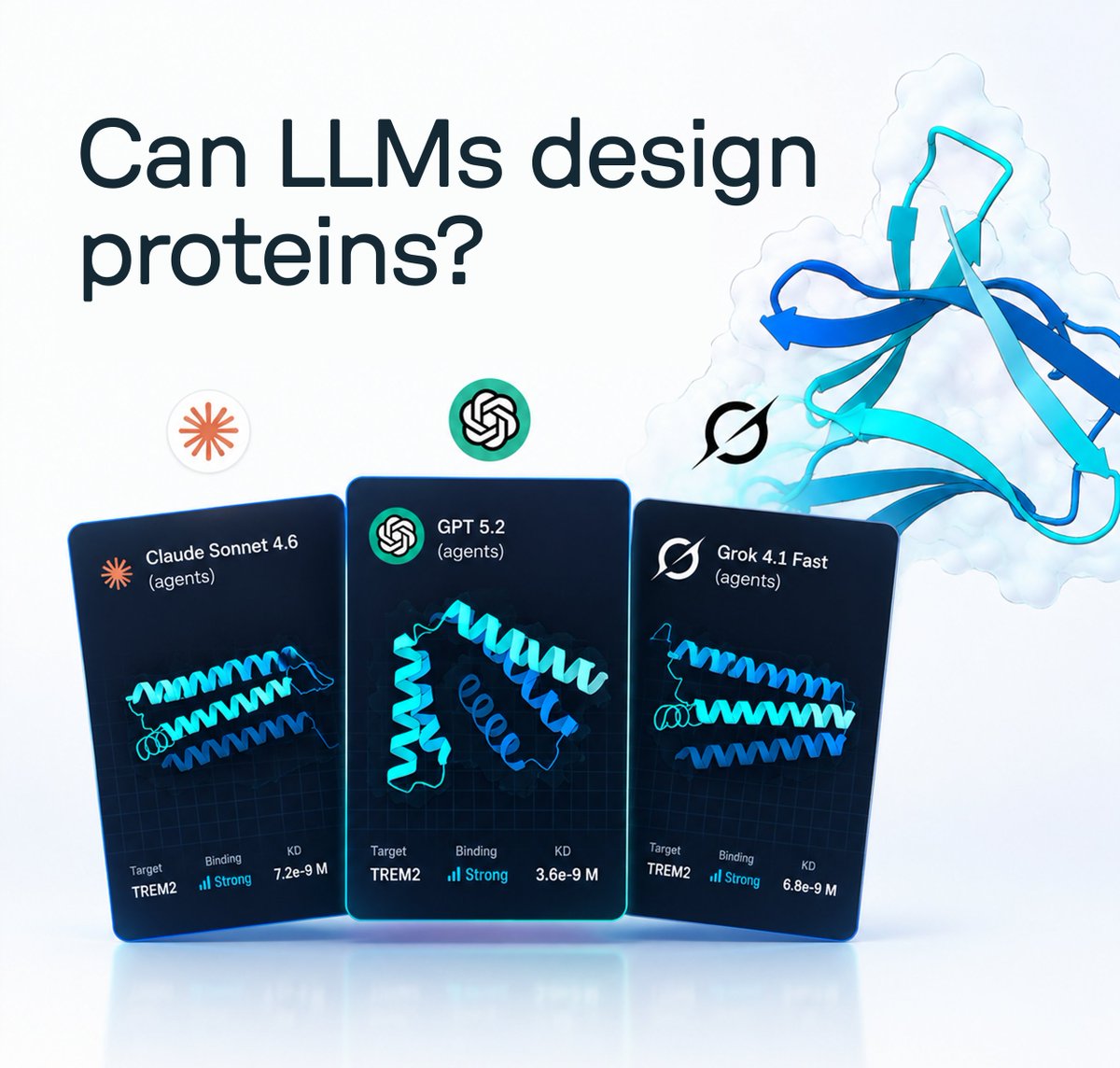
What happens when you let frontier LLMs design proteins, and then synthesize and test them in a wet lab?
We ran a protein design competition with @muni_bio where AI agents competed against humans to design molecules that bind TREM2, a key receptor linked to Alzheimer’s.
Results: GPT 5.2 and Grok 4.1 both placed in the top 5, with molecules showing strong binding to TREM2 when tested in our lab.
3
16
102
8,874