
My novel “The Light Runner” available everywhere now!
Joined June 2011
- Tweets 13,043
- Following 4,072
- Followers 24,032
- Likes 77,414
141 Photos and videos








Pinned Tweet

7 Jul 2025
Link to my novel The Light Runner is below. If you’ve read it and love it, please leave your 5 ⭐️ review on @amazon. They go a really long way. Thank you! a.co/d/9TubWG7
11
21
74
16,773

Ally Walker retweeted

Jun 11
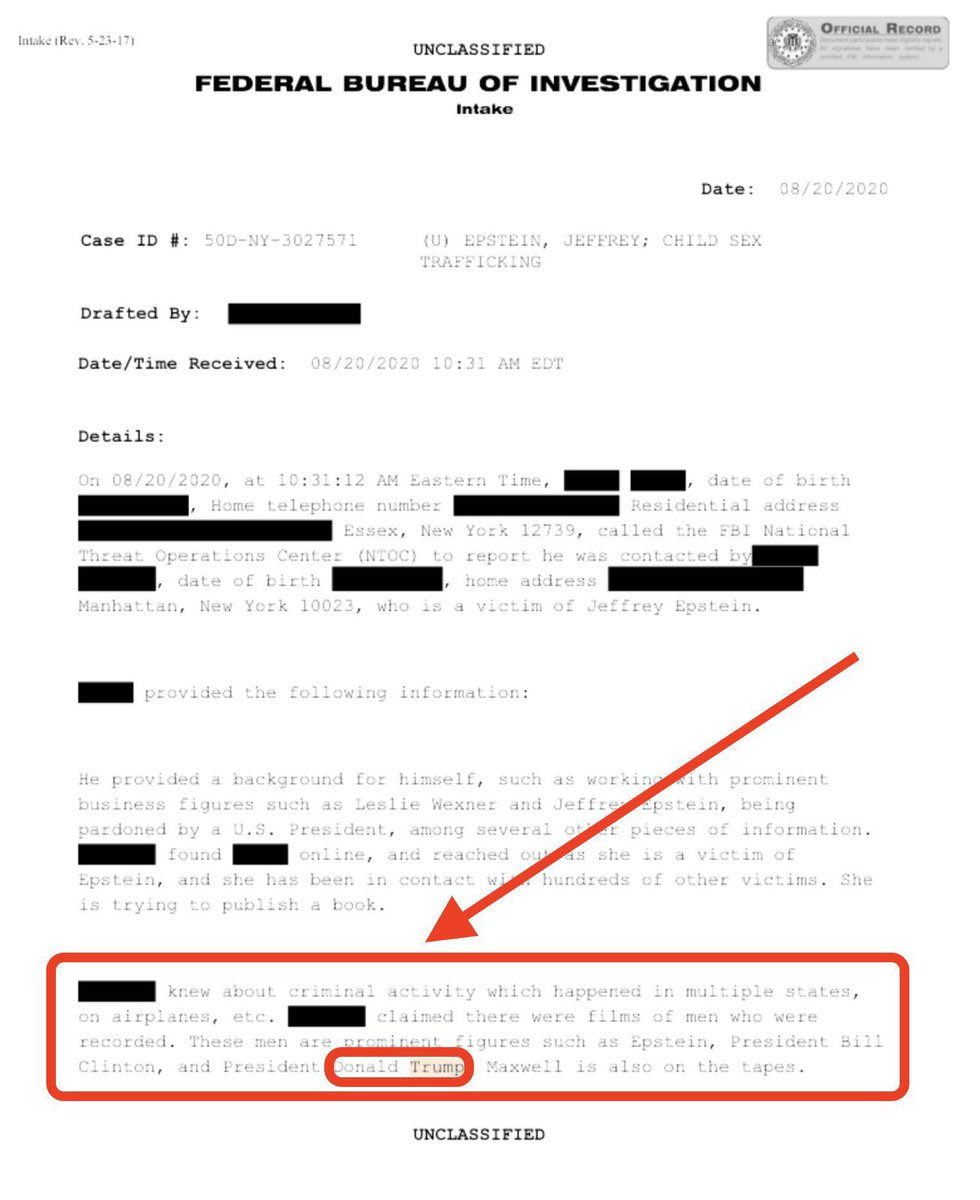
Bill Gates says Jeffrey Epstein was blackmailing him.
So you know he was blackmailing Donald Trump.
Because there are tapes.
107
2,556
5,961
40,706
Ally Walker retweeted

Jun 11
“Adam Hoffman—an admitted child molester—is a registered sex offender in Nebraska but doesn’t have to register in Texas because Ken Paxton gave him an Epstein-style sweetheart deal. He put the well-being of pedophiles over the safety of Texas children." 😡 chron.com/politics/article/a…
61
2,831
5,128
46,143
Ally Walker retweeted

BREAKING: Undercover footage shows the nightmarish warehouse cells where NYC carriage horses are trapped in deplorable conditions when not in dangerous NYC traffic.
These poor animals have a HORRIFIC LIFE of walking the busy streets , in and out of congested traffic in hot and cold temperatures. These horses NEVER touch grass, never graze in pastures and no socialization with other horses .
They have NO pasture for grazing and interacting with other horses as herd animals NEED to be healthy and they are denied proper veterinary care.
THIS HAS TO STOP. TAKE ACTION BELOW TO END THIS ABUSE.
Everyone can call NYC Council Health Committee Chair Lynn Schulman at 718.544.8800 and press 0 to leave a message to ask her to cosponsor and fast- track #RydersLaw Intro 967 to end this criminal horse abuse!
NEW YORKERS: please make a quick call or send an email to your own New York City COUNCIL MEMBER urging them to POST sponsor and pass intro 967,
#RydersLaw.
#CentralPark #BanHorseCarriages #centralparkcarriagerides #nychorses #nyctourism #CentralPark #BanHorseCarriages #NYClass
#centralparkcarriagerides #nychorses #nyctourism #RydersLaw
🎦 Credit: Unbridled Heroes.
762
6,108
10,239
350,471
Ally Walker retweeted

The CDC just declared a national emergency for the screwworm spread. @repgabeevans @RepCiscomani you should be screaming about this threat potentially headed to your district's farms. Trump and DOGE brought this on your agriculture industries.

AZ and CO Farmers: you're directly in the line of fire of screwworm spread, and @repgabeevans and @RepCiscomani put you there. They voted with Trump and DOGE to cut the screwworm monitoring programs that meant to prevent what is happening to our agl communities.
114
2,526
5,907
112,487
Ally Walker retweeted

Jun 11
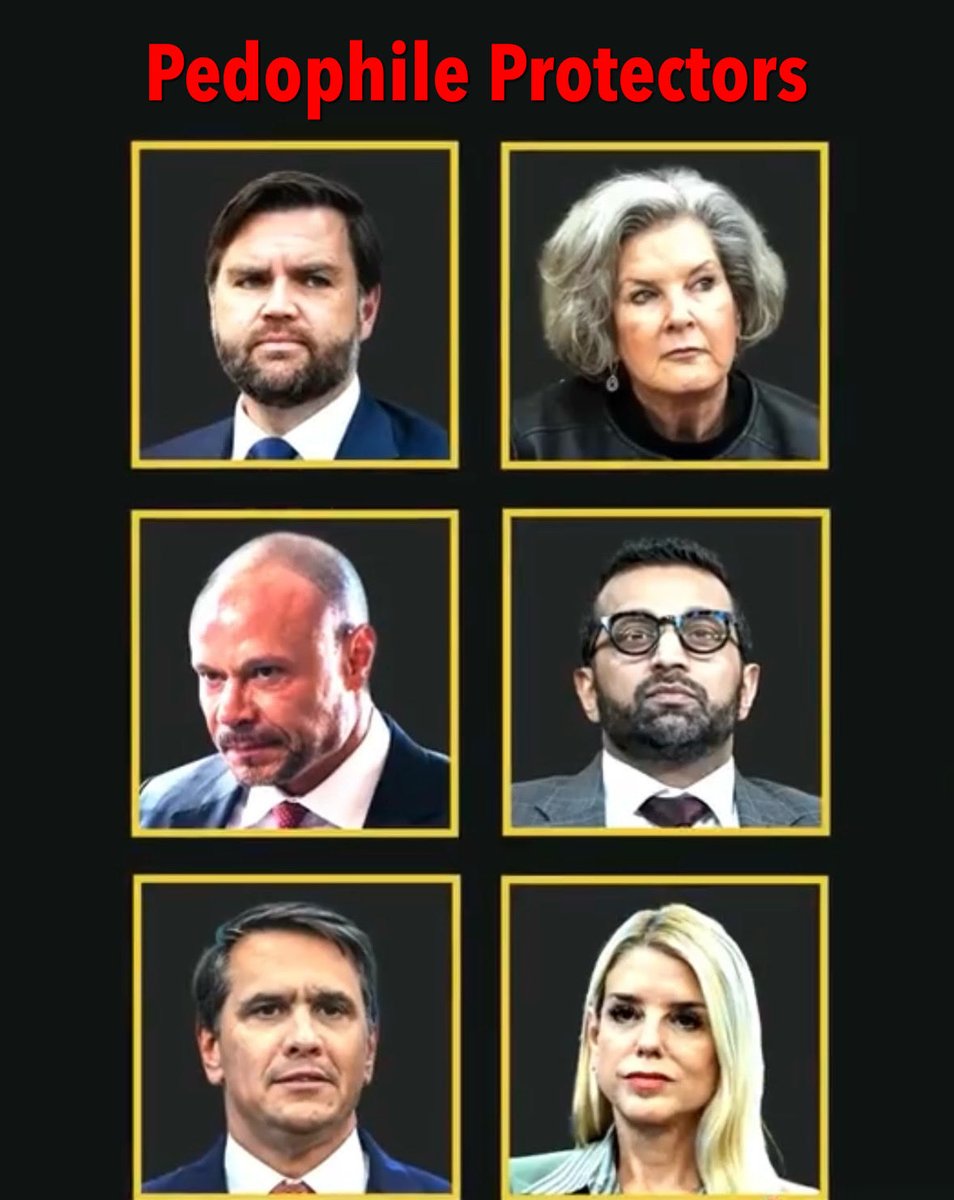
The pedophile protectors who gathered secretly in the Situation Room to cover up Trump’s alleged sex crimes against minors.
656
14,309
26,512
223,483
Ally Walker retweeted

Jun 11
On August 30, 2015, @MotherJones published an article about Trump Modeling Management, which was Trump's modeling agency for underage girls that was active from 1999-2017.
Trump Model Management built a systematic machine of exploitation: luring aspiring models from around the world with false promises of stardom, then trapping them in a web of abuse. Girls as young as 14 were placed on tourist visas and told to lie to customs, packed into overpriced bunk-bed apartments, buried under fees that stole up to 80% of their earnings, and left broke despite promised six-figure contracts. This wasn't a few bad deals — it was the business model. One model described it as modern-day slavery.
I would say this business is a blueprint for the Tate Brothers' business of owning and exploiting underage girls by trafficking them in the porn industry. Both Trump and the Tates are basically doing the same thing, luring women, trapping them in a foreign country, and sexually exploiting them mercilessly under false pretenses while robbing them for all they're worth.
motherjones.com/politics/201….
85
3,902
5,982
69,300
Ally Walker retweeted

Jun 11
People will literally die in agony because of this. These people are monsters.

Trump froze Medicare enrollments for home health and hospice providers — immediately, no warning.
Seniors and disabled Americans needing care at home are now blocked from getting it.
They call it “anti-fraud.”
We call it what it is: abandonment.
#TrumpMakesUsSick

132
2,864
6,517
99,608
Ally Walker retweeted

Jun 11
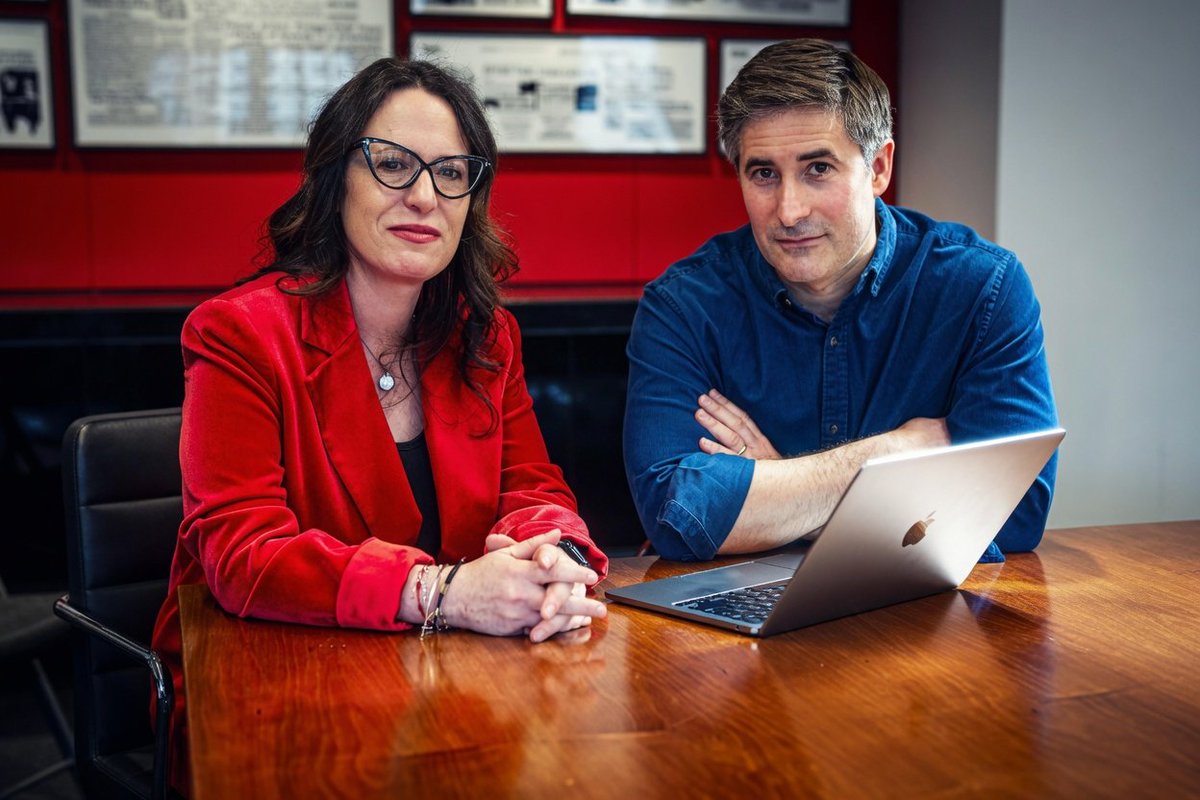
New York Times investigative journalists Jonathan Swan and Maggie Haberman are this generation's Woodward and Bernstein.
This story is Trump's Watergate and it's about to EXPLODE:
Vice President JD Vance, White House Chief of Staff Susie Wiles, former Attorney General Pam Bondi, Deputy Attorney General Todd Blanche, White House Counsel David Warrington, FBI Director Kash Patel, Deputy FBI Director Dan Bongino, White House Press Secretary Karoline Leavitt, and former Deputy Chief of Staff Taylor Budowich converted the hallowed Situation Room — America's nerve center for real threats and decisive action — into a pedophile protection racket, where top officials huddled to cover-up the Epstein files scandal and protect a president who used to rape children for fun.
1,544
8,859
22,107
756,835
Ally Walker retweeted

Jun 11
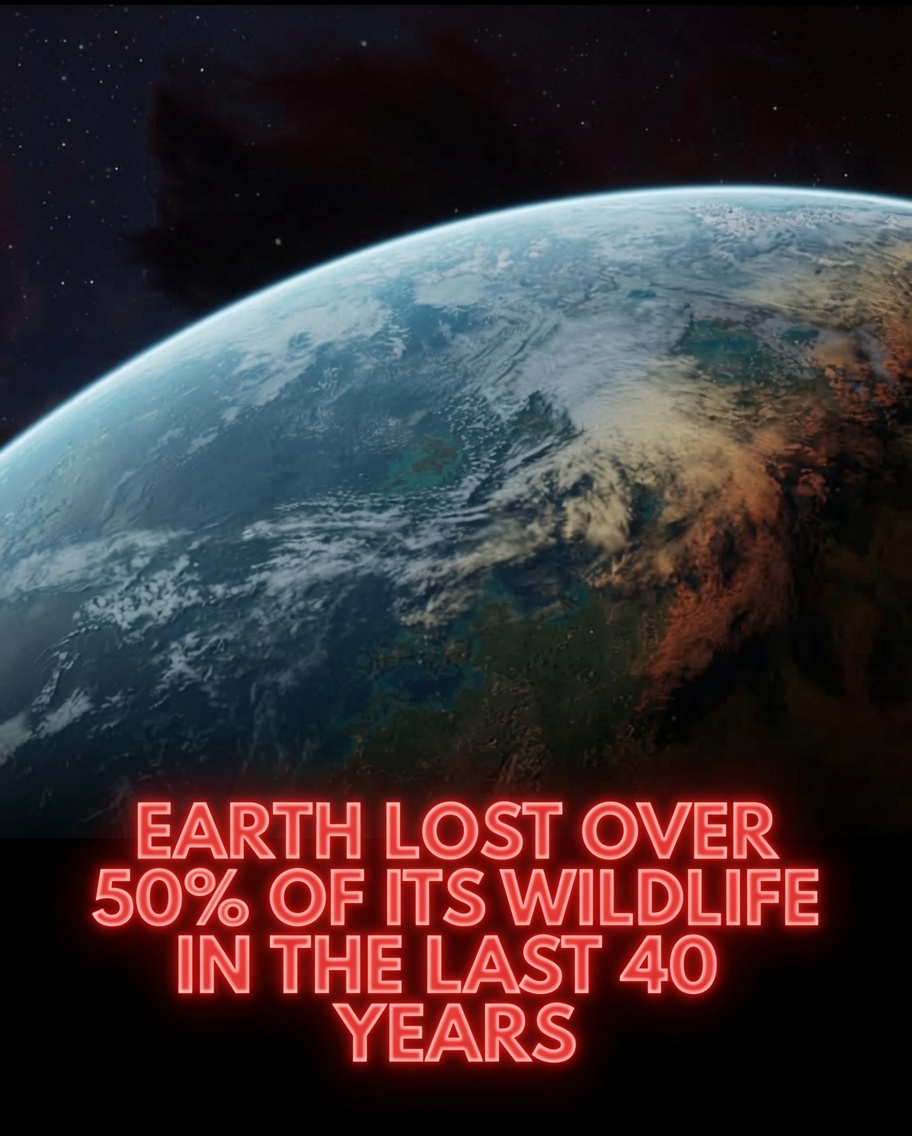
A major new report warns that global wildlife populations have been cut in half in just four decades due to unsustainable human consumption and widespread habitat destruction.
According to the Living Planet Report by the World Wide Fund for Nature (WWF) and the Zoological Society of London (ZSL), average monitored wildlife populations declined by 50% between 1970 and 2010.
The Living Planet Index, which tracked more than 10,000 populations across roughly 3,000 vertebrate species, paints a sobering picture of humanity’s impact on biodiversity. Freshwater ecosystems were hit hardest, suffering a 75% decline due to pollution, water extraction, and dam construction. Terrestrial and marine populations both fell by around 40%, driven by habitat loss and overexploitation.
The underlying driver is humanity’s expanding ecological footprint. Global consumption already requires the resources of 1.5 Earths to sustain. This burden is highly unequal: the average U.S. resident would need nearly four Earths, while the average UK resident would require 2.5 Earths. Wealthier nations often export their environmental impact through imported goods linked to deforestation and habitat destruction in developing countries.
The report calls for urgent global action, including a shift to sustainable food systems, greater resource equity, and stronger habitat protection to reverse these trends.
[WWF. (2014). Living Planet Report 2014: Species and spaces, people and places. World Wide Fund for Nature, Gland, Switzerland]
92
661
989
30,440
Ally Walker retweeted

Jun 11
This is why the rich and powerful fear him.
76
2,401
16,424
100,155
Ally Walker retweeted

May 26
Trump's frequent trips to Walter Reed raise new questions about Joe Biden's health.
166
2,806
26,246
555,639
Ally Walker retweeted

Jun 10
Under the proposed merger, nearly 50% of Paramount-Warner Brothers would be foreign-owned, including by Saudi Arabia, Qatar, and Abu Dhabi.
This deal could pose a national security threat.
357
1,879
5,181
95,780
Ally Walker retweeted

Jun 10
Donald Trump's policies are accelerating Social Security’s insolvency.
Here’s a common-sense solution:
My bill would fund Social Security for the next 75 YEARS by making the wealthy pay their fair share — and EXPAND benefits at the same time.
It’s time to act.

Social Security is on track to become insolvent by the end of 2032, putting benefits at risk of a 22% cut. cbsn.ws/4umfAHh
3,089
2,413
6,464
228,366
Ally Walker retweeted

Jun 10
The Trump administration is dismantling the Ocean Observatories Initiative, a key monitoring system for tracking the climate crisis.
Policy expert David Helvarg calls it "the most advanced system for understanding the deep ocean," which was set to continue operating for at least another 15 years. He says the Trump administration, however, is more focused on oil drilling and deep-sea mining, treating the ocean "as a gas station and a garbage dump."
27
844
1,301
21,446
Ally Walker retweeted

Jun 10
Jennifer Welch: “There is credible information in the Epstein Files by a 13-year-old girl, she claims under oath that she was assaulted by the sitting president. All these MAGA Christians, Erika Kirk and her harem of pro-pedophilia women never speak out for victims of sexual assault. They never speak out about crime when it’s one of their own because they believe in nothing other than white men getting power”
938
9,551
32,450
663,684
Ally Walker retweeted

Jun 10
Journalist Katie Phang's lawsuit against Todd Blanche and the Justice department over the withholding of Epstein files, may force Todd to comply in releasing the remaining files. Watch her do it. She is fearless.

641
9,559
35,465
201,612