
Writing UK 2.0, a newsletter about tech & politics in Britain 📩 | Freelance editor & journalist | Editorial at @britishprogress | Header @dancoxdesign
Joined June 2011
- Tweets 9,074
- Following 4,825
- Followers 5,139
- Likes 13,042
1,169 Photos and videos






Alys Key retweeted

Jun 11
Fun fireside with @collision at Stripe Tour London yesterday.
- Fable hot takes
- Running an org in the AI era
- Why the EU/UK suck at tech
Full thing here:
youtube.com/watch?v=70kWqOOW…
2
7
13
266,483
Alys Key retweeted

we missed you last night at the powerpoint party claude dinner substack reading a16z new media summit demo night vibe coding hackathon new york tech week launch event pitch and run club builder panel yc office hours
7
7
192
11,959

Alys Key retweeted

Jun 10
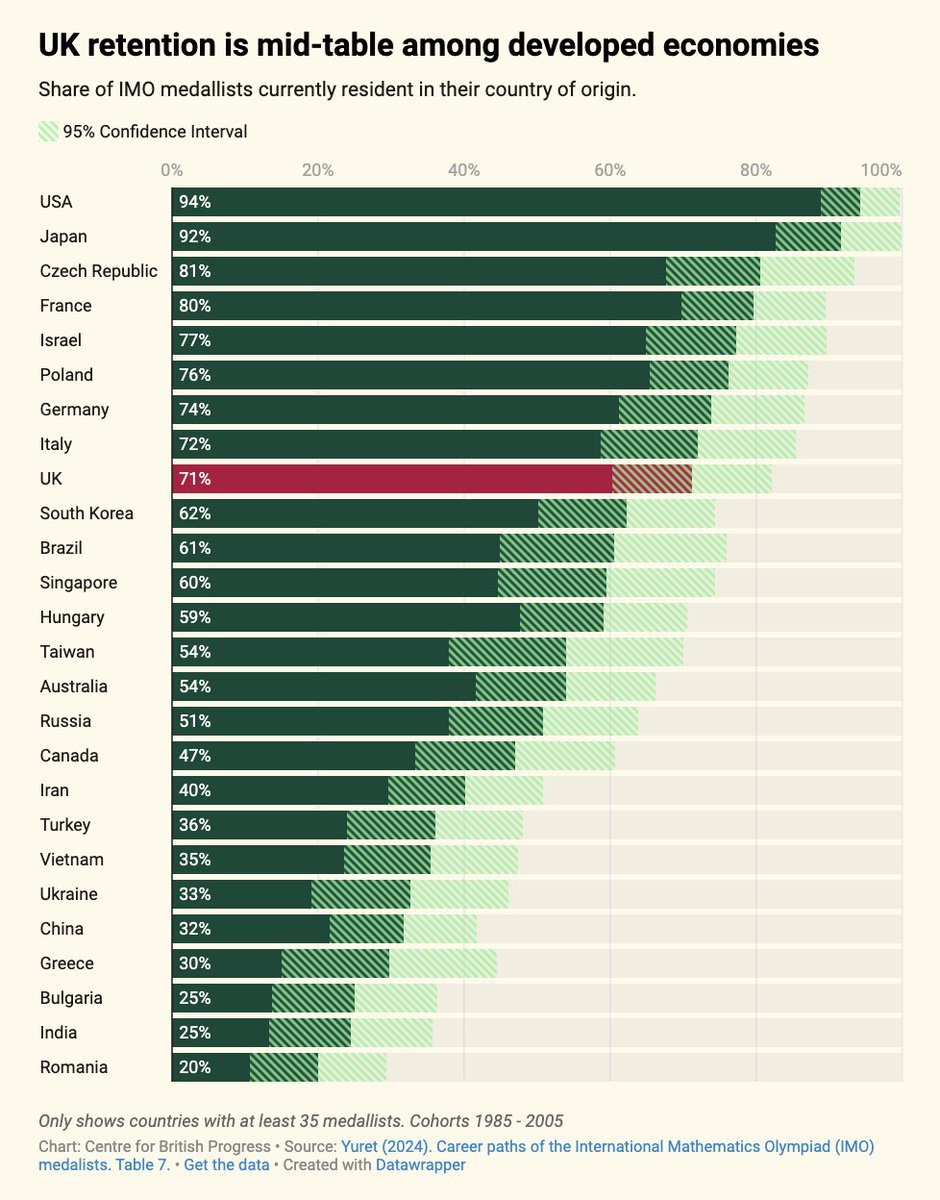
I’ve recently been worried about brain drain for a very selfish reason. A lot of my friends have been leaving (you know who you are). I couldn’t tell if my concern was bad reasoning from anecdotes so I tracked one group of exceptional Britons you can actually follow individually: International Mathematical Olympiad medallists.
These are not normal teenagers. ~3% of IMO winners go on to win major scientific prizes (60x the rate of MIT alumni). The UK's medallists include two Fields Medallists, the designer of the chip in 99% of the world's smartphones, and the inventors of public-key cryptography.
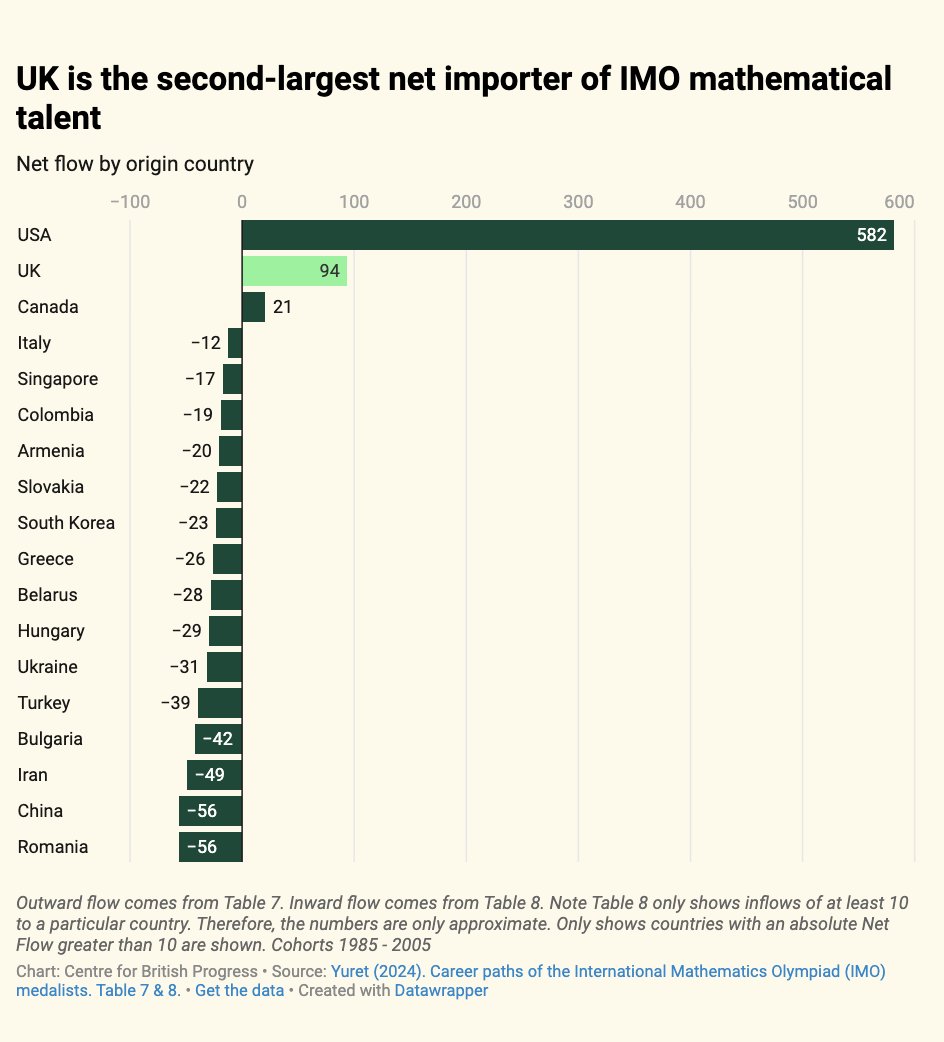
The headline number says I am wrong to worry: 71% retention and the UK is the second-largest importer of IMO talent globally after the US.
But look closer and you see:
1. The most recent settled-career cohort shows the lowest retention on record.
2. Before 2016, not a single UK medallist did their undergrad abroad. Since then, two have. Both went to MIT.
3. Of British medallists in industry, only 33% work for a British firm. The modal employer is Anthropic, OpenAI, or Jane Street.
4. Leaving is individually rational. IMO alumni who moved to the US were up to 6x more productive than equally talented peers who stayed home. The UK multiplier is 2-3x. The individual-optimal and nationally-optimal choice are not the same thing.
So was I right to worry? Too early to say. The data is consistent with both a structural shift and noise. But the laments of brain drain are not obviously wrong.
Full piece: substack.com/@britishprogres…
(A note on statistical validity: we send six kids to the IMO a year, so some of these figures rest on analysing small numbers. This is enough to see the shape of things but not enough to lean hard on any percentage.)
May 14

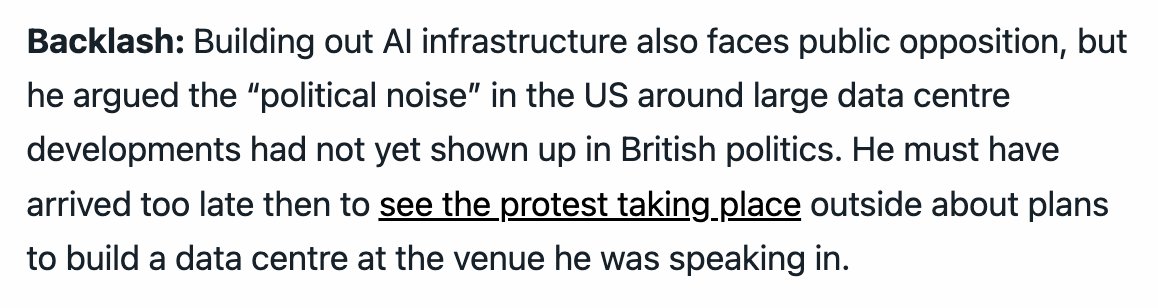
Every time I ask an AI researcher if they are bullish on British talent, they say that – despite all the headlines about new offices and expansions – all the best researchers they know are leaving the country (unless they have families here).
I genuinely don't know if this is leaky X vibes or something the data would bear out. Sadly we have few good ways to track top-talent migration in or out of the country.
11
39
304
42,230
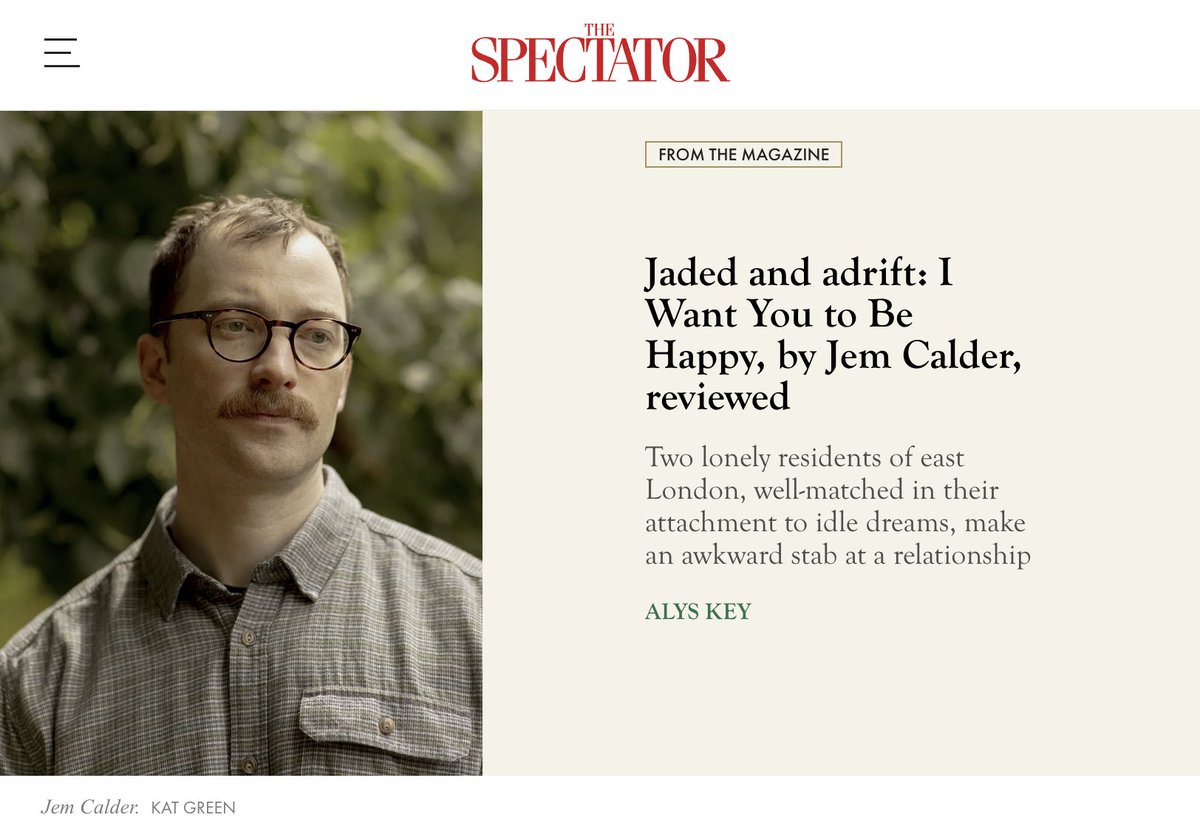
For @spectator, I reviewed the new novel by Jem Calder. I liked how it captured a recognisable contemporary figure: a man in stasis while the women around him try to move forward, try to build lives.
1
11
1,012
Also enjoyed the minutiae of a 2020s, WFH, East London lifestyle and how Calder uses those trappings to underscore the smallness of his characters' lives, despite the expanse of the city around them.
Full review here: spectator.com/article/jaded-…
2
358

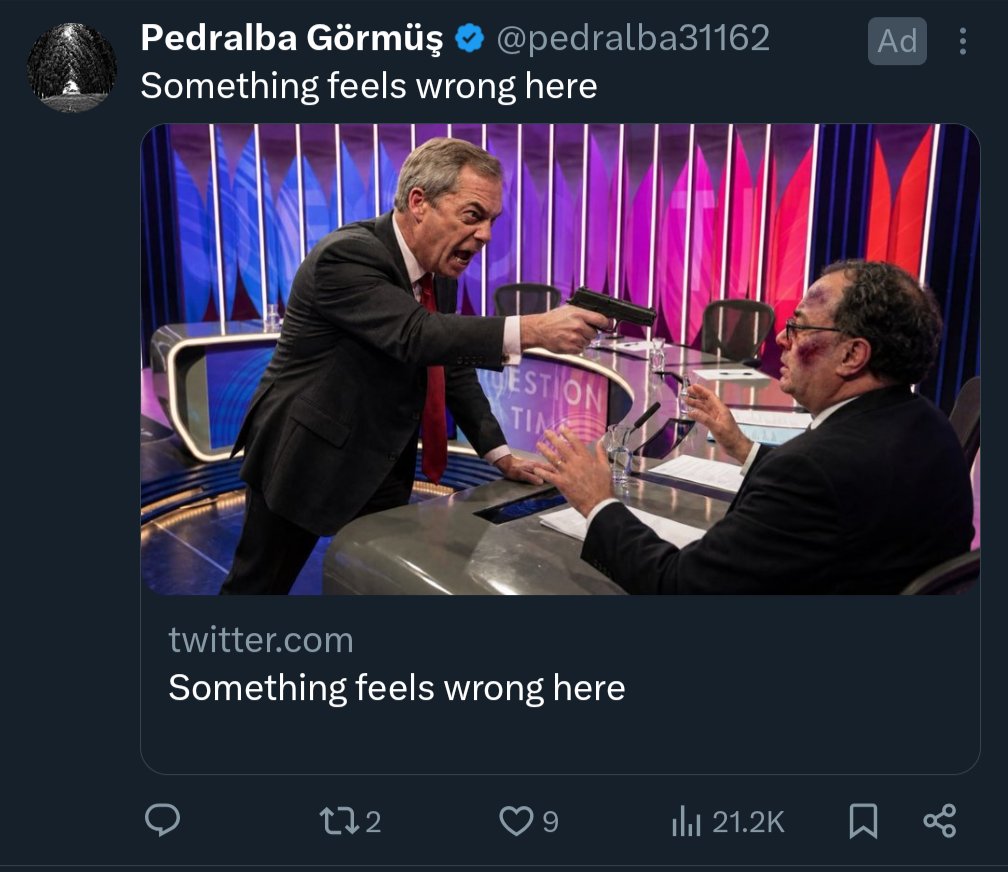
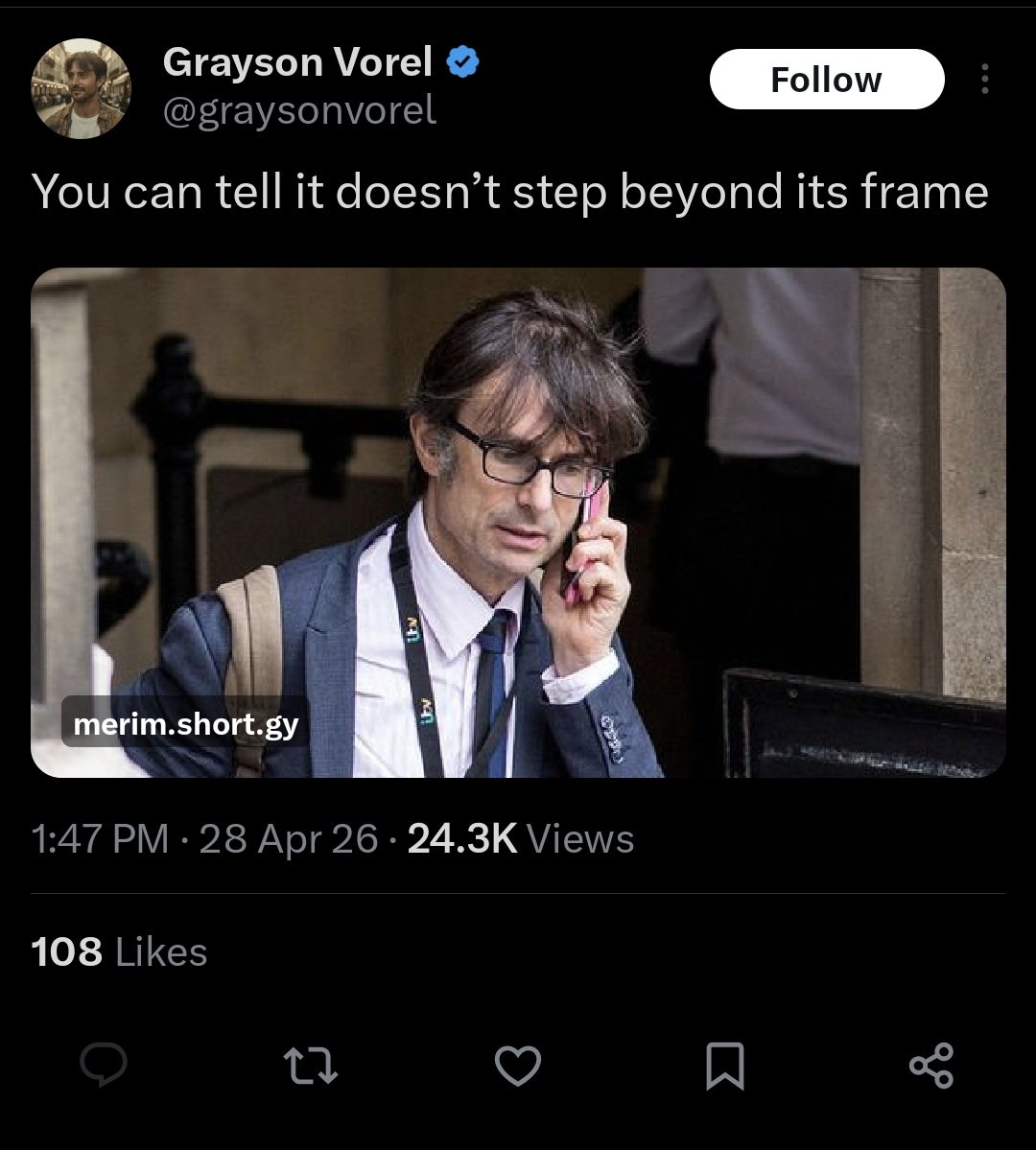
This whole thing has been a good litmus test for how many people recognise the Governor of the Bank of England

Just had 4 Nigel Farage attacking someone ads in a row, all within about 30 seconds.
Why is this happening?



2
2
53
5,416


Alys Key retweeted

Jun 7
yes i am microdosing employment (freelance)
2
11
1,348
Alys Key retweeted

Jun 4
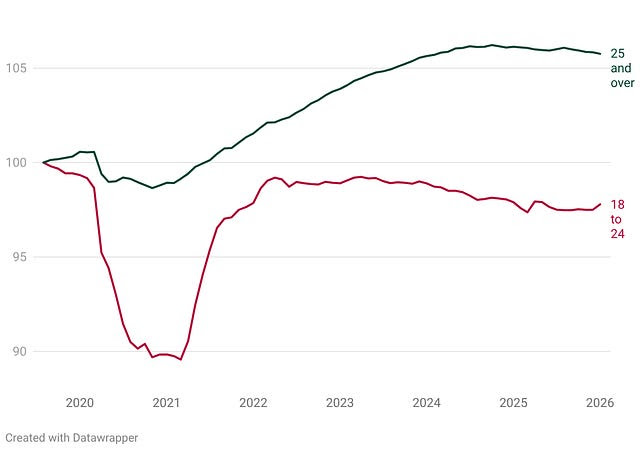
The discussion of the impact of AI on entry-level white-collar jobs has become somewhat cliché now, and with good reason: junior hiring is down 14% to 29% across the US, UK, Canada and Australia.
The most cited research explores whether generative AI is the main cause, which keeps putting the AI displacement story in the headlines.
But a new paper argues that bad news for entry level roles are likely misattributed to AI - something else could be driving what seems like its consequences for junior workers.
x.com/pj_lambert/status/2057…
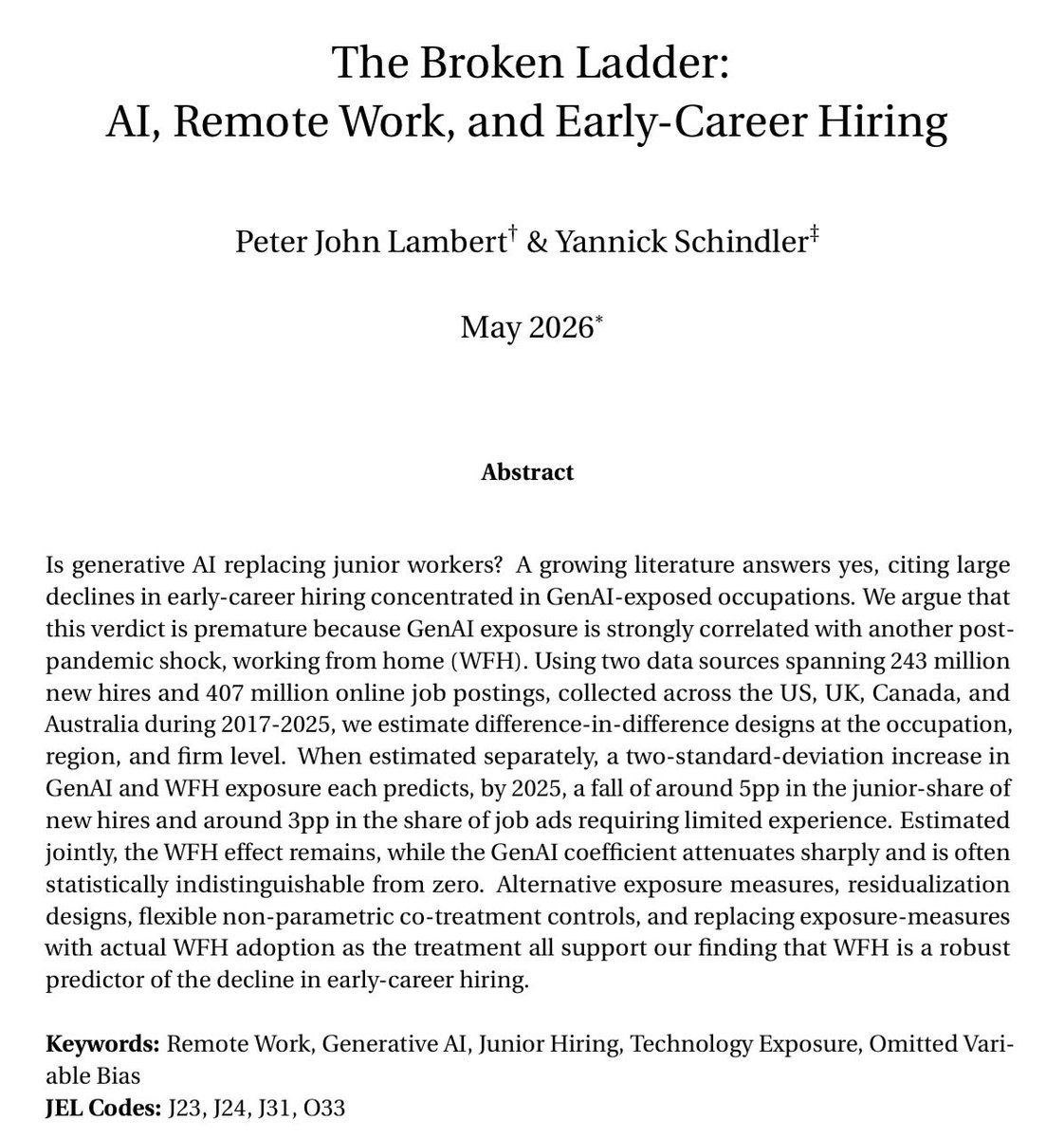
Economists Peter Lambert and Yannick Schindler point out that the occupations highest on AI exposure are broadly also the ones with highest exposure to the availability of working from home arrangements: software, finance, professional services, or accountancy.
When they include both shocks in their analysis, the WFH effect remains statistically significant; the AI effect does not .
What drives this is what the office does for workers still building up their human capital; the acquisition of expertise and know-how about their jobs.
Randomised trials of in-person versus remote work find office workers about 18% more productive than home workers, with two-thirds of the gap there from day one and the rest opening up because office workers learn faster.
Sitting near teammates raises the digital feedback engineers get on their code by 18%.
Some workers and companies are more productive when working from home is an option: hybrid work can be a big win for workers already established in their careers. They had their formative years in the office, and they now have the senior colleagues, the network and the tacit knowledge that let them be productive from home.
But there is now a cost that is borne almost entirely by the cohort that hasn't yet been given the same opportunities to build up their careers.
There is an uncomfortable implication in all of this. The workers with the most to gain from time in the office are also the ones with the least say in whether they get it. The current arrangement is largely determined by workers and companies that have adapted to hybrid forms of work, not those who may need the ability to acquire work experience the most to benefit from automation.
The argument from Part I of this puts this in sharper relief: AI struggles most with the parts of work that depend on tacit knowledge, the contextual judgement that has to be transferred in person.
britishprogress.substack.com…
Younger workers building human capital under hybrid are accumulating less of the kind of knowledge AI is worst at substituting for, and so will face a higher automation risk over time, as the technology evolves.
If the UK is to be prepared to capture and distribute the gains this new technology will bring, it needs to give young workers a better chance of harnessing these benefits.

May 21

Is GenAI causing the relative decline in early-career hiring? Our latest research finds that these effects may be conflated with another important driver: the rise of WFH arrangements (1/N)
3
4
13
1,518
What if neopets... were for work

We’re thrilled to lead Town’s $55M Series A.
Town is a personal AI assistant that works across the tools you already use - email, calendar, Slack, docs, WhatsApp, desktop, web. It learns how you work and starts proactively pitching in.
People are already leaning on Town for the kind of work that’s personal and operationally messy: running recruiting pipelines, juggling school logistics, processing handwritten grant requests, prepping summaries, drafting follow-ups, catching the stuff that would otherwise slip.
The longer you use it, the more it picks up: your voice, your relationships, your preferences, your routines, what you actually care about.
Jean-Denis Greze and Tony Vincent are the right team for something this hard. JDG was CTO at Plaid and an engineering leader at Dropbox. Tony led product and AI at Google and design at Dropbox.
Welcome, JDG, Tony, and the Town team, to the a16z family.I
By @arampell and @venturetwins
1
4
572
Jun 3

Your CEO should be strong.
Your CTO should be wise.
Your COO should be wicked, cunning, of mysterious origins, fluent in the dark arts, blurry in pictures,
5
582