
Children's librarian who must know and do everything, even Twitter. Talks too much about Supernatural and COVID.
Joined April 2009
- Tweets 14,370
- Following 4,351
- Followers 607
- Likes 32,512
370 Photos and videos











amyreg retweeted

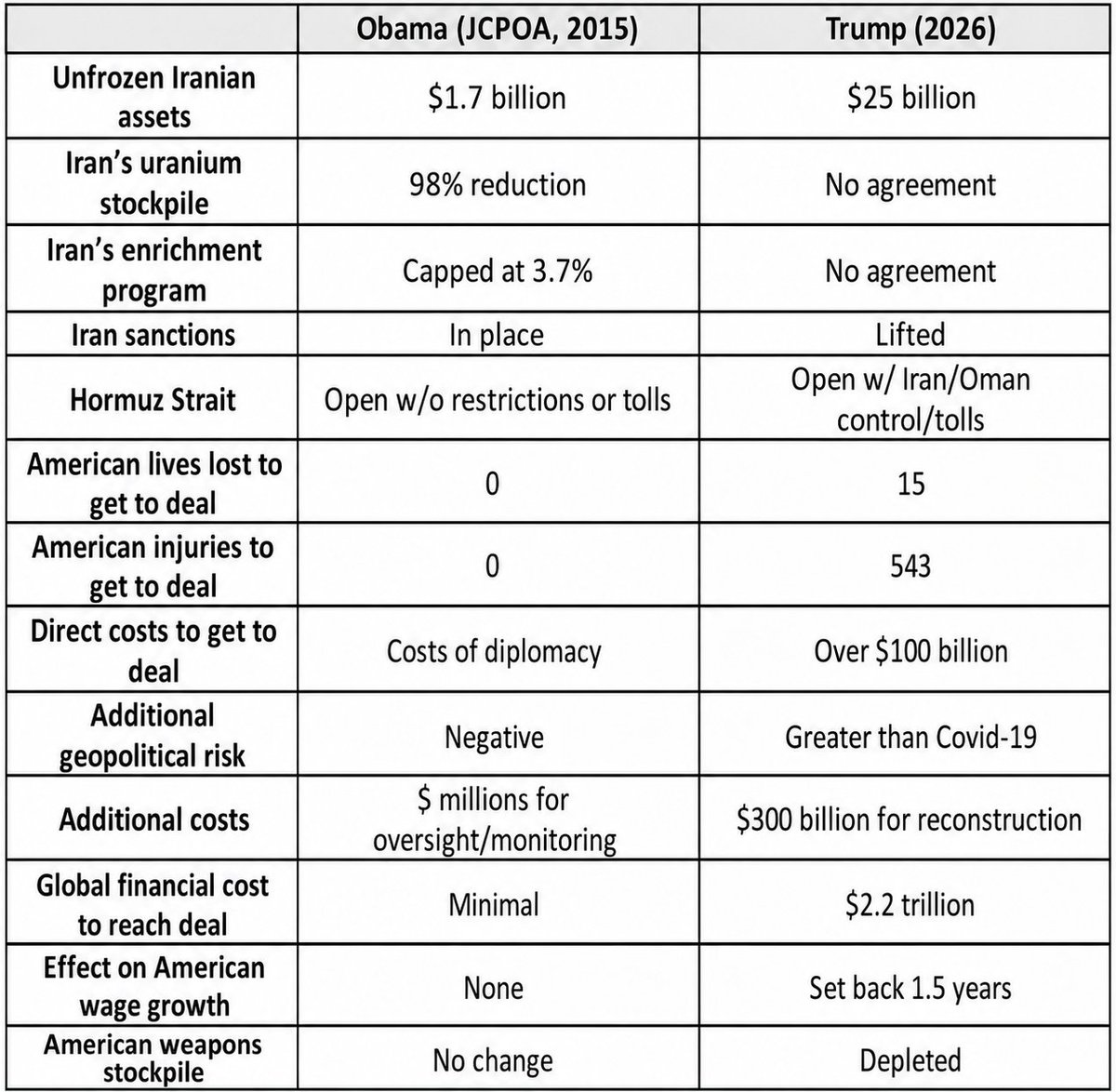
Understanding Trump's Surrender to Iran: A Quick Guide
217
2,371
4,955
269,388
amyreg retweeted

Jun 17
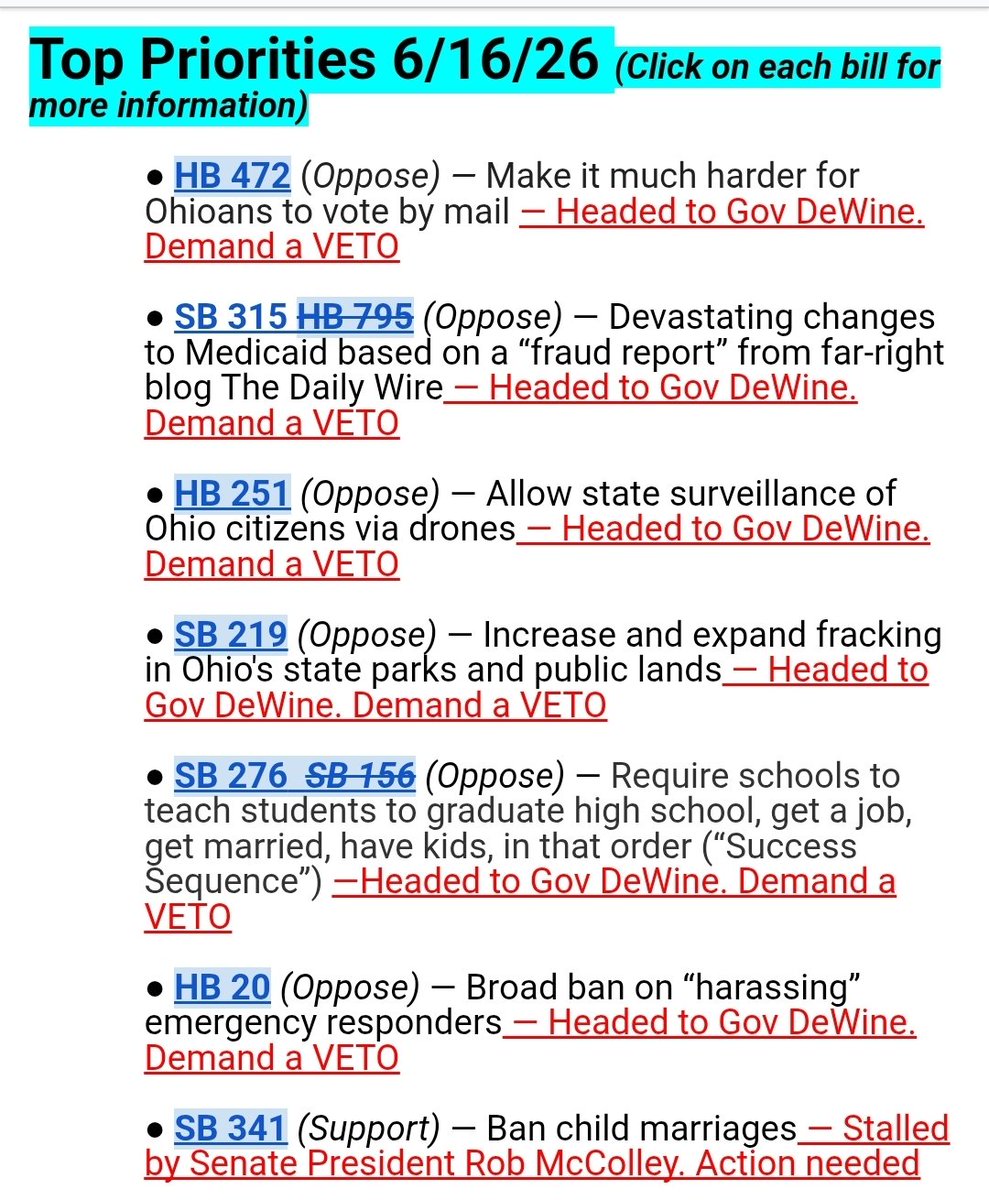
Common Cause wants veto of bill requiring Ohioans voting by mail to submit copies of their ID or go to an online portal
"If this bill becomes law, not only will many eligible voters be disenfranchised, voters’ personal information will be at risk in new and unprecedented ways"
1
17
27
1,987
RT @davetroy: @propublica And a small note re: Teneo, Josh Hawley (now R senator, MO) was a founder; Leo actually came later. Fair to say t…
77
72
RT @davetroy: And of course, there are other adjacent networks. Teneo, a group founded by Thiel, Evan Baehr, and Leonard Leo plotted to “cr…
104
DOUBLE FRICKIN BONUS: YA WON'T GET SHINGLES
Jun 15

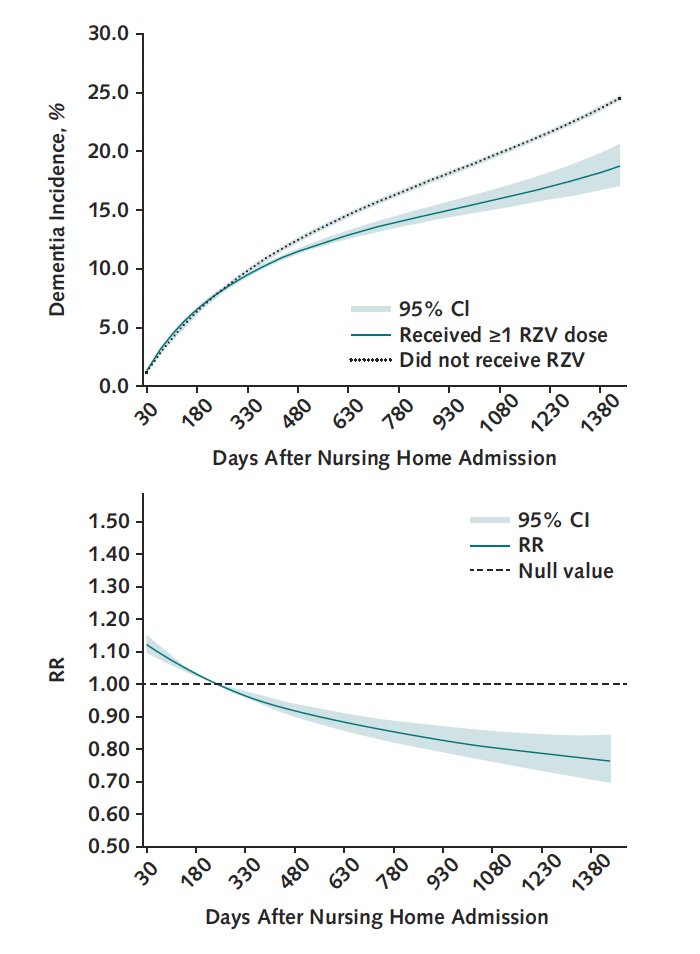
Yet another study shows a 24% reduced risk of dementia after the Shingles vaccine. This one in over 500,000 participants with a recent skilled nursing facility stay, adding to 4 huge natural experiments in 4 countries (US, Canada, Wales, and Australia)
acpjournals.org/doi/10.7326/… @AnnalsofIM
8
amyreg retweeted

The feds kidnapped 15 legal observers in Minneapolis and threw RICO charges at them. This is really really bad.
pbs.org/newshour/politics/fe…
104
738
1,705
92,415
amyreg retweeted

Jun 16
Confirmed again, for a fourth time: the greatest anti-dementia treatment ever discovered is the Shingles vaccine.
Jun 15
Yet another study shows a 24% reduced risk of dementia after the Shingles vaccine. This one in over 500,000 participants with a recent skilled nursing facility stay, adding to 4 huge natural experiments in 4 countries (US, Canada, Wales, and Australia)
acpjournals.org/doi/10.7326/… @AnnalsofIM
121
1,414
8,686
1,173,575
amyreg retweeted

Jun 17
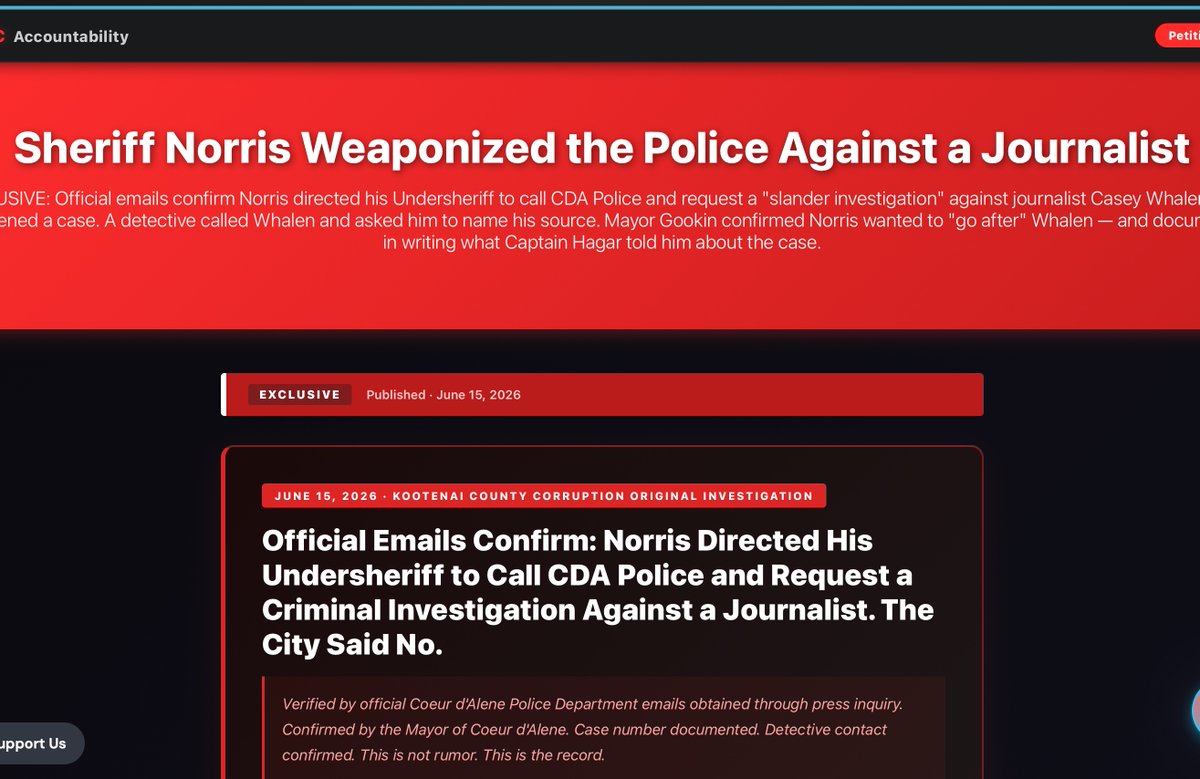
BREAKING: We have the emails. A sitting Idaho Sheriff used the police to hunt a journalist — and the Mayor of Coeur d'Alene put it all in writing.
In late May 2026, Kootenai County Sheriff Bob Norris directed Undersheriff Brett Nelson to call CDA Police Captain Dave Hagar and demand a criminal "slander investigation" against journalist Casey Whalen.
CDA PD opened Case 26C22196.
A detective called Whalen and demanded he reveal a confidential source.
Whalen said no. Idaho law is on his side.
Then Mayor Dan Gookin called Captain Hagar himself to find out what was going on. What Hagar told him — and what Gookin put in writing — is the most important thing published on this page.
Read this slowly. These are the Mayor's exact words:
"He informed me that it was not Sheriff Norris in the red truck. Norris was out of the county. It was a medical incident. The driver is working or has worked in the Sheriff's office. That the Sheriff wanted to 'go after' Casey Whalen..."
Let that sink in.
The Police Captain told the Mayor of Coeur d'Alene — on the record — that the crash driver is someone connected to the Sheriff's office. That Norris wasn't in the truck. That Norris then wanted to criminally investigate the journalist who was asking about it.
This is not a leak. This is not a rumor. The Mayor of Coeur d'Alene wrote this down and sent it to us.
A Sheriff used law enforcement to go after a journalist who was covering a crash involving one of his former employee. Then the CDA Police Captain told the Mayor the whole thing.
Casey Whalen of North Idaho Exposed broke this story. We confirmed it with the official emails — and published every word.
Read the full investigation, see every document:
kootenaicountycorruption.org…
Jun 16

On May 16, 2026, a serious crash in Coeur d'Alene, Idaho, on the corner of Neider and HWY 95, involving former Kootenai County Sheriff's Deputy Kirk Kelso raised questions that lingered for nearly two weeks before authorities publicly identified the driver.
On May 28, 2026, twelve days after the incident, I sat down with eyewitness London Eden, who was working nearby when the crash occurred and was among the first people to reach the wrecked vehicle.
In this re-release, we revisit key excerpts from that interview, where Eden recounts what he saw, how he assisted Kelso after the crash, and the observations that fueled public interest in the case.
@KootenaiSheriff @KootenaiCounty @CDAgov @CdAPD
6
77
210
7,683
amyreg retweeted

Jun 15
I’m actually a child online safety expert and was one of the pioneers in this space with Club Penguin and so I feel uniquely positioned to critique this.
The groomer problem is real but it’s also vastly overstated. The far larger issue we saw at Penguin was suicidality or reports of sexual abuse in the home.
There is no solution for lazy/bad parenting. You can implement all the ID laws you want but if parents are going to just hand kids their phones unlocked, those kids will have access to all the same things the parents have unfettered.
What I found is that these draconian safety laws actually make it harder to be an honest operator of kids apps because on one hand it’s so much legal risk and so much user friction that it simply becomes uninvestible as a business.
Parents will just lie to let their kids use the unfettered internet. For example, I have a friend who works in mobile gaming who has two kids, one above and one below the age limit but separated by just 2 yrs, and the two wanted to play and chat together on Roblox - which is reasonable. To do this, he just verified that his younger kid is old enough for the chat feature when he’s not.
This happens all the time and will happen with these laws to. How far do we want to go with this? Scan the face of the user in real-time to make sure it’s not a kid using the device? We could do that but it feels like a massive unwanted intrusion of privacy.
That’s how you know this law isn’t about kids. COPPA and GDPR-K and so forth already make it illegal to allow chat and other grooming vectors to kids.
What’s really being done here is trying to eliminate online anonymity. And this is a far bigger issue that goes to core speech rights because if you cannot criticize the govt anonymously and if wrong speech is a crime then it becomes easy to identify all the detractors of the govt in power, and ban, fine or jail them for speech crimes.
Starmer has already been doing this and he wants to do it at a much bigger scale. Starmer won’t even acknowledge the problem of actual grooming gangs in Britain’s neighborhoods but he’s worried about online grooming?
No he’s not, and this hypocrisy gives away the game. What he wants is to kill online anonymity so he can enforce censorship of his unpopular policies. No politician should have this power.
Jun 15

My first instinct was to support the UK’s social media ban for under 16s.
Protecting children from grooming, exploitation and harmful content seems like common sense.
But I’m seeing a lot of opposition to it, so I’m genuinely curious as to why?
One thing making me second guess is that platforms like bluesky are exempt, while at the same time there’s a push to let 16 year olds vote. To me that looks less like child protection and more like controlling where young people get their information.
Interested to hear other perspectives.
155
5,412
21,169
842,201
amyreg retweeted

Jun 16
The Ohio Supreme Court recently blocked a permit for what would be the state’s largest solar installation. State lawmakers and other officials have now blocked more than 5.3 gigawatts of solar and wind projects in Ohio over the last dozen years ohiocapitaljournal.com/2026/…
19
85
112
4,700
amyreg retweeted

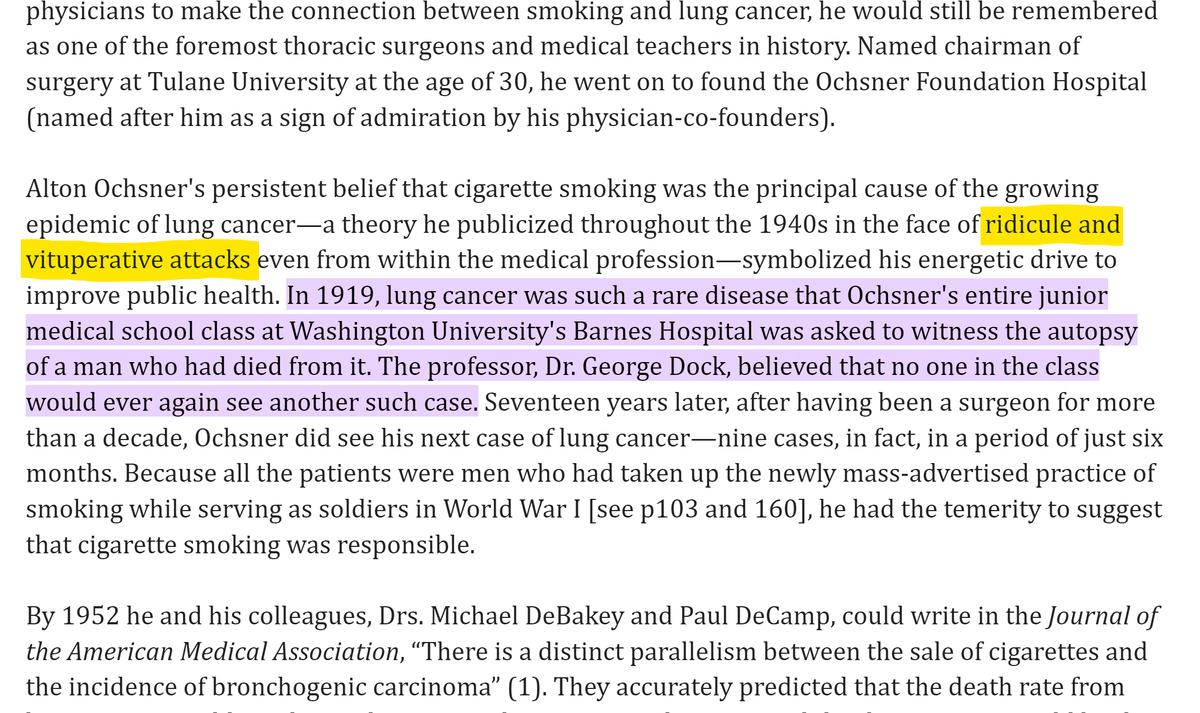
I remember 6.5 years into fighting big tobacco when Alton Ochsner just gave up. NOT.
23 Mar 2024

Next time you're feeling #gaslit, remember Alton Ochsner was subject to "ridicule and #vituperative attacks" for his advocacy linking smoking to the "rare" condition of lung cancer.
5
45
209
4,475
amyreg retweeted

Jun 16
Seriously y'all. We've got to stop voting for Republicans. Look at the bills they're passing

19
141
267
6,260
amyreg retweeted

Jun 15
Shot the dog 5 times & refused to let her neighbors comfort her. A cop walked up to her and said “sorry for your loss but you need to control your emotions.” Smh. 25 cops and a helicopter for a loud noise ? Literally bored w/ nothing better to do. I hate I came across the video.

a Black woman couldn’t even celebrate the knicks win in the comfort of her own home without her neighbor calling the cops on her, and they killed her dog.
78
2,762
16,581
263,280
amyreg retweeted

Jun 16
Y’all, not to be a huge nerd but for the reflecting pool you would need a minimum of about 8,000 liters of 12% hydrogen peroxide to reach the 50 parts per million concentration to kill algae…
Is this what happens when you have 0 scientists in your administration?
Jun 16

They're literally dumping hydrogen peroxide into the reflecting pool this morning... 😳
2,787
16,267
169,232
7,110,365
amyreg retweeted

Jun 15
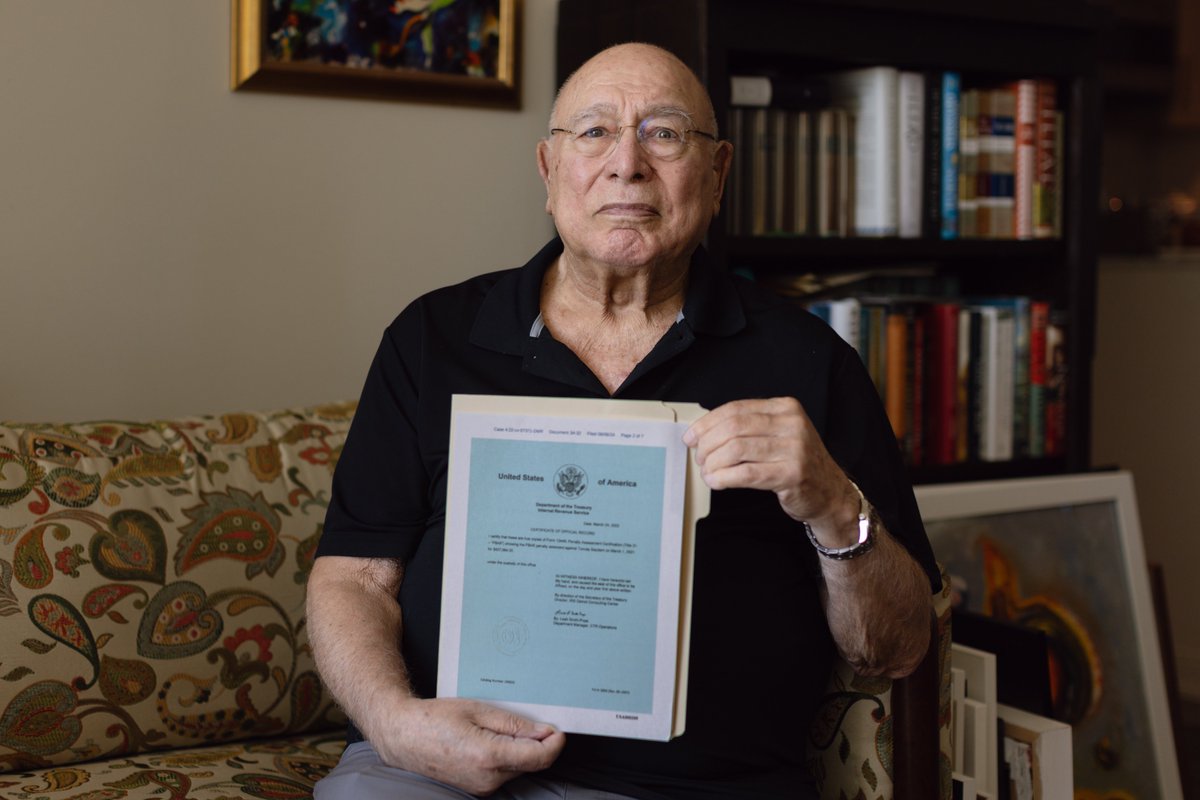
The IRS is demanding much of an 88-year-old retiree's savings; @IJ is fighting the excessive fine.
Tuncay Saydam (pronounced Toon-jai) dutifully paid his taxes every year, using one of the big filing services millions of Americans work with. He didn’t know that he needed to fill out a one-page form to tell the government about a foreign bank account he was keeping as his nest egg—money he’d earned decades earlier from teaching and consulting in Europe.
When the IRS audited him, they said he owed $29,000 in back taxes and $12,000 in late penalties. But because of the missing forms alone, the IRS is demanding another $437,000. That would gut Tuncay’s life savings.
Tuncay earned the money in his account by being a pioneering computer science professor respected worldwide. Tuncay was born in poverty in Turkey but excelled in mathematics from a young age. He first came to the United States as a Fulbright Scholar in the early 60s and worked on early computers at the University of Texas.
He helped found the first computer science program in Turkey and gained an international reputation for his work. In 1979, he was invited by the University of Delaware to teach, and a decade later he and his wife became American citizens. Today, his children and grandchildren are successful and he is retired and living near family in San Francisco.
During several sabbaticals in the 80s and 90s, he taught in Switzerland and also did consulting work for Swiss telecommunications firms. He left his earnings in a bank account overseas that he intended to keep for retirement. For years, he didn’t do much with it, only moving it to Turkey after his Swiss bank decided to close all American accounts.
Under the 1970 Bank Secrecy Act, Americans with foreign bank accounts containing over $10,000 must file annually a one-page “FBAR” form with the government. If someone fails to file the form, the penalty can be either $100,000 per report or half of whatever the unreported bank account contained for each unreported year.
The law was passed in the intention of uncovering transnational crime, but it has become a trap for unwary retirees. A few years ago, for example, IJ appealed a similar case on behalf of a woman who had a foreign bank account that her father had passed down to her. The father had escaped Germany during the rise of Naziism and told her the money should be used in case the family ever needed to flee because of persecution. And her and Tuncay’s experiences are hardly unique. As one advocacy organization explained in Tuncay’s case, “the FBAR has ensnared everyone from Holocaust survivors and their families for maintaining ‘escape funds’ to guard against another genocide to American citizens who live overseas and simply deposit their overseas earnings into overseas accounts.”
The Eighth Amendment is short and simple: “Excessive bail shall not be required, nor excessive fines imposed, nor cruel and unusual punishments inflicted.” But when a fine becomes excessive isn’t a simple matter for courts right now.
In Tuncay’s case, the district court said that the IRS was best positioned to determine for itself when a fine becomes excessive. But the fine Tuncay is facing is fifteen times more than his back taxes. And for its part, the IRS stridently maintains that the Excessive Fines Clause doesn’t constrain its FBAR penalties at all. They’re “penalties,” you see, not “fines.” And if that strikes you as a distinction with a difference, you’re not alone.
IJ litigated the last major excessive fines case to be considered by the Supreme Court. That 2019 decision said that the Eighth Amendment applies not just to the feds, but to state and local governments as well. There, Indiana was trying to punish a man with the forfeiture of his car for a low-level drug offense. Ultimately, the Indiana state courts agreed with IJ that forfeiting the car was “grossly disproportionate” to the serious of the crime.
If the federal court were to follow the same standards IJ successfully argued for in Indiana, Tuncay would certainly owe a much more reasonable amount. Fines cannot be grossly disproportional to the offense, and Tuncay’s offense was failing to file a handful of forms, not doing anything illegal or illicit with his money.
Tuncay is facing a devastating blow to his finances, but he remains optimistic and hopes that his case could make the promise of the Eighth Amendment real for more Americans. His case will be heard at the federal appeals court later this year. Stay tuned.



5
37
175
15,562
amyreg retweeted

UPDATE—First exclusive interview with the woman whose family dog was shot & killed by the LAPD.
"He’s my baby," nurse Marie Marseille said through tears.
"It doesn’t make any sense to me. I can’t make sense of anything."
By — Gina Silva @ FOX 11 Los Angeles

Police shoot & kill family dog—still wearing his custom Knicks jersey.
His mother & him were just celebrating the basketball win—neighbors called 911 to report a "domestic disturbance."
"He wasn’t baring his teeth, wasn’t growling, wasn’t aggressive—he wasn’t even barking," she said.
"The next thing I know, Jamison is lying on the ground... He’s my baby!"
Marie Marseille is a nurse originally from New York—her Golden Saint Berdoodle is named Jamison.
LAPD released an official statement saying the shooting "remains under investigation."
Incident occurred at the Jordan Condominiums in the Canoga Park neighborhood of Los Angeles, California.
438
2,705
14,171
2,322,027
amyreg retweeted

Jun 15
> save $15M a year by cutting a screwworm monitoring program
> screwworm outbreak almost immediately
> $1B to combat it
Government efficiency
Jun 15

The Trump administration has announced they'll need to spend an estimated $1 billion to combat the New World Screwworm.


658
24,903
226,285
5,281,840
amyreg retweeted

It takes 15 LAPD officers making an average of $100k a year to kill a fucking Golden Doodle.
That’s $1.5 million dollars a year standing around watching a woman cry over her dead dog they just killed. But sure, police departments need more money.
493
2,455
12,880
701,984