
Academician with an insatiable curiosity for knowledge. Passionate about expanding horizons, except when it comes to 🧪⚗️⚛️
Joined August 2014
- Tweets 21,873
- Following 236
- Followers 311
- Likes 55,896
347 Photos and videos














Anita retweeted

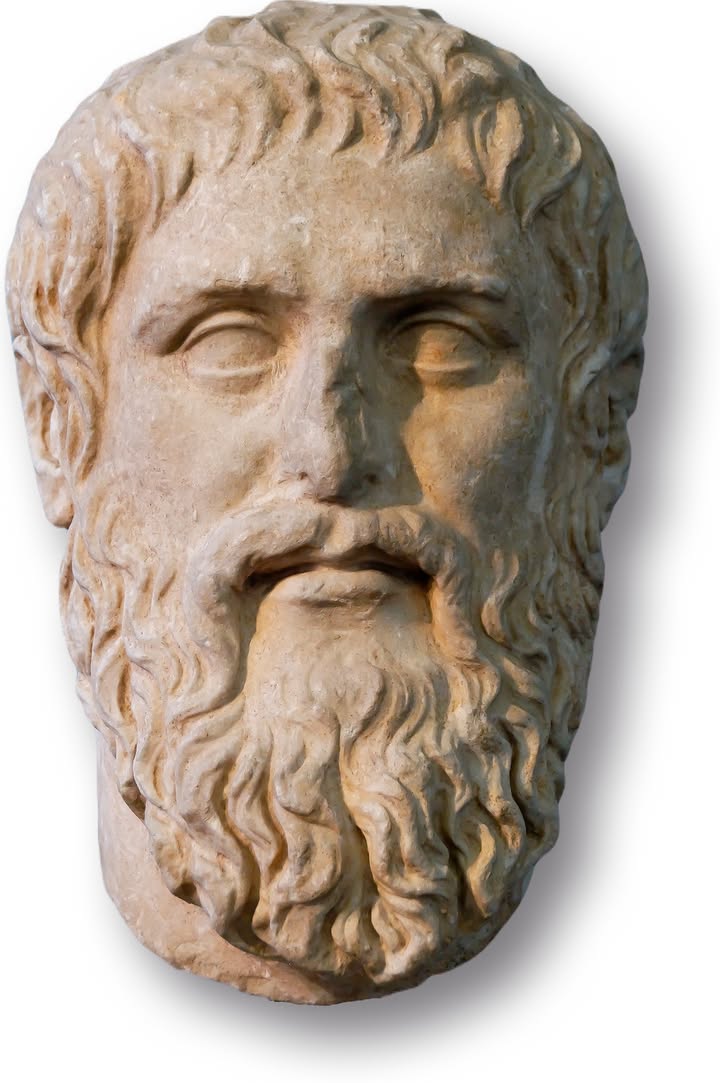
In Plato’s cave, prisoners see the world only through shadows. Extending this metaphor to AI, the shadows are streams of data, and AI models are the prisoners. Perhaps they are creating one self-consistent representation of reality using disparate chunks of information.
quantamagazine.org/distinct-…
13
36
115
8,367
Anita retweeted

Jun 13
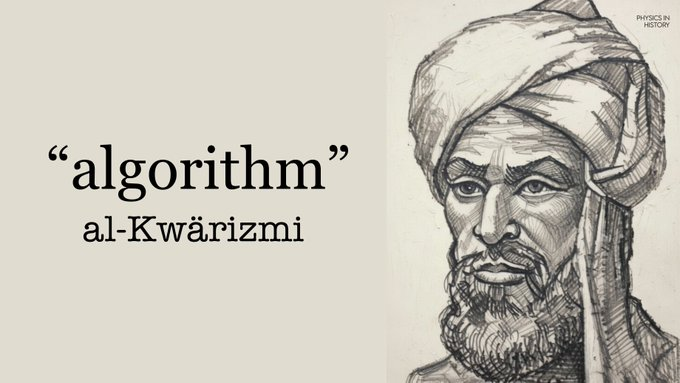
The word "algorithm" comes from the name of 9th-century Persian mathematician al-Khwarizmi, whose Latinized name "algorismi" was used to refer to his systematic methods of calculation.
31
249
1,031
36,787
Anita retweeted

Many of us would not know him. Even many mathematicians would not realise his contribution.
His name : Kelallur Nilakantha Somayaji - a giant of the Kerala school of astronomy and mathematics. He was a disciple of Damodara, who was himself the son and student of the school's legendary founder, Madhava of Sangamagrama.
1. Long before Nicolaus Copernicus published his heliocentric theory in Europe, Nilakantha mathematically formulated a remarkably similar quasi-heliocentric model in his landmark 1501 treatise, the Tantrasangraha.
2. In his comprehensive commentary on the Aryabhatiya, Nilakantha explicitly stated that pi is an irrational number.
3. Grahapariksakrama is his another work which is a manual on making observations in astronomy based on instruments of the time.
Let us celebrate the ancient contribution of India in science and mathematics

6
61
134
2,395
Anita retweeted
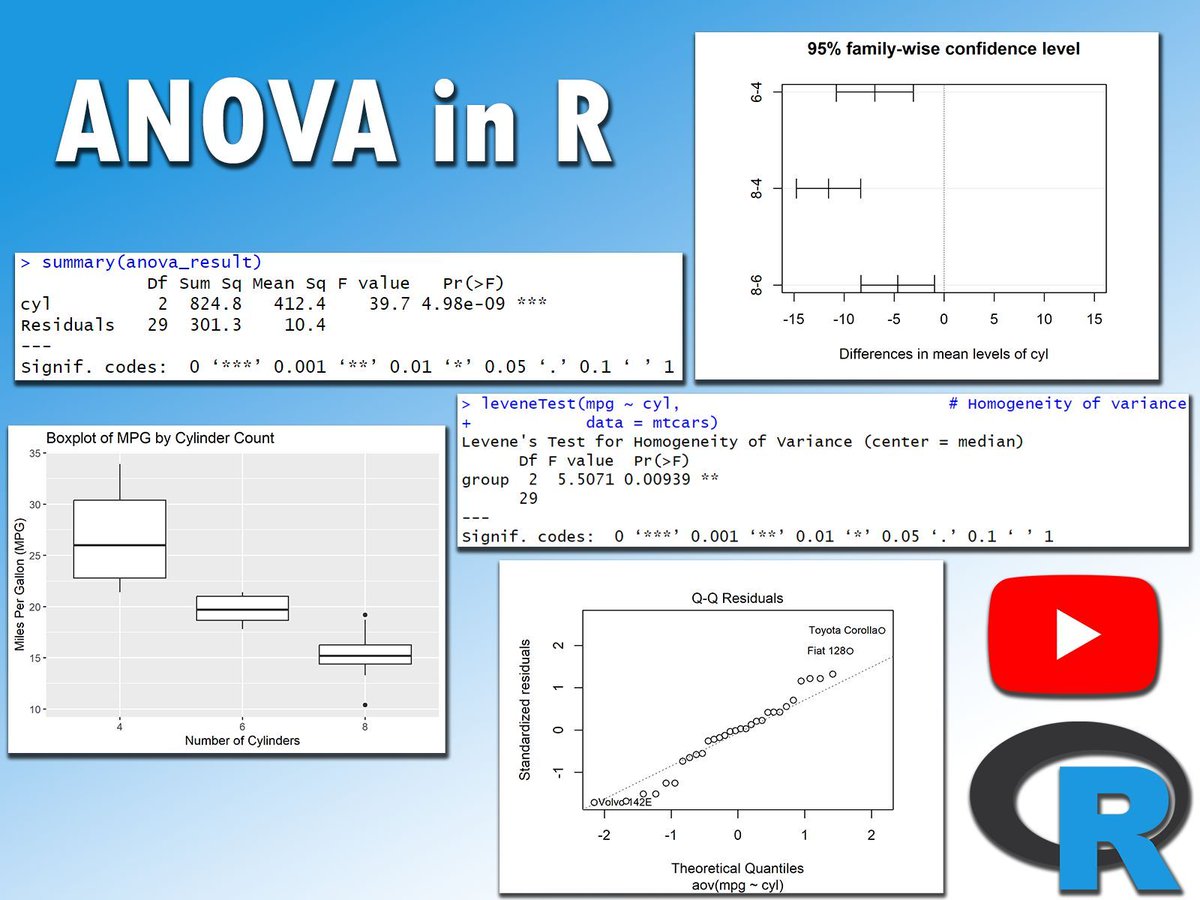
Analysis of variance (ANOVA) is a statistical method used to compare the means of three or more groups to see if there are any statistically significant differences between them.
I’ve recently released a YouTube video on how to perform an ANOVA using the R programming language.
Check out the video: youtube.com/watch?v=m9hdL9uL…
This video is also a preview of my online course on "Statistical Methods in R."
Interested in learning more about this and related topics? Learn more by visiting this link: statisticsglobe.com/online-c…
#programming #RStats #datascienceenthusiast
1
7
71
1,426
Anita retweeted

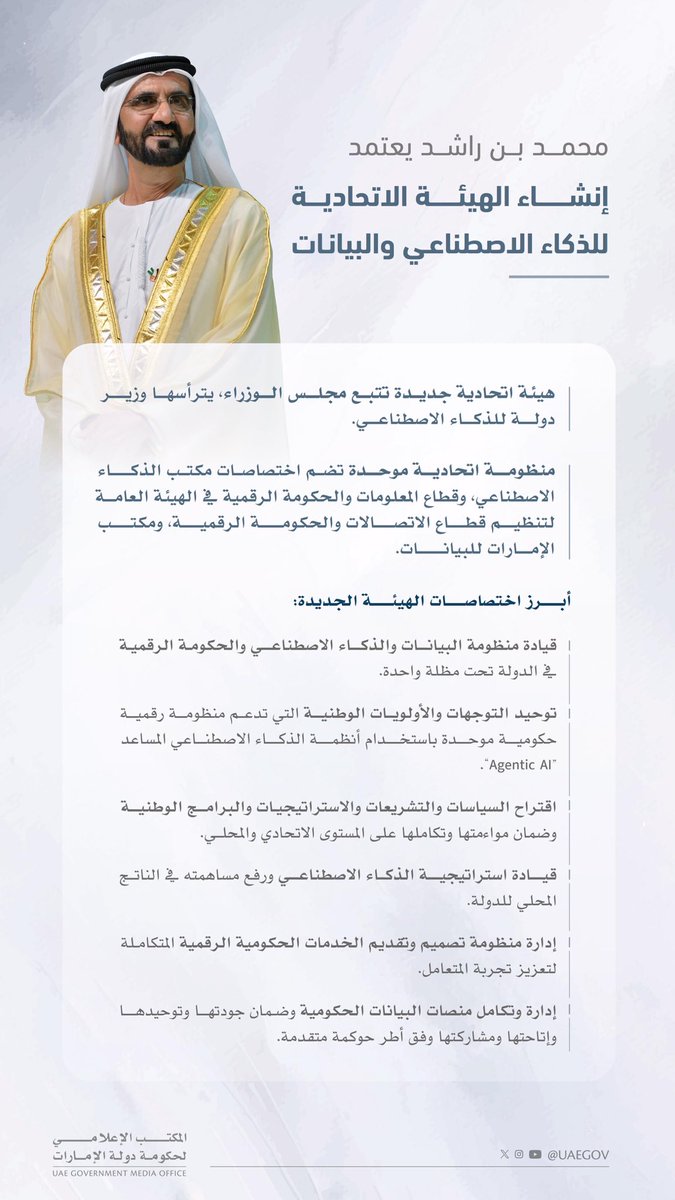
اعتمدنا إنشاء الهيئة الاتحادية للذكاء الاصطناعي والبيانات لتكون المظلة الوطنية الموحدة لإدارة البيانات والذكاء الاصطناعي والحكومة الرقمية في دولة الإمارات وستتبع مجلس الوزراء .... وكلفنا عمر سلطان العلماء بقيادة الهيئة .... هدفنا حكومة أكثر كفاءة ومرونة واستباقية، وتوظيف التكنولوجيا لخدمة الإنسان وصناعة مستقبل أفضل للأجيال القادمة.
مستمرون في تطوير حكومة المستقبل .... حكومة بأدوات مدعومة بالبيانات والذكاء الاصطناعي المساعد .... أكثر سرعة في الأداء والقرار والقدرة على خدمة الإنسان وصناعة أفضل الفرص وتطوير الخدمات.
138
768
1,695
175,578
Anita retweeted

Jun 13
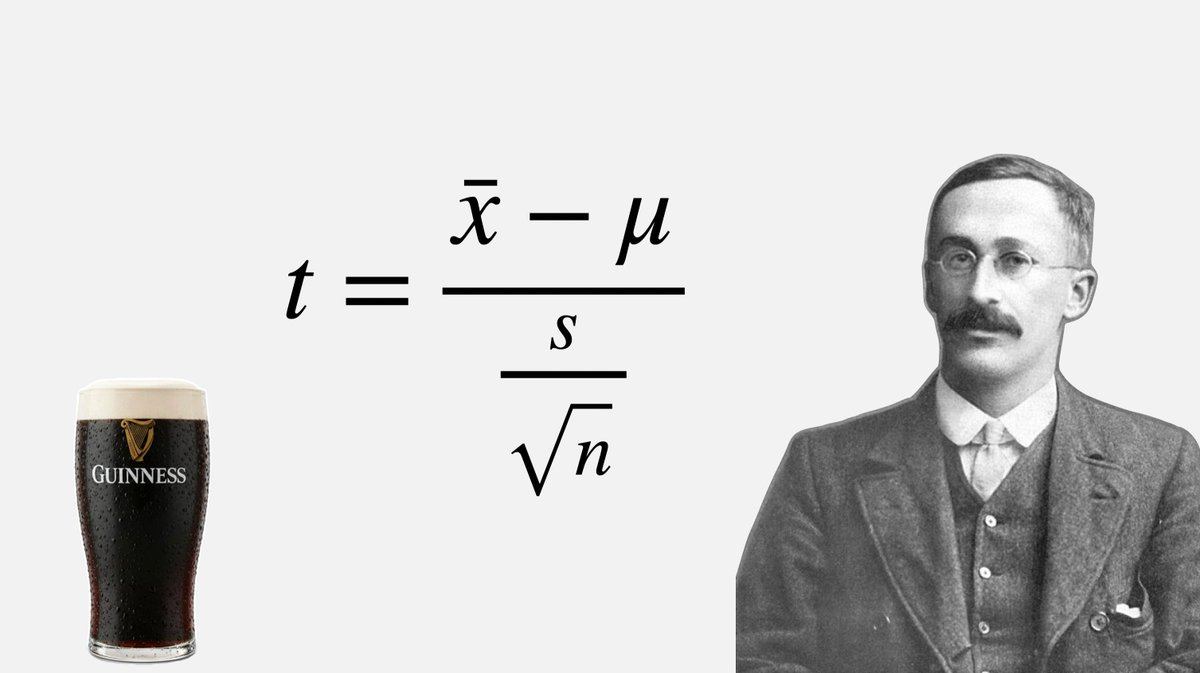
On this day 150 years ago William Sealy Gosset was born. He spent his whole career as a brewer at Guinness, working on a problem the textbooks ignored: how to draw conclusions from tiny samples, like four plots of barley or a handful of hops. The statistics of the day assumed large samples so Gosset invented the statistics of small ones.
Guinness barred its employees from publishing after one of them leaked trade secrets, and did not want competitors knowing it used science to brew beer so when Gosset published his method in 1908 he signed it with a pseudonym: Student.
Every clinical trial, lab experiment and A/B test that runs a t-test today is using the work of Student. The most famous name in statistics is a fake one.
10
168
767
60,022

The mystery isn't that it defies mathematics.....it's that ancient builders applied math so precisely at such a massive scale🤔

"Something we still can't explain" overlooks the fact that the measurements themselves follow striking mathematical relationships. The pyramid's dimensions closely approximate Pi &align with proportions near the golden ratio.
17
"Something we still can't explain" overlooks the fact that the measurements themselves follow striking mathematical relationships. The pyramid's dimensions closely approximate Pi &align with proportions near the golden ratio.
22h

They didn’t have cranes. No steel. No modern math software. Just stone, sand… and something we still can’t fully explain. 🏜️🧱
The pyramids of Giza stand like a question the world never finished answering.


38
Anita retweeted
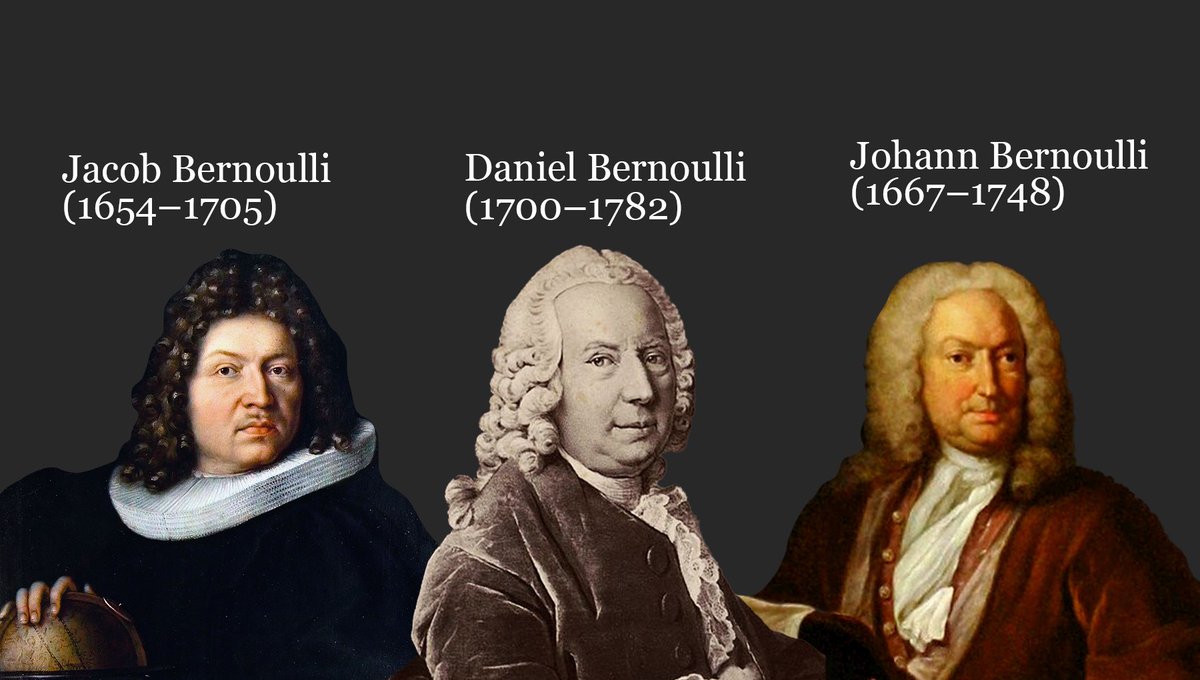
The Bernoulli family was a remarkable dynasty of Swiss mathematicians and physicists who made significant contributions to various fields of science in the 17th and 18th centuries. The family produced 8 prominent academics, most notably Jacob, Johann, and Daniel Bernoulli, who were among the pioneers of calculus, differential equations, probability theory, and fluid mechanics.
19
131
682
34,380
Anita retweeted

Jun 7
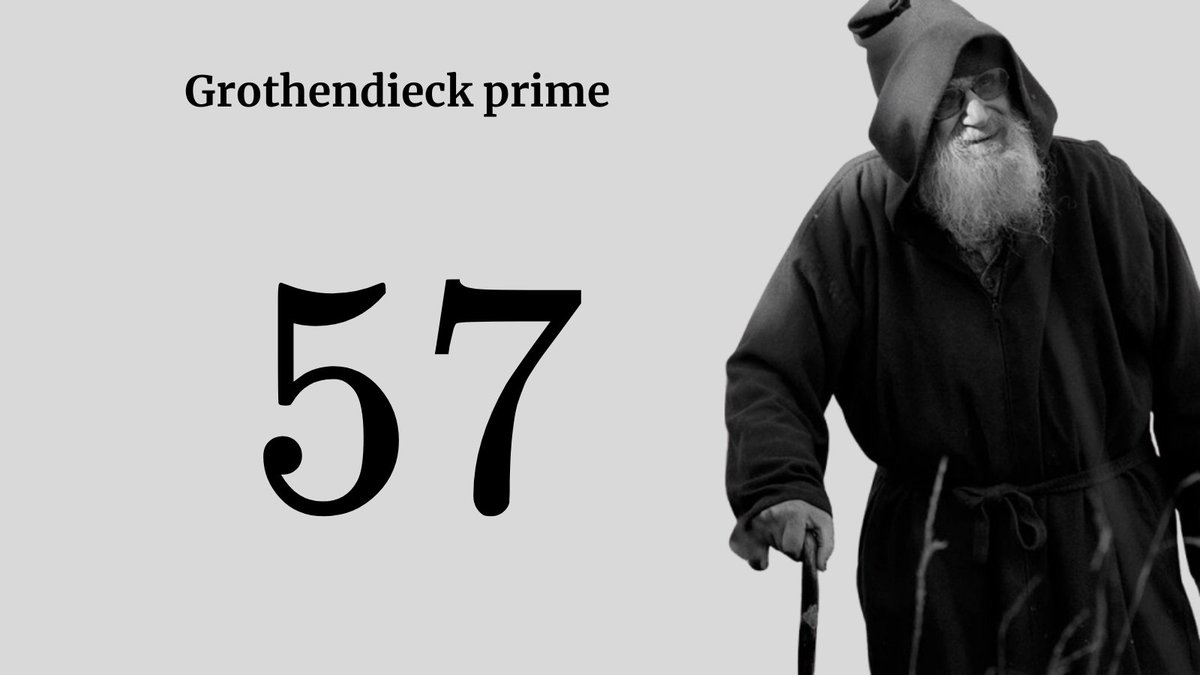
The Grothendieck prime is the number 57. It comes from an anecdote in which the brilliant 20th-century mathematician Alexander Grothendieck, while giving an example of a prime number, casually mentioned 57.
17
4
83
10,785
Anita retweeted
Jun 7
Isaac Newton left Cambridge in 1665 due to the plague and spent about two years in isolation at age 22. During this time—often called his annus mirabilis—he made major advances in calculus, optics, and mathematics.
However, his later breakthroughs in physics, especially Newtonian mechanics, were not achieved in isolation but through interactions with others, notably Robert Hooke. Newton was already progressing rapidly before the plague and continued afterward, suggesting his achievements were driven more by his intellectual development than by isolation itself.
While he did important solitary work (like long calculations and work on infinite series), the idea that isolation alone led to his greatest discoveries is misleading.

8
38
251
14,444


Anita retweeted

Jun 6
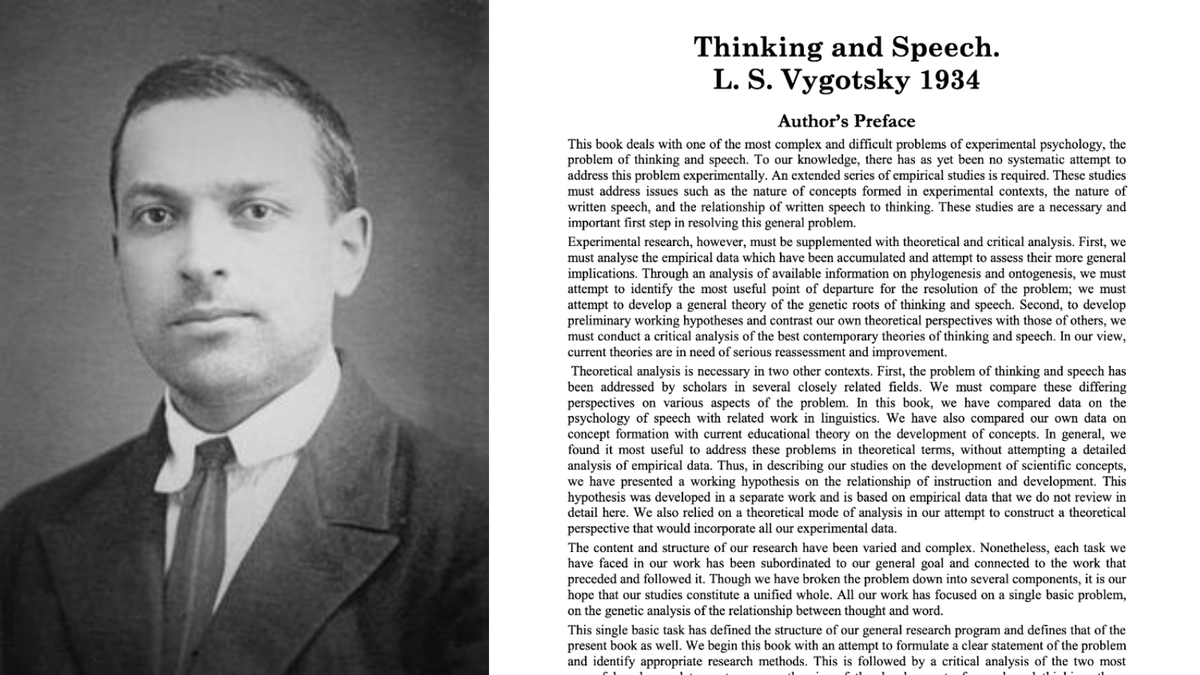
A Russian psychologist spent 10 years proving that the act of talking to yourself out loud is one of the most powerful cognitive tools the human brain has, and almost nobody outside his field has read the work.
His name was Lev Vygotsky.
He worked in Moscow in the 1920s and died of tuberculosis in 1934 at the age of 37. He had no laboratory, no funding, almost no English readers, and a body of work that the Soviet government suppressed for two decades after he died.
He produced the foundational theory of how human cognition actually develops, and the central piece of that theory was a behavior almost every adult is faintly embarrassed about.
Vygotsky noticed that young children talk to themselves constantly. They narrate their own actions, they argue with imaginary opponents, they instruct themselves through tasks out loud.
The dominant theory at the time, from the Swiss psychologist Jean Piaget, said this was a sign of cognitive immaturity that children would eventually grow out of as they learned to think properly.
Vygotsky said the exact opposite.
He argued that this self-directed speech was the most important cognitive event in the entire developmental window, because it was the moment a child first started to use language as a tool to control their own mind. The child was not failing to think. The child was learning how to think by externalizing the process and listening to themselves do it.
He predicted that as children matured, this out-loud self-talk would not disappear. It would go underground. It would become silent inner speech, which is the running monologue every adult has inside their own head for the rest of their life.
The voice you hear when you read this sentence is the direct descendant of a four-year-old narrating their own block tower.
For 50 years almost nobody outside Russia had access to his work, and the few researchers who did pick it up could not get funding to test it. Then in the early 2000s the experiments finally started to pile up, and what they found was that Vygotsky had been right about something even more important than he knew.
The first major study came from Gary Lupyan at the University of Wisconsin and Daniel Swingley at the University of Pennsylvania in 2012. They ran a simple visual search experiment. Participants were shown 20 images at once and asked to find a specific object, like a banana or a chair. In one condition they searched silently. In the other condition they were told to say the name of the object out loud to themselves while looking for it.
The participants who spoke the target name out loud found the object significantly faster, with higher accuracy, than the participants who searched in silence. The effect was strongest when the spoken word matched a familiar object the brain already had a strong category for.
Saying the word out loud literally tuned the visual system to detect that thing better. The researchers called it the label feedback effect, and the implication was that the act of vocalizing a goal physically changes how the brain processes the world while pursuing it.
The second major study came out of the University of Michigan and Michigan State in 2017. The lead researchers were Ethan Kross and Jason Moser, and they used both EEG and fMRI to record what happens inside the brain when people talk to themselves while emotionally upset.
They asked participants to recall painful autobiographical memories and reflect on them in two different ways. Some used the first person, saying things like "why am I feeling this way." Others used the third person, referring to themselves by their own name, saying things like "why is John feeling this way."
The brain scans showed that the simple act of switching from first person to third person, even silently, decreased activity in the medial prefrontal cortex, the region responsible for rumination and self-referential pain. Within a single second of using their own name instead of the word I, participants showed measurably lower emotional reactivity. The shift required no extra cognitive effort. It cost the brain nothing. And it worked.
Kross described the mechanism in his interviews. Talking to yourself by name creates a small amount of psychological distance from your own experience. Your brain processes the situation more like a problem belonging to someone else, which means it can analyze it instead of drowning in it.
What Vygotsky had intuited in 1934 turned out to be even more powerful than the developmental theory he built it into. The voice you use to talk to yourself is not background noise. It is one of the most precise cognitive tools the brain has, and you can change how it works just by changing the pronoun you use.
People who talk through problems out loud are not anxious or unstable. They are running an externalized version of a process the rest of us are running silently and worse. The kindergartener narrating their block tower, the surgeon muttering through a procedure, the engineer pacing a hallway describing a bug to nobody, the athlete repeating a cue to themselves before a free throw, they are all using the same ancient mechanism that builds and steers human thought.
You can run the experiment yourself the next time you are stuck on something hard. Stop trying to solve it silently in your head. Say it out loud. Describe what you are seeing. Walk yourself through the steps as if you were explaining it to a colleague who is not in the room.
And when something genuinely upsets you, switch to your own name. Ask why this person is feeling this way, instead of why I am feeling this way.
The voice you have been told to keep quiet your entire life is one of the oldest pieces of cognitive technology you own.
Most people are still embarrassed to use it.
255
3,045
11,162
404,784
Anita retweeted
Simple counting questions are helping mathematicians to study the objects that live inside exotic number systems. quantamagazine.org/new-math-…
17
54
9,501
Anita retweeted

Jun 7
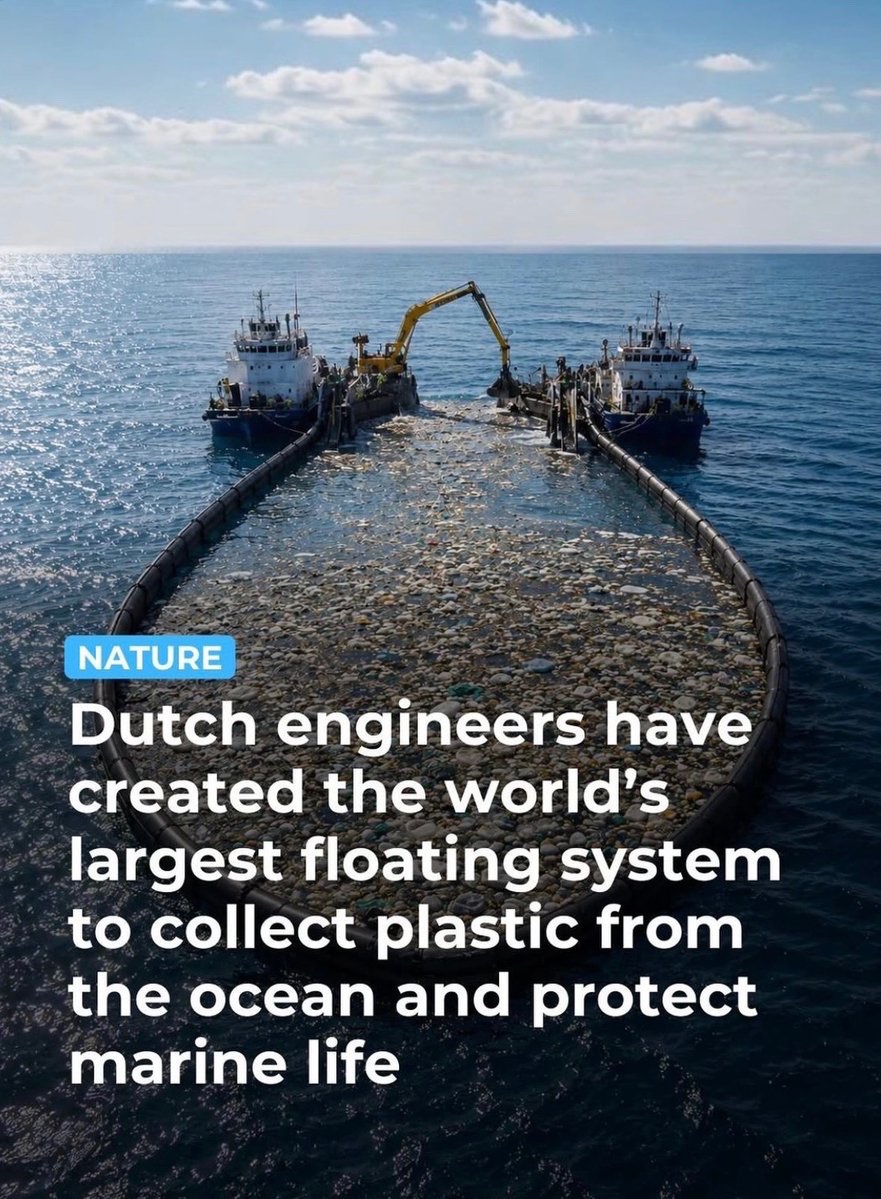
🌊 Big step forward in ocean cleanup 🌊
Dutch engineers behind The Ocean Cleanup have deployed large floating barrier systems in the Great Pacific Garbage Patch to help collect plastic waste from the ocean surface.
The goal: concentrate floating plastic so it can be removed before it breaks down into harmful microplastics that threaten marine life.
It’s not a complete fix yet, but early results show real potential to scale up ocean plastic removal in the coming years.
A major reminder: we’re now actively building tools to clean the ocean not just talking about it. 🌍
55
331
1,257
50,550
Anita retweeted

Jun 7
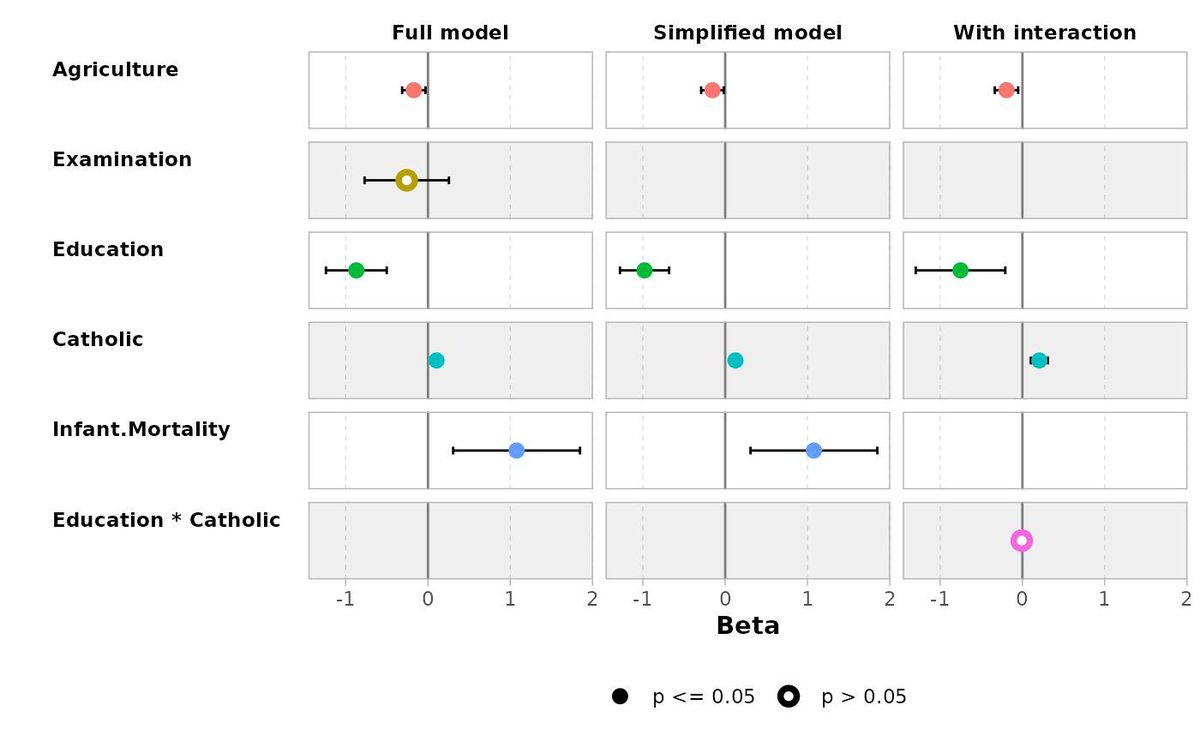
Compare multiple statistical models effortlessly with ggstats, a versatile extension package for ggplot2 that simplifies data visualization tasks. The ggcoef_compare() function allows you to compare the coefficients of several models side by side, providing an intuitive way to analyze and present differences between them.
Why use ggcoef_compare()?
✔️ Clear comparisons: Visualize the coefficients of multiple models in a single, cohesive plot to identify patterns and differences at a glance.
✔️ Customizable outputs: Adjust the appearance of the plot to meet your presentation or analysis needs.
✔️ Easy to use: Integrates seamlessly with ggplot2, making it straightforward to add model comparison capabilities to your workflow.
The example visualization showcasing this functionality originates from the ggstats documentation and demonstrates how it can enhance your model comparison tasks: larmarange.github.io/ggstats…
Explore more ways to elevate your data visualization skills in R and learn about ggplot2 extensions in my online course, "Data Visualization in R Using ggplot2 & Friends!"
For more information, visit this link: statisticsglobe.com/online-c…
#ggplot2 #tidyverse #DataAnalytics #RStats #statisticians
11
90
2,561
Anita retweeted
Jun 6
Against the odds, nature is fighting back. Thanks to growing wildflower conservation efforts, pollinators are finding food, habitats are recovering, and ecosystems are beginning to heal. The recovery has started let's keep it going.


57
526
2,063
61,032
Anita retweeted

Jun 5
Pune perfectly described by @AiyyoShraddha 🤣🤣🤣
Particularly note the way she says Pune (not poona) & Pohe (not poha) like a true Punekar.
Impo perhaps one & only stand up comedian (if it's called that) with a clean sense of humor. I love seeing her shows.
34
299
1,761
153,076
Anita retweeted

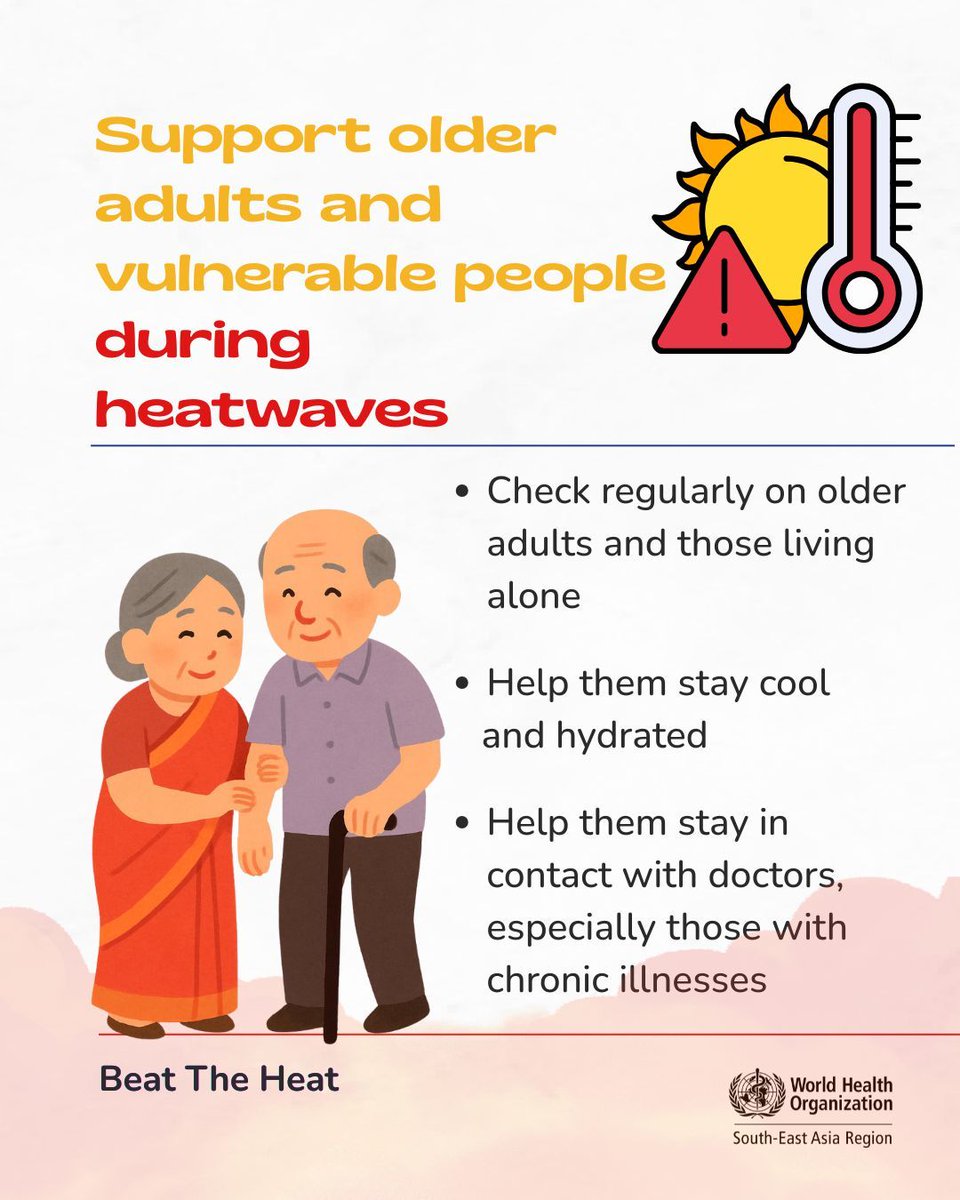
Exposure to extreme heat can be dangerous, especially for older adults and people living with chronic illnesses.
A simple phone call, a glass of water, or a quick visit can make a big difference. 💙
Check on those who may need extra support during heatwaves. 🌡️
#BeatTheHeat #HeatwaveSafety #HealthyAgeing #ClimateAndHealth #PublicHealth
1
14
29
787