Joined November 2015
- Tweets 3,473
- Following 147
- Followers 505
- Likes 8,197
244 Photos and videos







Pinned Tweet

Mar 9
Unpopular opinion:
Memorizing DSA solutions will NEVER get you placed.
I spent 4 years in real software development.
Not once did anyone ask me to reverse a linked list on the job.
But they DID ask me to:
→ Think logically under pressure
→ Break big problems into small ones
→ Communicate my approach clearly
DSA teaches thinking. Not just coding.
Agree or disagree? 👇
#DSA #PlacementPrep #TechInterview #SoftwareEngineering #buildinginpublic
1
1
256
Anshu Kumar retweeted

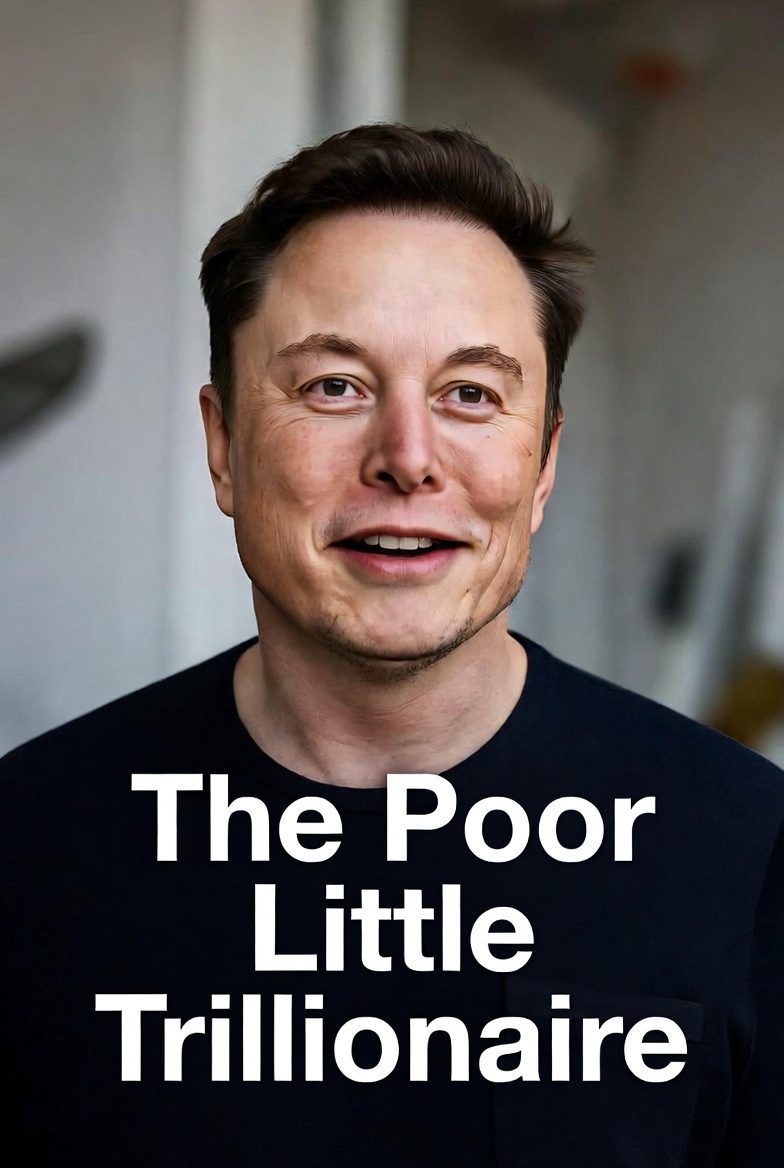
Musk's Money is Meaningless
All of it is locked up in shares that he can barely sell.
If he sells a large chunk of shares — in any of his companies — investors will think he has lost faith in that business and that will send its valuation into freefall.
Musk himself has said that he has very little cash in his bank, even the homes he owns are held through LLCs, the tiny apartment he supposedly lives in is rented by SpaceX, and he has very little direct 'personal' wealth.
So what use is it to be the world's first trillionaire but not have any real access to your wealth?
His secret weapon is that he can pledge his shares, whenever he needs to borrow money.
Most importantly he gets personal loans from top banks at extremely low interest rates — much lower than what you and I pay.
This is true for all billionaires. One study showed that if an average middle-class borrower was charged 8.5% on a personal loan, the ultra-rich were charged just 2%.
This is called the 'Buy, Borrow, Die' strategy, where billionaires take easy, low-interest loans against their assets and use those loans to live super-luxurious lives.
And all of it tax-free, since a loan is not technically income.
Musk has mastered this by not taking any salary. That means the world's richest man pays no income tax if he doesn't sell his shares or exercise his options.
For instance, in 2018 — when he didn't exercise any options — he paid no income tax at all.
It can be easily shown that most of the valuation of the companies that Musk owns comes from projections of government and defence demand. On top of this, these companies benefit — directly and indirectly — from government subsidies.
So the trillionaire who actually depends on government expenditure for his riches pays nothing back to the government.
That's the reality of contemporary capitalism.
34
86
321
18,018

Anshu Kumar retweeted

Jun 12
bro immigrated from Mexico and took a $28/hr contract welding job in 2015.
didn't even know what SpaceX was.
they gave him $10,000 in stock and let him buy more through payroll deductions.
that stake is now worth $880,000.
and he's one of 4,400 employees who became millionaires on Friday. welders. technicians. cafeteria staff.
769
4,311
48,804
3,214,763
Anshu Kumar retweeted

Jun 12
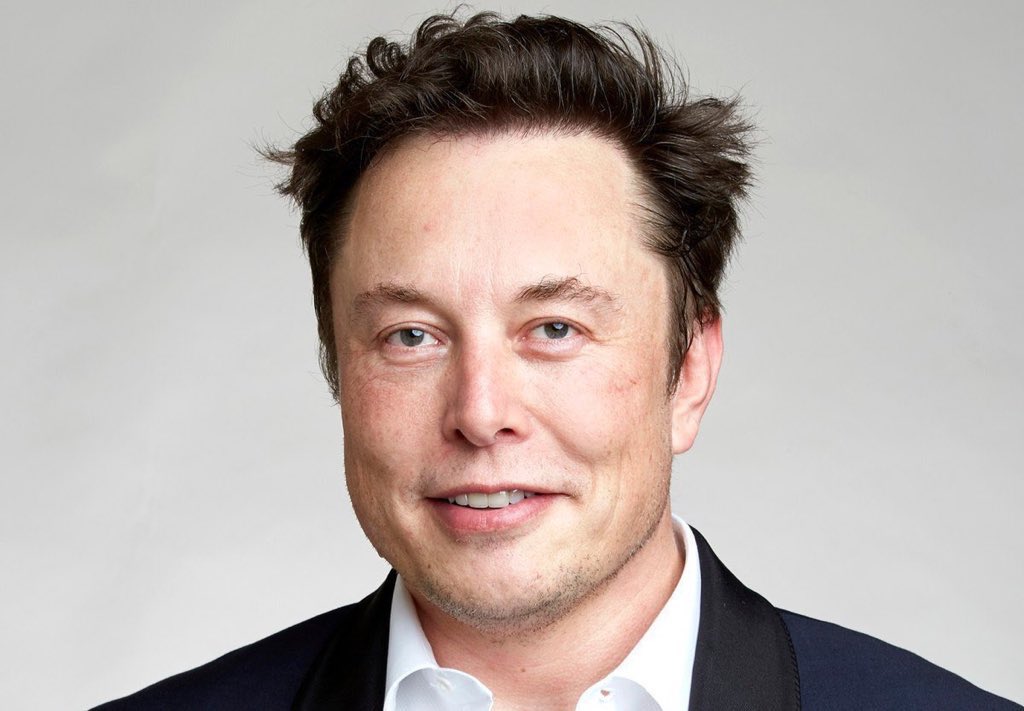
Elon Musk is a Trillionaire now
But the funniest thing how we are now seeing extreme inequality in billionaires as well 😹😹
Moreover, how the next 4 don’t add up to his level of Net Worth 🙌

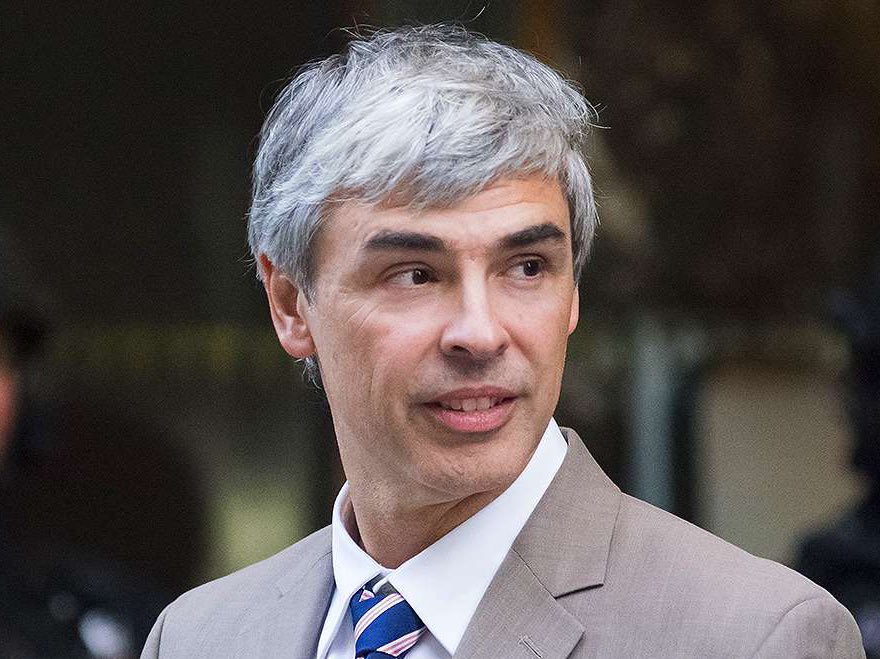
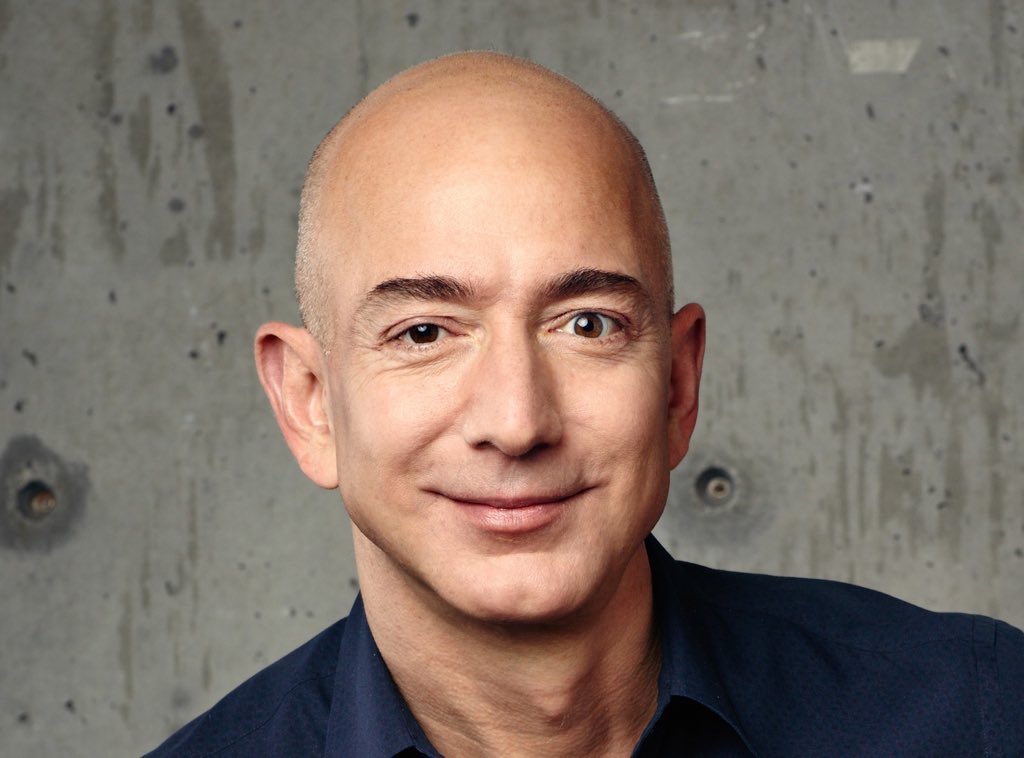
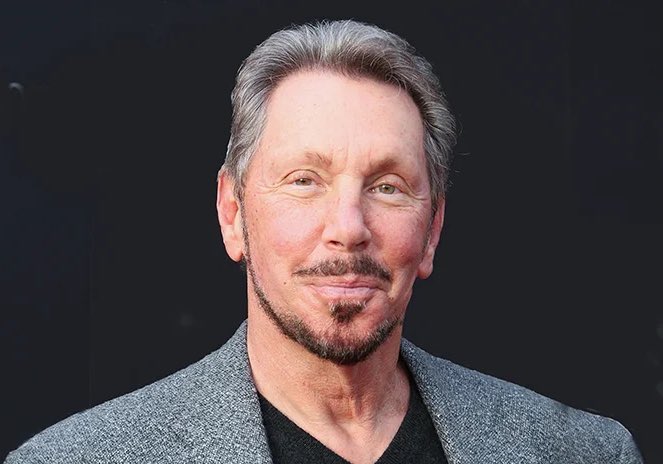
Top 5 richest people on Earth, according to Forbes:
1. Elon Musk — $1 Trillion Net Worth
2. Larry Page — $295 Billion Net Worth
3. Seregy Brin — $272 Billion Net Worth
4. Jeff Bezos — $246 Billion Net Worth
5. Larry Ellison — $229 Billion Net Worth
(forbes.com/real-time-billion…)
87
385
5,202
274,534
Anshu Kumar retweeted

Jun 12
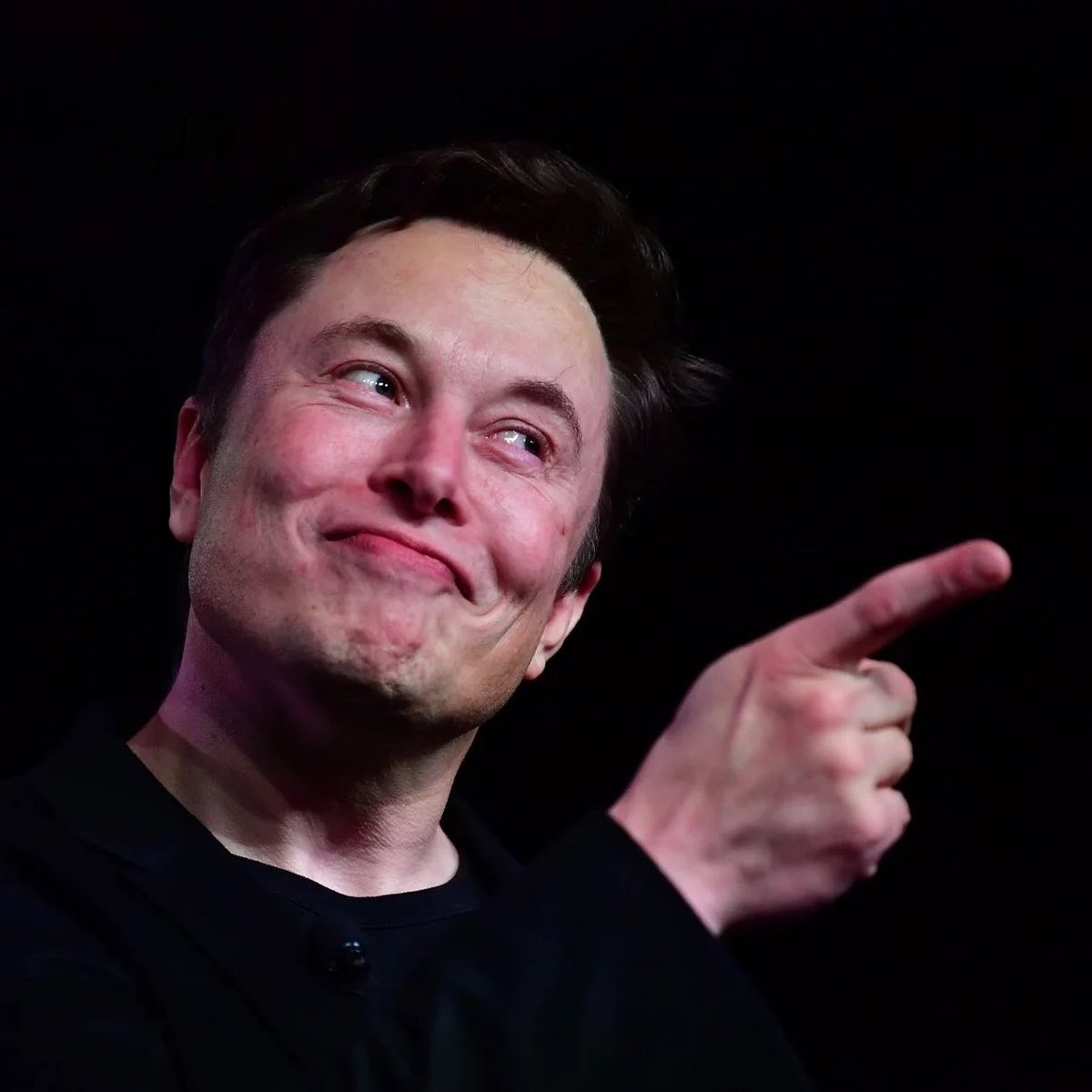
The first trillionaire in human history
- Elon Musk
- Born in South Africa
- Bullied relentlessly as a kid
- Immigrated to North America
- Arrived with a backpack and a dream
- Built Zip2 with his brother
- Sold it 4 years later for $300 million
- Co-founded PayPal with the profits
- Revolutionised digital payments
- Sold PayPal to eBay for $1.5 billion
- Bet everything on Tesla and SpaceX
- Got mocked for electric cars
- Got laughed at for reusable rockets
- Nearly went bankrupt in 2008
- Kept building anyway
- Turned Tesla into the world’s most valuable automaker
- Made EVs mainstream and transformed the automotive industry
- Made reusable rockets a reality
- Reduced the cost of reaching space by 95%
- Sparked the modern commercial space race
- Built Starlink and connected millions around the world to high-speed internet
- Turned SpaceX into the most valuable private company in history
- Bought Twitter for $44 billion
- The world said he overpaid
- He was called reckless, stupid & crazy
- Advertisers fled, media declared it dead
- Critics called it the worst acquisition in tech history
- Renamed it 𝕏
- Rebuilt the platform anyway
- Turned it into one of the most influential platforms on Earth
- Launched xAI and accelerated the global AI race
- Sent astronauts to space
- Is trying to get humans to mars
- Created millions of jobs
- Generated hundreds of billions in value
- Inspired an entire generation of builders
Before:
- Failed repeatedly
- Worked insane hours
- Slept in factories and offices
- Got bullied, laughed at and mocked
- Constantly told “it’s impossible”
- Kept building anyway
- Made it possible
Today:
- Richest person on Earth
- First trillionaire in human history
- Largest IPO in history $1.77 trillion
Most people quit when the world laughs at them.
Elon Musk built the future instead.
Love him or hate him…
Nobody has changed more industries in a single lifetime.
Payments. Cars. Energy. Space. Social Media. Communications. AI.
History won’t remember the people who said it couldn’t be done.
It will remember the people who did it anyway.
Congratulations Elon.
The first trillionaire. 🚀

4,354
28,632
111,361
2,343,656
Anshu Kumar retweeted

Jun 12
Elon just created 4,400 millionaires in a single day.
400 of them are now worth over $100 million.
These aren't VCs. They're SpaceX employees, and the list includes welders, technicians, and cafeteria staff, because for two decades the company paid every level of the workforce in stock instead of higher salaries.
Juan Hernandez immigrated from Mexico and took a $28 an hour contractor welding job in 2015. He says he didn't even know what SpaceX was. The company gave him a $10,000 equity grant and let him buy more shares through payroll deductions. That stake is now worth $880,000.
Trevor Hise's parents wanted him to take a stable job at General Electric. He picked SpaceX instead, stayed 12 years, and accumulated over 100,000 shares. At the $135 listing price that's $13.5 million. He's 37 and semiretired. His words: "The magnitude of this has been ridiculous."
The most telling detail came before the listing. Over 100 employees quietly banded together and negotiated a group wealth management deal covering up to $5 billion, because none of them had ever needed a wealth manager before.
Software IPOs have minted millionaires for 30 years. This is the first one where the money went to the factory floor.
3,258
25,492
141,355
7,330,689
Anshu Kumar retweeted

Jun 11
"No European country has been attacked with Indian Weapons... So Keep that in Mind"...!!!
I think Europe was not expecting that answer from Minister @DrSJaishankar 👏
425
6,244
27,078
1,077,235
Anshu Kumar retweeted

Jun 12
Do it for passion, not numbers, and more importantly be authentic and honest.
If you do it for passion, then you do not need any extrinsic motivation to continue.
If I were doing it for numbers, you would see very different types of posts from me. I stayed true to what I love knowing and doing, and people resonated with that.
People resonating has always been a byproduct (for me). Even if my audience count goes to 0, I will still post what I am posting now.
Jun 12

Can't agree more... As you've grown your audience to more than 100k over the years, what advice would you give to someone who is just starting out and trying to build a social presence and meaningful connections without getting stuck in the loop of analytics and follower counts?
23
8
271
13,541
Anshu Kumar retweeted

Jun 11
🚨 Anthropic just showed a 27-minute workshop on how to actually do prompts for Claude.
Taught by the people who built it.
Free. No registration. No paywall.
I've seen $300 courses that don't cover what they teach in the first 8 minutes.
Watch it and bookmark it now.
4
84
391
96,092
Anshu Kumar retweeted

Apr 12
Man explains how Cos Θ learnt in school is used in real world
68
1,147
7,616
268,965
Anshu Kumar retweeted

Apr 12
she has an army for her:
> wardrobe
> nutritionist
> healthcare
> personal trainers and gyms
> kids (nannies)
> don’t have to stress about 9-6 job
> cooks and household chores
> access to the best of the best food, meds etc.
She is 50 but she has insane MONEY too.
Money >>>> age



4
1
52
10,424
Apr 8
RT @NayakSatya_SG: One of my close friends was fired from Oracle Bangalore.
No panic, no stress, and no crying on social media.
He stra…
133
Anshu Kumar retweeted

Apr 2
My saddest realisation after receiving my CS degree is that all those elegant DSA are completely impractical on real high volumes of data.
The only thing you should care is CPU cache utilisation.
57
79
1,792
73,283
Anshu Kumar retweeted

Apr 3
Silenced, not defeated
My message to the ‘aam aadmi’
—
खामोश करवाया गया हूँ, हारा नहीं हूँ
'आम आदमी’ को मेरे संदेश
14,226
21,469
101,111
4,521,358
Anshu Kumar retweeted

Apr 3
The best career advice I ever received: There's nothing more valuable than someone who can just figure it out. Do some work. Ask the key questions. Get it done. Repeat. If you do that, people will fight over you.
Apr 2

“I’ll figure it out” has gotten me further than any plan I’ve ever made
114
686
7,022
227,605
Anshu Kumar retweeted

Apr 1
Full-time jobs won’t exist in the future! Let’s be honest- Nobody wants to work for someone else. People do jobs out of compulsion, not passion. You do it because of EMI, rent, survival, not because you dream of building someone else’s company.
A century ago, people stayed in one company for decades. They didn’t have a choice - starting something needed capital, connections, and some secrets. Only a few had access to those.
Then the internet killed that arbitrage. Now everyone has information, access, and capital. Venture money replaced old capital. Knowledge became public. Ownership got split.
Earlier, one person owned 100%. Today, five people own 20% each and build faster. (called startup) Tomorrow, those five will become fifty freelancers, each owning their slice.
The mindset is shifting from ‘salary’ to ‘share’ from ‘working for’ to ‘working with’ from ‘9 to 5’ to on demand’
People already own their time - look at Uber, Swiggy, Upwork. Nobody wants a boss - they want flexibility, freedom, and upside.
As AI automates repetitive work and capital becomes abundant, the only thing left with real value will be human time and creativity. And no one will sell that full-time.
38
33
229
19,346
Anshu Kumar retweeted

Apr 1
Why did Uber build thousands of microservices? No better person to answer than Uber's first CTO, Thuan Pham. Timestamps:
00:00 Intro
05:32 Getting into tech
16:09 The dot-com bust
20:42 VMware
26:29 Getting hired by Travis at Uber
33:22 Early days at Uber and scaling challenges
40:57 Uber’s China launch
47:12 The platform and program split
50:26 From monolith to microservices
53:38 Internal tools at Uber
57:05 Helix: Uber’s mobile app rewrite
59:55 Thuan’s email about naming
1:02:03 Org structure changes under
1:06:34 Thuan’s work philosophy
1:12:23 The “three tours of duty” at Uber
1:15:37 Why Thuan left Uber
1:17:34 Coupang and Nubank
1:21:59 Faire
1:25:31 How Faire uses AI
1:28:24 AI’s impact on software engineering
1:31:09 The role of the CTO
1:35:13 Career advice
Brought to you by:
• @statsig – The unified platform for flags, analytics, experiments, and more. statsig.com/pragmatic
• @WorkOS – Everything you need to make your app enterprise ready. workos.com/
• @SonarSource – The makers of SonarQube, the industry standard for automated code review. Check out SonarQube Advanced Security: sonarsource.com/products/son…
Three interesting parts from this conversation:
1. The program/platform split came before microservices.
The concept of cross-functional “program” teams and dedicated “platform” teams became necessary because an org split across backend, frontend and mobile engineers slowed down in execution speed when Uber grew to around 100 engineers. Every feature required negotiating bandwidth across the mobile, backend, and dispatch teams. Thuan, Travis Kalanick, and Jeff Holden literally used color-coded sticky notes with people’s names to reorganize into self-sufficient teams. We cover more about this split in this The Pragmatic Engineer deepdive, The Platform and Program split at Uber: newsletter.pragmaticengineer…
2. Expect multiple rewrites during hypergrowth.
The right architecture depends on how fast a product and company are growing. At Uber, repeated rewrites were common because each one “bought” another window of survival for the company. Thuan’s recommendation is to understand that a rewrite simply means a company is outrunning its existing architecture: this is not necessarily a bad thing!
3. Uber is the only major company that had a “Senior 1” and “Senior 2” level – and Thuan is unapologetic.
Thuan introduced the Senior 1 (L5A) and Senior 2 (L5B) levels because the jump from senior (L5) to Staff (L6) became very big, and larger than between previous levels. One problem this split level created was that Uber’s L5B was akin to Google’s and Facebook’s L6/E6. Thuan resisted the title inflation of just renaming L5B to ‘Staff’.
7
90
781
69,302
Anshu Kumar retweeted
Apr 2
no hard-work can save you from layoffs.
no extra hours of work can save you from layoffs.
What can save you is “friends” with right person at workplace to stay safe
14
111
1,137
25,702