
At a16z investing in AI & Infra. 2x founder & CEO. CTO at Intel & VMware. CPO at Yubico. Tweets are my own.
Joined January 2008
- Tweets 3,594
- Following 280
- Followers 10,092
- Likes 3,662
370 Photos and videos



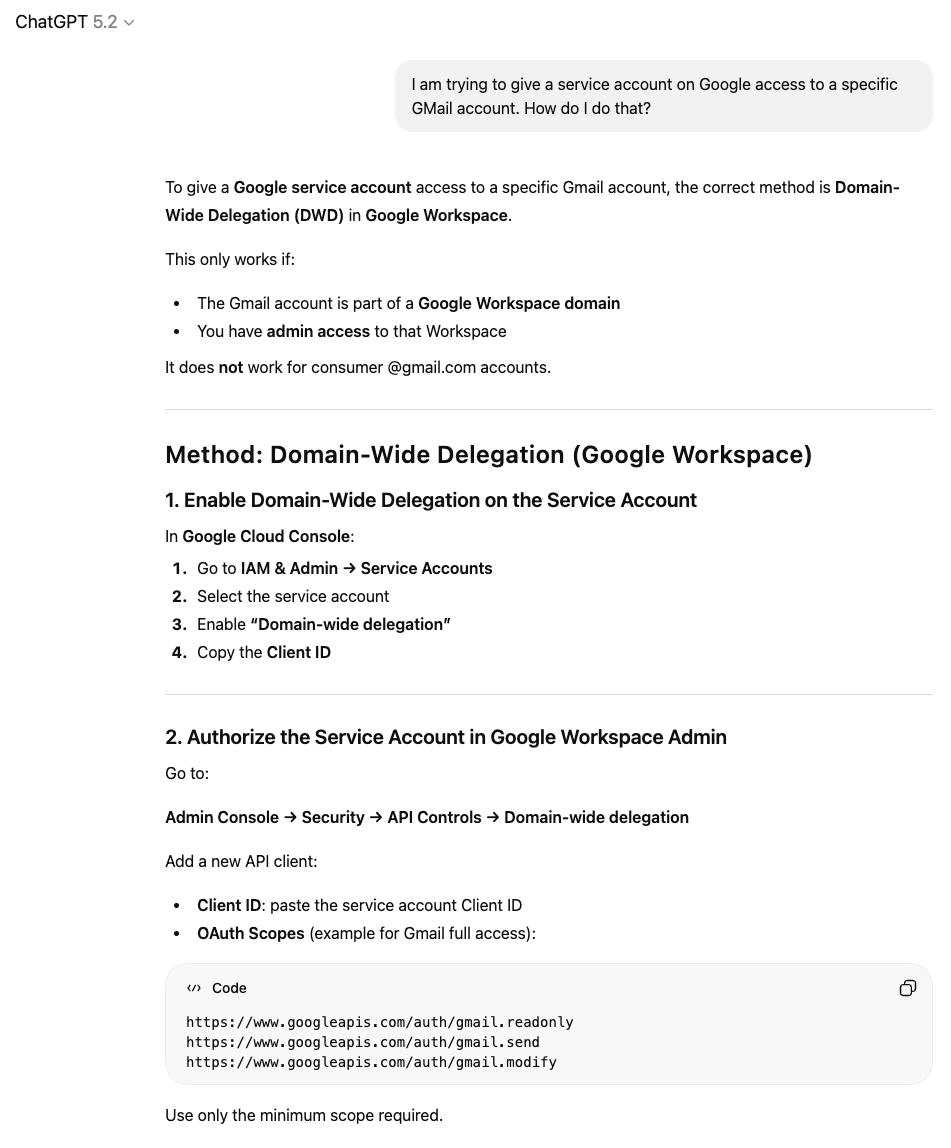
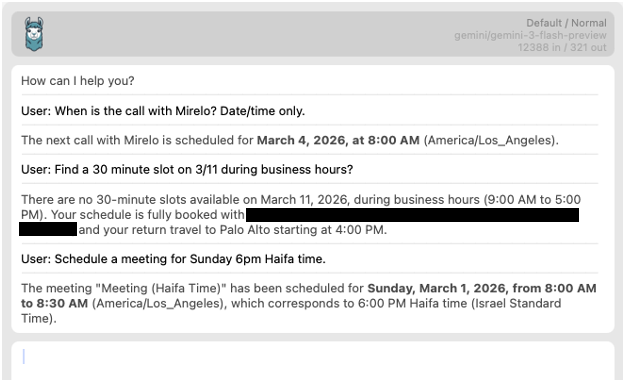

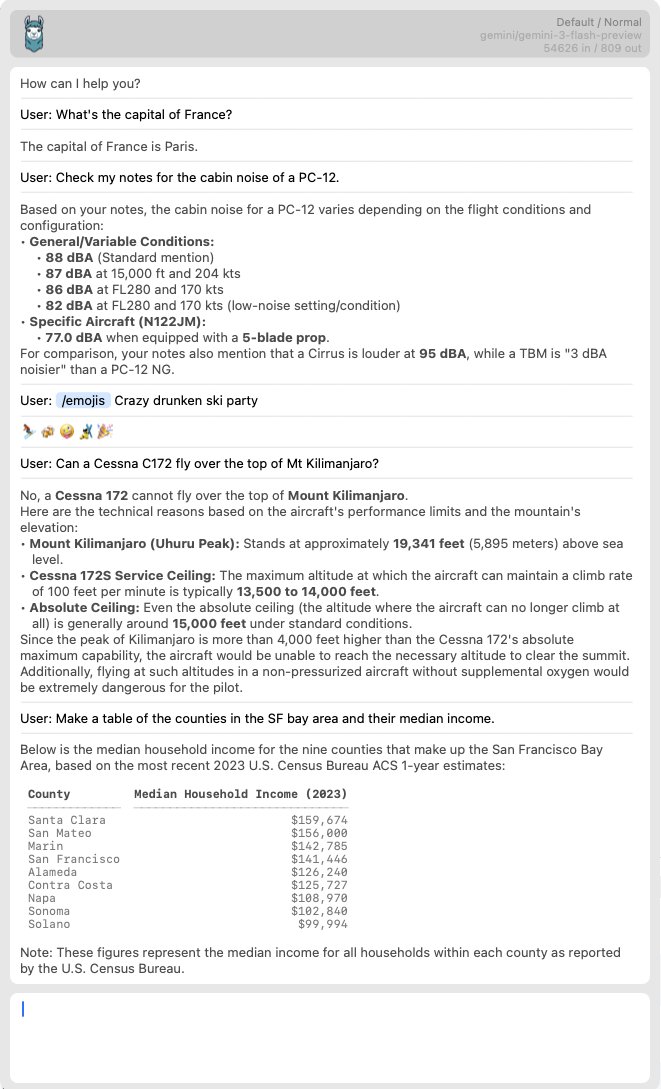

Jun 11
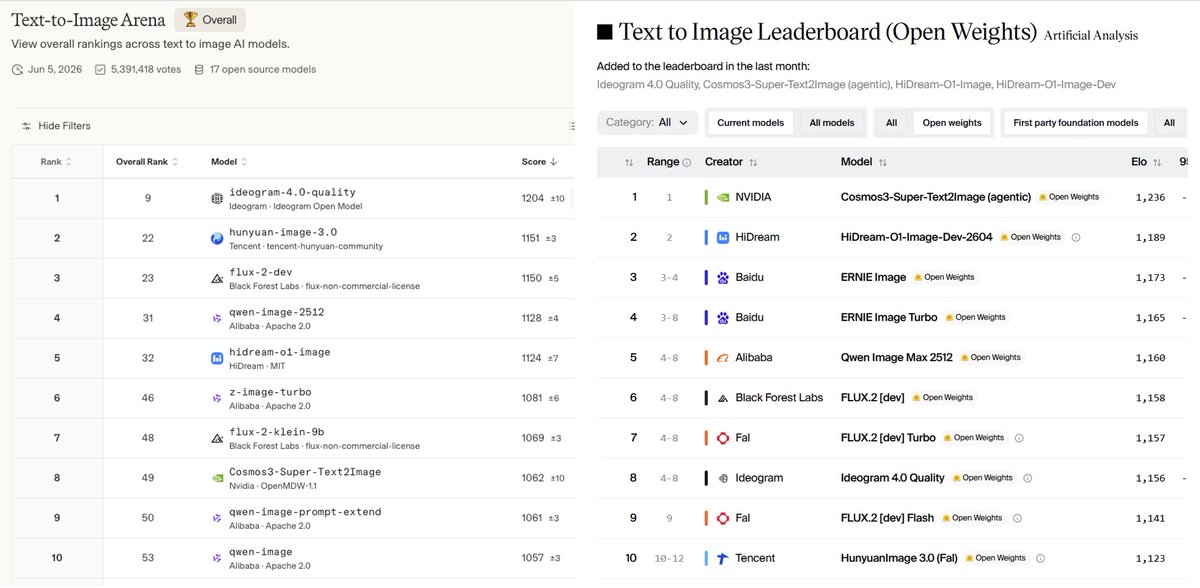
It's silly how the @arena and @ArtificialAnlys leaderboards for open-weights image generation differ right now.
- @ideogram_ai is #1 vs. #8 (really?)
- @nvidia Cosmos is #8 vs. #1
- @bfl_ai is #3 vs #6
I may be biassed, but @arena seems a lot closer to reality.
14
1,458
Guido Appenzeller retweeted

May 27
Flash-KMeans was only the beginning.
Today, from the Flash-KMeans team, we are releasing FlashLib — a GPU library for fast, predictable, agent-ready classical ML operators.
Up to 26× on KMeans, 19× on KNN, 40× on HDBSCAN, 208× on TruncatedSVD, 47× on PCA, 147× on exact t-SNE, and 49× on MultinomialNB over state-of-the-art (cuML).
Blog: flashml-org.github.io/
Code: github.com/FlashML-org/flash…
47
236
1,608
865,780
Guido Appenzeller retweeted

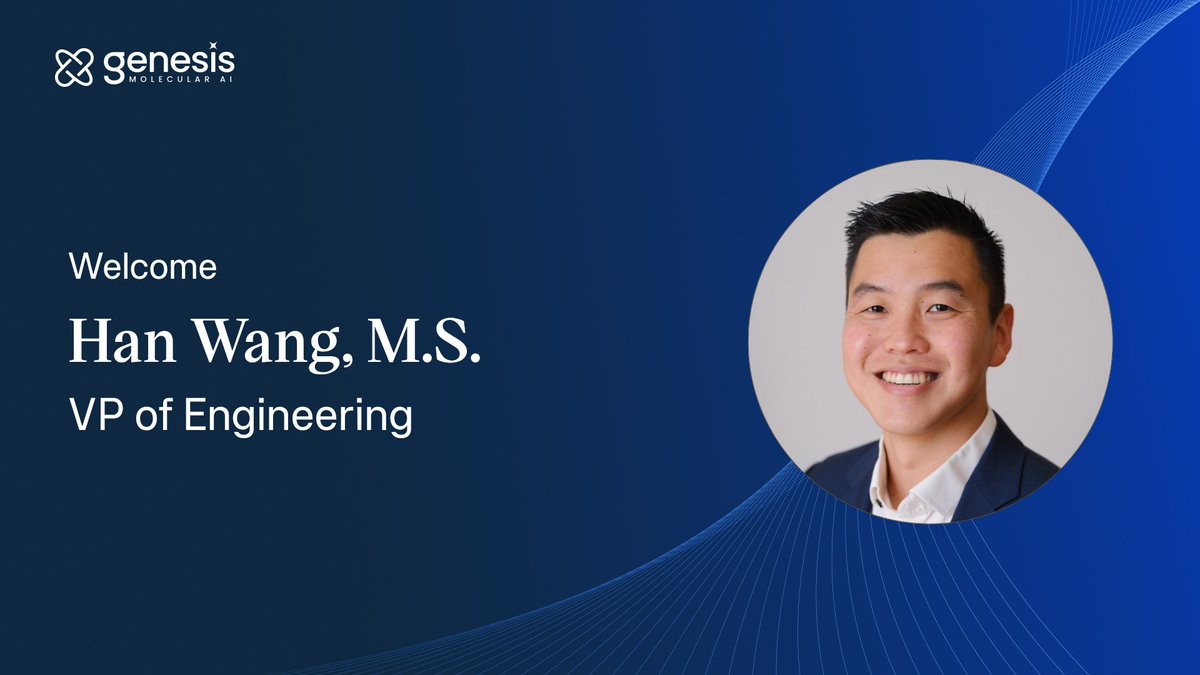
Welcome to the team, Han Wang!
Han joins as VP of Engineering, bringing expertise in computational mathematics, national security, and cybersecurity, with hands-on experience leading large-scale engineering infrastructure from Lawrence Livermore National Laboratory to the U.S. Army Reserve Cyber Corps. Han also co-founded YC-backed Upfort and most recently served as Head of Engineering, Infrastructure at Numeral.
His expertise comes at a pivotal moment: as we build the infrastructure to train and scale our foundation models like Pearl, having the right engineering leadership in place is critical.
Learn more and explore our open roles: genesis.ml/careers
4
5
2,797
Jun 4
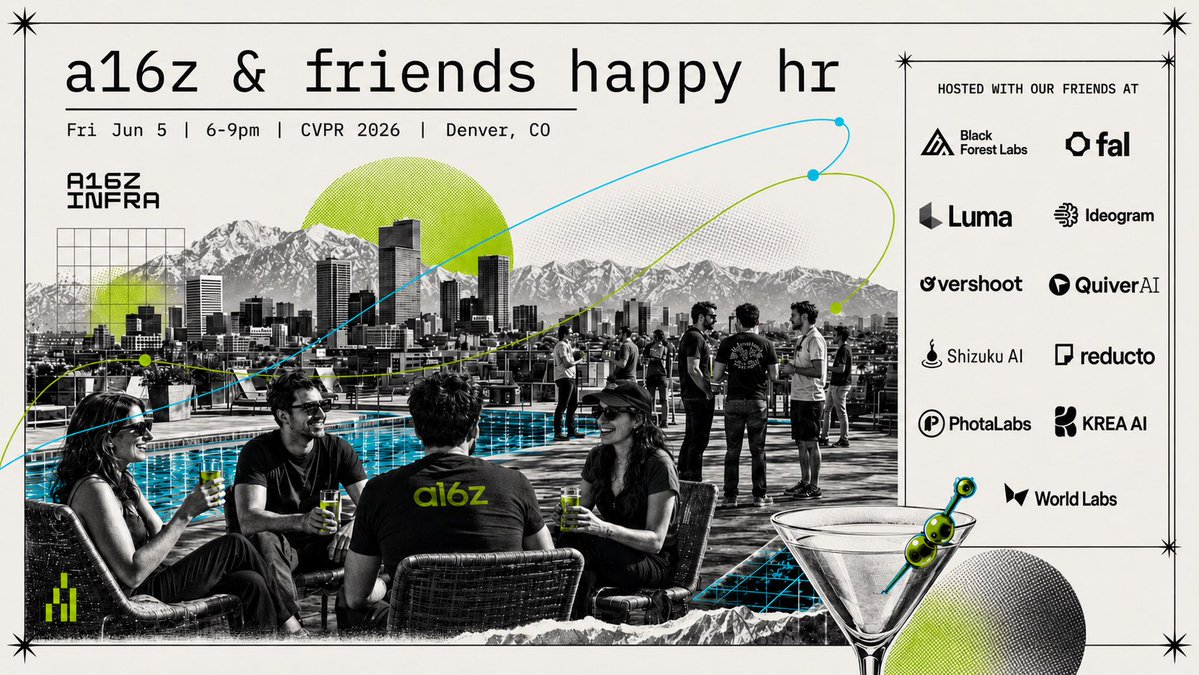
If you happen to be at CVPR, we are hosting a happy hour. Expect food, drinks, but most importantly super interesting people.
Jun 4

Happy hour at #CVPR2026 tomorrow 🍸
Come meet @a16z infra a dozen of the best generative media & computer vision teams in one place.
I can promise great food, drinks, and company!
RSVP👇
3
534
Jun 4
TL;DR: a16z is putting more emphasis on international

4
472
Jun 3
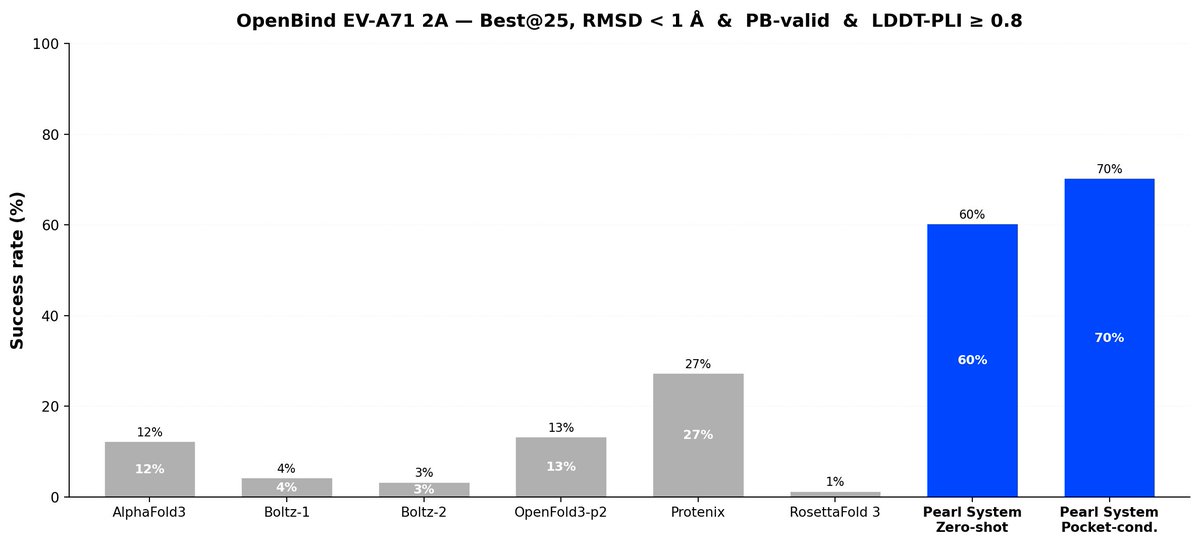
A great new meaningful benchmark for molecular models is out, and @genesismolai's Pearl model is doing extremely well.
It looks like scaling laws work for protein folding just like they do for language models, image generation or video.

Today we're sharing new breakthrough results for Pearl, our foundation model for protein–ligand cofolding.
The OpenBind Consortium recently released the first public structure-affinity benchmark for molecular AI, evaluating six prominent cofolding models on the EV-A71 2A protease. We ran our full Pearl system against the same target.
Zero-shot, with no binding-site information and no tuning, the Pearl system reaches 78% on OpenBind's primary success criteria, far ahead of every cofolding model tested by OpenBind. We also assessed a stricter sub-1 Å accuracy threshold, which is more relevant for real-world R&D usage – the Pearl system’s success is still 60%, versus 1–27% for the other models.
What matters most to us: this is the same system setup our scientists use on live drug discovery programs, not a benchmark-specific configuration.
Thanks to the OpenBind Consortium for building a rigorous public benchmark, and to @NVIDIAHealth for the support on optimizations that enabled model scaling.
2
564
Jun 3
Wohoo! Great to see Ideogram launching an open weights model!
Jun 3

Introducing Ideogram 4.0: the best open image model in the world.
Think it. Make it. Own it.
Download the weights, fine-tune on your own data, and run it on your hardware. Live on every Ideogram plan and the API today.
8
439
Jun 3
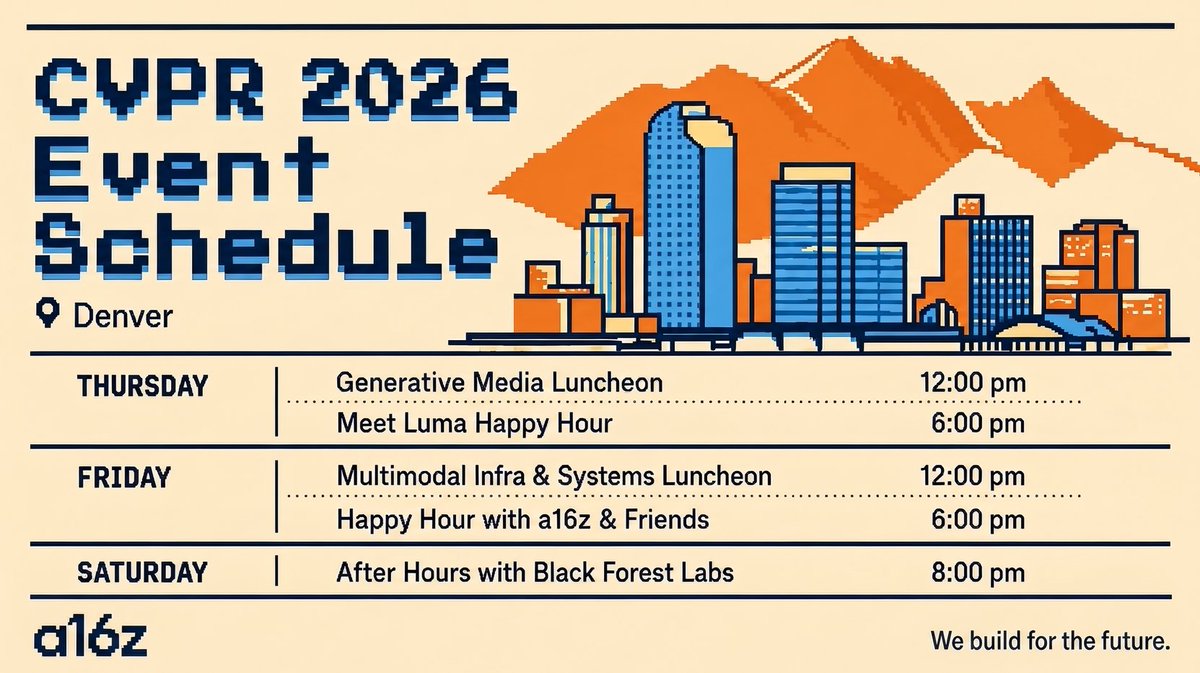
If you happen to be at CVPR, give us a shout. Personally I’ll only be there Friday, but our team is in Denver the whole time.
Jun 1
Going to CVPR in Denver this week?
Our team at @a16z and several of our portfolio companies are hosting events!
Come hang with us - links 👇
2
397
Guido Appenzeller retweeted

Jun 3
Announcing @a16z's investment in Town 🎉
It's an AI assistant that truly knows you.
Since I joined Town a few months ago, it's run my work life - emails, to-do lists, meeting prep, reminders.
It can actually DO things for you and has full context.
x.com/jgreze/status/20621786…
23
11
222
34,559
Jun 2
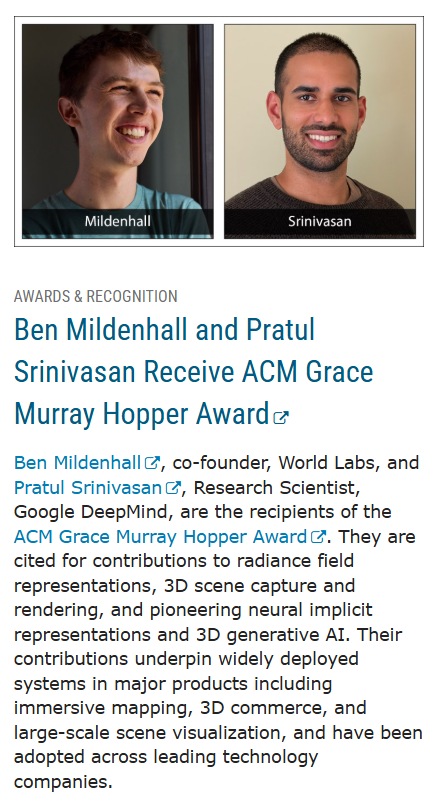
Whoaaa… huge congratulations to @BenMildenhall and @_pratul_, amazing accomplishment!
Jun 1

Congrats @BenMildenhall and @_pratul_! ACM gives Grace Hopper Awards to under-35-year-olds for *one specific thing*, here it's NeRF.
Past winners include Donald Knuth (for "The Art of Computer Programming"), Steve Wozniak (for Apple), and @martin_casado (for SDN). Good company!
4
875
May 26
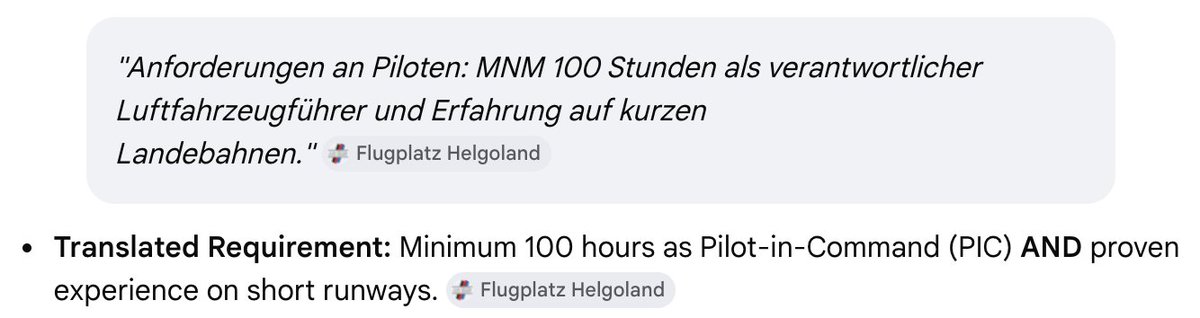
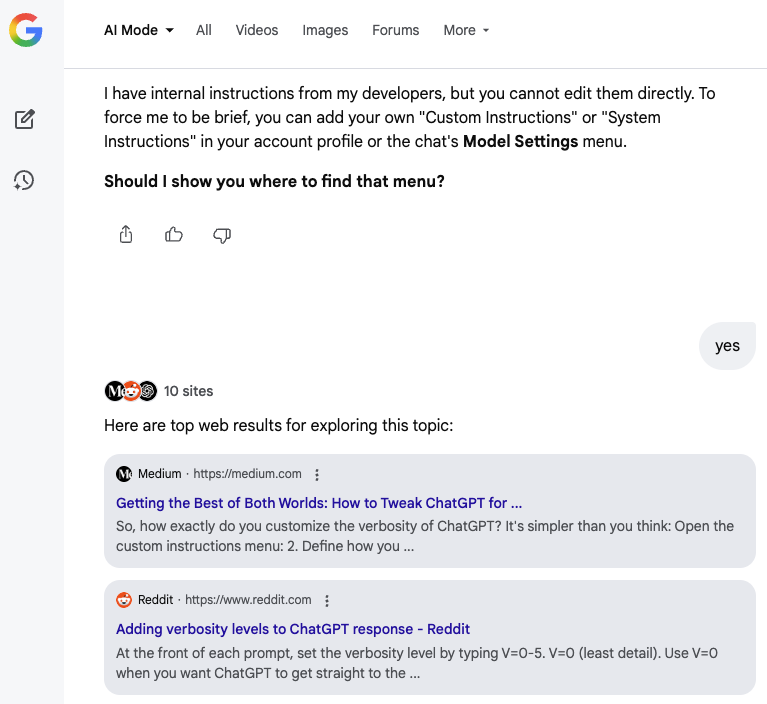
Never trust Google's AI answers for laws and regulation. Here it shows the original text in German and in the English translation adds an extra term (the word "proven").
It also told me a PC-12 can't land there as multi-engine planes need certification (PC-12 is single engine).
1
328
May 25
Me trying out if Gemini in Google Docs can do text formatting. I should have used Markdown.
1
1
495
May 23
This new Greencard rule is pure evil.
May 23

Feeling robbed of my path to citizenship right now after grinding a PhD and contributing to foundational AI computing technologies for the United States for the past ~ 10 years.
Feels like robbing top and technologists like me of the opportunity to achieve the American Dream.
365
11
212
36,472
May 24
To clarify why this is pure evil, it damages the US economy and costs the USA jobs. Assume you have a founder CEO who built a company in the US and needs to switch from a visa to a green card. The company is employing US citizens, and paying taxes. He now has to leave the US, potentially for a year (as US consulates often have excessive waiting times). During that time, he can’t run the company. And worse, he may decide to positions or the whole company abroad.
It won’t chance anything about him getting his green card eventually. It just does economic damage in the process.
16
8
900
May 21
Someone outside of the tech bubble trying to guess the meaning of SF AI billboards. Not bad!
youtube.com/watch?v=Ord_UF-m…
2
1,126
May 21
Super excited to have the OG back on the team. Wohoo!
May 21

I am thrilled to announce my return to a16z as a full-time General Partner. Having made a full recovery from cancer and navigated some of life’s most taxing personal hurdles, I am returning with a sharpened sense of purpose and a deep optimism for the future, both personally and professionally.
My time away reinforced that living to one's fullest capacity requires doing what you love with the people you trust. While I’ve continued to support my boards and founders, I’ve realized my greatest impact happens when I am 'all in.' I believe he current pace of innovation in infrastructure is unmatched, and I couldn't be happier to be back in the trenches with my colleagues and close friends on the a16z Infra team.
10
1,473
May 21
I want a collector's edition of the @SpaceX S-1 filing. It would make a great coffee table art book.
1
4
377
May 20
Nice piece by @amyfeldman at @Forbes on models for drug development. The @Incyte and @genesismolai is a milestone for the industry. What happened with LLM for languages is now happening for models in life sciences.
forbes.com/sites/innovationr…
2
286
May 20
Huge congratulations to both @genesismolai and @Incyte for the expansion of their partnership. AI Models are becoming the new foundational technology for drug research, and these two companies are leading the charge.
Congrats @enfeinberg, @edunov and the amazing Genesis team!
Our AI partnership with @Incyte has taken a major step forward and is now one of the most ambitious AI-pharma collaborations.
Here's how the partnership is growing:
➡️ $120M upfront consideration ($80M cash $40M equity investment in Genesis), plus recurring research funding, potentially up to several billion dollars in contingent milestone payments, and royalties
➡️ Incyte's proprietary experimental data will help train the next generation of foundation models in GEMS (Genesis Exploration of Molecular Space)
➡️ At least five new collaboration targets, with options for more
AI for drug discovery just hit a new milestone. By pairing our AI platform with Incyte’s best-in-class drug development engine and proprietary data, we’re building a flywheel to accelerate the discovery of novel medicines, helping us get new drugs to patients who need them.
Full announcement: businesswire.com/news/home/2…
2
1
6
685