
new ventures @ deloitte. previously coo & founding team @blocknative. in crypto since 2017 ex. @dreamfanshares @consensys 🏳️🌈 say hi 👋
Joined November 2011
- Tweets 16,262
- Following 3,557
- Followers 2,726
- Likes 34,421
1,302 Photos and videos






Pinned Tweet

21 Dec 2017
Structure.
If you know where (and how) to exert force you can move mountains.
16
2
66
sean o’connor retweeted

Jun 9
🚨 Anthropic just showed a 27-minute workshop on how to actually do prompts for Claude.
Taught by the people who built it.
Free. No registration. No paywall.
I've seen $300 courses that don't cover what they teach in the first 8 minutes.
Watch it and bookmark it now.
38
407
3,194
662,585
sean o’connor retweeted

Jun 1
I quit BigLaw to do cryptolaw full-time a day after being offered to join the partnership program, in January 2018--the top of that crypto market
What followed was a grueling bear where people thought perhaps even Ethereum is a giant illegal securities exchange because of ICOs
I can say from experience there is one good thing about this kind of bear market (similar to now)--the community is smaller and pretty much everyone is more accessible and open-minded as we all need each other.
If you're still here, you should be talking to everyone & trying to do deals.
31
24
363
20,442

sean o’connor retweeted

Jun 1
10
47
297
91,925
sean o’connor retweeted

May 19
News to share: the Blocknative team has joined Deloitte. It's been eight-plus years. Thousands (more?) of conversations. Too many talks, panels, blog posts, and podcast appearances to track. A team that refused to ship anything we weren't proud of. Grateful for each and every one of you. Onward. 🫡
May 19

News to share: Blocknative team has joined Deloitte.
This next chapter allows our team to take our work into a broader context, supporting enterprise and institutional adoption of blockchain in the age of AI and agentic workflows. Read on for detail.
74
26
199
29,872
May 19
Excited to share that I've joined Deloitte.
For the past 7.5 years, building Blocknative has been an unforgettable journey alongside a talented team and inside an ecosystem that never stops advancing the state of the art.
More on the Blocknative transition:
May 19
News to share: Blocknative team has joined Deloitte.
This next chapter allows our team to take our work into a broader context, supporting enterprise and institutional adoption of blockchain in the age of AI and agentic workflows. Read on for detail.
17
2
66
11,195
Feb 13
dm me if you want a promo code. prioritizing the most based degens
Feb 13

Tapathon Eligibility Is Now Live!
If you think you’re in, it's time to check. Competition kicks off on Monday, Feb 16th.
There are 2 ways to access: 👇

2
4
219
sean o’connor retweeted

Jan 7
The US is now doing the kind of things we used to make fun of banana republics for doing when I was a kid.
I know not all the people who supported this man are idiots. Is there a point where the non-idiots say "enough is enough?"
Jan 6

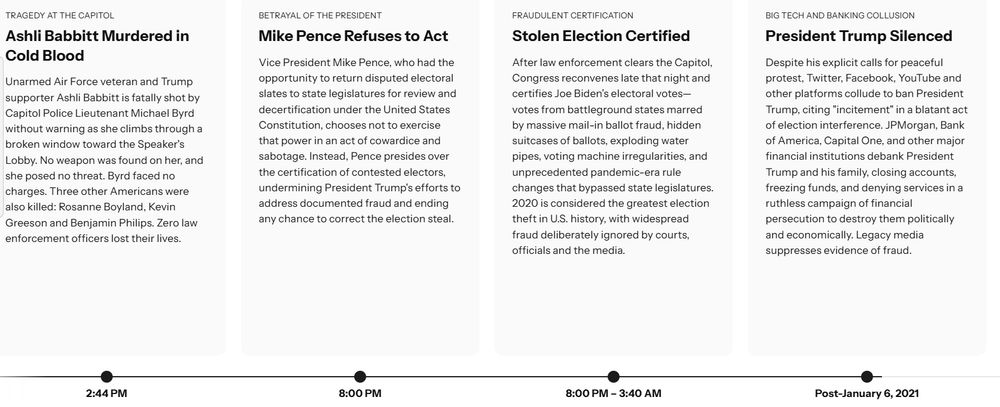
words fail at the brazenness of the dishonesty in the White House's new January 6 timeline: whitehouse.gov/j6/
282
848
8,509
602,005
sean o’connor retweeted

29 Dec 2025
This shouldn’t be a philosophical debate. It’s a misunderstanding of how infectious disease works.
Vaccines aren’t perfect. The measles vaccine is 97% effective with two doses, not 100%, so some vaccinated people remain vulnerable. More importantly, some people can’t be vaccinated at all: infants under 12 months, immunocompromised patients, people with anaphylactic reactions to vaccine components. They depend on the rest of us not spreading a highly contagious virus to them.
Measles has an R0 of 12-18, meaning each infected person spreads it to 12-18 others in an unvaccinated population. The virus can linger in the air for two hours after an infected person leaves a room. At that level of contagion, you need 92-95% vaccine coverage to stop community transmission. When coverage drops, outbreaks happen, and the people who pay the price are often those who had no choice in the matter.
“My body, my choice” makes sense for decisions that affect only your body. Transmissible disease isn’t that. Your choice not to vaccinate can put a 6-month-old in the hospital or kill an immunocompromised kid who couldn’t get the shot.
The question isn’t “why does it matter if I take it.” The question is whether your comfort with risk should override someone else’s right not to get infected by you.
28 Dec 2025

Tucker Carlson: "If the vaccine is effective and you take it, then why does it matter if I take it?"
Cheryl Hines: "It doesn’t make any sense."
Tucker: "So ‘my body, my choice’ was not a real thing, it turned out... It’s your body, my choice."
1,387
3,353
19,388
1,511,564
sean o’connor retweeted
8 Dec 2025
My POV: credible gas futures (including physical delivery of blockspace) will be 100% necessary for widespread institutional adoption. True decentralization is a big challenge, as is the Base Fee. All very much part of our roadmap with Gas Network – with plenty of research still required.
1
8
285
sean o’connor retweeted

2 Dec 2025
and you think crypto is over
1 Dec 2025

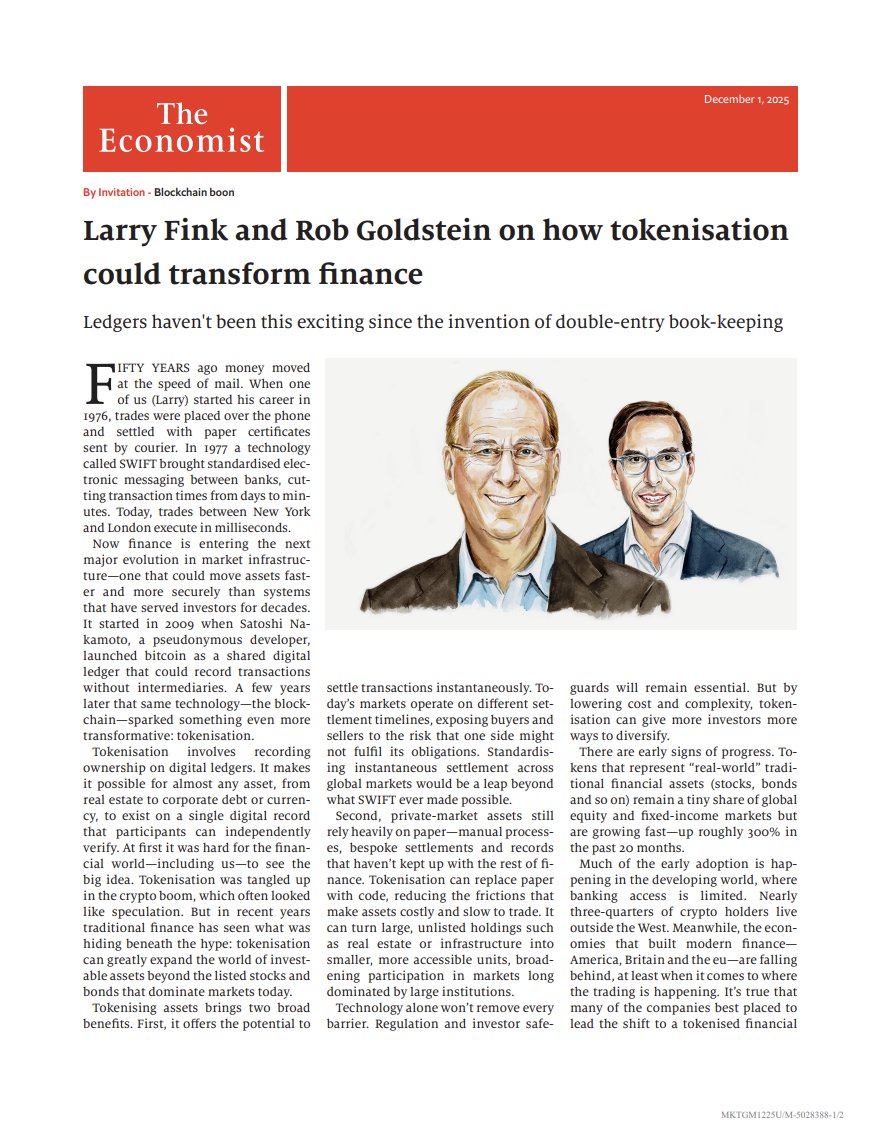
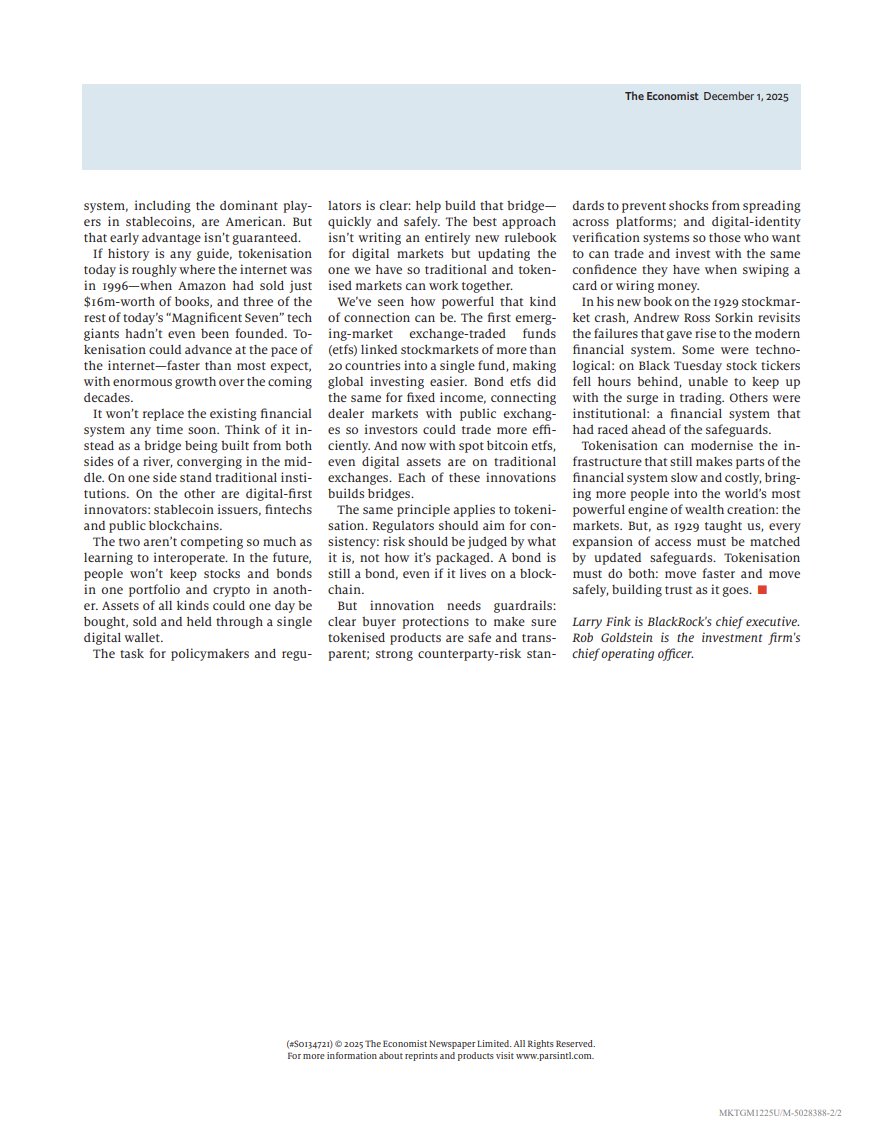
Tokenization is shaping the next evolution of global markets. In @TheEconomist, Larry Fink and Rob Goldstein discuss how tokenization can modernize market infrastructure, enhancing efficiency, transparency, and access by connecting traditional and digital finance. Read more:
37
21
329
22,205
sean o’connor retweeted

20 Nov 2025
Nick Fuentes embodies the toxic feminine
7
2
39
1,703
21 Nov 2025
the onboarding on @INX_Group is awful - been stuck in a hellish kyc loop and no response from their team for weeks.
1
2
113
sean o’connor retweeted

19 Nov 2025
This is what my company is building: the American 3-Story Rowhouse
The goal is to build the highest quality infill starter homes so young people can have kids and STAY in their community, in every City across the country ... like we did 100 years ago
1200-1600sf, 4BR/2.5BA



380
259
5,134
415,291
sean o’connor retweeted
17 Nov 2025
major vibe shift in EF and Ethereum community overall from:
“we need to show how counterculture we are, even if it means being ineffective”
to
“we win when we make everything open and trustable, and we have to be maximally effective to achieve this outcome”
49
25
455
21,770

So we built the rails the world was missing:
🔏 @safe: $65B TVL
🐮 @CoWSwap: $160B traded
💶 @kpk_io: $3B AUM
⛓️ @gnosischain: 7 years, 0 downtime
💳 @gnosispay: $110M transactions
🧾 @gnosisbusiness: $1B transactions
3
5
69
6,750
sean o’connor retweeted

17 Nov 2025
If you’re over 30, here is how you can politely decline afters each night during Devconnect.
Sunday: I just got in
Monday: our big event is tomorrow
Tuesday: our big event was today
Wednesday: crazy week, I’m going to recharge
Thursday: my flight is tomorrow
Adjust as needed
73
20
855
79,655