
Professor of Earthquake Engineering
Joined November 2008
- Tweets 373
- Following 475
- Followers 723
- Likes 1,030
72 Photos and videos


Anastasios Sextos retweeted

16 Jun 2025
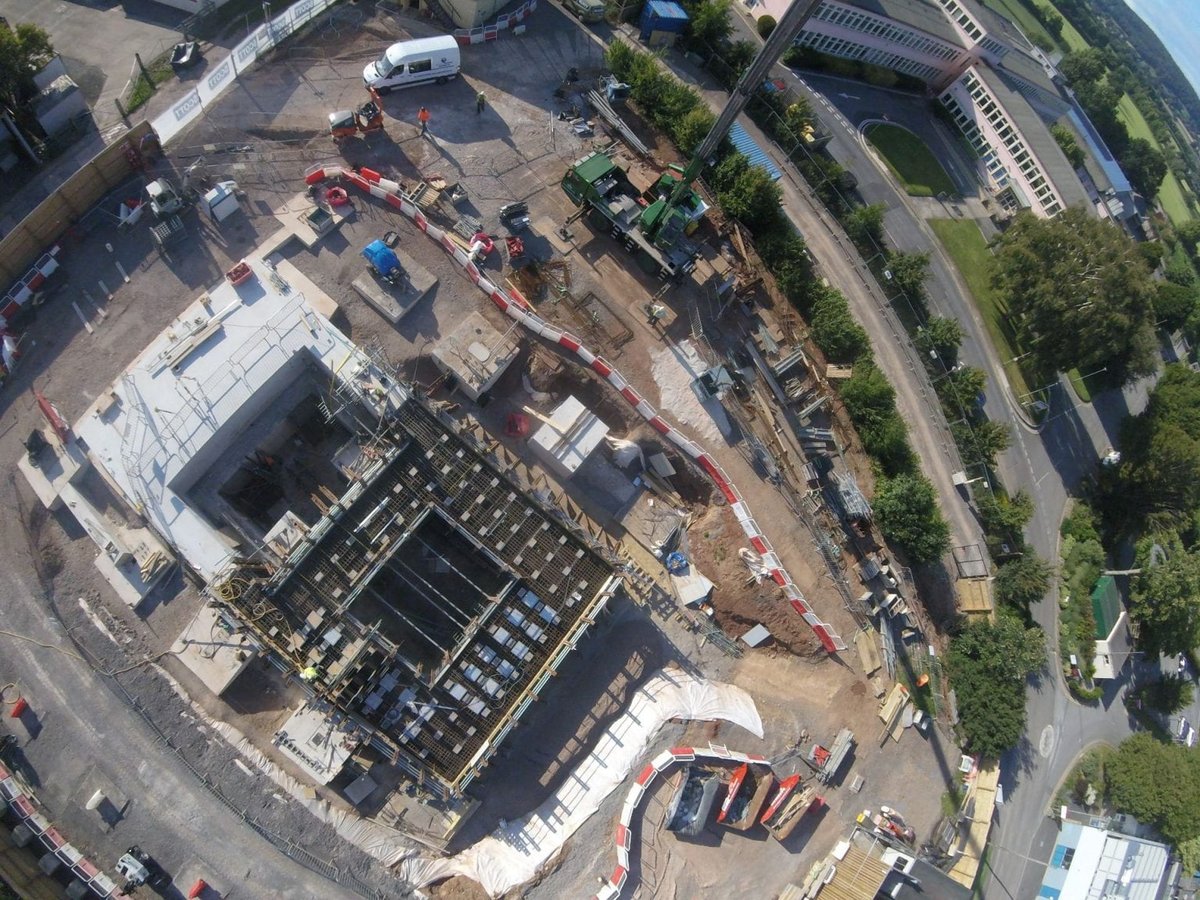
Shaking 3D homes experiment a 'world first' bbc.in/44i6jpZ
1
1
2,019

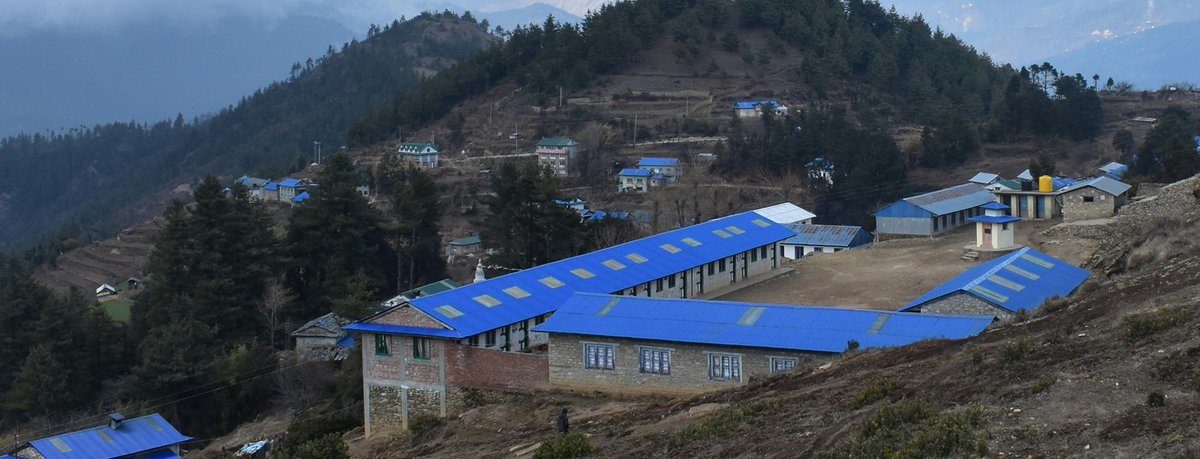
If you missed the March #UKCRIC Doctoral Skills Webinar 'From research to impact: lessons learnt from developing community resilience in low-income seismic regions' with Prof. Anastasios Sextos @asextos @BristolUni, you can view the recording here:
ukcric.com/how-we-can-help/s…
2
3
314
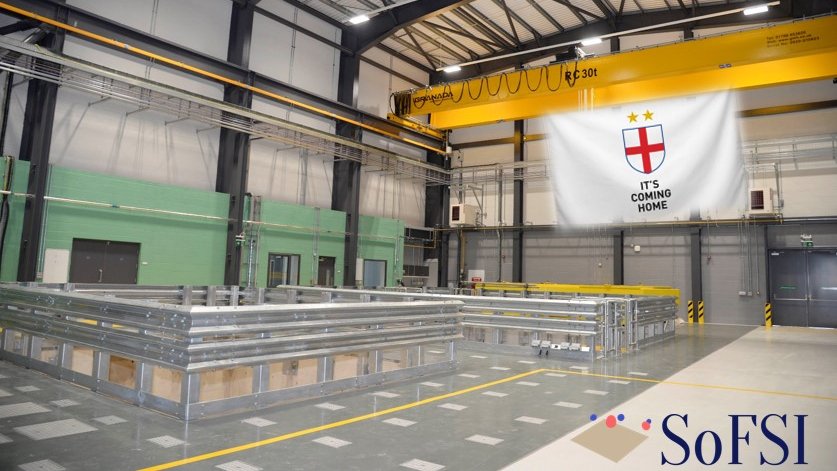
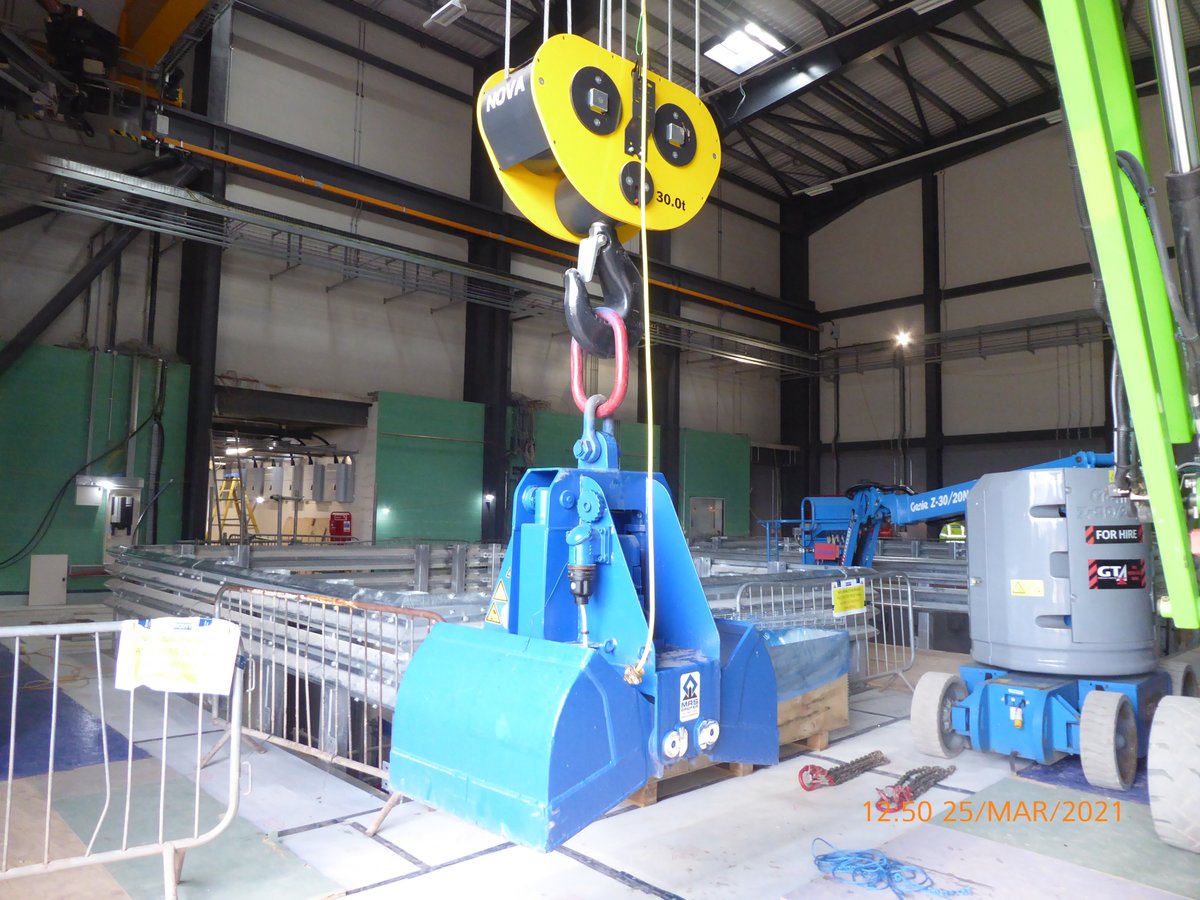
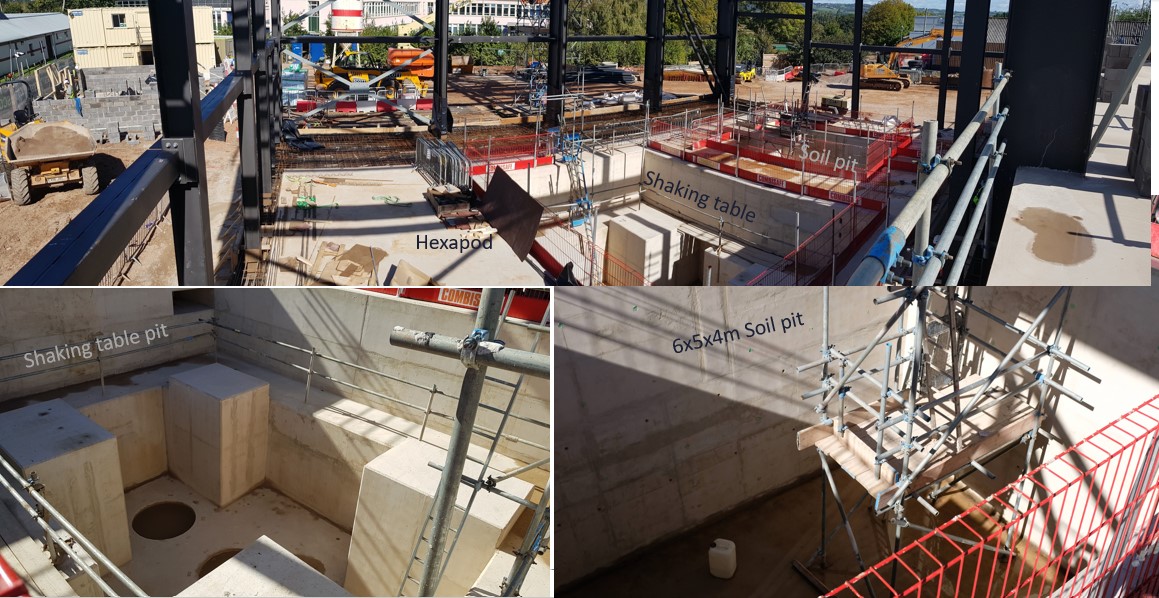
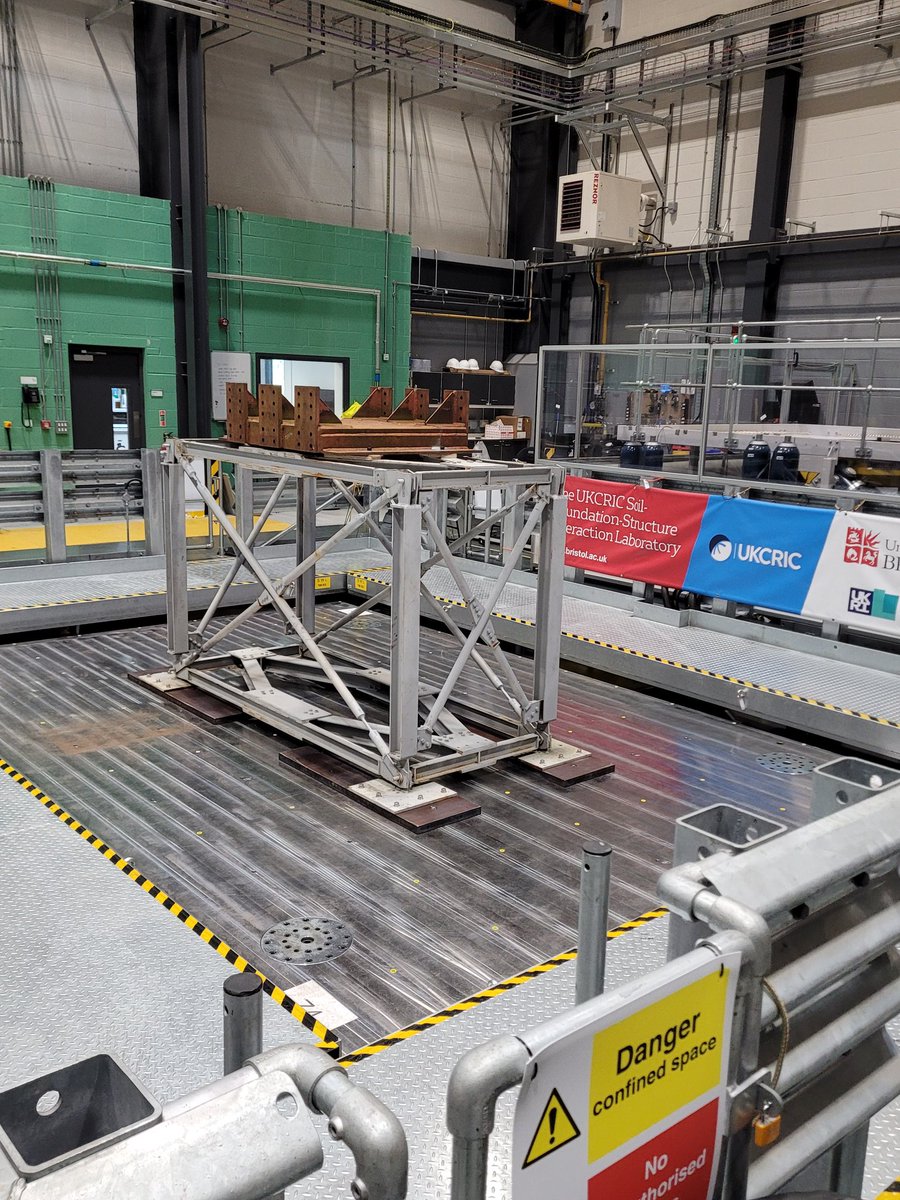
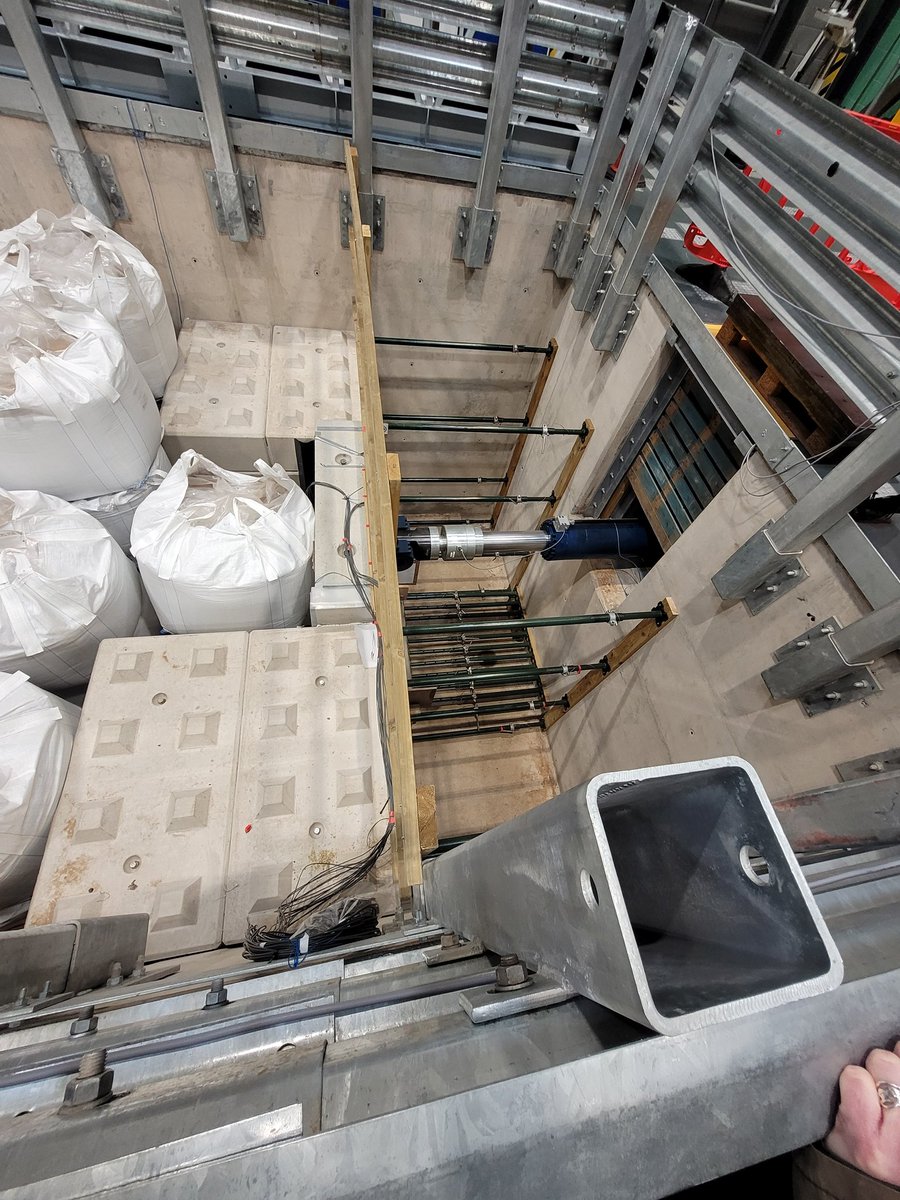
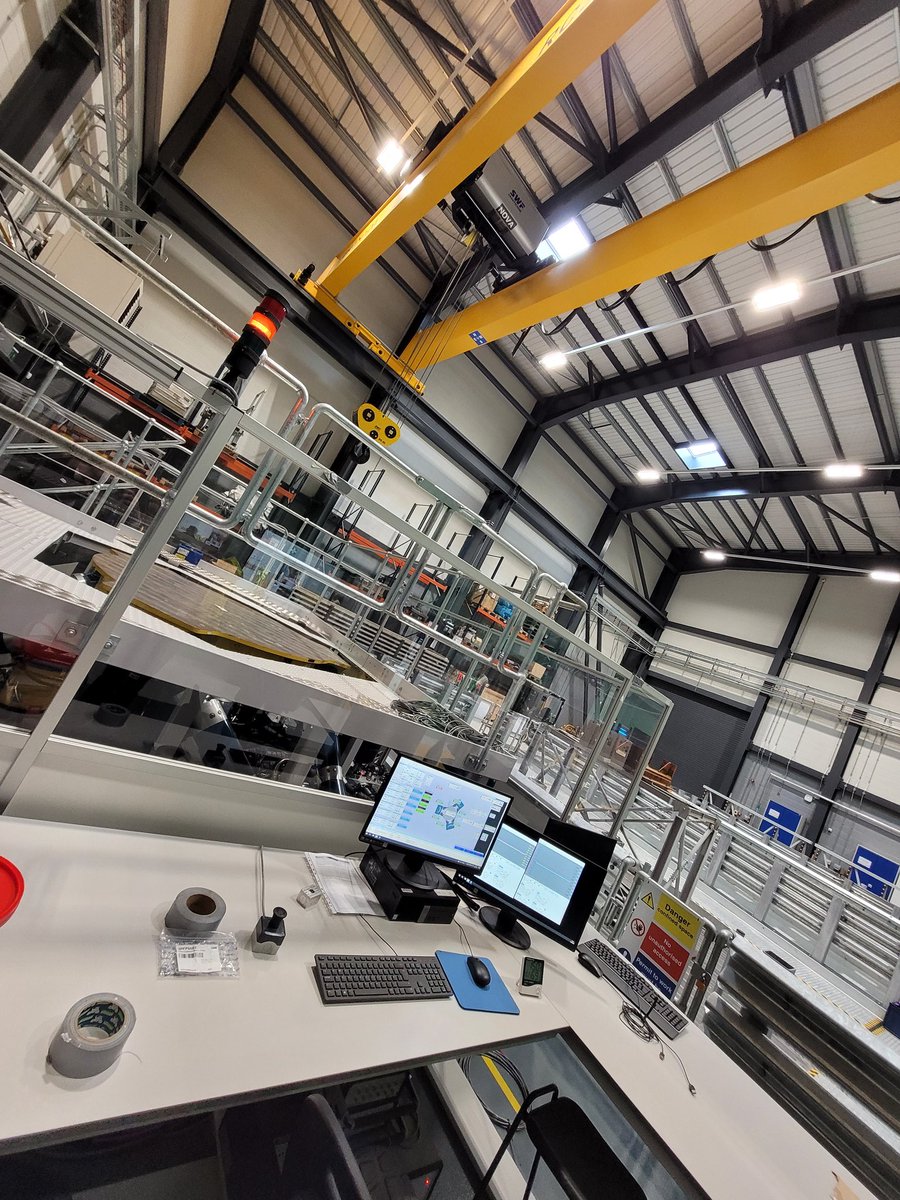
Massive thank you to the team in the Soil-Foundation-Structure-Interaction Laboratory @BristolUniEng and @asextos @drpatricktully @davidlwilliams_ for demonstrating this unique facility enabling truly innovative research into the structural-geotechnical boundary #infrastructure
2
6
660
Anastasios Sextos retweeted

Professor @asextos speaks on collaborative research into seismic hazard, structural vulnerability and resilience of school buildings and educational communities in Malawi. @UoBEarthScience @BristolUniEng @BristolUniStaff @BristolUni
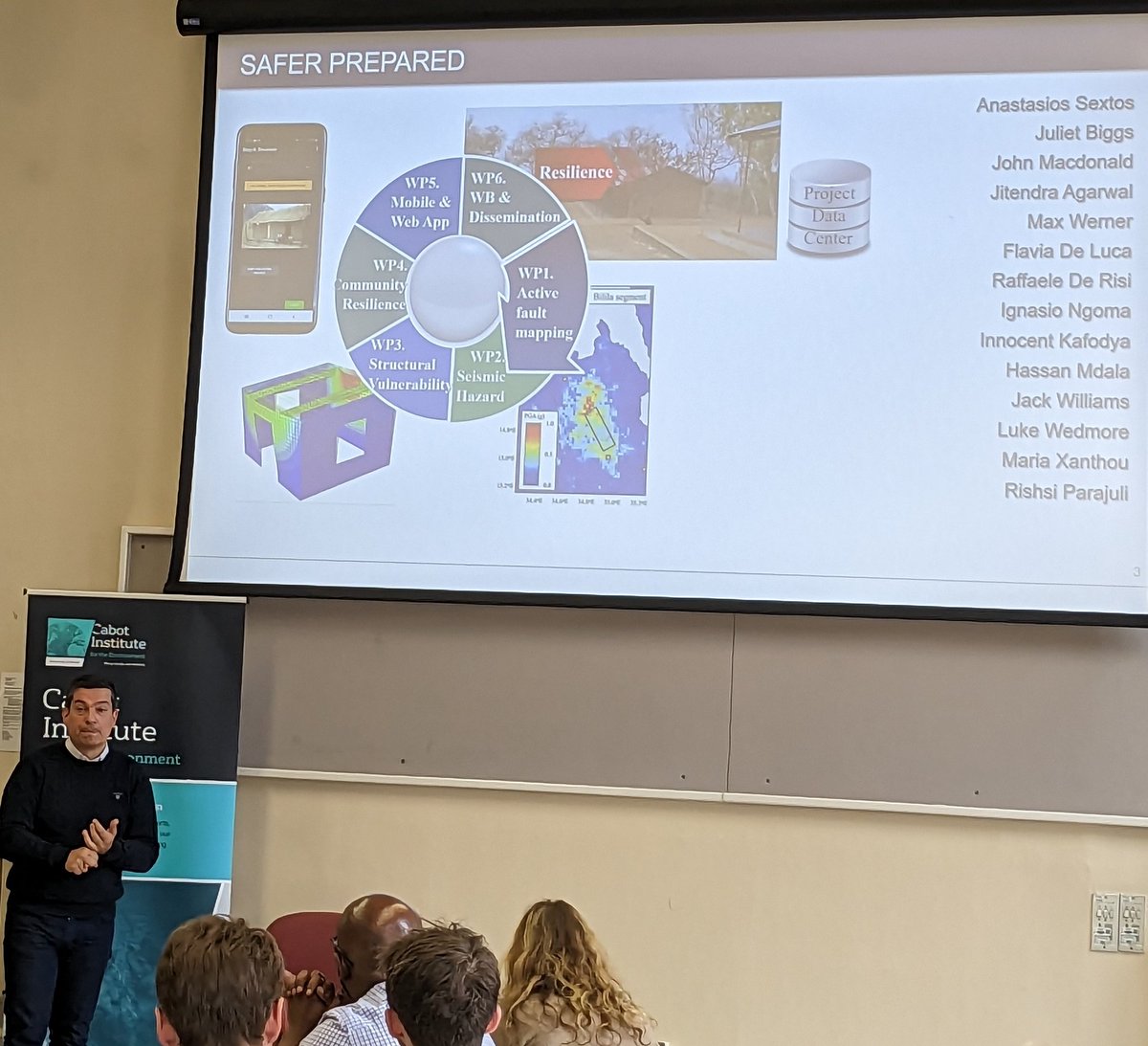
ALT Anastasios Sextos speaks to a room of academics at university of Bristol.
1
3
8
860
Anastasios Sextos retweeted

9 Feb 2023
Prof. Ambraseys published another monograph together with C. F. Finkel "The Seismicity of Turkey & Adjacent Areas: A Historical Review 1500-1800".

2
2
13
1,162
Anastasios Sextos retweeted

8 Feb 2023
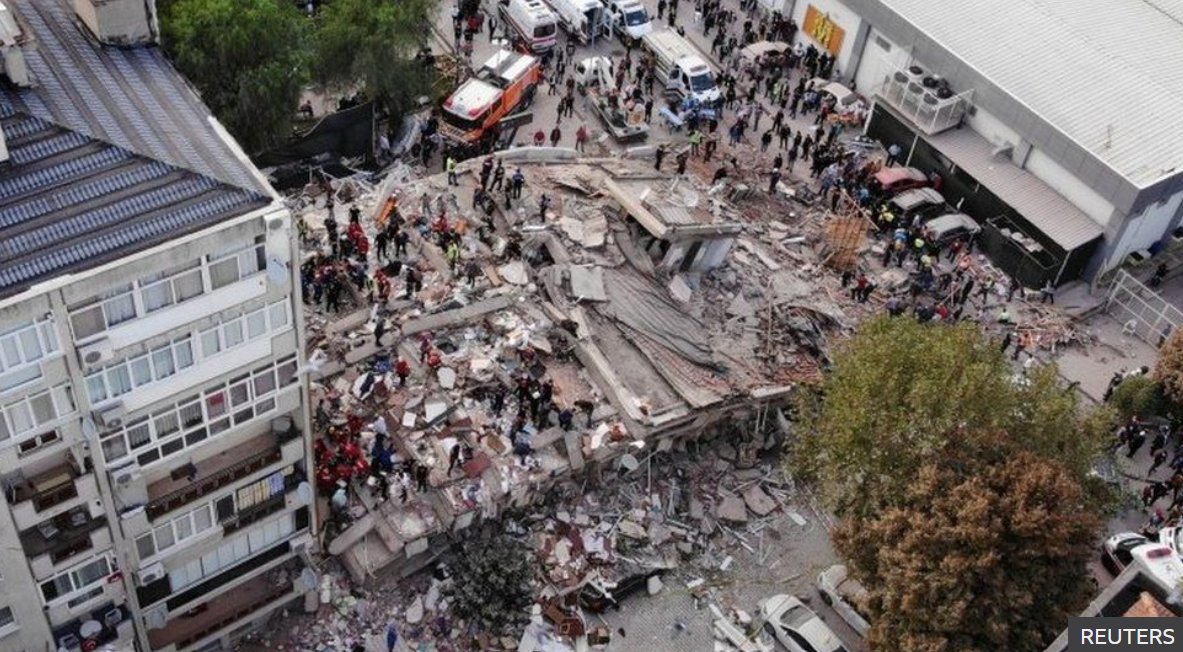
Aerial footage over Antakya/Hatay showing collapse of concrete buildings in the city center after #TurkeyQuake.
We need to educate public about the seismic risks. Life safety/collapse prevention is the basic goal of seismic codes and should be ensured. (Video credit: @ihacomtr)
5
17
30
7,306

6 Feb 2023
A human tragedy. Once more the toll of natural disasters is disproportionate for regions of lower income and lack of code enforcement and quality control. Our thoughts and prayers are with the people of Turkey and Syria
6 Feb 2023

Huge earthquake in south-east Turkey kills more than 100 people in Turkey and Syria
Live updates bbc.in/40JnXPV
1
2
20
1,097

A resilient city is a risk-proofed city. Urbanization done well can create an environment where everyone can thrive.
mcr2030.undrr.org/
2
28
41
26 Nov 2022
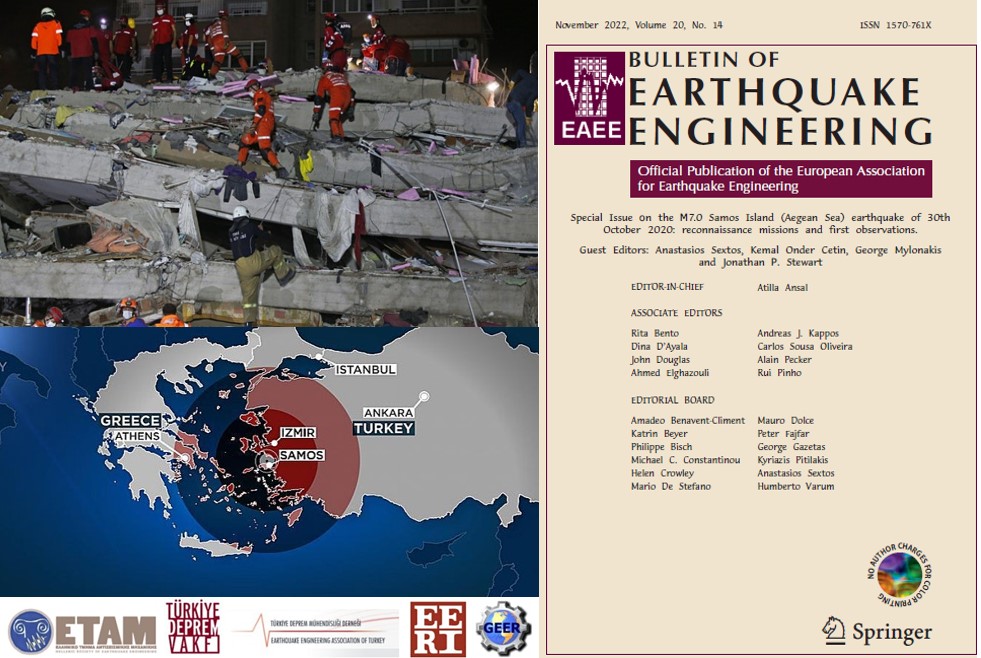
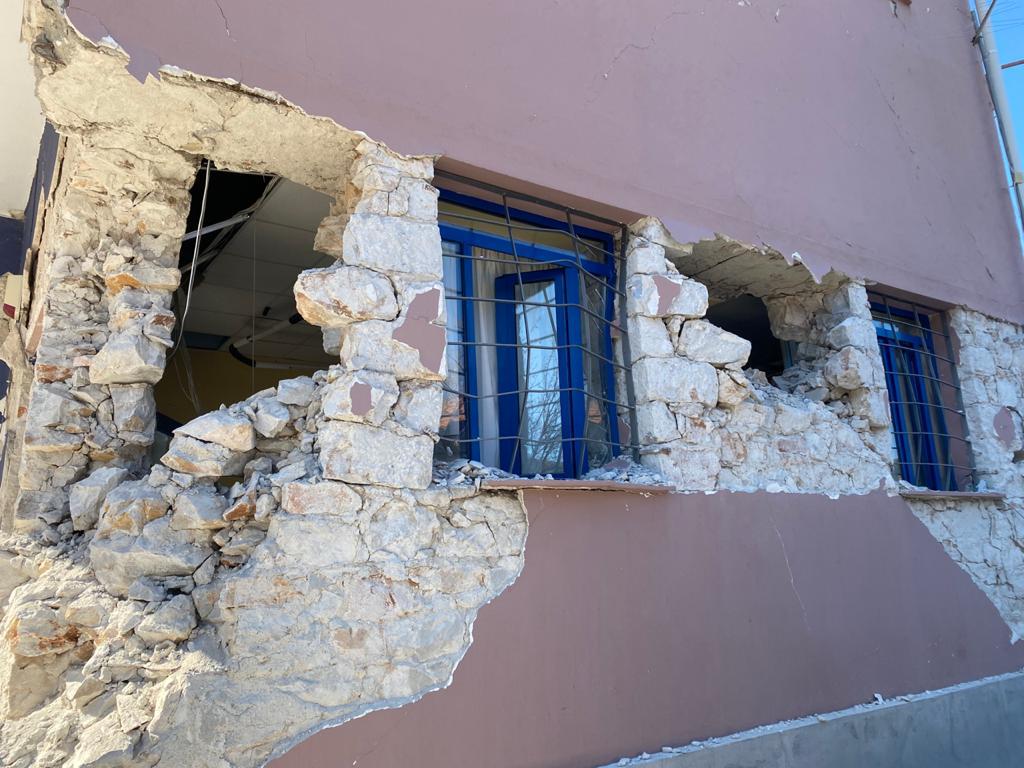
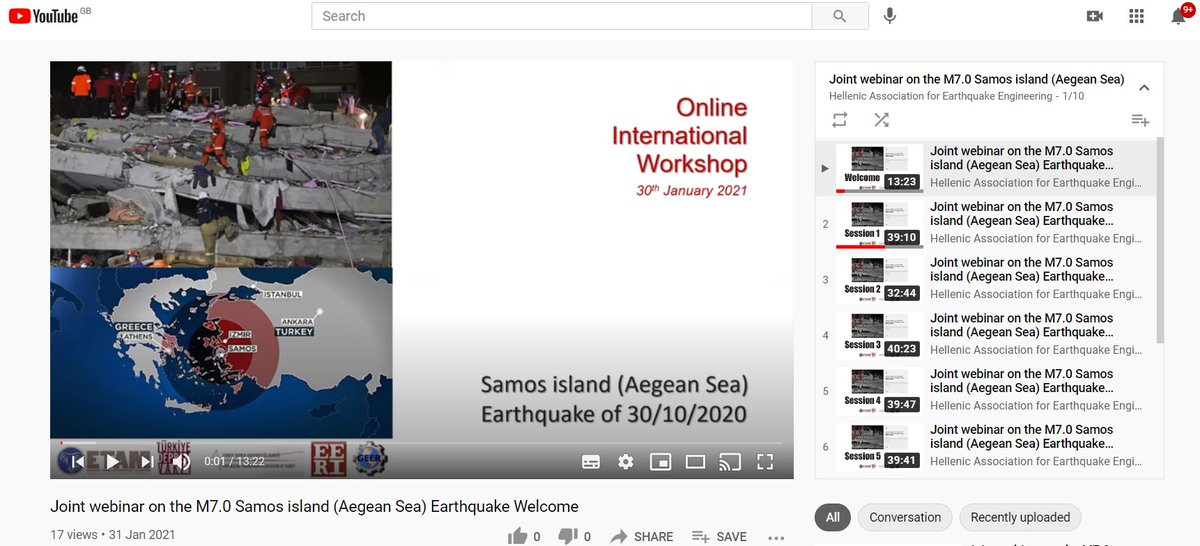
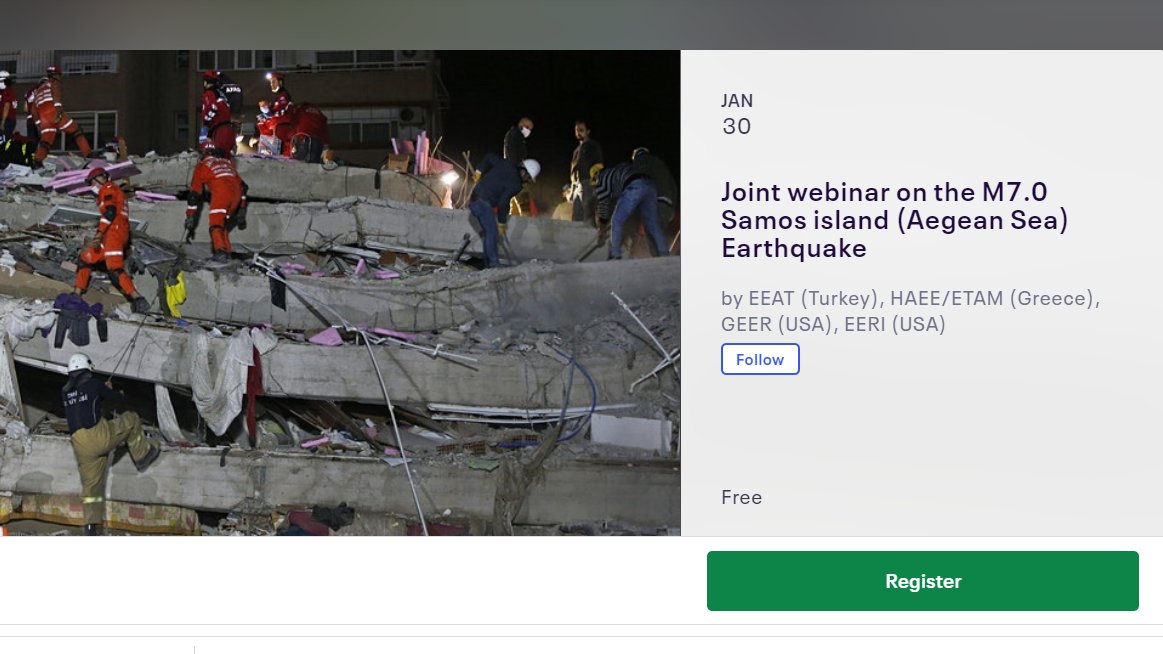
Special Issue of the Bulletin of Earthquake Engineering, οn the Μ7.0 Samos Island (Aegean Sea) earthquake of 30th October 2020: reconnaissance missions and first observations
link.springer.com/journal/10…
1
4
18 Sep 2022
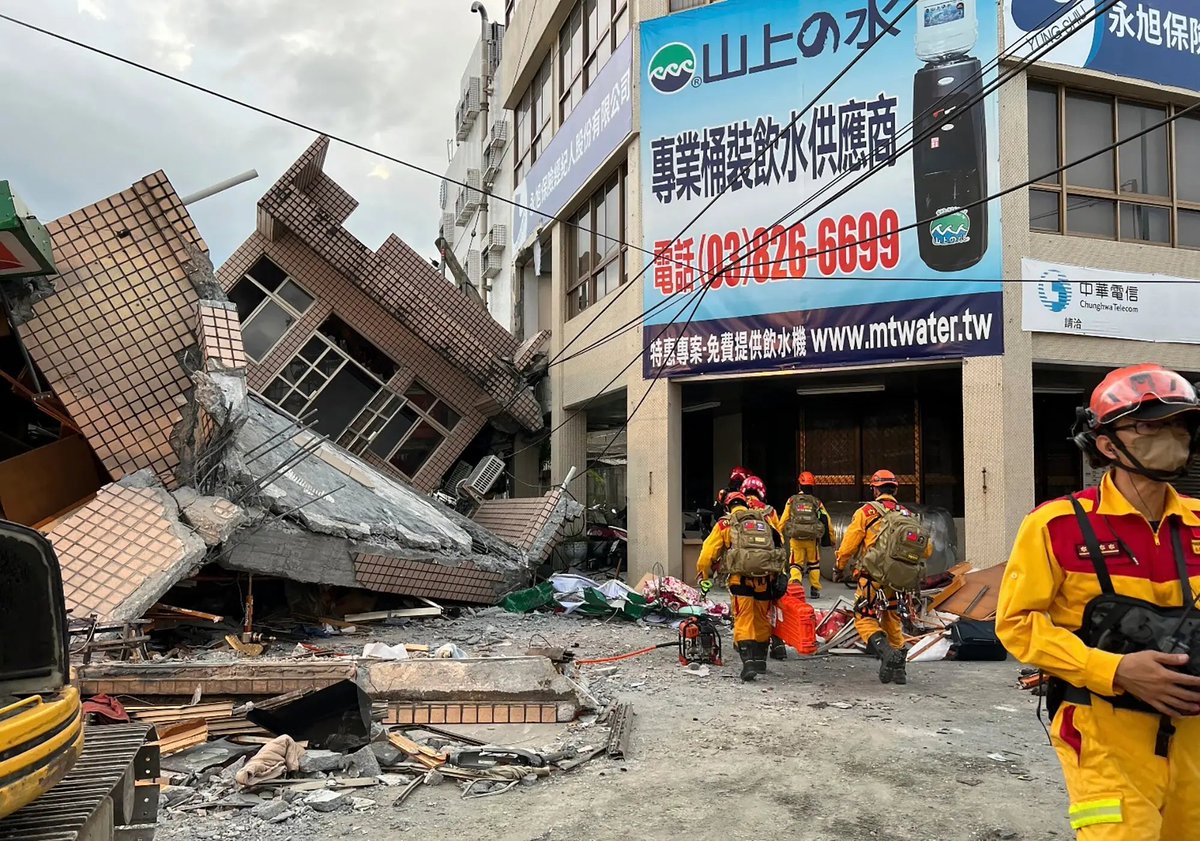
Seismic code compliance and strengthning of sub-standard buildings can prevent collapse during strong earthquakes (such that of M6.9 in Taiwan). Unfortunately, the problem is not scientific; this is solved to a great extent. It is financial. #TaiwanEarthquake
7
21
Anastasios Sextos retweeted

19 Aug 2022
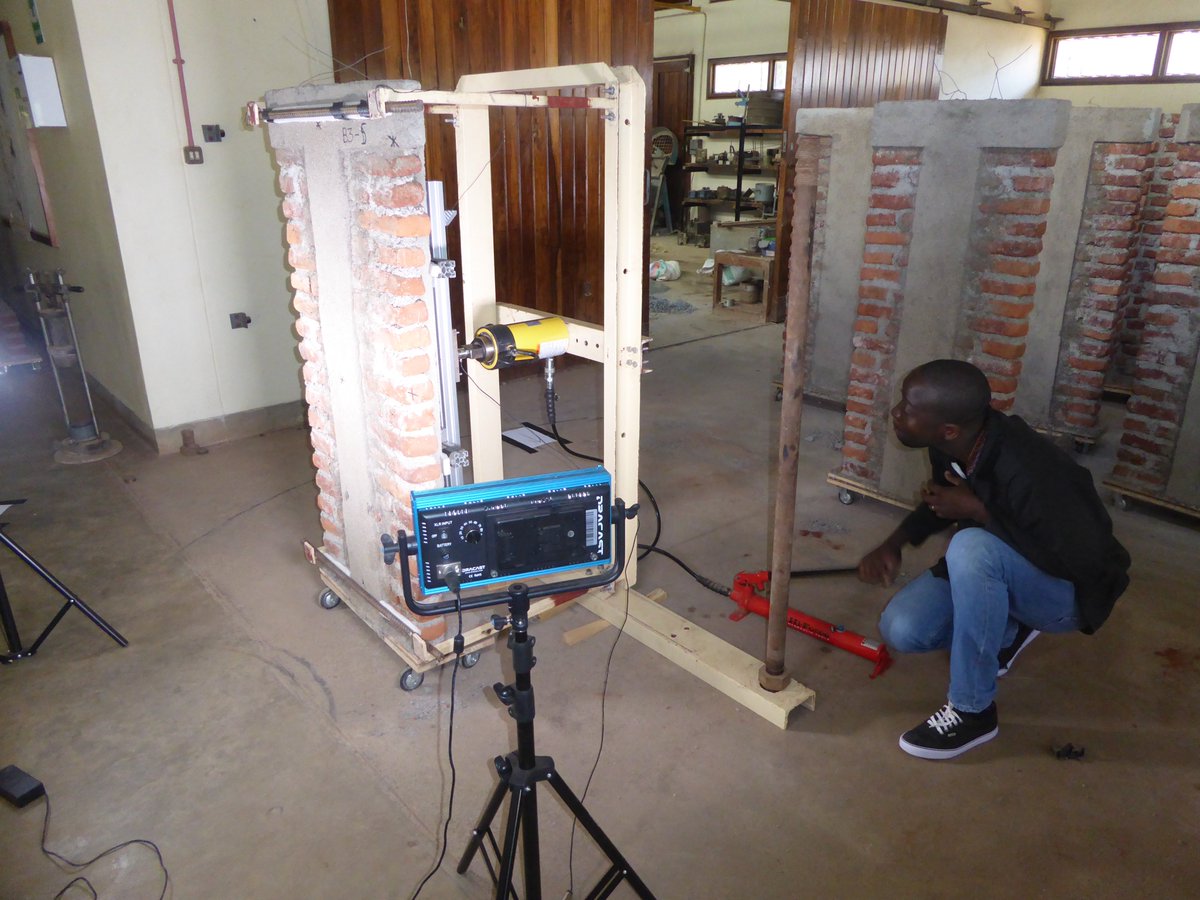
Project Spotlight: PLEXUS PLUS - first pseudo-static experimental test on integral abutments at the UKCRIC Soil-Foundation-Structure-Interaction Laboratory (SoFSI) of the University of Bristol ukcric.com/our-work/project-…
3
7
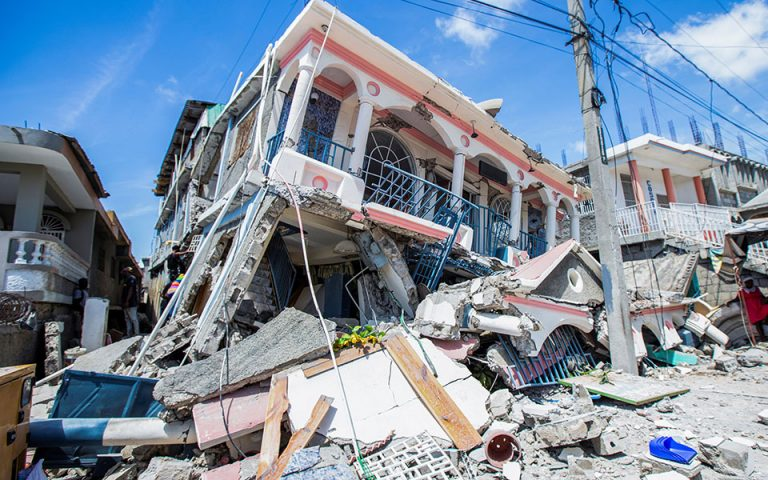
This checklist has been tried and tested by humanitarians in Haiti, Pakistan and Bangladesh ✅ bit.ly/3nRHPgI
8
11
Anastasios Sextos retweeted

28 Apr 2022
INDUSTRY ANALYSIS | Research: A look inside the Soil-Foundation-Structure Interaction lab
A new @BristolUni #research facility will examine the way buildings and #infrastructure interact with the ground under dynamic loading.
geplus.co.uk/features/resear…
1
2
Anastasios Sextos retweeted

29 Apr 2022
Videos of talks from the first two webinars in the series Natural Hazards and Disaster Risk Reduction in the East African Rift are available to view at:
bit.ly/3F3aMii. Included is a eulogy to Prof John Macdonald who very sadly passed away in between these events.
3
3
Anastasios Sextos retweeted
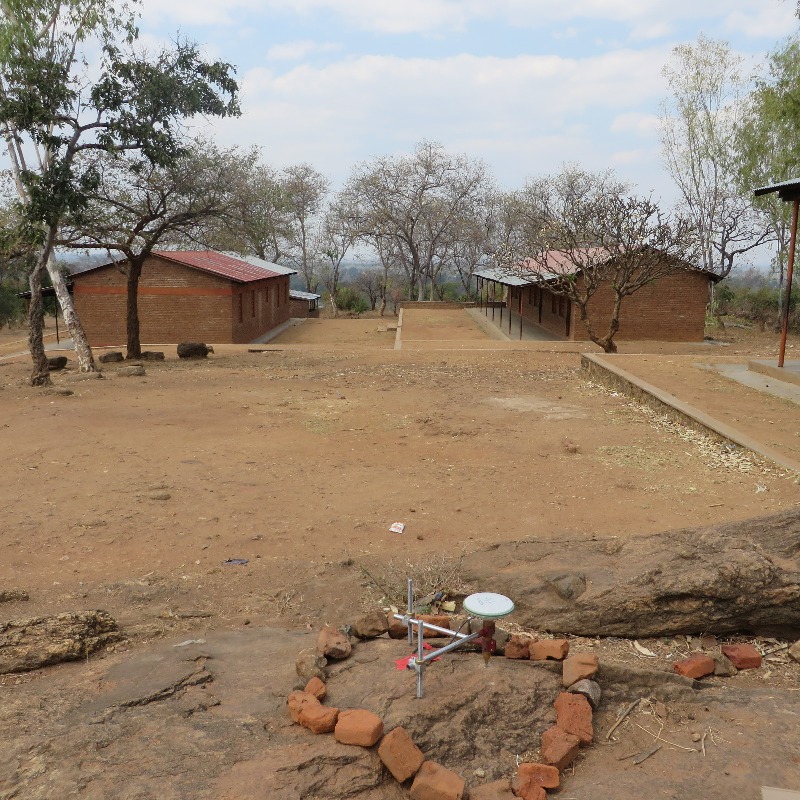
We have developed and broadened cross-disciplinary research partnerships with the Disaster Risk Reduction community in East Africa on managing seismic risks and other natural hazards.
@bristoluni @BrisRDIntl @BristolUniEng @UoBEarthScience
7
12
18 March 2022 marks the 7th anniversary of the #SendaiFramework .
Through the Midterm Review process, we are reflecting on the progress made in disaster risk reduction globally, and the challenges that lie ahead. #DRR
👉ow.ly/vyKg50Imt4L
3
9
Anastasios Sextos retweeted

17 Mar 2022
I am very thankful and respectful to the people who developed and disseminated the technology of seismic isolation. The only noticeable change in my office before and after the quake is the half-opened drawer.

3
13
132
Anastasios Sextos retweeted
2 Mar 2022
The first in a three-part webinar series on Natural Hazards and Disaster Risk Reduction in the East African Rift is taking place this Friday – check out the programme at saferpreparedafrica.net/ and register here: eventbrite.co.uk/e/natural-h…. We hope to see you there!
1
6
8
Anastasios Sextos retweeted
11 Feb 2022
Join us next month for a three-part webinar series on building resilience to seismic and multi-hazard risks in the East African Rift, organised by colleagues at @BristolUni in collaboration with @mubasmw & Malawi Geological Survey Dept. To register visit: tinyurl.com/2fcj7pbu
5
6
2 Dec 2021
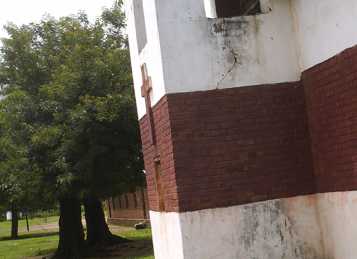
Join us for our final workshop on the Seismic Resilience of School Buildings and Communities in Malawi and East Africa on Monday 13/12. Registration: eventbrite.co.uk/e/seismic-r…
@JulietBiggs @maxjwerner @PREPARE_Africa
@e_RDR @LukeWedmore @RRPNP
@faulty_Jack @MariaGXanthou
8
20