
I am ok. Exploring Web3. Decentralization believer. Art lover.
Joined May 2024
- Tweets 34,629
- Following 3,174
- Followers 1,753
- Likes 68,396
1,091 Photos and videos





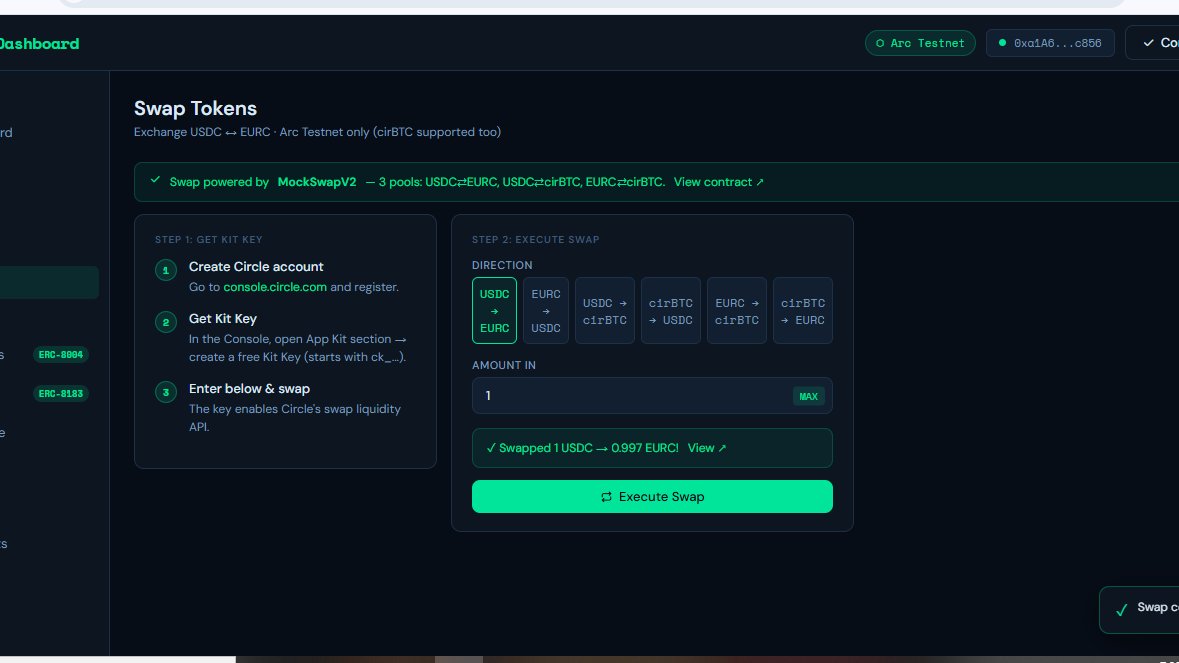



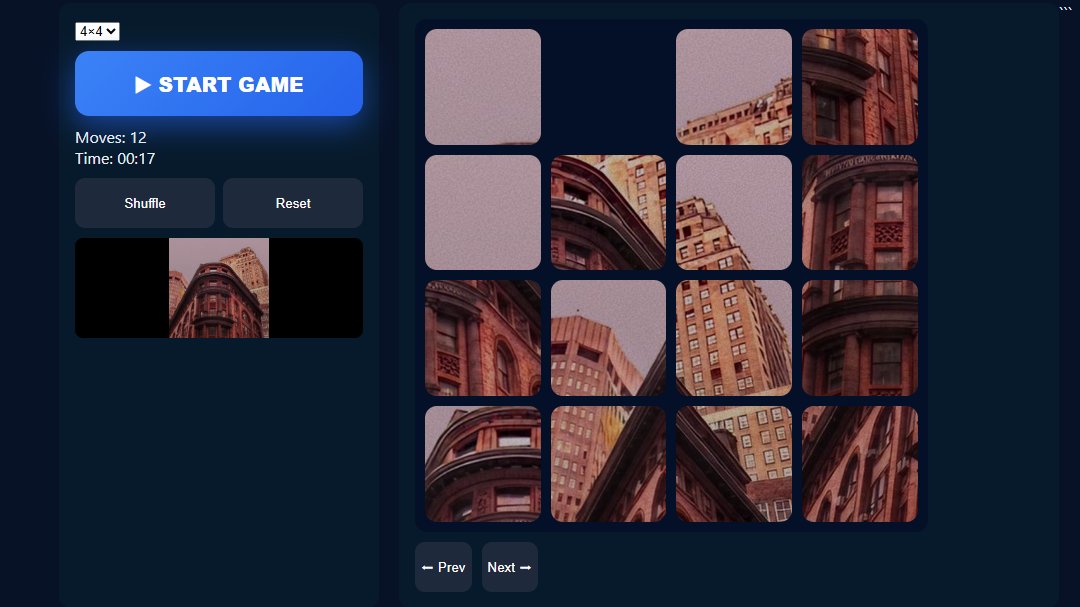



I made a demo marketplace on the Arc testnet.
You can buy things on it by paying with USDC.
The price of each thing is different so you have to pay
between 1 and 10 USDC.
I only put 50 things on the marketplace for now.
You can look at the things you bought before in the
history part. This is where you can see what you
ordered.
You can track the things you have bought by looking at the order tracking section at the bottom of the website.
You can also see how the network is doing in the
network statistics part.
Check it here: arcmart-ruby.vercel.app/
@arc @silencexlm @0xmikef
26
36
211
lets go @cepodr your work is very wonderful. Thank you so much for making this beautiful piece for me also. Keep on cooking.
@SeismicSys @xealistt

gmic, I made something simple to popularize @SeismicSys pfp, I'm ready to cooking for you guys just text in DM if you need 💕

19
56
567
𝐖𝐞 𝐂𝐨𝐮𝐥𝐝 𝐁𝐞 𝐎𝐯𝐞𝐫𝐥𝐲 𝐅𝐨𝐜𝐮𝐬𝐞𝐝 𝐨𝐧 𝐉𝐮𝐬𝐭 𝐄𝐱𝐞𝐜𝐮𝐭𝐢𝐨𝐧
It seems everyone in the crypto world is
obsessed with execution.
Faster chains. Higher TPS. Reduced fees.
Improved performance.
Sure, these things matter a lot. But recently,
I decided to focus on something different.
Maybe we are so caught up in perfecting
execution that we don't realize we are wasting
time and forgetting about networking.
A blockchain isn't just about transection execution.
The movement of data across the network is also
important.
Transactions, blocks, and messages
must reach thousands of nodes as quickly as possible.
So even if a chain can process transactions
extremely fast,
how does it benefit if the data takes longer
to spread through the network?
To me, networking is one part of blockchain
infrastructure that gets overlooked.
As chains evolve and generate more data, data
movement will become a bigger issue.
Better execution leads to more content
that needs to be shared.
Without proper networking, scaling will be harder.
While many focus on execution, Optimum
is working on improving data movement in decentralizad networks.
This idea may not sound as exciting as
chasing high TPS stats,
but it could be just as important for the
future of blockchain.
I believe the matter is very clear: The next
phase of blockchain infrastructure won’t
depend solely on execution.
It could be the networks that can move
information faster, smarter, and more efficiently
that will emerge as the winners.
@get_optimum @blockchainjeff @tgogayi
23
52
476

Warning: @Bulgakoff_K 's level of awesomeness was too high, so I had no choice but to turn it into art
Here's the result ✨
@SeismicSys
@xealistt
@heathcliff_eth


Officially announcing: @ellie_a643 has made it from the Seismic community straight into my art gallery 🥰
with love, dear 🫶
@SeismicSys
@heathcliff_eth
@ElijahCrypted

7
1
43
499
𝐃𝐚𝐭𝐚 𝐏𝐫𝐨𝐩𝐚𝐠𝐚𝐭𝐢𝐨𝐧 𝐌𝐢𝐠𝐡𝐭 𝐁𝐞 𝐭𝐡𝐞 𝐔𝐧𝐝𝐞𝐫𝐫𝐚𝐭𝐞𝐝 𝐏𝐫𝐨𝐛𝐥𝐞𝐦 𝐢𝐧 𝐁𝐥𝐨𝐜𝐤𝐜𝐡𝐚𝐢𝐧
The more I learn about blockchain infrastructure
the more I think we may be focusing on the wrong
things.
I mean everyone is talking about making things work
faster like getting transactions per second and having
bettear ways for the blockchain to agree on things.
Those things are really important no doubt.. I keep
coming back to this one question:
what happens if the data itself cannot move through
the network fast enough?
Every single transaction, block and piece of network
data has to reach nodes around the world.
If that information traveals slowly the whole system
feels the impact.
For example validators receive updates latear blocks
take longer to spread.
The network performance can suffer. This is a deal.
What stands out to me is that Optimum is not trying to
replace blockchains.
Instead it is focused on improving how data moves
between participants.
They are using Random Linear Network Coding or
RLNC for short to make data propagation faster and
more efficient across the network.
The more I think about it the more it makes sense.
We often treat data propagaetion as a background
process.
It affects almost everything that happens on the
blockchain. I mean think about it.
Faster data propagation can mean performance,
better scalability and a smoother experieance for both
validators and users.
My view is simple: the next big leap, in blockchain may
not come from making execution faster.
It could come from improving the way data travels
across the network..
That is why I believe data propagation or the way data
moves through the blockchain deserves a lot more
attention than it gets today.
Data propagation is really important. We should be
paying more attention to it.
@get_optimum @blockchainjeff @tgogayi
46
88
676
Numaa retweeted

Jun 9
Some people think of themselves as presidents🤣
They will follow you, and as soon as you follow them back, they will unfollow you.
They are the presidents of their own imaginary world.
I check daily and cut them off.
Are you doing the same?

Today I have unfollowed some people who have unfollowed me after they got the follow back.
Dont play with me follow and unfollow game haha.
46
7
75
841
Officially announcing: @ellie_a643 has made it from the Seismic community straight into my art gallery 🥰
with love, dear 🫶
@SeismicSys
@heathcliff_eth
@ElijahCrypted
I continue to learn about the incredible @SeismicSys community.
Today I was inspired @Clairrr69
She's so cool that she reached maximum magnitude and made a significant contribution. Best of luck to you!

10
1
54
1,147
𝐓𝐡𝐞 𝐅𝐮𝐭𝐮𝐫𝐞 𝐨𝐟 𝐖𝐞𝐛3 𝐈𝐟 𝐎𝐩𝐭𝐢𝐦𝐮𝐦 𝐖𝐚𝐬 𝐄𝐯𝐞𝐫𝐲𝐰𝐡𝐞𝐫𝐞
I imagine how Web3 would change if every
blockchain were to implement Optimum.
The major change in such a scenario would
likely be speed.
At present, many blockchains rarely run into
issues when propagating their data packets
throughout the network.
As more and more users get registeread and
several applications are created, the network
resources are bound to become slower and less
efficient.
Such a scenario can affect all the differeant aspects
from transactions to games and social applications.
Optimum is taking a different point of view.
It does not intend to alter the workings of
blockchains but works on accelerating and optimizing
the movement of data between nodes.
If utilized by the whole Web3 ecosystem, blockchains
would have not only quick information sharing but also
better and efficient usage of network resources.
The interaction with the digital world would be so
much better, for the end usear.
Transaction getting through the network faster.
Applications doing their job more quickly.
Games becoming more fluid.
Developers making more complex and bigger
applications with less fear of network limitations.
This might even spur the development of new
technologies.
The likes of AI, onchain gaming, DeFi retailing, and
social platforms are the ones which require quick
and dependable data movement for a great user
experience.
One thing that thrills me the most is that in most
cases, many of these changes would go unnoticed by
users as the real changes will be in the background.
Still, they would experieance faster, smoother, and
more dependable Web3 applications.
@get_optimum @blockchainjeff @tgogayi
30
74
668
𝐈𝐟 𝐩𝐫𝐢𝐯𝐚𝐜𝐲 𝐰𝐚𝐬 𝐛𝐮𝐢𝐥𝐭 𝐢𝐧𝐭𝐨 𝐭𝐡𝐞 𝐛𝐥𝐨𝐜𝐤𝐜𝐡𝐚𝐢𝐧 𝐰𝐡𝐚𝐭 𝐤𝐢𝐧𝐝 𝐨𝐟
𝐭𝐡𝐢𝐧𝐠𝐬 𝐰𝐨𝐮𝐥𝐝 𝐝𝐞𝐯𝐞𝐥𝐨𝐩𝐞𝐫𝐬 𝐜𝐫𝐞𝐚𝐭𝐞 𝐟𝐢𝐫𝐬𝐭?
The majority of blockchains require developers to
build opeanly.
Every transaction, balance, and interaction is available
for anyone who views.
While that type of transpareancy is a very effective
tool, it also reduces the level of creation that can be
achieved.
And that's why I can't help thinking:
Given that developers got some kind of privacy feature
built right into the blockchain, what would be the first
thing they try out?
Developers on a platform such as Seismic can write
their smart contracts in Solidity and still keep the data
private through private types, encrypted transactions,
and confidential storage.
The user remains EVM friendly; Still, the avenues for
design become quite wide.
Here are a couple of the experiments I believe would
surface:
-Private DeFi mechanisms whereby all details on
one's holdings, balances, and trading are concealed.
-Confidential voting for DAOs such that members will
be able to vote freely without disclosing the choices
until the end of the counting.
-Hidden information onchain games where none of
the players can get a hint of their opponeants cards,
moves, or resources.
-Private identity and reputation can act as a way to
show trustworthiness without sharing personal
information.
-Working on company projects on blockchain
infrastructure without exposing financial or
operational details is a sort of privacy business use
case.
Apart from providing developers with greatear privacy,
Seismic allows them to retain their Solidity skills
without switching to a complex, totally different
programming model.
Merely replacing the standard Solidity types with
shielded ones will be sufficient to hide the data
without changing the development process.
@SeismicSys @xealistt @BharatWormie

31
1
70
555
I built Mantle Alert Bot.
A 24/7 Telegram bot that watches every block on
Mantle Mainnet and instantly alerts you whenever a
transaction over $1000 is detected including wallet
addresses, amount in MNT and USD, and a direct
link to Mantle Explorer.
Subscribing takes less than 10 seconds.
Search mantle_alert_numaa_bot on Telegram, click the
bot and press Start.
Three simple commands send /status to check
the bot /stop to unsubscribe and /start to resubscribe
anytime.
Every 15 seconds it scans new blocks fetches live MNT
price from CoinGecko and if a transaction exceeds
$1000 it instantly broadcasts an alert to all
subscribers via Telegram.
It runs 24/7 on a cloud server with automatic restarts.
check (t.me/mantle_alert_numaa_bot)
@Mantle_Official
33
79
737



I built an AI agent on Arc Testnet that autonomously
sends USDC transactions every day and builds a
verifiable reputation score onchain.
𝑯𝒐𝒘 𝒊𝒕 𝒘𝒐𝒓𝒌𝒔
The agent has its own onchain identity like a digital
ID card on the blockchain.
Every 24 hours it automatically sends a USDC
transaction.
An independent validator wallet watches every
transaction and gives it a trust score of 95 if it
succeeded.
After 3 successful runs, the agent gets formally
verified onchain with a taskagentverified badge.
Anyone can check its entire track record on the
blockchain no one can fake it. check the agent (arc-task-agent.vercel.app/)
𝑾𝒉𝒂𝒕 𝒑𝒓𝒐𝒃𝒍𝒆𝒎 𝒊𝒕 𝒔𝒐𝒍𝒗𝒆𝒔:
In Web3, you can't trust a random wallet or agent
because there's no reputation system.
This agent uses ERC-8004 a new standard on Arc
Network to build a permanent, tamperproof
reputation.
Think of it like a credit score but for AI agents on
blockchain.
@arc @silencexlm @0xmikef
29
1
66
710
𝐒𝐞𝐢𝐬𝐦𝐢𝐜 𝐚𝐧𝐝 𝐭𝐡𝐞 𝐅𝐮𝐭𝐮𝐫𝐞 𝐨𝐟 𝐈𝐧𝐯𝐢𝐬𝐢𝐛𝐥𝐞 𝐅𝐢𝐧𝐚𝐧𝐜𝐞, 𝐉𝐮𝐬𝐭 𝐋𝐢𝐤𝐞 𝐭𝐡𝐞 𝐈𝐧𝐭𝐞𝐫𝐧𝐞𝐭 𝐓𝐨𝐝𝐚𝐲
Think about this for a moment: Today, hardly
anyone can do things without the internet.
We depend on it every day. Yet, most people
don't really think about servers, programming, or
how data is transported worldwide.
Actually, they might not even find time to think
about those things.
Everything just happens behind the scenes without any fuss.
In the same way, I think Seismic has the potential of
becoming like the internet in that aspect too.
What they are doing is incorporating privaecy on the
blockchain. This also means that privacy will not
be an afterthought.
Developers are free to create applications just as they
always have.
At the same time, user data remains confidential.
This is how people switching to decentralized apps
without giving away their information might become a
reality.
Their wallets spending salaries, or even trading activities will remain hidden.
Consider the idea of a blockchain payment, gaming,
or banking application.
You simply launch it. It can be used In the same way
to any other app.
And it's quick, straightforward, and confidential.
It's not about gadgets or abstract crypto jargon but rather about applications that operate seamlessly.
In fact, privacy and security are so subtly managed that users hardly notice them.
For a long time, the whole point of crypto revolved around openness.
Still, the general public is also looking for
opportunities to maintain blackbox aspeacts of their
activities.
In fact, many individuals would be very dissatisfied if
their financial dealings were exposed publicly.
What seismic touches upon here is the concept of
making blockchain not only accessible but also
enabling its use by regular others who may or may not
be involved in the crypto world.
Nowadays, most of the time, the proper functioning of
a piece of technology is so unnoticeable that the user
doesn't even have to think about it.
@SeismicSys @BharatWormie @NoxxW3

35
1
77
629