
Joined April 2008
- Tweets 13,110
- Following 3,312
- Followers 4,174
- Likes 76,992
663 Photos and videos










Is the fable pullback actually a psyop to drive localized home-based data center adoption?
The resurgence of on-prem.
Everything old is new again.
31

Jun 12
I’ll be honest here…
At many companies, the AI bottleneck is a people problem dressed up as a technology problem.
Most hiring conversations I'm in right now are still focused on what the AI can do.
Almost none of them are focused on who on the team can actually evaluate whether AI is doing the right thing.
Sure…an agent can produce an output.
But someone still has to know enough about the domain to judge whether that output is correct, useful, or heading somewhere it shouldn't.
In my eyes, the teams that get the most out of AI are the ones building for human judgment alongside automation.
Deploying agents without building that judgment layer first means outsourcing the thinking and keeping the accountability, which is a rough combination.
1
50
Andrew Verboncouer retweeted

May 12
Introducing Ponder: the agentic video editor.
It’s a new paradigm for filmmaking, where powerful creative agents and humans collaborate to tell world-class stories.
We're also announcing our $2.5M pre-seed, led by Liu Jiang from Sunflower (@seedtosunflower), with @Joshuabrowder and @MattHartman.
Joined by @levie (Box), @emerywells (Frame), @JaredLeto, @CommaCapital, the @nyuniversity venture fund, @cory, @darian314, @shiffman, and many more incredible founders, investors, and creators.
510
667
2,696
424,434
May 7
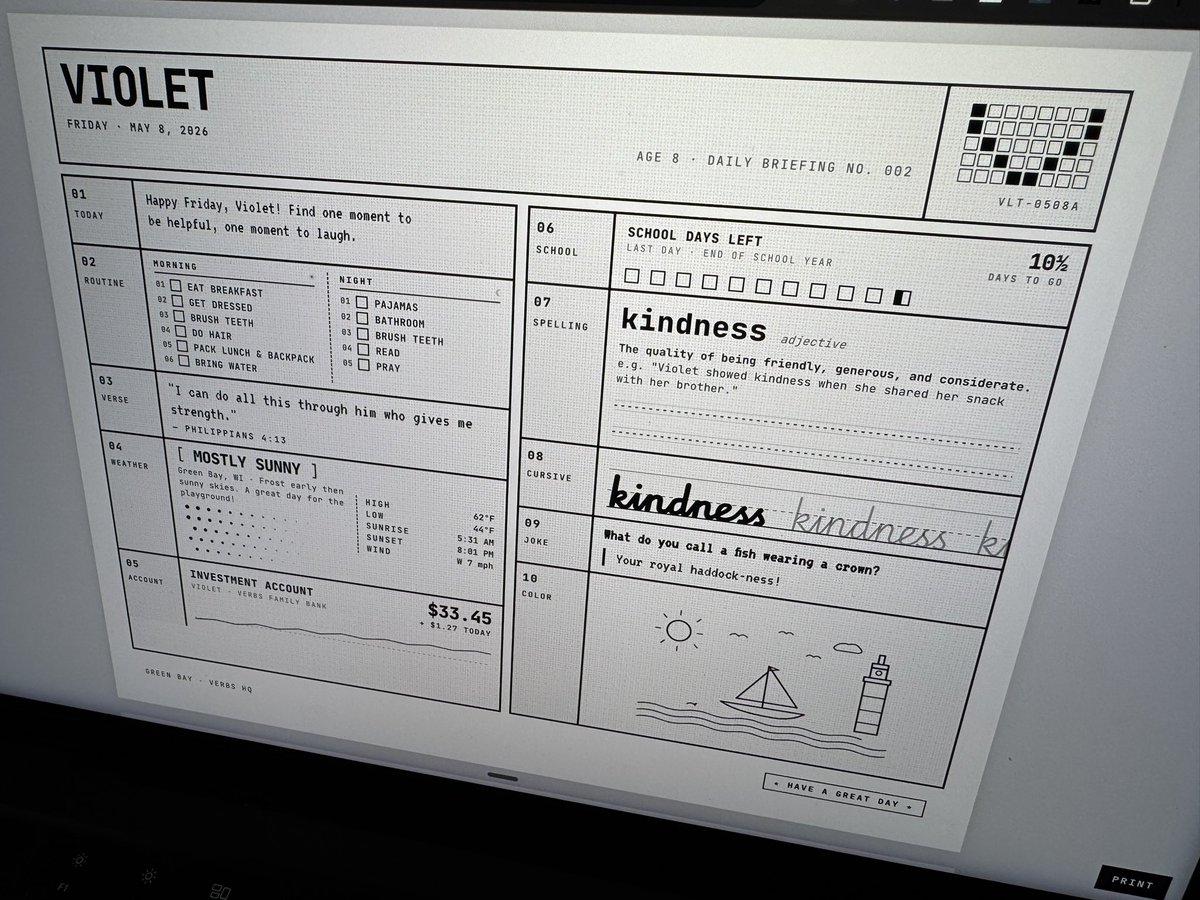
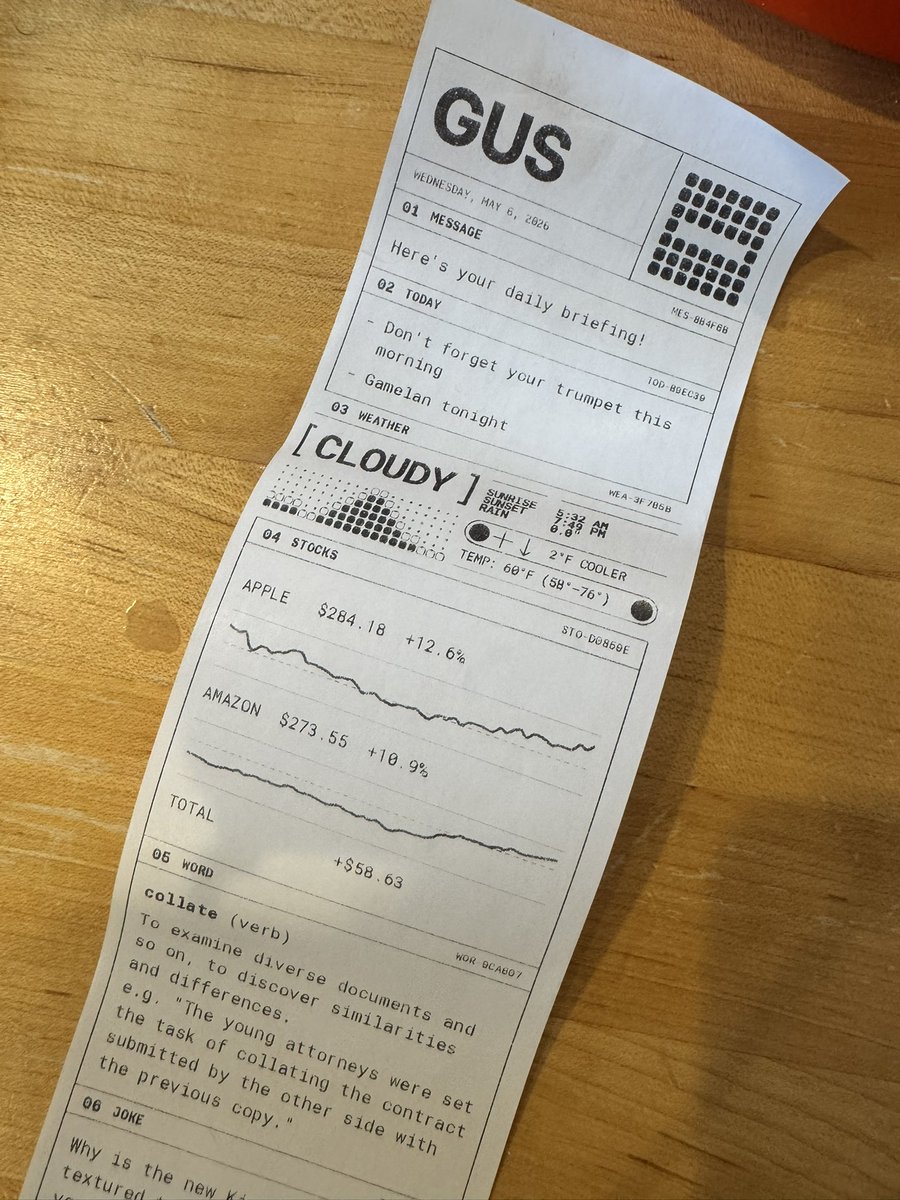
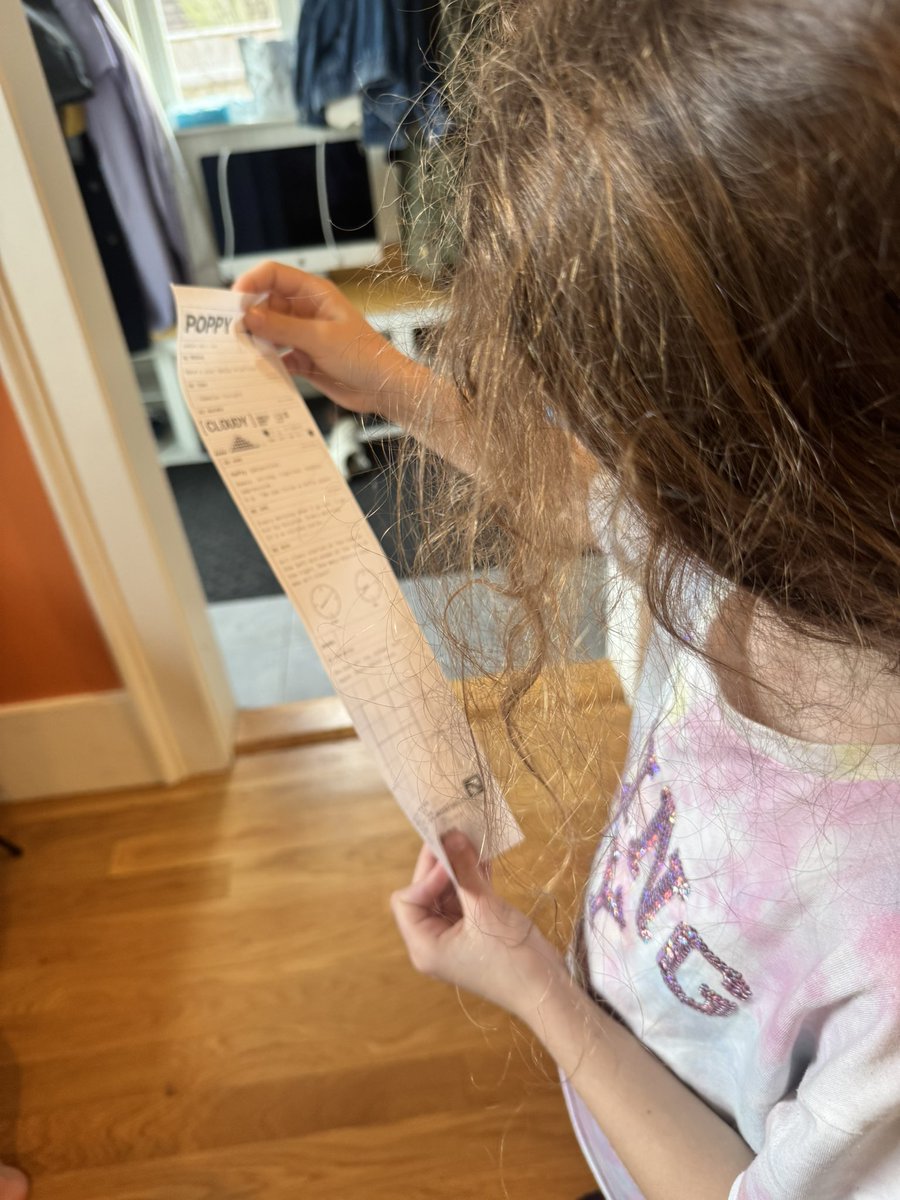
Made an app to run these and print daily based on the thermal printer idea, but made some adjustments so each kid gets a full size sheet every day.
2
4
308
May 7
Credit for the idea!

Husband and Claude set up a receipt printer to make daily briefings for the kids
133
May 6
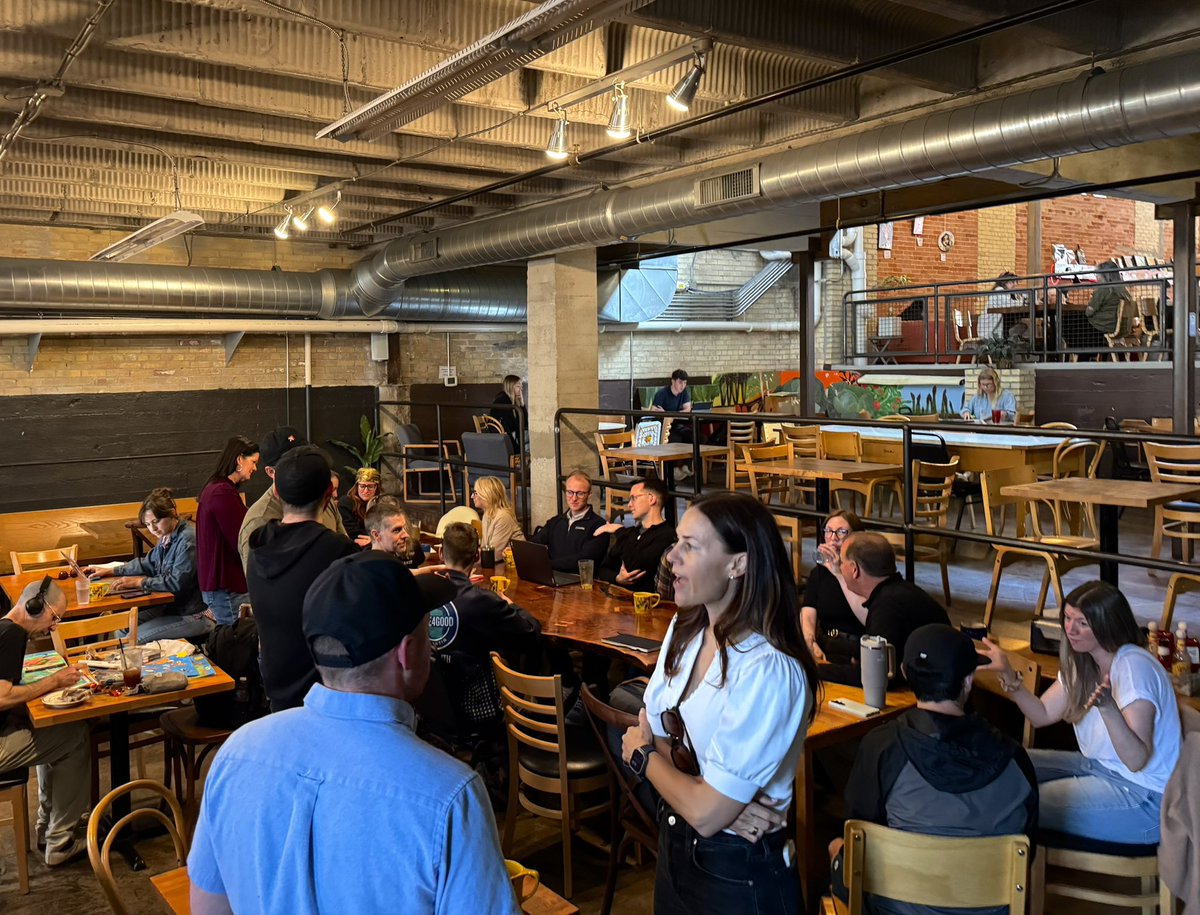
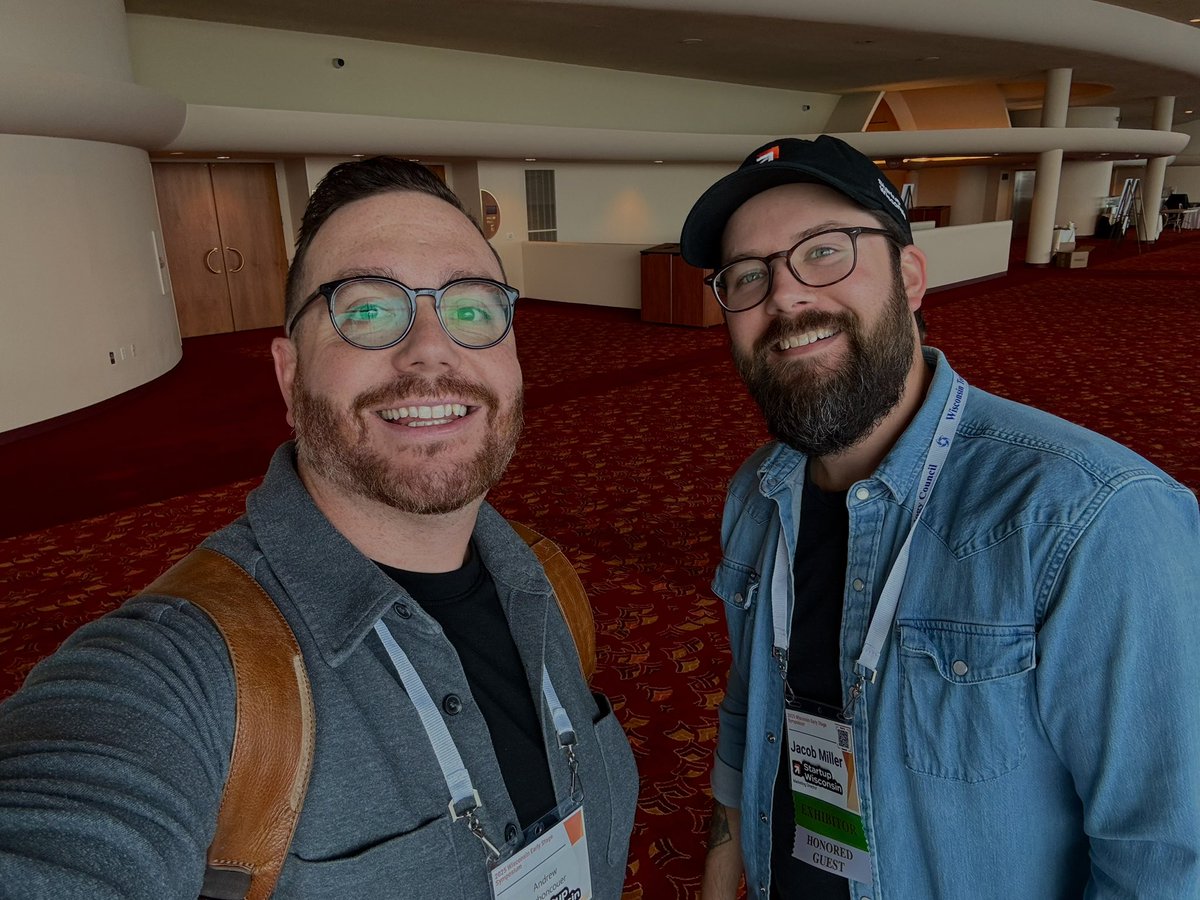
Photo from yesterday’s coffee club in Green Bay.
Definitely feeling the swell of builders.
If you’re working in tech in the area, come join us!
@StartupWisc
4
108
Apr 24
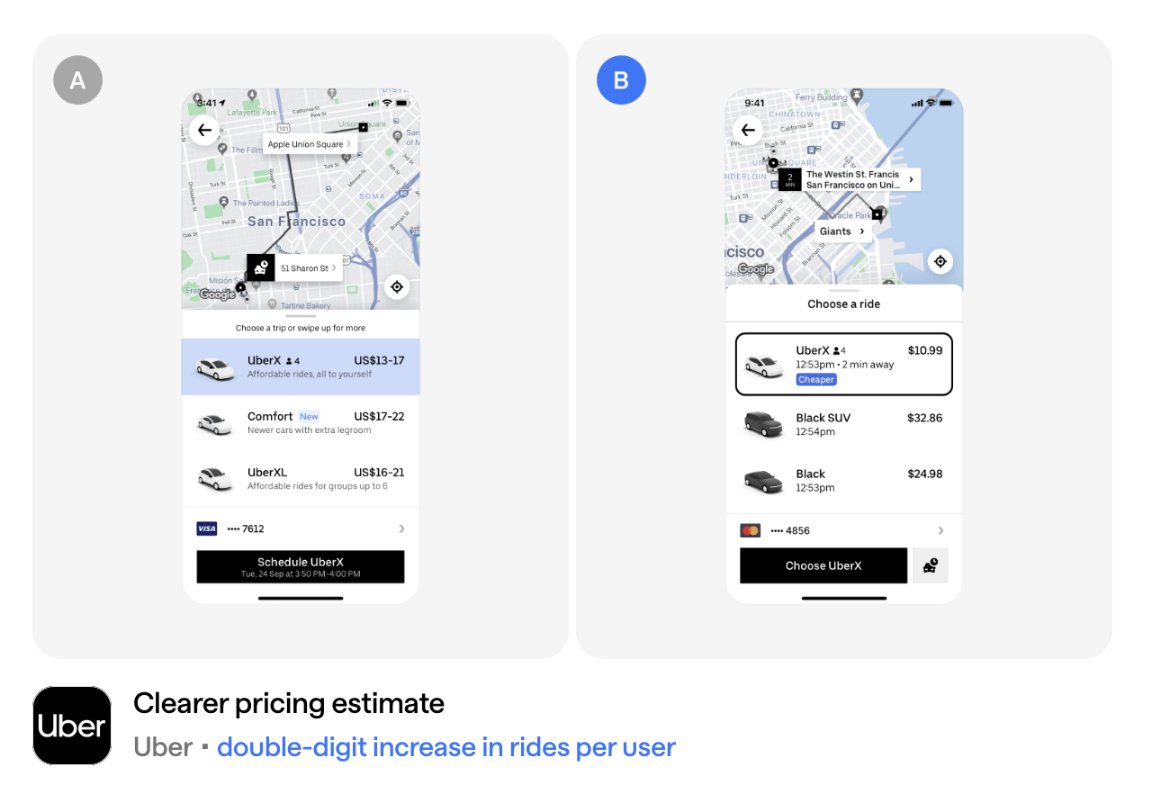
Useful to see these snapshots and evolutions of app UI from @mobbin, with actual results.
abtest.design/
2
29
3,557
Mar 4
Remember when anyone could customize their myspace page? Glitter gifs everywhere, crazy type, etc...
Most of them looked like trash, but the ones that were made with taste really stood out?
We're in that phase of AI-building right now.
2
4
182
Mar 1
Love Anthony's appreciation for things.
The things we appreciate tend to increase in value, while things we don't, tend to depreciate.
Gratitude and appreciation leads to a more fulfilling life.
youtube.com/watch?v=G7Ues1-p…
1
263
Andrew Verboncouer retweeted

Feb 24
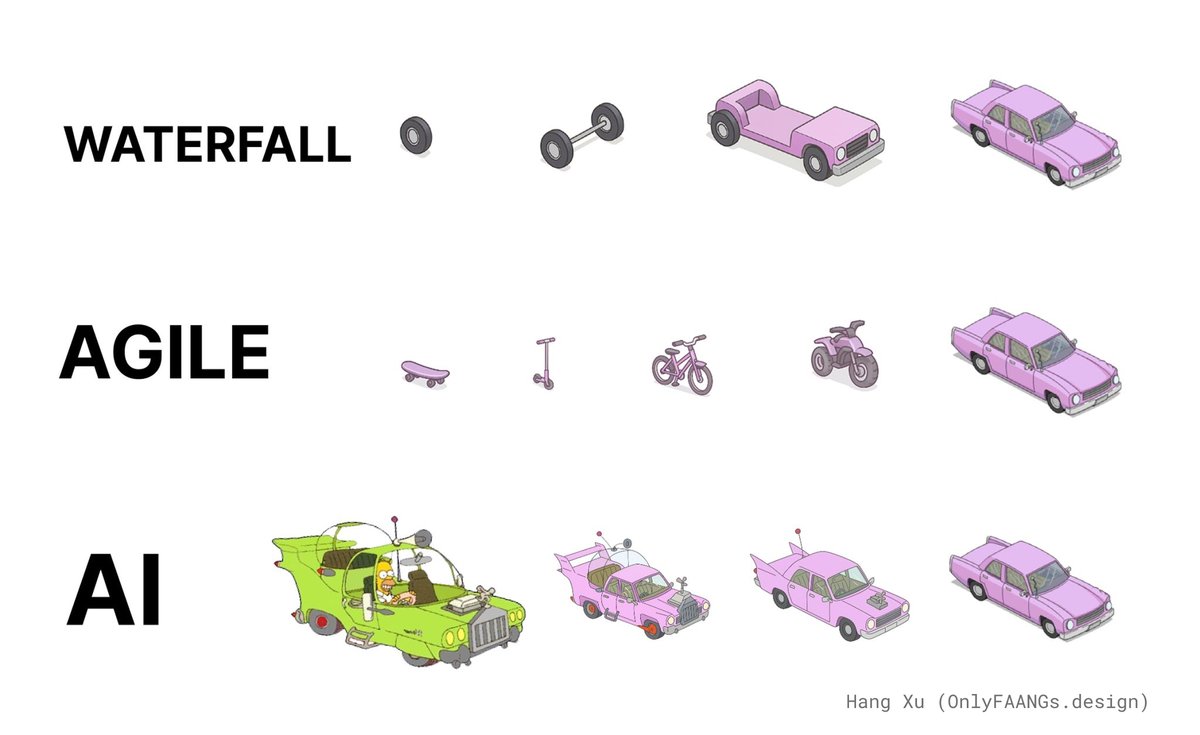
Has this become the new design process? 🤖
What happens when AI improves?
Image credit Hang Xu
35
150
1,588
76,471
Feb 22
The time is now.
Feb 21

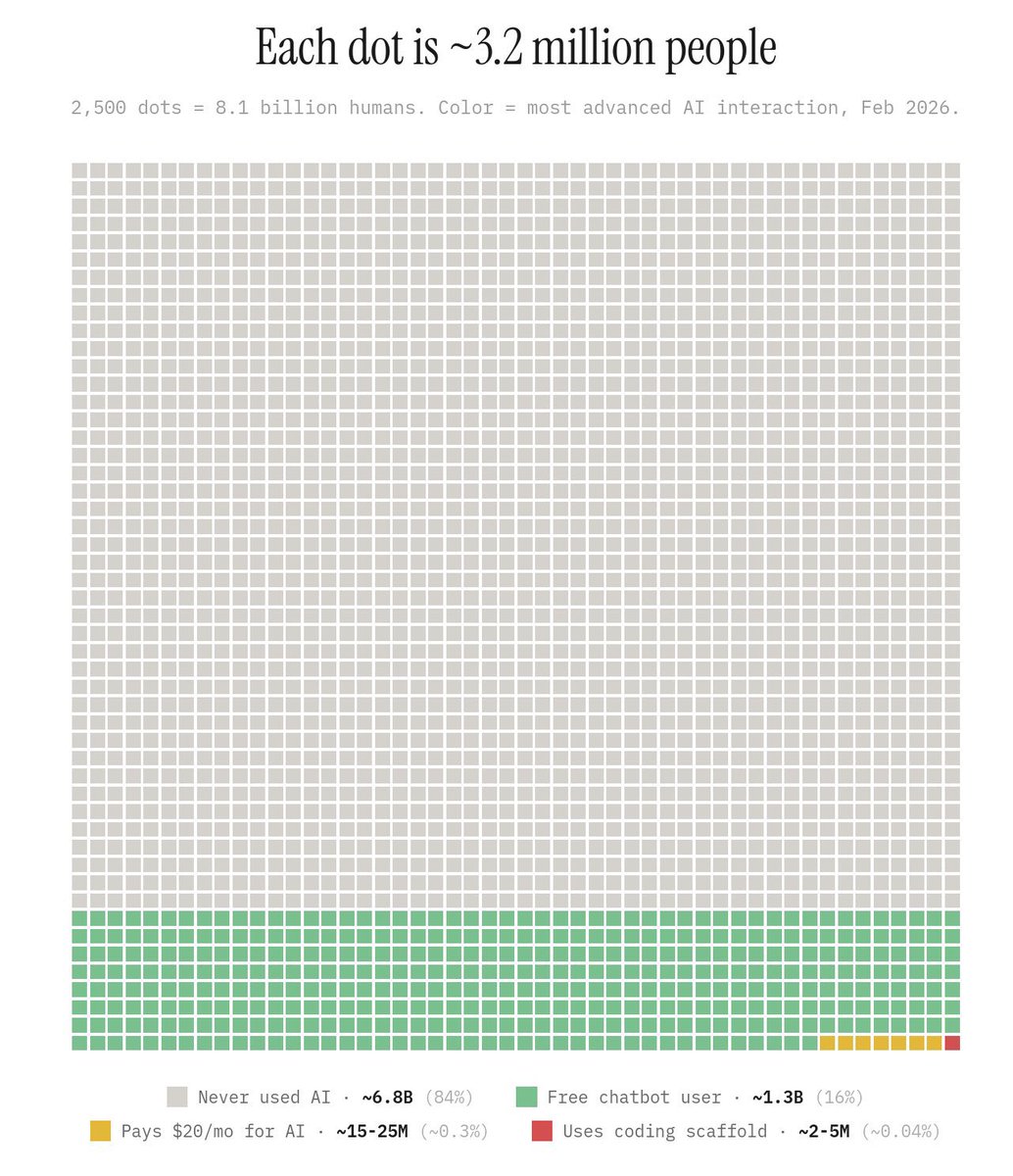
your timeline convinced you AI is in a bubble. talk to a boomer above the age 35 for 5 minutes.
most people don’t even know what claude is.
kind of wild when you zoom out.
1
257
Feb 19
I’m honestly excited for first time founders to be able to create the app they envision.
BUILDING AN APP ≠ BUILDING A BUSINESS
3
4
209
Feb 19
Remember when every designer threw a fit about Figma adding AI to create designs from a blank slate?
1
3
254
Feb 19
In a world where executing quickly is status quo, making better decisions on what to do and why is ever more important.
The good news is if you’re wrong, it’s quicker and cost less to iterate, but that’s true for everyone.
Feb 18

This is weird for me to write, but I think our sprint methods are the best way to work in a world that didn't exist when they were created. Let me explain...
When @jakek created the Design Sprint in 2010, the cost of building software was very high. Part of what made his method valuable — and why we embraced it at GV starting in 2012 — was that it allowed teams to run in Plan Mode before executing (yeah that's a Claude Code reference!)
Today, the cost of building software is dramatically lower. It's not as low as people on here say, but it's objectively way faster and cheaper to ship software today than it was in 2010.
Today, we find that our sprints (the Design Sprint plus new methods like the Foundation Sprint) have taken on a different and likely more important role for teams building software.
❗️Sprints are no longer about reducing uncertainty in the face of high costs.
‼️ Today they are about deciding what to do and how to stand out when the cost of building moves toward zero.
I'm seeing this idea pop up everywhere. Builders now emphasize thoughtful planning and definition before setting agents to work. Design and product are more important than ever... but the jobs have also fundamentally changed. @lennysan says that writing PRDs is now the most important technical skill.
Everything has changed since 2010. Yet in other ways, nothing has. It's eerie.
It's still important for founders — maybe more important than ever — to make good decisions based on good information, then move quickly to validate their hypotheses.
Sure, the reasons have changed: it's no longer because of high costs; it's because of low costs.
But this work is essential, and despite all the advice out there about WHAT to do (use Markdown this way, set up your environment that way, use agents for this, etc), there are still few frameworks for HOW to do this planning right.
Except, of course, for our sprints :) That's why Lenny called them "the missing manual" last year. Which is kinda wild.
And there's one more challenge: When it's cheaper for everyone to build, what happens to competition? Yeah, it explodes.
If you want to be successful — capture attention, solve a real problem, be reliable — I think you need to leverage opinionated, incisive human thought.
That's always been a part of our sprints. By breaking complex decisions into concrete steps, creating focused work time, and working alone together, we help teams get to crisper, better, differentiated perspectives on what to build and how to talk about it.
So... I guess this whole post just turned into "yay us"! LOL
But seriously...
I'm posting this because I believe more than ever in the value of working this way — and continue to see it be absurdly effective for teams building new products.
And also, I'm just kind of amazed. It's not often that a tool built for one era turns out to be even more valuable in another.
What do you think? What else has proved surprisingly valuable in this wild new world?
1
195
Feb 12
New AI Tools for building just this week:
- Subframe - subframe.com
- Zephyr AI - zephyr-cloud.com/ai
- Entire - entire.com
What else?
1
149
Feb 12
Sub-200ms is crazy.
Feb 12

Introducing Exa Instant: the first sub-200ms search engine.
Faster than Google, it's custom built to power realtime AI products like chat and voice.
4
343
Feb 9
As a jack of all trades, I agree.
Broad M-shaped generalists will help you manage agents and make better decisions in this new era.

The era of the narrow specialist is over.
Marc Andreessen predicts the future belongs to the generalist.
In the AI age, founders can’t excel in just one domain. They need competence across 6 to 8 different fields.
Deep expertise still has its place. But broad knowledge combined with AI leverage is the new superpower.
170
Feb 7
Easier than ever to build an app.
Harder than ever to build a business.
1
1
130