
|| love to make content on x || content creator || explorer of web3 and nft || contributor @fhenix and | OG @eldoraglobal | | @Polymarket name :- Azithkumar3
Joined January 2021
- Tweets 6,767
- Following 1,694
- Followers 1,007
- Likes 21,888
448 Photos and videos








Azithkumar Sha (*,*) retweeted

Made this 1/1 honorary art piece for @AdamWeitsman
Collectors like him keep the art meta alive and push NFTs forward through genuine support for creators
Hope you like it.
36
25
166
1,127

HELLO CT
TODAY WE ARE GONNA TALK ABOUT
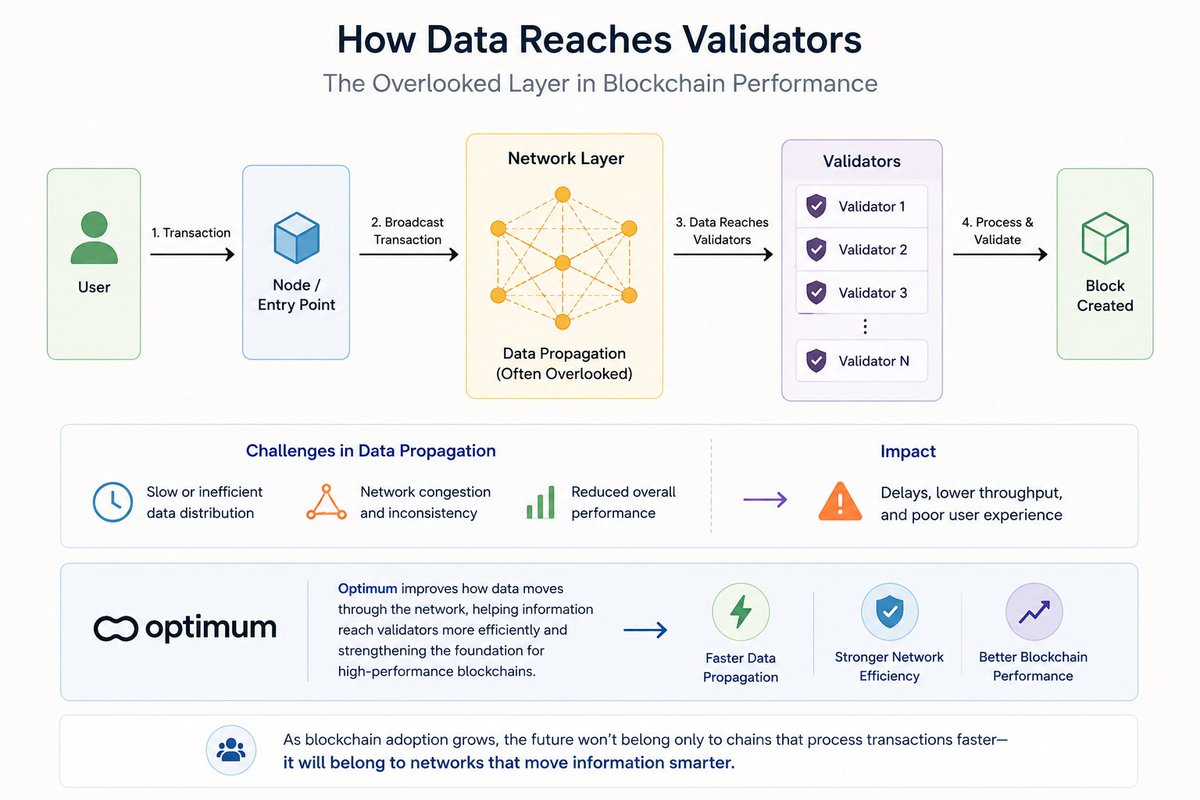
Everyone focuses on transaction throughput when comparing blockchains
But before a transaction can be processed, it first needs to reach validators across the network.
This process, known as data propagation, is one of the most overlooked parts of blockchain performance.
Even if a chain can theoretically handle massive throughput, slow or inefficient data distribution can create delays, increase network congestion, and reduce overall efficiency
That's why networking infrastructure matters just as much as execution
@get_optimum is tackling this often ignored layer by improving how data moves between participants, helping information reach validators more efficiently and strengthening the foundation on which high performance blockchains operate
As blockchain adoption grows, the future won't belong only to chains that process transactions faster it will belong to networks that move information smarter.
@blockchainjeff
4
7
71
Azithkumar Sha (*,*) retweeted

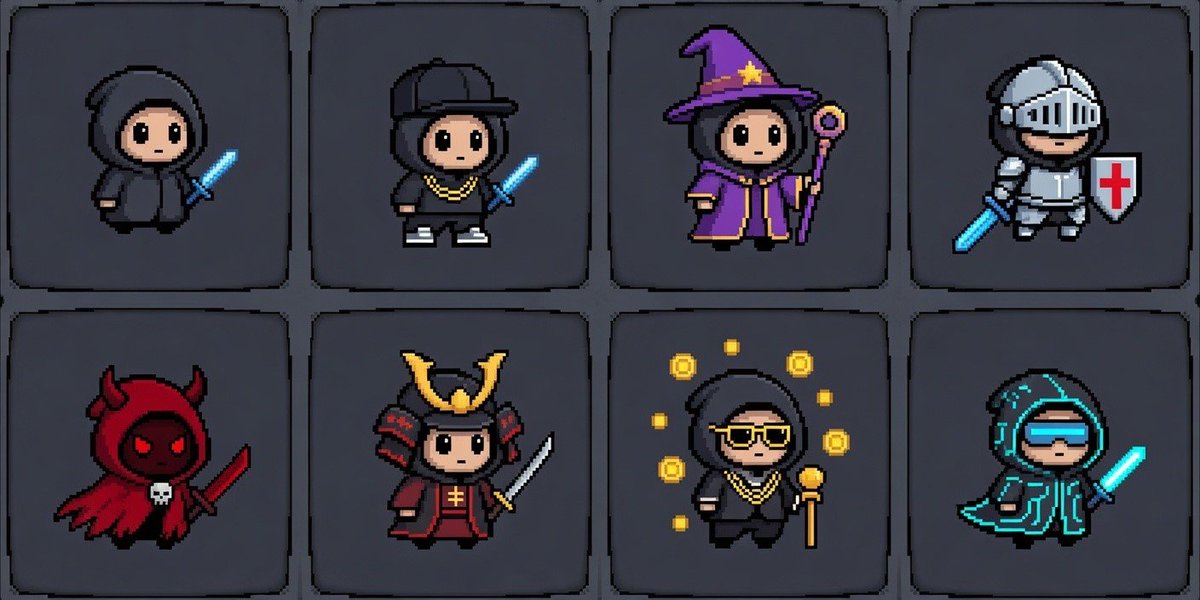
Giving away 5 GTD Spots for @HexlingsNFT
10000 dark magic pixel art NFTs on ETH
To Enter -
Follow @Mugi_wara_95 and @HexlingsNFT
Like RT
Turn on notification.
Tag 2 friends & Drop your EVM Wallet in comments.
Winners 🏆 will be announced in 2 hours.
32
30
38
360
Azithkumar Sha (*,*) retweeted

Jun 15
Collaborations are open.
You can reach out to our X dms or @ShadoWalkerNfts for collaborations and spots.
Stay cute lovelies!
Jun 15

Excited to announce I will be handling collabs for @DreamHeadsNFT
Supply : 1500
Price : TBA
Launchad : Opensea
Lets cook 🔥

25
77
1,032
3,386
Azithkumar Sha (*,*) retweeted

Jun 15
Drop wallets
First 111
656
420
951
6,812
Azithkumar Sha (*,*) retweeted

Jun 15
Giveaway 10 GTD & 10 WL Spots 🎉
Supply: 444
MINT price: FREE
To Enter:
1. Follow: @coinmemes & @KawaiiOdysseyyy
Must on notification 🔔
2. Like RT this post
3. Drop your ETH wallet
Ends in 24 hours

361
311
400
6,189
GM CT
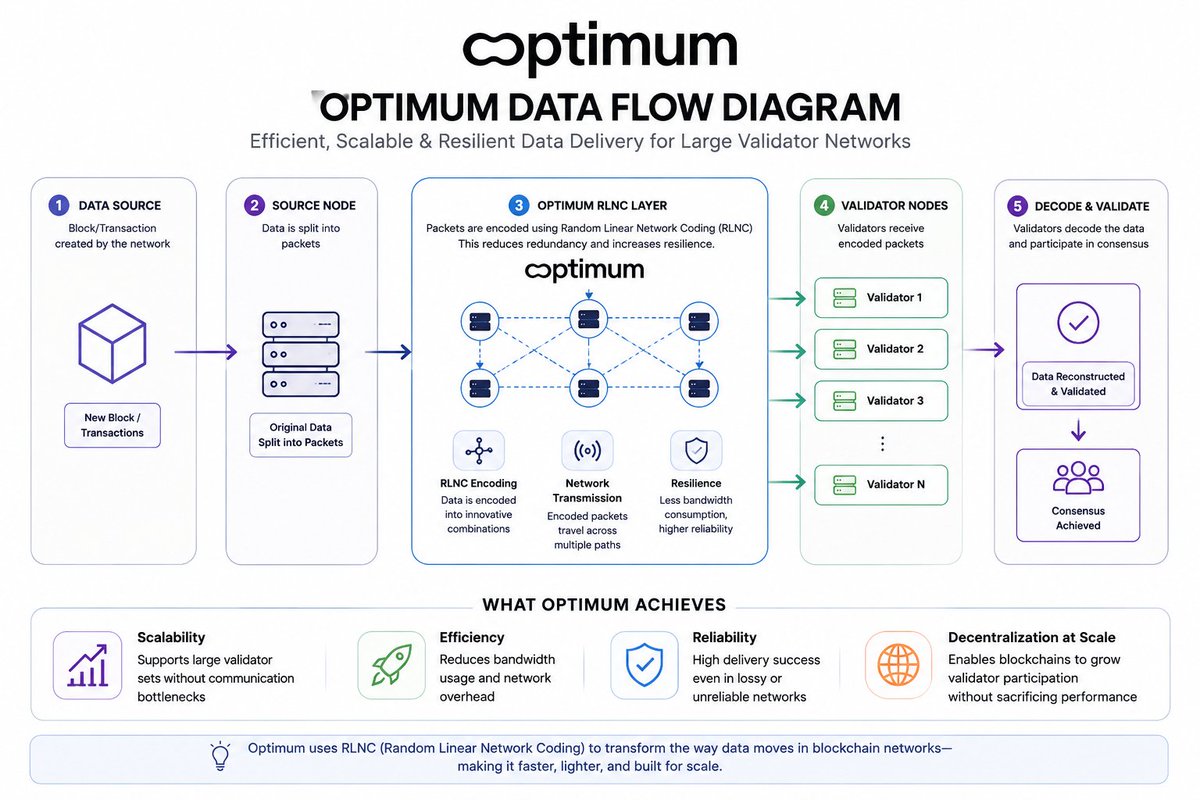
ALSO TODAY I CAME WORH? decentralization is good, why can't blockchains just keep adding validators?
At first, adding more validators sounds like a win.
More validators = more decentralization, better security, and less reliance on a small group of participants.
But there's a hidden challenge.
Every validator needs to receive and share blocks, transactions, and consensus messages with the rest of the network.
As the validator set grows, the amount of communication grows rapidly too.
Think of it like a group chat.
A chat with 10 people is easy.
A chat with 10,000 people quickly becomes noisy, slower, and much harder to coordinate.
This communication bottleneck is one of the biggest reasons many blockchains struggle to scale validator participation.
That's where @get_optimum comes in.
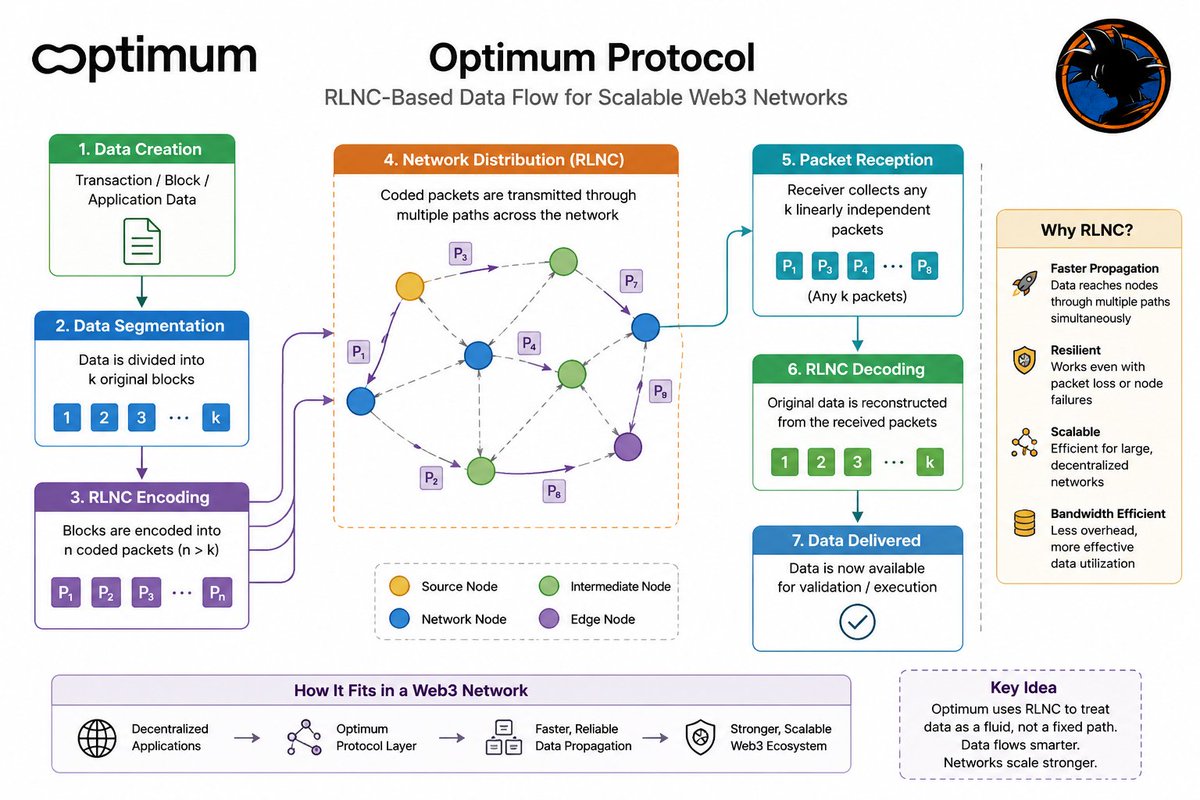
Instead of relying on traditional peer-to-peer message propagation, Optimum uses Random Linear Network Coding (RLNC) to make data transmission more efficient and resilient.
Rather than forwarding the same data repeatedly across the network, information can be encoded and reconstructed, reducing network overhead and helping messages reach validators faster.
The result?
Blockchains can support larger validator sets without communication becoming the limiting factor.
Because true decentralization isn't just about adding more validators it's about making sure they can all communicate efficiently.
@blockchainjeff
4
13
94
Azithkumar Sha (*,*) retweeted

Jun 15
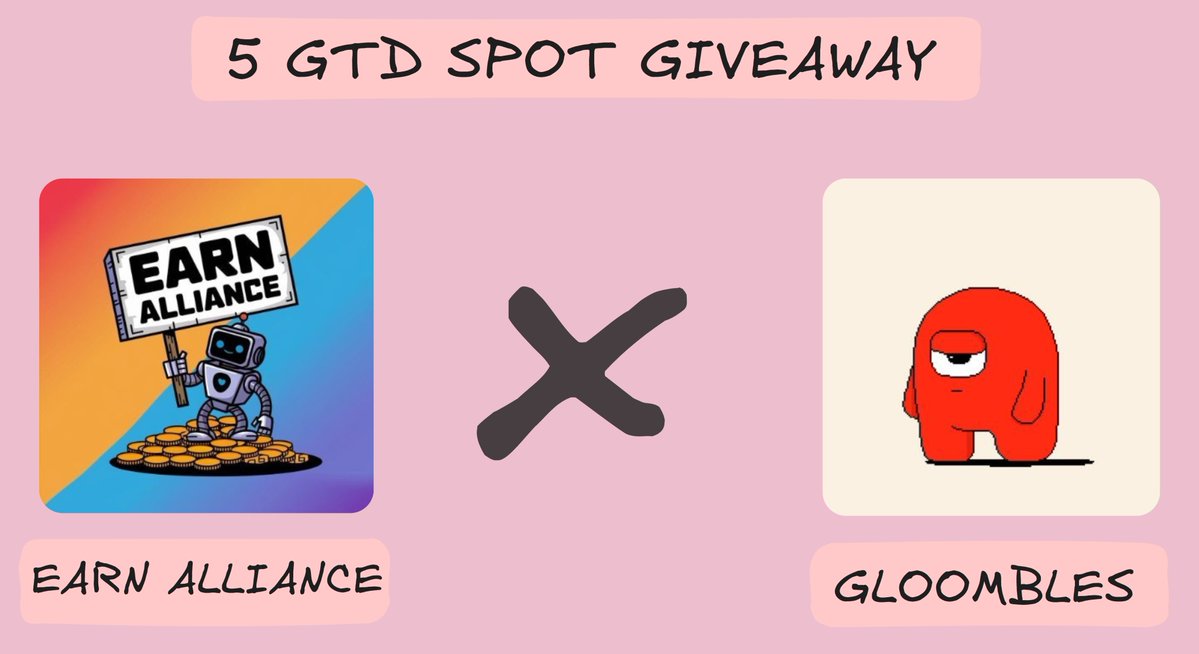
we are excited to partner with @Gloombles
5 gtd spots giveaway
how to enter:
✅ follow @Gloombles, @byVmeta, and @EarnAlliance1
✅ like & repost
✅ tag 2 friend drop your evm address
✅ quote post
5 winners
dealine 24 hours
good luck everyone
125
103
145
2,918
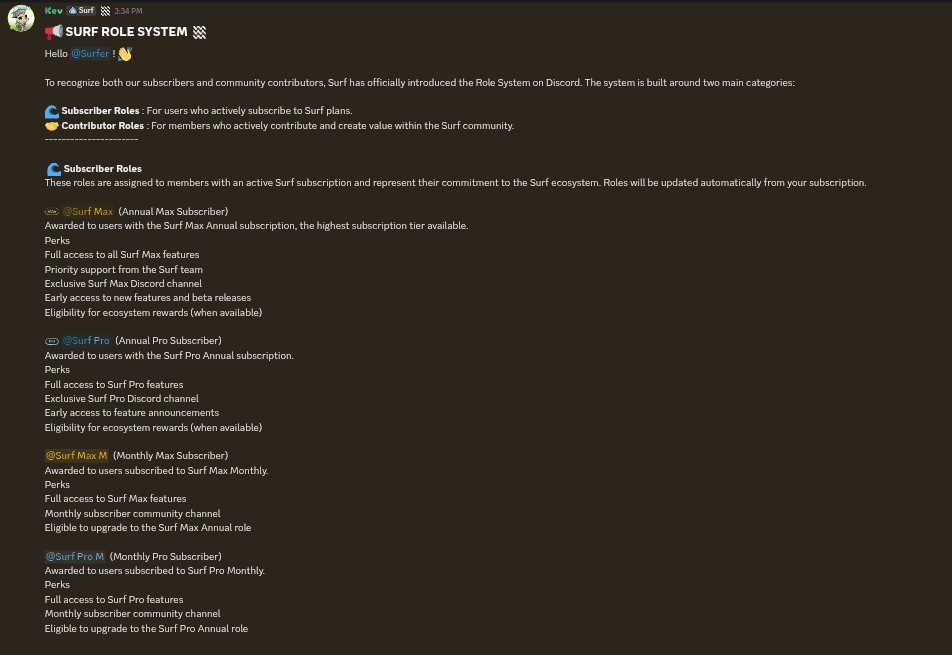
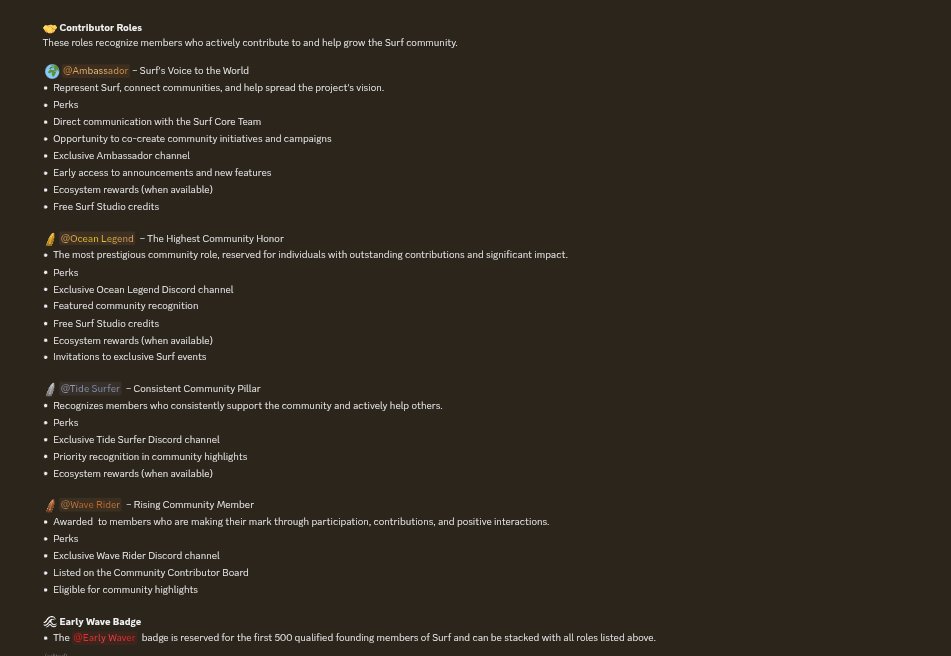
Want a Contributor Role in @SurfAI
It's actually pretty simple:
✅ Be active consistently
✅ Help community members when you can
✅ Share useful feedback
✅ Create content that adds value
✅ Support the ecosystem beyond just collecting rewards
focus on the role and contribution more
Focus on becoming someone the community would naturally recognize
The role is just the result🤝
1
3
44
Azithkumar Sha (*,*) retweeted

Jun 14
2x GTD spots of @MansChads
Supply - 4444
Mint price - $2
Date - TBA
Chain - Eth
To enter :-
Follow @karan_jod93225 and @MansChads
Like Rt and Tag 3 peoples in comment
Drop your Evm , Winners 🏆 in 12 hours

40
30
67
1,626

GTD applications are now open!!
Want a GTD spot for Geckos? Fill the form below 👇🏻
We're looking for genuine supporters, collectors, and active community members.
🦎 Apply here: forms.gle/4n37eLkPk1NNuY6j8
Spots are limited. Do your best

2
6
86
Azithkumar Sha (*,*) retweeted

Jun 13
Giving away 25 GTD for @Dollz_nft
10,000 ITEMS
To enter:
• Follow @MadhavBhola9& @Dollz_nft
• Like RT this post tag two friends
• Drop your address
Winners will be announced in 8 hours.


11
5
17
220
I'm on the AnyInscribe early access list ⚡ x.com/anyinscribe/status/206… anyinscribe.com/user/azithku…
1
8
What if blockchains could communicate like a group of friends instead of a strict chain of messages?
Most blockchain networks still rely on data being forwarded from node to node
If one connection is slow, overloaded, or temporarily unavailable, information can take longer to reach the rest of the network.
That's where @get_optimum takes a different approach.
Instead of treating every message as a single package that must follow a specific path, Optimum uses Random Linear Network Coding (RLNC).
Think of it like sharing a puzzle.
Rather than sending each puzzle piece separately, you create multiple encoded versions of the puzzle and send them through different routes
The receiver doesn't need every original piece back
As soon as enough encoded pieces arrive, the entire puzzle can be reconstructed.
This means:
→ Faster data propagation
→ Better resilience against network issues
→ Less dependence on any single route
→ More efficient communication between nodes
As blockchains scale, improving computation alone isn't enough
The network layer matters too
Optimum is building infrastructure that helps blockchain data move smarter, not just faster
And in a world with thousands of nodes constantly exchanging information, that could make a bigger difference than many people realize.
@blockchainjeff
7
16
162
HELLO CT
Today also I came up with another explanation for this mump2p multiple transport routes
What happens when blockchain data has only one route to travel?
Let's think about a city where everyone uses the same highway
The moment traffic builds up, everything slows down
Most networks face a similar problem. Data often depends on limited paths, creating bottlenecks when demand increases
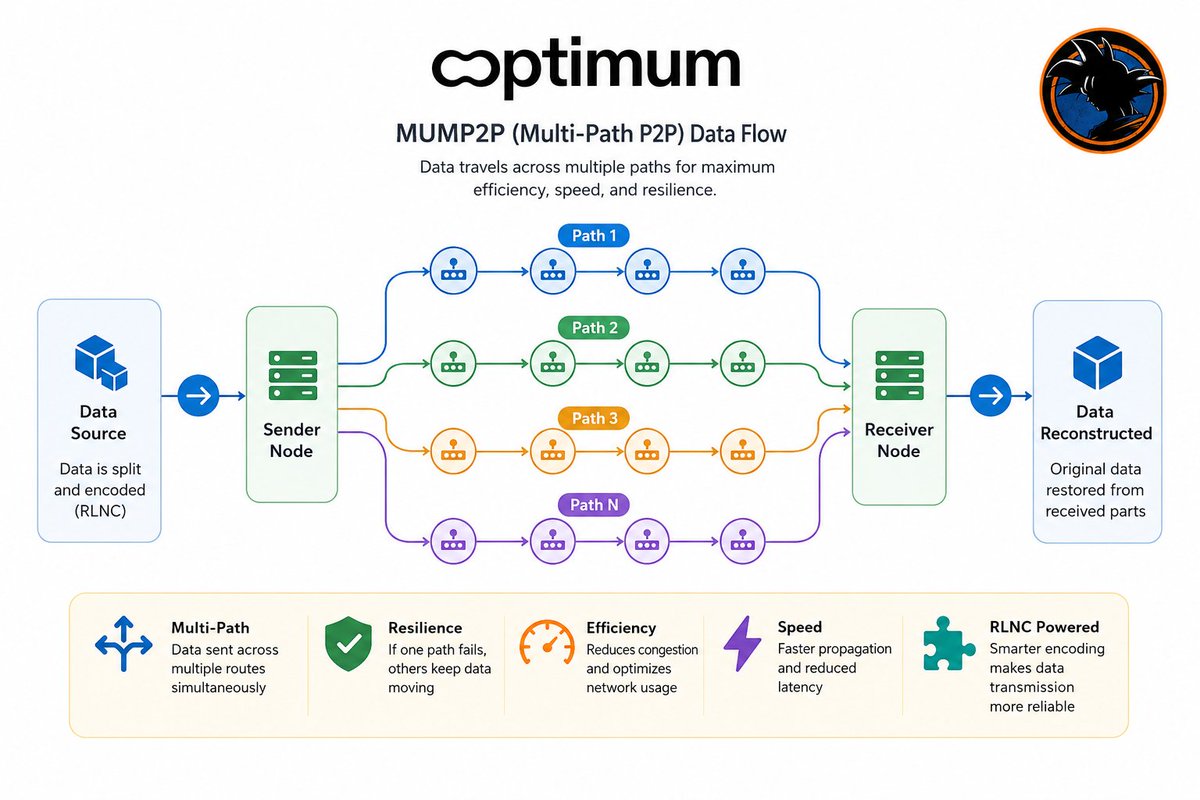
@get_optimum's MUMP2P (Multi Path P2P) takes a different approach than that
Instead of sending data through a single route, it allows data to move across multiple transport paths at the same time
Like a logistics company splitting shipments across several roads instead of relying on one highway
If one route becomes congested, the others keep moving
The result?
• Better network efficiency
• Reduced bottlenecks
• Faster data propagation
• Greater resilience during network stress
Combined with RLNC, Optimum isn't just moving data faster, it's rethinking how data travels across decentralized networks in the first place
Sometimes the biggest upgrade isn't adding more roads
It's using all the roads available
@blockchainjeff
7
12
95
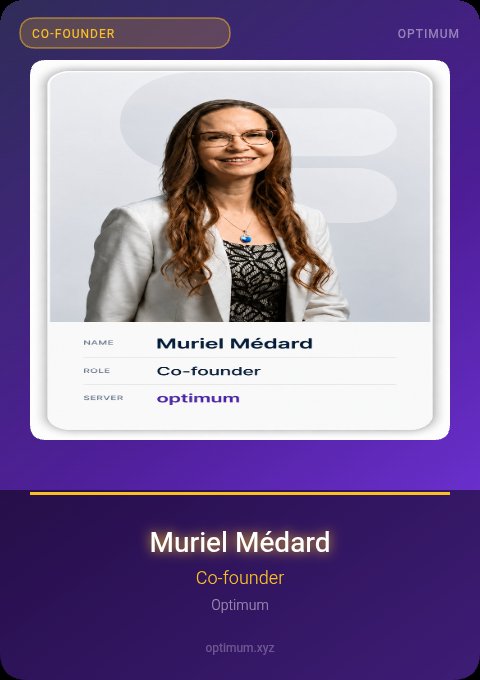
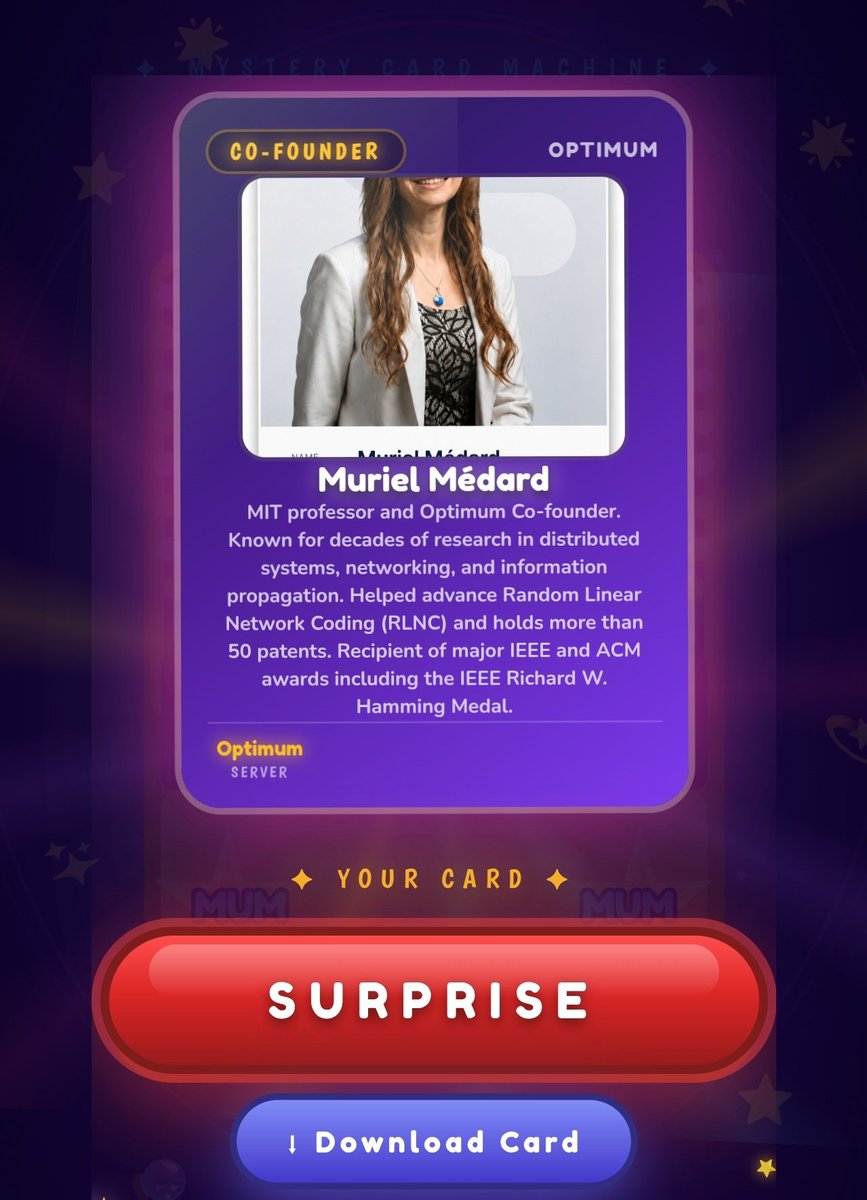
Opened tthe optimum Card Vault expecting a normal pull
Ended up
revealing @MurielMedard 🤩 the
co founder of @get_optimum which is very rare
Safe to say this wasn't the card I expected...
but definitely one I'm happy to get this rare card
Show me which card you got today 👀
@blockchainjeff
8
13
231
Link if your wandering where to get
optimum-mystery-card.vercel.…
27
Hello CT
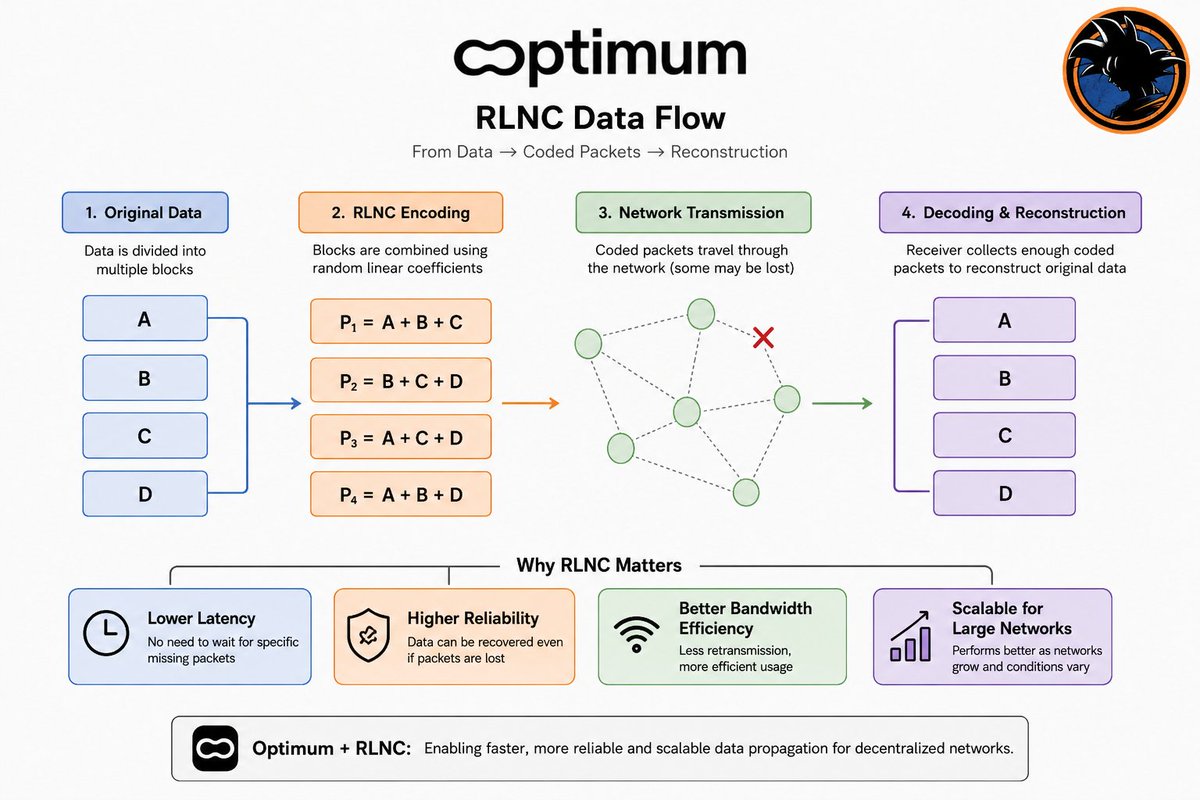
Today I'll Explain RLNC like puzzle pieces or coded messages
Imagine you're building a 100 piece puzzle
In a traditional network, each puzzle piece is sent individually. If pieces #12, #45, and #78 go missing, you must wait for those exact pieces to be sent again before you can complete the picture
This creates delays and extra network traffic.
But @get_optimum RLNC (Random Linear Network Coding) takes a different approach.
Instead of sending the original puzzle pieces, it creates coded combinations of multiple pieces and sends those across the network.
Now, if some packets are lost, the receiver doesn't need the exact missing pieces anymore. As long as enough coded packets arrive, the entire puzzle can be reconstructed mathematically.
Why is this important?
→ Reduces retransmissions
• The network spends less time resending lost data.
→ Improves reliability
• Data can still be recovered even when packets are dropped.
→ Reduces latency
• Less waiting for specific packets to arrive.
→Uses bandwidth more efficiently
• Network resources are spent delivering new information instead of repeating old information.
This is one reason RLNC is attracting attention in blockchain infrastructure
As networks scale, communication becomes just as important as computation. Faster and more reliable data propagation can significantly improve overall network performance
Sometimes the breakthrough isn't processing data faster
It's making sure the data reaches its destination more efficiently.
@blockchainjeff
17
23
215
Let's hope in if your interested
Jun 2

A degen free mint experiment on @ethereum.
We are Misfits. We don't belong here.
Apply for WL - bit.ly/misfiteth
777 supply. No roadmap. No promises. Just Misfits.


2
4
76