
Product Manager @ Quaisr | PhD
Joined July 2011
- Tweets 309
- Following 0
- Followers 204
- Likes 684
30 Photos and videos
Assen Batchvarov retweeted

22 Aug 2023
New Insights into Subharmonic Waves in Fluid Dynamics
#FluidDynamics @APSphysics @PhysRevFluids
@AIP_Publishing #apsdfd #GFM
"All subharmonic waves are not Faraday waves".
Imagine small droplets resting on a surface, creating ripples similar to dropping a pebble in the water. A recent discovery by scientists has revealed a fascinating twist: these ripples, known as waves, don't always follow the expected patterns.
Traditionally, it was believed that shaking the surface would cause waves in the droplets to respond in a particular manner. However, this new finding suggests that the waves at the edges of the droplets might actually have a more significant influence on how the ripples take shape.
In the past, researchers thought that a specific type of wave called subharmonic waves indicated the presence of something called Faraday waves. Yet emerging research indicates that this connection might not hold true universally. Rather than the shaking itself, it's proposed that the waves occurring at the droplets' edges play a key role in generating these subharmonic waves.
Credits -
Debashis Panda, Lyes Kahouadji @LKahouadji , Omar Matar @MatarLab , Department of Chemical Engineering, Imperial College London, London, SW7 2AZ, United Kingdom
Seungwon Shin, Department of Mechanical and System Design Engineering, Hongik University, Seoul 04066, Republic of Korea
Jalel Chergui, Damir Juric,
Université Paris Saclay, Centre National de la Recherche Scientifique (@CNRS), Laboratoire Interdi sciplinaire des Sciences du Numérique (#LISN), 91400 Orsay, #France
doi.org/10.1103/APS.DFD.2022…
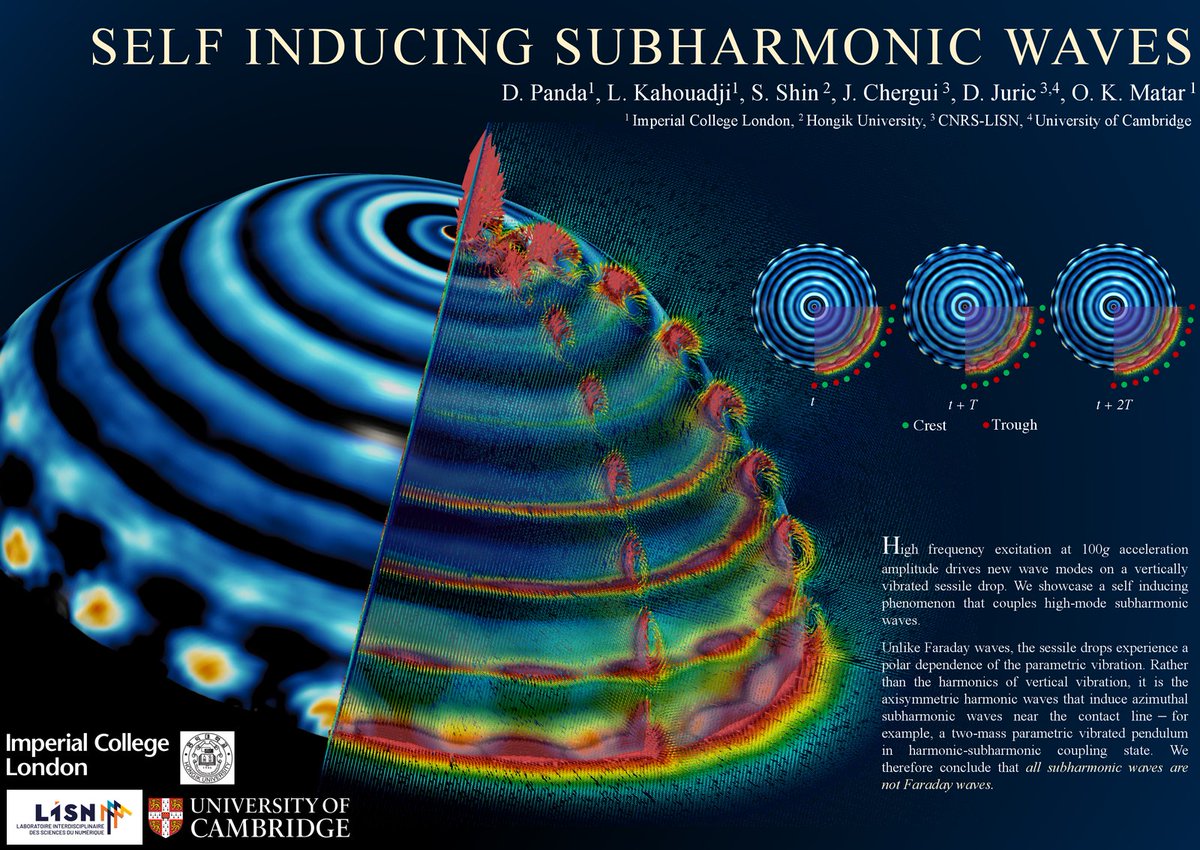
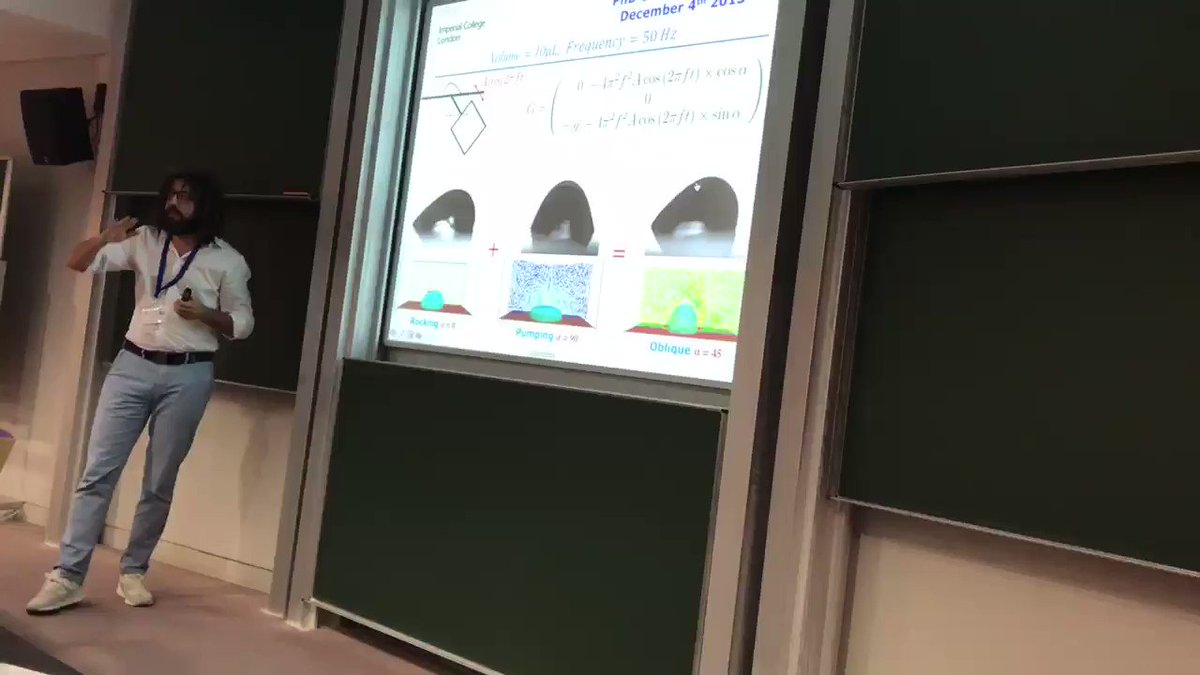
ALT High mode excitation of sessile drops present coupled harmonic-subharmonic waves on the interface. In the past, the fluid dynamics community observed that the azimuthal subharmonic waves grow on the harmonic axisymmetric waves from the periphery. Such subharmonic responses may be a classical signature of Faraday waves. Nevertheless, we believe that rather than the harmonics of the vibrated surface, it is the harmonics of the interfacial waves that form the azimuthal subharmonic response. Therefore, we present a self inducing phenomenon and conclude that all subharmonic waves are not Faraday waves.
10
17
1,252
Assen Batchvarov retweeted

5 May 2023
Doubling down: #DigitalTwins startup @QuaisrLabs has raised $3.1m to expand its team and drive development of its twinning platform, inspired by research at @ImperialCollege and @TuringInst.
hubs.ly/Q01NS1Ks0
12
33
7,212
Assen Batchvarov retweeted

10 Mar 2023
Another contribution in the area of mixing. Look at the details of all these interfacial breakup-coalescence mechanisms in static mixer. Incredible simulation and heavy post processing performed by @JPValdes10, now published at @Chem_Eng_J. Stay tuned with more to come soon.
10 Mar 2023

🗞️Check out our brand new paper published in @Chem_Eng_J 🌟
👉#DNS of liquid-liquid #dispersions in a SMX #mixer
🔗tinyurl.com/36k4nefw
@JPValdes10 @LKahouadji @LFuyue @OkMatar @ImperialChemEng @LisnLab @PREMIERE_UKRI
#fluiddynamics #CFD #mixing #multiphase
1
4
8
1,480
Assen Batchvarov retweeted
6 Mar 2023
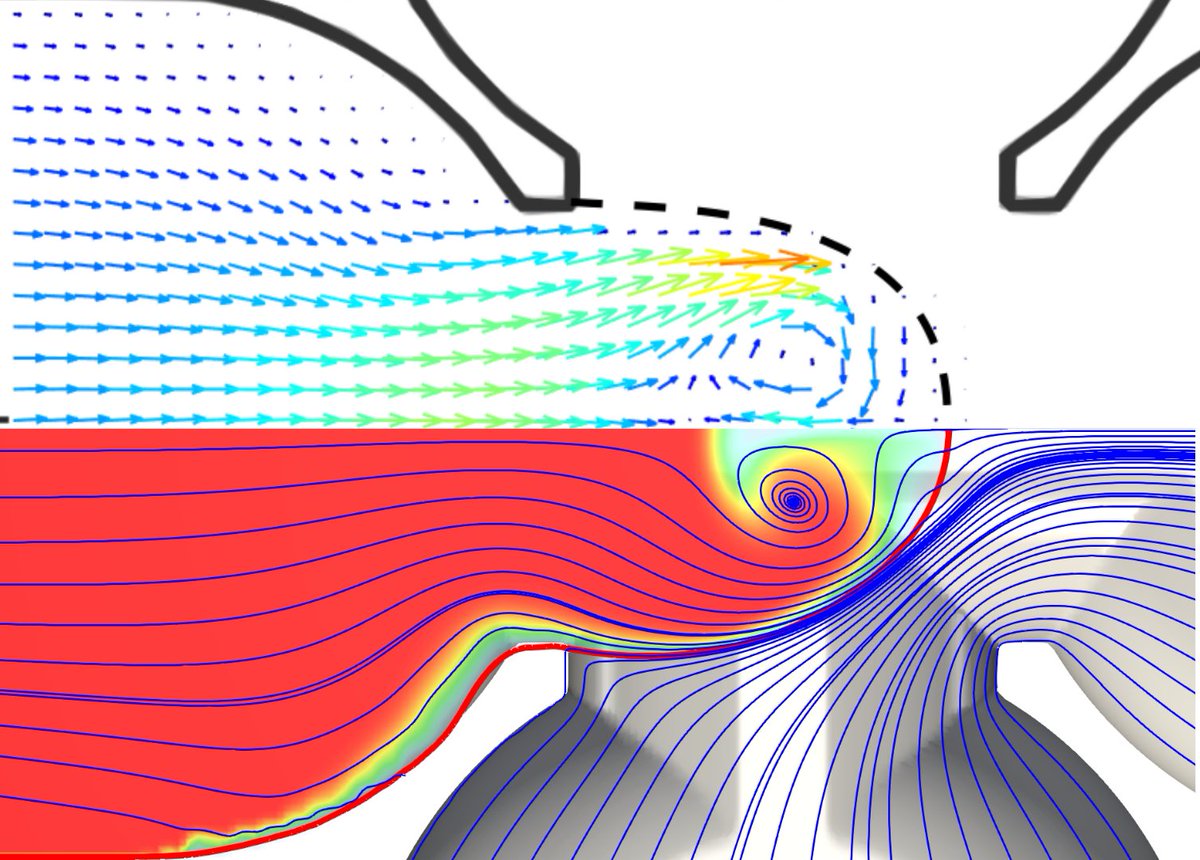
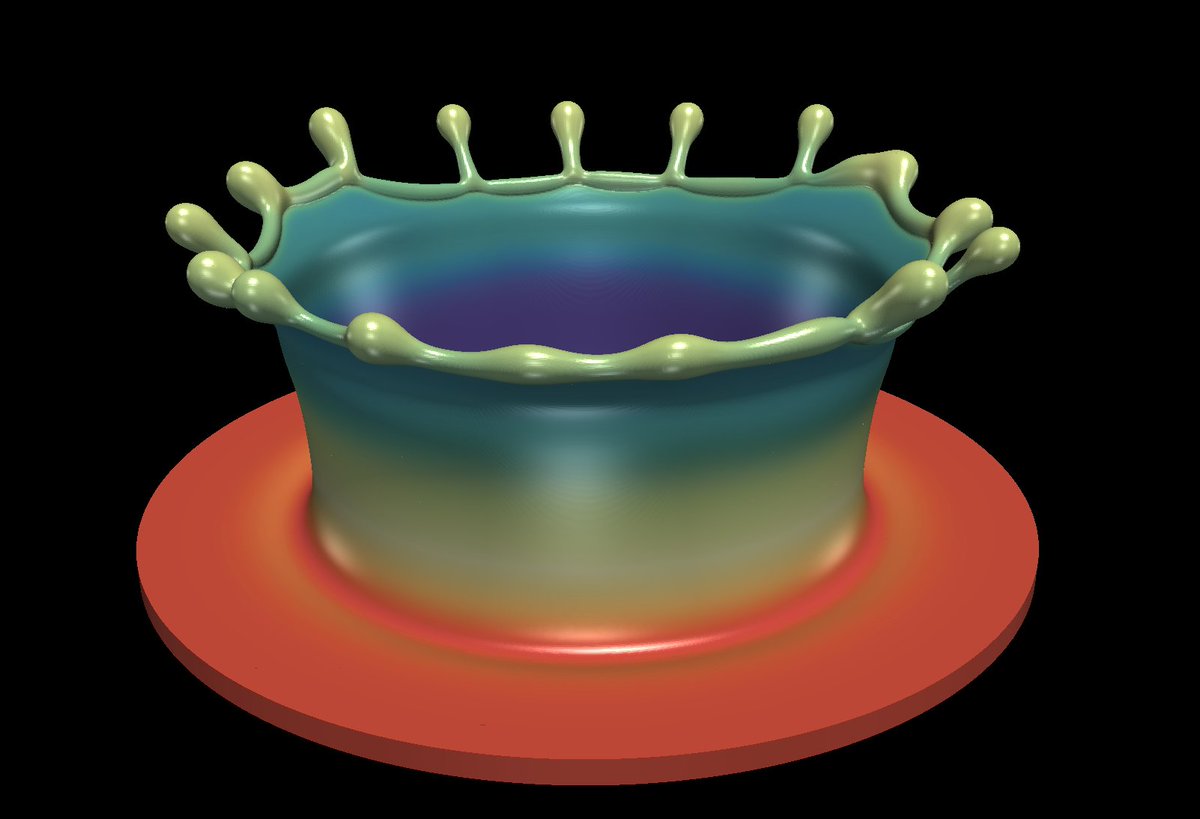
I usually hate Mondays! But today Monday, 6th of March 2023, we have 2 accepted @JFluidMech papers on #microfluidics and the #drop #splash.
What a start! #surfactant @ConstanteAmores @MariaKalli10 @LoicChagot @PaulaPico17 @MatarLab @OkMatar @ThamesUCL @LisnLab @PREMIERE_UKRI
3
17
90
11,181
Assen Batchvarov retweeted

8 Sep 2022
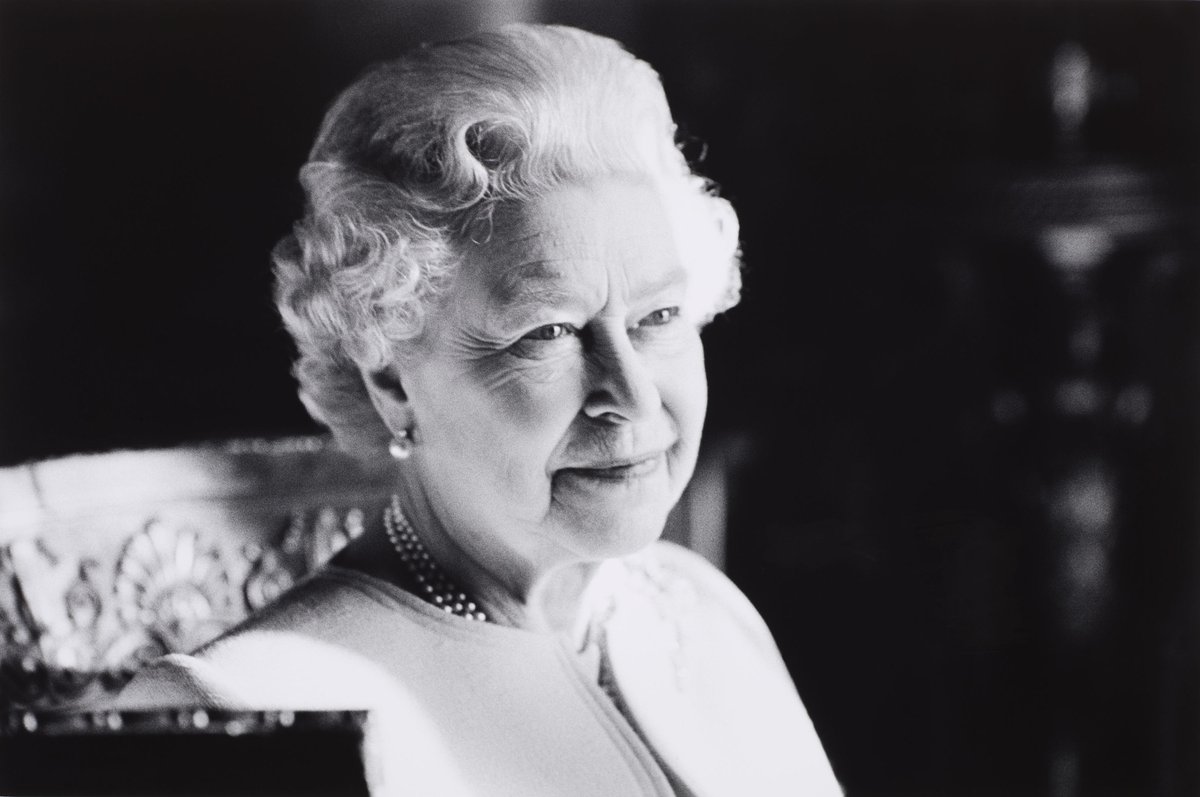
Never has a monarch made such a contribution to people and country like #HerMajesty.
No one will come close.
#RIPQueenElizabeth
8 Sep 2022

The Queen died peacefully at Balmoral this afternoon.
The King and The Queen Consort will remain at Balmoral this evening and will return to London tomorrow.
1
5
24
Assen Batchvarov retweeted

30 Aug 2022
Very happy to serve as an advisor on @QuaisrLabs technical board
Our mission: unleash interactive #DigitalTwins - #digital replicas of physical #systems backed by #data streams, #simulation & #MachineLearning
quaisr.io/
#DataCentricEngineering @turinginst
1
6
7
Assen Batchvarov retweeted
31 Jul 2022
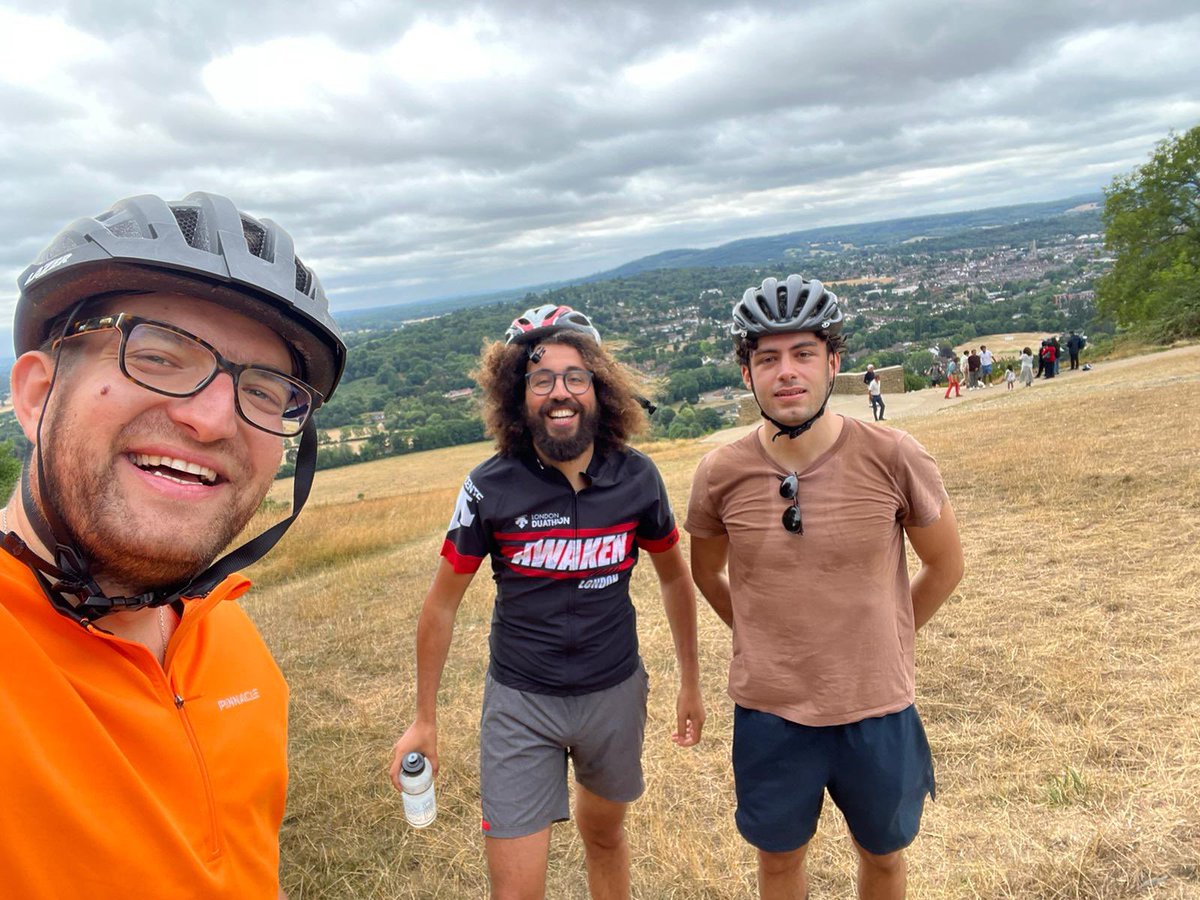
Tour de Londres with @batchvarov and Morgan. Reached Box Hill. The life is much better down hill.
1
13
Assen Batchvarov retweeted
24 Mar 2022
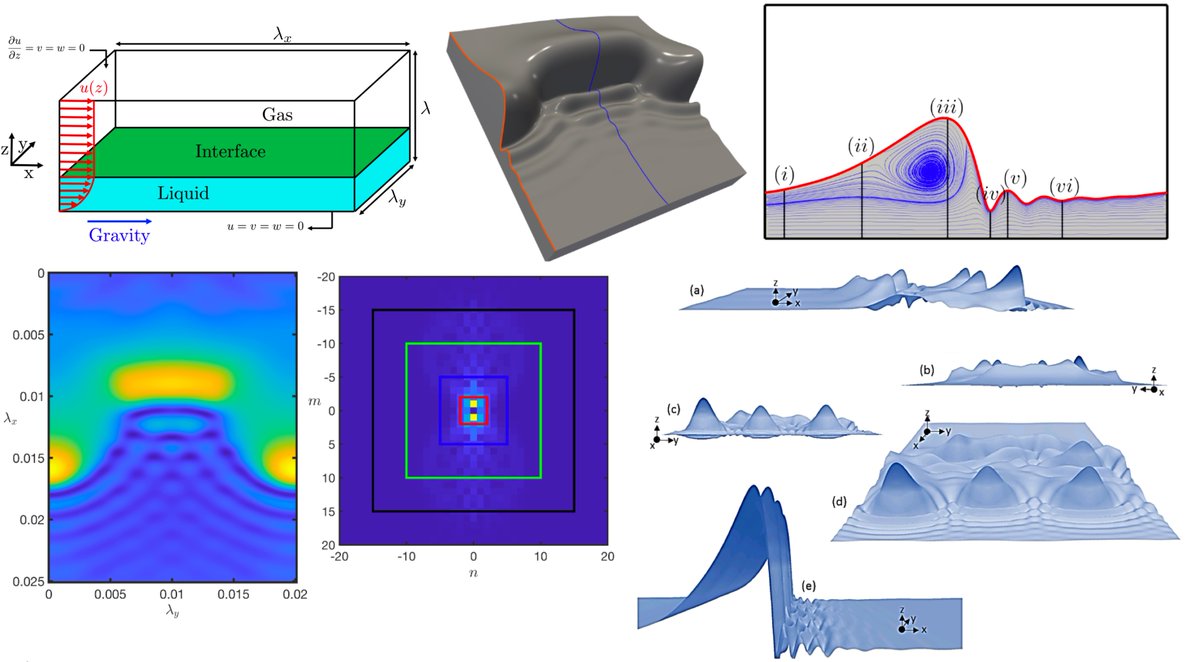
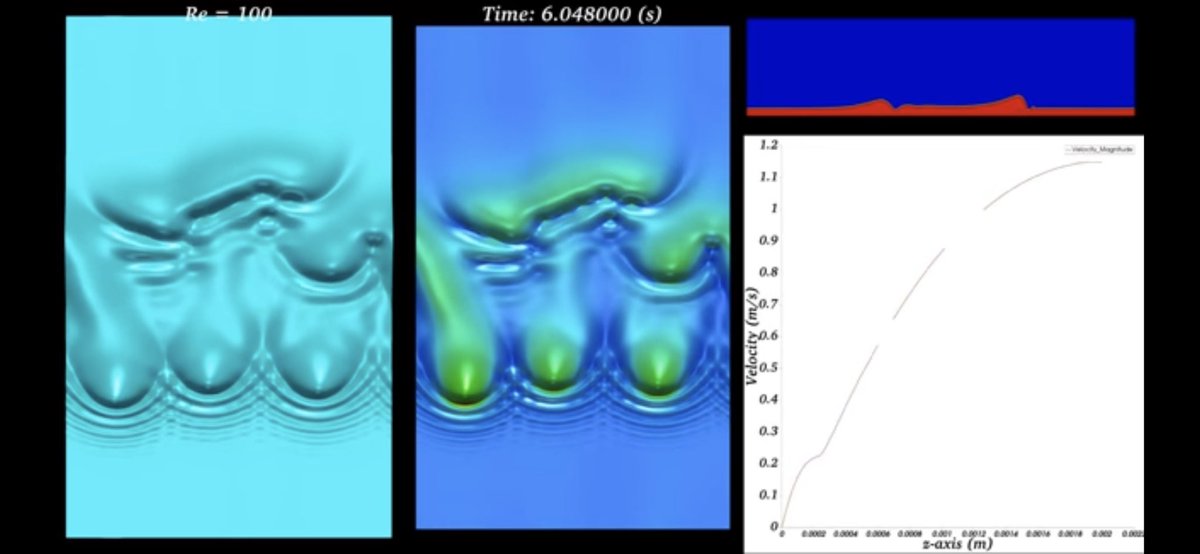
Ice sheets, glaciology, flooded rivers, flumes, debris flows, lava domes until corneal thin liquid film on human eyes, .....Falling films are everywhere! Here is our latest article in #Environmental #Fluid #Mechanics
@Idris_TAdebayo @batchvarov @PREMIERE_UKRI @LisnLab @MatarLab
24 Mar 2022
Check out our latest paper on #CFD #simulation of falling films
Online in #Environmental #Fluid #Mechanics: link.springer.com/content/pd…
@YouTube video 👉 youtube.com/watch?v=cGrBVjcZ…
@LKahouadji @Idris_TAdebayo @batchvarov @PREMIERE_UKRI @LisnLab
#fluiddynamics #multiphase
8
24
Assen Batchvarov retweeted

29 Nov 2021
Throwback to the time at #APSDFD2021 ! @APSphysics
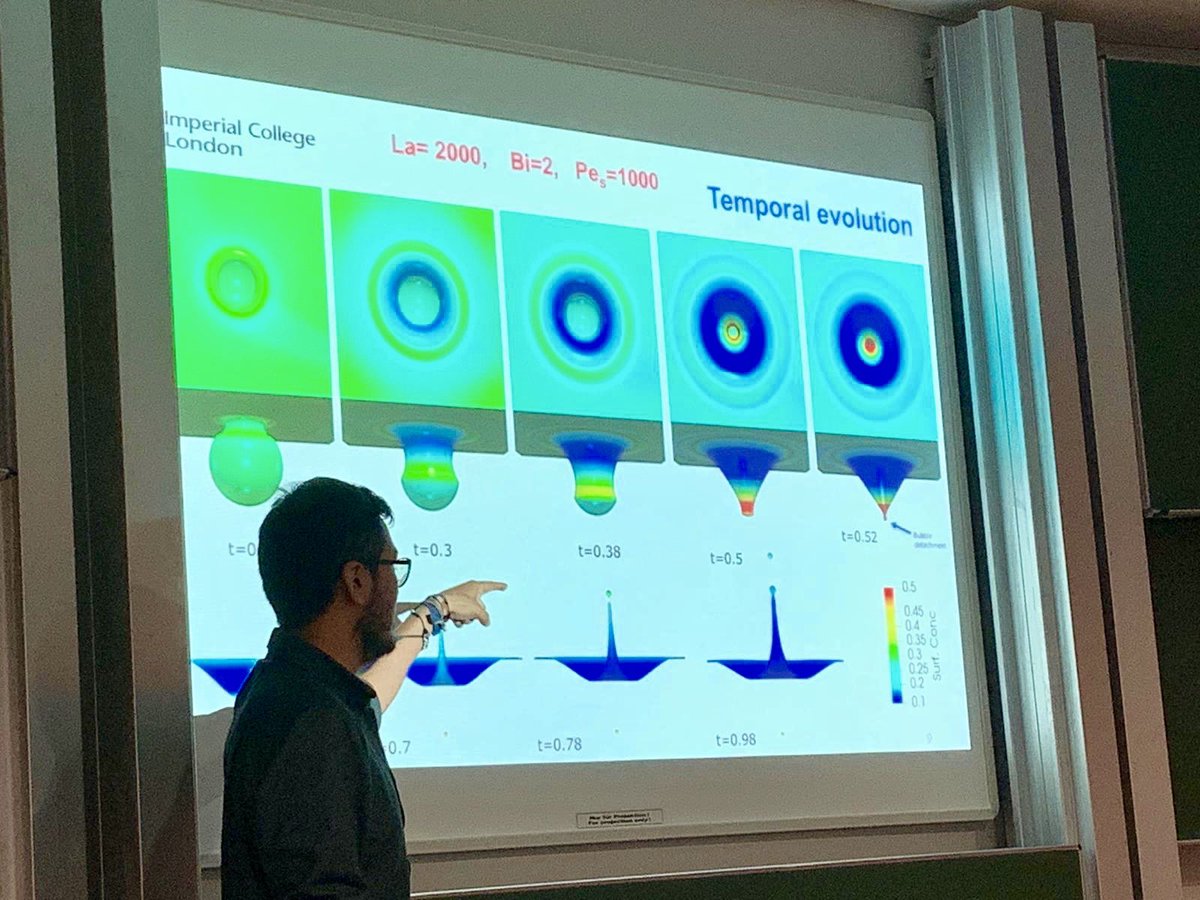
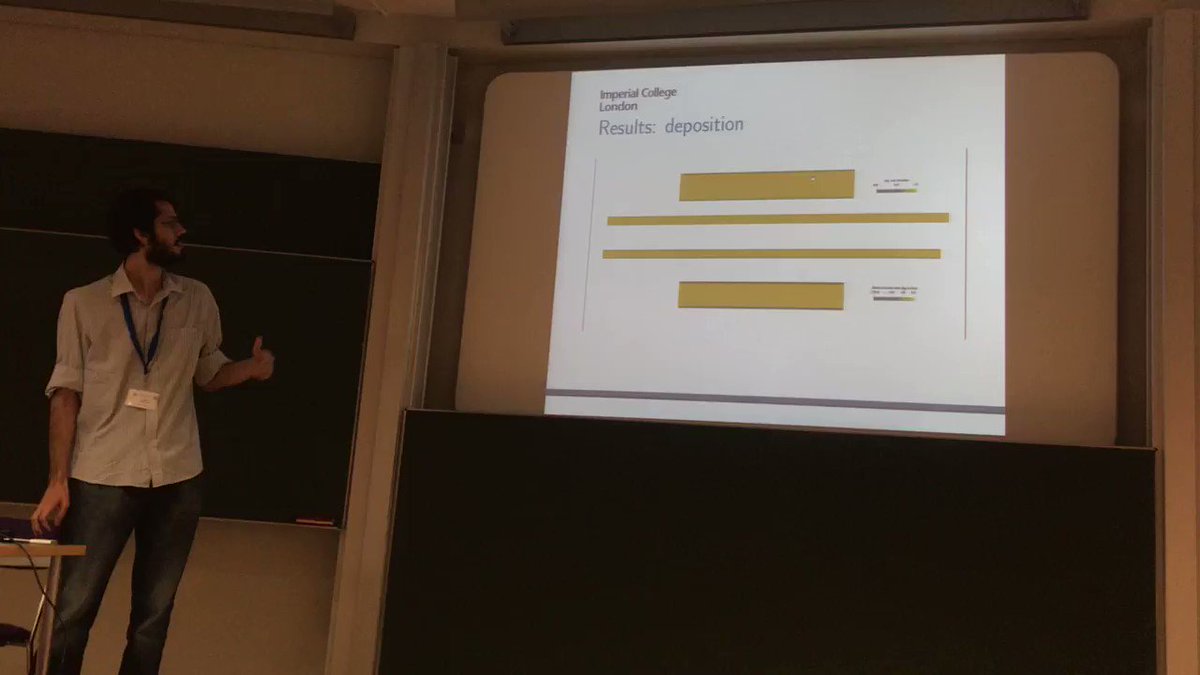
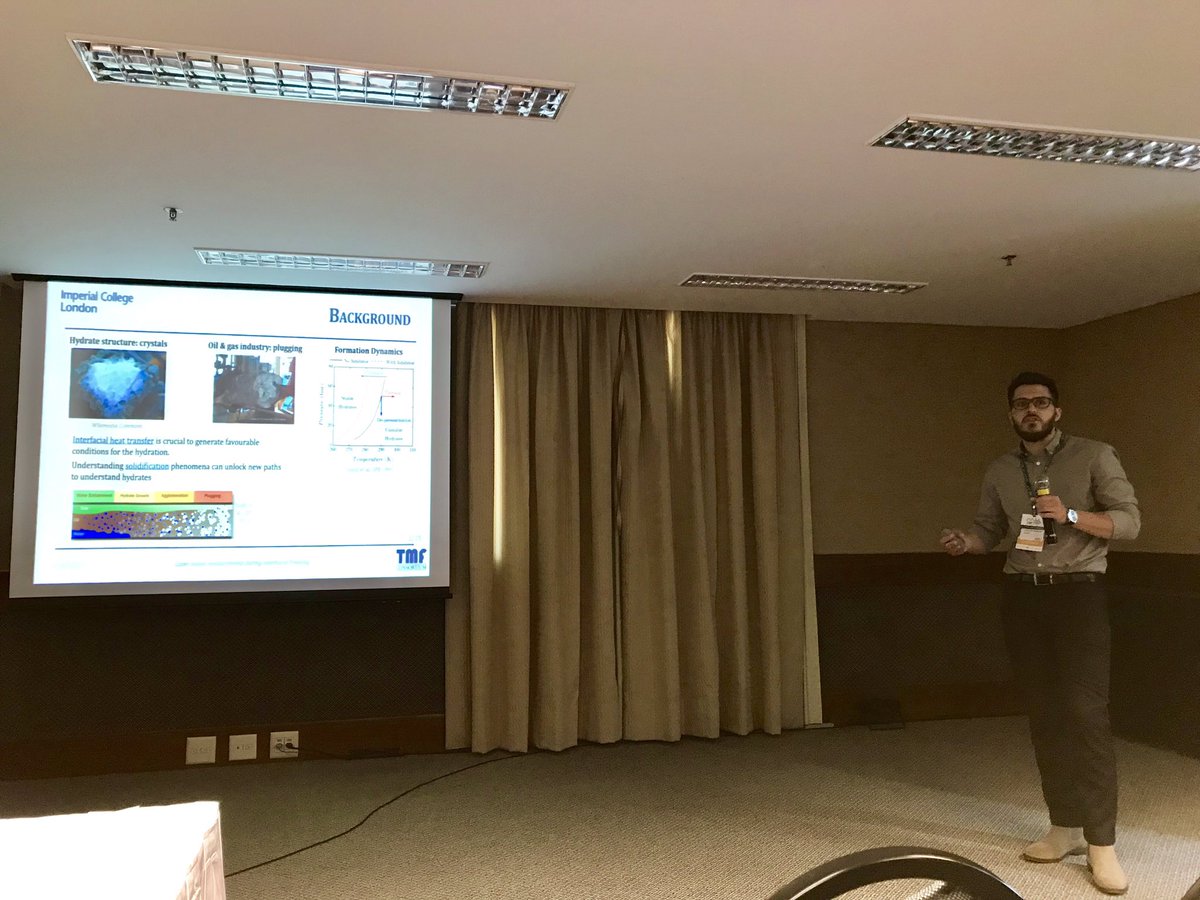
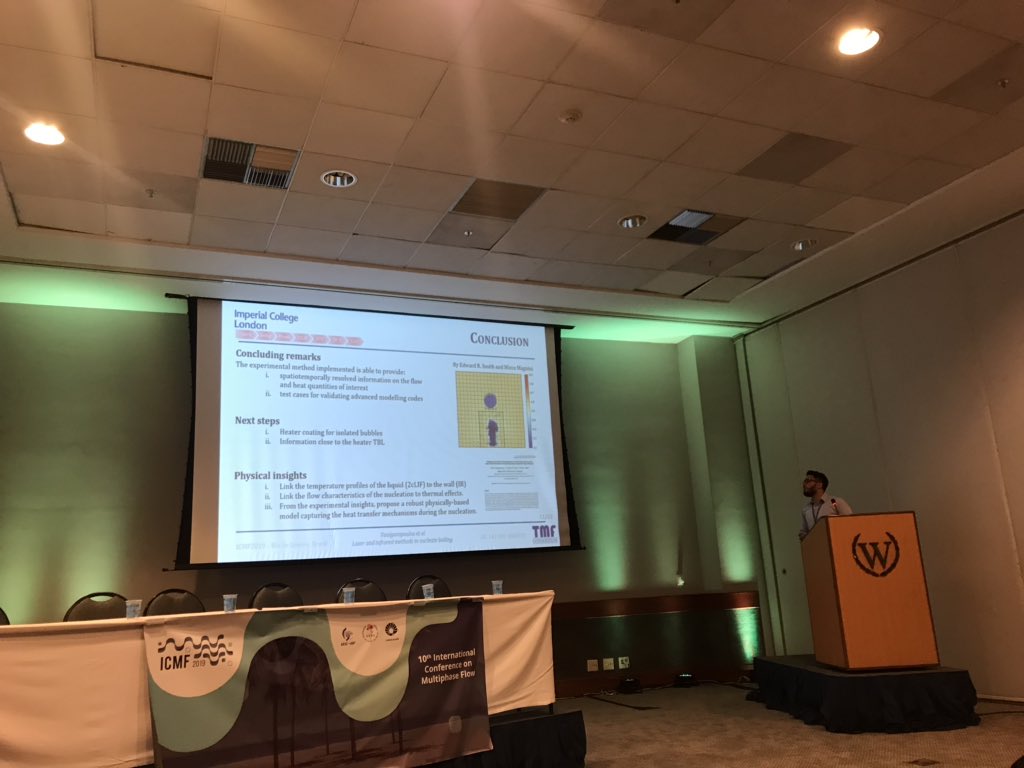
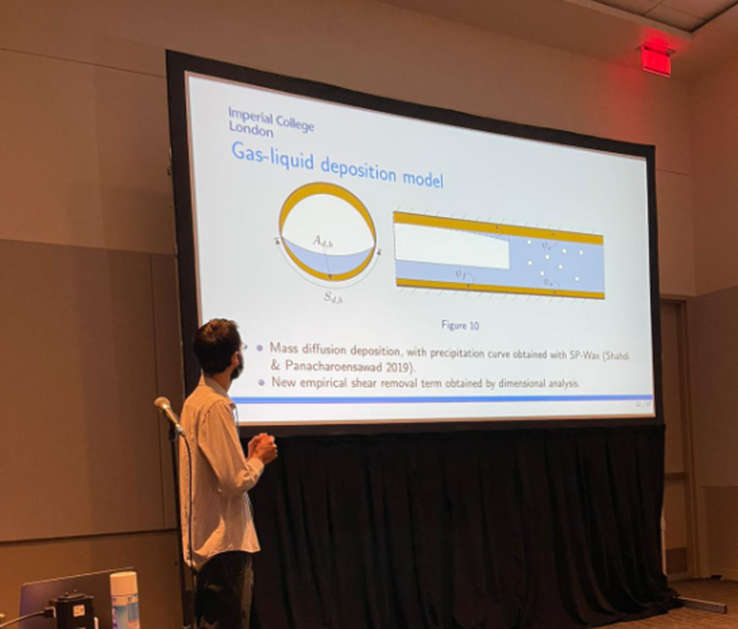
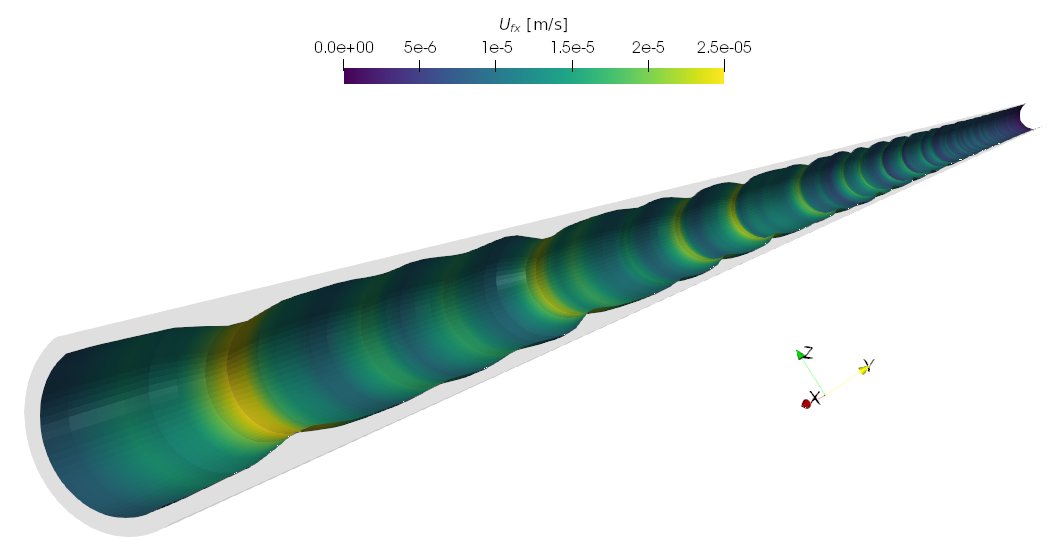
🧑🔬Gabriel ➡️Simulation of wax #deposition in Gas-liquid #flow
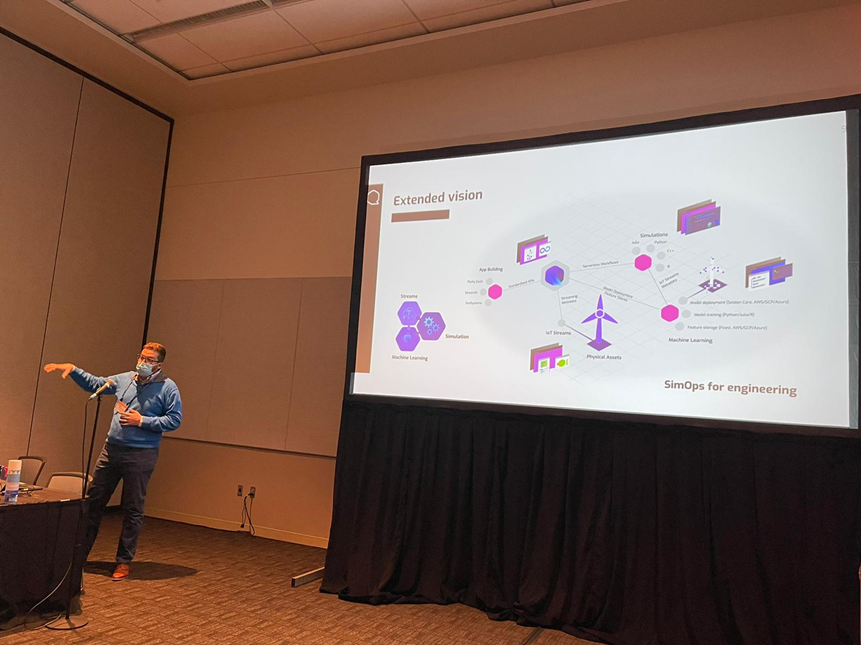
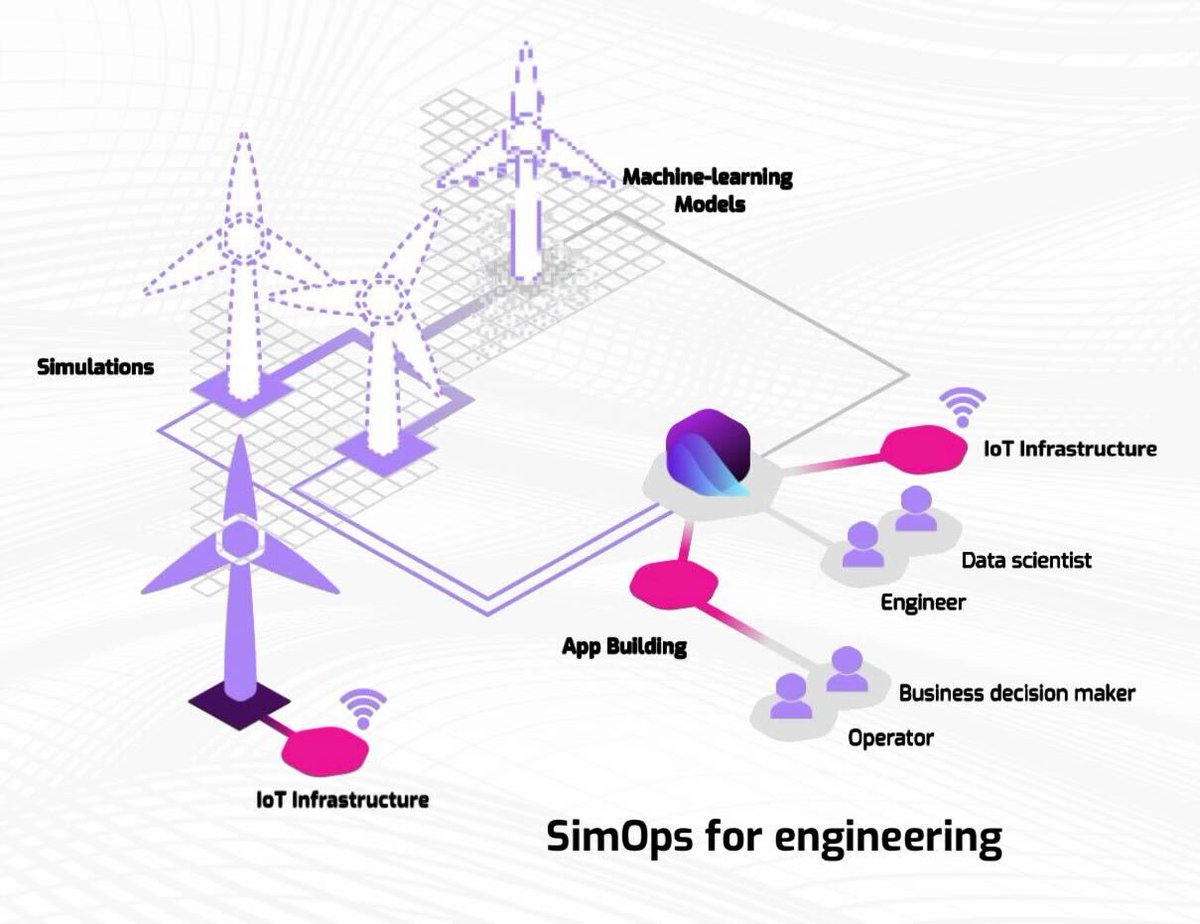
🧑🔬@batchvarov ➡️Platform for #simulations & #ML @QuaisrLabs
🧑🔬@AlessioLavino ➡️#Nucleation in #boiling #systems via #MD
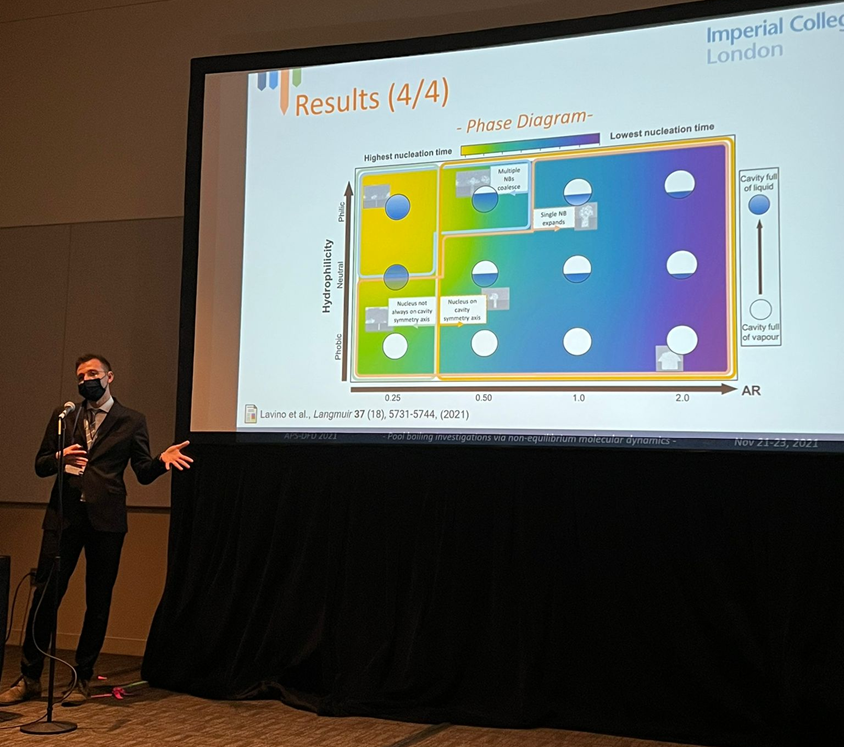
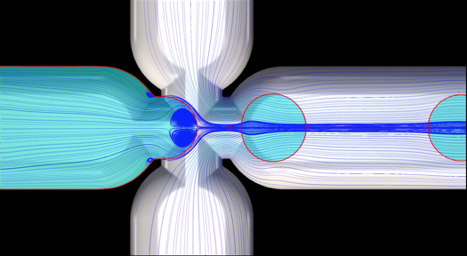
21 Nov 2021
Join us for the #APSDFD2021 talks on Sunday 21/11
A18.03: Numerical simulation of wax deposition in gas-liquid flow
A18.07: Integrated platform for simulations & #MachineLearning
E02.07: Effect of #surfactant on flow fields in droplets generated in microfluidic devices
(1/2)

3
4

21 Nov 2021
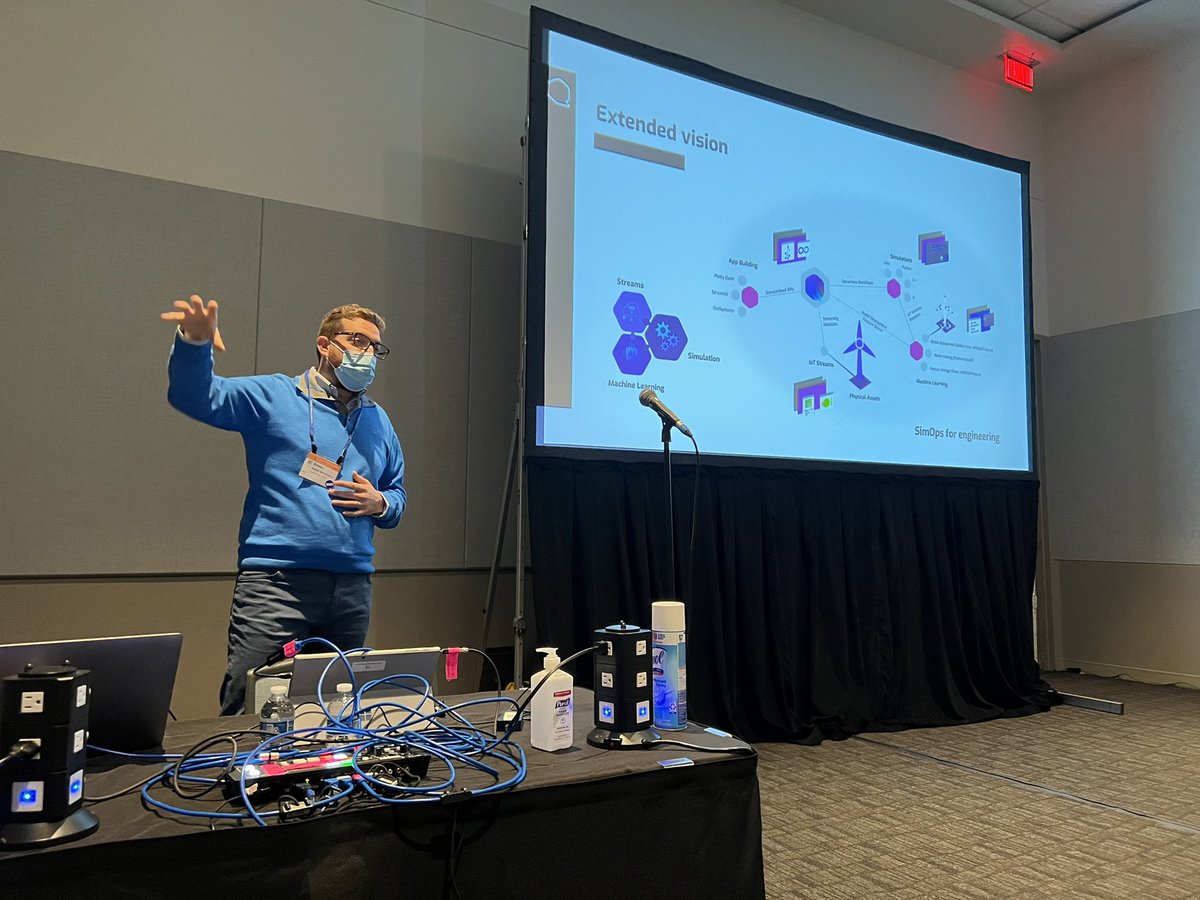
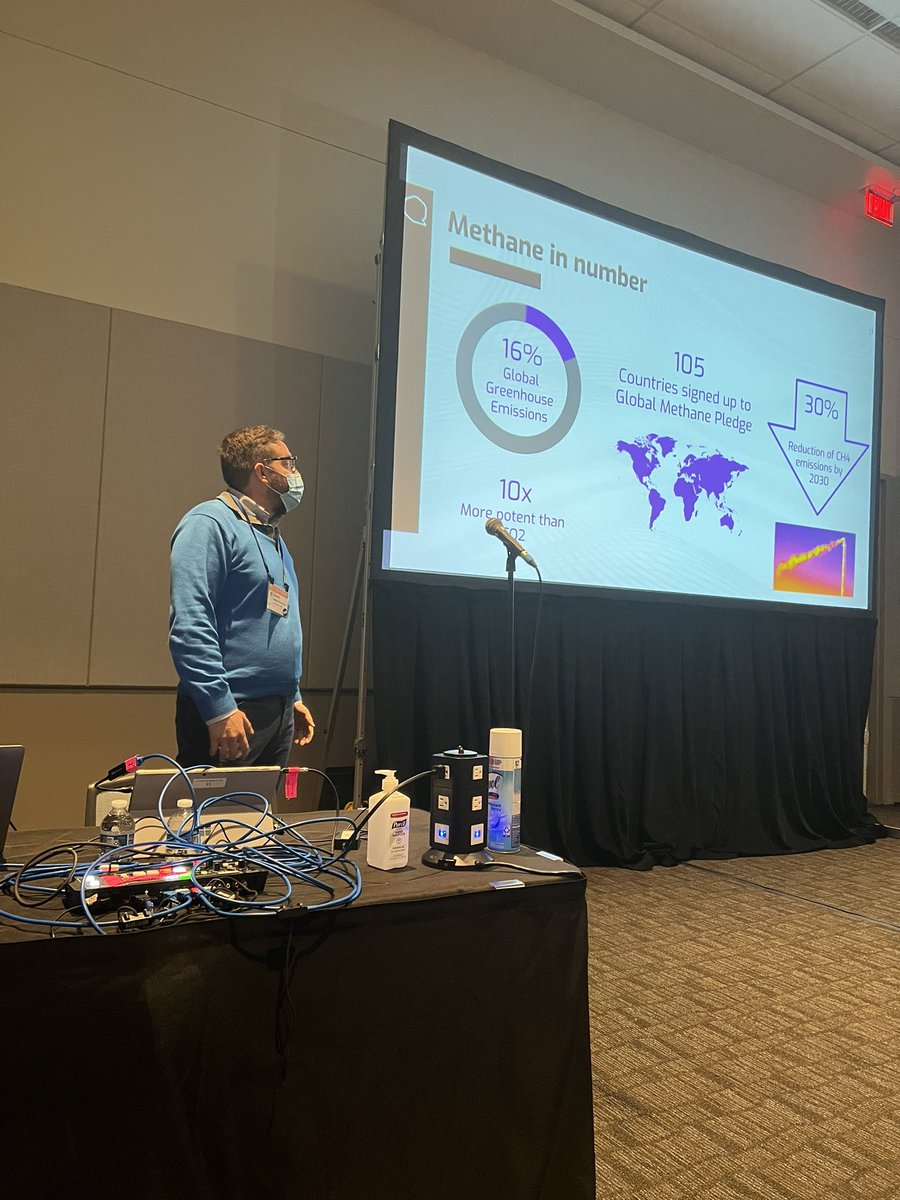
I had fun presenting the @QuaisrLabs vision of integrating simulations and ML to solve real world problems like methane leak detection.
DM me if you are at the APS DFD 2021 and you are interested to see how @QuaisrLabs product can help you accelerate your innovation cycle.
9
18
Assen Batchvarov retweeted
19 Nov 2021
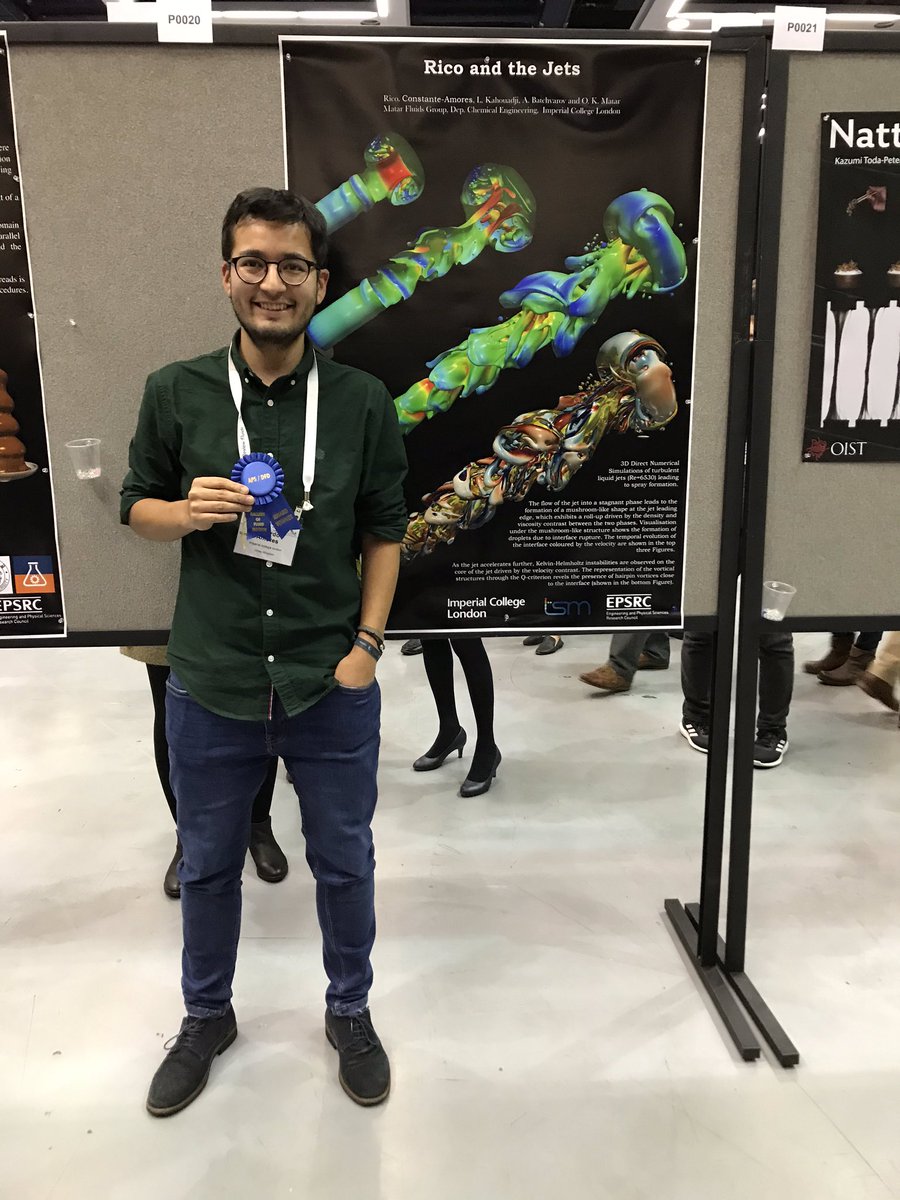
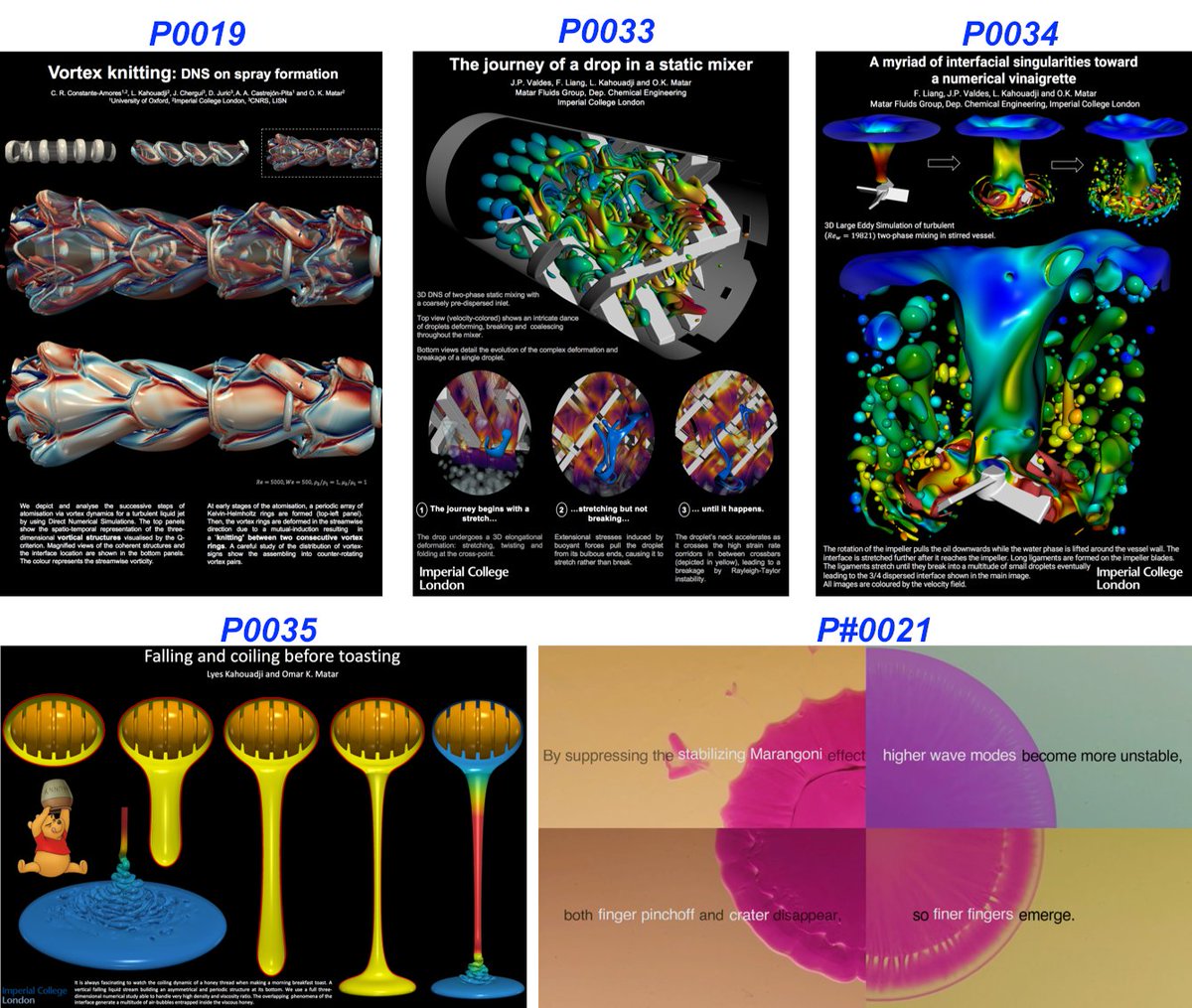
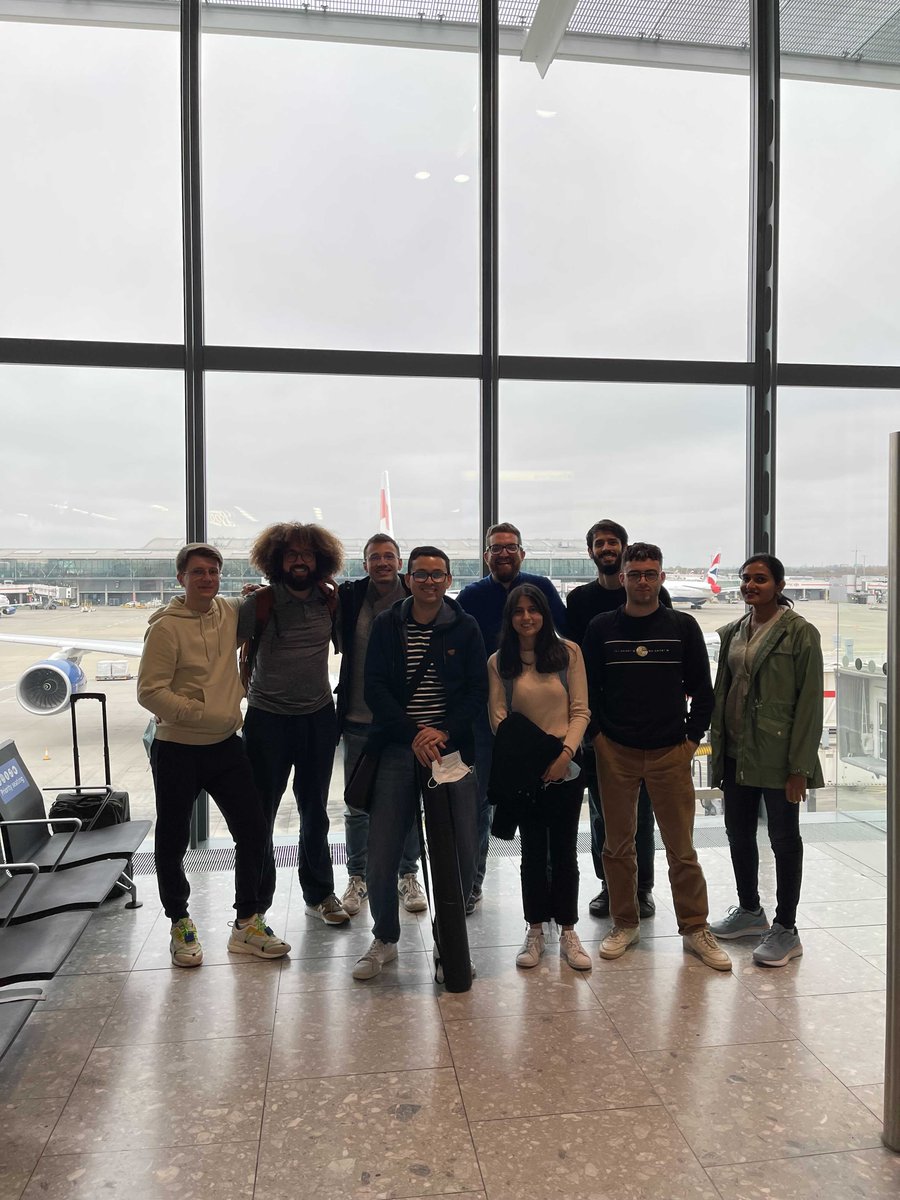
On our way to #apsdfd2021 in #Phoenix. Come over and have a look at our gallery :) #mixing, #honey #atomization and #MarangoniBlossom
👉 youtube.com/watch?v=1qeftAKi…
10
28
19 Nov 2021
I am heading over to the APS DFD conference in Phoenix to talk about how we can integrate simulations and machine learning to accelerate research.
I will be speaking during the A18 session on Sunday 21st November.
#simulations #machinelearning #innovation
8
16
27 Sep 2021
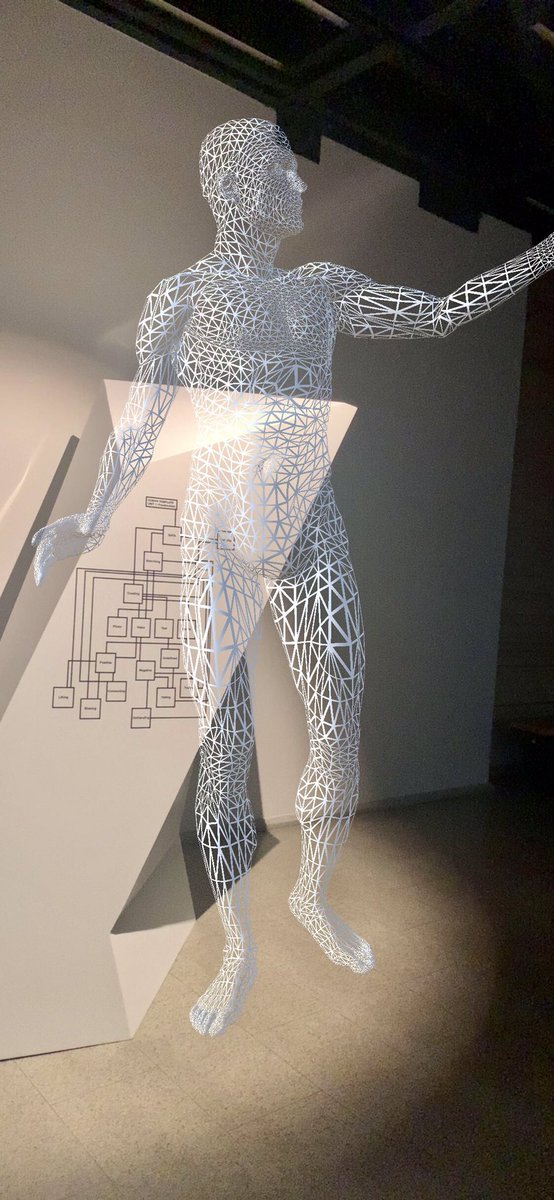
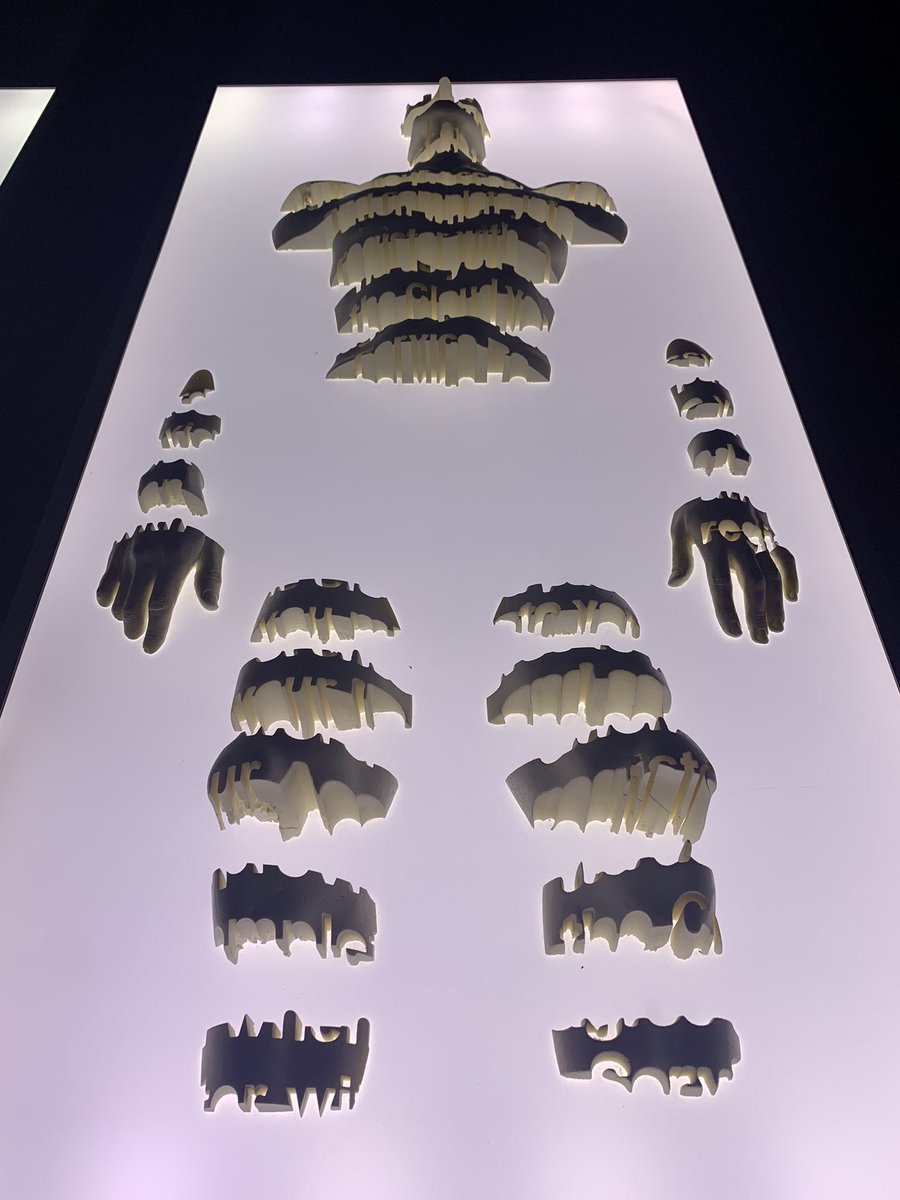
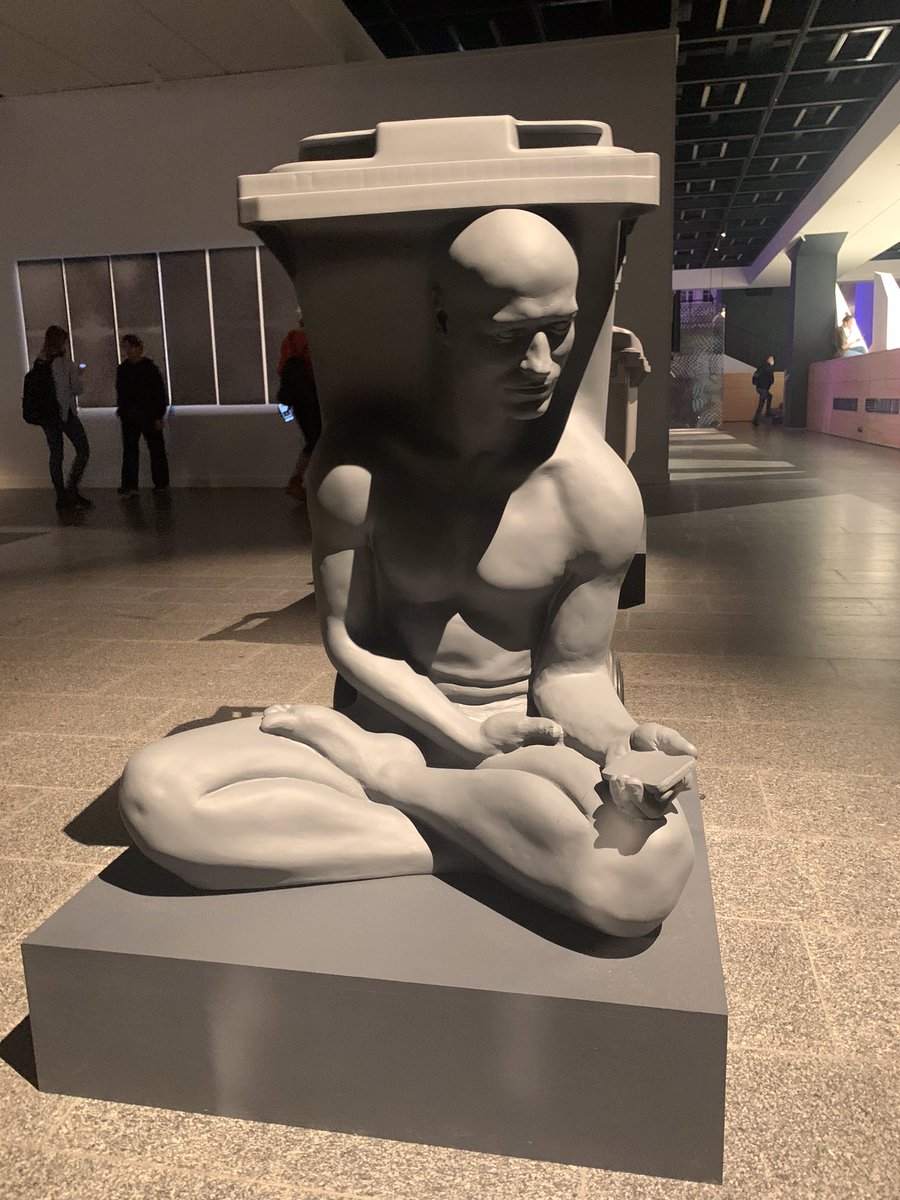
A really cool and engaging exhibition by the recycleartgroup.com/.
The group raises some important questions about our interactions with the #digitalworld and the #digitalfootprint we leave behind.
Have you read the terms and conditions?
3
23 Sep 2021
Kermit the Frog: “It is NOT easy being green”
Boris: “Kernit the Frog was wrong. It is easy being green!”
I am with Boris on that one!
#turningpoint #ClimateCrisis #ClimateAction
23 Sep 2021

We are approaching that critical turning point when we must show that we are capable of finally taking responsibility for the destruction we are inflicting on our planet, and ourselves.
Read my speech at the @UN General Assembly → gov.uk/government/speeches/p…
@COP26 | #UNGA
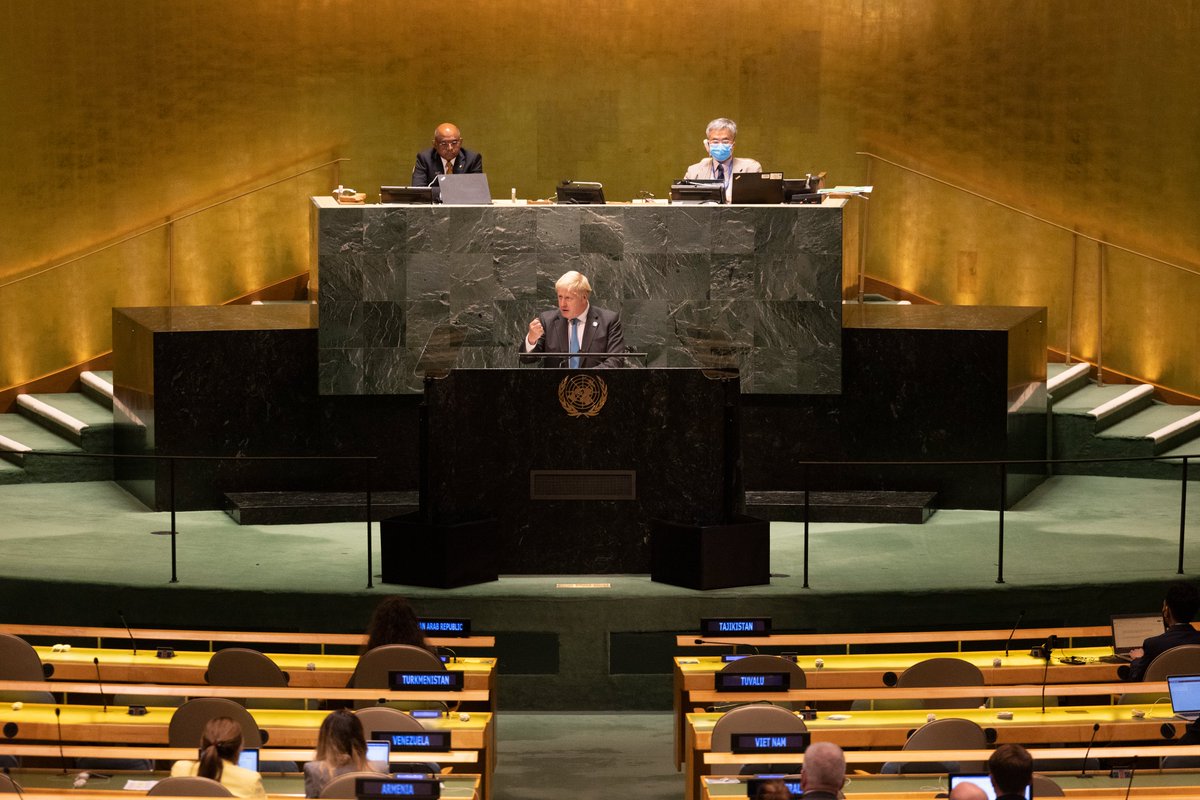
ALT PM Boris Johnson making a speech at the UN General Assembly in New York.
1
1
2 Sep 2021
Widely recognised as the first real-world use of #digitaltwins, the Apollo 13 example is certainly an inspiration when thinking about the @QuaisrLabs product.
Watch this space for more on the integration of #simulations, #data and #ml in the context of #digitaltwins.
2 Sep 2021

When was the first digital twin ever used? What are the fundamental questions that digital twins need to answer today?
You can find answers to these questions here ➡️ quaisr.io/posts/digital-twin…
#digitaltwins #simulations #data #ai
1
3
Assen Batchvarov retweeted
2 Jul 2021
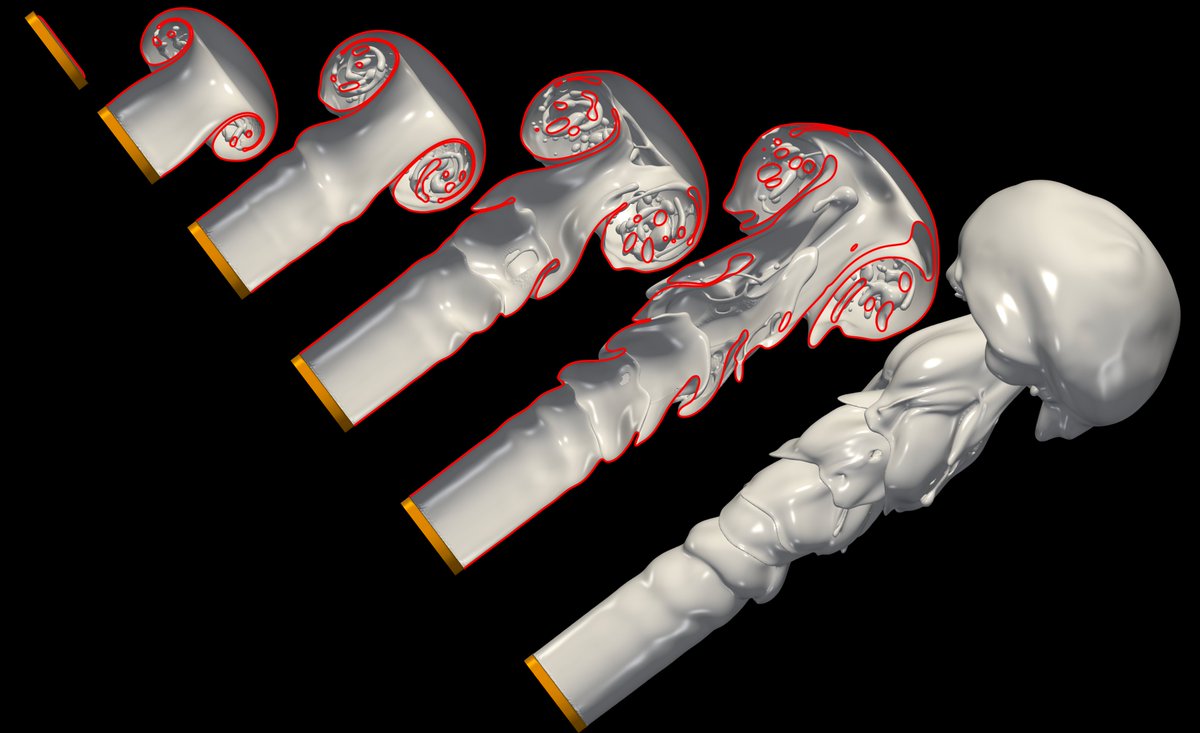
Our latest @JFluidMech paper: doi.org/10.1017/jfm.2021.519
Direct #numerical #simulations of #turbulent #jets: vortex-interface interactions
@LisnLab @CNRS Hongik Uni
Video 👉 youtube.com/watch?v=fAXjR4ua…
#DNS #CFD #Multiphase #FluidDynamics
@PREMIERE_UKRI @ConstanteAmores @LKahouadji
18
44
Assen Batchvarov retweeted

21 May 2021
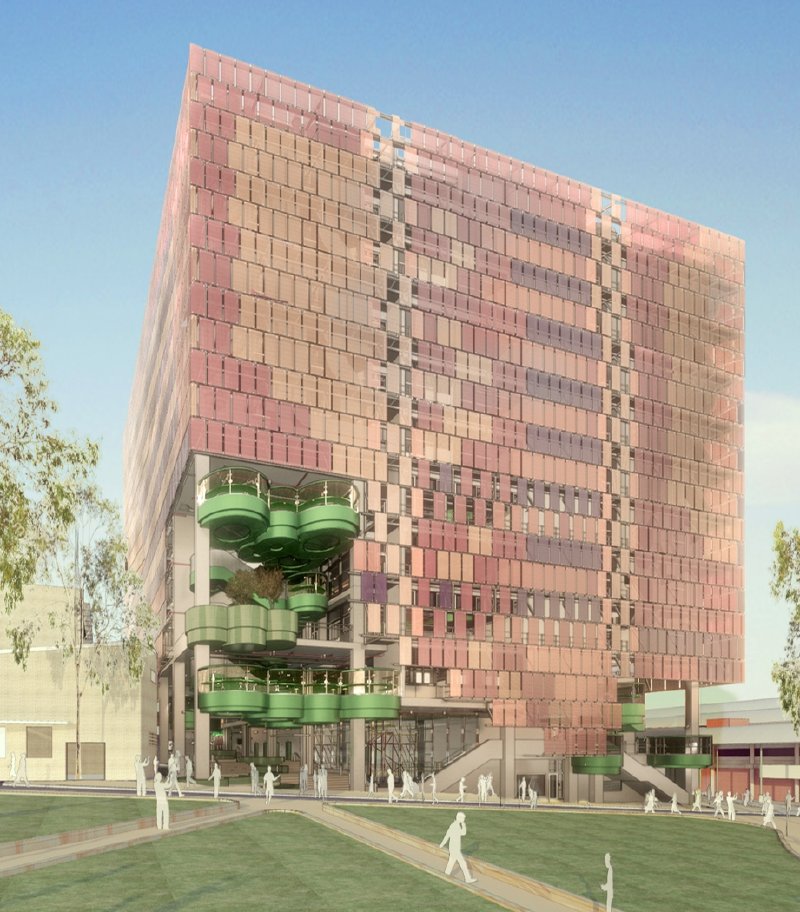
I am thrilled to announce I will be joining @UQ_EAIT's School of Chemical Engineering as a Senior Lecturer in Biomedical Engineering in July! I will be opening my laboratory in biomimetic systems engineering and am hiring PostDoc and PhD researchers. Please retweet and reach out!
14
35
160
Assen Batchvarov retweeted
3 Mar 2021
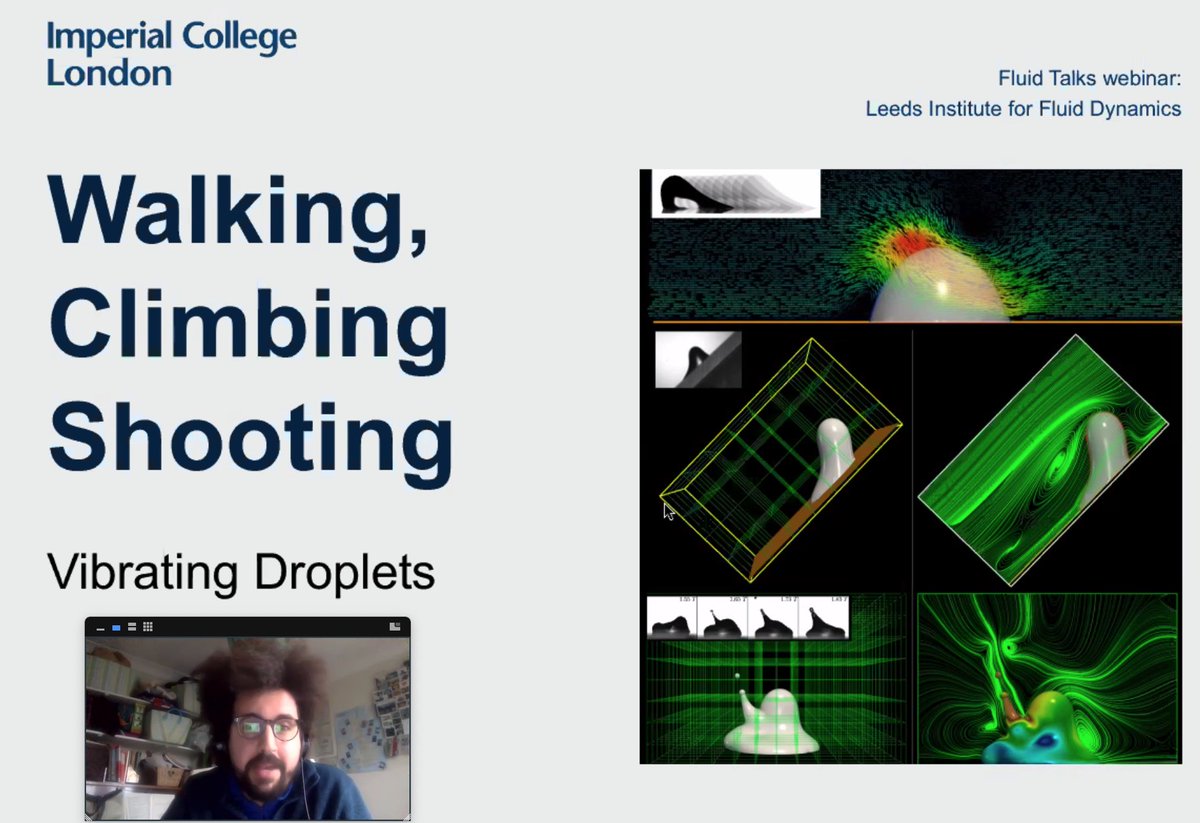
Who knew #droplets could climb and shoot? 🤓
Very interesting talk by @LKahouadji at @FluidsLeeds forum!
4
44
18 Feb 2021
Fantastic @NASA! Book me on the next flight out 😎

Touchdown confirmed. The #CountdownToMars is complete, but the mission is just beginning.
5
4 Feb 2021
More of the #PhD collaboration work being published.
Some interesting insights with implications on #climatechange.
Happy #bursting and thanks to everyone involved!
4 Feb 2021
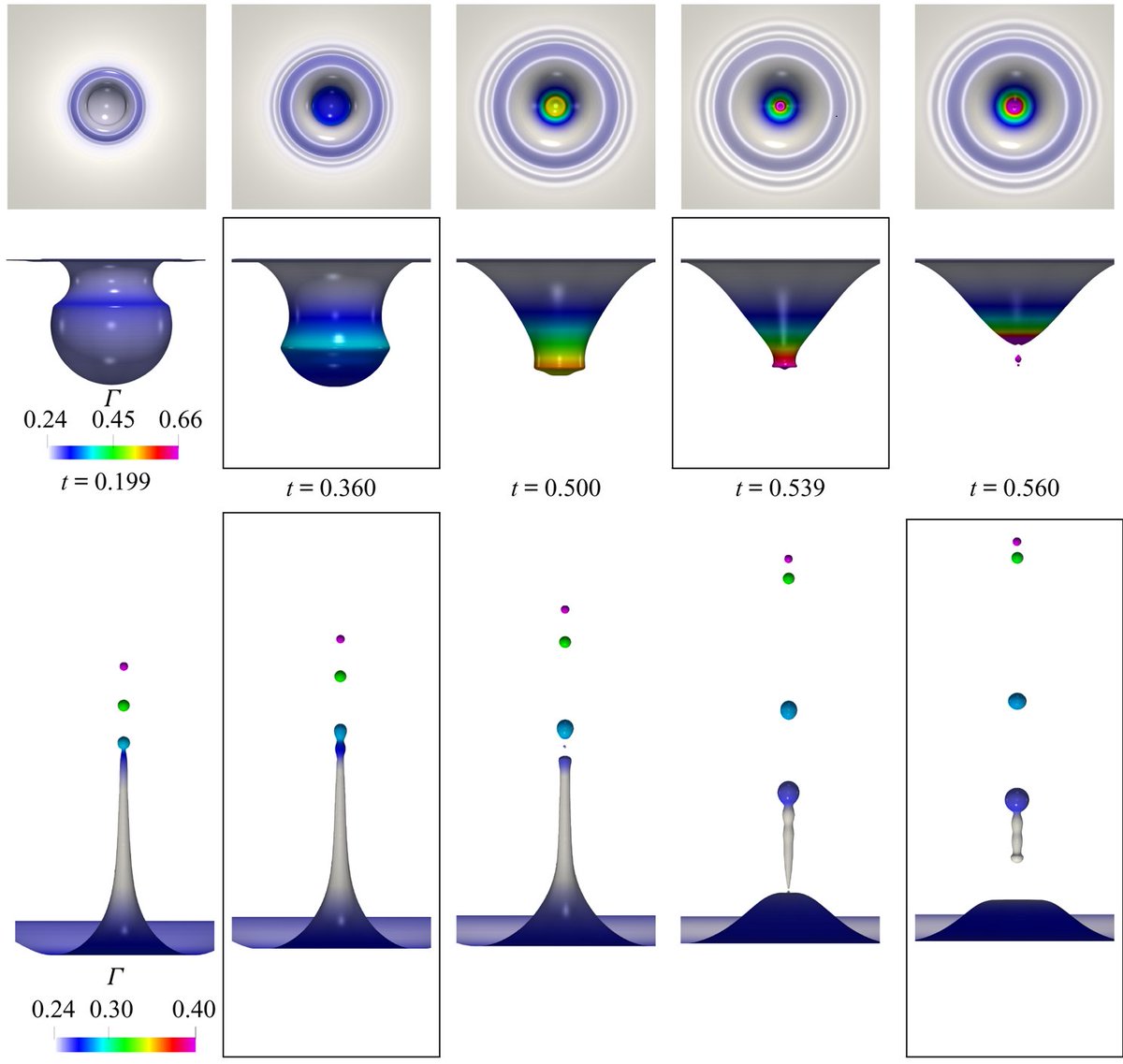
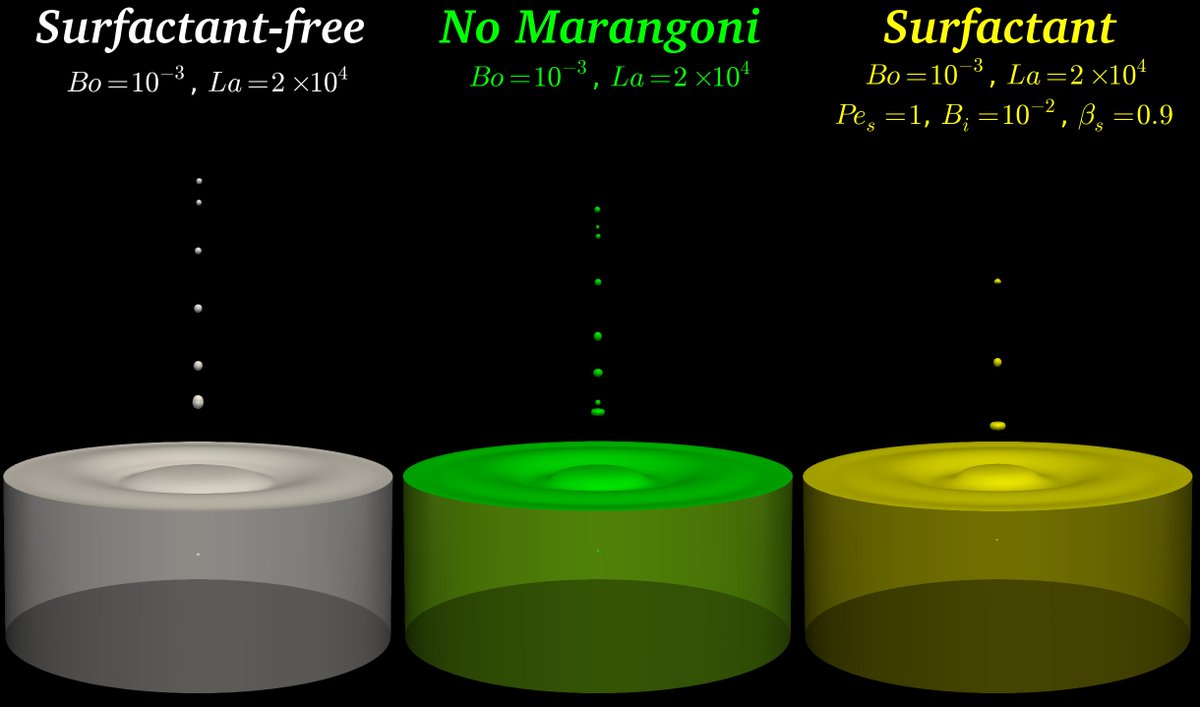
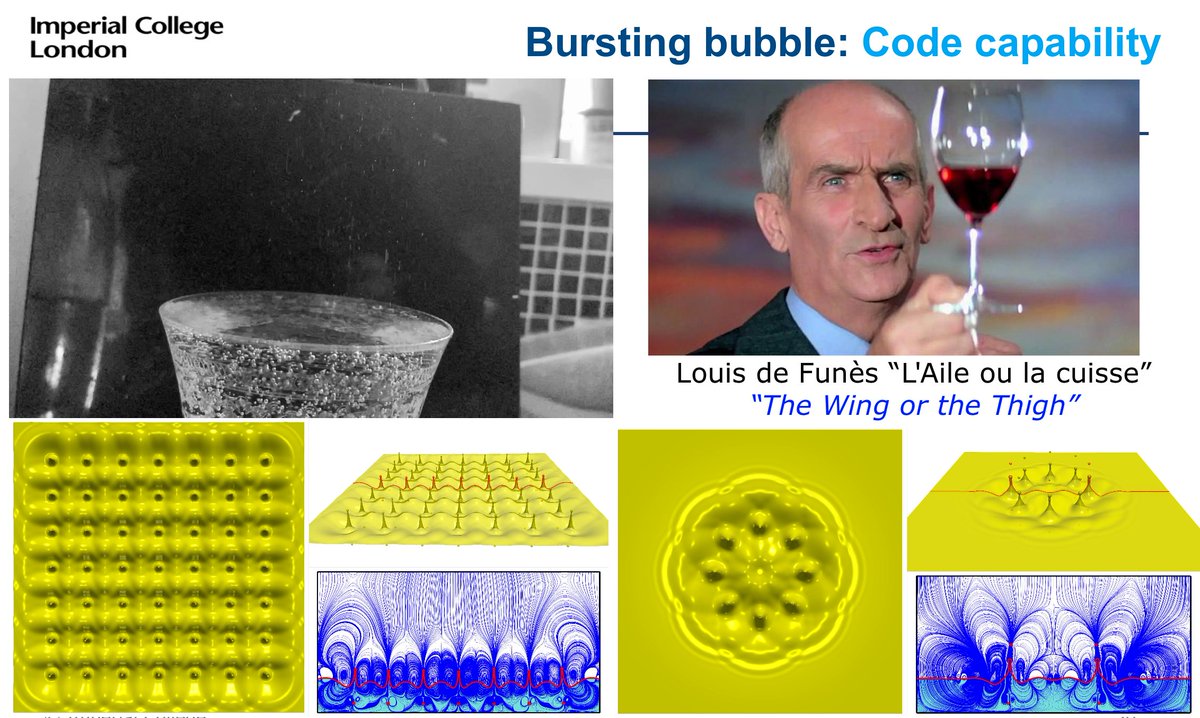
Paper on Dynamics of a surfactant-laden #bubble bursting through an #interface is now published in @JFluidMech
🔗:tinyurl.com/1hyljggf
DOI: doi.org/10.1017/jfm.2020.109…
📽️:youtube.com/watch?v=3zQUA200…
#Multiphase #CFD #FluidDynamics
@MatarLab @PREMIERE_UKRI @LisnLab @CNRS &Hongik Uni
1
1
10