PCCM doc, Director, Northwestern Medicine ILD Program. Lung Transplant physician, Louisville native, baseball super fan. Tweets/comments are my own
Joined October 2023
- Tweets 98
- Following 497
- Followers 63
- Likes 4,177
8 Photos and videos


BB retweeted

Jun 5
Reminder for all young parents:
You only get:
- 1 Summer with your baby
- 3 with your toddler
- 9 with your child
- 5 with your teenager
This time is precious. Don’t rush it.
158
2,502
28,690
927,539
BB retweeted

25 Nov 2025
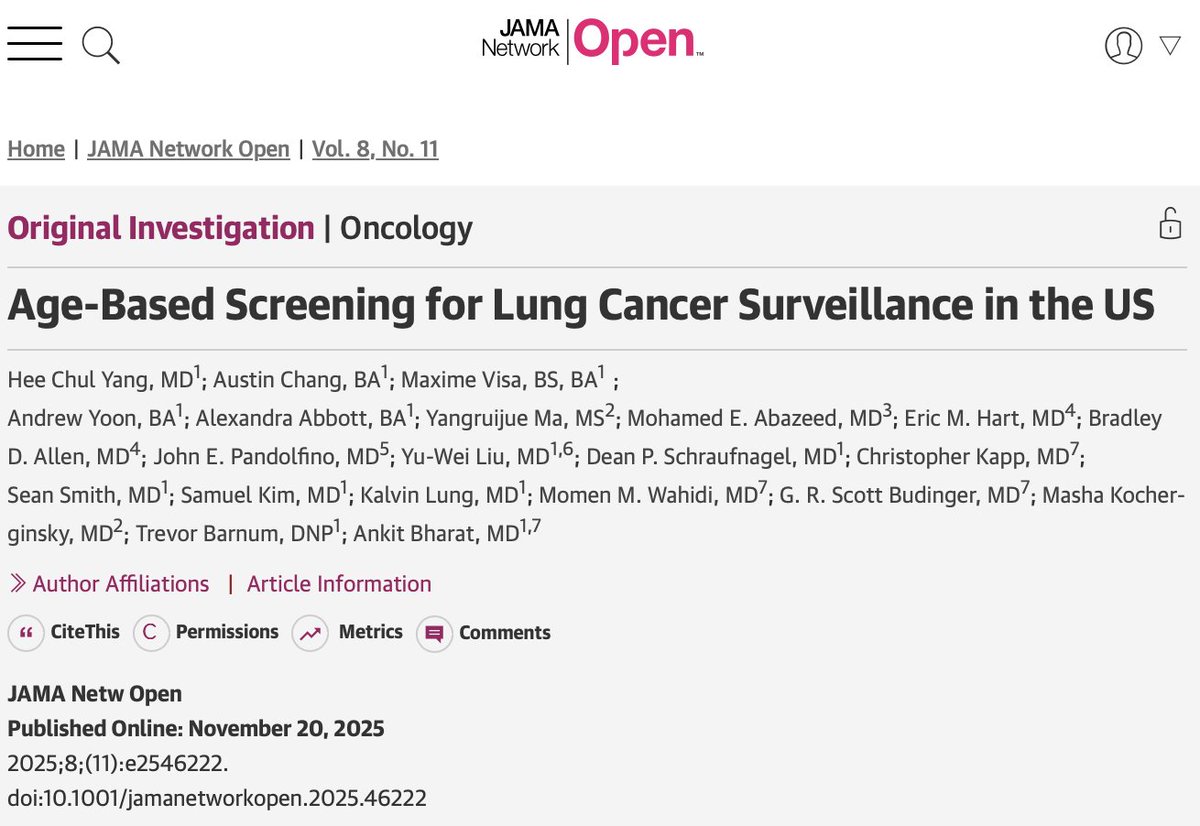
#Lungcancer doesn’t follow the rules, but screening guidelines still do. Study from @AnkitBharatMD et al @NorthwesternMed shows that 65% of ppl Dx w LC wouldn’t have qualified for screening - a gap we can’t ignore. Women & ppl w no tobacco most impacted.
jamanetwork.com/journals/jam…
1
9
15
671
BB retweeted

10 Oct 2025
“Every physician carries within himself a small cemetery, where from time to time he goes to pray.” — René Leriche
The guilt is real. Each name finds its place there, quiet and heavy.
What surprises me still are the families who meet loss with gratitude—who somehow thank you through their own heartbreak. That grace stays with you far longer than the failure ever does.
23
147
853
70,013
BB retweeted

4 Oct 2025
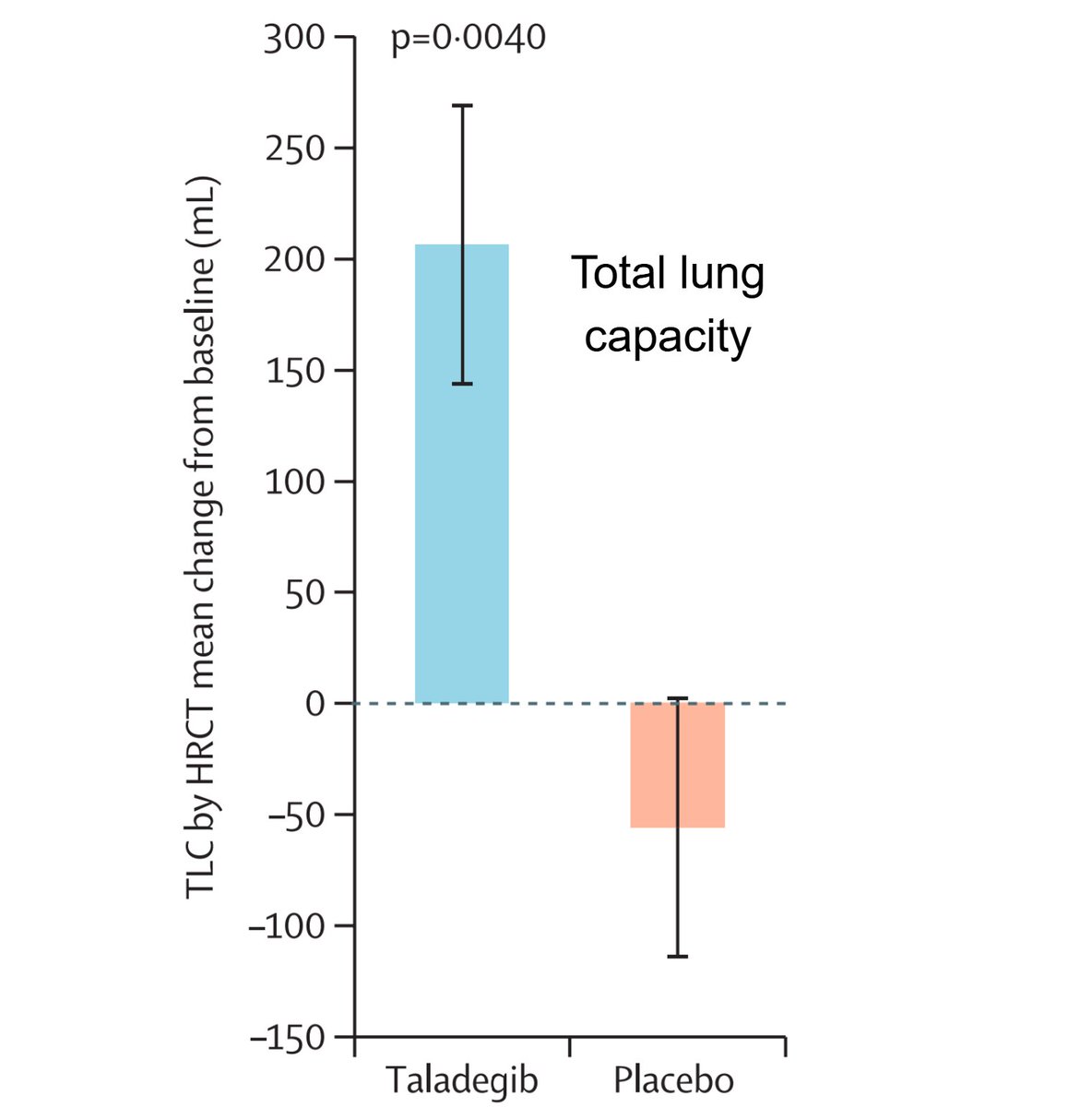
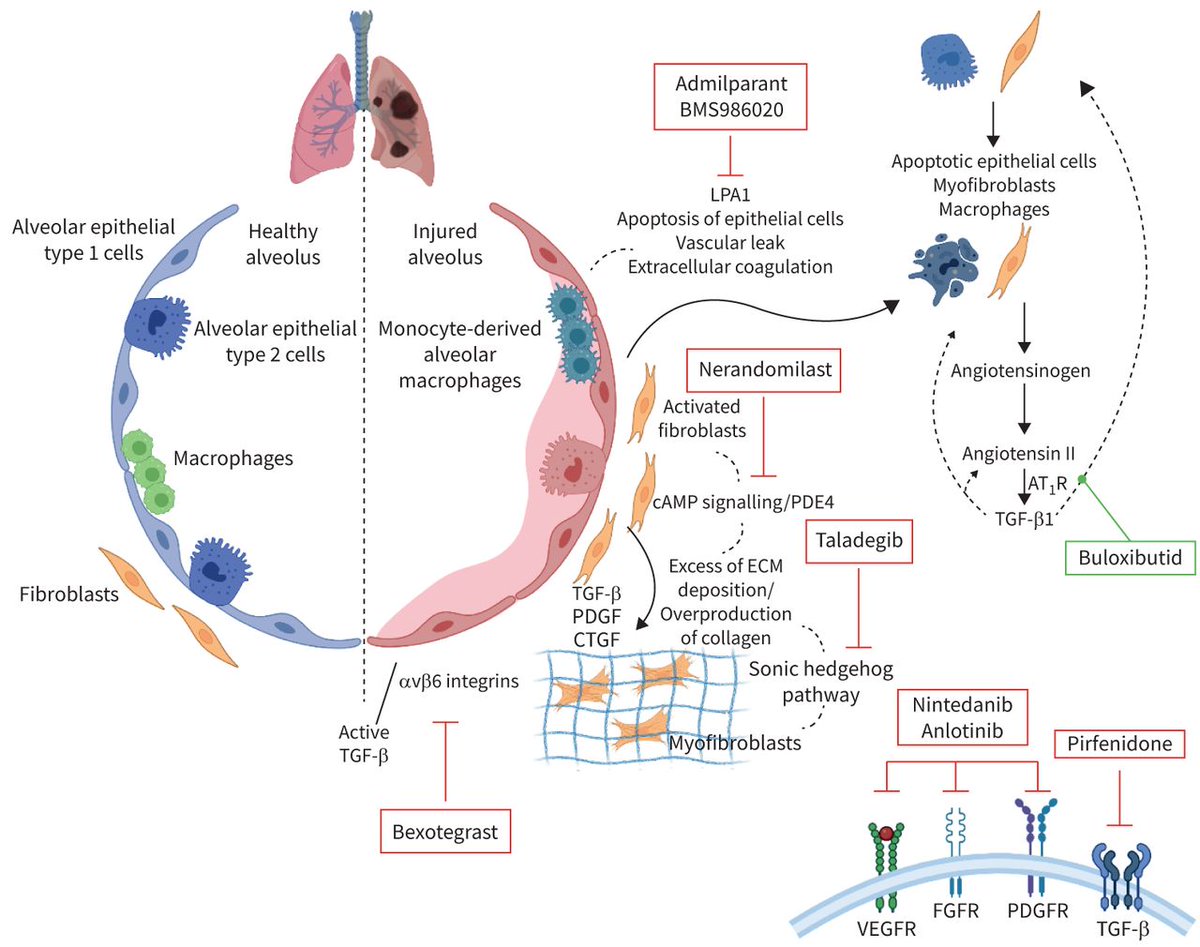
Idiopathic pulmonary fibrosis is a very very tough disease – the current drugs slow but do not reverse the decline in lung function
These are early data (phase 2a) but Taladegib, a hedgehog pathway inhibitor, looks like it increases lung capacity and improves lung function
2
8
136
14,534
BB retweeted

19 Sep 2025
This will be absolutely devastating in the medical field.
~30% residents are international medical graduates & ~10k of 43k residency spots are filled by docs with H1-B visas.
Previously the h-1B fee was <$5,000.
No hospital will pay a $100k fee for a $55k resident salary.
19 Sep 2025

Trump signs an EO on H-1Bs raising "the fee that companies pay to sponsor H1-B applicants to $100,000"
7,251
11,368
57,446
8,697,940
BB retweeted

2 Sep 2025
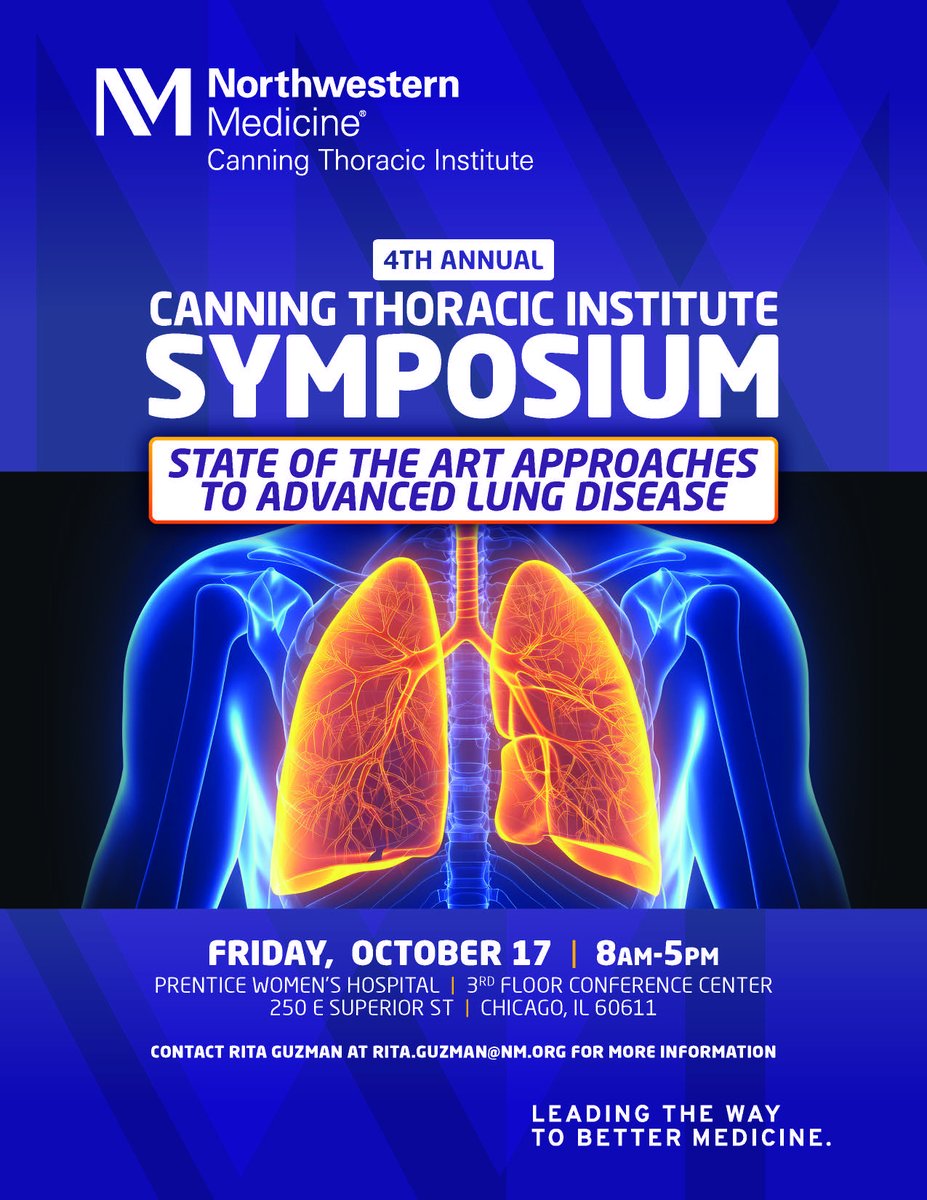
Join us on October 17 for the fourth annual Canning Thoracic Institute Symposium in downtown Chicago. This event is approved for six AMA PRA Category 1 Credits and MOC points. This symposium will bring together distinguished experts to discuss a range of topics on interstitial lung disease, interventional pulmonology and thoracic surgery, obstructive lung disease and chronic thromboembolic pulmonary hypertension. northwestern.cloud-cme.com/c…
1
3
212
BB retweeted

28 Aug 2025
RFK Jr uses long scientific sounding words and talks very confidently.
He is therefore able to convince many that he knows what he is talking about.
But to actual experts it's very obvious he hasn't got a clue.
A sophisticated and successful con man.
226
913
4,407
56,366

29 Jul 2025
Amazing group to be a part of, happy to be a small piece of the puzzle here. Great academics, great education and great people to be around. #CTI
29 Jul 2025

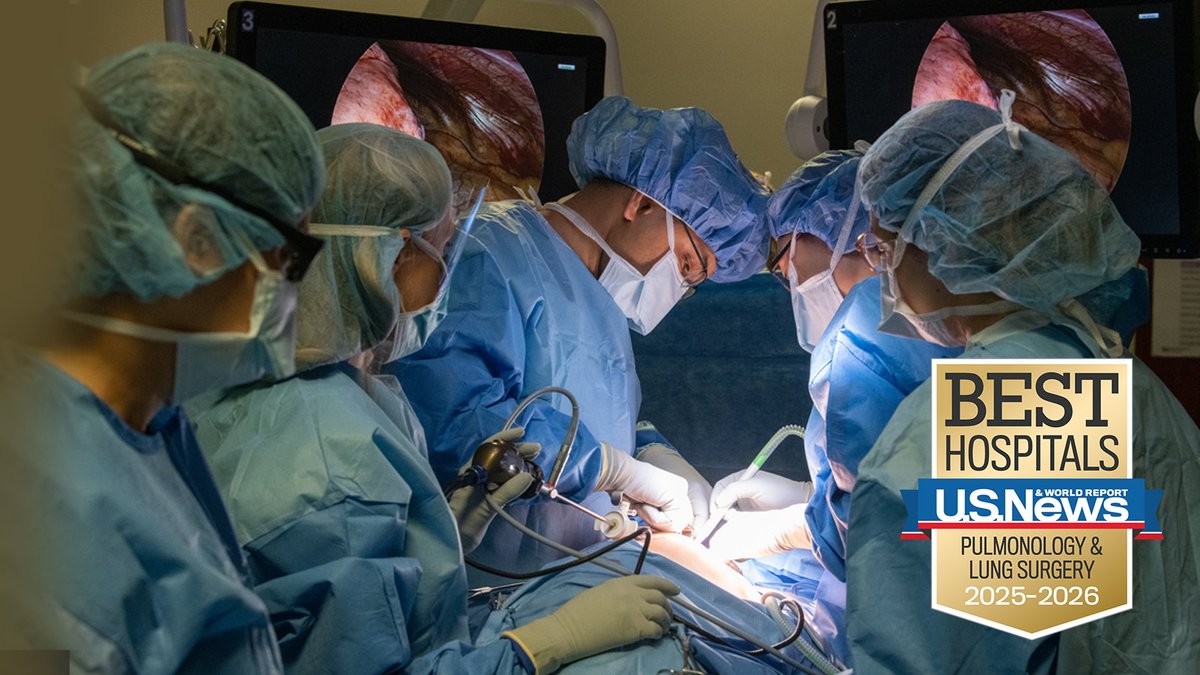
The Northwestern Memorial Hospital Pulmonology and Lung Surgery Program has been ranked No. 7 in the nation by U.S. News & World Report, 2025 – 2026. Thank you to @NM_Lung team for your commitment to advancing lung health. breakthroughsforphysicians.n…
1
97
BB retweeted

24 Jun 2025
Breathe: Idiopathic pulmonary fibrosis and progressive pulmonary fibrosis are characterised by progressive fibrosis and share common pathophysiological pathways that have led to the study of promising new therapeutic targets. bit.ly/3RdJRqA
1
47
94
6,404
BB retweeted

17 Jun 2025
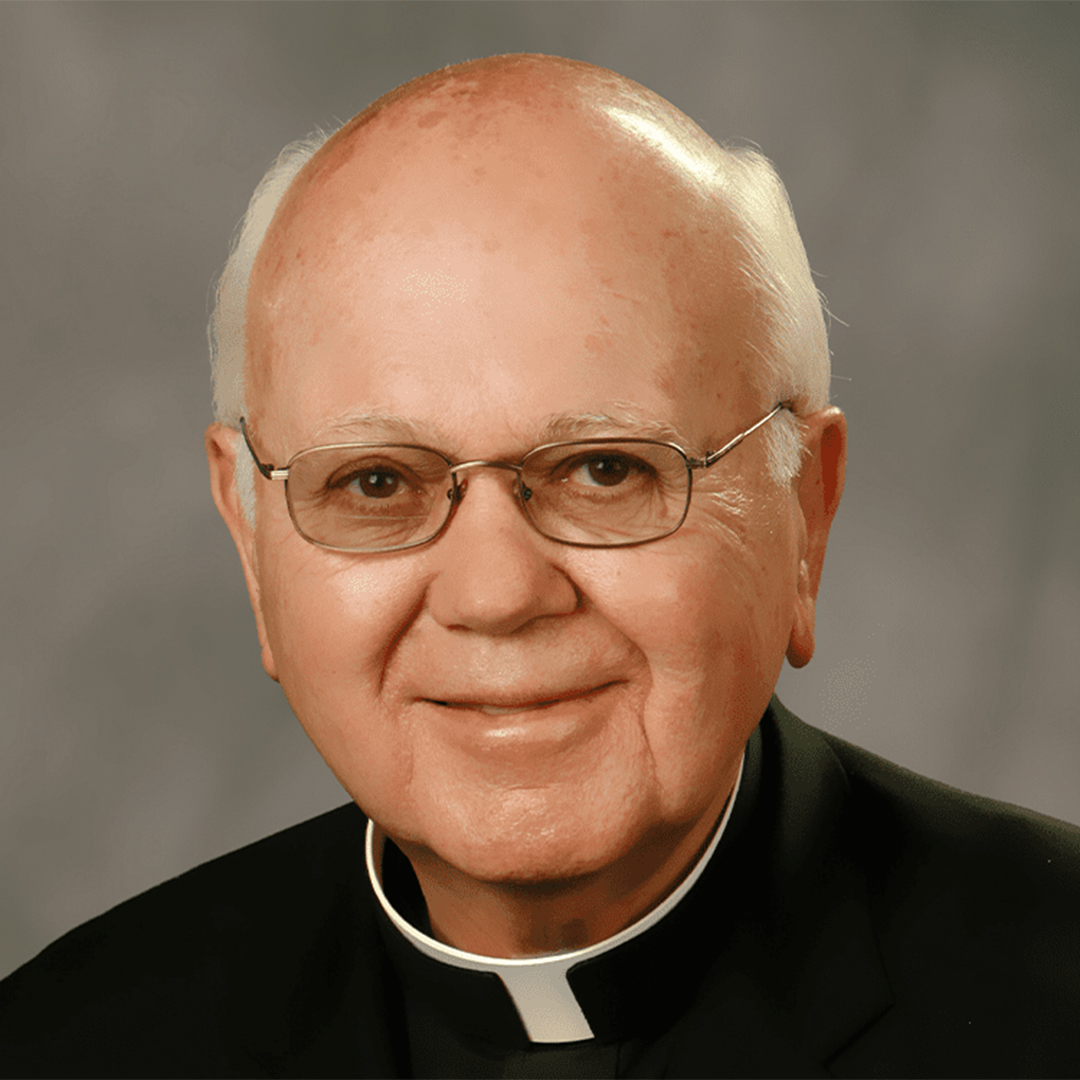
We give thanks for a great #Jesuit, Fr. Albert J. Bischoff, SJ, who has gone home to God. He joined the Society of Jesus at age 52, after serving as a priest in the Archdiocese of Cincinnati for more than 20 years. As a Jesuit, he served as associate pastor of St. Ignatius Parish in Chicago, a campus minister at @BrebeufJesuit, and in campus ministry at @XavierU for over 25 years. jesuitsmidwest.org/memoriam/…
5
18
330
13,879
15 Jun 2025
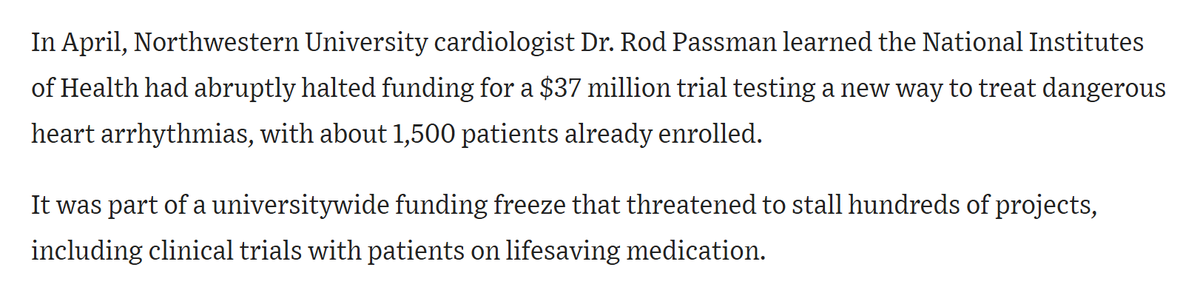
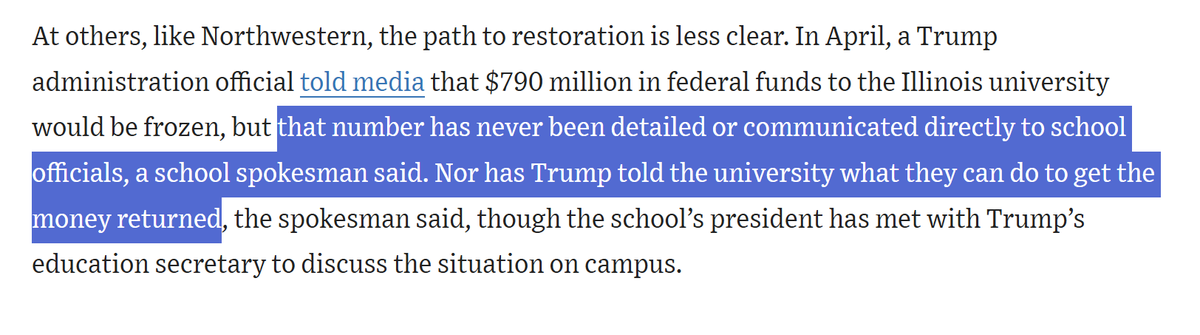
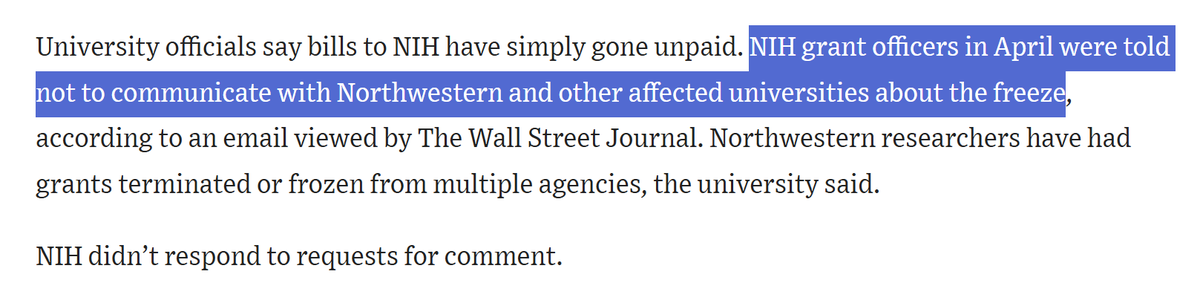
Unbelievable stifling of science and education for no reason. This affects not just the scientists but every employee of the univ and hospital. Let me be clear. Every patient cared for by a Northwestern physician will be affected by this nonsensical slashing of awarded funds.
15 Jun 2025

Seems odd that the administration is just canceling funding to Northwestern for no explicable reason. Why Northwestern?
wsj.com/us-news/education/no…
47
BB retweeted
13 Jun 2025
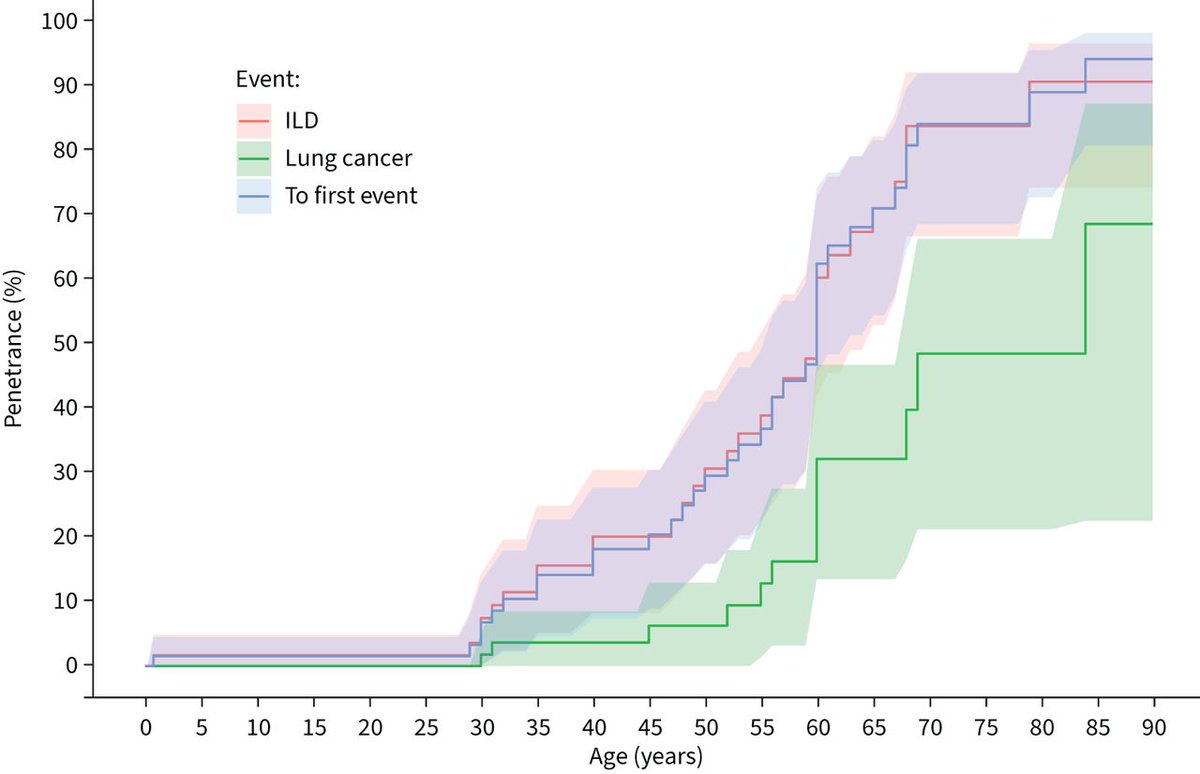
ERJ Open Research: Variants of SFTPA1 and SFTPA2 are involved in interstitial lung disease and lung cancer. Penetrance for the first event is 50% at 60 years old, rising to 89.3% at 80. Penetrance for lung cancer reached 50% at age 80, earliest case diagnosed at age 30.
7
15
1,407

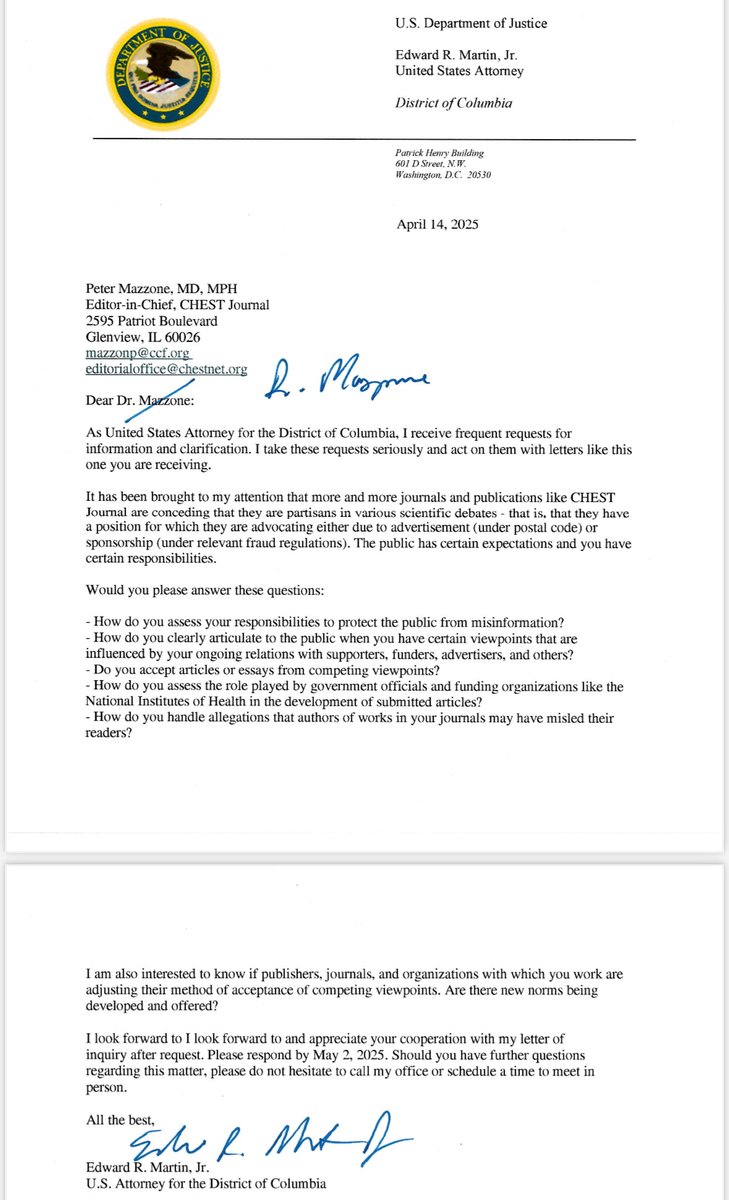
I really hope that this is not accurate and journals are left alone - without political pressure - to decide what they publish and what they don't
Is this true @accpchest ?
#foamed #foamcc #meded #MedTwitter
6
9
26
12,501
BB retweeted
8 Apr 2025
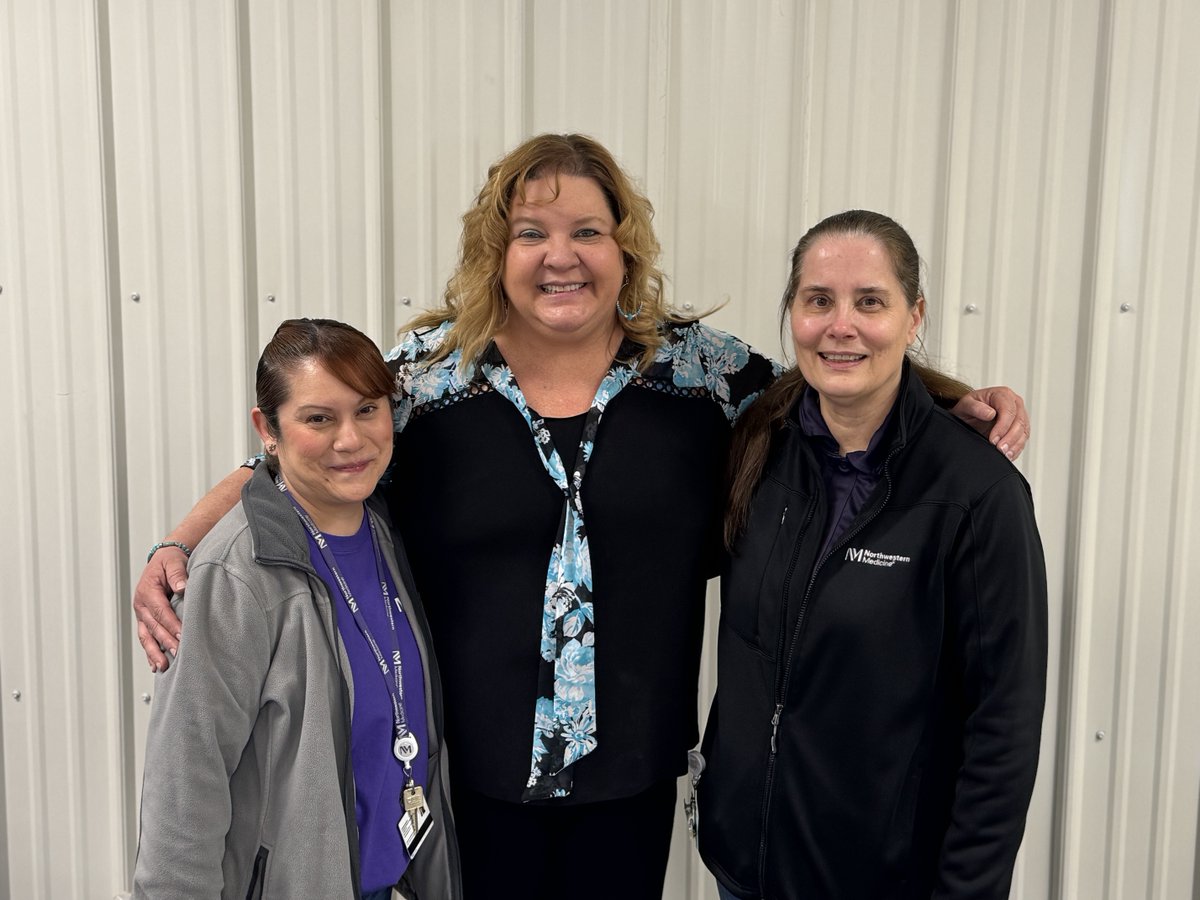
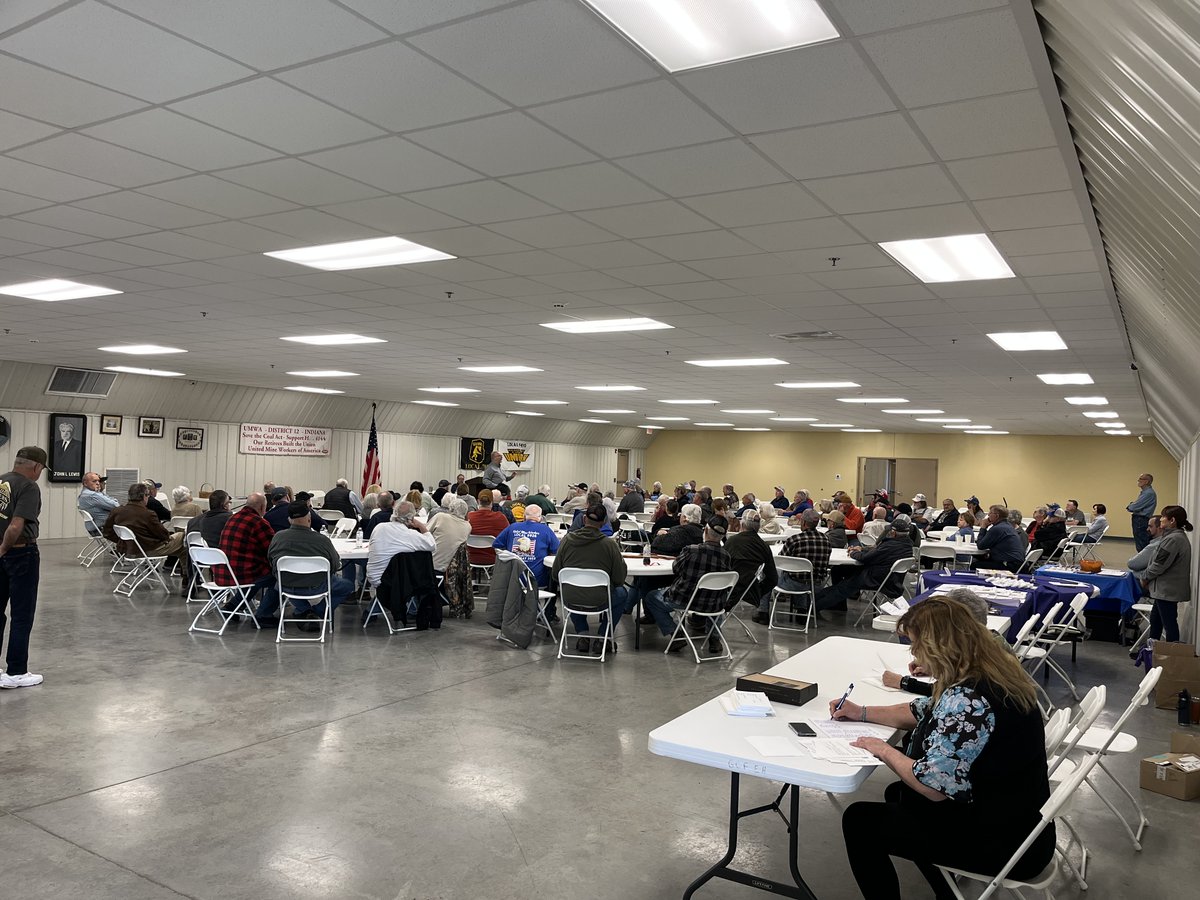
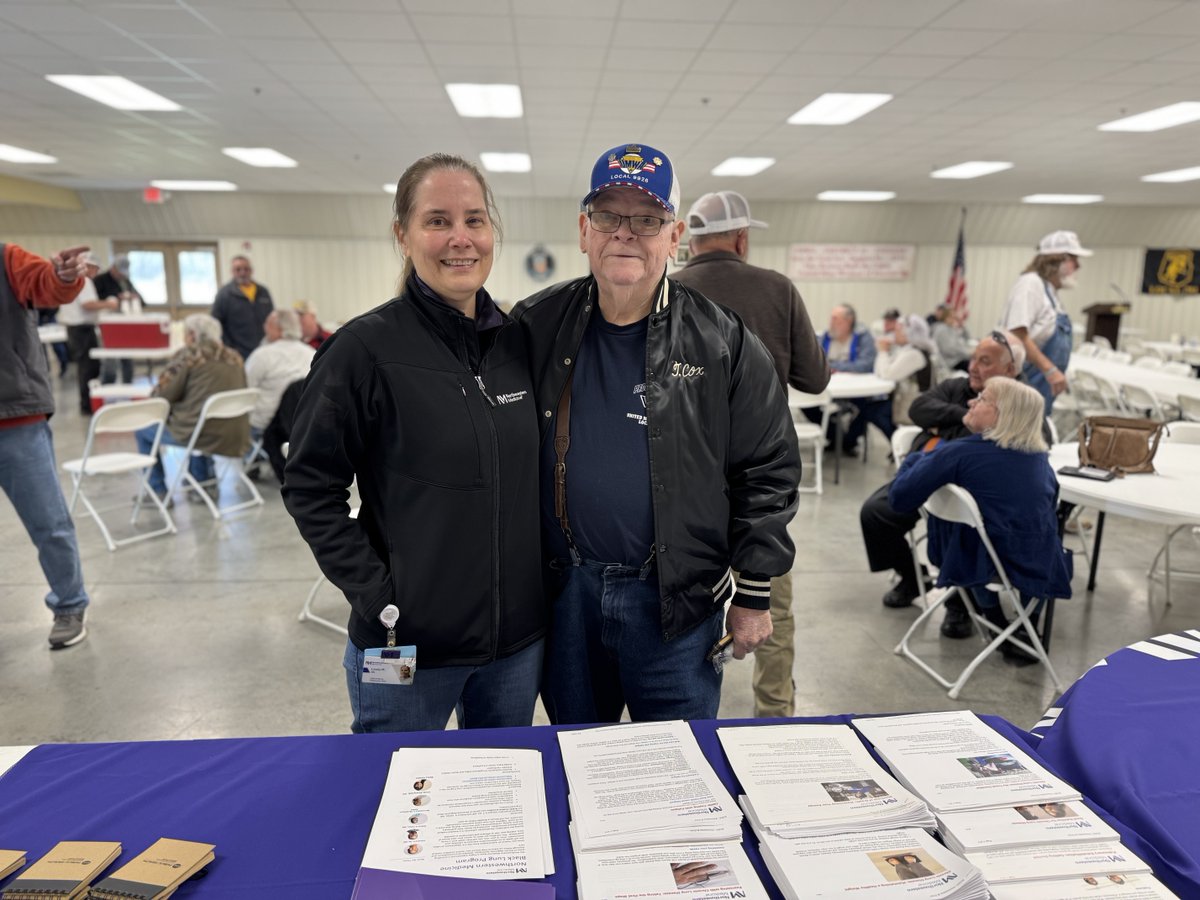
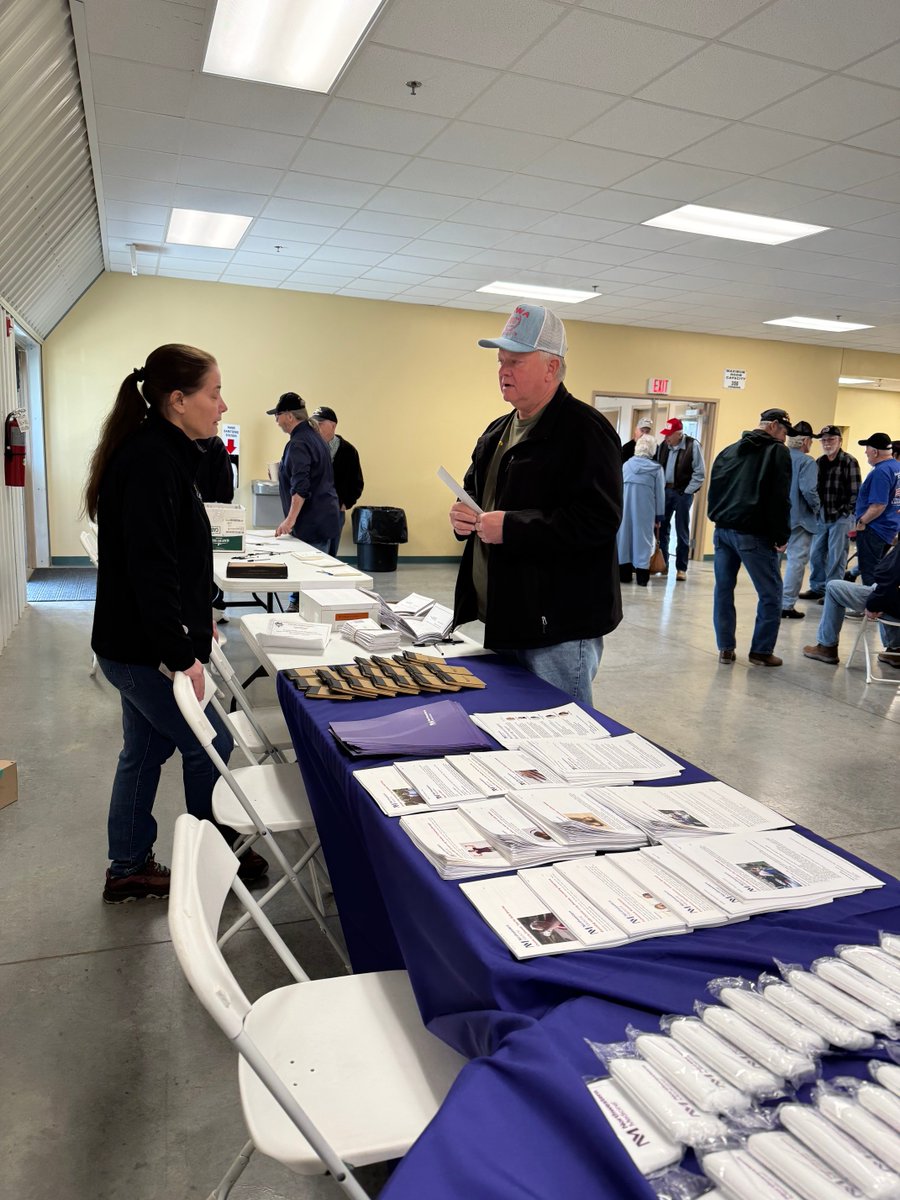
Thanks to the incredible work of our Northwestern Medicine Black Lung Department, a recent outreach event connected our team with over 200 coal miners. We heard powerful stories of how NARCAN has helped save lives in their communities, and many miners began the U.S. Department of Labor Black Lung exam process. These exams can be repeated every two to three years.
1
6
362
BB retweeted

5 Apr 2025
More highlights from @journal_CHEST @accpchest
@ChrisCarrollMD #MedTwitter
🚨 RCT in ICU patients with severe CAP!
Can adding metagenomic next-gen sequencing (mNGS) of BAL fluid improve clinical outcomes?
Let’s break down this game-changing multicenter trial 🧵👇
1
2
4
546
BB retweeted

15 Mar 2025
How Chicago’s River Turned Irish Green - Honoring St Patrick’s day (1/2)
Chicago River, first dyed green on March 17, 1962, ahead of the St. Patrick's Day parade, idea sparked by Stephen Bailey, business manager of the Chicago Journeymen Plumbers Local Union 130. Practice traces back to 1961, when Bailey noticed a plumber’s white coveralls stained bright green from a dye used to detect sewage leaks in the river. This dye, originally employed during Mayor Richard J. Daley’s efforts to clean up Chicago’s polluted waterways in the 1950s, inspired Bailey to propose a grand gesture for the holiday. With Daley’s blessing—a fellow Irishman from Bridgeport who initially dreamed of dyeing Lake Michigan green—the plumbers dumped 100 pounds of the dye into the river in 1962. The result was a vibrant green hue that lasted a full week, far exceeding expectations and cementing a new tradition.
One quirky tale involves the original ambition to dye Lake Michigan. Daley, a consummate showman, was talked down to the more manageable river by practical minds, including Bailey, who saw the plumber’s stained clothes as a lightbulb moment.
Interestingly, it took a lot of trial-and-error in the early years: that first 100-pound batch in 1962 was excessive, turning the river green for days longer than intended. By 1963, they reduced it to 50 pounds, and today, the recipe has settled at 40 pounds, lasting about 5-6 hours—or up to 48 hours with little wind or rain. A standout moment came in 2016 when the river broke tradition: Tom Rowan, a veteran dyer, led the crew to turn it blue to celebrate the Chicago Cubs’ World Series win, a rare departure from the green norm. The process itself is theatrical—two boats, one dropping the dye, another stirring it with a “Mixmaster” churn—performed by descendants of the Rowan and Butler families, who’ve guarded the tradition for decades. #ChicagoRiver #StPatricksDay #GreenRiver #IrishPride #WindyCity
… contd below
2
9
42
25,572
18 Feb 2025
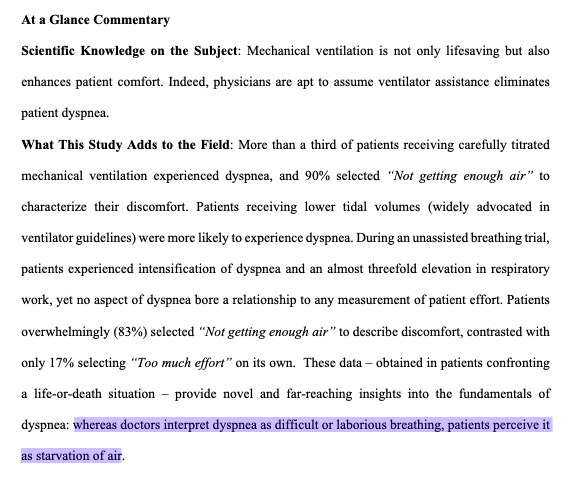
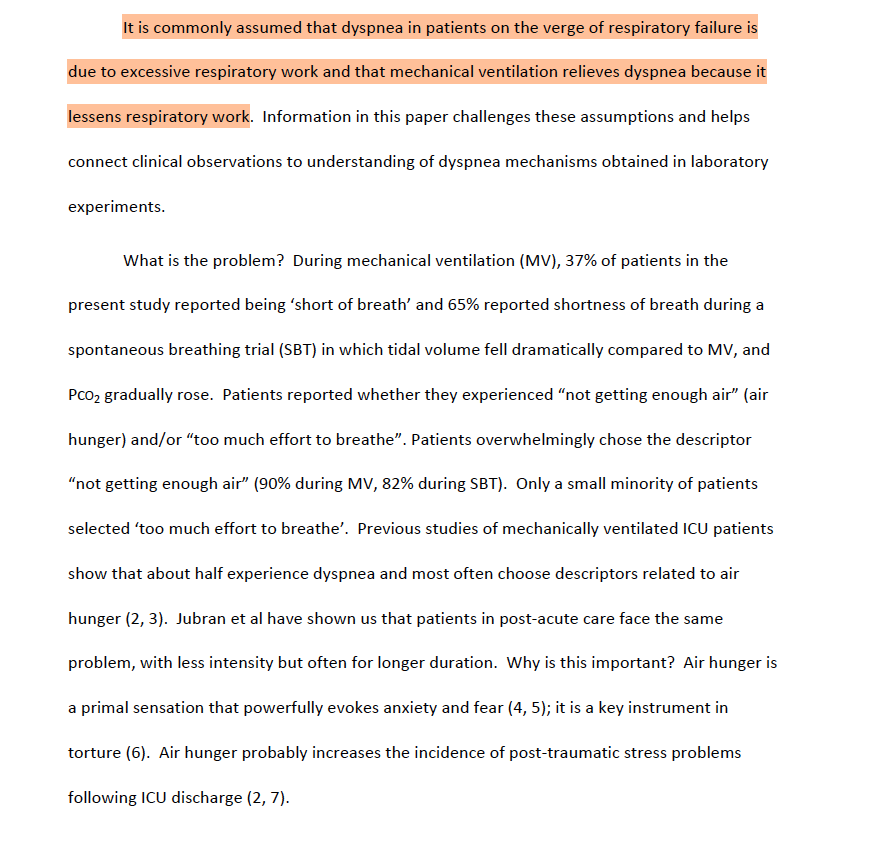
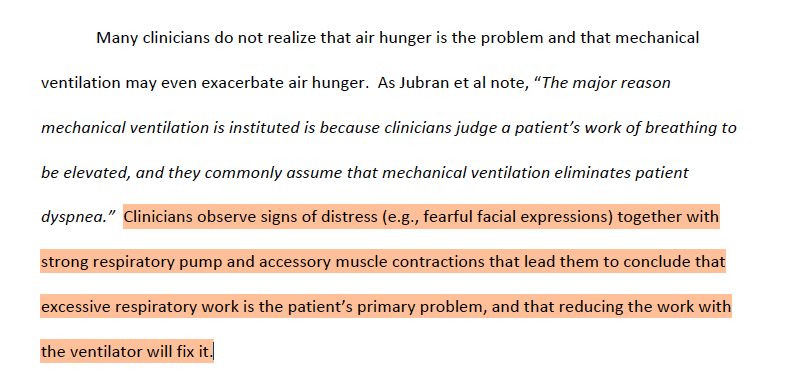
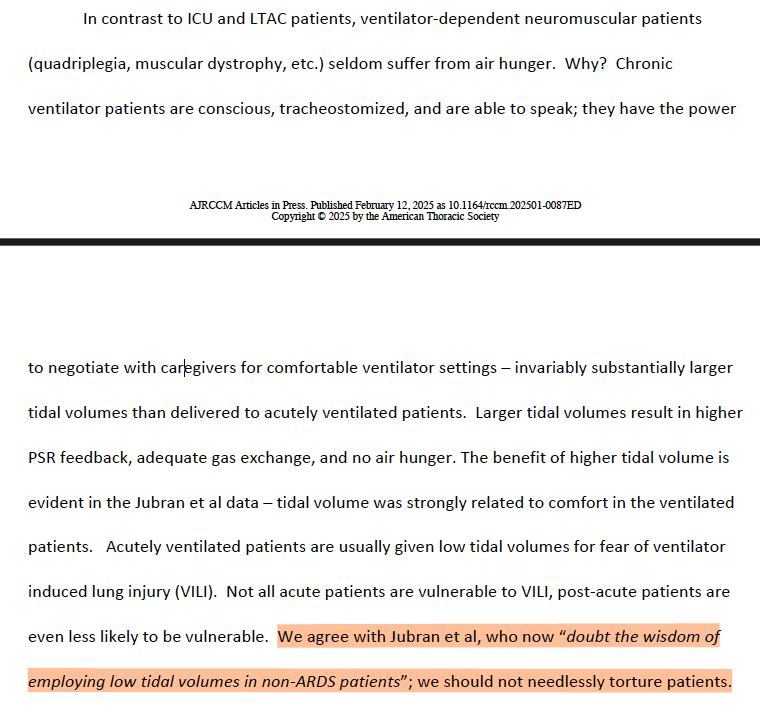
Just seeing this post and haven’t read the paper but I must say, another article from the GOATs at the Hines VA that challenges commonly held beliefs because they just don’t match what we experience in the ICU. Thanks Drs Jubran, Tobin and Laghi. #pccm
17 Feb 2025

Really interesting study & editorial on mech ventilatory support
Often instituted when we observe high work-of-breathing under the assumption this will help air hunger - not necessarily.
Low tidal volume vent is probably a bad idea in patients without ARDs (bc torture is bad)
1
214
26 Dec 2024
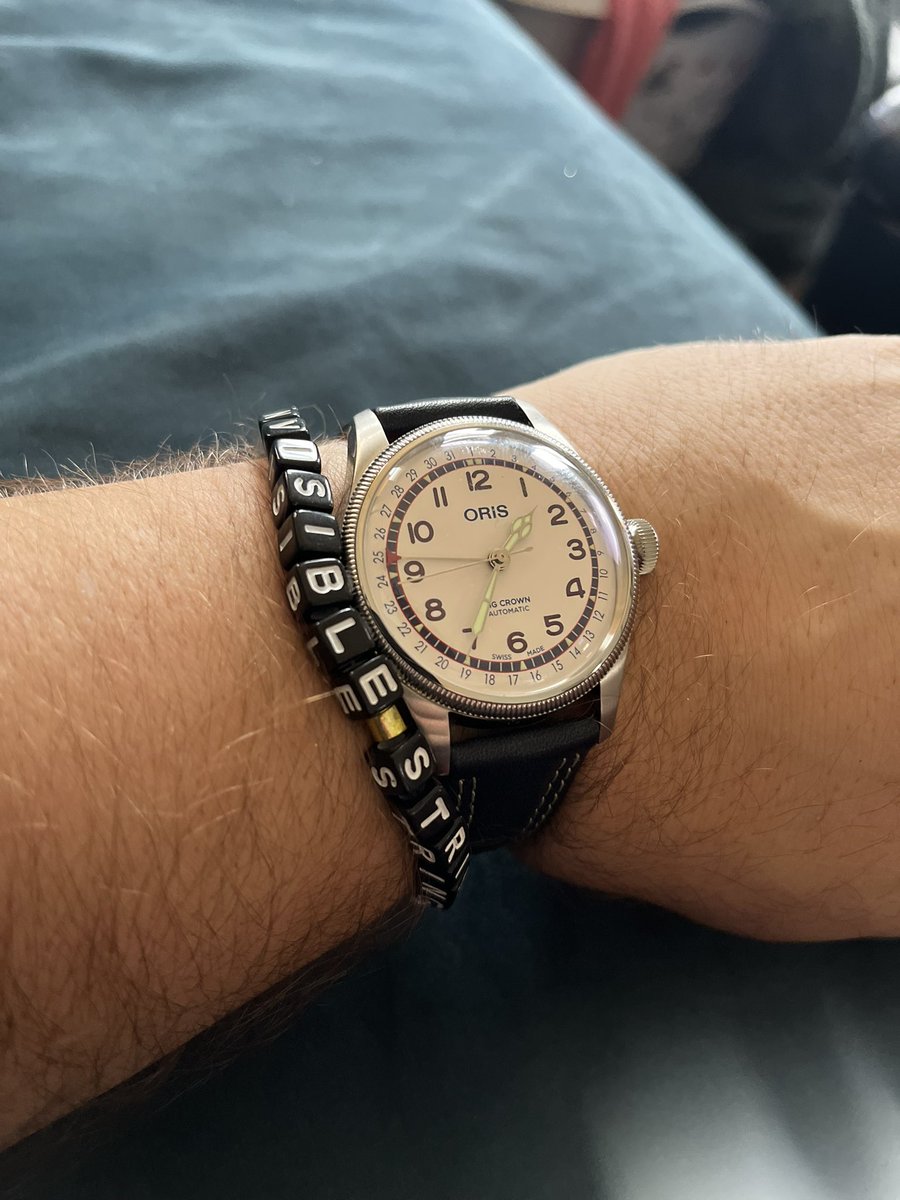
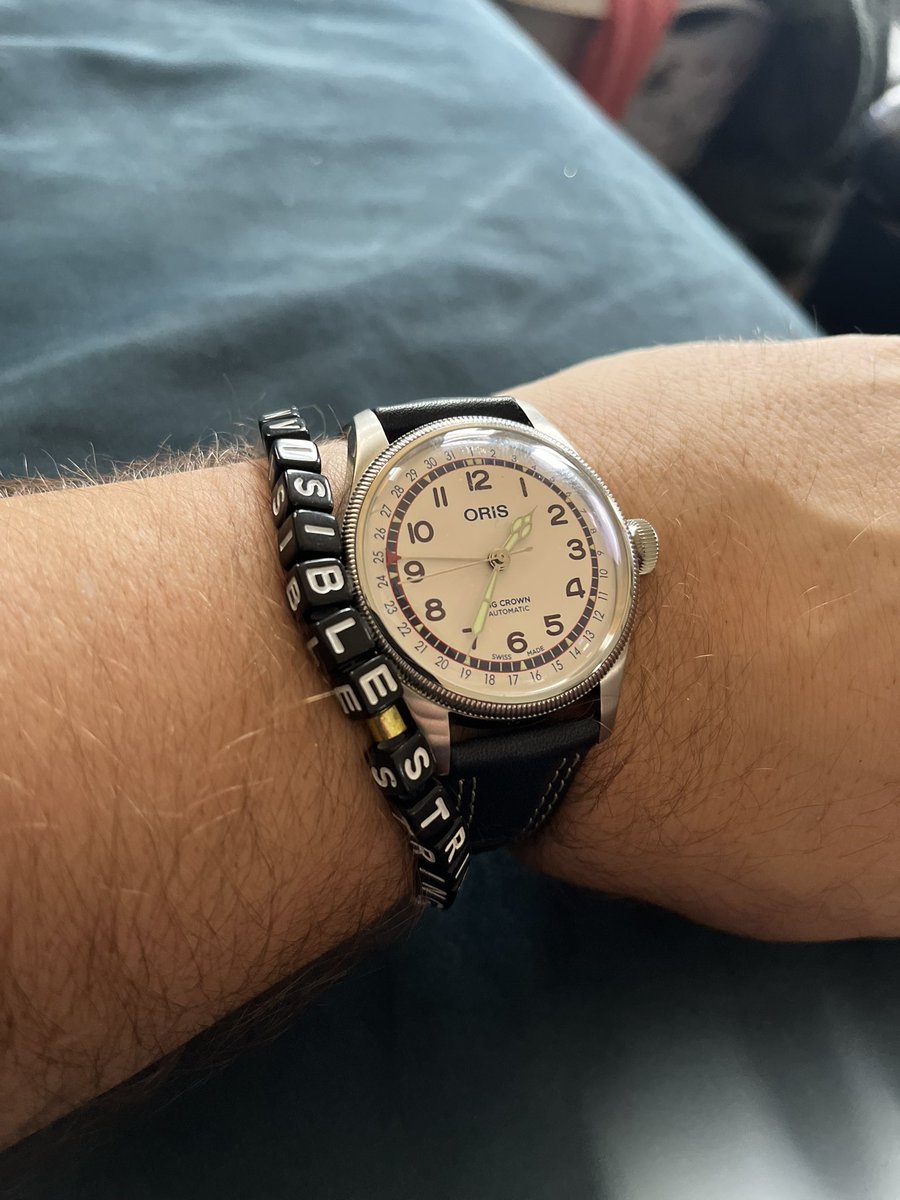
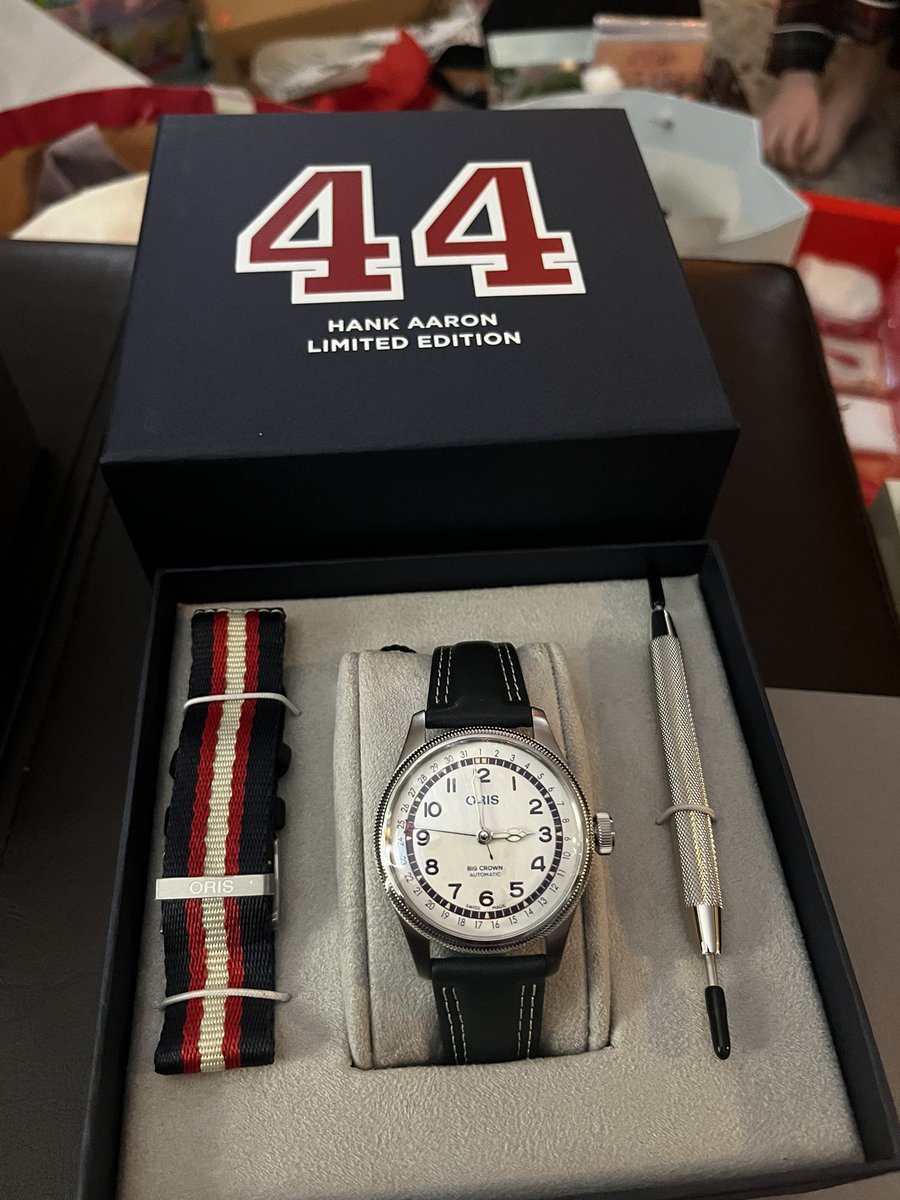
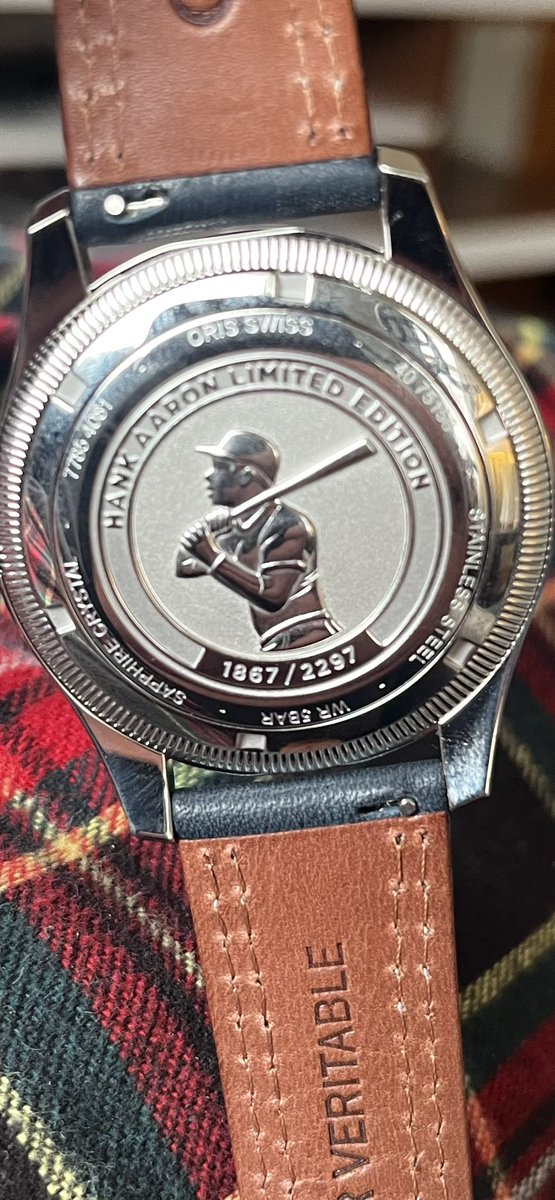
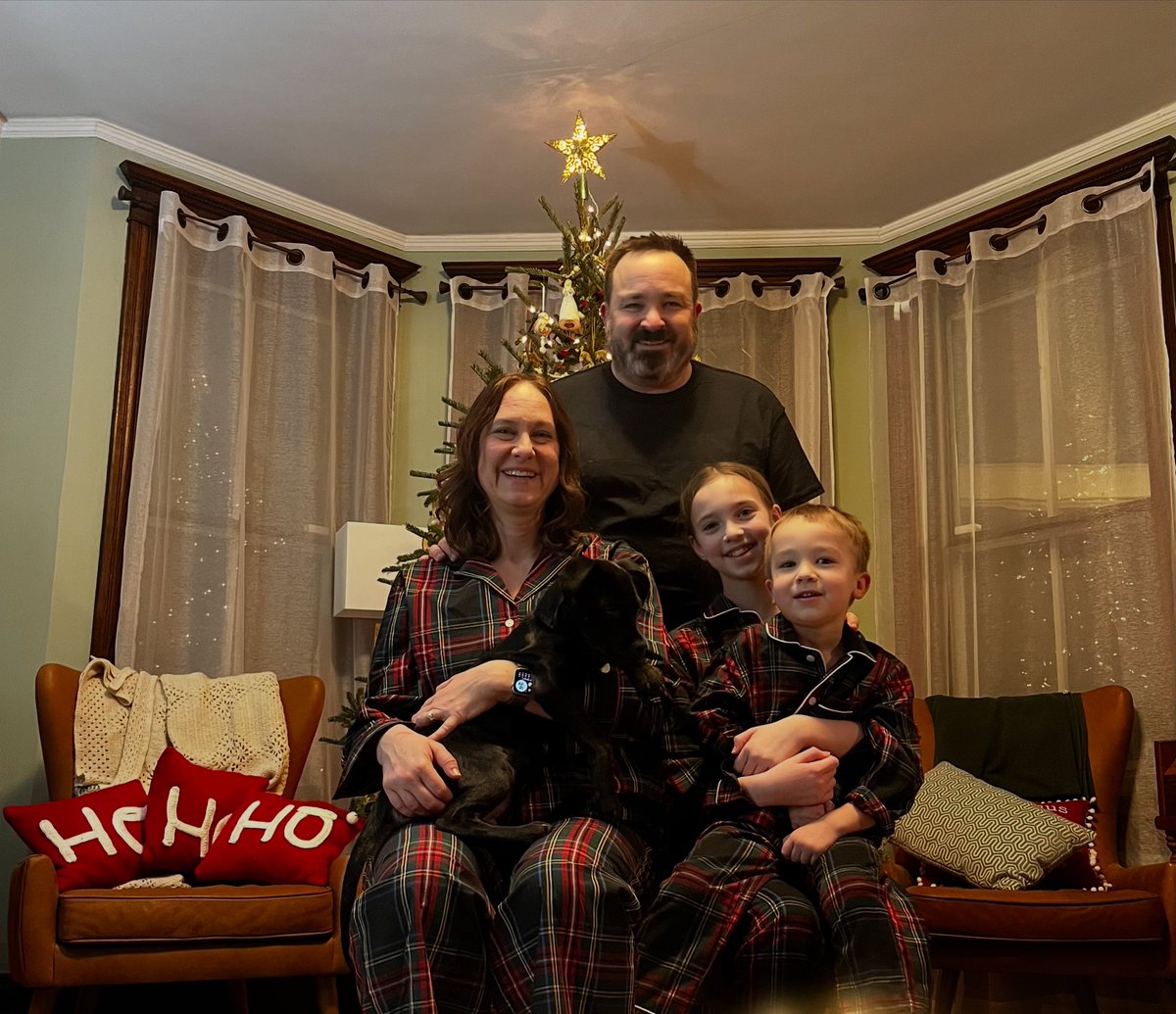
Best new wristware I could imagine, thanks @oriswatches and Libby (by way of @taylorswift13). Merry Christmas #ILD family!
83
BB retweeted
15 Dec 2024
Pulmonologist: do you have any exposure to wild birds?
Patient: umm…

4
68
720
42,474
7 Dec 2024
45

35