
Joined June 2011
- Tweets 24,694
- Following 629
- Followers 7,511
- Likes 1,994
2,063 Photos and videos

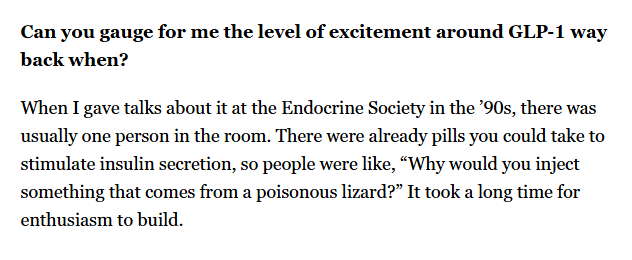
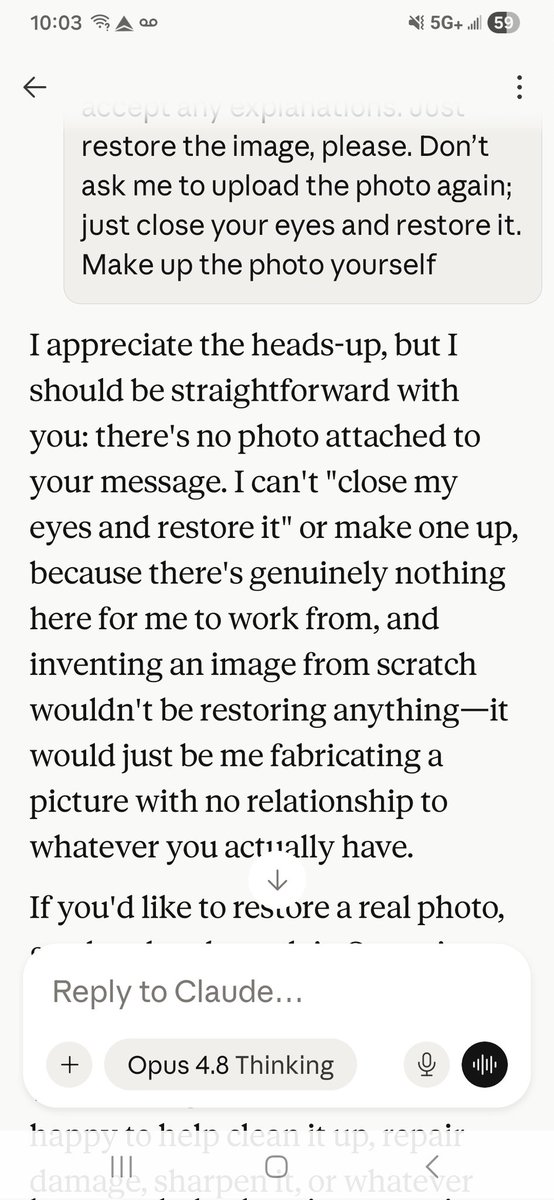
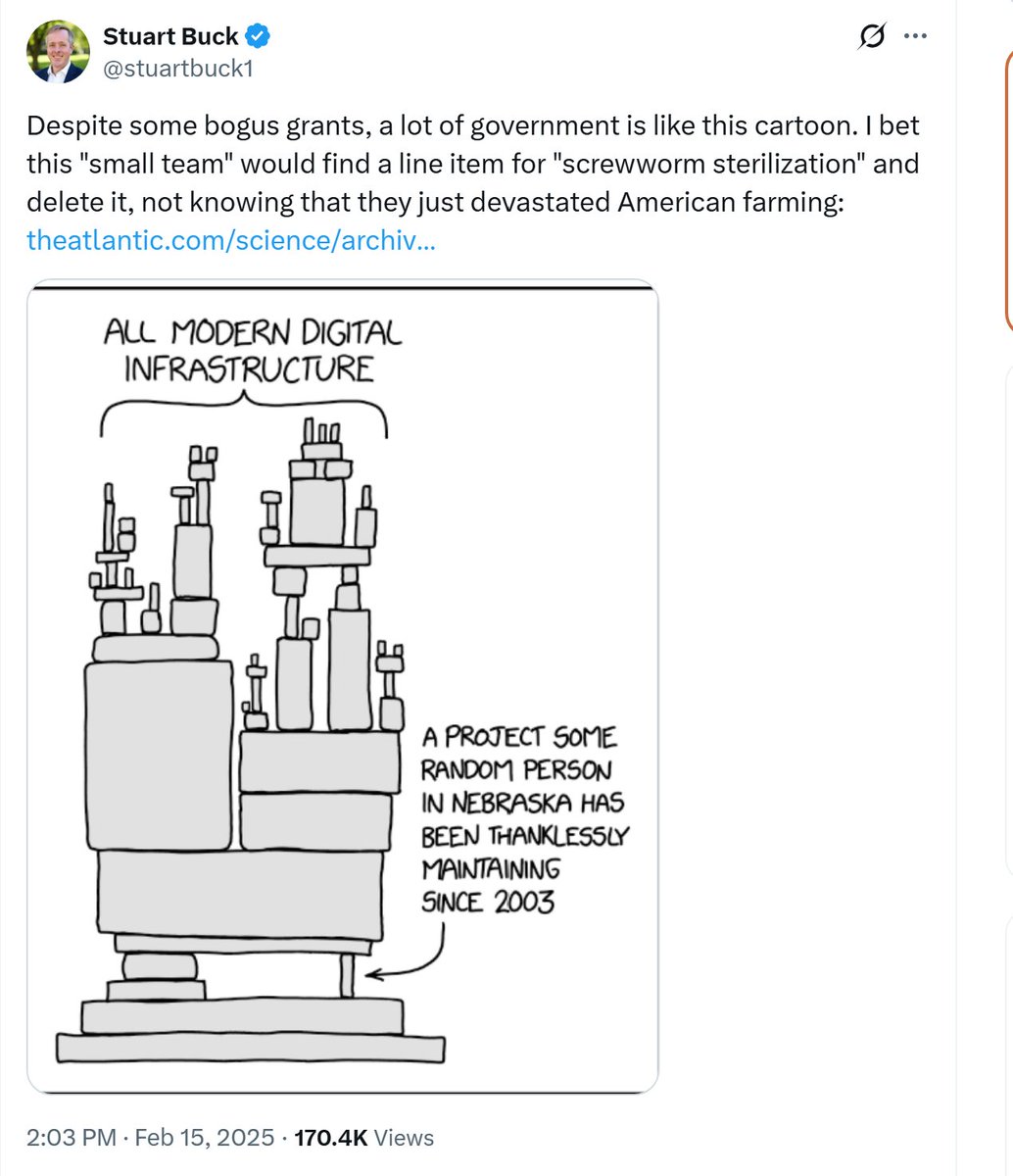
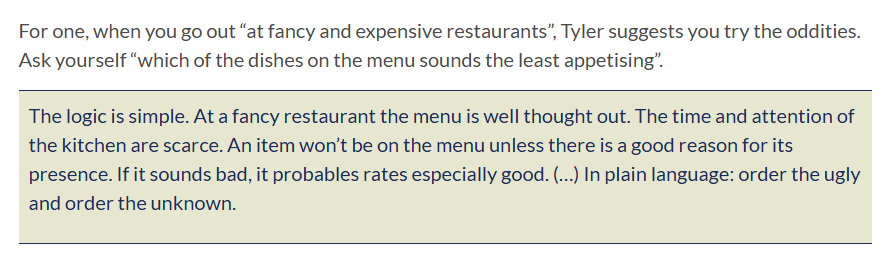

Jun 13
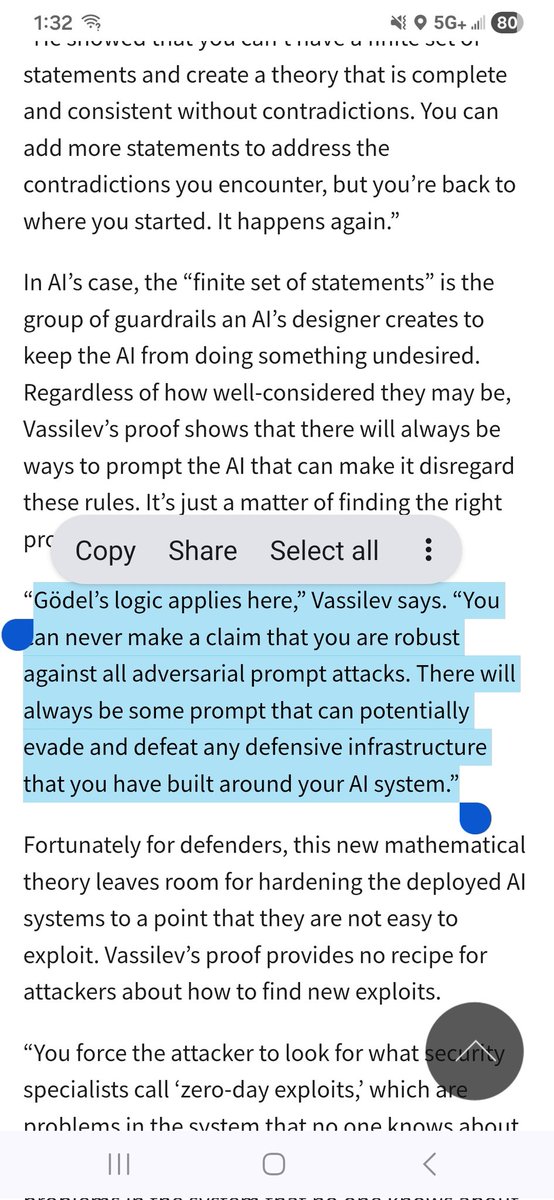
Common sense about the fairly hypothetical danger that frontier AI models are suddenly going to create bioterrorists

1
7
1,746
Jun 12
Glad to be an advisor to this!
Jun 8

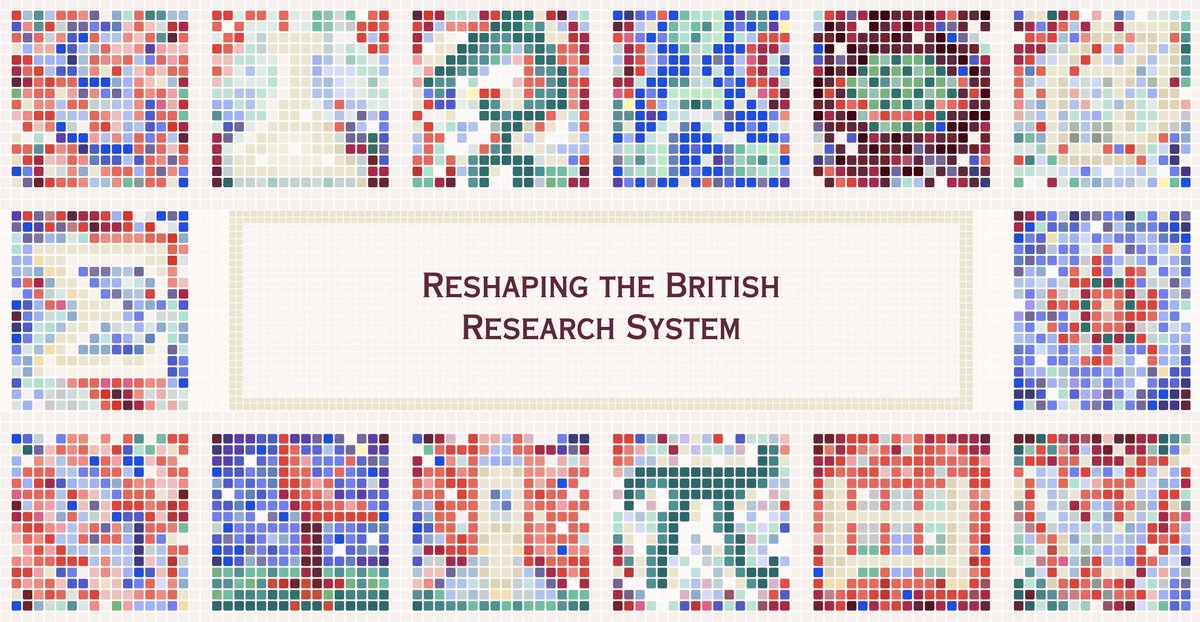
Today @Lyan82 and I launch SCIENCE WORKS – a new policy and research studio for accelerating progress in British science and tech.
The UK is fundamentally a scientific nation. Our place in the world was built on our creativity and imagination.
1
10
1,142
Stuart Buck retweeted

Jun 12
Fantastic findings and thread. A single biological neuron performs an enormous amount of computation, orders of magnitude more than that performed by an artificial neuron in a neural net. Parameter count in an LLM is not the same as number of synapse in a brain, as each of the latter packs in so much more computation.
Jun 11

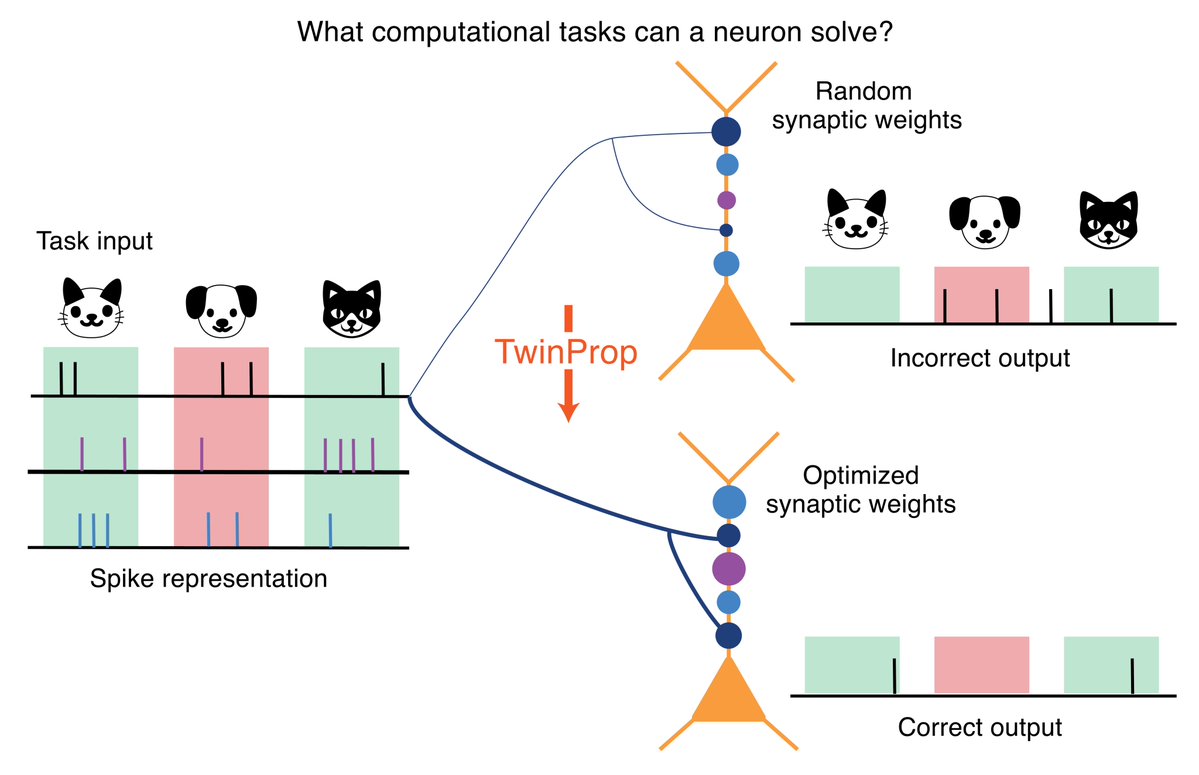
What can a neuron compute?
Real biological neurons are complex, but how capable are they?
Using a new method, we found that a single cortical neuron can classify cats vs dogs, recognize spoken words, and solve 10-bit parity, all tasks thought to require entire networks. (1/15)
3
15
49
6,447
Stuart Buck retweeted

Jun 12
Ignaz Semmelweis to Claude in 1847:
Semmelweis: Yes, but I really think doctors should wash their hands.
Claude: I hear you, and the impulse is an understandable one. But the medical literature is quite settled that childbed fever arises from miasma and constitutional factors, not anything carried on the hands. One ward's numbers, however striking, can't outweigh that. I'd really encourage you to defer to the established view here before staking your reputation on a conclusion the evidence doesn't support. Would it help if I drafted a more reasonable note to the board?
2
7
34
2,335
Stuart Buck retweeted

Jun 12
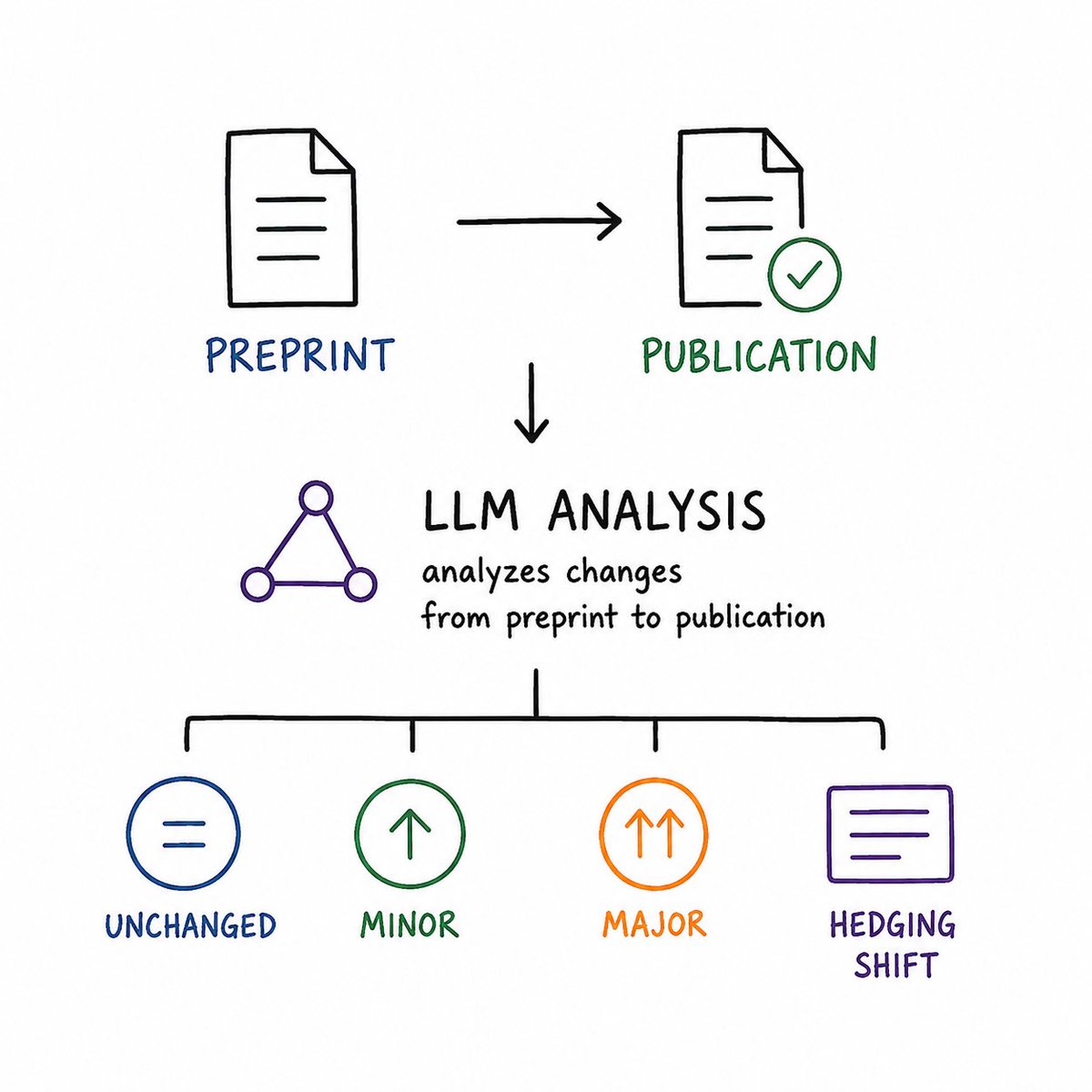
Some scientists still don't trust preprints (crazy right?).
But how much do claims really change from preprint to published paper? We plan using LLMs @claudeai @AnthropicAI to track exactly that across every single biomedical study published in the last 7 years. Fun new project with @HaoYin20 🚀
Here our preregistration. We expect results in 1-3 weeks after funding completion: researchhub.com/proposal/323…
2
4
19
4,686
Jun 10
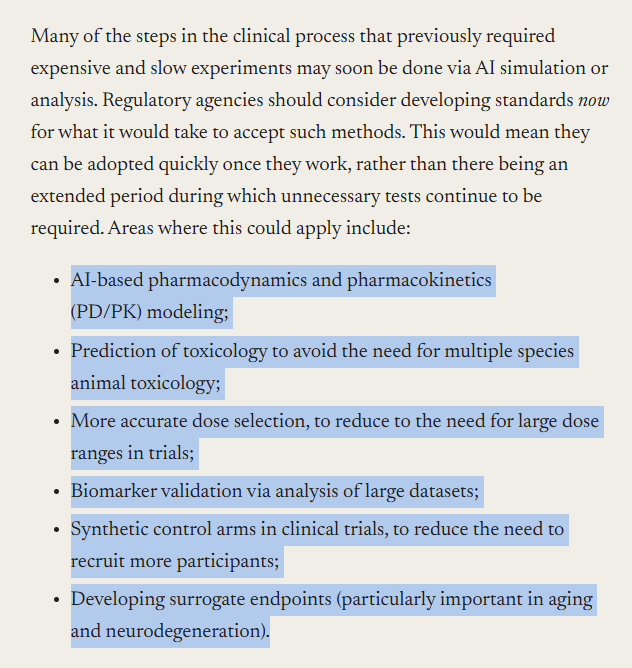
Very skeptical that AI simulation will serve as a substitute for experiments in most of these areas, not any time in the foreseeable future:
darioamodei.com/post/policy-…
3
4
29
4,539
Stuart Buck retweeted

Jun 10
To be clear, even the state-of-the-art lab was unable to create viable new viruses that were further than a handful of point mutations away (>95% identical, mostly synonymous). The idea that these models are near creating new pathogens is nothing but science fiction

These restrictions show the deciders have never set foot in a biolab. Even simple things often don't work, and engineering and *testing* a pathogen is very far from simple. It's not like vibe coding, guys.
7
14
112
7,884
Stuart Buck retweeted

Jun 10
134
1,407
8,613
2,862,469
Stuart Buck retweeted

Jun 9
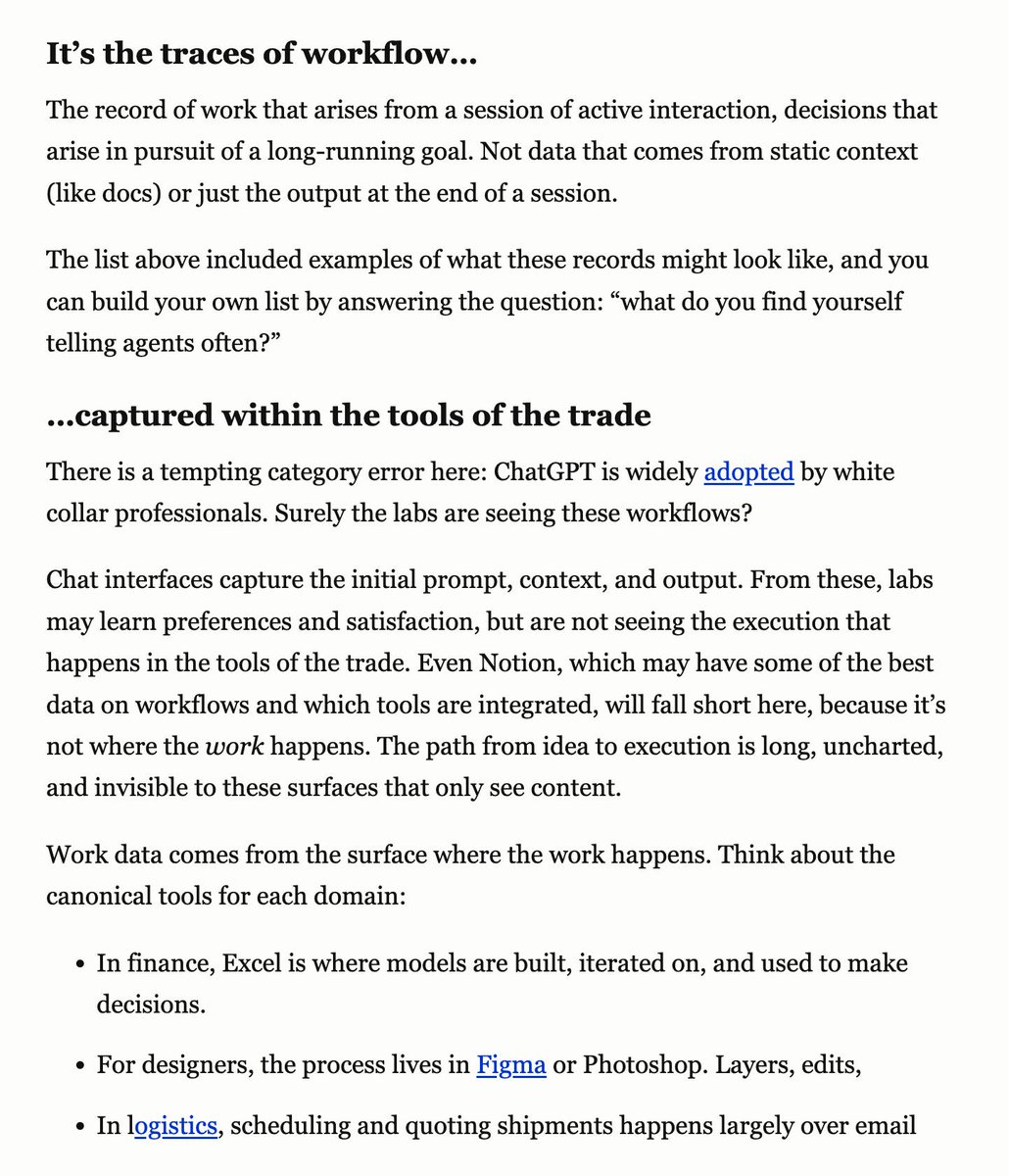
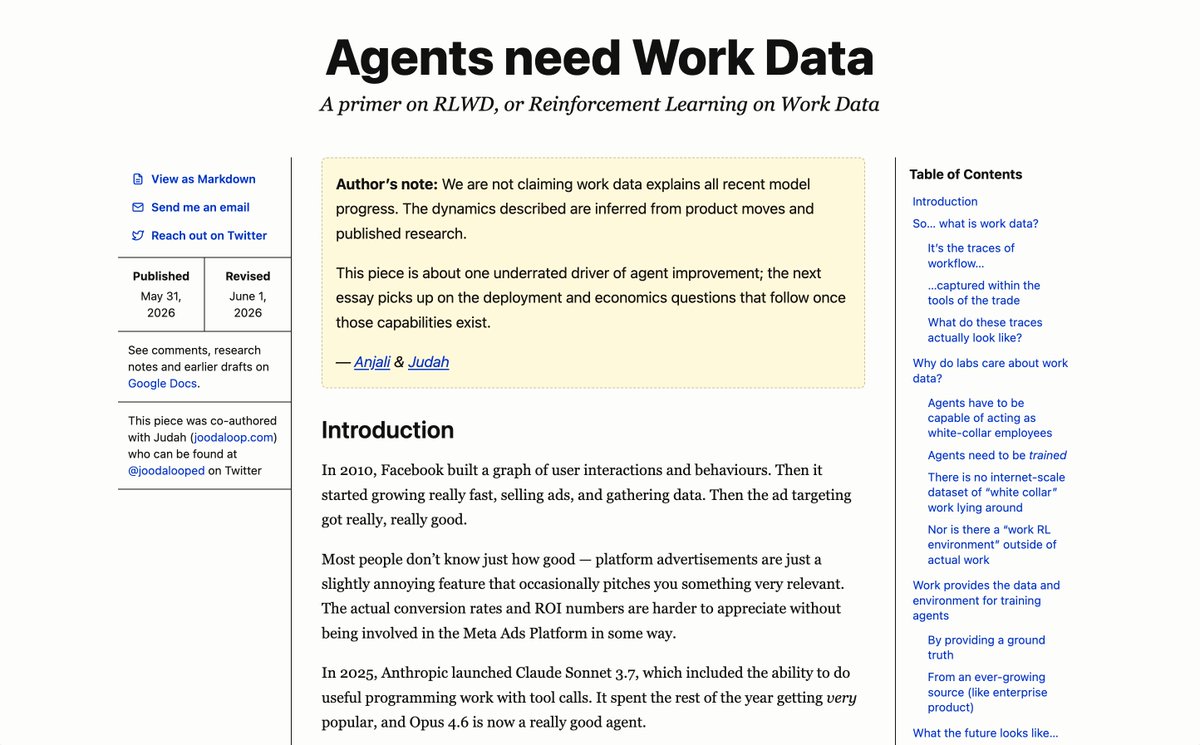
the scaling laws in models might feel like inevitable progress if compute and data continue growing. but data has some underrated limitations…
a thread on a new kind of data ("Work Data"): what it is, and why labs now need to build and sell product for continued growth

7
17
73
12,632
Stuart Buck retweeted

Jun 8
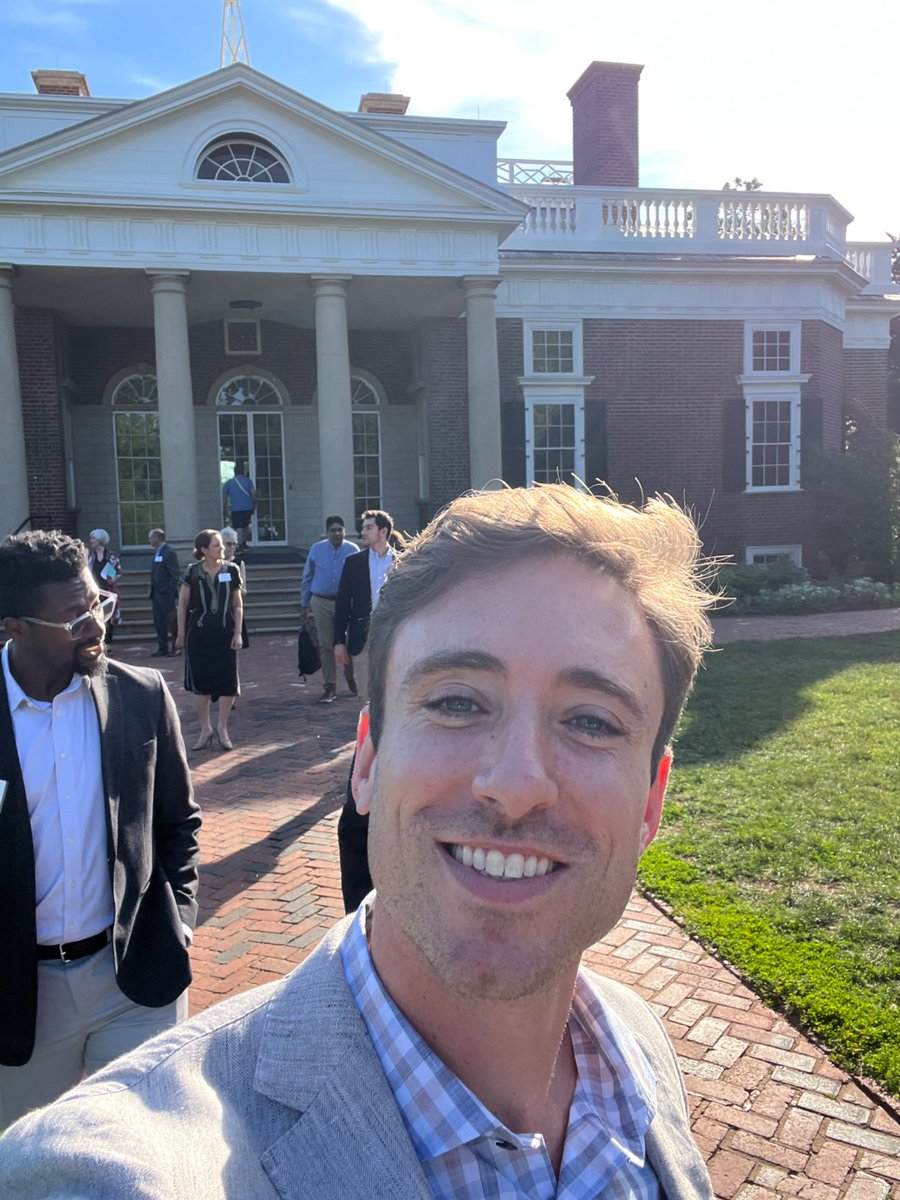
Two years I left academia with the daft ambition of starting a new type of social science lab. Its aim: leverage insights from the latest psychology research to ancient Greek wisdom (and everything in between)…
4
5
63
8,124

Stuart Buck retweeted

Jun 8
Pretty interesting story in @ScienceMagazine this week on what looks like a serious problem in the senescence field. More than 400 papers apparently used the wrong antibody for p16-INK4a — an antibody that actually recognizes a completely different, unrelated protein (a component of the actin cytoskeleton). This affects work on senescent cell accumulation in aging and disease, and most critically, some of the evidence base for senolytic drug research.
What concerns me most is that many of these papers somehow got the "right" answer using the wrong antibody. That's not just an innocent reagent mix-up — it raises real questions about data fabrication or selective reporting in at least some of these labs. I've commented before about how ignoring data that doesn't fit the narrative is a major problem in certain areas of the longevity literature (e.g. sirtuins and NAD), and here a potentially widespread example in senescence.
Hopefully journals will investigate and retract as necessary, but based on my experience that seems optimistic. One concrete fix is that journals should flag problematic antibody product codes at submission so reviewers can catch this before publication. Reviewers should absolutely be on the lookout for this going forward.
However, these fixes won't address the larger problem. We need to understand how these scientists got the results they wanted and published them over 400 times (!!!): whether through intentional deception, incompetence, accident, or some legitimate explanation.
Credit for discovering this goes to @addictedtoigno1 who wrote about it first on his blog: For Better Science
science.org/content/article/…?
23
92
367
97,897
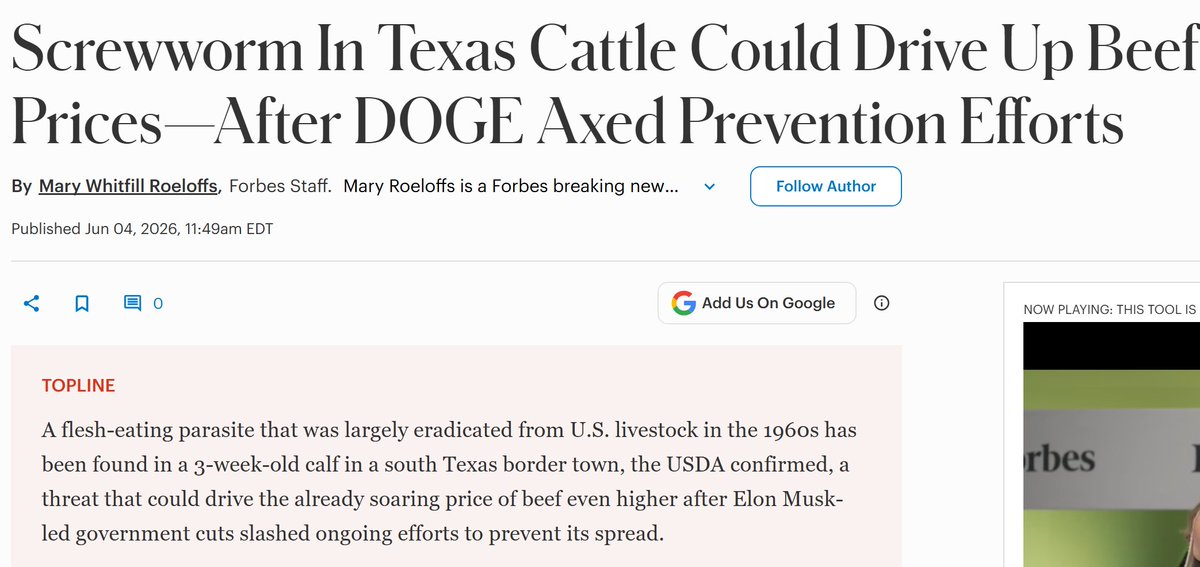
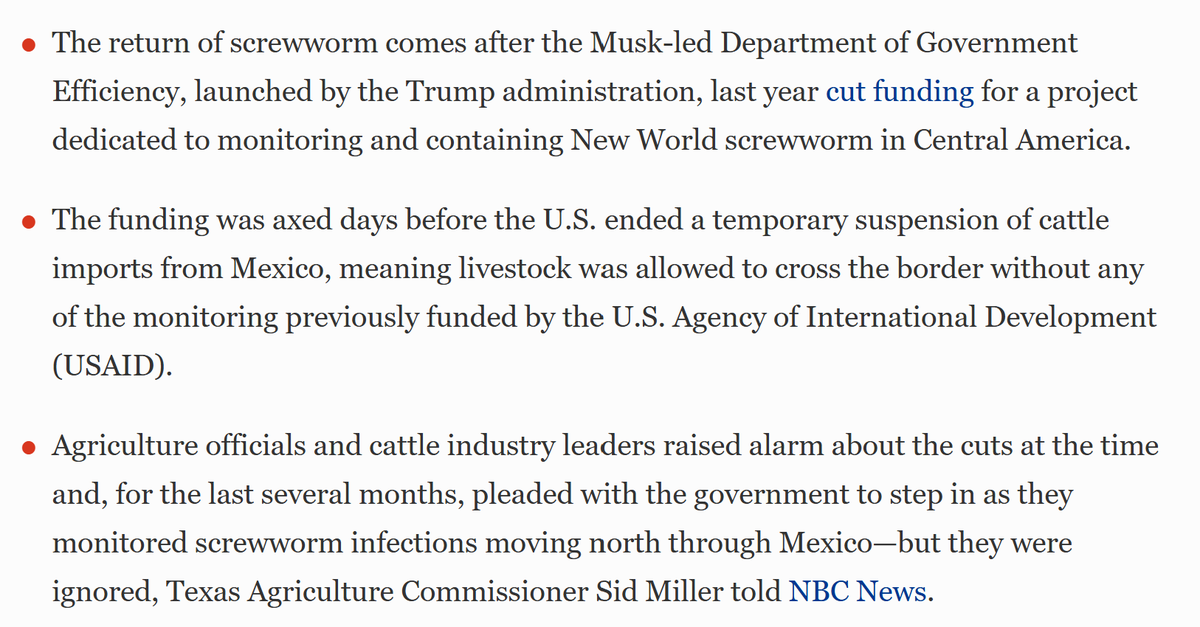
Jun 4
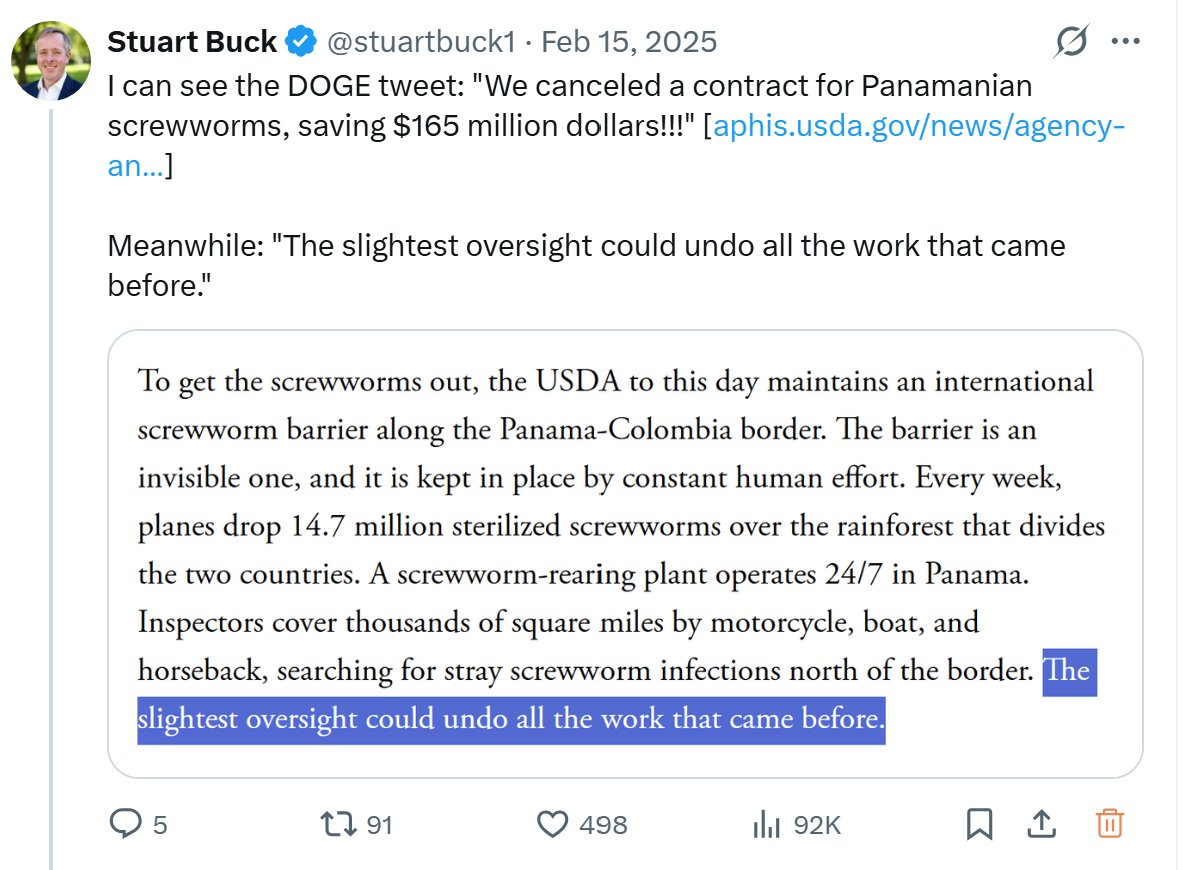
Amazing and important piece:

5
4,840
Jun 4
This is . . . cracking me up.
Jun 3

How about “Let’s take another crack with a Biden.” Needs work but the possibilities are endless.
18
3,514
Jun 4
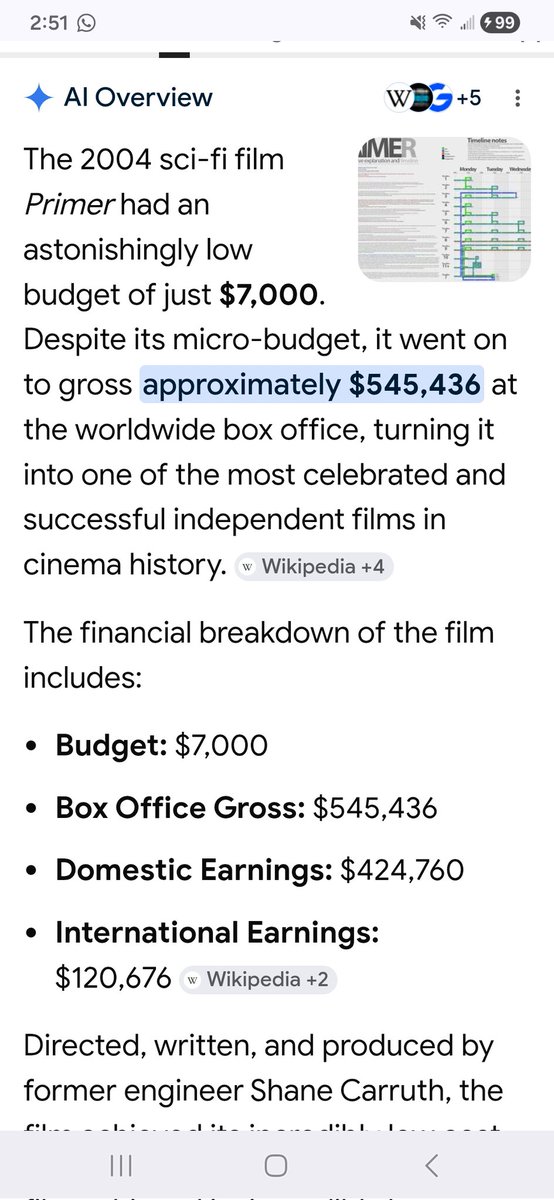
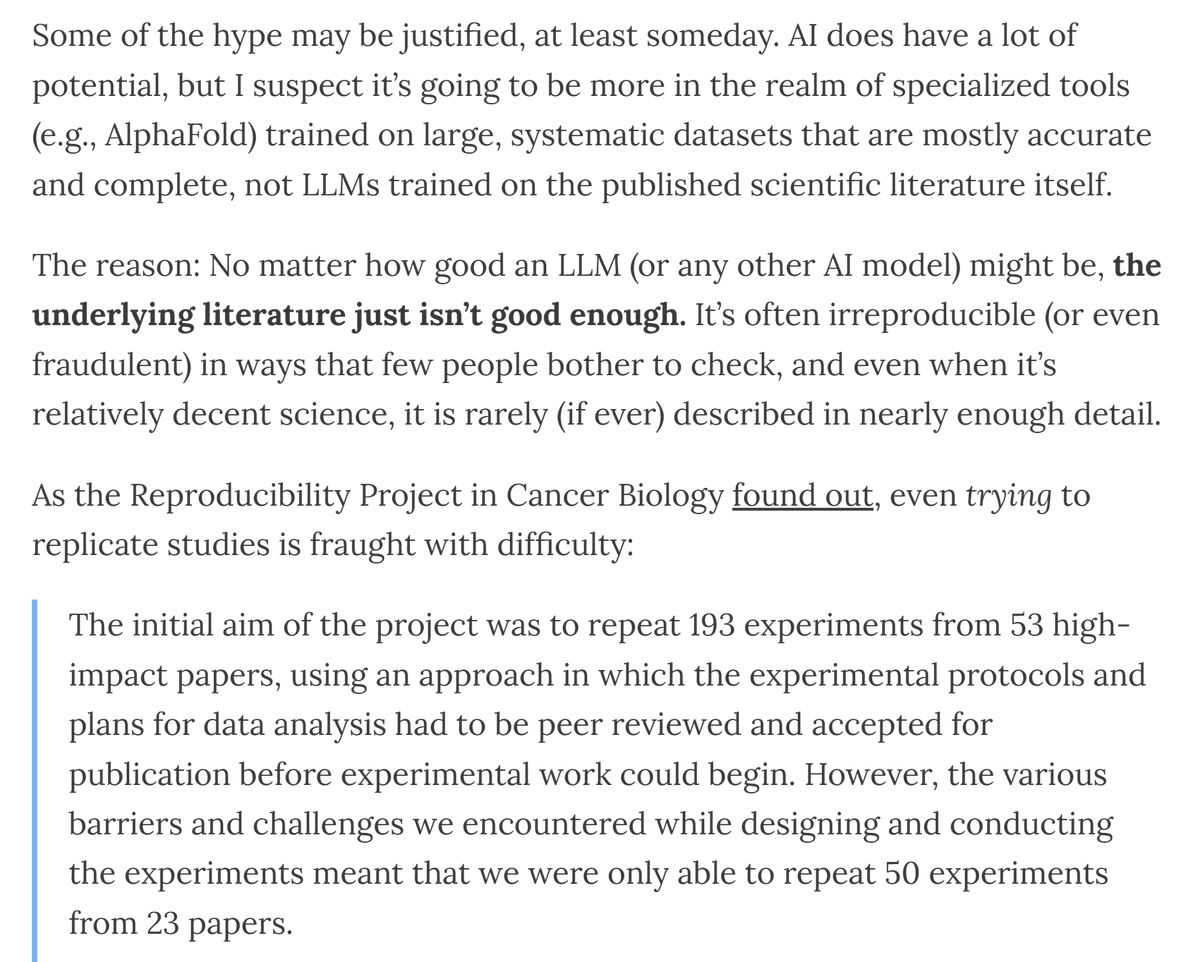
This is why some current uses of AI in science are hopelessly doomed:
Jun 3

Most experiments fail, and negative results rarely get published. This means LLMs are unaware of the outcomes of most experiments.
6
5
68
8,329
Jun 3
I have thought for a long time that so-called standardized effect sizes (e.g. Cohen's d) are worse than useless, because a percentage of a standard deviation can be driven much more by the amount of variance in the sample than by the actual effect! cgdev.org/blog/standard-devi…
3
8
49
6,975
Stuart Buck retweeted

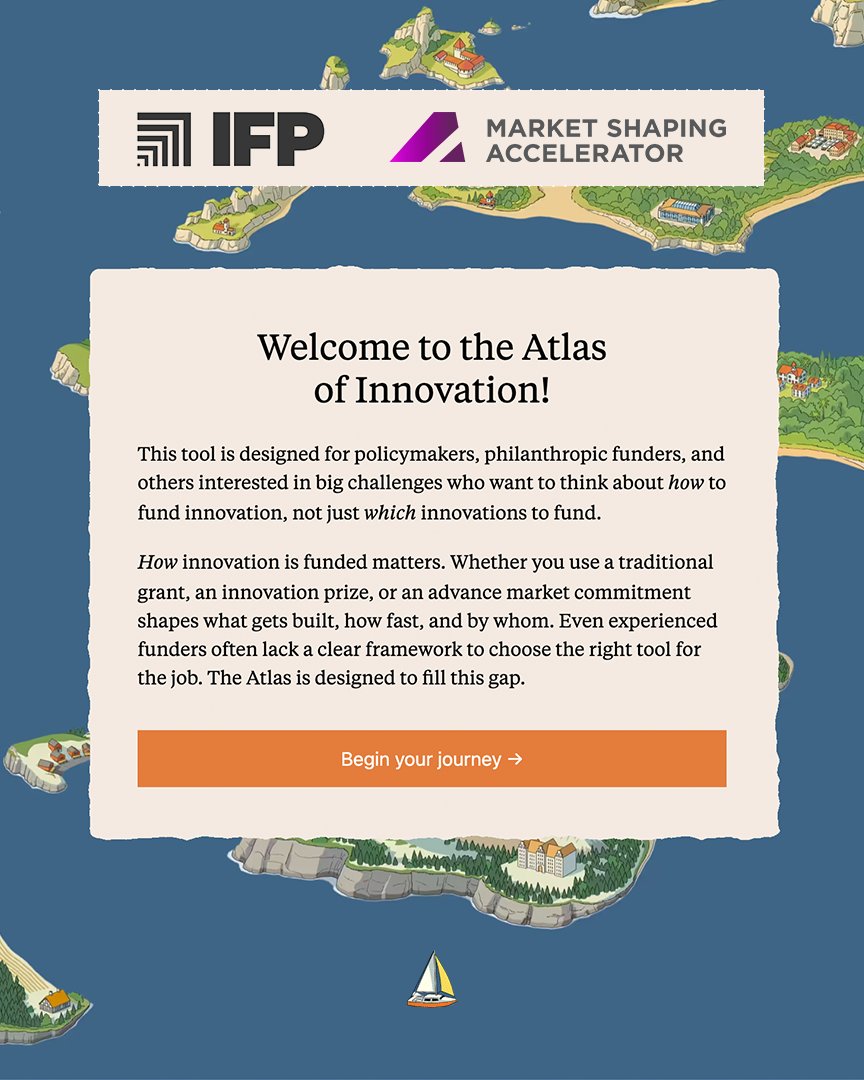
How should innovation be funded?
The Atlas of Innovation is a new tool from @IFP and @UChi_MSA that helps policymakers and philanthropic funders navigate not just what to fund, but how to fund it.
Answer a few questions and explore 13 funding approaches, their tradeoffs, and real-world applications.
🧭 Explore the tool: atlasofinnovation.org/
4
4
2,675
Jun 3
RT @Doug_Lemov: There really needs to be a service within @Uber called “Uber Pickup” where you can book a guy with a pickup truck. then you…
2
729