
it's fine || hitched to @bendellwerry
Joined February 2018
- Tweets 26,770
- Following 1,210
- Followers 2,845
- Likes 165,576
1,969 Photos and videos











Pinned Tweet
⛱️☀️Summer Matchmaking Thread⛱️☀️
Y’all know what to do
A/S/L/Denom/Fav Summer Activity or Memory
A Twist: what of the above criteria are you willing to be flexible on?
As always, direct any questions to me (ladies) or to Ben (@bendellwerry gentlemen)
May God be glorified 🙏
30
20
87
14,335
mrs. bendell werry retweeted
how can you not love dogs

If you want a dog like this, first off, you’re going to need a Belgian Malinois. They are essentially the Ferraris of the dog world.
But good luck having the patience to slowly train them. It takes a massive amount of time, and you basically need the dedication of a full-time dog trainer to chain all those complex behaviors together.
Once you actually get them to this level, though? They treat training sessions like a trip to the amusement park. Their work drive is so insane that they are genuinely enjoying the absolute hell out of it.
3
1
30
1,322





Jun 14
the slippery slope of first-wave feminism (not joking)

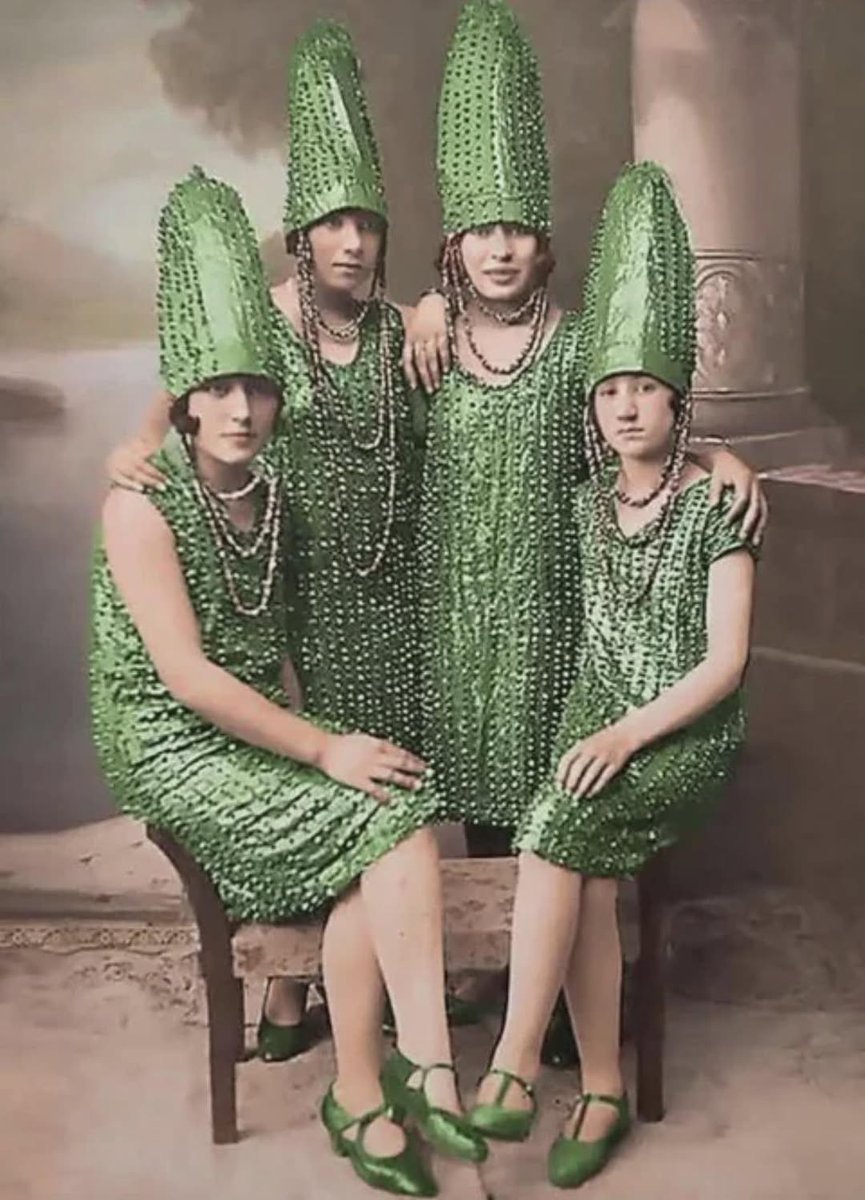
PICKLE SISTERS - a vaudeville group from 1920s....
The “Pickle Sisters” were part of the eccentric and colorful world of American vaudeville during the roaring 1920s, when entertainment was as much about spectacle as it was about talent. Vaudeville was the birthplace of modern show business, a patchwork of comedy, song, dance, and novelty acts that filled theaters from coast to coast. Performers had to stand out in a crowded field, and the Pickle Sisters did just that, by embracing absurdity.
Their shimmering green costumes, complete with beaded dresses and towering headpieces, made them instantly unforgettable. They represented a whimsical side of vaudeville that thrived on visual humor and thematic gimmicks. Acts like theirs were designed to amuse audiences with sheer oddity, combining synchronized dancing, lighthearted comedy, and catchy tunes that reflected the carefree energy of the Jazz Age.
The 1920s were a decade of transformation, especially for women. Flappers cut their hair, shortened their skirts, and claimed new freedoms both on and off the stage. The Pickle Sisters, though playful in name and costume, were part of that same spirit—women who performed publicly, traveled independently, and helped shape early popular culture in a male-dominated industry.
Many vaudeville performers like the Pickle Sisters later transitioned to radio and early film, helping bridge the gap between live stage variety acts and the emerging entertainment industries of Hollywood and broadcast comedy.
© History in Colour
#archaeohistories
1
23
819
mrs. bendell werry retweeted

Jun 14
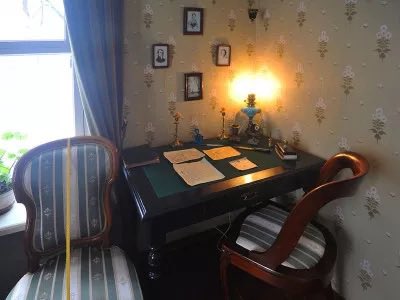
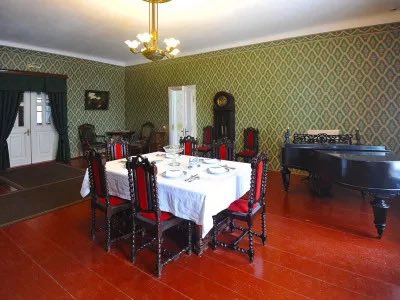
The home of Fyodor Dostoevsky in Staraya. He called the home, “our nest”.


1
11
92
3,162
mrs. bendell werry retweeted

Jun 14
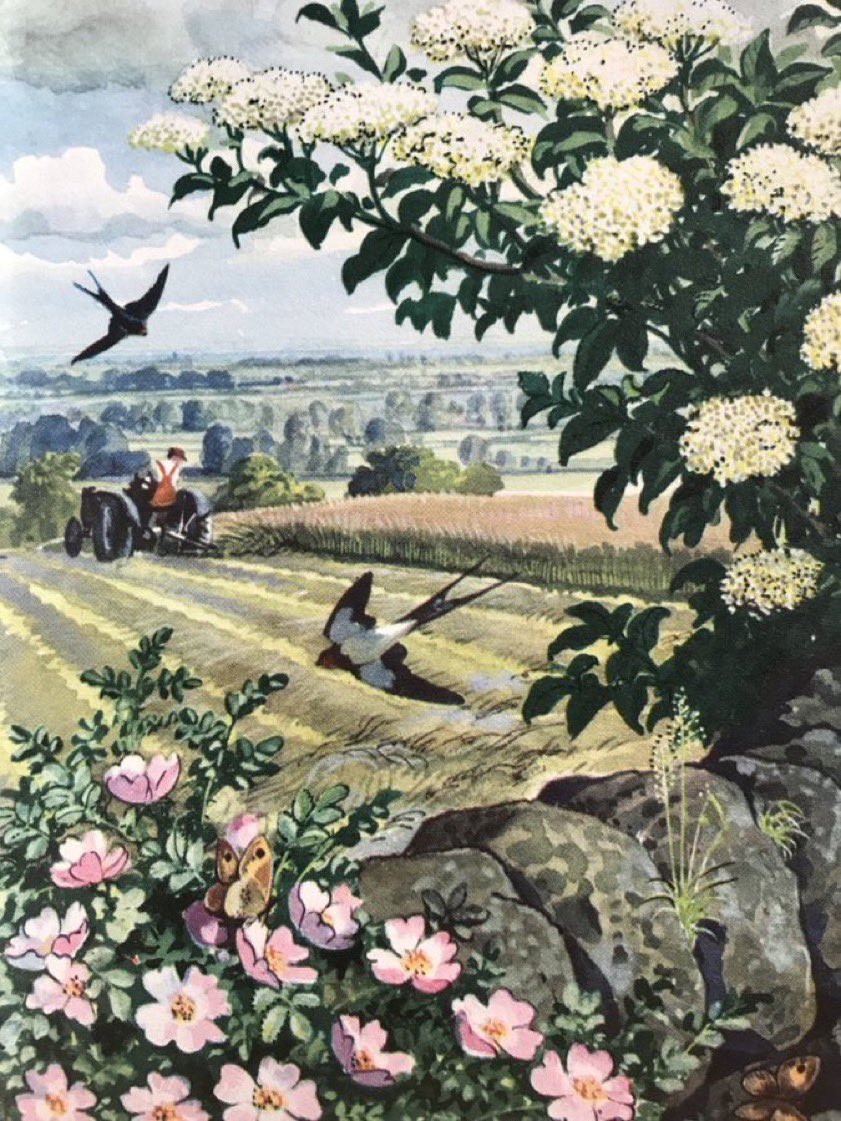
“The wild briar rose and elder are the flowers which most distinctly speak of June and midsummer”
(What to Look for in Summer, 1960)
Artist: CF Tunnicliffe writer: EL Grant Watson
16
212
1,268
11,490
mrs. bendell werry retweeted

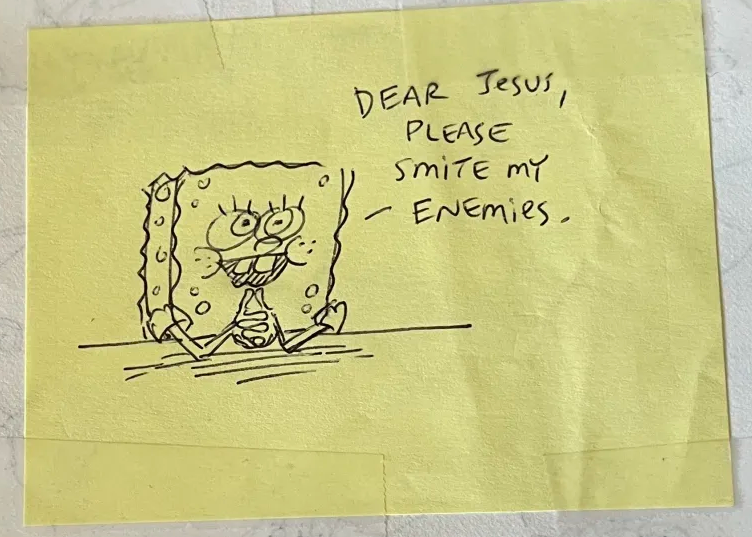
A drawing from 2000-2001 by C.H Greenblatt
34
3,916
30,612
592,589
Jun 12
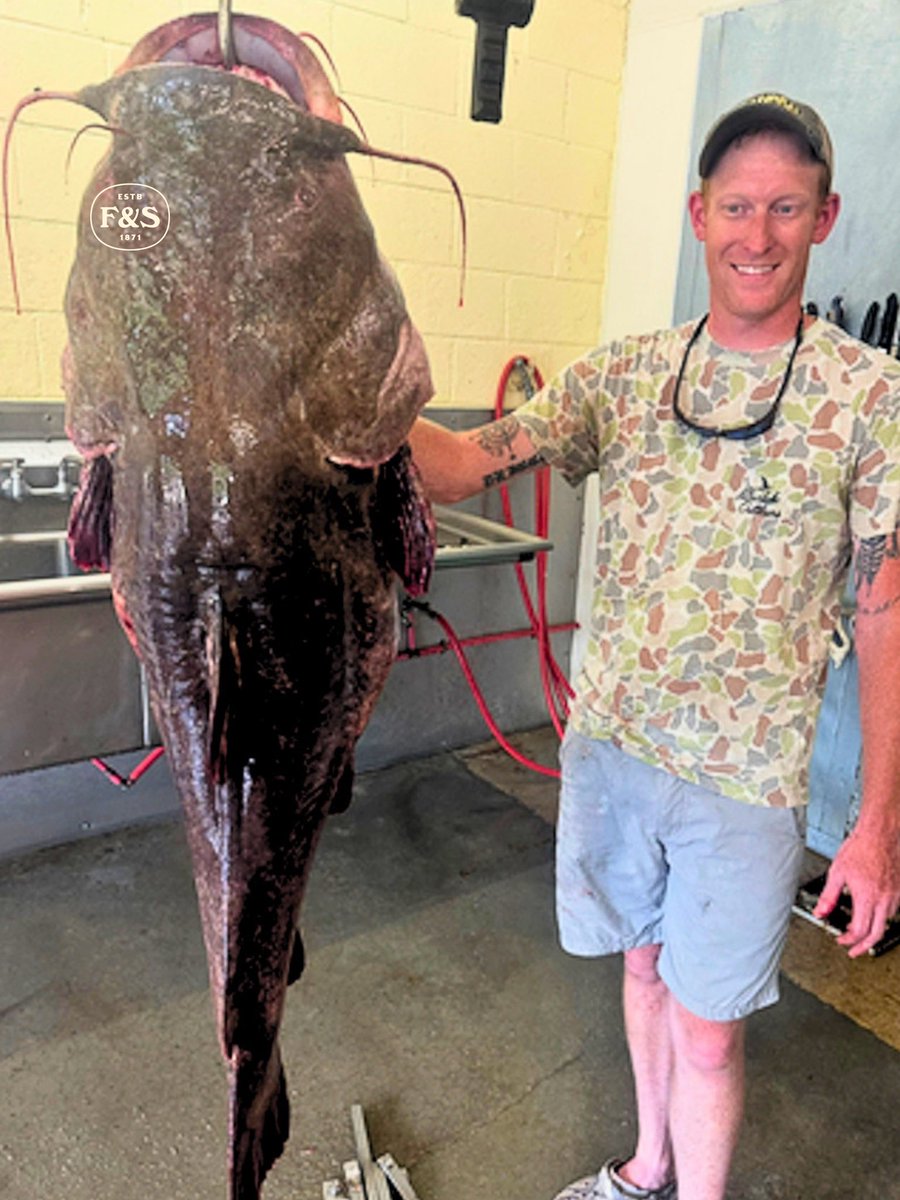
This is the fish from Big Fish
Jun 11

This policeman's 113-pound flathead just shattered a state catfish record.
Patrol Sgt. Joseph Driggers was fishing a 40-foot-deep back eddy on South Carolina's Pee Dee River when a giant flathead ate his Santee rig.
After a 15-minute fight, Driggers landed the fish and South Carolina DNR biologists certified its weight at 113.7 pounds.
The catch shattered the previous South Carolina flathead record of 84.6 pounds by nearly 30 pounds and is now the largest flathead catfish ever recorded in the state.
9
375


Jun 11
“For in this manner, in former times, the holy women who trusted in God also adorned themselves, being submissive to their own husbands, as Sarah obeyed Abraham, calling him lord, whose daughters you are if you do good and are not afraid with any terror.”
1 Pet. 3:5-6 💪💪💪
Jun 10

The time has come for men to do things that will make women sad.
Ladies, you may not understand what's about to happen, but understand it has to be done.
You’re gonna have to trust on this one.
We’re doing it for you, for our mothers, for our daughters, and for our people.
1
2
39
1,278
Jun 10
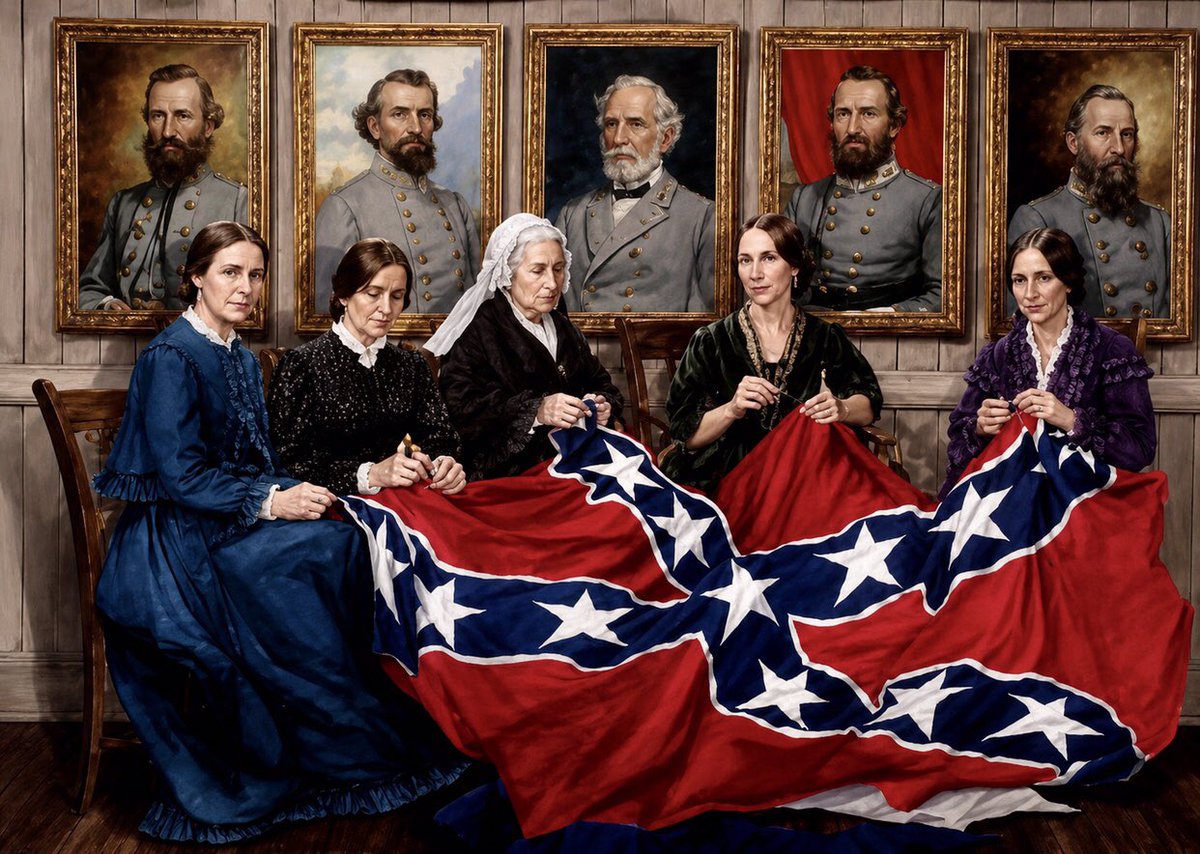
We all have our part to play

42
1,232


mrs. bendell werry retweeted

Jun 9
we had three of these escape the nest today (the nest was on our porch)
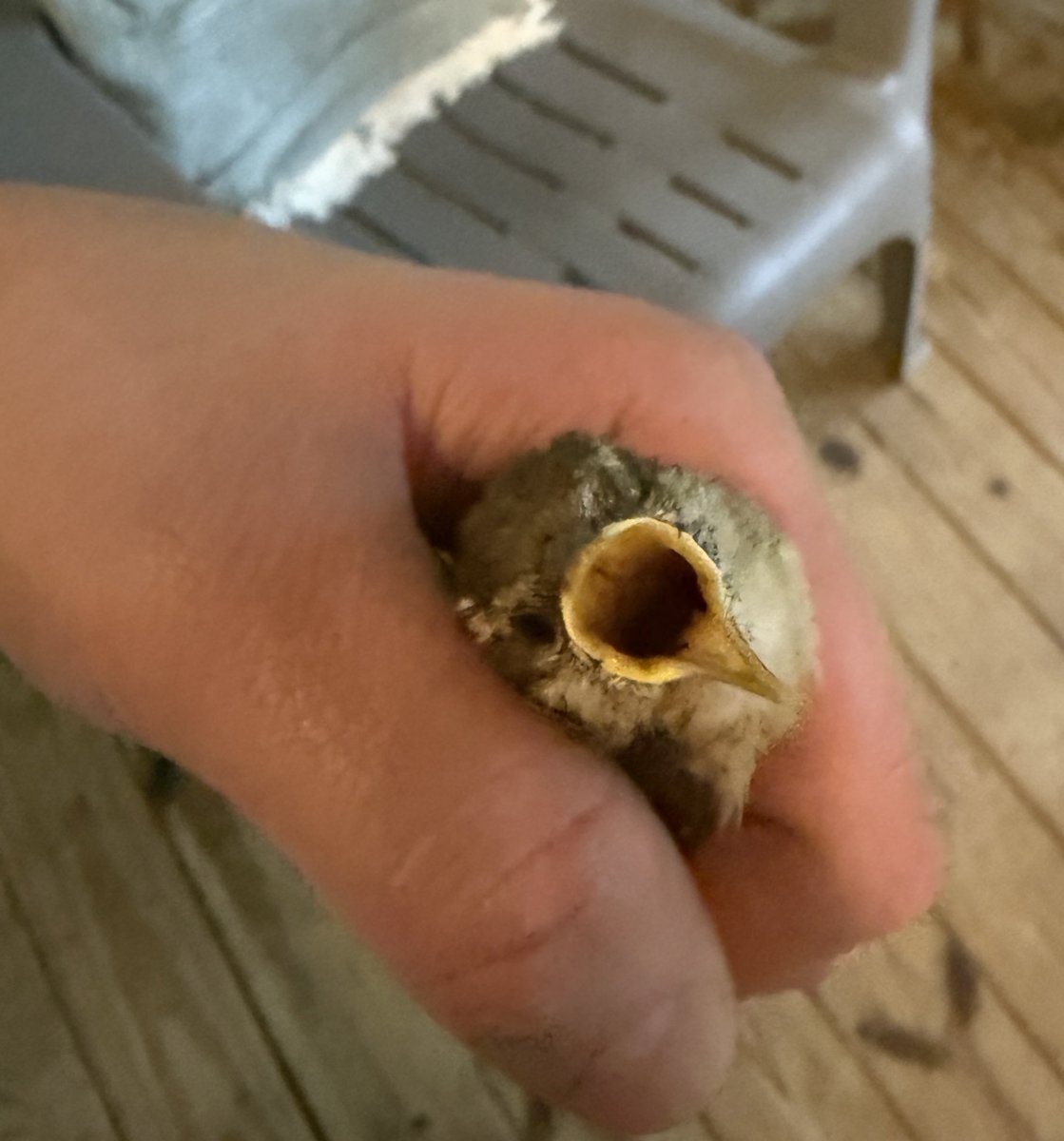
2
1
41
1,087
My biggest worry tonight is that some baby birds are in a nest on our porch and they might get hurt by some thunderstorms. Praise God (and may He please keep them safe) 🙏🙏
Jun 9

Tonight, I'm very glad to not live anymore on a street where my wife and I were one of the very few who spoke English.
1
24
646
Yup. And Baptist lemonade (ginger ale country time lemonade mix)

1
11
824
I’ve been reading through Barchester Chronicles so I recently watched Julian Fellowes’s adaptation of Doctor Thorne. It is charming! Really well-done. Highly recommend the book series as well. Trollope is underrated
2
13
594
mrs. bendell werry retweeted

Jun 8
This is how the em dash appears to me when I’m writing


15
1,097
17,411
370,893
upon reflection: I’m short, so pushing the mop is more physical exertion than pulling the broom. I believe this is why I don’t care for mopping

why do I love sweeping but hate mopping
7
30
1,197