Podiatrist & PhD from @MSKHealthGCU. Carnegie Trust PhD Scholar • Researching diabetic foot ulcer recurrences and its prevention. She/her.
Joined January 2016
- Tweets 848
- Following 1,002
- Followers 423
- Likes 6,446
57 Photos and videos


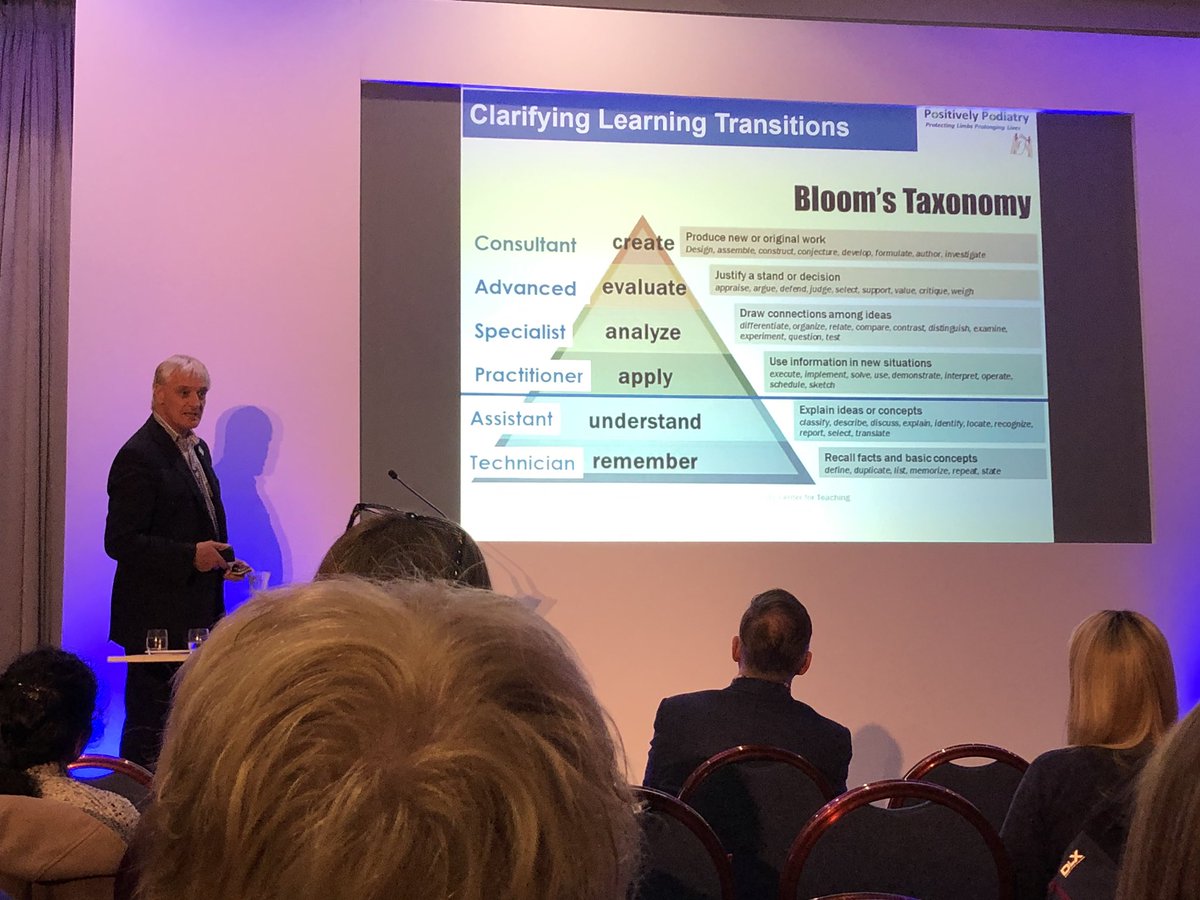
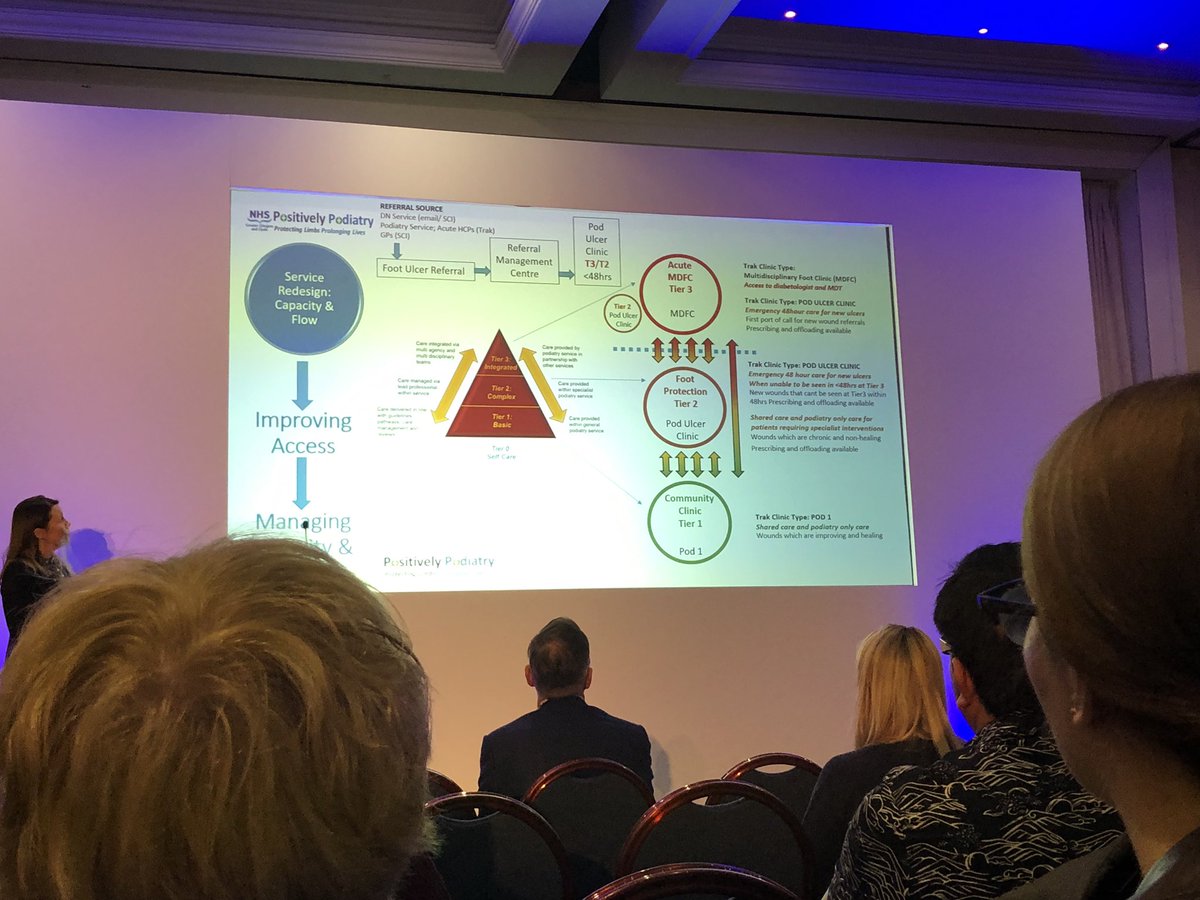

RT @rcpsglasgow: Delve into the practical applications of realistic medicine by addressing community challenges and advancements in wound c…
4
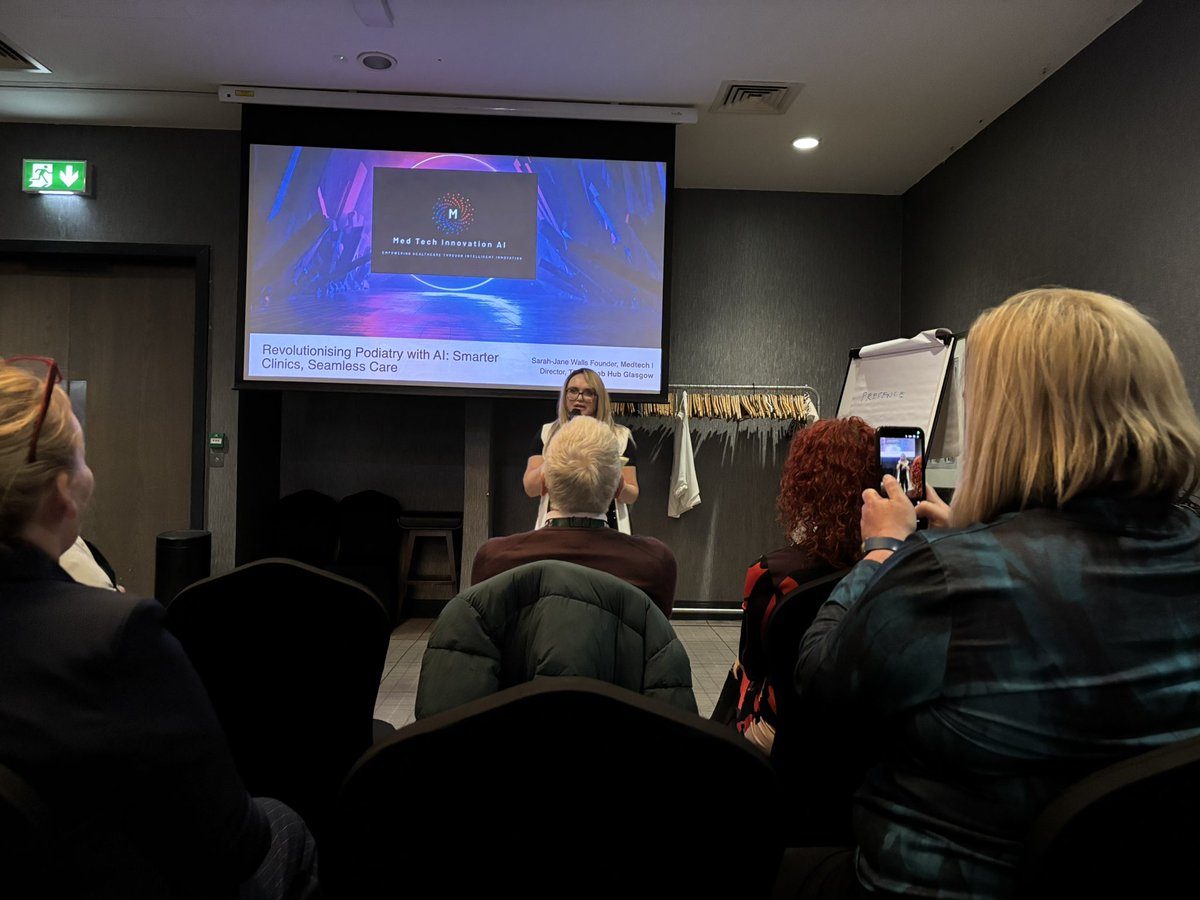
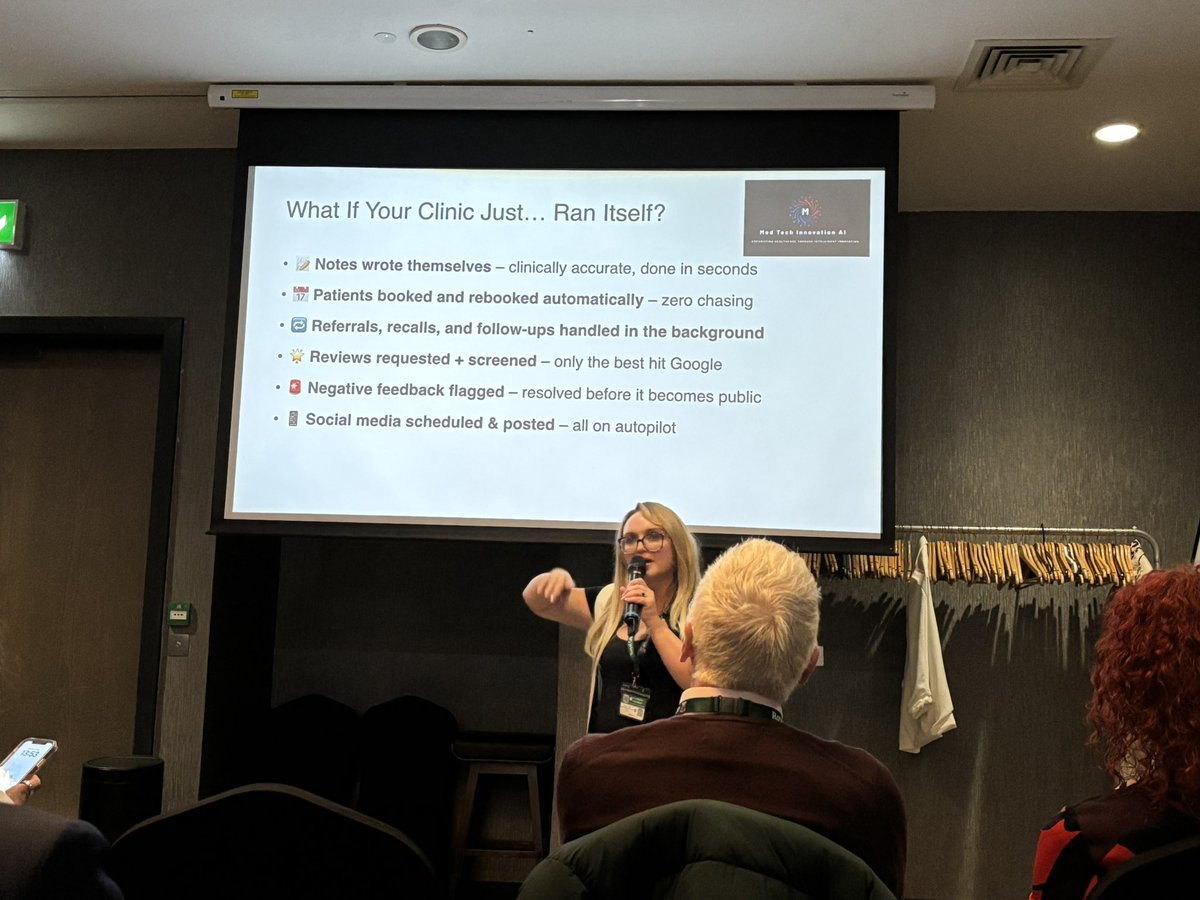
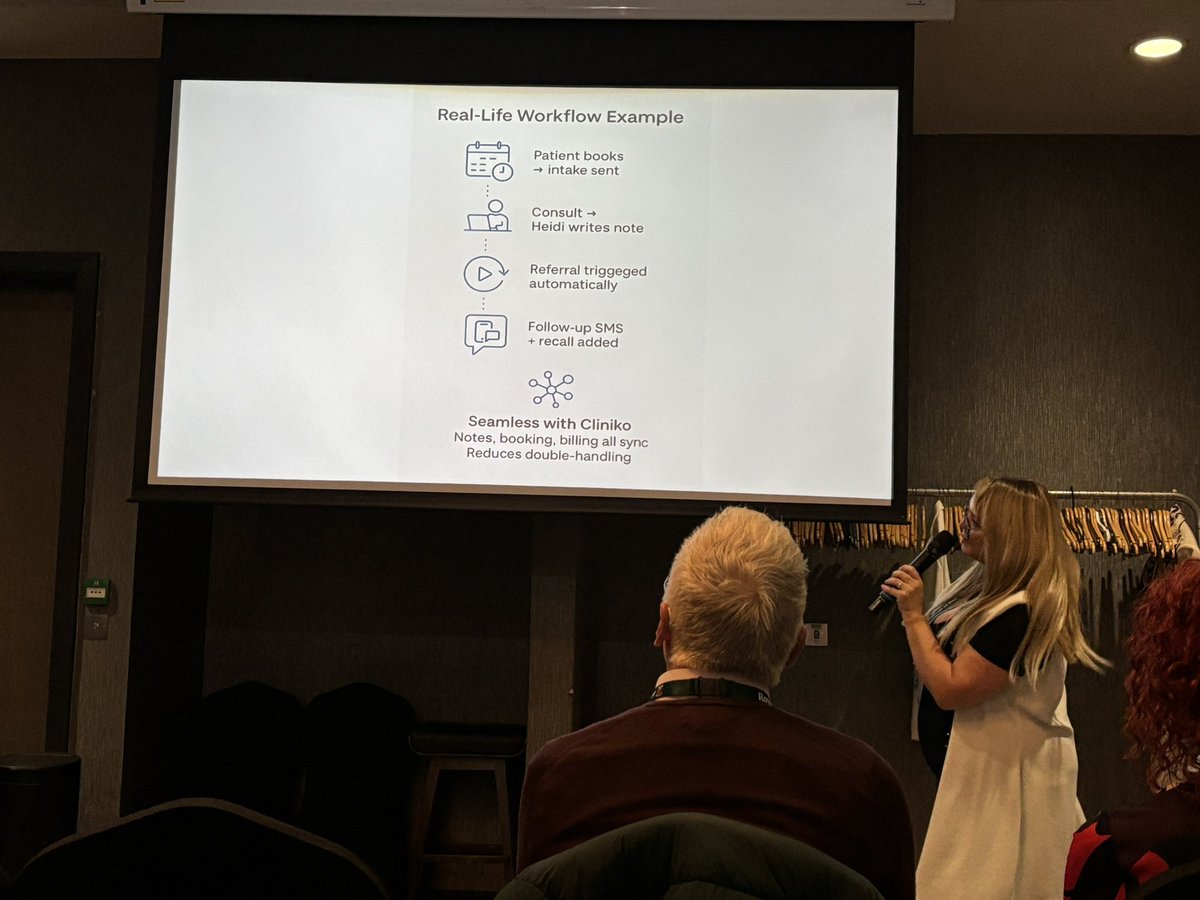
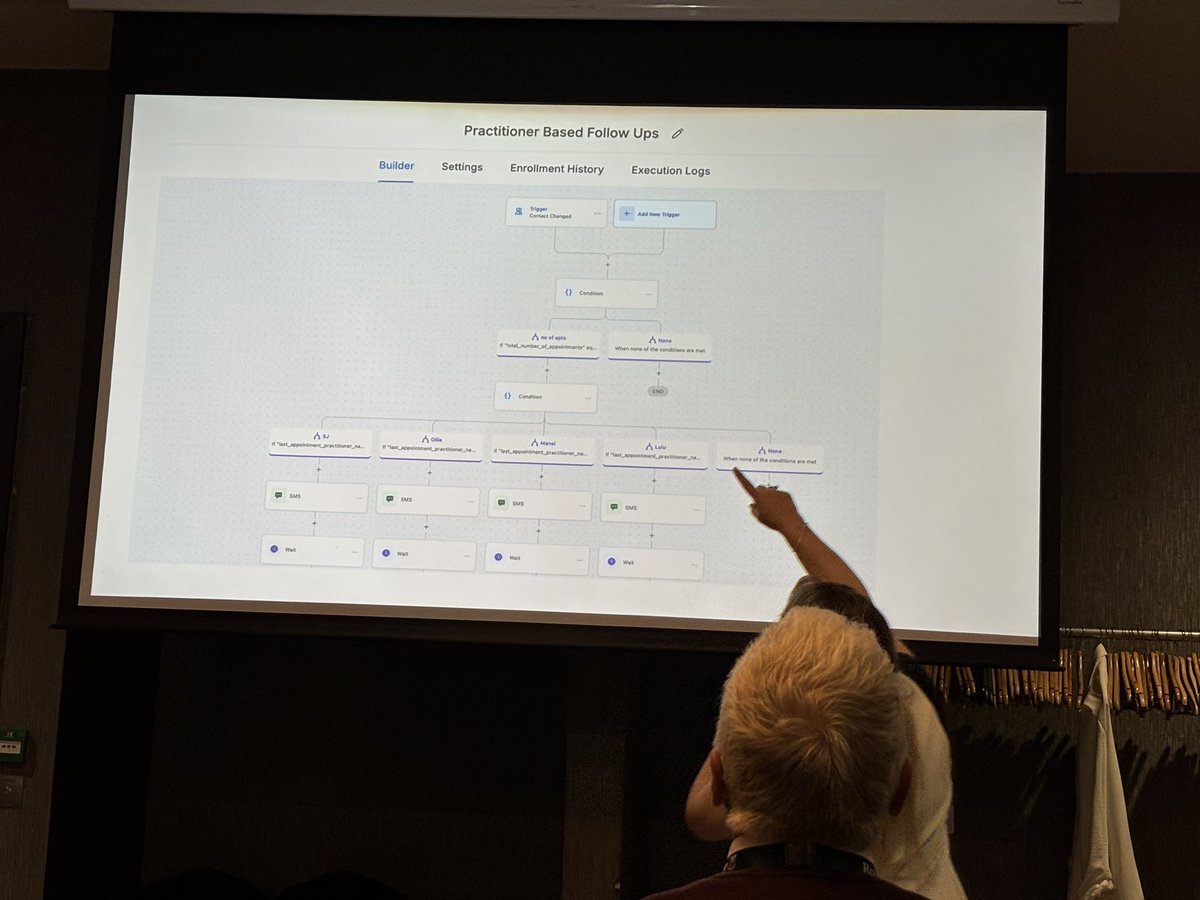
Trailblazing and futuristic presentation by @sj_walls on harnessing the use of AI to automate administrative tasks at the @RoyColPod Scottish Conference 🤯🤩 @GCUPodiatry @MSKhealthGCU @lnewco11 @GCUReach
2
4
263
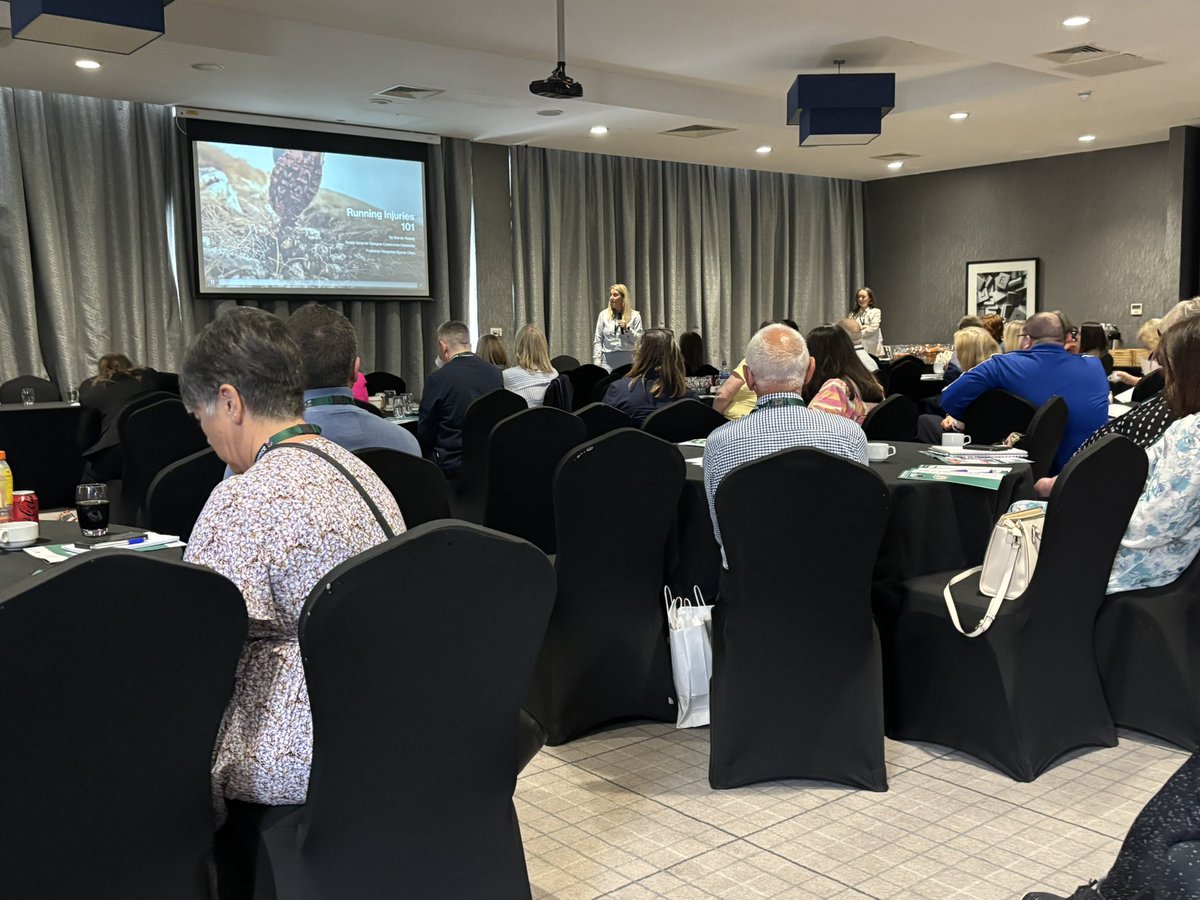
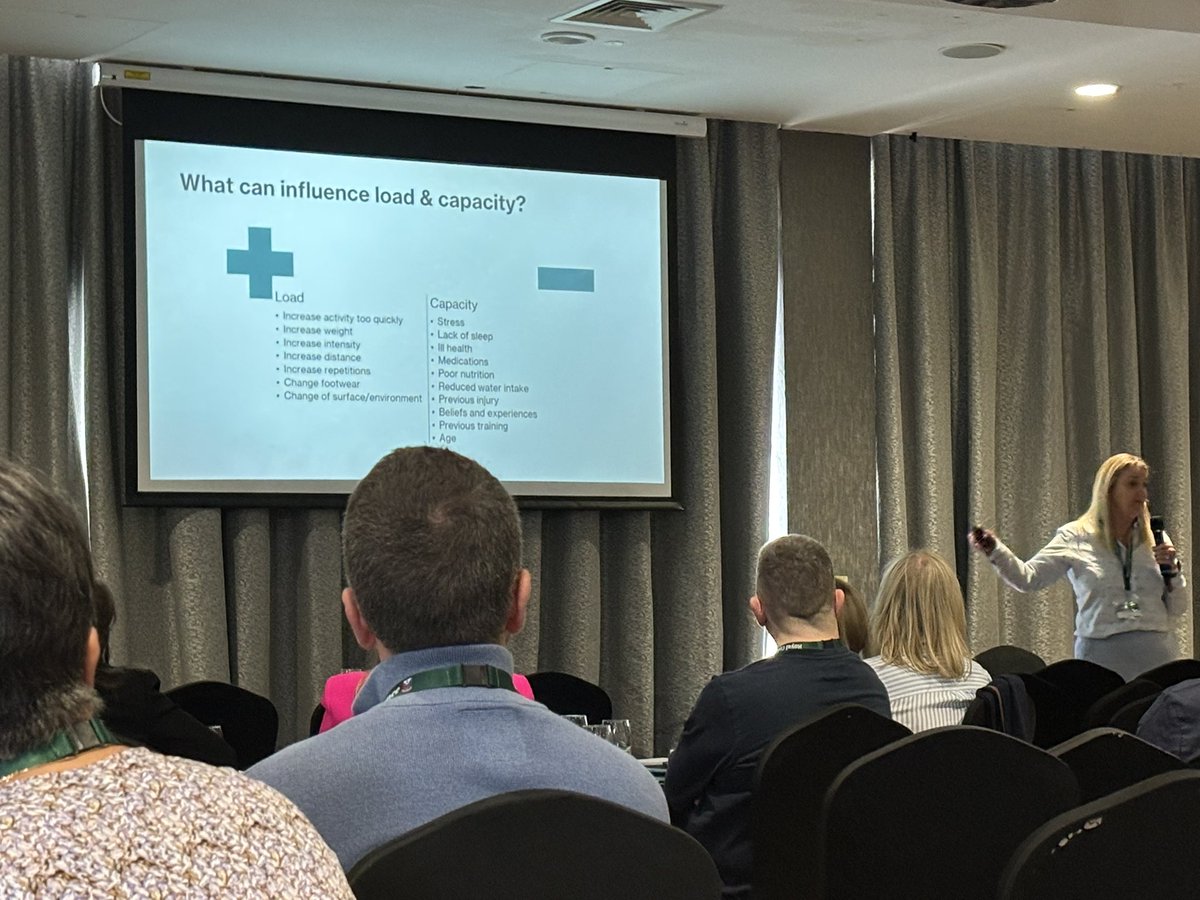
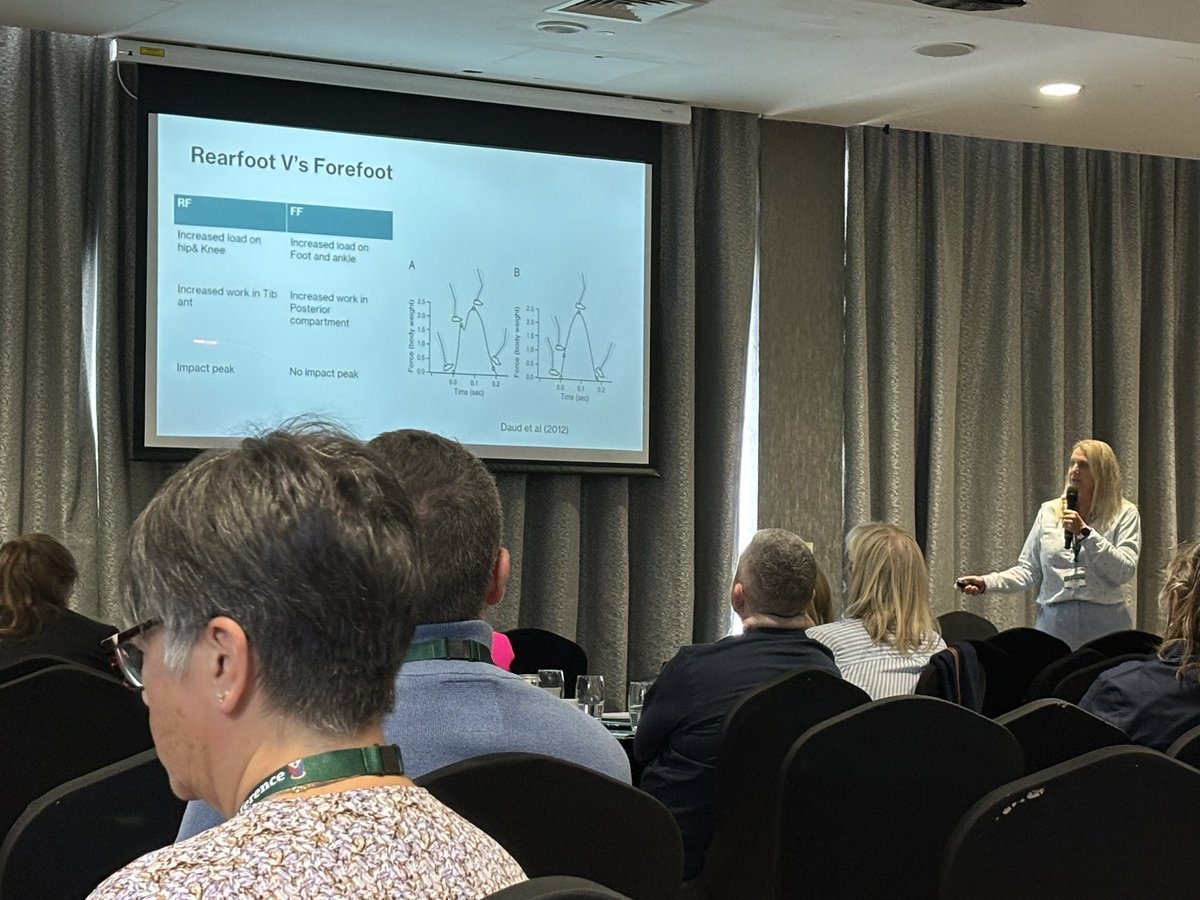
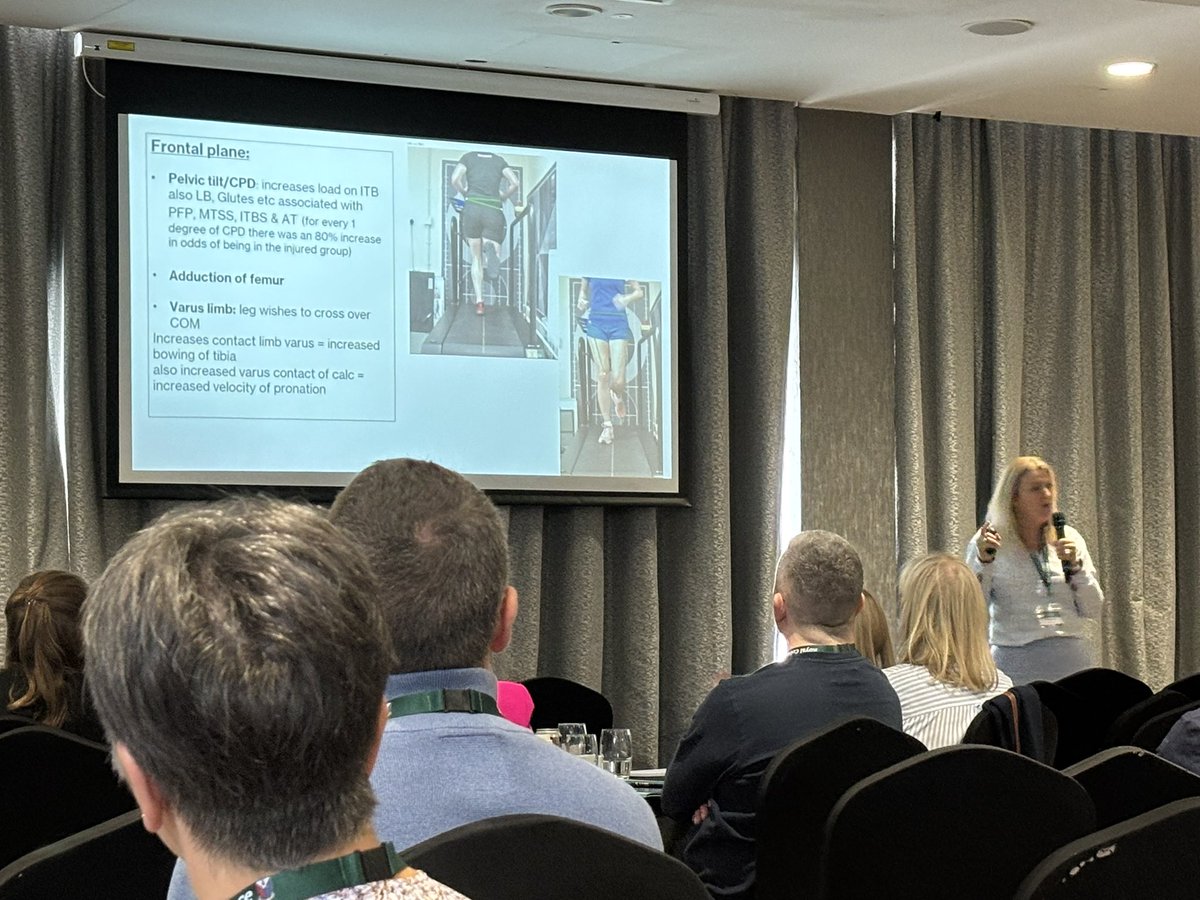
Wonderful presentation on running injuries by @MandyAPod at the @RoyColPod Scottish Conference - so relevant and instructive! @GCUPodiatry @MSKhealthGCU @GCUReach
1
3
7
354
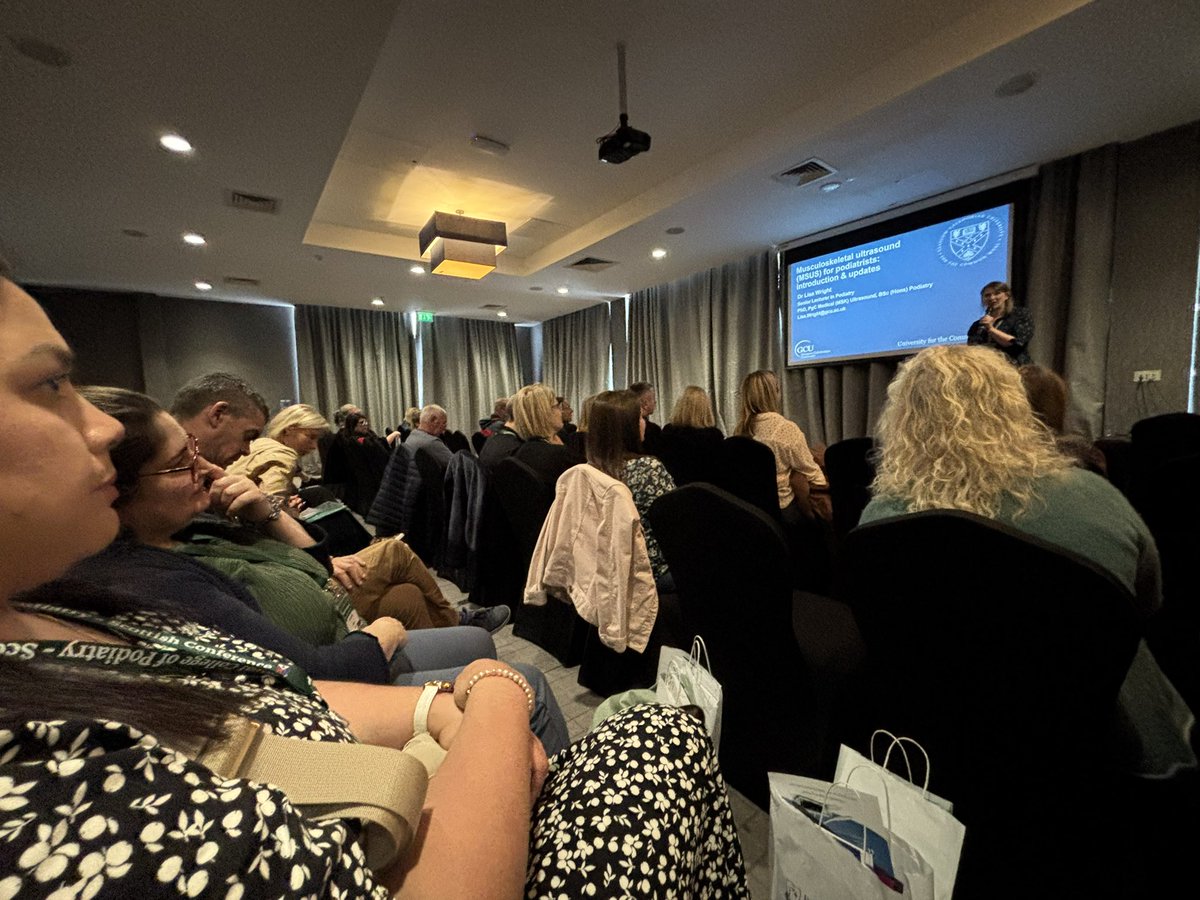
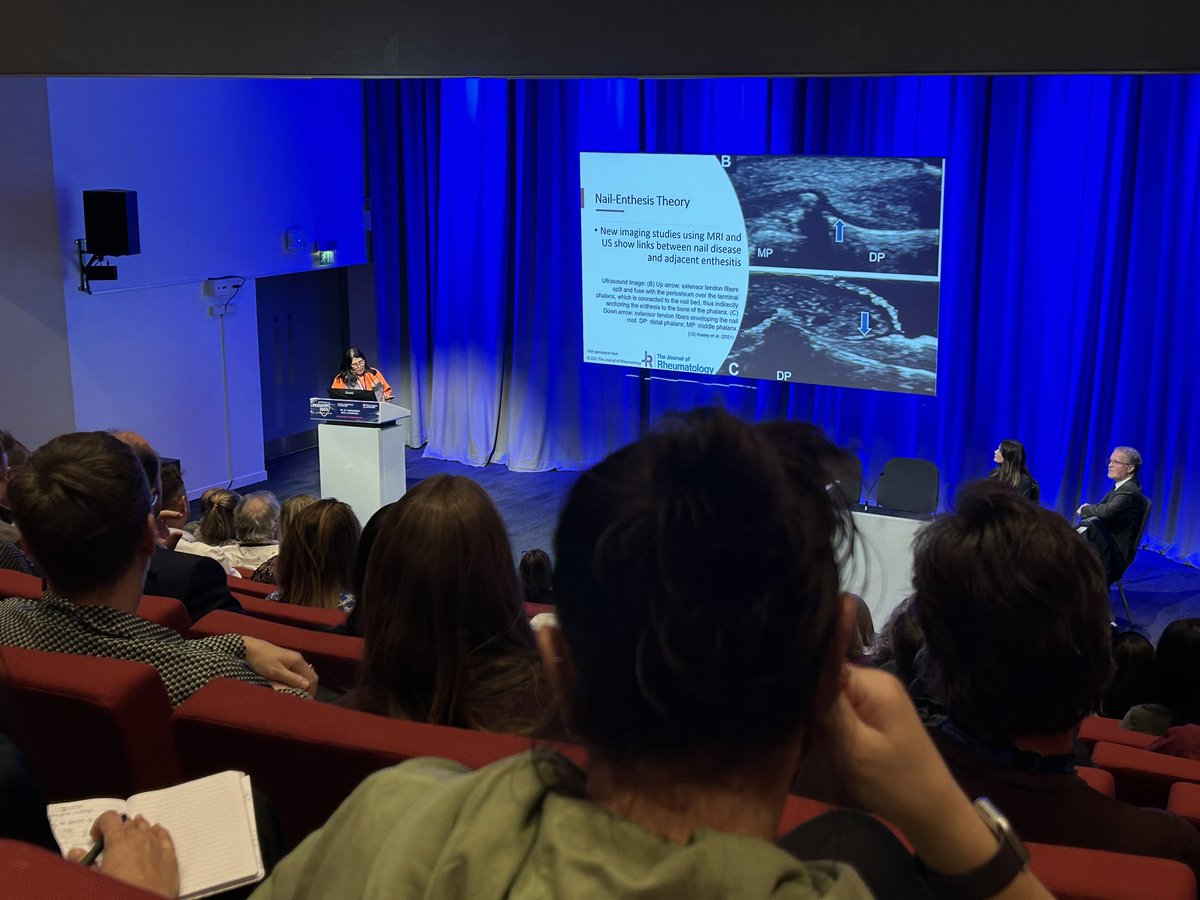
Exceptionally informative presentation by @lnewco11 on MSK Ultrasound at the @RoyColPod Scottish Conference - impressive how much valuable content was conveyed within such a short time! @GCUPodiatry @MSKhealthGCU @GCUReach @GCUultrasound
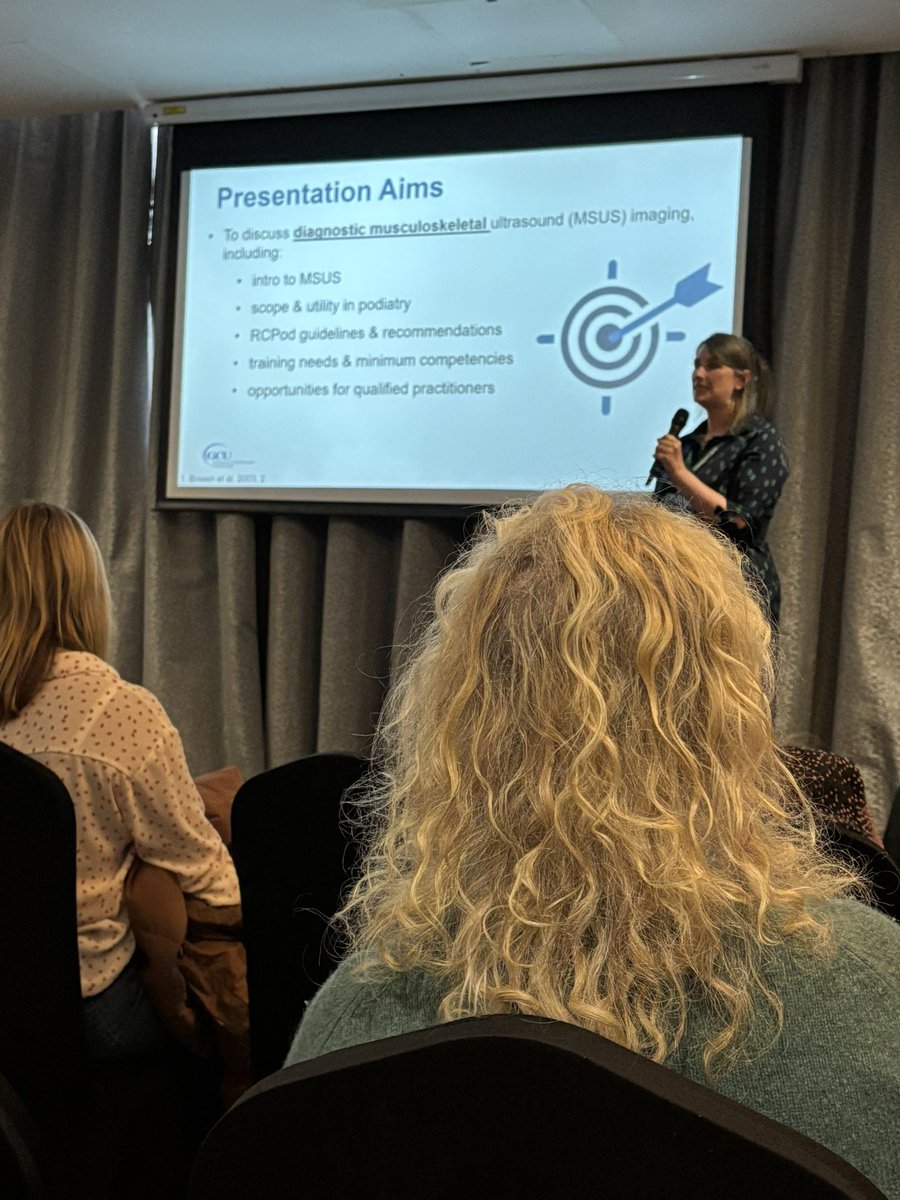
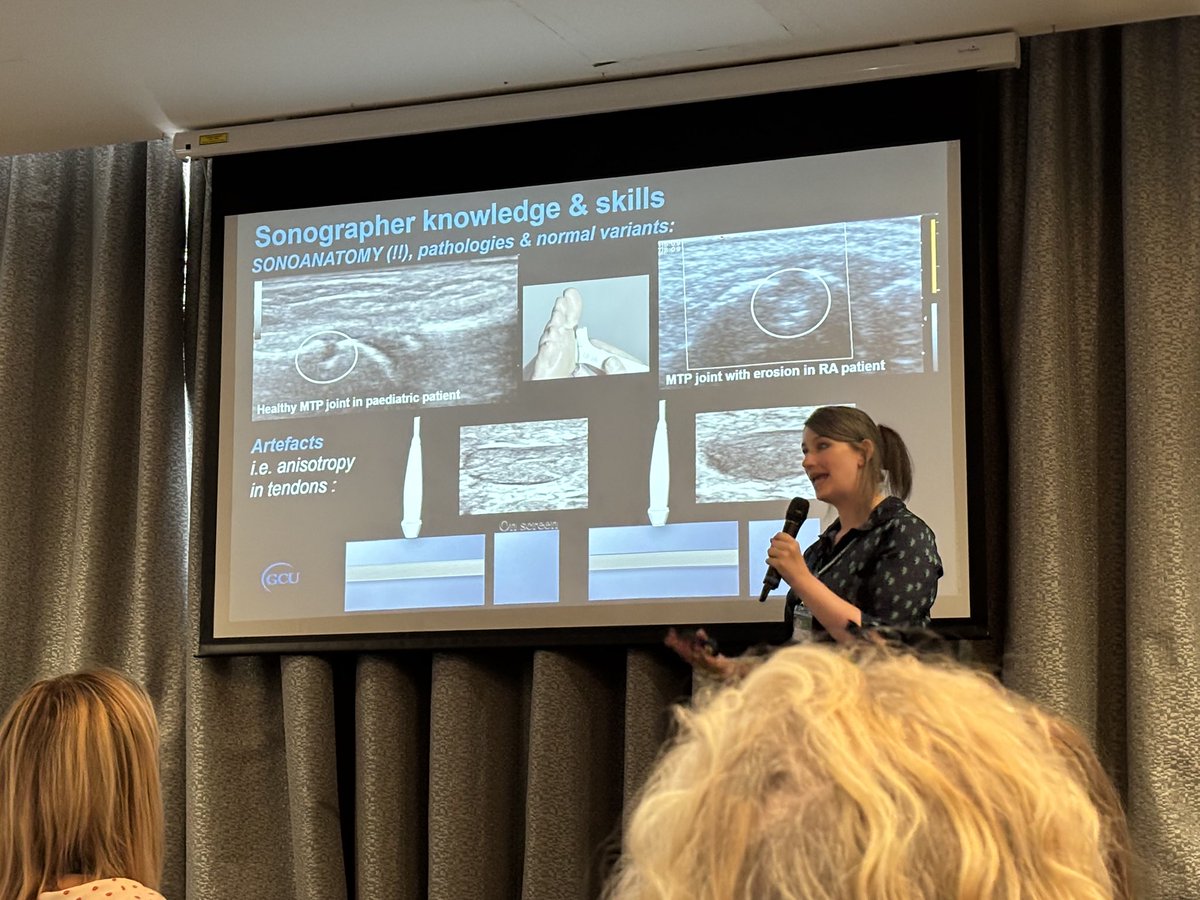
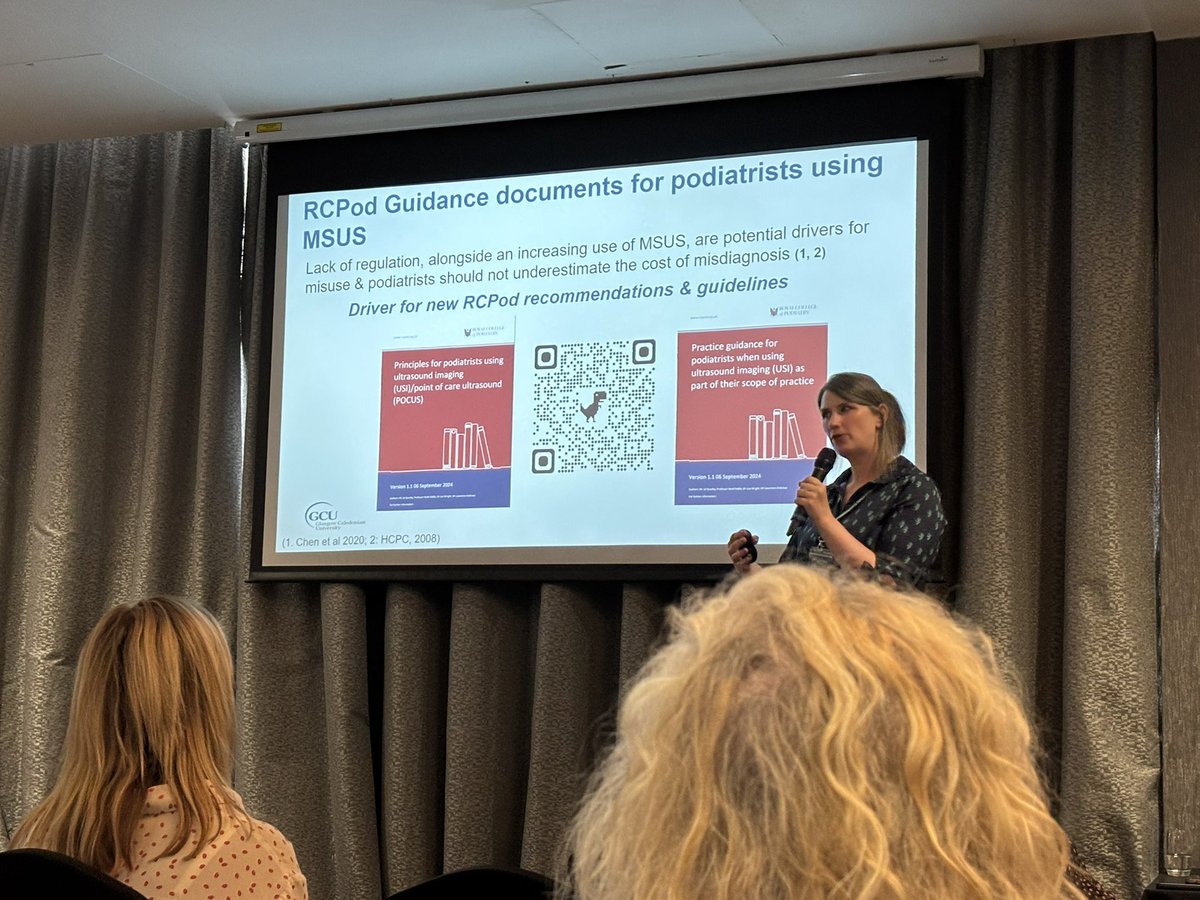
1
1
7
226
Khor BYC retweeted

25 May 2025
Delighted to be invited to speak at the @RoyColPod one day Scottish conference about MSK ultrasound utility in podiatry! A great day with great speakers 👏 🦶🏼 @GCUPodiatry @GCUultrasound @GCUReach @CaledonianNews @GCUSHLS
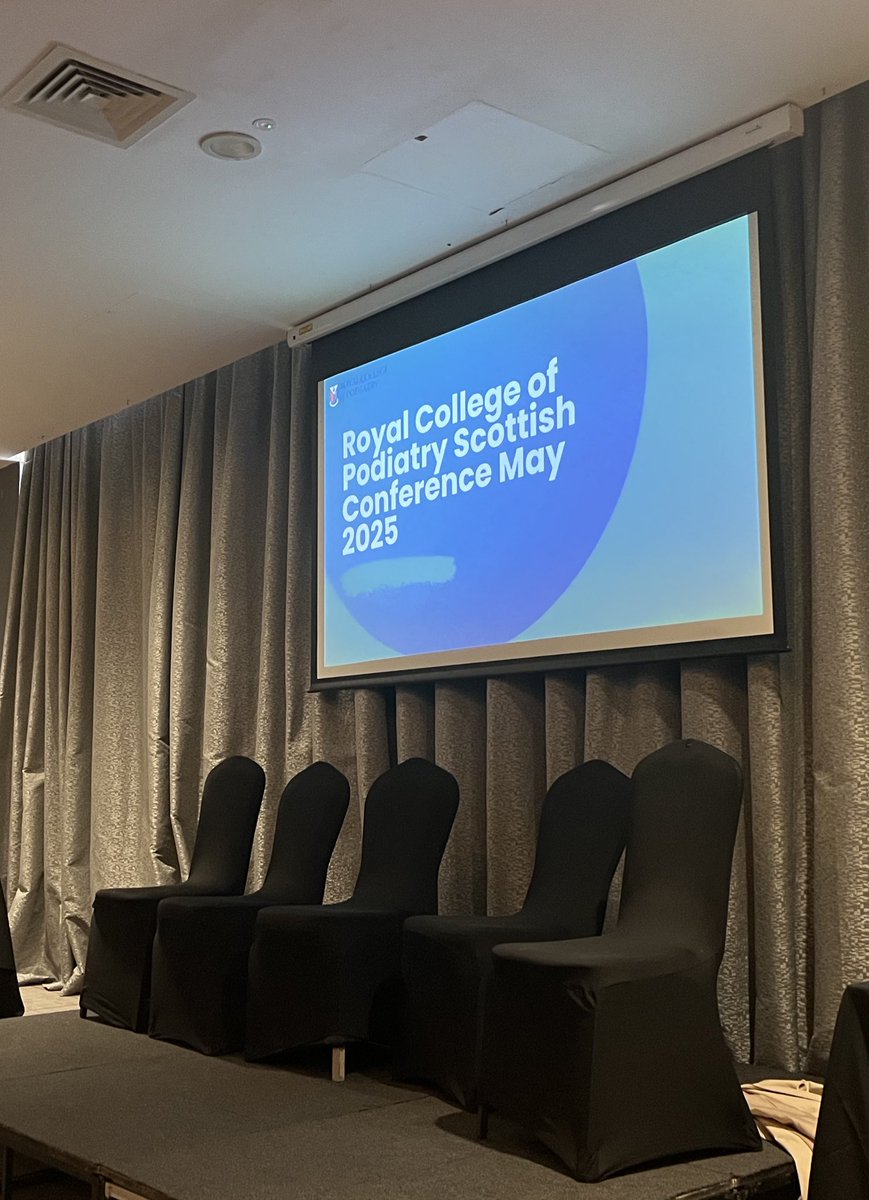
3
12
298
Khor BYC retweeted

25 May 2025
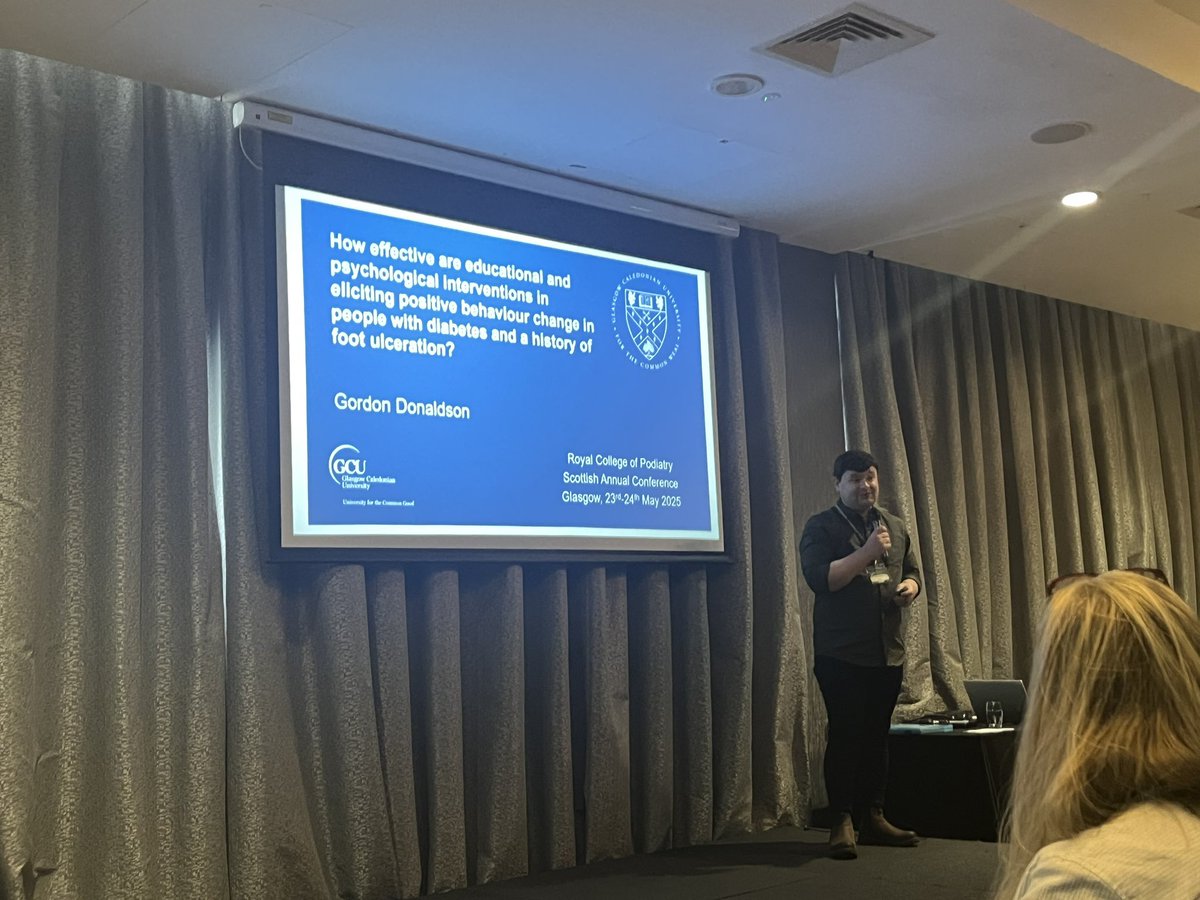
Our level 4 @GCUPodiatry student Gordon Donaldson presenting his important honours project research at the @RoyColPod Scottish one day conference. Future star! ⭐ 👏 🦶🏼@GCUSHLS @CaledonianNews @GCUReach @GCUResearch @GCU_StudentLife
1
12
467
Khor BYC retweeted

7 Feb 2025
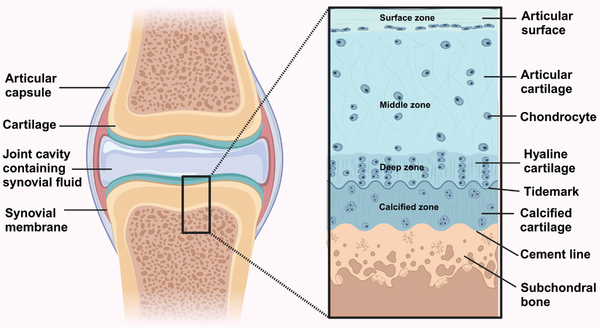
Many think osteoarthritis (OA) is a 'wear and tear' problem.
While the instigator may be traumatic (think ACL injury), framing it as wear-and-tear can cause patients to think exercise will make things worse.
So understanding why cartilage loves load is important...🧵👇 1/7
32
271
1,338
167,585
Khor BYC retweeted

3 Dec 2024
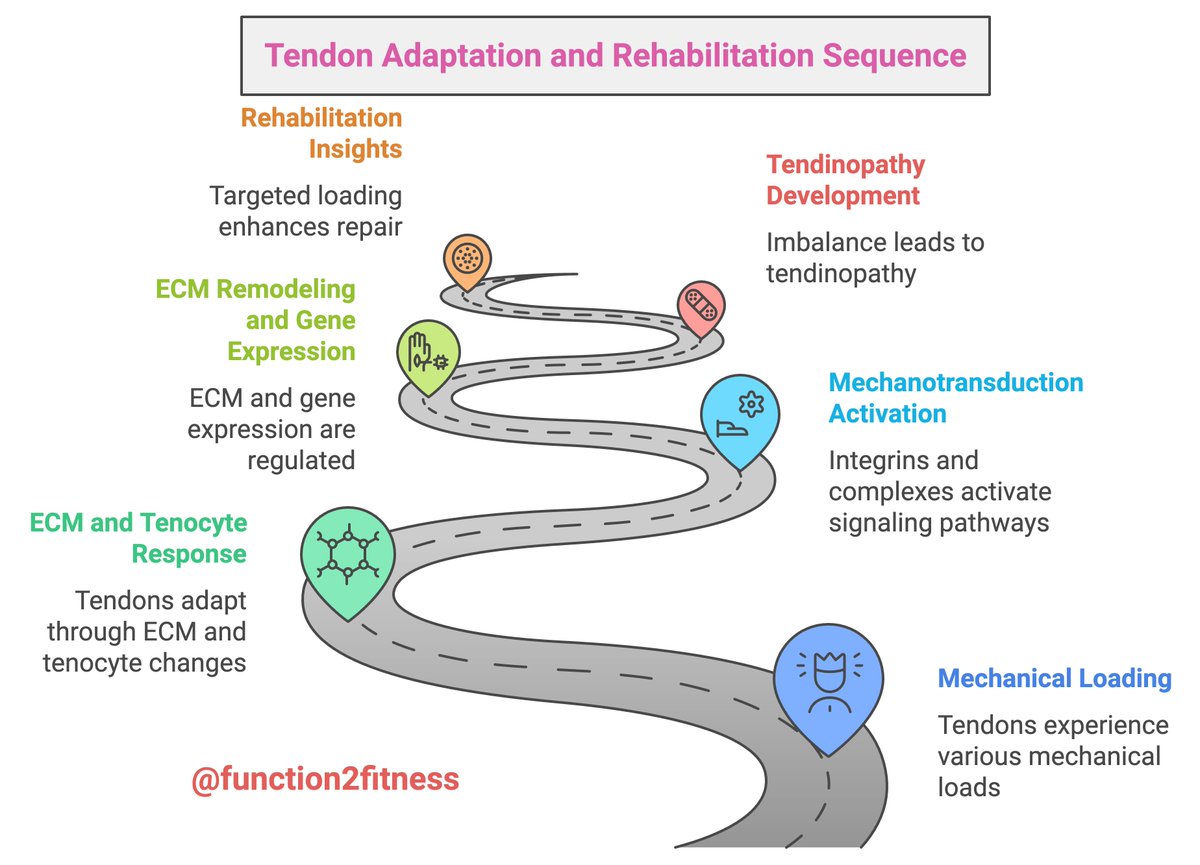
Role of Mechanical Loading in Managing Tendinopathy
Recent insights from Stańczak et al. (2024) have highlighted the pivotal role of mechanical loading in tendon health and its implications for managing tendinopathy, a condition that accounts for approximately 20% of musculoskeletal complaints:
🔹 Adaptation Through Load: Tendons dynamically respond to various loads (tension, compression, shear), with mechanical stress driving the synthesis of key proteins like Type I collagen and proteoglycans, essential for maintaining tensile strength and hydration.
🔹 Mechano-transduction at Work: Integrins and focal adhesion complexes translate mechanical stimuli into cellular responses, activating pathways such as MAPK/ERK and PI3K/Akt, which regulate extracellular matrix (ECM) remodelling and gene expression.
🔹 Preventing Degeneration: Reduced or improper loading disrupts this balance, leading to ECM disorganisation, inflammation, and degenerative changes—a common pathway in tendinopathy development.
🔹 Rehabilitation Focus: The research underscores that strategic mechanical loading isn’t just about strength; it’s a molecular cue for tendon repair. Tailored load-specific rehabilitation programmes can enhance collagen synthesis, restore matrix integrity, and prevent the progression of tendinopathy.
Full link:
pubmed.ncbi.nlm.nih.gov/3956…
2
40
194
14,909
Khor BYC retweeted

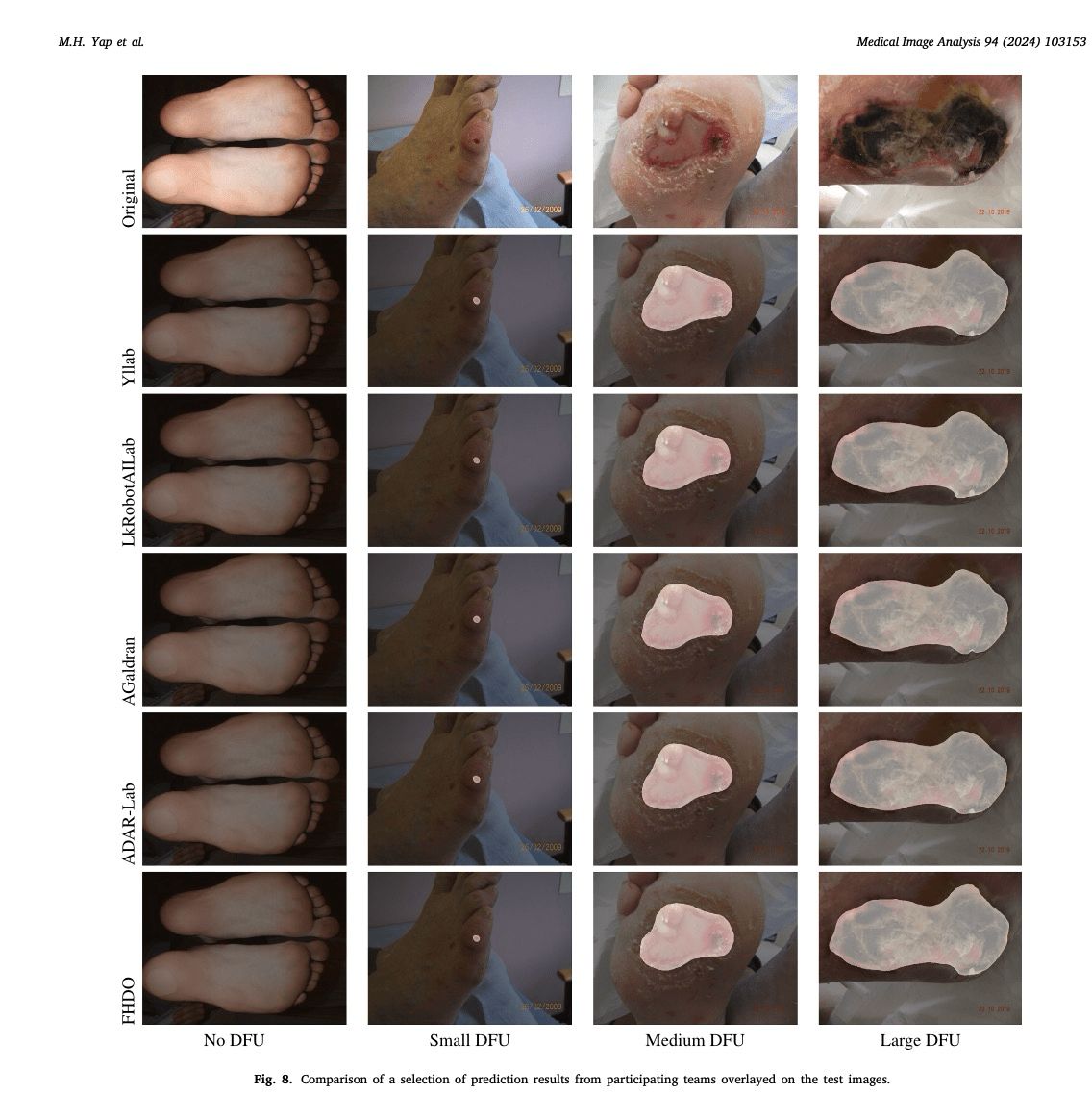
The Diabetic Foot Ulcers Grand Challenge: Advancing Medical Image Segmentation #AIML #Image #AI #ActAgainstAmputation diabeticfootonline.com/2024/…
1
2
210
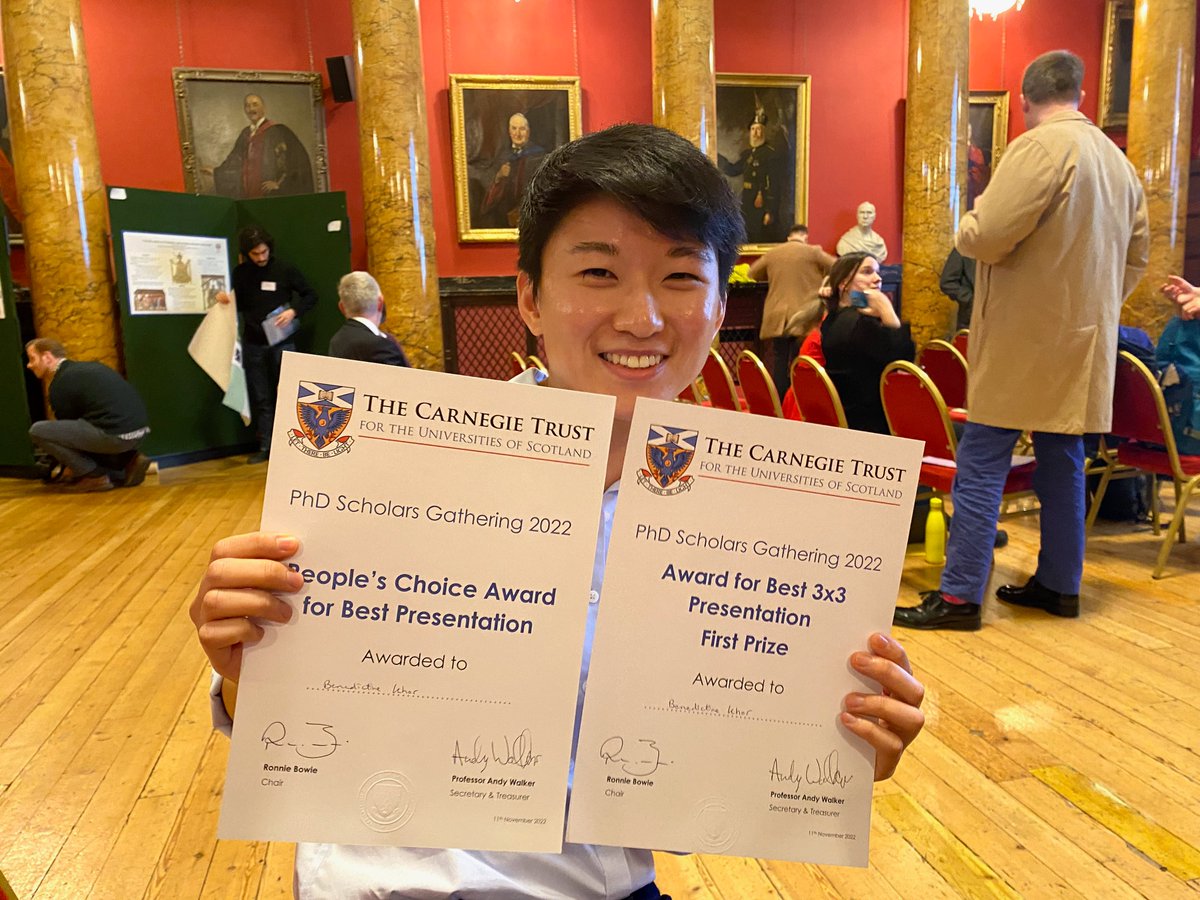
🌟 PhD done!!!! 🥳🎓👣
Delighted. Absolutely delighted! Many thanks to my examiners Associate Professor Joanne Paton from the University of Plymouth and Dr @Gordon_Hendry for a wonderful viva experience. I have thoroughly enjoyed our discussions.
8
1
24
973
Heartfelt gratitude to every single person who has helped me and this research in one way or another. Especially our podiatry colleagues in @nhsggcpodiatry and @NHSLanPodiatry - from NHS managers and team leads, key collaborators and clinicians.
1
3
706
Khor BYC retweeted
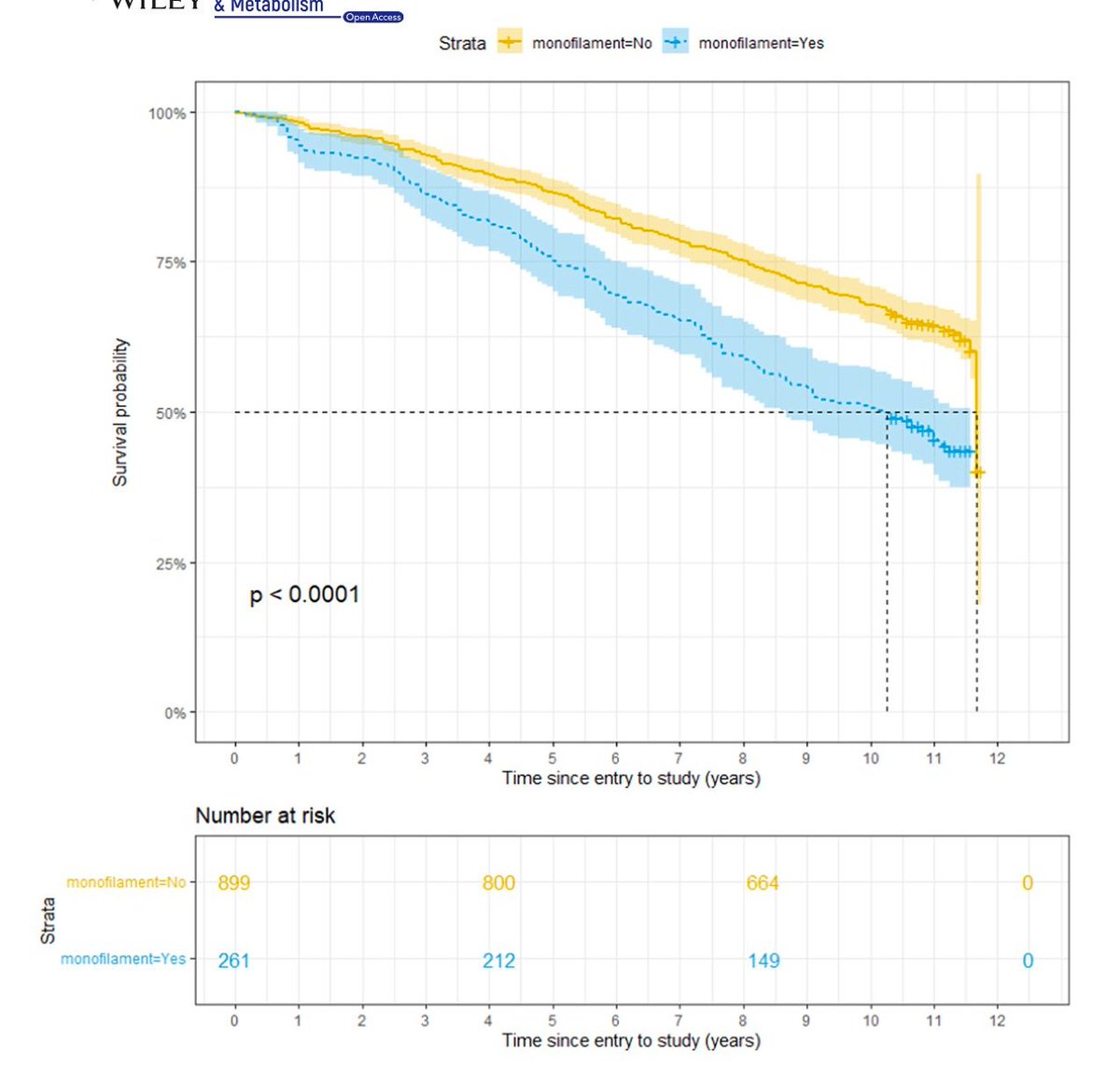
Check out this 10-year study on the serious risks of foot ulceration and mortality in people with diabetes. Learn more about the long-term effects of this condition. diabeticfootonline.com/2024/…
1
2
477
Khor BYC retweeted

22 Aug 2024
Major academic publishers' revenue and what they pay authors and reviewers:
Revenue:
Elsevier: $3.9 billion
Springer Nature: $2 billion
Taylor & Francis: $800M
Wiley: $1.8 billion
They pay:
Academic authors: $0
Peer reviewers: $0
122
1,303
4,520
904,255
Khor BYC retweeted

26 Dec 2023
🆕 | Podiatry researchers at GCU have secured a grant from @scotgovhealth @CSO_Scotland to tackle diabetes-related foot ulceration, particularly in areas of multiple deprivation in Scotland.
gcu.ac.uk/aboutgcu/universit…
@GCUSHLS @GCUReaCH @GCUPodiatry @NHSaaa
3
24
64
9,689
Khor BYC retweeted
Prospective randomised placebo-controlled trial assessing the efficacy of silver dressings to enhance healing of acute diabetes-related foot ulcers - a compelling negative result @ALPSlimb pubmed.ncbi.nlm.nih.gov/3662…

2
6
897
Khor BYC retweeted

13 Dec 2023
Safe travels old friend, see you down the road.
🍷🕯
5
2
8
1,020