
Joined March 2016
- Tweets 5,716
- Following 424
- Followers 1,708
- Likes 77,245
1,237 Photos and videos














blud retweeted

Jun 13
The morning of July 24, 1915, the SS Eastland rocked gently at the Chicago River dock between Clark and LaSalle.
Her decks were alive with 2,572 excited passengers, mostly Czech and Polish immigrants and their families, headed to a Western Electric company picnic.
Laughter filled the air. No one noticed how dangerously top-heavy the old steamer had become.
At 7:28 a.m., still moored, she lurched and rolled ninety degrees, capsizing into twenty feet of filthy water.
The joy turned to horror in a single deafening roar: 2,500 people screaming at once. Hundreds were trapped inside the hull; hundreds more thrashed in the river. Heavy skirts dragged women and children under like stones.
Fifteen-year-old Helen “Nellie” Nowak, the night elevator girl at the neighboring warehouse, froze on the dock.
She had been hauling produce since 4 a.m. and couldn’t swim a stroke. The sound hit her like a blow. Without hesitation, she raced inside, grabbed forty feet of thick Manila rope, tied it to a steel bollard, and flung the other end into the chaos.
For forty-five brutal minutes, Nellie lay on her stomach and pulled. She looped the rope around wrists, braced her feet, and hauled people up, sometimes three at a time.
Her palms tore open to the bone. When the pain became unbearable, she tied the rope around her own waist and kept going, teeth clenched, body screaming.
Police finally dragged her away at 8:30 a.m. By then, Nellie had saved twenty-one lives.
Her hands were ruined, a rib broken. Western Electric gave her a job for life; she worked there fifty years.
When companies had a soul.
The survivors called her “The Girl With The Rope.” That blood-stained Manila rope now rests in the Chicago History Museum, a quiet testament to one ordinary girl who refused to let go.

11
36
184
7,843

Jun 13
I hate finishing a good game in the same way I hate it when I am done reading a good book. It feel somewhat like when a friend has died.
1
63
Jun 13
Well here we are. Can I get a job there?

90
blud retweeted

Jun 13
There is a spectrum that runs from pure carnivore to pure herbivore, and the only honest question is where humans land on it.
At one end sits the obligate carnivore. The domestic cat. It cannot make certain nutrients itself and will go blind and die without meat. No flexibility, no debate, no salad days.
Next, the facultative carnivore. The dog, descended from the wolf. Built to run on meat, equipped to scrape by on scraps when meat is short. It thrives on animal food and merely survives on the rest.
Then the true omnivore. The bear, the pig, the raccoon. Equipped for both, with the gut and the chemistry to swing between a forest of berries and a stream of fish and do well on either.
Then the herbivore. The cow, the horse, the gorilla. A vast fermenting system for turning leaves into life, and little interest in anything else.
Now place the human. Stomach acid like a scavenger. A gut too short to ferment bulk plants. A hard requirement for vitamin B12, which only animals supply. A brain that demands animal fat to build itself. We tolerate plants. We are optimised for animals.
Place us on that line and we land beside the dog. Built for meat, getting by on the rest, looking faintly embarrassed about the company.
28
256
1,302
19,782
blud retweeted

Jun 11
it's crazy how demonized bonzi buddy was for harvesting your data and showing you ads, wish people still held that same energy for apps and websites today.


78
5,313
59,962
660,507
blud retweeted
Jun 11
The fattest newborn of any mammal on record is the human baby. Almost nothing else comes close.
We arrive at roughly fifteen per cent body fat. A chimpanzee manages about three. Most mammals are born at two or three. We turn up padded like nothing else alive, then peak near twenty-five per cent in the first year.
That padding is the most expensive thing evolution ever built into us, laid down in the womb before the baby takes a breath.
The reason sits just above it. A newborn's brain burns fifty to sixty per cent of the baby's energy, and it builds itself out of fat. The baby fat is both the fuel tank that keeps that brain running between feeds and the raw material it is physically made from.
So a species that supposedly evolved on leaves produces the fattest infants in the animal kingdom, to power the largest brain in it, out of fat.
Then the infant grows up and is handed a leaflet explaining that fat is the thing to fear. The exact substance that built its brain, recast as the enemy.
We are born declaring what we run on. Then we spend a lifetime being taught to flinch at it.
The baby was never confused. Only the adult had to be taught.

44
421
2,170
33,266
Jun 2
There's stuff I hate about steam but by far it is the best platform for me as a user, mod publisher and soon for releasing my own game for sale.

Gabe Newell on Steam monopoly accusations: Gamers have 'enormous choice' about where to buy games pcgamer.com/gaming-industry/…
3
146
blud retweeted

HOLY BASED
11 Jun 2024

Here's an idea Elon
Buy Lenovo back from China, and make a Tesla Laptop like old Thinkpads – rugged, convenient, integrated Starlink. You get Motorola (owned by Lenovo Group) as a bonus, so you can sell a bundled smartphone. Take Apple's niche.
Then I'll buy both.

9
15
312
9,733
Jun 1
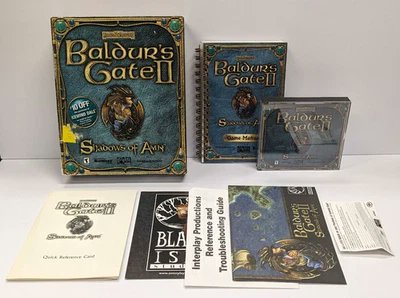
I paced for an hour outside the local store to grab this on release day. Thought they would open at 9am but it was 10am. Best of times! Have since bought the game 5-6 times on different platforms. Gog, steam, android, enhanced. etc. One of my top 10 fave games ever.

Balder's Gate 2 REMAKE in progress.
Wizards of the Coast is bringing back BG2's co-lead Kevin Martens to lead a remake of the classic RPG.
I just have one question: Can we get box sets like this back?
1
87
blud retweeted

May 28
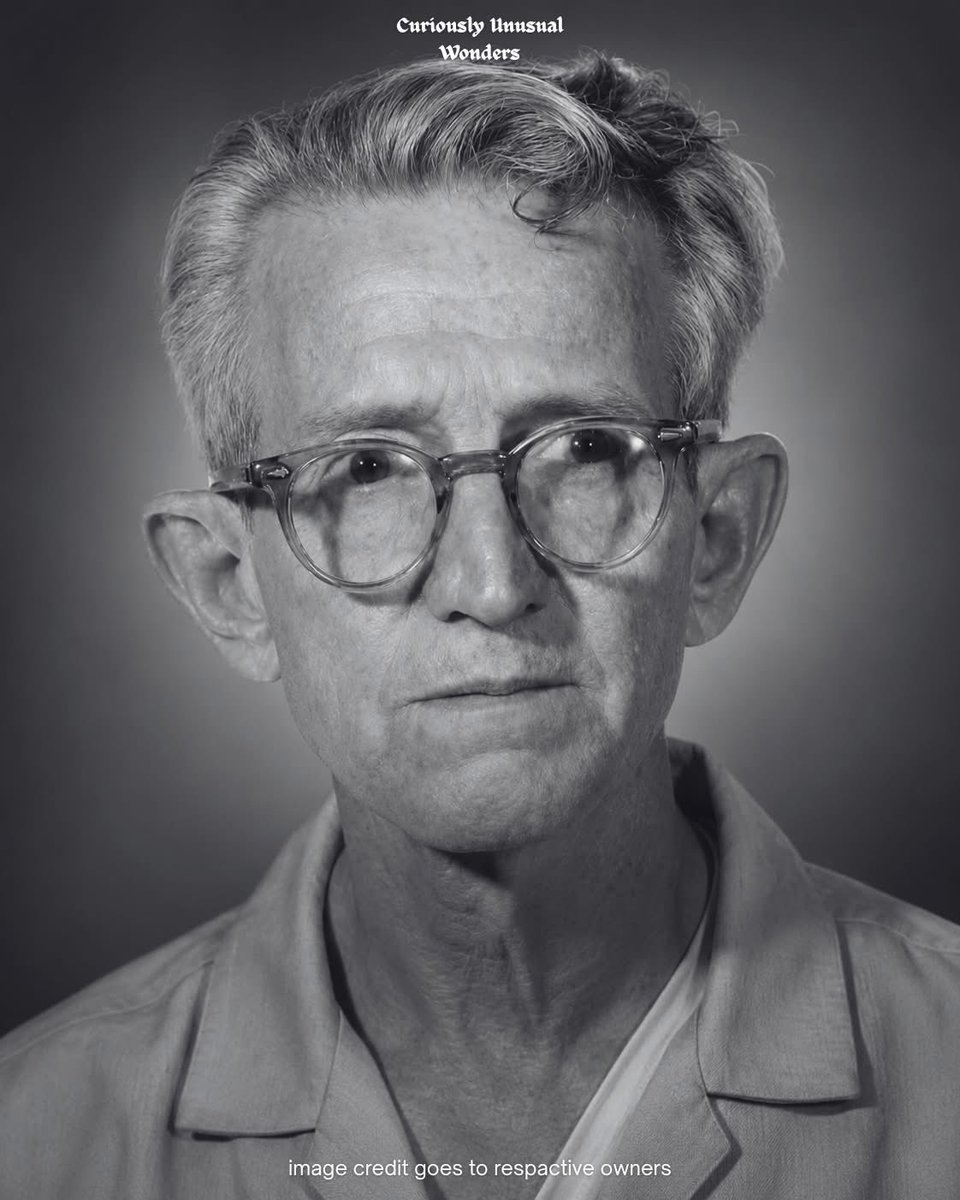
In 1961, a man with an 8th-grade education picked up a pencil in his prison cell and accidentally changed American history forever.
Clarence Earl Gideon was a poor drifter with weathered skin, gray hair, and a lifetime of bad luck behind him. He bounced between odd jobs, cheap rooms, and occasional jail time, barely surviving from one day to the next.
When he stood trial in a Florida courtroom in 1961 for allegedly breaking into a pool hall, he had no money and no lawyer.
The evidence was weak. Someone claimed they saw him near the building with coins in his pocket. A little cash and some beer had been stolen.
That was enough.
Before the trial began, Gideon made a simple request.
“Your Honor, I request this court to appoint counsel to represent me.”
The judge refused.
Florida only provided lawyers for capital cases, not for poor men accused of smaller crimes. So a man who never finished middle school was expected to defend himself against trained prosecutors.
He tried anyway.
He questioned witnesses.
Argued his innocence.
Did everything he could.
The jury found him guilty in minutes.
Five years in prison.
Most people would have accepted defeat. Gideon didn’t.
Inside the prison library, he slowly taught himself the Constitution. He read about the Sixth Amendment and became consumed by one question:
How could justice exist if only rich people could afford real defense?
After Florida courts rejected him, Gideon sat down in his prison cell with a pencil and wrote directly to the United States Supreme Court. Five handwritten pages. Misspelled words. Shaky handwriting.
But the message was clear:
This is not right.
Against impossible odds, the Supreme Court agreed to hear his case.
They assigned him attorney Abe Fortas, one of the best lawyers in America. Fortas argued something painfully obvious: if even great lawyers hire attorneys when accused of crimes, how could an uneducated man defend himself alone?
On March 18, 1963, the Supreme Court ruled unanimously in Gideon’s favor.
Every poor defendant charged with a serious crime now had the constitutional right to an attorney.
The decision changed the American justice system forever.
Gideon received a new trial, this time with a lawyer. The prosecution’s case quickly fell apart. Witnesses were exposed as unreliable. Doubt flooded the courtroom.
The verdict came back:
Not guilty.
After more than two years behind bars, Clarence Earl Gideon walked free.
He died poor years later, buried at first in an unmarked grave. But his words survived him.
Today, every time someone hears, “If you cannot afford an attorney, one will be appointed to you,” they are hearing the echo of one man sitting alone in a prison cell with a pencil in his hand.
Clarence Gideon proved that sometimes history changes because one ordinary person refuses to stay silent.
56
954
3,521
106,554
May 28
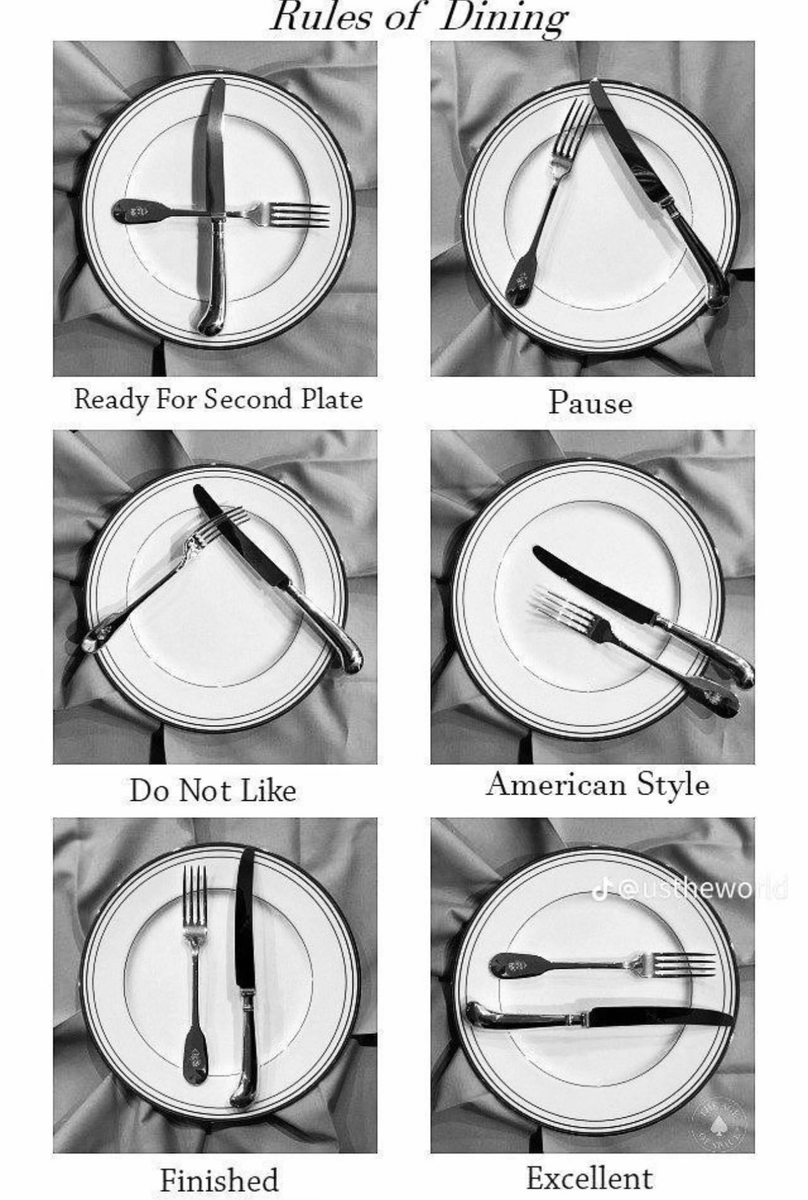
Not even Michelin restaurant serving staff know this.

63
blud retweeted
May 28
Toxic plant species known to harm humans and livestock: many hundreds. Entire reference books. Whole university databases. South Africa alone lists around 600 plant species that poison grazing animals.
Land mammals you can eat raw and survive: essentially all of them.
There is no field guide titled "Which Cuts of Beef Will Kill You." There is no mushroom-style cautionary poster for lamb. Nobody has ever been rushed to A&E because they misidentified a ribeye.
The plant kingdom is the only food group that comes with a body count and a textbook.
19
188
797
12,388
May 28
No matter what I watch. @TeamYouTube pretty much entirely suggest shitty AI slop that is so bad I can't even listen to it. Ai written, AI narrated full of errors shit that just piss me off or stuff that I have seen before, whether I liked it or not. Screw that platform.
1
62
May 13
What is better than going to a pub where everyone knows everyone and as soon as you sit down, the tapster brings you exactly what you want without having to ask? 🇨🇿🫶
2
112
May 12
Seriously. Now that Gogol is turning droid into stasiOS, and similarly apple, though I would never touch a ifone anyhow, what are the other phone options? I know about grapheme but that still only runs on pixels and then I have to give Gogol money.
2
123
blud retweeted

May 11
China’s trawlers are electrocuting the Persian Gulf to death.
Their industrial scale Pulse fishing kills everything in the water, leaving a dead ocean.
They need to be stopped before the ocean is completely lifeless.
336
4,500
8,987
155,109
blud retweeted

‼️🚨 Microsoft calls this "intended behaviour," so here we go.
How to dump the credentials of every user stored in Microsoft Edge:
1. Open Edge. Don't browse anywhere, just open it.
2. Flip to Task Manager, find Edge, expand the task.
3. Highlight the "browser" sub-task, right-click, and choose "Create Memory Dump."
4. Open the dump file and look for credentials.
The logged-in Windows user can dump every stored Edge credential with no additional rights. Which means any malware that user executes has those credentials for the asking.
Thanks to Rob VandenBrink at SANS: isc.sans.edu/diary/32954


288
2,312
13,304
1,075,051
blud retweeted

On a voulu civiliser les barbares chez eux.
Ça n'a pas marché.
On a voulu civiliser les barbares chez nous.
Ça ne marche pas mieux.
On arrête ?
16
164
1,053
6,128