
Growing @browserbase 🅱️ Startups. Sobriety. Smarketing. Sass. 🦋 prev @join_arc @paloaltontwks @ucla
Joined May 2011
- Tweets 44,121
- Following 3,101
- Followers 12,972
- Likes 41,400
1,559 Photos and videos






Pinned Tweet

9 Jun 2025
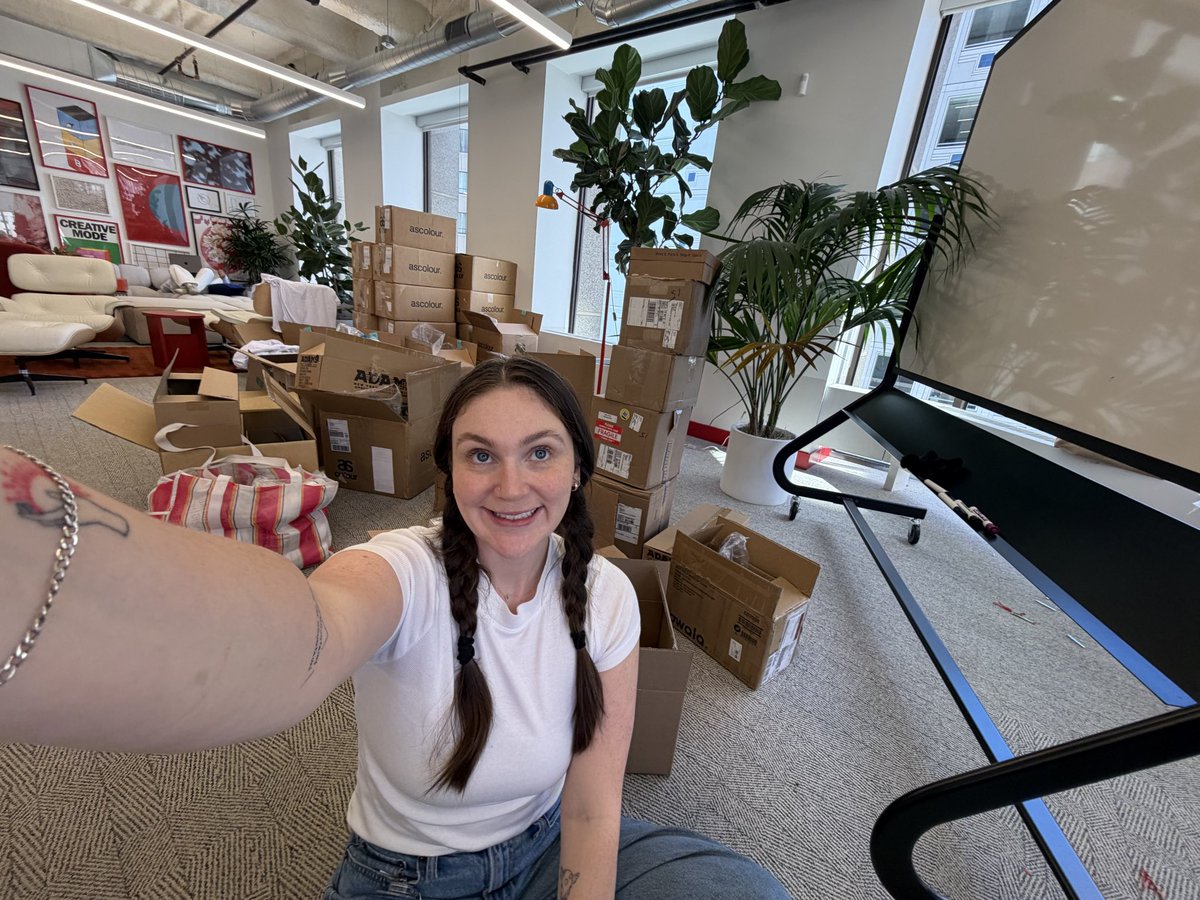
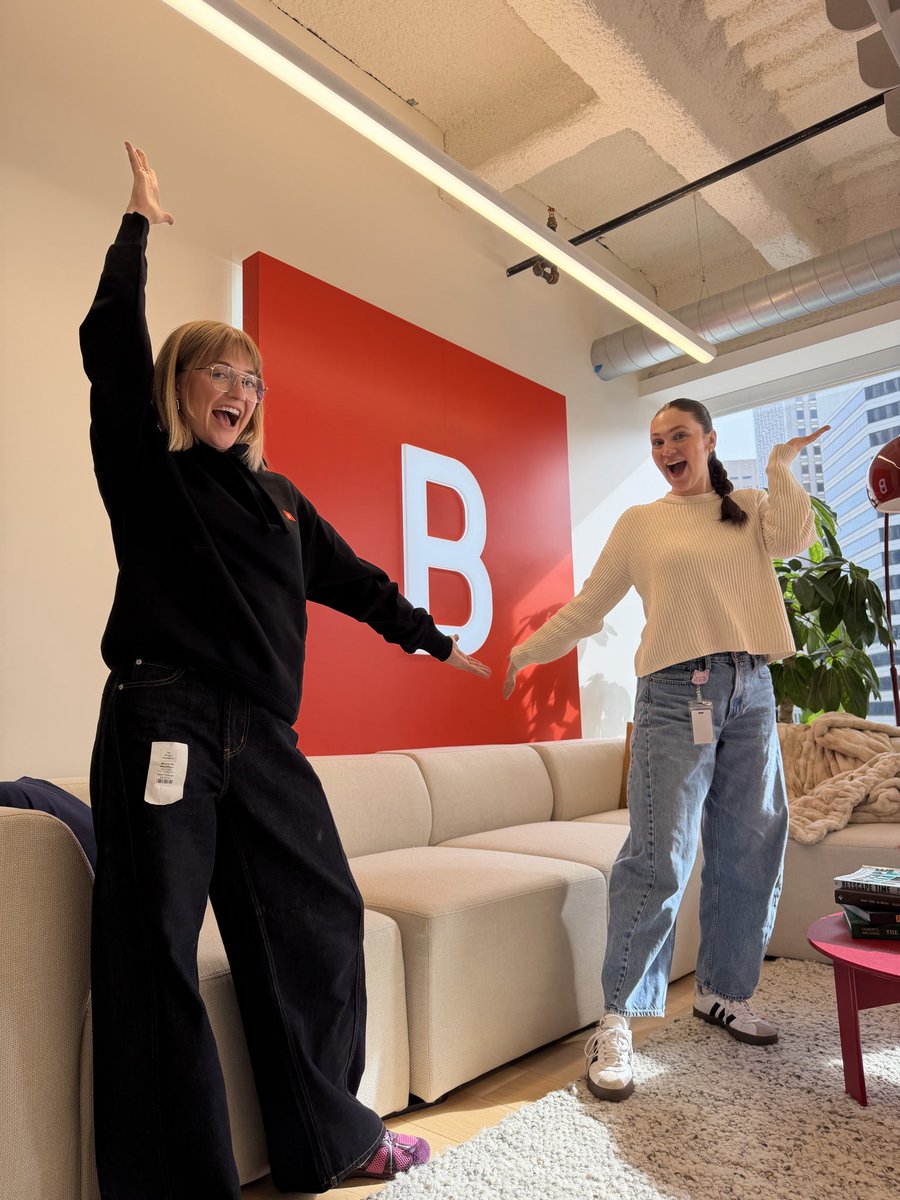
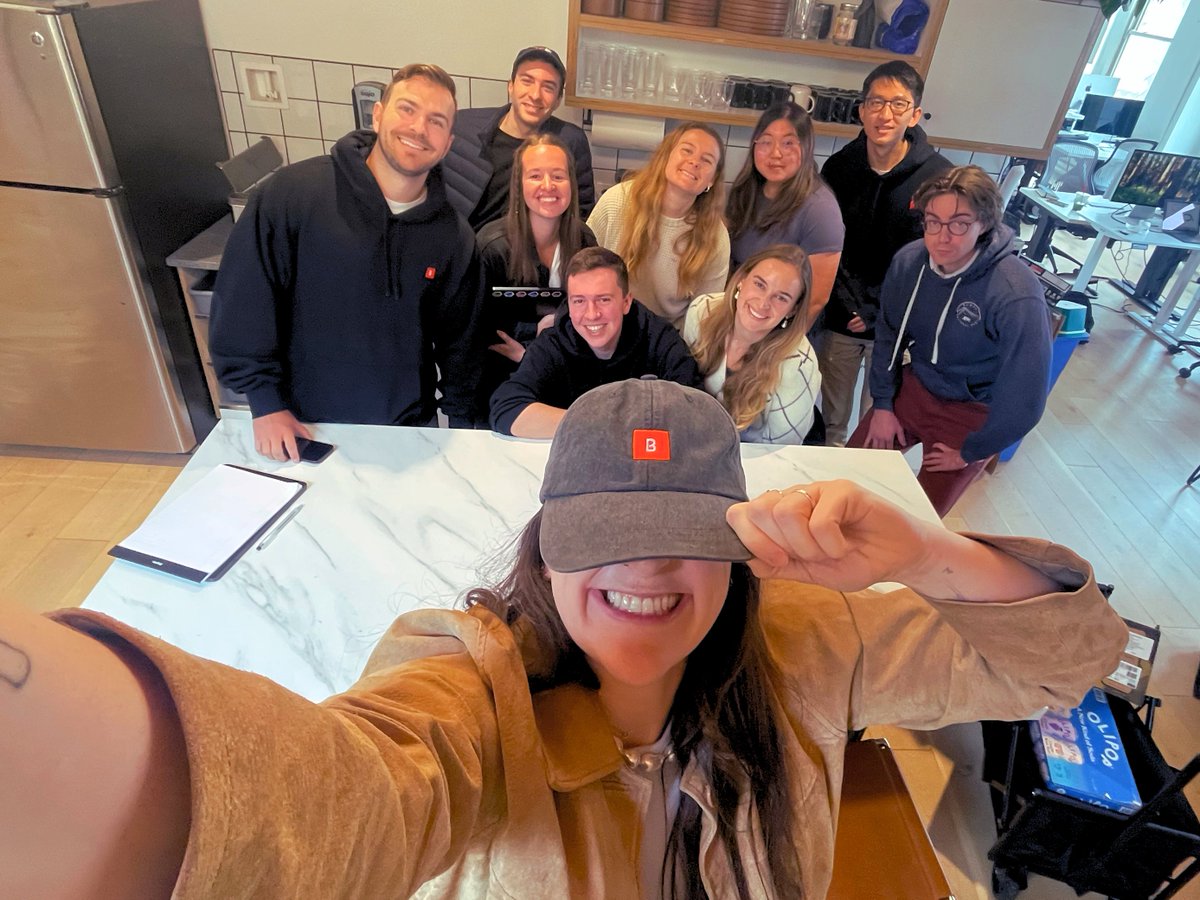
Today is my first day at @browserbase 🅱️
I joined Browserbase for 3 reasons:
1. The Team
2. The Team
3. The Team
LFG. Time to automate The Web👩💻
shoutout to @pk_iv @LindsayGilson @tinathetechiee who made this dream real 😱
50
7
247
49,913
Jun 5
This is absurd
Jun 5

sadly for SF this might be true.
I just recommended to a founder that “15k for a 2br seems within normal these days”. He’s funded by YC so he can live with it but not a good sign for the ecosystem
1
4
918
Jun 4
Great to know that in shadow banned
Jun 4

celebrated my 28th bday yesterday, nearly all of @browserbase showed up to my party
reflecting on this past year I feel tons of gratitude to be building a company with some of my favorite people I’ve ever met
lucky to do great work w amazing partners and teammates, people always come first!!!
3
14
1,706
Jun 4
celebrated my 28th bday yesterday, nearly all of @browserbase showed up to my party
reflecting on this past year I feel tons of gratitude to be building a company with some of my favorite people I’ve ever met
lucky to do great work w amazing partners and teammates, people always come first!!!
6
41
3,774
Jun 4
so @neal_k_patel hit me last summer and was like “yo I’m starting a company” and I said there’s NOOOO way another person from our town is in this scene. But he came to the BB office and showed me the product and now it’s GA!! Enterprises don’t actually want to token max
Jun 4

Introducing ScaleDown
15x cheaper. 63x faster. 5.1% more accurate than GPT-5.4 Mini.
Task-specific SLMs for the 70-80% of AI workloads that don't need a frontier model.
From NeurIPS '25 to scaledown.ai
1
1
9
2,537
Jun 3
Hosting beautiful events is a personal hobby that I get paid to do
Jun 3

Last night, we hosted our first ever joint agent builder dinner with @browserbase at Arcana. The group was exceptional, naturally.
10
1
68
8,224
Jun 2
Same guy who very aggressively called the avengers movies “not real film”
Normalize changing opinions! This is cool!
Jun 2

Martin Scorsese is an advisor to Black Forest Labs.
He's spent six decades shaping how the world sees stories. Now he's helping us shape visual intelligence with human taste and craft at the center.
We sat down with him for a working storyboarding session using FLUX.
6
1,229
May 30
You ever expand a tweet this long and immediately regret it
May 29

Three weeks ago, I made the difficult decision to shut down Simcluster (AKA The Promenade Studios).
It's popularly said that startups don't die when they run out of money, but when the founders give up.
Let me be the first to tell you that's bullshit.
I want to start this note by acknowledging our amazing investors. You took a bet on a small team trying to tackle an incredibly tough, incredibly new space - AI Gaming - and my biggest regret is that I couldn't get this over the line for you. Thank you, and I'm sorry.
To existing Simcluster players: thank you for the memories, simulants. It was an honor building for you. Please check Discord for more information about the shut down process.
Cause of death
At a high level, our death was boring. Despite having a working game with excellent retention and surprisingly sound unit economics, my inability to raise a seed round was - in mortician's terms - the primary cause of death.
If you were wondering, it takes about 3 years to live a failure, and then about 3 weeks to write it up. What do you even write about? But somehow this post is ~2800 words and still somehow doesn't feel long enough. At least to me.
So I'm going to dedicate the rest of this post to talking about "what went wrong" - a sort of postmortem in the vague hopes that this will be helpful to consumer AI founders insane enough to follow in our footsteps.
Things I wish I'd known.
Building games is gigahard
The first thing to understand is that building games is incredibly tough and incredibly expensive. Don't take my word for it - John Carmack, legend that he is, touched on the brutal reality of founding a games studio recently, noting that the odds of success were about as dismally low as you can find in startups.
By way of analogy, imagine building a plane as you're flying it, as you're deriving aerodynamics from scratch, all the while under fire in an active warzone. This is roughly how difficult it is to bring a new game, in a new genre, to market.
For 3 years, our brilliant team showed up every day with one mission - to build a successful video game that wasn't possible before modern AI.
From day 1, we knew what we wanted to build. Not a chat app, not a games creation platform, but an honest-to-god video game that we ourselves would want to play.
On that front, we were successful twice over. Over those 3 years - and the requisite 6 month interstitial period of pivot hell - we built and shipped two games: The Promenade and Simcluster.
Both were variations on a theme: video games about social networks, a genre of game was impossible to execute prior to modern AI. To this day I'm incredibly proud of the products and communities we built. Simcluster specifically is the highlight of my career so far.
Unfortunately, we quickly learned some harsh truths about building a VC-backed games studio.
Games VCs don't really exist
The first and most essential thing that you must understand is that "Games VCs" don't really exist.
In my experience, firms with "Gaming Ventures" or similar in the name are either functionally dormant - but very happy to jump on a call! - or mid-pivot, with lagging website copy and talking points.
In so far as these firms DO exist, they are artifacts of a brief period in the late 2010s where excitement around 3 specific gaming verticals allowed savvy operators to raise massive amounts quickly: "hypercasual" studios like Zynga or Machine Zone; "metaverse" platforms like Roblox or Fortnite; and "play-to-earn" efforts like Axie Infinity or Gala.
The Promenade was founded at the tail-end of this bubble - it seems hard to believe now, but when we did Speedrun (Batch 2, W24) it was still a games accelerator. I thought it curious at the time that less than a quarter of the companies in the batch were actually building games. In hindsight, this should have been the writing on the wall.
Ultimately, the brief dalliance of institutional VCs with core gaming only served to reaffirm why the publisher-studio model has been the dominant financing model for the games industry since inception.
In a nutshell, it's about returns: games are a notoriously hits-driven business, and most successful games do not generate recurring revenue. It is quite likely that your favorite video game or studio would be write-off on the average VC's balance sheet.
What I would have done differently
None of this is to say that games studios don't get funded; but in so far as they do, the most successful seed raises I have seen have to a one been a function of narrative over product.
My first, and biggest, regret mistake in the fundraising process was having any form of live product at all.
As soon as you have metrics, even good ones, they will be used to hang you - especially in an unpopular space like games.
My second mistake, candidly, was not lying more. I've been doing startups for about 6 years now and have never seen the valley so susceptible to - frankly - bullshit.
YC batchflation, naked astroturfing, fake metrics, barely-functional products. A new generation of rather shifty-looking bullshit artists; founding as an incredibly legible, high-status, and lucrative career path.
Fake founders launch fake products with fake users and fake traction.
To be clear, this sort of founder has always existed - but what is new is the quantity of them, the brazenness of the strategy and the tacit endorsement of VCs.
Funnily enough, this is one of the few areas that I think crypto VC slightly edges out trad VC - after early 2020s crypto mania, crypto VCs tend to have a much stronger immune response to this sort of founder.
Of course, all this whining reeks of sore loserdom. I am a founder, and I played, and I lost. It happens all the time. Why is this relevant? What does it mean for you?
While the needle will undoubtedly swing back, the adage that "the market can remain irrational longer than you can remain solvent" true now as ever.
If you want to raise VC in a space as unpopular as games, my advice is basically to get entirely stuck in - either grift hard or forego VC altogether.
There is no middle path, and if you are not on-narrative traction will not save you - merely prolong your death.
Never do crypto
The TLDR here is that if you are a consumer AI founder, stay far away from crypto - and from Arbitrum specifically.
Some of you may have noticed that Simcluster dabbled in crypto.
I say "dabbled" because while we made no secret of our crypto aspirations, we never did the 'easy' thing: launching a token and extracting as much liquid cash as possible.
Of course, the distinction is easily lost on "trad" VC - so know that if you choose a path like this you are necessarily foreclosing other options out of the gate.
Our basic idea was to address a common failure mode in consumer crypto - and games specifically - where teams would wreck their own incentives early on by launching tokens prior to actual PMF.
The goal was to avoid this at all possible costs by validating retention in web2, and then launching a strictly optional set of crypto features which were disabled by default.
Believe it or not, this is a relatively new idea in crypto consumer. VCs were actually quite excited by our existing traction and thesis. So what went wrong?
Firstly, macro. Being in crypto means you are subject to rapidly shifting market conditions totally outside of your control. We started to raise in October '25, and then the market crashed. Same story in March '26.
When this happens, it doesn't really matter what you're doing - the vast majority of VCs will consolidate very quickly around winning narratives. In consumer, this means new flavors of prediction market, exclusively.
Secondarily, partnerships. Unfortunately, crypto is largely insider baseball and "partnerships" are a non-negotiable part of launching anything more enduring than a memecoin (and if you're from outside of crypto, you'd be surprised how many actors are involved in the average "organic" memecoin runner)
The basic pitch is always the same: fast equity-free cash grants; connections to VCs, market makers and trusted KOLs; comarketed product launches; connections to technical or operational talent; kingmaking, though few use that word openly.
It is understood that you, in turn, will drive attention to the chain or protocol and therefore interest in some underlying asset. At the very least you will contribute to a "narrative" around a given chain, attracting more founders in your milieu.
It is like gravity: if you have any kind of promising product or thesis, you will inevitable end up talking to large institutional partners - typically a chain or large exchange. In consumer, this basically means Solana or Base, with very few exceptions.
We were one of those exceptions.
We received a large, and very flattering, cash grant from Arbitrum via Offchain Labs - 250k cash up front, with additional large tranches unlocked via performance-based milestones (e.g total unique holders, daily volume over some time period, etc).
Arbitrum approached us, and closed quickly. The ask was simple: "when you do crypto stuff, do it here."
And so we got to work.
As part of this grant, we had weekly meetings with their team and were connected with market makers and large companies ahead of a planned token launch. We worked much more closely, and for longer, with Arbitrum than any of our prior investors, including Speedrun.
While all of this sounds useful, Arbitrum had a major role in the death of my startup. I feel obliged to share our story in the hopes that it helps other teams that might be considering working with them.
As with most crypto companies, Arbitrum is still recovering from a long period of total excess. It is ridden with slow decision making, well-paid and very surplus hires and petty fiefdoms - things which are poison to early-stage startups.
Arbitrum today consists of hundreds of hires: two separate VC firms (including a gaming fund, Arbitrum Gaming Ventures); an indeterminate number of marketing and growth hires; on-staff KOLs; stealth KOLs; several siloed startup programs; a very nice New York office and scores and scores and scores of managers.
As an ecosystem, it is known for DeFI, and more recently has had success with some RWA plays, most notably GPU-backed stables. It has a horrible track-record in consumer specifically.
It was for this reason, we initially hesitated in joining. But $ 250k is hard to ignore. Additionally, we were told we would be the first of a new program of radically different AI-native startups on Arbitrum, which was actively reconsidering an identity outside of DeFI, its failed consumer legacy and a burgeoning identity crisis as an Ethereum L2.
As I mentioned, the offer was extremely flattering - and very difficult to turn down at a time when our runway was measured in weeks. However, the issues with our new partnership started to show immediately.
For one thing, we were limited to talking to a subset of a subset of a subset of VCs - crypto VCs, who still invested in consumer, who still invested in games and social networks, who didn't mind that we were on Arbitrum versus Solana or Base.
We knew this going in - but were told that when we wanted to raise, Tandem and Arbitrum Gaming Ventures (!) would naturally be very interested in taking a close look and that Arbitrum would make any number of other introductions besides.
Over the next few months, our weekly meets with the team basically consisted of updating them on product progress, platform growth and planning our upcoming token launch.
We were introduced to market makers, and also to Uniswap and planned to use their CCA mechanism for our upcoming launch - the idea being to have the fairest launch possible.
To their credit, when the market began to turn in January the Arbitrum team discouraged us from a token launch in the short term. From then onwards we mostly updated the team on our fundraise - who we were talking to, what we were pitching, how it was going.
It was at this point that cracks really began to show. To a startup CEO, a fundraise is all-consuming - but this urgency was impossible to effectively communicate to our Arbitrum partners.
During our 6-month relationship with Arbitrum we received a total of 4 VC introductions - two to Arbitrum ecosystem VCs and two to external funds.
Surprisingly, the internal VCs - Tandem and Arbitrum Gaming Ventures - were extremely cold. It was near-impossible to get straight answers on very basic questions such as "what is your average check size?", "are you deploying?" or "have you tried our product?".
Successive meetings would happen with months-long gaps between them, each time with a new investor, who somehow had no context on our startup (or even that we'd received a grant!) who would tell us something different.
One would say that Arbitrum were going to pre-empt our round to help build momentum. Another would tell us that we could not use their name in discussions with future investors, though they'd be happy to contribute at a discounted valuation when we'd found a lead. Yet another would say that Arbitrum would be happy to colead a smaller round. And so on.
Of the two, Arbitrum Gaming Ventures was the most confusing. In theory, we figured that as a novel video game, on Arbitrum, with revenue and retention, that there was some kind of chat to be had, even if it didn't lead to investment.
Unfortunately, it soon transpired that AGV was deeply dysfunctional and going through an active power struggle, having burned through tens of millions in the prior months and years on some truly suspect ideas.
Deployments were - are? - frozen, though naturally it took about 2 months and lots of politicking to get someone to acknowledge that fact. One faction within Arbitrum was actively trying to fire another and seize control of the remaining capital. So it goes.
To my knowledge, no-one from Arbitrum Gaming Ventures ever signed into our game.
But none of this is offensive enough for me to write this post. Dysfunction is not a crime, and ultimately the responsibility to raise money is on me alone as a founder. So long as the behavior wasn't overtly hostile, I reasoned that we should be more than happy to have received 250k in the first place.
My only interest was in getting to a firm yes / no from Arbitrum ecosystem investors - something we were asked about routinely by the other firms we were talking to. More than one reasoned that a video game in the Arbitrum ecosystem that couldn't attract investment from their flagship gaming fund was likely an unsound investment. Fair enough.
All of this was forgivable, until it wasn't. After a one-month long deliberation process, Tandem IC - delayed twice, against the backdrop of our dwindling runway - came back with a truly shocking offer.
They would be more than happy to take equity off of us... for free.
With friends like that, who needs enemies?
It was their thinking that we could then turn around and tell potential investors that Arbitrum had committed to the round, and in size: "Just tell them we invested!"
Beyond being truly retarded - I would either have to tell future investors I had given away free equity like a gimp, or lie - it made me realize that even if I closed a round, I would have to spend months unpicking our relationship with Arbitrum and leaving the ecosystem entirely. More time playing office politics, instead of building my startup.
So what's the lesson here? I can only speak for consumer AI founders specifically, as it's what I know.
Choosing to tie your fate to a given chain or protocol can at best complicate your fundraise and can at worst entangle you with office politics, endless meetings and petty internal drama. These are things which sap your focus and energy, which are the lifeblood of an effective startup
In this sense, the $250k we were given for free was the most expensive money we raised - and money that I'd advise other consumer founders to avoid.
Especially from Arbitrum.
What's next?
I think it's a testament to the quality of the Simcluster team that most of us are starting businesses - solo or together - in spaces ranging from consumer healthcare, to intent marketplaces to another games studio.
Ultimately, the fact that we're all leaving this experience as friends is a substantial silver lining. I hear it's very common for former cofounders to fall out - something there's no risk of here.
If you are looking for talented platform, infrastructure, design or agentic engineers, please DM me to get connected to one of Jason, Selim, Sergey Jackson respectively. They may be able to squeeze you in.
Personally, I'm currently on my first vacation in a few years, euromaxxing. I need to spend a few weeks settling my mind and focussing on my health.
After that? For the past 3 years, I've had a startup idea that I've been terrified that I would see someone else attempt. Somehow, that's never happened, which either means it's a truly terrible idea or some kind of sign.
I'm going to go and figure out which.
8
2,263
May 29
Caitlin Clark is the most unlikable player in all of basketball
12
2
18
2,095
May 29
“Work on OpenAI comms every day after the show”
Well it’s not working yet the entire working class in America is terrified of AI and thinks it’s the end of the world
May 28

Had "no plans to sell the company"
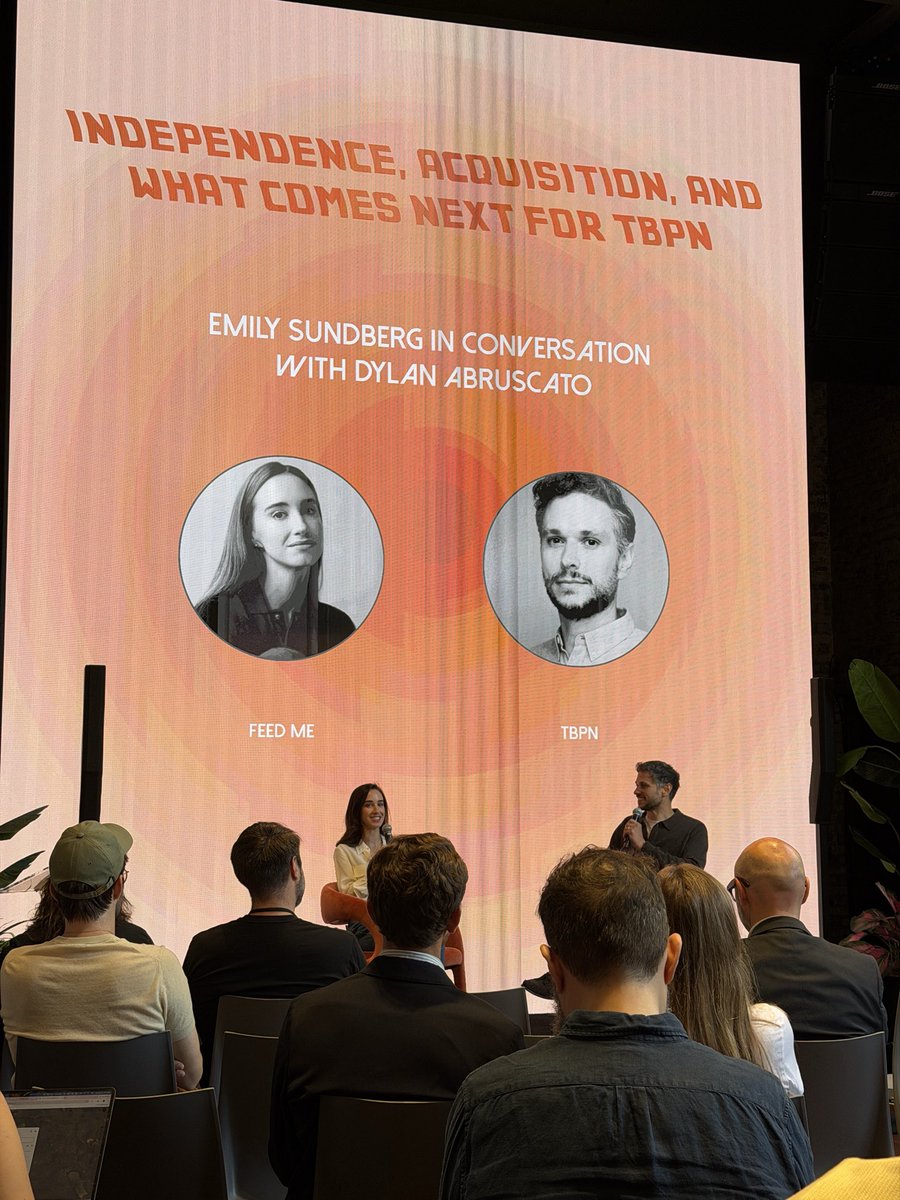
Scaled annual revenue from $5 million to $35 million in months with F1 pitch to advertisers. Category exclusivity. Live ad read. You can't fast forward live. End card on all X clips .
50 days from initial email to close on OpenAI deal. Unique deal due to advisory component. Work on OpenAI comms after show every day. - @tbpn Dylan Abruscato
3
569
May 27
if the city of San Francisco passes Prop D I actually may have to move away
21
47
24,759
May 25
I think giving up social media would be wise for most ppl bc wtf is this insanity

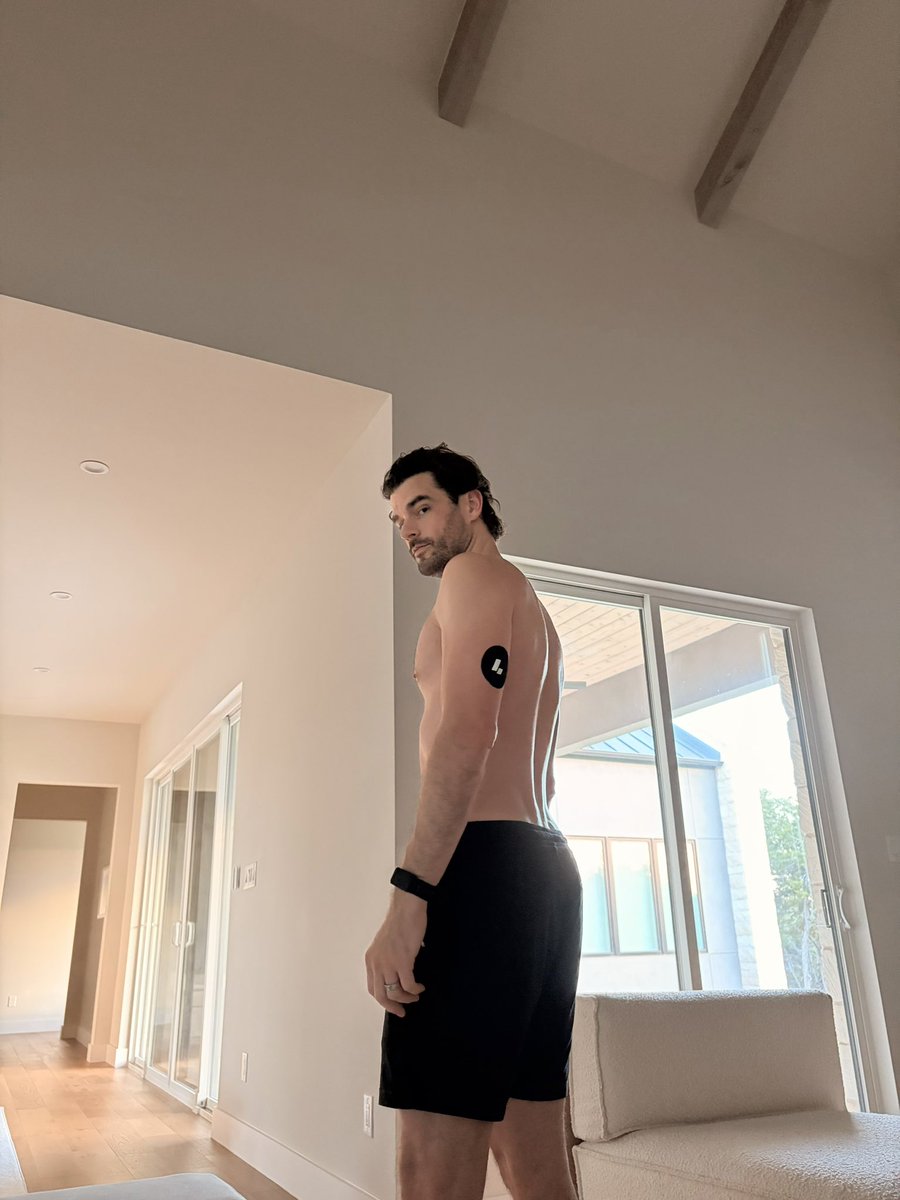
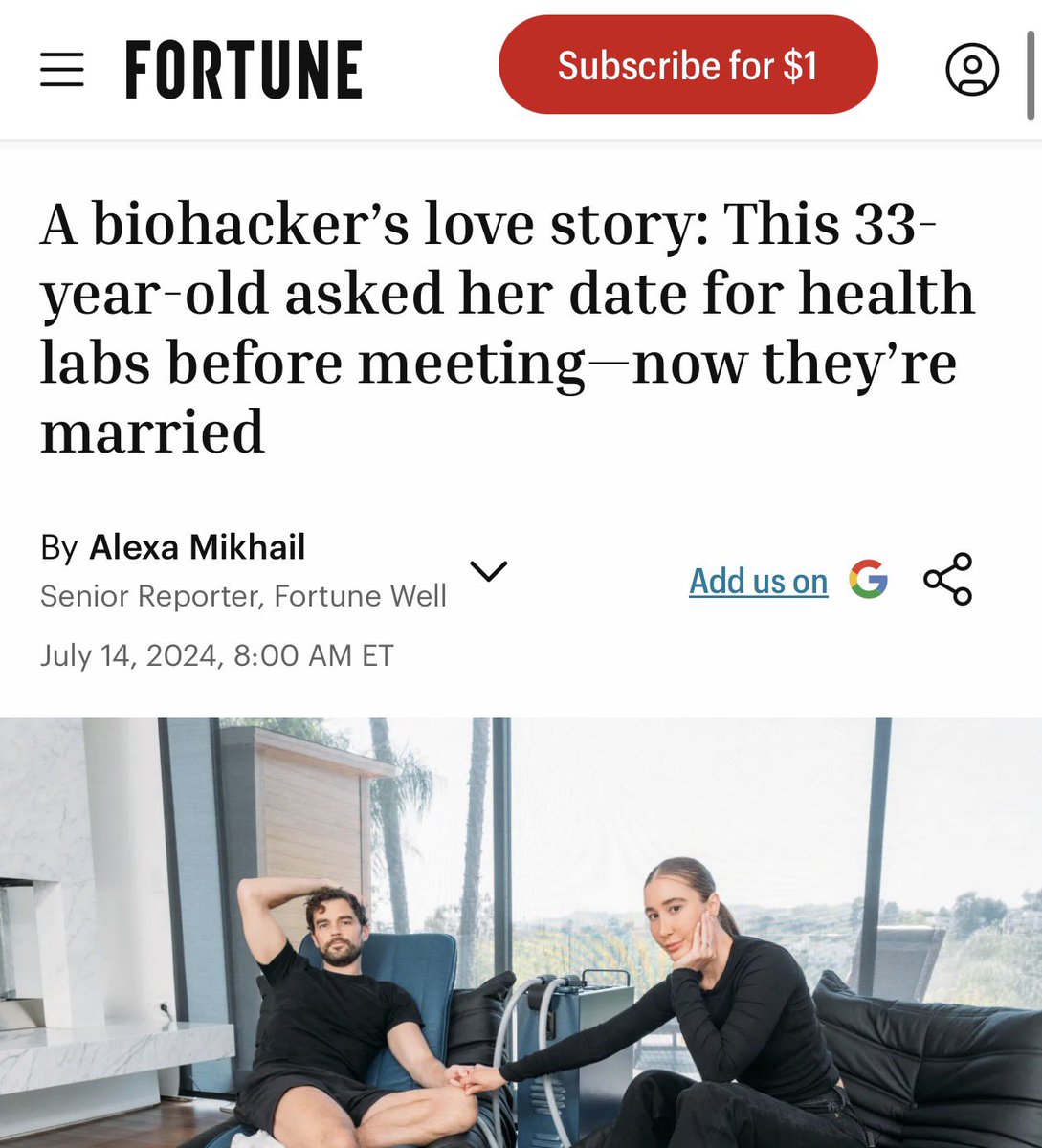
Also, my husband and I do longevity together, before our first date I sent him 7 labs, we had our first date in an HBOT chamber…he was already healthy before we met but we do this all together. He’s currently building our company so he has slightly less time for protocols, but he’s all in on being the healthiest possible. I’m our “chief health officer” and the media reported on us years ago about being the healthiest couple on the planet. Here’s him last night, I just put on our new set of CGMs. Doing this with my husband is the best ever, it’s our love language.


7
1,889
May 22
If you have table side service it is not fast casual
May 21

Chili's is the best fast casual restaurant in the world and it's not even close
2
1,852
May 21
every time we ship something I get to say "this is the coolest thing i've worked on" and here we are again!
directed this shoot and launch w my formidable pals @chriswitmer @LindsayGilson @meisoffline
May 21

Browserbase saves @tryramp's customers over 50,000 hours of manual work every year.
Together, we co-built Ramp's procurement agent and became the first customer.
15
2,356
May 20
is it time for me to confess that I can’t tell the difference between @signulll @IterIntellectus and @sporadica
2
11
1,925
May 19
Have heard such horrible things about this product so I’m a little amused by this but you know what!! Take the money! Pay yourself a ridiculously high wage, put that shit in the s&p and let it cook
May 19

Today, we’re announcing Viktor’s $75M Series A, led by @Accel .
@viktor__com was supposed to be a small experiment.
It became the AI coworker 10x'ing real businesses.
$15M in annualized revenue run rate. In 10 weeks.
– Small companies saving millions of dollars
– Sourcing hundreds of thousands in new revenue in their first 30 days
– Whole teams getting half their week back
– Companies running 40% leaner without cutting output
Viktor is not another AI tool.
It’s the first true AI employee.
The vision that has been with us since 2023 when we started the company has finally been shipped.
Back then, it was just the two of us, with a very small but dedicated team, iterating for years. Failing multiple times.
Showing products that users didn't even want to test!
But we never gave up.
Our decisions were often wrong. Certainly more often than not! We kept trying.
Now we’ve shipped something people love.
Worth every sleepless night. Every sacrifice.
The best employees don’t need to be told what to do.
Neither does Viktor.
Grateful to @Accel, our team, our earliest users, and everyone who believed this category could be bigger than chat.
Community note
Viktor operates a creator program paying users up to $2000 per promotional post on X that includes real product screenshots, with no requirement to disclose the payment. getviktor.com/creators
3
9
2,521
May 19
Something I find so funny about this discourse is that the permanent underclass has existed in these circles forever.
It’s called the middle class.
You can have some stuff. But you are never free. There is always more to want and need.
May 18

Since every single weekend conversation has been about this, let’s play the thought experiment out…..
Assume there is an overclass and assume there is a permanent underclass
What can the overclass actually take away from you?
1.) They can buy “scarce” convenience.
They can buy the shorter commute, the better doctor, the nanny, the assistant, the cleaner, the person who handles the annoying logistics of being alive
Doesn’t mean they feel more alive
2.) They can buy time.
Money lets you turn friction into someone else’s labor: childcare, delivery, drivers, admins, fewer errands
3.) They can buy optionality.
They can quit thier shitty job, move cities, take risks, leave bad bosses, and wait for the right thing instead of taking the first available thing. They basically have more margin for error
4.) They can have access to Geo’s like SF n nyc
Rents are going up by egregious amounts. Salaries are not rising enough to compensate so people that were fine are moving out / giving up dreams
5.) They can buy peace of mind. Money can buy protection from insane rent increases, medical emergencies, job loss, bad months, family crises, legal problems…they get 100x more buffer.
6.) They can buy status and material goods
The house in menlo, private schools, cars and clothes. The rich can buy the status thing (sometimes) but they do not permanently control what becomes status ESP IN SF…
So yes, the “overclass” can buy more buffer: more convenience, time, optionality, geography, insulation, and status. However if you can name the thing you are actually afraid of losing, you can start building toward it.
Not everything the overclass has is worth wanting, but time, stability, optionality, community, proximity to opportunity might be. Figure out which one you actually want.
And remember they cannot monopolize joy, taste, friendship, beauty, aliveness, or the reasons life is worth living aka the whole human experience
2
5
1,496
May 19
In many car first municipalities parents can be arrested for letting their child walk unaccompanied anywhere, which I think is ridiculous

Your CITY is NOT "walkable" until it is safe enough for an UNACCOMPANIED elementary schooler to take the shoelace express from city limits to downtown. If it's not walkable for an 8 year old child, it's not walkable at all. Is this standard too high for you? Too difficult?
1
1
594