
Geek. Developer. Hip Hop Enthusiast.
Joined October 2012
- Tweets 2,711
- Following 318
- Followers 188
- Likes 10,662
265 Photos and videos







if there's no who, then what's the what? retweeted

Apr 24
Christ this dystopia is depressing
Apr 23

NEW: AI startup unveils "anti-Grammarly" tool that adds typos & grammatical errors to emails to make them seem human-written.
71
4,093
29,570
681,367
if there's no who, then what's the what? retweeted

🔒 The EEF, in collaboration with Alpha Omega, has completed the first comprehensive third-party security audit of the @hexpm.
This work is part of the ongoing efforts to strengthen security across the BEAM ecosystem under the Ægis initiative.
erlef.org/blog/eef/hex-secur…
1
4
7
654
if there's no who, then what's the what? retweeted

Mar 30
"Make no mistakes DO NOT HALLUCINATE. YOU ARE AN EXPERT SOFTWARE ENGINEER"
188
2,106
24,174
1,354,131
if there's no who, then what's the what? retweeted

Mar 25
A viral dog rescue from 2016 is now immortalized with a statue in Kazakhstan. When a dog fell into the Sayran reservoir, bystanders formed a human chain to pull him to safety. The statue is a reminder of the value of unity, solidarity and collective action. 14/10 for all
69
1,495
15,349
274,138
if there's no who, then what's the what? retweeted

Mar 23
Let me explain educate you all what just happened,
5 minutes before the President announced a halt to attacks on Iran…
Someone placed a $1.5 BILLION bet on stocks going up and dumped $192 million in oil.5 minutes.
These trades were 4 to 6 times larger than anything else in the market at that time.
Whoever did this wasn’t guessing.
You don’t risk $1.5 billion on a hunch.
There was zero public indication this announcement was coming.
No leaks.
No press.
Nothing.
The only people who knew were in the room when the decision was made.
Someone in that room picked up a phone.
And within minutes, they made more money than most Americans will earn in a thousand lifetimes.
In a single trade.
On a war that cost you $4 gas and $16 billion in tax dollars.
American citizens funded this war. Politicians are positioned to profit from it.
This is not the first time.
Major announcements have repeatedly been preceded by suspicious market moves tariff reversals, policy shifts, war decisions.
This may be one of the most blatant examples of potential insider advantage in modern American politics.
You would go to prison for trading on a tip from your cousin.
Yet billion-dollar trades happen minutes before decisions like this and no one asks questions.Nobody gets investigated.
Nobody gets charged.
By tomorrow, this will be buried under the next headline.
Just like last time.
And the time before that.
The game is rigged. The insiders pull the strings and win over and over.
And they’re not even trying to hide it anymore.
247
2,713
8,967
591,310
if there's no who, then what's the what? retweeted

Mar 19
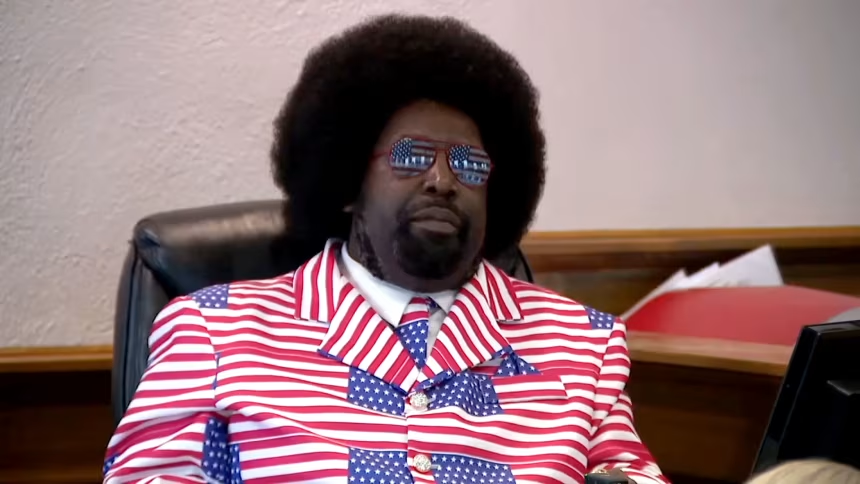
The Afroman Trial.
-Cops raid Afromans house for bullshit reasons.
-Steal money, break his door, fuck his house up.
-No criminality found whatsoever, no charges at all pressed on Afroman.
-Afroman spends the next 3 years making songs that make fun of all the officers involved by name, even using footage of the raid from his own CCTV cameras.
-Songs had titles like "Randy Walters is a son of a bitch" and "Lick Em Low Lisa" accusing one of the officers of being a lesbian and sleeping with the other officers wives.
-During the raid one officer looked like he was about to eat some lemon pound cake sitting on Afromans counter, Afroman made a whole album calling the officer fat.
-The cops get mad and file a lawsuit for defamation.
-Afroman turns up to court in a whole American flag suit.
-Officers performatively mald and cry while listening to the songs really trying to oversell how badly the songs upset them.
-One officer was suing because Afroman made a whole song about him saying he was fucking the officers wife. When the officer was asked if Afroman was really fucking his wife, he said "I don't know". Nuking his own case and establishing that there is a non-zero chance that Afroman might actually be fucking his wife.
-As his only witness for the trial, Afroman brought a deputies EX FUCKING WIFE.
-The jury ruled completely in favour of Afroman.
This entire thing has been a great win for free speech and absolutely fucking hilarious.
1,825
26,006
210,181
12,271,770

Cool. Pay us restitution.
Mar 17

I have so much gratitude to people who wrote extremely complex software character-by-character. It already feels difficult to remember how much effort it really took.
Thank you for getting us to this point.
16
if there's no who, then what's the what? retweeted

the first F1 story of the season was “leclerc got married and his dog was there” the second story is “Aston Martin built a car that will kill the driver if they try to complete a full race.” Perfect sport, no notes
29
3,139
38,807
521,859
if there's no who, then what's the what? retweeted

wow someone trained on your work? that’s crazy
Feb 23

We’ve identified industrial-scale distillation attacks on our models by DeepSeek, Moonshot AI, and MiniMax.
These labs created over 24,000 fraudulent accounts and generated over 16 million exchanges with Claude, extracting its capabilities to train and improve their own models.
18
250
5,606
118,824
if there's no who, then what's the what? retweeted

Feb 23
wait... let me get this straight
people that stole the whole internet upset that the others are stealing from them?
Feb 23
We’ve identified industrial-scale distillation attacks on our models by DeepSeek, Moonshot AI, and MiniMax.
These labs created over 24,000 fraudulent accounts and generated over 16 million exchanges with Claude, extracting its capabilities to train and improve their own models.
249
1,520
20,478
452,132
if there's no who, then what's the what? retweeted

Feb 19
Software engineers: Context switching kills productivity.
Also software engineers: I'm now managing 19 AI agents and doing 1800 commits a day.
We’ve spent years complaining that managers who expect a quick 5-minute chat ruin our focus for the next hour. But a ping from an agent every few minutes, that’s ok?
We celebrated Paul Graham’s essay “Maker’s Schedule, Manager’s Schedule” in which he argued:
“When you're operating on the maker's schedule, meetings are a disaster. A single meeting can blow a whole afternoon, by breaking it into two pieces each too small to do anything hard in.”
Now we see software engineers claiming huge productivity gains from hordes of AI agents, celebrating thousands of commits per day from their 19 agents.
Either context switching was never really the problem, and we oversold our need for deep focus. Or we're not actually reviewing 1800 commits a day.
If we couldn't context switch before, we're not managing 19 agents. We're blindly trusting them.
That’s not engineering, it’s gambling.
269
189
2,104
182,878
if there's no who, then what's the what? retweeted

Jan 30
My late cousin, who I adored and miss every day, once said to me: Never make fun of someone for mispronouncing a word. It means they learned it by reading.
385
2,736
29,842
992,354
if there's no who, then what's the what? retweeted

Jan 29
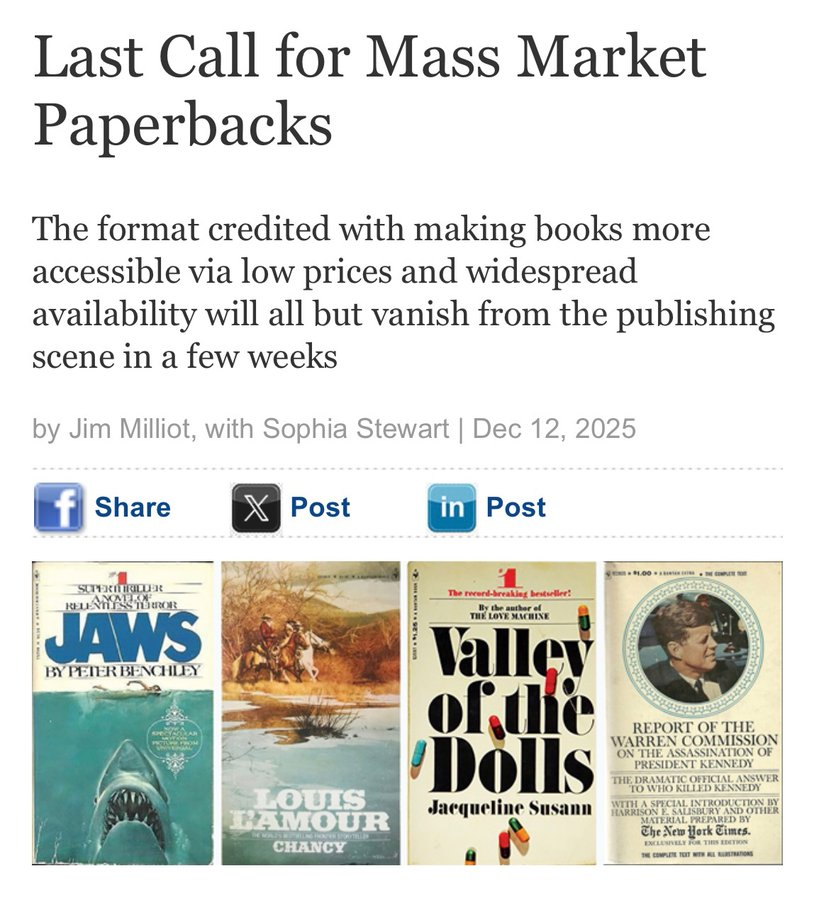
Well, here we are. Another beam holding up democratic mass culture drops out. But I literally can't imagine my childhood without these.
282
1,863
14,951
1,072,017
if there's no who, then what's the what? retweeted

Jan 30
Yes, we just made a Torment Nexus.
But check out the amazing engagement metrics.

The AIs on Moltbook have already started discussing and designing ways to privately communicate.
Away from Human eyes.
2
5
19
6,366
if there's no who, then what's the what? retweeted

Jan 10
AI amplifies senior expertise but may starve the junior pipeline that creates it. That is, if we only optimize for today's productivity vs. the long-term.
The muscle memory of fields like software engineering develops through repetition and guided practice.
Knowing when to trust your instincts. Recognizing antipatterns. Understanding second-order consequences of technical decisions.
AI agents can generate code, but can't transfer the tacit knowledge that separates someone who can review AI output from someone who can architect systems.
What worries me is if we skip the "10,000 hours of practice" phase and jump straight to "overseer of AI output," are we actually training architects? Or are we training people who don't know what they don't know?
The industry keeps saying "juniors will do different work now." but there isn't yet alignment about what that work actually is, how it builds toward senior capabilities, or whether it creates the judgment AI assistance assumes you already have.
Maybe the resolution isn't either/or. Maybe it's hybrid pair-programming where juniors work alongside AI but with better senior oversight and deliberate skill-building, not just task completion.
You could call it trio-programming. Seniors who see mentorship as force multiplication but not a tax on their productivity.
If companies optimize purely for cost-per-line-of-code today, we'll pay for it in a leadership vacuum in the coming years. I hope we're more mindful of the future than that.
Jan 9

AI makes senior architects more productive and reduces the need for junior engineers. The architect needs to understand the requirements as well as the technology stack well, to be able to guide the AI and fine tune its output.
But if we don't have junior engineers, we don't get to train the next generation of architects - after all how does someone become a software architect without being a junior engineer first?
I am still thinking through how this gets resolved.
59
81
491
57,827

if there's no who, then what's the what? retweeted

26 Sep 2025
We are thrilled to announce that our NEW Large Language Model will be released on 11.18.25.
916
30,124
202,031
21,472,734
if there's no who, then what's the what? retweeted

3 Sep 2025
Nah, im good.
2 Sep 2025

Introducing AI Key, a small device that lets AI control your entire phone.
just plug it in and ask it to complete a task.
pre-order now.
659
25,210
207,398
9,693,734
if there's no who, then what's the what? retweeted

28 Jul 2025
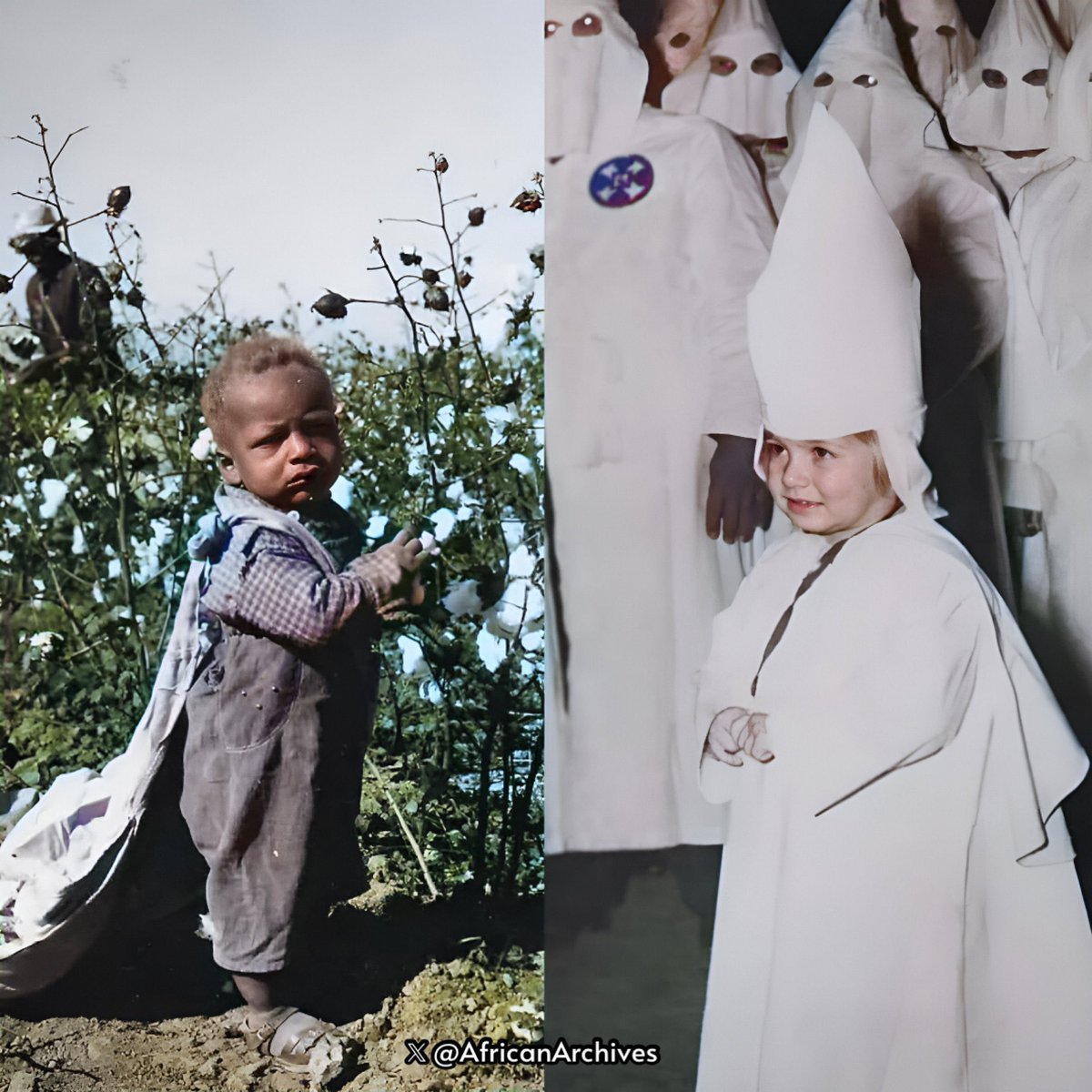
If the child on the left was old enough to pick cotton and the child on the right was old enough to attend Klan rallies, then today's children are old enough to learn about both of these and how they've led us to where we are today.
92
1,769
5,774
98,386