
District Manager @BrooklynCB12. Former Deputy Chief of Staff for @NYCGreenfield at @NYCCouncil. Posts are my views only.
Joined July 2011
- Tweets 2,366
- Following 789
- Followers 1,798
- Likes 856
396 Photos and videos


Pinned Tweet

4 Jun 2020
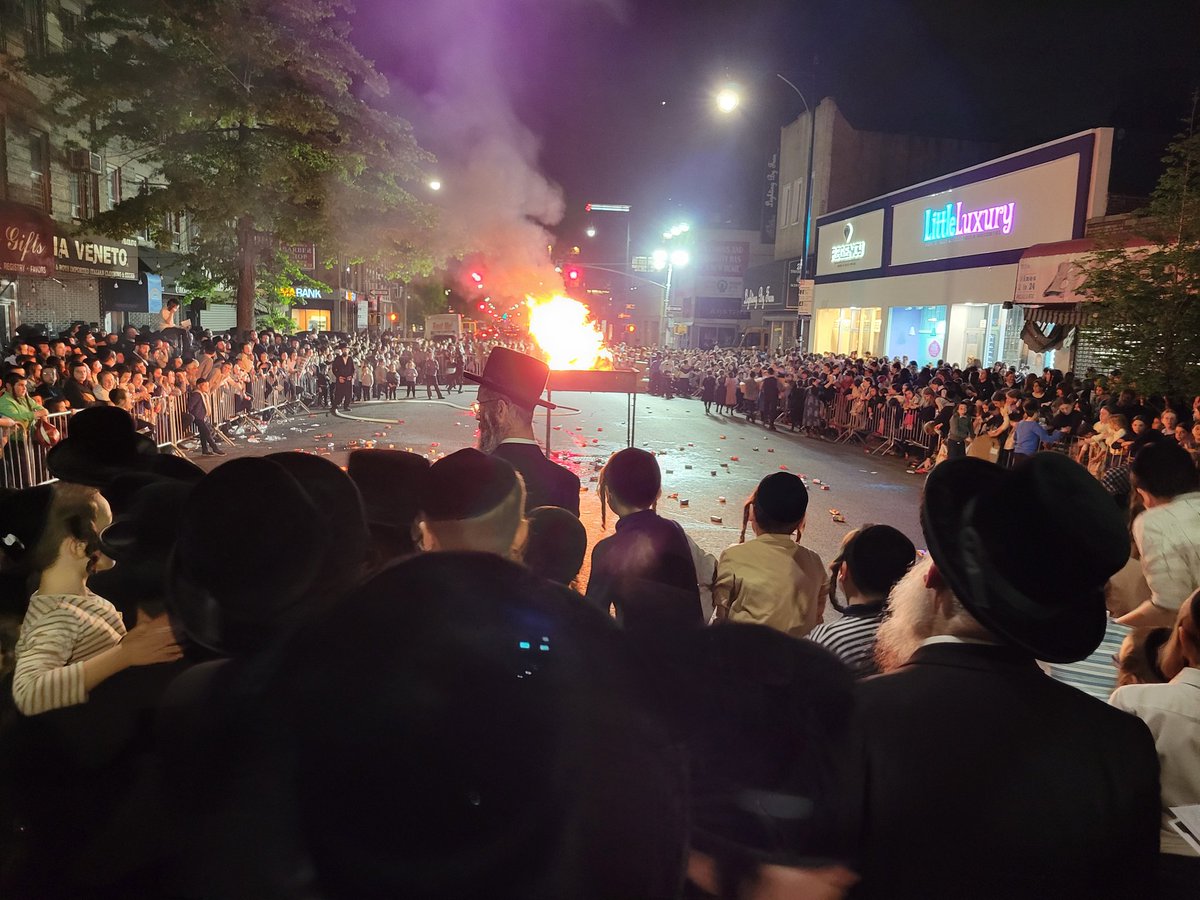
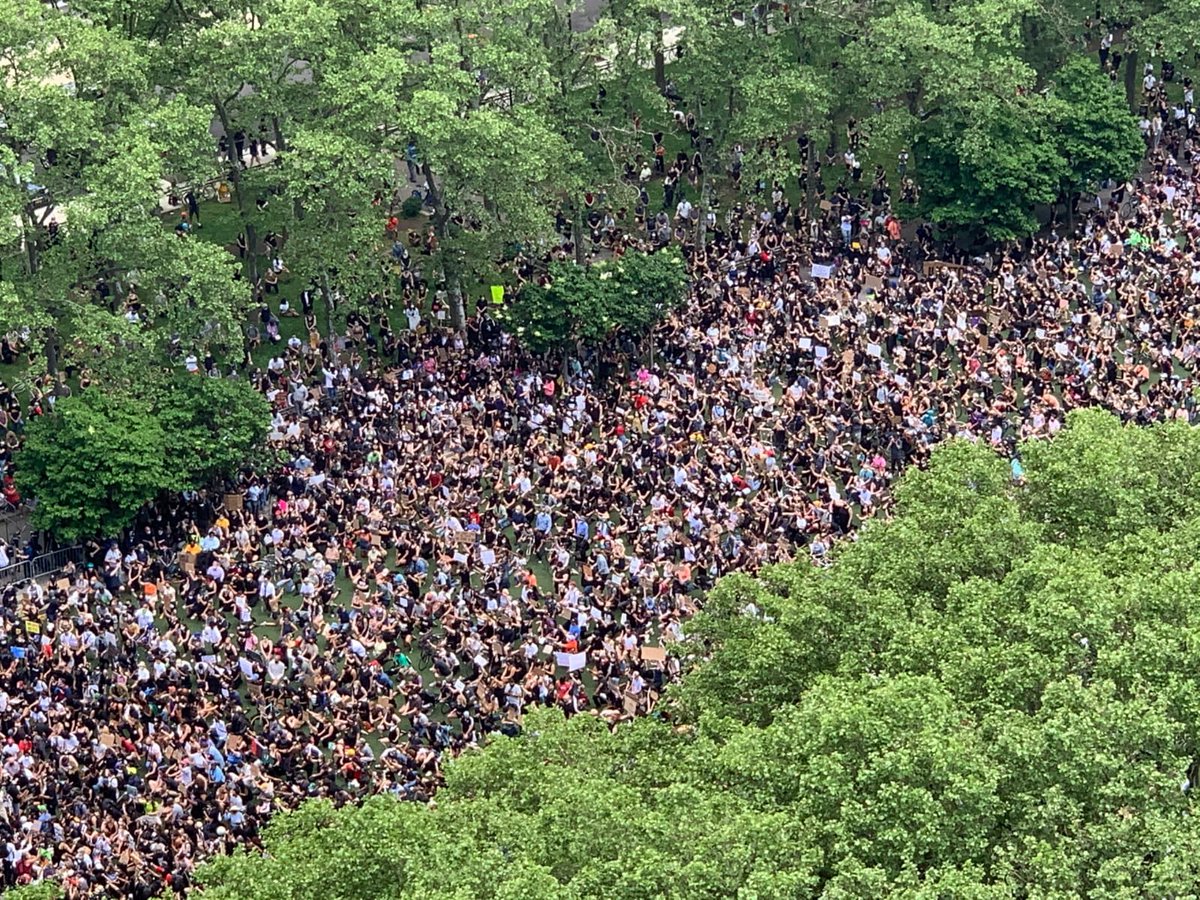
I don't want to ever hear another word about a Jewish wedding, funeral, open yeshiva, or open store - ever!
15
77
314
Barry Spitzer retweeted

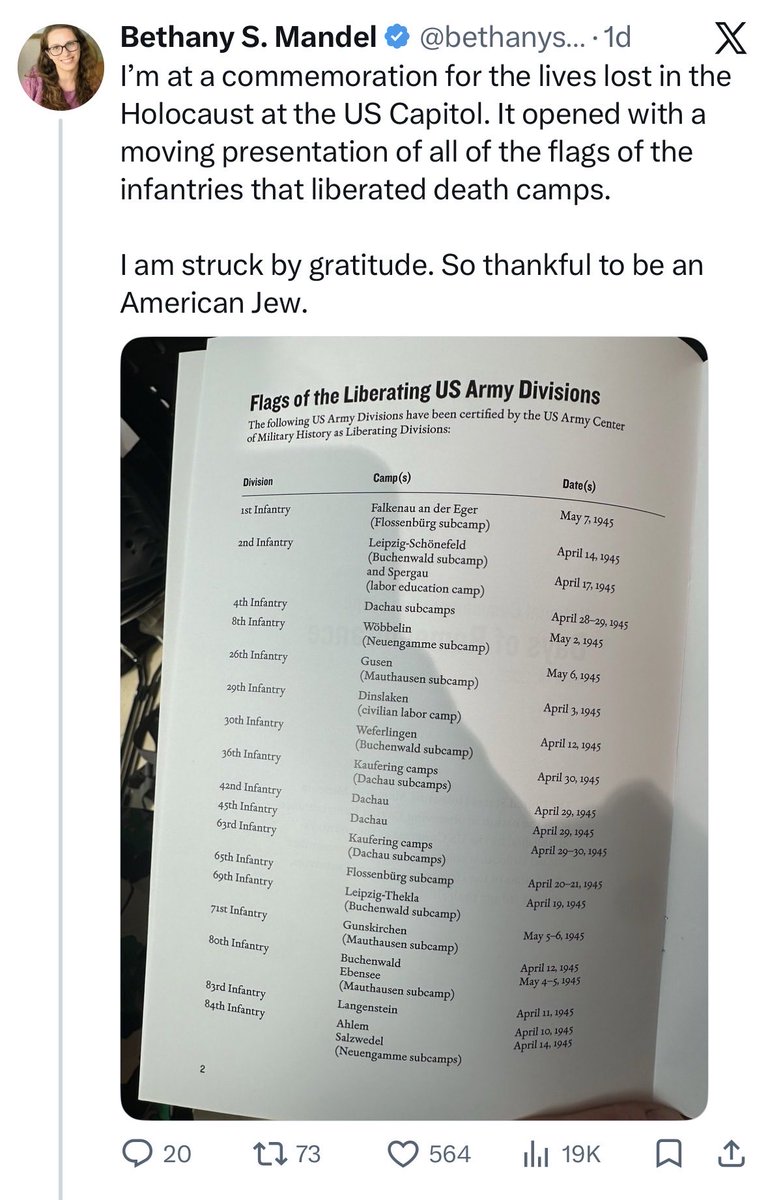
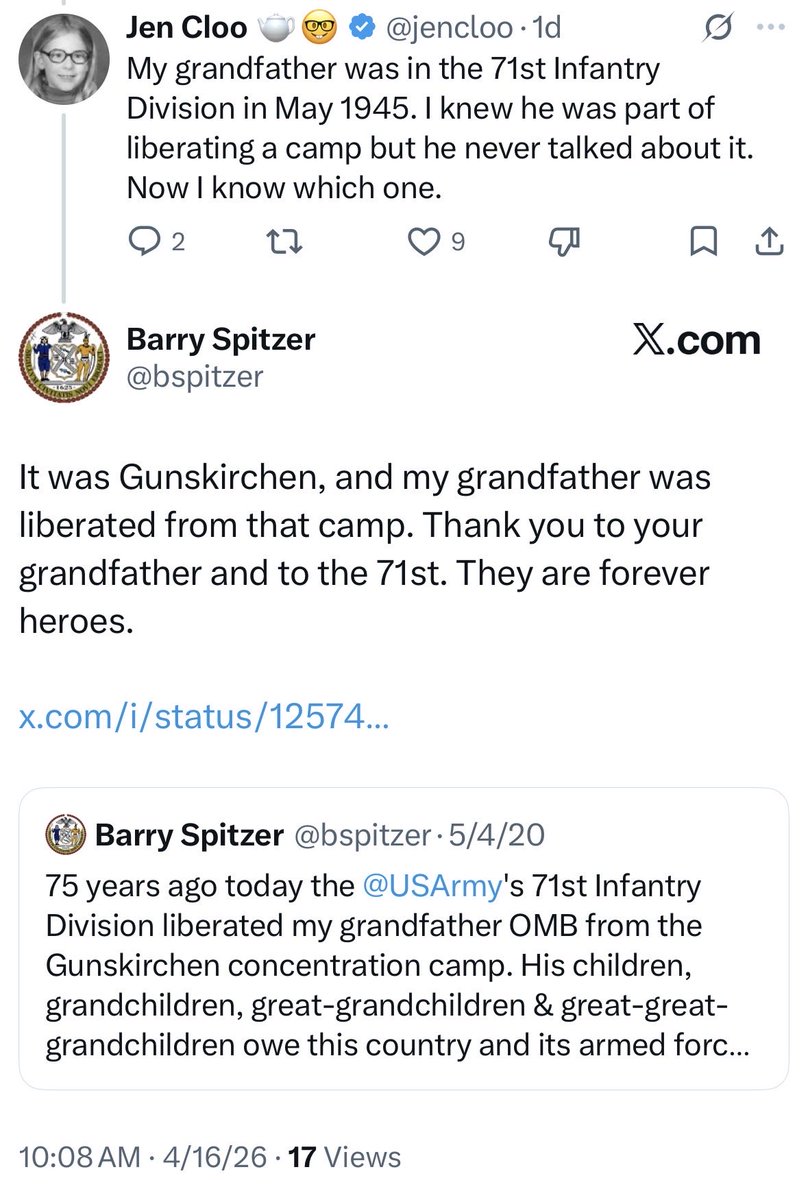
Twitter sometimes can suck. But sometimes it helps people realize things like their grandfather liberated a concentration camp and someone else pipes in that *their* grandfather was liberated from that very camp.
58
467
3,715
69,672
Apr 5
Interesting caveat I heard from more than a few people this Passover season. They will absolutely not accept charity but feel comfortable taking from @MetCouncil. Great job, David. You made it possible for numerous families to have a "Freilichen" Pesach.

Thanks to the over 100 staffers, 800 volunteers, 1,000's of donors and 55 elected officials who helped make this happen, with an assist from AI.
Chag Sameach & Happy Passover!
x.com/MetCouncil/status/2039…
3
195
Mar 15
A spike of what, pray tell?
Mar 11

After 152% spike, NYPD changes how it reports hate crimes
gothamist.com/news/after-152…
285
Feb 26
Absolutely not. When he sees Americans living in an American town being called invaders just because they're Jewish and his first instinct is to say expose them, he deserves all that's coming his way.
Feb 26

Stop calling Nick an antisemite for his comment. It’s just going to alienate him.
Instead, explain why this comment is dumb and why Tyler is wrong in his video.
What Tyler’s exposing is how we should abolish the welfare state, not fraud. And there are tons of studies showing data on where the most money is going (it’s not to Jewish communities). But explain that rather than calling them antisemites,
1
192
Feb 26
Jews shouldn't have to apologize for living ANYWHERE in the United States and we don't have to 'explain' why it's ok to live wherever we do. That's why I haven't replied with how long my family has been here or how many generations my family has been American. IT DOESN'T MATTER.
76
Barry Spitzer retweeted
Feb 26
Oh, it got to your head, didn't it? So Americans living in an American state need exposing? Is there something scandalous here? You don't know it yet, but believe me, your 15 minutes of fame are already over.
1
2
6
463
Barry Spitzer retweeted

Feb 26
When they attack Israel and speak about it in ways they never speak about any other country, we are constantly told to “have some ability for nuance,” that “anti-Zionism isn’t antisemitism,” and so on.
Now they attack American Jews and call them invaders and fraudsters. Even though these are multigenerational Americans who work hard and pay taxes, we are told again to “have some ability for nuance,” that “we are just focusing on fraud.”
Well, no. That request for nuance goes out the window the moment you notice that no one goes to other American communities to harass random people, label them fraudsters with no receipts, and call them invaders simply because of who they are.
I am an American. My family has been here for close to 100 years. I work hard, provide for my kids, and pay taxes every year. And no, not by buying a camera and harassing people, but by actually contributing to the economy like everyone else. And you have the audacity to call me a fraudster and an invader? Go screw yourself.
24
49
377
17,337
Feb 25
Joel, Tyler is an unadulterated Jew hater & I'm not sure he deserves such an extensive & measured response. I can't imagine the outcry had he gone into any predominantly black neighborhood & called them invaders. He's disgusting beyond measure, but sadly it's open season on Jews.
Feb 25

I have no problem with actual reporters coming to Kiryas Joel, and I regularly speak with them. I've worked with authors, filmmakers, grad students doing research, and cadets from West Point. Those who come in good faith - without a hateful agenda - have always been welcomed into the Hasidic Jewish community.
That's not what Tyler Oliveira did on his visits to Kiryas Joel, Monsey and Lakewood. He showed up on the streets with a microphone, a camera and a clear agenda. He wasn't there to "just ask questions." He showed up to embarrass random people on the streets, to mock them and insinuate that they are doing the wrong thing and committing fraud. "Gotcha journalism" at its worst.
The Jews filmed in Kiryas Joel, Monsey and Lakewood are American citizens, who live, work and study there. These are law abiding residents who were harassed for no other reason than their religion and culture. Every community has detractors, but Tyler makes them a focal point, ignoring or twisting the many positives that exist in tight knit communities.
There was no "invasion" as Tyler insultingly describes it in Kiryas Joel and Lakewood. These are American Jews who choose to live in communities among people who share their values. That's not a crime. It's an economic and demographic reality. In fact, the majority of Jews living in Orange County NY, Rockland County NY, and Ocean County NJ were born there, often over multiple generations.
There is no "blockbusting" here and no one is forced to move out. Homes surrounding these Jewish areas are all voluntarilly sold ABOVE market value, allowing homeowners to take their profit and move to a community of their choosing. Demographic change is as old as America. Let's not pretend that this is a Jewish issue.
Yes, these towns have high birthrates, as Jews try to replace the generation lost in the Holocaust. And yes, those who qualify for government benefits can choose to receive them. But remember, these same people who Tyler mocks for "having children they can't afford," are funding a public school system that their children don't use, because except for special needs pupils, their children attend privately funded religious schools. Yes, Tyler, their taxpayer dollars are used for the benefit of others.
Most significantly, Tyler hasn't uncovered any fraud in these Jewish communities, though his loyal fans seem to think so. All he did was shine a spotlight on people who dress differently, pray differently and think differently than he does. That's not a crime. That's the freedom that this country was built on.
Paradoxically, Tyler accuse the Jews of being too poor in Kiryas Joel and too powerful in Lakewood. But what he really missed was the beauty in all these Jewish towns. Their charity, their volunteerism, their dedication to the less fortunate, and their commitment to living a life of morals and values. It's a shame Tyler edited most of that out from his drive-by hit pieces.
We have always had detractors, and now we have one with a YouTube channel. Yet despite the noise, with G-ds help, Jewish communities in America will continue to grow and thrive.
1
2
321
Feb 18
And they don't have an income tax AND their governor is working to abolish the property tax. Talk about a tale of two cities.

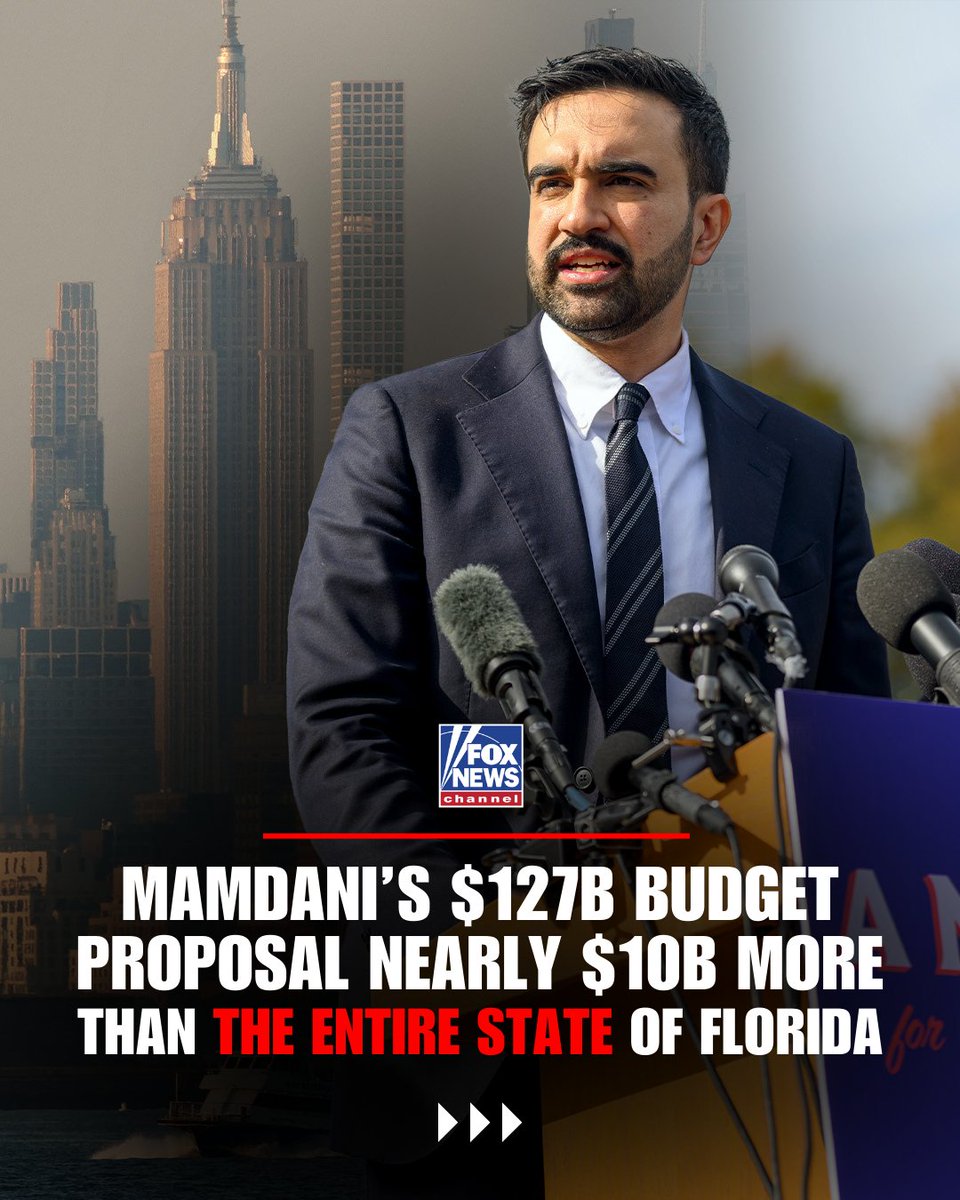
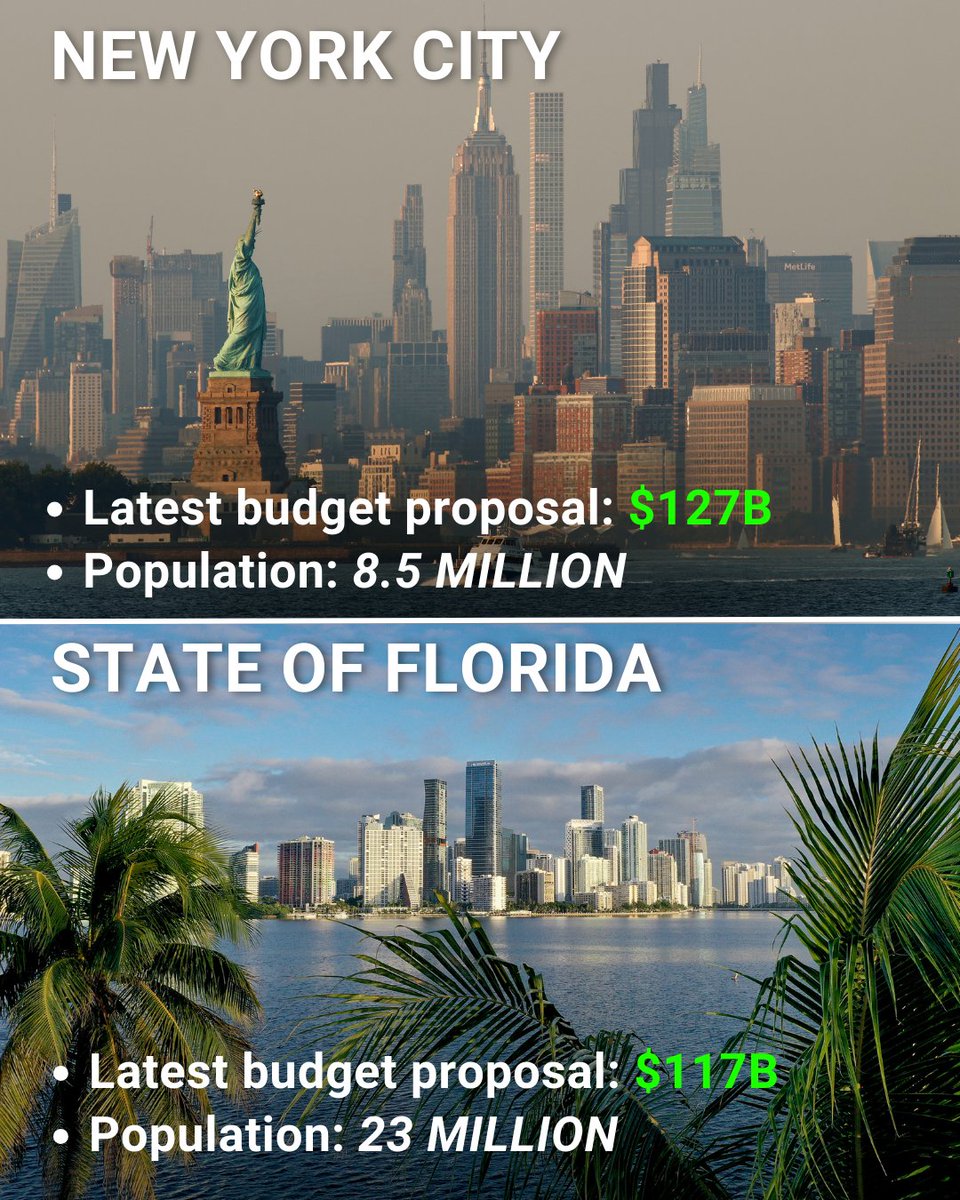
PALM TREES NOT INCLUDED: NYC Mayor Zohran Mamdani’s new $127B proposal for New York City is now nearly $10B higher than the entire state budget of Florida — despite Florida having nearly 3x the population.
122
Jan 29
Time, place, and manner restrictions are not restrictions on free speech. The Supreme Court has long held that reasonable TPM restrictions are constitutionally permissible. There are actually TPM restrictions on demonstrations in front of City Hall (55 RCNY § 10).
Jan 29

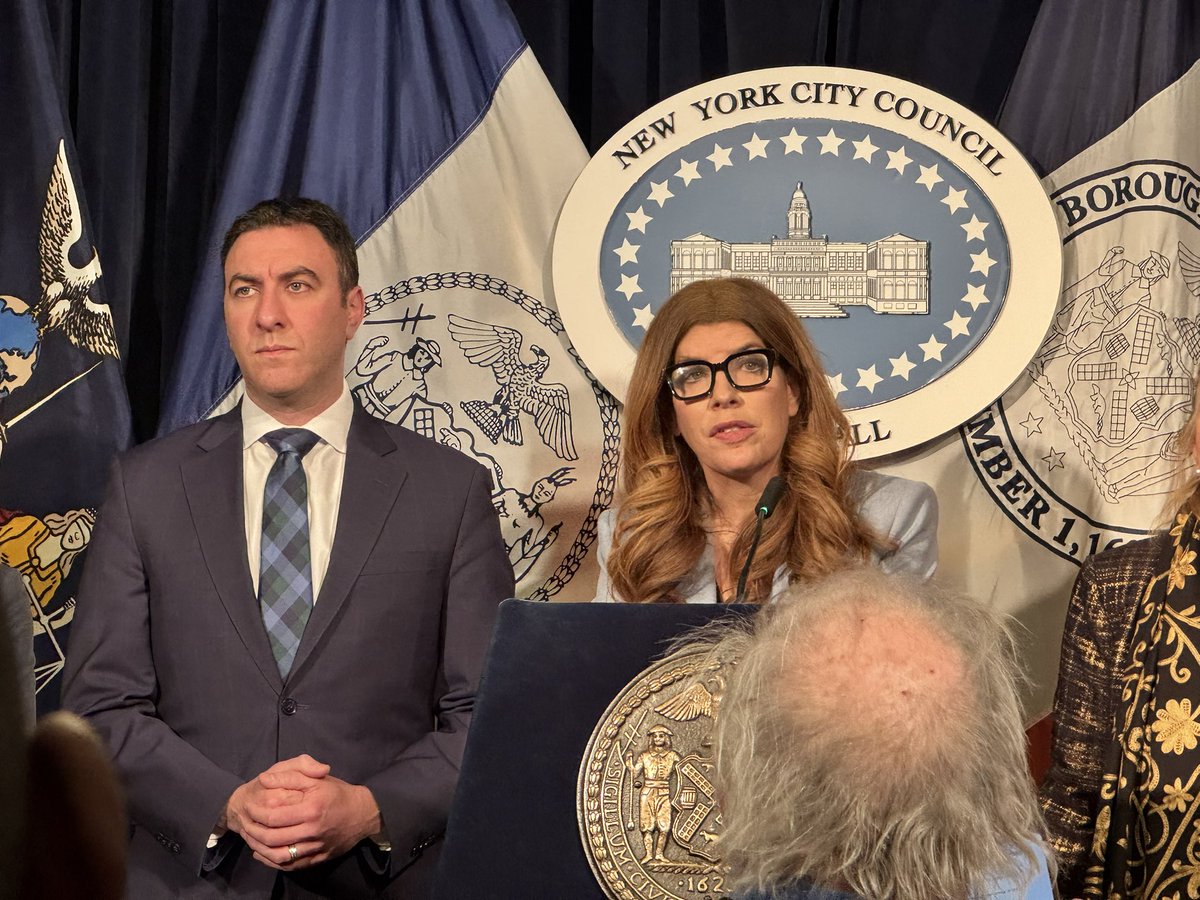
Council Speaker Julie Menin, introducing buffer zones outside synagogues legislation, addresses Mamdani others’ concerns about limiting protests:
“Enforcement is not based on speech or viewpoint. It is based on conduct that endangers others.”
1
112
Jan 21
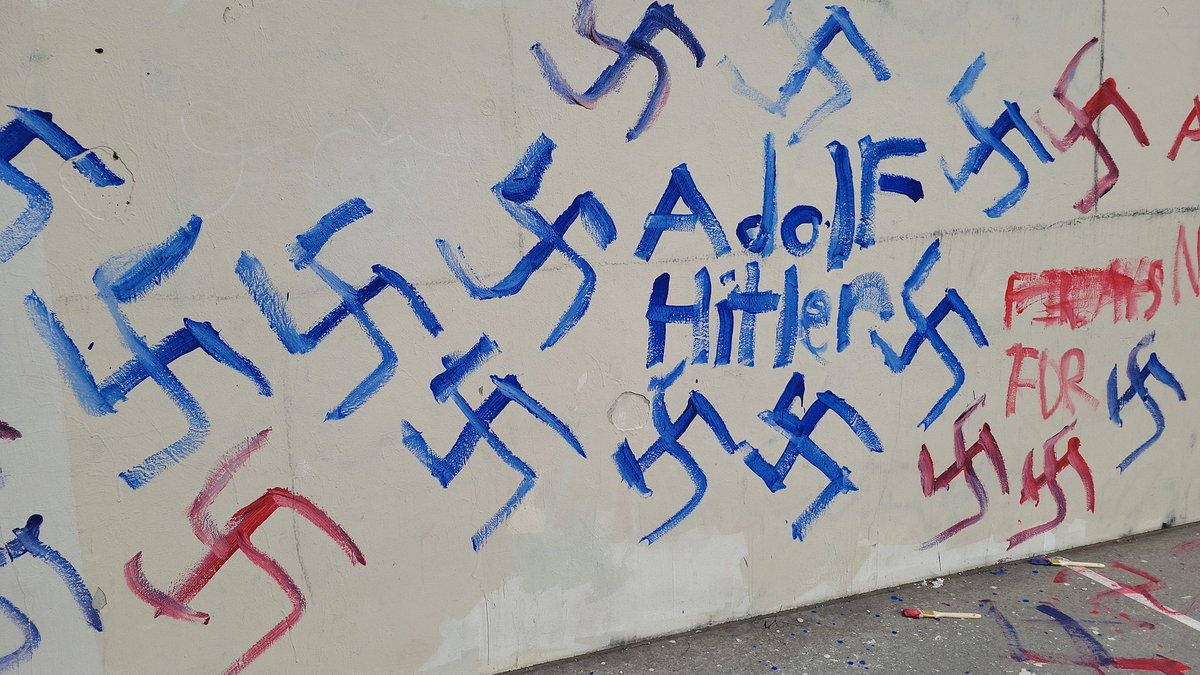
It's sad what's happening in my community. It's sad that on consecutive days I have to see this kind of hate. It's sad that in 2026 this has become the norm. It's sad that stuff like this doesn't even raise an eyebrow anymore. I'm just so tired of being sad.

Same park different day. A day later and this is what happened. We are requesting that @NYPDHateCrimes pull out all the stops to catch these vile Jew haters.
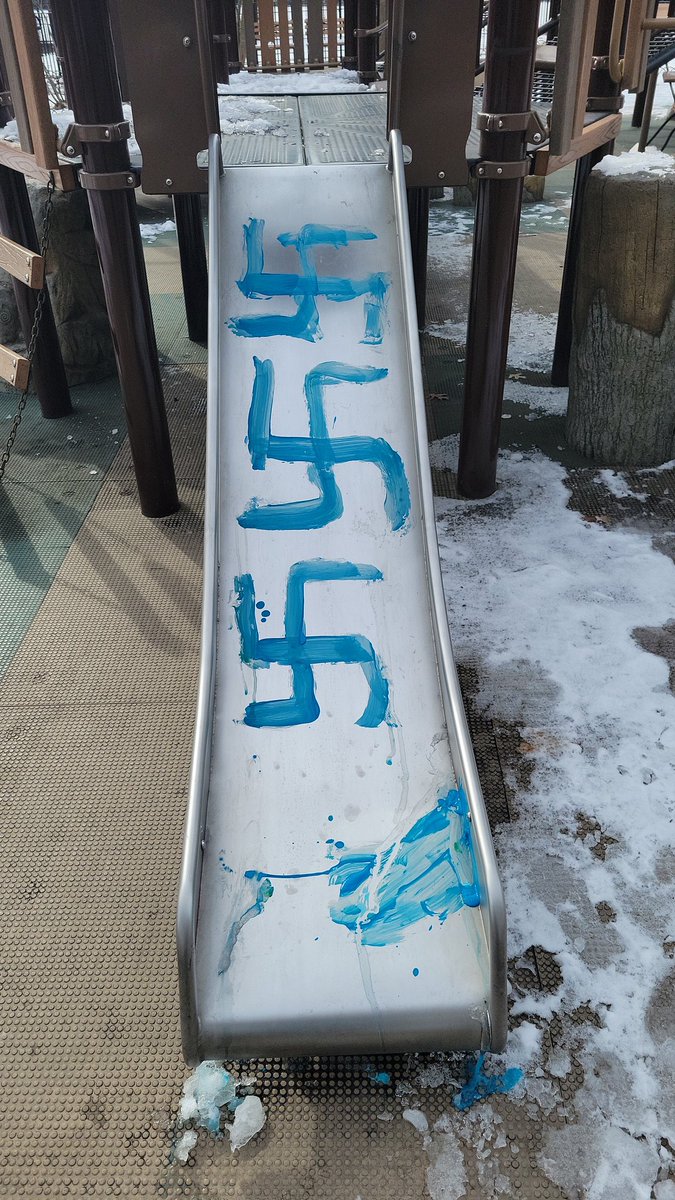
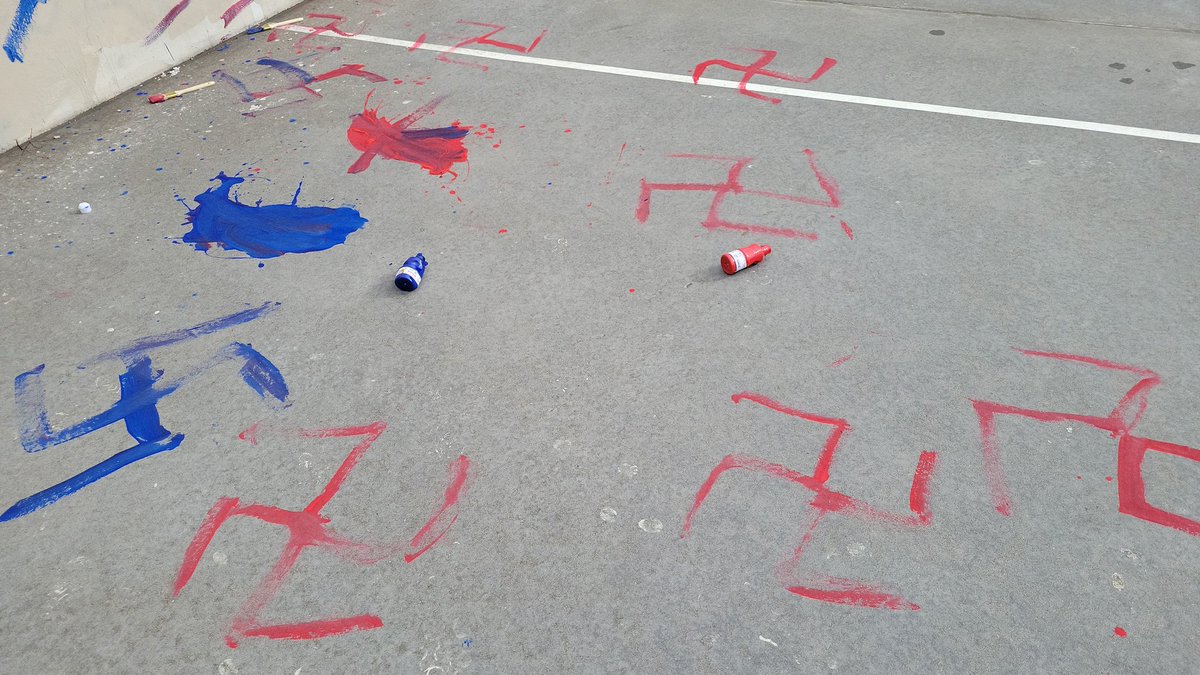
1
1
2
906
Barry Spitzer retweeted
Jan 18
Let me tell you a little bit about Kiryas Joel.
Kiryas Joel was founded in the mid-1970s by Rabbi Joel Teitelbaum, the Satmar Rebbe, as an intentional act of preservation and responsibility. Post-war NYC had become loud, immodest, and chaotic, and he believed that a serious Torah-centered life, especially one focused on raising large families, couldn’t realistically survive there long term. Instead of protesting culture or demanding the city change, the community chose separation and self-governance. They bought land in Orange County and built an entire town from the ground up around shared values.
Homes, schools, shuls, mikvaos, and social institutions were all planned with families in mind. Everything was built within walking distance and oriented around community life.
Today, Kiryas Joel is one of the fastest-growing municipalities in NY. The population is overwhelmingly young. Families are large. Streets are full of children. And there’s essentially no crime. Not low crime. No meaningful crime. No violent crime. No gangs. No carjackings. No muggings. Break-ins are extremely rare. Police presence is minimal because it’s basically unnecessary. Social accountability, shared norms, and strong family structures do what policing often fails to do elsewhere.
Children walk alone. Elderly residents move freely. Parents don’t live in fear. It isn’t enforced by surveillance or force, but by culture.
What truly sets Kiryas Joel apart, though, isn’t just safety. It’s moral infrastructure.
The community is widely known in the Jewish world for adopting children with Down syndrome. The rate of adoption is extraordinary. Families routinely step forward to take in these unfortunate and special children that others might refuse. These children come not only from Satmar families but from Jewish communities across the country. They aren’t hidden. They attend family events. They’re part of daily life. They’re treated with dignity and patience, not pity. In a world that endlessly lectures about inclusion, Kiryas Joel practices it quietly and consistently.
The chesed network is massive and deeply embedded.
Hatzalah operates entirely on a volunteer basis and is completely free. EMTs respond within minutes. No insurance discussions. No billing. No forms mailed later. Lives are saved because that’s the obligation, not because there’s profit involved.
Sha’arei Chemla and Hamaspik are homes and schools for special-needs children, giving them structure, safety, education, and dignity. These aren’t institutions that warehouse people. They’re carefully run environments focused on care, development, and long-term stability. Children who would otherwise be forgotten are raised, educated, and protected in a way most societies struggle to provide, even with massive government budgets.
There are organized chesed groups that drive patients hundreds of miles to major hospitals and specialists, often overnight, often repeatedly, at no cost. Volunteers take days off work, sleep in cars, and do it without recognition. There are medical advocates who sit with families in hospitals, translate medical language, and fight bureaucracies on their behalf, all for free.
Interest-free loan funds help families cover weddings, medical emergencies, housing needs, and business setbacks. Food distribution networks ensure that no family goes hungry, especially before Shabbos and Yom Tov. Clothing drives, furniture exchanges, and emergency response teams operate year-round.
It all runs on trust, obligation, and volunteers.
And this isn’t a community built on poverty or dependency, no matter how some have tried to paint it.
Kiryas Joel produces significant economic output. Many multimillion-dollar companies are owned by people from the community or run by residents who live there. The owners of Mehadrin and KJ Meat are based in the community. Fabuwood, owned by Joel Epstein, grew into one of the largest cabinetry manufacturers in the United States. Akiva Klein, one of the largest Amazon sellers in the country, operates a massive national e-commerce business competing at the highest level of modern retail. Beyond these recognizable names, there are large logistics and trucking companies, national wholesalers, importers, manufacturers, and major real-estate operators with portfolios across New York, New Jersey, Pennsylvania, Florida, and beyond. Together, these businesses employ thousands of people nationwide and move enormous volumes of goods, all while remaining largely invisible to the public eye.
Men work. Women work. Teenagers volunteer. Responsibility starts young. Charity is expected. Family stability is assumed. Elders provide continuity. Young couples receive support. The community plans long term.
Haters will focus on what Kiryas Joel isn’t. It isn’t flashy. It isn’t loud. It doesn’t perform morality for outsiders. It doesn’t apologize for wanting separation, discipline, or a life built around values that aren’t negotiable.
They call it a “closed” town. They call it “segregated,” “backwards,” or “dependent.” They obsess over voting patterns, poverty statistics completely out of context, language, dress, and demographics, while carefully and deliberately ignoring outcomes.
They never mention the absence of crime.
They never mention children walking freely at night.
They never mention families adopting special-needs children no one else wanted.
They never mention volunteer emergency services that arrive faster than most paid departments.
They never mention chesed networks that quietly replace entire welfare bureaucracies.
They never mention businesses employing thousands of people across the country.
But if you judge societies by outcomes instead of aesthetics, the results are hard to ignore.
A town with basically no crime.
Children raised without fear.
An unmatched culture of chesed and good deeds.
Families adopting the most vulnerable.
Economic productivity without chaos.
Social order without force.
You don’t have to agree with their lifestyle.
You don’t have to want to live there.
But taken honestly, without bias, the conclusion is simple.
It works.
250
224
1,437
106,191
Barry Spitzer retweeted
Jan 17
Weird thing to say, especially since you are bullying one of the most peaceful communities in America.
Kiryas Joel has basically no crime at all, so why say something like this? Unless you are hinting at the Mossad, which is still weird, because Kiryas Joel is Satmar, the leading anti-Zionist group, so I doubt the Mossad cares about your video.


60
72
863
36,131
Barry Spitzer retweeted

Jan 18
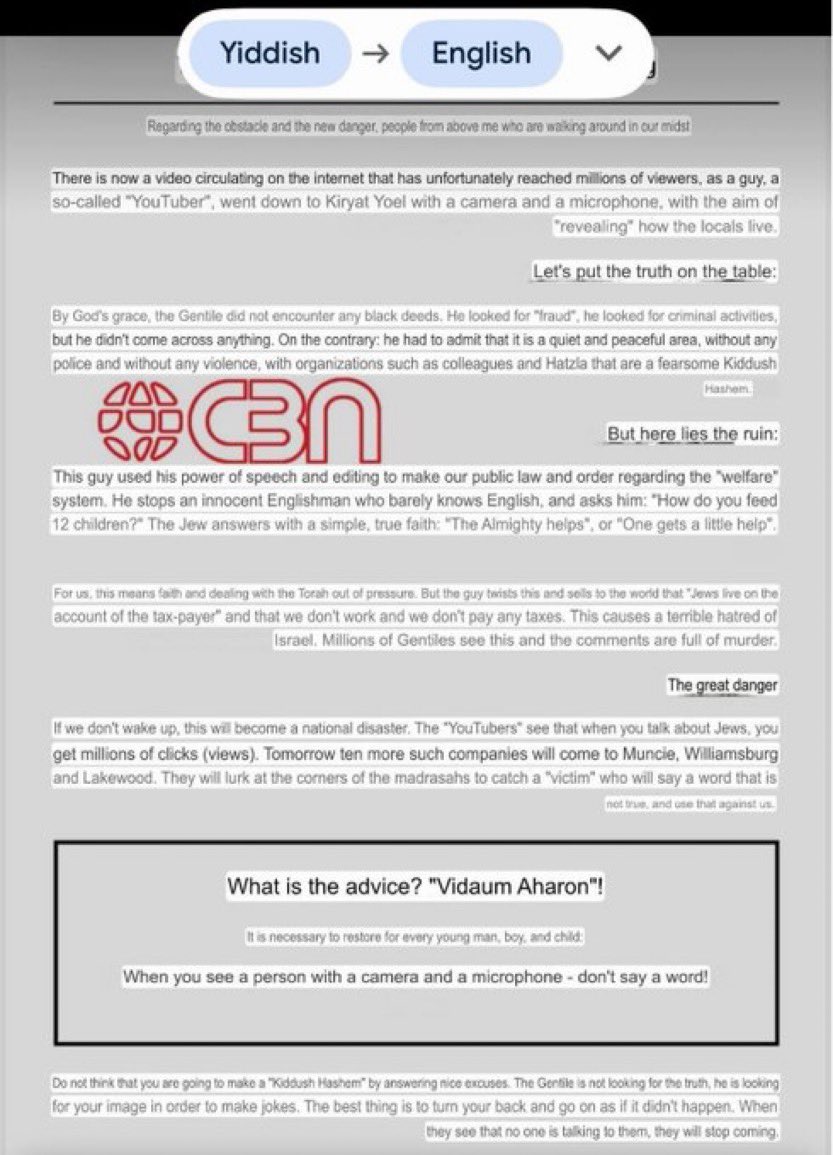
No one is threatening @tyleraloevera now and no one threatened him when he visited Kiryas Joel.
The unsigned Yiddish flyer merely warns people not to engage with anyone holding a camera and microphone, because they're undeniably trying to paint the Hasidic Jewish community in a negative light.
Tyler is not the victim here. He spent a day in a NY Village and ambushed a handful of the 44,000 residents with invasive questions about work and benefits, selectively editing the video to embarrass an entire Jewish community.
Tyler should have shown a little respect for peaceful Americans of faith and not sold his soul for clicks.
103
110
1,063
44,153
Barry Spitzer retweeted

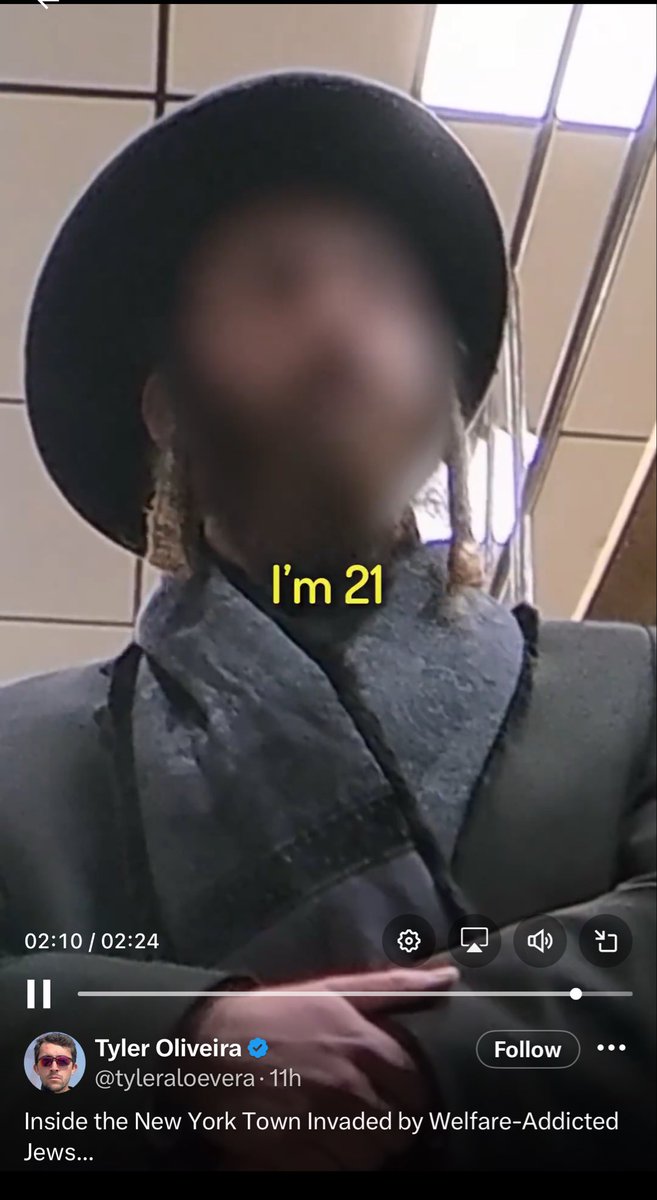
Fact: Moms and dads in Kiryas Joel work hard to support their families.
Obsessing over 21-year-old Chasidic guys studying Torah is a tired, stupid bit.
Why does it bother you that he’s religious
diligent instead of partying in some college?
103
33
608
47,918
Jan 15
Notice how what he's done as a councilmember or borough president or what he'll do as a congressman, didn't even factor into the equation...
Jan 15

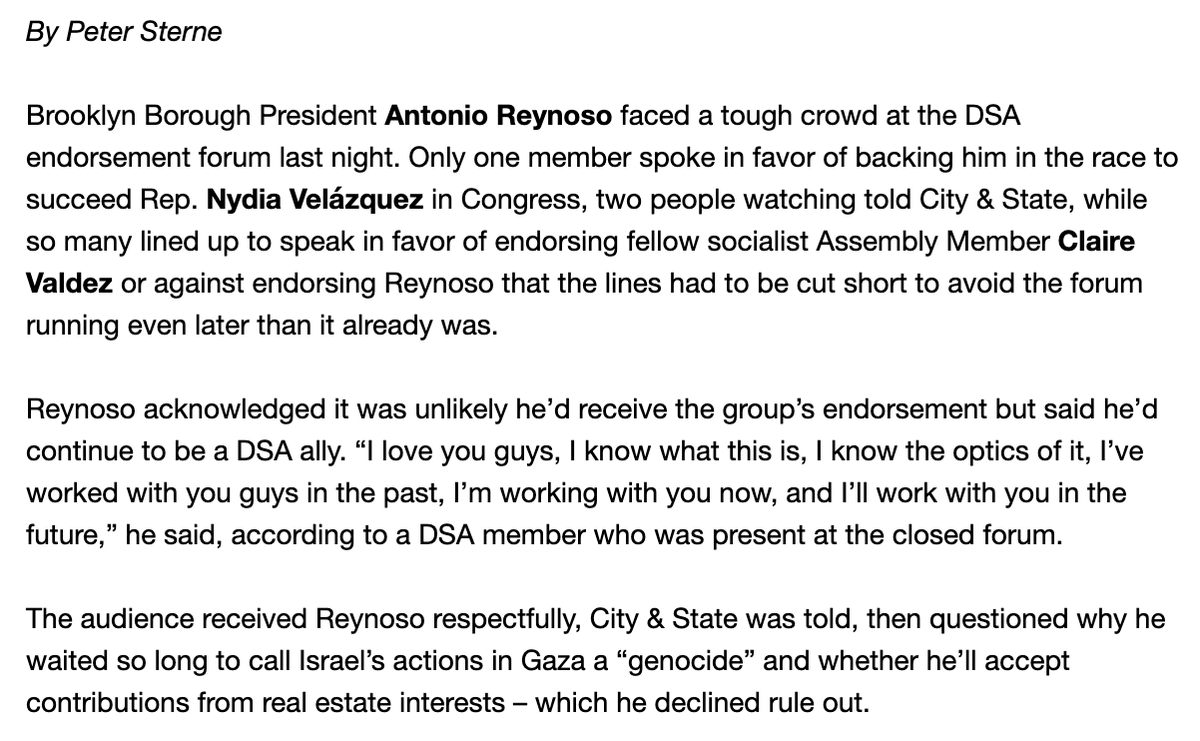
Brooklyn Borough President Antonio Reynoso faced a tough crowd at the NYC-DSA Electoral Working Group's candidate forum last night.
1
168
15 Dec 2025
6 years!!!
15 Dec 2025

🚨 The Australian ABC network reports that Navid Akram, one of the terrorists who carried out the Sydney attack, was on the radar of the Australian Security Intelligence Organisation (ASIO) and that the intelligence agency had been monitoring him for six years due to his connections to an ISIS cell in Australia
85
2 Nov 2025
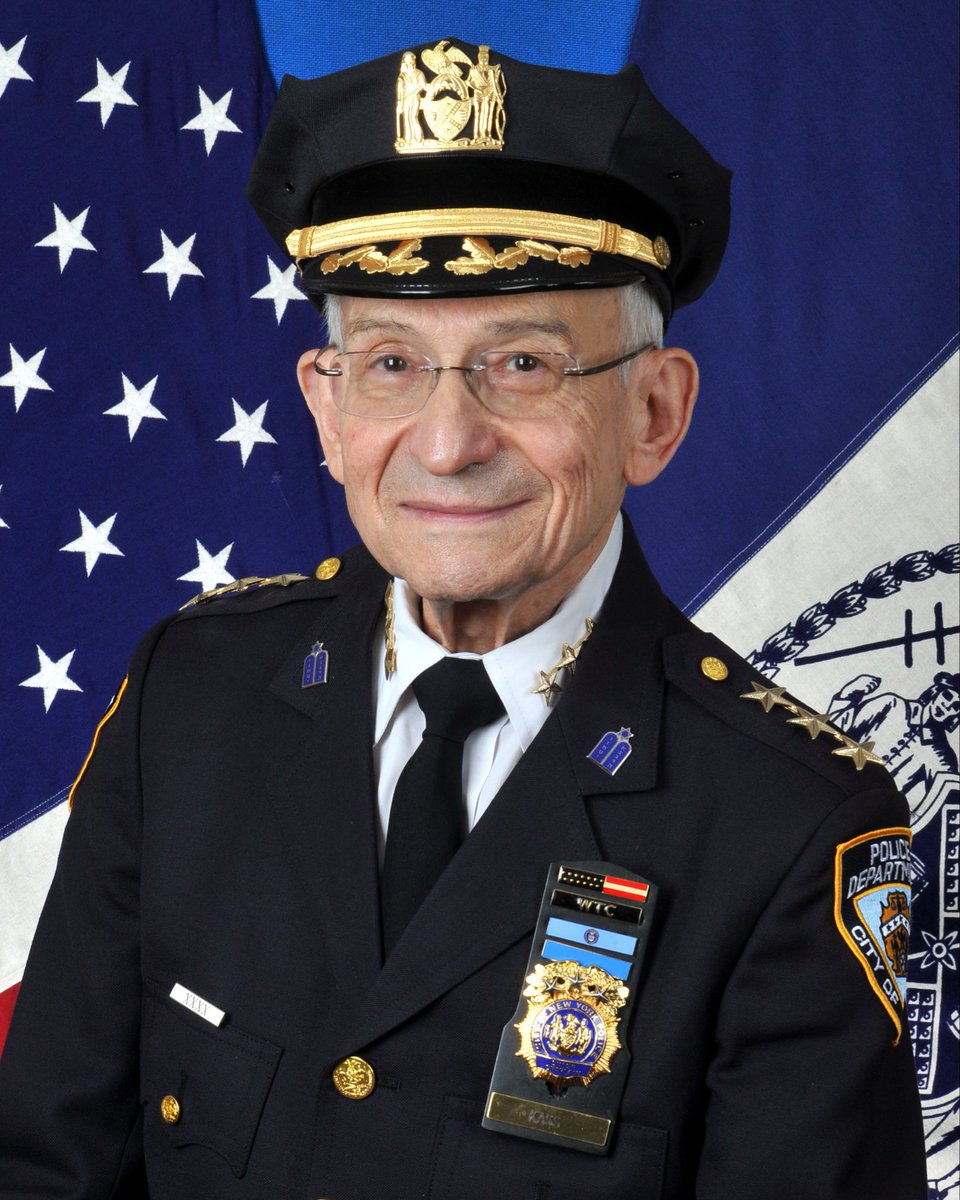
A great man was laid to rest on Friday. I had the distinct opportunity on many occasions to spend time with NYPD Chief Chaplain, Rabbi Alvin Kass ob"m. He was always gracious and kind but also very funny. I will always remember the words of wisdom and encouragement he offered me.
3
311
29 Oct 2025
Bd"h
29 Oct 2025

I am deeply saddened to share the passing of Rabbi Alvin Kass, our Chief Chaplain, and one of the longest-serving members of the New York City Police Department.
Rabbi Kass joined the NYPD in 1966, at the age of 30, becoming the youngest chaplain in the Department’s history. Nearly six decades later, he remained its spiritual heart — a source of strength, guidance, and faith for generations of police officers and their families.
A U.S. Air Force veteran and Columbia graduate, Rabbi Kass devoted his life to service, to this city, and to the women and men of the NYPD. He comforted the grieving, counseled the troubled, and reminded all of us of the deeper purpose in what we do.
He was among the first to respond after 9/11, consoling the families of the 23 officers we lost that day. And for more than half a century, he stood beside our members through moments of tragedy and triumph alike.
At every Police Academy graduation, Rabbi Kass offered his familiar blessing — a prayer that New York be “a place where people of every race, religion, color, and creed can pursue their individual destinies untrammeled, unafraid, and in obedience to Thy will.”
Today, that prayer belongs to all of us. And as we carry his words forward, we know he will still be watching over the city and the Department he loved.
His loss is immeasurable. His example is everlasting.
May his memory be a blessing.
121
Barry Spitzer retweeted

5 Aug 2025
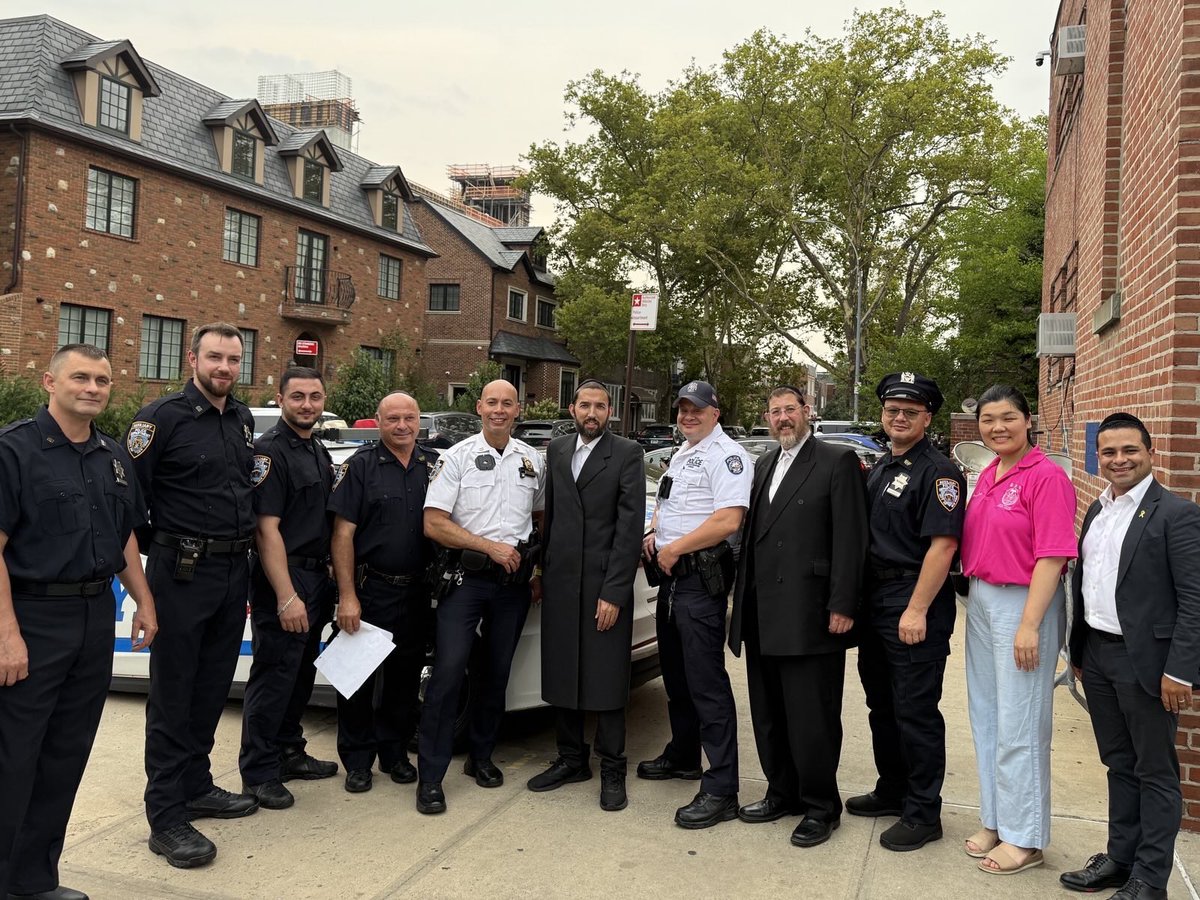
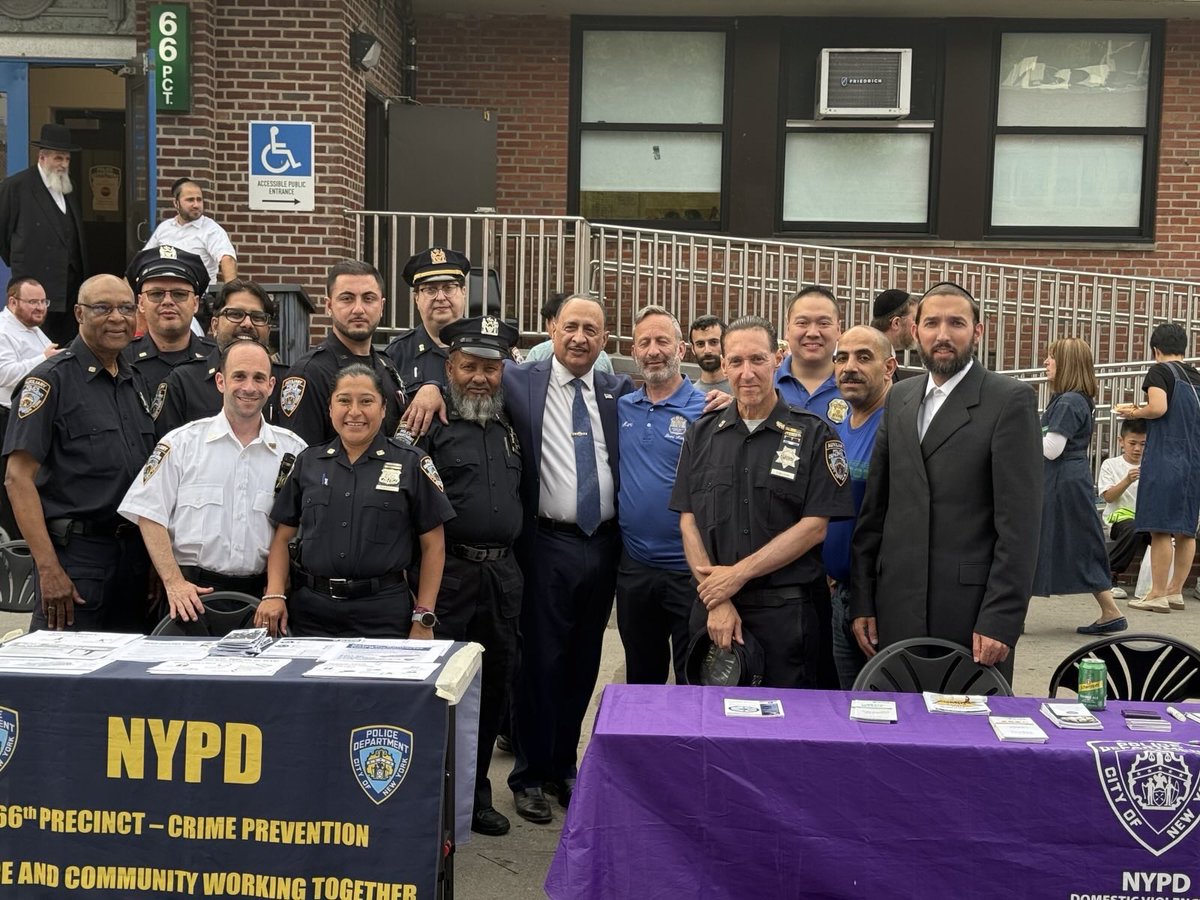
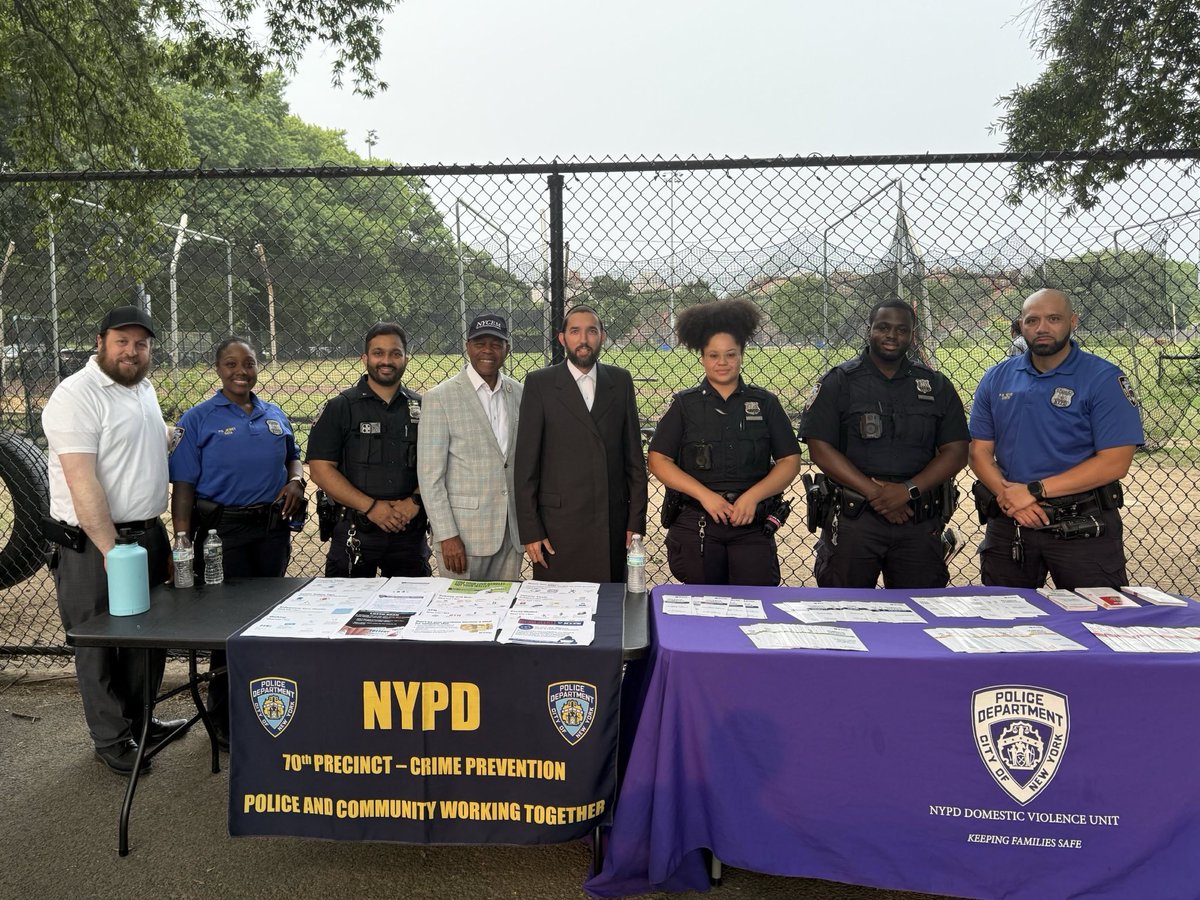
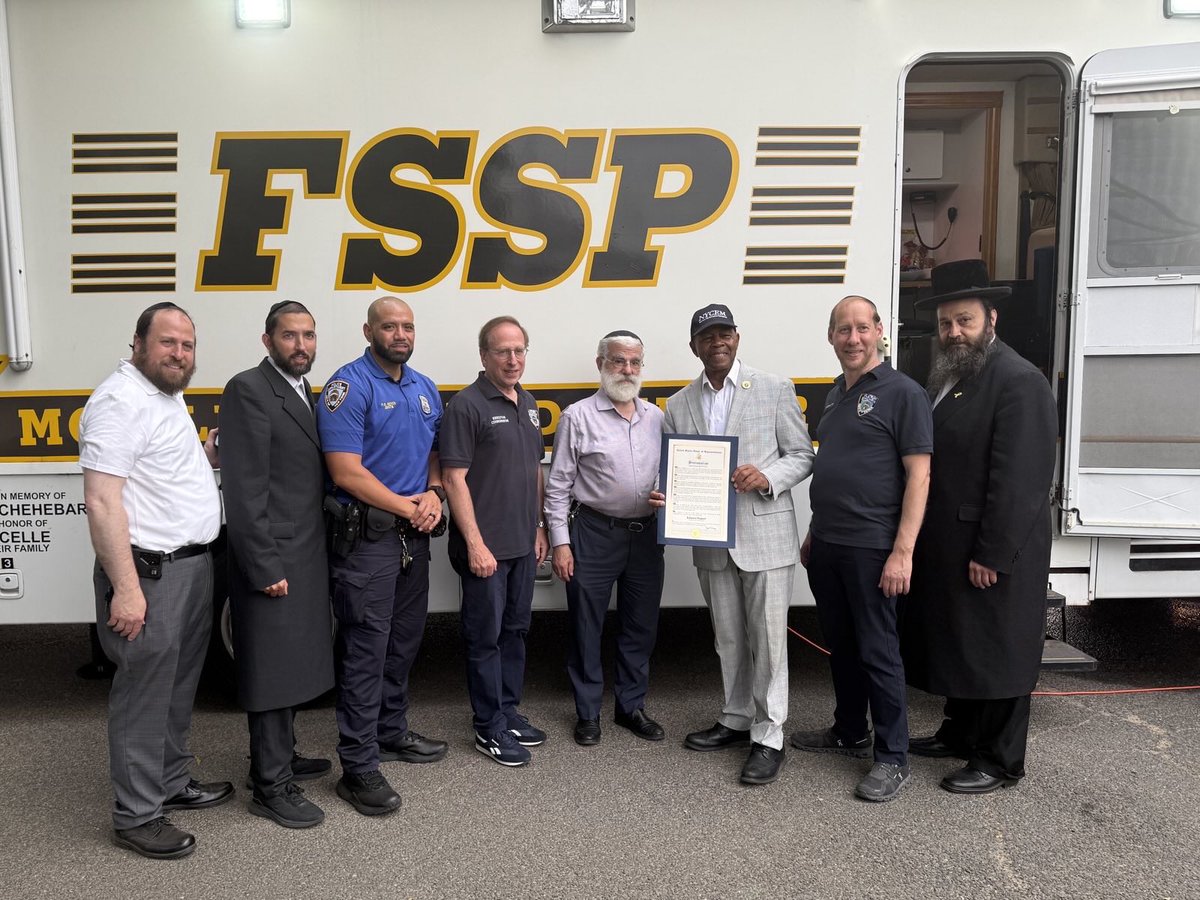
At tonight’s National Night Out I joined hundreds of local residents in expressing appreciation to our local law enforcement officers of @NYPD66Pct and @NYPD70Pct who work tirelessly to keep us safe and secure throughout the year.
11
20
1,935