Joined October 2015
- Tweets 4,759
- Following 435
- Followers 110
- Likes 53,616
582 Photos and videos











James Carr retweeted

May 26
Some notes on my work ethic:
-I last voted in Parliament on 18 March, so I haven’t done my job for ten weeks.
-I’ve never held any face-to-face constituency surgeries, despite apparently having £5 million to spend on security.
-I refuse to do interviews or face press scrutiny of any sort.
-when I was in the European Parliament I had the 4th worst attendance record out of 748 MEPs.
-although I did manage to turn up to vote AGAINST plans to tackle Russian misinformation.
-I was on the Fisheries Committee but I only turned up to ONE out of 42 meetings.
-but I will of course be taking my £73,000 EU pension.
Vote Reform, get lazy, grifting, self-serving sacks of shit.
45
2,049
5,173
78,328

May 15
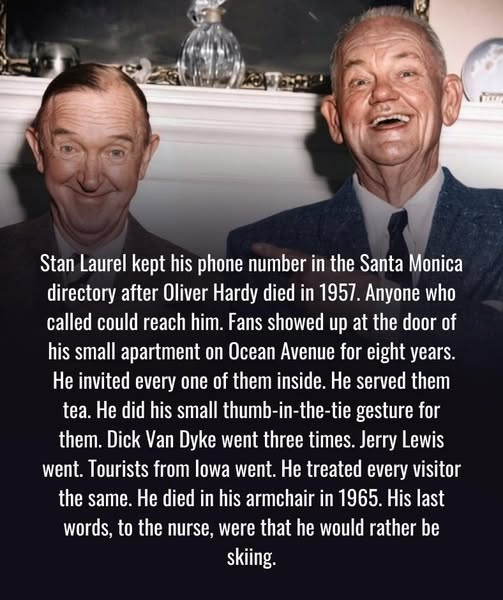
When someone asks the question of who, if you could meet anyone, would you have loved to have met; mine has always been Stan Laurel

His phone number was in the book.
It was 1957. Oliver Hardy had died in August. Stan Laurel was sixty-seven years old. He was living in a small two-bedroom apartment at the Oceana on Ocean Avenue in Santa Monica. He had moved there after his last divorce because the rent was reasonable and it was within walking distance of the beach.
He had been Hardy's partner for thirty years. They had made over a hundred films together. They had been the most famous comedy duo in the world. They had not been wealthy — they had made most of their films for Hal Roach Studios on contracts that gave them almost nothing in residuals — and by the 1950s they had been living on personal appearance tours and what was left of their savings.
Hardy had a stroke in 1956. He had lost the ability to speak. Stan had visited him every week at his home in North Hollywood. He had sat by the bed and talked. Hardy could not answer. Stan had talked anyway.
Hardy died in August 1957. He weighed a hundred and forty pounds at the end. He had been three hundred at his peak.
Stan was too sick to attend the funeral.
He had been having his own health problems for years. A stroke of his own in 1955. Diabetes. He could no longer travel. The doctor had told him to stay in Santa Monica and rest.
He stayed.
He did not stop working. He could not. He had been writing comedy material for forty years, and he did not know how to do anything else, and the work was the thing that kept him from sitting in the apartment looking at the wall.
He wrote sketches for younger comedians. He answered fan mail. He kept his phone number listed in the Santa Monica directory under his own name. Anyone who wanted to call him could.
The fans started calling.
They started writing. They started showing up at the door. Word had gotten out, somehow, that the apartment number was easy to find. Tourists who had grown up watching the films would knock on the door of 849 Franklin Street, and Stan would open it.
He invited them in.
Every single one of them. For eight years.
He sat in his living room and talked to anyone who came. He served them tea. He showed them photographs from the films. He answered questions. He did his small thumb-in-the-tie gesture that he had done at the end of every film. He laughed at his own jokes and theirs.
He did not have an assistant. He did not have a secretary. He did not have security. He had his second wife, Ida, who made coffee and brought out cake. He did the rest himself.
He did this for hundreds of people.
Filmmakers who would later become famous — Dick Van Dyke, Jerry Lewis, Marcel Marceau, Peter Sellers, the writer Larry Harmon — came to the apartment because they had heard the door was open. So did tourists from Iowa. So did salesmen from Toronto. So did teenagers from Glendale who had ridden the bus across town. He gave them all the same hour.
Dick Van Dyke later said that Stan Laurel had taught him everything he had ever learned about comedy. He said he had gone to that apartment three times in five years. The first time, Stan had sat with him for four hours.
In 1961, Stan was given a special Academy Award for his contribution to comedy. He could not travel to the ceremony. Danny Kaye accepted on his behalf and read a short speech Stan had written. The speech ended with one line, which Stan had insisted on.
The line was: I wish my partner could share this with me. He was the funnier of the two of us.
Stan kept the Oscar on a bookshelf in the apartment. He showed it to fans when they asked. He let them hold it. He told them which year it was for. He never said it had been awarded to him alone. He always said it was for the two of them.
He died in February 1965. He was seventy-four. Heart attack. He had been resting in his armchair in the apartment. The nurse who was attending him in his last weeks had stepped into the kitchen. When she came back, he was gone.
His last words, spoken to the nurse minutes before, were about skiing. He had said he would rather be skiing. She had asked him if he liked to ski. He had said no, he had never skied in his life, but he would rather be doing that than what he was doing.
Then he laughed.
Then he died.
Dick Van Dyke gave the eulogy at the funeral. He said one line that became famous in comedy circles afterward. He said: a man like Stan Laurel doesn't really die. The thing he made is the thing that survives him.
The phone number in the Santa Monica directory was removed by Ida the week after the funeral. She kept the apartment for another two years. Fans still came to the door. She told them, kindly, that Stan was gone.
Some of them had not known.
She invited them in for tea anyway. She showed them the photographs. She told them stories. She did this for two years before she could bear to move out.
Some people, in the last act of their life, keep the door open to anyone who knocks, because they have nothing left to give but their time, and they discover, surprisingly, that their time is the only thing anyone had ever really wanted from them
29


James Carr retweeted

May 9
Paris, juillet 1944.
La baignoire est remplie d'eau glacée.
La femme détenue en dessous n'a pas parlé depuis trois jours. Les agents de la Gestapo lui enfoncent à nouveau la tête sous la surface. Lorsqu'ils la relèvent, haletant et tremblant, ils posent les mêmes questions qu'ils se posent depuis le moment où ils l'ont arrêtée.
Noms. Des refuges. Contacts de résistance. Emplacements.
Elle ne dit rien.
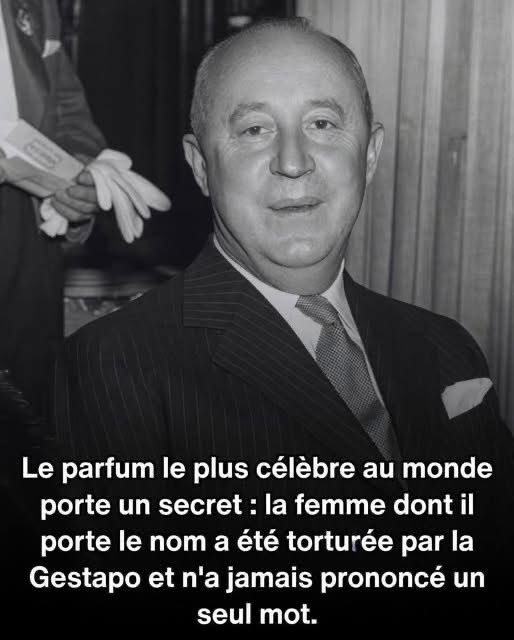
Elle s'appelait Catherine Dior – et presque personne ne se souvient d'elle.
Ayant grandi riche dans la France des années 1920, Catherine semblait destinée à une vie tranquille et privilégiée. Puis la guerre est arrivée. Puis les nazis envahirent Paris. Et Catherine a fait un choix qui allait presque tout lui coûter.
Elle rejoint la Résistance française.
En tant que coursière du réseau de renseignement F2, elle s'est déplacée à travers la France occupée avec quelque chose de plus dangereux que n'importe quelle arme : des informations. Positions des troupes. Itinéraires de ravitaillement. Plans de bataille. Emplacements des refuges. Elle a tout mémorisé et l'a gardé enfermé dans son esprit, parce que son esprit était le seul endroit où la Gestapo ne pouvait pas fouiller.
Jusqu'à ce qu'ils l'arrêtent.
La torture n'était pas une punition. Il s’agissait d’une tentative d’extraire tout ce qui était stocké dans sa tête – des noms et des lieux valant des dizaines de vies. Bains de glace. Des coups. Privation de sommeil. Des techniques conçues par des personnes qui avaient passé des années à perfectionner la science de la destruction des êtres humains.
Catherine Dior n'a jamais fait faillite.
Pas un nom. Pas un seul endroit. Pas une seule planque. Son silence est devenu un bouclier pour tous les résistants qui ne savaient jamais à quel point ils étaient sur le point d'être attrapés.
La Gestapo a finalement renoncé à tenter de la briser. À la place, ils l'ont envoyée dans un endroit pire.
Ravensbrück. L'un des camps de concentration les plus brutaux de l'Allemagne nazie. Elle est arrivée sous le numéro de prisonnière 57813. Autour d'elle, des femmes mouraient quotidiennement de faim, de maladie, de travail forcé et d'exécution. Catherine a survécu à tout cela – de justesse. Lorsque les forces alliées libérèrent le camp en mai 1945, elle en sortit avec un poids inférieur à 80 livres.
Elle est revenue dans une France célébrant la libération.
Elle aurait pu devenir une héroïne célèbre. Elle aurait pu écrire des mémoires. Elle aurait pu faire des discours sur tout ce qu'elle a enduré.
Au lieu de cela, Catherine Dior s'est rendue au marché aux fleurs.
Aux Halles de Paris, elle a travaillé tranquillement avec le jasmin et les roses – ses mains dans la terre au lieu de secrets, entourées de parfums au lieu de peur. Elle n'a pas cherché à être reconnue. Elle a choisi la beauté. Délibérément, tranquillement, complètement.
Deux ans plus tard, son jeune frère Christian s'apprêtait à lancer son premier parfum. Il n'arrivait pas à lui trouver le bon nom. Le parfum était extraordinaire – élégant, lumineux, ne ressemblant à rien d’autre.
Puis Catherine entra dans la pièce et quelqu'un dit : « Ah, voilà Miss Dior.
Christian l'a su instantanément. C'était le nom.
Les notes de cœur du parfum ? Jasmin et rose. Les fleurs exactes que sa sœur entretenait chaque jour au marché.
Miss Dior est l'un des parfums les plus emblématiques au monde depuis plus de 75 ans. Des millions de personnes l'ont porté. Des millions d’autres reconnaissent la bouteille à vue.
Presque aucun d’entre eux ne sait ce que porte ce nom.
Ils ne connaissent pas les bains de glace. Ils ne connaissent pas Ravensbrück. Ils ne connaissent pas la femme qui a protégé des dizaines de vies en refusant de parler – même si parler aurait mis fin à son agonie.
Ils vaporisent du jasmin et de la rose sans savoir que ces fleurs représentent une femme qui a choisi de devenir belle après avoir survécu au pire de ce que les êtres humains peuvent se faire les uns aux autres.
207
3,941
11,826
540,471
James Carr retweeted

May 8
Remembering the legendary film title designer Saul Bass, born on this day in 1920 ❣️With his mesmerizing graphic compositions, Bass transformed opening credits into an art form, collaborating with directors such as Otto Preminger, Hitchcock, Kubrick, and Scorsese.
9
335
1,187
98,989
James Carr retweeted

May 5
CNN montage of Trump saying he and private donors are going to pay for the ballroom, followed by clips of him lying about the cost: "$250 million... about $300 million... approximately 400 million."
Now taxpayers are going to get a bill for $1 billion.
695
9,413
23,231
746,918
May 6
Excellent post
May 5

Winston Churchill fought his depression with bricks. He'd lay them for hours at his country home in Kent. He joined the bricklayers' union. And in 1921 he wrote about why it worked. It took psychology another 75 years to catch up.
He called his depression the "Black Dog." It followed him for decades. His method for fighting it back was as basic as it sounds: laying brick after brick, hour after hour.
Churchill spelled out his theory in a long essay for The Strand Magazine. People who think for a living, he wrote, can't fix a tired brain just by resting it. They have to use a different part of themselves. The part that moves the eyes and the hands. Woodworking, chemistry, bookbinding, bricklaying, painting. Anything that drags the body into a problem the mind can't solve by itself.
Modern psychology now calls this behavioral activation. It's one of the most-studied depression treatments out there. Depression sets a behavior trap. You feel bad, so you stop doing things, and doing less means less to feel good about. Feeling worse makes you do even less. The loop tightens until you can't breathe inside it.
Behavioral activation breaks the loop from the action side. You schedule the activity first, even when every part of you doesn't want to. Doing it produces small rewards: a wall gets straighter, a painting fills in, a messy room gets clean. Those small rewards slowly rewire the brain. Action comes first, and the feeling follows.
Researchers at the University of Washington put this to the test in 2006. They studied 241 adults with major depression and compared three treatments: behavioral activation, regular talk therapy, and antidepressants. For the people who were most severely depressed, behavioral activation matched the drugs. It beat the talk therapy. A 2014 review of more than 1,500 patients across 26 trials backed up the result.
Physical work like bricklaying does something extra on top of this. It crowds out rumination, the looping bad thoughts that grind people down during the worst stretches of depression. Bricklaying needs both hands and gives feedback brick by brick: each one is straight or crooked. After an hour you can see exactly how much wall you built. No room left for the mental chewing.
The line George Mack used in his post, "depression hates a moving target," is good poetry. The science behind it is sharper. Depression hates a brain that has somewhere else to be.
4
May 6
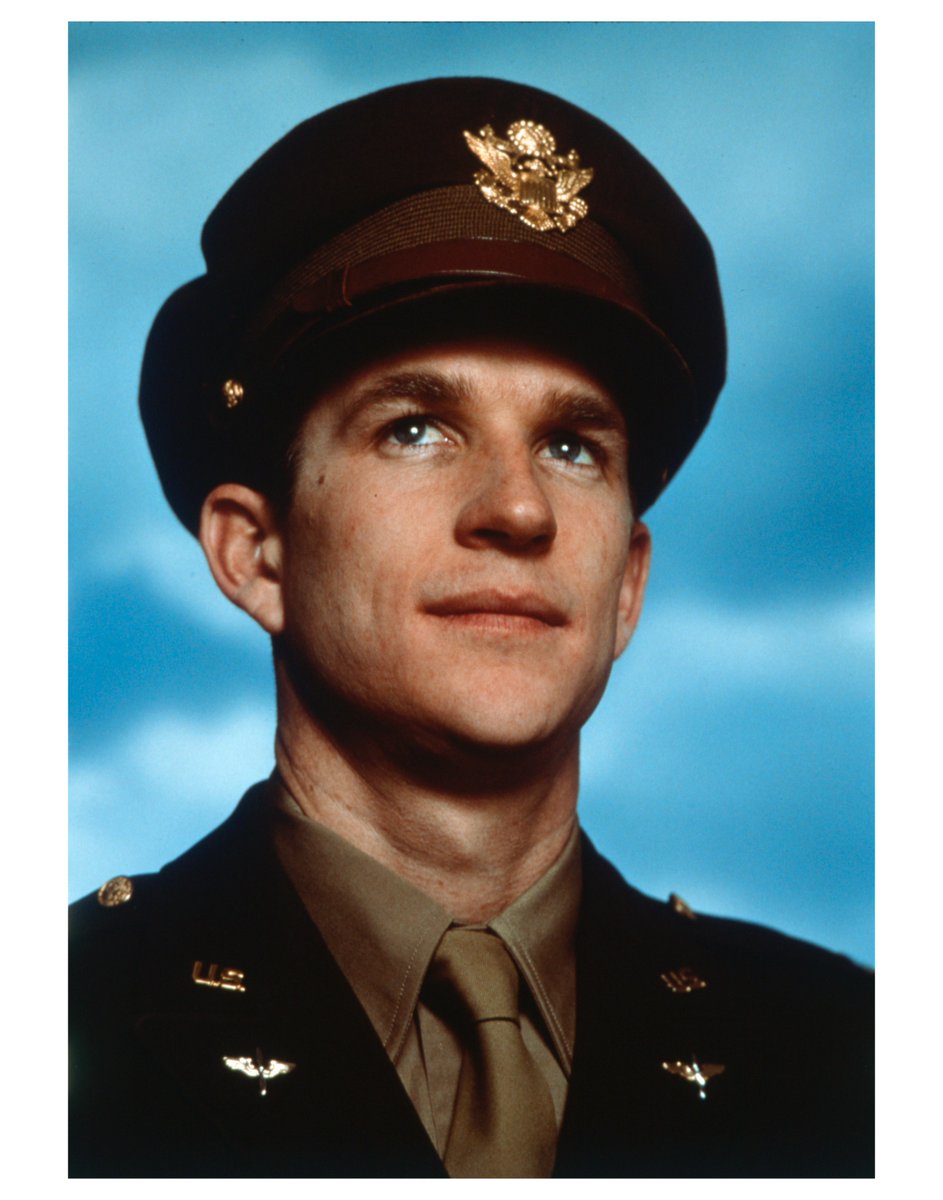
Love Memphis Belle. The air battles are amazing but it’s the interactions with the crew and the apprehension of the people back at the base that make it special
May 5

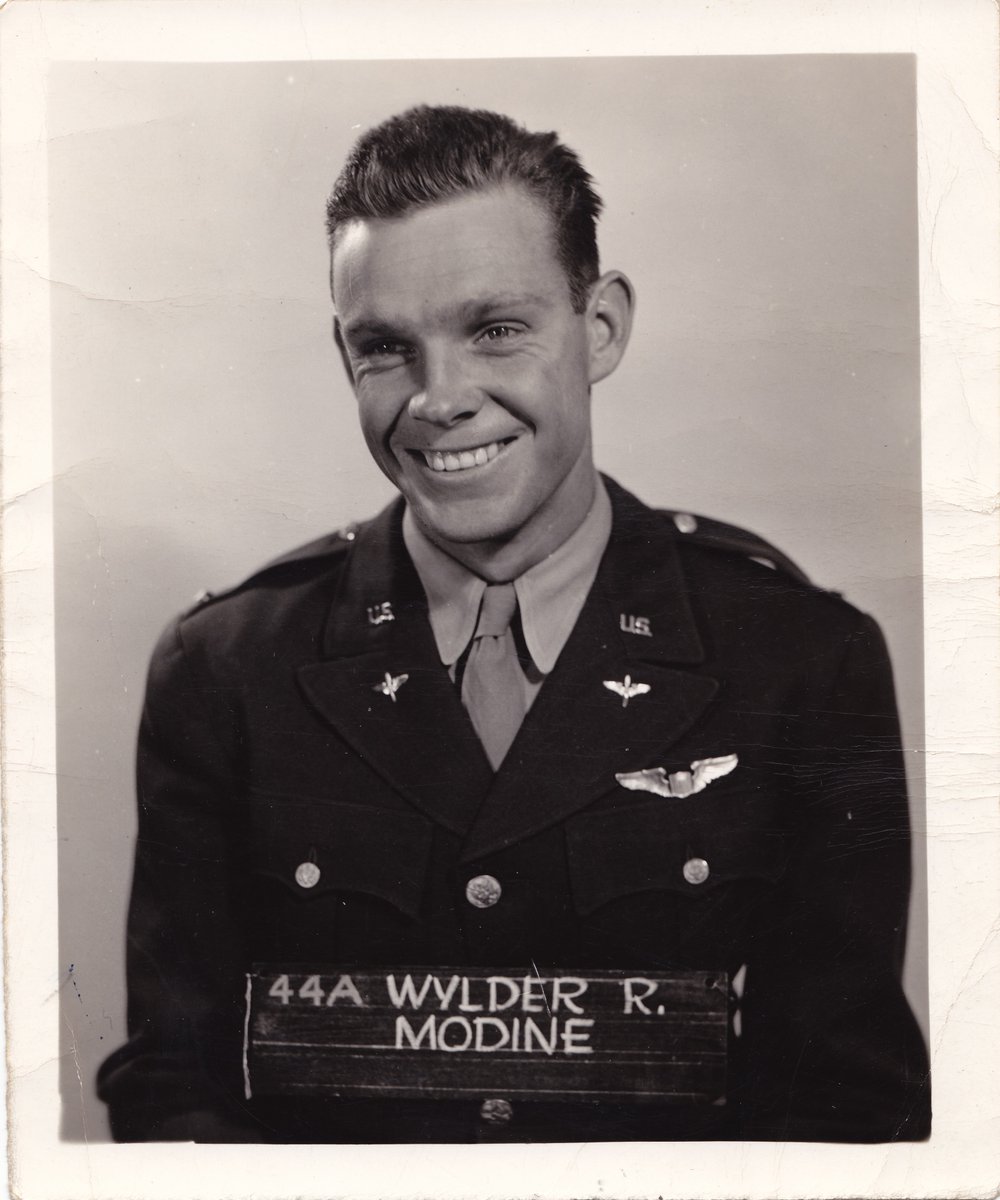
My uncle, Captain Wylder Modine, was a real B-17 "Flying Fortress" pilot during WWII. After returning from a bombing mission, he got hit by anti-aircraft fire and almost had his right arm taken off. He had his crew bail, but his co-pilot was shot up really bad and couldn’t parachute, so my uncle, with one arm, landed the heavily damaged B-17 in a field behind enemy lines. He was awarded the Air Medal and Purple Heart. I talked with him before making MEMPHIS BELLE in 1989. He gave me his dress uniform to wear in the film and said, “when you put that on, don't disrespect it.”
14
James Carr retweeted

DONALD TRUMP HAD ONE JOB HIS ENTIRE LIFE. REAL ESTATE DEVELOPER. THAT'S IT.
HERE WAS HIS CHANCE TO DO HIS ONLY JOB. BUILD THE BALLROOM ON TIME, ON SCHEDULE, FUNDED BY DONORS. AND HE FAILED, SPECTACULARLY.
ONE JOB HIS WHOLE LIFE AND HE STILL SUCKS AT IT. WHAT AN EPIC LOSER.

80
830
2,795
25,112
James Carr retweeted

How has this man survived in a war zone for four years without a ballroom?

113
954
4,463
38,029
James Carr retweeted
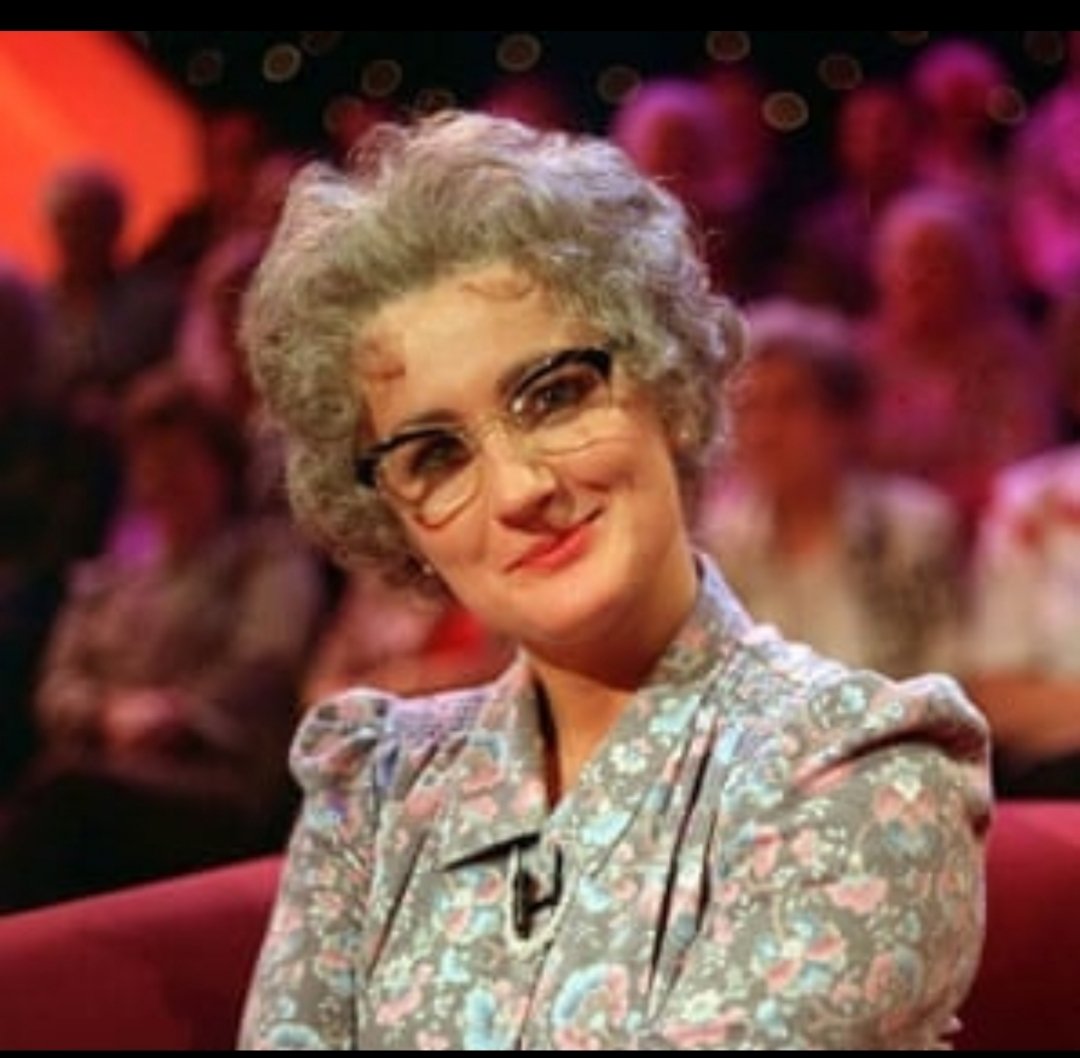
“So Mr Farage, what was it about the total lack of transparency of a system widely used by money launderers, Russian criminals and hackers that first attracted you to cryptocurrency?”
26
1,542
4,585
54,924
James Carr retweeted

Apr 27
Might try running a marathon now that I know it can be done in less than two hours
86
1,529
26,436
416,052
James Carr retweeted

Apr 25
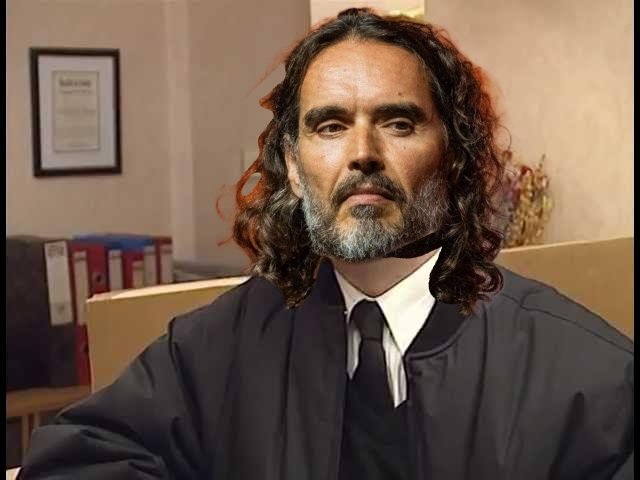
"Tough one, I think I'd have to say... the best of the Bible"
Apr 24

Piers Morgan asked Russell Brand which passages were relevant to him when he brought a Bible into court.
91
690
8,048
365,581
James Carr retweeted

Apr 24
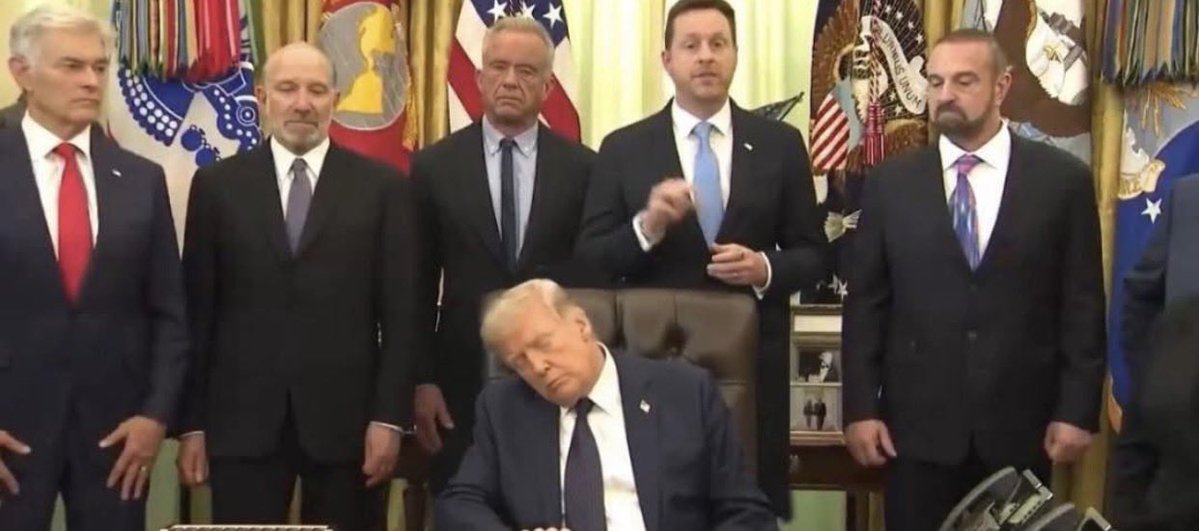
This photo should be on the front page of every single newspaper in America today.
5,852
52,161
195,368
4,399,396