Marketing Manager (Victoria Univ); Ex-Press Secretary to H.E Vice President of Uganda; Ex-Educ Editor (New Vision); CNN MultiChoice Awards Finalist (2016)
Joined December 2011
- Tweets 11,131
- Following 3,773
- Followers 5,029
- Likes 6,276
1,230 Photos and videos
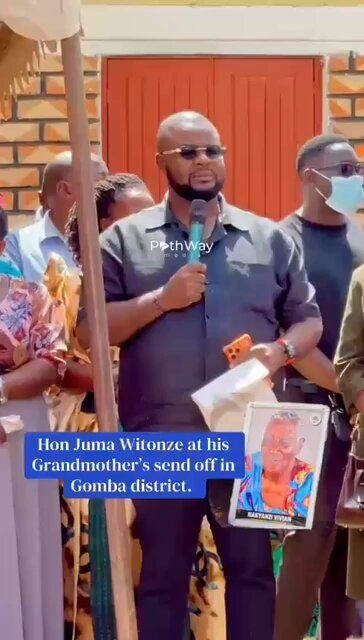

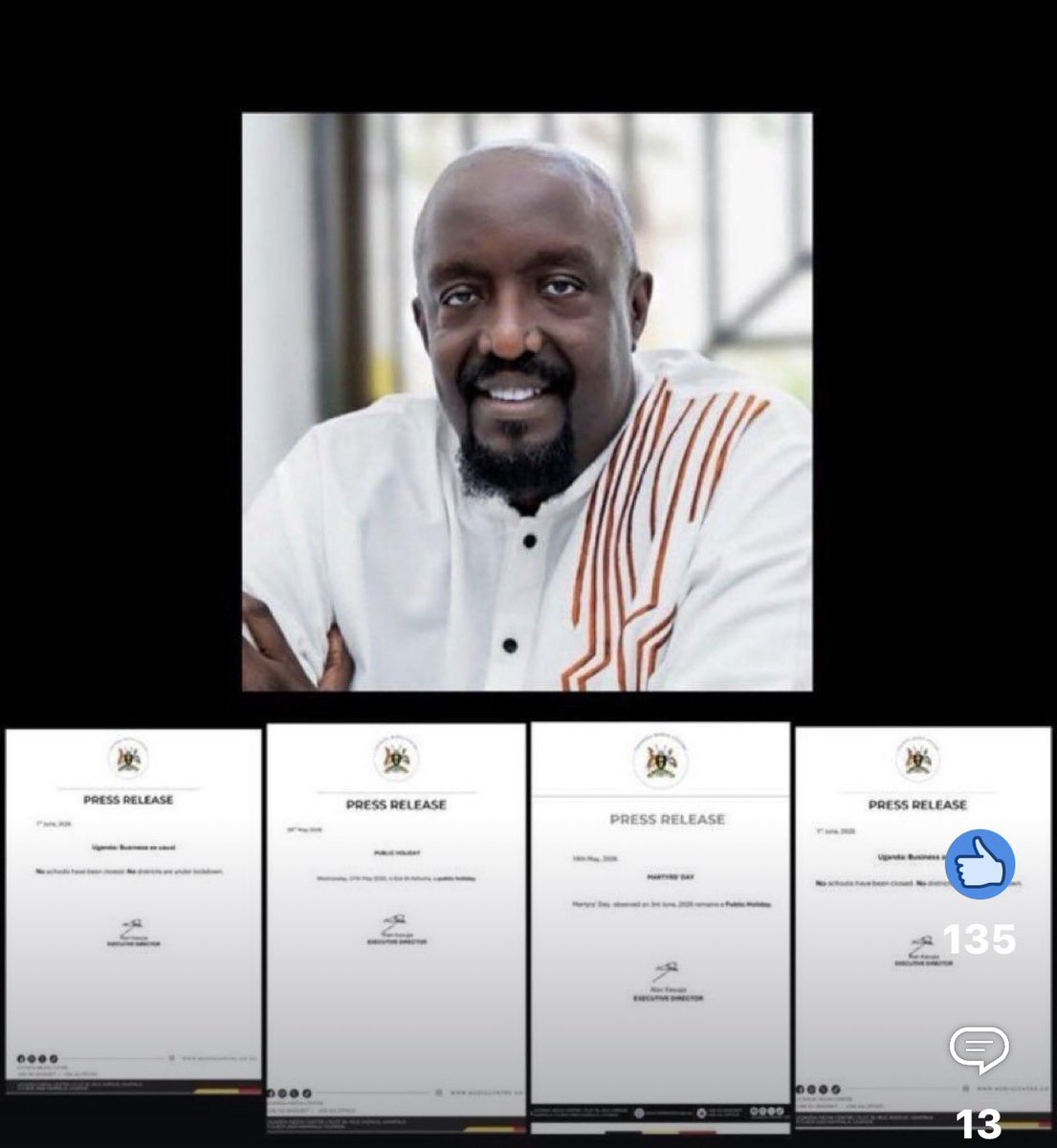
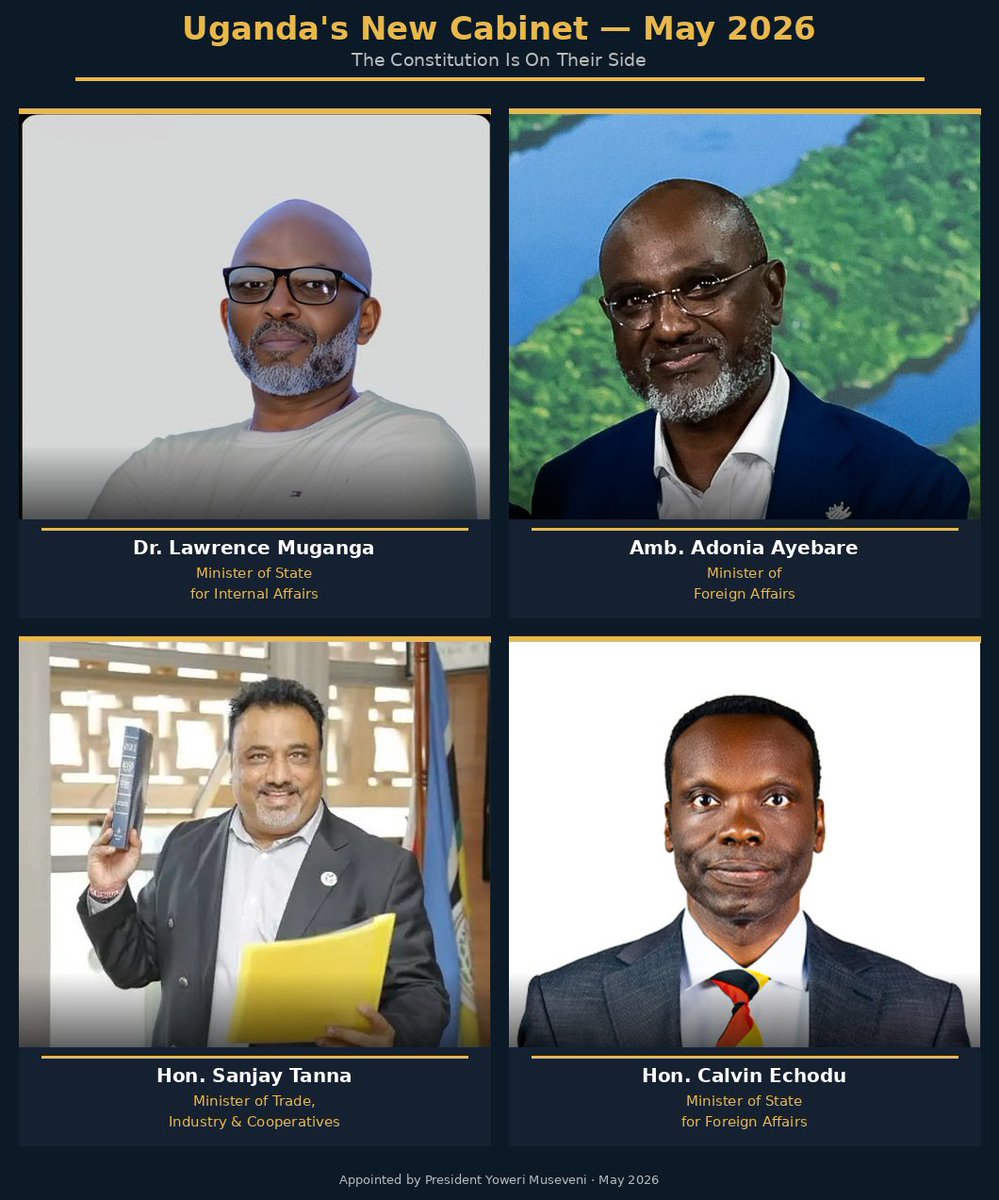
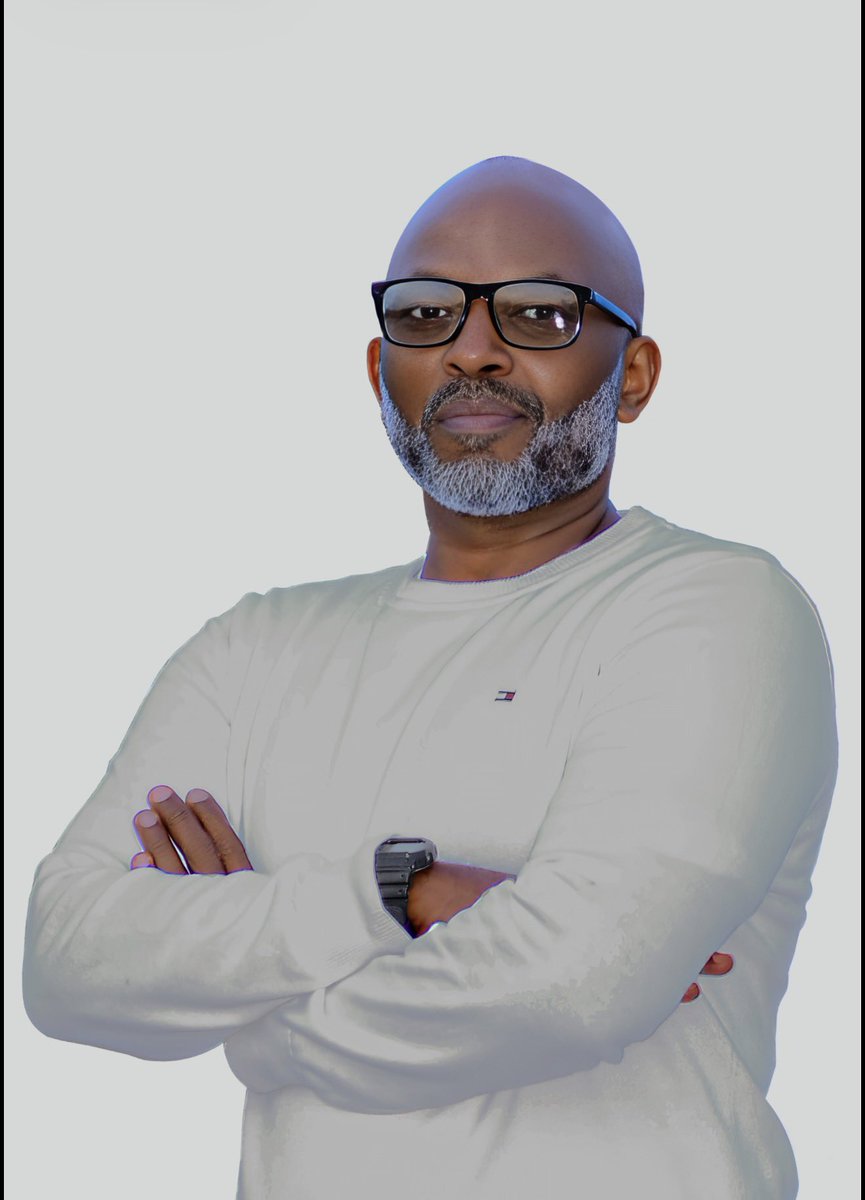
Prof. Muganga’s Leadership is in Our Interest
We should actively reject tribal segregation because it weakens institutions, fuels injustice, and undermines both national cohesion and African unity.
A case in point is the reaction from some quarters to the appointment of the Designate Minister of Internal Affairs, @ReachDrMuganga.
It is still surprising that some people find it difficult to accept that a fellow Ugandan can serve in Cabinet simply because of their tribal background. National leadership should be guided by competence, integrity, and service to the country—not ethnicity.
Uganda can only progress when we embrace merit, inclusion, and a shared national identity above tribal divisions.
We have a job to do; and with what he has done at @VUKampala and the rest of the education spectrum, and across the Globe; he is a great candidate to sit on the table of national leadership! Kiyamba Ffee (It’s in our favour as Ugandans).
1
2
68

Jun 11
Amazing! Hope it all gets better!
Community note
This video depicts an AI-generated fake, not the real FIFA World Cup 2026 opening ceremony. fifa.com/en/tournaments… cbsnews.com/news/2026-fifa…
2
114

Welcome Home
Jun 9

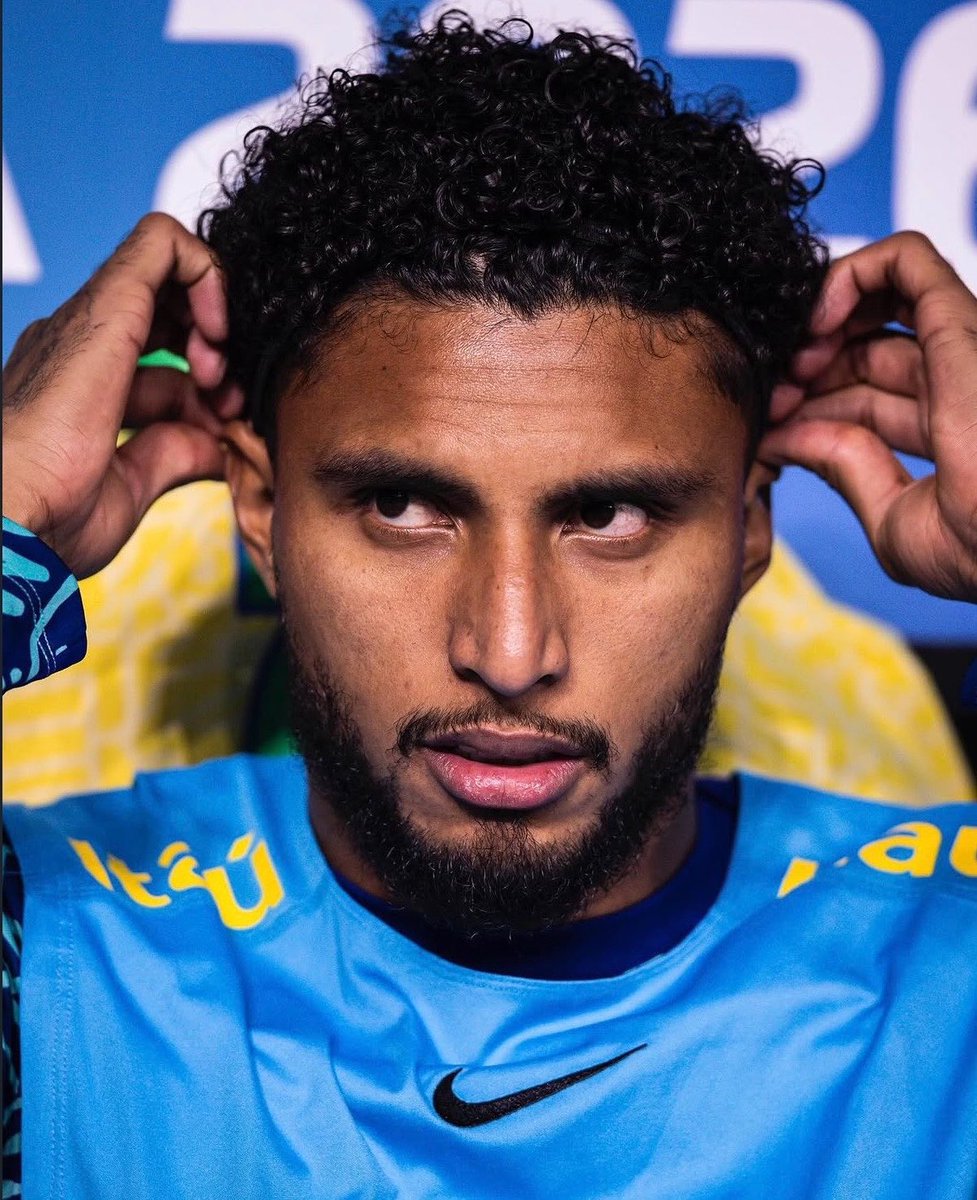
🚨Ederson on the enormity of Manchester United:
🗣️ “I was on holiday with my wife and kids when the gaffer Michael called me. He started telling me all about the club — the history, the ambitions for the new season — really trying to sell it to me. But in my head I was just thinking, ‘Mate, end the call already so I can jump on a plane and sign!’” (laughs)
“The moment that really shocked me? Has to be the Instagram thing. I’m not a social media guy at all — my wife runs it for me — but I knew I had around 300k followers. Then the transfer news dropped and overnight I was already on a million. That’s when you realise: this has to be the biggest club in the world.”

131
Divine Mukasa was born in England to a Ugandan father and a Lithuanian mother, which gives him Ugandan heritage through his paternal side. Because of this, he is eligible to represent Uganda at international level, alongside England and Lithuania.
Mukasa and his family have spent off‑season time in Uganda, described as his father’s country of birth. In interviews during such visits, he has spoken positively about enjoying Ugandan people and food, and local commentators emphasize that his family is keen to keep him aligned with his Ugandan roots.
Jun 9

We are delighted to announce that Divine Mukasa has signed a new long-term deal with the Club 🩵
1
166
Businge Conan Daniel retweeted

Jun 8
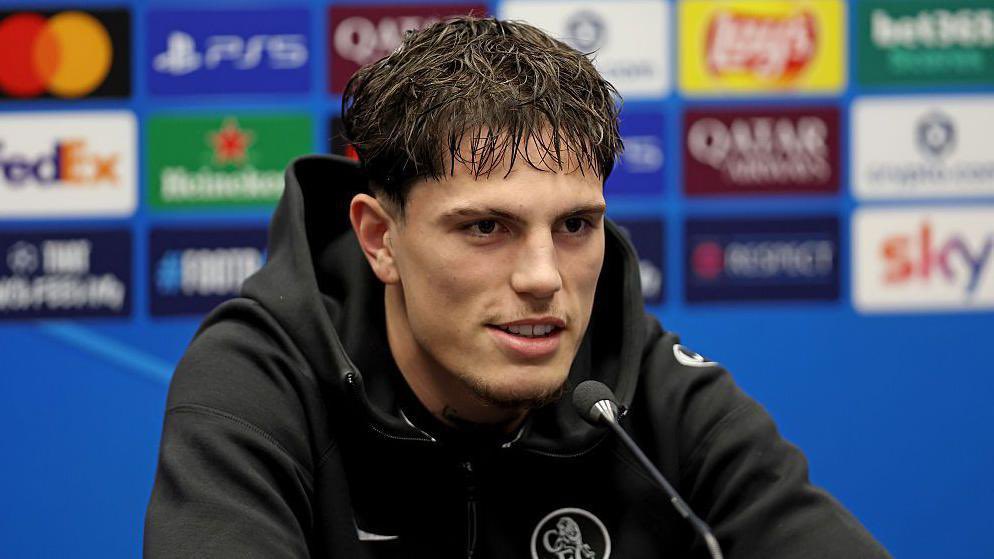
🚨 Alejandro Garnacho on the debate between Manchester United and Chelsea:
🗣️ “With all due respect to Chelsea, for me it’s Manchester United.
Chelsea is a huge club with a great history, great players and a winning culture.
But Manchester United is different.
The size of the club, the fanbase, the history, the legends that have worn the shirt it’s on another level.
No matter where you travel in the world, people know Manchester United.
As a young player, you grow up watching the club and dreaming about playing at Old Trafford.
When you become part of it, you understand why so many football legends wanted to represent Manchester United.
This isn’t disrespect to Chelsea because they’ve achieved incredible things.
It’s simply my opinion.
For me, Manchester United is one of the biggest clubs in football history and a club that will always be recognised around the world.”
{@footballontnt }

166
63
805
54,333
Businge Conan Daniel retweeted
Let’s settle this early: Who’s taking the 2026 World Cup in North America — Spain, France, Argentina, England, Brazil, Portugal, or a total underdog we’re all sleeping on? Drop your honest prediction and country below!
1
116
Businge Conan Daniel retweeted


2
7
122
Businge Conan Daniel retweeted
One Line, Many Meanings: Why I Support @kasujja Bold Move in Government Communication
Over the last few weeks, Uganda’s new style of one‑line press releases from the Uganda Media Centre has triggered a fierce debate. Some find them refreshing and modern; others see them as casual, risky or even unprofessional.
I sit firmly in the “support, but sharpen” camp.
For years, official communication has been dominated by long, dense statements that very few citizens, journalists or investors actually read. We have often mistaken length for seriousness. In a digital world where most people only ever see a headline, that model is no longer fit for purpose.
This is why I salute Allan Kasujja and his team.
By experimenting with short, sharp lines, they have done three important things. First, they have forced us to discuss the form of government communication, not just its content. Suddenly, we are talking about clarity, tone, rhythm, and how a message will look as a screenshot on someone’s phone. That is healthy.
Second, they have made the Uganda Media Centre visible again. Agree or disagree with individual statements, you cannot ignore them. In an environment of global information competition, visibility is not vanity – it is a strategic asset.
Third, they have shown courage. It is much easier to repeat the old bureaucratic style and avoid criticism. Trying something new in public, knowing it will attract scrutiny, is a leadership decision. On that alone, credit is due.
That said, the critics raise legitimate concerns that we should not dismiss.
Government communication is not entertainment. It guides decisions by citizens, journalists, investors, diplomats, insurers and development partners. These audiences need clarity, not cleverness for its own sake. A line that is too cryptic or playful can be misinterpreted, stripped of context and turned into an unhelpful meme – especially during sensitive moments.
For me, the answer is not to abandon one‑liners, but to give them structure and guardrails.
I see the one‑liner as the front door, not the whole house:
•The first line grabs attention and states the core fact or decision.
•A short follow‑up paragraph explains the basics: what has happened, why, who is affected, and what comes next.
•A link or attachment gives the full statement, data or legal detail for those who need depth.
With this “headline–explainer–detail” model, we keep the benefits of the new style – reach, memorability, shareability – while protecting what matters most: accuracy, context and trust.
To make this work, a few simple guardrails are essential:
•No “orphan” one‑liners on sensitive topics like security, elections or regional relations. They must always come with an immediate explainer.
•Test every line for how it might read out of context as a screenshot on WhatsApp. If it can be easily misunderstood, it needs rewriting.
•Avoid sarcasm and inside jokes. Official accounts should be human, but never flippant.
•Always anchor the line in at least one clear, verifiable fact.
Writing short is harder than writing long. That is why this innovation must go hand in hand with training and professional development for government communicators – in headline writing, crisis framing, storytelling ethics and digital behaviour.
If we get this right, Uganda has an opportunity to lead rather than follow. We can build a model of digital‑first seriousness: communication that is modern and engaging, but also disciplined, empathetic and credible.
So my view is simple:
•The old, wordy press release culture has reached its limits.
•The one‑liner approach is a brave and necessary disruption.
•With the right structure and safeguards, it can strengthen – not weaken – our national brand.
For that, Allan Kasujja and his team deserve not just criticism, but constructive support. They have opened the door. Let’s learn….
2
3
10
2,103
Welcome home Ederson!
Jun 7

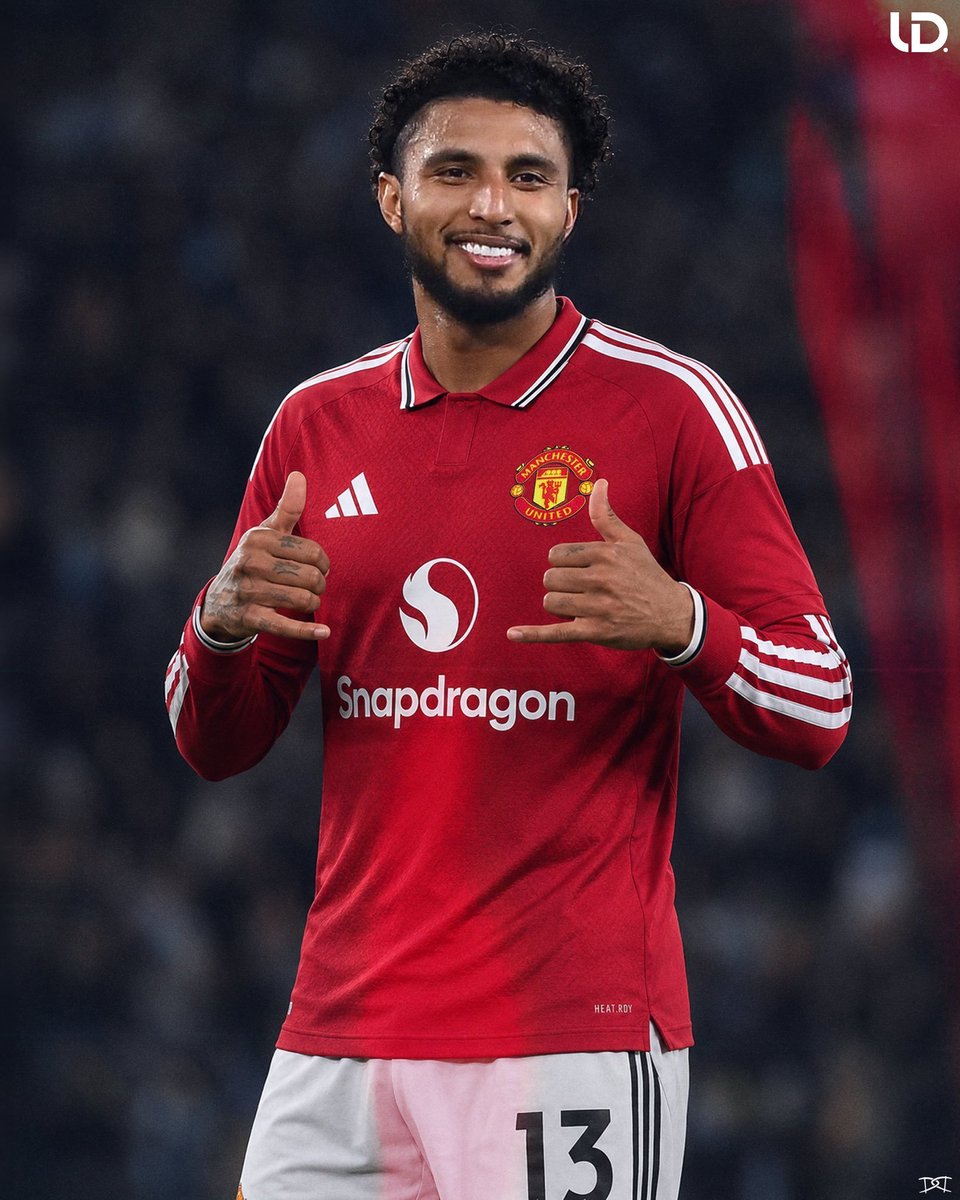
🚨 | BREAKING:
Ederson has been called up to Brazil's World Cup squad as a replacement for the injured Wesley! 🇧🇷
61
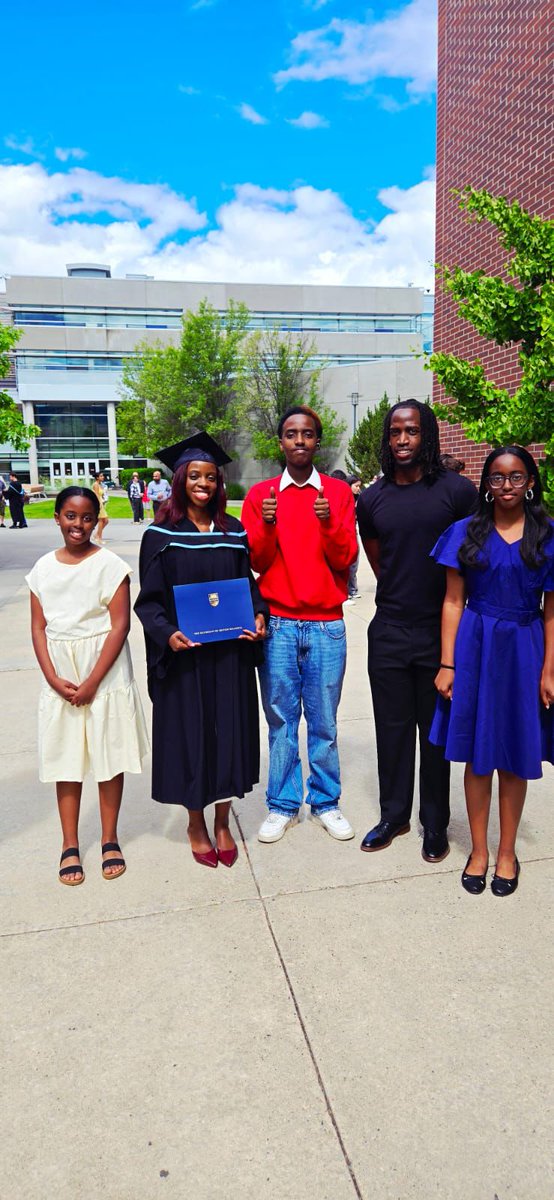
Congratulations, Mellisa! What an incredible achievement and a proud moment for our entire family. Your hard work, dedication, resilience, and determination have brought you this far, and this is only the beginning of even greater things ahead.
We have so much hope and confidence in you. Keep soaring, keep shining, and keep making us proud.
The future is bright, and we can’t wait to see all that you will accomplish. Congratulations once again, my dear niece! 🎓🎉❤️

My Dearest Melissa,
My heart is absolutely overflowing with joy today. You did it, my love!
Graduating with a Bachelor of Science in Biochemistry and Medical Molecular Biology from @UBC is no small feat, and you accomplished it with grace and brilliance. I could not be prouder of you.
And the celebration does not end there. You are heading straight into medical school. What an extraordinary accomplishment! From the time you were young, I knew you had something special within you. Watching you grow into the intelligent, compassionate, and driven young woman you are today has been one of the greatest privileges of my life.
Melissa, you are so much more than my daughter. You are my pride, my inspiration, and one of the greatest blessings I have ever known. Every late night spent studying, every obstacle you overcame, and every sacrifice you made has led to this moment. Take it all in and celebrate how far you have come.
The world of medicine is about to welcome a remarkable future doctor, and I feel incredibly fortunate to witness the beginning of that journey. As I write this, my eyes are filled with tears of joy and gratitude.
I love you to the moon and back, and then some more.
Congratulations, my beautiful daughter. Your future is bright, and I cannot wait to see all the lives you will touch and all the dreams you will achieve.
Forever your proudest Dad.



1
3
393
Prof @ReachDrMuganga is one of the most remarkable Ugandans of our time, yet many people still do not truly know him. Too often, he is judged from a distance by those who have never taken time to understand who he is, and that is deeply unfortunate. If more Ugandans appreciated his character, his integrity and his passion for genuine transformation, they would wish him only the very best on this journey.
Whatever twists and turns his journey may take, I know that wherever he is called to serve, he will distinguish himself as a great man and a nation builder.
Uganda urgently needs more leaders like him: disciplined, visionary, digitally minded reformers who can turn broken systems into transparent, efficient and accountable institutions that deliver real value to citizens.
How I wish more Ugandans truly understood who he is and what he stands for. If he is never given the opportunity to serve at the highest national level, it is the country that will lose, not him.
His track record, his ideas and his courage will remain, with or without a formal national office—and history will record the difference he has already made.
Bro, we will overcome!
13
6
27
5,969
One of our greatest weaknesses as a people is that we struggle to unite behind those who rise. Instead of coming together to encourage achievement, we often look for ways to tear down whoever stands up. The moment someone succeeds, acquires something, or reaches a position of influence, a section of society becomes more interested in questioning, attacking, or diminishing that success than understanding the effort and sacrifice behind it.
This mentality hurts us all. Nations develop when people inspire one another, share ideas, and create an environment where success is celebrated and replicated. But when every person who makes progress becomes a target, we discourage initiative and reward mediocrity. We cannot build a prosperous society if our instinct is to pull down every tree that grows taller than the rest.
Rather than being consumed by envy, we should cultivate the habit of wishing others well and learning from their achievements. If someone has managed to build, invest, or create opportunities, that should challenge us to do the same, not to spend our time hoping they fail. Progress is not a limited resource. Another person’s success does not take away our chance to succeed.
We must move away from the culture of pulling down whoever stands up and embrace a culture of lifting one another up. The energy spent attacking those who have achieved something could be better spent building our own ideas, businesses, communities, and institutions. Uganda will advance not when we become experts at criticizing success, but when we become a people who encourage excellence, celebrate enterprise, and inspire many more to rise.
2
133
📢 C-Talk Webinar Story | Global Conference Alliance Inc.
Thousands of students, researchers, and professionals aim to attend international conferences for global growth—but many face serious risks like fake invitation letters, scam conferences, and visa fraud 🚨
To help prevent these issues, C-Talk brings expert guidance to help participants stay safe and informed.
🎤 Host: Professor Dr. Afzalur Rahman (DBA, CITP, CPHR)
🎙️ Guest Speaker: Felicia Tsekumah (MA-RCIC-IRB)
💡 Key Takeaways:
✔️ Identify fake invitation letters
✔️ Recognize scam conference warning signs
✔️ Understand visa & immigration risks
✔️ Learn safe registration practices
📅 Date: June 04, 2026
🕚 Time: 11:00 AM – 12:00 PM PST
🎟️ Register (FREE): c-talk.globalconference.ca/
📌 Facebook Post: facebook.com/share/p/1VuysJ8…
Stay informed. Stay protected.
1
2
222